
10 mejores plataformas de comercio electrónico B2B para 2026

Las mejores plataformas de comercio electrónico B2B que deberías usar


Las plataformas de comercio electrónico B2B están diseñadas para el mundo real del comercio minorista B2B en línea, donde los pedidos al por mayor, los precios personalizados, las cadenas de aprobación de varios niveles y las integraciones con sistemas ERP heredados son simplemente parte de la rutina.
Si estás harto de adaptar herramientas DTC a las necesidades de tu negocio B2B, ya sabes por qué necesitas la plataforma B2B adecuada: aquí, la complejidad no es opcional, es una cuestión de supervivencia.
Con más de una década en las trincheras del comercio electrónico —ayudando a las marcas a desenredar sistemas imposibles y a lanzar tiendas en línea que sus compradores realmente quieren usar—, sé exactamente qué diferencia a una plataforma decente de una pesadilla de “por favor, que esto termine”.
Las mejores plataformas de comercio electrónico B2B gestionan precios basados en cuentas, roles para varios usuarios y condiciones negociadas, y se integran con el caos administrativo que ya tienes en funcionamiento.
El mercado está saturado, y no todas las plataformas “empresariales” merecen tu dinero (ni tus dolores de cabeza). A continuación encontrarás las plataformas de comercio electrónico B2B que realmente cumplen: seleccionadas, probadas y clasificadas por alguien que ha vivido todos los problemas de los que hablamos en esta página.
¿Listo para elegir tu próxima máquina de generar ingresos? Vamos a ayudarte a encontrarla.
Por qué confiar en nuestras recomendaciones de software
Nuestro equipo lleva probando y evaluando software desde 2012. Como líderes del sector retail, sabemos lo difícil —y lo importante— que es elegir el software adecuado.
Para esta guía, evaluamos las herramientas mediante pruebas prácticas e investigación independiente, puntuando las herramientas según nuestros criterios de selección.
Nuestras reseñas reflejan nuestro criterio independiente, no un discurso de ventas.
Comparación de las mejores plataformas de comercio electrónico B2B
Como siempre es más fácil comparar las cosas en formato de tabla, primero comparemos los precios, los detalles de las pruebas y los casos de uso más adecuados de estas soluciones de comercio B2B.
| Tool | Best For | Trial Info | Price | ||
|---|---|---|---|---|---|
| 1 | Mejor para operaciones de ventas de distribuidores | Prueba gratuita de 60 días disponible | Precio a consultar | Website | |
| 2 | Mejor plataforma headless para la orquestación B2B compleja | Demostración gratuita disponible | Precios bajo solicitud | Website | |
| 3 | Mejor ecommerce todo terreno con un fuerte ecosistema de aplicaciones | Prueba gratuita de 3 días disponible | Desde $37/mes (facturado anualmente) | Website | |
| 4 | Ideal para portales de autoservicio B2B en una DXP | Prueba gratuita disponible + demo gratis | Precio a consultar | Website | |
| 5 | Ideal para B2B integrado y flexibilidad headless | Prueba gratuita de 15 días + demo gratis disponible | Desde $29/mes (facturado anualmente) | Website | |
| 6 | Ideal para catálogos privados y precios para miembros | Plan gratuito disponible | Desde $17/mes | Website | |
| 7 | Mejor plataforma de comercio electrónico por sus funciones de personalización | Demostración gratuita | Precio bajo consulta | Website | |
| 8 | La mejor suite B2B de código abierto para mayoristas | Demostración gratuita | Precio bajo consulta | Website | |
| 9 | Ideal para comercio B2B nativo de CRM | Demostración gratuita | Precio bajo solicitud | Website | |
| 10 | Lo mejor para el despliegue rápido de un portal mayorista | Prueba gratuita de 14 días | Desde $350/mes | Website |
Las mejores plataformas de comercio electrónico B2B, analizadas
Hemos trabajado con cientos de marcas que se enfrentan exactamente a este panorama: ayudándolas a desenredar sistemas heredados, sincronizar herramientas del sistema administrativo y ofrecer experiencias de compra digitales que sus clientes realmente quieren.
Esta es la parte en la que te mostramos análisis breves de cada una de las principales plataformas de comercio electrónico B2B, incluido el motivo por el que las elegimos, en qué destacan, sus principales funciones, ventajas y desventajas, y capturas de pantalla de la interfaz.
Mejor para operaciones de ventas de distribuidores
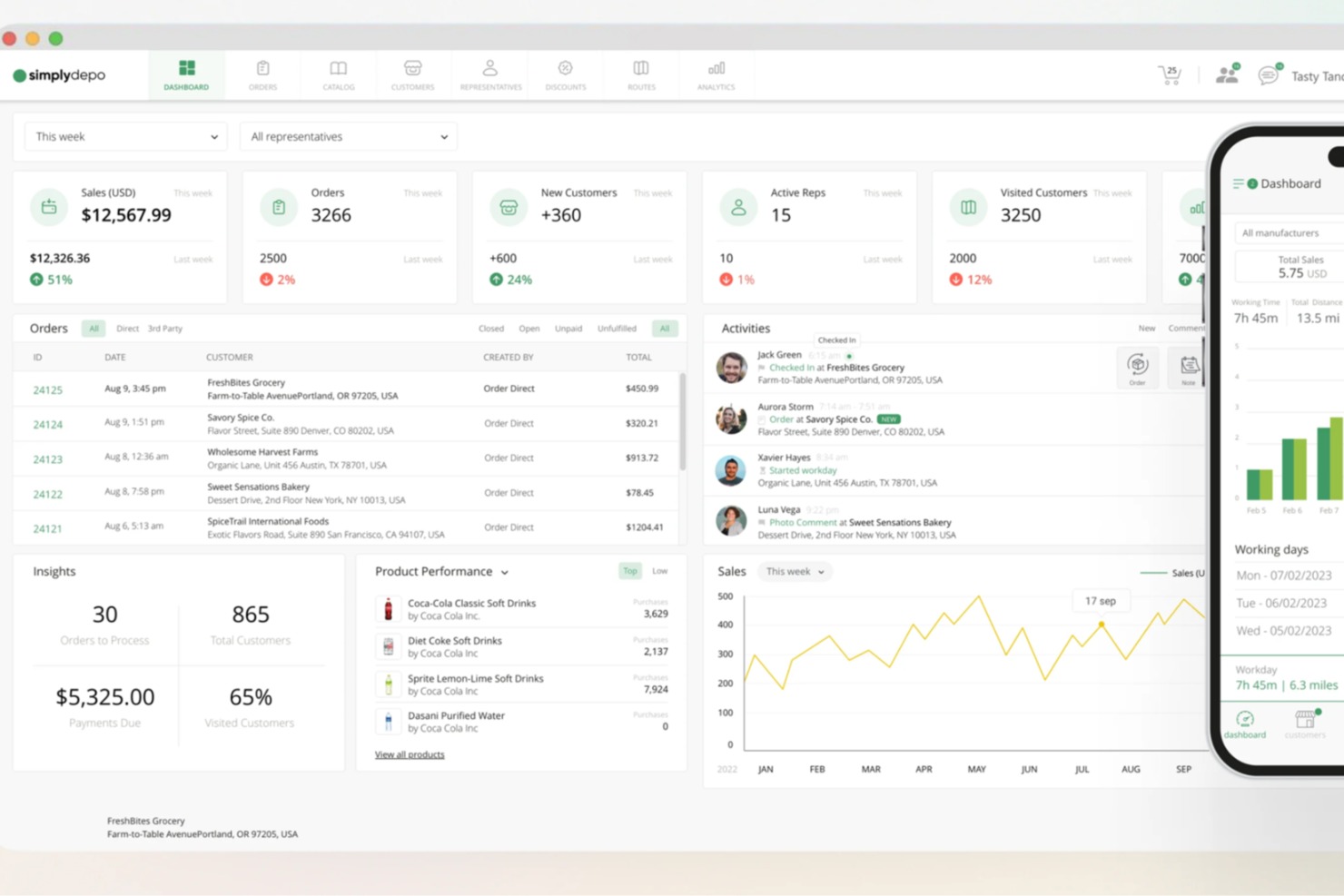
Si buscas una plataforma de comercio electrónico B2B que pueda optimizar tu distribución y ejecución en retail, SimplyDepo ofrece soluciones adaptadas que pueden alinearse perfectamente con tus necesidades. Es especialmente beneficioso para startups y empresas en crecimiento que buscan escalar sus operaciones, proporcionando herramientas integrales para la gestión de ventas, CRM y procesamiento de pedidos. Ya seas una marca, distribuidor o merchandiser, SimplyDepo está diseñado para ayudarte a mejorar la eficiencia y fortalecer las relaciones con los clientes.
Por qué elegí SimplyDepo
Elegí SimplyDepo por su capacidad de integrar de manera fluida las funcionalidades de gestión de ventas y CRM dentro de una sola plataforma, lo que lo convierte en un fuerte candidato para soluciones de comercio electrónico B2B. La función de gestión de pedidos B2B de la plataforma te permite manejar los pedidos de manera eficiente, reduciendo los tiempos de procesamiento y mejorando la eficiencia operativa. Además, su herramienta de planificación de rutas es fundamental para optimizar los horarios de entrega, lo que puede mejorar significativamente la satisfacción del cliente. Al centrarse en estas características específicas, SimplyDepo responde a las necesidades principales de las empresas que buscan agilizar sus procesos de ventas.
Características clave de SimplyDepo
Además de sus destacadas capacidades de gestión de ventas y CRM, también encontré interesantes estas funcionalidades:
- Ventas en campo: Esta funcionalidad permite que tu equipo de ventas capture pedidos directamente desde el campo, asegurando actualizaciones en tiempo real y reduciendo errores de ingreso manual.
- Gestión de distribución: Te ayuda a supervisar y optimizar todo el proceso de distribución, desde la gestión de inventario hasta la entrega.
- Ejecución en retail: Esta herramienta asegura que tus productos se exhiban y promocionen efectivamente en los entornos de venta minorista, optimizando la colocación en estanterías y las promociones.
- Historias de éxito de clientes: SimplyDepo ofrece acceso a testimonios reales que destacan el impacto de la plataforma en la eficiencia y el crecimiento de los ingresos.
Integraciones de SimplyDepo
SimplyDepo no lista actualmente integraciones nativas.
Pros and Cons
Pros:
- Gestión integral de ventas y distribución
- Potentes herramientas móviles para ventas en campo
- La planificación de rutas mejora la eficiencia de las entregas
Cons:
- No hay integraciones nativas listadas
- El precio no está disponible públicamente

Rierino
Mejor plataforma headless para la orquestación B2B compleja
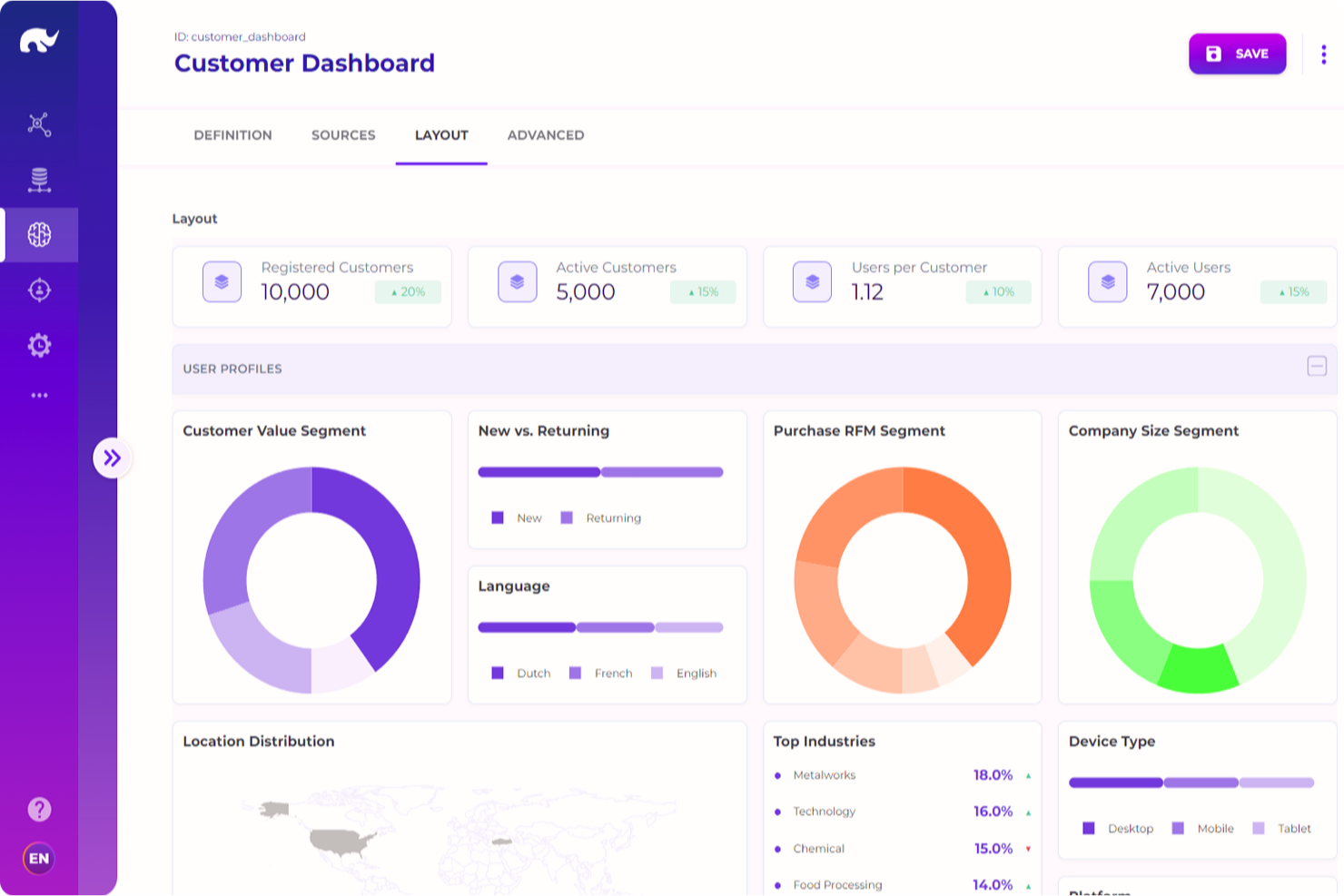
Rierino ayuda a fabricantes y distribuidores a dominar la complejidad B2B—precios por contrato, cotizaciones, aprobaciones—sin sacrificar la velocidad.
Está diseñado para equipos que gestionan catálogos desordenados y jerarquías de cuentas y que necesitan controlar datos, precios y la orquestación de pagos en portales y canales con poco o nada de código.
Por qué elegí Rierino
Elegí Rierino porque puedes gestionar términos contractuales y precios específicos para clientes a través de catálogos negociados y control de acceso basado en roles multinivel (RBAC), de modo que los compradores siempre ven el precio correcto.
Aceleras solicitudes de cambio—como una nueva regla de aprobación o una excepción de precios—por medio de flujos saga con poco o nada de código, en vez de reconstrucciones completas. Tu equipo reduce el ida y vuelta en cotizaciones con flujos integrados de cotización a pedido y propuestas imprimibles vinculadas a datos reales de precios.
Mantienes la consistencia de los datos en todos los canales usando un PIM central y mapeo de API, lo que reduce trabajo duplicado cuando cambian fichas técnicas o presentaciones.
Y mantienes la gobernanza estricta con registro de auditoría y entornos aislados, así los experimentos no afectan la producción.
Características clave de Rierino
Además de las herramientas de orquestación y precios mencionadas, estas son funciones prácticas que los equipos B2B realmente utilizan.
- Co-navegación e Impersonación: Guía a los compradores en vivo o haz pedidos en su nombre con los permisos adecuados.
- Registro de auditoría y controles de despliegue: Sigue cada cambio y promueve de forma segura entre desarrollo, pruebas y producción.
- Gestión de pedidos recurrentes y devoluciones a granel: Da soporte a compradores por contrato con re-pedidos rápidos y devoluciones integradas al ERP.
- Documentación automática OpenAPI: Genera documentación API en vivo desde tus flujos configurados para acelerar integraciones.
Integraciones de Rierino
Las integraciones incluyen SAP ERP, Stripe, Trustpilot, Redis, Elasticsearch, MongoDB, Kafka, PostgreSQL, OpenAI y Amazon Bedrock.
Pros and Cons
Pros:
- Los flujos saga low-code aceleran las actualizaciones de reglas y procesos.
- Catálogos negociados y precios por contrato reflejan las condiciones reales de B2B.
- El pago con múltiples carritos y basado en roles se adapta a jerarquías de cuentas complejas.
Cons:
- Ecosistema de aplicaciones publicadas menor que las suites empresariales tradicionales.
- El despliegue exitoso requiere modelado de datos y gobernanza previa.
New Product Updates from Rierino
Rierino Adds Interactive Debugging and Static API Endpoints
Rierino adds interactive debugging with
/api/test
execution tracing, AI-assisted troubleshooting, custom MDC attributes, and static content endpoints through the API Gateway. These help developers diagnose issues faster and create simple endpoints without a backend service. For more information, visit Rierino’s official site.
 .
.
Shopify
Mejor ecommerce todo terreno con un fuerte ecosistema de aplicaciones
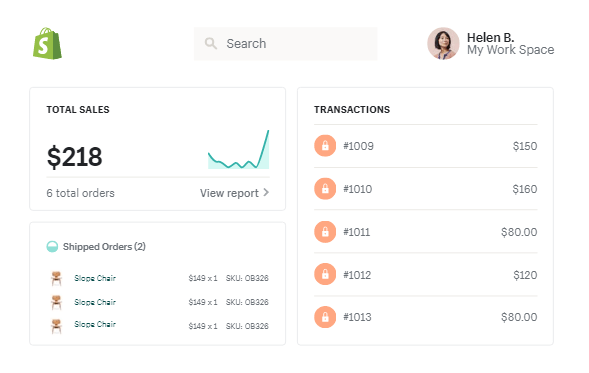
Shopify Plus ofrece a los mayoristas medianos y de nivel empresarial un solo lugar para gestionar DTC y B2B, sin tener que recurrir a extensiones improvisadas para cubrir necesidades básicas del canal mayorista.
Puedes crear catálogos y precios específicos para cada empresa, ofrecer condiciones de pago a plazos en el checkout y restringir el acceso para representantes o compradores, lo cual es ideal si gestionas contratos negociados o redes de distribuidores.
Por qué elegí Shopify Plus
Elegí Shopify Plus porque permite unificar B2B y DTC en una sola administración, para que tu equipo deje de mantener productos por duplicado; B2B en Shopify te permite publicar catálogos y listas de precios específicos desde el mismo backend.
Recibirás menos facturas manuales porque los compradores pueden finalizar la compra con condiciones de pago a plazos utilizando los términos de pago nativos durante el proceso de compra. Los comerciantes con estructuras de cuentas complejas se benefician de los perfiles de empresa y roles de comprador, que permiten asignar permisos, números de OC y reglas predeterminadas de pago/envío por ubicación.
Tu equipo de merchandising puede gestionar grandes pedidos de forma eficiente mediante listas de pedido rápido y reglas de cantidades, reduciendo el ida y vuelta en las reposiciones.
Y cuando el área financiera necesita registros claros, las listas de requerimientos y las órdenes preliminares capturan las aprobaciones antes de que el pago ingrese a tu contabilidad.
Funciones clave de Shopify Plus
Estas mejoras completan la caja de herramientas mayorista sin necesitar soluciones de terceros.
- Perfiles y roles de empresa: Modela cuentas con ubicaciones, permisos de comprador, números de OC y condiciones predeterminadas.
- Términos de pago en el checkout: Ofrece condiciones a plazos, fechas de vencimiento y flujos de 'pagar después' directamente en el checkout online.
- Catálogos específicos por empresa: Publica listas de productos/precios adaptados por empresa o ubicación para precios de contrato.
- Listas de pedido rápido: Permite a los compradores añadir varios SKUs frecuentes en bloque, acelerando reposiciones de grandes volúmenes desde una sola pantalla.
Integraciones de Shopify Plus
Las integraciones incluyen Shopify POS, Shop Pay, Shopify Flow, Shopify Markets, Shopify Functions, Shopify Tax, Shopify Audiences, Shopify Subscriptions, ShopifyQL Notebooks y Shopify Launchpad.
Pros and Cons
Pros:
- B2B nativo en Plus: catálogos, precios y condiciones en una sola administración.
- Los roles de comprador y reglas por ubicación reducen errores de aprobación y pedido.
- Las listas de pedido rápido agilizan las compras repetidas y a granel.
Cons:
- La sincronización avanzada con ERP y EDI suele requerir aplicaciones de terceros.
- Se aplican comisiones por transacción si no utilizas Shopify Payments en regiones compatibles.

LifeRay
Ideal para portales de autoservicio B2B en una DXP
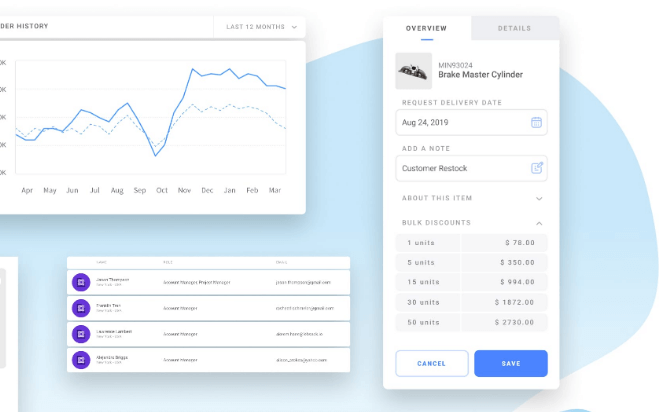
Liferay te ayuda a crear portales de autoservicio B2B donde los clientes pueden iniciar sesión, ver sus propios catálogos y precios, realizar pedidos y descargar documentación, todo sin tener que contactar a tu equipo.
Está dirigido principalmente a organizaciones industriales y empresariales que necesitan jerarquías de cuentas multinivel, contenido y comercio en un solo lugar, y una gobernanza estricta en distintas regiones.
Por qué elegí Liferay
Elegí Liferay porque combina el control real B2B con una DXP: tus clientes pueden comprar, abrir tickets y acceder a documentos desde un solo portal a través de contenido y comercio integrados.
Obtienes precios específicos para cada cliente mediante catálogos y contratos impulsados por reglas, de modo que cada cuenta ve los productos y términos correctos.
Tus administradores pueden reflejar organigramas complejos mediante cuentas anidadas y roles delegados, proporcionando aprobaciones y límites de gasto acordes a cómo trabaja cada comprador realmente.
Las herramientas de localización y flujos de trabajo mantienen la coherencia de catálogos globales, traducciones y lanzamientos, para que los equipos regionales no se desvíen. Si ya utilizas sistemas empresariales, los conectores listos para usar de Liferay y sus opciones de identidad hacen que se integre fácilmente en tu stack actual.
Funciones clave de Liferay
Más allá de las funciones básicas del portal, aquí tienes herramientas B2B prácticas que tu equipo realmente utilizará.
- Administración delegada de cuentas: Permite que los clientes gestionen usuarios, roles y límites de gasto dentro de la estructura de su propia empresa.
- Contratos y listas de precios: Adjunta términos contractuales, descuentos por volumen y listas de precios específicas para controlar lo que ve cada comprador.
- Plantillas de pedidos y listas de reposición: Guarda cestas frecuentes y repón rápido para compras repetidas basadas en contrato.
- Permisos según roles: Restringe catálogos, contenidos y flujos de trabajo por rol, sitio o región para cumplir con requisitos de cumplimiento.
Integraciones de Liferay
Las integraciones incluyen Salesforce, SAP, LDAP/Active Directory, SAML SSO, OpenID Connect, Elasticsearch.
Pros and Cons
Pros:
- Fuerte localización, flujos de trabajo y gobernanza para equipos multirregionales.
- Combina contenido, servicio y comercio en un solo portal para el cliente.
- Admite jerarquías organizacionales complejas, catálogos por contrato y aprobaciones.
Cons:
- Ecosistema de aplicaciones de terceros más pequeño que en las nubes de comercio líderes.
- La implementación puede ser compleja para equipos nuevos en DXP.

Ideal para B2B integrado y flexibilidad headless
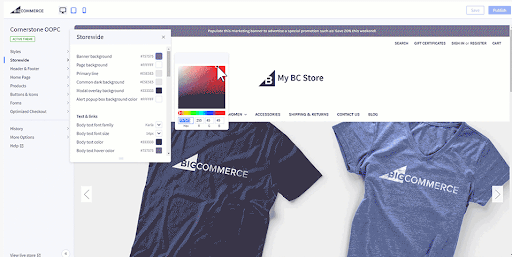
Para equipos de tamaño medio que venden a cuentas complejas, BigCommerce te ofrece controles B2B nativos—accesos por empresa, cotizaciones, pagos de facturas y precios específicos para cada cliente—sin tener que unir complementos de manera improvisada.
Es ideal para mayoristas y fabricantes que buscan una solución B2B potente hoy y la opción de volverse headless o implementar múltiples escaparates en el futuro.
Por qué elegí BigCommerce
Elegí BigCommerce porque permite el verdadero autoservicio B2B: tus compradores gestionan usuarios, pedidos recurrentes y facturas mediante cuentas de empresa y un Portal para Compradores.
Tu precio contractual se aplica en todos los sitios usando listas de precios vinculadas a grupos de clientes y escaparates, evitando que tus representantes dependan de hojas de cálculo. El equipo de ventas puede reducir el ida y vuelta emitiendo cotizaciones con tarifas negociadas y aprobaciones, convirtiéndolas en pedidos con un solo clic.
Si operas varias marcas o regiones, Multi-Storefront te permite centralizar el catálogo y las operaciones mientras habilitas funciones B2B por escaparate.
Y si más adelante tu equipo quiere mayor control, las APIs headless te permiten mantener la infraestructura B2B mientras cambias el frontend.
Funciones clave de BigCommerce
Además de esos controles B2B, aquí tienes algunas funciones prácticas que tu equipo realmente utilizará.
- Portal de Facturas y Órdenes de Compra: Permite que compradores aprobados paguen facturas y realicen pedidos por OC según términos preconfigurados.
- Listas de compra compartidas y pedido rápido: Los compradores crean listas, pegan SKUs y reordenan desde el historial para agilizar la reposición.
- Tarifas de transportista en tiempo real: Muestra cotizaciones en vivo de UPS, USPS y FedEx en el checkout para costos exactos.
- Billeteras digitales y pago acelerado: Ofrece opciones como Apple Pay, Amazon Pay y Link/Fastlane para reducir fricción en el pago.
Integraciones de BigCommerce
Las integraciones incluyen Avalara, Stripe, PayPal, Authorize.Net, Amazon Pay, Apple Pay, Google Pay, UPS, USPS y FedEx.
Pros and Cons
Pros:
- Cuentas de empresa, cotizaciones y pagos de facturas integrados para B2B.
- Listas de precios por variante vinculadas a escaparates y grupos de clientes.
- Con Multi-storefront gestionas sitios B2B segmentados de manera centralizada.
Cons:
- La flexibilidad de temas/diseño está por detrás de algunos competidores de site-builders.
- La edición B2B suma costo para equipos muy pequeños.

Wix
Ideal para catálogos privados y precios para miembros

Para pequeños y medianos mayoristas que desean lanzarse rápidamente, Wix te ofrece catálogos privados, precios exclusivos para miembros y ventas multicanal sin tener que suplicar tiempo al departamento de TI.
Puedes ocultar listas de precios mayoristas tras inicios de sesión, sincronizar productos con Amazon/eBay/Facebook/Pinterest y hacer seguimiento de conversiones con GA4 y Meta Pixel: es una solución sólida para equipos que están creando su primer portal B2B.
Por qué elegí Wix
Elegí Wix porque puedes restringir los precios para compradores aprobados usando el Área de Miembros y permisos de planes de precios—solo los clientes registrados ven las tarifas de mayoreo.
También consigues verdadero alcance multicanal al sincronizar productos con Amazon, eBay, Facebook y Pinterest directamente desde tu panel de administración. La atribución no es una incógnita, ya que GA4 y Meta Pixel+CAPI se integran para eventos de compra y agregados al carrito.
La transferencia a contabilidad está cubierta con el conector de QuickBooks Online, que envía pedidos, impuestos y clientes a tus libros contables. Si tus necesidades crecen, complementos B2B como SparkLayer añaden listas de pedidos rápidas y tablas de precios específicas por cliente.
Características clave de Wix
Esto es lo que complementa a los básicos B2B en el día a día.
- Impuesto de ventas automatizado: Calcula y aplica impuestos en el proceso de compra en regiones compatibles.
- Reglas de envío personalizadas: Establece métodos de transporte, tablas de tarifas y restricciones según ubicación para pedidos mayoristas.
- Recuperación de carritos abandonados: Recupera ingresos perdidos con seguimientos automáticos y cupones para compradores registrados.
- Pedidos y cotizaciones manuales: Crea pedidos desde el área administrativa para ventas telefónicas o asistidas por representante.
Integraciones de Wix
Las integraciones incluyen Google Analytics 4, Meta Pixel & Conversions API, Google Ads, Pinterest, Amazon, eBay, Mailchimp, HubSpot, QuickBooks Online y YouTube Shopping.
Pros and Cons
Pros:
- El acceso exclusivo para miembros permite precios mayoristas y acceso específico por cliente.
- La sincronización multicanal abarca Amazon, eBay, Facebook y Pinterest.
- GA4 y Meta Pixel+CAPI ofrecen una atribución fiable de compras.
Cons:
- Las funciones B2B avanzadas requieren SparkLayer u otros complementos.
- Las conexiones a marketplaces suelen depender de aplicaciones de terceros de pago.

Mejor plataforma de comercio electrónico por sus funciones de personalización
Optimizely (anteriormente Episerver) está diseñado para fabricantes y distribuidores que dependen absolutamente de precios por contrato, catálogos específicos para clientes y aprobaciones.
Obtienes la experimentación integrada en el comercio y el CMS, así tu equipo puede probar búsquedas, promociones y diseños con compradores B2B reales, no suposiciones.
Por qué elegí Optimizely
Elegí Optimizely porque puedes personalizar y probar todo el recorrido de compra: tu equipo ejecuta pruebas A/B en páginas de productos y navegación, luego vincula a los ganadores con precios basados en reglas y segmentación de contenidos.
Para cuentas complejas, puedes mostrar catálogos negociados e inventarios a nivel de sucursal usando jerarquías de cuentas integradas y segmentos de clientes. El equipo de operaciones de ventas obtiene herramientas de cotización y pedido en representación, así los representantes pueden mover pedidos sin ingresar al ERP.
Los equipos de compras tampoco quedan fuera: puedes ofrecer soporte para PunchOut, aprobaciones y términos de pago desde el propio proceso de compra.
El diferenciador es el ecosistema de conectores, que reduce la necesidad de desarrollos personalizados al sincronizar clientes, precios, impuestos y pedidos con tu back office.
Características clave de Optimizely
Además de las pruebas y precios específicos por cuenta, aquí tienes algunas herramientas listas para B2B que realmente usarás.
- Herramientas de cotización y aprobaciones: Genera cotizaciones, captura aprobaciones y conviértelas en pedidos sin salir de la tienda online.
- Herramientas para representantes de ventas: Finge ser clientes, realiza pedidos en representación y gestiona listas de cuentas para compradores clave.
- Visibilidad de inventario por sucursal: Muestra disponibilidad por almacén o ubicación para enrutar pedidos correctamente.
- Soporte PunchOut: Conecta sistemas de compras de los compradores mediante cXML para mantener la conformidad de compras empresariales.
Integraciones de Optimizely
Las integraciones incluyen Microsoft Dynamics 365, Acumatica, Infor CSD, Infor SX.e, Epicor Prophet 21, IFS Aurena (Cloud), Avalara, Vertex, CyberSource y cXML PunchOut.
Pros and Cons
Pros:
- Las pruebas A/B se conectan con reglas de precios y contenido, demostrando impacto en ingresos.
- Conectores ERP nativos agilizan la sincronización de clientes, precios y pedidos.
- Las jerarquías de cuentas soportan catálogos, condiciones y existencias por sucursal.
Cons:
- El precio es personalizado: el coste total puede ser alto para necesidades más simples.
- La implementación requiere sólidos recursos de desarrollo y una gestión de datos clara.

La mejor suite B2B de código abierto para mayoristas
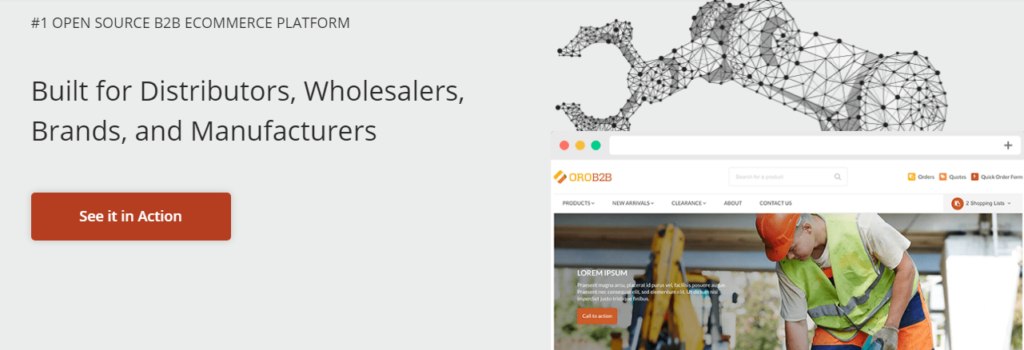
Para mayoristas y distribuidores con flujos de precios y aprobaciones complejos, OroCommerce te permite gestionar RFQs, cotizaciones y múltiples listas de precios sin soluciones improvisadas ni plugins adheridos.
Es ideal para equipos medianos y empresariales que necesitan compras basadas en cuentas, términos negociados y conexiones estrechas con ERP/CRM, además de la opción de alojarlo en tus propios servidores.
Por qué elegí OroCommerce
Elegí OroCommerce porque tu equipo puede ejecutar verdaderos procesos B2B—RFQ→cotización→pedido—directamente en la tienda en línea, respaldados por aprobaciones según el rol y jerarquías de cuentas.
Puedes modelar condiciones específicas de cada cliente mediante listas de precios combinadas, listas de compras y precios por contrato, de modo que los acuerdos negociados realmente se reflejan en la caja. El CRM integrado ofrece a ventas y servicio una única vista de los compradores, lo cual rinde frutos en ciclos de venta largos y durante reordenes.
Los métodos de envío y pago se integran en las cotizaciones y pedidos, por lo que puedes fijar precios, cumplir envíos y aceptar pagos en un solo lugar. Si cuentas con un ERP, hay conectores preconstruidos y opciones de sincronización de datos que te ayudan a mantener inventarios, precios y clientes en absoluta coordinación.
Características clave de OroCommerce
Además de su profundidad en cotizaciones y precios B2B, aquí tienes herramientas útiles para tus operaciones diarias.
- Cuentas corporativas y permisos: Establece jerarquías organizacionales, compradores y aprobadores con roles detallados.
- Listas de precios combinadas: Crea lógicas de precios específicas para clientes, grupos o sitios web con programación y anulaciones.
- Múltiples listas de compras: Permite que los compradores armen, guarden y envíen listas para cotizaciones o reordenes rápidos.
- Motor de flujos de trabajo: Configura aprobaciones y estados de pedidos para que coincidan con tus procesos de compra y ventas.
Integraciones de OroCommerce
Las integraciones incluyen PayPal, UPS, FedEx, Zendesk, Mailchimp, SAP ERP, Microsoft Dynamics 365 Business Central, Oracle JD Edwards, Epicor Prophet 21 y Sage.
Pros and Cons
Pros:
- Particularmente adecuado para mayoristas/distribuidores que manejan condiciones complejas.
- El CRM nativo unifica los datos de ventas, servicio y comercio.
- Las listas de precios combinadas gestionan condiciones complejas y específicas para cada cliente.
Cons:
- Biblioteca de temas prediseñados más pequeña; cabe esperar trabajo personalizado en la tienda en línea.
- La configuración administrativa puede resultar compleja para listas de precios y roles.

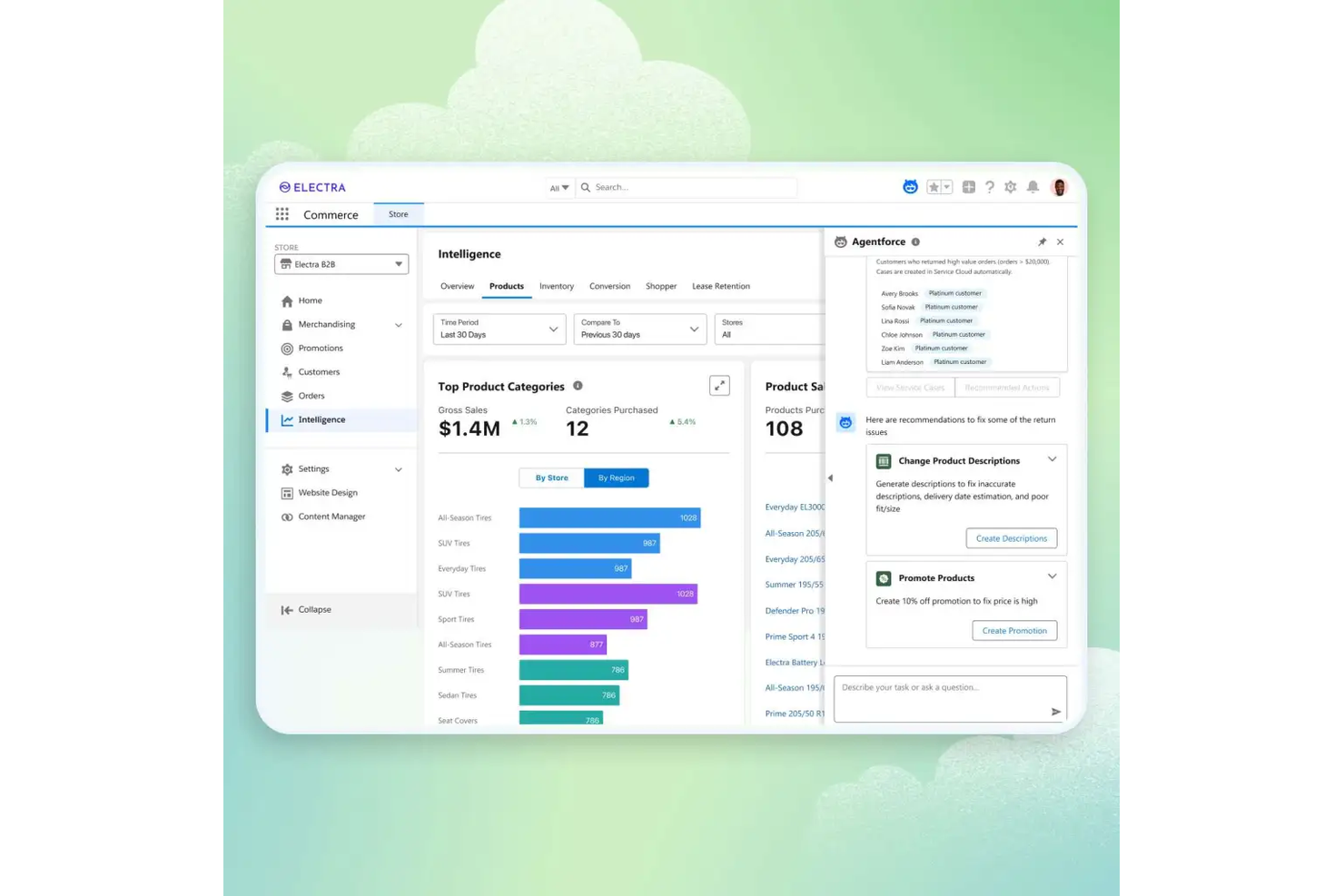
Para fabricantes, distribuidores y mayoristas con condiciones negociadas y estructuras de cuentas complejas, Salesforce B2B Commerce ofrece a sus compradores un portal de autoservicio que realmente refleja cómo usted vende.
Obtiene catálogos, precios y flujos de pedidos nativos de CRM que gestionan grandes carritos, aprobaciones y compras recurrentes sin comprometer su modelo de datos.
Por qué elegí Salesforce B2B Commerce
Elegí Salesforce B2B Commerce porque permite gestionar el comercio electrónico sobre los mismos registros que usan sus equipos de ventas y servicio—cuentas, contactos, listados de precios y contratos—de modo que nada se pierde en la traducción.
Sus compradores realizan pedidos grandes y recurrentes mediante cuadrículas de pedidos rápidos y plantillas de reorden, mientras que sus condiciones se mantienen gracias a derechos y precios por contrato. Los envíos a múltiples direcciones y pagos flexibles se adaptan a los flujos de trabajo B2B habituales, especialmente cuando los pedidos se dividen entre sitios o destinos de envío.
La actividad de pedidos se sincroniza con Sales Cloud y Service Cloud, ofreciéndole visibilidad de todo el ciclo desde el pipeline hasta el cobro y menos traspasos entre áreas.
Funciones clave de Salesforce B2B Commerce
Estas son capacidades prácticas que respaldan el comportamiento real de compra B2B.
- Jerarquías de cuentas y aprobaciones: defina roles, presupuestos y aprobaciones de pedidos que reflejan el organigrama de su cliente.
- Listas de requisición y carritos guardados: permita que los compradores creen listas y las conviertan en pedidos con un solo clic.
- Multi-sitio y localización: gestione múltiples tiendas con las monedas, idiomas y reglas fiscales adecuadas.
- Recomendaciones de productos basadas en IA: muestre complementos y sustitutos relevantes usando Salesforce Einstein.
Integraciones de Salesforce B2B Commerce
Las integraciones incluyen Salesforce Sales Cloud, Service Cloud, CPQ, Order Management, Marketing Cloud, MuleSoft, Stripe, PayPal, Adyen y Avalara.
Pros and Cons
Pros:
- La integración con CRM, CPQ y datos de servicio reduce la introducción manual de información.
- Los listados de precios por contrato y los derechos garantizan el cumplimiento exacto de las condiciones negociadas.
- Las plantillas de reorden y el pedido rápido simplifican las compras recurrentes B2B.
Cons:
- Se requieren conocimientos en administración de Salesforce; la mayoría de los equipos necesita un socio consultor.
- Costos de licencia e implementación más altos que otras plataformas B2B de gama media.

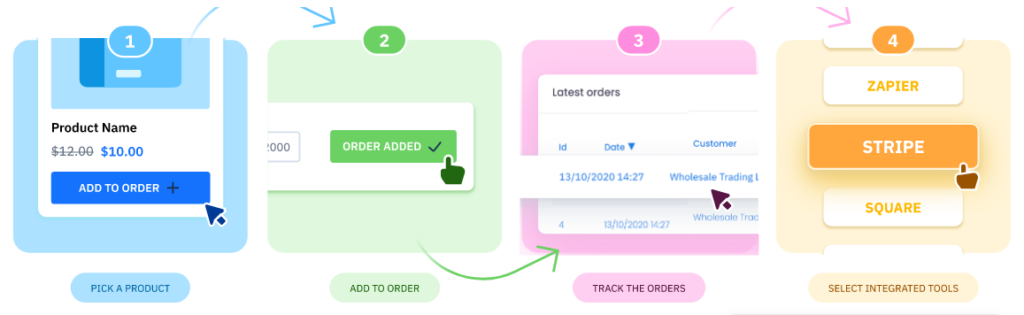
Para mayoristas y fabricantes que necesitan un portal de clientes rápidamente, B2B Wave te ofrece lo esencial: catálogos y precios específicos por cliente, pedidos recurrentes sencillos y cotizaciones integradas, todo sin necesidad de contratar un equipo de desarrollo.
Es ideal para equipos pequeños o medianos que buscan tareas administrativas predecibles, pedidos ilimitados y entrega directa a contabilidad desde el primer momento.
Por qué elegí B2B Wave
Elegí B2B Wave porque puedes lanzar la plataforma rápidamente y mantener el control: importa productos y clientes con plantillas y luego invita a los compradores a autogestionarse en minutos.
Obtienes precios exactos por cliente mediante listas de precios y reglas de visibilidad de productos, por lo que las tarifas y gamas negociadas aparecen correctamente para cada cuenta. La precisión de pedidos mejora con los estados de inventario y la opción de pedidos pendientes; los compradores pueden volver a pedir con un solo clic desde su historial de pedidos.
Tu equipo ahorra tiempo en la conciliación gracias a la sincronización nativa con QuickBooks Online y Xero, y puedes aceptar pagos en línea mediante Stripe o PayPal. Si ya trabajas venta directa al consumidor en Shopify, el conector ayuda a mantener alineados los catálogos mientras separas el flujo mayorista.
Características clave de B2B Wave
Además de la rapidez de lanzamiento y los controles de precios, aquí tienes algunas herramientas prácticas que tu equipo realmente utilizará.
- Catálogos en PDF: Genera catálogos PDF personalizables, generales o específicos por cliente, para compradores que todavía necesitan una hoja de línea impresa.
- Gestión de cotizaciones: Permite que los compradores soliciten cotizaciones, envía cotizaciones en PDF y conviértelas en pedidos una vez aprobadas.
- App para representantes de ventas: Da a tus representantes una aplicación móvil para introducir pedidos, repetir compras y consultar cuentas dondequiera que estén.
- Portal para proveedores: Permite que los proveedores suban productos para su aprobación, supervisen la actividad y gestionen el stock donde lo necesites.
Integraciones de B2B Wave
Las integraciones incluyen QuickBooks Online, Xero, Shopify, Stripe, PayPal, Authorize.Net, Mailchimp, ShipStation, Avalara y Zoho CRM.
Pros and Cons
Pros:
- Clientes, pedidos y cotizaciones ilimitados en los planes estándar.
- Listas de precios y reglas de visibilidad de productos específicas por cliente.
- La sincronización con QuickBooks/Xero reduce el trabajo contable manual.
Cons:
- Límites en el plan estándar (por ejemplo, SKUs, usuarios) pueden requerir complementos de pago.
- Las opciones de temas y diseño de página son básicas frente a plataformas CMS completas.
Otras opciones de plataformas de comercio electrónico B2B
Aquí tienes algunas opciones más que no llegaron a la lista principal.
- Sana Commerce
Ideal para integración con ERP
- Pepperi
Ideal para la toma de pedidos móviles
- Spryker
Ideal para arquitectura modular
- Now Commerce
Ideal para precios específicos de cliente
- Drupal Commerce
Mejor para modelado avanzado de productos
- Handshake
Mejor mercado mayorista para encontrar productos de tendencia
- Williams Commerce
La mejor opción para desarrollos e integraciones B2B con Magento
- MeGaDev
El mejor para desarrollos ecommerce a medida y modernización
- Adriel
La mejor agregación de datos de ecommerce para publicidad, marketing y acciones en redes sociales
- ShipEngine
Mejor para plataformas B2B con envíos globales y multitransportista


Cómo Evalúo las Plataformas de Comercio Electrónico B2B
Evalúo las plataformas de comercio electrónico B2B en dos niveles: los requisitos básicos que una plataforma debe cumplir—como precios por cuenta y soporte para órdenes de compra—y los diferenciadores que destacan a los mejores proveedores.
Funcionalidades Básicas (Indispensables Para Esta Lista)
Cuando selecciono herramientas para mi lista, califico cada una en una escala del 0 (no ofrece la funcionalidad) al 5 (sobresale en esta área) para cada funcionalidad básica listada a continuación. Luego, calculo la puntuación total de la herramienta en porcentaje. Cada herramienta necesita lograr una puntuación mínima total del 65% para ser considerada para la inclusión.
- Catálogos y Precios Específicos por Cliente: Verifico si una plataforma admite listas de precios por cuenta, tarifas por contrato y escalas de volumen—como ofrecer precios negociados para las mejores cuentas de un distribuidor.
- Pedidos Masivos y Complejos: Pad de pedidos rápidos, carga de archivos CSV, listas de reorden y flujos de trabajo de cotización a pedido son esenciales aquí. Un comprador que realiza una orden de 500 líneas necesita algo más que un carrito estándar.
- Jerarquía y Permisos de Cuenta: Busco cuentas de compradores con múltiples usuarios, acceso basado en roles, cadenas de aprobación y límites de gasto—por ejemplo, un gerente regional que aprueba pedidos de compradores de sucursales.
- Integración con ERP y Sistemas Back-Office: La sincronización en tiempo real con sistemas como SAP, NetSuite o Microsoft Dynamics para inventario, precios y datos de pedidos es lo que distingue a una plataforma B2B de una simple tienda online.
- Gestión de Pagos y Crédito B2B: Órdenes de compra, plazos de pago, límites de crédito, facturación y gestión de exenciones fiscales deben estar presentes. Evalúo cómo cada plataforma gestiona todo el ciclo de pagos B2B.
- Soporte Multicanal y Multi-Tienda: Administrar múltiples tiendas, monedas y modelos híbridos B2B/D2C desde un solo backend es esencial para equipos que crecen en diferentes regiones o segmentos de clientes.
Una vez tengo una lista de herramientas que cumplen con estos criterios, considero qué distingue a cada plataforma.
Factores Diferenciadores (Qué Distingue a los Proveedores)
Así comparo y contrasto a los diferentes proveedores:
Funciones Destacadas
El soporte para catálogos punchout es crucial para equipos que venden en sistemas de compra empresarial como Ariba o Coupa—verifico si una plataforma maneja cXML y OCI de forma nativa o requiere middleware. La venta asistida por representantes es otra característica que evalúo de cerca, ya que los representantes suelen necesitar iniciar sesión en nombre de un comprador, armar un carrito y realizar pedidos para cuentas que llaman por teléfono. También reviso la arquitectura headless para los equipos que requieren portales de compra personalizados o desean servir tanto B2B como D2C desde interfaces distintas.
Más Allá de las Funcionalidades
El costo total de propiedad es muy relevante en este ámbito—analizo si una plataforma cobra por transacción, por GMV, o mediante suscripción fija, ya que los costos pueden aumentar drásticamente a medida que crecen los pedidos. Los plazos de implementación son otro factor importante, porque los lanzamientos B2B suelen tomar meses y requieren migración de datos desde sistemas heredados. También considero la profundidad del ecosistema: una red sólida de socios integradores y un mercado de aplicaciones bien surtido marcan la diferencia cuando necesitas ampliar la plataforma tras su lanzamiento.
Cómo elegir una plataforma de comercio electrónico B2B
Elegir la plataforma de comercio electrónico B2B adecuada no consiste tanto en buscar funciones llamativas como en construir la columna vertebral de tu negocio. Así es como puedes acertar:
| Paso | Qué hacer | Por qué es importante |
|---|---|---|
| Empieza por la seguridad | Elige plataformas con cifrado de nivel empresarial, autenticación de dos factores y cumplimiento de PCI/GDPR. | Las operaciones B2B implican transacciones importantes y datos confidenciales: una seguridad débil = un riesgo elevado. |
| Prueba la integración con el ERP | Asegúrate de que la plataforma se integre con tu ERP (como NetSuite, SAP o Microsoft Dynamics). Puntos extra si cuenta con conectores prediseñados. | Sincronizar los datos de finanzas, inventario y operaciones reduce los silos y los errores en los pedidos. |
| Exige funciones de autoservicio | Busca portales de clientes, herramientas para repetir pedidos y configuraciones de acceso a nivel de cuenta. | Tus compradores quieren gestionar sus propios pedidos: dales las llaves. |
| Valida la flexibilidad de precios | Comprueba que admita precios escalonados, descuentos específicos para clientes y lógica para pedidos al por mayor. | En B2B, los precios nunca son iguales para todos. Tu plataforma debe reflejarlo. |
| Audita la experiencia de compra | Haz una demostración de la interfaz como si fueras un comprador. ¿Puedes iniciar sesión, encontrar la SKU correcta y finalizar la compra fácilmente? | Una experiencia de usuario complicada aleja a los compradores más rápido que un carrito que no funciona. |
| Comprueba la preparación para dispositivos móviles | Confirma que la plataforma funcione bien en teléfonos y tabletas, tanto para administradores como para compradores. | Tus clientes no siempre están frente a un escritorio. Tu equipo de ventas tampoco. |
| Evalúa el soporte y el tiempo de actividad | Busca soporte 24/7, ayuda durante la incorporación y una garantía de tiempo de actividad respaldada por un SLA. | El tiempo de inactividad = pérdida de ingresos. Quieres soporte proactivo, no solo un bot conversacional. |
| Planifica la escalabilidad | Elige una plataforma que pueda crecer contigo: más usuarios, SKU, canales y regiones. | No querrás reconstruirlo todo en 18 meses. Tu yo del futuro te lo agradecerá. |
Características clave de las plataformas de comercio electrónico B2B
Estas son las capacidades que tu plataforma necesita para atender a compradores empresariales, agilizar las operaciones y crecer sin caos.
- Escalabilidad y tiempo de actividad. Tu plataforma debe crecer contigo y mantenerse en línea bajo presión, sin interrupciones durante los momentos críticos.
- Portales de autoservicio. Permite que los compradores inicien sesión, repitan pedidos, soliciten presupuestos y realicen el seguimiento de los envíos sin tener que llamar al equipo de ventas cada vez.
- Personalización avanzada de precios. Admite precios escalonados, descuentos por volumen, tarifas negociadas y lógica de precios específica para cada cliente.
- Pago seguro y protección de datos. Asegúrate de que el cumplimiento de PCI-DSS, el cifrado SSL, la detección de fraudes y la autenticación de dos factores estén integrados.
- Integración con el ERP. Conecta con plataformas como NetSuite, SAP o Dynamics para sincronizar en tiempo real los datos de productos, precios e inventario.
- Catálogos personalizados y controles de acceso. Muestra diferentes selecciones de productos y precios a distintos compradores según la configuración de sus cuentas.
- Acceso multiusuario y basado en roles. Permite que los equipos de compras operen con una sola cuenta, con flujos de aprobación y permisos específicos para cada rol.
- Opciones de pago flexibles. Ofrece modalidades como órdenes de compra, ACH, límites de crédito y facturación, junto con herramientas modernas de pago digital.
- Gestión de pedidos al por mayor y presupuestos. Gestiona pedidos de gran volumen, presupuestos personalizados y operaciones negociadas con flujos de aprobación diseñados para la complejidad.
- Experiencia de usuario adaptada a dispositivos móviles. Asegúrate de que tanto los compradores como los administradores puedan gestionar los pedidos desde teléfonos y tabletas sin fricciones.
- API abiertas y flexibilidad de integración. Amplía tu conjunto tecnológico con integraciones de CRM, PIM, WMS y envíos, gracias a API fiables.
Beneficios de las plataformas de comercio electrónico B2B
Una buena plataforma de comercio electrónico B2B no solo sirve para vender: también permite crecer de forma más inteligente, ofrecer un mejor servicio y ahorrar tiempo. Esto es lo que obtienes cuando inviertes en la plataforma adecuada.
- Operaciones optimizadas. Integra tu ERP para centralizar los datos de pedidos, clientes e inventario—no más sistemas aislados ni entradas duplicadas.
- Mayor eficiencia. Automatiza la facturación, el enrutamiento de pedidos y la sincronización del inventario para reducir el trabajo manual y evitar errores costosos.
- Experiencia del cliente mejorada. Ofrece experiencias de compra intuitivas y sin fricciones mediante portales de autoservicio, catálogos personalizados y acceso las 24 horas, los 7 días de la semana.
- Mayor alcance. Vende en nuevos mercados con compatibilidad con varias monedas, configuraciones fiscales locales e integraciones de envíos internacionales.
- Escalabilidad. Gestiona fácilmente más tráfico, SKU de productos y flujos de trabajo complejos a medida que crece tu negocio—sin cambiar de plataforma.
- Información basada en datos. Utiliza los análisis integrados para comprender el comportamiento de los compradores, prever la demanda y optimizar la oferta de productos.
- Ahorro de costes. Reduce los costes optimizando las operaciones, disminuyendo los errores en los pedidos y eliminando herramientas redundantes.
- Relaciones más sólidas con los clientes. Gestiona mejor las cuentas mediante la integración con CRM, precios personalizados y herramientas de comunicación proactiva.
- Incremento de las ventas. Fomenta los pedidos recurrentes, las ventas adicionales y las compras de mayor valor con recomendaciones personalizadas y condiciones de pago flexibles.
- Disponibilidad las 24 horas, los 7 días de la semana. Capta ventas en cualquier momento y lugar—sin depender de los horarios de oficina ni de representantes humanos para cerrar acuerdos.
Tendencias de las plataformas de comercio electrónico B2B
El sector del comercio electrónico B2B está cambiando rápidamente—estas son las tendencias más importantes si quieres seguir siendo competitivo y evitar arrepentimientos costosos con tu plataforma.
- La sostenibilidad está entrando en las listas de requisitos de compras. Los compradores solicitan métricas ESG. Las plataformas que admiten el seguimiento de emisiones de carbono o se integran con herramientas de logística sostenible ayudan a los vendedores a cerrar más acuerdos.
- El autoservicio es el nuevo equipo de ventas. Los compradores quieren tener el control, no recibir una llamada. Las plataformas que priorizan los portales de autoservicio—por ejemplo, para repetir pedidos, hacer seguimiento de pedidos y gestionar cuentas—están acortando los ciclos de venta y aumentando la fidelidad de los clientes.
- La seguridad ya no es solo un problema del departamento de TI. La protección de datos ahora forma parte del argumento de ventas. Las plataformas que muestran directamente durante la incorporación sus certificaciones de seguridad, la autenticación multifactor y las herramientas de prevención del fraude están ganándose la confianza de las empresas.
- La integración con el ERP es un factor decisivo, no una ventaja adicional. Ahora se espera una sincronización fluida con el ERP. A los compradores no les importa tu interfaz si su factura es incorrecta—las conexiones limpias con el ERP reducen la pérdida de clientes y ahorran horas de trabajo a tu equipo de operaciones.
- La IA necesita un caso de uso, no una palabra de moda. Las mejores plataformas utilizan la IA para lograr resultados empresariales reales—como una reposición más inteligente, catálogos personalizados y segmentación de compradores. Evita las que gritan «IA» sin un impacto claro.
- La experiencia de usuario se está convirtiendo en una ventaja competitiva difícil de superar. Los compradores B2B esperan una experiencia al nivel de la de los consumidores. Las interfaces claras, la optimización para móviles y los flujos de trabajo intuitivos ya no son extras—son requisitos básicos.
- Lo componible supera al todo en uno. Las plataformas flexibles y sin interfaz que se integran fácilmente con herramientas líderes están sustituyendo a las plataformas monolíticas. No necesitas tenerlo todo en una sola herramienta—necesitas que todo funcione en conjunto.
- La personalización real va más allá del nombre de pila. Las plataformas son cada vez más inteligentes a la hora de mostrar productos, precios y flujos de trabajo relevantes según el comportamiento del comprador—no solo según los campos de identidad.
Costes y precios de las plataformas de comercio electrónico B2B
Las plataformas de comercio electrónico B2B tienen distintos niveles de precios, diseñados para adaptarse a empresas de diferentes tamaños y necesidades.
A continuación encontrarás una guía rápida que te ayudará a entender qué factores influyen en los precios y cuánto podrías pagar.
Factores que influyen en los precios de las plataformas B2B
- Opciones de personalización: Adaptar las funciones y el diseño a sus necesidades puede aumentar los costos.
- Número de productos: Los catálogos más grandes pueden implicar tarifas más elevadas.
- Herramientas de marketing: Las herramientas avanzadas para campañas de correo electrónico, SEO y segmentación de clientes aumentan el precio.
- Alojamiento incluido: Algunas plataformas incluyen el alojamiento, mientras que otras lo cobran por separado.
- Funciones de seguridad: Las medidas de seguridad mejoradas, como los certificados SSL y la detección de fraudes, pueden ser más costosas.
- Capacidades internacionales: La compatibilidad con varias monedas e idiomas suele tener un costo adicional.
- Escalabilidad: Las plataformas que crecen junto con su empresa pueden costar más.
- Opciones de asistencia: Los niveles más altos de asistencia pueden influir en los costos generales.
- Tarifas de transacción: Algunas plataformas cobran por cada transacción, lo que puede acumularse con el tiempo.
Tabla comparativa de planes para plataformas de comercio B2B
| Tipo de plan | Precio promedio | Funciones comunes incluidas | Ideal para |
|---|---|---|---|
| Gratis | $0 | Listados de productos limitados, plantillas básicas, herramientas básicas de SEO y tarifas de transacción sobre las ventas. | Aficionados, emprendedores individuales |
| Básico | $20 - $50/mes | Alojamiento del sitio web, plantillas básicas, listados de productos, herramientas básicas de SEO y análisis sencillos. | Pequeñas empresas, empresas emergentes |
| Profesional | $50 - $150/mes | Todas las funciones del plan Básico, plantillas adicionales, herramientas de marketing, SEO mejorado y análisis avanzados. | Empresas en crecimiento, pymes |
| Avanzado | $150 - $300/mes | Todas las funciones del plan Profesional, análisis avanzados, segmentación de clientes, recuperación de carritos abandonados y asistencia prioritaria. | Medianas y grandes empresas |
| Empresarial | $500+/mes | Todas las funciones del plan Avanzado, integraciones personalizadas, personalización completa, asistencia exclusiva, capacitación y seguridad de nivel empresarial. | Grandes empresas |
Al elegir una plataforma de comercio electrónico B2B, equilibre sus necesidades actuales con sus planes de crecimiento futuro. La plataforma adecuada debe alinearse con sus objetivos empresariales, presupuesto y nivel de personalización requerido. Trabajar con desarrolladores experimentados de sitios web de comercio electrónico puede ayudar a garantizar que su plataforma esté diseñada para escalar de manera eficaz.
Al comprender estas estructuras y opciones de precios, puede encontrar la plataforma que mejor se adapte a las necesidades únicas de su empresa.
Preguntas frecuentes sobre plataformas de comercio electrónico B2B
Veamos algunas preguntas que creemos que podrías tener. Incluso si no las tienes, es posible que las tengas después de leerlas. Así que hagámoslo.
¿Cuáles son algunos ejemplos de comercio electrónico B2B?
El comercio electrónico B2B ocurre cada vez que una empresa vende productos o servicios a otra empresa en línea. Piensa en: un fabricante que vende piezas de automóviles a talleres de reparación, un mayorista que abastece a minoristas, o una empresa SaaS que ofrece herramientas empresariales a equipos de marketing.
Amazon Business y Alibaba son dos de los nombres más importantes del sector, pero muchos actores especializados dominan en sectores verticales como los bienes industriales, la salud y la tecnología.
¿En qué se diferencia el comercio electrónico B2B del comercio electrónico B2C?
El B2B tiene menos que ver con compras impulsivas y mucho más con relaciones a largo plazo y de gran importancia. Los compradores esperan aspectos como precios personalizados, aprobaciones de cotizaciones, condiciones de pago y flujos de trabajo para repetir pedidos.
El ciclo de ventas es más largo, normalmente hay más tomadores de decisiones, y las transacciones pueden alcanzar cifras de seis dígitos. Tu plataforma debe reflejar esa complejidad, no solo tener un buen aspecto.
¿Las plataformas de comercio electrónico B2B admiten portales de autoservicio?
Sí, y deberían. Los compradores no quieren enviar un correo electrónico a un representante cada vez que necesitan repetir un pedido o consultar precios. Las plataformas modernas ofrecen paneles de autoservicio donde los clientes pueden iniciar sesión, ver sus catálogos específicos de cada cuenta, gestionar pedidos y descargar facturas. Es más rápido, más barato, y exactamente lo que tus compradores esperan ahora.
¿Por qué es tan importante la seguridad en el comercio electrónico B2B?
Porque las consecuencias son mayores. Trabajas con datos sensibles de clientes, transacciones importantes y a menudo con sectores regulados. Las violaciones de seguridad pueden costarte negocios y daños a la reputación. Las mejores plataformas cumplen con la norma PCI-DSS, ofrecen SSO y autenticación de dos factores, y proporcionan registros de auditoría y cifrado de forma predeterminada. No lo trates como algo opcional.
¿Pueden las plataformas de comercio electrónico B2B integrarse con mis sistemas actuales?
Más les valdría. Las mejores plataformas se integran directamente con tu ERP (como NetSuite, SAP), CRM (como Salesforce, HubSpot), WMS, y herramientas contables. Busca API abiertas, conectores nativos y sincronización en tiempo real para evitar la introducción manual de datos o las discrepancias en los pedidos. Si la integración no es sencilla, tu sistema de administración se convierte en un cuello de botella.
¿Qué funciones debería priorizar al evaluar plataformas?
Empieza con lo imprescindible: precios personalizados, integración con ERP, permisos de usuario, proceso de pago seguro y herramientas de autoservicio. Después, mira cómo maneja la plataforma la escalabilidad, la experiencia de usuario en dispositivos móviles y las integraciones de terceros. Evita dejarte deslumbrar por una interfaz atractiva y céntrate en si la plataforma hace más sencilla la vida de tu equipo y haga más fluido el recorrido de tus compradores.
Otras reseñas de plataformas de comercio electrónico
Aquí tienes algunas reseñas similares de plataformas de comercio electrónico que he preparado por si todavía no has encontrado lo que buscas.
Puedes comenzar con las mejores plataformas de comercio electrónico en general, que contienen un poco de todo, clasificadas en una lista definitiva.
Plataformas de comercio electrónico por tipo de empresa
- Plataformas de comercio electrónico SaaS
- Plataformas de comercio electrónico B2B
- Plataformas de mercados de comercio electrónico
- Plataformas de comercio electrónico por suscripción
- Plataformas de comercio electrónico para pequeñas empresas
Plataformas de comercio electrónico según la necesidad
- Plataformas de comercio electrónico sin interfaz propia
- Plataformas de comercio electrónico más fáciles de usar
- Plataformas de comercio omnicanal
- Plataformas de comercio electrónico gratuitas
- Plataformas de comercio electrónico de código abierto
- Plataformas de comercio social
- Plataformas de comercio electrónico económicas
- Plataformas de comercio electrónico alojadas
- Plataformas internacionales de comercio electrónico
- Plataformas de comercio electrónico en Canadá
Elige la opción B2B adecuada para obtener un mejor ROI
Como hemos recalcado a lo largo de esta publicación, vender entre empresas es una operación mucho más compleja que vender entre una empresa y consumidores comunes. El volumen puede ser menor, pero las ventas son mucho mayores.
Necesitas capacidades especiales de fijación de precios, portales en línea, sólidas funciones para repetir pedidos y mucho más. La plataforma B2B adecuada te ayudará a conseguirlo.
Estas plataformas de comercio B2B son las mejores que existen, así que ahora solo tienes que elegir entre unas pocas.
Crear una tienda de comercio electrónico es mucho más fácil cuando la plataforma que eliges se adapta a tu público objetivo.
¿Conoces alguna empresa de comercio electrónico B2B de tu red que pudiera aprovechar esta valiosa lista? ¡Compártela con ellos!
El comercio minorista nunca se detiene, y tú tampoco deberías hacerlo. Suscríbete a nuestro boletín para recibir las últimas ideas, estrategias y recursos profesionales de los principales líderes del comercio minorista que están dando forma al sector.