
10 Best B2B Ecommerce Platforms For 2026

The Best B2B Ecommerce Platforms You Should Use


B2B ecommerce platforms are built for the real world of online B2B retail—where bulk orders, custom pricing, multi-level approval chains, and legacy ERP integrations are just another Monday.
If you’re sick of bending DTC tools to your B2B will, you already know why you need the right B2B platform: complexity here isn’t optional, it’s survival.
With over a decade in ecommerce trenches—helping brands untangle spaghetti systems and launch online stores their buyers actually want to use—I know exactly what separates a decent platform from a “please make this stop” nightmare.
The best B2B ecommerce platforms handle account-based pricing, multi-user roles, negotiated terms, and integrate with the back-office chaos you’re already running.
The market’s crowded, and not every “enterprise” platform deserves your money (or your headaches). Below, you’ll find the B2B ecommerce platforms that actually deliver: vetted, tested, and ranked by someone who’s lived every pain point on this page.
Ready to pick your next revenue machine? Let’s get you sorted.
Why Trust Our Software Recommendations
Our team has been testing and reviewing software since 2012. As retail leaders ourselves, we know how difficult—and important—it is to choose the right software.
For this guide, we evaluated tools using hands-on testing and independent research, scoring tools using our selection criteria.
Our reviews reflect our independent judgment—not a sales pitch.
B2B Ecommerce Comparison Table
Compare pricing and key features of the top B2B ecommerce platforms that made it to my shortlist.
| Tool | Best For | Trial Info | Price | ||
|---|---|---|---|---|---|
| 1 | Best for distributor sales operations | Free 60-day trial available | Pricing upon request | Website | |
| 2 | Best headless platform for complex B2B orchestration | Free demo available | Pricing upon request | Website | |
| 3 | Best all-purpose ecommerce with strong app ecosystem | 3-day free trial | From $29/month (billed annually) | Website | |
| 4 | Best for B2B self-service portals on a DXP | Free trial available + free demo | Pricing upon request | Website | |
| 5 | Best for built-in B2B and headless flexibility | 15-day free trial + free demo available | From $29/month (billed annually) | Website | |
| 6 | Best for gated catalogs and member pricing | Free plan available | From $17/month (billed annually) | Website | |
| 7 | Best ecommerce platform for personalization features | Free demo | Pricing upon request | Website | |
| 8 | Best open-source B2B suite for wholesalers | Free demo | Pricing upon request | Website | |
| 9 | Best for CRM-native B2B commerce | Free demo | Pricing upon request | Website | |
| 10 | Best for fast wholesale portal rollout | 14-day free trial | From $350/month | Website |
The Best B2B Ecommerce Platforms, Reviewed
We’ve worked with hundreds of brands navigating this exact landscape—helping them untangle legacy systems, sync backend tools, and deliver digital buying experiences their customers actually want.
This is the part where we show you brief reviews of each top B2B ecommerce platform, including why we chose them, what they’re great at, top features, pros and cons, and screenshots of the interface.
Best for distributor sales operations
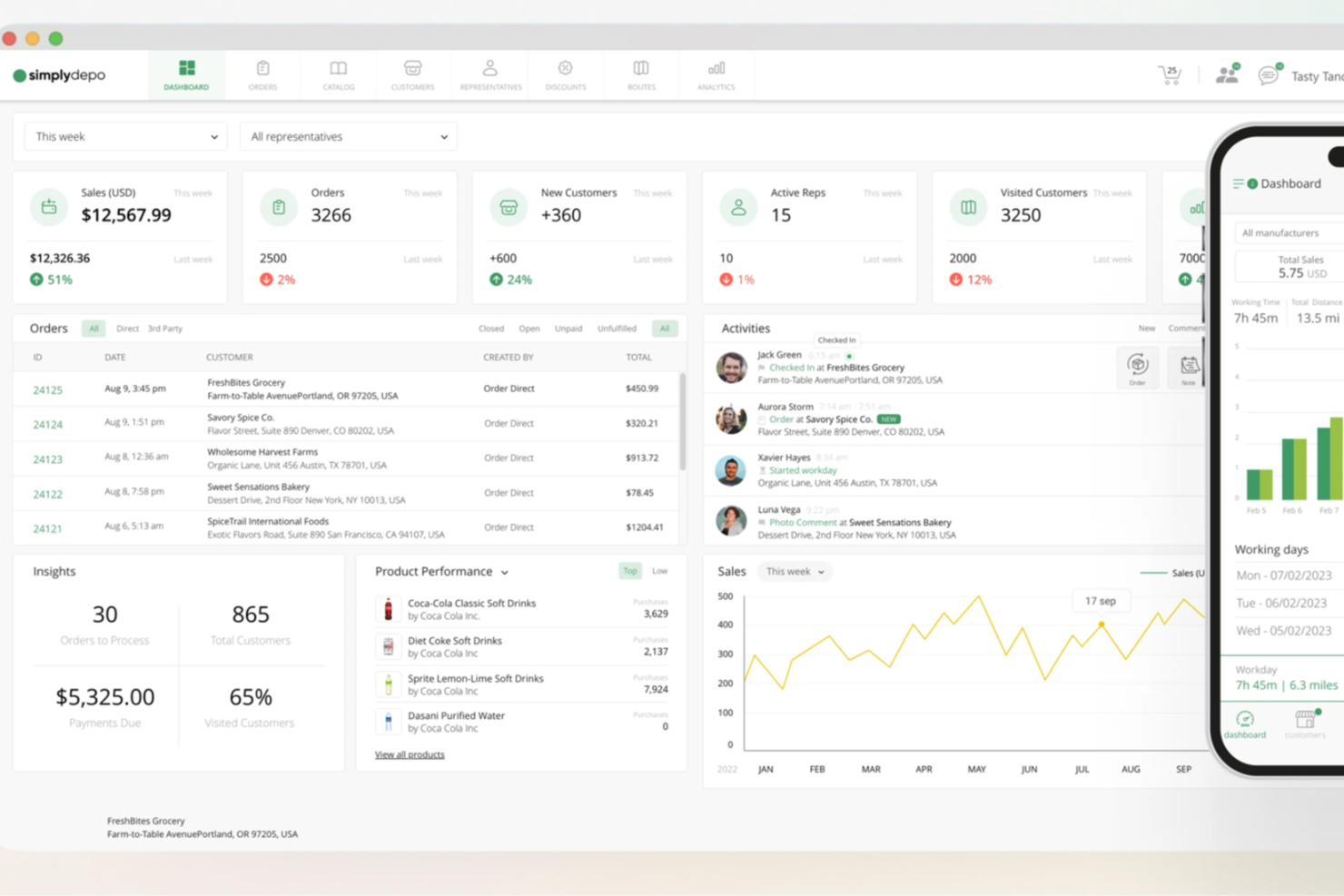
If you're looking for a B2B eCommerce platform that can streamline your distribution and retail execution, SimplyDepo offers tailored solutions that may align perfectly with your needs. It's particularly beneficial for startups and growing businesses aiming to scale their operations, providing comprehensive tools for sales management, CRM, and order processing. Whether you're a brand, distributor, or merchandiser, SimplyDepo is designed to help you enhance efficiency and improve customer relationships.
Why I Picked SimplyDepo
I picked SimplyDepo for its ability to seamlessly integrate sales management and CRM functionalities within a single platform, making it a strong candidate for B2B eCommerce solutions. The platform's B2B order management feature allows you to manage orders efficiently, reducing processing times and improving operational efficiency. Additionally, its route planning tool is crucial for optimizing delivery schedules, which can significantly enhance customer satisfaction. By focusing on these specific features, SimplyDepo addresses the core needs of businesses looking to streamline their sales processes.
SimplyDepo Key Features
In addition to its standout sales management and CRM capabilities, I also found these features noteworthy:
- Field Sales: This feature allows your sales team to capture orders directly from the field, ensuring real-time updates and reducing manual entry errors.
- Distribution Management: It helps you oversee and streamline the entire distribution process, from inventory management to delivery.
- Retail Execution: This tool ensures that your products are effectively displayed and promoted in retail environments, optimizing shelf placement and promotions.
- Customer Success Stories: SimplyDepo provides access to real-world testimonials that highlight the platform's impact on efficiency and revenue growth.
SimplyDepo Integrations
Native integrations are not currently listed by SimplyDepo.
Pros and Cons
Pros:
- Route planning improves delivery efficiency
- Strong field sales mobile tools
- All-in-one sales and distribution
Cons:
- Pricing not publicly available
- No listed native integrations

Rierino
Best headless platform for complex B2B orchestration
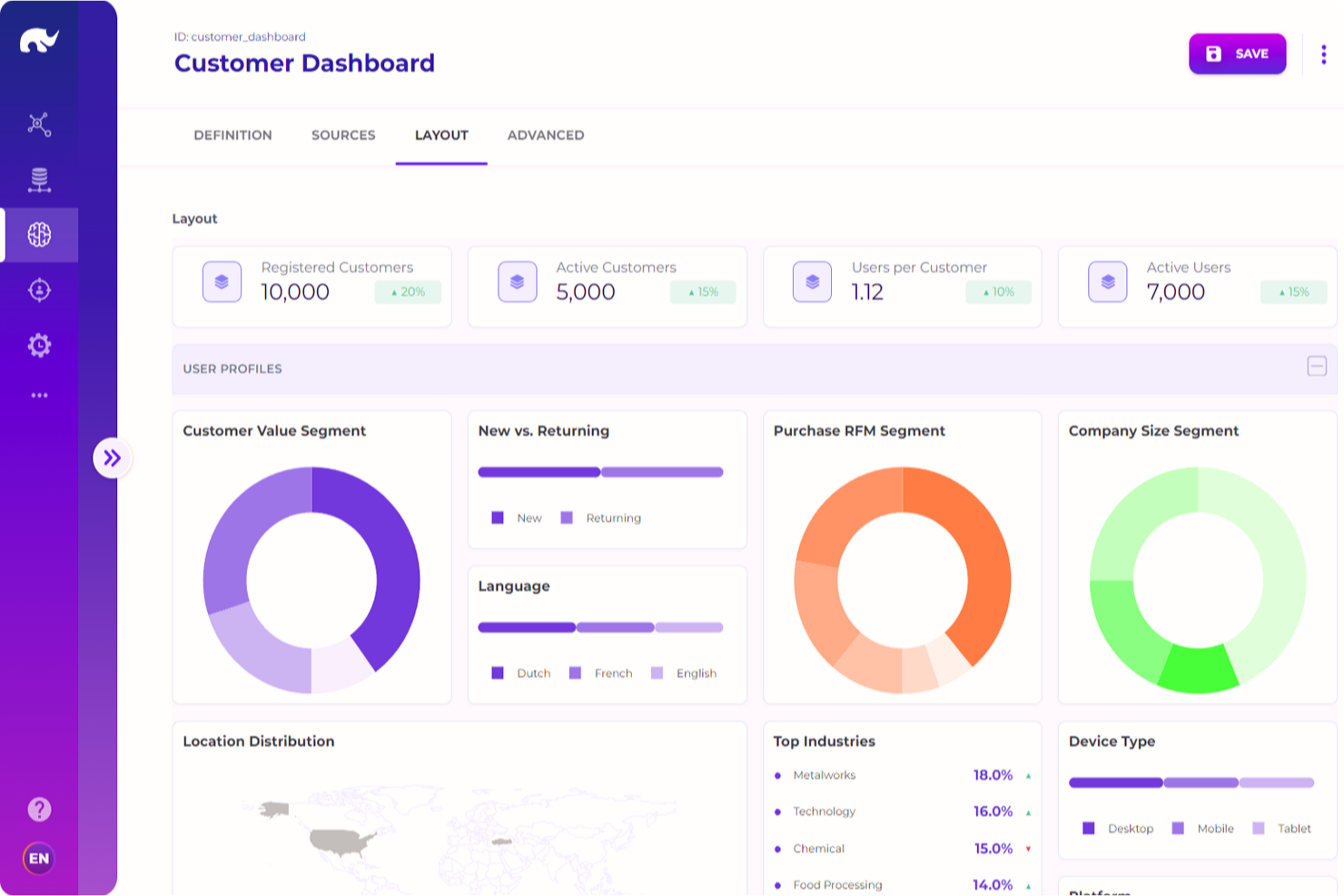
Rierino helps manufacturers and distributors tame B2B complexity—contract pricing, quotes, approvals—without giving up speed.
It’s built for teams managing messy catalogs and account hierarchies who need low-code control over data, pricing, and checkout orchestration across portals and channels.
Why I Picked Rierino
I picked Rierino because you can handle contract terms and customer-specific pricing through negotiated catalogs and multi-level RBAC, so buyers see the right price every time.
You accelerate change requests—like a new approval rule or pricing exception—through no/low-code saga flows instead of full rebuilds. Your team reduces quoting back-and-forth with built-in quote-to-order workflows and printable proposals tied to real pricing data.
You keep data consistent across channels using a central PIM and API mapping, which cuts duplicate work when specs or packs change.
And you keep governance tight with audit logging and environment isolation, so experiments don’t spill into production.
Rierino Key Features
In addition to the orchestration and pricing tools above, these are practical features B2B teams actually use.
- Co-Browsing and Impersonation: Guide buyers live or place orders on their behalf with proper permissions.
- Audit Logging & Deployment Controls: Track every change and promote safely across dev, stage, and prod.
- Bulk Reorder & Returns Management: Support contract buyers with quick reordering and ERP-aware returns.
- OpenAPI Auto-Docs: Generate live API documentation from your configured flows to speed integrations.
Rierino Integrations
Integrations include SAP ERP, Stripe, Trustpilot, Redis, Elasticsearch, MongoDB, Kafka, PostgreSQL, OpenAI, and Amazon Bedrock.
Pros and Cons
Pros:
- Multi-basket, role-based checkout fits complex account hierarchies.
- Negotiated catalogs and contract pricing reflect real-world B2B terms.
- Low-code saga flows speed updates to rules and processes.
Cons:
- Successful rollout requires upfront data modeling and governance.
- Smaller published app ecosystem than legacy enterprise suites.
New Product Updates from Rierino
Rierino Adds Interactive Debugging and Static API Endpoints
Rierino adds interactive debugging with
/api/test
execution tracing, AI-assisted troubleshooting, custom MDC attributes, and static content endpoints through the API Gateway. These help developers diagnose issues faster and create simple endpoints without a backend service. For more information, visit Rierino’s official site.
 .
.
Shopify
Best all-purpose ecommerce with strong app ecosystem
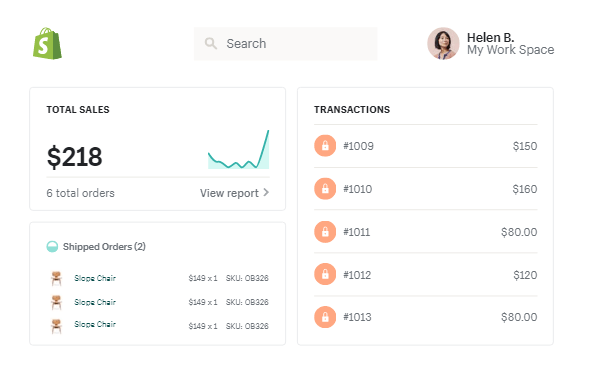
Shopify Plus gives midsize and enterprise wholesalers a single place to run DTC and B2B—without duct-taping plugins for core wholesale needs.
You can create company-specific catalogs and pricing, offer net terms at checkout, and restrict access for reps or buyers, which is ideal if you manage negotiated contracts or dealer networks.
Why I Picked Shopify Plus
I picked Shopify Plus because you can unify B2B and DTC in one admin, so your ops team stops double-maintaining products—B2B on Shopify lets you publish company-specific catalogs and price lists from the same backend.
You get fewer manual invoices because buyers can check out on net terms using native payment terms at checkout. Merchants with complex account structures benefit from company profiles and buyer roles, which let you assign permissions, PO numbers, and default payment/shipping rules per location.
Your merchandising team can handle big orders efficiently with quick order lists and quantity rules, reducing back-and-forth for reorders.
And when finance needs clean records, requisition lists and draft orders capture approvals before payment hits your ledger.
Shopify Plus Key Features
These additions round out the wholesale toolkit without third-party workarounds.
- Company Profiles and Roles: Model accounts with locations, buyer permissions, PO numbers, and default terms.
- Payment Terms at Checkout: Offer net terms, due dates, and pay-later flows directly in online checkout.
- Company-Specific Catalogs: Publish tailored product/price lists per company or location for contract pricing.
- Quick Order Lists: Let buyers add frequent SKUs in bulk, speeding up large reorders from one screen.
Shopify Plus Integrations
Integrations include Shopify POS, Shop Pay, Shopify Flow, Shopify Markets, Shopify Functions, Shopify Tax, Shopify Audiences, Shopify Subscriptions, ShopifyQL Notebooks, and Shopify Launchpad.
Pros and Cons
Pros:
- Quick order lists accelerate repeat and bulk purchasing flows.
- Buyer roles and location rules reduce approval and ordering errors.
- Native B2B on Plus—catalogs, pricing, and terms in one admin.
Cons:
- Transaction fees apply if not using Shopify Payments in supported regions.
- Advanced ERP syncs and EDI usually require third-party apps.

LifeRay
Best for B2B self-service portals on a DXP
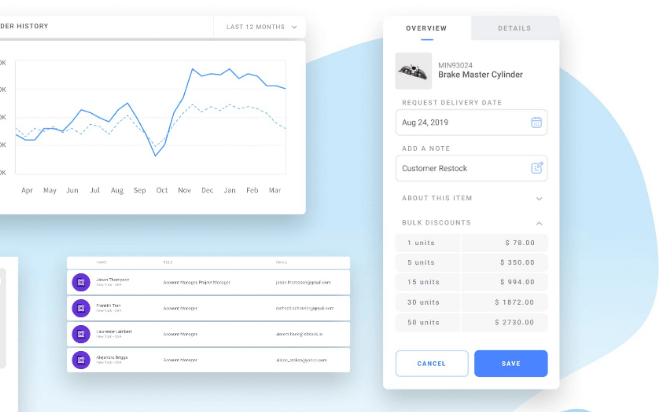
Liferay helps you build B2B self-service portals where customers can log in, see their own catalogs and pricing, place orders, and pull documentation—without pinging your team.
It’s best for industrial and enterprise orgs that need multi-level account hierarchies, content + commerce in one place, and strict governance across regions.
Why I Picked Liferay
I picked Liferay because it pairs real B2B control with a DXP—your customers can shop, open tickets, and access docs from a single portal through integrated content and commerce.
You get customer-specific pricing through rules-driven catalogs and contracts, so each account sees the right items and terms.
Your admins can mirror complex org charts with nested accounts and delegated roles, giving buyers approvals and spending limits that match how they actually work.
Localization and workflow tooling keep global catalogs, translations, and releases consistent, so regional teams don’t go rogue. If you already run enterprise systems, Liferay’s out-of-the-box connectors and identity options make it fit into the stack you’ve got.
Liferay Key Features
Beyond the portal fundamentals, here are practical B2B tools your team will actually use.
- Delegated Account Administration: Let customers manage users, roles, and spending limits inside their own company structure.
- Contract And Price Lists: Attach contract terms, quantity breaks, and account-specific price lists to control what each buyer sees.
- Order Templates And Reorder Lists: Save frequent baskets and replenish fast for repeat, contract-driven purchasing.
- Role-Based Permissions: Lock down catalogs, content, and workflows by role, site, or region to meet compliance needs.
Liferay Integrations
Integrations include Salesforce, SAP, LDAP/Active Directory, SAML SSO, OpenID Connect, Elasticsearch.
Pros and Cons
Pros:
- Supports complex org hierarchies, contract catalogs, and approvals.
- Combines content, service, and commerce in one customer portal.
- Strong localization, workflow, and governance for multi-region teams.
Cons:
- Implementation can be complex for teams new to DXPs.
- Smaller third-party app ecosystem than mainstream commerce clouds.

Best for built-in B2B and headless flexibility
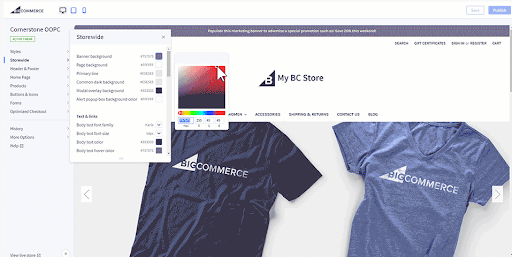
For mid-market teams selling into complex accounts, BigCommerce gives you native B2B controls—company logins, quotes, invoice payments, and customer-specific pricing—without duct-taping plugins together.
It’s best for wholesalers and manufacturers who want B2B depth today and the option to go headless or multi-storefront later.
Why I Picked BigCommerce
I picked BigCommerce because you can run true B2B self-service—your buyers manage users, reorders, and invoices—through Company accounts and a Buyer Portal.
Your contract pricing is enforceable across sites using Price lists tied to customer groups and storefronts, so reps don’t babysit spreadsheets. Sales can reduce back-and-forth by issuing quotes with negotiated rates and approvals, then converting to orders in one click.
If you operate multiple brands or regions, Multi-Storefront lets you centralize catalog and operations while enabling B2B features per storefront.
And if your team wants more control later, headless APIs let you keep the B2B plumbing while swapping the frontend.
BigCommerce Key Features
In addition to those B2B controls, here are a few practical features your team will actually use.
- Invoice Portal & Purchase Orders: Let approved buyers pay invoices and place PO-based orders with preconfigured terms.
- Shared Shopping Lists & Quick Order: Buyers build lists, paste SKUs, and reorder from history to speed replenishment.
- Real-Time Carrier Rates: Show live UPS, USPS, and FedEx quotes at checkout for accurate landed costs.
- Digital Wallets & Accelerated Checkout: Offer Apple Pay, Amazon Pay, and Link/Fastlane options to cut checkout friction.
BigCommerce Integrations
Integrations include Avalara, Stripe, PayPal, Authorize.Net, Amazon Pay, Apple Pay, Google Pay, UPS, USPS, and FedEx.
Pros and Cons
Pros:
- Multi-storefront lets you run segmented B2B sites centrally.
- Variant-level price lists tied to storefronts and customer groups.
- Built-in company accounts, quotes, and invoice payments for B2B.
Cons:
- B2B Edition adds cost for very small teams.
- Theme/design flexibility trails site-builder competitors.

Wix
Best for gated catalogs and member pricing
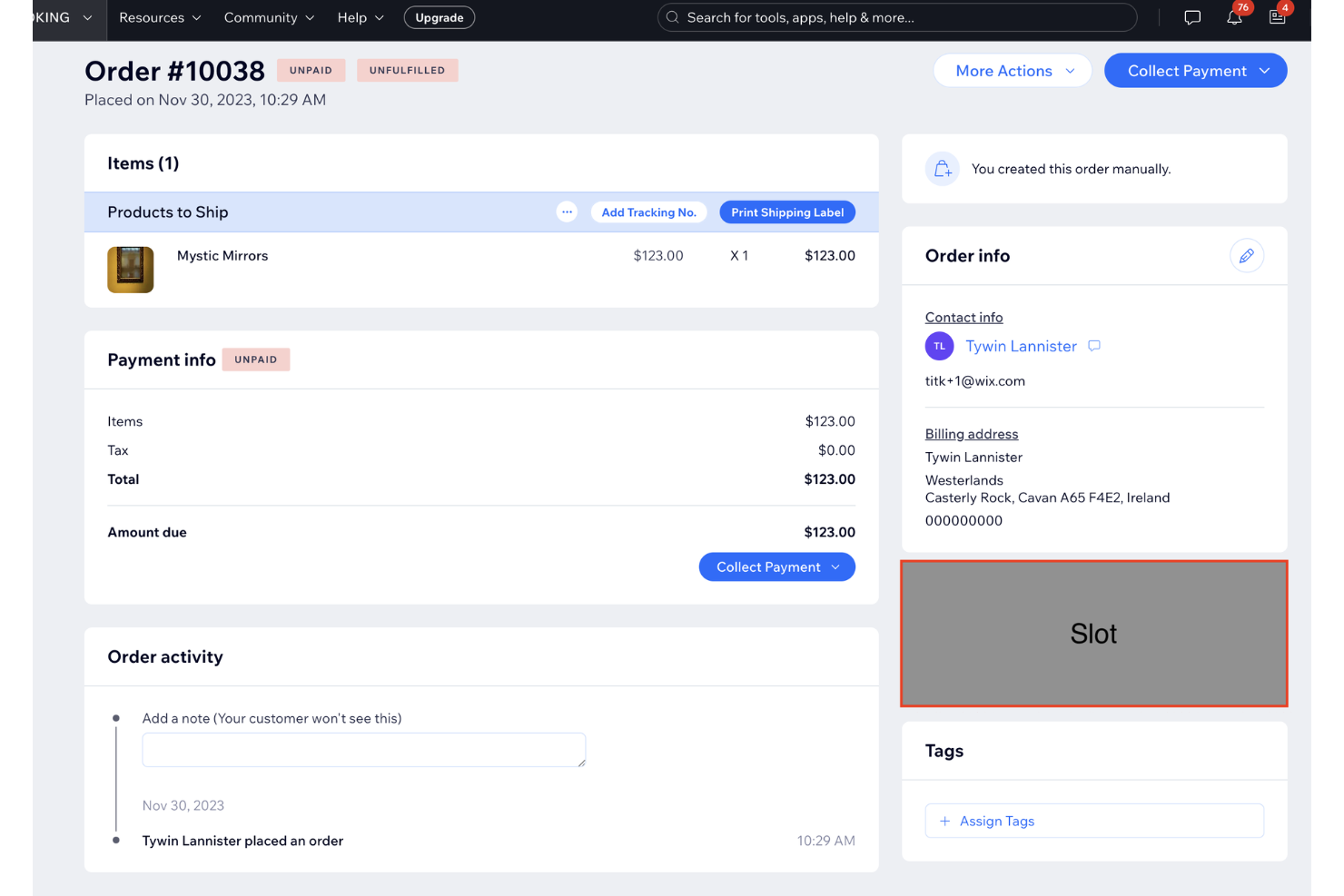
For small and midsize wholesalers who want to launch fast, Wix gives you gated catalogs, member pricing, and multichannel selling without begging IT for time.
You can hide wholesale price lists behind logins, sync products to Amazon/eBay/Facebook/Pinterest, and track conversions with GA4 and Meta Pixel—solid for teams spinning up a first B2B portal.
Why I Picked Wix
I picked Wix because you can gate pricing for approved buyers using Members Area and pricing plan permissions—so only logged-in customers see wholesale rates.
You also get real multichannel reach by syncing products to Amazon, eBay, Facebook, and Pinterest directly from your dashboard. Attribution isn’t guesswork, since GA4 and Meta Pixel+CAPI plug in for purchase and add-to-cart events.
Accounting handoff is covered via the QuickBooks Online connector, pushing orders, taxes, and customers into your books. If you outgrow the basics, B2B add-ons like SparkLayer layer in quick order lists and customer-specific price grids.
Wix Key Features
Here’s what complements those B2B essentials day-to-day.
- Automated Sales Tax: Calculate and apply taxes at checkout across supported regions.
- Custom Shipping Rules: Set carrier methods, rate tables, and location-based restrictions for wholesale orders.
- Abandoned Cart Recovery: Capture lost revenue with automatic follow-ups and coupons for signed-in buyers.
- Manual Orders & Quotes: Create orders from the back office for phone or rep-assisted sales.
Wix Integrations
Integrations include Google Analytics 4, Meta Pixel & Conversions API, Google Ads, Pinterest, Amazon, eBay, Mailchimp, HubSpot, QuickBooks Online, and YouTube Shopping.
Pros and Cons
Pros:
- GA4 and Meta Pixel+CAPI give reliable purchase attribution.
- Multichannel sync covers Amazon, eBay, Facebook, and Pinterest.
- Members-only gating enables customer-specific wholesale pricing and access.
Cons:
- Marketplace connections often rely on paid third-party apps.
- Advanced B2B workflows need SparkLayer or other add-ons.

Best ecommerce platform for personalization features
Optimizely (formerly Episerver) is built for manufacturers and distributors that live and die by contract pricing, customer-specific catalogs, and approvals.
You get experimentation baked into commerce and CMS, so your team can test search, promos, and layouts on real B2B buyers—not guesses.
Why I Picked Optimizely
I picked Optimizely because you can personalize and test the full buying journey—your team runs A/B tests on product pages and navigation, then ties winners to rules-driven pricing and content targeting.
For complex accounts, you can serve negotiated catalogs and branch-level inventory using built-in account hierarchies and customer segments. Sales ops gets quoting and order-on-behalf tools, so reps can move orders without jumping into the ERP.
Procurement teams aren’t left out either—you can support PunchOut, approvals, and payment terms inside the checkout.
The kicker is the connector ecosystem, which reduces custom plumbing when you sync customers, pricing, tax, and orders with your back office.
Optimizely Key Features
In addition to testing and account-specific pricing, here are a few B2B-ready tools you’ll actually use.
- Quoting and Approvals: Generate quotes, capture approvals, and convert to orders without leaving the storefront.
- Sales Rep Tools: Masquerade as customers, place orders on behalf, and manage account lists for key buyers.
- Branch Inventory Visibility: Show availability by warehouse or location to route orders accurately.
- PunchOut Support: Connect buyer procurement systems via cXML to keep enterprise purchasing compliant.
Optimizely Integrations
Integrations include Microsoft Dynamics 365, Acumatica, Infor CSD, Infor SX.e, Epicor Prophet 21, IFS Aurena (Cloud), Avalara, Vertex, CyberSource, and cXML PunchOut.
Pros and Cons
Pros:
- Account hierarchies support catalogs, terms, and branch-level inventory.
- Native ERP connectors speed up customer, price, and order sync.
- A/B tests connect to pricing and content rules, proving revenue impact.
Cons:
- Implementation needs strong dev resources and clear data governance.
- Pricing is custom—total cost can be higher for lighter needs.

Best open-source B2B suite for wholesalers

For wholesalers and distributors with complex pricing and approval flows, OroCommerce lets you handle RFQs, quotes, and multi-list pricing without duct-taped plugins.
It’s best for mid-market and enterprise teams that need account-based buying, negotiated terms, and tight ERP/CRM connections—plus the option to self-host.
Why I Picked OroCommerce
I picked OroCommerce because your team can run true B2B motions—RFQ→quote→order—directly in the storefront, backed by role-based approvals and account hierarchies.
You can model customer-specific terms through combined price lists, shopping lists, and contract pricing, so negotiated deals actually reflect in checkout. The built-in CRM gives sales and service one view of buyers, which pays off during long sales cycles and reorders.
Shipping and payment methods plug into quotes and orders, so you can price, fulfill, and take payment in one place. If you have an ERP, pre-built connectors and data sync options help you keep inventory, prices, and customers in lockstep.
OroCommerce Key Features
In addition to the B2B quoting and pricing depth, here are useful tools for day-to-day operations.
- Corporate Accounts & Permissions: Set org hierarchies, buyers, and approvers with granular roles.
- Combined Price Lists: Build customer-, group-, or website-specific price logic with scheduling and overrides.
- Multiple Shopping Lists: Let buyers assemble, save, and submit lists for quoting or quick reorders.
- Workflow Engine: Configure approvals and order states to match your procurement and sales processes.
OroCommerce Integrations
Integrations include PayPal, UPS, FedEx, Zendesk, Mailchimp, SAP ERP, Microsoft Dynamics 365 Business Central, Oracle JD Edwards, Epicor Prophet 21, and Sage.
Pros and Cons
Pros:
- Combined price lists handle complex, customer-specific terms.
- Native CRM unifies sales, service, and commerce data.
- Strong fit for wholesalers/distributors managing complex terms.
Cons:
- Admin configuration can be complex for price lists and roles.
- Smaller ready-made theme library; expect custom storefront work.

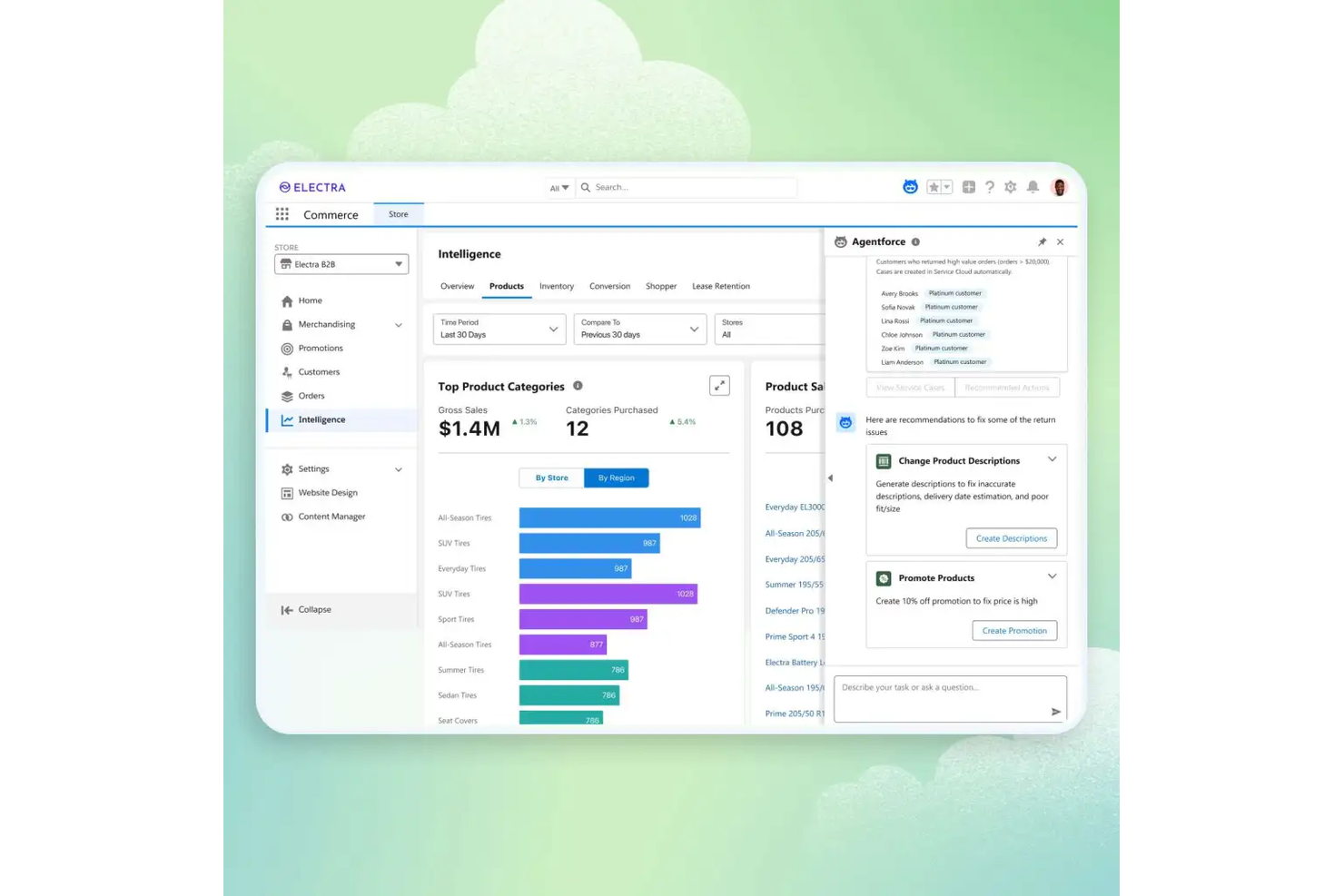
For manufacturers, distributors, and wholesalers with negotiated terms and complex account structures, Salesforce B2B Commerce gives your buyers a self-service portal that actually mirrors how you sell.
You get CRM-native catalogs, pricing, and order flows that handle large carts, approvals, and repeat purchases without breaking your data model.
Why I Picked Salesforce B2B Commerce
I picked Salesforce B2B Commerce because you can run ecommerce on the same records your sales and service teams use—accounts, contacts, price books, and contracts—so nothing gets lost in translation.
Your buyers place big, repeat orders through quick-order grids and reorder templates, while your terms hold up thanks to entitlements and contract pricing. Multi-address shipping and flexible payments fit common B2B workflows, especially when orders split across sites or ship-to locations.
Order activity syncs into Sales Cloud and Service Cloud, giving you pipeline-to-cash visibility and fewer swivel-chair handoffs.
Salesforce B2B Commerce Key Features
Here are practical capabilities that support real B2B buying behavior.
- Account Hierarchies & Approvals: set roles, budgets, and order approvals that reflect your customer org chart.
- Requisition Lists & Saved Carts: let buyers build lists and convert them to orders in a click.
- Multi-Site & Localization: run multiple storefronts with the right currencies, languages, and tax rules.
- AI Product Recommendations: surface relevant add-ons and substitutes using Salesforce Einstein.
Salesforce B2B Commerce Integrations
Integrations include Salesforce Sales Cloud, Service Cloud, CPQ, Order Management, Marketing Cloud, MuleSoft, Stripe, PayPal, Adyen, and Avalara.
Pros and Cons
Pros:
- Reorder templates and quick-order simplify repeat B2B purchasing.
- Contract price books and entitlements enforce negotiated terms accurately.
- Tight CRM, CPQ, and service data reduce manual rekeying.
Cons:
- Higher licensing and implementation costs than mid-market B2B carts.
- Requires Salesforce administration skills; most teams need a partner.

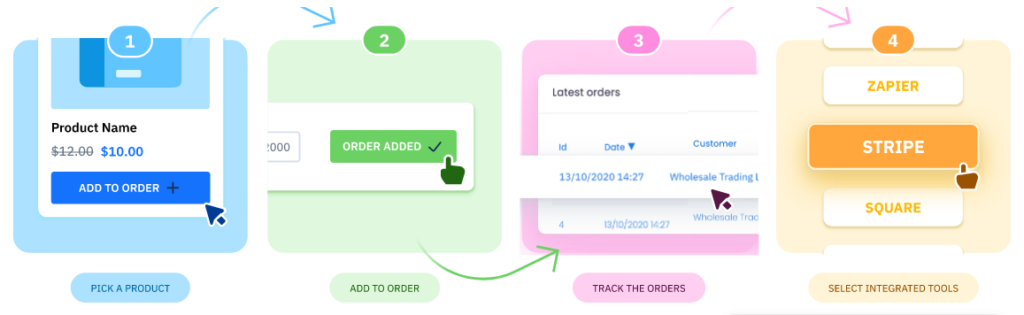
For wholesalers and manufacturers who need a customer portal up fast, B2B Wave gives you the essentials—customer-specific catalogs and pricing, easy reorders, and built-in quotes—without hiring a dev team.
It’s best for small to midsize teams that want predictable admin work, unlimited orders, and accounting handoff out of the box.
Why I Picked B2B Wave
I picked B2B Wave because you can launch quickly and keep control—import products and customers with templates, then invite buyers to self-serve in minutes.
You get precise customer pricing through price lists and product visibility rules, so negotiated rates and assortments show up correctly for each account. Order accuracy improves with inventory statuses and optional backorders, and buyers can one-click reorder from order history.
Your team saves reconciliation time with native QuickBooks Online and Xero sync, and you can take payments online via Stripe or PayPal. If you already run DTC on Shopify, the connector helps keep catalogs aligned while separating your wholesale flow.
B2B Wave Key Features
In addition to the launch speed and pricing controls, here are a few practical tools your team will actually use.
- PDF Catalogs: Generate brandable PDFs—general or customer-specific—for buyers who still need a printable line sheet.
- Quote Management: Let buyers request quotes, send PDF quotes back, and convert to orders when approved.
- Sales Rep App: Give reps a mobile app for on-the-go order entry, reorders, and account lookup.
- Supplier Portal: Allow suppliers to upload products for approval, track activity, and manage stock where you need it.
B2B Wave Integrations
Integrations include QuickBooks Online, Xero, Shopify, Stripe, PayPal, Authorize.Net, Mailchimp, ShipStation, Avalara, and Zoho CRM.
Pros and Cons
Pros:
- QuickBooks/Xero sync reduces manual accounting work.
- Customer-specific price lists and product visibility rules.
- Unlimited customers, orders, and quotes on standard plans.
Cons:
- Theme and page design options are basic versus full CMS platforms.
- Standard plan limits (e.g., SKUs, users) may require paid add-ons.
Other B2B Ecommerce Platform Options
Here are a few more that didn’t make the top list.
- Sana Commerce
For ERP integration
- Pepperi
For mobile order taking
- Spryker
For modular architecture
- Now Commerce
For customer-specific pricing
- Drupal Commerce
For advanced product modeling
- Handshake
Wholesale marketplace for finding trendy products
- Williams Commerce
For Magento B2B builds and integrations
- MeGaDev
For custom ecommerce builds and modernization
- Adriel
Ecommerce data aggregation for ad, marketing, and social efforts
- ShipEngine
For B2B platform for global multi-carrier shipping
- ewiz commerce
Ecommerce software for small businesses to leverage AI-based personalization
- Yotpo
Ecommerce platform for built-in marketing features like SMS marketing and referral programs
- OrderCircle
Customized ecommerce solution for wholesale ecommerce
- K-eCommerce
ERP-integrated ecommerce solution for wholesalers
- Bluepark
Ecommerce solution for UK companies
- Perenso
Ecommerce sales execution platform for distributors and enterprise wholesalers selling to retail business owners
- SellerChamp
Ecommerce software for faster bulk listings and list management
- B2B.store
B2B order processing platform for wholesalers
- YoRent
Rental Marketplace Software to Build Online Rental Website
- E-point
B2B ecommerce software building agency for building customized ecommerce features.
- Envoy B2B
B2b ecommerce platform for support-related features
- Equipt by Gen Alpha
B2B ecommerce platform for bill of material structures
- SelfServe by OmPrompt
B2B ecommerce platform to optimize customer experience and usability
- Aphix Digital Ordering Platform
Platform for ERP-integrated ecommerce
- Purchase Commerce
Headless commerce platform for small businesses
- Znode
Enterprise ecommerce platform for API integrations
- inRiver PIM
Ecommerce platform for omnichannel ecommerce business


How I Evaluate B2B Ecommerce Platforms
I evaluate B2B ecommerce platforms in two layers: the baseline requirements a platform must meet—like account pricing and PO support—and the differentiators that set the best vendors apart.
Core Functionality (Table Stakes For This List)
When I'm selecting tools for my list, I rank each one on a scale from 0 (does not offer the functionality) to 5 (excels in this area) for each core functionality listed below. Then, I calculate the tool's total score into a percentage. Each tool needs to achieve a minimum total score of 65% to be considered for inclusion.
- Customer-Specific Catalogs & Pricing: I check whether a platform supports per-account price lists, contract rates, and volume tiers—like offering negotiated pricing for a distributor's top accounts.
- Bulk & Complex Ordering: Quick order pads, CSV uploads, reorder lists, and quote-to-order workflows all matter here. A buyer placing a 500-line PO needs more than a standard cart.
- Account Hierarchy & Permissions: I look for multi-user buyer accounts with role-based access, approval chains, and spending limits—think a regional manager approving orders from branch purchasers.
- ERP & Back-Office Integration: Real-time sync with systems like SAP, NetSuite, or Microsoft Dynamics for inventory, pricing, and order data is what separates a B2B platform from a glorified storefront.
- B2B Payment & Credit Handling: Purchase orders, net terms, credit limits, invoicing, and tax exemption handling should all be present. I evaluate how each platform manages the full B2B payment lifecycle.
- Multi-Channel & Multi-Store Support: Managing multiple storefronts, currencies, and hybrid B2B/D2C models from one backend matters for teams scaling across regions or customer segments.
Once I have a list of tools that meet this criteria, I consider what sets each platform apart.
Differentiating Factors (What Sets Vendors Apart)
Here's how I compare and contrast different vendors:
Standout Features
Punchout catalog support is a big deal for teams selling into enterprise procurement systems like Ariba or Coupa—I check whether a platform handles cXML and OCI natively or requires middleware. Sales rep assisted selling is another feature I evaluate closely, since reps often need to log in on behalf of a buyer, build a cart, and place orders for phone-in accounts. I also look at headless architecture for teams that need custom buyer portals or want to serve both B2B and D2C from separate front ends.
Beyond Features
Total cost of ownership matters a lot in this space—I evaluate whether a platform charges per-transaction, by GMV, or via flat subscription, since costs can scale dramatically as order volume grows. Implementation timelines are another factor I weigh, because B2B launches often take months and require data migration from legacy systems. I also consider ecosystem depth: a strong partner network of integrators and a well-stocked app marketplace make a real difference when you need to extend the platform post-launch.
How to Choose a B2B Ecommerce Platform
Choosing the right B2B ecommerce platform is less about bells and whistles—and more about building the backbone of your business. Here’s how to get it right:
| Step | What to do | Why it matters |
|---|---|---|
| Start with security | Choose platforms with enterprise-grade encryption, two-factor auth, and PCI/GDPR compliance. | B2B deals involve large transactions and sensitive data—weak security = high risk. |
| Test for ERP integration | Ensure the platform integrates with your ERP (like NetSuite, SAP, or Microsoft Dynamics). Bonus points for pre-built connectors. | Syncing data across finance, inventory, and ops reduces silos and order errors. |
| Demand self-service functionality | Look for customer portals, reordering tools, and account-level access settings. | Your buyers want to manage their own orders—give them the keys. |
| Validate pricing flexibility | Check for support for tiered pricing, customer-specific discounts, and bulk order logic. | Pricing is never one-size-fits-all in B2B. Your platform needs to reflect that. |
| Audit the buying experience | Demo the front-end as if you're a buyer. Can you log in, find the right SKU, and check out easily? | A clunky UX turns buyers away faster than a broken cart. |
| Check mobile readiness | Confirm the platform works well on phones and tablets—for both admins and buyers. | Your customers aren't always at a desk. Neither is your sales team. |
| Assess support and uptime | Look for 24/7 support, onboarding help, and an SLA-backed uptime guarantee. | Downtime = lost revenue. You want proactive support, not just a chatbot. |
| Plan for scale | Choose a platform that can grow with you—more users, SKUs, channels, and regions. | You don’t want to rebuild in 18 months. Future-you will thank you. |
Key Features of B2B Ecommerce Platforms
These are the capabilities your platform needs to serve business buyers, streamline operations, and scale without chaos.
- Scalability and uptime. Your platform should grow with you and stay online under pressure—no downtime during crunch time.
- Self-service portals. Let buyers log in, reorder, request quotes, and track shipments without needing to call sales every time.
- Advanced pricing customization. Support tiered pricing, volume discounts, negotiated rates, and customer-specific pricing logic.
- Secure checkout and data protection. Ensure PCI-DSS compliance, SSL encryption, fraud detection, and two-factor authentication are baked in.
- ERP integration. Connect with platforms like NetSuite, SAP, or Dynamics to sync product, pricing, and inventory data in real time.
- Custom catalogs and access controls. Show different product assortments and pricing to different buyers based on their account settings.
- Multi-user and role-based access. Allow purchasing teams to operate under one account with approval workflows and role-specific permissions.
- Flexible payment options. Offer terms like purchase orders, ACH, credit limits, and invoicing alongside modern digital payment tools.
- Bulk order and quote management. Handle high-volume orders, custom quotes, and negotiated deals with approval flows built for complexity.
- Mobile-ready UX. Make sure both buyers and admins can manage orders from phones and tablets with zero friction.
- Open APIs and integration flexibility. Extend your tech stack with CRM, PIM, WMS, and shipping integrations—powered by reliable APIs.
Benefits of B2B Ecommerce Platforms
A good B2B ecommerce platform isn’t just about selling—it’s about scaling smarter, serving better, and saving time. Here’s what you get when you invest in the right one.
- Streamlined operations. Integrate with your ERP to centralize order, customer, and inventory data—no more siloed systems or double entry.
- Improved efficiency. Automate invoicing, order routing, and inventory syncing to reduce manual work and avoid costly errors.
- Enhanced customer experience. Deliver intuitive, friction-free buying journeys with self-service portals, personalized catalogs, and 24/7 access.
- Greater reach. Sell to new markets with multi-currency support, local tax settings, and international shipping integrations.
- Scalability. Easily handle more traffic, product SKUs, and complex workflows as your business grows—without switching platforms.
- Data-driven insights. Use built-in analytics to understand buyer behavior, forecast demand, and optimize product offerings.
- Cost savings. Cut costs by streamlining operations, reducing order errors, and eliminating redundant tools.
- Stronger customer relationships. Manage accounts better with CRM integration, custom pricing, and proactive communication tools.
- Increased sales. Encourage repeat orders, upsells, and larger purchases with personalized recommendations and flexible payment terms.
- 24/7 availability. Capture sales any time, anywhere—no more relying on office hours or human reps to close deals.
Trends for B2B Ecommerce Platforms
The B2B ecommerce space is shifting fast—these are the trends that matter most if you want to stay competitive and avoid expensive platform regrets.
- Sustainability is entering procurement checklists. Buyers are asking for ESG metrics. Platforms that support carbon tracking or integrate with sustainable logistics tools are helping sellers win more deals.
- Self-service is the new sales team. Buyers want control, not a callback. Platforms that prioritize self-service portals—like reordering, order tracking, and account management—are shortening sales cycles and increasing customer stickiness.
- Security is no longer just IT’s problem. Data protection is now part of the sales pitch. Platforms that surface security certifications, MFA, and fraud prevention tools directly in their onboarding are winning enterprise trust.
- ERP integration is a dealbreaker, not a bonus. Seamless ERP sync is now expected. Buyers don’t care about your frontend if their invoice is wrong—clean ERP connections reduce churn and save your ops team hours.
- AI needs a use case, not a buzzword. The best platforms use AI for actual business wins—like smarter replenishment, personalized catalogs, and buyer segmentation. Skip the ones that shout “AI” with no clear impact.
- UX is becoming a competitive moat. B2B buyers expect a B2C-level experience. Clean interfaces, mobile optimization, and intuitive workflows aren’t extras anymore—they’re table stakes.
- Composable beats all-in-one. Flexible, headless platforms that integrate easily with best-in-class tools are replacing monoliths. You don’t need everything in one tool—you need everything working together.
- Real personalization goes beyond first names. Platforms are getting smarter about surfacing relevant products, pricing, and workflows based on buyer behavior—not just identity fields.
Cost & Pricing of B2B Ecommerce Platforms
B2B ecommerce platforms come in various price points, designed to fit businesses of different sizes and needs.
Here's a quick guide to help you understand what influences pricing and what you might expect to pay.
Factors affecting B2B platform pricing
- Customization options: Tailoring features and design to your needs can increase costs.
- Number of products: Larger catalogs might mean higher fees.
- Marketing tools: Advanced tools for email campaigns, SEO, and customer segmentation add to the price.
- Hosting included: Some platforms bundle hosting, while others charge separately.
- Security features: Enhanced security measures, like SSL certificates and fraud detection, can be costlier.
- International capabilities: Multi-currency and multi-language support often come at a premium.
- Scalability: Platforms that grow with your business may cost more.
- Support options: Higher levels of support can influence overall costs.
- Transaction fees: Some platforms charge per transaction, adding up over time.
Plan comparison table for B2B commerce platforms
| Plan type | Average price | Common features included | Best for |
|---|---|---|---|
| Free | $0 | Limited product listings, basic templates, basic SEO tools, transaction fees on sales. | Hobbyists, solopreneurs |
| Basic | $20 - $50/month | Website hosting, basic templates, product listings, basic SEO tools, simple analytics. | Small businesses, startups |
| Professional | $50 - $150/month | All Basic features, additional templates, marketing tools, improved SEO, advanced analytics. | Growing businesses, SMEs |
| Advanced | $150 - $300/month | All Professional features, advanced analytics, customer segmentation, abandoned cart recovery, priority support. | Medium to large businesses |
| Enterprise | $500+/month | All Advanced features, custom integrations, full customization, dedicated support, training, enterprise-grade security. | Large enterprises |
When choosing a B2B ecommerce platform, balance your current needs with future growth plans. The right platform should align with your business goals, budget, and required level of customization. Working with experienced ecommerce website developers can help ensure your platform is built to scale effectively.
By understanding these pricing structures and options, you can find a platform that best fits your business’s unique needs.
B2B Ecommerce Platforms FAQ
Let’s look at some questions we guessed you might have. Even if you don’t, you might after reading them. So, let’s do that.
What are some examples of B2B ecommerce?
B2B ecommerce happens every time one business sells products or services to another business online. Think: a manufacturer selling auto parts to repair shops, a wholesaler supplying retailers, or a SaaS company offering enterprise tools to marketing teams.
Amazon Business and Alibaba are two of the biggest names in the space—but many niche players dominate in verticals like industrial goods, healthcare, and tech.
How is B2B ecommerce different from B2C ecommerce?
B2B is less about impulse buys and more about long-term, high-stakes relationships. Buyers expect things like custom pricing, quote approvals, payment terms, and reordering workflows.
The sales cycle is longer, there are usually more decision-makers, and transactions can hit six figures. Your platform needs to reflect that complexity—not just look pretty.
Do B2B ecommerce platforms support self-service portals?
Yes—and they should. Buyers don’t want to email a rep every time they need to reorder or check pricing. Modern platforms offer self-service dashboards where customers can log in, view their account-specific catalogs, manage orders, and download invoices. It’s faster, cheaper, and exactly what your buyers expect now.
Why is security so important in B2B ecommerce?
Because the stakes are higher. You’re dealing with sensitive customer data, large transactions, and often regulated industries. Breaches can cost you deals—and reputational damage. The best platforms are PCI-DSS compliant, offer SSO and two-factor authentication, and provide audit logs and encryption by default. Don’t treat it as optional.
Can B2B ecommerce platforms integrate with my existing systems?
They’d better. The best platforms integrate directly with your ERP (like NetSuite, SAP), CRM (like Salesforce, HubSpot), WMS, and accounting tools. Look for open APIs, native connectors, and real-time syncing to avoid manual data entry or order mismatches. If integration isn’t seamless, your backend becomes a bottleneck.
What features should I prioritize when evaluating platforms?
Start with the must-haves: custom pricing, ERP integration, user permissions, secure checkout, and self-service tools. Then look at how the platform handles scalability, mobile UX, and third-party integrations. Avoid being dazzled by flashy UI and focus on whether the platform makes your team’s life easier and your buyer’s journey smoother.