

10 Best International Ecommerce Platform In 2026

10 Best International Ecommerce Platforms Shortlist


There are so many different supplier relationship management software solutions that making a shortlist of the best can be tricky. You want to streamline and enhance the processes of evaluating, selecting, and managing suppliers—and now need the right tool for your business and team. I've got you covered! In this post, I share from my personal experience managing online stores of all sizes, using many different ecommerce platforms, and share my picks of the best international ecommerce platforms overall.
Why Trust Our Software Recommendations
Our team has been testing and reviewing software since 2012. As retail leaders ourselves, we know how difficult—and important—it is to choose the right software.
For this guide, we evaluated tools using hands-on testing and independent research, scoring tools using our selection criteria.
Our reviews reflect our independent judgment—not a sales pitch.
Best International Ecommerce Platform Summary
| Tool | Best For | Trial Info | Price | ||
|---|---|---|---|---|---|
| 1 | Best for scaling | Free demo available | Pricing upon request | Website | |
| 2 | Best for ecommerce templates | 14-day free trial | From $19/month (billed annually) | Website | |
| 3 | Best for value | Free plan available | From $13/month (billed annually) | Website | |
| 4 | Best for multilingual support | Free plan available | From $17/month (billed annually) | Website | |
| 5 | Best search engine optimization | 14-day free trial | From $35/month | Website | |
| 6 | Best for unified ecommerce management | Free demo available. | Pricing available upon request. | Website | |
| 7 | Best for small businesses | Free plan available. | From $35/month. | Website | |
| 8 | Best for ease of use | Free demo available | Pricing upon request | Website | |
| 9 | Best for customizations | 30-day free trial | From $129/year (billed annually) | Website | |
| 10 | Best for expanding worldwide | Free demo available. | Pricing available upon request. | Website |
Overviews Of The 10 Best International Ecommerce Platforms
Here are my evaluations of the top international ecommerce platforms available, including the critical elements that make them worth consideration.

Best for scaling
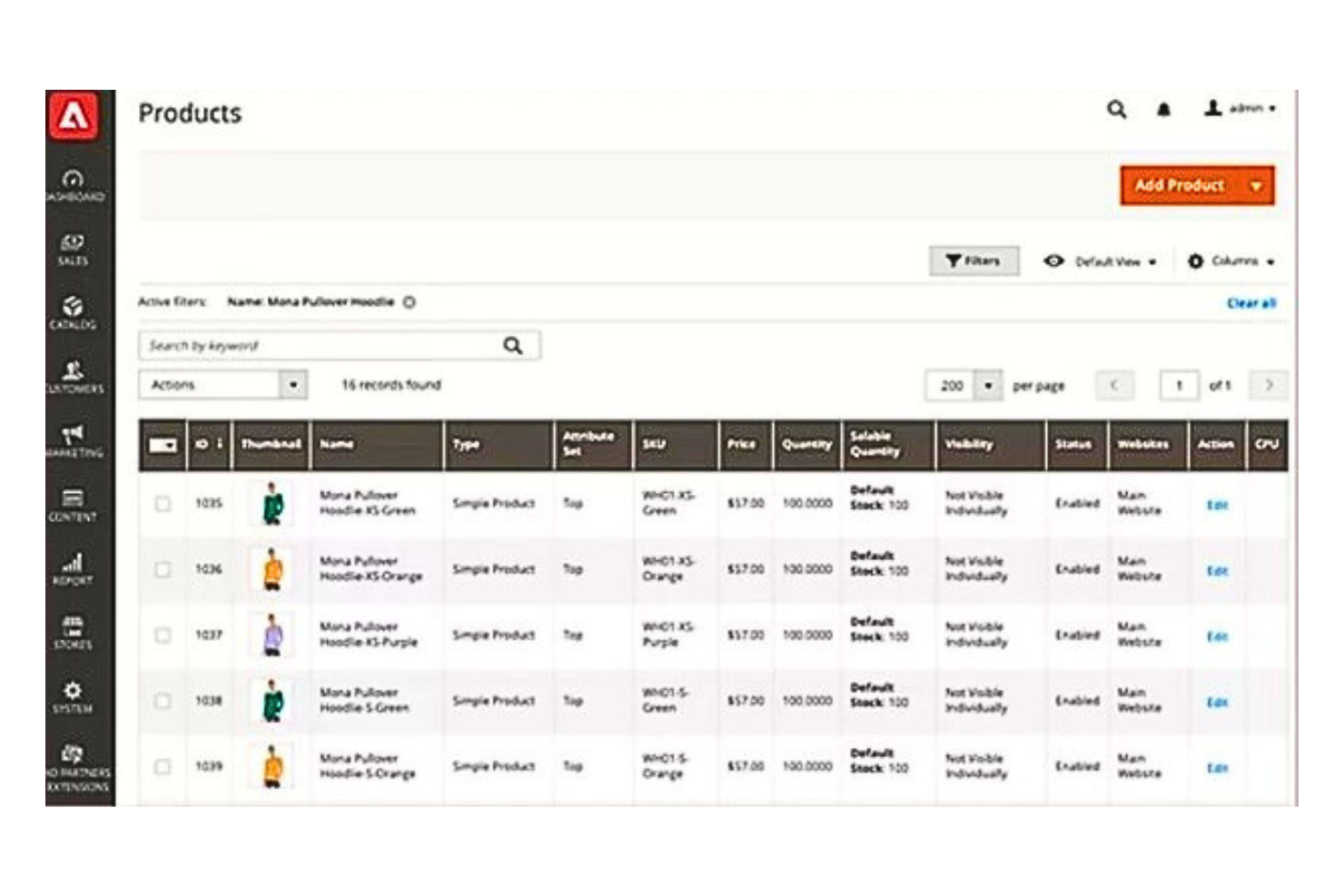
Adobe Commerce is a cloud-native ecommerce platform built for enterprise B2C and B2B operations, with multisite architecture, AI-powered merchandising, and built-in support for multiple languages, currencies, and tax regulations across global markets.
Who Is Adobe Commerce Best For?
Adobe Commerce is a strong fit for enterprise and mid-market retailers managing high SKU counts, multiple brands, or cross-border sales across several regions.
Why I Picked Adobe Commerce
Adobe Commerce earns its spot as one of the best on my shortlist because its auto-scaling cloud infrastructure handles traffic spikes and peak order volume without manual intervention. I'm especially impressed by its SaaS catalog service, which supports rapid ingestion and updates across millions of SKUs. When my team needs to launch new storefronts for additional regions or brands, the multisite architecture lets us do that from a single admin without rebuilding from scratch.
Adobe Commerce Key Features
- Multi-currency and language support: Accept payments in 200+ currencies and localize storefronts with region-specific languages and content.
- AI-powered product recommendations: Surface personalized product suggestions based on individual shopper browsing and purchase behavior.
- B2B commerce tools: Manage company accounts, custom catalogs, negotiated pricing, and purchase orders for wholesale buyers.
- Localized payment and tax configuration: Configure region-specific payment gateways and tax rules for each country you sell in.
Pros and Cons
Pros:
- Sophisticated analytics and reporting solutions
- Scalable and flexible platform
- Many built-in ecommerce tools
Cons:
- Can require specialized knowledge
- Slight learning curve

Best for ecommerce templates
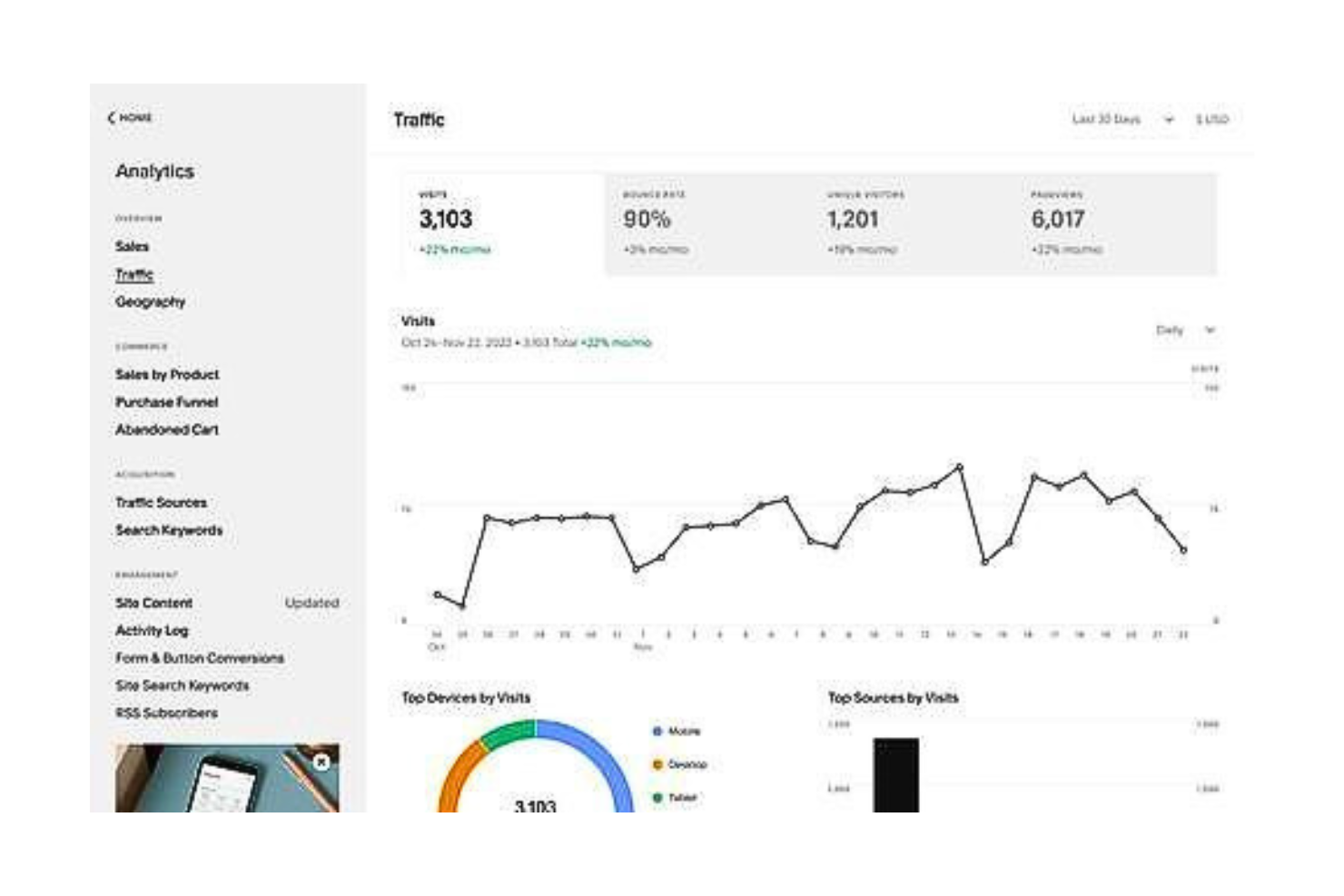
Squarespace is a website builder and ecommerce platform that combines online store functionality with product listings, inventory management, payment processing, and shipping tools—all built around a template-first design system.
Who Is Squarespace Best For?
Squarespace is a strong fit for small to mid-sized brands and independent sellers who prioritize store aesthetics and want design-forward ecommerce without hiring a developer.
Why I Picked Squarespace
I've included Squarespace in my top picks because its ecommerce templates are genuinely built for selling, not just displaying. Each template includes pre-structured product pages, collection layouts, and mobile-optimized storefronts that hold up well across international markets. I particularly like how the Fluid Engine editor lets you customize any template without writing code, so you can adapt your storefront's look to different regional audiences without rebuilding from scratch.
Squarespace Key Features
- Automated tax management: Squarespace calculates tax rates automatically based on where and what you sell, including VAT and GST for international transactions.
- Multi-channel payment processing: Accept payments via credit cards, Apple Pay, Afterpay, and regional options like SEPA and iDEAL through Squarespace Payments or third-party processors.
- Shipping and fulfillment tools: Set up local delivery, pickup, or standard shipping, buy and print shipping labels, and connect to carriers directly from your dashboard.
- Product reviews: Collect and display customer reviews on product listing pages to build credibility with shoppers in new markets.
Pros and Cons
Pros:
- Affordable plans
- Excellent inventory management capabilities
- Award-winning pre-built templates
Cons:
- Undoing changes is challenging
- Slight learning curve

Weebly
Best for value

Weebly is a drag-and-drop website and ecommerce builder, now part of Square, that lets you create an online store with tools for product listings, order management, shipping, and payments.
Who Is Weebly Best For?
Weebly is a good fit for small business owners and solo entrepreneurs who want a low-cost way to launch a simple online store without technical expertise.
Why I Picked Weebly
I've included Weebly in my top picks because it packs a surprising amount of ecommerce functionality into its lower-tier plans. The free plan supports real product listings, a shopping cart, and Square payment processing right out of the box. On paid plans, you get no transaction fees, built-in shipping tracking, and automatic tax tools for U.S. sales—features most platforms reserve for higher tiers. It's a practical starting point if you're testing international markets without paying a high monthly fee.
Weebly Key Features
- Inventory tracking: Monitor stock levels across your product catalog, display low-stock counts to create urgency, and auto-notify customers when items sell out.
- Abandoned cart emails: Automatically sends a timed recovery email to shoppers who leave without completing checkout.
- Filtered product search: Lets shoppers narrow results by attributes like price and color, giving your full catalog more visibility.
- Store import tool: Pull in existing product data from Etsy or Shopify, or upload a CSV file, to get your store live faster.
Pros and Cons
Pros:
- Helpful SEO guides
- Significant number of integrations
- Free plan with standard ecommerce functions
Cons:
- Outdated site templates
- Poor mobile website formatting

Wix
Best for multilingual support
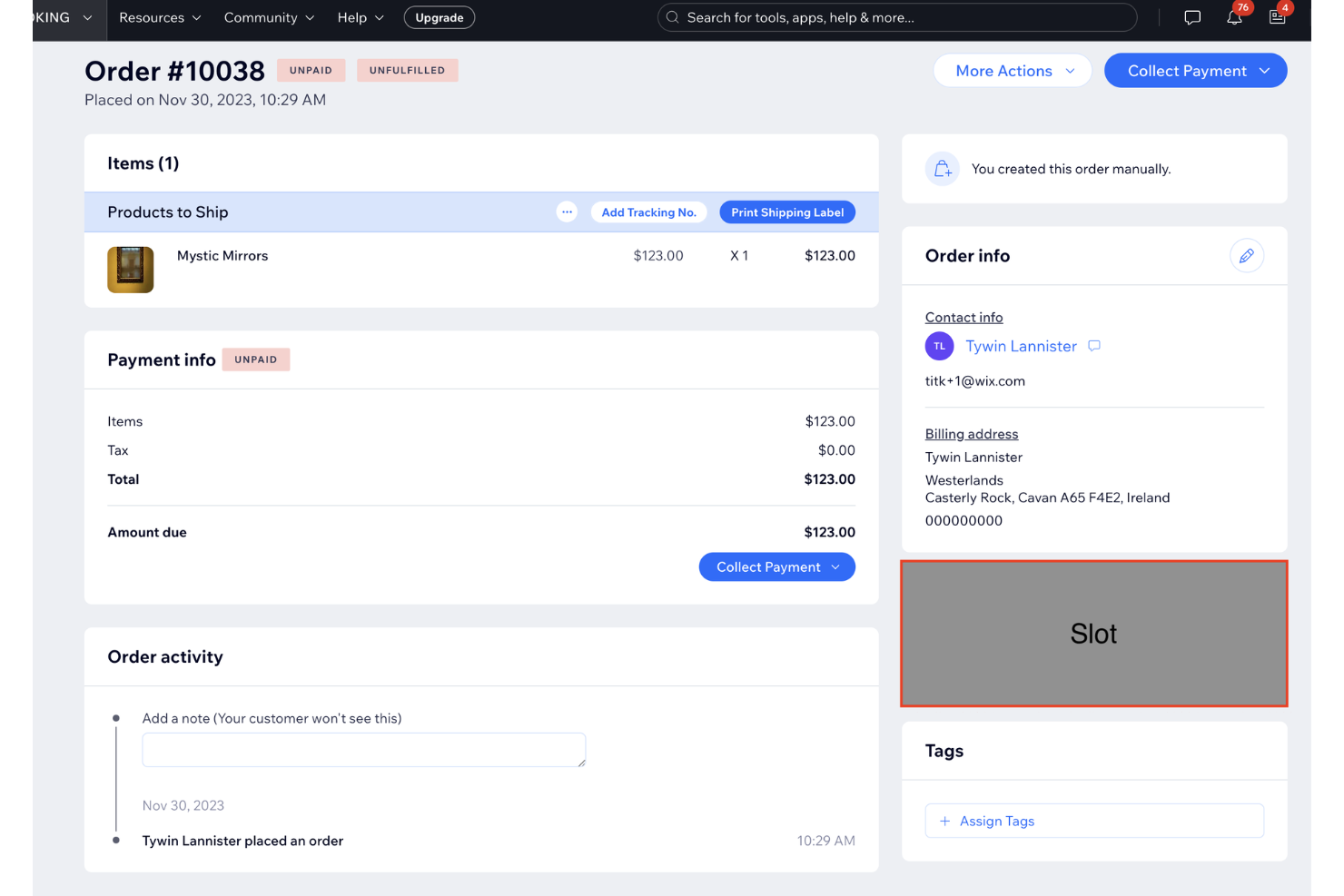
Wix is an AI-powered ecommerce website builder that lets you sell physical, digital, and dropshipping products across your own storefront, in-person, and global marketplaces—with built-in multilingual tools, multi-currency checkout, and international payment support.
Who Is Wix Best For?
Wix is a good fit for small to mid-sized businesses that want to sell internationally without needing a developer to build or manage their store.
Why I Picked Wix
I've included Wix in my top picks because its multilingual storefront tools go deeper than just swapping out text. With Wix Multilingual, I can translate product pages, navigation, and checkout flows into multiple languages, then fine-tune auto-translated content manually to get the tone right for each market. I also like that multilingual SEO is built in—Wix generates proper URL subdirectories per language, so each version of the store can rank in local search results independently.
Wix Key Features
- Multi-currency checkout: Display prices and accept payments in over 100 currencies, with automatic currency conversion based on each customer's location.
- International tax calculation: Automatically calculates applicable tax rates for cross-border transactions through a built-in integration with Avalara.
- Regional shipping rules: Set custom shipping rates, carriers, and delivery options for specific countries or geographic zones within a single store.
- Global marketplace selling: List and sell products on international channels like Amazon, eBay, and social commerce platforms directly from the Wix dashboard.
Pros and Cons
Pros:
- Wide selection of apps and widgets
- User-friendly drag-and-drop editor
- Straightforward payment gateway setup
Cons:
- Cannot switch templates once set
- Not ideal for very large online stores

Volusion
Best search engine optimization
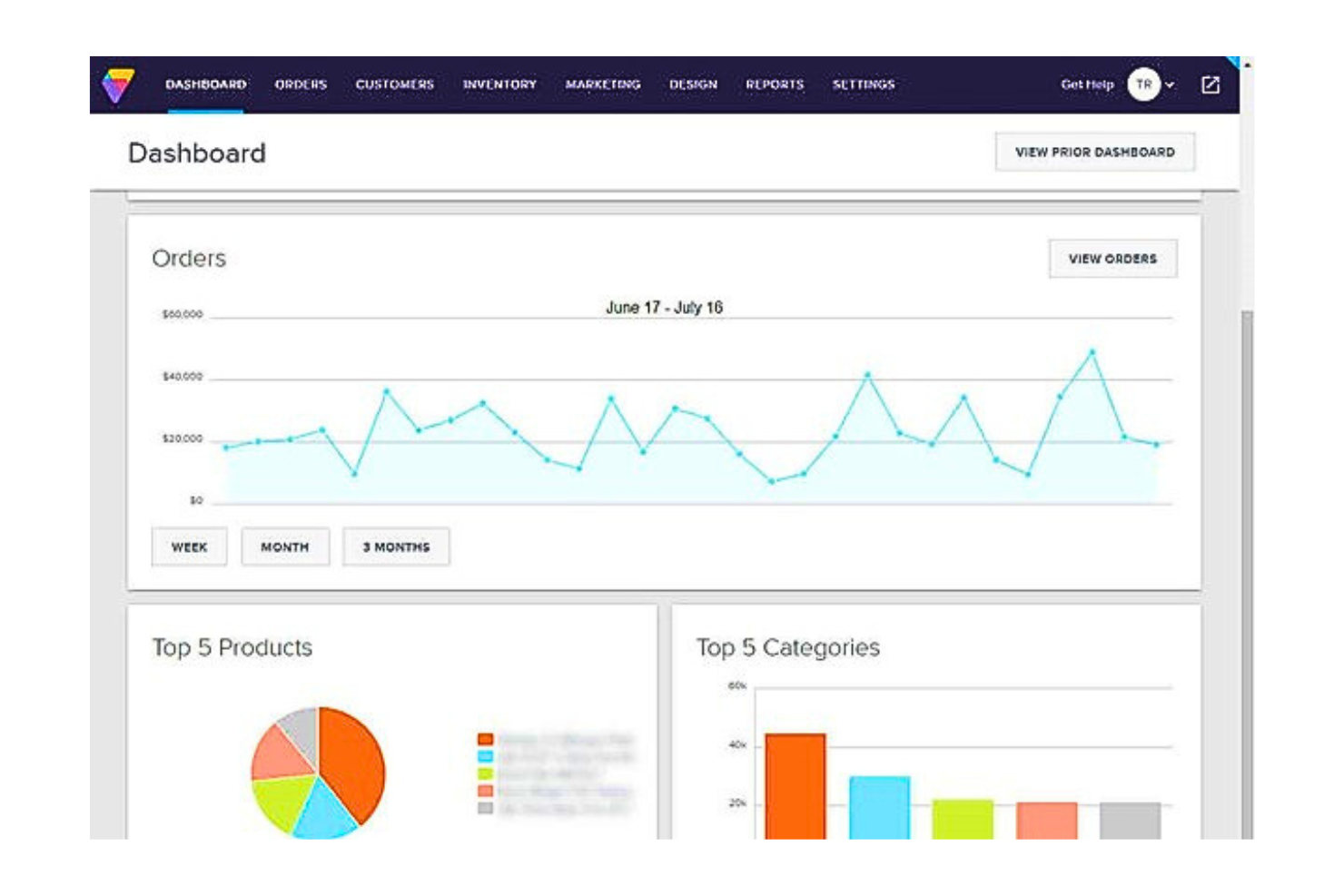
Volusion is an ecommerce platform that covers storefront building, inventory management, payment processing, and SEO management for merchants looking to sell online and grow across international markets.
Who Is Volusion Best For?
Volusion is a good fit for small to mid-sized online retailers who want a dedicated ecommerce platform without the complexity of a full enterprise solution.
Why I Picked Volusion
I've included Volusion in my top picks because its built-in SEO tools give online merchants direct control over the signals that drive organic traffic. I like that you can manage metadata across all pages, products, and categories from a single admin view, rather than jumping between settings. The editable robots.txt file lets you block low-value pages from being crawled, and sitemap indexing makes sure search engines can surface your full product catalog. For international stores, that kind of crawl control matters when you're trying to rank across multiple markets.
Volusion Key Features
- Define currency: Display product prices in a shopper's local currency to support international buyers at the product-browsing stage.
- Abandoned cart messaging: View reports on abandoned and live carts, then send targeted reminder messages to recover lost sales.
- Inventory and stock tracking: Monitor product status, track reorder quantity levels, and get quantity verification across your catalog.
- Cross-selling functionality: Manage orders from multiple shopping channels directly within your Volusion admin.
Pros and Cons
Pros:
- Excellent customer support
- No coding experience necessary
- Simple set up
Cons:
- Reporting needs improvement
- Limited customization options


NetSuite Commerce (SuiteCommerce) is a cloud-based ecommerce platform that unifies B2C and B2B storefronts with order management, inventory, CRM, and financials on a single system.
Who Is NetSuite Commerce Suite Best For?
SuiteCommerce is a strong fit for mid-market to enterprise retailers and manufacturers that sell across multiple countries and need a single platform to manage ecommerce, inventory, and financials together.
Why I Picked NetSuite Commerce Suite
I've included NetSuite SuiteCommerce in my top picks because it's one of the few ecommerce platforms where the storefront, order management, inventory, CRM, and financials all live on the same data model natively. There's no syncing, no middleware, and no lag. When an order comes in, inventory updates in real time across all locations. That single-source-of-truth architecture makes it stand out for unified ecommerce management.
NetSuite Commerce Suite Key Features
- Multi-currency and multi-language support: Configure each storefront with its own language, currency, and regional pricing.
- Multi-site management: Operate multiple country-specific storefronts from one backend, each with a unique domain and catalog.
- Global tax and VAT management: Automatically apply the correct taxes and VAT rates based on customer location and transaction type.
- B2B and B2C commerce: Manage separate buying experiences for wholesale and retail customers, with account-based pricing and purchase order workflows.
Pros and Cons
Pros:
- Global business support
- Responsive website designs
- Integrated inventory management
Cons:
- Customizations are complex
- Limited number of integrations

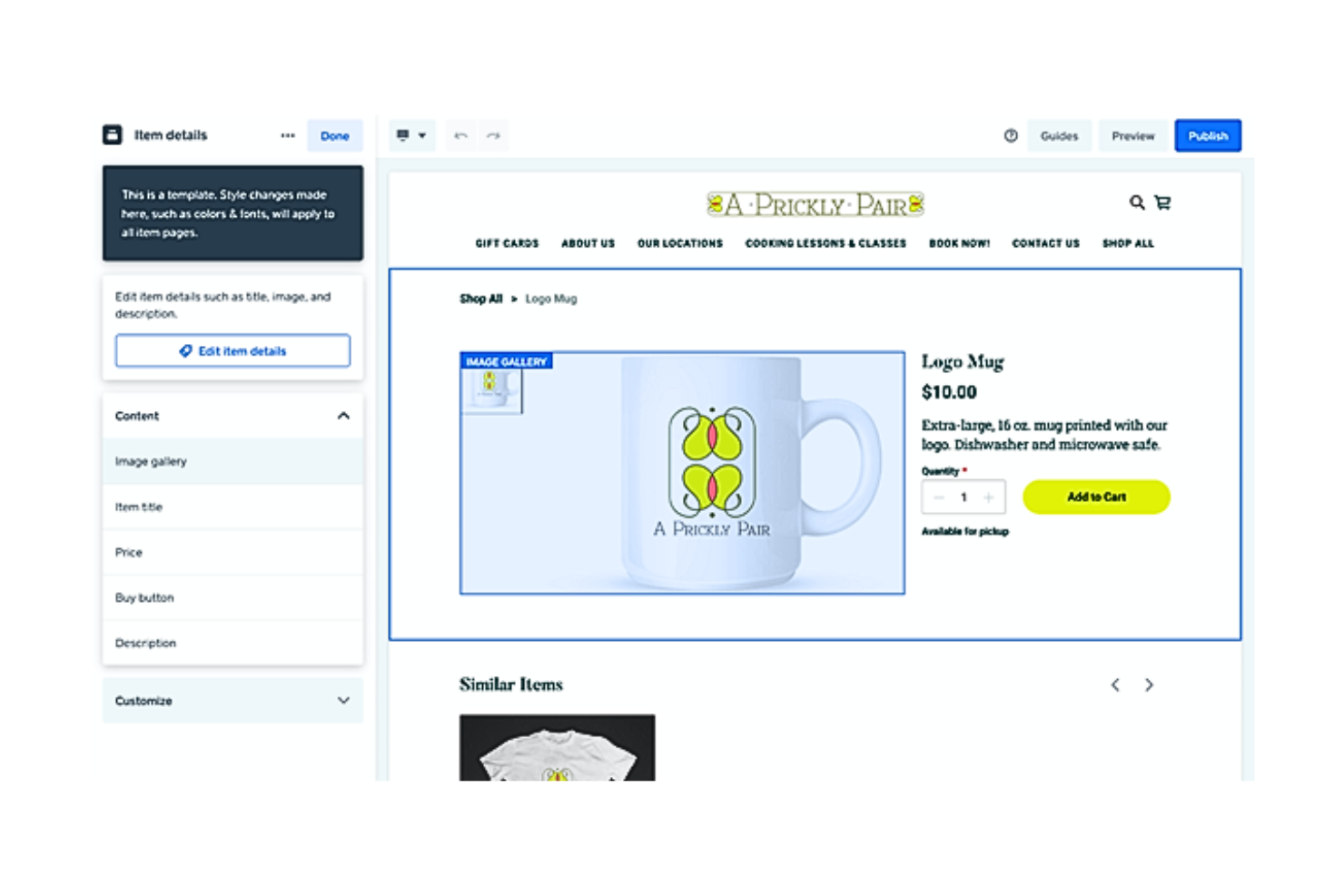
Square Online Store is an ecommerce website builder that ties online selling to in-person Point of Sale, with tools for product listings, order fulfillment, SEO, and customer marketing built into a single system.
Who Is Square Online Store Best For?
Square Online Store is a natural fit for small business owners who already use Square for in-person payments and want to extend their sales online without managing a separate platform.
Why I Picked Square Online Store
I've included Square Online Store in my top picks because it's the most accessible entry point for small businesses that want to sell online without a steep setup curve. I like that inventory syncs automatically between your Square POS and your online store, so if you sell a product in person, your online stock count updates in real time. The free plan also lets small businesses launch a fully functional store with no upfront cost, and built-in tools for local delivery, pickup, and shipping give you fulfillment flexibility from day one.
Square Online Store Key Features
- Customizable website themes: Choose from a library of pre-built templates and use a drag-and-drop editor to design your storefront without writing code.
- Abandoned cart recovery: Automatically send follow-up emails to shoppers who leave your site without completing a purchase (available on paid plans).
- Social channel selling: Connect your store to Facebook and Instagram to sell directly through those platforms from one product catalog.
- Built-in SEO tools: Edit page titles, meta descriptions, and URLs directly within the store builder to improve search visibility.
Pros and Cons
Pros:
- User-friendly interface
- All plans have unlimited storage
- Helpful drag-and-drop tool
Cons:
- Limited customizations
- No mobile site viewer
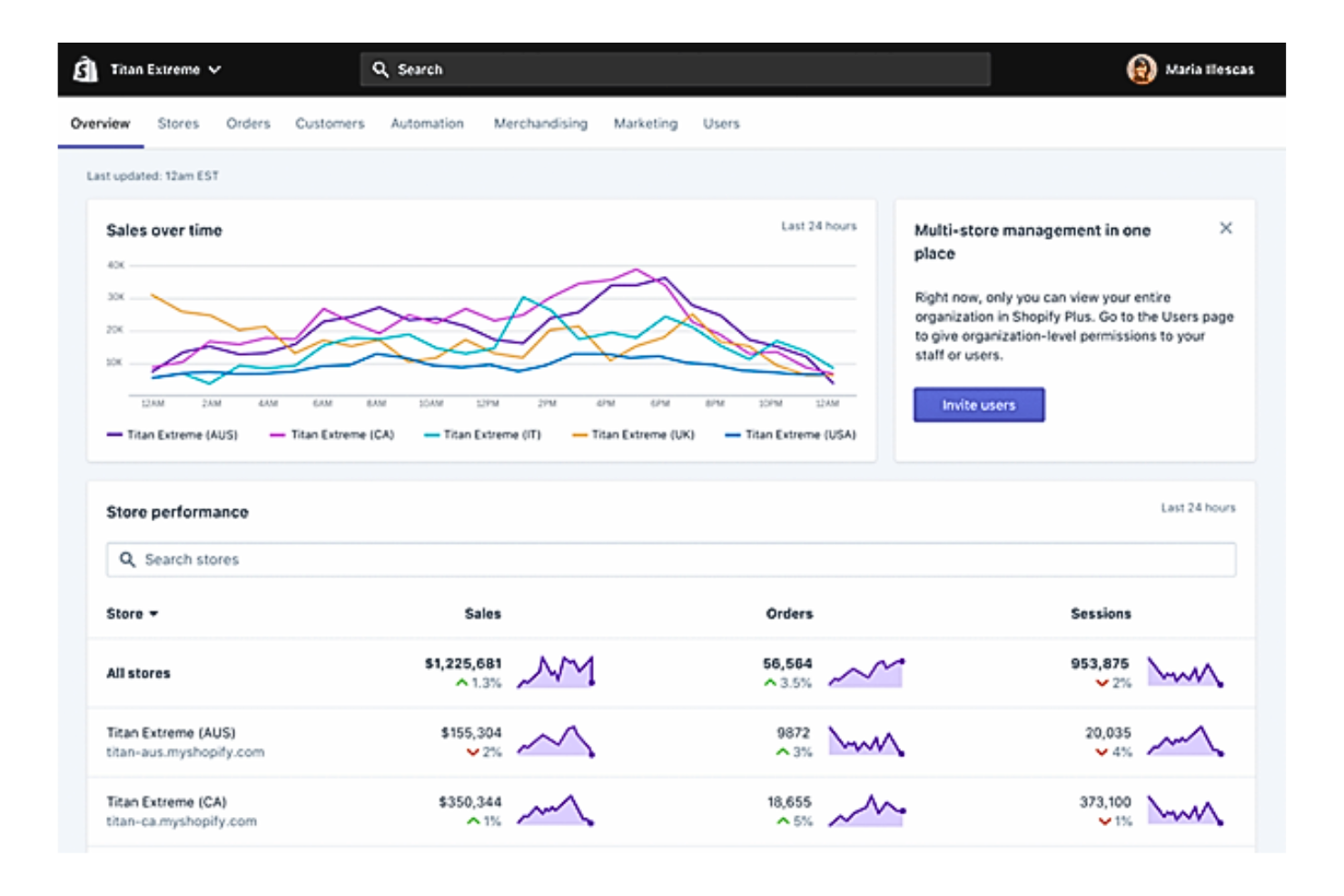
Shopify Plus is an enterprise ecommerce platform that combines a multi-market storefront builder, omnichannel selling tools, B2B commerce features, and localization capabilities to help brands sell across 150+ countries from a single back office.
Who Is Shopify Plus Best For?
Shopify Plus is a strong fit for high-growth and enterprise retailers that need to manage international storefronts, localized pricing, and cross-border logistics at scale.
Why I Picked Shopify Plus
I included Shopify Plus in my top picks because it makes international selling manageable from a single admin. I especially like Shopify Markets, which lets me configure currencies, languages, duties, and tax rules per region without switching between stores or accounts. Managed Markets goes even further by automatically calculating and collecting duties at checkout, then remitting them on your behalf—removing a genuine operational headache from cross-border selling.
Shopify Plus Key Features
- Expansion stores: Create up to nine region-specific storefronts, each with its own domain, inventory, and localized content, all managed from one central admin.
- Local payment methods: Accept region-specific payment options through Shopify Payments, including local wallets and buy-now-pay-later providers.
- Checkout extensibility: Customize checkout flows using apps and scripts to adapt the purchase experience per market or customer segment.
- Shopify Flow: Build automated workflows for inventory restocking, order tagging, and fraud alerts without writing code.
Pros and Cons
Pros:
- Customizable checkouts
- Simple third-party integrations
- Effortless inventory management
Cons:
- Customer support needs work
- Not suitable for small businesses

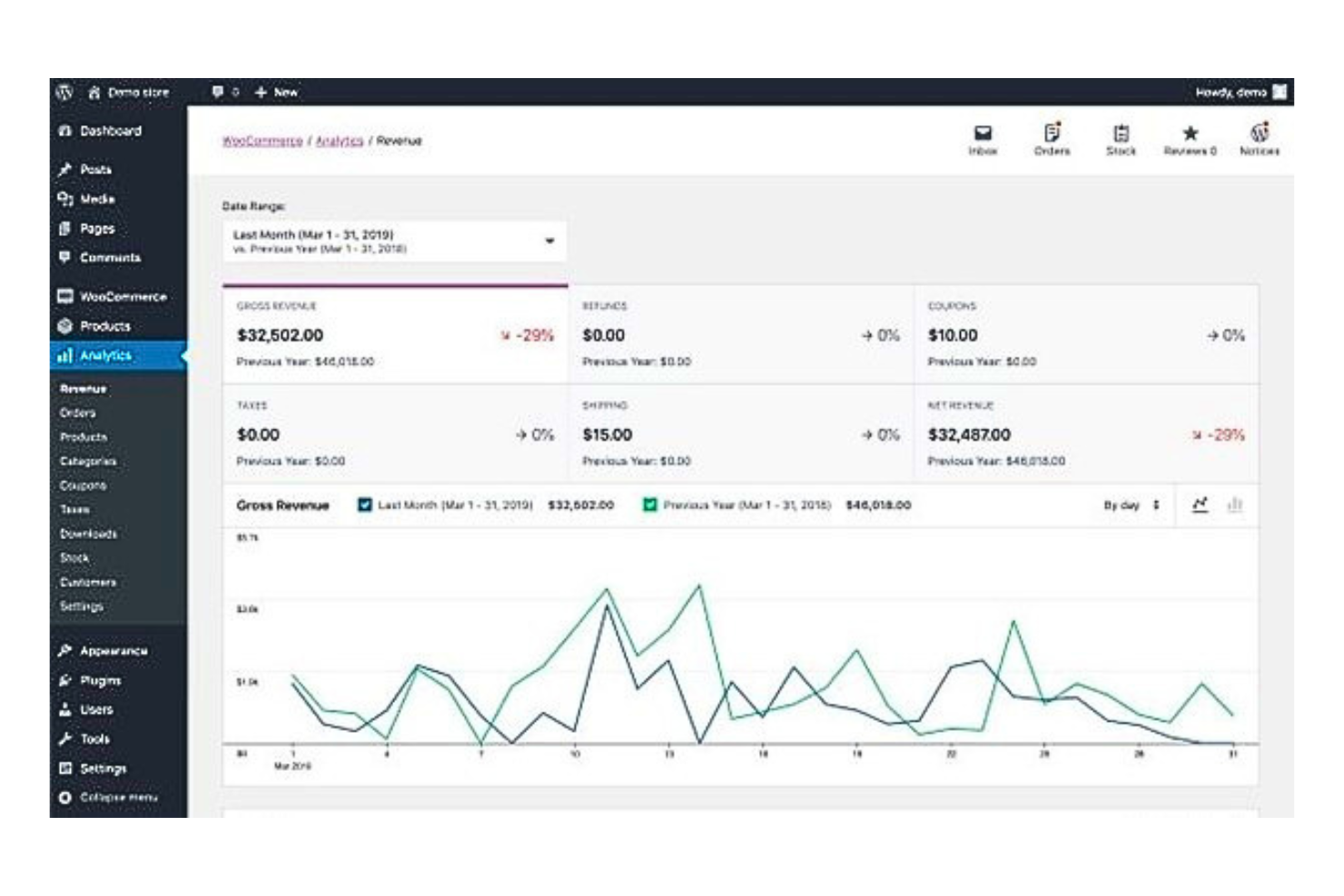
WooCommerce is an open-source ecommerce plugin for WordPress that lets you build and manage online stores with full control over checkout, payments, data, hosting, and store functionality for both local and global selling.
Who Is WooCommerce Best For?
WooCommerce is a strong fit for small to mid-sized businesses that already run WordPress sites and want full ownership over their store's code, design, and infrastructure.
Why I Picked WooCommerce
WooCommerce earns its spot as one of the best on my shortlist because no other platform gives you this level of control over how your international store is built and run. I love that its open-source, composable UI means you can modify checkout flows, product pages, and shipping logic at the code level—not just by toggling settings. The WooCommerce Marketplace has over 1,000 extensions, so I can add region-specific payment methods, local tax compliance tools, and multi-currency support exactly as my store needs them, without paying for features I don't use.
WooCommerce Key Features
- Multilingual storefront: WooCommerce is fully translated into 24 languages, with built-in multilingual support to localize your store for international shoppers.
- Mobile app for store management: The iOS and Android app lets you update products, fulfill orders, and monitor store activity from anywhere.
- Product variations and bundles: Offer customers subscriptions, product bundles, or configurable variations all from a single product listing.
- Automated tax calculations: WooCommerce's built-in tax tool automatically calculates rates based on customer location, useful for cross-border compliance.
Pros and Cons
Pros:
- Significant number of integrations
- Highly customizable
- Excellent for SEO
Cons:
- WordPress has a steep learning curve
- Customer support needs work


Spryker Commerce is a composable, API-first B2B commerce platform that supports multi-store management, marketplace operations, and omnichannel selling across multiple business models on a single, modular architecture.
Who Is Spryker Commerce Best For?
Spryker Commerce is a strong fit for mid-market and enterprise B2B companies managing complex, multi-regional commerce operations across multiple brands or business units.
Why I Picked Spryker Commerce
I picked Spryker Commerce as one of the best for expanding worldwide because its Dynamic Multistore feature lets you spin up and manage entirely new regional storefronts from a single back-end—without replatforming. Each store can carry its own currencies, tax rates, and localized content. I like that Spryker's tax management integrates directly with Avalara and Vertex for cross-border compliance, so you don't have to configure country-specific rules from scratch when entering a new market.
Spryker Commerce Key Features
- Headless API-first architecture: Connect any frontend, app, or third-party touchpoint across regions using Spryker's GLUE API layer without being locked into a single front-end framework.
- Multi-warehouse management: Track and manage stock across multiple global warehouses, with per-store availability calculations that reflect your actual regional inventory.
- Marketplace module: Build and operate a multi-vendor marketplace where third-party sellers can manage their own product listings, orders, and fulfillment.
- Glossary and multi-language management: Manage translations and localized content across storefronts, with automatic language detection built into search.
Pros and Cons
Pros:
- Supports scaling businesses
- Excellent online documentation
- Modular, flexible setup
Cons:
- Upgrading to newer versions is difficult
- Onboarding developers is complex
Other Options
There are many options that are worth significant consideration other than the solutions I researched above. So, I added another brief list of options to ensure you have enough choices to determine the best possible international ecommerce platform for your needs.
- BigCommerce
For large international brands
- Ecwid
For adding ecommerce functionality to any website.
- PrestaShop
For complete ecommerce control.
- OpenCart
For multi-store management.
- X-Cart
For data-driven growth.
- nopCommerce
Free international ecommerce platform.
- WCFM Marketplace
For creating online marketplaces.
- Mirakl
For connecting with vendors.
- VTEX
For customer engagement.
- Big Cartel
For artists.


How I Evaluate International Ecommerce Platforms
I split my evaluation into two layers: core requirements—like multi-currency checkout and localized tax—a platform must have, and the differentiators that make one the right fit for global retailers.
Core Functionality (Table Stakes For This List)
When I'm selecting tools for my list, I rank each one on a scale from 0 (does not offer the functionality) to 5 (excels in this area) for each core functionality listed below. Then, I calculate the tool's total score into a percentage. Each tool needs to achieve a minimum total score of 65% to be considered for inclusion.
- Multi-Currency Support: I check whether the platform handles automated exchange rates, localized rounding, and per-market pricing rules rather than just converting a base price.
- Multi-Language Localization: Each platform should support translated storefronts, localized URLs, and regional SEO—not just a basic language toggle on the frontend.
- Global Payment Gateways: I look for native integrations with local payment methods like iDEAL, Klarna, and Alipay alongside standard card processing.
- International Tax & Compliance: Automated VAT, GST, and duties calculation matters here, including support for schemes like IOSS or integrations with tools like Avalara.
- Multi-Region Shipping & Fulfillment: I evaluate carrier integrations, multi-warehouse routing, and whether the platform supports DDP and DDU shipping options across regions.
- Geolocation & Multi-Store Management: The platform should let you manage multiple country storefronts from one admin with geo-based routing and market-specific catalogs.
Once I have a list of tools that meet this criteria, I consider what sets each platform apart.
Differentiating Factors (What Sets Vendors Apart)
Here's how I compare and contrast different vendors:
Standout Features
Landed cost calculation is a big differentiator. I look for platforms that show shoppers the full price including duties and taxes at checkout, which reduces cart abandonment on cross-border orders. Native connectors to regional marketplaces like Rakuten, Mercado Libre, or Zalando also matter when your expansion plan goes beyond your own storefront. For brands that need full control over localized buyer experiences, I evaluate whether the platform supports headless or API-first architecture for custom frontend builds.
Beyond Features
I evaluate each platform's ecosystem and integrations, especially native connectors to ERPs like SAP or NetSuite and whether the app marketplace includes region-specific extensions. Compliance and data sovereignty also weigh heavily—I check for GDPR readiness, PCI-DSS certification, and support for country-specific e-invoicing mandates. Total cost of ownership is worth digging into as well. Transaction fees, currency conversion markups, and per-market costs can add up fast, so I compare pricing structures to understand what scaling into new regions will actually cost.
Key Features
There are countless features offered by international ecommerce platforms, which can be overwhelming for those getting started in their ecommerce journey. To help, I added solutions that provide the following features.
- Payment Processing: International ecommerce platforms allow customers to choose their preferred payment method, such as credit card or digital wallet.
- Security: There are some factors to consider regarding ecommerce security, and international ecommerce platforms support many of them, including firewalls, SSL certificates, and more.
- Customization Options: Highly customizable international ecommerce platforms enable businesses to develop unique online stores that reflect their brand and meet specific customer needs.
- International Shipping: To operate a genuinely international ecommerce store, comprehensive platforms will support worldwide shopping to help improve your customer's experiences with your brand.
- Analytics: This feature makes it easy for you to monitor your online store’s metrics that are essential to your business, such as churn rate, customer lifetime value, sales conversions, and average order value.
- Customer Support: Even the easiest international ecommerce platform will require some kind of support from the vendor, so I added many options that provide accessible and fast support through different options, such as live chat, email, phone, or self-help tools.
What Are International Ecommerce Platforms
International ecommerce platforms are online systems that enable businesses to sell products and services to customers across different countries. These platforms are equipped with features to handle the complexities of global trade, such as multi-currency support, language translation, international payment gateways, and logistics for worldwide shipping.
People Also Ask
When searching for new international ecommerce platforms to implement in your organization, you might have some questions that need answering first to help you make the best decision for your business. To help, I answered other individuals’ most commonly asked questions when searching for these tools.
How much does international ecommerce platforms cost?
The price of an international ecommerce platform can vary depending on the features your business needs. Simple tools with basic capabilities can cost as low as $10/month, whereas more complex solutions with advanced functionality can cost much more. During my research, the average cost tended to be between $29/month and $299/month.
Which 3 countries spend the most on ecommerce?
International ecommerce sales are expected to grow to over $8.148 trillion by 2026, so it’s worth understanding where the most significant opportunities are. Naturally, you’ll want to identify the top ecommerce markets in order to understand how to scale worldwide. Firstly, I’ll start with China because the country experiences annual online sales of $672 billion due to having the largest digital buyer population. Secondly, U.S. ecommerce sales reached $343.15 billion in 2019 and are expected to hit $476.5 billion in 2024. And thirdly, the U.K. sees annual online sales of $99 billion, but if you’re going to target this market, you can expect new complications due to the VAT changes after Brexit – so be sure to plan accordingly.
What are the benefits of international ecommerce platforms?
International ecommerce platforms are instrumental in enabling businesses to expand their reach and operate on a global scale. The following are additional benefits of international ecommerce platforms and how they significantly expand business opportunities, revenue streams, and global brand presence in today’s interconnected world.
- Global Market Access: International ecommerce platforms provide access to a potential market of 7.9 billion people worldwide.
- Diverse Customer Base: Reach a diverse audience, with cross-border ecommerce projected to account for 22% of global ecommerce.
- Increased Revenue: Expanding internationally can lead to significant revenue growth for ecommerce businesses.
- Brand Globalization: International ecommerce platforms can help businesses establish a global brand presence, with many consumers stating they purchase products from overseas retailers.
- Localized Customer Experience: Tailor offerings to local preferences to accommodate consumers who prefer to buy products from a site that provides information in their language.
- Currency Adaptability: Accepting multiple currencies can increase an ecommerce store’s checkout completion rates.
- Global Shipping: Offering international shipping options can influence global online shoppers’ purchasing decisions.
- Market Diversification: Diversifying your market presence can reduce the impact of economic downturns in specific regions, reducing risk.
- Competitive Advantage: Implementing international ecommerce platforms in a business can make it more competitive in its industry.
- Data-Driven Expansion: Leveraging the statistics from international ecommerce solutions can help businesses identify high-potential international markets and refine global strategies.
Other Ecommerce Platforms Reviews
I believe these additional review lists will complement your research here, particularly if you're looking for something super specific for your store. You can start with the overall best ecommerce platforms, which contain a little bit of everything ranked in an ultimate list.
Ecommerce Platforms by Business Type
- SaaS Ecommerce Platforms
- B2B Ecommerce Platforms
- Ecommerce Marketplace Platforms
- Subscription Ecommerce Platforms
- Ecommerce Platforms For Small Businesses
Ecommerce Platforms by Need
- Headless Ecommerce Platforms
- Easiest Ecommerce Platforms
- Omnichannel Commerce Platforms
- Enterprise Ecommerce Platforms
- Free Ecommerce Platforms
- Open Source Ecommerce Platforms
- Social Commerce Platforms
- Cheap Ecommerce Platforms
- Hosted Ecommerce Platforms
Conclusion
Choosing the right international ecommerce platform for your business can be challenging and time-consuming. There are many features and fine print to consider along with your company’s unique needs. The solutions I listed above offer multiple capabilities and services to help your organization manage operations, such as customizable templates, inventory management, product variants, and integrations with popular shipping carriers. When selecting the best international ecommerce platform, considering your particular needs and goals and researching and comparing several options to find the best fit for you is essential.
Don't forget to subscribe to The Retail Exec Newsletter for more tools, tips, and thought leadership.