

10 Best WooCommerce Alternatives for Ecommerce in 2026

The Top 10 WooCommerce Alternatives


If WooCommerce is getting in the way, it’s okay to switch. This guide points to practical alternatives that cut maintenance, speed up checkout, and keep your store stable as you grow.
The usual triggers: updates breaking themes, plugin conflicts, surprise hosting and backup costs, add-ons stacking fees, limited payment methods or slow deposits, fragile inventory sync, and support that loops you into forums instead of fixes.
The platforms we’ve chosen are for all types of brands. They cover digital products, subscriptions, and physical goods with predictable pricing, built-in payments and taxes, solid templates, and responsive support—Stripe, PayPal, and major gateways included.
I’ve worked in the WooCommerce, Magento, and Shopify ecosystems for many years. The recommendations reflect what keeps an ecommerce operation fast, reliable, and profitable—so you can get back to selling.
Why Trust Our Software Recommendations
Our team has been testing and reviewing software since 2012. As retail leaders ourselves, we know how difficult—and important—it is to choose the right software.
For this guide, we evaluated tools using hands-on testing and independent research, scoring tools using our selection criteria.
Our reviews reflect our independent judgment—not a sales pitch.
WooCommerce Alternatives Comparison Table
This comparison table summarizes pricing details for my top WooCommerce alternative selections:
| Tool | Best For | Trial Info | Price | ||
|---|---|---|---|---|---|
| 1 | Best for open-source customization | Free plan available | Free plan available | Website | |
| 2 | Best for design-focused stores | Free plan available | From $14/month (billed annually) | Website | |
| 3 | Best for integrated Square transactions | Free plan available | From $13/month (billed annually) | Website | |
| 4 | Best for design flexibility | Free plan + free demo available | From $17/month (billed annually) | Website | |
| 5 | Best for digital product creators | 14-day free trial | From $29/month | Website | |
| 6 | Best for built-in fraud protection | Free plan available | From $41/month | Website | |
| 7 | Best for quick setup and support | 14-day free trial | From $35/month | Website | |
| 8 | Best for artists and small businesses | Free plan available | From $15/month | Website | |
| 9 | Best for integrating with existing sites | Free plan available | From $21/month | Website | |
| 10 | Best for digital products and subscriptions | Free trial available | 5% of total + $0.50 | Website |
The 10 Best WooCommerce Alternatives, Reviewed
Here’s the meat. Each review spells out who it’s for, where it wins, what it costs, and the trade-offs—fees, checkout speed, payment gateways, SEO, inventory, and support.

OpenCart
Best for open-source customization
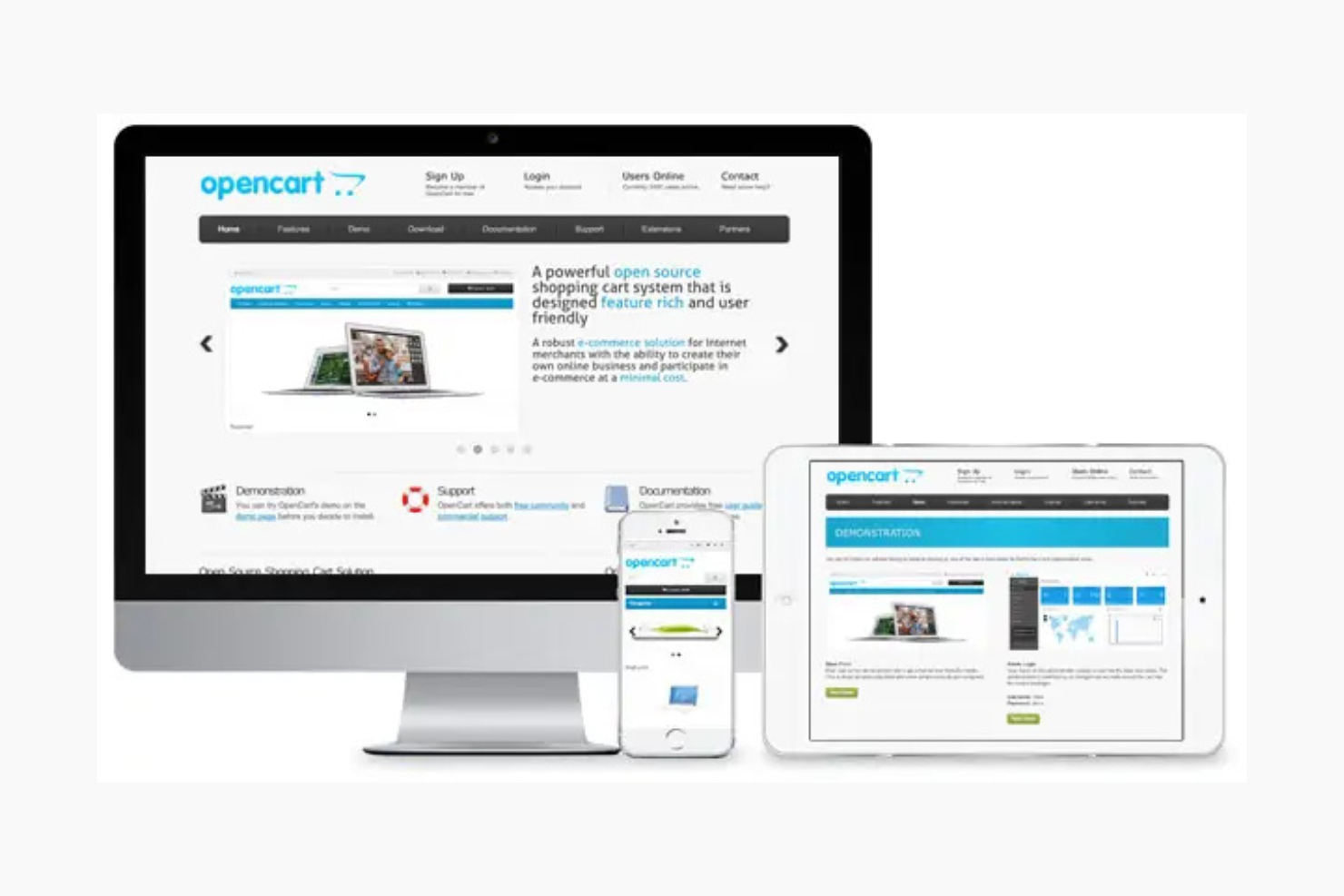
OpenCart is an open-source e-commerce platform that allows businesses to create and manage online stores. It's popular among developers and businesses that want a customizable solution without vendor lock-in.
Why it's a good WooCommerce alternative: OpenCart provides extensive customization options, making it ideal if you need a tailored solution for your online store. It offers multiple payment gateways and shipping methods, giving you flexibility in managing transactions. With its open-source nature, you have the freedom to modify and extend its functionalities. These features make it a versatile choice compared to WooCommerce.
Standout features & integrations:
Features include a user-friendly admin interface, multi-store management, and a vast selection of themes and extensions. You can also benefit from its built-in SEO features to improve your store's visibility. OpenCart supports multiple currencies and languages to help you reach a global audience.
Integrations include PayPal, Stripe, Amazon, eBay, QuickBooks, Google Analytics, Mailchimp, FedEx, UPS, and Square.
Pros and Cons
Pros:
- Multi-store management
- Supports multiple payment gateways
- Highly customizable platform
Cons:
- Limited built-in features
- Steeper learning curve

Webflow
Best for design-focused stores

Webflow is a web design and development platform that caters to designers and developers who want to create visually striking e-commerce websites. It's used by businesses that need a high level of design customization and control over their online presence.
Why it's a good WooCommerce alternative: Webflow offers unparalleled design flexibility, making it perfect for creating unique, design-focused online stores. With its visual editor, you can craft custom layouts without needing to write code. It also provides CMS functionality, enabling you to manage and update content easily. These features make it a suitable choice if you're prioritizing design and content management over traditional e-commerce needs.
Standout features & integrations:
Features include a visual design editor, responsive design capabilities, and CMS integration for easy content management. You can create animations and interactions to enhance user engagement. Webflow also supports custom domains to strengthen your brand identity.
Integrations include Zapier, Google Analytics, Mailchimp, Facebook, Instagram, Slack, Shopify, PayPal, Stripe, and QuickBooks.
Pros and Cons
Pros:
- CMS for easy content updates
- No coding required for design
- High design flexibility
Cons:
- Discontinuing ecommerce in 2026
- Steeper learning curve

Weebly
Best for integrated Square transactions
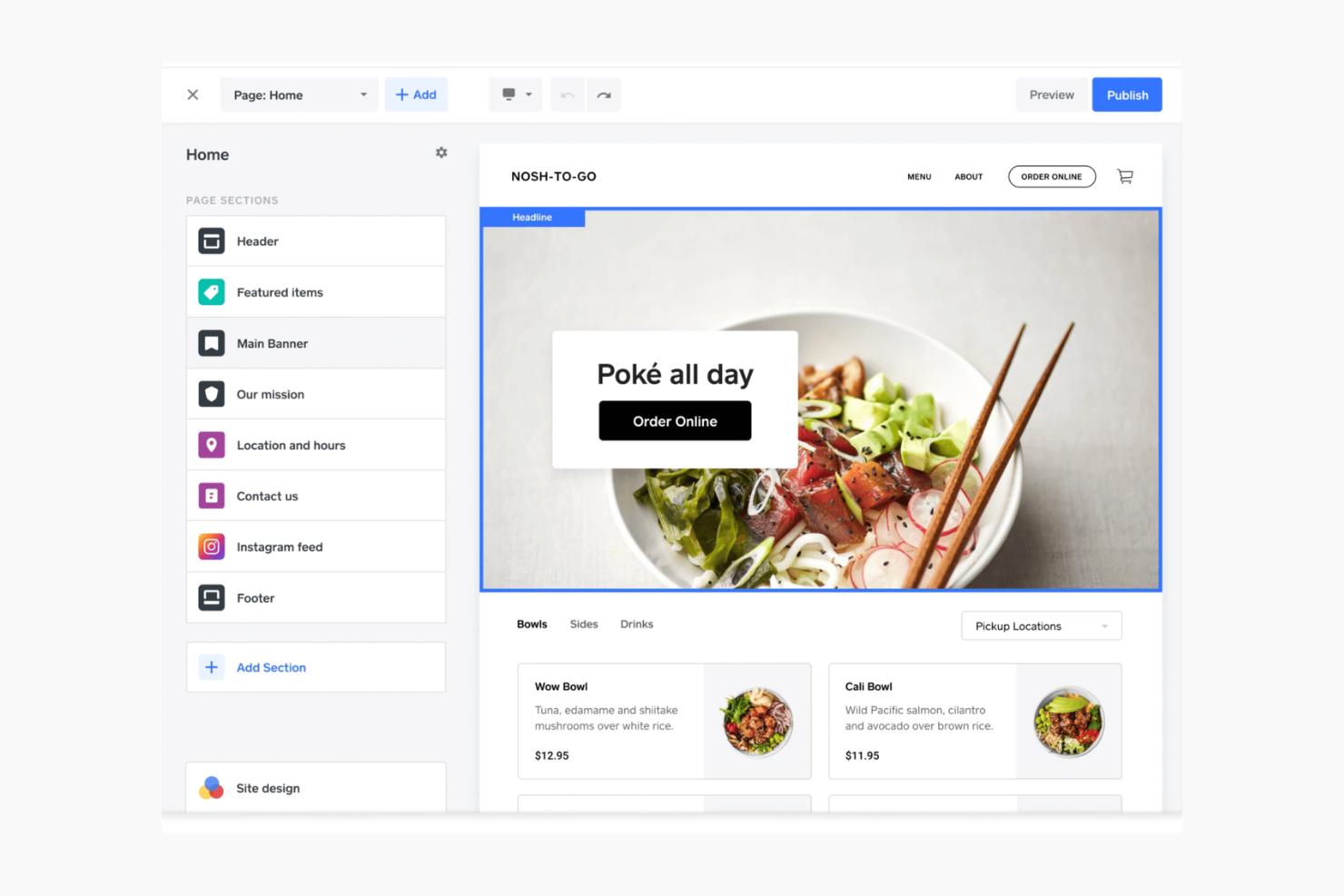
Weebly is a platform that allows businesses to create websites and online stores easily. It's popular among small business owners and individuals who want to set up an online presence without much hassle.
Why it's a good WooCommerce alternative: Weebly offers integrated Square transactions, making it a convenient choice if you already use Square for payments. It provides a simple drag-and-drop editor, allowing you to design your site with ease. With its built-in e-commerce tools, you can manage products, track inventory, and process payments smoothly. These features make it a straightforward and efficient option compared to WooCommerce.
Standout features & integrations:
Features include customizable templates, SEO tools, and mobile optimization. You can also benefit from Weebly's analytics to understand your site's performance better. The platform supports blogging, which can enhance your content marketing efforts.
Integrations include PayPal, Stripe, Square, Google Analytics, Mailchimp, Facebook, Instagram, YouTube, Pinterest, and Etsy.
Pros and Cons
Pros:
- Includes SEO tools
- Easy drag-and-drop site builder
- Integrated with Square for payments
Cons:
- Not ideal for large inventories
- Limited advanced features

Wix
Best for design flexibility

Wix is a website-building platform that allows users to create stunning websites with ease. It's ideal for small business owners, entrepreneurs, and individuals who want to have full control over their website design without needing coding skills.
Why it's a good WooCommerce alternative: Wix offers extensive design flexibility with its drag-and-drop editor, making it easy for you to create a unique online store. It comes with a variety of customizable templates that fit different industries and styles. You can also use its built-in marketing tools to promote your products and attract more customers. These features provide a user-friendly and visually appealing alternative to WooCommerce.
Standout features & integrations:
Features include a vast selection of design templates, an intuitive drag-and-drop editor, and mobile optimization to ensure your site looks great on any device. You can also utilize Wix's SEO tools to improve your search rankings. The platform provides analytics to help you track your site's performance.
Integrations include PayPal, Stripe, Google Analytics, Mailchimp, Instagram, Facebook, QuickBooks, Etsy, Pinterest, and Zapier.
Pros and Cons
Pros:
- Comprehensive SEO features
- Built-in marketing tools
- Easy drag-and-drop functionality
Cons:
- Limited custom coding options
- Limited scalability for large sites

Sellfy
Best for digital product creators
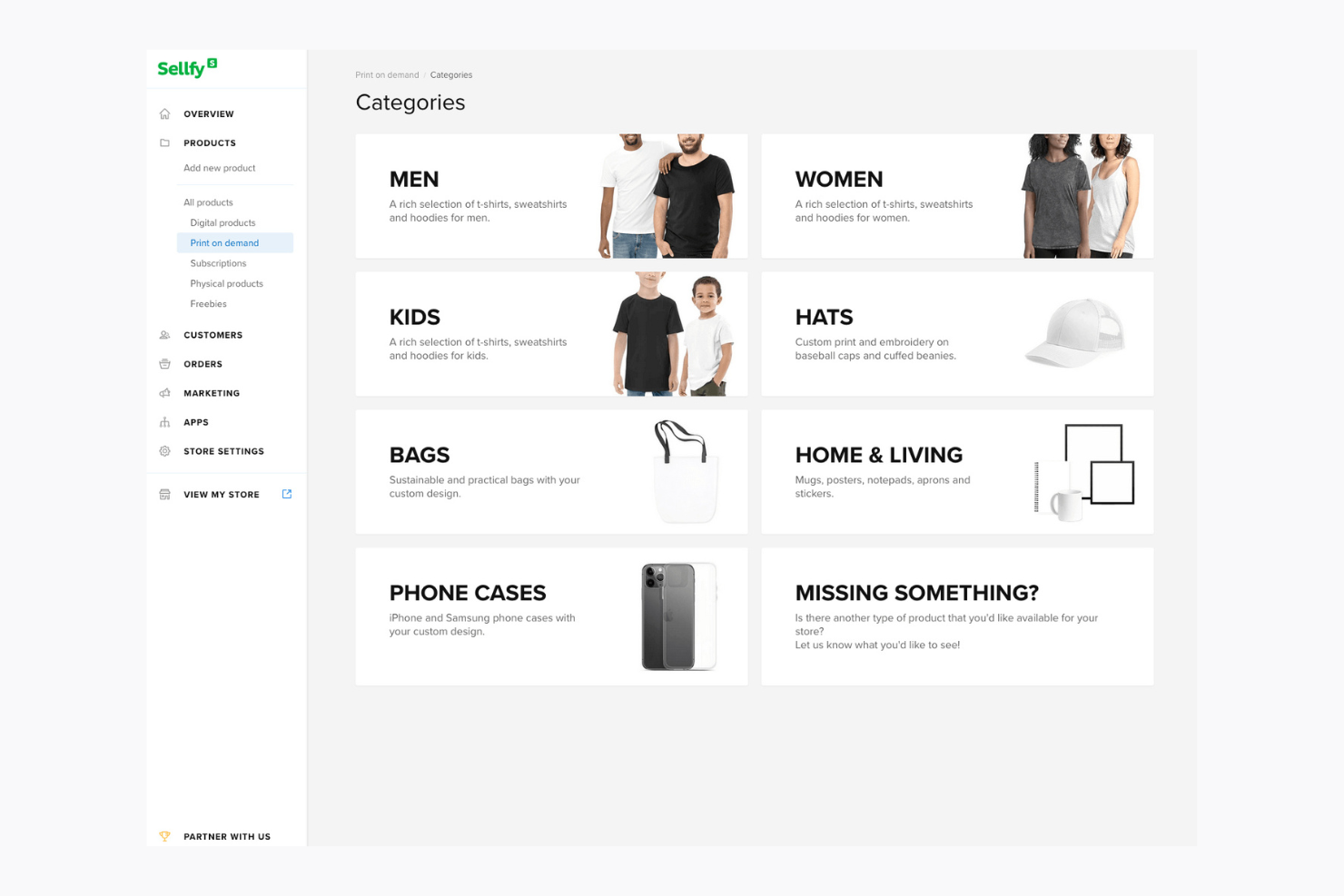
Sellfy is an e-commerce platform built for creators looking to sell digital products, subscriptions, and physical goods. It's popular among artists, designers, and digital content creators who need a straightforward way to manage and sell their products online.
Why it's a good WooCommerce alternative: Sellfy offers a user-friendly interface that's perfect if you're a digital creator wanting to sell products quickly. It includes built-in marketing tools like email marketing and upselling features to help boost your sales. You can easily manage digital downloads and subscriptions, making it ideal for creators who focus on digital goods. These features provide a simpler, more specialized alternative to WooCommerce.
Standout features & integrations:
Features include customizable storefronts, easy setup, and product embedding options. You can also use Sellfy's built-in analytics to track sales and performance. The platform supports discount codes to help you run promotions and sales.
Integrations include PayPal, Stripe, Facebook, Google Analytics, Zapier, Patreon, Twitter, Mailchimp, Google Tag Manager, and Webhooks.
Pros and Cons
Pros:
- Ideal for creators
- Easy digital product management
- Built-in marketing tools
Cons:
- Not ideal for complex inventories
- Limited customization options

Best for built-in fraud protection
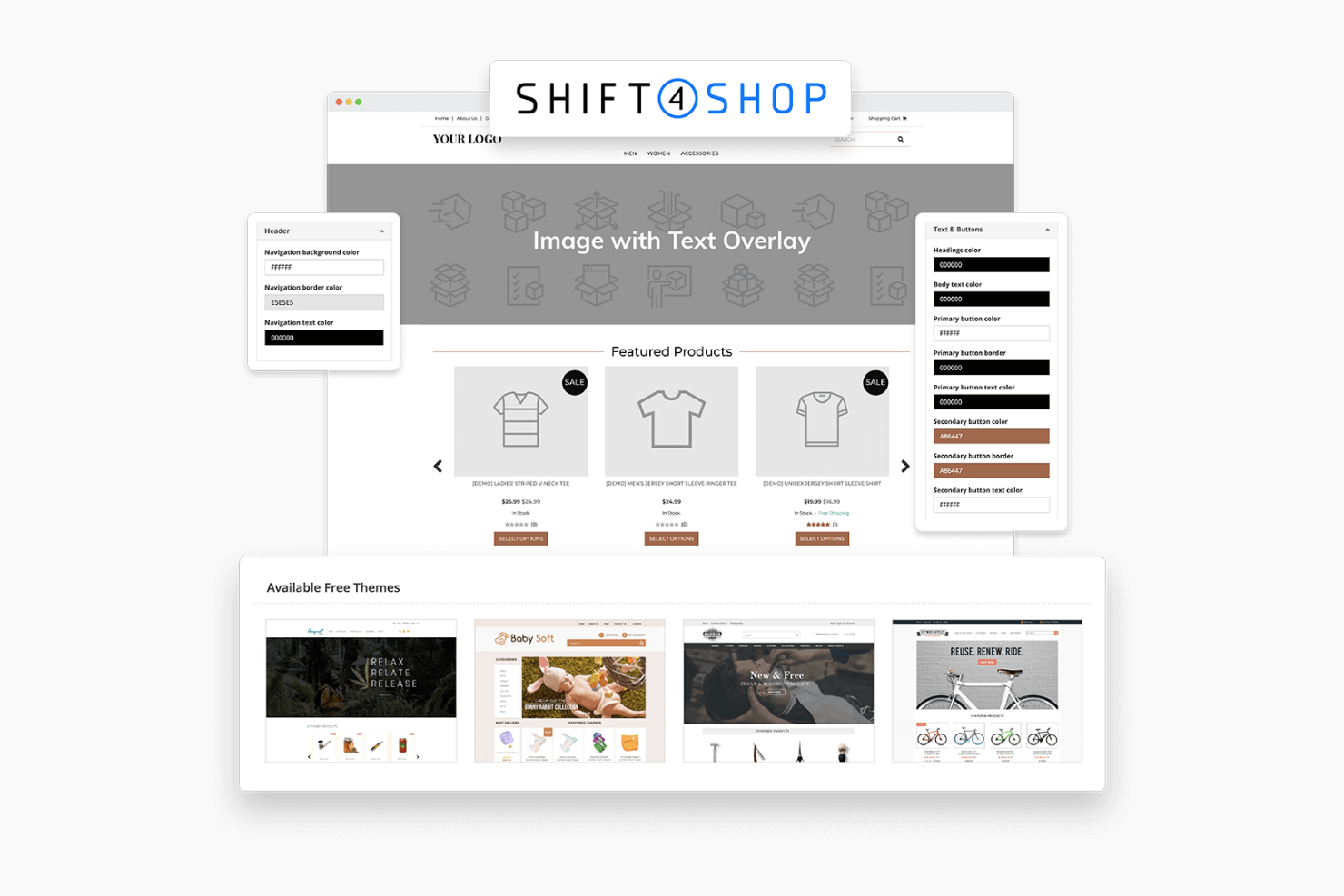
Shift4Shop is an e-commerce platform catering to businesses that want to build and manage online stores. It's used by a diverse range of businesses, from small startups to larger enterprises, providing tools for creating a comprehensive online store.
Why it's a good WooCommerce alternative: Shift4Shop offers built-in fraud protection, which can be crucial for safeguarding your business transactions. It provides a wide range of customizable templates, giving you flexibility in design. With its built-in SEO and marketing tools, you can effectively promote your store and reach more customers. These features make it a secure and versatile choice compared to WooCommerce.
Standout features & integrations:
Features include advanced inventory management, real-time shipping rates, and a mobile-friendly design. You can also benefit from its extensive reporting tools to keep track of your business performance. Shift4Shop's abandoned cart recovery helps you reclaim lost sales.
Integrations include PayPal, Stripe, Amazon, eBay, Facebook, QuickBooks, Mailchimp, Google Analytics, ShipStation, and Zapier.
Pros and Cons
Pros:
- Real-time shipping rates
- Wide range of templates
- Built-in fraud protection
Cons:
- Limited out-of-the-box features
- Steeper learning curve

Volusion
Best for quick setup and support

Volusion is an e-commerce platform designed for businesses looking to create and manage online stores with ease. It's aimed at small to medium-sized businesses that want to sell products online without dealing with complex setups.
Why it's a good WooCommerce alternative: You can quickly set up your store with Volusion, which is great if you're short on time. It offers 24/7 support to help you resolve any issues that come up. With built-in marketing tools, you can effectively promote your products and grow your business. These features make it a user-friendly and supportive option compared to WooCommerce.
Standout features & integrations:
Features include an intuitive store builder, comprehensive reporting tools, and built-in SEO features. You can easily customize your storefront to match your brand's identity. Volusion also offers secure payment processing to keep your transactions safe.
Integrations include PayPal, Stripe, Amazon, eBay, QuickBooks, Google Analytics, Mailchimp, ShipStation, Zapier, and Facebook.
Pros and Cons
Pros:
- Built-in marketing tools
- 24/7 customer support
- Quick and easy setup
Cons:
- Limited scalability for growing businesses
- Not ideal for very large inventories


Big Cartel is a platform designed for artists and small businesses to create online stores easily. It offers customizable templates and tools for managing products, shipping, and payments.
Why it's a good WooCommerce alternative: Big Cartel keeps things simple, so you can start selling your work online without a fuss. You’ll get customizable templates that are easy to set up—no tech skills needed. If you're a small shop or an artist, the product listings and pricing make sense for what you do. It’s built for ease and creativity, which sets it apart from something like WooCommerce.
Standout features & integrations:
Features include customizable store templates, easy product management, and built-in shipping tools. You can quickly set up your store and start selling without any technical hassle. The platform's user-friendly design makes it perfect for artists and small businesses.
Integrations include Stripe, PayPal, Facebook, Instagram, Google Analytics, Mailchimp, Printful, ShipStation, and Zapier.
Pros and Cons
Pros:
- No technical skills needed
- Focus on creative sellers
- Great for small inventories
Cons:
- Not ideal for non-creative industries
- Limited support for large product catalogs

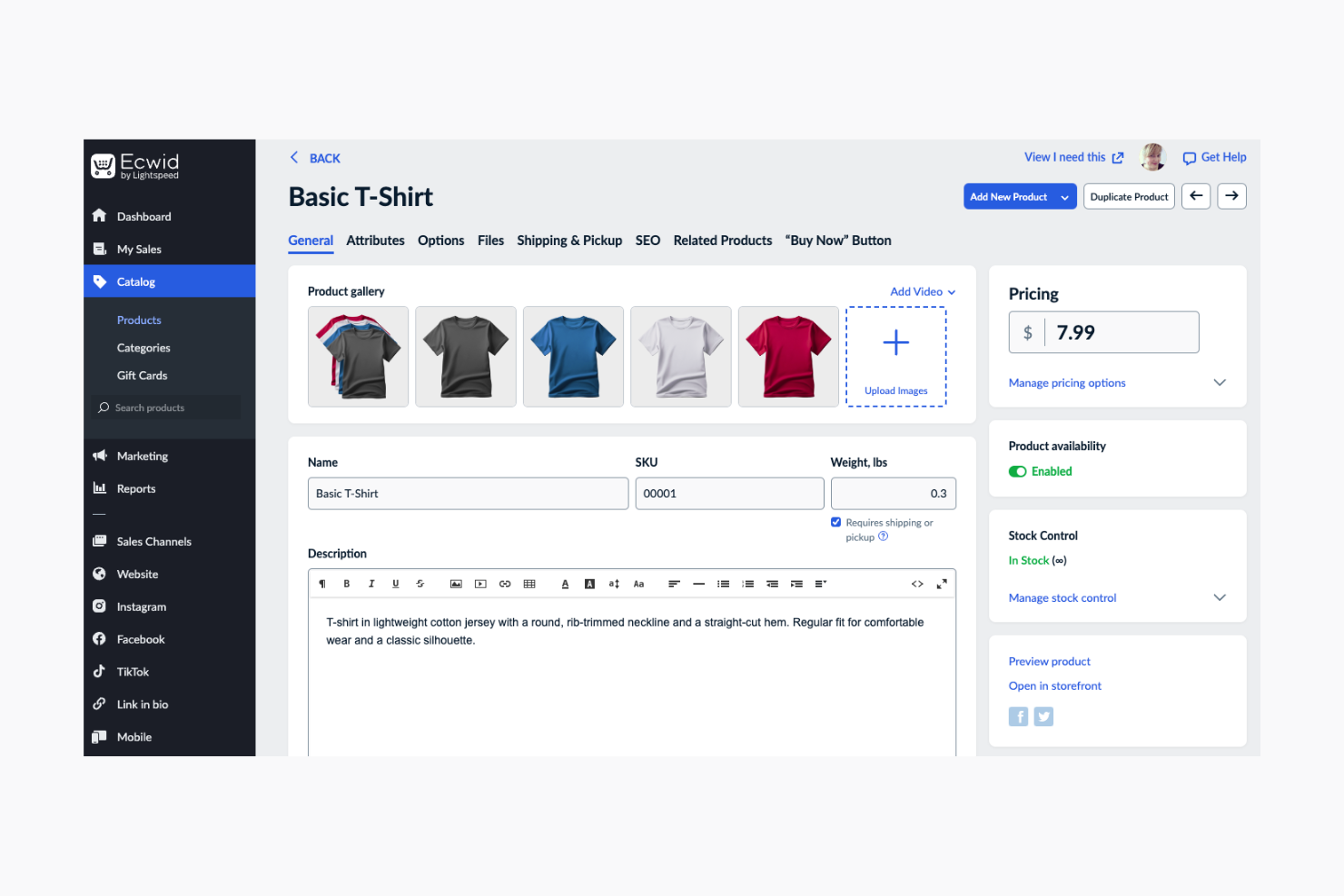
Ecwid is an e-commerce platform that lets businesses add an online store to their existing websites. It's favored by small to medium-sized businesses looking for a simple way to sell products online without overhauling their current site.
Why it's a good WooCommerce alternative: Ecwid’s a good WooCommerce alternative if you already have a website and don’t want to rebuild it. You can add a store without messing with your current setup. It works with different payment options and looks good on phones. Setup’s quick, so you and your team can get going without much hassle.
Standout features & integrations:
Features include a drag-and-drop store builder, real-time shipping rates, and automated tax calculations. You can manage your store from a mobile app, giving you flexibility on the go. Ecwid's multilingual capabilities help you reach a broader audience.
Integrations include Square, PayPal, Stripe, Facebook, Instagram, Google Shopping, Mailchimp, Wix, WordPress, and Weebly.
Pros and Cons
Pros:
- Quick setup process
- Mobile-friendly shopping
- Easy to add to existing sites
Cons:
- Limited scalability for large stores
- Limited design customization

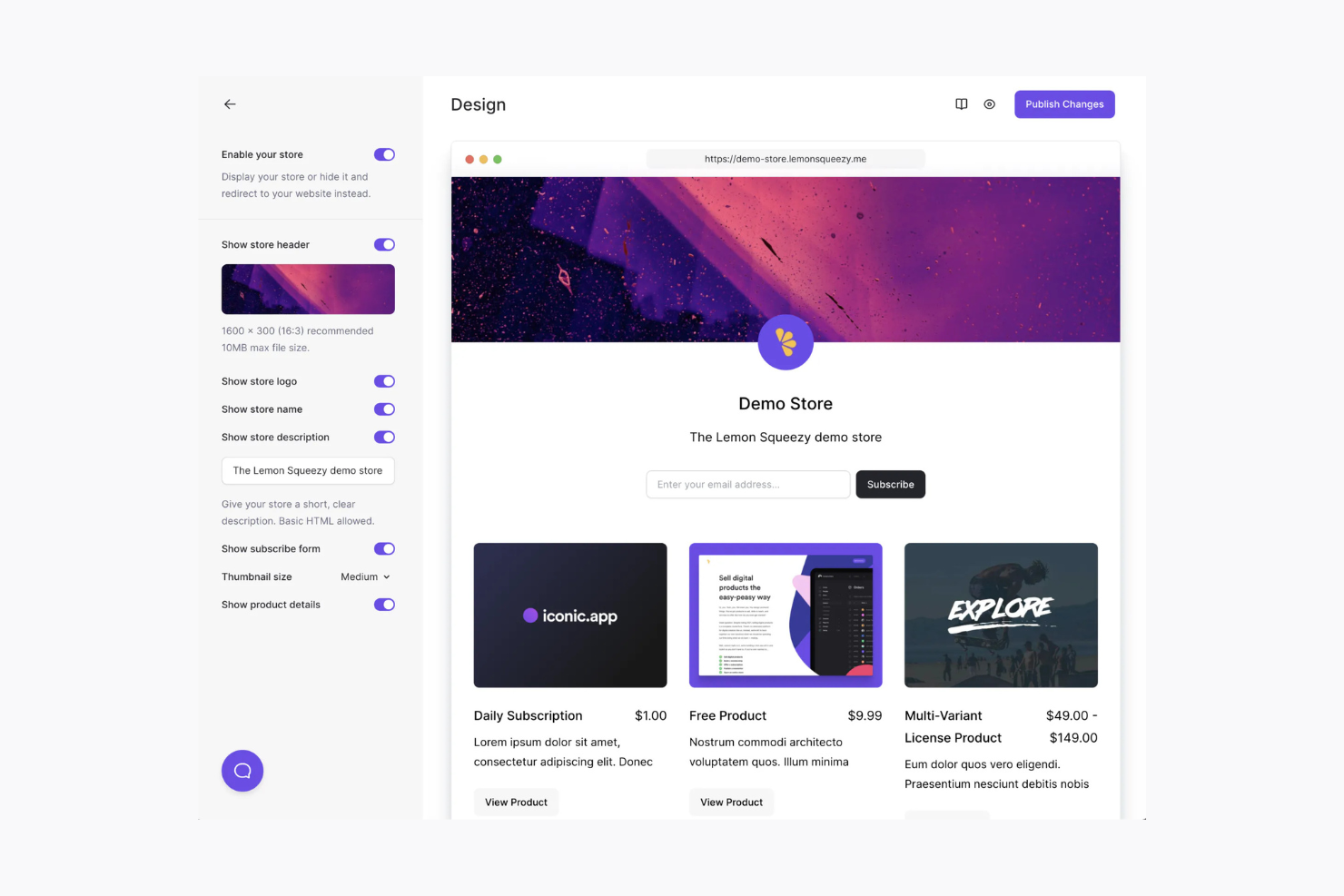
Lemon Squeezy is an eCommerce platform designed for creators selling digital products and managing subscriptions. It's ideal for digital content creators who want a straightforward way to handle sales and subscriptions online.
Why it's a good WooCommerce alternative: Lemon Squeezy offers specialized features for digital products and subscription management, making it perfect for creators. It provides automated sales tax compliance and fraud protection, ensuring secure transactions. With customizable checkout options, you can tailor the buying experience to your audience. These functionalities make it a focused and efficient choice compared to WooCommerce.
Standout features & integrations:
Features include automated sales tax compliance, A.I. fraud protection, and secure digital downloads. You can manage subscription billing and license keys with ease. The platform also provides real-time revenue insights and customizable checkout options to enhance your sales process.
Integrations include PayPal, Stripe, Google Analytics, Mailchimp, Slack, Zapier, Shopify, QuickBooks, Facebook, and Instagram.
Pros and Cons
Pros:
- Subscription management included
- Supports over 130 currencies
- Automated tax compliance
Cons:
- May require tech knowledge for setup
- Limited physical product support
Other WooCommerce Alternatives
Here are some additional WooCommerce alternatives that didn’t make it onto my shortlist, but are still worth checking out:
- Miva
For complex product catalogs
- GoDaddy Online Store
For quick setup and support
- Shopify
For easy setup and scalability
- Squarespace
For in-person and online sales
- Adobe Commerce
For enterprise-level customization
- Zoho Commerce
For CRM integration
- Clover
For retail POS integration
- Hostinger Reach
For budget-friendly hosting
- NetSuite SuiteCommerce
For ERP integration
- Odoo
For integrated business apps
- BigCommerce
For large product catalogs
- Square Online
For in-person and online sales
- PrestaShop
For open-source flexibility.
- ikas
For local market adaptation


How I Evaluate WooCommerce Alternatives
I split my evaluation into two layers: the baseline capabilities every platform must have, and the differentiators that determine which tool actually fits your storefront, catalog, and channel setup.
Core Functionality (Table Stakes For This List)
When I'm selecting tools for my list, I rank each one on a scale from 0 (does not offer the functionality) to 5 (excels in this area) for each core functionality listed below. Then, I calculate the tool's total score into a percentage. Each tool needs to achieve a minimum total score of 75% to be considered for inclusion.
- Online Storefront Builder: I evaluate the theme library, visual editor, and design flexibility—whether you can launch a polished storefront without hiring a developer to write custom code.
- Product & Inventory Management: Every platform should handle variants, categories, and real-time stock tracking, so I check how well each one manages catalogs with hundreds of SKUs across sizes, colors, and materials.
- Integrated Payment Processing: I look at gateway options, digital wallet support, and PCI compliance so your customers can check out with their preferred method, from credit cards to buy-now-pay-later services.
- Order & Fulfillment Management: From shipping label generation to returns handling, I evaluate how each platform moves an order from checkout to the customer's door with minimal manual steps.
- Multi-Channel Selling: Selling on your website alone rarely cuts it, so I check whether a platform connects to marketplaces like Amazon and eBay, social channels like Instagram and TikTok, and in-store POS systems.
- Extensibility & App Ecosystem: I look at the breadth of the app marketplace, API access, and native integrations with tools like QuickBooks, Klaviyo, and ShipStation that retailers rely on daily.
Once I have a list of tools that meet this criteria, I consider what sets each platform apart.
Differentiating Factors (What Sets Vendors Apart)
Here's how I compare and contrast different vendors:
Standout Features
Built-in POS is a major factor for retailers running physical locations alongside their online store—I check whether a platform offers its own hardware and unified sales reporting. Headless commerce support matters for brands that want custom storefronts on mobile apps or in-store kiosks. I also evaluate B2B and wholesale modules, since many DTC brands eventually expand into wholesale and need tiered pricing and net payment terms without bolting on a separate system.
Beyond Features
Migration support is a big deal when you're moving off WooCommerce—I check whether a platform offers import tools for products, customers, and order history, or if you'll need a third-party migration app. Total cost of ownership also gets close attention, since WooCommerce feels free until you add up hosting, plugins, and security costs. I evaluate how each alternative's subscription pricing scales as your catalog and order volume grow, including transaction fees and required paid add-ons.
What Is WooCommerce?
WooCommerce is an open-source WordPress ecommerce plugin that turns a WordPress site into a full online store—products, cart, checkout, and orders.
It’s flexible and developer-friendly, with themes, templates, and WooCommerce plugins for payments (Stripe, PayPal), shipping, taxes, SEO, and subscriptions or digital products.
You control hosting, pricing for add-ons, and customization options on your own backend.
Great power—plus maintenance, updates, and performance tuning—especially as your ecommerce site scales.
Why Look For A WooCommerce Alternative?
Teams switch when control starts costing speed, stability, and money. Here’s what pushes the move:
- Lower total cost. Predictable pricing on paid plans without surprise web hosting, add-ons, or transaction fees.
- Faster checkout. Built-in one-page flows, wallets, and optimized payment gateways to lift conversion.
- Hosted simplicity. All-in-one SaaS platforms (Shopify, BigCommerce, Wix, Squarespace, Ecwid) handle uptime, security, and updates.
- Ease of use for beginners. Drag-and-drop editors, user-friendly templates, and tutorials so business owners ship faster.
- Stronger payments. More payment methods—credit cards, PayPal, Stripe, local options—and cleaner payout timelines.
- Scalability. Stable performance with large catalogs, automation, and inventory management that actually syncs.
- Built-in features. Marketing tools, SEO, email marketing, and social media/marketplace selling (Instagram, Amazon) without duct tape.
- Better support. Real customer support with SLAs, not forum hunts and a steep learning curve.
- Fit for digital products. Native subscriptions, licenses, and memberships (think Easy Digital Downloads/MemberPress alternatives).
- Cleaner workflows. Fewer plugins, fewer breakages, and a simpler path from product pages to payment processing for your ecommerce business.
WooCommerce Key Features
Here’s what the best WooCommerce alternatives bring out of the box—whether you stay on a WordPress plugin or jump to a hosted SaaS ecommerce platform.
You get faster checkout, modern payment gateways (Stripe, PayPal, wallets), drag-and-drop templates, and built-in SEO that doesn’t crumble on update day.
Expect cleaner inventory management, clearer pricing and transaction fees, and support that answers—so your online store scales without a pile of add-ons.
- All-in-one hosting and security. SSL, PCI posture, updates, backups, and CDN handled by the platform.
- Faster checkout and payment options. One-page flows, Apple Pay/Google Pay, and local methods to lift conversion.
- Modern templates and drag-and-drop design. Responsive themes and section editors—no code needed for brand control.
- Built-in SEO and performance. Clean URLs, schema, sitemaps, and image optimization for real-world speed.
- Robust catalog and inventory management. Variants, bundles, backorders, and real-time sync across channels.
- Digital products and subscriptions. Secure downloads, licenses, memberships, proration, and dunning.
- Marketing tools baked in. Email marketing, discounts, abandoned cart, and social media integrations.
- Multichannel and POS. Native links to Instagram, Amazon, eBay, plus in-store POS for true multichannel.
- Data portability and APIs. CSV/XLSX exports, REST/GraphQL APIs, and webhooks to automate workflows.
- WordPress-friendly migration. Importers for WooCommerce data, 301 support, and guided domain cutovers.
- Actionable analytics. Cohorts, product and checkout reports, GA4 integrations, and attribution that sticks.
- Taxes and compliance handled. Automated sales tax/VAT/GST, consent tools, and audit-ready logs.
- Scalability and uptime SLAs. Auto-scaling, staging sites, and sandboxes for safe changes.
- Transparent pricing. Clear paid plans, modeled transaction fees, and a free plan tier for small businesses.
- Real customer support. 24/7 chat or phone, tutorials, and a partner network when you outgrow DIY.
- Choice of platform style. Stay in WordPress (e.g., Easy Digital Downloads, MemberPress) or go hosted (Shopify, BigCommerce, Wix, Squarespace, Ecwid, Adobe Commerce/Magento) based on business needs and technical knowledge.