

10 mejores programas gratuitos de inventario para pymes en 2026

El mejor software gratuito de inventario para pequeñas empresas


El software gratuito de gestión de inventario es tu herramienta para realizar un seguimiento preciso y automático de cada movimiento de producto, sin pagar una cuota mensual.
Para cualquiera que haya tenido que lidiar con hojas de cálculo de inventario o haya visto cómo las ventas se escapan entre las grietas, la herramienta gratuita adecuada significa que por fin puedes mantener tus existencias bajo control y cumplir tus promesas de entrega.
Como profesionales del inventario que hemos gestionado almacenes y envíos internacionales, hemos puesto a prueba estas soluciones, para ofrecerte recomendaciones prácticas y de expertos que realmente resuelven los problemas a los que te enfrentas cada día.
Si estás preparado para hacer menos tareas repetitivas, enfrentarte a menos imprevistos y crecer de forma más inteligente, estás en el lugar adecuado.
Por qué confiar en nuestras recomendaciones de software
Nuestro equipo lleva probando y evaluando software desde 2012. Como líderes del sector retail, sabemos lo difícil —y lo importante— que es elegir el software adecuado.
Para esta guía, evaluamos las herramientas mediante pruebas prácticas e investigación independiente, puntuando las herramientas según nuestros criterios de selección.
Nuestras reseñas reflejan nuestro criterio independiente, no un discurso de ventas.
Tabla comparativa de software gratuito de gestión de inventario
Esta tabla comparativa resume los detalles de precios de mis principales selecciones de software gratuito de gestión de inventario:
| Tool | Best For | Trial Info | Price | ||
|---|---|---|---|---|---|
| 1 | Mejor para pequeños fabricantes | Prueba gratuita de 30 días disponible | Desde $49/usuario/mes | Website | |
| 2 | Ideal para el seguimiento automático del inventario | Prueba gratuita + demostración gratuita disponible | Desde $59/mes | Website | |
| 3 | Ideal para inventario de pequeñas empresas + TPV en uno | Demostración gratuita disponible | Desde Interchange + 0.40% + 8¢ (varía según volumen) | Website | |
| 4 | El mejor software de gestión de inventarios gratuito para empresas orientadas a los datos | Prueba gratuita de 14 días + demo gratis disponible | Desde $129/mes (facturado anualmente) | Website | |
| 5 | Mejor software gratuito de gestión de inventario para manufactura | Prueba gratis + demo gratis disponible | Desde $24/usuario/mes | Website | |
| 6 | El mejor software gratuito de gestión de inventario para operaciones con un solo almacén | Prueba gratuita de 14 días + plan gratuito + demo gratuita disponible | Desde $29/mes (facturado anualmente) | Website | |
| 7 | Mejor software de gestión de inventario gratuito por su facilidad de uso | Plan gratuito disponible + prueba gratuita de 14 días | Desde $24/mes (facturado anualmente) | Website | |
| 8 | Ideal para empresas CPG | Plan gratuito disponible | Desde $199/mes | Website | |
| 9 | Mejor software gratuito y de código abierto para gestión de inventario | Prueba gratuita de 15 días | Desde $31/usuario/mes | Website | |
| 10 | Mejor software gratuito de gestión de inventario para el mercado de complementos | Not available | Uso gratuito | Website |

El mejor software gratuito de gestión de inventario, analizado
A continuación encontrarás una breve descripción de cada solución gratuita de gestión de inventario, con su caso de uso más adecuado, algunas funciones destacadas y capturas de pantalla para mostrar una instantánea de la interfaz de usuario.

MRPeasy
Mejor para pequeños fabricantes
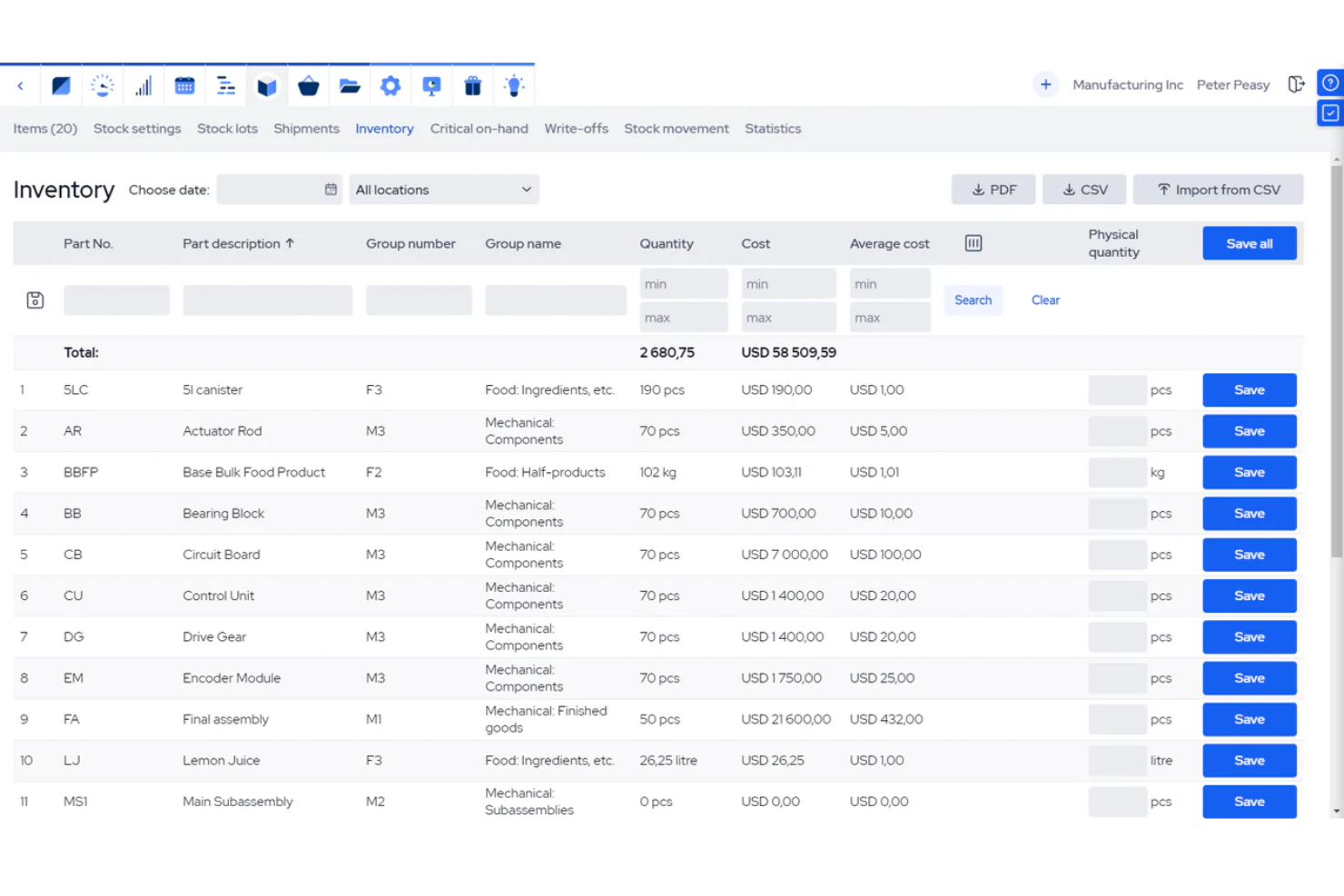
MRPeasy es un software MRP impulsado por IA diseñado específicamente para pequeños fabricantes. Con una interfaz fácil de navegar y potentes funciones de inventario, MRPeasy ayuda a los pequeños fabricantes a mantenerse organizados y mejorar la eficiencia en la gestión de sus procesos de fabricación y distribución.
Por qué elegí MRPeasy: Esta herramienta es un software de gestión de inventario sencillo que integra la planificación de la producción, una visión general del inventario en tiempo real y una comunicación fluida entre los diferentes departamentos de la empresa. Esto significa que todas las partes interesadas pueden obtener la información que necesitan en un solo lugar.
Aprovechando la IA, MRPeasy ofrece seguimiento en tiempo real de los niveles de stock, reabastecimiento automático y datos históricos detallados sobre los movimientos de existencias, todo lo cual es esencial para mantener niveles óptimos de inventario y reducir el riesgo de quiebras de stock o exceso de existencias. En un entorno de fabricación pequeño, estas funciones automatizadas ayudan a mejorar la utilización de recursos.
Características destacadas e integraciones de MRPeasy
Las características más destacadas incluyen informes de producción que permiten a los usuarios establecer tiempos de entrega precisos para cotizaciones, mejorando la utilización de los equipos y la eficiencia operativa. Sus capacidades CRM permiten calcular rápidamente los costes de producto y los tiempos de entrega, apoyando una mejor comunicación con los clientes. Además, sus funciones de contabilidad ofrecen información en tiempo real sobre el flujo de caja, las ganancias y las pérdidas, ayudando a los pequeños fabricantes a mantenerse informados financieramente.
Las integraciones incluyen Amazon, BigCommerce, Crossfire, Dropbox, Google Drive, OneDrive, HubSpot, QuickBooks, ShipStation, Salesforce, Shopify, Zapier y más.
¿Qué es gratis? MRPeasy ofrece una prueba gratuita de 30 días para explorar sus funciones.
Pros and Cons
Pros:
- Integra todos los aspectos del proceso de fabricación
- Soporte en video para la configuración inicial
- Actualizaciones automáticas de niveles de stock
Cons:
- Carece de funciones avanzadas debido a su interfaz sencilla
- La entrada manual de inventario puede causar problemas
New Product Updates from MRPeasy
MRPeasy Expands REST API v2 With New Data Endpoints
MRPeasy expands REST API v2 with new endpoints for reports, dashboard data, production resources, stock, and settings. This gives users broader programmatic access to operational data. For more information, visit MRPeasy’s official site.
 .
.
Ideal para el seguimiento automático del inventario
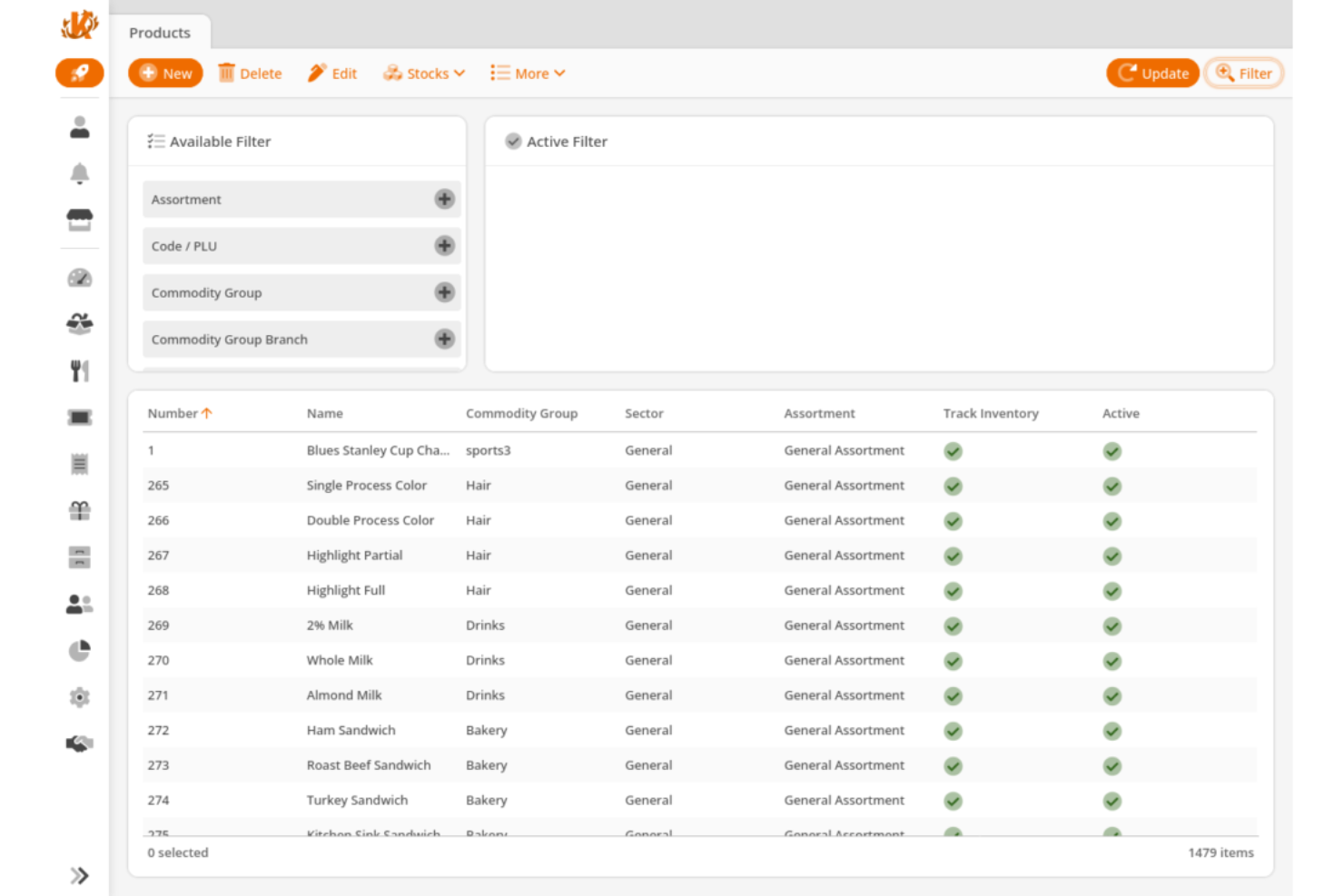
KORONA POS es un sistema de punto de venta (POS) integral basado en la nube, diseñado para diversos tipos de negocios, incluyendo comercios minoristas, servicios de alimentos y gestión de eventos. Ofrece una amplia gama de funciones como gestión de inventario, gestión de relaciones con clientes y reportes y análisis.
Por qué elegí KORONA POS: Elegí KORONA POS por su seguimiento automático del inventario, lo que reduce errores manuales y mejora la eficiencia en la gestión de los niveles de stock. El sistema proporciona notificaciones automáticas para artículos con bajo stock, sobrestock o fuera de stock, permitiendo a los negocios responder rápidamente y mantener niveles óptimos de inventario. Además, KORONA POS soporta la gestión móvil del inventario, permitiendo a los usuarios realizar conteos de inventario directamente a través del POS o de una aplicación móvil.
Funciones destacadas e integraciones de KORONA POS
Entre las funciones destacadas se incluyen el conteo y reabastecimiento automático de inventario, reduciendo el esfuerzo manual, mientras mantiene niveles de stock precisos. Los reportes y análisis en tiempo real del sistema brindan información sobre el desempeño de ventas, el movimiento de inventario y el comportamiento del cliente, ayudando a los negocios a tomar decisiones basadas en datos. Asimismo, cuenta con herramientas CRM como programas de fidelidad y promociones personalizables, además de soportar la gestión eficiente de múltiples ubicaciones.
Las integraciones incluyen Bookkeep, Octopus Bridge, Card Market, Bottlecapps, bLoyal, BlockChyp, Sekure, NearSt, Groc, BOLD Integrated Payments, BLUbeem, LineupApp, Microsoft Excel, WooCommerce, QuickBooks Online Advanced y Adobe Commerce.
¿Qué es gratis? KORONA POS ofrece una prueba gratuita para que las empresas exploren sus funciones.
Pros and Cons
Pros:
- Escalable para terminales individuales, operaciones multi-sucursal y franquicias
- Flexibilidad basada en la nube para acceso remoto
- Funcionalidades robustas de gestión de inventario
Cons:
- Carece de soporte para múltiples idiomas y monedas
- Funcionalidad limitada fuera de línea
New Product Updates from KORONA POS

KORONA POS Inventory Updates: CSV Import, Multi-OU, Filters & API
KORONA POS adds Stock Receipt imports, multi-location stock order sourcing, warehouse stock verification for inventory transfers, and External Reference fields for stock orders to improve inventory operations and tracking. For more information, visit KORONA POS's official site.

Helcim
Ideal para inventario de pequeñas empresas + TPV en uno
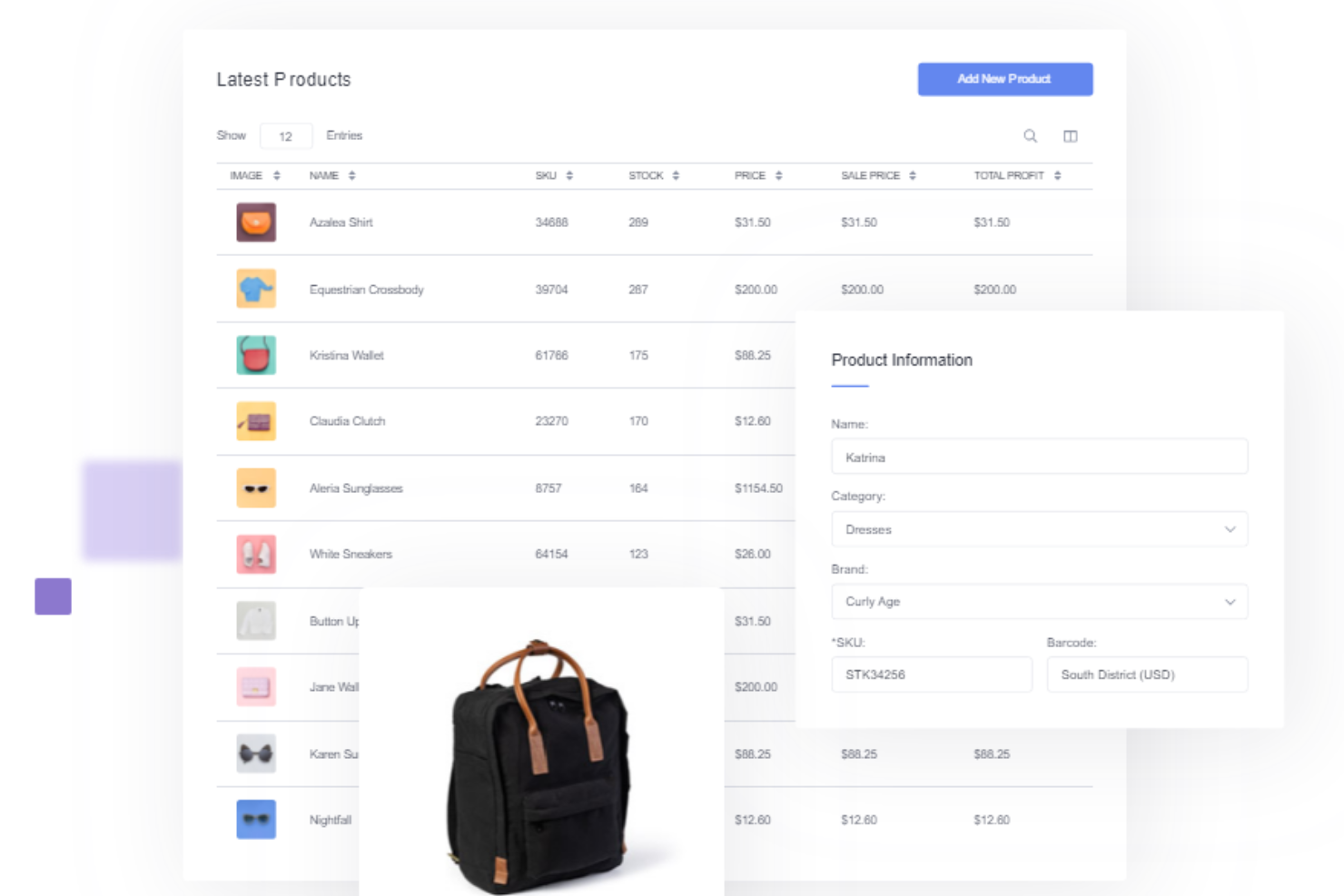
Helcim es una herramienta de procesamiento de pagos diseñada para ofrecer a las empresas soluciones de bajo costo y transparentes para aceptar pagos con tarjetas de crédito y débito tanto en línea como en persona. La empresa se diferencia al no tener tarifas ocultas, no requerir contratos y ofrecer depósitos acelerados en dos días hábiles, posicionándose como una opción rentable para los negocios que buscan reducir los costos de procesamiento de pagos manteniendo la transparencia y la eficiencia.
Por qué elegí Helcim: Elegí Helcim para el 'software gratuito de gestión de inventario' por su compromiso con tarifas de procesamiento bajas y la herramienta Helcim Fee Saver, que ayuda a las empresas a ahorrar en comisiones por tarjetas de crédito. Lo que diferencia a Helcim es su modelo de precios transparente Interchange Plus, una variedad de opciones de pago y un fuerte enfoque en la seguridad y el cumplimiento. Considero que Helcim es la mejor opción para un procesamiento de pagos de bajo costo porque ofrece tarifas asequibles sin exigir contratos y cuenta con una interfaz fácil de usar tanto para comerciantes como para clientes.
Funciones destacadas e integraciones de Helcim
Las funciones destacadas incluyen cuentas para comerciantes que permiten aceptar pagos con tarjetas de crédito y débito, brindando flexibilidad a las empresas en la forma en que procesan las transacciones. La aplicación móvil para iOS y Android permite aceptar pagos en cualquier lugar, mientras que los terminales virtuales permiten gestionar transacciones por teléfono u otros métodos indirectos. Además, sus pasarelas de pago se integran sin problemas con los sitios web, ofreciendo características como páginas de pago alojadas, códigos QR y planes de pago recurrente.
Las integraciones incluyen Xero, QuickBooks, WooCommerce, Foxy.io y Great Exposure.
¿Qué es gratis? Helcim ofrece herramientas gratuitas de gestión de inventario como parte de su plataforma de procesamiento de pagos.
Pros and Cons
Pros:
- Amplia gama de servicios más allá de la gestión de inventario
- El modelo de precios Interchange-plus es altamente transparente
- Soporte por teléfono, correo electrónico y un sistema de tickets en línea
Cons:
- Complejidad para pequeños comerciantes
- Presencia física limitada fuera de Canadá y EE. UU.

El mejor software de gestión de inventarios gratuito para empresas orientadas a los datos
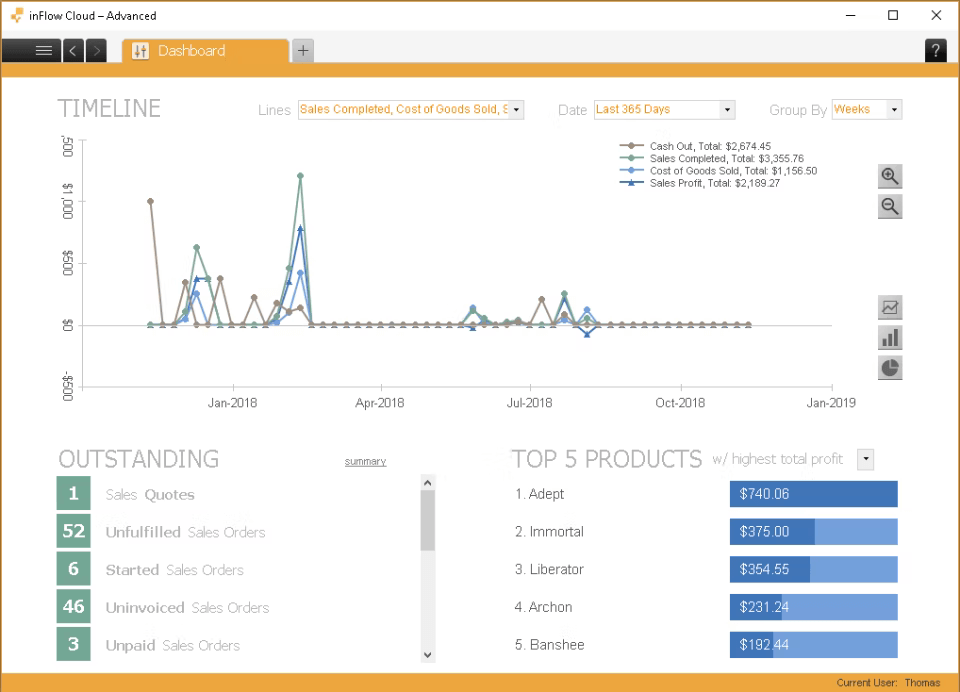
inFlow Inventory es un software de inventario que te ayuda a rastrear pedidos y niveles de stock. El software permite a las empresas gestionar sus órdenes de venta, órdenes de compra y órdenes de trabajo desde una sola plataforma. Las empresas pueden crear, rastrear y gestionar pedidos, así como imprimir facturas y albaranes.
Por qué elegí inFlow Inventory: la función de informes de inFlow Inventory es excelente y proporciona valiosos conocimientos sobre tu organización. inFlow Inventory permite a las empresas rastrear los niveles de inventario en tiempo real, por lo que siempre saben cuánto stock tienen disponible. El software también proporciona un historial de los niveles de inventario, lo que permite a las empresas analizar las tendencias a lo largo del tiempo.
Con inFlow Inventory, puedes crear categorías de productos, rastrear cualquier orden de compra y artículos en reparación, gestionar devoluciones y mantener registros precisos de tus ventas. Este software de inventario gratuito te permite crear un número ilimitado de usuarios con diferentes niveles de permisos para los usuarios de tu red local. Sin embargo, dos usuarios no pueden realizar cambios en el inventario al mismo tiempo. Cuando un usuario está realizando cambios, los demás usuarios solo tienen acceso de solo lectura.
Características destacadas e integraciones de inFlow Inventory
Las características destacadas incluyen escaneo de códigos de barras fácil, lo que permite a las empresas actualizar rápidamente los niveles de inventario usando la app móvil dedicada. El software también permite el seguimiento en múltiples ubicaciones, lo que permite a las empresas monitorear los niveles de stock en varios almacenes o tiendas. Además, sus sólidas capacidades de informes proporcionan valiosos conocimientos sobre tendencias de inventario, ayudando a las empresas a tomar decisiones basadas en datos.
Las integraciones son limitadas. inFlow no se integra directamente con otras aplicaciones, pero los usuarios pueden exportar datos a QuickBooks Online como archivos CSV.
¿Qué es gratis? inFlow es gratuito para hasta 100 productos y clientes, y permite la creación de 15 informes. Más allá de estos límites, se requiere una licencia de pago para continuar utilizando la plataforma.
Pros and Cons
Pros:
- Excelente atención y soporte al cliente
- Soporte para múltiples ubicaciones
- Potentes funciones de informes y análisis
Cons:
- Opciones limitadas para integraciones
- Configuración que consume mucho tiempo

UpKeep
Mejor software gratuito de gestión de inventario para manufactura
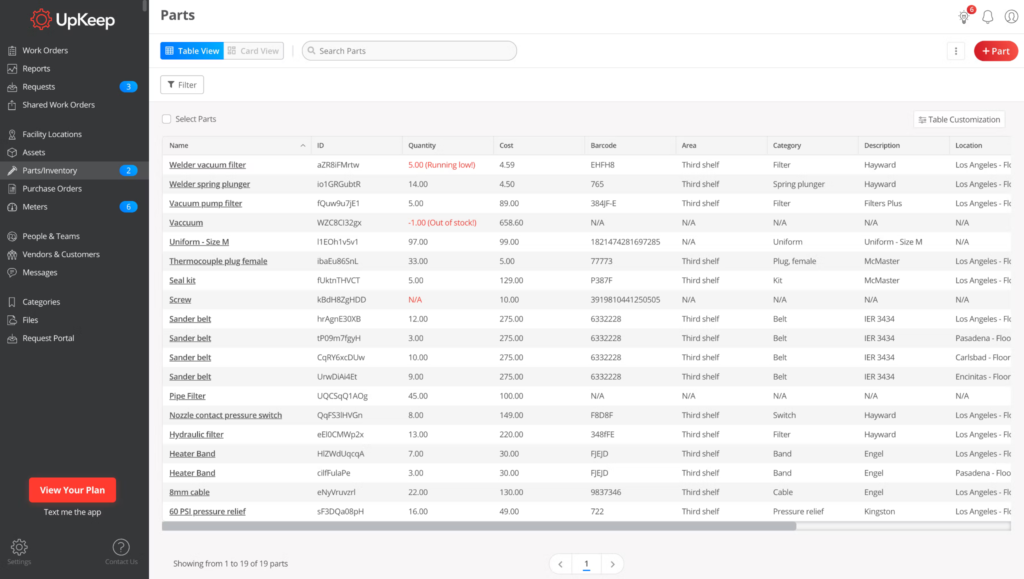
UpKeep es un software de control de inventario que te ayuda a gestionar tu stock y supervisar el cumplimiento de pedidos. La plataforma crea una ubicación centralizada para tus conteos de inventario, por lo que sabes exactamente dónde se encuentra cada artículo y cuántos necesitas reponer. Esta solución no ofrece una aplicación móvil dedicada, pero está optimizada para dispositivos móviles a través de la web, así que funcionará en cualquier dispositivo móvil.
Por qué elegí UpKeep: No te dejes engañar por sus servicios 'presenciales' (como la planificación de técnicos y las órdenes de trabajo), UpKeep es un software integral de gestión de inventario ideal para cualquier negocio de comercio electrónico. El software actualiza automáticamente los conteos de inventario y te envía notificaciones push y por correo electrónico cuando los niveles de stock están bajos. La plataforma también te permite gestionar diferentes ubicaciones. Se orientan a empresas manufactureras con múltiples ubicaciones, permitiéndote vender productos y repuestos en línea.
Funciones destacadas e integraciones de UpKeep
Entre las funciones destacadas se incluyen una gestión de activos robusta, que te permite cargar y almacenar documentos técnicos, imágenes, texto e incluso contenido en video para cada producto. Su software de control de inventario facilita la gestión de cantidades y costos de productos directamente desde una plataforma optimizada para móviles, ideal para usuarios en movimiento. Además, los conteos de inventario se actualizan automáticamente cuando los productos se agregan a facturas u órdenes de trabajo, agilizando las operaciones.
Las integraciones están bloqueadas para planes de pago, por lo que no están disponibles en el plan gratuito.
¿Qué es gratis? La versión gratuita para siempre de UpKeep incluye usuarios ilimitados solo de visualización, proveedores ilimitados, gestión de múltiples ubicaciones, y soporte por chat y teléfono, aunque con capacidades limitadas.
Pros and Cons
Pros:
- Ideal para servicios de alimentos, venta de repuestos y hospitalidad
- Sistema robusto de gestión de activos
- Generoso plan gratuito
Cons:
- Las integraciones no están disponibles en el plan gratuito
- Gran enfoque en servicios presenciales
El mejor software gratuito de gestión de inventario para operaciones con un solo almacén
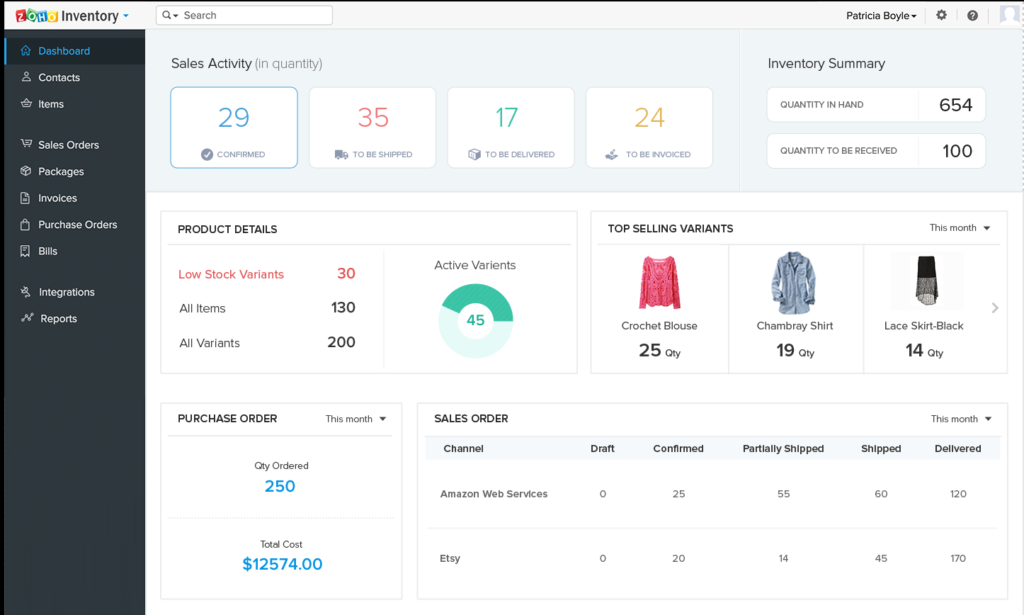
Zoho Inventory es una herramienta de gestión de inventario basada en la nube que te ayuda a rastrear los cambios de inventario, gestionar pedidos de ventas y compras, y publicar tus productos en múltiples canales de venta. Esta solución crea un sistema de inventario centralizado para todas tus ventas en línea.
Por qué elegí Zoho Inventory: Zoho Inventory actualiza la cantidad de tu inventario cada vez que se realiza una venta, manteniendo así los niveles de inventario sincronizados entre los diferentes canales. El software viene con flujos de trabajo preconfigurados que automatizan tareas rutinarias como órdenes de compra, órdenes de venta y seguimiento de envíos.
Una de las mejores características de esta solución es el uso de paneles de control completos. Los paneles de Zoho Inventory te ofrecen mayor visibilidad sobre tu negocio, lo que te permite ver los cambios de inventario y los productos más vendidos con facilidad.
Características e integraciones destacadas de Zoho Inventory
Las características destacadas incluyen la venta multicanal, que te permite listar y gestionar productos a través de varias plataformas como Amazon, eBay y tu tienda online, ayudándote a llegar a más clientes. La plataforma también soporta múltiples monedas, lo que hace que las transacciones internacionales sean sencillas. Los paneles de control completos brindan visibilidad clara sobre los cambios de inventario, productos más vendidos y el desempeño de ventas, permitiendo tomar decisiones más inteligentes.
Las integraciones incluyen Shopify, eBay, Stripe, PayPal, Amazon, Etsy, Salesforce y Google Shopping.
¿Qué es gratis? Zoho Inventory es gratis para organizaciones con un solo almacén y hasta 50 pedidos al mes, incluyendo 50 etiquetas de envío mensuales.
Pros and Cons
Pros:
- Se conecta con otros programas de Zoho
- Muy fácil de configurar y usar
- Gran enfoque en integraciones de comercio electrónico
Cons:
- Límite de 50 pedidos/mes
- No es apropiado para múltiples almacenes

Sortly
Mejor software de gestión de inventario gratuito por su facilidad de uso
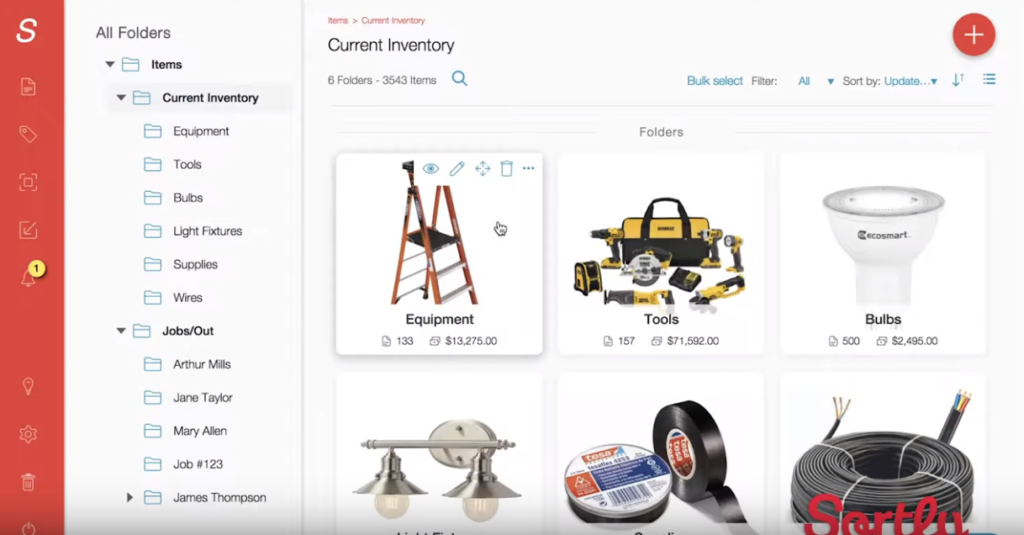
Sortly es un software de gestión de inventario que te permite añadir productos a tu inventario, segmentar tus productos en múltiples categorías y realizar un seguimiento de cada pedido de venta. La plataforma tiene una interfaz atractiva y fácil de dominar, y cuenta con un diseño compatible con todos los dispositivos móviles.
Por qué elegí Sortly: Sortly facilita el seguimiento del inventario con la ayuda de alertas automáticas por bajo stock y recordatorios basados en fechas para productos con garantías cortas o fechas de caducidad. También puedes crear paneles personalizados para obtener una visión general de tu negocio.
El software gratuito de inventario te permite crear un campo personalizado. Esto te permite establecer una categoría de inventario personalizada para productos que no encajan en los campos predeterminados. Puede ser útil para empresas con productos innovadores o difíciles de clasificar.
Funciones y conectores destacados de Sortly
Las funciones destacadas incluyen un seguimiento intuitivo de artículos que permite a las empresas crear una base de datos de inventario con imágenes, descripciones y campos personalizados para una mejor organización. La plataforma también permite crear alertas y recordatorios personalizables para niveles bajos de stock o fechas de caducidad, facilitando el control de las necesidades de inventario. Además, la aplicación móvil permite a las empresas gestionar su inventario eficientemente estés donde estés.
No hay integraciones disponibles en el plan gratuito.
¿Qué es gratis? Sortly es gratuito para un usuario, un campo personalizado y hasta 100 artículos.
Pros and Cons
Pros:
- Aplicación móvil bien diseñada
- Fácil de configurar y usar
- Campos y alertas personalizables
Cons:
- Integraciones limitadas con otros programas
- Informes y análisis limitados

Settle
Ideal para empresas CPG
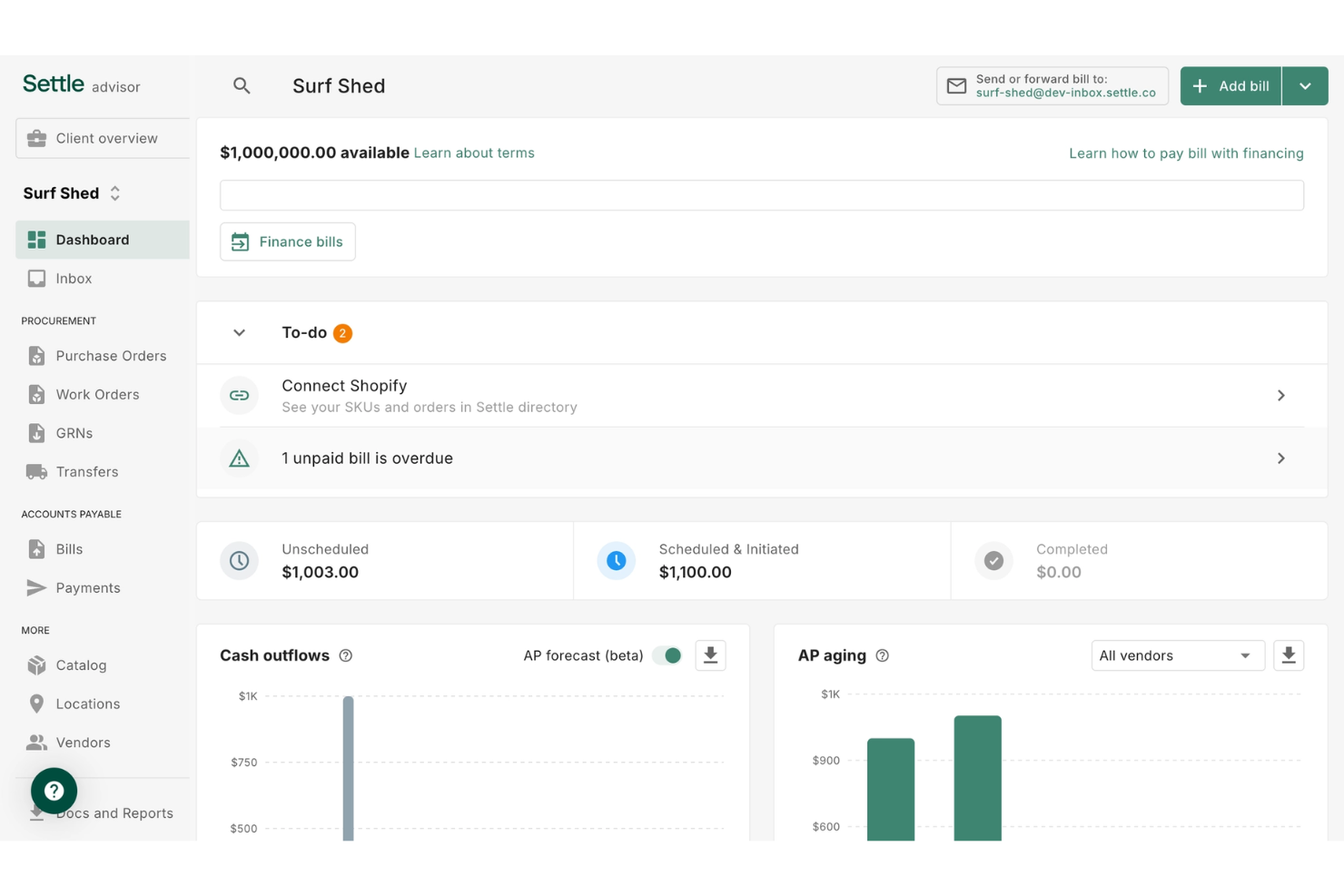
Settle es una plataforma unificada diseñada para ayudar a las marcas de bienes de consumo empaquetados (CPG) a planificar, comprar y pagar el inventario de forma proactiva. Al integrar la gestión de inventario, las compras y los pagos, Settle ofrece a las empresas claridad y control en tiempo real sobre sus operaciones.
Por qué elegí Settle: Me gusta la capacidad de Settle para proporcionar visibilidad de la cadena de suministro de extremo a extremo. Esta característica permite a tu equipo rastrear el inventario desde la compra hasta la venta a través de diversos canales y centros de distribución, asegurando que siempre sepas dónde están tus productos y reduciendo el riesgo de agotamiento o exceso de stock. También realiza cálculos en tiempo real del costo de importación. Al vincular facturas con órdenes de compra, órdenes de trabajo o transferencias, Settle calcula costes precisos a nivel de SKU, dándote una visión clara de tus márgenes de beneficio.
Funciones destacadas e integraciones de Settle
Entre las funciones destacadas se incluyen pronósticos de inventario impulsados por IA que se adaptan a las necesidades evolutivas de tu negocio, notificándote sobre cantidades bajas de SKU y sugiriendo los momentos óptimos de reabastecimiento según los tiempos de entrega y la coordinación de la lista de materiales. Además, Settle ofrece conciliación automática de tres vías entre órdenes de compra, notas de recepción y facturas, ayudándote a evitar pagos en exceso y a mantener registros financieros precisos.
Las integraciones incluyen QuickBooks Online, NetSuite, Shopify, Amazon, Cin7, Google y Xero.
¿Qué es gratis? Settle ofrece un plan gratuito, Launch, que incluye usuarios y transacciones ilimitados. También ofrecen una prueba gratuita de un mes para los planes de pago.
Pros and Cons
Pros:
- Panel financiero integral
- Gestión automática de facturas
- Gestión y pronóstico de inventario
Cons:
- Podría ofrecer más personalización para flujos de trabajo específicos
- La función de búsqueda de facturas podría ser más robusta

Mejor software gratuito y de código abierto para gestión de inventario
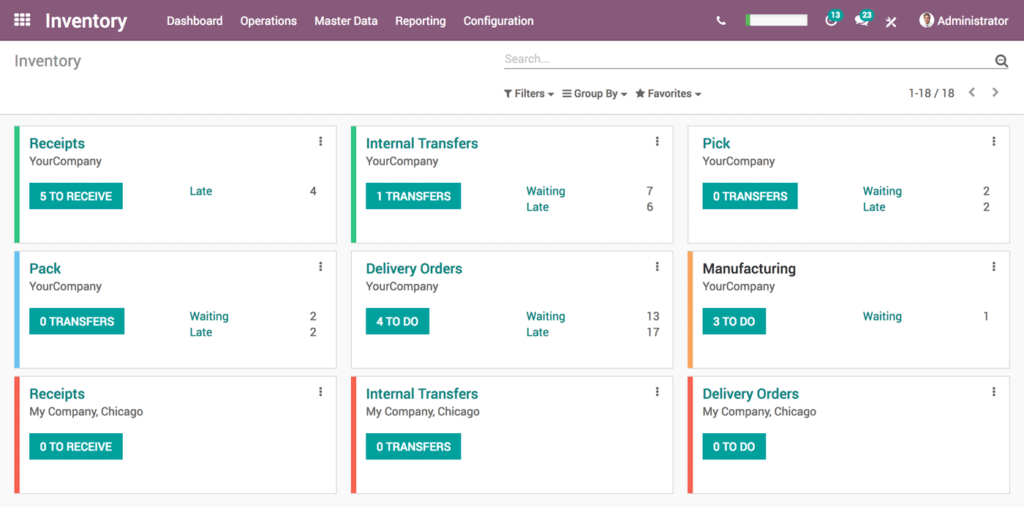
Odoo es un galardonado sistema de gestión de inventario gratuito y de código abierto que ha acumulado más de 7 millones de usuarios desde su lanzamiento. Actualmente es utilizado por empresas de diferentes sectores de ventas y fabricación, como Toyota, Cox, Hyundai y Danone.
Por qué elegí Odoo Inventory: Odoo Inventory es especialmente conocido por su flexibilidad en personalizaciones y la amplia variedad de soluciones que ofrece, como CRM, comercio electrónico, contabilidad, inventario, punto de venta y gestión de proyectos. Puedes escoger solo las que necesites o combinarlas todas para obtener soluciones empresariales integrales.
Odoo Inventory es una solución integral para la gestión de inventarios y ventas que, con un poco de dedicación, es completamente flexible y puede adaptarse exactamente a tus necesidades. Una documentación robusta, el ADN de código abierto y una larga lista de integraciones pueden transformarla en la herramienta exacta que necesitas. Obviamente, cualquier software de código abierto y con este nivel de personalización requerirá conocimientos técnicos adicionales. Odoo funciona mejor para quienes cuentan con personal de TI.
Funciones destacadas e integraciones de Odoo Inventory
Las funciones destacadas incluyen soporte para la gestión de inventario justo a tiempo (JIT), lo que permite a las empresas optimizar los niveles de stock y reducir el desperdicio mientras mantienen la eficiencia. El seguimiento de inventario en tiempo real con soporte para múltiples ubicaciones garantiza una visibilidad completa entre almacenes. Otras funciones incluyen escaneo de códigos de barras, envíos/recepciones integrados y una aplicación móvil para operaciones ágiles en cualquier momento.
Las integraciones incluyen RocketChat, QuickBooks, Google Sheets, WordPress, Slack, Hubstaff, Microsoft SQL y más. Se pueden desbloquear opciones adicionales de integración mediante un plan de pago en Zapier, o bien puedes crear integraciones personalizadas usando la flexibilidad de código abierto de Odoo.
¿Qué es gratis? La edición comunitaria de código abierto de Odoo es completamente gratuita, aunque presenta algunas limitaciones de funciones.
Pros and Cons
Pros:
- Excelente soporte al cliente y foros comunitarios
- Gestión de inventario JIT
- Integral y altamente personalizable
Cons:
- Curva de aprendizaje pronunciada para algunos usuarios
- Los beneficios del código abierto requieren conocimientos técnicos

RightControl
Mejor software gratuito de gestión de inventario para el mercado de complementos

RightControl es un programa de software que ofrece una solución integrada para gestionar el inventario de existencias, ventas, facturas, contactos de clientes y proveedores, generación e impresión de códigos de barras, despacho e informes. Está diseñado para pequeñas y medianas empresas.
Por qué elegí RightControl: RightControl es adecuado para PYMES que buscan un sistema de gestión de inventario completo capaz de manejar diferentes tipos de entradas de existencias, incluyendo el seguimiento de objetos individuales con códigos de barras únicos, entradas por lote para artículos como guisantes enlatados o ensamblajes en kit que requieren agrupar a partir de una lista de materiales para crear un solo producto.
RightControl ofrece varias versiones adaptadas a diferentes necesidades empresariales, desde emprendedores y usuarios domésticos que venden en eBay, hasta empresas en crecimiento que requieren un sistema cliente-servidor multiusuario. Los usuarios pueden actualizar fácilmente desde el programa Lite al sistema Enterprise a medida que su empresa crece.
Características e integraciones destacadas de RightControl
Las características incluyen todo lo mencionado anteriormente, así como un mercado de software donde puedes descargar programas adicionales gratuitos para aumentar la funcionalidad de RightControl. Su mercado es muy completo, e incluye desde soluciones de comercio electrónico y gestión de proyectos (también gratuitas) hasta recursos como fuentes de códigos de barras. No todos los complementos son gratuitos, pero están claramente etiquetados para que sepas cuáles lo son. Todos los complementos de pago vienen con una versión de prueba gratuita antes de cobrarte.
Las integraciones no están listadas en su sitio web.
Qué es gratis: RightControl es completamente gratuito para la gestión de inventario. Puedes descargar sus soluciones adicionales para TPV, escaneo de códigos de barras y comercio electrónico.
Pros and Cons
Pros:
- Ofertas gratuitas generosas
- Ofrece sistemas gratuitos de ecommerce + inventario
- Muchas funciones con complementos gratuitos
Cons:
- No es apropiado para grandes empresas
- No se actualiza regularmente
Otros programas gratuitos de gestión de inventario para pequeñas y medianas empresas
Y estas son las otras opciones que podrías considerar.
- SalesBinder
Mejor software gratuito de gestión de inventario por su variedad de funciones
- PartKeepr
El mejor software de gestión de inventarios gratuito para personalización
- Stockpile
El mejor software de gestión de inventario gratuito para artículos ilimitados
- ABC Inventory
La mejor solución gratuita de software de gestión de inventarios local
- ShipStation
Ideal para simplificar el envío y la gestión de inventario para operaciones ecommerce eficientes
- Cin7 Core
Ideal para varios canales de venta
- Fishbowl
Ideal para el seguimiento de inventario en tiempo real


Análisis relacionados de software de comercio electrónico
Si todavía no has encontrado lo que buscas, echa un vistazo a estas herramientas de comercio electrónico relacionadas que hemos probado y evaluado.
- Plataformas de comercio electrónico
- Software de gestión de inventario
- Software de gestión de inventario de piezas
- Software de procesamiento de pagos
- Soluciones de carrito de compra
- Sistemas de gestión de pedidos
- Software de gestión de almacenes
- Software de gestión de inventario mayorista
Cómo Evalúo el Software Gratuito de Gestión de Inventarios
Divido mi evaluación en dos niveles: el mínimo indispensable que una herramienta debe cumplir para ser útil a un minorista que rastrea SKUs en varias ubicaciones, y los diferenciadores que distinguen a las mejores opciones.
Funcionalidad Básica (Requisitos Indispensables para Esta Lista)
Cuando selecciono herramientas para mi lista, califico cada una en una escala del 0 (no ofrece la funcionalidad) al 5 (destaca en este área) por cada funcionalidad básica que se detalla a continuación. Luego, calculo la puntuación total de la herramienta como un porcentaje. Cada herramienta debe obtener una puntuación total mínima del 65% para ser considerada en la inclusión.
- Seguimiento de Inventario en Tiempo Real: Verifico si la herramienta actualiza las cantidades a medida que se realizan ventas, para que un propietario que vende en persona y en línea no tenga que adivinar lo que hay realmente en el estante.
- Plan Realmente Gratuito: Cada herramienta necesita una versión gratuita funcional, no solo una prueba de 14 días. Analizo si el plan gratuito permite suficientes productos y usuarios para que un pequeño minorista pueda operar día a día.
- Gestión de Catálogo de Productos: Gestionar cientos de SKUs con variantes como talla y color es esencial en el sector minorista. Evalúo cómo maneja cada herramienta los registros de producto, la asignación de códigos de barras y la organización por categorías.
- Alertas de Bajo Stock y Reabastecimiento: Cuando un artículo más vendido cae por debajo de un umbral definido, el sistema debe señalarlo. Busco niveles de alerta configurables y flujos de trabajo de pedidos de compra conectados con las acciones de reabastecimiento.
- Integración con Canales de Venta: El valor de una herramienta depende de lo bien que se sincronice con las plataformas en las que realmente vendes. Analizo conexiones con sistemas POS y plataformas de comercio electrónico como Shopify, Square y WooCommerce.
- Informes de Inventario: Busco reportes que vayan más allá de una simple lista de existencias. Las herramientas útiles muestran el movimiento de inventario, valoración, y datos de rotación para que puedas tomar mejores decisiones de compra.
Una vez tengo una lista de herramientas que cumplen estos criterios, considero qué distingue a cada plataforma.
Factores Diferenciadores (Qué Hace Único a Cada Proveedor)
Así es como comparo y distingo diferentes proveedores:
Funciones Destacadas
El acceso móvil es muy importante para mí. Los empleados de tienda que pueden escanear códigos de barras y consultar stock desde la sala de ventas no necesitan regresar al escritorio. También evalúo el seguimiento de transferencias entre múltiples ubicaciones, relevante cuando mueves inventario entre un almacén y una tienda temporal o una segunda sucursal. El pronóstico de demanda es otra función que busco: las herramientas que muestran tendencias de ventas ayudan a comprar mejor, en lugar de reaccionar a la falta de stock después de que ocurre.
Más Allá de las Funciones
Los límites del plan gratuito son muy relevantes aquí. Evalúo cuántos productos, usuarios y ubicaciones permite cada herramienta antes de empujarte hacia un plan de pago—porque un minorista con 500 SKUs necesita saberlo de antemano. La facilidad de implementación es otro factor que considero, sobre todo para equipos pequeños sin soporte informático. Un asistente de configuración guiada o una herramienta de importación CSV pueden hacer la diferencia entre comenzar en un día o estancarse. También reviso si los usuarios de la versión gratuita reciben soporte real al cliente o están limitados solo a foros comunitarios cuando surge un problema.
¿Qué es el software gratuito de gestión de inventario?
El software gratuito de gestión de inventario es una herramienta digital que realiza un seguimiento de tus productos, pedidos y movimientos de la cadena de suministro, sin cobrarte ni un céntimo.
Diseñado para pequeñas empresas y tiendas de comercio electrónico, automatiza los recuentos de existencias, destaca qué se vende (y qué acumula polvo) y se sincroniza con plataformas como Shopify, para que no tengas que actualizar las cifras a mano.
Tanto si gestionas un único almacén como si coordinas varios canales de venta, estas herramientas gratuitas te ayudan a evitar las roturas de stock, organizar tus SKU y tomar decisiones más inteligentes, sin necesidad de contar con un presupuesto empresarial. Para las empresas que estén preparadas para explorar soluciones de gestión de inventario de código abierto, hay opciones aún más potentes disponibles.
Cómo elegir un software gratuito de gestión de inventario
Elegir un software gratuito de gestión de inventario no debería sentirse como elegir una nueva religión. Quieres algo que realmente funcione para tu negocio, no otra herramienta llamativa que abandonarás después de una semana.
Como alguien que ha gestionado almacenes, domado hojas de cálculo y sobrevivido al caos de los envíos internacionales, así es como puedes encontrar la opción adecuada: sin rodeos, solo resultados.
| Qué debes preguntarte | Qué debes buscar | Por qué es importante |
|---|---|---|
| ¿Cuál es mi mayor problema? | Seguimiento en tiempo real, automatización, alertas | Resuelve primero tus problemas reales |
| ¿Quién necesita utilizar esta herramienta? | Interfaz clara, acceso móvil, roles | Mantiene a todo el equipo informado |
| ¿Con qué necesito conectarla? | Shopify, QuickBooks, Google Sheets, etc. | No tendrás que participar en unas olimpiadas de copiar y pegar |
| ¿Cómo es el “éxito” en este caso? | Informes, alertas de existencias bajas, configuración rápida | Concéntrate en lo que realmente marca la diferencia |
| ¿Se adaptará a mi crecimiento? | Actualizaciones sencillas, sin pérdida de datos, flexibilidad | Prepara tus operaciones para el futuro |
| ¿Funcionará con mi proceso actual? | Curva de aprendizaje mínima, flujos de trabajo inteligentes | No tendrás que reinventar la rueda |
En resumen: no te conformes con una herramienta “gratuita” que te cueste dolores de cabeza. Elige la que se adapte a ti, funcione y crezca contigo, para que puedas volver a gestionar tu negocio.
Tendencias del software gratuito de gestión de inventario para 2026
El mundo de la gestión de inventario está evolucionando rápidamente, incluso en el caso de las herramientas gratuitas. Estas son las principales tendencias que están dando forma al futuro del software gratuito de inventario en 2026:
- Sistemas de inventario basados en la nube. Te permiten gestionar las existencias desde cualquier lugar con conexión a internet, por lo que son ideales para pequeñas empresas en expansión. Los sistemas basados en la nube eliminan los elevados costes iniciales y garantizan actualizaciones en tiempo real en varios dispositivos.
- Integración con el Internet de las cosas (IoT). Los dispositivos IoT, como las etiquetas RFID y los sensores, son cada vez más habituales. Estos dispositivos proporcionan datos en tiempo real sobre los niveles, el estado y la ubicación de las existencias, lo que ayuda a evitar la falta de stock y a optimizar el reabastecimiento.
- Análisis predictivo basado en IA. La inteligencia artificial y el aprendizaje automático se están incorporando a las herramientas gratuitas para ayudar a las empresas a prever la demanda, optimizar los niveles de inventario y automatizar tareas como los nuevos pedidos. Esto reduce la necesidad de intervención manual y garantiza una gestión de existencias más precisa.
- Plataformas adaptadas a dispositivos móviles. A medida que sigue aumentando el uso de dispositivos móviles, muchas opciones de software gratuito de inventario están optimizando sus plataformas para móviles, lo que permite gestionar el inventario desde cualquier lugar mediante aplicaciones fáciles de usar y diseños adaptables.
- Sostenibilidad y reducción de residuos. A medida que las empresas se centran más en la sostenibilidad, las herramientas gratuitas de inventario ofrecen cada vez más funciones que ayudan a reducir los residuos mediante la optimización de los niveles de existencias, la minimización de la sobreproducción y la mejora del uso de los recursos.
- Automatización de almacenes. Las herramientas gratuitas empiezan a ofrecer funciones básicas de automatización, como el escaneo de códigos de barras y las actualizaciones automáticas de existencias, para mejorar la precisión y reducir el trabajo manual en los almacenes. Los sistemas avanzados pueden utilizar robots móviles autónomos (AMRs) para agilizar aún más las operaciones.
Estas tendencias están transformando el software gratuito de inventario: pasa de ser un sistema básico de seguimiento a convertirse en una plataforma inteligente basada en datos que ayuda a las empresas a gestionar las existencias de forma más eficaz y eficiente.
Funciones clave del software gratuito de gestión de inventario
Las herramientas gratuitas de inventario son más potentes que nunca y, si se eligen correctamente, pueden cubrir la mayoría de las necesidades de las pymes. Estas son las funciones esenciales que debes buscar:
- Seguimiento del inventario. Las actualizaciones de existencias en tiempo real, el escaneo de códigos de barras y el seguimiento en varias ubicaciones garantizan que nunca tengas que adivinar qué hay disponible. Algunas herramientas incluso admiten números de serie y seguimiento por lotes para una mayor trazabilidad.
- Gestión de pedidos. Gestiona las ventas, las órdenes de compra, las devoluciones y las facturas desde una sola plataforma. Busca la sincronización con tiendas de comercio electrónico para automatizar las actualizaciones en todo tu conjunto de herramientas.
- Gestión de almacenes. Mueve existencias entre ubicaciones, asigna artículos a contenedores o estanterías y utiliza el método FIFO o el seguimiento de fechas de caducidad para productos perecederos o regulados.
- Informes y automatización. Las herramientas básicas ofrecen informes de existencias y ventas, pero algunas van más allá con paneles en tiempo real, activadores automáticos de reposición y previsiones basadas en IA.
- Compatibilidad con varias ubicaciones. Supervisa las existencias en almacenes, tiendas o proveedores logísticos externos sin perder visibilidad. Es un punto a favor si se sincroniza automáticamente entre ubicaciones.
- Identificación de productos. La compatibilidad con códigos de barras y RFID, junto con los campos personalizados y las etiquetas de productos, te ayuda a realizar el seguimiento y organizar los artículos más rápidamente.
- Optimización del inventario. Algunas herramientas sugieren reposiciones o marcan automáticamente los productos de baja rotación, lo que te ayuda a reducir el desperdicio y evitar la falta de existencias sin trabajo manual.
- Capacidades de integración. Busca compatibilidad con herramientas como Shopify, QuickBooks, AfterShip, ShipStation, Zapier o incluso Google Sheets para crear flujos de trabajo flexibles.
- Seguimiento de lotes y fechas de caducidad. Realiza el seguimiento por lote o fecha de caducidad del inventario con una vida útil limitada. Es especialmente útil para marcas de alimentación, suplementos y productos farmacéuticos.
- Seguridad y controles de acceso. Que sea gratis no significa que no sea seguro: los permisos basados en roles y los registros de auditoría pueden mantener los datos del inventario precisos y protegidos.
- Reposición automática. Activa automáticamente órdenes de compra o alertas de existencias bajas según determinados umbrales o la demanda prevista.
- Acceso móvil y basado en la nube. Las aplicaciones móviles y los paneles en la nube te permiten gestionar las existencias desde cualquier lugar, y algunas incluso ofrecen funciones sin conexión para almacenes con una conexión wifi inestable.
Ventajas del software gratuito de gestión de inventario
El software gratuito de gestión de inventario está cambiando la forma en que operan las empresas, ya que ofrece herramientas potentes para mejorar las operaciones sin coste alguno.
Estas son cinco ventajas principales que ofrecen estas herramientas:
- Reducción de costes. Al automatizar el seguimiento del inventario y reducir los recuentos manuales, el software gratuito ayuda a disminuir los costes operativos. También evita el exceso de existencias y la falta de stock, lo que se traduce en menos desperdicio y un uso más eficiente de los recursos.
- Mayor eficiencia. La automatización acelera procesos como el seguimiento de pedidos y la gestión del inventario, lo que permite que tu equipo se centre en tareas más estratégicas. Menos errores manuales se traducen en operaciones más fluidas en general.
- Mayor precisión. El seguimiento en tiempo real garantiza que los datos de tu inventario estén siempre actualizados, lo que te ayuda a tomar mejores decisiones. Esto permite realizar previsiones de demanda más precisas y reduce el riesgo de tener demasiado o demasiado poco stock disponible.
- Aumento de las ventas y la rentabilidad. Cuando tienes los productos adecuados en stock, puedes satisfacer la demanda de los clientes de forma más constante. Esto no solo impulsa las ventas, sino que también mantiene satisfechos a los clientes, aumentando la fidelidad y la rentabilidad a largo plazo.
- Toma de decisiones basada en datos. Las herramientas gratuitas suelen incluir funciones de generación de informes que ofrecen información sobre las tendencias del inventario y los patrones de ventas. Con estos datos, puedes optimizar los niveles de inventario, ajustar tu oferta de productos y planificar el crecimiento de forma más eficaz.
El software gratuito de gestión de inventario ofrece mucho más que un simple ahorro de costes: aumenta la eficiencia, la precisión y la rentabilidad, al tiempo que te proporciona los datos necesarios para tomar decisiones más inteligentes.
Coste y precios del software de gestión de inventario
Comprender la estructura de costes del software de gestión de inventario es esencial a la hora de decidir entre planes gratuitos y de pago. Las opciones gratuitas pueden ayudarte a empezar, pero los planes de pago ofrecen funciones más completas a medida que crece tu empresa.
Esta es una distribución habitual de los niveles de precios:
| Tipo de plan | Precio medio | Funciones habituales incluidas | Ideal para |
|---|---|---|---|
| Gratuito | $0 | Seguimiento básico del inventario, actualizaciones manuales del stock, informes limitados y asistencia de la comunidad. | Startups o pequeñas empresas con necesidades mínimas. |
| Básico | $9 - $30/mes | Seguimiento automatizado, escaneo de códigos de barras, compatibilidad con varias ubicaciones, gestión básica de pedidos y algunas integraciones. | Pequeñas empresas que necesitan más automatización. |
| Estándar | $30 - $100/mes | Gestión avanzada del inventario, múltiples integraciones (comercio electrónico, contabilidad), análisis básicos y atención al cliente. | Empresas en crecimiento con ventas multicanal. |
| Premium | $100 - $300/mes | Análisis avanzados, previsión de la demanda, reposición automatizada, atención al cliente prioritaria y usuarios ilimitados. | Empresas más grandes con necesidades de inventario complejas. |
| Empresarial | $300+/mes (planes personalizados) | Funciones personalizadas, asistencia específica, automatización completa, ubicaciones y transacciones ilimitadas y previsión avanzada. | Grandes empresas con operaciones de gran volumen. |
Costes adicionales que debes tener en cuenta
Aunque los planes gratuitos y de pago cubren muchas funciones esenciales, a menudo existen costes adicionales que las empresas deben conocer:
- Licencias de usuario. Algunos planes cobran por cada usuario adicional que supere el número incluido, especialmente en los planes de niveles superiores.
- Integraciones. La conexión con sistemas de terceros, como programas de contabilidad o sistemas CRM, puede conllevar cargos adicionales, especialmente en los niveles de menor coste (aunque algunas herramientas de contabilidad incluyen gestión de inventario).
- Atención al cliente. Aunque la asistencia básica puede ser gratuita, la atención al cliente premium o prioritaria suele conllevar un coste adicional.
- Límites de almacenamiento y transacciones. Los planes gratuitos y de niveles inferiores pueden imponer límites al número de productos, transacciones o capacidad de almacenamiento, con cargos adicionales por superar estos límites.
- Formación y configuración. Algunas plataformas cobran por la incorporación, la formación o la configuración de integraciones, especialmente para las funciones avanzadas.
Es importante tener en cuenta estos posibles costes adicionales al elaborar el presupuesto para el software de gestión de inventario, especialmente a medida que tu empresa crece y necesita funciones más avanzadas o un mayor acceso para los usuarios.
Preguntas frecuentes sobre software gratuito de inventario
Ahora vamos a responder a las preguntas de una audiencia hipotética. Hemos pensado en algunas preguntas que podrías haber hecho y las hemos respondido. Vamos allá.
¿Hay costes ocultos en los planes gratuitos?
Sí: la mayoría de los planes «gratuitos» esconden algunas sorpresas. Encontrarás límites en usuarios, pedidos o funciones, y es posible que te cobren pequeñas cantidades por las integraciones o el soporte adicional. A medida que tu operación supere lo que indica la letra pequeña, espera que te animen a actualizar el plan. Presta atención a los cargos adicionales, especialmente si tu negocio empieza a crecer.
¿Qué limitaciones debo esperar en las versiones gratuitas?
Te encontrarás con límites en el número de productos registrados, usuarios y pedidos mensuales. Las integraciones avanzadas, los pedidos automatizados y los informes detallados suelen estar bloqueados en los planes de pago.
La versión gratuita está bien para empezar, pero si te tomas en serio el crecimiento, espera tener que subir de nivel antes de lo que te gustaría.
¿Puedo actualizar desde un plan gratuito sin perder los datos?
Sí, en la mayoría de los casos. Un buen software no te obligará a empezar de cero: tu inventario, historial y configuración deberían mantenerse al pasar a un plan de pago. Aun así, revisa la política de migración antes de decidirte; algunas plataformas parecen más sencillas sobre el papel que en la práctica.
¿Puede el software gratuito de gestión de inventario integrarse con Shopify o WooCommerce?
Algunos sí, pero espera encontrarte con ciertas barreras. Normalmente tendrás una conexión básica con un canal de ventas, pero ¿sincronizar varias tiendas o personalizar las integraciones? Eso queda reservado para los planes de pago.
Si tu negocio depende de un comercio electrónico fluido, comprueba de antemano los límites de las integraciones.
¿Qué nivel de seguridad tienen mis datos con un software gratuito de gestión de inventario?
La mayoría de las herramientas gratuitas de buena reputación utilizan medidas de seguridad sólidas: aspectos básicos como el cifrado y las copias de seguridad periódicas. Aun así, los usuarios de los planes gratuitos rara vez reciben garantías o soporte prioritario cuando algo sale mal. Si tus datos son importantes (y lo son), revisa las políticas de privacidad y pregunta por la respuesta ante incidentes antes de confiar en un plan gratuito.
¿El soporte al cliente está incluido en las herramientas gratuitas de inventario?
A veces, pero no cuentes con atención personalizada. Los planes gratuitos suelen dirigirte a documentos de ayuda y foros, no a agentes en directo. La ayuda rápida y humana suele llegar cuando empiezas a pagar. Decide cuánto tiempo puedes dedicar a resolver problemas antes de empezar.
¿Cómo paso de las hojas de cálculo a un software gratuito de inventario?
Exporta tus datos antiguos: el formato CSV simplifica las cosas. La mayoría de las aplicaciones de inventario permiten importar directamente los productos y los niveles de existencias.
Reserva un par de horas para limpiar los datos, comprueba dos veces que no haya errores y conserva tu hoja de cálculo por si necesitas volver atrás. Actualizar no consiste tanto en «pulsar un interruptor» como en «cerrar la brecha y dejar todos los cabos atados».
Reseñas adicionales de software de gestión de inventario
Cuando tu tienda online crezca y el software gratuito de gestión de inventario se te quede pequeño, puedes probar estas opciones de actualización.