
Estás aquí porque necesitas un sistema TPV que realmente mejore las operaciones minoristas, no solo uno que procese pagos.
Esta guía clasifica las mejores plataformas TPV según lo que más importa a los responsables de operaciones: precisión del inventario en tiempo real, ventas unificadas en todos los canales, informes prácticos e integraciones que funcionen sin quebraderos de cabeza tecnológicos.
Desglosamos qué sistemas resuelven problemas reales, tanto si gestionas varias tiendas como si tienes un comercio electrónico o simplemente quieres que tu equipo deje de pelearse con un hardware obsoleto.
Sin argumentos comerciales vacíos: solo respuestas claras para ayudarte a elegir la herramienta adecuada para tu forma real de trabajar.
Por qué confiar en nuestras recomendaciones de software
6,700+
Reviews
20
Industry experts
16+
Evaluation factors
14
Years
Nuestro equipo lleva probando y evaluando software desde 2012. Como líderes del sector retail, sabemos lo difícil —y lo importante— que es elegir el software adecuado.
Para esta guía, evaluamos las herramientas mediante pruebas prácticas e investigación independiente, puntuando las herramientas según nuestros criterios de selección.
Nuestras reseñas reflejan nuestro criterio independiente, no un discurso de ventas.
Tabla comparativa de sistemas de punto de venta
Antes de pasar a las reseñas, veamos rápidamente cada herramienta TPV en una práctica tabla para comparar sus precios y la información sobre las pruebas.
| Tool | Best For | Trial Info | Price | ||
|---|---|---|---|---|---|
| 1 | La mejor opción por su facilidad de configuración y uso | Con el plan gratuito, solo pagas por transacción | Desde 2.6 % + 10¢ | Website | |
| 2 | Mejor para vendedores B2B | Cotización gratuita disponible | Precios bajo solicitud | Website | |
| 3 | Mejor para negocios de alto volumen en varias industrias | Prueba gratuita de 3 meses | Desde $79/mes | Website | |
| 4 | El mejor para gestión de inventario en tiempo real | Prueba gratuita + demo gratis disponible | Desde $59/mes | Website | |
| 5 | Ideal para negocios de comercio electrónico | Prueba gratuita de 14 días | Desde $39/mes y 2.7% | Website | |
| 6 | Ideal para personalización | Sin prueba gratuita | Desde $59/mes + procesamiento de pagos | Website | |
| 7 | Ideal para paquetes de hardware | Precio a consultar | Website | ||
| 8 | Ideal para negocios de alto volumen | El software es gratuito. Solo pagas por transacción. | Desde 1.86% + 8¢ | Website | |
| 9 | Mejor sistema todo en uno para pequeños negocios | Prueba gratuita de 30 días | Desde $14.95/mes y 2.3% + 10¢ | Website | |
| 10 | Ideal para procesamiento directo de tarjetas de crédito | Cotización gratuita disponible | Precio a consultar | Website |


Los mejores sistemas TPV, analizados
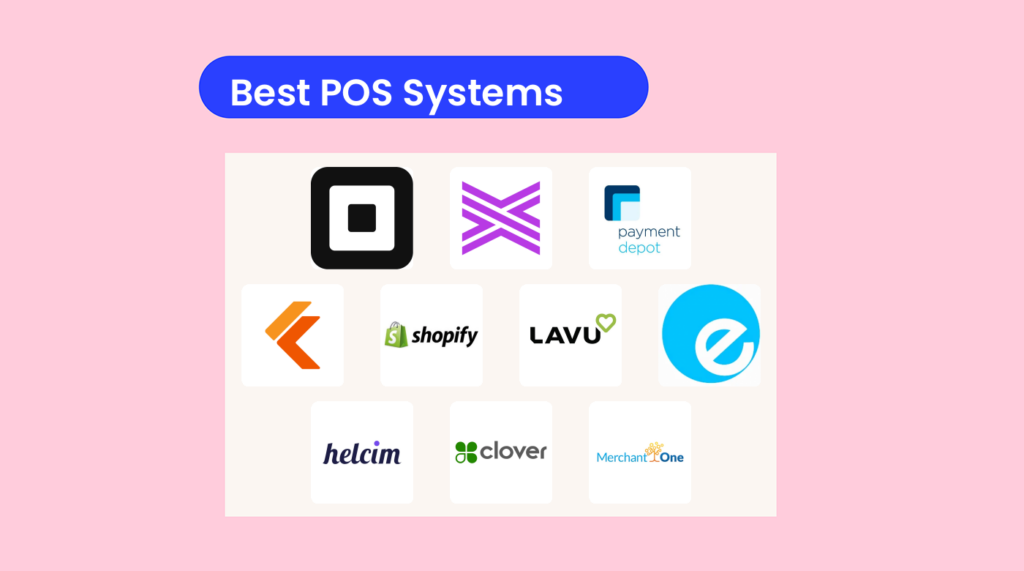
Esta es mi lista de los 10 mejores sistemas de software TPV para 2025.
He resumido los principales argumentos de venta de cada herramienta y he cubierto sus funciones e integraciones compatibles, para asegurarme de que tu conjunto tecnológico pueda admitir el sistema TPV.
Si quieres comparar sistemas TPV y eres más de escanear que de leer, también he preparado una lista rápida de ventajas y desventajas.
 La mejor opción por su facilidad de configuración y uso
- Con el plan gratuito, solo pagas por transacción
- Desde 2.6 % + 10¢
Visit WebsiteCustomer Rating:4.7/5
Dentro de Square puedes revisar las tendencias de ventas, añadir y editar artículos, y gestionar pedidos. Square ofrece a los pequeños y medianos minoristas una manera sencilla de comenzar a aceptar pagos en persona, gestionar el inventario y evolucionar hacia una verdadera venta omnicanal sin una gran factura inicial por software.
Puedes empezar con un plan gratuito desde tu teléfono o tableta y luego incorporar funciones específicas para comercios minoristas, como códigos de barras, órdenes de compra y control de inventario en varias ubicaciones, a medida que tu tienda se vuelve más activa.
Es especialmente útil si quieres un solo sistema que cubra el punto de venta en tienda, comercio electrónico básico e informes sencillos desde el primer día.
Por qué elegí Square
Elegí Square porque puedes pasar de cero a tener un punto de venta funcionando en una tarde solo usando un lector de tarjetas y tu dispositivo iOS o Android existente—no se requiere hardware personalizado.
Obtienes un plan gratuito de nivel inicial con procesamiento de tarifa plana, así que conoces tus costos de antemano mientras pruebas nuevas ubicaciones, tiendas temporales o líneas de productos. Para los minoristas en crecimiento, Square for Retail añade cobro mediante códigos de barras, gestión de órdenes de compra y seguimiento de proveedores, de modo que puedes mantener las estanterías abastecidas y reducir los conteos manuales de stock.
Tu tienda online, las ventas en persona y la venta por redes sociales se alimentan del mismo catálogo y perfiles de clientes, evitando ventas dobles y hojas de cálculo complicadas.
Además, las opciones integradas de fidelización, marketing por correo electrónico y SMS, y Square Banking, te permiten mantener los pagos, la interacción con clientes y el flujo de caja dentro de un solo ecosistema en vez de manejar cinco herramientas distintas.
Características clave de Square
Además de la rápida configuración, Square incluye herramientas enfocadas en el comercio minorista que te ayudan a mantener tus operaciones organizadas a medida que creces.
- Gestión de inventario para minoristas: Controla el stock en distintas ubicaciones, recibe órdenes de compra y utiliza etiquetas de códigos de barras para agilizar los conteos y prevenir sorpresas por falta de stock.
- Gestión de pedidos omnicanal: Sincroniza los pedidos en tienda, en línea y para recoger en un solo panel, para que el personal vea qué necesita ser empacado, enviado o retenido en el mostrador.
- Informes y análisis para minoristas: Visualiza ventas por ubicación, categoría o artículo, monitorea márgenes y utiliza informes de inventario para identificar productos lentos y más vendidos.
- Opciones de hardware para minoristas: Combina dispositivos portátiles, cajas registradoras y terminales con escáneres, impresoras y cajones de dinero para crear una configuración de cobro que se adapte al diseño de tu tienda.
Integraciones de Square
Las integraciones incluyen QuickBooks Online, Xero, WooCommerce, Wix, Zapier, Linktree, Bookkeep y Uber Eats.
Pros and Cons
Pros:
- El procesamiento de tarifa plana simplifica la previsión para pequeños minoristas y negocios de temporada.
- El plan de entrada gratuito mantiene bajos los costos fijos de software POS.
- El comercio electrónico integrado y la venta social ayudan a unificar las ventas en línea y en tienda.
Cons:
- Las herramientas avanzadas de inventario requieren suscripciones Plus o Premium de retail.
- Las tarifas planas pueden resultar más costosas que el modelo interchange-plus a altos volúmenes.
 2Mejor para vendedores B2B
Stax
- Cotización gratuita disponible
- Precios bajo solicitud
Visit WebsiteCustomer Rating:4.2/5
Stax Pay: Sistema de punto de venta integral diseñado para vendedores B2B, con funciones sólidas e integraciones. Stax Pay es ideal para vendedores B2B que facturan a clientes, gestionan boletos grandes y desean un solo lugar para manejar pagos con tarjeta, ACH y pagos recurrentes en canales presenciales y en línea.
Recibes precios tipo suscripción, flexibilidad de hardware y herramientas diseñadas para ciclos de venta más largos en lugar de pagos rápidos de venta minorista.
Por Qué Elegí Stax Pay
Elegí Stax Pay porque se adapta al flujo real de ingresos B2B: cotizaciones, facturas, contratos recurrentes y facturas más grandes en lugar de ventas rápidas y pequeñas.
Puedes enviar facturas personalizadas, cobrar pagos con tarjeta o ACH y configurar calendarios recurrentes desde el mismo panel, por lo que tu equipo de cuentas por cobrar pasa menos tiempo persiguiendo cheques e ingresando transacciones. El soporte para datos de nivel 2/3 te ayuda a reducir la tasa de intercambio en pagos con tarjetas corporativas y de compras, lo cual es importante cuando emites grandes facturas todos los meses.
El precio basado en suscripción te brinda costos de procesamiento más predecibles a medida que crece el volumen, en lugar de crecientes recargos porcentuales reduciendo tus márgenes.
Además, Stax es en gran medida compatible con múltiples dispositivos y ofrece soporte omnicanal, por lo que puedes mantener tus terminales existentes donde tenga sentido, mientras que los equipos de ventas y finanzas cuentan con una vista unificada del flujo de dinero entrante.
Características Principales de Stax Pay
Además de precios y herramientas de facturación enfocadas en B2B, hay algunas funciones de punto de venta importantes para líderes de finanzas y operaciones.
- Perfiles de Clientes y Tarjetas Guardadas: Almacena métodos de pago de manera segura, configura tipos de pago preferidos y reutilízalos en facturas y programas recurrentes.
- Text2Pay y Enlaces de Pago: Envía solicitudes de pago por SMS o enlaces alojados para que los compradores paguen a distancia sin compartir datos de tarjeta por correo electrónico.
- Inventario y Reportes a Nivel de Artículo: Rastrea artículos y categorías en el panel para ver qué productos, lotes o SKU generan más ingresos.
- Panel Multisucursal y Multicanal: Visualiza pagos presenciales, en línea y de facturación juntos para conciliar por sucursal, canal o representante de ventas.
Integraciones de Stax Pay
Las integraciones incluyen QuickBooks Online, Xero, Shopify, WooCommerce, BigCommerce, Magento, Salesforce, Keap, Shift4Shop y WordPress.
Pros and Cons
Pros:
- La facturación, Text2Pay y ACH permiten gestionar largos ciclos B2B de cotización a cobro.
- La optimización de datos de nivel 2/3 puede reducir las comisiones en pagos con tarjetas corporativas.
- El precio por suscripción beneficia a vendedores B2B con alto volumen o boletos grandes.
Cons:
- Principalmente enfocado en comerciantes de Norteamérica; opciones limitadas de adquisición global.
- Las tarifas de suscripción pueden parecer elevadas para comerciantes de bajo volumen o estacionales.
Learn more about Stax: Mejor para negocios de alto volumen en varias industrias
- Prueba gratuita de 3 meses
- Desde $79/mes
Visit WebsiteCustomer Rating:4.7/5
Ahorra en tarifas ocultas con la exclusiva estructura de precios interchange+ de Payment Depot, que beneficia a los negocios de alto volumen. Payment Depot utiliza un modelo de precios tipo membresía para ayudar a los minoristas de alto volumen a controlar los costos de procesamiento, especialmente si estás cansado de que los recargos porcentuales reduzcan aún más los márgenes ya ajustados.
Es una opción sólida para comercios con sede en Estados Unidos que desean tarifas de tarjeta predecibles y la flexibilidad de combinar el procesamiento con Clover, Vital Select o hardware POS existente.
Por qué elegí Payment Depot
Elegí Payment Depot porque la estructura de precios de tipo membresía basada en interchange-plus te brinda costos más predecibles al reemplazar los recargos inflados por una tarifa mensual fija más cargos bajos por transacción.
Obtienes ese ahorro mediante tarifas de intercambio mayorista que se te transfieren directamente, lo cual es especialmente útil si tu ticket promedio es alto o tienes una tienda concurrida con varias cajas.
Para operaciones en tienda, puedes utilizar sistemas POS Clover o Vital Select que añaden seguimiento de inventario, gestión de empleados e informes, para que los pagos y las operaciones diarias estén centralizados.
Si ya cuentas con terminales compatibles, Payment Depot suele poder reprogramar ese hardware, permitiéndote reducir comisiones sin tener que reemplazar tu configuración actual. Condiciones mes a mes y sin contratos largos te dan flexibilidad para cambiar si los números dejan de favorecerte.
Características clave de Payment Depot
Más allá de los precios y flexibilidad POS, Payment Depot incluye algunas herramientas prácticas en las que los minoristas confiarán día a día.
- Aceptación ACH y eCheck: Añade opciones de pago bancario de menor costo para clientes B2B y facturas grandes.
- Panel de informes y depósitos: Supervisa lotes, depósitos y contracargos desde un solo portal para simplificar la conciliación.
- Facturación y cobros recurrentes: Permite cargos automáticos y pagos por factura a través de pasarelas conectadas para membresías y planes de servicio.
- Catálogo de equipos y reprogramación: Acceso a una amplia variedad de terminales y lectores de tarjetas compatibles, o reprograma muchos dispositivos existentes para que funcionen con Payment Depot.
Integraciones de Payment Depot
Las integraciones incluyen Clover POS, SwipeSimple, Vital Select, Authorize.Net, Shopify, WooCommerce, BigCommerce, PrestaShop, OpenCart y Revel Systems.
Pros and Cons
Pros:
- La membresía puede reducir las tasas efectivas para minoristas con mayor volumen.
- Soporta Clover y Vital POS con herramientas de gestión de inventario y empleados.
- La app móvil a través de SwipeSimple permite ventas en la acera, a domicilio y puntos de venta temporales.
Cons:
- Limitado a comerciantes con sede en EE. UU. y que no sean de alto riesgo para el procesamiento.
- La estructura de precios es menos atractiva para negocios con bajo volumen mensual.
Learn more about Payment Depot: El mejor para gestión de inventario en tiempo real
- Prueba gratuita + demo gratis disponible
- Desde $59/mes
Visit WebsiteCustomer Rating:4.8/5
KORONA POS puede rastrear las compras de los clientes e integrarse con diversos componentes de hardware como lectores de códigos de barras, impresoras de tickets y cajas registradoras. KORONA POS está diseñado para minoristas y recintos que dependen de la precisión del inventario—tiendas con múltiples sucursales, licorerías, museos, parques de atracciones y otros operadores de alto volumen.
Obtienes control de inventario en tiempo real, gestión de entradas y una caja configurable que puede manejar filas largas, reglas de franquicia y empleados que no tienen tiempo para lidiar con un sistema POS complicado.
Por qué elegí KORONA POS
Elegí KORONA POS porque te ofrece inventario actualizado al instante en múltiples ubicaciones, respaldado por herramientas como reabastecimiento automático, niveles mínimos de stock e informes detallados de productos para que realmente puedas confiar en tus cifras de existencias.
Puedes vender boletos, pases y entradas directamente desde el mismo POS, utilizando la gestión de entradas y los controles de acceso integrados para manejar ingresos programados y eventos sin necesitar un sistema separado.
Tu equipo puede trabajar más rápido en la caja registradora con escaneo de códigos de barras, diseños personalizables y un modo fuera de línea que mantiene las transacciones funcionando incluso si se cae el internet. También me gusta que puedes definir permisos de usuario detallados y acceso basado en roles, de modo que los gerentes obtienen informes completos mientras que los cajeros solo ven lo necesario para su trabajo.
El precio parte de una tarifa fija por terminal con una prueba gratuita ilimitada, lo que lo hace accesible para minoristas en crecimiento que quieren herramientas de inventario de estilo empresarial sin tener que configurarse un IT a medida.
Características clave de KORONA POS
Más allá de las herramientas principales de inventario, hay algunas características que hacen que KORONA POS sea especialmente útil para entornos complejos de retail y venta de entradas.
- Gestión de franquicias: Controla precios, productos y ajustes de forma centralizada, permitiendo al mismo tiempo excepciones a nivel local cuando sea necesario.
- Gestión de proveedores: Crea órdenes de compra, recibe inventario y controla los costos del proveedor para que el proceso de reposición no se quede en hojas de cálculo.
- Flexibilidad de hardware: Usa el sistema en terminales POS estándar, tabletas, lectores de códigos de barras, impresoras de tickets y cajas registradoras en lugar de estar atado a equipos propietarios.
- Herramientas de prevención de pérdidas: Utiliza permisos de cajero, controles de anulación/reembolso y registros de auditoría para vigilar comportamientos de riesgo y reducir el merma.
Integraciones de KORONA POS
Las integraciones incluyen WooCommerce, QuickBooks Online, bLoyal, CMS Max, City Hive, TimeForge, mapAds, NearSt y Octopus Bridge.
Pros and Cons
Pros:
- Los límites de stock, los reabastecimientos automáticos y los informes detallados ayudan a que las estanterías siempre estén llenas.
- Perfecto para museos, parques de atracciones, tours y cualquier minorista con eventos.
- El escaneo de códigos de barras, los permisos por rol y el modo offline hacen que los entornos de alto volumen sean mucho menos caóticos.
Cons:
- Obtienes datos útiles, pero los analistas que quieran dividir y analizar todos los detalles pueden encontrar límites.
- Es funcional y rápido, pero no tiene la interfaz de usuario POS más llamativa del mercado.
Learn more about KORONA POS: Ideal para negocios de comercio electrónico
- Prueba gratuita de 14 días
- Desde $39/mes y 2.7%
Visit WebsiteCustomer Rating:4.4/5
Con Shopify POS, puedes editar tu política de devoluciones y ventas. Shopify POS está diseñado para marcas de comercio electrónico que desean que su caja en tienda, inventario y datos de clientes se gestionen en el mismo sistema que su tienda online.
Puedes vender en ubicaciones permanentes, pop-ups y eventos mientras mantienes un solo catálogo de productos, un historial de pedidos y una vista unificada de cada cliente.
Es ideal para comerciantes de Shopify que ven la venta minorista física como una extensión de su marca online, y no como un canal aparte.
Por Qué Elegí Shopify POS
Elegí Shopify POS porque te brinda una sola plataforma para ventas online y presenciales, así tu equipo no tiene que reconciliar inventarios o registros de clientes entre varios sistemas.
Puedes ofrecer ventajas omnicanal—como comprar online y recoger en tienda o envíos desde tienda—a través de flujos de trabajo integrados que se conectan directamente con tus pedidos y ubicaciones de Shopify.
El personal de tienda obtiene permisos basados en roles y acceso por PIN, así puedes proteger reembolsos, descuentos y configuraciones confidenciales mientras mantienes rapidez en el mostrador.
También me gusta que Shopify POS funcione tanto en iOS como en hardware dedicado, ofreciéndote una configuración flexible para todo, desde quioscos en centros comerciales hasta tiendas insignia con múltiples ubicaciones. Para minoristas centrados en el ecommerce, esa combinación de datos unificados y hardware flexible convierte la transición al entorno físico en una evolución natural.
Características Clave de Shopify POS
Además de la plataforma unificada, hay algunas herramientas específicas de POS que ayudan a que las marcas en línea triunfen en tiendas físicas.
- Perfiles de Clientes y Fidelización: Crea perfiles unificados a partir de pedidos en tienda y online, y usa el historial y preferencias de compra para campañas de marketing segmentadas y programas de lealtad.
- Recogida y Entrega Local: Ofrece opciones de recogida local, envíos desde tienda y entregas locales que se abastecen del inventario en tiempo real de la tienda, no de un sistema de almacén separado.
- Analítica y Reportes para Retail: Supervisa el rendimiento de tiendas, personal y productos con paneles por ubicación, lo que ayuda a ajustar plantillas, surtido y promociones usando datos en vivo.
- Extensiones desde la App Store: Accede a la tienda de aplicaciones de Shopify para agregar funciones enfocadas en retail—como horarios de turnos, programas de fidelidad y clienteling—sin tener que cambiar tu POS principal.
Integraciones de Shopify POS
Entre las integraciones se incluyen Mailchimp, Klaviyo, QuickBooks Online, Xero, ShipStation, Etsy, SKU IQ, ShipHero y HubSpot.
Pros and Cons
Pros:
- Flujos de trabajo omnicanal conectan el POS con compras online, recogida y envíos.
- El catálogo unificado online y en tienda mantiene los niveles de stock actualizados en tiempo real.
- El hardware de POS móvil sirve para pop-ups, eventos y aliviar filas en tiendas concurridas.
Cons:
- Requiere Shopify Payments; opciones limitadas para otros procesadores de pago.
- El precio del complemento POS Pro aumenta los costos por ubicación física.
Learn more about Shopify POS: 6Ideal para personalización
Lavu
- Sin prueba gratuita
- Desde $59/mes + procesamiento de pagos
Visit WebsiteCustomer Rating:5/5
Puedes usar Lavu para gestionar mesas y pedidos para llevar, y también como tu sistema de control de horarios. Para los dueños de restaurantes que desean un punto de venta que realmente se adapte a cómo funcionan su cocina y su sala, Lavu te da mucho control sobre los menús, modificadores y precios.
Está diseñado para restaurantes de servicio completo y de servicio rápido que se preocupan por aspectos como el costo de recetas, el rendimiento de los camareros y las comisiones de tarjetas, no solo por registrar pedidos.
Lavu es ideal para operadores dispuestos a invertir un poco más a cambio de personalización y un control más profundo sobre sus cifras.
Por Qué Elegí Lavu
Elegí Lavu porque puedes adaptarlo a tu concepto en vez de forzar tu concepto en una plantilla rígida de punto de venta. Puedes personalizar menús, modificadores y tipos de servicio, para que tu equipo pueda manejar aspectos como cuentas divididas, tiempos de servicio y construcciones complejas de artículos sin soluciones improvisadas.
La API abierta de Lavu y su catálogo de complementos—como pedidos en línea, programas de lealtad y herramientas administrativas—te permiten integrarlo fácilmente al resto de tu sistema a medida que creces.
También obtienes informes detallados de ventas y mano de obra asociados a artículos, categorías y personal, lo que te ayuda a analizar márgenes y dotación de personal en lugar de adivinar.
En el área de pagos, los programas de descuento en efectivo y precios duales te brindan una forma concreta de compensar las comisiones de tarjetas, algo importante para restaurantes de alto volumen y márgenes ajustados.
Características Clave de Lavu
Más allá de la personalización, hay algunas herramientas esenciales que hacen que Lavu sea práctico para el trabajo diario en el restaurante.
- Pedidos y Pagos en Mesa: Permite a los camareros enviar pedidos y cobrar directamente en la mesa usando iPads o dispositivos móviles.
- Gestión de Plano de Salón: Crea planos digitales que coinciden con tu distribución real para que el personal pueda seguir comandas abiertas, rotación y zonas en tiempo real.
- Fidelización y Tarjetas de Regalo: Ejecuta programas de lealtad internos y tarjetas de regalo con vigencia limitada sin un sistema separado, manteniendo los datos de recompensas ligados a las cuentas.
- Gestión de Entregas y para Llevar: Administra entregas propias, pedidos para llevar y en línea desde el mismo punto de venta para poder controlar los ingresos externos junto con los de salón.
Integraciones de Lavu
Las integraciones incluyen OpenTable, DoorDash, Restaurant365, QuickBooks, Xero, Gusto, ADP, 7shifts, BentoBox y Shogo.
Pros and Cons
Pros:
- Herramientas de descuento en efectivo y precios duales que reducen significativamente las comisiones de tarjeta.
- Inventario y costos de recetas integrados para controlar los costos de alimentos y bebidas.
- Menús y modificadores altamente personalizables para conceptos de restaurante complejos.
Cons:
- Curva de aprendizaje más pronunciada para configuraciones multicadena y avanzadas.
- Sin plan gratuito; el precio puede ser alto para pequeños cafés.
Learn more about Lavu:

Epos Now ofrece una amplia gama de soluciones TPV, incluyendo software y hardware para diversos negocios de los sectores minorista y de hostelería. Epos Now está diseñado para minoristas ocupados y operadores de hostelería que buscan una solución integral de TPV y hardware que no tengan que reunir pieza por pieza.
Obtienes paquetes preconfigurados de cajas registradoras, impresoras, escáneres y lectores de tarjetas, además de un software basado en la nube que rastrea inventario, ventas y actividad del personal en varias ubicaciones.
Es una opción ideal si quieres hardware plug-and-play con la flexibilidad suficiente para agregar aplicaciones y canales de entrega a medida que creces.
Por qué elegí Epos Now
Elegí Epos Now porque sus paquetes de hardware te brindan una solución lista para usar: terminales táctiles, impresoras de recibos, escáneres de códigos de barras y lectores de tarjetas están configurados para funcionar en conjunto desde el primer día, así que no tienes que adivinar sobre compatibilidades.
Para el control de inventario, obtienes seguimiento de existencias en tiempo real, pedidos de compra y alertas de bajo stock en todas las ubicaciones, lo cual te ayuda a evitar que los clientes se vayan por falta de productos.
Tu equipo puede consultar informes detallados de ventas y beneficios desde cualquier dispositivo, por lo que puedes detectar los productos más vendidos, los de menor rotación y problemas de márgenes sin exportar hojas de cálculo. También me gusta que puedes usar el servicio propio de pagos de Epos Now o conectar procesadores externos compatibles, lo que te permite optimizar la estructura de tarifas o aprovechar tus relaciones bancarias existentes.
Por último, su tienda de aplicaciones e integraciones de reparto te permiten conectar plataformas de contabilidad, comercio electrónico, fidelización y entrega de alimentos, para que tu TPV realmente se adapte a tu forma de vender.
Características clave de Epos Now
Además de los paquetes de hardware y las funciones principales del TPV, Epos Now añade algunas características de comodidad que tu equipo realmente notará durante un turno.
- Modo de entrenamiento para el personal: Permite que los nuevos miembros del equipo practiquen transacciones reales en un entorno de prueba, para que aprendan los flujos de trabajo sin modificar datos en vivo.
- Paneles de control para varias ubicaciones: Consolida ventas, inventario y rendimiento del personal de todos los locales en una sola vista, ayudándote a comparar tiendas y reasignar existencias o personal.
- Gestión y permisos del personal: Asigna roles granulares y restricciones de inicio de sesión, para proteger descuentos, reembolsos e informes, sin dejar de agilizar las filas.
- Fidelización de clientes y promociones: Rastrea el historial de compras y puntos mientras ejecuta promociones y descuentos dirigidos directamente desde el TPV, sin tener que gestionar herramientas de fidelidad por separado.
Integraciones de Epos Now
Las integraciones incluyen QuickBooks Online, Xero, Sage 50, Shopify, WooCommerce, BigCommerce, Mailchimp, Loyalzoo, Uber Eats y Deliveroo.
Pros and Cons
Pros:
- Los paquetes de hardware agrupan terminales TPV con impresoras, escáneres y lectores de tarjetas.
- Se integra con más de 100 aplicaciones de contabilidad, comercio electrónico, fidelización y entrega.
- El inventario y los informes en tiempo real te ayudan a gestionar el stock de varias ubicaciones con precisión.
Cons:
- Los contratos a largo plazo y los costes iniciales de hardware pueden afectar a los operadores pequeños.
- El soporte más allá de lo básico y algunas opciones de pago pueden generar tarifas adicionales.
Learn more about ePOS : Ideal para negocios de alto volumen
- El software es gratuito. Solo pagas por transacción.
- Desde 1.86% + 8¢
Visit WebsiteCustomer Rating:4.4/5
Los usuarios de Helcim pueden alternar entre la interfaz POS y una base de datos de transacciones. Helcim está diseñado para minoristas y empresas de servicios que se preocupan por cada punto base del costo de procesamiento.
Obtienes software de POS gratuito, precios transparentes de tipo interchange-plus con descuentos automáticos por volumen y herramientas que te permiten gestionar pagos presenciales, en línea y de facturación bajo un mismo sistema, lo cual resulta especialmente atractivo a medida que tu volumen mensual de tarjetas comienza a aumentar.
Por qué elegí Helcim
Elegí Helcim porque su estructura de precios interchange-plus con descuentos integrados por volumen te permite conservar una mayor parte de cada venta a medida que crece el volumen de tarjetas.
No tienes que pagar tarifas mensuales de software porque el POS, el terminal virtual, las herramientas de facturación y el pago en línea están incluidos con tu cuenta de comerciante, manteniendo así bajos tus costos fijos.
Tu equipo puede vender en tienda con el Smart Terminal, desde móvil con la app POS o Tap to Pay, y en línea a través de páginas de pago o enlaces de checkout, mientras todo se sincroniza en un solo panel.
También me gusta que puedes configurar permisos de usuario, de modo que los cajeros, supervisores y gerentes solo vean las partes del sistema que realmente necesitan. Para comercios de alto volumen que buscan precios transparentes junto con gran flexibilidad en la forma de aceptar pagos, Helcim es el punto ideal.
Funciones clave de Helcim
Más allá de los precios y el POS básico, Helcim incluye herramientas que respaldan a minoristas con múltiples locales y negocios de servicios en crecimiento.
- Gestión de inventario y productos: Controla niveles de stock, variantes y actualizaciones de catálogo en diferentes ubicaciones desde una oficina administrativa única.
- Perfiles de clientes y CRM: Almacena datos de clientes, tarjetas registradas y el historial de compras para agilizar ventas recurrentes y la facturación.
- Permisos de empleados: Configura accesos basados en roles para que el personal cobre mientras los gerentes controlan descuentos, reembolsos e informes.
- Facturación recurrente y planes de pago: Crea suscripciones o facturas programadas para anticipos, membresías o planes de pago de alto importe.
Integraciones de Helcim
Las integraciones incluyen QuickBooks Online, Xero, WooCommerce, Magento, Foxy.io y Great Exposure.
Pros and Cons
Pros:
- Precios interchange-plus con descuentos por volumen que reducen el costo efectivo de transacción POS.
- El software POS gratuito y las herramientas de pago eliminan tarifas mensuales recurrentes.
- El soporte omnicanal abarca smart terminal, app móvil, facturas y enlaces de pago.
Cons:
- No hay financiación el mismo día; los depósitos suelen abonarse el día hábil siguiente.
- Funciones limitadas específicas para restaurantes en comparación con POS diseñados solo para hostelería.
Learn more about Helcim: Mejor sistema todo en uno para pequeños negocios
- Prueba gratuita de 30 días
- Desde $14.95/mes y 2.3% + 10¢
Visit WebsiteCustomer Rating:3.9/5
Con Clover, puedes usar tu computadora o dispositivo móvil como un terminal POS virtual. Clover está diseñado para pequeños minoristas y restaurantes que desean un solo proveedor para pagos, hardware y operaciones diarias, y no una mezcolanza de herramientas desconectadas.
Obtienes dispositivos de sobremesa y portátiles, una pasarela de pago integrada y un mercado de aplicaciones que te permite añadir herramientas de inventario, nómina y marketing a medida que creces.
Por qué elegí Clover
Elegí Clover porque te ofrece una solución integral de punto de venta, pagos y hardware pensada realmente para negocios pequeños y ocupados, no para departamentos de TI.
Puedes combinar diferentes dispositivos—como Station Solo en el mostrador y Flex en el piso—para que tu equipo cobre dondequiera que esté el cliente. Recibes tus depósitos rápidamente mediante financiamiento al día siguiente o Rapid Deposit, lo cual ayuda cuando tienes que cubrir nóminas o facturas a proveedores con tus ventas con tarjeta.
También tienes herramientas integradas para roles y permisos del personal, así que cajeros, gerentes y dueños solo ven lo que necesitan.
Por último, el Clover App Market te permite añadir funcionalidades como inventario avanzado, nómina o contabilidad, para que tu punto de venta crezca junto con tu tienda sin dolorosos cambios de sistema.
Características clave de Clover
Además de su núcleo de punto de venta y pagos, Clover incorpora herramientas muy prácticas para pequeños comercios minoristas y operadores de alimentos y bebidas.
- Herramientas de gestión de inventario: Controla el stock por artículo y variante, configura alertas por bajo inventario y mantén los conteos sincronizados entre dispositivos y ubicaciones.
- Tienda y pedidos online de Clover: Crea una tienda online básica o una página de pedidos que se conecta directamente con tu catálogo y POS de Clover.
- Fidelización y promociones para clientes: Lanza programas de puntos, recompensas tipo tarjeta perforada y ofertas personalizadas vinculadas a perfiles de clientes y historial de compras.
- Informes y paneles de control: Supervisa ventas en tiempo real, impuestos y rendimiento de empleados desde el panel web de Clover o su app móvil.
Integraciones de Clover
Las integraciones incluyen Time Clock de Homebase, Thrive Inventory, stockIt, Easy Labels, QuickBooks vía Commerce Sync, Payroll de Gusto, Paychex Flex y Kitchen Display de 4LeafLabs.
Pros and Cons
Pros:
- El hardware y los pagos integrados simplifican la implementación para ubicaciones nuevas o en crecimiento.
- Rapid Deposit y el financiamiento al día siguiente ayudan a mejorar el flujo de caja en pequeños negocios.
- El gran mercado de aplicaciones te permite personalizar el POS para tu sector.
Cons:
- El precio y los contratos pueden resultar confusos entre diferentes proveedores y revendedores.
- La experiencia con el soporte al cliente y la facturación varía mucho entre socios de ventas.
Learn more about Clover: Ideal para procesamiento directo de tarjetas de crédito
- Cotización gratuita disponible
- Precio a consultar
Visit WebsiteCustomer Rating:5/5
Ya sean terminales tradicionales de mostrador, lectores móviles de tarjetas o sistemas POS integrados, Merchant One ofrece diferentes opciones de hardware para cubrir las necesidades de diversos negocios. Merchant One es una buena opción si buscas procesamiento directo de tarjetas de crédito estrechamente vinculado con el hardware de tu punto de venta (POS), en lugar de hacerlo a través de un agregador.
Obtienes terminales de mostrador, sistemas POS basados en Clover y lectores móviles bajo una sola cuenta comercial, lo que te permite mantener los pagos en persona, las ventas en línea y los informes administrativos dentro del mismo ecosistema.
Es ideal para pequeñas y medianas empresas en EE. UU. que valoran la financiación rápida y el soporte personalizado durante la integración.
Por qué elegí Merchant One
Elegí Merchant One porque te da una cuenta comercial real con opciones de financiación al día siguiente, de modo que las ventas con tarjeta llegan a tu banco más rápido gracias a sus relaciones directas con adquirentes.
Puedes utilizar terminales tradicionales, estaciones Clover todo en uno y lectores móviles, lo que ayuda a tu equipo a cubrir mostradores fijos, agilizar filas y participar en eventos fuera del local sin depender de varios proveedores. Tu cuenta incluye herramientas como gestión de inventario y empleados a través de sistemas POS compatibles, para que puedas controlar tanto el stock como el desempeño del personal directamente desde la caja, en vez de lidiar con hojas de cálculo.
También me gusta que puedas aceptar una amplia variedad de métodos de pago—chip EMV, billeteras con pago por acercamiento, tarjetas de regalo y cheques—en la misma plataforma, respaldada por cifrado, tokenización y procesamiento compatible con PCI.
Para comerciantes con historial crediticio menos que perfecto o perfiles de riesgo algo más altos, Merchant One es más flexible en la aprobación que muchos procesadores de grandes bancos, lo que abre la puerta a negocios que de otra forma seguirían lidiando solo con efectivo o soluciones engorrosas.
Características clave de Merchant One
Además de la relación directa de procesamiento, Merchant One incluye varias herramientas cotidianas que tu equipo realmente usará en el punto de venta.
- Terminal virtual: Procesa pagos ingresados manualmente, por teléfono o facturación desde cualquier puesto de trabajo con navegador.
- Facturación recurrente: Configura suscripciones o planes de pago para que los cargos recurrentes se realicen de forma automática y predecible.
- Informes detallados: Supervisa depósitos, volumen de cobros, reembolsos y tipos de tarjeta en un panel central para simplificar la conciliación.
- Herramientas de gestión de contracargos: Recibe alertas y opciones para documentación de respaldo que te ayudan a responder a disputas de manera más eficaz.
Integraciones de Merchant One
Las integraciones incluyen Authorize.net, Payeezy Gateway, Payflow Pro, Paytrace Gateway, USAePay, Aloha, Micros y Maitre’D.
Pros and Cons
Pros:
- Opciones de hardware POS con tecnología Clover para uso en mostrador, portátil o móvil.
- Financiación al día siguiente para mantener el flujo de efectivo de las ventas con tarjeta.
- Aprueba a algunos comercios con menor crédito o mayor riesgo que otros procesadores suelen rechazar.
Cons:
- Contrato estándar de tres años con penalización por cancelación anticipada.
- Las tarifas y comisiones pueden ser poco claras si no negocias los detalles.
Learn more about Merchant One:
Otras opciones de sistemas TPV
Además de mis recomendaciones anteriores, aquí tienes algunas opciones TPV más que merece la pena considerar:
- 11PayPal ZettleMejor para usuarios de PayPal
- 12ToastLo mejor para pequeños restaurantes
- 13eHopperMejor opción económica para minoristas
- 14talechMejor para gestión de pedidos
- 15Revel SystemsMejor para programas de fidelización de clientes
- 16ProMerchantIdeale per il monitoraggio in tempo reale dei livelli di stock
- 17Aloha CloudIdeal para menús complejos e inventario
- 18TouchBistroMejor sistema integral para restaurantes
- 19Payline DataIdeal para programas de fidelización de clientes
Recopilaciones relacionadas de software TPV
Los sistemas TPV no son todos iguales, por lo que quizá quieras considerar los distintos tipos de plataformas y software disponibles. Para necesidades específicas de determinados sectores, como los negocios de belleza, también puedes consultar el software especializado de gestión de salones. Por suerte, también hemos pensado en eso.
- Sistemas TPV móviles
- Sistemas TPV para comercios minoristas
- Software TPV para pequeñas empresas
- Sistemas TPV integrados
- Sistemas TPV para ferreterías
Cómo evalúo los sistemas de punto de venta
Divido mi evaluación en capacidades imprescindibles —como el seguimiento del inventario en tiempo real y el procesamiento de pagos con múltiples métodos— y factores diferenciadores que distinguen a las opciones más sólidas.
Funcionalidad principal (requisitos básicos para esta lista)
Al seleccionar herramientas para mi lista, clasifico cada una en una escala de 0 (no ofrece la funcionalidad) a 5 (sobresale en esta área) para cada funcionalidad principal que se indica a continuación. Después, convierto la puntuación total de la herramienta en un porcentaje. Cada herramienta debe alcanzar una puntuación total mínima del 65% para ser considerada para su inclusión.
- Procesamiento de pagos: Evalúo qué métodos de pago son compatibles de forma predeterminada —crédito, débito, sin contacto, billeteras móviles y tarjetas de regalo— y si los pagos divididos y los reembolsos funcionan correctamente.
- Gestión del inventario: Aquí es importante el seguimiento del stock en tiempo real para todos los SKU y las variantes de productos, junto con las alertas de stock bajo y las deducciones automáticas a medida que se venden los artículos.
- Informes y análisis de ventas: Busco informes que permitan filtrar por producto, empleado, período y ubicación, para detectar tendencias como picos de ventas durante los fines de semana o categorías con bajo rendimiento.
- Gestión de clientes y fidelización: Cada herramienta debe guardar los perfiles de los clientes y su historial de compras durante el proceso de pago, con compatibilidad para programas de fidelización o precios promocionales vinculados a segmentos de clientes.
- Compatibilidad con múltiples ubicaciones y canales: Para los minoristas que gestionan más de una tienda o venden en línea, compruebo si el inventario, los pedidos y los datos de los clientes permanecen sincronizados en todos los canales.
- Compatibilidad del hardware: Los escáneres de códigos de barras, las impresoras de recibos, los cajones portamonedas y los lectores de tarjetas de los principales fabricantes deberían conectarse sin requerir equipos exclusivos del proveedor.
Una vez que tengo una lista de herramientas que cumplen estos criterios, considero qué distingue a cada plataforma.
Factores diferenciadores (lo que distingue a los proveedores)
Así es como comparo y contrasto distintos proveedores:
Funciones destacadas
El modo sin conexión es un factor importante: busco sistemas que sigan procesando ventas durante una interrupción de Internet y sincronicen las transacciones cuando se restablezca la conexión, algo relevante para tiendas temporales o zonas con Wi-Fi poco fiable. La gestión integrada de empleados también diferencia a las opciones más sólidas del resto, especialmente la programación de turnos y los permisos basados en roles que permiten restringir la autorización de descuentos únicamente a los gerentes. También compruebo cómo gestiona cada herramienta las devoluciones y los cambios, ya que un flujo de devoluciones complicado ralentiza la fila de pago y frustra tanto al personal como a los clientes.
Más allá de las funciones
El coste total de propiedad merece una atención especial: evalúo si las comisiones por transacción, los costes del hardware y los cargos por caja registradora se acumulan de forma razonable a medida que un minorista añade ubicaciones. El ecosistema de integraciones es igual de importante, ya que la mayoría de las tiendas necesitan que los datos de su sistema de punto de venta fluyan hacia herramientas contables como QuickBooks o Xero sin exportaciones manuales. También considero la escalabilidad: un sistema que hoy se adapta a una boutique individual debería admitir una segunda o tercera ubicación sin obligar a realizar una migración completa a otra plataforma o nivel de precios.
Nuestros criterios de selección de sistemas TPV
Cuando evaluamos sistemas TPV, no nos fijamos únicamente en quién tiene la pantalla táctil más llamativa o la tarifa por transacción más baja. Buscamos las herramientas que facilitan la vida real en el comercio minorista, desde la rapidez en primera línea hasta la tranquilidad en la gestión administrativa.
Así distribuimos la puntuación entre siete categorías clave:
Funcionalidad esencial del sistema TPV (25 % de la puntuación total)
Esto es lo imprescindible. Un TPV debe hacer bien su trabajo y no fallar bajo presión.
- Gestiona las transacciones sin problemas. Pagos con tarjeta contactless, chip, banda magnética, pagos divididos: tu TPV debe moverse tan rápido como tus clientes.
- Mantén el inventario sincronizado en tiempo real. Se acabaron los incómodos momentos de “déjame comprobarlo en la trastienda” cuando tu tienda online ya lo ha vendido.
- Admite la venta multicanal. En tienda, online, móvil, recogida en la acera: tu TPV debe mantenerlo todo sincronizado.
- Ofrece informes claros y útiles. Las ventas diarias, las tendencias de los productos y el rendimiento del personal deberían estar a un clic de distancia, no enterrados en una hoja de cálculo.
- Funciona incluso cuando el Wi-Fi no lo hace. El modo sin conexión no es opcional: tu tienda no puede dejar de funcionar porque falle Internet.
Funciones adicionales destacadas (25 % de la puntuación total)
Estas son las herramientas avanzadas que convierten un sistema TPV en algo más que una calculadora sofisticada.
- CRM y herramientas de fidelización integrados. Haz un seguimiento de los hábitos de los clientes y recompénsalos por seguir contigo, sin tener que unir herramientas con apaños.
- Funciones de gestión de empleados. Gestiona los horarios, el seguimiento de las ventas y los permisos según el rol desde el mismo panel de control.
- Preparado para móviles y quioscos. Tu TPV debe estar donde están tus clientes, no mantenerlos atados a un mostrador.
- Integraciones con comercio electrónico y contabilidad. Se lleva bien con Shopify, WooCommerce, QuickBooks y el conjunto de herramientas que ya utilizas.
- Seguridad de los datos en la que puedas confiar. El cifrado de extremo a extremo, el cumplimiento de PCI y los pagos tokenizados no deberían ser extras opcionales.
Facilidad de uso (10 % de la puntuación total)
Porque tu equipo de primera línea no intenta resolver un rompecabezas cada vez que registra una venta.
- Diseño y distribución intuitivos. Una persona recién contratada debería poder aprender a usarlo durante la comida.
- Rendimiento rápido del sistema. Las esperas en caja acaban con las ventas y con la paciencia.
- Acceso de usuarios basado en roles. Los responsables necesitan vistas diferentes a las de los cajeros. Tu TPV debería entenderlo.
- Formación mínima necesaria. Si hace falta consultar un manual para descubrir cómo hacer una devolución, es una señal de alarma.
Recursos de incorporación y asistencia (10 % de la puntuación total)
Lo que ocurre después de la compra importa tanto como lo que aparece en la demostración.
- Guías de configuración que sean útiles. Las instrucciones paso a paso, los vídeos o los recorridos interactivos facilitan la puesta en marcha.
- Ayuda para la migración. Trasladar tus datos no debería requerir un experto interno en informática.
- Materiales de formación continua. Ofrece al personal recursos que realmente pueda utilizar, no solo un PDF de 2014.
- Asistencia en directo útil. Cuando algo falla, quieres hablar con personas reales, no entrar en un bucle interminable de respuestas de un chatbot.
Atención al cliente (10 % de la puntuación total)
Porque vas a encontrarte con problemas. La pregunta es: ¿alguien te ayudará de verdad?
- Disponibilidad multicanal. Teléfono, correo electrónico, chat en directo: no deberías tener que enviar una paloma mensajera.
- Acceso las 24 horas del día, los 7 días de la semana. El horario comercial no termina a las 17:00, y tu asistencia tampoco debería hacerlo.
- Agentes competentes. No solo alguien que lea un guion, sino alguien capaz de resolver el problema real.
- Documentación fiable. Una buena asistencia empieza con una base de conocimientos en la que puedas buscar y que realmente responda a tus preguntas.
Relación calidad-precio (10 % de la puntuación total)
Los sistemas TPV son una inversión, pero no deberías sentir que necesitas un título en finanzas para entender los precios.
- Precios claros y honestos. Sin tarifas ocultas, recargos misteriosos ni actualizaciones obligatorias solo para acceder a las funciones básicas.
- Escalable para crecer. Tanto si tienes una tienda como diez, tu TPV debería adaptarse sin duplicar tus costes.
- Funciones que justifiquen el gasto. ¿Ahorras tiempo, reduces errores o aumentas las ventas? Si no, ¿por qué estás pagando por ello?
- Flexibilidad del hardware. Utiliza tus propios dispositivos, alquílalos al proveedor o compra un paquete: debería funcionar como tú quieras.
Opiniones de los clientes (10 % de la puntuación total)
No necesitas miles de valoraciones de cinco estrellas, sino el tipo adecuado de comentarios de minoristas como tú.
- Satisfacción constante de los usuarios. Buscamos elogios o puntos problemáticos recurrentes en distintas plataformas, no solo testimonios seleccionados.
- Casos de uso detallados. Las mejores reseñas mencionan qué tipo de negocio gestionan y para qué les ayudó realmente la herramienta.
- Indicadores de la capacidad de respuesta del proveedor. ¿Resuelven los problemas y actualizan las funciones o abandonan a sus clientes después de la venta?
- Opiniones de tu sector. Una reseña entusiasta de un propietario de una cafetería quizá no ayude a un minorista de moda. Buscamos relevancia.
¿Qué es un sistema POS?
Un sistema POS es el hardware y el software que te permiten procesar ventas, gestionar el inventario y mantener en funcionamiento tu negocio minorista, tanto si estás en el mostrador como si vendes por Internet o en cualquier otro lugar.
El POS actual hace mucho más que aceptar pagos: realiza un seguimiento del inventario en tiempo real, conecta tus ventas en línea y en tienda física, gestiona el acceso del personal y te proporciona los datos necesarios para tomar mejores decisiones con el software de gestión minorista.
Si tu POS no puede seguir el ritmo, no solo estás perdiendo eficiencia, sino que también estás dejando dinero sobre la mesa.
Cómo elegir un sistema POS
Elegir un sistema POS implica algo más que marcar casillas: se trata de asegurarte de que tu próxima herramienta realmente te haga la vida más fácil. Así es como los profesionales con experiencia abordan la decisión, paso a paso:
| Qué hacer | Por qué es importante |
|---|---|
| Qué hacerIdentifica tus puntos problemáticos | Por qué es importanteDetermina exactamente qué no funciona —cajas lentas, problemas de inventario, ventas en línea y en tienda física desconectadas— para que puedas centrarte en las soluciones y no en distracciones llamativas. |
| Qué hacerDefine quiénes lo usarán | Por qué es importanteDecide quién utilizará el sistema y qué necesita conseguir. Esto evitará que pagues de más por funciones que tu equipo nunca utilizará. |
| Qué hacerHaz una lista de las integraciones necesarias | Por qué es importanteTu POS debe funcionar correctamente con tus herramientas de contabilidad, fidelización, inventario y comercio electrónico. Si no se conecta, no es más que otro sistema aislado. |
| Qué hacerDefine las métricas de éxito | Por qué es importanteTen claro qué significa «mejor» para ti —transacciones más rápidas, menos errores, un control más preciso del inventario— para poder medir si el sistema realmente cumple. |
| Qué hacerPrueba con flujos de trabajo reales | Por qué es importanteNo te dejes convencer por la demostración. Realiza tus propias ventas, devoluciones y cierres diarios en el sistema antes de firmar nada. |
| Qué hacerAnaliza a fondo el precio | Por qué es importanteMira más allá del precio anunciado para detectar tarifas ocultas, dependencia del hardware o costes de incorporación. Un POS barato que te cobra pequeños importes por todo no es ninguna ganga. |
| Qué hacerHabla con usuarios reales | Por qué es importantePonte en contacto con otros profesionales: sus experiencias reales señalarán problemas y descubrirán puntos fuertes que no encontrarás en una presentación de marketing. |
Elige el sistema que se adapte a tu forma real de trabajar, no a la forma en que el proveedor espera que trabajes.
Las principales tendencias de los sistemas POS que debes conocer
Hace mucho que quedaron atrás los días en que se trataba el POS como una sofisticada caja registradora. En 2026, se espera que gestione las operaciones, la interacción con los clientes e incluso el marketing.
Esto es lo que está dando forma a la próxima generación de sistemas POS y por qué es importante.
- La IA se está volviendo personal. Los sistemas TPV inteligentes están aprovechando la IA para recomendar productos, detectar patrones de compra de los clientes e incluso sugerir ventas adicionales en tiempo real, sin necesidad de robots inquietantes.
- La tecnología basada en la nube es ahora la opción predeterminada. Olvídate de las instalaciones heredadas y poco prácticas. Los minoristas están eligiendo TPV basados en la nube para acceder en cualquier momento, disfrutar de actualizaciones más sencillas y ampliar sus operaciones entre establecimientos con mucha más facilidad.
- Los pagos sin contacto ya no son opcionales. Pagar acercando la tarjeta, los monederos digitales y los pagos móviles son requisitos básicos. Los clientes esperan un proceso de pago sin fricciones, especialmente quienes tienen prisa.
- La venta omnicanal no es una palabra de moda: es el mínimo indispensable. Los principales sistemas TPV sincronizan el inventario, los pedidos y los datos de los clientes de las tiendas físicas y online para que realmente puedas cumplir esa promesa de «comprar desde cualquier lugar».
- La seguridad está mejorando. Los inicios de sesión biométricos, el cifrado y los pagos tokenizados se están convirtiendo en estándares, porque una sola filtración puede perjudicar gravemente a una marca.
- El TPV se vuelve más ecológico. Los recibos digitales, los informes sin papel y el hardware de bajo consumo están ganando popularidad, y no solo por el bien del planeta. A los clientes les gusta comprar a empresas que comparten sus valores.
- El autopago se está generalizando. Ya sea mediante un quiosco, una tableta o una opción de pago móvil, los minoristas están descubriendo que el autopago reduce las colas y aumenta el rendimiento.
- La venta en redes sociales viene integrada. Las herramientas TPV están empezando a conectarse con plataformas sociales como Instagram y TikTok para que puedas vender el inventario directamente desde el contenido.
- Los datos por fin impulsan las decisiones. Los minoristas inteligentes utilizan los análisis del TPV para realizar un seguimiento de todo, desde el rendimiento de los productos hasta la productividad del personal, y ajustar las estrategias rápidamente.
- La voz se está incorporando poco a poco. Todavía es una tecnología incipiente, pero las funciones de TPV activadas por voz, como volver a realizar pedidos o consultar estadísticas rápidas, están apareciendo en más herramientas, especialmente en entornos de ritmo acelerado.
Los sistemas TPV ya no son solo una herramienta: son el tejido conectivo de tu operación minorista. Los mejores están evolucionando hasta convertirse en el sistema operativo de toda tu empresa.
Funciones principales de los sistemas TPV
El software TPV no sirve igual para todos, pero sí hay algunas funciones imprescindibles que distinguen a un sistema inteligente y escalable de uno que simplemente ralentiza a tu equipo. Estas son las funciones fundamentales que buscamos al evaluar si un TPV está diseñado para el comercio minorista moderno.
- Seguimiento del inventario en tiempo real. Mantiene actualizados los niveles de existencias en todos los canales, de modo que lo que se vende online se refleja al instante en la tienda física, y viceversa.
- Procesamiento de pagos integrado. Admite todas las opciones habituales —tarjetas de crédito, débito, monederos móviles y pagos sin contacto— sin necesidad de recurrir a soluciones de terceros.
- Gestión omnicanal de pedidos. Permite preparar, reembolsar y realizar un seguimiento de los pedidos en tiendas físicas, plataformas de comercio electrónico y mercados online, todo desde un único panel.
- Perfiles de clientes e historial de compras. Crea automáticamente una base de datos sobre quién compra cada producto, lo que facilita mucho los programas de fidelización y las ofertas segmentadas.
- Herramientas para promociones, descuentos y fidelización. Organiza ofertas sin soluciones improvisadas: admite promociones de tipo «llévate uno y paga otro», descuentos aplicados automáticamente y recompensas basadas en puntos directamente desde el TPV.
- Gestión de varias ubicaciones. Gestiona los precios, las existencias, las ventas y el personal de varias tiendas sin tener que iniciar sesión en cinco sistemas diferentes.
- Compatibilidad con móviles y tabletas. Realiza transacciones en la zona de ventas, en eventos o junto a la acera, allí donde tu equipo necesite estar.
- Permisos del personal basados en roles. Da a los miembros del equipo acceso a lo que necesitan, y a nada más.
- Modo sin conexión. Mantiene la caja operativa incluso si la conexión wifi se toma un descanso, porque, por supuesto, falla el día de mayor actividad de la semana.
- Informes y análisis integrados. Ofrece información útil, no solo paneles decorativos: realiza un seguimiento de los productos más vendidos, los márgenes, el rendimiento de los empleados y mucho más.
Si tu TPV no cuenta al menos con la mayoría de estas funciones, quizá sea hora de empezar a buscar los mejores terminales TPV.
Ventajas de los sistemas TPV
Un buen sistema TPV no es solo una herramienta de pago: es un motor de crecimiento. El sistema adecuado puede mejorar desde la velocidad de las ventas y la visibilidad del inventario hasta la forma de trabajar de tu equipo.
Esto es lo que los mejores sistemas TPV ayudan a conseguir a los minoristas:
- Procesos de pago más rápidos y fluidos. Reduce los tiempos de espera y mantén a los clientes en movimiento con transacciones más rápidas y menos problemas técnicos.
- Mayor precisión del inventario. Sabe exactamente qué tiene, dónde está y cuándo debe volver a pedirlo; olvídese de las conjeturas o de acumular artículos sin salida.
- Mayor fidelización de clientes. Utilice las herramientas de CRM y fidelización integradas para conseguir que los clientes vuelvan (y gasten más cuando lo hagan).
- Decisiones más informadas. Obtenga datos de ventas en tiempo real, informes sobre el rendimiento de los productos y métricas del personal para tomar decisiones más acertadas, no basadas en intuiciones.
- Coherencia omnicanal. Sincronice el inventario, los precios y los pedidos en todos los canales de venta para que los clientes disfruten de una experiencia unificada, independientemente de dónde compren.
- Eficiencia operativa. Ahorre tiempo automatizando tareas manuales como los informes de fin de día, las transferencias de existencias y las reglas de descuento.
- Mejor gestión del equipo. Realice un seguimiento del rendimiento del personal, establezca permisos y agilice la planificación desde un solo lugar, sin necesidad de supervisar cada detalle.
- Mayores márgenes de beneficio. Combine un control más estricto del inventario, datos de ventas más útiles y flujos de trabajo más rápidos para aumentar los ingresos y reducir el desperdicio.
Los mejores sistemas de punto de venta hacen mucho más que procesar pagos: le proporcionan control, visibilidad y capacidad para crecer más rápido (sin los problemas propios del crecimiento).
Costes y precios de los sistemas de punto de venta
Los precios de los sistemas de punto de venta pueden variar enormemente. Algunas herramientas son «gratuitas» hasta que necesita imprimir un recibo, mientras que otras cuestan más que el alquiler de su local. La clave está en saber por qué está pagando realmente y qué costes adicionales inesperados podrían aparecer más adelante.
Este es un desglose de los niveles de precios habituales que encontrará:
| Tipo de plan | Coste mensual medio (por ubicación) | Funciones habituales | Ideal para |
|---|---|---|---|
| Tipo de planGratuito | Coste mensual medio (por ubicación)$0 | Funciones habitualesProcesamiento básico de ventas, inventario limitado, informes mínimos | Ideal paraTiendas temporales, camiones de comida, actividades secundarias |
| Tipo de planBásico | Coste mensual medio (por ubicación)$29–$59 | Funciones habitualesInventario ampliado, CRM básico, compatibilidad con pagos digitales | Ideal paraPequeñas tiendas y nuevas marcas de comercio electrónico |
| Tipo de planEstándar | Coste mensual medio (por ubicación)$60–$129 | Funciones habitualesInformes avanzados, sincronización en tiempo real, punto de venta móvil, mejores análisis | Ideal paraMarcas en crecimiento con varios canales de venta |
| Tipo de planPremium | Coste mensual medio (por ubicación)$130–$249 | Funciones habitualesIntegraciones de fidelización, información predictiva, permisos de usuario avanzados | Ideal paraComercios con varias ubicaciones, tiendas con gran volumen de ventas |
| Tipo de planEmpresarial | Coste mensual medio (por ubicación)Precios personalizados | Funciones habitualesAcceso a API, flujos de trabajo personalizados, asistencia especializada, compatibilidad con integraciones complejas | Ideal paraGrandes comercios con necesidades personalizadas |
Consideraciones sobre costes adicionales
A los proveedores de sistemas de punto de venta les encanta esconder los detalles de la letra pequeña… bueno, mantenerlos en letra pequeña. Esto es lo que podría aparecer también en su factura:
- Costes del hardware. Tabletas, lectores de códigos de barras, impresoras de recibos, cajones portamonedas… todo suma rápidamente. Espere pagar entre $300–$2,000+, según su configuración.
- Comisiones por el procesamiento de pagos. La mayoría de los sistemas de punto de venta cobran entre un 2.0%–3.5% por transacción. Y sí, esos decimales importan cuando trabaja con un gran volumen.
- Implementación y puesta en marcha. Algunos sistemas ofrecen una puesta en marcha autónoma; otros cobran por la configuración, la formación o la personalización.
- Complementos e integraciones. ¿Quiere herramientas de fidelización, análisis avanzados o una sincronización fluida con el comercio electrónico? Eso podría implicar actualizar de nivel o pagar por cada función por separado.
- Condiciones del contrato. Los precios mensuales son flexibles, pero los contratos a largo plazo suelen ofrecer mejores tarifas, y también cargos por cancelación anticipada.
- Niveles de asistencia. La asistencia básica por chat suele ser gratuita. Si desea asistencia telefónica las 24 horas, los 7 días de la semana, o un gestor de cuenta dedicado, tendrá que pagar más.
Consejo profesional: No compare únicamente los precios anunciados; compare lo que incluye cada nivel. Un sistema de punto de venta de $79 al mes podría ser en realidad más barato que uno «gratuito» cuando se tienen en cuenta las comisiones de procesamiento y las carencias de funciones.
Preguntas frecuentes sobre los sistemas de punto de venta
¿Todavía tienes preguntas sobre los sistemas POS? Aquí tienes respuestas a algunas de las preguntas más frecuentes.
¿Qué tipo de hardware necesito para un sistema POS?
Como mínimo, necesitarás una tableta o terminal con pantalla táctil y un lector de tarjetas; cualquier otra cosa dependerá de cómo gestiones la tienda.
¿Tienes un mostrador? Añade una impresora de recibos y un cajón portamonedas. ¿Vendes en las mesas o en un puesto temporal? Redúcelo a un teléfono y un lector de tarjetas móvil.
La mayoría de las empresas de POS querrán venderte equipos nuevos y relucientes, pero muchos sistemas funcionan con el hardware que ya tienes. Compruébalo siempre antes de gastar dinero.
¿Cuál es la diferencia entre un sistema POS y un procesador de pagos?
Un sistema POS registra las ventas, controla el inventario y te proporciona informes que hacen sonreír a tu contable. Un procesador de pagos solo se encarga de transferir el dinero de la tarjeta de tu cliente a tu cuenta bancaria.
Necesitas ambos, pero no siempre tienes que comprarlos juntos. A veces, agruparlos implica tarifas más sencillas y menos inicios de sesión; otras veces, es una trampa. Lee siempre la letra pequeña.
¿Es difícil cambiar de sistema POS?
Si te organizas, no tanto como podrías pensar. Los mayores obstáculos son trasladar correctamente los datos de clientes y del inventario, volver a formar al personal y asegurarte de que puedes seguir trabajando durante un turno si algo sale mal.
Consejo: Haz la migración cuando tengas menos trabajo y mantén el sistema antiguo funcionando en paralelo hasta que estés seguro de que todo funciona.
¿Necesito un POS si ya utilizo un software de comercio electrónico?
Sí, si realizas ventas presenciales. Las plataformas de comercio electrónico son excelentes para las ventas en línea, pero la mayoría no puede gestionar recibos, cajones portamonedas o pagos divididos en una tienda.
Un buen POS omnicanal sincroniza el inventario y los clientes en ambos canales.
¿Puedo utilizar el mismo POS en varias ubicaciones?
La mayoría de los sistemas POS modernos pueden gestionar varias tiendas. Los mejores sistemas te permiten consultar las ventas por tienda, transferir inventario entre establecimientos y gestionar toda tu operación con un solo inicio de sesión.
¿Cómo gestionan los sistemas POS el modo sin conexión o las interrupciones de Internet?
El POS adecuado no te dejará tirado si el Wi-Fi falla en mitad de una venta. Busca sistemas que procesen las operaciones sin conexión: almacenan las transacciones localmente hasta que vuelve la conexión y después las procesan por lotes.
Realiza siempre una conciliación diaria cuando vuelvas a estar en línea.
¿Qué integraciones debe admitir mi sistema POS para el comercio minorista?
Empieza por lo imprescindible: software de contabilidad como QuickBooks o Xero, plataformas de comercio electrónico como Shopify o WooCommerce y tus herramientas de fidelización o CRM.
Después, comprueba si se integra correctamente con el marketing por correo electrónico, la planificación de horarios del personal y tu aplicación de inventario.
¿Puedo utilizar mi propio hardware con un sistema POS?
A veces sí y a veces no; todo depende de la letra pequeña del proveedor y de las funciones que quieras utilizar. Las tabletas y las impresoras que ya tienes suelen funcionar si el software es compatible con ellas, pero los terminales de pago pueden ser más complicados.
Si es importante conservar los equipos antiguos, pregunta al proveedor de antemano.