

Clover Review: Pros, Cons, Features, and Pricing


Clover is a POS system for small to mid-sized retail and food service businesses. It comes with flexible hardware options and a built-in app marketplace to extend its core functionality. I'd consider it over Square if your business has outgrown basic card readers. Clover gives you customizable countertop hardware, role-based employee permissions, and deeper sales reporting—without stitching together third-party tools.
Clover Evaluation Summary
- From $135/month
- Free demo available
Why Trust Our Software Reviews
We’ve been testing and reviewing retail and ecommerce software and services since 2021.
As retail experts ourselves, we know how critical and difficult it is to make the right decision when selecting software. We invest in deep research to help our audience make better software purchasing decisions.
We’ve tested more than 2,000 tools for different finance and accounting use cases and written over 1,000 comprehensive software reviews. Learn how we stay transparent and our review methodology.
Clover Overview
If you’re judging Clover against other POS systems, its intuitive interface, quick onboarding, and wide hardware range make it a strong pick for retail and food service. The app marketplace and built-in payment processing add flexibility, but pricing can climb with add-ons and some integrations feel limited.
Clover is best for businesses that want a modern, easy-to-use POS with solid support and don’t need highly specialized features.
pros
-
Built-in payment processing with fast deposits.
-
Wide range of hardware options for different business types.
-
Strong reporting and inventory management features.
cons
-
Some third-party apps require extra fees or subscriptions.
-
Customer support response times can be inconsistent.
-
Monthly costs increase with add-ons and advanced features.
-

GoBolt
Visit WebsiteThis rating combines scores from multiple user review sites to reflect overall customer sentiment about the product.4.2 -
Mouseflow
Visit WebsiteThis rating combines scores from multiple user review sites to reflect overall customer sentiment about the product.4.7 -
Countly
Visit WebsiteThis rating combines scores from multiple user review sites to reflect overall customer sentiment about the product.4.2





Our Review Methodology
How We Test & Score Tools
We’ve spent years building, refining, and improving our software testing and scoring system. The rubric is designed to capture the nuances of software selection and what makes a tool effective, focusing on critical aspects of the decision-making process.
Below, you can see exactly how our testing and scoring works across seven criteria. It allows us to provide an unbiased evaluation of the software based on core functionality, standout features, ease of use, onboarding, customer support, integrations, customer reviews, and value for money.
Core Functionality (25% of final scoring)
The starting point of our evaluation is always the core functionality of the tool. Does it have the basic features and functions that a user would expect to see? Are any of those core features locked to higher-tiered pricing plans? At its core, we expect a tool to stand up against the baseline capabilities of its competitors.
Standout Features (25% of final scoring)
Next, we evaluate uncommon standout features that go above and beyond the core functionality typically found in tools of its kind. A high score reflects specialized or unique features that make the product faster, more efficient, or offer additional value to the user.
We also evaluate how easy it is to integrate with other tools typically found in the tech stack to expand the functionality and utility of the software. Tools offering plentiful native integrations, 3rd party connections, and API access to build custom integrations score best.
Ease of Use (10% of final scoring)
We consider how quick and easy it is to execute the tasks defined in the core functionality using the tool. High scoring software is well designed, intuitive to use, offers mobile apps, provides templates, and makes relatively complex tasks seem simple.
Onboarding (10% of final scoring)
We know how important rapid team adoption is for a new platform, so we evaluate how easy it is to learn and use a tool with minimal training. We evaluate how quickly a team member can get set up and start using the tool with no experience. High scoring solutions indicate little or no support is required.
Customer Support (10% of final scoring)
We review how quick and easy it is to get unstuck and find help by phone, live chat, or knowledge base. Tools and companies that provide real-time support score best, while chatbots score worst.
Customer Reviews (10% of final scoring)
Beyond our own testing and evaluation, we consider the net promoter score from current and past customers. We review their likelihood, given the option, to choose the tool again for the core functionality. A high scoring software reflects a high net promoter score from current or past customers.
Value for Money (10% of final scoring)
Lastly, in consideration of all the other criteria, we review the average price of entry level plans against the core features and consider the value of the other evaluation criteria. Software that delivers more, for less, will score higher.
Core Features
Inventory Management
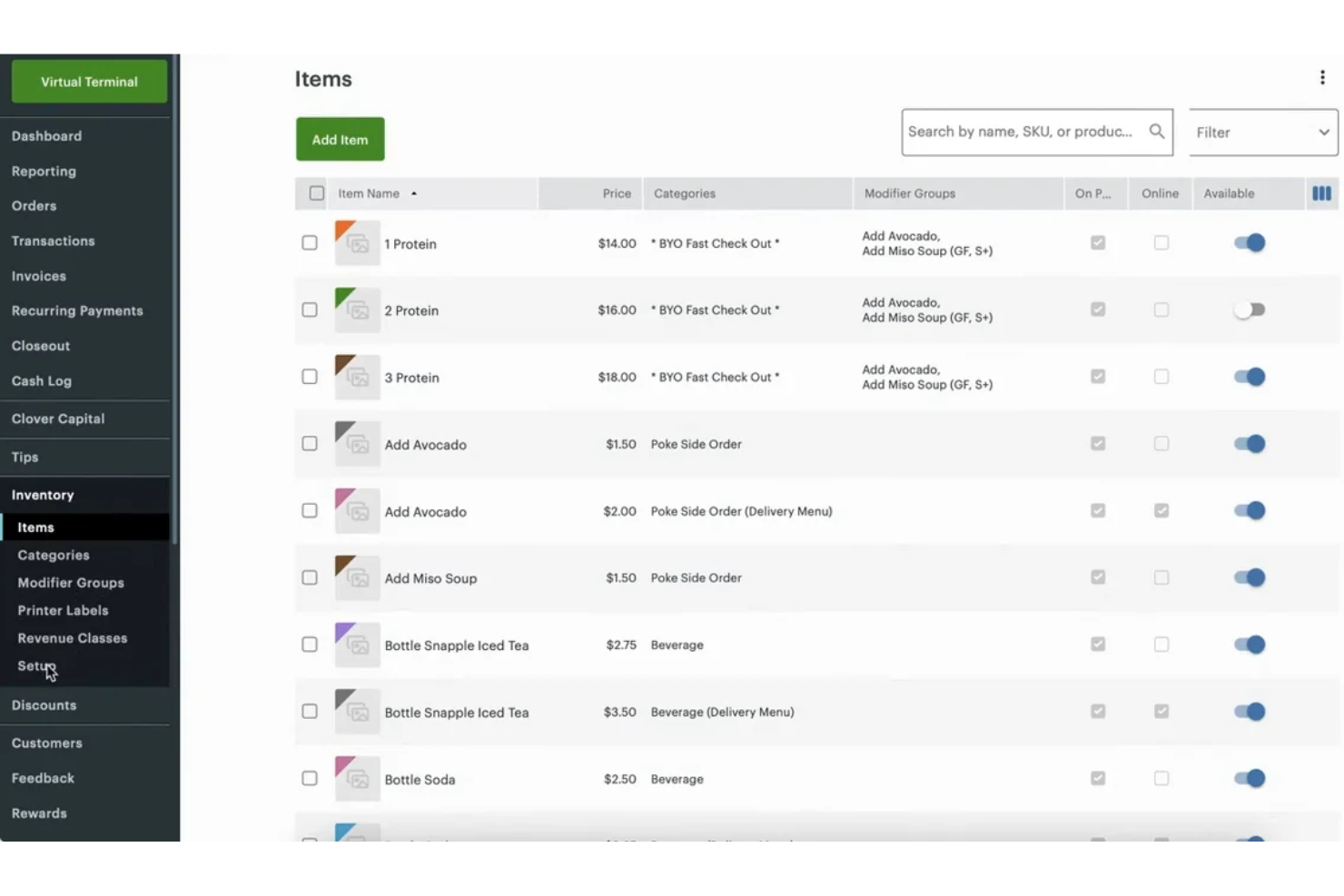
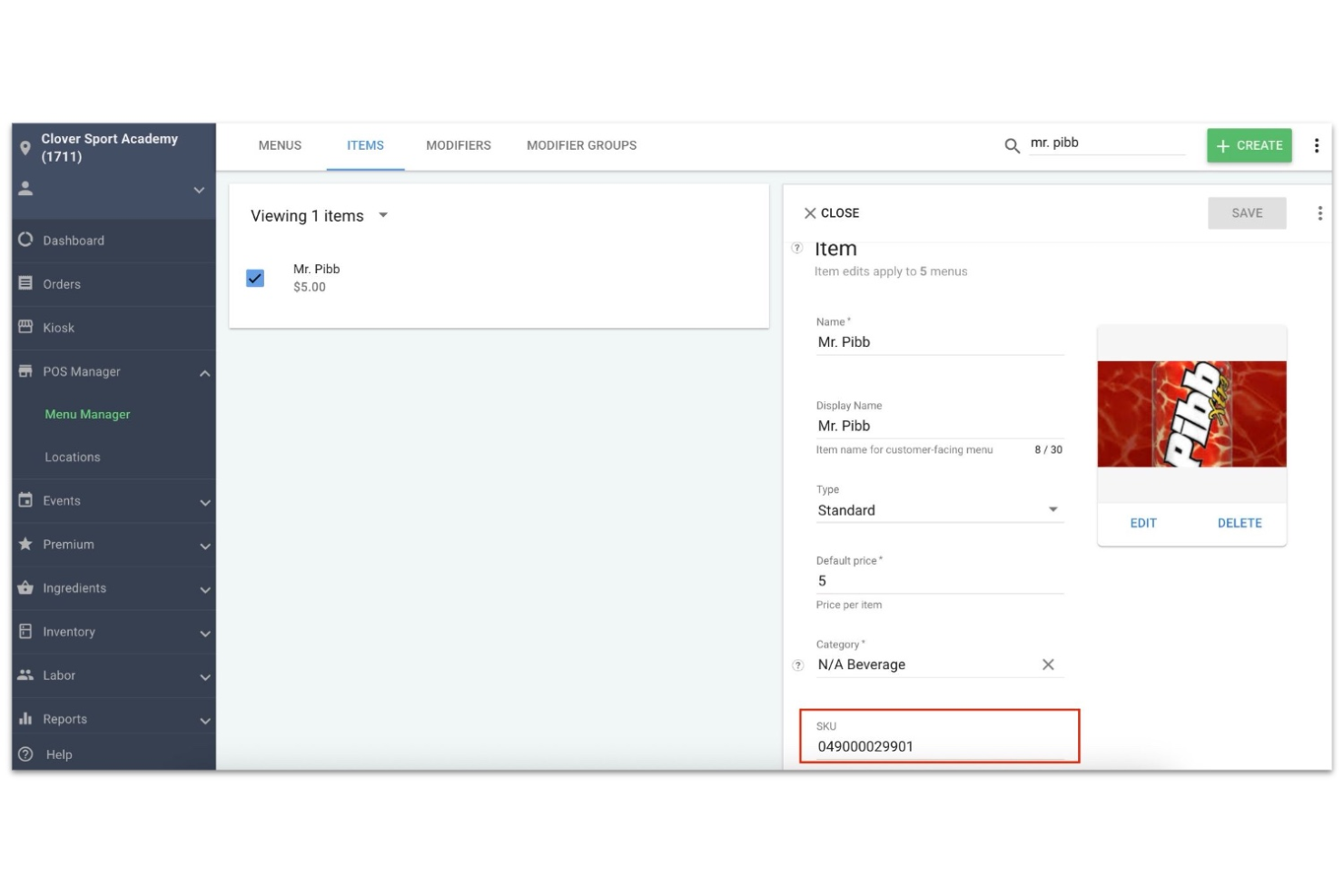
Track stock levels, set reorder alerts, and manage SKUs in real time. This helps avoid stockouts and keeps your product catalog organized.
Employee Management
Set staff permissions, track hours, and manage payroll from the POS. You can monitor sales by employee and simplify scheduling.
Integrated Payment Processing
Accept credit, debit, contactless, and mobile wallet payments directly through Clover. Fast deposits and built-in security help reduce payment headaches.
Customer Engagement Tools
Create loyalty programs, issue digital or physical gift cards, and collect customer feedback. These features help drive repeat business and build customer relationships.
Reporting and Analytics
Access sales, inventory, and employee performance reports from the dashboard. Real-time insights help you spot trends and make informed decisions.
Online Ordering
Manage in-person and online orders from a single platform. Clover supports commission-free online ordering and integrates with delivery services for easy fulfillment.
Ease of Use
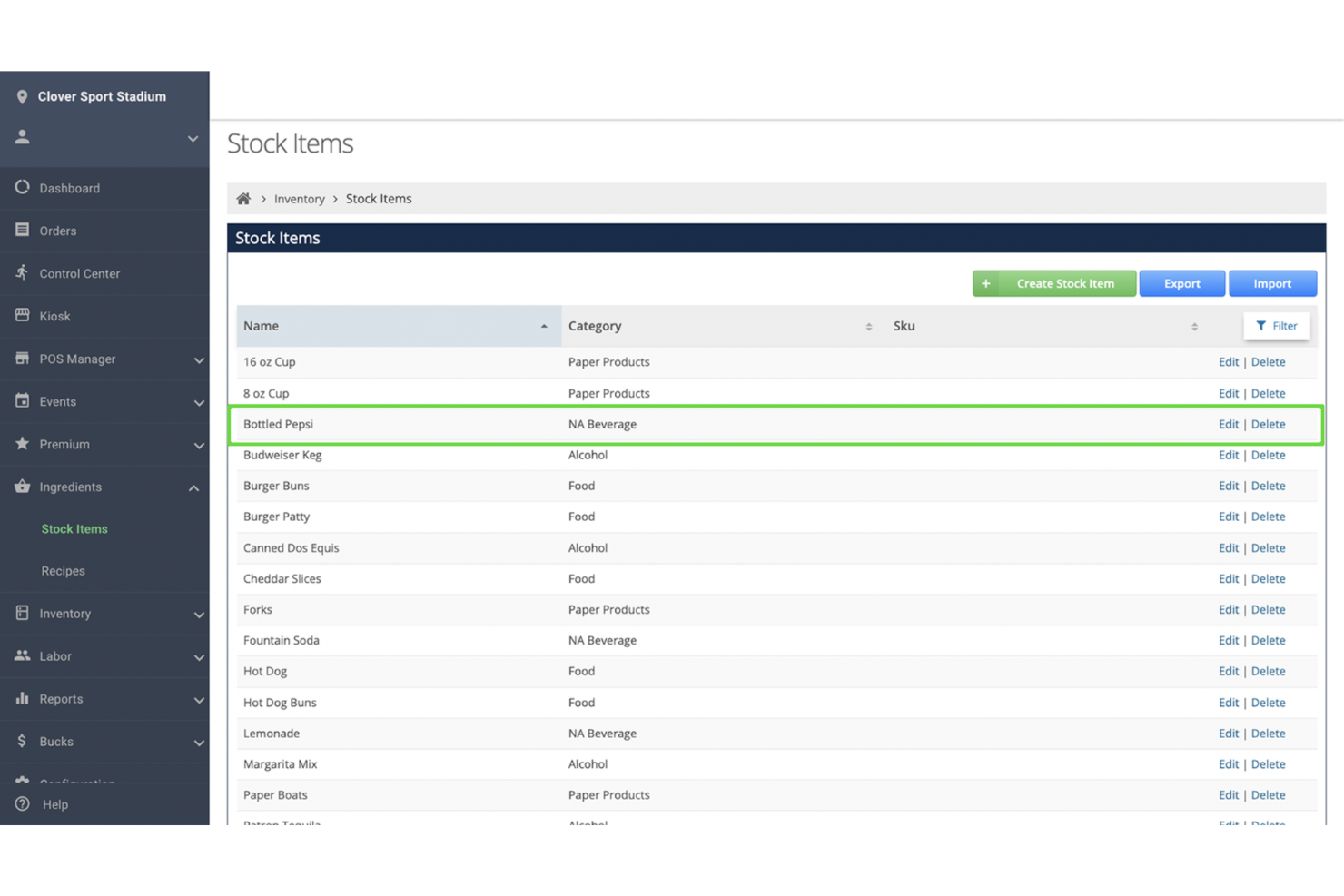
Clover is one of the most user-friendly POS systems I’ve tried, with a clean touchscreen interface and intuitive workflows for sales, inventory, and reporting. Users often mention how quickly staff can learn the system, even with minimal training.
The setup process is straightforward, and the built-in help resources make onboarding smooth. Most retail and restaurant teams will appreciate how little time it takes to get up and running with Clover.
Integrations
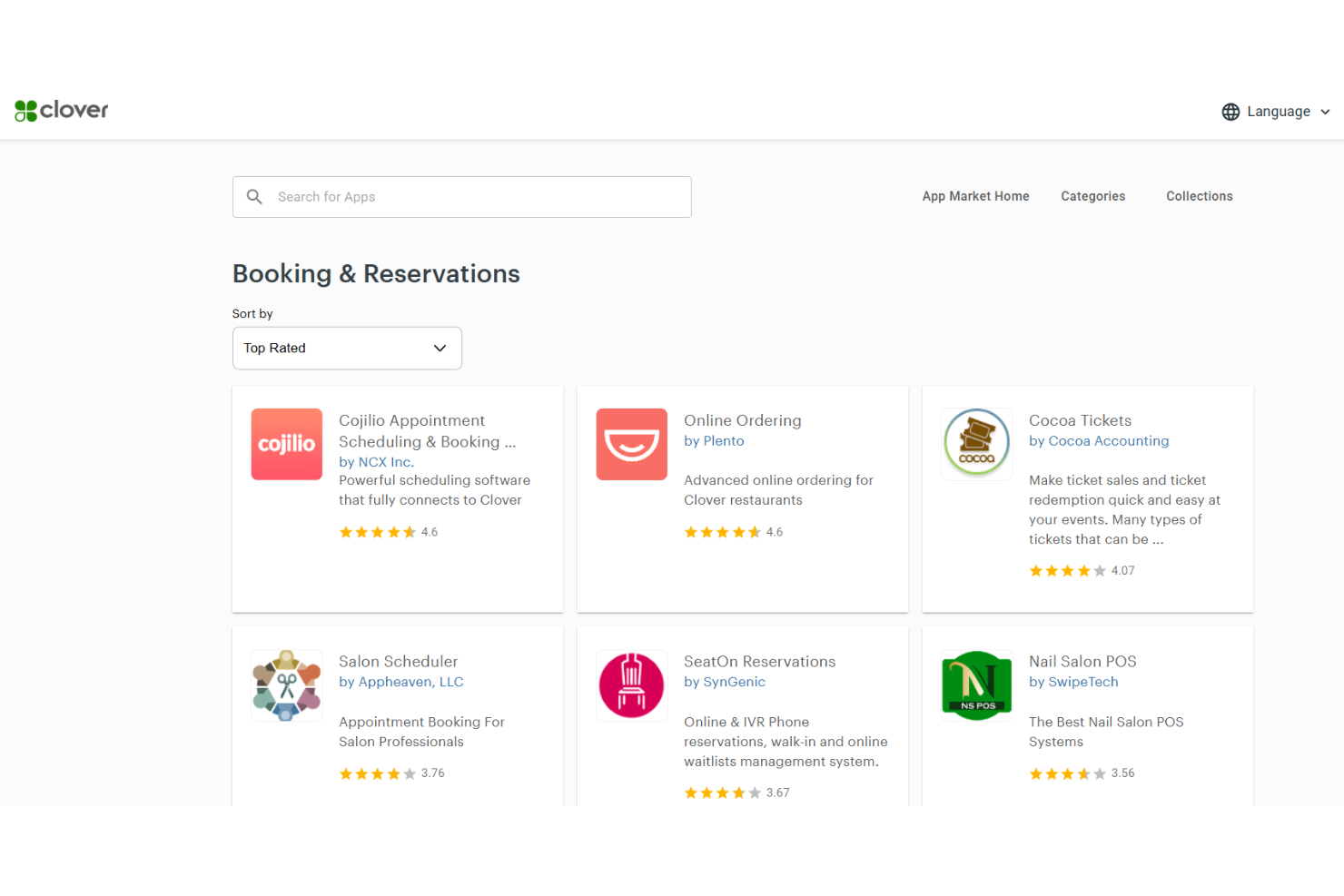
Clover integrates with QuickBooks, Shopify, Mailchimp, Gusto, Homebase, DAVO, Yelp, Time Clock by Homebase, WooCommerce, and BigCommerce, among others.
Clover also offers an API and connects with third-party integration tools, allowing businesses to build custom integrations or expand functionality through the Clover App Marketplace.
Clover Specs
- 2-Factor Authentication
- A/B Testing
- Analytics
- API
- BitCoin
- Conversion Tracking
- Dashboard
- Data Export
- Data Import
- Data Visualization
- Design Templates
- External Integrations
- Inventory Tracking
- Keyword Tracking
- Marketing Automation
- Multi-User
- Notifications
- Order Management
- Payment Gateway Integration
- Payment Processor
- PayPal
- Product Catalog
- Review Monitoring
- SAP Integration
- Scheduling
- Stripe
- Third-Party Plugins/Add-Ons