

10 Soluciones de pago B2B para 2026

Lista de soluciones de pago B2B


Las soluciones de pago B2B son plataformas digitales que ayudan a las empresas a enviar, recibir y gestionar pagos entre empresas. Si buscas las mejores soluciones de pago B2B, probablemente quieras reducir el trabajo manual, mejorar la precisión de los pagos y mantenerte al día con las exigencias del comercio moderno. Con tantas opciones —cada una con diferentes funciones de automatización, transacciones internacionales e integración con flujos de trabajo—, es difícil saber qué plataforma se adapta a tu empresa. Esta lista te ayudará a comparar las principales soluciones de pago B2B para 2026, para que puedas tomar una decisión informada y mantener tus operaciones funcionando sin problemas.
Por qué confiar en nuestras recomendaciones de software
Nuestro equipo lleva probando y evaluando software desde 2012. Como líderes del sector retail, sabemos lo difícil —y lo importante— que es elegir el software adecuado.
Para esta guía, evaluamos las herramientas mediante pruebas prácticas e investigación independiente, puntuando las herramientas según nuestros criterios de selección.
Nuestras reseñas reflejan nuestro criterio independiente, no un discurso de ventas.
Resumen de las mejores soluciones de pago B2B
Esta tabla comparativa resume los detalles de precios de mi selección de las mejores soluciones de pago B2B para ayudarte a encontrar la más adecuada para tu presupuesto y las necesidades de tu empresa.
| Tool | Best For | Trial Info | Price | ||
|---|---|---|---|---|---|
| 1 | Lo mejor para la aceptación global de pagos con tarjeta | No disponible | Desde 2.9% + 30¢/transacción | Website | |
| 2 | Mejor para la automatización de pagos en empresas medianas | Demo gratuita disponible | Precio bajo consulta | Website | |
| 3 | Ideal para la automatización de cuentas por pagar | Demostración gratuita disponible | Precio a consultar | Website | |
| 4 | Ideal para transacciones omnicanal unificadas | No disponible | Desde $0.13 tarifa de procesamiento + tarifa de método de pago | Website | |
| 5 | Mejor para el procesamiento de pagos transfronterizos | Demo gratuita disponible | Precio a consultar | Website | |
| 6 | Ideal para la aplicación de cobros impulsada por IA | Demo gratuita disponible | Precio bajo solicitud | Website | |
| 7 | Mejor para liquidaciones multimoneda | No disponible | Precios bajo consulta | Website | |
| 8 | Mejor para flujos de trabajo de facturación automatizados | Plan gratuito + demo gratis disponible | Desde $49/usuario/mes | Website | |
| 9 | Ideal para pagos de adquisiciones integrados | Demostración gratuita disponible | Precio a consultar | Website | |
| 10 | Ideal para flujos de trabajo de aprobación de facturas | Demostración gratuita disponible | Precio a consultar | Website |
Reseñas de soluciones de pago B2B
A continuación se incluyen mis resúmenes detallados de las soluciones de pago B2B que llegaron a mi lista de preselección. Mis reseñas ofrecen un análisis detallado de las funciones, integraciones y mejores casos de uso de cada plataforma para ayudarte a encontrar la más adecuada para tu empresa.

Stripe
Lo mejor para la aceptación global de pagos con tarjeta
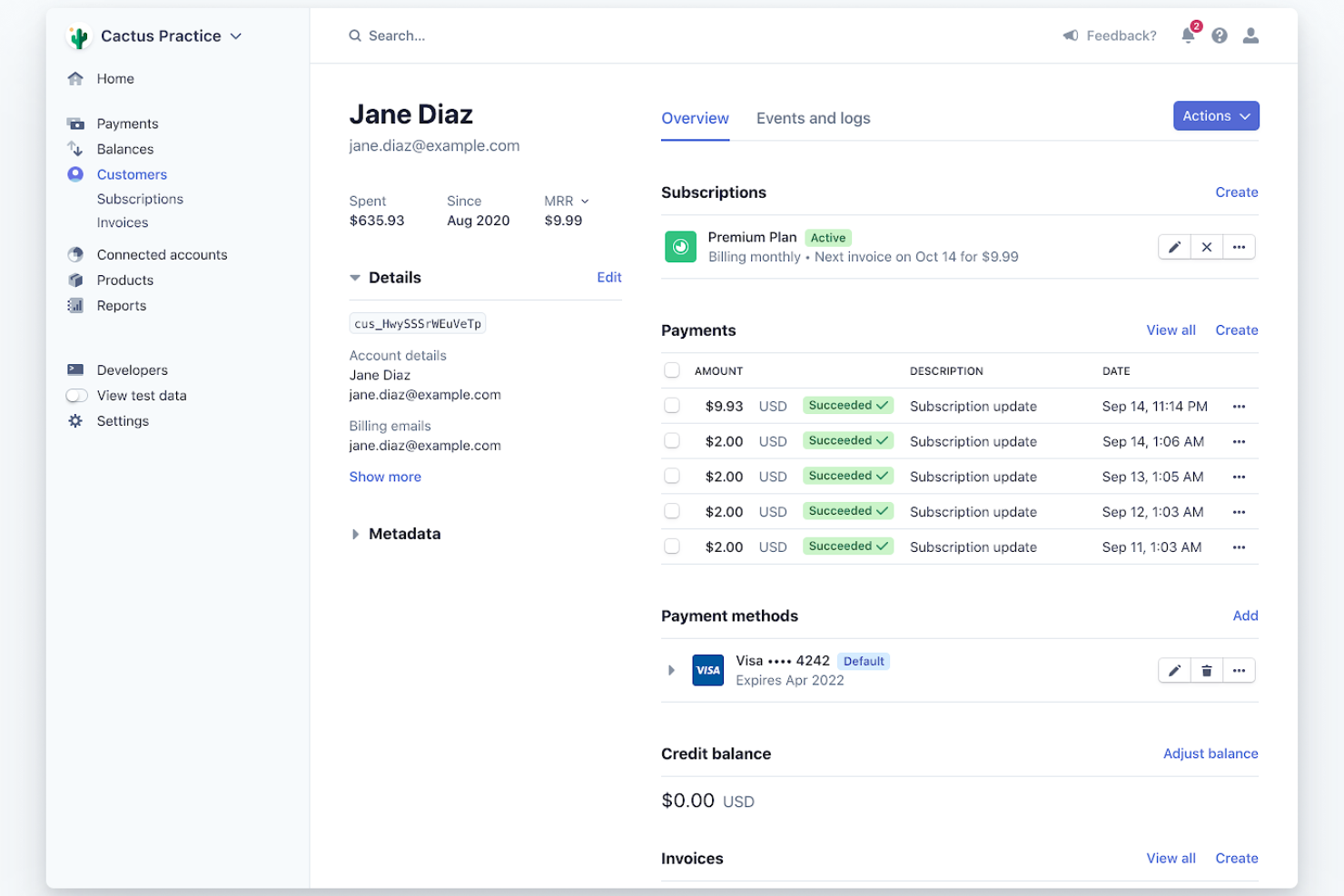
Stripe ofrece una plataforma de pagos flexible diseñada para empresas que necesitan aceptar pagos con tarjeta de clientes de todo el mundo. Es una excelente opción para marcas de comercio electrónico, compañías de SaaS y marketplaces B2B que buscan gestionar flujos de pago complejos y admitir múltiples monedas. Stripe destaca por sus APIs amigables para desarrolladores y su amplia gama de integraciones, lo que facilita la personalización de experiencias de pago y la automatización de operaciones financieras.
Por qué elegí Stripe
Para empresas B2B que necesitan aceptar pagos seguros de clientes en diferentes países, el alcance global de Stripe es difícil de igualar. Elegí Stripe porque admite más de 135 monedas y ofrece herramientas integradas para gestionar tarjetas internacionales, facturación recurrente y pagos multipartitos. Su avanzada detección de fraudes y opciones de pago personalizables ayudan a las empresas a gestionar riesgos y adaptar los flujos de pago a sus necesidades. Estas características hacen de Stripe una opción sólida para compañías que priorizan la aceptación de pagos con tarjeta a nivel global en sus transacciones B2B.
Características clave de Stripe
Otras funciones de Stripe que resultan especialmente útiles para los flujos de trabajo de pagos B2B incluyen:
- Herramientas de facturación personalizables: Genera, envía y gestiona facturas con tu marca directamente desde el panel de Stripe.
- Conciliación automática: Asocia pagos recibidos a facturas pendientes y actualiza los registros automáticamente.
- Enlaces de pago: Crea enlaces de pago seguros y compartibles para transacciones B2B únicas o recurrentes sin necesidad de programar.
- Controles de acceso por roles: Asigna permisos a los miembros del equipo según sus responsabilidades dentro de tu organización.
Integraciones de Stripe
Integraciones incluyen Shopify, WooCommerce, Salesforce, Xero, QuickBooks, Oracle NetSuite, HubSpot y BigCommerce.
Pros and Cons
Pros:
- API para desarrolladores y documentación excelentes
- Acepta más de 135 monedas globales
- Herramienta integrada de prevención de fraudes
Cons:
- La facturación personalizada compleja requiere desarrollo
- Las retenciones de cuentas pueden causar fricción

Mejor para la automatización de pagos en empresas medianas
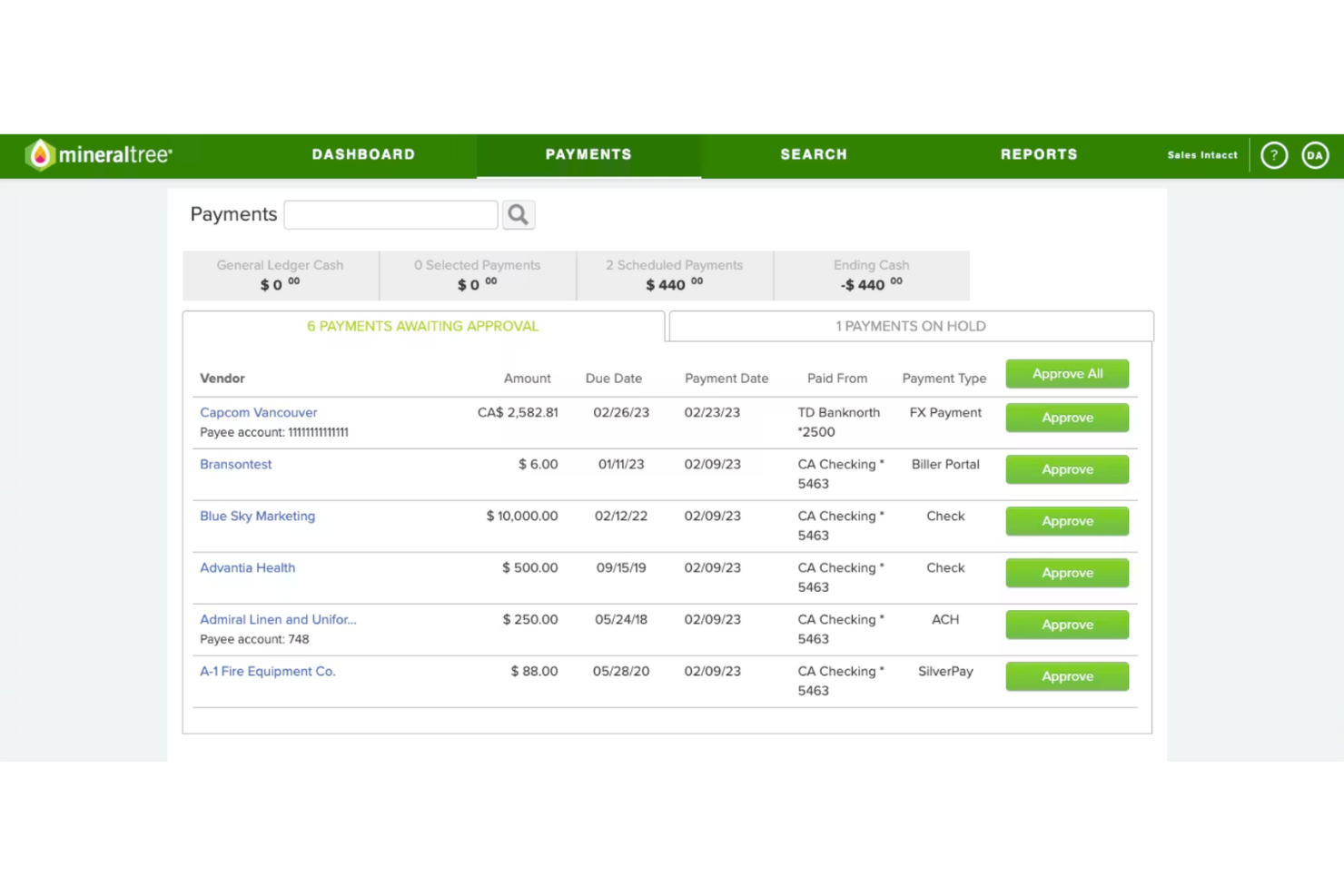
MineralTree está diseñado para empresas medianas que desean automatizar las cuentas por pagar sin tener que renovar por completo sus sistemas existentes. Es una opción sólida para equipos financieros que buscan gestionar la captura de facturas, los flujos de aprobación y los pagos en un solo lugar. MineralTree destaca por su capacidad de conectarse con los ERPs y bancos más populares, ayudándote a automatizar los pagos mientras mantienes el control y la visibilidad.
Por qué elegí MineralTree
Para las empresas del mercado medio que necesitan automatizar los procesos de pago sin la complejidad de los sistemas empresariales, MineralTree ofrece una solución enfocada. Elegí MineralTree porque simplifica la captura de facturas, la aprobación y la ejecución de pagos en un flujo de trabajo único, lo cual resulta especialmente valioso para los equipos financieros que gestionan volúmenes crecientes de transacciones. La capacidad de la plataforma para automatizar pagos vía ACH, tarjetas virtuales y cheques ayuda a reducir el trabajo manual y los errores de pago. Los controles y rastros de auditoría de MineralTree también respaldan las necesidades de cumplimiento, lo que lo convierte en una opción práctica para empresas que desean automatización con supervisión.
Características clave de MineralTree
Otras características que hacen atractivo a MineralTree para la automatización de pagos B2B incluyen:
- Soporte para múltiples entidades: Te permite gestionar pagos y flujos de trabajo entre varias unidades de negocio o filiales desde una sola plataforma.
- Herramientas de incorporación de proveedores: Proporciona un portal seguro para que los proveedores envíen detalles de pago y la documentación requerida.
- Seguimiento del estado del pago: Ofrece visibilidad en tiempo real del progreso de los pagos y la entrega de las remesas.
- Controles de detección de fraude: Incluye reglas y alertas configurables para ayudar a identificar y prevenir actividades de pago sospechosas.
Integraciones de MineralTree
Integraciones incluyen QuickBooks, Oracle NetSuite, Sage Intacct, Microsoft Dynamics y Oracle.
Pros and Cons
Pros:
- Sincronización bidireccional con sistemas ERP
- Seguridad robusta en los pagos
- Interfaz simple e intuitiva
Cons:
- Ocasionalmente se producen errores de sincronización
- El soporte puede tardar en responder

Ideal para la automatización de cuentas por pagar
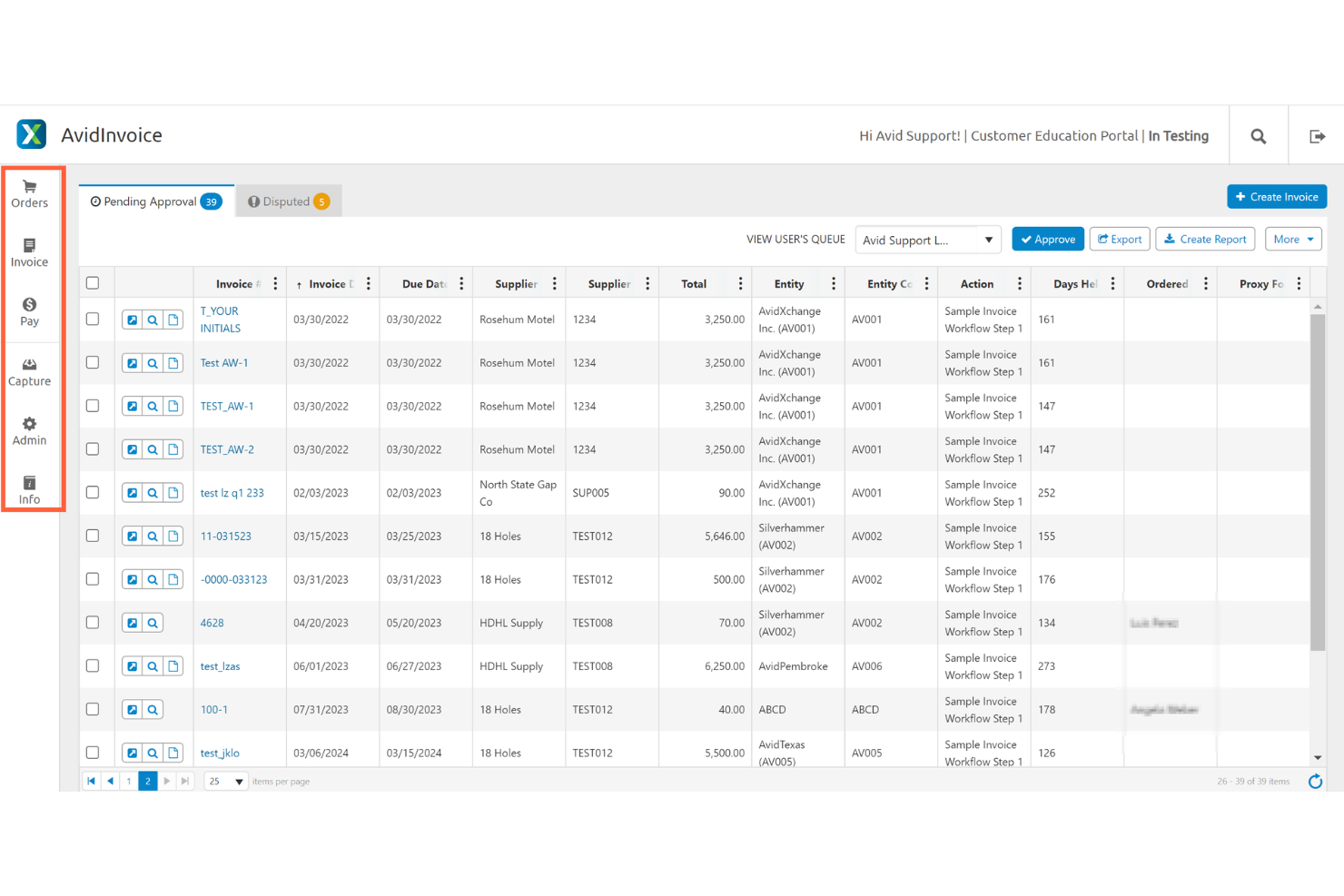
AvidXchange está diseñado para empresas que desean automatizar los procesos de cuentas por pagar y reducir la gestión manual de facturas. Es especialmente útil para equipos financieros en industrias como bienes raíces, construcción y atención médica que gestionan altos volúmenes de facturas y flujos de trabajo de aprobación complejos. Con funciones para captura electrónica de facturas, aprobaciones automatizadas y pagos digitales, AvidXchange te ayuda a obtener mayor control y visibilidad sobre tus cuentas por pagar.
Por qué elegí AvidXchange
Lo que distingue a AvidXchange es su enfoque en automatizar todo el proceso de cuentas por pagar para negocios que manejan grandes volúmenes de facturas. La plataforma digitaliza la captura de facturas y los flujos de trabajo de aprobación, lo que ayuda a reducir la entrada manual de datos y el riesgo de errores. Me gusta que AvidXchange también permite pagos electrónicos a proveedores, facilitando la gestión y el seguimiento de los pagos salientes. Estas funciones lo hacen especialmente adecuado para equipos financieros que desean modernizar y controlar sus operaciones de pago B2B.
Características clave de AvidXchange
Otras funciones que hacen a AvidXchange valioso para los flujos de trabajo de pagos B2B incluyen:
- Portal de gestión de proveedores: Permite a los proveedores presentar facturas, consultar el estado de los pagos y actualizar su información en línea.
- Enrutamiento de aprobaciones personalizado: Te permite configurar flujos de trabajo de aprobación multinivel según las políticas de tu organización.
- Informe de historial de auditoría: Rastrea cada acción realizada sobre facturas y pagos para cumplir normativas y brindar transparencia.
- Integraciones con sistemas ERP: Se conecta con plataformas ERP y de contabilidad populares para sincronizar automáticamente los datos financieros.
Integraciones de AvidXchange
Las integraciones incluyen QuickBooks, Sage, Oracle NetSuite, Microsoft Dynamics, Rent Manager, MRI Software y Acumatica.
Pros and Cons
Pros:
- Red masiva incorporada de proveedores
- Elimina los cheques físicos en papel
- Gran adaptación al sector inmobiliario
Cons:
- Los informes personalizados son limitados
- Modelo de precios por transacción
Adyen
Ideal para transacciones omnicanal unificadas
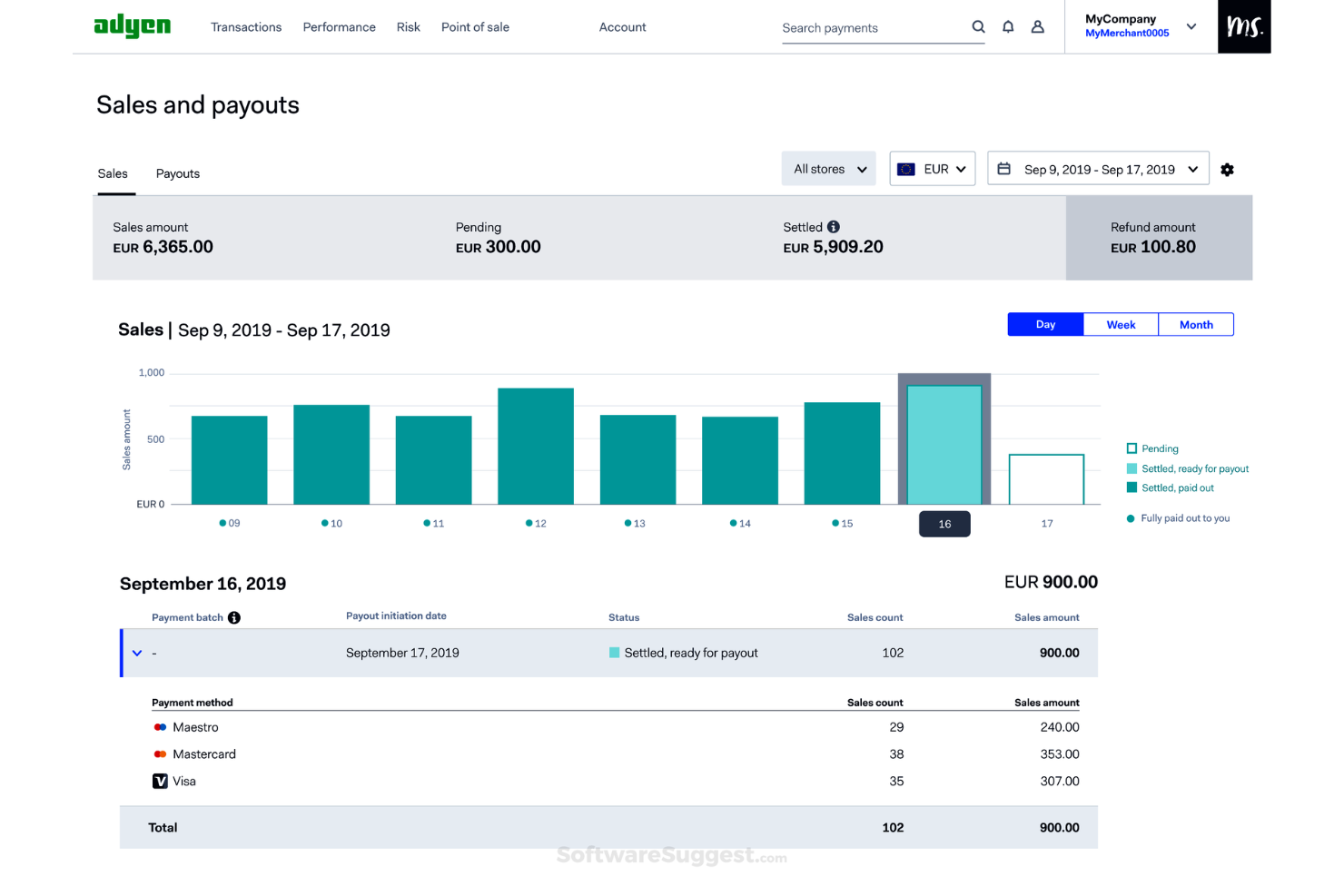
Adyen ofrece una plataforma de pagos unificada que conecta transacciones presenciales, en línea y móviles para minoristas y empresas de comercio electrónico. Es especialmente útil para compañías que desean gestionar pagos globales, reducir complicaciones de conciliación y ofrecer experiencias consistentes al cliente en cada canal. El enfoque de sistema único de Adyen ayuda a las empresas a simplificar la liquidación, la generación de informes y el cumplimiento normativo para el comercio omnicanal.
Por qué elegí Adyen
Lo que me atrajo de Adyen es su capacidad para unificar pagos a través de canales en tienda, en línea y móviles, lo cual es esencial para empresas que gestionan transacciones omnicanal. La plataforma de Adyen permite procesar pagos de múltiples canales en un solo sistema, facilitando la conciliación y los informes de todas las transacciones sin tener que depender de herramientas separadas. Valoro que Adyen soporte una amplia gama de métodos de pago y monedas, lo que facilita que las empresas globales atiendan a clientes dondequiera que compren. Para equipos enfocados en proporcionar una experiencia de pago consistente y simplificar las operaciones administrativas, Adyen ofrece una solución verdaderamente unificada.
Características clave de Adyen
Otras características que hacen valiosa a Adyen para flujos de trabajo de pagos B2B incluyen:
- Motor de gestión de riesgos: Utiliza aprendizaje automático para detectar y bloquear transacciones fraudulentas en tiempo real.
- Flujos de pago personalizables: Permite adaptar los procesos de pago y de finalización de la compra según las necesidades de tu negocio.
- Gestión automática de contracargos: Gestiona procesos de disputa y documentación directamente dentro de la plataforma.
- Informes detallados de liquidaciones: Ofrece desgloses detallados de transacciones, comisiones y pagos para los equipos contables.
Integraciones de Adyen
Integraciones incluyen Salesforce Commerce Cloud, Adobe Commerce, SAP Commerce Cloud, BigCommerce, Oracle y Oracle.
Pros and Cons
Pros:
- Excelentes tasas de autorización
- Capacidades POS omnicanal
- Plataforma altamente escalable
Cons:
- Proceso de solicitud estricto
- Volumen mínimo de transacciones elevado

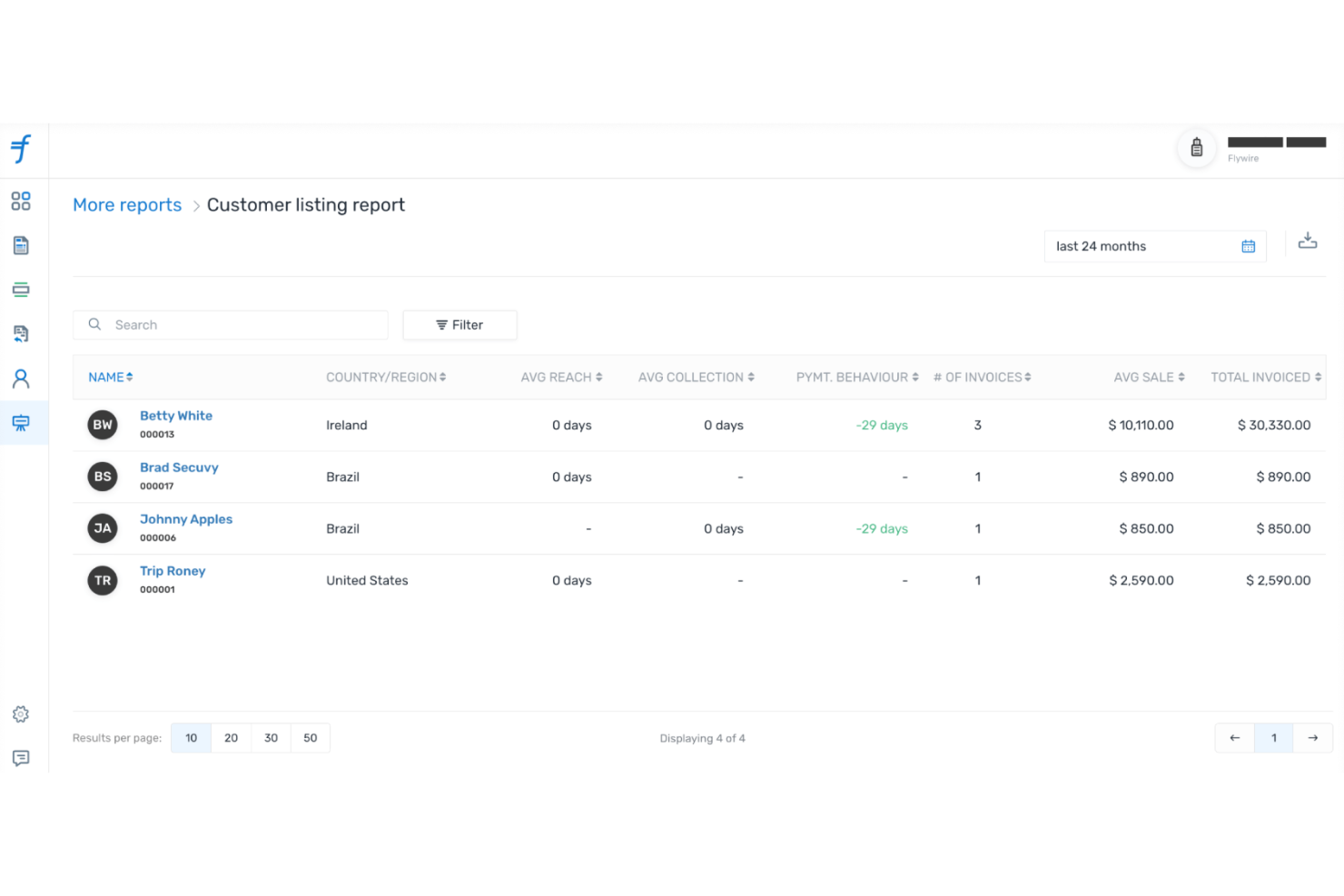
Flywire se especializa en el procesamiento de pagos transfronterizos, lo que lo convierte en una opción sólida para empresas e instituciones que manejan transacciones internacionales. Está diseñado para organizaciones en sectores como educación, salud y turismo que necesitan recaudar pagos de clientes o socios en varios países. Flywire te ayuda a gestionar el cambio de divisas, los métodos de pago locales y el cumplimiento normativo, reduciendo las dificultades en pagos B2B globales.
Por qué elegí Flywire
Para las empresas que necesitan procesar pagos a través de fronteras, Flywire destaca por su capacidad para manejar transacciones internacionales complejas. La plataforma permite pagos en múltiples monedas y ofrece opciones de pago locales, lo que ayuda a reducir barreras para clientes y socios globales. Me gusta que Flywire también gestione el cumplimiento con las regulaciones internacionales y proporcione seguimiento en tiempo real tanto para remitentes como para destinatarios. Estas funciones lo convierten en una excelente opción para organizaciones que desean simplificar y asegurar sus procesos de pagos B2B transfronterizos.
Características clave de Flywire
Otras funciones que hacen que Flywire sea útil en los flujos de pagos B2B incluyen:
- Generación automática de facturas: Crea y envía facturas a los clientes directamente desde la plataforma.
- Gestión de planes de pago: Permite configurar y administrar calendarios de pagos en cuotas para los clientes.
- Soporte multilingüe: Ofrece interfaces de pago y comunicaciones en varios idiomas para usuarios de todo el mundo.
- Opciones de personalización de marca: Permite añadir el logotipo y los colores de tu empresa a las páginas de pago y comunicaciones.
Integraciones de Flywire
Las integraciones incluyen Workday, Oracle NetSuite, Ellucian, Epic, Cerner y Destiny One.
Pros and Cons
Pros:
- Transparencia en el tipo de cambio
- Excelente experiencia de usuario para el pagador
- Sólidas redes bancarias locales
Cons:
- Enfoque en nichos de industria
- No es un sistema general de cuentas por pagar/cobrar


Si tu empresa necesita acelerar la aplicación de cobros y reducir el emparejamiento manual, HighRadius ofrece una solución impulsada por IA diseñada para equipos de finanzas y cuentas por cobrar. Es especialmente útil para compañías que manejan altos volúmenes de transacciones, formatos de remesas complejos y múltiples canales de pago. HighRadius utiliza aprendizaje automático para automatizar el emparejamiento de pagos, ayudándote a reducir el dinero no aplicado y mejorar la precisión de la conciliación.
Por qué elegí HighRadius
Lo que me atrajo de HighRadius es su uso de IA para automatizar el proceso de aplicación de cobros, que es un gran desafío para muchos equipos financieros B2B. La plataforma emplea aprendizaje automático para asociar pagos con facturas abiertas, incluso cuando los datos de remesas provienen en diferentes formatos o a través de múltiples canales. Aprecio que HighRadius también pueda gestionar automáticamente excepciones y pagos incompletos, reduciendo la necesidad de intervención manual. Estas capacidades lo convierten en una excelente opción para empresas que buscan acelerar el flujo de caja y mejorar la precisión en la conciliación de pagos.
Características principales de HighRadius
Otras características que hacen a HighRadius útil para operaciones de pagos B2B incluyen:
- Agregación automatizada de extractos bancarios: recopila y concilia datos de extractos bancarios de múltiples cuentas en un solo lugar.
- Portal de autoservicio para clientes: permite a los clientes ver facturas, realizar pagos y seguir el estado de su cuenta en línea.
- Analíticas de panel en tiempo real: ofrece información visual sobre el estado de los pagos, dinero no aplicado y tendencias de excepciones.
- Integraciones con sistemas ERP: se conecta con las principales plataformas ERP para sincronizar automáticamente datos de pagos y cuentas por cobrar.
Integraciones de HighRadius
Las integraciones incluyen SAP, Oracle NetSuite, Microsoft Dynamics, Sage Intacct y Workday.
Pros and Cons
Pros:
- Aplicación de cobros excepcional
- Integraciones profundas con SAP
- Gestión de deducciones sólida
Cons:
- Requiere alto soporte IT
- Excesivo para el mercado medio


Si su empresa gestiona pagos en varios países y monedas, Worldpay está diseñado para ayudarle a manejar liquidaciones complejas. Es una excelente opción para minoristas de comercio electrónico, marcas globales y equipos financieros que necesitan aceptar, procesar y liquidar pagos en muchas divisas. Worldpay destaca por su capacidad para admitir la liquidación en múltiples monedas, ayudándole a reducir los costos de conversión y simplificar la conciliación.
Por qué elegí Worldpay
Lo que convierte a Worldpay en una sólida opción para soluciones de pago B2B es su enfoque en la liquidación multimoneda, que resulta esencial para empresas que operan internacionalmente. Worldpay le permite aceptar pagos en una amplia variedad de monedas y liquidar fondos en su moneda preferida, lo que reduce la necesidad de conversiones manuales y minimiza el riesgo cambiario. Valoro que la plataforma ofrezca informes detallados sobre transacciones transfronterizas, lo cual facilita la conciliación y el cumplimiento para los equipos financieros. Para compañías con clientes o proveedores internacionales, las capacidades multimoneda de Worldpay ayudan a simplificar flujos de pago complejos.
Funciones clave de Worldpay
Otras características que hacen atractivo a Worldpay para soluciones de pago B2B incluyen:
- Herramientas de detección de fraude: Utiliza aprendizaje automático y monitoreo en tiempo real para identificar y bloquear transacciones sospechosas.
- Soporte para facturación recurrente: Le permite configurar y gestionar pagos recurrentes automatizados para servicios de suscripción.
- Páginas de pago personalizables: Permite diseñar experiencias de pago a medida con la imagen y el estilo de su empresa.
- Gestión de contracargos: Proporciona herramientas para rastrear, responder y resolver contracargos directamente desde la plataforma.
Integraciones de Worldpay
Integraciones incluyen SAP Commerce Cloud, Oracle, WooCommerce, BigCommerce, QuickBooks y Xero.
Pros and Cons
Pros:
- Amplia variedad de métodos de pago
- Buen soporte al cliente 24/7
- Herramientas sólidas de protección contra fraude
Cons:
- Panel posterior obsoleto
- Difícil negociar las tarifas

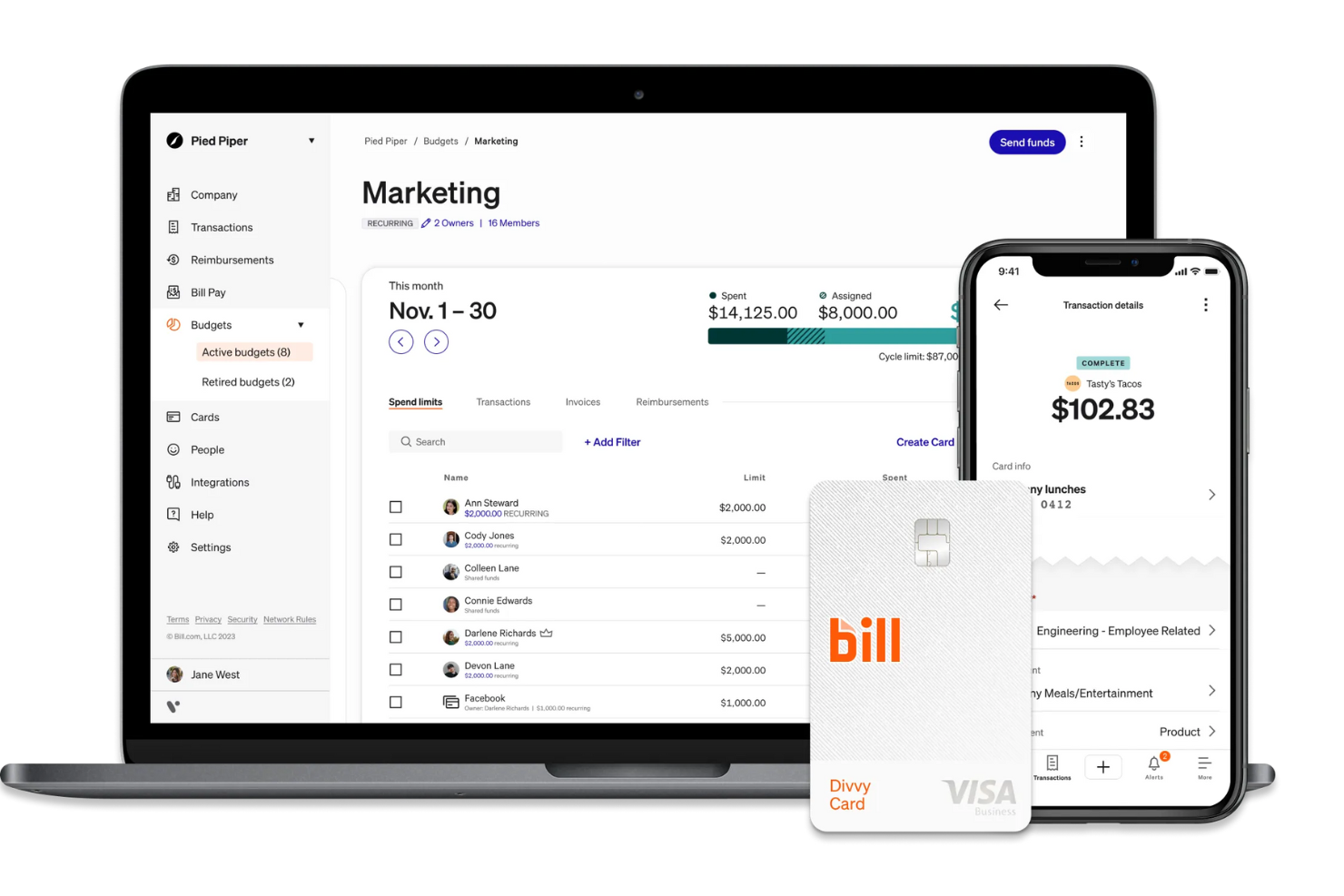
Bill.com está diseñado para equipos financieros y propietarios de negocios que desean automatizar y simplificar sus procesos de cuentas por pagar y por cobrar. La plataforma es especialmente útil para empresas que gestionan grandes volúmenes de facturas o flujos de aprobación complejos a través de varios departamentos. Bill.com se destaca por su capacidad de conectarse con sistemas de contabilidad populares y automatizar la captura, el enrutamiento y los pagos de facturas, ayudando a las empresas a reducir los procesos manuales y los errores en los pagos.
Por qué elegí Bill.com
Automatizar los flujos de trabajo de facturación es una prioridad principal para muchos equipos financieros B2B, y Bill.com está creado específicamente para este propósito. Elegí Bill.com porque utiliza captura de datos impulsada por IA para extraer detalles de facturas y enviarlas para su aprobación, reduciendo la entrada manual y los errores. La plataforma también permite configurar cadenas de aprobación personalizadas, de modo que las facturas pasen por las personas correctas antes del pago. Estas características hacen de Bill.com una excelente opción para empresas que quieren controlar su procesamiento de facturas de principio a fin.
Funciones clave de Bill.com
Otras funciones de Bill.com que son valiosas para las operaciones de pagos B2B incluyen:
- Sincronización bidireccional con software de contabilidad: Se conecta directamente con plataformas como QuickBooks, Xero y NetSuite para mantener los datos financieros actualizados.
- Soporte para pagos internacionales: Envía pagos a proveedores en múltiples países y monedas.
- Trazabilidad de auditoría: Mantiene un registro detallado de todas las actividades de facturación y pago para cumplimiento y transparencia.
- Acceso a la aplicación móvil: Permite a los usuarios revisar, aprobar y pagar facturas desde sus dispositivos móviles.
Integraciones de Bill.com
Las integraciones incluyen QuickBooks, Xero, Oracle NetSuite, Sage Intacct, Microsoft Dynamics 365 e Intuit.
Pros and Cons
Pros:
- Reemplaza los cheques manuales en papel
- Almacenamiento centralizado de documentos
- Fácil proceso de incorporación de proveedores
Cons:
- Fallas de sincronización con algunos ERP
- Personalizaciones de aprobación rígidas
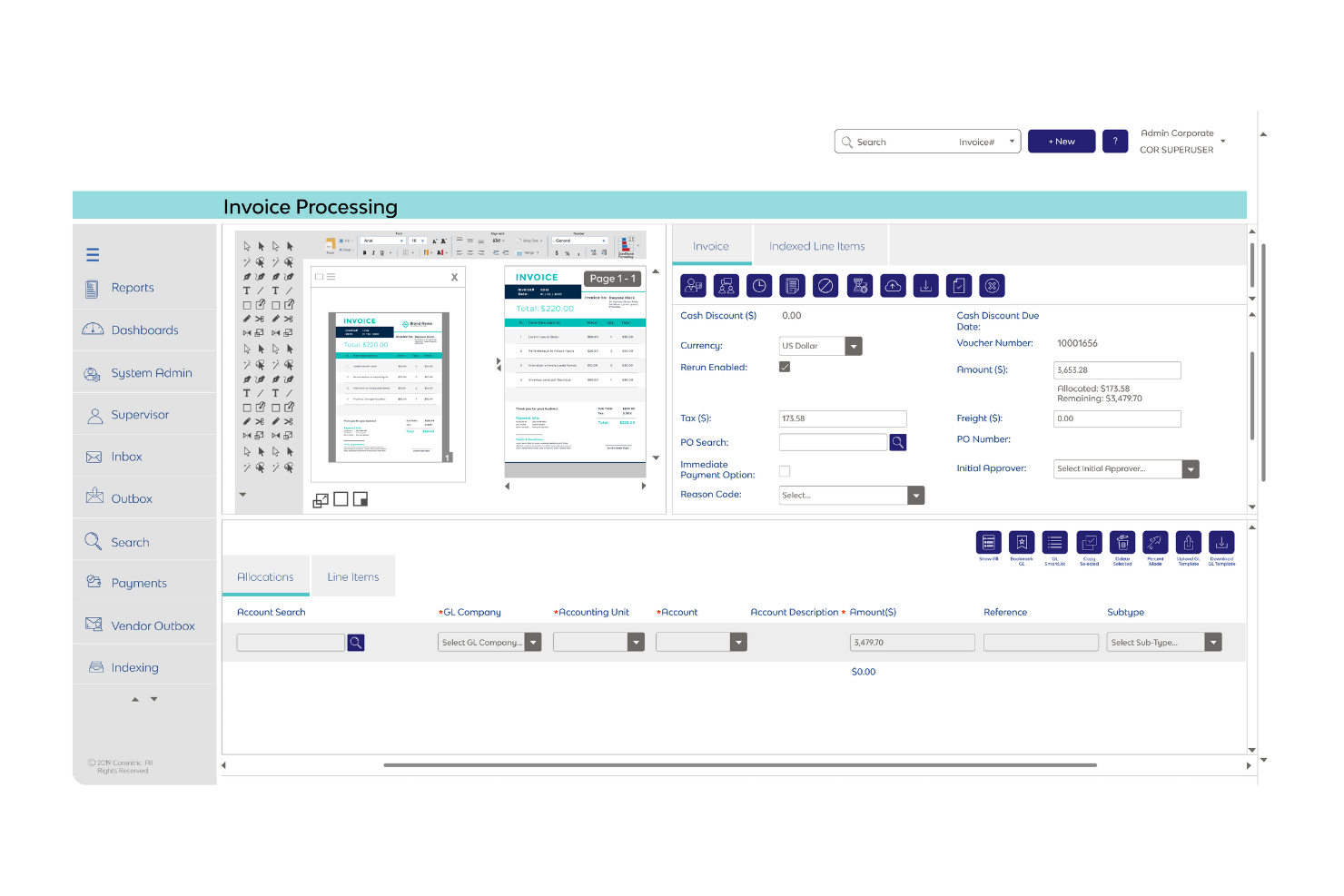
Corcentric reúne los procesos de adquisición y pago en una sola plataforma diseñada para equipos de finanzas y compras que gestionan redes de proveedores complejas. Esta solución es especialmente útil para organizaciones que desean automatizar los pagos a proveedores, mejorar la visibilidad del gasto y reducir la conciliación manual. El enfoque integrado de Corcentric ayuda a las empresas a controlar los costes y agilizar todo el ciclo de abastecimiento a pago.
Por qué elegí Corcentric
Corcentric destaca por su capacidad para unificar los flujos de trabajo de adquisición y pago, lo cual es esencial para las empresas que buscan gestionar los pagos a proveedores dentro de un solo sistema. Elegí Corcentric porque automatiza el procesamiento de facturas y la ejecución de pagos, reduciendo la intervención manual y el riesgo de errores. La plataforma también ofrece análisis de gasto en tiempo real, brindando a los equipos de finanzas y compras un mejor control sobre el flujo de caja y las relaciones con los proveedores. Para las organizaciones que buscan conectar los procesos de compras y pagos, Corcentric ofrece una solución focalizada.
Funciones clave de Corcentric
Otras funciones que hacen de Corcentric una opción atractiva para los flujos de trabajo de pagos B2B incluyen:
- Herramientas de incorporación de proveedores: agilizan el proceso de añadir y verificar nuevos proveedores.
- Flujos de aprobación personalizados: permite configurar aprobaciones multinivel para acciones de pago y compras.
- Gestión documental: centraliza contratos, facturas y documentos de soporte para facilitar el acceso.
- Capacidades de integración con ERP: se conecta con los principales sistemas ERP para sincronizar los datos de compras y pagos.
Integraciones de Corcentric
Las integraciones incluyen SAP, Oracle, Microsoft Dynamics, Oracle NetSuite y Coupa.
Pros and Cons
Pros:
- Excelentes servicios gestionados
- Gran visibilidad del gasto
- Resultados empresariales garantizados
Cons:
- Implementación prolongada
- Demasiado para necesidades básicas de cuentas por pagar

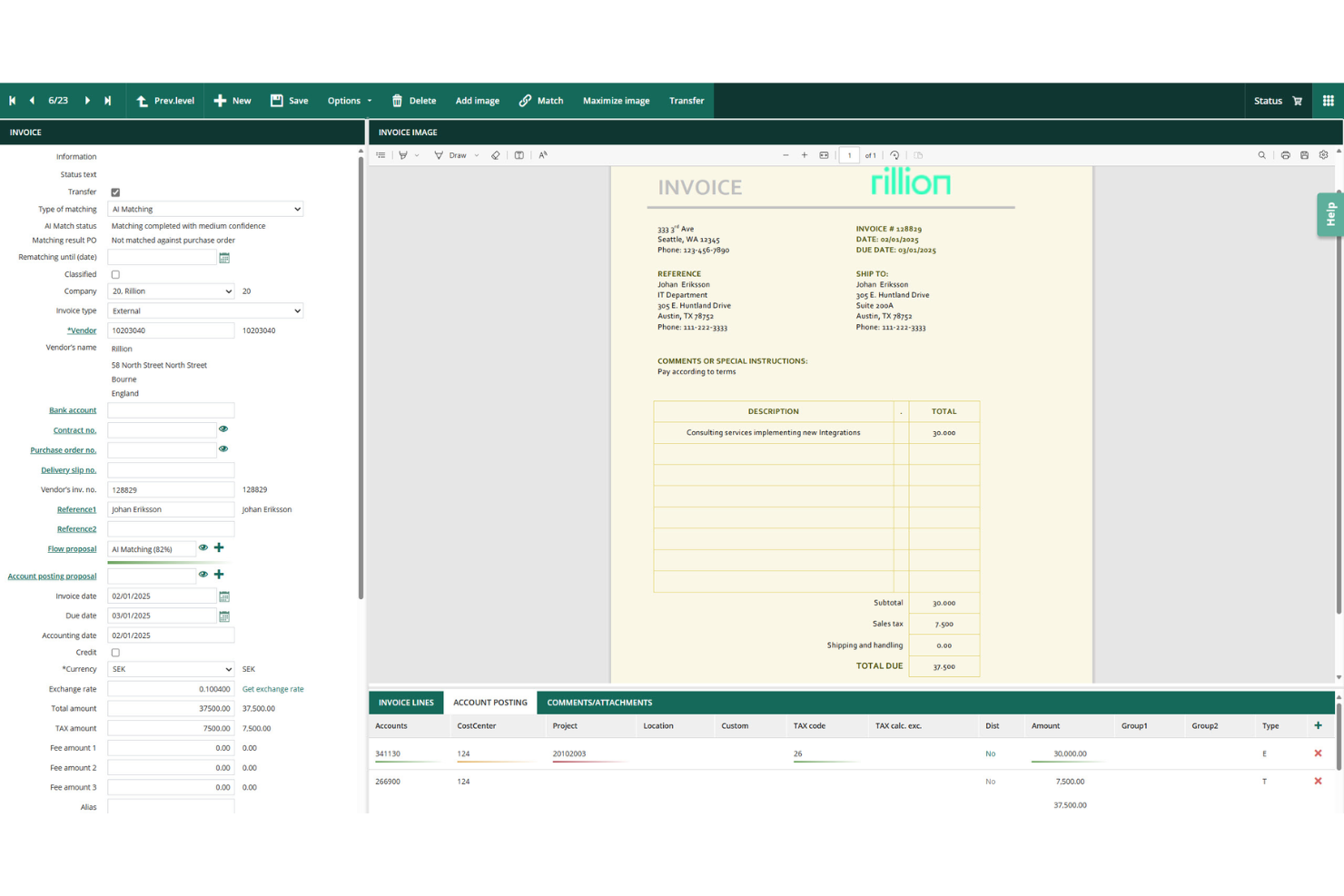
Rillion está diseñado para empresas que necesitan simplificar y controlar los flujos de trabajo de aprobación de facturas. Es especialmente útil para los equipos de cuentas por pagar en organizaciones con cadenas de aprobación complejas o grandes volúmenes de facturas. Rillion destaca por permitir automatizar la asignación, las aprobaciones y la gestión de excepciones, ayudando a reducir los puntos de intervención manual y acelerar los ciclos de pago.
Por qué elegí Rillion
Lo que me atrajo de Rillion es su enfoque en automatizar y gestionar los flujos de trabajo de aprobación de facturas para los equipos de cuentas por pagar. Rillion permite configurar cadenas de aprobación personalizadas, de modo que las facturas se asignan automáticamente a las personas adecuadas según las reglas de tu empresa. Valoro cómo la plataforma gestiona las excepciones y señala discrepancias, lo que ayuda a reducir cuellos de botella y errores. Para las empresas que necesitan mantener un control estricto sobre las aprobaciones de facturas antes de realizar los pagos, Rillion ofrece un proceso claro y auditable.
Características clave de Rillion
Además de su automatización de flujos de aprobación, también encontré estas funciones destacables:
- Captura de datos de facturas: Utiliza OCR e inteligencia artificial para extraer automáticamente los datos clave de las facturas.
- Conciliación de órdenes de compra: Asocia las facturas con las órdenes de compra y los recibos para ayudar a prevenir pagos en exceso.
- Registro de auditoría: Mantiene un registro detallado de todas las acciones realizadas sobre cada factura para garantizar el cumplimiento.
- Aprobaciones móviles: Permite a los usuarios revisar y aprobar facturas desde dispositivos móviles.
Integraciones de Rillion
Las integraciones incluyen Microsoft Dynamics 365, Oracle NetSuite, Sage, SAP Business One, Visma y Workday.
Pros and Cons
Pros:
- Codificación sólida impulsada por IA
- Auditoría y cumplimiento sólidos
- Gestión de cuentas por pagar multiempresa
Cons:
- La interfaz de usuario necesita mejoras
- La función de búsqueda es complicada
Otras soluciones de pago B2B
Estas son algunas opciones adicionales de soluciones de pago B2B que no llegaron a mi lista de preselección, pero que aún vale la pena consultar:


Cómo evalúo las soluciones de pago B2B
Evalúo las herramientas de pago B2B en dos capas: criterios básicos—automatización de cuentas por pagar, términos de pago, sincronización con ERP—y diferenciadores como soporte multi-entidad o tarjetas virtuales que son relevantes para equipos de finanzas minoristas.
Funcionalidad principal (requisitos indispensables para esta lista)
Cuando selecciono herramientas para mi lista, califico cada una en una escala de 0 (no ofrece la funcionalidad) a 5 (destaca en esta área) para cada función principal que se indica a continuación. Luego, calculo la puntuación total de la herramienta en porcentaje. Cada herramienta debe alcanzar una puntuación mínima total del 65% para ser considerada para su inclusión.
- Procesamiento de pagos multi-rail: Verifico cuáles canales de pago soporta cada plataforma—ACH, transferencia bancaria, tarjeta virtual, cheque y pagos transfronterizos—ya que los minoristas que abastecen inventario internacionalmente necesitan cobertura FX junto con opciones nacionales.
- Automatización AP/AR: Todas las herramientas son evaluadas en cómo gestionan el ciclo completo de facturación, desde la captura por OCR hasta la ruta de aprobación y la ejecución del pago, especialmente para los equipos que procesan cientos de facturas de proveedores mensualmente.
- Términos de pago y crédito comercial: Analizo si la plataforma ofrece términos Net 30/60/90 incorporados o crédito comercial, lo cual es importante cuando los compradores minoristas deben alinear los ciclos de pago de proveedores con los patrones de flujo de caja estacionales.
- Integración con ERP y contabilidad: Los equipos financieros minoristas trabajan con plataformas como NetSuite, QuickBooks y SAP, así que evalúo la profundidad del conector nativo y si los datos de transacción se sincronizan bidireccionalmente para la conciliación.
- Gestión de proveedores: Un buen portal de proveedores debe gestionar la incorporación, la recolección de formularios fiscales y la administración de preferencias de pago—aspectos que se vuelven especialmente complicados al manejar docenas o cientos de proveedores.
- Seguridad y cumplimiento en pagos: Evalúo las certificaciones de cada herramienta (PCI-DSS, SOC 2), las capacidades de monitoreo de fraude y los controles de autorización, particularmente para minoristas con múltiples ubicaciones donde grandes sumas de dinero fluyen entre varias entidades.
Una vez que tengo una lista de herramientas que cumplen este criterio, considero qué distingue a cada plataforma.
Factores diferenciadores (qué distingue a los proveedores)
Así es como comparo y contrasto los diferentes proveedores:
Características destacadas
El soporte multi-entidad es especialmente importante para minoristas que gestionan varias sucursales o subsidiarias. Busco plataformas que permitan gestionar pagos en todas las entidades desde un solo panel sin tener que cambiar de cuenta. La emisión de tarjetas virtuales es otro diferenciador—los equipos pueden generar tarjetas de un solo uso por proveedor, lo que optimiza el control del gasto y, a menudo, genera recompensas en efectivo que compensan el costo de la plataforma. El descuento dinámico también llama mi atención, ya que permite a los equipos de cuentas por pagar capturar descuentos por pronto pago de los proveedores durante los periodos en que las reservas de efectivo son altas.
Más allá de las características
La transparencia de precios es algo que evalúo de cerca—algunas plataformas esconden sobrecargos por cambio de divisas o comisiones por transferencia que reducen los márgenes minoristas a escala. También importa la escalabilidad, especialmente si la plataforma puede manejar picos de pago estacionales como compras de inventario para las fiestas sin limitaciones o retrasos. Reviso la profundidad de las integraciones, verificando conectores nativos con sistemas específicos del comercio minorista como Shopify, NetSuite o Lightspeed, además del acceso a API abiertas para flujos de compra personalizados. El soporte de implementación también cuenta, especialmente los servicios de habilitación de proveedores que ayudan a migrar la red existente de proveedores a la plataforma.
Cómo elegir soluciones de pago B2B
Es fácil perderse entre largas listas de funciones y complejas estructuras de precios. Para ayudarte a mantener la atención mientras avanzas en tu proceso particular de selección de software, aquí tienes una lista de factores que debes tener en cuenta:
| Factor | Qué considerar |
|---|---|
| Escalabilidad | ¿La solución gestionará el volumen de transacciones a medida que crezca tu empresa, incluidos los periodos de mayor actividad y la expansión a nuevos mercados? |
| Integraciones | ¿La herramienta se conecta de forma nativa con tus sistemas ERP, pasarela de pago, contabilidad, comercio electrónico y banca, o necesitarás desarrollo personalizado? |
| Personalización | ¿Puedes adaptar los flujos de trabajo, los procesos de aprobación y los permisos de usuario para que coincidan con tus controles internos y necesidades de cumplimiento? |
| Facilidad de uso | ¿Podrá tu equipo navegar por la interfaz y completar tareas con una formación mínima, o la adopción supondrá un desafío? |
| Implementación e incorporación | ¿Cuánto tiempo llevará empezar a funcionar y qué recursos (TI, formación, migración de datos) deberás asignar internamente? |
| Coste | ¿Todas las tarifas—por transacción, mensuales, por procesamiento de tarjetas de crédito, de configuración y transfronterizas—se muestran claramente y se ajustan a tu presupuesto y combinación de transacciones prevista? |
| Medidas de seguridad | ¿El proveedor cumple estándares del sector como PCI DSS, ofrece supervisión contra el fraude y admite autenticación segura para todos los usuarios? |
| Capacidades internacionales | ¿La solución admite varias monedas, idiomas y tipos de pago locales para tus socios y clientes internacionales? |
¿Qué son las soluciones de pago B2B?
Las soluciones de pago B2B son plataformas digitales o servicios de pago que permiten a las empresas enviar, recibir y gestionar pagos en línea entre organizaciones. Estas herramientas admiten diversos métodos de pago, como la cámara de compensación automatizada y Paypal, automatizan la facturación y ayudan a realizar un seguimiento de las transacciones para la contabilidad y el cumplimiento normativo. Están diseñadas para gestionar la complejidad de las transacciones empresariales, incluida la compatibilidad con varias monedas, los flujos de trabajo de aprobación y la integración con otros sistemas de pago financiero.
Características
Al seleccionar soluciones de pago B2B, presta atención a las siguientes características clave:
- Compatibilidad con varias monedas: Te permite enviar y recibir pagos en diferentes monedas, lo que facilita la gestión de transacciones internacionales y reduce las complicaciones de conversión.
- Facturación automatizada: Genera, envía y realiza un seguimiento de las facturas automáticamente, reduciendo el trabajo manual y ayudando a garantizar pagos puntuales.
- Flujos de trabajo de aprobación de pagos: Te permite configurar procesos de aprobación de varios pasos para los pagos salientes, respaldando los controles internos y el cumplimiento.
- Integración con sistemas contables: Se conecta directamente con tu software de contabilidad o ERP, sincronizando los datos de pago y reduciendo los errores de conciliación.
- Facturación recurrente: Te permite programar y automatizar pagos periódicos para suscripciones o servicios continuos.
- Herramientas de detección de fraude y seguridad: Supervisan las transacciones para detectar actividades sospechosas y aplican protocolos de seguridad como el cifrado y la autenticación de dos factores.
- Informes detallados de transacciones: Proporcionan informes en tiempo real e históricos sobre la actividad de pagos, lo que ayuda con las auditorías, las previsiones y el análisis financiero.
- Gestión de roles de usuario: Te permite asignar permisos y niveles de acceso a distintos miembros del equipo, respaldando la colaboración segura y la supervisión.
- Gestión de proveedores y clientes: Almacena y organiza información sobre tus relaciones comerciales, facilitando la gestión de contactos y de historiales de pagos.
Beneficios
La implementación de soluciones de pago B2B ofrece varios beneficios para tu equipo y tu empresa. Estos son algunos de los que puedes esperar:
- Procesamiento más rápido de las transacciones: La facturación automatizada y los flujos de trabajo de pago ayudan a reducir las demoras y agilizan los tiempos de procesamiento.
- Mayor precisión financiera: La integración con los sistemas contables y los informes detallados de transacciones minimizan los errores manuales y facilitan una conciliación fiable.
- Mayor seguridad y cumplimiento: La detección de fraude integrada, la gestión de roles de usuario y las herramientas de cumplimiento ayudan a proteger los datos confidenciales y a cumplir los requisitos normativos.
- Mayor escalabilidad: La compatibilidad con varias monedas y los flujos de trabajo de aprobación flexibles permiten que tu empresa crezca y se adapte a nuevos mercados o a mayores volúmenes de transacciones.
- Mayor visibilidad del flujo de caja: Los informes en tiempo real y el seguimiento de pagos te ofrecen una visión clara de las facturas pendientes y los pagos entrantes.
- Gestión simplificada de proveedores: Los registros centralizados de proveedores y clientes facilitan la gestión de las relaciones y los historiales de pagos.
- Reducción de la carga administrativa: La automatización de las tareas rutinarias de pago libera a tu equipo para que se centre en actividades de mayor valor que optimicen tus resultados.
Costes y precios
Seleccionar soluciones de pago B2B requiere comprender los diversos modelos de precios y planes disponibles. Los costos varían según las funciones, el tamaño del equipo, los complementos y otros factores. La tabla siguiente resume los planes comunes, sus precios promedio y las funciones que suelen incluir las soluciones de pago B2B:
Tabla comparativa de planes para soluciones de pago B2B
| Tipo de plan | Precio promedio | Funciones comunes |
|---|---|---|
| Plan gratuito | $0 | Procesamiento de pagos básico, facturación limitada, informes estándar y asistencia por correo electrónico. |
| Plan personal | $45-$55/usuario/mes | Seguimiento de pagos, facturación automatizada, integraciones básicas y flujos de trabajo de aprobación sencillos. |
| Plan empresarial | $89-$100/usuario/mes | Compatibilidad con varias monedas, informes avanzados, integraciones contables, gestión de roles de usuario y detección de fraudes. |
| Plan corporativo | $1000+/mes | Flujos de trabajo personalizados, gestión de cuentas dedicada, acceso a API, seguridad avanzada y asistencia prioritaria. |
Preguntas frecuentes sobre soluciones de pago B2B
Estas son algunas respuestas a preguntas frecuentes sobre las soluciones de pago B2B:
¿Cómo gestionan las soluciones de pago B2B las transacciones en varias monedas?
La mayoría de las soluciones de pago B2B admiten transacciones en varias monedas, ya que permiten enviar y recibir pagos en diferentes monedas. A menudo ofrecen conversión de divisas en tiempo real y permiten liquidar los pagos en la moneda que prefiera, lo que ayuda a simplificar las operaciones comerciales internacionales y reducir la conciliación manual.
¿Pueden las soluciones de pago B2B integrarse con mi software contable actual?
Sí, muchas soluciones de pago B2B ofrecen integraciones directas con sistemas contables y ERP populares. Esto permite sincronizar automáticamente los datos de pago, reducir la introducción manual y mantener los registros financieros precisos y actualizados.
¿Qué medidas de seguridad debo buscar en una solución de procesamiento de pagos B2B?
Busque soluciones que ofrezcan cumplimiento de PCI DSS para pagos con tarjeta de crédito, cifrado de datos, autenticación de dos factores y supervisión de fraudes. Estas medidas de protección ayudan a proteger la información de pago confidencial y reducen el riesgo de transacciones no autorizadas o filtraciones de datos.
¿Cuánto tiempo se tarda en implementar una solución de pago B2B?
El tiempo de implementación varía, pero la mayoría de los métodos de pago B2B basados en la nube pueden configurarse en unos días o varias semanas. Factores como la migración de datos, la complejidad de la integración y la capacitación de los usuarios pueden afectar al plazo, por lo que es importante planificar las necesidades de incorporación y asistencia.
¿Existen límites de transacciones o requisitos de volumen con los proveedores de pagos B2B?
Sí, algunos proveedores establecen importes mínimos o máximos por transacción, o exigen un determinado volumen mensual de pagos. Revise siempre las condiciones y los detalles de precios para asegurarse de que la solución se adapte a los patrones de transacciones y los planes de crecimiento de su empresa.