
Le 10 migliori piattaforme di commercio elettronico B2B per il 2026

Le migliori piattaforme di e-commerce B2B che dovresti usare


Le piattaforme di e-commerce B2B sono progettate per il mondo reale del commercio online B2B, dove gli ordini all'ingrosso, i prezzi personalizzati, le catene di approvazione multilivello e le integrazioni con i sistemi ERP legacy sono all'ordine del giorno.
Se sei stanco di piegare gli strumenti DTC alle esigenze B2B, sai già perché ti serve la piattaforma B2B giusta: qui la complessità non è facoltativa, è una questione di sopravvivenza.
Con oltre un decennio trascorso nelle trincee dell'e-commerce, ad aiutare i marchi a districare sistemi intricati e a lanciare negozi online che i loro acquirenti desiderano davvero usare, so esattamente cosa distingue una piattaforma decente da un incubo da «basta, fatela smettere».
Le migliori piattaforme di e-commerce B2B gestiscono prezzi basati sull'account, ruoli per più utenti, condizioni negoziate e si integrano con il caos dei sistemi amministrativi che stai già gestendo.
Il mercato è affollato e non tutte le piattaforme «aziendali» meritano i tuoi soldi (o i tuoi mal di testa). Di seguito troverai le piattaforme di e-commerce B2B che mantengono davvero le promesse: verificate, testate e classificate da qualcuno che ha vissuto ogni problema descritto in questa pagina.
Pronto a scegliere la tua prossima macchina per generare ricavi? Mettiamoci al lavoro.
Perché fidarsi dei nostri consigli sui software
Il nostro team testa e recensisce software dal 2012. In quanto leader del retail noi stessi, sappiamo quanto sia difficile — e importante — scegliere il software giusto.
Per questa guida, abbiamo valutato gli strumenti attraverso test pratici e ricerche indipendenti, assegnando un punteggio agli strumenti in base ai nostri criteri di selezione.
Le nostre recensioni riflettono il nostro giudizio indipendente, non un discorso di vendita.
Tabella comparativa dell'e-commerce B2B
Confronta prezzi e funzionalità principali delle migliori piattaforme di e-commerce B2B incluse nella mia selezione.
| Tool | Best For | Trial Info | Price | ||
|---|---|---|---|---|---|
| 1 | Ideale per operazioni di vendita dei distributori | Prova gratuita di 60 giorni disponibile | Prezzo su richiesta | Website | |
| 2 | Migliore piattaforma headless per orchestrazione B2B complessa | Demo gratuita disponibile | Prezzi su richiesta | Website | |
| 3 | Migliore ecommerce tuttofare con forte ecosistema di app | Prova gratuita di 3 giorni disponibile | Da $37/mese (fatturazione annuale) | Website | |
| 4 | Ideale per portali self-service B2B su una DXP | Prova gratuita disponibile + demo gratuita | Prezzo su richiesta | Website | |
| 5 | Ideale per B2B integrato e flessibilità headless | Prova gratuita di 15 giorni + demo gratuita disponibile | A partire da $29/mese (fatturazione annuale) | Website | |
| 6 | Ideale per cataloghi riservati e prezzi per membri | Piano gratuito disponibile | A partire da $17/mese | Website | |
| 7 | La migliore piattaforma ecommerce per funzionalità di personalizzazione | Demo gratuita | Prezzi su richiesta | Website | |
| 8 | Migliore suite B2B open-source per grossisti | Demo gratuita | Prezzi su richiesta | Website | |
| 9 | Ideale per il commercio B2B nativo CRM | Demo gratuita | Prezzo su richiesta | Website | |
| 10 | Ideale per un rollout veloce di un portale wholesale | Prova gratuita di 14 giorni | Da $350/mese | Website |
Le migliori piattaforme di e-commerce B2B, recensite
Abbiamo lavorato con centinaia di marchi che affrontano esattamente questo scenario, aiutandoli a districare i sistemi legacy, sincronizzare gli strumenti di back-end e offrire esperienze di acquisto digitali che i loro clienti desiderano davvero.
Questa è la parte in cui ti mostriamo brevi recensioni di ciascuna delle migliori piattaforme di e-commerce B2B, spiegando perché le abbiamo scelte, in cosa eccellono, quali sono le funzionalità principali, i pro e i contro, oltre a schermate dell’interfaccia.
Ideale per operazioni di vendita dei distributori
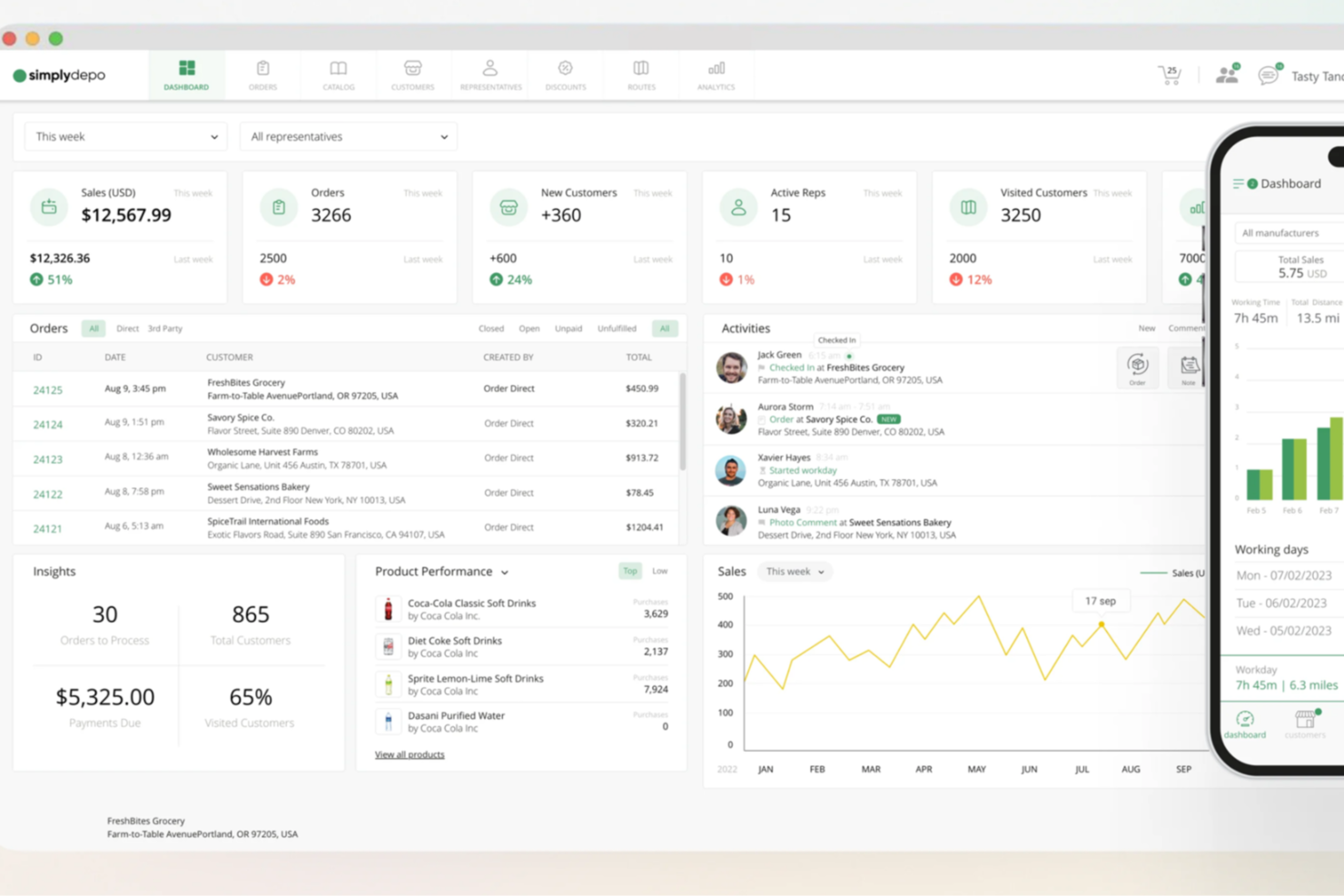
Se stai cercando una piattaforma eCommerce B2B che possa semplificare la tua distribuzione e l'esecuzione al dettaglio, SimplyDepo offre soluzioni su misura che potrebbero rispondere perfettamente alle tue esigenze. È particolarmente vantaggiosa per startup e aziende in crescita che desiderano espandere le proprie operazioni, fornendo strumenti completi per la gestione delle vendite, CRM e elaborazione degli ordini. Che tu sia un marchio, un distributore o un merchandiser, SimplyDepo è progettato per aiutarti ad aumentare l'efficienza e migliorare le relazioni con i clienti.
Perché ho scelto SimplyDepo
Ho scelto SimplyDepo per la sua capacità di integrare perfettamente gestione delle vendite e funzionalità CRM in un'unica piattaforma, rendendolo una valida opzione per soluzioni eCommerce B2B. La funzione di gestione ordini B2B della piattaforma consente di amministrare gli ordini in modo efficiente, riducendo i tempi di elaborazione e migliorando l'efficienza operativa. Inoltre, il suo strumento di pianificazione dei percorsi è fondamentale per ottimizzare i programmi di consegna, aspetto che può aumentare sensibilmente la soddisfazione del cliente. Concentrandosi su queste funzionalità specifiche, SimplyDepo risponde alle esigenze fondamentali delle aziende che desiderano snellire i propri processi di vendita.
Caratteristiche principali di SimplyDepo
Oltre alle sue eccellenti capacità di gestione delle vendite e CRM, ho trovato degni di nota anche questi aspetti:
- Vendite sul campo: Questa funzione consente al tuo team commerciale di registrare ordini direttamente dal campo, garantendo aggiornamenti in tempo reale e riducendo errori di inserimento manuale.
- Gestione della distribuzione: Aiuta a supervisionare e semplificare l'intero processo distributivo, dalla gestione dell'inventario alla consegna.
- Esecuzione in negozio: Questo strumento assicura che i tuoi prodotti siano esposti e promossi efficacemente negli ambienti retail, ottimizzando la disposizione sugli scaffali e le promozioni.
- Storie di successo dei clienti: SimplyDepo offre accesso a testimonianze reali che mettono in evidenza l'impatto della piattaforma su efficienza e crescita dei ricavi.
Integrazioni di SimplyDepo
Al momento SimplyDepo non elenca integrazioni native.
Pros and Cons
Pros:
- Vendite e distribuzione tutto in uno
- Efficaci strumenti mobile per le vendite sul campo
- La pianificazione dei percorsi migliora l'efficienza delle consegne
Cons:
- Nessuna integrazione nativa elencata
- Prezzi non disponibili pubblicamente

Rierino
Migliore piattaforma headless per orchestrazione B2B complessa
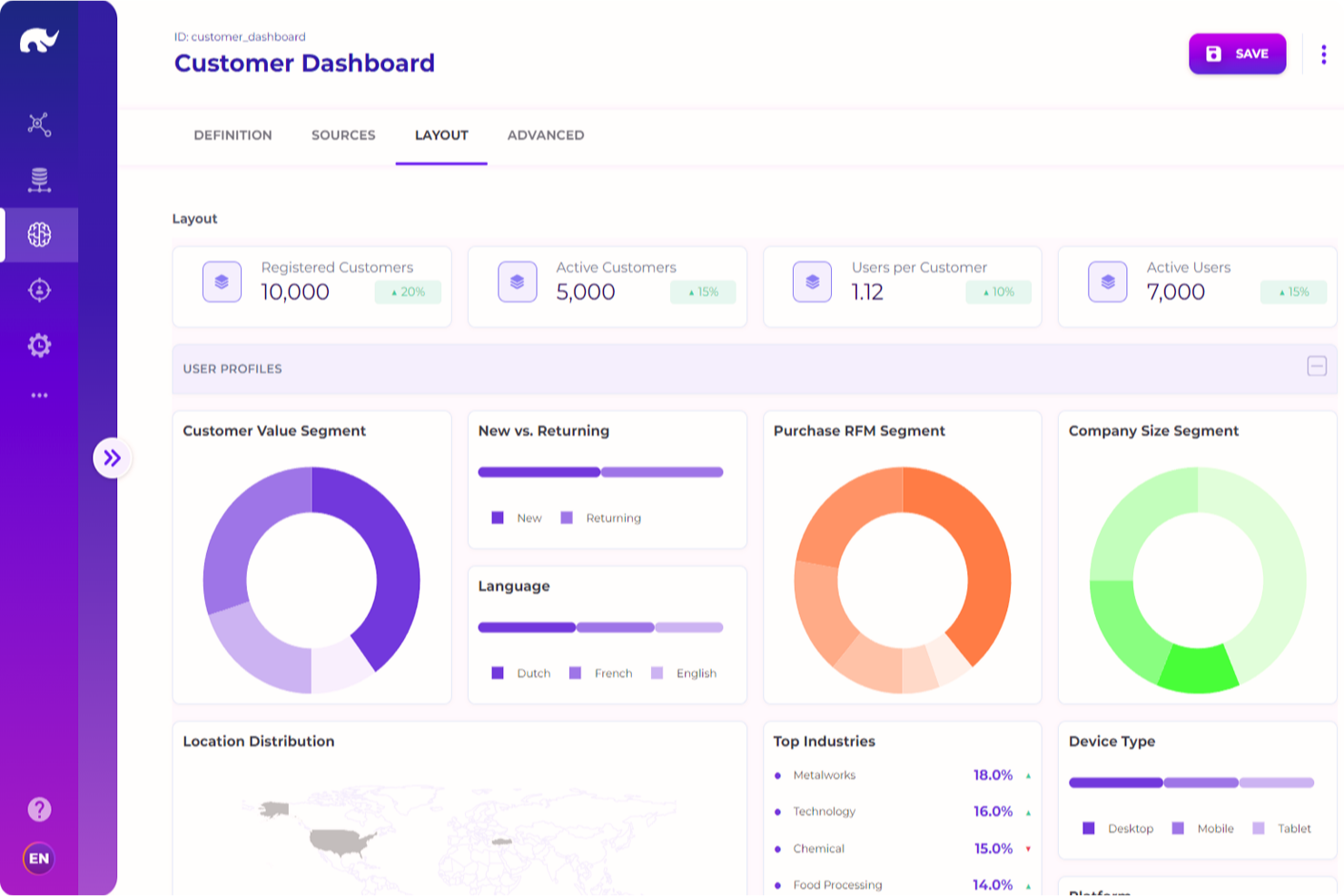
Rierino aiuta produttori e distributori a gestire la complessità B2B—prezzi contrattuali, preventivi, approvazioni—senza rinunciare alla velocità.
È pensato per team che gestiscono cataloghi disordinati e gerarchie di account che necessitano di un controllo low-code su dati, prezzi e orchestrazione del checkout su portali e canali.
Perché ho scelto Rierino
Ho scelto Rierino perché consente di gestire termini contrattuali e prezzi specifici del cliente tramite cataloghi negoziati e RBAC multilivello, così gli acquirenti vedono sempre il prezzo corretto.
Accelera le richieste di modifica—come una nuova regola di approvazione o un'eccezione di prezzo—tramite flussi saga no/low-code invece che ricostruzioni complete. Il tuo team riduce il rimbalzo dei preventivi con workflow integrati dalla proposta all'ordine e proposte stampabili collegate a dati di prezzo reali.
Mantieni la coerenza dei dati tra i canali usando un PIM centrale e mapping API, riducendo le duplicazioni di lavoro quando cambiano specifiche o confezioni.
E garantisci una governance rigorosa con registrazione degli audit e isolamento degli ambienti, così le sperimentazioni non impattano la produzione.
Funzionalità chiave di Rierino
Oltre agli strumenti di orchestrazione e pricing sopra citati, queste sono funzionalità pratiche utilizzate davvero dai team B2B.
- Co-browsing e impersonificazione: Guida gli acquirenti in diretta o effettua ordini per loro conto con le autorizzazioni corrette.
- Audit logging e controlli di deployment: Traccia ogni modifica e promuovila in sicurezza tra sviluppo, staging e produzione.
- Riordino massivo e gestione resi: Supporta gli acquirenti con contratti per riordini veloci e resi integrati con l’ERP.
- OpenAPI Auto-Docs: Genera automaticamente documentazione API aggiornata dai tuoi flussi configurati per accelerare le integrazioni.
Integrazioni Rierino
Le integrazioni includono SAP ERP, Stripe, Trustpilot, Redis, Elasticsearch, MongoDB, Kafka, PostgreSQL, OpenAI e Amazon Bedrock.
Pros and Cons
Pros:
- I flussi saga low-code permettono aggiornamenti rapidi di regole e processi.
- Cataloghi negoziati e prezzi contrattuali rispecchiano i veri termini B2B.
- Il checkout multi-carrello e basato sui ruoli si adatta a gerarchie di account complesse.
Cons:
- Ecosistema di app pubblicate più piccolo rispetto alle suite enterprise tradizionali.
- Un roll-out di successo richiede modellazione dati e governance preventiva.
New Product Updates from Rierino
Rierino Adds Interactive Debugging and Static API Endpoints
Rierino adds interactive debugging with
/api/test
execution tracing, AI-assisted troubleshooting, custom MDC attributes, and static content endpoints through the API Gateway. These help developers diagnose issues faster and create simple endpoints without a backend service. For more information, visit Rierino’s official site.
 .
.
Shopify
Migliore ecommerce tuttofare con forte ecosistema di app
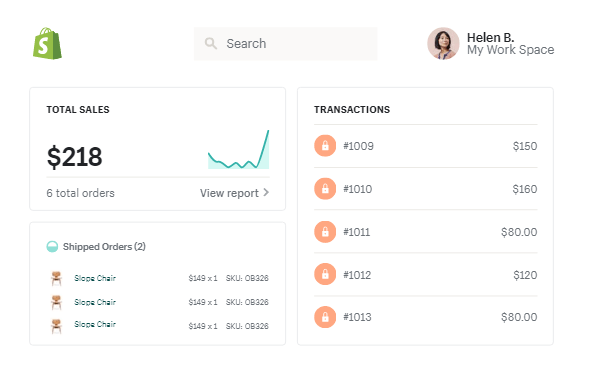
Shopify Plus offre a grossisti di medie e grandi dimensioni un'unica piattaforma per gestire DTC e B2B—senza dover rattoppare le esigenze principali del commercio all'ingrosso con plugin.
Puoi creare cataloghi e listini prezzi specifici per azienda, offrire termini di pagamento differiti al checkout e limitare l'accesso a rappresentanti o acquirenti, l'ideale se gestisci contratti negoziati o reti di rivenditori.
Perché ho scelto Shopify Plus
Ho scelto Shopify Plus perché puoi unificare B2B e DTC in un unico pannello di amministrazione, così il team operativo smette di gestire i prodotti doppiamente—B2B su Shopify ti consente di pubblicare cataloghi e listini prezzi specifici per azienda dallo stesso backend.
Ricevi meno fatture manuali perché gli acquirenti possono completare l'acquisto usando termini di pagamento nativi al checkout. I commercianti con strutture di account complesse beneficiano di profili aziendali e ruoli acquirente, che consentono di assegnare permessi, numeri PO e regole di pagamento/spedizione predefinite per località.
Il team merchandising può gestire ordini di grandi dimensioni in modo efficiente con liste di ordine rapido e regole di quantità, riducendo scambi e-mail per i riordini.
Quando il reparto finanziario ha bisogno di registri chiari, le liste di acquisto e gli ordini in bozza raccolgono le approvazioni prima che il pagamento venga registrato nei libri contabili.
Funzionalità principali di Shopify Plus
Questi strumenti completano il kit wholesale senza bisogno di soluzioni di terze parti.
- Profili aziendali e ruoli: Modella gli account con località, permessi acquirente, numeri PO e termini predefiniti.
- Termini di pagamento al checkout: Offri termini di pagamento differiti, scadenze e flussi di pagamento posticipato direttamente nel checkout online.
- Cataloghi specifici per azienda: Pubblica liste di prodotti/prezzi personalizzate per azienda o località per prezzi contrattuali.
- Liste di ordine rapido: Consenti agli acquirenti di aggiungere SKU frequenti in blocco, velocizzando grandi riordini da una singola schermata.
Integrazioni Shopify Plus
Le integrazioni includono Shopify POS, Shop Pay, Shopify Flow, Shopify Markets, Shopify Functions, Shopify Tax, Shopify Audiences, Shopify Subscriptions, ShopifyQL Notebooks e Shopify Launchpad.
Pros and Cons
Pros:
- B2B nativo su Plus—cataloghi, prezzi e condizioni in un unico admin.
- I ruoli acquirente e le regole per località riducono errori di approvazione e ordinazione.
- Le liste di ordine rapido accelerano i flussi di acquisti ricorrenti e ingrosso.
Cons:
- Sincronizzazioni ERP avanzate ed EDI spesso richiedono app di terze parti.
- Si applicano commissioni di transazione se non si utilizza Shopify Payments nelle regioni supportate.

LifeRay
Ideale per portali self-service B2B su una DXP
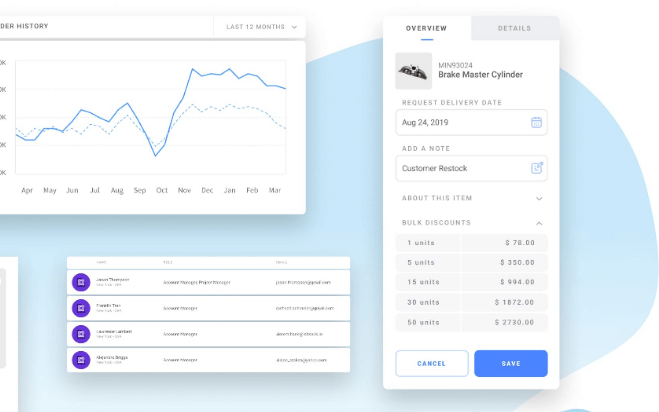
Liferay ti aiuta a creare portali self-service B2B dove i clienti possono accedere, visualizzare i propri cataloghi e prezzi, effettuare ordini e scaricare documentazione—senza dover contattare il tuo team.
È ideale per aziende industriali ed enterprise che necessitano di gerarchie di account multilivello, contenuti e-commerce integrati in un unico ambiente e una governance rigorosa a livello regionale.
Perché ho scelto Liferay
Ho scelto Liferay perché unisce un vero controllo B2B a una DXP: i tuoi clienti possono acquistare, aprire ticket e accedere ai documenti tramite un unico portale grazie a contenuti e-commerce integrati.
Ottieni prezzi specifici per cliente tramite cataloghi e contratti basati su regole, così ogni account vede gli articoli e le condizioni corrette.
Gli amministratori possono riprodurre organigrammi complessi con account annidati e ruoli delegati, offrendo agli acquirenti livelli di approvazione e limiti di spesa conformi al loro reale operato.
Strumenti di localizzazione e workflow mantengono coerenti cataloghi globali, traduzioni e rilasci, evitando che i team regionali si muovano in autonomia. Se già utilizzi sistemi enterprise, i connettori predefiniti e le opzioni di identità di Liferay ti aiutano ad integrarlo facilmente nel tuo stack attuale.
Funzionalità chiave di Liferay
Oltre alle basi del portale, ecco strumenti B2B pratici che il tuo team userà realmente.
- Amministrazione Delegata degli Account: Permetti ai clienti di gestire utenti, ruoli e limiti di spesa all’interno della propria struttura aziendale.
- Contratti e Listini Prezzi: Allegare termini contrattuali, sconti per quantità e listini prezzi specifici per account, controllando così ciò che ogni acquirente visualizza.
- Template Ordine e Liste di Riordino: Salva carrelli frequenti e fai rifornimento rapidamente per acquisti ripetitivi o legati a contratto.
- Permessi Basati sui Ruoli: Limita l’accesso a cataloghi, contenuti e flussi di lavoro in base al ruolo, sito o regione per soddisfare i requisiti di conformità.
Integrazioni Liferay
Le integrazioni includono Salesforce, SAP, LDAP/Active Directory, SAML SSO, OpenID Connect, Elasticsearch.
Pros and Cons
Pros:
- Solida localizzazione, workflow e governance per team multi-regione.
- Combina contenuti, servizi e commercio in un unico portale cliente.
- Supporta organigrammi complessi, cataloghi a contratto e approvazioni.
Cons:
- Ecosistema di app di terze parti più ristretto rispetto ai cloud e-commerce principali.
- L’implementazione può essere complessa per i team alle prime armi con le DXP.

Ideale per B2B integrato e flessibilità headless
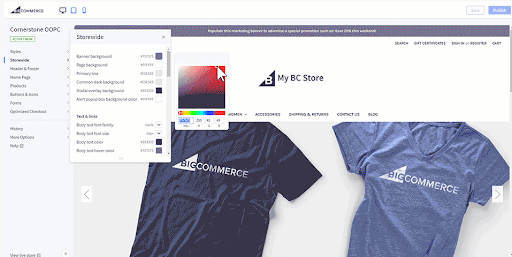
Per i team di fascia media che vendono a clienti complessi, BigCommerce offre controlli B2B nativi—accessi aziendali, preventivi, pagamenti tramite fattura e prezzi specifici per cliente—senza dover assemblare plugin diversi.
È la soluzione ideale per grossisti e produttori che vogliono profondità B2B oggi e la possibilità di passare in futuro a headless o a più vetrine online.
Perché ho scelto BigCommerce
Ho scelto BigCommerce perché permette un vero self-service B2B: i buyer gestiscono utenti, riordini e fatture tramite Account Aziendali e un Portale Acquirente.
I prezzi contrattuali vengono applicati su tutti i siti utilizzando liste prezzi collegate a gruppi di clienti e vetrine, così i commerciali non devono gestire tutto tramite fogli di calcolo. Le vendite possono ridurre lo scambio di email inviando preventivi con tariffe negoziate e approvazioni, convertendoli poi in ordini con un solo clic.
Se gestisci più marchi o aree, la funzione Multi-Storefront permette di centralizzare catalogo e operazioni abilitando funzioni B2B specifiche per ogni vetrina.
E se la tua squadra vuole più controllo in futuro, le API headless ti consentono di mantenere le funzionalità B2B cambiando solo la parte frontend.
Funzionalità principali di BigCommerce
Oltre a questi controlli B2B, ecco alcune funzioni pratiche che il tuo team userà davvero.
- Portale Fatture & Ordini di Acquisto: Consenti agli acquirenti approvati di pagare le fatture e inviare ordini basati su PO con termini preconfigurati.
- Liste Acquisti Condivise & Ordine Rapido: Gli acquirenti creano liste, incollano codici SKU e riordinano dalla cronologia per velocizzare il rifornimento.
- Tariffe Corrieri in Tempo Reale: Mostra preventivi live di UPS, USPS e FedEx al checkout per costi precisi al cliente.
- Wallet Digitali & Checkout Rapido: Offri opzioni come Apple Pay, Amazon Pay e Link/Fastlane per ridurre l’attrito nel checkout.
Integrazioni BigCommerce
Le integrazioni includono Avalara, Stripe, PayPal, Authorize.Net, Amazon Pay, Apple Pay, Google Pay, UPS, USPS e FedEx.
Pros and Cons
Pros:
- Account aziendali integrati, preventivi e pagamenti tramite fattura per il B2B.
- Liste prezzi a livello variante collegate a vetrine e gruppi di clienti.
- La funzione multi-vetrina permette di gestire siti B2B segmentati in modo centralizzato.
Cons:
- La flessibilità di design/theme è inferiore rispetto ai concorrenti site builder.
- La B2B Edition aggiunge costi per team molto piccoli.

Wix
Ideale per cataloghi riservati e prezzi per membri

Per i grossisti piccoli e medi che vogliono avviare velocemente la propria attività, Wix offre cataloghi riservati, prezzi per membri e vendita multicanale senza dover chiedere tempo al reparto IT.
Puoi nascondere i listini prezzi all’ingrosso dietro accessi riservati, sincronizzare i prodotti con Amazon/eBay/Facebook/Pinterest e monitorare le conversioni con GA4 e Meta Pixel—solido per i team che lanciano un primo portale B2B.
Perché ho scelto Wix
Ho scelto Wix perché puoi riservare i prezzi agli acquirenti approvati utilizzando l’Area Membri e le autorizzazioni dei piani di prezzo, cosicché solo i clienti autenticati vedano le tariffe all’ingrosso.
Hai inoltre una vera copertura multicanale sincronizzando i prodotti su Amazon, eBay, Facebook e Pinterest direttamente dalla dashboard. L’attribuzione non è un’ipotesi, poiché GA4 e Meta Pixel+CAPI si collegano per monitorare gli acquisti e gli articoli aggiunti al carrello.
Il passaggio alla contabilità è garantito tramite il connettore QuickBooks Online, che trasferisce ordini, tasse e clienti nella tua contabilità. Se superi le funzionalità di base, componenti aggiuntivi B2B come SparkLayer aggiungono elenchi di ordini rapidi e griglie di prezzi specifiche per cliente.
Funzionalità principali di Wix
Ecco cosa completa questi elementi essenziali B2B nella gestione quotidiana.
- Tassazione automatizzata sulle vendite: Calcola e applica le tasse al checkout nelle regioni supportate.
- Regole di spedizione personalizzate: Imposta i metodi del corriere, tabelle tariffarie e restrizioni basate sulla posizione per gli ordini all’ingrosso.
- Recupero carrelli abbandonati: Recupera il fatturato perso con follow-up automatici e coupon per gli acquirenti autenticati.
- Ordini e preventivi manuali: Crea ordini dal back office per le vendite telefoniche o assistite da un rappresentante.
Integrazioni Wix
Le integrazioni includono Google Analytics 4, Meta Pixel & Conversions API, Google Ads, Pinterest, Amazon, eBay, Mailchimp, HubSpot, QuickBooks Online, e YouTube Shopping.
Pros and Cons
Pros:
- La riservatezza per soli membri consente prezzi e accessi personalizzati all’ingrosso.
- La sincronizzazione multicanale copre Amazon, eBay, Facebook e Pinterest.
- GA4 e Meta Pixel+CAPI offrono un’attribuzione affidabile delle vendite.
Cons:
- I flussi di lavoro B2B avanzati necessitano di SparkLayer o altri componenti aggiuntivi.
- Le connessioni ai marketplace spesso richiedono app di terze parti a pagamento.

La migliore piattaforma ecommerce per funzionalità di personalizzazione
Optimizely (precedentemente Episerver) è pensato per produttori e distributori che vivono e prosperano grazie a prezzi contrattuali, cataloghi specifici per cliente e approvazioni.
Hai la sperimentazione integrata nell'ecommerce e nel CMS, così il tuo team può testare ricerca, promozioni e layout su veri acquirenti B2B—non su ipotesi.
Perché ho scelto Optimizely
Ho scelto Optimizely perché puoi personalizzare e testare l’intero percorso d'acquisto—il tuo team esegue test A/B su pagine prodotto e navigazione, poi collega i vincitori a regole sui prezzi e al targeting dei contenuti.
Per account complessi, puoi offrire cataloghi negoziati e inventario per filiale utilizzando gerarchie di account e segmenti di clienti integrati. Il reparto sales ops ha a disposizione strumenti per preventivi e ordini per conto, così i commerciali possono gestire ordini senza entrare nell'ERP.
Anche i team di procurement non vengono trascurati—puoi supportare PunchOut, approvazioni e condizioni di pagamento direttamente nel checkout.
Il punto di forza è l’ecosistema di connettori, che riduce le personalizzazioni quando sincronizzi clienti, prezzi, tasse e ordini con il back office.
Caratteristiche principali di Optimizely
Oltre ai test e ai prezzi specifici per account, ecco alcuni strumenti pronti per il B2B che userai davvero.
- Preventivi e approvazioni: Genera preventivi, ottieni approvazioni e converti in ordini senza uscire dallo store online.
- Strumenti per commerciali: Agisci come clienti, effettua ordini per conto terzi e gestisci liste di account per gli acquirenti chiave.
- Visibilità dell’inventario di filiale: Mostra la disponibilità per magazzino o sede per indirizzare correttamente gli ordini.
- Supporto PunchOut: Collega i sistemi di procurement degli acquirenti tramite cXML per mantenere la conformità degli acquisti aziendali.
Integrazioni di Optimizely
Le integrazioni includono Microsoft Dynamics 365, Acumatica, Infor CSD, Infor SX.e, Epicor Prophet 21, IFS Aurena (Cloud), Avalara, Vertex, CyberSource e cXML PunchOut.
Pros and Cons
Pros:
- I test A/B sono collegati a regole di prezzo e contenuto, dimostrando l’impatto sui ricavi.
- I connettori ERP nativi velocizzano la sincronizzazione di clienti, prezzi e ordini.
- Le gerarchie di account supportano cataloghi, condizioni e inventario per filiale.
Cons:
- Il prezzo è personalizzato—il costo totale può essere più alto per esigenze leggere.
- L’implementazione richiede forti risorse di sviluppo e una chiara governance dei dati.

Migliore suite B2B open-source per grossisti
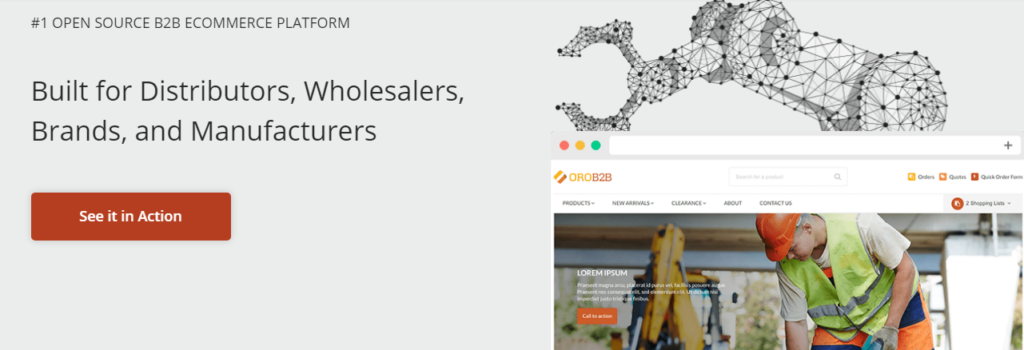
Per grossisti e distributori con strutture di prezzi e flussi di approvazione complessi, OroCommerce consente di gestire richieste di offerta (RFQ), preventivi e listini multipli senza ricorrere a plugin raffazzonati.
È ideale per team di medie e grandi aziende che necessitano di acquisti basati su account, condizioni negoziate e connessioni strette con ERP/CRM—oltre alla possibilità di auto-ospitare.
Perché ho scelto OroCommerce
Ho scelto OroCommerce perché il tuo team può gestire processi B2B reali—RFQ→preventivo→ordine—direttamente nello shop online, supportati da approvazioni basate sui ruoli e gerarchie di account.
Puoi modellare condizioni specifiche per cliente tramite listini combinati, liste della spesa e prezzi da contratto, così che gli accordi negoziati si riflettano effettivamente in fase di checkout. Il CRM integrato offre a vendite e assistenza una sola visuale sul cliente, utile durante lunghi cicli commerciali e riordini.
Metodi di spedizione e pagamento si integrano con preventivi e ordini, così puoi gestire prezzi, evasione e incasso tutto in un unico posto. Se disponi di un ERP, connettori preconfigurati e opzioni di sincronizzazione dati ti aiutano a mantenere sincronizzati inventario, prezzi e clienti.
Funzionalità principali di OroCommerce
Oltre alla profondità su preventivi e prezzi B2B, ecco strumenti utili per le operazioni quotidiane.
- Account aziendali e permessi: Imposta gerarchie organizzative, acquirenti e approvatori con ruoli granulari.
- Listini combinati: Costruisci logiche di prezzo personalizzate per cliente, gruppo o sito web, con pianificazione e deroghe.
- Liste della spesa multiple: Permetti agli acquirenti di creare, salvare e inviare liste per richieste di prezzo o riordini rapidi.
- Motore di workflow: Configura approvazioni e stati degli ordini per allinearti ai tuoi processi di approvvigionamento e vendita.
Integrazioni di OroCommerce
Le integrazioni includono PayPal, UPS, FedEx, Zendesk, Mailchimp, SAP ERP, Microsoft Dynamics 365 Business Central, Oracle JD Edwards, Epicor Prophet 21 e Sage.
Pros and Cons
Pros:
- Ottima scelta per grossisti/distributori con termini complessi da gestire.
- CRM nativo unifica dati di vendita, assistenza e commercio.
- I listini combinati gestiscono condizioni complesse e specifiche del cliente.
Cons:
- Libreria di temi già pronti più ridotta; aspettarsi lavoro di personalizzazione dello shop.
- La configurazione lato amministratore può risultare complessa per listini e ruoli.

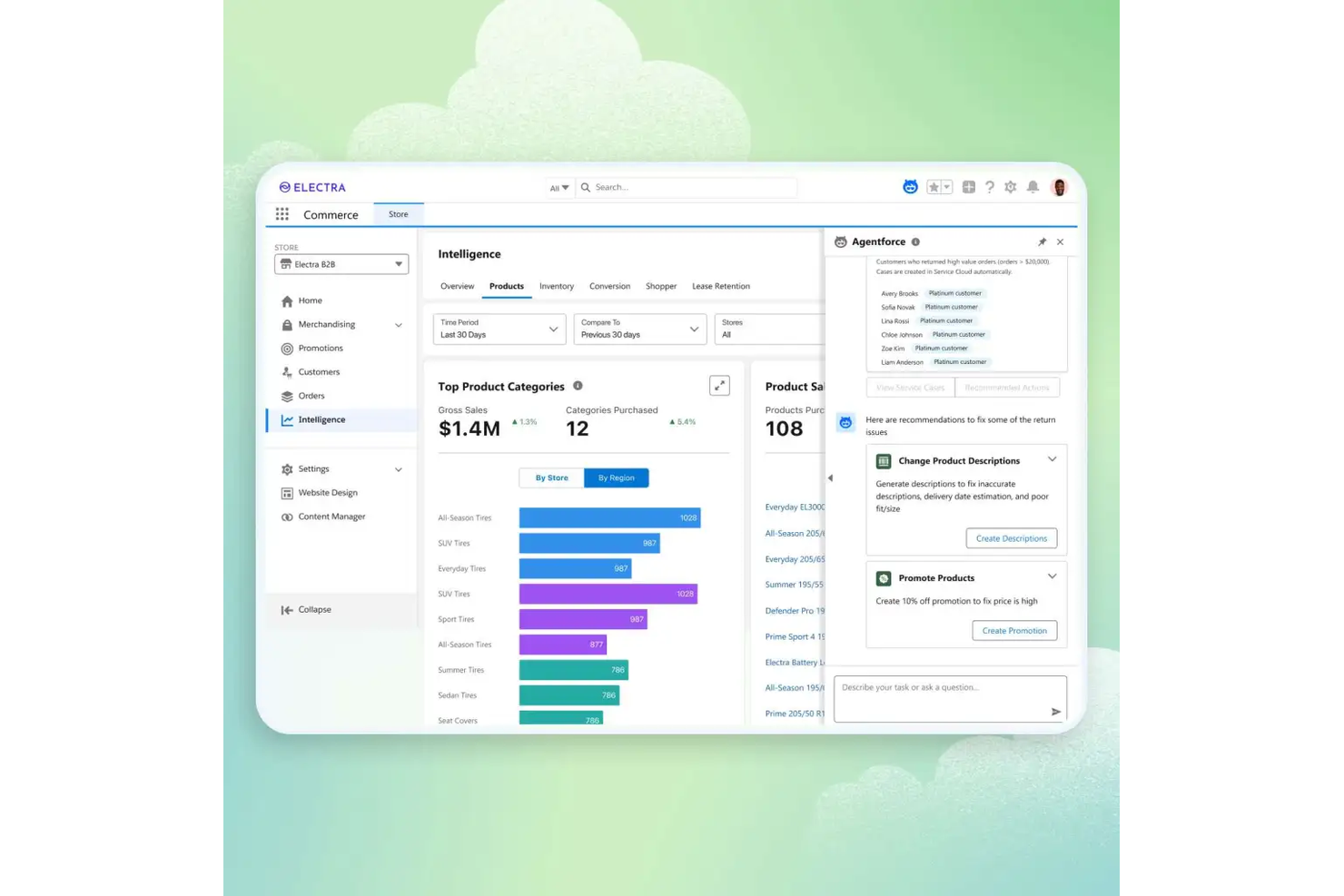
Per produttori, distributori e grossisti con condizioni negoziate e strutture di account complesse, Salesforce B2B Commerce offre ai tuoi acquirenti un portale self-service che rispecchia davvero il tuo modo di vendere.
Hai cataloghi, prezzi e flussi d’ordine nativi CRM che gestiscono grandi carrelli, approvazioni e ordini ricorrenti senza compromettere il tuo modello dati.
Perché ho scelto Salesforce B2B Commerce
Ho scelto Salesforce B2B Commerce perché puoi gestire l’ecommerce sugli stessi record utilizzati dai tuoi team di vendita e assistenza—account, contatti, listini prezzi e contratti—quindi niente va perso nella trasposizione.
I tuoi acquirenti effettuano grandi ordini ricorrenti tramite griglie per ordini rapidi e template di riordino, mentre i tuoi termini sono rispettati grazie a diritti e prezzi da contratto. Spedizioni a indirizzi multipli e pagamenti flessibili sono in linea con i comuni flussi di lavoro B2B, soprattutto quando gli ordini sono suddivisi tra siti diversi o destinazioni di spedizione.
L’attività degli ordini viene sincronizzata in Sales Cloud e Service Cloud, garantendo visibilità dalla pipeline all’incasso e meno passaggi manuali tra team.
Funzionalità chiave di Salesforce B2B Commerce
Ecco capacità pratiche che supportano il reale comportamento d’acquisto B2B.
- Gerarchie account e approvazioni: imposta ruoli, budget e approvazioni degli ordini che rispecchino l’organigramma del cliente.
- Liste di richiesta e carrelli salvati: consenti agli acquirenti di creare liste e convertirle in ordini con un clic.
- Supporto multi-sito e localizzazione: gestisci più vetrine con le valute, le lingue e le regole fiscali corrette.
- Raccomandazioni prodotto AI: suggerisci aggiunte e sostituzioni pertinenti utilizzando Salesforce Einstein.
Integrazioni di Salesforce B2B Commerce
Le integrazioni includono Salesforce Sales Cloud, Service Cloud, CPQ, Order Management, Marketing Cloud, MuleSoft, Stripe, PayPal, Adyen e Avalara.
Pros and Cons
Pros:
- L’integrazione con CRM, CPQ e dati di servizio riduce l'inserimento manuale.
- I listini prezzi da contratto e i diritti garantiscono la corretta applicazione dei termini negoziati.
- I template di riordino e l’ordine rapido semplificano gli acquisti B2B ricorrenti.
Cons:
- Richiede competenze amministrative Salesforce; la maggior parte dei team necessita di un partner.
- Costi di licenza e implementazione più elevati rispetto alle soluzioni B2B di fascia media.

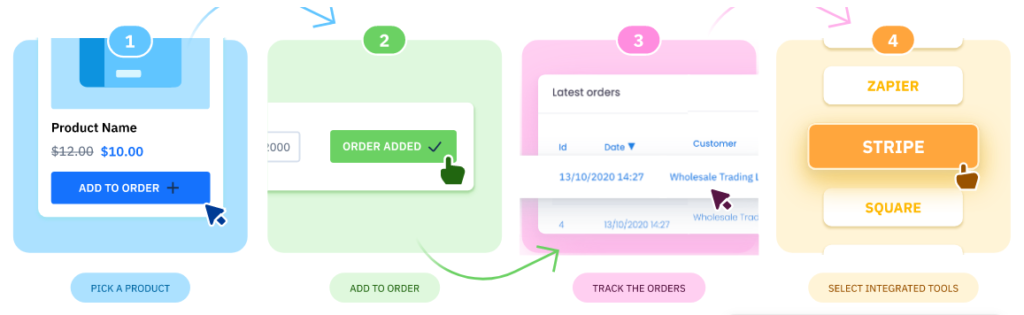
Per grossisti e produttori che hanno bisogno di un portale clienti rapidamente, B2B Wave offre le funzionalità essenziali—cataloghi e listini prezzi specifici per cliente, riordini facili e preventivi integrati—senza dover assumere un team di sviluppatori.
È ideale per team piccoli e medi che desiderano una gestione amministrativa prevedibile, ordini illimitati e trasferimento in contabilità pronto all’uso.
Perché ho scelto B2B Wave
Ho scelto B2B Wave perché permette di avviare rapidamente e mantenere il controllo: puoi importare prodotti e clienti con template e poi invitare gli acquirenti ad essere subito operativi in modalità self-service.
Ottieni prezzi precisi per ogni cliente grazie a listini e regole di visibilità prodotti, quindi tariffe negoziate e assortimenti compaiono correttamente per ogni account. L’accuratezza degli ordini migliora grazie a stati inventariali e opzione di ordini arretrati, mentre gli acquirenti possono riordinare con un clic dallo storico ordini.
Il tuo team risparmia tempo con la riconciliazione grazie all’integrazione nativa con QuickBooks Online e Xero, e puoi accettare pagamenti online tramite Stripe o PayPal. Se già vendi DTC su Shopify, il connettore ti aiuta a mantenere sincronizzati i cataloghi separando però il flusso di vendita all’ingrosso.
Funzionalità chiave di B2B Wave
Oltre alla velocità di lancio e al controllo dei prezzi, ecco alcuni strumenti pratici che il tuo team userà davvero.
- Cataloghi PDF: Genera PDF personalizzabili—generali o specifici per cliente—per i clienti che necessitano ancora di un listino cartaceo.
- Gestione preventivi: Consenti agli acquirenti di richiedere preventivi, inviare preventivi PDF e convertirli in ordini al momento dell’approvazione.
- App agente di vendita: Offri ai rappresentanti un’app mobile per inserimento ordini, riordini e consultazione account ovunque si trovino.
- Portale fornitori: Consenti ai fornitori di caricare prodotti per approvazione, monitorare le attività e gestire le scorte dove richiesto.
Integrazioni di B2B Wave
Le integrazioni includono QuickBooks Online, Xero, Shopify, Stripe, PayPal, Authorize.Net, Mailchimp, ShipStation, Avalara e Zoho CRM.
Pros and Cons
Pros:
- Clienti, ordini e preventivi illimitati nei piani standard.
- Listini prezzi e regole di visibilità prodotto specifici per cliente.
- La sincronizzazione QuickBooks/Xero riduce il lavoro contabile manuale.
Cons:
- I limiti del piano standard (es. SKU, utenti) possono richiedere componenti aggiuntivi a pagamento.
- Le opzioni di tema e design pagina sono basiche rispetto ai CMS completi.
Altre opzioni di piattaforme di e-commerce B2B
Eccone alcune in più che non sono entrate nella lista principale.
- Sana Commerce
Ideale per l'integrazione ERP
- Pepperi
Ideale per la raccolta ordini su dispositivi mobili
- Spryker
Ideale per architettura modulare
- Now Commerce
Ideale per prezzi specifici per cliente
- Drupal Commerce
Ideale per la modellazione avanzata di prodotti
- Handshake
Miglior marketplace all’ingrosso per trovare prodotti di tendenza
- Williams Commerce
Ideale per progetti B2B e integrazioni con Magento
- MeGaDev
Ideale per ecommerce personalizzati e modernizzazione
- Adriel
Migliore aggregazione dati ecommerce per attività pubblicitarie, di marketing e social
- ShipEngine
Ideale per piattaforme B2B che necessitano spedizioni multi-corriere globali


Come valuto le piattaforme di e-commerce B2B
Valuto le piattaforme di e-commerce B2B su due livelli: i requisiti di base che una piattaforma deve soddisfare—come la gestione dei prezzi per account e il supporto agli ordini di acquisto—e i fattori che distinguono i migliori fornitori.
Funzionalità di base (Requisiti indispensabili per questa lista)
Quando seleziono gli strumenti per la mia lista, valuto ciascuno su una scala da 0 (non offre la funzionalità) a 5 (eccelle in quest'area) per ogni funzionalità di base elencata di seguito. Poi calcolo il punteggio totale dello strumento convertendolo in percentuale. Ogni piattaforma deve raggiungere un punteggio minimo totale del 65% per essere considerata idonea.
- Cataloghi e prezzi specifici per cliente: Verifico che la piattaforma supporti listini prezzi specifici per account, tariffe contrattuali e fasce di volume—ad esempio offerte di prezzi negoziati per i principali clienti di un distributore.
- Ordini complessi e in grandi quantità: Ordini rapidi, caricamento di file CSV, liste di riordino e procedure di preventivo-ordine sono tutti aspetti fondamentali. Un acquirente che inserisce un ordine di acquisto da 500 righe ha bisogno di qualcosa in più rispetto a un carrello standard.
- Gerarchia degli account e permessi: Cerco account cliente multi-utente con accesso basato su ruoli, catene di approvazione e limiti di spesa—pensate a un responsabile regionale che approva ordini effettuati da filiali locali.
- Integrazione con ERP e sistemi di back-office: La sincronizzazione in tempo reale con sistemi come SAP, NetSuite o Microsoft Dynamics per inventario, prezzi e dati degli ordini è ciò che distingue una piattaforma B2B da un semplice negozio online.
- Gestione dei pagamenti e del credito B2B: Ordini di acquisto, pagamenti differiti, limiti di credito, fatturazione e gestione delle esenzioni fiscali devono essere sempre presenti. Valuto come ogni piattaforma gestisce l'intero ciclo di pagamento B2B.
- Supporto multicanale e multi-store: Gestire più negozi, valute e modelli ibridi B2B/D2C da un unico backend è fondamentale per i team che vogliono espandersi tra regioni o segmenti di clientela.
Una volta individuati gli strumenti che rispondono a questi requisiti, considero ciò che distingue ogni piattaforma dalle altre.
Fattori differenzianti (Cosa distingue i fornitori)
Ecco come confronto e analizzo i vari fornitori:
Caratteristiche distintive
Il supporto per i cataloghi punchout è molto importante per i team che vendono a grandi sistemi di approvvigionamento come Ariba o Coupa—verifico se la piattaforma gestisce nativamente cXML e OCI o se richiede un middleware. La vendita assistita dai rappresentanti commerciali è un'altra funzione che analizzo attentamente, poiché spesso i venditori devono accedere a nome del cliente, compilare il carrello e inoltrare ordini per account che chiamano per telefono. Esamino anche l'architettura headless per i team che necessitano di portali cliente personalizzati o vogliono servire sia B2B che D2C da front end separati.
Oltre le funzionalità
Il costo totale di proprietà è un elemento cruciale in questo settore—valuto se una piattaforma addebita per transazione, in base al GMV, o tramite abbonamento fisso, poiché i costi possono aumentare drasticamente con la crescita del volume degli ordini. Anche i tempi di implementazione sono un fattore che considero, perché i lanci B2B richiedono spesso mesi e la migrazione dei dati dai sistemi legacy. Prendo inoltre in esame la profondità dell'ecosistema: una rete solida di partner e un marketplace di app ben fornito fanno davvero la differenza quando è necessario estendere la piattaforma dopo il lancio.
Come scegliere una piattaforma di e-commerce B2B
Scegliere la piattaforma di e-commerce B2B giusta non significa tanto concentrarsi su funzioni appariscenti, quanto costruire la struttura portante della tua attività. Ecco come fare la scelta giusta:
| Passaggio | Cosa fare | Perché è importante |
|---|---|---|
| Inizia dalla sicurezza | Scegli piattaforme con crittografia di livello aziendale, autenticazione a due fattori e conformità PCI/GDPR. | Le transazioni B2B coinvolgono importi elevati e dati sensibili: una sicurezza debole = rischio elevato. |
| Testa l'integrazione con l'ERP | Assicurati che la piattaforma si integri con il tuo ERP (come NetSuite, SAP o Microsoft Dynamics). Punti extra per i connettori preconfigurati. | La sincronizzazione dei dati tra finanza, inventario e operazioni riduce i silos e gli errori negli ordini. |
| Richiedi funzionalità autonome | Cerca portali clienti, strumenti per riordinare e impostazioni di accesso a livello di account. | I tuoi acquirenti vogliono gestire autonomamente i propri ordini: dai loro le chiavi. |
| Verifica la flessibilità dei prezzi | Controlla il supporto per prezzi a scaglioni, sconti specifici per cliente e logiche per gli ordini all'ingrosso. | Nel B2B i prezzi non sono mai uguali per tutti. La tua piattaforma deve riflettere questa realtà. |
| Esamina l'esperienza di acquisto | Fai una demo dell'interfaccia come se fossi un acquirente. Riesci ad accedere, trovare il codice prodotto corretto e completare facilmente l'acquisto? | Un'esperienza utente macchinosa allontana gli acquirenti più velocemente di un carrello non funzionante. |
| Verifica la compatibilità con i dispositivi mobili | Conferma che la piattaforma funzioni bene su telefoni e tablet, sia per gli amministratori che per gli acquirenti. | I tuoi clienti non sono sempre alla scrivania. E nemmeno il tuo team di vendita. |
| Valuta l'assistenza e il tempo di attività | Cerca assistenza 24/7, supporto per l'avvio e una garanzia di disponibilità coperta da SLA. | Il tempo di inattività = perdita di fatturato. Vuoi un'assistenza proattiva, non solo un assistente virtuale. |
| Pianifica la crescita | Scegli una piattaforma che possa crescere insieme a te: più utenti, codici prodotto, canali e aree geografiche. | Non vuoi ricostruire tutto tra 18 mesi. Il tuo io del futuro ti ringrazierà. |
Caratteristiche principali delle piattaforme e-commerce B2B
Queste sono le funzionalità di cui la tua piattaforma ha bisogno per servire gli acquirenti aziendali, semplificare le operazioni e crescere senza caos.
- Scalabilità e disponibilità. La tua piattaforma dovrebbe crescere insieme a te e rimanere disponibile sotto pressione, senza interruzioni nei periodi più intensi.
- Portali autonomi. Consenti agli acquirenti di accedere, effettuare nuovi ordini, richiedere preventivi e monitorare le spedizioni senza dover chiamare ogni volta il reparto vendite.
- Personalizzazione avanzata dei prezzi. Supporta prezzi a scaglioni, sconti sui volumi, tariffe negoziate e logiche di prezzo specifiche per cliente.
- Pagamento sicuro e protezione dei dati. Assicurati che conformità PCI-DSS, crittografia SSL, rilevamento delle frodi e autenticazione a due fattori siano integrati.
- Integrazione con l'ERP. Collegati a piattaforme come NetSuite, SAP o Dynamics per sincronizzare in tempo reale i dati relativi a prodotti, prezzi e inventario.
- Cataloghi personalizzati e controlli degli accessi. Mostra assortimenti di prodotti e prezzi diversi a seconda dell'account dell'acquirente.
- Accesso multiutente e basato sui ruoli. Consenti ai team acquisti di operare con un unico account, flussi di approvazione e autorizzazioni specifiche per ruolo.
- Opzioni di pagamento flessibili. Offri modalità come ordini di acquisto, ACH, limiti di credito e fatturazione, insieme ai moderni strumenti di pagamento digitale.
- Gestione degli ordini all'ingrosso e dei preventivi. Gestisci ordini ad alto volume, preventivi personalizzati e accordi negoziati con flussi di approvazione pensati per la complessità.
- Esperienza utente ottimizzata per i dispositivi mobili. Assicurati che sia gli acquirenti sia gli amministratori possano gestire gli ordini da telefoni e tablet senza alcun ostacolo.
- API aperte e flessibilità di integrazione. Estendi il tuo ecosistema tecnologico con integrazioni CRM, PIM, WMS e per le spedizioni, grazie ad API affidabili.
Vantaggi delle piattaforme e-commerce B2B
Una buona piattaforma e-commerce B2B non serve solo a vendere: permette di crescere in modo più intelligente, offrire un servizio migliore e risparmiare tempo. Ecco cosa ottieni quando investi in quella giusta.
- Operazioni semplificate. Integra il tuo ERP per centralizzare i dati relativi a ordini, clienti e inventario, eliminando i sistemi isolati e il doppio inserimento.
- Maggiore efficienza. Automatizza la fatturazione, l'instradamento degli ordini e la sincronizzazione dell'inventario per ridurre il lavoro manuale ed evitare errori costosi.
- Esperienza cliente migliorata. Offri percorsi di acquisto intuitivi e senza ostacoli grazie a portali self-service, cataloghi personalizzati e accesso 24 ore su 24, 7 giorni su 7.
- Maggiore portata. Vendi a nuovi mercati con il supporto multivaluta, impostazioni fiscali locali e integrazioni per le spedizioni internazionali.
- Scalabilità. Gestisci facilmente più traffico, codici SKU e flussi di lavoro complessi man mano che la tua attività cresce, senza dover cambiare piattaforma.
- Analisi basate sui dati. Utilizza l'analisi integrata per comprendere il comportamento degli acquirenti, prevedere la domanda e ottimizzare l'offerta di prodotti.
- Risparmio sui costi. Riduci i costi semplificando le operazioni, diminuendo gli errori negli ordini ed eliminando gli strumenti ridondanti.
- Relazioni più solide con i clienti. Gestisci meglio gli account grazie all'integrazione con il CRM, ai prezzi personalizzati e agli strumenti di comunicazione proattiva.
- Aumento delle vendite. Incentiva gli ordini ripetuti, le vendite aggiuntive e gli acquisti di maggior valore con consigli personalizzati e condizioni di pagamento flessibili.
- Disponibilità 24 ore su 24, 7 giorni su 7. Acquisisci vendite in qualsiasi momento e ovunque, senza dover più fare affidamento sugli orari d'ufficio o sui rappresentanti per concludere gli affari.
Tendenze per le piattaforme di e-commerce B2B
Il settore dell'e-commerce B2B sta cambiando rapidamente: queste sono le tendenze più importanti da conoscere per rimanere competitivi ed evitare costosi rimpianti nella scelta della piattaforma.
- La sostenibilità entra nelle liste di controllo degli acquisti. Gli acquirenti richiedono metriche ESG. Le piattaforme che supportano il monitoraggio delle emissioni di carbonio o si integrano con strumenti di logistica sostenibile aiutano i venditori a concludere più affari.
- Il self-service è il nuovo team di vendita. Gli acquirenti vogliono avere il controllo, non essere richiamati. Le piattaforme che danno priorità ai portali self-service, come il riordino, il monitoraggio degli ordini e la gestione degli account, accorciano i cicli di vendita e aumentano la fidelizzazione dei clienti.
- La sicurezza non è più soltanto un problema dell'IT. La protezione dei dati fa ora parte dell'argomentazione commerciale. Le piattaforme che mostrano direttamente durante la configurazione le certificazioni di sicurezza, l'MFA e gli strumenti di prevenzione delle frodi conquistano la fiducia delle aziende.
- L'integrazione con l'ERP è un requisito imprescindibile, non un vantaggio aggiuntivo. Oggi ci si aspetta una sincronizzazione fluida con l'ERP. Agli acquirenti non interessa il tuo frontend se la fattura è errata: connessioni ERP affidabili riducono l'abbandono e fanno risparmiare ore al team operativo.
- L'IA ha bisogno di un caso d'uso, non di uno slogan. Le piattaforme migliori utilizzano l'IA per ottenere risultati concreti, come un rifornimento più intelligente, cataloghi personalizzati e la segmentazione degli acquirenti. Evita quelle che gridano «IA» senza un impatto chiaro.
- L'esperienza utente sta diventando un vantaggio competitivo. Gli acquirenti B2B si aspettano un'esperienza di livello B2C. Interfacce ordinate, ottimizzazione per dispositivi mobili e flussi di lavoro intuitivi non sono più elementi extra: sono ormai requisiti fondamentali.
- Le soluzioni componibili superano quelle tutto-in-uno. Le piattaforme headless flessibili che si integrano facilmente con strumenti specializzati stanno sostituendo le architetture monolitiche. Non hai bisogno di avere tutto in un unico strumento: hai bisogno che tutto funzioni insieme.
- La vera personalizzazione va oltre il nome di battesimo. Le piattaforme stanno diventando più intelligenti nel proporre prodotti, prezzi e flussi di lavoro pertinenti in base al comportamento degli acquirenti, non soltanto ai dati identificativi.
Costi e prezzi delle piattaforme di e-commerce B2B
Le piattaforme di e-commerce B2B sono disponibili a diversi livelli di prezzo, pensati per adattarsi ad aziende di dimensioni ed esigenze differenti.
Ecco una guida rapida per comprendere quali fattori influenzano i prezzi e quanto potresti aspettarti di pagare.
Fattori che influenzano i prezzi delle piattaforme B2B
- Opzioni di personalizzazione: Adattare le funzionalità e il design alle proprie esigenze può aumentare i costi.
- Numero di prodotti: Cataloghi più ampi possono comportare costi maggiori.
- Strumenti di marketing: Gli strumenti avanzati per le campagne email, la SEO e la segmentazione dei clienti aumentano il prezzo.
- Hosting incluso: Alcune piattaforme includono l'hosting, mentre altre lo addebitano separatamente.
- Funzionalità di sicurezza: Misure di sicurezza avanzate, come i certificati SSL e il rilevamento delle frodi, possono essere più costose.
- Funzionalità internazionali: Il supporto multivaluta e multilingue spesso comporta un costo aggiuntivo.
- Scalabilità: Le piattaforme che crescono insieme alla tua attività possono costare di più.
- Opzioni di supporto: Livelli di supporto più elevati possono influire sui costi complessivi.
- Commissioni sulle transazioni: Alcune piattaforme applicano una commissione per ogni transazione, con costi che si accumulano nel tempo.
Tabella comparativa dei piani per le piattaforme di commercio B2B
| Tipo di piano | Prezzo medio | Funzionalità comunemente incluse | Ideale per |
|---|---|---|---|
| Gratuito | $0 | Inserzioni di prodotti limitate, modelli di base, strumenti SEO di base, commissioni sulle transazioni delle vendite. | Hobbisti, imprenditori individuali |
| Base | $20 - $50/mese | Hosting del sito web, modelli di base, inserzioni di prodotti, strumenti SEO di base, analisi semplici. | Piccole imprese, startup |
| Professionale | $50 - $150/mese | Tutte le funzionalità del piano Base, modelli aggiuntivi, strumenti di marketing, SEO migliorata, analisi avanzate. | Attività in crescita, PMI |
| Avanzato | $150 - $300/mese | Tutte le funzionalità del piano Professionale, analisi avanzate, segmentazione dei clienti, recupero dei carrelli abbandonati, supporto prioritario. | Medie e grandi imprese |
| Aziendale | $500+/mese | Tutte le funzionalità del piano Avanzato, integrazioni personalizzate, personalizzazione completa, supporto dedicato, formazione, sicurezza di livello aziendale. | Grandi aziende |
Quando scegli una piattaforma di commercio elettronico B2B, bilancia le esigenze attuali con i piani di crescita futuri. La piattaforma giusta dovrebbe essere in linea con gli obiettivi della tua attività, il budget e il livello di personalizzazione richiesto. Collaborare con sviluppatori esperti di siti web di commercio elettronico può aiutarti a garantire che la piattaforma sia progettata per crescere in modo efficace.
Comprendendo queste strutture tariffarie e opzioni, puoi trovare la piattaforma più adatta alle esigenze specifiche della tua attività.
FAQ sulle piattaforme di e-commerce B2B
Esaminiamo alcune domande che pensiamo tu possa avere. Anche se non le hai, potresti averle dopo averle lette. Quindi, iniziamo.
Quali sono alcuni esempi di e-commerce B2B?
B2B l’e-commerce si verifica ogni volta in cui un’azienda vende prodotti o servizi a un’altra azienda online. Pensa a: un produttore che vende componenti auto alle officine di riparazione, un grossista che rifornisce i rivenditori, o un’azienda SaaS che offre strumenti aziendali ai team di marketing.
Amazon Business e Alibaba sono due dei nomi più importanti del settore, ma molti operatori di nicchia dominano in settori verticali come i beni industriali, la sanità e la tecnologia.
In che modo l'e-commerce B2B è diverso dall'e-commerce B2C?
Il B2B riguarda meno gli acquisti d’impulso e più le relazioni a lungo termine e ad alto rischio. Gli acquirenti si aspettano prezzi personalizzati, approvazioni dei preventivi, condizioni di pagamento e flussi di lavoro per il riordino.
Il ciclo di vendita è più lungo, di solito coinvolge più responsabili delle decisioni e le transazioni possono raggiungere cifre a sei zeri. La tua piattaforma deve riflettere questa complessità, non limitarsi ad avere un bell’aspetto.
Le piattaforme di e-commerce B2B supportano i portali autonomi?
Sì, e dovrebbero farlo. Gli acquirenti non vogliono scrivere a un commerciale ogni volta che devono riordinare o controllare i prezzi. Le piattaforme moderne offrono pannelli di controllo autonomi in cui i clienti possono accedere, visualizzare cataloghi specifici per il proprio account, gestire gli ordini e scaricare le fatture. È più veloce, più economico e corrisponde esattamente a ciò che gli acquirenti si aspettano oggi.
Perché la sicurezza è così importante nell'e-commerce B2B?
Perché la posta in gioco è più alta. Gestisci dati sensibili dei clienti, transazioni di grandi dimensioni e spesso operi in settori regolamentati. Le violazioni possono costarti contratti e danneggiare la reputazione. Le piattaforme migliori sono conformi allo standard PCI-DSS, offrono SSO e autenticazione a due fattori, oltre a registri di controllo e crittografia predefiniti. Non considerarla un’opzione.
Le piattaforme di e-commerce B2B possono integrarsi con i miei sistemi esistenti?
Dovrebbero farlo. Le piattaforme migliori si integrano direttamente con il tuo ERP (come NetSuite, SAP), CRM (come Salesforce, HubSpot), WMS e strumenti contabili. Cerca API aperte, connettori nativi e sincronizzazione in tempo reale per evitare l’inserimento manuale dei dati o discrepanze negli ordini. Se l’integrazione non è fluida, il tuo sistema interno diventa un collo di bottiglia.
Quali funzionalità dovrei privilegiare nella valutazione delle piattaforme?
Inizia dagli elementi indispensabili: prezzi personalizzati, integrazione ERP, autorizzazioni degli utenti, pagamento sicuro e strumenti autonomi. Poi valuta come la piattaforma gestisce scalabilità, esperienza utente mobile e integrazioni di terze parti. Non lasciarti abbagliare da un’interfaccia appariscente e concentrati sul fatto che la piattaforma renda più semplice la vita del tuo team e più fluido il percorso del tuo acquirente.