

Le 10 migliori piattaforme e-commerce economiche per le PMI nel 2026

Le 10 migliori piattaforme e-commerce economiche per iniziare


Le piattaforme e-commerce economiche ti permettono di lanciare un negozio senza prosciugare il budget o la voglia di vivere.
Hai tutto l’essenziale già incluso: temi per il negozio, carrello e procedura di pagamento sicuri, elaborazione dei pagamenti, gestione dell’inventario, etichette di spedizione, automazione delle imposte, SSL, strumenti SEO e integrazioni per e-mail, analisi e POS.
L’eccesso di scelta è reale. Non ti servono 20 schede aperte: ti serve la soluzione adatta al tuo modello, che si tratti di una nuova impresa essenziale, vendita senza magazzino, marchio di abbigliamento, negozio fisico con POS o catalogo fortemente orientato ai mercati online.
Non devi nemmeno accontentarti di soluzioni scadenti. Molte delle migliori piattaforme e-commerce offrono piani iniziali semplificati, sorprendentemente potenti e progettati per crescere. Ma ecco il punto: le opzioni sono molte e non tutte meritano il tuo tempo.
Ho trascorso oltre un decennio nella vendita al dettaglio, nell’e-commerce e nel commercio all’ingrosso, gestendo inventario, magazzini, spedizioni internazionali e crescita: per questo questa guida elimina il superfluo e si concentra su ciò che fa davvero risparmiare tempo e denaro.
Di seguito mostreremo le migliori piattaforme e-commerce convenienti, a chi sono rivolte, quanto costano davvero nel complesso (piani, commissioni sulle transazioni, spesa per le app), dove eccellono (velocità, modelli, procedura di pagamento) e a cosa prestare attenzione (limiti sugli ordini, larghezza di banda, assistenza, IVA). Utile, diretto e senza giri di parole.
Perché fidarsi dei nostri consigli sui software
Il nostro team testa e recensisce software dal 2012. In quanto leader del retail noi stessi, sappiamo quanto sia difficile — e importante — scegliere il software giusto.
Per questa guida, abbiamo valutato gli strumenti attraverso test pratici e ricerche indipendenti, assegnando un punteggio agli strumenti in base ai nostri criteri di selezione.
Le nostre recensioni riflettono il nostro giudizio indipendente, non un discorso di vendita.
Confronto tra le migliori piattaforme e-commerce economiche, funzione per funzione
Prendere la decisione giusta significa fare confronti. Innanzitutto, confrontiamo direttamente i prezzi di queste piattaforme e-commerce economiche. Poi, confronta le altre funzioni facendo clic sul pulsante Confronta software.
| Tool | Best For | Trial Info | Price | ||
|---|---|---|---|---|---|
| 1 | Ideale per aziende basate su abbonamento con funzionalità AI | Prova gratuita di 14 giorni | A partire da $34.50/mese | Website | |
| 2 | Miglior costruttore di negozi ecommerce | Prova gratuita di 3 giorni disponibile | Da $37/mese (fatturazione annuale) | Website | |
| 3 | Ideale per negozi ecommerce in crescita | Prova gratuita di 14 giorni disponibile | Da $16/mese (fatturati annualmente) | Website | |
| 4 | Ideale per grandi inventari | Prova gratuita di 15 giorni + demo gratuita disponibile | Da $29/mese (fatturazione annuale) | Website | |
| 5 | Migliore piattaforma di commercio elettronico basata sul cloud | Prova gratuita di 14 giorni | A partire da €24/mese | Website | |
| 6 | Migliore piattaforma ecommerce open-source | Piano gratuito disponibile | OpenCart è gratuito da utilizzare | Website | |
| 7 | Ideale per modelli di siti ecommerce | Piano gratuito disponibile | Da $13/mese (fatturato annualmente) | Website | |
| 8 | Ideale per vetrine ottimizzate per dispositivi mobili | Piano gratuito disponibile | A partire da $17/mese | Website | |
| 9 | Ideale per siti ecommerce senza codice | Prova gratuita di 14 giorni disponibile | A partire da $35/mese | Website | |
| 10 | Ideale per artisti indipendenti | Piano gratuito disponibile | A partire da $15/mese | Website |
Le 10 migliori piattaforme e-commerce economiche per iniziare a far crescere il tuo marchio
Ora passiamo alle recensioni. Per ciascuna di queste piattaforme e-commerce convenienti, descriviamo cosa fanno, perché le abbiamo scelte, le principali funzioni e integrazioni, oltre ai pro e ai contro di ognuna.

Subbly
Ideale per aziende basate su abbonamento con funzionalità AI
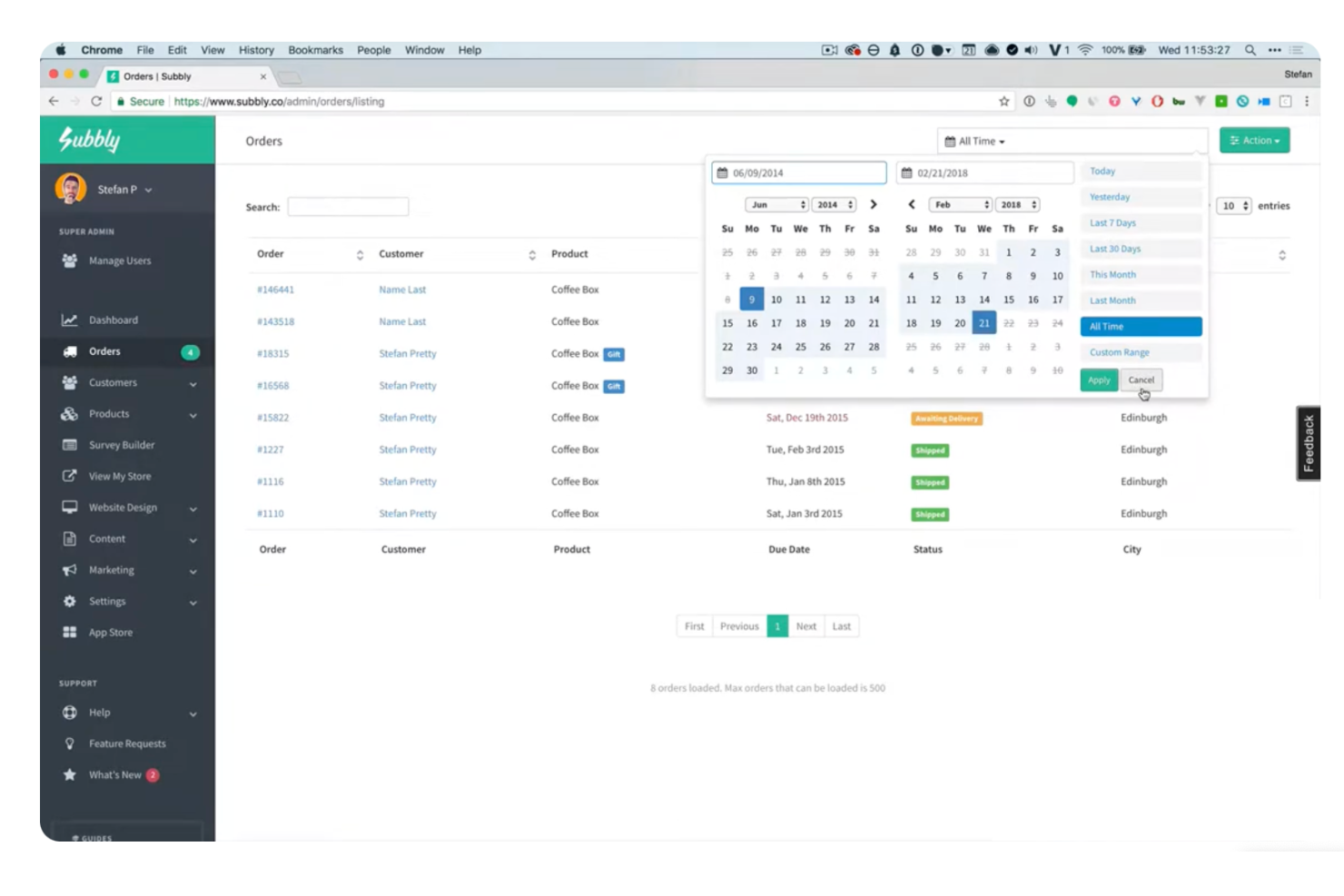
Subbly è una piattaforma tutto-in-uno progettata per le aziende che mettono al centro il modello di abbonamento, offrendo funzionalità e strumenti di intelligenza artificiale per gestire e far crescere servizi su base ricorrente. I suoi punti di forza includono le funzioni specifiche per l'abbonamento, politiche di proprietà dei dati trasparenti e capacità AI native che aiutano a massimizzare i ricavi e mantenere i clienti.
Perché ho scelto Subbly: Ho scelto di aggiungere Subbly a questa lista per le aziende che puntano tutto sul modello ad abbonamento e cercano una soluzione tutto-in-uno. Confrontando diverse piattaforme, Subbly si distingue per la sua attenzione ai modelli di abbonamento e per l'inclusione di funzionalità AI native, non comuni in altre soluzioni ecommerce a basso costo. Ciò che rende Subbly diversa è l'accento posto sulla proprietà e sul controllo dei dati, eliminando la necessità di più plugin o sistemi complessi. Questa piattaforma include anche strumenti come i modelli predittivi AI che permettono di ricavare informazioni dai dati delle transazioni e prendere decisioni aziendali consapevoli.
Funzionalità e integrazioni principali di Subbly
Funzionalità includono le capacità di gestione degli abbonamenti di Subbly e i negozi personalizzabili, che aiutano le aziende a far crescere i ricavi basati sugli abbonamenti. La piattaforma offre anche funzionalità AI native per migliorare la fidelizzazione dei clienti, builder drag-and-drop, API, SDK e codice open source per la massima personalizzazione. Inoltre, Subbly mette a disposizione diversi modelli di checkout ottimizzati per differenti casi d'uso e garantisce alle aziende la piena proprietà e controllo sui propri dati.
Integrazioni includono Twilio, Zapier, Intercom, Mailchimp, Google Analytics, Zendesk, Hotjar, Drip, Klaviyo, Facebook, ChartMogul, Flodesk e TaxJar.
Pros and Cons
Pros:
- Website builder, gestione degli abbonamenti ed ecommerce tutto-in-uno
- Report e analisi dettagliate
- Nessun blocco dei dati
Cons:
- Leggera curva di apprendimento
- Meno integrazioni di terze parti rispetto ad altre piattaforme ecommerce
New Product Updates from Subbly

Subbly Improves AI Builder Navigation and Workflows
Subbly updates its AI Builder with tighter Admin integration, easier project and model switching, improved navigation, new preview modes, and a clearer Publish flow. These changes make it faster to move between building, managing, and previewing projects. For more information, visit Subbly’s official site.
 .
.
Shopify
Miglior costruttore di negozi ecommerce
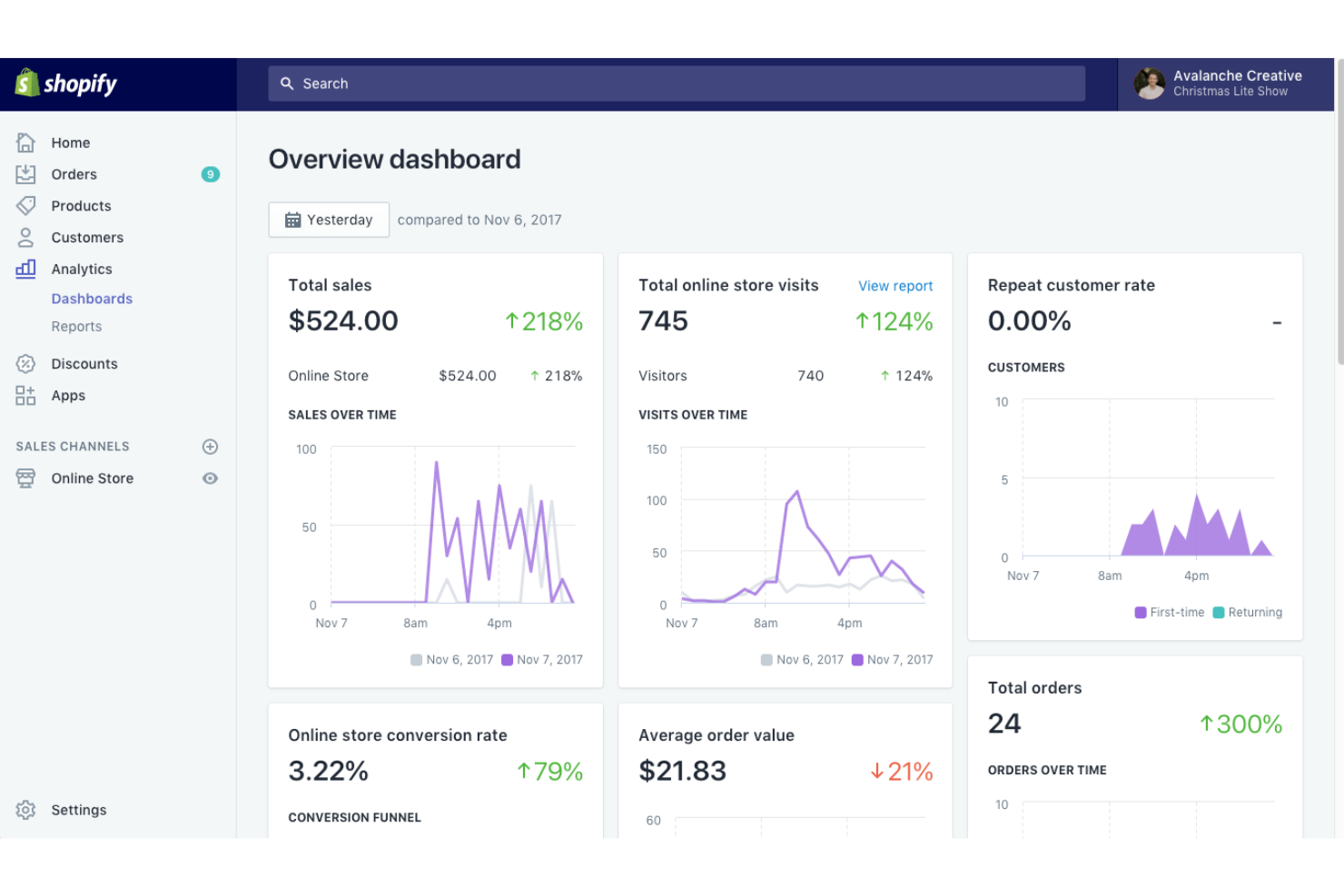
Shopify è un famoso costruttore di siti ecommerce con un'interfaccia drag-and-drop che consente agli utenti di creare negozi online dall'aspetto professionale. Offre una procedura guidata di onboarding che aiuta gli utenti ad aggiungere prodotti, personalizzare l'aspetto del negozio, collegare un dominio e configurare i gateway di pagamento.
Perché ho scelto Shopify: Ho voluto includere Shopify in questo articolo per coloro che cercano un potente costruttore di negozi ecommerce per una nuova startup o che devono passare a una soluzione più avanzata per la propria attività attuale. Shopify è una piattaforma ecommerce economica che ti permette di creare web design di alta qualità in grado di attirare più clienti. La piattaforma offre inoltre molti modelli di negozio che mettono in risalto la tua attività e ti consentono di mostrare informazioni essenziali ai clienti e mettere in evidenza i tuoi prodotti.
Funzionalità e integrazioni principali di Shopify
Funzionalità includono strumenti che aiutano a far crescere efficacemente la tua attività, come account multipli per il personale, localizzazioni di inventario, modifica in blocco e supporto per più valute. Shopify mette a disposizione risorse online per rispondere alle domande degli utenti, come una base di conoscenza approfondita e assistenza 24/7.
Integrazioni includono collegamenti con app che ti aiutano a far crescere il tuo marchio, la tua attività e le tue vendite, come AdRoll, GetResponse, Gorgias, Growave, Klaviyo, Loox, Omnisend, PushOwl, Retention Rocket, VideoWise e altre soluzioni software. Puoi anche utilizzare le API di Shopify e un account a pagamento Zapier per creare integrazioni personalizzate.
Pros and Cons
Pros:
- Crea facilmente nuovi siti ecommerce
- Include molte funzionalità pronte all'uso
- Strumenti semplici per la gestione delle attività del negozio
Cons:
- Poche opzioni di personalizzazione
- Può essere difficile contattare l'assistenza clienti

Ideale per negozi ecommerce in crescita

Squarespace è una potente piattaforma di ecommerce che offre una soluzione per siti ecommerce in crescita.
Perché ho scelto Squarespace: La crescita è un obiettivo importante per qualsiasi attività, quindi ho voluto includere Squarespace per i negozi online che si trovano in questa fase. Durante la fase di crescita della tua attività, Squarespace ti offre soluzioni per costruire una presenza online con più stile e sostanza rispetto ad altre piattaforme di ecommerce economiche. Puoi creare un negozio online semplice o complesso quanto desideri e aggiungere funzionalità specifiche man mano che cresci.
Funzionalità e integrazioni distintive di Squarespace
Funzionalità includono opzioni di personalizzazione che permettono di cambiare i template del sito senza dover ricominciare da zero con il tuo negozio. Squarespace inoltre non pone limiti al database di archiviazione, eliminando le preoccupazioni riguardo a quanti asset di prodotto puoi caricare.
Integrazioni includono collegamenti ed estensioni con strumenti che aiutano ad aumentare la potenza del tuo negozio online in tutto il web, come Avalara, Disqus, Dropbox, FreshBooks, Google Workspace, PayPal, QuickBooks Online, ShipBob, ShipStation, Stripe e altre soluzioni software. Puoi inoltre utilizzare un account Zapier a pagamento per collegare Squarespace a oltre 1.000 applicazioni di terze parti.
Pros and Cons
Pros:
- Consente agli utenti di creare siti web personalizzati
- Facile da capire e usare
- Funzionalità intuitiva
Cons:
- Annullare modifiche significative è complesso
- L'inserimento di codici personalizzati per il design può essere difficile

Ideale per grandi inventari

BigCommerce è un'opzione solida come piattaforma di ecommerce per negozi online con inventari di grandi dimensioni. Offre una suite completa di strumenti, dal marketing all'analisi, per aiutare a gestire volumi di vendita significativi.
Perché ho scelto BigCommerce: Per chi gestisce elevati volumi di vendita, ho voluto includere BigCommerce in questo elenco perché è uno strumento semplice che permette di creare rapidamente un negozio ecommerce per la propria linea di prodotti. BigCommerce può semplificare la gestione dell'inventario, indipendentemente dal numero di SKU, magazzini, varianti e canali di vendita utilizzati. Nella parte frontale del negozio, i tuoi clienti non incontreranno difficoltà nel trovare ciò di cui hanno bisogno, grazie al potente motore di ricerca prodotti di BigCommerce.
Funzionalità e integrazioni principali di BigCommerce
Funzionalità includono avanzate capacità di gestione dell'inventario che permettono ai team di gestire fino a 600 varianti associate a un singolo SKU. BigCommerce consente inoltre ai team di monitorare rapidamente clienti e ricavi su diversi canali di vendita, come Instagram, Facebook Marketplace e Amazon, e di apportare modifiche ai canali utilizzati.
Integrazioni comprendono oltre 1.300 potenti strumenti e applicazioni di ecommerce per migliorare i processi e aumentare la produttività, come ActiveCampaign, Google Analytics, Gorgias, HubSpot, Keap, LeadDyno, Lucky Orange, Mailchimp, QuickBooks Online, Zendesk e altre soluzioni software. È inoltre possibile utilizzare l'API di BigCommerce per realizzare integrazioni personalizzate con i tuoi sistemi attuali.
Pros and Cons
Pros:
- Nessuna commissione sulla piattaforma o sulle vendite
- Ampia lista di funzionalità intuitive
- Integrazione multicanale semplice
Cons:
- Curva di apprendimento ripida
- Personalizzazione del checkout limitata

Migliore piattaforma di commercio elettronico basata sul cloud
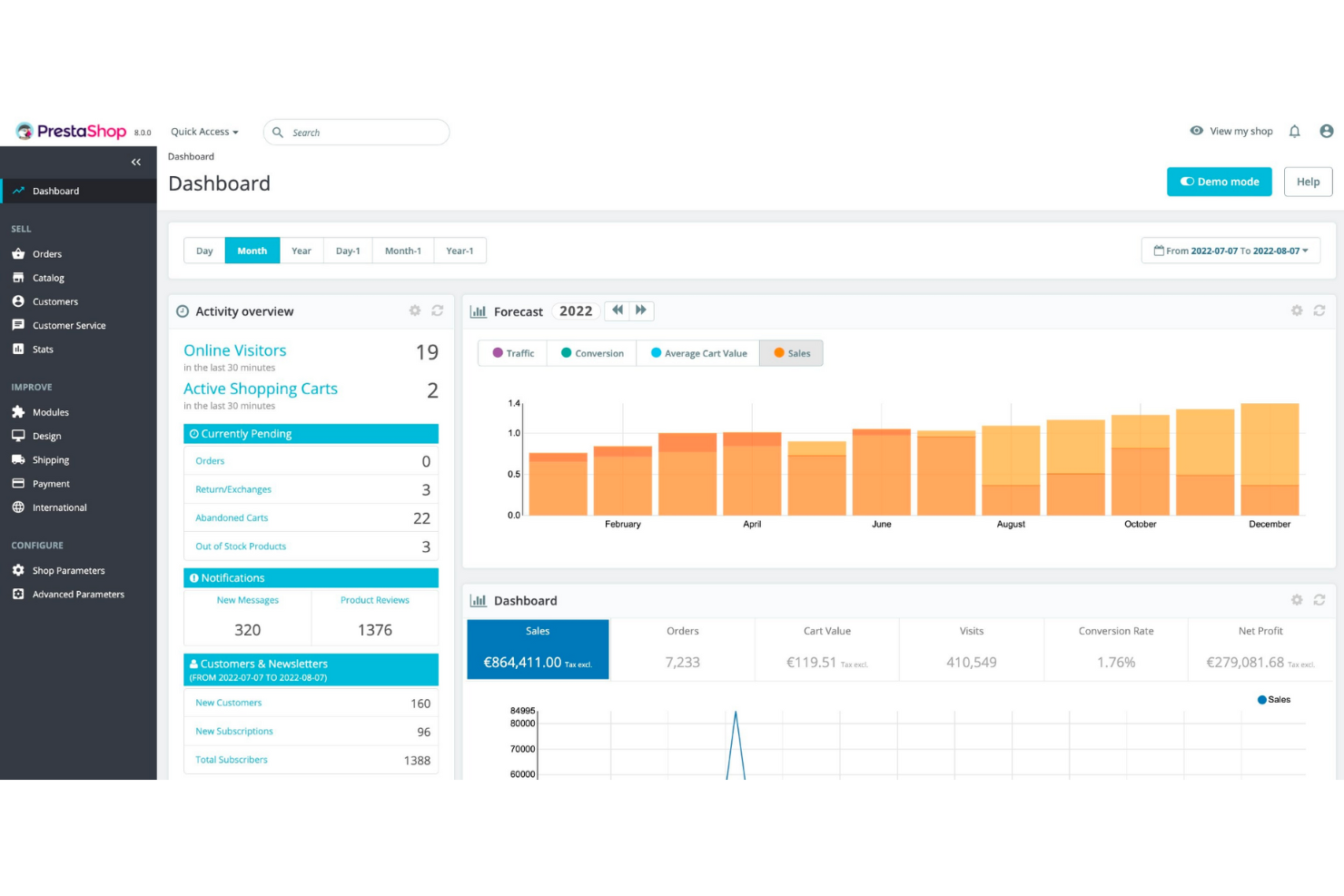
PrestaShop offre ai commercianti una piattaforma di commercio elettronico a codice aperto basata sul cloud che consente agli utenti di scegliere le funzionalità desiderate.
Perché ho scelto PrestaShop: Volevo aggiungere PrestaShop perché è un'opzione basata sul cloud, il che significa che tu e il tuo team potete accedere all'area di amministrazione del vostro negozio da qualsiasi parte del mondo. PrestaShop è una semplice piattaforma di commercio elettronico che non richiede competenze di progettazione web. È adatta alla vendita di prodotti digitali o alla gestione di un mercato online, oltre alla normale vendita online di prodotti fisici.
Caratteristiche distintive e integrazioni di PrestaShop
Le funzionalità includono strumenti di personalizzazione che consentono di adattare il tuo negozio online al tipo di attività e di soddisfare le aspettative dei clienti. Gli strumenti di gestione del catalogo e dei prodotti di PrestaShop ti permettono di creare e gestire migliaia di schede prodotto in centinaia di categorie.
Le integrazioni includono le partnership di PrestaShop con applicazioni che offrono connessioni native con strumenti per fornirti tutto ciò che ti serve per creare un negozio di successo. Queste integrazioni includono sistemi come Amazon Pay, Klarna, Klaviyo, Mailchimp, PayPal, Sendinblue, ShipStation, Skrill, Stripe, Zendesk e altre soluzioni software.
Pros and Cons
Pros:
- Molto intuitivo
- Consente la personalizzazione tramite moduli
- Adatto alle piccole imprese
Cons:
- Minore supporto della comunità rispetto ad altre opzioni
- Molte estensioni richiedono un pagamento

OpenCart
Migliore piattaforma ecommerce open-source

OpenCart è una piattaforma ecommerce open-source che permette agli utenti di creare un negozio online gratuitamente. Il software offre ampie possibilità di personalizzazione, consentendo alle aziende di realizzare un negozio che si adatti perfettamente al proprio brand.
Perché ho scelto OpenCart: Non potevo creare una lista di piattaforme ecommerce economiche senza includere un'opzione che permettesse di creare un negozio online gratuitamente, quindi ho aggiunto OpenCart tra le alternative. OpenCart è uno strumento open-source per la gestione di negozi online che utilizza linguaggi di programmazione come MySQL e HTML per creare un sito web gratuito. Con OpenCart puoi usufruire di strumenti standard di creazione e gestione per ecommerce, come fornitori di pagamento sicuri, gestione dell’inventario e template professionali per negozi online.
Caratteristiche distintive e integrazioni di OpenCart
Funzionalità includono strumenti per la gestione degli utenti che ti consentono di collaborare efficientemente con altri membri del team, permettendo loro di svolgere varie mansioni grazie ai privilegi avanzati che aiutano a separare gli accessi tra utenti e gruppi. Puoi inoltre utilizzare OpenCart per implementare pagamenti ricorrenti per i clienti, se prevedi di vendere prodotti in abbonamento, promuovere uno sconto o un club riservato ai membri, oppure suddividere i costi in segmenti più piccoli.
Integrazioni includono collegamenti con oltre 1.300 strumenti e sistemi, come Google Analytics, LiveAgent, LiveChat, Mailchimp, Omnisend, QuickBooks, ShipMonk, WordPress, Xero, Zendesk e molte altre soluzioni software. Puoi anche utilizzare l’API della piattaforma o un account Zapier a pagamento per creare integrazioni personalizzate con la tua suite di strumenti.
Pros and Cons
Pros:
- Facile da installare
- Configurazione semplice
- Ampia lista di componenti aggiuntivi
Cons:
- L'interfaccia ha bisogno di miglioramenti
- La navigazione ha una curva di apprendimento

Weebly
Ideale per modelli di siti ecommerce
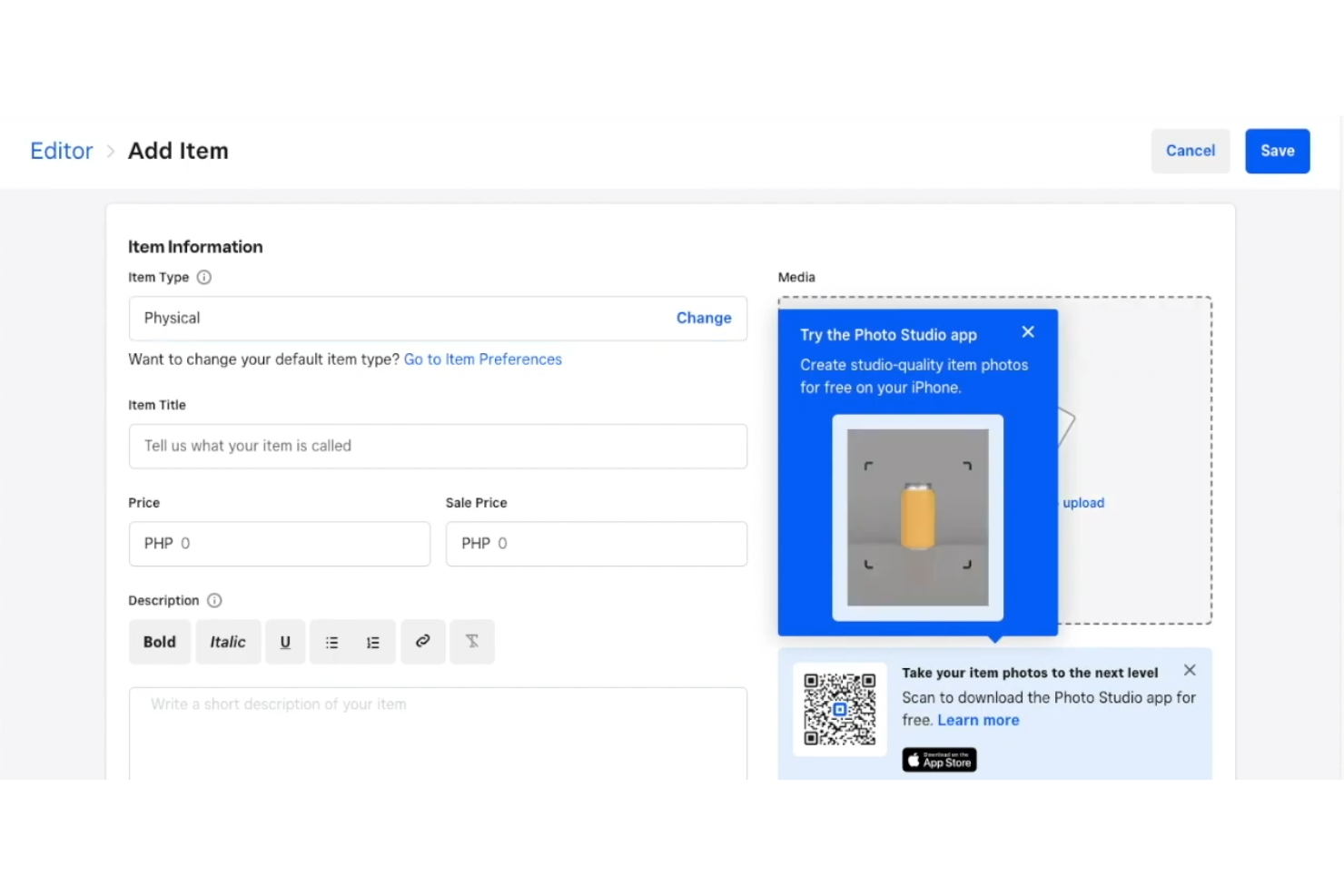
Weebly è una potente piattaforma di ecommerce che offre numerosi modelli di sito web, fornendo un modo semplice ed economico per creare un negozio online.
Perché ho scelto Weebly: Ho inserito Weebly in questo articolo perché offre oltre 100 diversi modelli di sito tra cui scegliere, permettendoti di trovare quello più adatto al tuo marchio. Utilizzare uno dei template è veloce: scegli un design, aggiungi i prodotti, imposta spedizioni e tasse, quindi seleziona il metodo di pagamento preferito. Successivamente, Weebly crea automaticamente la tua vetrina online, lasciandoti libero di personalizzarla a tuo piacimento.
Funzionalità e integrazioni distintive di Weebly
Funzionalità includono capacità di tracciamento dell’inventario che ti permettono di gestire sia pochi prodotti che una linea con centinaia di articoli. Weebly offre inoltre un carrello completamente integrato con checkout sicuro, aiutandoti a trasmettere sicurezza ai tuoi clienti durante gli acquisti nel tuo negozio.
Integrazioni comprendono oltre 370 integrazioni native con popolari strumenti di gestione aziendale. Tra queste troviamo sistemi come AWeber, G Suite, Jotform, LiveChat, PayPal Marketing, Printful, Privy, RabbitSEO, ShipRobot, Tidio Chat e altre soluzioni software.
Pros and Cons
Pros:
- Interfaccia intuitiva
- Funzionalità avanzate
- Prezzi competitivi
Cons:
- Il servizio clienti può migliorare
- A volte il sito si carica lentamente

Wix
Ideale per vetrine ottimizzate per dispositivi mobili
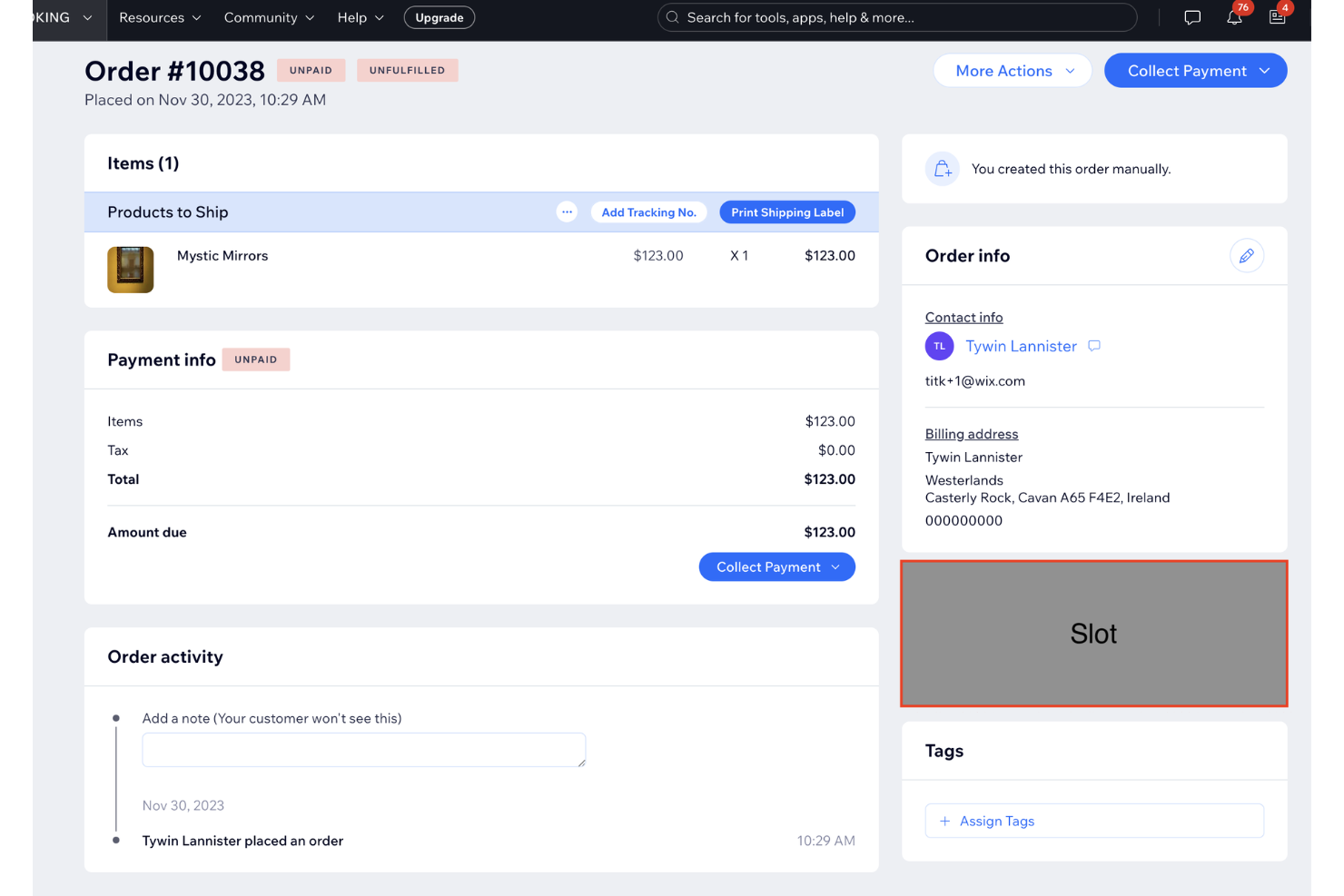
Wix è una piattaforma basata su cloud che ti consente di creare e gestire il tuo sito web, inclusi negozi online. Grazie al suo editor drag-and-drop e ai modelli personalizzabili, puoi progettare un sito che rispecchia il tuo brand senza necessità di competenze tecniche.
Perché ho scelto Wix: Wix ti permette di presentare fino a 50.000 prodotti nel tuo negozio online, offrendoti la flessibilità di ampliare la tua offerta man mano che la tua attività cresce. Questa caratteristica è particolarmente vantaggiosa se prevedi di aumentare il tuo inventario nel tempo. Inoltre, Wix offre una vetrina ottimizzata per dispositivi mobili, garantendo che il tuo negozio online appaia perfetto su qualsiasi dispositivo—desktop, tablet o smartphone.
Funzionalità e integrazioni principali di Wix
Le funzionalità includono un negozio online personalizzabile che rispecchia l’identità del tuo brand, opzioni di vendita multicanale per espandere la tua presenza su piattaforme come Facebook e Instagram, e hosting sicuro con tempi di caricamento rapidi per offrire un’esperienza di acquisto fluida ai tuoi clienti.
Le integrazioni includono Google Analytics, Google Ads, Facebook Catalog, Mailchimp, HubSpot, Omnisend, Meta Pixel, Salesforce, Pipedrive, Stripe, PayPal e QuickBooks.
Pros and Cons
Pros:
- Ampia selezione di app e widget
- Editor drag-and-drop intuitivo
- Configurazione semplice dei gateway di pagamento
Cons:
- Non è possibile cambiare template dopo averlo impostato
- Non ideale per negozi online di grandi dimensioni

Volusion
Ideale per siti ecommerce senza codice
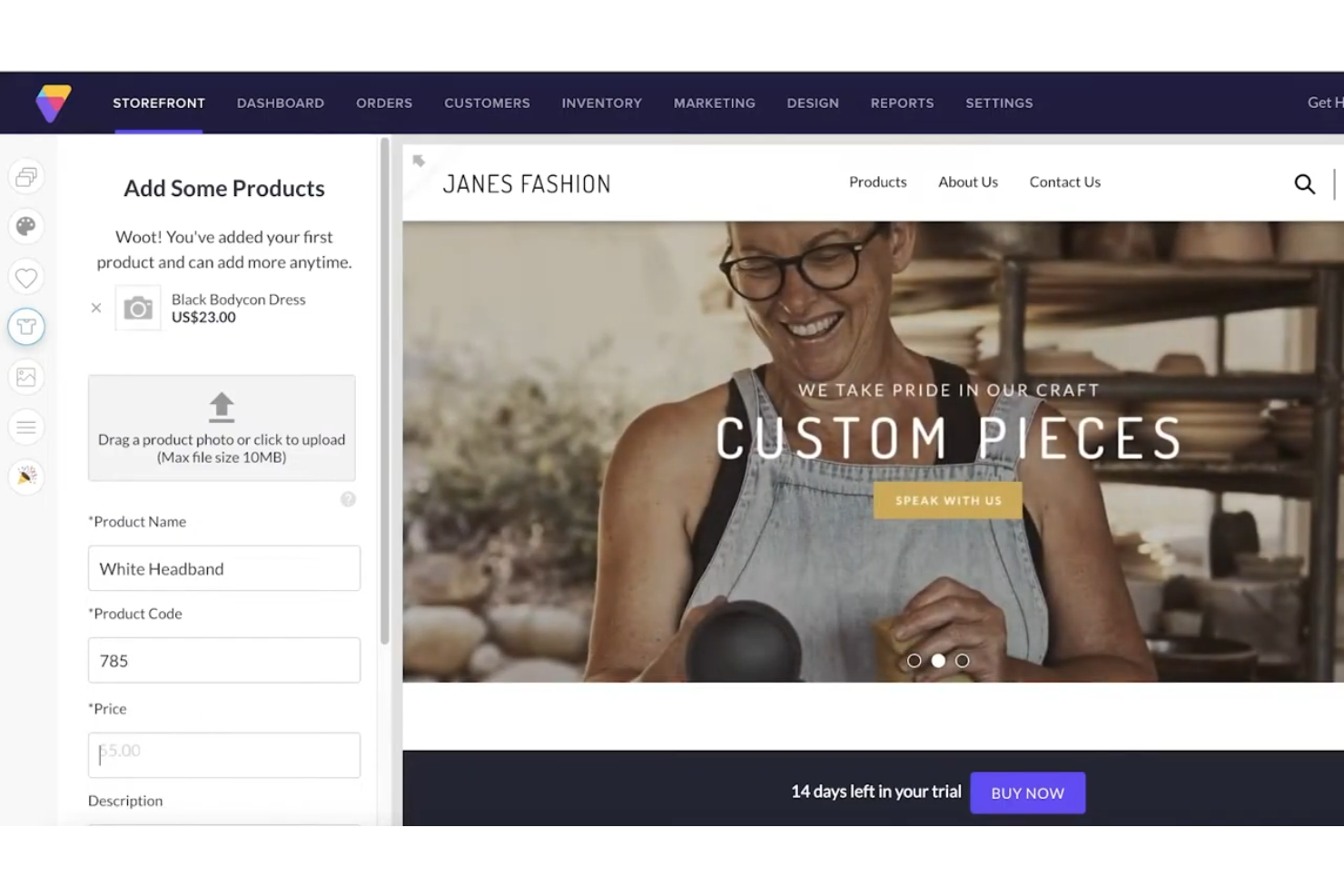
Volusion offre uno strumento di builder visuale che consente ai commercianti online di creare siti ecommerce senza alcuna competenza di programmazione.
Perché ho scelto Volusion: Ho deciso di inserire Volusion in questo elenco grazie al suo builder visuale, che ti aiuterà a personalizzare completamente il tuo negozio online senza bisogno di conoscere la programmazione. Per chi invece ha conoscenze di codice o lavora con uno sviluppatore, Volusion mette a disposizione aree di personalizzazione CSS e HTML. Per tutti gli altri, esiste una funzione di Editor Stili che permette di regolare colori, font e stili per adattarli al tuo brand.
Caratteristiche e integrazioni eccezionali di Volusion
Caratteristiche includono strumenti di marketing che offrono tutto il necessario in un'unica area, come promozioni offerte del giorno, personalizzazione dei premi e funzioni per newsletter. La piattaforma offre inoltre una dashboard di analisi visiva che consente di visualizzare i dati riguardanti ordini, categorie e prodotti principali.
Integrazioni includono 80 collegamenti nativi con strumenti come Authorize.net, Avalara, Cartmojo, Constant Contact, Fomo, GeoTrust, LiveChat, PayPal Checkout, ShipStation, Shipwire e altre soluzioni software. Se possiedi un abbonamento a pagamento di Zapier, puoi creare integrazioni personalizzate se non trovi connessioni native tra Volusion e il tuo stack tecnologico.
Pros and Cons
Pros:
- Offre diverse potenti funzionalità ecommerce
- Configurazione rapida
- Facile da usare
Cons:
- Non molte integrazioni
- L'assistenza clienti necessita di miglioramenti


Big Cartel è una piattaforma di ecommerce progettata appositamente per artisti indipendenti e creativi. È un'ottima opzione per i creativi che vogliono vendere le proprie creazioni.
Perché ho scelto Big Cartel: Se sei un artista indipendente, puoi utilizzare Big Cartel per gestire la tua vetrina digitale. Ho aggiunto Big Cartel perché è stato sviluppato per offrire un'esperienza semplice fornendo le funzionalità essenziali dell'ecommerce senza sovraccaricare di strumenti inutili. La piattaforma propone funzioni standard da ecommerce, come statistiche in tempo reale, monitoraggio dell'inventario e domini personalizzati.
Funzionalità e integrazioni distintive di Big Cartel
Funzionalità includono opzioni di personalizzazione che ti permettono di modificare il tuo negozio con temi gratuiti per creare l'aspetto e lo stile della tua attività. Hai inoltre a disposizione un set di strumenti ecommerce essenziali che ti aiutano a gestire il negozio, evadere ordini e lanciare promozioni da qualsiasi dispositivo.
Integrazioni includono connessioni tra Big Cartel e le principali applicazioni business per aiutarti a ottenere il massimo dal tuo negozio online, come Elfsight, Google Analytics, LiveChat, Lucky Orange, Mailchimp, PayPal, Powr.io, Printful, ShipStation, Stripe e altri software.
Pros and Cons
Pros:
- Molto facile da usare
- Consente modifiche rapide
- Procedura di configurazione semplice
Cons:
- Mancano alcune funzionalità standard
- Limite di cinque prodotti nel piano gratuito
Altre opzioni
L’elenco precedente offre alcune delle migliori piattaforme e-commerce disponibili per la tua attività, perché soddisfano il requisito di essere le più economiche in uno spazio così competitivo e di conquistare la tua preferenza. Naturalmente, esistono moltissime altre opzioni più adatte alle tue esigenze, tra cui:
- Magento Open Source
Ideale per sviluppatori esperti
- WooCommerce
Ideale per utenti WordPress
- Drupal Commerce
Ideale per la personalizzazione
- ShipStation
Ideale per aumentare l'efficienza delle spedizioni


Come Valuto le Piattaforme di Ecommerce Economiche
Per un fondatore con un budget limitato o un negozio fisico che si sta digitalizzando, valuto le piattaforme su due livelli: i requisiti di base per qualificarsi e i fattori distintivi che le differenziano.
Funzionalità Principali (Requisiti di Base per Questa Lista)
Quando seleziono gli strumenti per la mia lista, valuto ciascuno su una scala da 0 (non offre la funzionalità) a 5 (eccelle in quest'area) per ogni funzionalità principale elencata di seguito. Poi, calcolo il punteggio totale dello strumento in percentuale. Ogni strumento deve raggiungere un punteggio minimo totale del 65% per essere considerato per l'inclusione.
- Modello di Prezzo Basso: Controllo se una piattaforma offre un piano gratuito o un livello iniziale accessibile a cui un venditore singolo o un nuovo marchio può realisticamente impegnarsi a lungo termine.
- Costruttore di Vetrine: Che si tratti dell'editor dei temi di Shopify o degli strumenti di layout di Square Online, cerco editor drag-and-drop che permettano a un utente non tecnico di lanciare un negozio presentabile.
- Gestione del Catalogo Prodotti: L'aggiunta di prodotti, la configurazione di varianti come taglia o colore e il monitoraggio delle scorte sono attività quotidiane, quindi valuto quanto sia semplice per ciascuna piattaforma gestirle.
- Integrazione dei Pagamenti: Esamino quali gateway sono integrati e se la piattaforma applica commissioni proprie sulle transazioni oltre alle tariffe del processore di pagamento.
- Carrello e Checkout: Un processo di checkout funzionante con configurazione di tasse, spedizione e sconti è importante, e valuto se la piattaforma include la gestione degli ordini già nel livello base.
- Vendita Multicanale: Piattaforme come Ecwid e BigCommerce permettono di elencare i prodotti sui social media e nei marketplace, quindi verifico quali canali ogni strumento supporta nativamente.
Una volta individuati gli strumenti che soddisfano questi criteri, considero cosa distingue ogni piattaforma.
Fattori Distintivi (Cosa Distingue i Fornitori)
Ecco come confronto e metto a confronto i diversi fornitori:
Funzionalità Distintive
Il recupero dei carrelli abbandonati è fondamentale—piattaforme come Wix e Shopify lo includono già nei livelli inferiori, e può recuperare entrate che altrimenti andrebbero perse. Valuto anche i controlli SEO integrati per meta tag, URL e sitemap, dato che il traffico organico è il canale di crescita più economico per chi ha un budget limitato. Anche un marketplace di app o plugin è importante, perché un piano base gratuito ha comunque dei limiti. Valuto se le piattaforme offrono componenti aggiuntivi accessibili per recensioni, programmi fedeltà o upsell, man mano che le esigenze crescono.
Oltre le Funzionalità
Il costo totale di proprietà va oltre il prezzo dell'abbonamento. Valuto le commissioni sulle transazioni, i componenti aggiuntivi a pagamento obbligatori e se elementi essenziali come SSL e hosting sono inclusi. Anche la scalabilità è fondamentale—una piattaforma può essere economica oggi, ma verifico se il passaggio al livello successivo crea un balzo di prezzo che costringe a una migrazione. Controllo inoltre quanto bene ciascuna piattaforma si collega a corrieri, sistemi POS e strumenti contabili come QuickBooks o Xero, perché anche un piccolo commerciante che gestisce la logistica dal proprio garage ha comunque bisogno di un'integrazione tra questi sistemi.
Cosa sono le piattaforme e-commerce economiche?
Le piattaforme e-commerce economiche sono strumenti a basso costo per creare negozi online, che includono l’essenziale per vendere online: modelli per siti, catalogo dei prodotti, procedura di pagamento sicura, elaborazione dei pagamenti, gestione dell’inventario, spedizioni, imposte e SEO di base, senza i prezzi delle soluzioni aziendali.
Sono pensate per chi vende per la prima volta, per attività secondarie e per piccoli rivenditori che devono lanciare rapidamente il proprio negozio e mantenere basse le spese generali.
Il vantaggio: prezzi mensili prevedibili, servizio di hosting e SSL inclusi, integrazioni per e-mail e analisi e possibilità di crescere quando gli ordini aumentano. In breve, le piattaforme e-commerce economiche ti permettono di apparire professionale, accettare pagamenti e gestire gli ordini in un unico posto, senza team di sviluppatori e senza complicazioni.
Come scegliere la piattaforma e-commerce economica giusta
Scegliere una piattaforma e-commerce economica significa puntare sul valore, non sul prezzo indicato. Durante una prova gratuita, usa questa rapida lista di controllo pratica e scegli quella che soddisfa i requisiti indispensabili al costo complessivo più basso.
| Passaggio | Cosa fare | Come si presenta un buon risultato |
|---|---|---|
| 1) Budget (TCO) | Elenca piano, dominio/SSL, commissioni di pagamento, temi/app, e-mail, etichette. Calcola il costo per ordine in base al volume previsto. | Spesa prevedibile, componenti aggiuntivi ridotti al minimo, commissioni trasparenti. |
| 2) Elementi indispensabili | Scrivi i tuoi 5 requisiti principali (varianti, spedizione in tempo reale, imposte, carrello abbandonato, POS, abbonamenti). | Funzionalità native o un'app leggera per ciascun requisito. |
| 3) Creazione in 30 minuti | Avvia una prova; crea homepage, prodotto, raccolta e carrello; configura spedizione e imposte; pubblica su un dominio temporaneo. Cronometra il tutto. | MVP online in ≤45 minuti, senza bisogno di documentazione. |
| 4) Finalizzazione e pagamento | Abilita carta + PayPal/BNPL. Effettua un ordine di prova da desktop e dispositivi mobili. | Finalizzazione senza account, completamento automatico dell'indirizzo, struttura delle commissioni chiara. |
| 5) Velocità su dispositivi mobili | Carica il tema tramite 4G; esegui Lighthouse sulle pagine del prodotto e del pagamento. | LCP ≤2.5s, CLS ≤0.1, pochi script bloccanti. |
| 6) Catalogo e inventario | Importa 50 SKU tramite CSV; modifica in blocco titoli, prezzi, scorte e immagini. | Mappatura pulita, modifiche in blocco rapide, oltre 3 opzioni di variante. |
| 7) Spedizione e imposte | Collega le tariffe dei corrieri, crea 3 zone, stampa un'etichetta di prova; attiva o disattiva le imposte statunitensi/UE. | Tariffe in tempo reale, etichette incluse, imposte automatiche. |
| 8) SEO e contenuti | Modifica slug, titoli e testo alternativo; pubblica un articolo del blog; controlla la sitemap e i reindirizzamenti 301. | URL puliti, controllo dei metadati, sitemap automatica, reindirizzamenti. |
| 9) Canali e app | Collega un marketplace e un negozio social; verifica i prezzi delle app necessarie. | App stabili e recensite; elementi essenziali ≤$30/mese; feed nativi. |
| 10) Assistenza e dati | Contatta l'assistenza; controlla la pagina sullo stato del servizio; verifica esportazioni complete, backup e conformità. | Assistenza 24/7, disponibilità trasparente, esportazione completa, SSL/PCI. |
Scegli la piattaforma che soddisfa i tuoi requisiti irrinunciabili, rimane veloce sui dispositivi mobili e mantiene sotto controllo il costo totale man mano che gli ordini aumentano.
Tendenze nelle piattaforme e-commerce convenienti per 2026
Le piattaforme e-commerce convenienti dimostrano che non serve un portafoglio gonfio per ottenere strumenti all'avanguardia.
Queste piattaforme emergenti stanno ottenendo risultati superiori alle aspettative, adottando funzionalità che un tempo sembravano irraggiungibili per le aziende attente al budget. Ecco come stanno facendo passi avanti:
- La personalizzazione basata sull'IA è ormai uno standard. Dimentica i negozi tutti uguali: queste piattaforme sfruttano l'IA per offrire a ogni cliente un'esperienza del tipo “questo è stato fatto per me”, con suggerimenti di prodotti personalizzati e incentivi di marketing mirati.
- Un approccio orientato innanzitutto ai dispositivi mobili è indispensabile. Le piattaforme economiche si concentrano con decisione su progettazioni ottimizzate per i dispositivi mobili, perché se il tuo negozio non è fluido su uno smartphone, stai perdendo opportunità di vendita.
- Il commercio sui social è integrato. Vendere su Instagram, TikTok e Facebook non è più complicato. Le piattaforme convenienti rendono queste integrazioni fluide, permettendoti di entrare in contatto con i clienti nei luoghi in cui scorrono i contenuti.
- La sostenibilità vende. Opzioni ecologiche come la spedizione a emissioni zero e le funzionalità per imballaggi riciclabili sono integrate anche nelle piattaforme più economiche. Salvare il pianeta? C'è un'app anche per questo.
- La realtà aumentata diventa di uso comune. Le piattaforme economiche stanno iniziando a sperimentare strumenti di realtà aumentata, ad esempio permettendo agli acquirenti di “provare” gli occhiali da sole o di vedere come starebbe quel divano nel loro soggiorno.
- Compra ora, paga dopo diventa la norma. Le opzioni BNPL rendono anche le soluzioni e-commerce più essenziali più interessanti per gli acquirenti attenti al budget.
- Esperienze omnicanale per tutti. Le piattaforme convenienti stanno colmando il divario tra online e offline, offrendo strumenti per unificare il percorso di acquisto in ogni punto di contatto.
Queste tendenze chiariscono un concetto: conveniente non significa rinunciare all'innovazione.
Funzionalità principali delle piattaforme e-commerce convenienti
Il fatto che tu stia cercando una piattaforma e-commerce conveniente non significa che debba rinunciare alle funzionalità. La piattaforma giusta dovrebbe comunque offrire tutti gli elementi essenziali necessari per gestire un negozio online professionale, comprese solide soluzioni per il carrello della spesa.
Ecco le funzionalità principali da cercare:
- Design ottimizzato per dispositivi mobili. La tua piattaforma deve offrire temi o modelli ottimizzati per dispositivi mobili, per garantire che il tuo negozio abbia un aspetto eccellente e funzioni perfettamente su tutti i dispositivi.
- Integrazione con i gateway di pagamento. Assicurati che la tua piattaforma sia compatibile con i principali elaboratori di pagamenti come PayPal, Stripe o Square, così che i clienti abbiano diverse opzioni tra cui scegliere al momento del pagamento.
- Gestione dell'inventario. Cerca strumenti integrati che ti aiutino a tenere traccia dei prodotti disponibili e a gestire i prodotti senza dover ricorrere a un software di inventario separato.
- Strumenti SEO. La tua piattaforma dovrebbe disporre di funzionalità SEO integrate come meta tag, testo alternativo e URL intuitivi, per contribuire a migliorare il posizionamento del tuo negozio nei risultati di ricerca senza dover utilizzare strumenti aggiuntivi.
- Opzioni di spedizione. Una buona piattaforma si integrerà con i principali corrieri, offrendo tariffe di spedizione in tempo reale e informazioni di tracciamento per semplificare le tue attività.
- Temi personalizzabili. Anche le piattaforme economiche dovrebbero offrire temi che consentano di personalizzare l'aspetto del negozio con colori, caratteri e layout personalizzati, in linea con il tuo marchio.
- Strumenti di marketing. Cerca funzionalità come codici sconto, email marketing e recupero dei carrelli abbandonati, che ti aiutino ad aumentare le vendite con il minimo sforzo aggiuntivo.
- Analisi e report. Assicurati che la piattaforma offra strumenti di analisi di base per monitorare le prestazioni del negozio, inclusi i dati sui visitatori e le conversioni delle vendite.
- Marketplace di app o integrazioni. Una buona piattaforma ti consentirà di ampliarne le funzionalità con app o integrazioni per l'email marketing, la contabilità e i social media.
- Funzionalità di sicurezza. Assicurati che la piattaforma offra procedure di pagamento sicure, certificati SSL e conformità allo standard PCI per proteggere sia i tuoi clienti sia la tua attività.
Vantaggi delle piattaforme ecommerce economiche
Le piattaforme ecommerce convenienti sono gli intraprendenti outsider del mondo dei negozi digitali. Sono snelle, agili e ricche di funzionalità adatte alle attività che vogliono risparmiare senza rinunciare a competere da professionisti.
Ecco perché vale la pena considerare queste piattaforme convenienti:
- Fanno felice il tuo portafoglio. Con piani a partire da prezzi irrisori, queste piattaforme ti permettono di lanciare il tuo negozio senza prosciugare i risparmi. Ciò significa più denaro per l'inventario, la pubblicità o quel latte d'avena sovrapprezzato.
- Configurazione semplice anche per chi non è esperto di tecnologia. Non serve una laurea in informatica per iniziare. Le piattaforme convenienti sono spesso progettate per chi vuole fare da sé, con editor drag-and-drop e interfacce intuitive che non ti costringeranno a cercare su Google “che cos'è un'API?”.
- Pochi rischi per grandi risultati. Con costi iniziali minimi, puoi testare la tua idea di ecommerce senza giocarti tutto. Se il tuo primo negozio non decolla, puoi cambiare direzione senza avere la sensazione di aver perso tutti i risparmi di una vita.
- Funzionalità essenziali ma mirate. Qui non troverai kit di strumenti sovraccarichi. Queste piattaforme eliminano il superfluo e offrono solo ciò di cui hai davvero bisogno: schede prodotto, opzioni di pagamento e un negozio elegante. Sono come il porridge “giusto” della storia di Riccioli d'oro dell'ecommerce.
- Spazio per crescere. Molte piattaforme economiche offrono oggi piani scalabili, quindi non resterai per sempre nella modalità iniziale. Crescono insieme a te, aggiungendo funzionalità e capacità man mano che la tua attività si sviluppa.
- Assistenza supportata dalla community. Poiché molte piattaforme convenienti sono pensate per le piccole imprese, troverai spesso community di utenti solide e forum attivi, perfetti per condividere consigli, trucchi e un po' di solidarietà quando le cose si complicano.
- Innovazione accessibile. Grazie a tendenze come l'IA e la realtà aumentata, che si stanno diffondendo anche nelle piattaforme economiche, puoi accedere a tecnologie interessanti senza pagare il prezzo delle soluzioni aziendali.
Le piattaforme ecommerce convenienti rendono possibili i grandi sogni imprenditoriali anche con budget ridotti. Dimostrano che non servono grandi disponibilità economiche per creare un negozio funzionale, flessibile e ricco di potenziale, con il giusto team di sviluppo ecommerce.
Costi e prezzi delle piattaforme ecommerce
Le piattaforme ecommerce sono disponibili a prezzi diversi, pensati per adattarsi ad attività di varie dimensioni, con esigenze e budget differenti.
I fattori che influenzano i prezzi includono il numero di prodotti che prevedi di vendere, il livello di personalizzazione, gli strumenti di marketing integrati, l'hosting, le funzionalità di sicurezza e altro ancora.
Che tu sia una piccola impresa che ha bisogno di un creatore di siti web o un'azienda che necessita di qualcosa di più solido, queste piattaforme offrono solitamente livelli di prezzo adatti alla fase attuale della tua crescita, con la flessibilità di passare a un piano superiore quando le tue esigenze cambiano.
Analizziamo i livelli di prezzo tipici che potresti incontrare e ciò che offrono:
| Tipo di piano | Prezzo medio | Funzionalità comunemente incluse | Ideale per |
|---|---|---|---|
| Gratuito | $0 | Modelli di base, elenchi di prodotti limitati, strumenti SEO di base, commissioni sulle transazioni. | Hobbisti, imprenditori individuali |
| Base | $17 - $39/mese | Hosting del sito web, elenchi di prodotti, strumenti SEO di base, analisi semplici, ottimizzazione per dispositivi mobili. | Piccole imprese, startup |
| Professionale | $50 - $105/mese | Tutte le funzionalità del piano Base, oltre a modelli aggiuntivi, strumenti di marketing, recupero dei carrelli abbandonati, SEO migliorata e report avanzati. | Imprese in crescita, PMI |
| Avanzato | $150 - $299/mese | Include tutte le funzionalità del piano Professionale, segmentazione dei clienti, assistenza premium, analisi avanzate e flussi di lavoro per il recupero dei carrelli abbandonati. | Imprese medie e grandi |
| Aziendale | $500+/mese (prezzo personalizzato) | Integrazioni personalizzate, personalizzazione completa del sito, assistenza prioritaria, sicurezza di livello aziendale e funzionalità di marketing avanzate. | Grandi aziende |
Costi aggiuntivi da considerare
- Commissioni sulle transazioni: alcune piattaforme applicano commissioni sulle transazioni se non utilizzi il loro elaboratore di pagamenti interno.
- Componenti aggiuntivi e app: le funzionalità avanzate o le app di terze parti possono aumentare il costo mensile.
- Hosting (per le piattaforme auto-ospitate): se utilizzi una piattaforma auto-ospitata come WooCommerce, dovrai considerare separatamente i costi di hosting.
Quando selezioni una piattaforma e-commerce, assicurati di adattare funzionalità e prezzo alle dimensioni della tua attività e ai tuoi piani di crescita.
La maggior parte delle piattaforme e-commerce tutto-in-uno offre una soluzione scalabile, consentendoti di passare a un piano superiore quando le esigenze della tua attività cambiano.
Domande frequenti sulle piattaforme e-commerce economiche
Poiché sempre più commercianti online cercano soluzioni di piattaforme e-commerce convenienti, durante la ricerca possono sorgere alcune domande comuni. Qui risponderò ad alcune delle domande più frequenti sulle piattaforme e-commerce economiche per aiutarti a restringere le tue opzioni.
Qual è la piattaforma e-commerce più facile da usare?
Durante la mia valutazione, ho riscontrato che piattaforme come Shopify e BigCommerce sono rapide e facili da configurare. Questo le rende alcune delle migliori piattaforme e-commerce per molte aziende.
Entrambe le piattaforme offrono numerose funzionalità e Shopify mette a disposizione una procedura guidata di configurazione che ti accompagna nell’aggiunta di nuovi prodotti, nella personalizzazione del negozio, nel collegamento di un dominio e nella configurazione dell’elaborazione dei pagamenti.
Esistono piattaforme e-commerce gratuite?
Una piattaforma e-commerce gratuita può offrire funzionalità ragionevoli a costo zero o minimo, risultando molto interessante per molte aziende. Puoi avviare gratuitamente un negozio e-commerce, tramite una prova gratuita o un piano gratuito.
Tuttavia, al termine della prova dovrai pagare un piano oppure le commissioni sulle transazioni quando utilizzi un piano gratuito.
Quanto costano le piattaforme e-commerce?
Il costo di una piattaforma e-commerce varia in base alle funzionalità e alle dimensioni necessarie:
- Startup e piccole imprese: i piani base vanno da $9/mese a $31.50/mese e offrono funzionalità essenziali come gli elenchi di prodotti e l’elaborazione dei pagamenti.
- Piani di fascia intermedia: generalmente da $30/mese a $100/mese, questi piani includono analisi avanzate, modelli personalizzabili e un’assistenza migliore.
- Commercianti di livello aziendale: i piani avanzati partono da circa $300/mese e possono arrivare a diverse migliaia di dollari al mese, offrendo design personalizzato, maggiore sicurezza e assistenza dedicata.
I costi dipendono da fattori come funzionalità, personalizzazione, assistenza, scalabilità e integrazioni. Scegli un piano adatto alle esigenze e al budget della tua attività.
Recensioni di altre piattaforme e-commerce
Analizzare le migliori piattaforme e-commerce economiche è un ottimo punto di partenza per muovere i primi passi nel settore della vendita al dettaglio online.
Ma, se hai bisogno di opzioni più specializzate per la tua attività, come le piattaforme e-commerce per alimentari o le piattaforme per la stampa su richiesta, dovresti prendere in considerazione le seguenti recensioni delle piattaforme per trovare quella più adatta alla tua azienda.
Puoi iniziare dalle migliori piattaforme e-commerce in assoluto, che racchiudono un po' di tutto in un elenco completo.
Piattaforme e-commerce per tipo di attività
- Piattaforme e-commerce in abbonamento
- Piattaforme e-commerce per piccole imprese
- Piattaforme e-commerce SaaS
- Piattaforme e-commerce B2B
- Piattaforme e-commerce internazionali
Piattaforme e-commerce in base alle esigenze
- Piattaforme e-commerce open source
- Piattaforme e-commerce headless
- Piattaforme e-commerce più semplici
- Piattaforme di commercio omnicanale
- Piattaforme e-commerce per grandi aziende
- Piattaforme marketplace e-commerce
- Piattaforme di commercio sui social
- Piattaforme e-commerce ospitate
- Piattaforme e-commerce in Canada
E ora?
Se stai valutando piattaforme e-commerce economiche, contatta gratuitamente un consulente SoftwareSelect per ricevere consigli personalizzati.
Compili un modulo e fai una breve conversazione durante la quale analizzeranno nel dettaglio le tue esigenze. Dopodiché riceverai una selezione ristretta di software da valutare. Ti offriranno supporto anche durante l'intero processo di acquisto, comprese le negoziazioni sul prezzo.