

Le 10 migliori piattaforme di e-commerce per il Canada nel 2026

Le migliori piattaforme di commercio elettronico compatibili con il Canada da prendere in considerazione


Le migliori piattaforme di commercio elettronico per il Canada rendono semplice vendere online grazie al supporto della valuta canadese, delle normative locali, dei corrieri locali e delle opzioni linguistiche in francese o inglese, così puoi gestire il tuo negozio senza problemi da una costa all'altra.
Con oltre dieci anni di esperienza nel commercio elettronico e nella vendita al dettaglio, occupandomi di tutto, dalla logistica e dal marketing alla progettazione delle pagine, so cosa serve per creare un negozio online di successo in Canada e oltre.
In questo articolo condividerò le migliori piattaforme pensate per i commercianti canadesi, aiutandoti a scegliere quella più adatta alla tua attività e ai tuoi clienti.
Perché fidarsi dei nostri consigli sui software
Il nostro team testa e recensisce software dal 2012. In quanto leader del retail noi stessi, sappiamo quanto sia difficile — e importante — scegliere il software giusto.
Per questa guida, abbiamo valutato gli strumenti attraverso test pratici e ricerche indipendenti, assegnando un punteggio agli strumenti in base ai nostri criteri di selezione.
Le nostre recensioni riflettono il nostro giudizio indipendente, non un discorso di vendita.
Confronto diretto tra le migliori piattaforme di commercio elettronico per il Canada
Vediamo come si confrontano queste piattaforme in termini di prezzi, informazioni sulle prove gratuite e casi d’uso prima di passare alle recensioni.
| Tool | Best For | Trial Info | Price | ||
|---|---|---|---|---|---|
| 1 | Ideale per vetrine incorporabili | Account gratuito disponibile | Da $5/mese (fatturato annualmente) | Website | |
| 2 | Ideale per la vendita omnicanale | Prova gratuita di 3 giorni disponibile | Da $37/mese (fatturati annualmente) | Website | |
| 3 | Miglior strumento di commercio headless | Prova gratuita di 15 giorni + demo gratuita disponibile | Da $29/mese (fatturazione annuale) | Website | |
| 4 | Ideale per supporto multilingue e multivaluta | Prova gratuita di 14 giorni | Gratis per la versione open source/hosted da $34/mese | Website | |
| 5 | Ideale per l'integrazione con siti WordPress | Piano gratuito disponibile | Da $0 di commissione sulla piattaforma; estensioni da $29/anno | Website | |
| 6 | La migliore piattaforma ecommerce leggera e veloce | Piano gratuito disponibile | OpenCart è gratuito | Website | |
| 7 | Ideale per strumenti SEO integrati | Piano gratuito disponibile | Da $17/mese | Website | |
| 8 | Ideale per creare marketplace ecommerce | Demo gratuita disponibile | Da $499/mese | Website | |
| 9 | Ideale per un CRM integrato | Prova gratuita di 14 giorni disponibile | Da $35/mese | Website | |
| 10 | La migliore piattaforma ecommerce a misura di artista | Disponibile piano gratuito | Da $15/mese | Website |
Le migliori piattaforme di commercio elettronico in Canada: recensioni
Ora passiamo alle nostre recensioni. Qui analizzeremo i motivi per cui ho scelto ciascuna piattaforma, le principali funzionalità e integrazioni, oltre a vantaggi e svantaggi, così potrai trovare l’opzione più adatta al tuo marchio in Canada.

Ecwid
Ideale per vetrine incorporabili
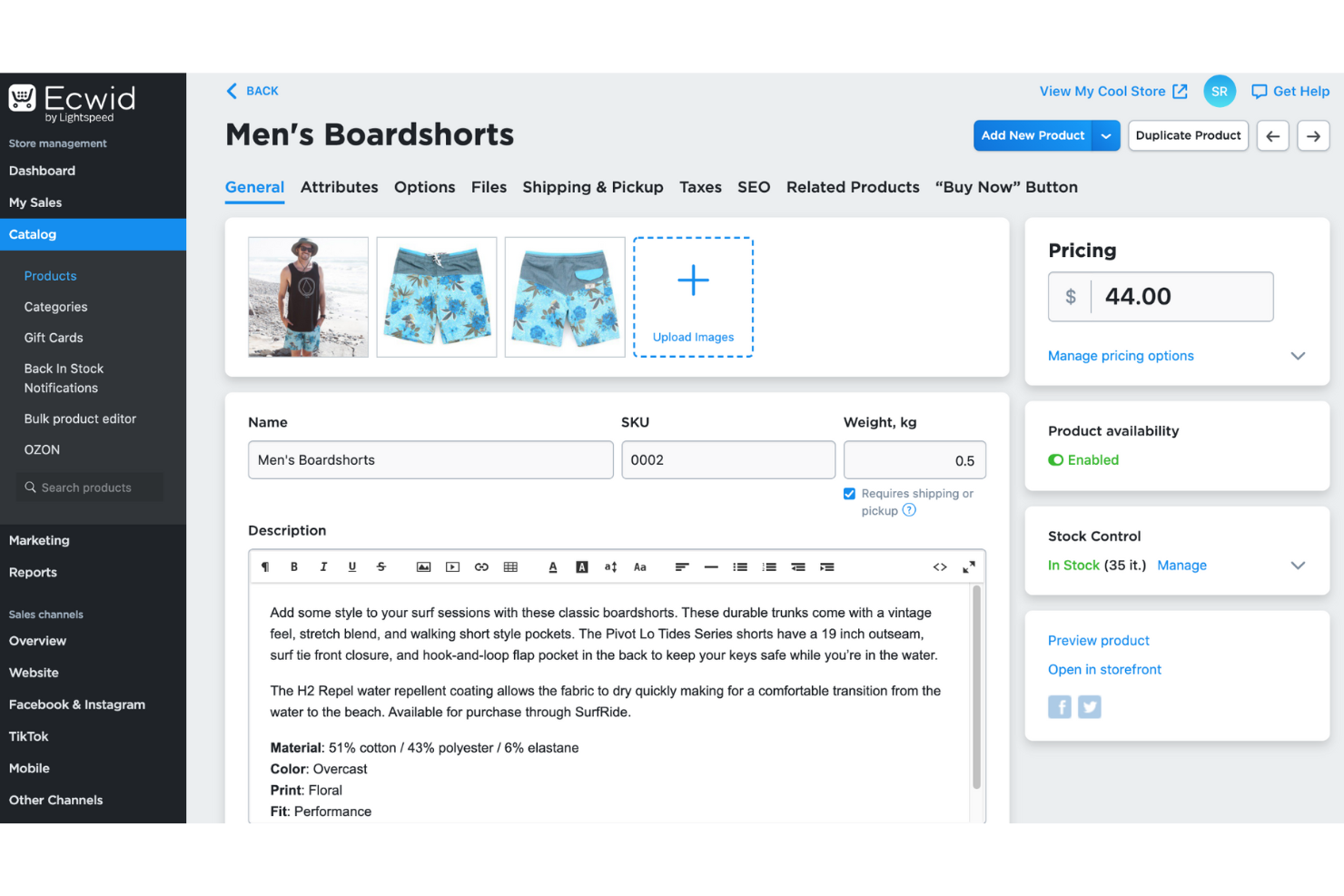
Ecwid consente alle aziende di incorporare un negozio ecommerce direttamente in siti web esistenti, pagine social media o blog. Questa è un'opzione ideale per chi desidera aggiungere funzionalità di ecommerce alla propria presenza online attuale senza la necessità di creare un sito separato.
Perché ho scelto Ecwid: Il nome Ecwid può sembrare insolito per una piattaforma ecommerce, ma è l'abbreviazione di ecommerce widget. Il nome è appropriato perché Ecwid è pensato per siti già esistenti, come una pagina aziendale, un blog WordPress o un profilo social. Se hai una buona conoscenza di HTML, puoi incorporare il codice Ecwid sul tuo sito e implementare una vetrina ecommerce completamente funzionale per mostrare i tuoi prodotti senza dover creare un nuovo sito da zero.
Funzionalità principali e integrazioni di Ecwid
Funzionalità principali includono la sicurezza come fornitore di servizi PCI DSS di livello 1, il più alto livello internazionale per la sicurezza degli scambi di informazioni sui pagamenti negli store online, proteggendo tutti i soggetti coinvolti nel processo di vendita online. Ecwid offre inoltre uno strumento di calcolo automatico delle tasse che ti aiuta ad applicare correttamente le aliquote fiscali ovunque tu venda prodotti online.
Integrazioni includono oltre 170 integrazioni native con strumenti business popolari, come Formstack, Google Analytics, LiveChat, Mailchimp, Printful, QuickBooks Online, ShipFusion, Shippo, Tookan, Xero e altre soluzioni software. Se hai bisogno di creare collegamenti personalizzati tra Ecwid e i tuoi sistemi attuali, puoi usare un account Zapier a pagamento o l’API della piattaforma.
Pros and Cons
Pros:
- Assistenza clienti tempestiva
- Incorporamento rapido dello store
- Facile da usare
Cons:
- Nessuna funzionalità di caricamento massivo
- Può essere difficile trovare gli elementi delle pagine
Shopify
Ideale per la vendita omnicanale

Shopify consente ai brand online di vendere rapidamente prodotti sul proprio negozio online e su diverse piattaforme come Facebook, Instagram e Pinterest, permettendo agli utenti di gestire più canali di vendita da un'unica dashboard.
Perché ho scelto Shopify: La piattaforma è ideale per le aziende ecommerce online che vendono prodotti attraverso vari canali di vendita. Shopify consente al tuo brand di mostrare i suoi prodotti migliori sul tuo sito web e su diversi canali e marketplace. Shopify permette di collegare i prodotti con piattaforme come Amazon, Facebook, Instagram, Etsy, eBay e Pinterest.
Funzionalità distintive e integrazioni di Shopify
Funzionalità distintive includono tutte le capacità di cui le aziende ecommerce hanno bisogno per gestire efficacemente il proprio negozio online, come un sistema di gestione dell'inventario che semplifica l'aggiunta, l'organizzazione e la modifica dei prodotti - anche se hai un catalogo prodotti molto ampio. Il backend del tuo negozio Shopify offrirà molte funzionalità essenziali, come email di conferma ordine personalizzate, aggiornamento della policy sulla privacy e strumenti per il recupero dei carrelli abbandonati.
Integrazioni includono connessioni con oltre 2.600 sistemi e applicazioni di terze parti, come Drip, EasyShip, Gorgias, Klaviyo, Look, Mailchimp, Privy, QuickBooks Online, ShipBob, ShipStation e altre soluzioni software. È inoltre possibile creare integrazioni personalizzate tra Shopify e la propria suite di strumenti usando l’API di Shopify o un account Zapier a pagamento.
Pros and Cons
Pros:
- Procedura di configurazione semplice
- Molti template personalizzabili
- Interfaccia intuitiva
Cons:
- Le commissioni sulle transazioni possono accumularsi
- Curva di apprendimento ripida per i principianti

Miglior strumento di commercio headless

BigCommerce offre alle aziende una soluzione ecommerce headless per separare il front end dal back end. Questa flessibilità consente agli utenti di creare negozi online personalizzati e unici sfruttando l'ampio backend ecommerce della piattaforma.
Perché ho scelto BigCommerce: Molte grandi aziende ecommerce di livello enterprise utilizzano le funzionalità headless di BigCommerce per collegare la piattaforma a diversi frontend, come siti web o applicazioni mobile. BigCommerce permette di utilizzare endpoint API per creare funzionalità personalizzate in base alle esigenze del tuo negozio, inclusa la gestione dei prodotti, la fatturazione, i pagamenti, la ricerca e gli strumenti per i contenuti. Ad esempio, puoi usare BigCommerce per la gestione amministrativa e dei dati dei clienti, Drupal per la gestione dei contenuti e Fluent Commerce per la gestione degli ordini, il tutto collegato tramite API.
Funzionalità e integrazioni di BigCommerce
Funzionalità distintive includono strumenti di gestione multistore che ti permettono di gestire tutti i negozi online da un unico e comodo spazio. BigCommerce offre inoltre strumenti di ottimizzazione per i motori di ricerca che ti aiutano ad aumentare il traffico verso il tuo negozio online.
Integrazioni includono connessioni con vari strumenti di terze parti, come ActiveCampaign, AfterShip Tracking, Brightpearl, Feedonomics, Gorgias, LiveChat, Mailchimp, QuickBooks Online, ShipStation, Twilio Segment e altri software. Puoi anche creare integrazioni personalizzate tramite le API di BigCommerce o con un account Zapier a pagamento.
Pros and Cons
Pros:
- Eccellenti strumenti di ottimizzazione per i motori di ricerca
- Ottime capacità multistore
- Interfaccia intuitiva
Cons:
- L'assistenza clienti deve essere migliorata
- Richiede competenze di programmazione

Ideale per supporto multilingue e multivaluta
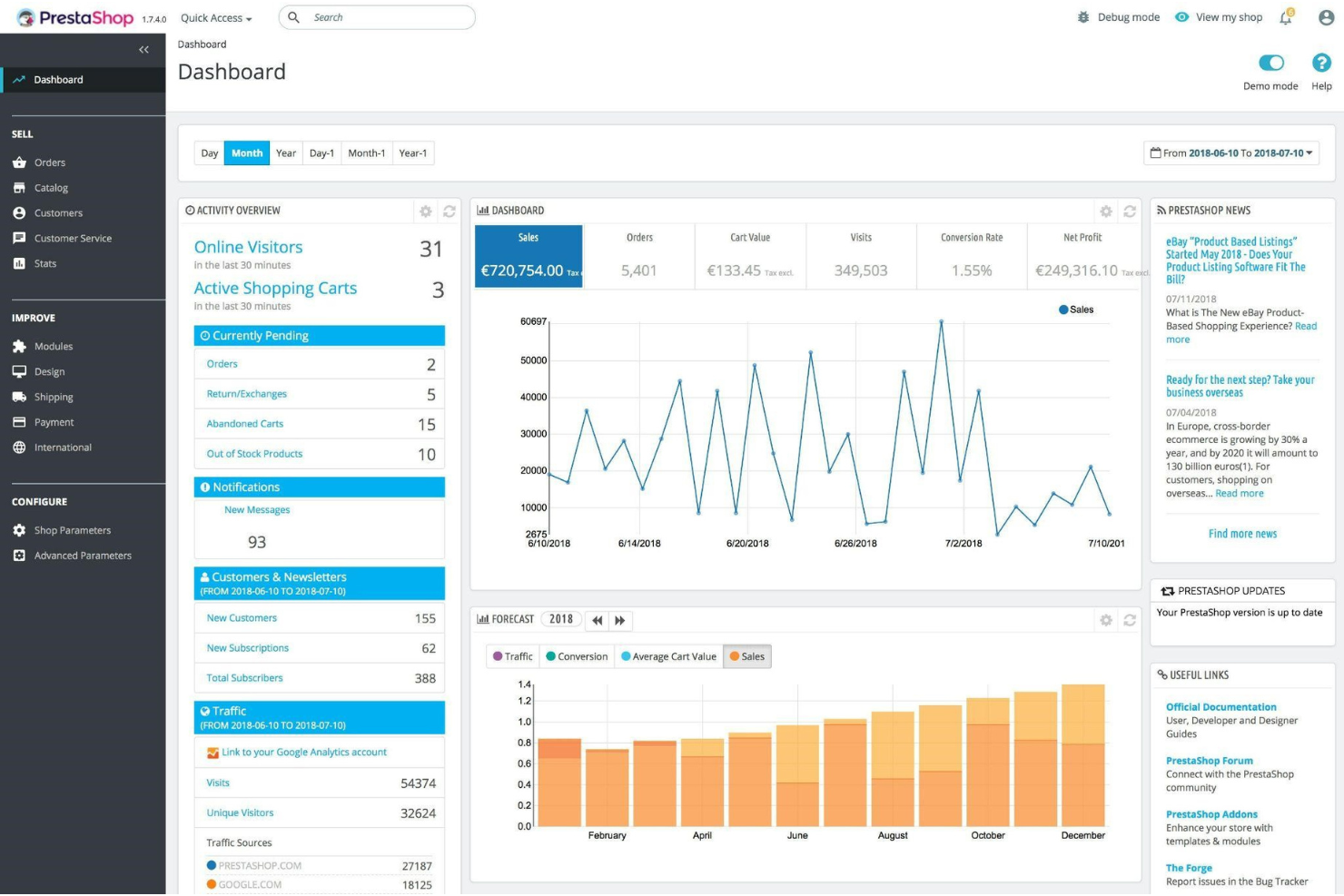
PrestaShop è specializzata nel fornire supporto multilingue e multivaluta per i marchi di ecommerce. È un'opzione eccellente per le aziende di ecommerce canadesi che desiderano vendere a livello internazionale e rivolgersi a un pubblico più diversificato.
Perché ho scelto PrestaShop: Ho inserito PrestaShop in questo articolo perché può aiutarti a vendere prodotti a livello internazionale e ad ampliare la tua base clienti. Grazie alle capacità multilingue di PrestaShop, puoi creare facilmente un negozio online multilingue che traduce i tuoi contenuti in più di 65 lingue. La soluzione multivaluta della piattaforma consente alla tua azienda di permettere ai clienti di acquistare utilizzando la loro valuta locale.
Funzionalità e integrazioni principali di PrestaShop
Funzionalità principali includono strumenti che ti danno la piena proprietà del tuo negozio, permettendoti di ottenere i dati di cui hai bisogno quando ti servono. PrestaShop offre anche migliaia di temi e moduli che ti aiuteranno a convertire i visitatori in clienti.
Integrazioni includono connessioni con varie applicazioni di terze parti per aggiungere maggiore funzionalità al tuo business, come Hubspot, Icecat Catalog Management, Looker Studio, Odoo, PipeDrive, QuickBooks, Salesforce, SimplBooks, Xero, Zoho CRM e altre soluzioni software. Puoi anche utilizzare l'API di PrestaShop o un account Zapier a pagamento nel caso tu abbia bisogno di realizzare integrazioni personalizzate con i tuoi strumenti.
Pros and Cons
Pros:
- Permette personalizzazione
- Supporta le vendite internazionali
- Facile da configurare
Cons:
- Il supporto va migliorato
- Molte integrazioni sono a pagamento

Ideale per l'integrazione con siti WordPress

WooCommerce è un plugin di WordPress che permette agli utenti di trasformare un sito WordPress in un negozio ecommerce funzionale. Sfrutta la funzionalità di gestione dei contenuti di WordPress fornendo al contempo ampie capacità di ecommerce.
Perché ho scelto WooCommerce: Se già utilizzi WordPress per gestire i tuoi contenuti e creare un sito web, puoi usare il plugin WooCommerce per trasformare il tuo sito in un negozio online. WooCommerce offre vaste funzionalità di gestione dei prodotti, consentendoti di vendere qualsiasi cosa, da prodotti fisici a download digitali e abbonamenti, tutto sul tuo sito WordPress. Il plugin è open-source, il che significa che è adatto ad aziende di qualsiasi dimensione.
Funzionalità principali e integrazioni di WooCommerce
Funzionalità principali includono la possibilità di aggiungere componenti essenziali per l'ecommerce come la gestione delle tasse e dell’inventario, pagamenti sicuri e informazioni sulla spedizione. WooCommerce offre anche un processo di checkout altamente personalizzabile che ti aiuterà ad aumentare le conversioni.
Integrazioni comprendono collegamenti con oltre 6.000 applicazioni di terze parti per aiutarti a creare un negozio ecommerce su misura per le tue esigenze, come ClickSend, Fishbowl, Google Analytics, Help Scout, Klaviyo, LiveChat, Mailchimp, monday.com, QuickBooks, ShipBob e altre soluzioni software.
Pros and Cons
Pros:
- Eccellente per utenti WordPress
- Altamente personalizzabile
- Ampia libreria di estensioni
Cons:
- Curva di apprendimento ripida
- Le funzionalità avanzate hanno costi aggiuntivi

OpenCart
La migliore piattaforma ecommerce leggera e veloce
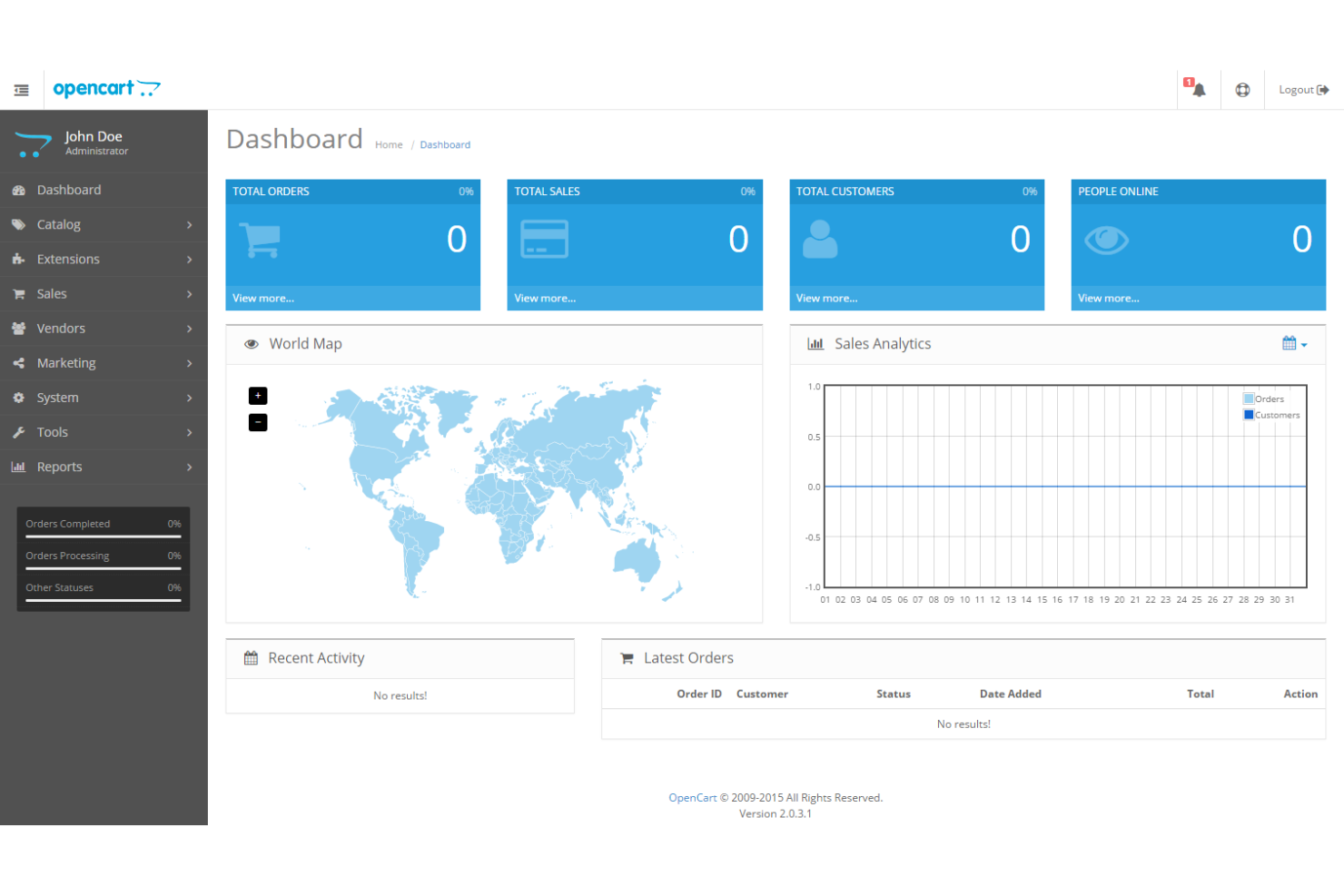
OpenCart è molto noto tra i marchi di ecommerce per la sua leggerezza e per i tempi di caricamento rapidi del sito. È un'opzione eccellente per le aziende che necessitano di un negozio online veloce e reattivo senza l'ingombro presente in piattaforme più grandi.
Perché ho scelto OpenCart: La piattaforma è leggera e veloce, open source, e rende facile per i marchi creare una vetrina online. Per utilizzare OpenCart, avrai bisogno di un servizio di hosting di qualità prima di costruire il tuo negozio, che dovrebbe garantirti buone prestazioni adatte per un'attività di ecommerce. L'hosting può avere un ruolo importante nella velocità e nelle prestazioni del sito quando si usa OpenCart, ma poiché la soluzione è molto leggera, puoi gestire il software in modo efficiente anche su un hosting condiviso e ottenere comunque le prestazioni che ti aspetti.
Funzionalità distintive e integrazioni di OpenCart
Funzionalità distintive includono strumenti semplici per la gestione degli ordini che consentono di stampare documenti di trasporto o fatture direttamente dalla dashboard degli ordini. Utilizzando OpenCart, puoi anche aggiungere un numero illimitato di categorie, sottocategorie e prodotti.
Integrazioni includono connessioni con oltre 13.000 estensioni per aumentare le prestazioni, come Flagship Shipping, Freshchat, HubSpot, Infusionsoft, IntercomChat, Mailchimp, QuickBooks Online, XeroCart, Zendesk, Zoho e altre soluzioni software. Se hai bisogno di integrazioni personalizzate, puoi utilizzare un account Zapier a pagamento oppure sfruttare l'API della piattaforma.
Pros and Cons
Pros:
- Open source e leggero
- Migliaia di integrazioni
- Bassi costi di sviluppo continui
Cons:
- L'hosting autonomo richiede ulteriore manutenzione
- L'interfaccia necessita di miglioramenti

Wix
Ideale per strumenti SEO integrati

Wix è un versatile creatore di siti web che ti consente di realizzare un negozio online completamente personalizzabile, sia che tu venda prodotti fisici, beni digitali o servizi. Con la sua piattaforma intuitiva, puoi progettare un sito ecommerce professionale su misura per l'identità unica del tuo marchio.
Perché ho scelto Wix: apprezzo la gestione dell'inventario multicanale di Wix, che ti permette di gestire e sincronizzare tutto il tuo inventario su tutti i canali di vendita da un'unica dashboard. Questo garantisce livelli di stock precisi e previene la vendite eccessive, rendendo più semplice monitorare i prodotti più richiesti e gestire gli articoli esauriti. Inoltre, Wix offre strumenti SEO integrati per aumentare la visibilità del tuo negozio, fornendo un piano di ottimizzazione SEO concreto e un'indicizzazione rapida su Google per generare traffico organico verso il tuo sito.
Funzionalità e integrazioni distintive di Wix
Funzionalità distintive includono l'organizzazione dei prodotti, che ti consente di disporre gli articoli per categoria, stile o promozione, facilitando la navigazione per i clienti all'interno del negozio. Puoi anche importare ed esportare i prodotti tramite file CSV o app dedicate. Inoltre, Wix ti permette di offrire opzioni di ritiro in negozio, offrendo ai clienti locali la possibilità di ritirare gli ordini di persona.
Integrazioni includono Shippo, ShipStation, Easyship, HubSpot, Omnisend, Google Analytics, Meta Pixel, Mailchimp, Google Ads, Privy, VWO, Crazy Egg, Hotjar e Google Tag Manager.
Pros and Cons
Pros:
- Supporta sia prodotti fisici che digitali
- Strumenti SEO integrati
- Website builder drag-and-drop
Cons:
- Dopo la pubblicazione del sito, cambiare template richiede di ricominciare da zero
- La maggior parte dei piani ha limiti di spazio di archiviazione

X-Cart
Ideale per creare marketplace ecommerce
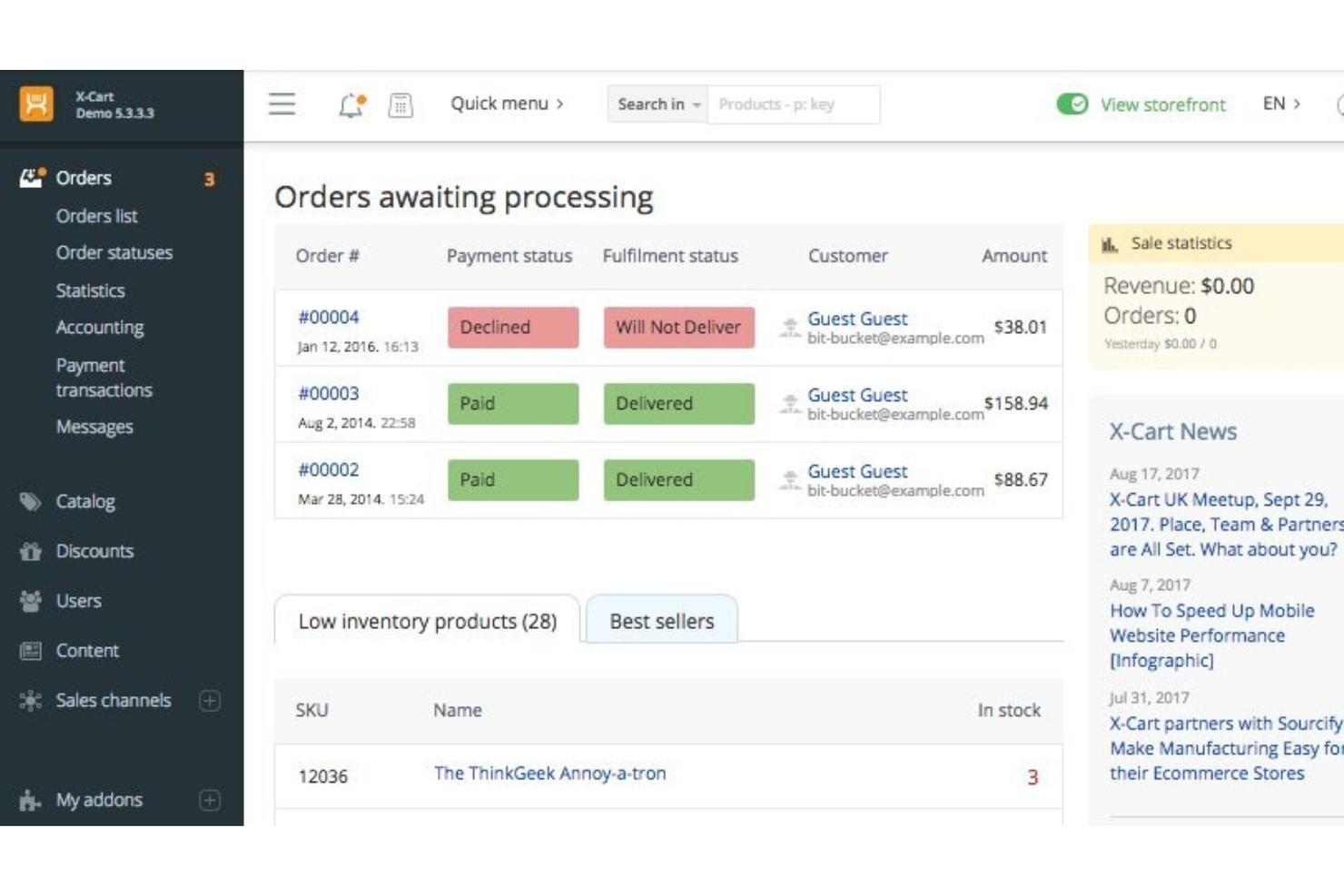
X-Cart è specializzato nell'aiutare le aziende a creare marketplace ecommerce multi-vendor, consentendo agli utenti di aggiungere più venditori che possono elencare i propri prodotti su un'unica piattaforma.
Perché ho scelto X-Cart: Se il tuo obiettivo nell'ecommerce è quello di creare un marketplace come Amazon o eBay, utilizzare X-Cart sarà vantaggioso. Con X-Cart puoi lanciare un marketplace completo e personalizzare il sito per soddisfare le tue esigenze, indipendentemente dal numero di venditori, prodotti o visitatori. La piattaforma permette di personalizzare il marketplace come desideri, utilizzando estensioni o personalizzando il codice.
Funzionalità distintive e integrazioni di X-Cart
Funzionalità distintive includono molte funzionalità integrate, come il supporto multivaluta e il calcolo delle tasse basato sulla posizione. Puoi anche sfruttare lo strumento di gestione dei gruppi di clienti della piattaforma, che ti aiuta a creare prezzi diversificati per diversi gruppi.
Integrazioni includono connessioni con vari strumenti di terze parti che ti aiutano a raggiungere più acquirenti e a gestire le operazioni in modo efficiente, come Feedonomics, Heap, Hubspot, Kissmetrics, Klaviyo, LiveChat, Mailchimp, Moosend, Oracle Eloqua, Salesforce e altre soluzioni software. Puoi anche creare integrazioni personalizzate utilizzando l'API di X-Cart o un account a pagamento Zapier.
Pros and Cons
Pros:
- Nessuna commissione sulle transazioni
- Altamente personalizzabile
- Funzionalità native multi-vendor
Cons:
- Non adatto alle piccole imprese
- La navigazione può essere complessa

Volusion
Ideale per un CRM integrato

Volusion offre alle aziende di ecommerce un sistema CRM integrato, che aiuta a gestire e tracciare le interazioni con i clienti per fornire esperienze e supporto più personalizzati.
Perché ho scelto Volusion: Ho incluso Volusion tra le opzioni perché offre un sistema di gestione delle relazioni con i clienti che ti aiuta a comunicare con i clienti, avere una panoramica degli ordini e tracciare le richieste di assistenza. Con Volusion, l'utilizzo del CRM consente di gestire le interazioni con i clienti, monitorare gli storici d'acquisto e raccogliere dati sul comportamento dei clienti. Il CRM integrato ti aiuterà a ottenere una panoramica completa dei clienti, creare campagne di marketing mirate, migliorare il supporto e personalizzare le future offerte di prodotti.
Funzionalità principali e integrazioni di Volusion
Funzionalità principali includono layout del sito personalizzabili che ti permettono di creare un negozio online dove i clienti possono acquistare sia da desktop che da dispositivi mobili. Volusion offre anche funzionalità di cross-selling, che ti aiutano a vendere prodotti su altri canali e gestire tutti gli ordini da un'unica dashboard.
Integrazioni includono connessioni con oltre 80 sistemi aziendali, come AccessiBe, Answerbase, DataFeedWatch, LiveChat, Mailchimp, POWR Comments, Privy, QuickBooks Online, Rejoiner, Shipwire e altre soluzioni software. Puoi anche utilizzare l'API di Volusion o un account Zapier a pagamento se ti servono integrazioni personalizzate con il tuo stack di strumenti.
Pros and Cons
Pros:
- Configurazione semplice per principianti
- CRM avanzato e integrato
- Facile da usare
Cons:
- Il supporto va migliorato
- Può essere instabile

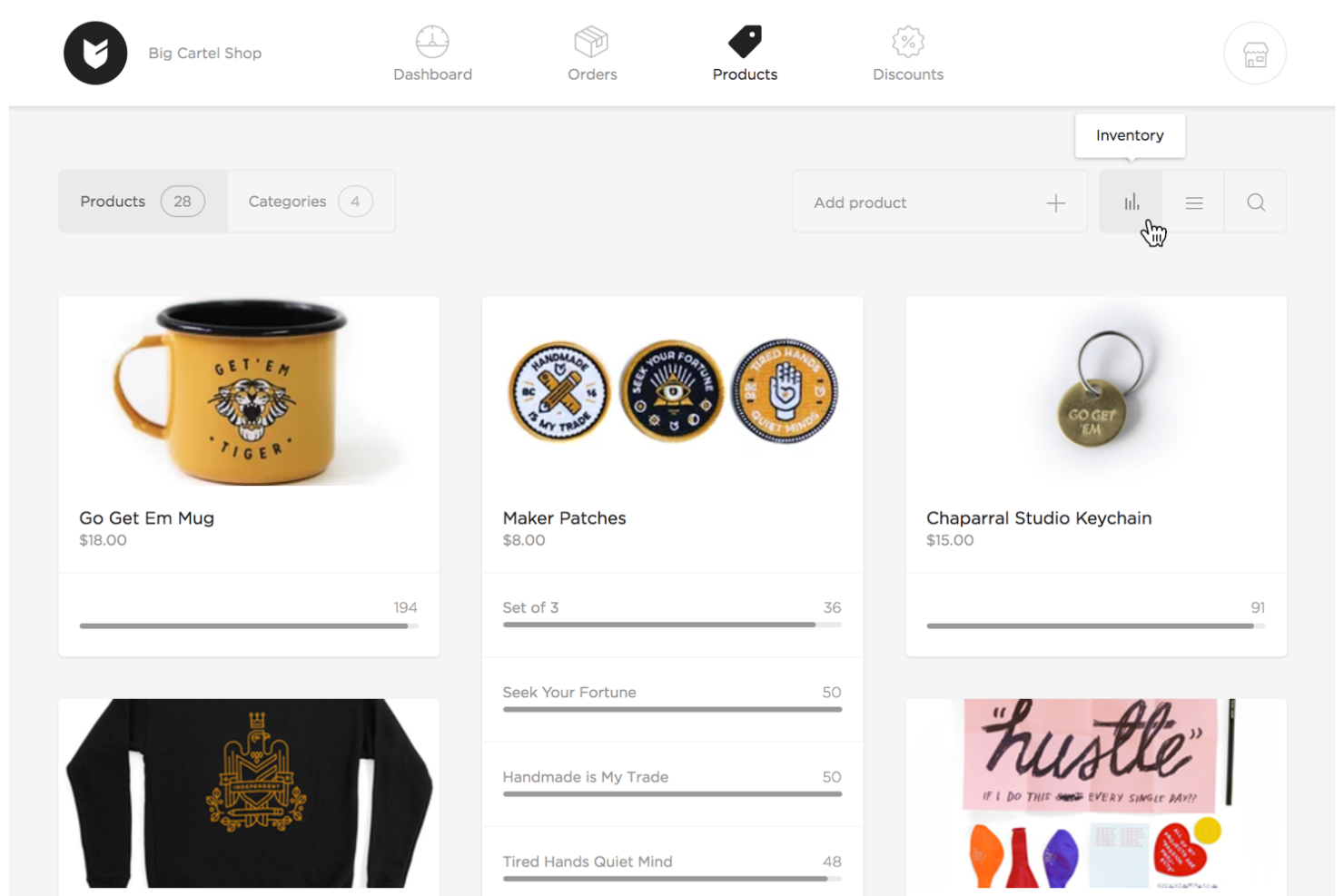
Big Cartel è una piattaforma ecommerce unica poiché ha la capacità di dare potere ad artisti e imprenditori creativi.
Perché ho scelto Big Cartel: Progettato specificamente per artisti e creativi, Big Cartel è un'ottima scelta se gestisci un’attività creativa. Offre un modo semplice per promuovere e vendere le tue opere d’arte senza le difficoltà che di solito si incontrano con soluzioni ecommerce più complesse. Big Cartel ti consente di allestire rapidamente il tuo negozio online, personalizzarlo per riflettere il tuo brand e gestire i pagamenti.
Caratteristiche di rilievo e integrazioni di Big Cartel
Caratteristiche di rilievo includono numerosi temi per il negozio personalizzabili e ottimizzati per dispositivi mobili che puoi modificare tramite un editor visuale semplice, senza necessità di competenze di programmazione. Big Cartel offre anche una dashboard intuitiva che semplifica processi come l’aggiunta di prodotti, la creazione di sconti e la gestione degli ordini dei clienti.
Integrazioni includono alcune connessioni native con terze parti per aiutarti a gestire il negozio in modo efficiente, come Dext, Google Analytics, LiveChat, Lucky Orange, Mailchimp, Printful, Pulley, ShipRobot, ShipStation, Stripe e altre soluzioni software. Puoi anche creare integrazioni personalizzate tramite l’API della piattaforma o un account Zapier a pagamento.
Pros and Cons
Pros:
- Creato per artisti e creativi
- Configurazione semplice dello store
- Permette modifiche rapide al negozio
Cons:
- Meno funzionalità integrate rispetto ad altre opzioni
- Limita il numero di gateway di pagamento
Altre opzioni di piattaforme di commercio elettronico per i canadesi
Poiché molte piattaforme di commercio elettronico ti aiutano a creare il tuo negozio online, vale la pena aggiungere altre opzioni da valutare. Qui troverai ulteriori piattaforme di commercio elettronico che puoi utilizzare per gestire la tua attività in Canada.
- Magento Commerce
Ideale per scalabilità e personalizzazione
- Square Online
Ideale per l'elaborazione integrata dei pagamenti
- ZenCart
La migliore piattaforma ecommerce open-source.


Come valuto le piattaforme di e-commerce in Canada
Dalla configurazione di GST/HST alla sincronizzazione delle tariffe di Canada Post, valuto le piattaforme di e-commerce canadesi su due livelli: i requisiti di base che ogni piattaforma deve soddisfare e i fattori che determinano la scelta migliore.
Funzionalità di base (Requisiti minimi per questa lista)
Quando seleziono gli strumenti per la mia lista, valuto ciascuno su una scala da 0 (non offre la funzionalità) a 5 (eccelle in questo ambito) per ogni funzione di base elencata di seguito. Poi, calcolo il punteggio totale dello strumento in percentuale. Ogni piattaforma deve raggiungere un punteggio minimo totale del 65% per essere considerata.
- Elaborazione pagamenti canadese: Controllo la presenza del checkout nativo in CAD e il supporto ai gateway canadesi—Moneris, Interac, Stripe Canada—per garantire ai clienti le modalità di pagamento attese.
- Gestione del negozio e del catalogo: Qui conta la profondità del catalogo prodotti, inclusa la gestione delle varianti, la personalizzazione dei temi, il monitoraggio delle scorte e i controlli SEO integrati.
- Conformità fiscale canadese: Esamino come ogni piattaforma gestisce il calcolo automatico di GST, HST, PST e QST per provincia, evitando la configurazione manuale delle tabelle fiscali.
- Integrazioni spedizione ed evasione ordini: Valuto le integrazioni con Canada Post e Purolator, le tariffe in tempo reale e la stampa delle etichette, oltre al supporto dei corrieri transfrontalieri.
- Sincronizzazione omnicanale e POS: I rivenditori con negozi fisici necessitano della sincronizzazione in tempo reale di ordini e inventario tra il negozio online e il POS, quindi valuto attentamente le opzioni POS integrate.
- Supporto bilingue e multivaluta: Servire il Quebec implica vetrine in inglese/francese, e vendere a livello internazionale richiede il checkout multivaluta—cerco entrambe le capacità.
Una volta compilata la lista degli strumenti che soddisfano questi criteri, considero cosa distingue ciascuna piattaforma.
Fattori differenzianti (Cosa distingue i fornitori)
Ecco come confronto e metto a confronto i vari fornitori:
Funzionalità distintive
Le integrazioni con marketplace e social network sono importanti per i commercianti canadesi che vogliono essere presenti su Amazon.ca o vendere tramite Instagram senza gestire flussi di inventario separati. Valuto anche le capacità B2B e all'ingrosso—listini prezzi specifici per cliente e termini di pagamento a saldo permettono di servire clienti diretti e grossisti da un'unica vetrina. Vale la pena considerare anche strumenti di marketing integrati come il recupero dei carrelli abbandonati e sistemi di sconto, poiché riducono la dipendenza da costose app di terze parti.
Oltre le funzionalità
Il costo totale di proprietà in CAD è sempre qualcosa che considero—commissioni di transazione, costi delle app e tariffe di elaborazione dei pagamenti possono aumentare rapidamente, e i piani in USD possono creare problemi di budget per i commercianti canadesi. La conformità è un altro fattore chiave, soprattutto per i requisiti PIPEDA e della Legge 25 del Quebec per i commercianti che servono clienti in Quebec. Considero anche la disponibilità di supporto bilingue, dato che i commercianti con sede in Quebec spesso necessitano di assistenza in lingua francese durante l’onboarding e la migrazione da piattaforme legacy.
Come scegliere una piattaforma di commercio elettronico per il Canada
Scegliere la piattaforma di commercio elettronico giusta per la tua attività canadese non deve essere complicato, ma è utile procedere con metodo.
Ecco un metodo decisionale pratico per aiutarti a scegliere una soluzione adatta alle tue esigenze, al tuo budget e ai tuoi piani di crescita.
| Passaggio | Cosa fare | Consiglio pratico |
|---|---|---|
| 1. Definisci le tue esigenze | Elenca le funzionalità indispensabili: pensa ai prezzi in CAD, al supporto bilingue, alle dimensioni dell'inventario e all'integrazione con i gateway di pagamento canadesi. | Dai priorità a ciò che genera davvero vendite e fa risparmiare tempo al tuo team. |
| 2. Stabilisci il budget | Considera non solo i costi mensili, ma anche i costi delle transazioni, gli strumenti aggiuntivi e le commissioni di elaborazione dei pagamenti. | Le prove gratuite sono un alleato: prova le piattaforme prima di prendere un impegno. |
| 3. Valuta la facilità d'uso | Prova la procedura di configurazione, gli strumenti di trascinamento e rilascio e i modelli per il negozio. | Se non riesci a lanciare un negozio di base in meno di un'ora, passa oltre. |
| 4. Verifica la conformità locale | Assicurati che la piattaforma supporti le norme fiscali canadesi, i corrieri di spedizione e i requisiti di privacy. | Chiedi ai fornitori esempi concreti relativi ad altri commercianti canadesi. |
| 5. Pianifica la crescita | Cerca la possibilità di vendere su più canali, integrazioni semplici e piani scalabili. | Scegli una piattaforma in grado di gestire le vendite di persona, online e da dispositivi mobili mentre la tua attività cresce. |
Funzionalità principali delle migliori piattaforme di commercio elettronico per il Canada
Ecco cosa cerco in una piattaforma pensata per il commercio elettronico canadese professionale: non semplici funzionalità generiche, ma strumenti che fanno davvero la differenza per i rivenditori online del Paese.
- Prezzi in CAD e supporto per le imposte locali. Accetta pagamenti in dollari canadesi e automatizza i calcoli di GST/HST/PST per garantire conformità e fiducia dei clienti.
- Funzionalità per negozi bilingue. Supporto per vetrine in inglese e francese, così puoi raggiungere tutti gli acquirenti canadesi e rimanere competitivo.
- Integrazioni canadesi per pagamenti e spedizioni. Collegamenti senza soluzione di continuità a Interac, PayPal, Stripe e ai principali corrieri come Canada Post, Purolator e FedEx.
- Vetrine ottimizzate per dispositivi mobili. Il tuo negozio online e il processo di pagamento devono apparire e funzionare perfettamente su ogni dispositivo utilizzato dai canadesi.
- Creatore di siti web con funzionalità trascina e rilascia. Crea e lancia un sito ecommerce professionale: niente codice, niente sviluppatori, solo risultati.
- Gestione solida dell'inventario e degli ordini. Monitoraggio dei prodotti in tempo reale, avvisi automatici sulle scorte ed elaborazione semplice degli ordini per l'evasione in negozio, sul marciapiede o online.
- Strumenti SEO e di marketing integrati. Gestisci meta tag, sitemap, Google Analytics, vendite sui social media e molto altro, così i nuovi clienti possono trovare il tuo negozio.
- Vendite multicanale e omnicanale. Vendi sul tuo sito, su Amazon, eBay, Facebook, Instagram e di persona, tutto da un'unica bacheca.
- Modelli e branding personalizzabili. Lancia il tuo negozio con modelli straordinari e ottimizzati per i dispositivi mobili, che puoi personalizzare davvero.
- Checkout sicuro e protezione dei dati. Conformità PCI, certificati SSL e controlli sulla privacy per proteggere le informazioni dei clienti e mantenere la reputazione della tua azienda.
Principali vantaggi dell'utilizzo di una piattaforma ecommerce canadese
Scegliere la piattaforma ecommerce giusta non significa solo spuntare delle caselle: significa semplificare la tua vita di titolare d'impresa e aiutare il tuo negozio a prosperare.
Ecco cosa offrono le migliori piattaforme ai rivenditori canadesi:
- Transazioni canadesi senza complicazioni. Accetta CAD, automatizza le imposte e integra banche e gateway di pagamento canadesi, senza passaggi aggiuntivi o confusione per te o per i tuoi clienti.
- Raggiungi più acquirenti. Le funzionalità bilingue e le opzioni di spedizione locali ti permettono di vendere a tutti, da una costa all'altra, in entrambe le lingue ufficiali.
- Costi operativi ridotti. Elimina costose realizzazioni personalizzate e soluzioni manuali con strumenti integrati per la gestione degli ordini, le spedizioni e la conformità.
- Cresci senza limiti. Espanditi facilmente verso vendite multicanale, di persona e transfrontaliere, senza dover cambiare piattaforma mentre la tua attività cresce.
- Maggiore visibilità e traffico. Gli strumenti SEO integrati e le integrazioni di marketing ti aiutano a farti trovare nelle ricerche, sui social e nei canali locali di shopping online.
- Lancio del negozio semplice e rapido. I creatori di siti senza codice e i modelli personalizzabili ti permettono di iniziare a vendere, spesso in poche ore anziché in settimane.
- Assistenza affidabile, in stile canadese. Ricevi risposte concrete da team che conoscono il panorama ecommerce canadese e la realtà della gestione di un'attività qui.
- Dati migliori per decisioni più intelligenti. Analisi e report in tempo reale ti consentono di ottimizzare prodotti, prezzi e promozioni in base a ciò che funziona.
Analisi di prezzi e costi delle piattaforme ecommerce canadesi
I prezzi delle piattaforme ecommerce in Canada variano notevolmente, ma non si tratta solo del prezzo indicato. Quanto paghi dipende dalle esigenze del tuo negozio, dalle funzionalità necessarie e dalla crescita che prevedi.
Ecco una panoramica dei principali livelli di prezzo che troverai sul mercato.
| Tipo di piano | Prezzo medio (CAD) | Funzionalità comunemente incluse | Ideale per |
|---|---|---|---|
| Gratuito | $0/mese | Prodotti limitati, modelli di base, SEO essenziale, si applicano commissioni sulle transazioni | Hobbisti, attività secondarie |
| Base | $20–$40/mese | Creatore di siti web, temi di base, catalogo prodotti, analisi essenziali, SSL | Piccole imprese, startup |
| Professionale | $50–$120/mese | Modelli avanzati, strumenti di marketing, più integrazioni, SEO migliore | Rivenditori in crescita, PMI |
| Avanzato | $150–$400/mese | Assistenza prioritaria, analisi avanzate, recupero dei carrelli abbandonati, vendite multicanale, API | Marchi più grandi, più negozi |
| Aziendale | $500–$2,000+/mese | Integrazioni personalizzate, assistenza dedicata, funzionalità completamente personalizzate, scalabilità | Negozi ad alto volume o complessi |
Ulteriori considerazioni sui costi
Non farti cogliere di sorpresa dalle spese nascoste: ecco cosa considerare oltre al piano mensile:
- Commissioni sulle transazioni. Molte piattaforme applicano una commissione per ogni vendita, soprattutto se non utilizzi il loro elaboratore di pagamenti preferito.
- Elaborazione dei pagamenti. Le commissioni di PayPal, Stripe o dei fornitori di carte di credito possono aumentare rapidamente.
- Componenti aggiuntivi e integrazioni. Hai bisogno di un plugin specifico per le spedizioni o di reportistica avanzata? Prevedi costi aggiuntivi per app e integrazioni.
- Temi personalizzati e sviluppo. Vuoi andare oltre i modelli predefiniti o assumere uno sviluppatore? Prevedi un budget per il design o per il lavoro di personalizzazione.
- Hosting e registrazione del dominio. Alcune piattaforme includono questi servizi, ma le soluzioni open source o autogestite richiedono un hosting separato e un nome di dominio.
- Costi di crescita. Man mano che la tua attività cresce, aspettati di dover passare a piani superiori o pagare per account aggiuntivi del personale, volumi d’ordine più elevati o maggiore spazio di archiviazione.
In sintesi: Considera il quadro completo dei costi mensili (e annuali) totali prima di impegnarti, così la tua “grande offerta” non si trasformerà in seguito in una spesa fuori budget.
Domande frequenti sulle piattaforme di ecommerce canadesi
Prima di prendere una decisione definitiva sulla piattaforma da scegliere, le persone hanno in genere alcune domande a cui è necessario rispondere. Per questo ho risposto alle domande più frequenti che altre persone pongono quando cercano piattaforme di ecommerce in Canada.
Posso trasferire facilmente il mio negozio di ecommerce esistente su una nuova piattaforma?
La maggior parte delle principali piattaforme offre strumenti di migrazione o servizi di partner per aiutarti a trasferire prodotti, dati dei clienti e cronologia degli ordini. Raramente il trasferimento avviene completamente “con un clic”: aspettati un po’ di pulizia manuale, soprattutto per le funzionalità personalizzate, ma la maggior parte dei fornitori vuole rendere il passaggio il più semplice possibile.
Come gestisco resi e rimborsi sulle piattaforme di ecommerce canadesi?
Cerca una gestione dei resi integrata: etichette di reso automatiche, numeri RMA e strumenti di comunicazione con i clienti. Alcune piattaforme offrono finestre e politiche di reso personalizzabili: verifica sempre che siano conformi alle leggi canadesi sulla tutela dei consumatori.
Quale livello di assistenza tecnica devo aspettarmi come azienda canadese?
L’assistenza varia. Alcune piattaforme offrono una vera assistenza via chat o telefono 24 ore su 24, 7 giorni su 7; altre si affidano all’e-mail e alle basi di conoscenza. Se l’assistenza fuori dall’orario lavorativo è importante, verifica gli orari effettivi e assicurati che non ci siano costi aggiuntivi per il servizio prioritario.
Come posso migliorare la velocità e le prestazioni del sito per gli acquirenti canadesi?
Scegli una piattaforma con centri dati canadesi o una copertura CDN (rete per la distribuzione dei contenuti) veloce. Ottimizza le immagini, utilizza temi ottimizzati per i dispositivi mobili ed evita plugin sovraccarichi. Tempi di caricamento più rapidi significano più vendite e clienti locali più soddisfatti.
Esistono aspetti legali o relativi alla privacy specifici della vendita online in Canada?
Sì: la legge canadese richiede la conformità al PIPEDA (normativa federale sulla privacy), una chiara indicazione del prezzo totale e requisiti relativi alla lingua francese per i clienti del Québec. Cerca piattaforme dotate di strumenti integrati per gestire questi aspetti, altrimenti rischi multe e problemi.
Posso collegare la mia piattaforma di ecommerce al sistema contabile o ERP?
La maggior parte delle piattaforme leader offre integrazioni per QuickBooks, Xero e altri strumenti contabili o ERP, in modo nativo o tramite app di terze parti. Automatizzare questo flusso di lavoro fa risparmiare tempo e riduce gli errori costosi: chiedi ai fornitori quali opzioni immediate o personalizzate sono disponibili.
Altre recensioni delle piattaforme di ecommerce
Quando gestisci un’attività di ecommerce, avrai bisogno di altri strumenti per gestire diversi aspetti della tua organizzazione. Di seguito trovi altri software di ecommerce che puoi utilizzare nella tua azienda per gestire il tuo marchio in modo efficiente.
Piattaforme di ecommerce per tipo di attività
- Piattaforme di e-commerce SaaS
- Piattaforme di e-commerce B2B
- Piattaforme marketplace per e-commerce
- Piattaforme di e-commerce in abbonamento
- Piattaforme di e-commerce per piccole imprese
Piattaforme di e-commerce in base alle esigenze
- Piattaforme di e-commerce disaccoppiate
- Piattaforme di e-commerce più semplici
- Piattaforme per il commercio omnicanale
- Piattaforme di e-commerce per aziende
- Piattaforme di e-commerce gratuite
- Piattaforme di e-commerce a codice sorgente aperto
- Piattaforme per il commercio sui social
- Piattaforme di e-commerce economiche
- Piattaforme di e-commerce ospitate
Un negozio canadese, grandi risultati: la tua prossima mossa
Scegliere la piattaforma di e-commerce giusta in Canada non deve sembrare come cercare l'oro setacciando la sabbia.
Confronta le funzionalità indispensabili con quelle offerte, tieni d'occhio i costi totali e assicurati che il tuo negozio parli le lingue giuste, sia in senso digitale sia letterale. Che tu venda a Moose Jaw o a Montreal, la tecnologia giusta spiana la strada alla crescita.
Pronto a fare il prossimo passo? Dai un'occhiata a ogni piattaforma, avvia una prova e inizia a costruire la tua storia di successo nell'e-commerce canadese.
Il commercio al dettaglio non si ferma mai, e nemmeno tu dovresti farlo. Iscriviti alla nostra newsletter per ricevere gli ultimi approfondimenti, le strategie e le risorse professionali dai principali leader del commercio al dettaglio che stanno plasmando il settore.