
18 Best PayPal Alternatives for Secure Transactions 2025

The Top 10 PayPal Alternatives for Online Retailers
Let’s get started with a quick and easy top 10 list of PayPal competitors you should consider using. For each, you’ll see what it’s best for.


Ecommerce should be about making sales, not making enemies with your payment processor. But if you’ve ever watched PayPal take a cut of your revenue and then randomly freeze your funds, you know the struggle.
High fees, account holds, and customer service that moves at the speed of a dial-up connection—it’s no wonder so many businesses are looking for PayPal alternatives.
We’ve been in the trenches of retail and ecommerce for years, helping businesses navigate the chaos of online payments, optimize checkout experiences, and, in this case, escape PayPal’s grip.
We know what makes a payment processor worth your time (and money), and we’re here to help you find one that actually works for your business.
In this guide, we’ll break down the best PayPal alternatives, from lower fees to better customer support, so you can pick a platform that helps your business grow instead of getting in the way.
Let’s find you a better way to get paid.
What is PayPal?
PayPal is a digital payment platform that enables businesses, freelancers, and individuals to send, receive, and manage online transactions with ease.
It’s one of the most widely recognized and trusted payment processors, offering global reach, built-in security, and seamless integrations with ecommerce platforms, marketplaces, and invoicing tools.
With features like one-click checkout, recurring payments, and multi-currency support, PayPal has become a go-to for online transactions. Whether you’re selling products, invoicing clients, or managing subscriptions, it provides a familiar and convenient way to get paid.
Of course, no platform is one-size-fits-all—which is why you might be exploring other options. Let’s break it down.
Comparing the Best PayPal Alternatives, Side-by-Side
Yay, it’s a comparison chart! Here, you can quickly compare pricing, trial details, and ideal use cases for our top PayPal alternatives picks.
| Tool | Best For | Trial Info | Price | ||
|---|---|---|---|---|---|
| 1 | Best for businesses with high credit card volumes | 3-month free trial | From $79/month | Website | |
| 2 | Best for predictable, high-volume processing | Free quote available | Pricing upon request | Website | |
| 3 | Best for cross-border payments & virtual cards | Free plan available | From $25/month | Website | |
| 4 | Best for easy online store integration | 3-day free trial available | From $29/month (billed annually) | Website | |
| 5 | Best for developer-friendly customization and integration | 30-day free trial available | From 2.9% + 30¢ per transaction | Website | |
| 6 | Best for freelancers and marketplaces | 30-day free trial | From $29.95 (billed annually) | Website | |
| 7 | Best for quick global transfers | Free demo available | From 1.9% + $0.29/transaction | Website | |
| 8 | Best for leveraging Amazon accounts | Free demo available | From 2.9% domestic processing fee + $0.30 authorization fee | Website | |
| 9 | Best for international payments | Free demo available | Pricing available upon request | Website | |
| 10 | Best for ACH and eCheck processing | Free consultation available | Pricing upon request | Website |
Why Trust Our Software Reviews
We’ve been testing and reviewing ecommerce management software since 2021.
As ecommerce experts ourselves, we know how critical and difficult it is to make the right decision when selecting software. We invest in deep research to help our audience make better software purchasing decisions.
We’ve tested more than 2,000 tools for different ecommerce management use cases and written over 1,000 comprehensive software reviews. Learn how we stay transparent & check out our software review methodology.
The Absolute Best PayPal Alternatives to Consider
Below, you’ll find our handpicked list of the best PayPal alternatives out there, each with a detailed breakdown of what they do best.
I’ve cut through the fluff to highlight key features, pros and cons, integrations, and ideal use cases—so you can find the payment processor that actually fits your business.

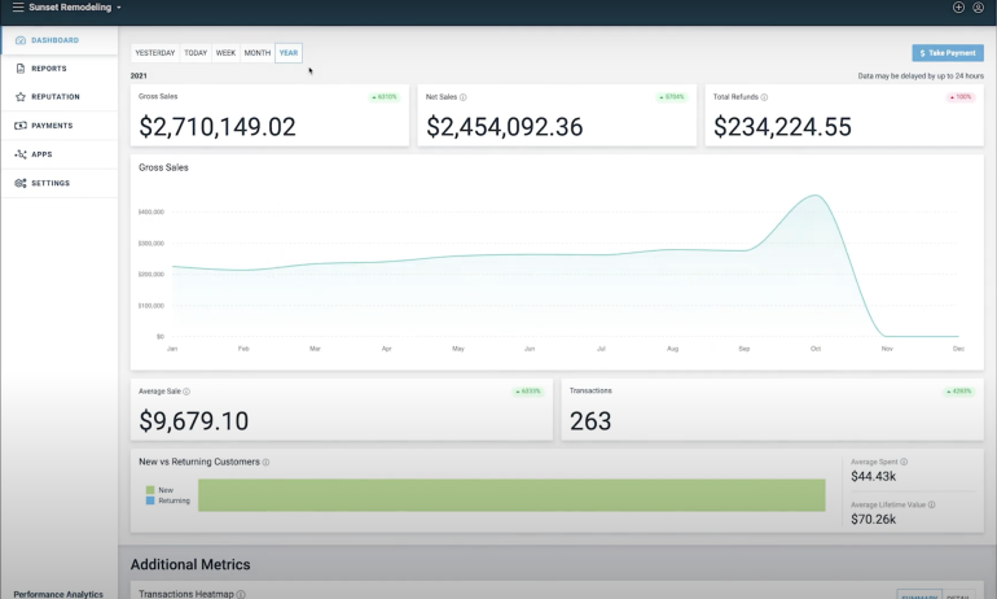
Payment Depot is a payment processing service tailored for businesses with high credit card transaction volumes. Its subscription-based pricing model can help reduce transaction fees.
Why it's a good PayPal alternative: Payment Depot’s subscription model, unlike PayPal’s percentage-based fees, is a better fit if your business has high transaction volumes and can help you save on transaction costs. Instead of adding a percentage markup, you’ll pay a monthly membership fee and a small fee per transaction based on actual interchange rates. While fees may fluctuate, you could save through their subscription model, especially on lower-cost transactions compared to flat-rate processors.
Standout features & integrations:
Features include interchange-plus pricing that reduces transaction costs for high-volume businesses. Payment Depot also offers a virtual terminal for processing in-person payments without a card reader. You’ll also find detailed monthly statements that provide transparency into your processing fees.
Integrations include QuickBooks, Shopify, WooCommerce, Adobe Commerce, BigCommerce, Authorize.Net, Clover, Stripe, and PayPal.
Pros and Cons
Pros:
- Detailed monthly statements
- Ideal for high-volume businesses
Cons:
- Requires a monthly subscription
- May not suit low-volume businesses


Stax Pay gives you a subscription-style payment processor that includes card payments, invoicing, recurring billing, and a suite of business/payment tools — making it a compelling alternative to more traditional solutions like PayPal. If your business handles steady payment volume, Stax Pay may help simplify how you collect payments and manage billing across different channels.
Why I Picked Stax Pay
I picked Stax Pay because it uses a flat monthly membership model combined with wholesale interchange pricing, which can lower your overall transaction costs when you process a consistent volume of payments. Instead of paying a high percentage markup, you pay per-transaction cents plus a fixed subscription, which tends to favor businesses with steady or high sales volumes. On top of that, the built-in invoicing, recurring billing, and hosted payment-page functionality make it easy to manage both one-time and repeat charges — a big advantage if you deal with subscriptions, service contracts, or repeat customers.
Stax Pay Key Features
In addition to its pricing model and billing tools, Stax Pay offers a range of features that suit businesses wanting a full-featured payment solution:
- Virtual terminal & manual entry: Allows you to accept payments over the phone or keyed transactions if a customer isn’t present in person.
- Hosted payment pages and payment links: Lets you create payment links or embed checkout pages — useful for e-commerce, invoices, or remote payments.
- Recurring and scheduled payments: Lets you set up subscriptions or automatically invoice customers on a schedule, useful for membership-based or retainer-based services.
- Real-time analytics & reporting: Provides dashboards and deposit reports, helping you track all payment types, reconcile deposits, and monitor cash flow across card and ACH payments.
Stax Pay Integrations
Integrations include QuickBooks, Salesforce, WooCommerce, Shopify, BigCommerce, Magento, Xero, NetSuite, FreshBooks, and Zapier. An API is also available for custom integrations.
Pros and Cons
Pros:
- Transparent subscription-plus-interchange pricing gives predictable costs.
- Supports various payment methods, including mobile processing.
- Ability to pass processing fees to customers where surcharge laws allow.
Cons:
- Next-day funding isn’t guaranteed and sometimes comes with extra cost.
- Subscription fee may outweigh savings for low-volume merchants.


Slash is a financial technology platform built for modern businesses that want to combine traditional banking with digital asset flexibility. It offers corporate cards with unlimited cashback, high-yield business checking accounts, and stablecoin payment options—all within one secure, customizable platform. Designed for ecommerce and Web3 companies, Slash aims to simplify expense management and cash flow oversight.
Why it’s a good PayPal alternative: I picked Slash because it goes beyond standard payment processing by giving you full control over how funds move through your business, including across borders. Unlike PayPal, which focuses mainly on sending and receiving payments, Slash offers tools for automation, banking, and treasury management in one place. You can issue virtual cards, set spending limits, manage stablecoin transactions, and integrate everything with your accounting stack—ideal if you want more flexibility than PayPal provides. I also like that it supports both fiat and crypto payments, helping you manage diverse revenue streams seamlessly.
Standout features & integrations
Features include high-yield checking accounts with up to 1.89% APY, unlimited cashback on corporate cards, and stablecoin payments for crypto-friendly businesses. The platform also provides automated transfers, real-time analytics, and advanced security with FDIC-backed accounts and multi-factor authentication. Developers can use Slash’s APIs to automate workflows such as card creation, payment authorization, and transaction tracking.
Integrations include QuickBooks, Xero, Shopify, WooCommerce, Stripe, PayPal, Stax, Payline, Zapier, Google Sheets, Slack, and Microsoft Excel.
Pros and Cons
Pros:
- Provides real-time financial analytics
- Offers unlimited cashback cards
- Supports fiat and crypto payments
Cons:
- Limited user reviews available
- No built-in invoicing tools

Shopify Payments offers a flexible way for businesses to accept payments while building an ecommerce presence without the need for developers. It’s ideal for small to medium-sized businesses that want a single solution to manage online sales and payments.
Why it's a good PayPal alternative: Shopify Payments eliminates the need for third-party processors, providing a more integrated experience for Shopify store owners. With its support for various payment methods and currencies, you can cater to a global audience without extra hassle. Its PCI compliance and 3D Secure checkouts offer enhanced security, which is crucial for building trust with your customers. Additionally, the integrated back office simplifies the management of orders and payments, providing a clearer financial overview.
Standout features & integrations:
Features include PCI compliance, which ensures that your transactions are secure and meet industry standards. The platform also offers 3D Secure checkouts, adding an extra layer of security for you and your customers. With Shopify Payments, you can easily track orders and payments through an integrated back office.
Integrations include Facebook, Instagram, Amazon, eBay, Google Analytics, Mailchimp, QuickBooks, ShipStation, Xero, and Avalara.
Pros and Cons
Pros:
- Simple setup process
- Supports multiple currencies
- Integrated with Shopify stores
Cons:
- Limited customization options
- Limited to Shopify users


Stripe is an online payment processing platform designed for businesses of all sizes. It provides tools that help businesses accept payments, manage subscriptions, and handle complex transactions with ease.
Why it's a good PayPal alternative: Stripe makes it easier for you to customize payment workflows and integrate with your website or app. With a focus on flexibility, it supports various payment methods like credit cards, Apple Pay, and ACH. The platform also gives you full access to detailed data and analytics to track payments. If you're looking for more control over your payment systems, Stripe offers the tools you need to build your own tailored solution.
Standout features & integrations:
Features include flexible payment options, advanced fraud protection, and highly flexible APIs (making it easier for developers to integrate Stripe into existing apps, websites, and other custom platforms). You can easily accept one-time payments or set up recurring billing, all from a single platform. Stripe also offers an intuitive dashboard for tracking transactions and managing customer data.
Integrations include Shopify, WooCommerce, BigCommerce, Adobe Commerce, Xero, QuickBooks, Salesforce, Netsuite, FreshBooks, and HubSpot.
Pros and Cons
Pros:
- Handles subscription billing
- Strong fraud prevention tools
- Highly customizable for developers
Cons:
- Not ideal for very small businesses
- Requires technical knowledge


Payoneer is a global payment platform designed for freelancers, online sellers, and marketplaces. It helps you receive payments from international clients and manage cross-border transactions easily.
Why it's a good PayPal alternative: Payoneer lets online businesses receive payments in multiple currencies and payment types, which is handy when working with clients from different countries. Its Global Payment Service gives you access to local bank accounts in various currencies, making international payments easier. You can quickly transfer funds to your local bank or withdraw cash using the Payoneer Prepaid Mastercard. The platform also has a simple fee structure, so it's easier for you to manage costs.
Standout features & integrations:
Features include the Payoneer Prepaid Mastercard, which allows you to access your funds worldwide. You can use the Global Payment Service to receive payments as if you had a local bank account in the US, EU, UK, and Japan. Payoneer also offers a billing service, enabling you to send payment requests directly to your clients- handy for freelancers who need an organized and professional method to follow up on payments.
Integrations include Upwork, Fiverr, Airbnb, Amazon, Google, Fiverr, Wish, Walmart, and eBay.
Pros and Cons
Pros:
- Prepaid Mastercard for easy withdrawals
- Local bank accounts in various countries
- Supports multiple currencies
Cons:
- Can be complex for new users
- May have transfer delays


Skrill is a digital wallet and online payment platform used mainly by freelancers and businesses needing quick international transactions. It offers a secure and efficient way to send and receive money worldwide.
Why it's a good PayPal alternative: Skrill makes it easy for you to send money across borders quickly. If you need instant access to your funds, its prepaid card lets you do that without transferring money to a bank account. Skrill also supports multiple currencies, which is great if your business operates in international markets. Plus, its clear fee structure helps you avoid any confusion about pricing.
Standout features & integrations:
Features include a prepaid Mastercard that lets you access your funds instantly. Skrill also offers a loyalty program, rewarding users with points for every transaction. You can also enjoy its cryptocurrency trading feature, allowing you to buy and sell digital currencies directly from your account.
Integrations include WooCommerce, PrestaShop, Shopify, Adobe Commerce (formerly Magento), BigCommerce, OpenCart, WHMCS, Zen Cart, osCommerce, and X-Cart.
Pros and Cons
Pros:
- Loyalty rewards program
- Supports multiple currencies
- Quick international transactions
Cons:
- Account verification can be slow
- Higher fees for some transactions


Amazon Pay is a payment service that lets customers use their Amazon account to pay on other websites. It’s designed for online merchants who want to offer a familiar, trusted checkout experience to their customers.
Why it's a good PayPal alternative: Amazon Pay lets your customers use their existing Amazon accounts, making checkout easier and more familiar for them. This can increase trust and help boost conversion rates for your business. It also includes fraud protection to secure transactions. Plus, it’s easy to integrate with your setup, simplifying the payment process for you and your customers.
Standout features & integrations:
Features include voice payment capabilities through Amazon Alexa, which adds a modern twist to payment processing surpassing other modern contactless payments such as Apple and Google Pay through your Android or iPhone. Amazon Pay also provides detailed transaction reporting, helping you keep track of sales and manage your finances. The platform's fraud detection tools work to protect your business from unauthorized transactions.
Integrations include Shopify, WooCommerce, Adobe Commerce, BigCommerce, PrestaShop, OpenCart, Salesforce, Wix, Squarespace, and Ecwid.
Pros and Cons
Pros:
- Offers fraud protection
- Enhances customer checkout experience
- Utilizes trusted Amazon accounts
Cons:
- Can involve additional fees
- Not ideal for all business types


Global Payments is a payment processing solution tailored for large businesses and enterprises. It enables businesses to accept payments across various platforms and channels.
Why Global Payments is a good PayPal alternative: Global Payments offers an enterprise-level payment solution that helps your team manage payments, both online and in-store. It combines payment gateways, fraud detection, and other tools in one place, making it a solid choice for handling high transaction volumes. With strong security and the ability to scale, you can offer customers more payment options while keeping everything reliable and efficient.
Standout features & integrations:
Features include real-time reporting, advanced fraud protection, and recurring billing management. You can access detailed insights into payment transactions, monitor for suspicious activity, and set up automated billing cycles. These features help ensure smooth operations and secure transactions for your business.
Integrations include Shopify, BigCommerce, WooCommerce, Adobe Commerce, Salesforce, QuickBooks, Xero, Oracle, and SAP.
Pros and Cons
Pros:
- Wide variety of payment methods
- Ideal for international businesses
- Supports multiple currencies
Cons:
- Can be complex for small teams
- Limited to global-focused businesses


Seamless Chex is a payment processing platform focused on ACH and eCheck transactions. It’s designed for businesses that need a secure and efficient way to process electronic checks.
Why it's a good PayPal alternative: Seamless Chex specializes in ACH and eCheck processing, something PayPal doesn’t focus on. This is useful if your business prefers electronic checks over credit card payments. With Seamless Chex, you can process ACH payments quickly and securely, ensuring funds transfer fast. The platform also reduces the risk of check fraud, giving you more confidence in your transactions.
Standout features & integrations:
Features include real-time verification, which helps reduce the risk of returned checks by verifying bank account details instantly. Seamless Chex also offers customizable check templates, allowing you to tailor the look and feel of electronic checks. The platform provides detailed reporting tools to help you keep track of all transactions and monitor cash flow.
Integrations include QuickBooks, Xero, FreshBooks, Zoho, Sage, Salesforce, NetSuite, Authorize.Net, PayPal, and Stripe.
Pros and Cons
Pros:
- Customizable check templates
- Real-time verification
- Feature-focused on reducing check fraud
Cons:
- Not ideal for card payments
- Limited to electronic checks
Other PayPal Alternatives
Here are some additional PayPal alternatives that didn’t make it onto my shortlist, but are still worth checking out:
- Clearly Payments
For flexible currency support and detailed reporting
- Square
For synchronizing online and in-person sales
- FastSpring
For digital product sales
- Adyen
For enterprise-level businesses
- Wise
For low-cost international transfers
- Plooto
For small business payments
- Klarna
For flexible consumer financing
- Paystand
For blockchain-based payments
- Aiwyn
For accounting firms


Our Selection Criteria for Top PayPal Alternatives
When choosing the best PayPal alternatives, we cut through the noise to find options that actually solve the biggest pain points—whether it’s lower fees, fewer account freezes, or better support when things go sideways.
Each tool was evaluated based on a structured framework to keep things fair and focused on what really matters for ecommerce and retail businesses.
Core functionality (25% of total score)
At a minimum, a payment processor needs to handle the basics without making you want to scream. Each option on this list can:
- Process online payments
- Handle multiple currencies
- Provide detailed transaction reports
- Offer secure transactions
- Support mobile payments
- Ensure reliable payouts without merchant account freezes
Additional standout features (25% of total score)
Some payment processors go the extra mile with features that make life easier (or at least less annoying). Bonus points for:
- Cryptocurrency payment support
- Integration with accounting software
- Advanced fraud detection tools
- Customizable checkout experiences
- Subscription billing management
Usability (10% of total score)
Nobody wants to waste time navigating a clunky, outdated payment system. We looked for:
- Intuitive user interface
- Easy navigation
- Customizable settings
- Availability of a mobile app
- Accessibility of point-of-sale (POS) features
Onboarding (10% of total score)
If getting set up feels like applying for a mortgage, that’s a problem. We evaluated:
- Speed and ease of the underwriting process
- Availability of training videos
- Interactive product tours
- Onboarding webinars
- Access to customer support during setup
- On-demand chatbots for assistance
Customer support (10% of total score)
When something goes wrong (because it always does eventually), you need help that actually helps. We factored in:
- Availability of 24/7 support
- Multiple support channels
- Response time to inquiries
- Access to a knowledge base
- Availability of live chat support
Value for money (10% of total score)
A “low-cost” payment processor isn’t actually low-cost if it’s nickel-and-diming you with hidden fees. We checked for:
- Competitive pricing
- Transparent fee structures
- Discounts for annual subscriptions
- No hidden fees
- Flexible pricing plans
Customer reviews (10% of total score)
What real users say tells you way more than any marketing copy ever will. We paid attention to:
- Overall satisfaction ratings
- Commonly mentioned pros and cons
- Feedback on customer support
- User experience insights
- Comparisons to other payment solutions
With this framework, I made sure every PayPal alternative on this list actually delivers—whether you’re looking for better pricing, more features, or just a smoother payment experience.
Why Look for a PayPal Alternative?
PayPal is a big name in payment processing, but that doesn’t mean it’s a perfect fit for everyone.
Maybe you’re tired of watching fees nibble away at your profits, or maybe your funds have taken an unexpected “vacation” thanks to an account freeze. Whatever the reason, there are plenty of valid reasons to explore other options.
Here are some common frustrations that send businesses searching for a PayPal alternative:
- Fees feel like a second tax. High transaction fees, chargebacks, and currency conversion costs can add up fast—especially for small businesses.
- Customer support is… an adventure. Getting a live person to help can sometimes feel like winning the lottery.
- Not all industries are welcome. PayPal has restrictions on certain business types, which can leave some sellers scrambling for alternatives.
- Currency conversions cost more than they should. International transactions often come with extra fees that cut into your bottom line.
- Your money might be in limbo. Sudden fund holds and account freezes (often without clear explanation) can be a major headache.
- Delays in getting paid. Instant transfers? Sometimes. But depending on the transaction, payouts can take longer than expected.
If any of these sound painfully familiar, you’re in the right place.
Key Features of PayPal Alternatives
If you’re looking for a PayPal alternative, chances are you want lower fees, fewer restrictions, or a platform that doesn’t randomly hold your money hostage.
Here are the key features that top competitors offer—so you can find a payment processor that actually works for you:
- Lower transaction fees. Many alternatives offer more transparent pricing, with lower fees for credit card payments, ACH transfers, or high-volume transactions.
- Customizable invoicing. Unlike PayPal’s basic invoice tool, some platforms let you add branding, set automated reminders, and sync with accounting software.
- Multi-currency support. If you sell internationally, some alternatives offer better exchange rates and lower currency conversion fees.
- Mobile-friendly checkout. A seamless mobile checkout experience means fewer abandoned carts and more completed sales.
- Subscription and recurring billing. Whether you’re running a membership site or a SaaS business, some processors have built-in recurring payment tools with flexible billing cycles.
- Better fraud protection. Advanced fraud detection, chargeback prevention, and real-time risk monitoring help keep your transactions secure.
- Faster access to funds. Some alternatives offer same-day or instant payouts—so you’re not waiting around for your own money.
- Stronger integrations. Look for payment processors that sync effortlessly with your ecommerce platform, accounting software, and CRM tools.
- Reliable customer support. Some alternatives actually pick up the phone (or at least respond to live chat) when you need help.
- Flexible financing options. "Buy Now, Pay Later" (BNPL) and merchant cash advances can help boost sales and improve cash flow.
Every business has different payment processing needs, so the best PayPal alternative for you depends on what matters most—lower costs, better support, or more flexibility.
If Stripe is also a no go for you, here’s our expert breakdown of the top Stripe alternatives for online retailers.
Your Perfect PayPal Alternative is Out There
At the end of the day, the right payment processor depends on what you need most.
Maybe it’s lower fees, faster payouts, or just better customer support that doesn’t leave you on hold for an eternity. Whatever your priority, there’s a PayPal alternative out there that fits the bill.
The key is to choose a solution that supports your business instead of slowing it down. Whether you need seamless ecommerce integration, stronger fraud protection, or a subscription-friendly platform, you’ve got options.
So take a look at the contenders, weigh the pros and cons, and pick the one that lets you focus on making sales—not stressing over payments.
Seeking alternatives to mainstream options? These nonprofit payment processors offer specialized features for nonprofits.
The world of ecommerce moves fast—and so do you. Subscribe to our newsletter with the latest insights for ecommerce managers from leading experts in ecomm.