

10 mejores aplicaciones de comercio electrónico B2B seleccionadas para 2026

Lista de las mejores aplicaciones de comercio electrónico B2B


Una aplicación de comercio electrónico B2B es una plataforma digital que permite a tu empresa gestionar en línea transacciones mayoristas, pedidos y relaciones con clientes de otras empresas. Si estás buscando la mejor aplicación de comercio electrónico B2B, probablemente quieras simplificar procesos de compra complejos, conectar tus canales de ventas y mantenerte al día con las crecientes expectativas de los compradores. Esta guía te ayudará a comparar las mejores soluciones para 2026, para que encuentres la opción adecuada para los flujos de trabajo de tu equipo, tus necesidades de integración y tus objetivos de crecimiento.
Por qué confiar en nuestras recomendaciones de software
Nuestro equipo lleva probando y evaluando software desde 2012. Como líderes del sector retail, sabemos lo difícil —y lo importante— que es elegir el software adecuado.
Para esta guía, evaluamos las herramientas mediante pruebas prácticas e investigación independiente, puntuando las herramientas según nuestros criterios de selección.
Nuestras reseñas reflejan nuestro criterio independiente, no un discurso de ventas.
Resumen de las mejores aplicaciones de comercio electrónico B2B
Este cuadro comparativo resume los detalles de precios de mis principales selecciones de aplicaciones de comercio electrónico B2B para ayudarte a encontrar la mejor opción para tu presupuesto y las necesidades de tu empresa.
| Tool | Best For | Trial Info | Price | ||
|---|---|---|---|---|---|
| 1 | Mejor para seguimiento en tiempo real de rutas y territorios | Prueba gratuita de 60 días disponible | Precio a consultar | Website | |
| 2 | Lo mejor para opciones de personalización avanzada | Demo gratuita disponible | Precio a consultar | Website | |
| 3 | Ideal para portales de pedidos de autoservicio | Demo gratuita disponible | Desde $600/mes | Website | |
| 4 | Ideal para compras al por mayor de moda y confección | Demostración gratuita disponible | Precio a consultar | Website | |
| 5 | Ideal para transacciones mayoristas de alto volumen | Demo gratuita disponible | Precio disponible bajo solicitud | Website | |
| 6 | Ideal para una configuración y puesta en marcha rápidas | Prueba gratuita de 14 días | Desde $350/mes | Website | |
| 7 | Ideal para gestionar redes de proveedores y compradores | Demostración gratuita disponible | Precio bajo consulta | Website | |
| 8 | Lo mejor para herramientas de colaboración de representantes de ventas | Demostración gratuita disponible | Precios a consultar | Website | |
| 9 | Ideal para presentaciones visuales de catálogos de productos | Demostración gratuita disponible | Precios a consultar | Website | |
| 10 | Mejor para integrar con tiendas existentes | Prueba gratuita de 14 días | Desde $49/mes | Website |
Reseñas de las mejores aplicaciones de comercio electrónico B2B
A continuación encontrarás mis resúmenes detallados de las principales plataformas de comercio electrónico B2B que formaron parte de mi lista. Mis reseñas ofrecen un análisis detallado de las funciones, los mejores casos de uso y las integraciones de cada plataforma para ayudarte a encontrar la mejor opción para tu empresa.
Mejor para seguimiento en tiempo real de rutas y territorios

SimplyDepo es una plataforma de comercio electrónico B2B para distribuidores mayoristas y marcas que reúne en un solo sistema herramientas para ventas de campo, gestión de pedidos, control de inventario y ejecución en el punto de venta.
¿Para Quién es Mejor SimplyDepo?
SimplyDepo es ideal para distribuidores mayoristas y marcas con equipos de ventas de campo que gestionan pedidos y la ejecución en tiendas.
Por Qué Elegí SimplyDepo
Incluí SimplyDepo en mi selección principal porque su seguimiento en tiempo real de rutas y territorios permite a mi equipo monitorizar la ubicación y el progreso de los representantes durante el día. Utilizo la vista de mapa en vivo para ver qué cuentas han sido visitadas y cuáles paradas aún están pendientes. Las herramientas de gestión de territorios nos ayudan a asignar representantes a regiones específicas y equilibrar la carga laboral según datos reales de ventas.
Características Clave de SimplyDepo
- Captura móvil de pedidos: Los representantes de campo pueden enviar pedidos directamente desde sus smartphones o tabletas.
- Gestión de catálogo de productos: Actualiza y organiza los listados de productos con imágenes, precios y descripciones.
- Listas de verificación para ejecución en tiendas: Asigna y rastrea tareas en tienda para merchandising y cumplimiento.
- Análisis de desempeño de ventas: Accede a paneles para revisar la actividad de los representantes, el volumen de pedidos y las tendencias territoriales.
Integraciones de SimplyDepo
SimplyDepo ofrece integraciones nativas con QuickBooks, Stripe, ShipStation, Shopify, HubSpot, Zapier, Zebra y Acumatica. Se dispone de una API para integraciones personalizadas.
Pros and Cons
Pros:
- Ingreso móvil de pedidos con acceso al catálogo de productos
- Integraciones nativas con QuickBooks y Shopify
- Gestión de territorios con herramientas de segmentación de cuentas
Cons:
- Las opciones de personalización de reportes son algo limitadas
- El rendimiento de la app móvil puede ser lento con catálogos grandes

Lo mejor para opciones de personalización avanzada
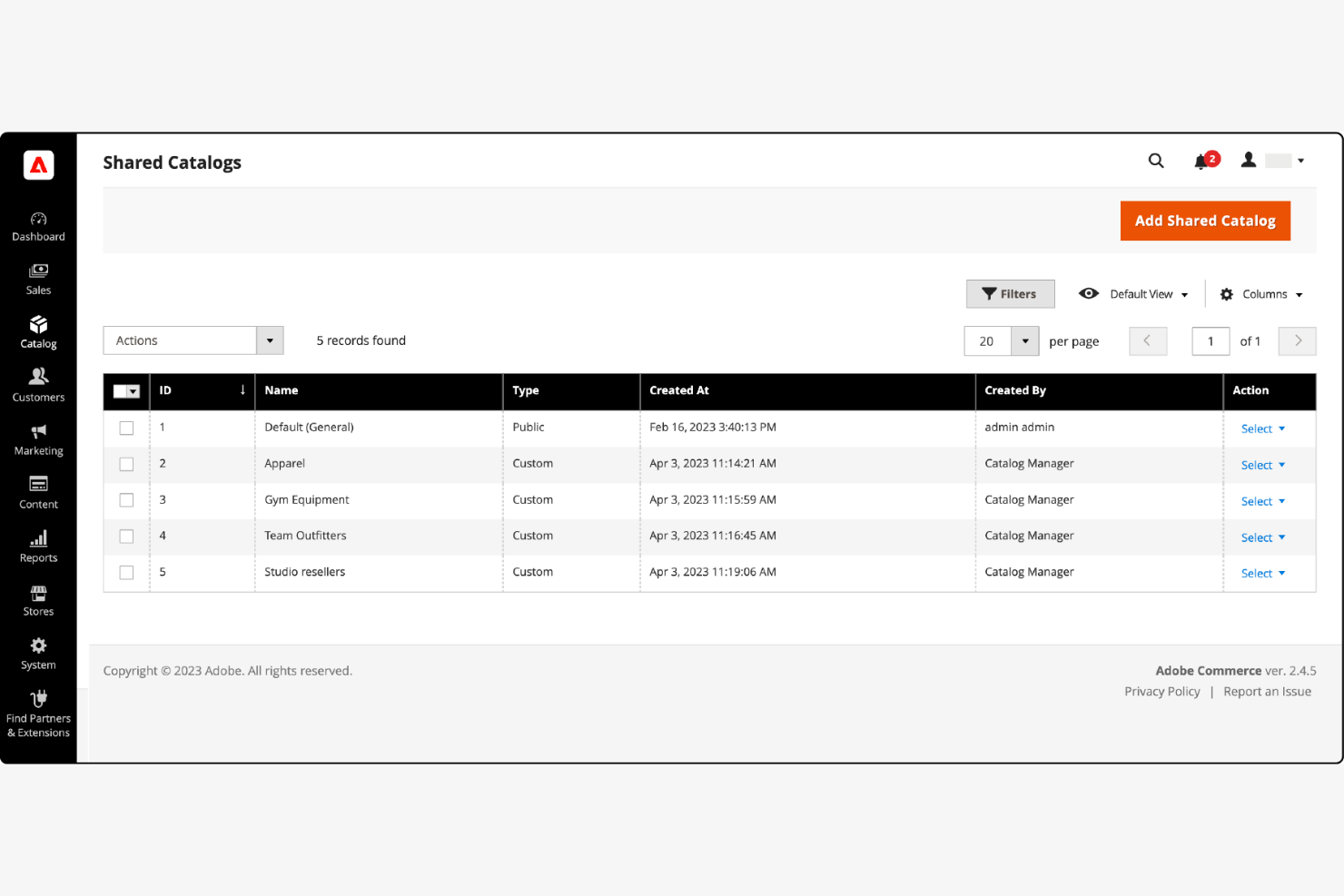
Si su empresa necesita un control profundo sobre cada aspecto de su experiencia de comercio electrónico B2B, Adobe Commerce ofrece una plataforma flexible diseñada para una personalización avanzada. Es ideal para equipos con flujos de trabajo complejos, estructuras de catálogo únicas o requisitos de integración especializados. Adobe Commerce destaca para organizaciones que desean adaptar cada detalle de sus operaciones B2B en línea.
Por qué elegí Adobe Commerce
Lo que distingue a Adobe Commerce en el comercio electrónico B2B es su incomparable capacidad para soportar opciones avanzadas de personalización. Elegí esta plataforma porque permite a su equipo construir flujos de trabajo, catálogos de productos y experiencias de compra altamente personalizados que se adaptan incluso a los requisitos comerciales más complejos. Con su arquitectura modular y amplio soporte de API, puede adaptar la plataforma a modelos de precios únicos, procesos de aprobación o necesidades de segmentación de clientes. Este nivel de flexibilidad es especialmente valioso para organizaciones con operaciones B2B especializadas que no pueden satisfacerse con soluciones prediseñadas.
Principales características de Adobe Commerce
Otras funciones que hacen que Adobe Commerce sea atractivo para los equipos de comercio electrónico B2B incluyen:
- Catálogos compartidos: Configure catálogos personalizados y precios para diferentes grupos de clientes o empresas.
- Formularios de pedido rápido: Permita que los compradores ingresen SKUs o carguen archivos CSV para realizar pedidos grandes de manera rápida.
- Gestión de cuentas de empresa: Permita a las empresas gestionar múltiples compradores, roles y permisos dentro de una sola cuenta.
- Listas de requisición: Permita a los clientes guardar y reutilizar listas de artículos comprados frecuentemente para facilitar la repetición de pedidos.
Integraciones de Adobe Commerce
Las integraciones incluyen Adobe Analytics, Adobe Experience Manager, Marketo Engage, Microsoft Dynamics 365, SAP S/4HANA, Salesforce Sales Cloud, IBM Sterling Order Management, Vertex, Avalara y Cybersource.
Pros and Cons
Pros:
- Altamente personalizable para flujos de trabajo B2B complejos
- Segmentación de clientes y permisos granulares
- Estructuración avanzada de catálogos para grandes inventarios
Cons:
- Requiere experiencia técnica significativa para gestionar
- El rendimiento puede disminuir con catálogos muy grandes

Zoey
Ideal para portales de pedidos de autoservicio

Zoey está diseñada para mayoristas y distribuidores que desean ofrecer a sus compradores una experiencia de pedido de autoservicio. La plataforma permite que tus clientes realicen, rastreen y gestionen sus pedidos en línea sin necesidad de contactar a tu equipo de ventas. Si tu negocio gestiona pedidos recurrentes o tiene un catálogo extenso, Zoey ayuda a automatizar y simplificar el proceso de compra B2B.
Por qué elegí Zoey
Lo que destaca de Zoey es su enfoque en portales de pedidos de autoservicio para compradores B2B. La plataforma brinda a tus clientes la posibilidad de navegar productos, crear pedidos y gestionar sus propias cuentas sin tener que pasar por un representante de ventas. Me gusta que Zoey ofrezca funciones como precios específicos por cliente y formularios de pedido rápido, especialmente útiles para empresas con compradores recurrentes o catálogos complejos. Estas capacidades hacen de Zoey una opción excelente si deseas que tus clientes gestionen sus propias compras y reducir la introducción manual de pedidos para tu equipo.
Características clave de Zoey
Otras características que hacen a Zoey atractiva para equipos de ecommerce B2B incluyen:
- App de pedidos móvil: Los compradores pueden realizar y gestionar pedidos directamente desde sus teléfonos inteligentes.
- Gestión de cotizaciones: Los equipos de ventas pueden crear, enviar y hacer seguimiento de cotizaciones dentro de la plataforma.
- Soporte multitienda: Gestiona múltiples tiendas y marcas desde una sola cuenta de Zoey.
- Reglas avanzadas de envío: Configura opciones y reglas de envío personalizadas según grupos de clientes o criterios de pedido.
Integraciones de Zoey
Las integraciones incluyen NetSuite, QuickBooks Online, Salesforce, ShipStation, Shopify, SOS Inventory, Fishbowl, Klaviyo, Stripe y Avalara.
Pros and Cons
Pros:
- Portales de autoservicio para pedidos B2B recurrentes
- Catálogos y controles de precios específicos por cliente
- Gestión de cotizaciones para flujos de trabajo de ventas
Cons:
- Capacidades de marketing integradas limitadas
- Las funciones de reportes son relativamente básicas

JOOR
Ideal para compras al por mayor de moda y confección

JOOR reúne a marcas y minoristas de moda en una única plataforma digital de ventas al por mayor creada para la industria de la confección. Es especialmente útil para marcas de moda, salas de exposición y minoristas multimarca que necesitan gestionar surtidos de temporada, showrooms virtuales y flujos de pedidos. JOOR ayuda a simplificar el proceso de compra y fomenta la colaboración entre marcas y compradores en un entorno visual y enfocado en la moda.
Por qué elegí JOOR
Para ventas al por mayor de moda y confección, JOOR destaca por ofrecer una plataforma digital adaptada a las necesidades específicas de este sector. Elegí JOOR porque admite showrooms virtuales, permitiendo a las marcas presentar colecciones de temporada con imágenes de alta calidad e información detallada del producto. La plataforma también permite la colaboración en tiempo real entre marcas y compradores, haciendo que la planificación de surtidos y la gestión de pedidos sean más eficientes. Estas características hacen de JOOR una opción sólida para empresas de moda que buscan modernizar su proceso de compra al por mayor.
Funciones clave de JOOR
Otras funciones que hacen valioso a JOOR para los equipos de compras al por mayor incluyen:
- Panel de gestión de pedidos: Rastrear, editar y gestionar pedidos al por mayor desde una interfaz centralizada.
- Creación personalizada de line sheets: Crear y compartir hojas de línea digitales adaptadas a compradores o mercados específicos.
- Herramientas de análisis e informes: Acceder a datos de rendimiento de ventas y métricas de interacción de compradores directamente en la plataforma.
- Acceso a través de app móvil: Revisar colecciones, gestionar pedidos y comunicarte con socios desde dispositivos iOS y Android.
Integraciones de JOOR
Las integraciones incluyen Shopify, NetSuite, SAP, Zedonk, ApparelMagic, Microsoft Dynamics 365, QuickBooks y Cegid.
Pros and Cons
Pros:
- Showrooms virtuales para presentación visual de productos
- Fuerte colaboración entre marcas y compradores
- Hojas de línea digitales para colecciones de temporada
Cons:
- Soporte limitado fuera de la industria de la moda
- Las funciones de la app móvil están detrás de la versión de escritorio

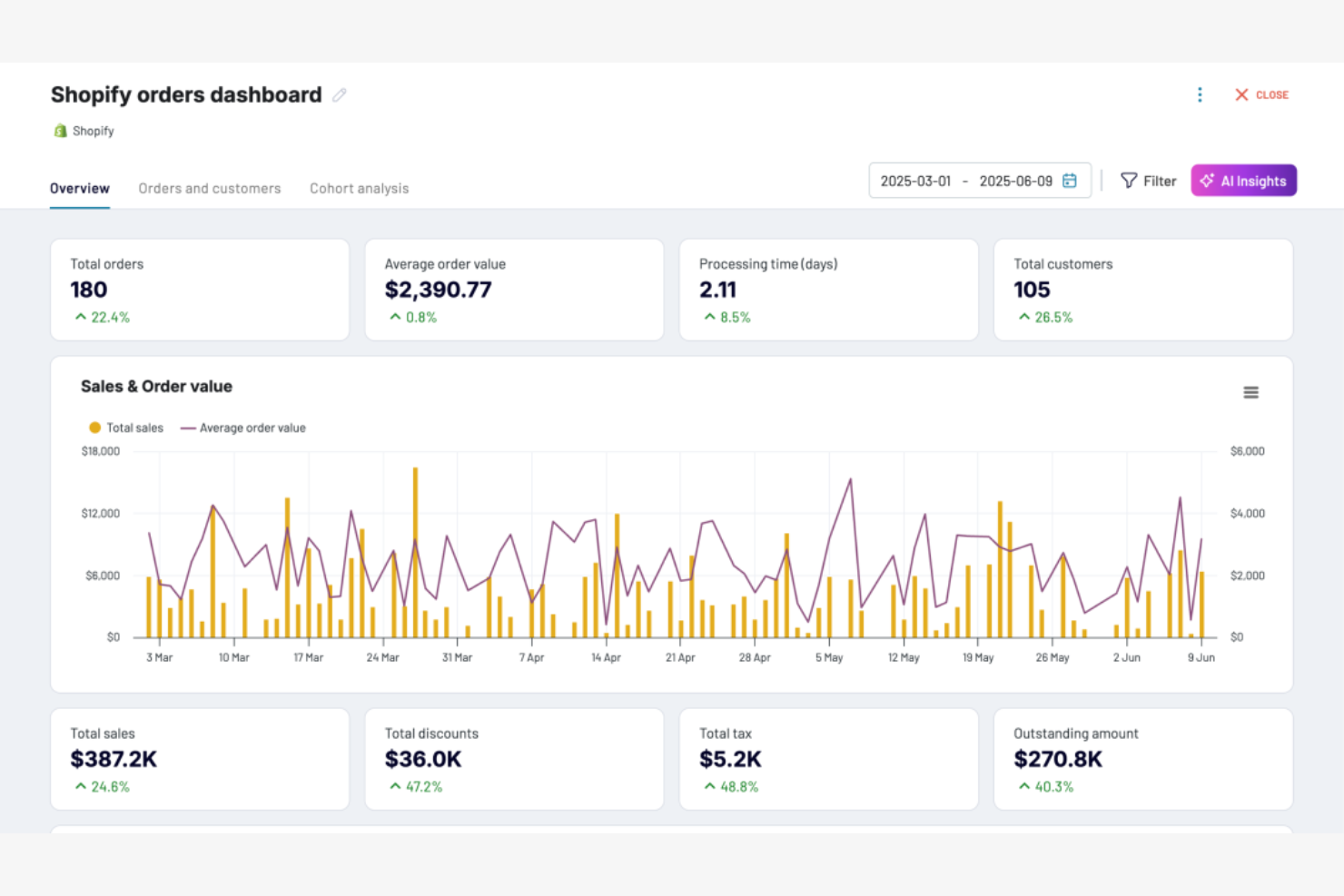
Shopify Plus está diseñado para empresas que manejan pedidos mayoristas a gran escala y flujos de trabajo B2B complejos. Es una opción fuerte para marcas que necesitan gestionar transacciones de alto volumen, precios personalizados y múltiples tiendas desde una sola plataforma. Si tu equipo necesita automatización avanzada y opciones de integración flexibles para ventas B2B, Shopify Plus responde directamente a esas necesidades.
Por qué elegí Shopify Plus
Elegí Shopify Plus porque está especialmente diseñado para empresas que requieren gestionar transacciones mayoristas de alto volumen sin sacrificar el control o la flexibilidad. La plataforma permite listas de precios personalizadas y flujos de trabajo de pedidos automatizados, aspectos esenciales para administrar grandes cuentas B2B y requisitos de compra complejos. También me gusta que Shopify Plus te permita operar múltiples tiendas B2B y DTC desde un solo panel, facilitando la segmentación y el servicio a diferentes grupos de clientes. Estas capacidades lo convierten en una opción sólida para equipos enfocados en escalar sus operaciones de comercio electrónico B2B sin comprometer la experiencia de compra.
Características clave de Shopify Plus
Otras características de Shopify Plus que apoyan a los equipos de ecommerce B2B incluyen:
- Pedidos preliminares: Crea y envía facturas o cotizaciones personalizadas directamente a los clientes B2B para su aprobación y pago.
- Perfiles de empresa: Almacena información detallada de cada cuenta comercial, incluyendo varios compradores, ubicaciones y términos de pago.
- Portales de autoservicio: Permite a los compradores B2B iniciar sesión para ver el historial de pedidos, volver a pedir productos y gestionar los detalles de su cuenta.
- Flujos de trabajo automatizados: Configura desencadenantes y acciones para tareas como aprobaciones de pedidos, actualización de inventario y notificaciones a clientes.
Integraciones de Shopify Plus
Las integraciones incluyen Acumatica, Microsoft Dynamics 365, Brightpearl, Boomi, Jitterbit, Celigo, PayPal, QuickBooks, NetSuite y Avalara.
Pros and Cons
Pros:
- Gestión de estructuras de precios y catálogos B2B complejos
- Soporta múltiples tiendas bajo una sola cuenta
- Portales de autoservicio integrados para compradores
Cons:
- La personalización a menudo requiere apoyo de desarrolladores
- Soporte nativo limitado para catálogos punchout

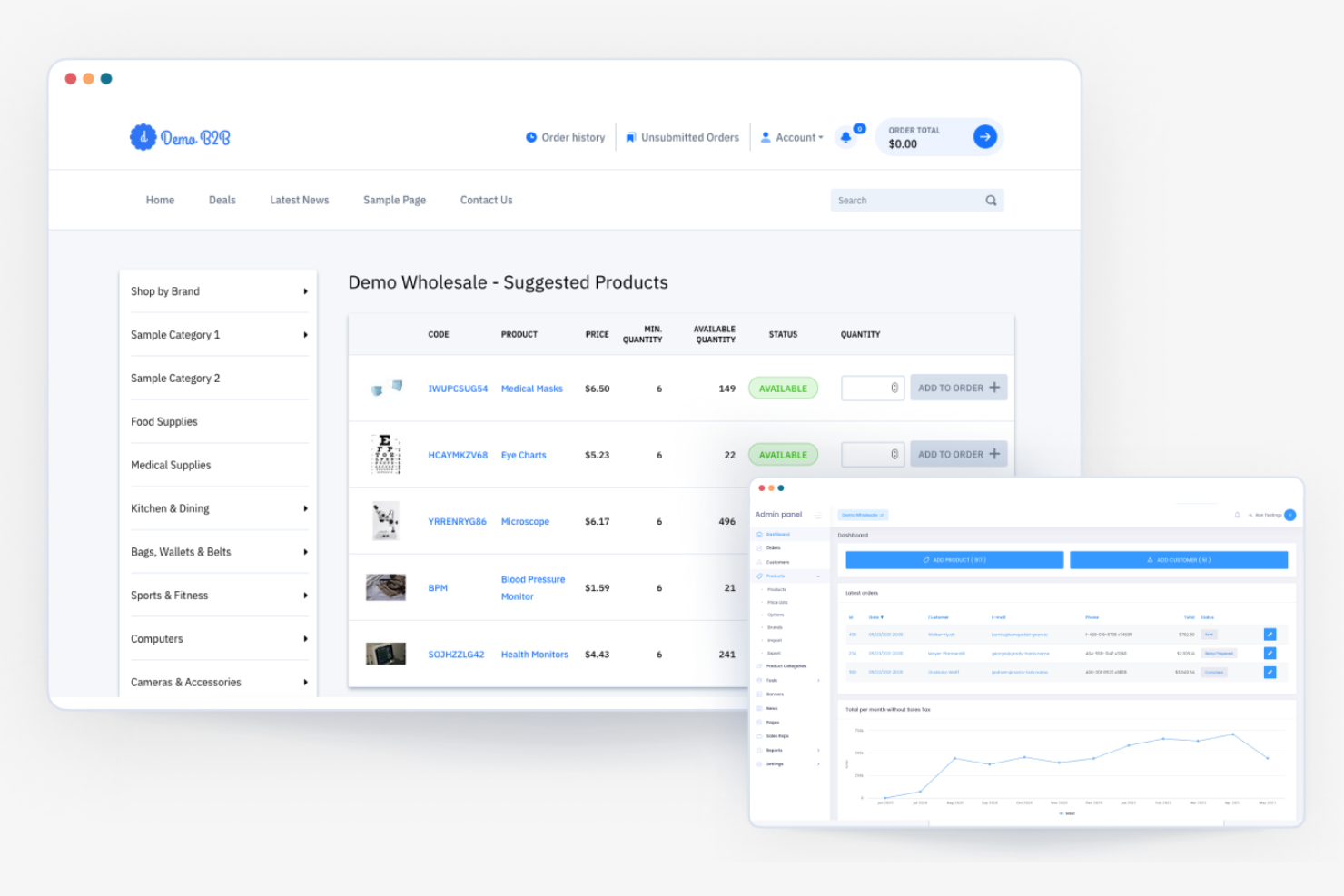
B2B Wave está diseñado para mayoristas y distribuidores que desean lanzar un portal de pedidos en línea sin un largo proceso de configuración. La plataforma resulta atractiva para equipos que buscan una experiencia de incorporación sencilla y guiada, y pocas barreras técnicas. Si necesitas poner en marcha tu sitio de comercio electrónico B2B rápidamente, B2B Wave te ayuda a pasar del registro a las ventas en días, no semanas.
Por qué elegí B2B Wave
Para empresas que desean comenzar a operar de inmediato, B2B Wave destaca por su rápido proceso de configuración e incorporación. La plataforma ofrece un asistente de lanzamiento paso a paso y una incorporación guiada, para que puedas configurar tu tienda, añadir productos e invitar a compradores con mínimas complicaciones. Me gusta que B2B Wave incluya plantillas predefinidas e invitaciones por correo electrónico automatizadas, lo que te permite pasar del registro al sitio en vivo en solo unos días. Esto lo convierte en una excelente opción para equipos que necesitan lanzar un portal de ecommerce B2B rápidamente sin esperar largos ciclos de desarrollo.
Funciones clave de B2B Wave
Otras funciones que hacen útil a B2B Wave para equipos de comercio electrónico B2B son:
- Precios específicos por cliente: Asigna precios únicos a compradores o grupos individuales.
- Flujos de aprobación de pedidos: Configura aprobaciones de pedidos multinivel para organizaciones grandes.
- Gestión de catálogo de productos: Organiza productos con categorías, imágenes y especificaciones detalladas.
- Cuentas para representantes de ventas: Permite que los representantes de ventas inicien sesión, realicen pedidos y gestionen a sus propios clientes.
Integraciones de B2B Wave
Las integraciones incluyen QuickBooks Online, Xero, Stripe, Authorize.net, Avalara, ShipStation, Shopify, Brightpearl, Zoho y Veeqo.
Pros and Cons
Pros:
- Incorporación guiada para una implementación rápida
- Precios específicos por cliente para acuerdos complejos
- Flujos de aprobación de pedidos para equipos grandes
Cons:
- Funcionalidad limitada de análisis avanzados
- Las herramientas de gestión de productos carecen de flexibilidad


Si buscas centralizar y automatizar la gestión de las relaciones con proveedores y compradores en tu empresa, MarketTime está diseñado para ese propósito. Es especialmente útil para distribuidores mayoristas, fabricantes y agencias de ventas que necesitan coordinar redes complejas y optimizar la gestión de pedidos. MarketTime destaca por conectar a todas las partes—proveedores, compradores y representantes—en una sola plataforma para colaborar y realizar transacciones en tiempo real.
Por Qué Elegí MarketTime
Gestionar redes de proveedores y compradores puede complicarse rápidamente, especialmente para empresas mayoristas con múltiples socios y representantes. Elegí MarketTime porque está diseñado para reunir todas esas relaciones en un único sistema organizado. La plataforma te permite gestionar catálogos de proveedores, cuentas de compradores y asignaciones de representantes en un solo panel, facilitando la coordinación de pedidos y la comunicación. Para empresas que dependen de un enfoque en red para las ventas B2B, MarketTime ofrece la estructura y visibilidad necesarias para mantener a todos alineados.
Características Clave de MarketTime
Además de sus capacidades de gestión de redes, MarketTime ofrece varias otras características destacables:
- Aplicación Móvil para Ingreso de Pedidos: Captura pedidos en movimiento mediante una aplicación móvil dedicada para representantes de ventas.
- Herramientas para Ferias Comerciales: Gestiona citas, escanea credenciales y procesa pedidos durante ferias y eventos.
- Seguimiento Automático de Comisiones: Rastrear y calcular automáticamente las comisiones de ventas de los representantes.
- Gestión de Imágenes de Productos: Sube y organiza las imágenes de productos para usarlas en catálogos digitales y presentaciones.
Integraciones de MarketTime
Las integraciones incluyen QuickBooks, NetSuite, Sage, SAP, Xero y una API abierta para integraciones personalizadas.
Pros and Cons
Pros:
- Centraliza la gestión de proveedores, compradores y representantes
- Ingreso de pedidos móvil para equipos de ventas en campo
- Automatiza el seguimiento y reporte de comisiones
Cons:
- No cuenta con una tienda orientada al cliente incorporada
- La personalización de los informes es algo limitada

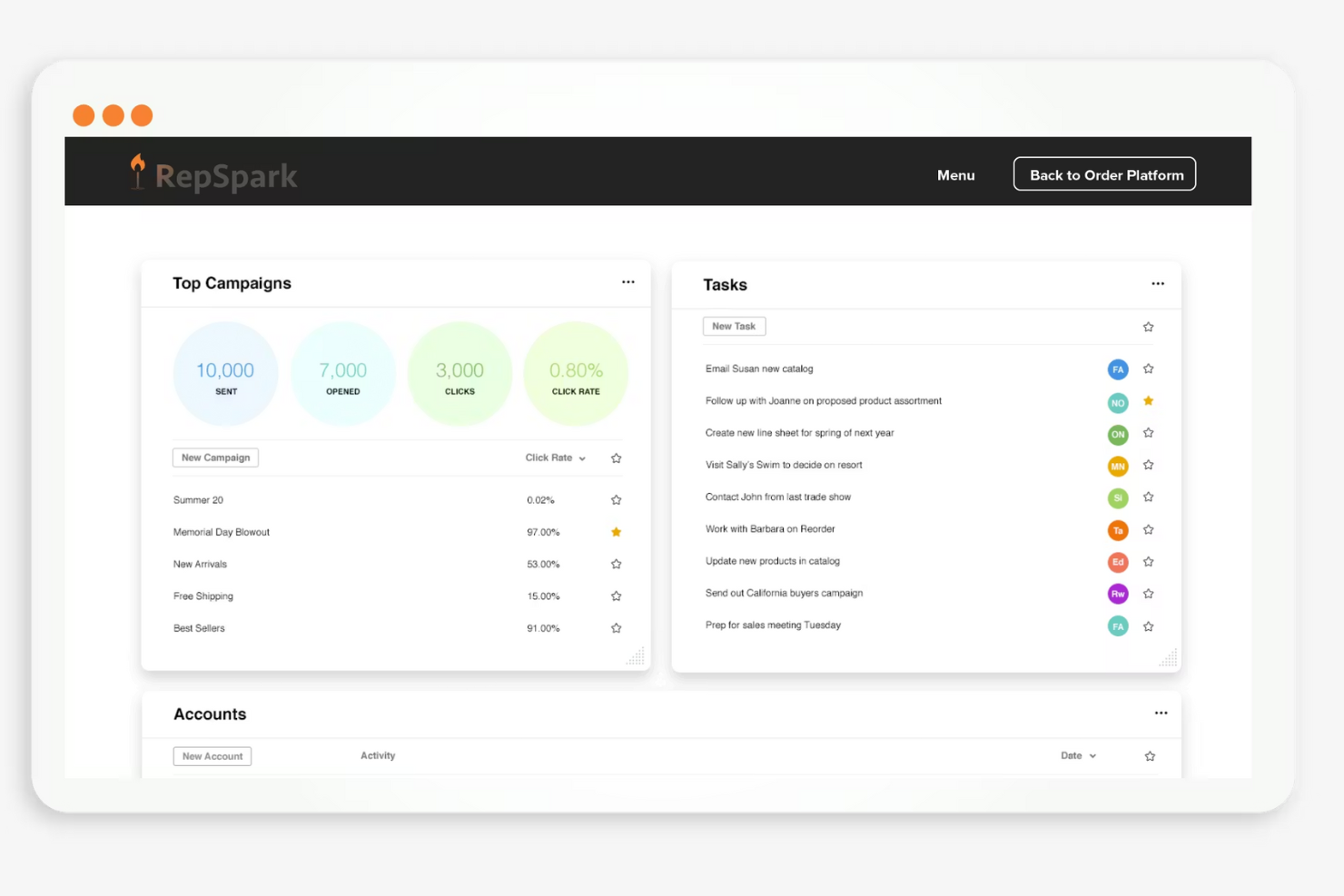
RepSpark está diseñada para marcas y distribuidores mayoristas que necesitan mantener conectados a representantes de ventas, gerentes y compradores durante todo el ciclo de ventas. La plataforma destaca por sus herramientas de colaboración que permiten a los equipos compartir información de productos, gestionar pedidos y comunicar actualizaciones en tiempo real. Si tu empresa depende de esfuerzos coordinados de ventas y datos de producto actualizados, RepSpark responde a esas necesidades con funciones adaptadas al comercio B2B.
Por qué elegí RepSpark
RepSpark me llamó la atención porque está diseñada para ayudar a los equipos de ventas a trabajar de forma más colaborativa en entornos B2B. La plataforma ofrece espacios de trabajo digitales compartidos donde los representantes pueden colaborar en surtidos de productos, propuestas de pedidos y comunicaciones con clientes. Valoro cómo RepSpark permite a los equipos hacer un seguimiento del estado de los pedidos y compartir actualizaciones al instante, lo que ayuda a prevenir malentendidos y retrasos. Estas herramientas de colaboración hacen de RepSpark una excelente opción para negocios que necesitan mantener alineados a vendedores, gerentes y compradores a lo largo del proceso mayorista.
Funciones clave de RepSpark
Además de sus herramientas de colaboración, también encontré valiosas estas funciones:
- Catálogos digitales personalizados: Crea y comparte catálogos de productos con la marca, adaptados a compradores o temporadas específicas.
- Visibilidad de inventario: Consulta niveles de inventario en tiempo real para evitar sobreventas y gestionar el stock de forma eficiente.
- Ingreso de pedidos integrado: Ingresa, edita y envía pedidos directamente desde la plataforma sin cambiar de sistema.
- Paquete de informes: Accede a análisis de ventas, pedidos y clientes a través de paneles de informes integrados.
Integraciones de RepSpark
Las integraciones incluyen AIMS360, BlueCherry, Aptean, Cin7, Shopify, Salesforce, QuickBooks, SAP y Oracle NetSuite.
Pros and Cons
Pros:
- El chat para representantes de ventas permite colaboración en tiempo real
- Los catálogos personalizados pueden compartirse con compradores
- El ingreso de pedidos se sincroniza con ERP y herramientas contables
Cons:
- Se requiere esfuerzo manual para configurar catálogos
- Enfoque limitado para industrias que no son de ropa

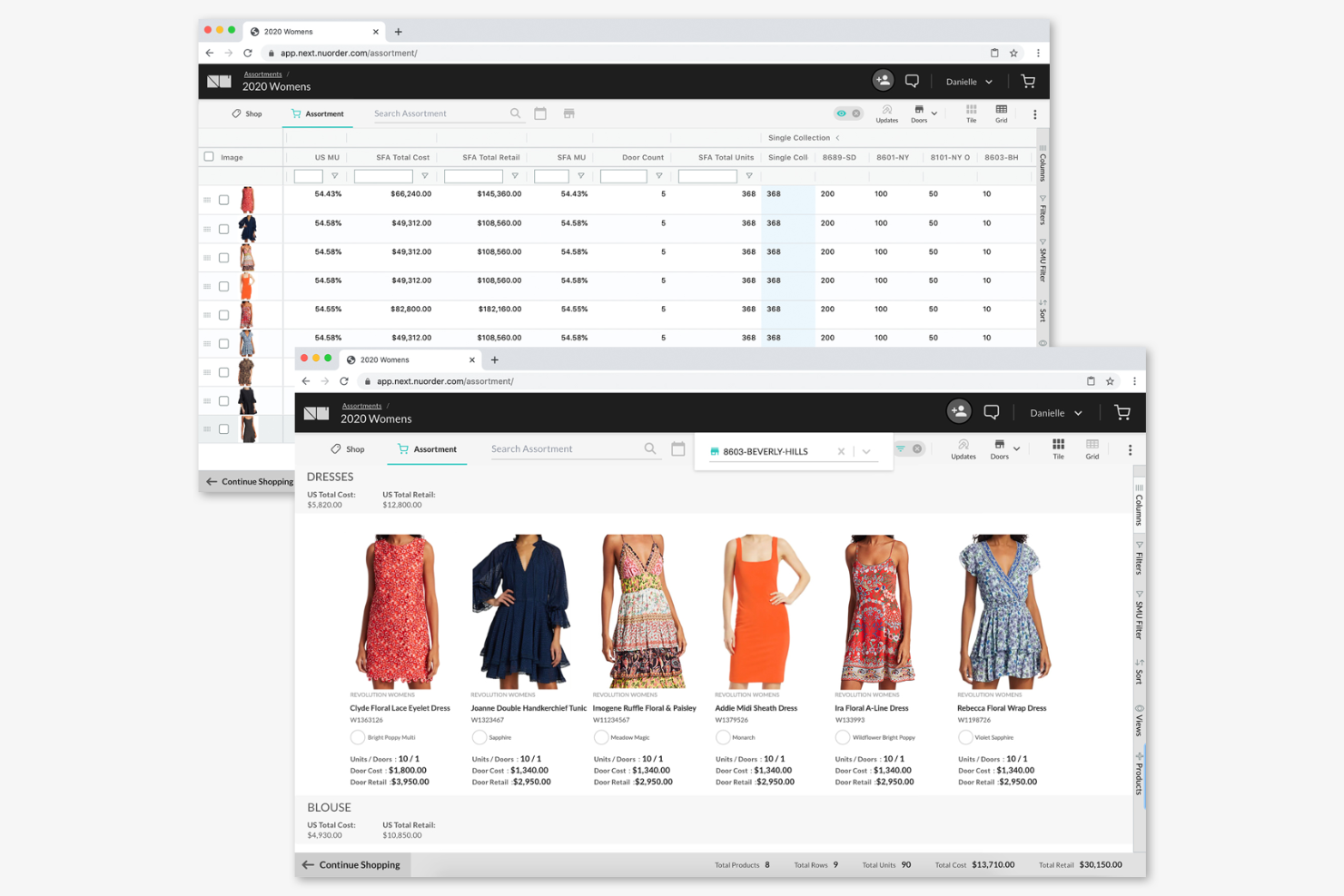
NuORDER by Lightspeed está diseñado para marcas y distribuidores que necesitan mostrar productos de manera visual y gestionar compras al por mayor en un solo lugar. La plataforma destaca por sus catálogos digitales interactivos, que ayudan a los equipos de ventas y a los compradores a colaborar en selecciones y pedidos. Si tu negocio depende de presentar productos con imágenes de alta calidad y un inventario en tiempo real, NuORDER responde directamente a esas necesidades.
Por qué elegí NuORDER
Lo que diferencia a NuORDER es su enfoque en la presentación visual de catálogos de productos, algo esencial para marcas que dependen de una fuerte imagen para impulsar las ventas al por mayor. Elegí NuORDER porque permite a los equipos crear catálogos digitales interactivos con imágenes en alta resolución, videos y especificaciones detalladas de productos, facilitando que los compradores exploren y seleccionen productos. La plataforma también ofrece visibilidad de inventario en tiempo real, por lo que los compradores siempre ven lo que está disponible mientras hacen sus pedidos. Estas funciones hacen de NuORDER una opción sólida para las empresas que quieren potenciar su experiencia de ecommerce B2B a través del merchandising visual.
Características clave de NuORDER
Otras características que hacen útil a NuORDER para los equipos mayoristas incluyen:
- Herramientas de gestión de pedidos: Crea, edita y haz seguimiento de los pedidos mayoristas directamente en la plataforma.
- Portales personalizados para compradores: Proporciona a cada comprador un portal personalizado con selecciones de productos y precios adaptados.
- Procesamiento de pagos integrado: Acepta y procesa pagos de manera segura a través de pasarelas de pago integradas.
- Panel de informes y análisis: Accede a datos de ventas, tendencias de pedidos y actividad de compradores en tiempo real.
Integraciones de NuORDER
Entre las integraciones se incluyen ApparelMagic, Oracle NetSuite, Cin7, Jasper, Venzee, Shotflow, Lightspeed, NAVexperts, Seams Systems y Shea Business.
Pros and Cons
Pros:
- Catálogos digitales compatibles con video incrustado y 3D
- Los portales de compradores permiten precios personalizados por cuenta
- Sincronización de inventario en tiempo real con sistemas ERP
Cons:
- La configuración inicial del catálogo puede requerir mucho tiempo
- Soporte limitado para casos fuera de moda

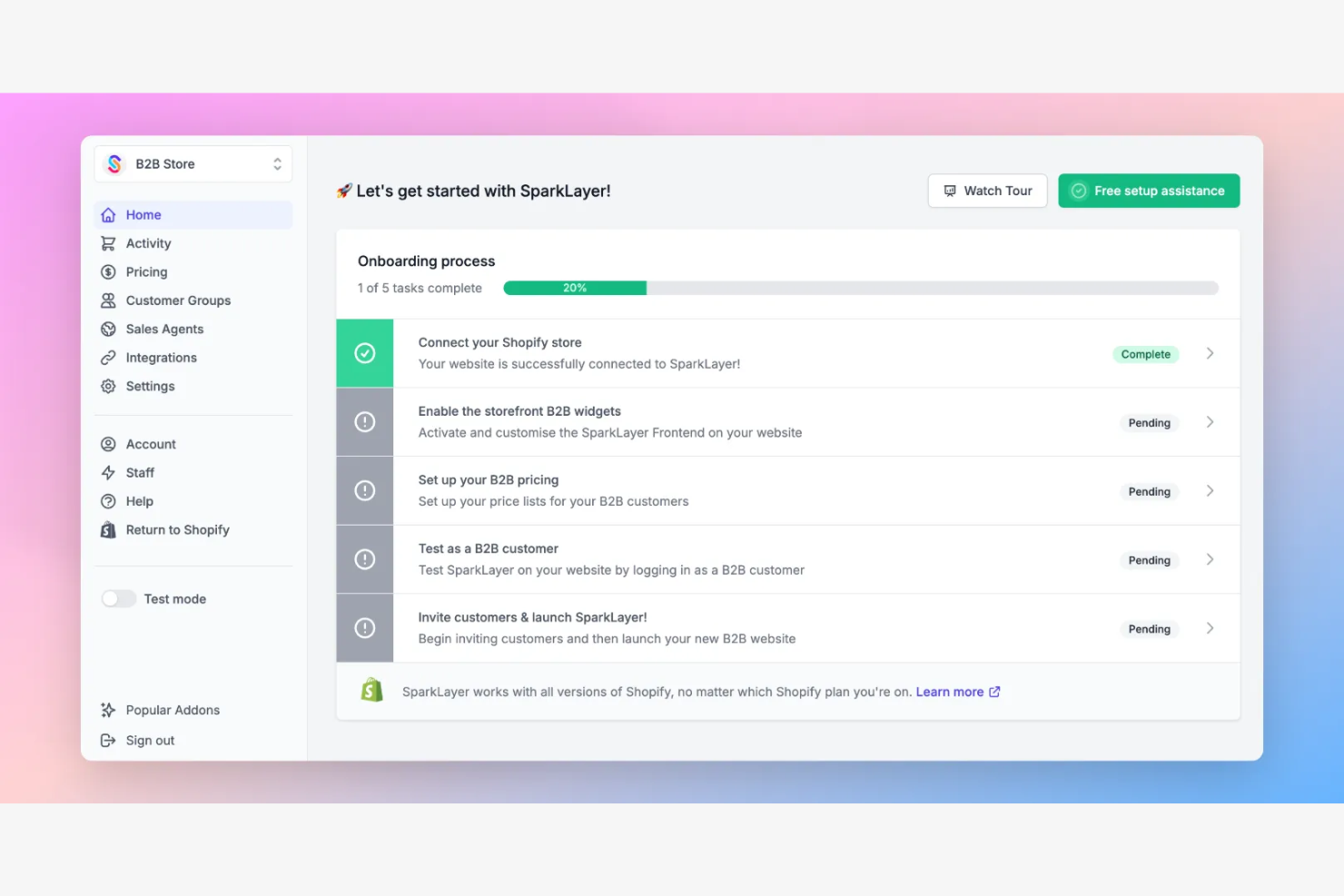
SparkLayer está diseñado para empresas que desean añadir funciones de comercio electrónico B2B a sus tiendas en línea existentes sin tener que migrar toda la plataforma. Es una opción ideal para equipos de comercio electrónico que utilizan Shopify u otras plataformas importantes y necesitan precios B2B, pedidos y gestión de cuentas integrados en su sitio actual. SparkLayer te ayuda a mantener la experiencia de tu marca existente mientras expandes tus ventas al canal B2B.
Por qué elegí SparkLayer
Para los equipos que buscan agregar capacidades de comercio electrónico B2B sin reconstruir todo su sitio, SparkLayer ofrece una forma directa de integrarse con las tiendas ya existentes. Elegí SparkLayer porque permite superponer funciones específicas para B2B—como precios personalizados, pedidos por niveles y acceso basado en cuentas—sobre plataformas como Shopify. Este enfoque significa que puedes mantener la experiencia y los flujos de trabajo de tus clientes actuales mientras expandes tus ventas al canal B2B. Es especialmente útil para empresas que quieren evitar la interrupción y el coste de una migración total de plataforma.
Funciones clave de SparkLayer
Otras funciones que hacen que SparkLayer sea útil para equipos de comercio electrónico B2B incluyen:
- Portal de pedidos para el equipo de ventas: Brinda a tus representantes de ventas un portal exclusivo para realizar pedidos en nombre de los clientes.
- Soporte multimoneda: Permite que los clientes vean y realicen transacciones en varias monedas.
- Herramientas de importación de pedidos: Permite cargar y procesar pedidos masivos mediante archivos CSV.
- Catálogos específicos para clientes: Muestra selecciones de productos adaptadas para distintas cuentas de clientes.
Integraciones de SparkLayer
Las integraciones incluyen Shopify, BigCommerce, Wix, WooCommerce, Brightpearl, Linnworks, Unleashed, Cin7 Core y Katana.
Pros and Cons
Pros:
- Agrega funcionalidad B2B a tiendas existentes
- Soporta precios y catálogos específicos por cliente
- Portal para representantes de ventas para pedidos asistidos
Cons:
- Soporte limitado para experiencias de tienda personalizadas
- La documentación de la API puede ser difícil de usar
Otras aplicaciones de comercio electrónico B2B
Estas son algunas opciones adicionales de aplicaciones de comercio electrónico B2B que no llegaron a mi lista, pero que aun así vale la pena conocer:
- Abakion
La mejor para integración con Microsoft Dynamics 365
- Onsight
Ideal para ingresar pedidos desde el móvil mientras te desplazas
- Elastic Suite
Mejor para marcas de artículos deportivos y para actividades al aire libre


Cómo evalúo las aplicaciones de comercio electrónico B2B
Divido mi evaluación en requisitos básicos, como precios específicos por cuenta y flujos de trabajo de aprobación de compradores, y factores diferenciadores que distinguen a las mejores plataformas.
Funcionalidad principal (requisitos básicos para esta lista)
Al seleccionar las herramientas para mi lista, califico cada una en una escala de 0 (no ofrece la funcionalidad) a 5 (sobresale en esta área) para cada funcionalidad principal indicada a continuación. Después, calculo la puntuación total de la herramienta como porcentaje. Cada herramienta debe alcanzar una puntuación total mínima del 65% para ser considerada para su inclusión.
- Catálogos y precios específicos por cuenta: Compruebo si cada plataforma permite asignar catálogos únicos, tarifas contractuales y niveles por volumen para cada cuenta, como lo haría un distribuidor de alimentos que aplicara precios diferentes a una cadena de restaurantes y a una cafetería individual.
- Pedidos masivos y rápidos: Los compradores mayoristas vuelven a pedir constantemente los mismos SKU, por lo que busco funciones de carga de CSV, paneles de pedidos rápidos, listas de pedidos guardadas y repetición de pedidos con un solo clic desde el historial de compras.
- Jerarquías de cuentas de compradores: Los compradores con varias ubicaciones necesitan estructuras de compra por niveles, así que evalúo qué tan bien gestiona una plataforma los roles, los permisos y los flujos de trabajo de aprobación entre departamentos o sucursales.
- Gestión de presupuestos y negociaciones: Aquí son importantes el envío de solicitudes de presupuesto, la conversión de presupuesto a pedido y el seguimiento de las negociaciones, especialmente para los vendedores que gestionan precios personalizados en pedidos grandes o complejos.
- Integración con ERP y sistemas internos: Analizo los conectores nativos y la profundidad de la API para sincronizar pedidos, inventario y datos de clientes con sistemas como NetSuite, SAP o Microsoft Dynamics.
- Pagos B2B y condiciones de crédito: El pago estándar con tarjeta de crédito por sí solo no es suficiente para B2B, así que evalúo la compatibilidad con órdenes de compra, condiciones de pago neto, límites de crédito y flujos de facturación.
Una vez que tengo una lista de herramientas que cumplen los criterios, considero qué distingue a cada plataforma.
Factores diferenciadores (lo que distingue a los proveedores)
Así es como comparo y contrasto a los distintos proveedores:
Funciones destacadas
Los portales para representantes de ventas son un factor diferenciador importante: busco plataformas en las que los representantes puedan iniciar sesión en nombre de los compradores, crear carritos y realizar pedidos, algo esencial para los equipos de ventas de campo que gestionan cuentas clave. La compatibilidad con catálogos punchout (cXML u OCI) también es importante si tus compradores utilizan sistemas de adquisiciones como Coupa o Ariba. Para las empresas que venden en distintas regiones, evalúo las capacidades de múltiples escaparates, incluida la gestión de divisas, idiomas y jurisdicciones fiscales desde un único sistema interno.
Más allá de las funciones
Evalúo detenidamente la transparencia del modelo de precios: algunas plataformas cobran en función del GMV, lo que puede volverse impredecible a medida que aumenta el volumen de pedidos. También considero la profundidad del ecosistema de integraciones, especialmente si un proveedor ofrece un mercado de aplicaciones consolidado y conectores de ERP certificados o si depende en gran medida de trabajo personalizado con la API. Los plazos de implementación también varían considerablemente. Un distribuidor con miles de SKU necesita aceleradores prediseñados y asistencia de socios, mientras que un mayorista más pequeño puede comenzar más rápido con plantillas listas para usar.
Cómo elegir una aplicación de comercio electrónico B2B
Es fácil perderse entre largas listas de funciones y estructuras de precios complejas. Para ayudarte a mantenerte enfocado mientras avanzas en tu proceso particular de selección de software, aquí tienes una lista de factores que debes tener en cuenta:
| Factor | Qué debes considerar |
| Escalabilidad | ¿Podrá la plataforma gestionar el volumen de pedidos previsto, el crecimiento del catálogo de productos y las nuevas cuentas de clientes durante los próximos 3-5 años? |
| Integraciones | ¿La aplicación se conecta de forma nativa con tu ERP, sistema de contabilidad, CRM y sistemas de envío, o necesitarás un desarrollo personalizado? |
| Capacidad de personalización | ¿Puedes adaptar los flujos de trabajo, la imagen de marca de tu tienda de comercio electrónico y los roles de usuario para que coincidan con tus procesos empresariales sin una intervención significativa del departamento de TI? |
| Facilidad de uso | ¿Cómo es la experiencia de usuario? ¿Podrán tu equipo y tus clientes navegar por el portal con una formación mínima o encontrarás obstáculos para su adopción? |
| Implementación e incorporación | ¿Cuánto tiempo llevará migrar los datos, configurar los catálogos y formar a los usuarios? ¿Se incluyen recursos de incorporación y asistencia en el paquete? |
| Coste | ¿Todas las funciones necesarias están incluidas en el precio indicado o hay cargos adicionales por usuarios, integraciones o asistencia? |
| Medidas de seguridad | ¿El proveedor ofrece acceso basado en roles, cifrado de datos y cumplimiento de las normas pertinentes (como el RGPD o SOC 2)? |
| Disponibilidad del servicio de asistencia | ¿Qué canales de asistencia se ofrecen (chat, teléfono, correo electrónico) y están disponibles durante tu horario laboral o solo en determinadas zonas horarias? |
¿Qué es una aplicación de comercio electrónico B2B?
Una aplicación de comercio electrónico entre empresas o B2B es una plataforma de software que permite a las empresas vender productos o servicios directamente a otras empresas en línea. Estas aplicaciones admiten precios complejos, pedidos al por mayor, cuentas empresariales multiusuario e integración con sistemas administrativos. Las aplicaciones de comercio electrónico B2B ayudan a gestionar tanto las operaciones visibles para el cliente como las internas, desde el proceso de compra hasta la gestión de las relaciones con los clientes y la automatización de los flujos de trabajo de los pedidos para mayoristas, distribuidores y fabricantes que venden a compradores empresariales.
Características
Al seleccionar una aplicación de comercio electrónico B2B, presta atención a las siguientes características clave:
- Precios específicos para cada cliente: Establece precios, descuentos o condiciones únicos para compradores individuales o grupos, lo que permite gestionar negociaciones y contratos B2B complejos.
- Cuentas empresariales multiusuario: Permite que varios usuarios de la misma empresa accedan al historial de pedidos compartido, gestionen permisos y realicen pedidos con una sola cuenta.
- Herramientas para pedidos al por mayor: Permite a los compradores añadir rápidamente grandes cantidades o múltiples SKU a su carrito, a menudo mediante la carga de archivos CSV o formularios de pedido rápido.
- Flujos de trabajo de aprobación de pedidos: Envía los pedidos a través de procesos de aprobación multinivel, garantizando el cumplimiento de las políticas internas de compras antes de enviarlos.
- Gestión del catálogo de productos: Organiza los productos con categorías, imágenes, especificaciones técnicas y atributos personalizados adaptados a las necesidades de los compradores B2B.
- Integración con sistemas ERP y contables: Sincroniza los pedidos, el inventario y los datos de los clientes con las plataformas administrativas para reducir la introducción manual de datos y los errores.
- Gestión de presupuestos: Permite a los compradores solicitar presupuestos, negociar precios y convertir directamente los presupuestos aprobados en pedidos.
- Portales para representantes de ventas: Proporciona accesos específicos para que los representantes de ventas gestionen cuentas de clientes, realicen pedidos en nombre de estos y hagan un seguimiento del rendimiento.
- Visibilidad del inventario en tiempo real: Muestra a los compradores los niveles de existencias actualizados, lo que ayuda a evitar la venta excesiva y los pedidos pendientes.
- Opciones de pago flexibles: Admite facturación, órdenes de compra, condiciones de crédito y otros métodos de pago B2B además del pago estándar con tarjeta de crédito.
Características habituales de la IA
Más allá de las características estándar de las aplicaciones de comercio electrónico B2B mencionadas anteriormente, muchas de estas soluciones están incorporando IA con funciones como:
- Recomendaciones personalizadas de productos: Utiliza algoritmos de IA para analizar el comportamiento de los compradores y sugerir productos relevantes, aumentando las oportunidades de venta cruzada y venta adicional.
- Previsión automatizada de la demanda: Aprovecha el aprendizaje automático para predecir los volúmenes futuros de pedidos y las necesidades de inventario basándose en datos históricos de ventas y tendencias del mercado.
- Optimización dinámica de precios: Ajusta los precios en tiempo real mediante modelos de IA que tienen en cuenta la demanda, la competencia y los segmentos de clientes para maximizar los márgenes y las tasas de éxito.
- Búsqueda y filtrado inteligentes: Mejora el descubrimiento de productos con una búsqueda basada en IA que comprende la intención, los sinónimos y el contexto, ofreciendo resultados más precisos para los compradores B2B.
- Predicción del riesgo de abandono: Identifica las cuentas en riesgo de inactividad o abandono mediante el análisis de los patrones de interacción y el historial de transacciones, lo que permite realizar acciones de retención proactivas.
Beneficios
Implementar una aplicación de comercio electrónico B2B ofrece varios beneficios para tu equipo y tu empresa. Estos son algunos de los que puedes esperar:
- Procesamiento más rápido de pedidos: Los flujos de trabajo automatizados y las herramientas para pedidos al por mayor reducen la introducción manual de datos y aceleran todo el ciclo de compra.
- Mayor precisión en los precios: Las funciones de precios específicos para cada cliente y gestión de presupuestos ayudan a garantizar que cada comprador reciba las condiciones y los descuentos correctos.
- Mayor control de las cuentas: Las cuentas empresariales multiusuario y los flujos de trabajo de aprobación de pedidos proporcionan a las empresas una supervisión más estricta de la actividad de compras.
- Integración fluida de sistemas: Las conexiones directas con plataformas ERP, contables y de envío mantienen los datos sincronizados y minimizan los errores.
- Experiencia del cliente mejorada: La visibilidad del inventario en tiempo real, las opciones de pago flexibles y las recomendaciones personalizadas facilitan las compras a los clientes empresariales.
- Apoyo al crecimiento escalable: La capacidad de gestionar volúmenes de pedidos crecientes, nuevas líneas de productos y cuentas de clientes adicionales ayuda a tu empresa a expandirse sin interrupciones.
- Toma de decisiones basada en datos: Los análisis integrados y las previsiones basadas en IA proporcionan información útil para la planificación del inventario y las estrategias de ventas.
Costes y precios
Seleccionar una aplicación de comercio electrónico B2B requiere comprender los diversos modelos de precios y planes disponibles. Los costes varían en función de las características, el tamaño del equipo, los complementos y otros factores. La tabla siguiente resume los planes habituales, sus precios medios y las características que suelen incluir las soluciones de aplicaciones de comercio electrónico B2B:
Tabla comparativa de planes
| Tipo de plan | Precio promedio | Características comunes |
| Plan gratuito | $0 | Catálogo de productos básico, procesamiento limitado de pedidos, acceso para un solo usuario e informes básicos. |
| Plan personal | $30-$100/ mes | Catálogo de productos ampliado, gestión sencilla de clientes, integraciones básicas y asistencia por correo electrónico. |
| Plan empresarial | $200-$800/ mes | Cuentas multiusuario, precios específicos para clientes, flujos de trabajo de aprobación de pedidos, integraciones con ERP y análisis. |
| Plan corporativo | $1,000-$5,000/mes | Personalización avanzada, gestor de cuenta dedicado, acceso a la API, flujos de trabajo personalizados y asistencia prioritaria. |
Preguntas frecuentes sobre aplicaciones de comercio electrónico B2B
Estas son algunas respuestas a preguntas frecuentes sobre las aplicaciones de comercio electrónico B2B:
¿En qué se diferencia una aplicación de comercio electrónico B2B de una plataforma de comercio electrónico B2C?
Una aplicación de comercio electrónico B2B está diseñada para compradores empresariales y admite funciones como pedidos al por mayor, precios específicos para clientes y cuentas multiusuario. Las plataformas B2C se centran en consumidores individuales y normalmente ofrecen catálogos, precios y procesos de pago más sencillos.
¿Pueden las aplicaciones de comercio electrónico B2B integrarse con mi sistema ERP o contable existente?
Sí, la mayoría de los sitios web y aplicaciones de comercio electrónico B2B ofrecen integraciones con sistemas ERP y contables populares. Esto ayuda a sincronizar los pedidos, la gestión del inventario y los datos de los clientes, reduciendo la introducción manual de datos y minimizando los errores durante el cumplimiento de pedidos y la facturación.
¿Qué funciones de seguridad debo buscar en una aplicación de comercio electrónico B2B?
Busca controles de acceso basados en roles, cifrado de datos, registros de auditoría y cumplimiento de estándares como GDPR o SOC 2. Estas funciones B2B ayudan a proteger los datos empresariales confidenciales y garantizan que solo los usuarios autorizados puedan acceder a información clave.
¿Cuánto tiempo se tarda en implementar una aplicación de comercio electrónico B2B?
Los plazos de implementación varían, pero la mayoría de las empresas puede esperar un proceso de entre varias semanas y varios meses. Entre los factores se incluyen el tamaño del catálogo, las necesidades de integración, la migración de datos y los requisitos de formación de los usuarios.
¿Las aplicaciones de comercio electrónico B2B admiten ventas internacionales y varias divisas?
Sí, muchas aplicaciones de comercio electrónico admiten ventas empresariales B2B internacionales y ofrecen precios en varias divisas, catálogos localizados y herramientas de cálculo de impuestos. Confirma siempre estas capacidades si planeas atender a clientes de todo el mundo.