

Las 10 mejores plataformas internacionales de comercio electrónico en 2026

10 Lista de las mejores plataformas internacionales de comercio electrónico


Hay tantas soluciones de software diferentes para la gestión de relaciones con proveedores que puede resultar complicado hacer una lista de las mejores. Quieres optimizar y mejorar los procesos de evaluación, selección y gestión de proveedores, y ahora necesitas la herramienta adecuada para tu empresa y tu equipo. ¡Yo puedo ayudarte! En esta publicación, comparto mi experiencia personal gestionando tiendas en línea de todos los tamaños y utilizando muchas plataformas de comercio electrónico diferentes, además de mis selecciones de las mejores plataformas internacionales de comercio electrónico en general.
Por qué confiar en nuestras recomendaciones de software
Nuestro equipo lleva probando y evaluando software desde 2012. Como líderes del sector retail, sabemos lo difícil —y lo importante— que es elegir el software adecuado.
Para esta guía, evaluamos las herramientas mediante pruebas prácticas e investigación independiente, puntuando las herramientas según nuestros criterios de selección.
Nuestras reseñas reflejan nuestro criterio independiente, no un discurso de ventas.
Resumen de las mejores plataformas internacionales de comercio electrónico
| Tool | Best For | Trial Info | Price | ||
|---|---|---|---|---|---|
| 1 | Ideal para escalar | Demo gratuita disponible | Precio a consultar | Website | |
| 2 | Mejor para plantillas de comercio electrónico | Prueba gratuita de 14 días disponible | Desde $16/mes (facturado anualmente) | Website | |
| 3 | Mejor relación calidad-precio | Plan gratuito disponible | Desde $13/mes (facturación anual) | Website | |
| 4 | Mejor para soporte multilingüe | Plan gratuito disponible | Desde $17/mes | Website | |
| 5 | Mejor optimización para motores de búsqueda | Prueba gratuita de 14 días disponible | Desde $35/mes | Website | |
| 6 | Mejor para la gestión unificada de comercio electrónico | Demo gratuita disponible. | Precios disponibles bajo solicitud. | Website | |
| 7 | Ideal para pequeñas empresas | Plan gratuito disponible. | Desde $35/mes. | Website | |
| 8 | La mejor por su facilidad de uso | Demostración gratuita disponible | Precio disponible a solicitud | Website | |
| 9 | Mejor para personalizaciones | Plan gratuito disponible | Desde $10/mes | Website | |
| 10 | Lo mejor para expandirse a nivel mundial | Demostración gratuita disponible. | Precio disponible bajo solicitud. | Website |
Resumen de las 10 mejores plataformas internacionales de comercio electrónico
Estas son mis evaluaciones de las principales plataformas internacionales de comercio electrónico disponibles, incluidos los elementos fundamentales que hacen que merezca la pena considerarlas.

Ideal para escalar
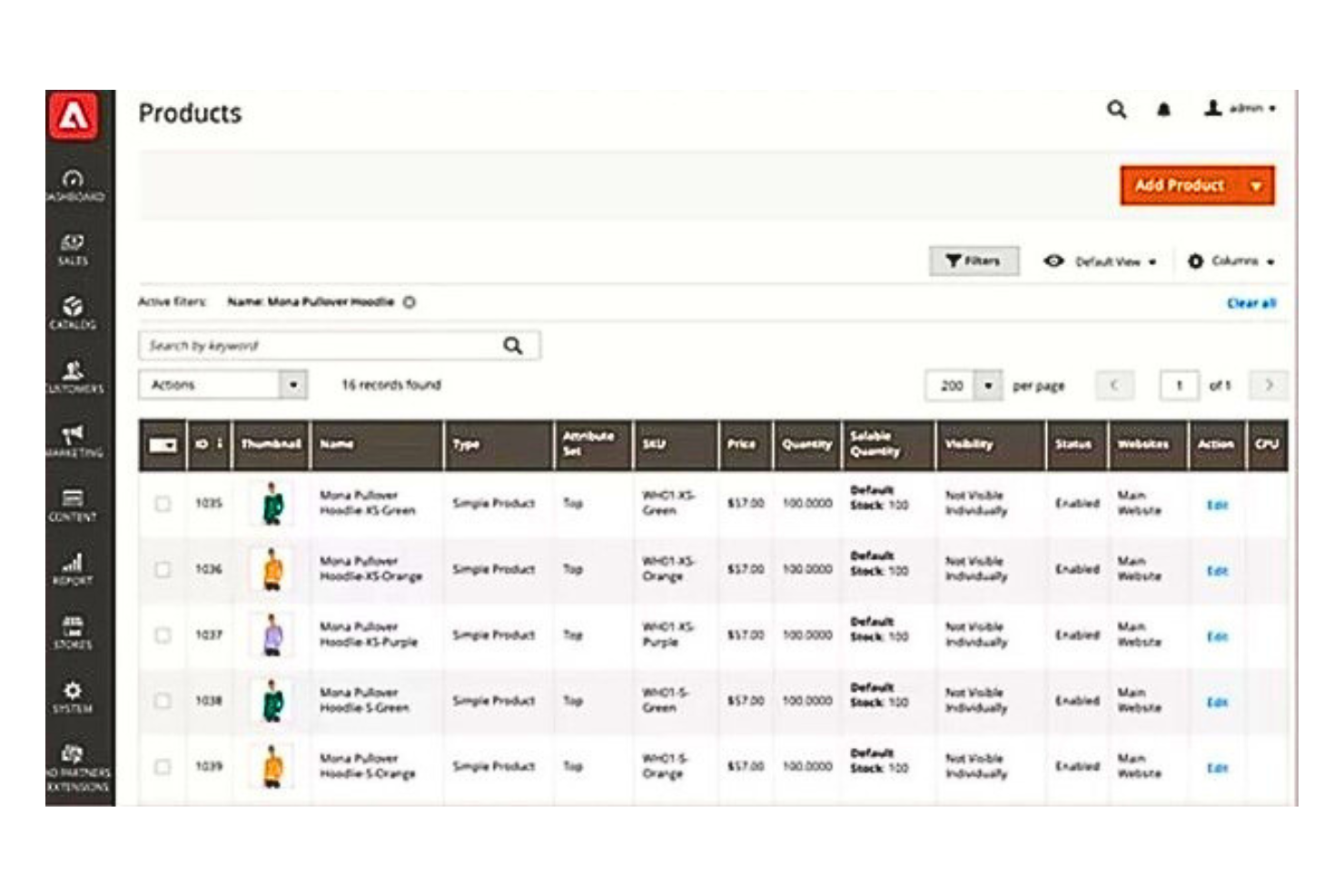
Adobe Commerce es una plataforma de comercio electrónico nativa en la nube diseñada para operaciones empresariales B2C y B2B, con arquitectura multisitio, comercialización impulsada por IA y soporte integrado para múltiples idiomas, monedas y regulaciones fiscales en mercados globales.
¿Para Quién es Mejor Adobe Commerce?
Adobe Commerce es ideal para minoristas empresariales y de mercado medio que gestionan grandes cantidades de SKU, múltiples marcas o ventas transfronterizas en varias regiones.
Por Qué Elegí Adobe Commerce
Adobe Commerce merece su lugar entre los mejores de mi lista porque su infraestructura en la nube con escalado automático maneja picos de tráfico y grandes volúmenes de pedidos sin intervención manual. Me impresiona especialmente su servicio de catálogo SaaS, que admite la rápida incorporación y actualización de millones de SKUs. Cuando mi equipo necesita lanzar nuevas tiendas para otras regiones o marcas, la arquitectura multisitio nos permite hacerlo desde un solo panel de administración sin reconstruir desde cero.
Características Clave de Adobe Commerce
- Soporte multi-moneda e idiomas: Acepta pagos en más de 200 monedas y localiza las tiendas con idiomas y contenido específicos de cada región.
- Recomendaciones de productos impulsadas por IA: Ofrece sugerencias personalizadas de productos basadas en el comportamiento de navegación y compra de cada cliente.
- Herramientas de comercio B2B: Gestiona cuentas empresariales, catálogos personalizados, precios negociados y pedidos de compra para clientes mayoristas.
- Configuración localizada de pagos e impuestos: Configura pasarelas de pago y reglas fiscales específicas para cada país donde vendas.
Pros and Cons
Pros:
- Muchas herramientas de ecommerce integradas
- Plataforma escalable y flexible
- Soluciones sofisticadas de análisis e informes
Cons:
- Curva de aprendizaje ligera
- Puede requerir conocimientos especializados

Mejor para plantillas de comercio electrónico
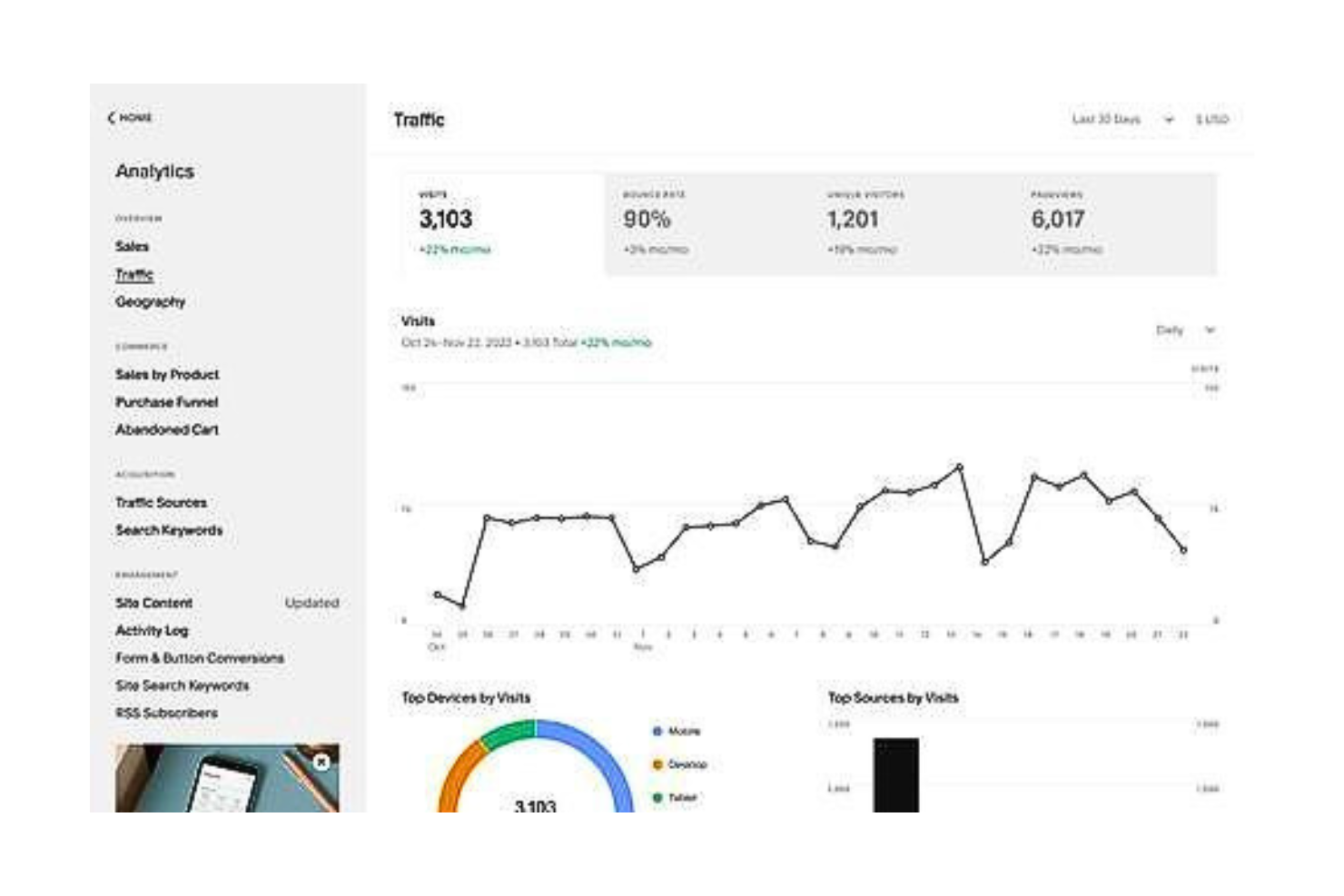
Squarespace es un creador de sitios web y una plataforma de comercio electrónico que combina funcionalidad de tienda online con listados de productos, gestión de inventario, procesamiento de pagos y herramientas de envío, todo construido en torno a un sistema de diseño basado en plantillas.
¿Para quién es mejor Squarespace?
Squarespace es una excelente opción para marcas pequeñas y medianas y vendedores independientes que priorizan la estética de su tienda y desean un comercio electrónico enfocado en el diseño sin necesidad de contratar un desarrollador.
Por qué elegí Squarespace
He incluido Squarespace en mis principales selecciones porque sus plantillas de comercio electrónico están realmente pensadas para vender, no solo para exhibir. Cada plantilla incluye páginas de productos preestructuradas, distribuciones para colecciones y escaparates optimizados para móviles que funcionan bien en mercados internacionales. Me gusta especialmente cómo el editor Fluid Engine te permite personalizar cualquier plantilla sin escribir código, por lo que puedes adaptar el aspecto de tu tienda para diferentes audiencias regionales sin tener que reconstruirla desde cero.
Características clave de Squarespace
- Gestión automática de impuestos: Squarespace calcula las tasas de impuestos automáticamente según dónde y qué vendas, incluyendo IVA y GST para transacciones internacionales.
- Procesamiento de pagos multicanal: Acepta pagos mediante tarjetas de crédito, Apple Pay, Afterpay y opciones regionales como SEPA e iDEAL a través de Squarespace Payments o procesadores de terceros.
- Herramientas de envío y cumplimiento: Configura entregas locales, recogidas o envíos estándar, compra e imprime etiquetas de envío y conecta con transportistas directamente desde tu panel de control.
- Reseñas de productos: Recoge y muestra opiniones de clientes en las páginas de productos para generar credibilidad con compradores en nuevos mercados.
Pros and Cons
Pros:
- Plantillas prediseñadas galardonadas
- Excelente capacidad de gestión de inventario
- Planes asequibles
Cons:
- Ligera curva de aprendizaje
- Deshacer cambios es complicado

Weebly
Mejor relación calidad-precio

Weebly es un creador de sitios web y de comercio electrónico con función de arrastrar y soltar, ahora parte de Square, que te permite crear una tienda online con herramientas para listar productos, gestionar pedidos, envíos y pagos.
¿Para quién es mejor Weebly?
Weebly es una buena opción para propietarios de pequeñas empresas y emprendedores individuales que buscan una forma económica de lanzar una tienda online sencilla sin necesidad de conocimientos técnicos.
Por qué elegí Weebly
He incluido Weebly en mis principales elecciones porque incluye una sorprendente cantidad de funciones de comercio electrónico en sus planes de nivel inferior. El plan gratuito admite listados reales de productos, un carrito de compras y procesamiento de pagos con Square desde el principio. En los planes de pago, no hay comisiones por transacciones, seguimiento de envíos integrado y herramientas automáticas de impuestos para ventas en EE. UU., funciones que la mayoría de las plataformas reservan para niveles superiores. Es un punto de partida práctico si estás probando mercados internacionales sin pagar una cuota mensual alta.
Características clave de Weebly
- Seguimiento de inventario: Controla los niveles de stock en tu catálogo de productos, muestra alertas por bajo stock para crear urgencia y notifica automáticamente a los clientes cuando los productos se agotan.
- Correos electrónicos de carrito abandonado: Envía automáticamente un correo de recuperación programado a los compradores que se van sin completar la compra.
- Búsqueda de productos filtrada: Permite a los clientes filtrar los resultados por atributos como precio y color, dando más visibilidad a todo tu catálogo.
- Herramienta de importación de tienda: Importa datos existentes de productos desde Etsy o Shopify, o sube un archivo CSV, para poner en marcha tu tienda más rápido.
Pros and Cons
Pros:
- Plan gratuito con funciones estándar de comercio electrónico
- Gran número de integraciones
- Guías útiles de SEO
Cons:
- Mala adaptación al formato móvil
- Plantillas de sitio desactualizadas

Wix
Mejor para soporte multilingüe
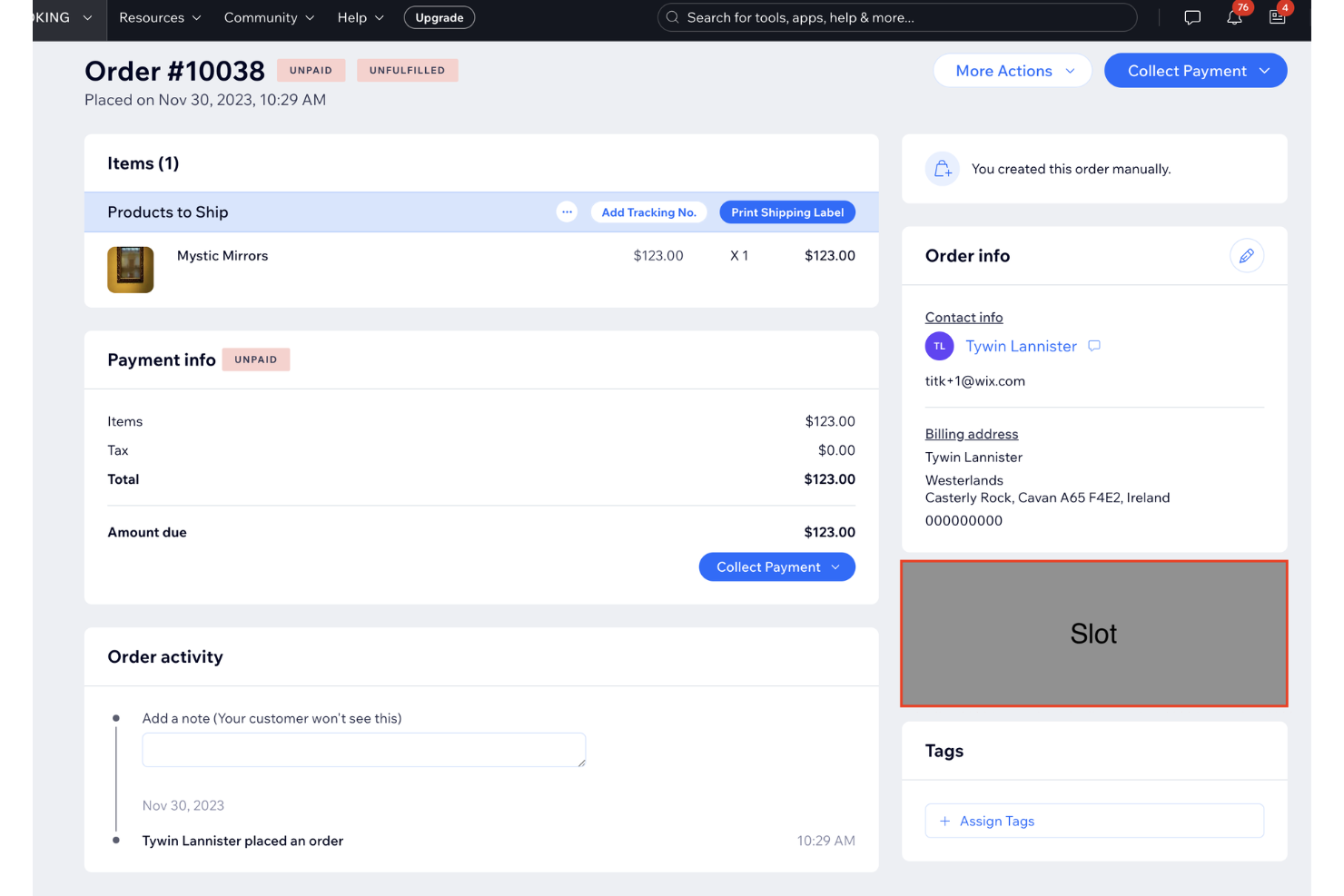
Wix es un creador de sitios web de comercio electrónico impulsado por IA que te permite vender productos físicos, digitales y de dropshipping a través de tu propia tienda, en persona y en mercados globales—con herramientas multilingües integradas, pago en varias monedas y soporte para pagos internacionales.
¿Para quién es mejor Wix?
Wix es una buena opción para pequeñas y medianas empresas que desean vender internacionalmente sin necesitar un desarrollador para construir o gestionar su tienda.
Por qué elegí Wix
He incluido Wix en mis mejores opciones porque sus herramientas para tiendas multilingües van más allá de simplemente intercambiar el texto. Con Wix Multilingual, puedo traducir páginas de productos, la navegación y los flujos de compra a varios idiomas, y luego ajustar manualmente el contenido traducido automáticamente para adaptar el tono a cada mercado. También me gusta que el SEO multilingüe ya esté incorporado—Wix genera subdirectorios de URL adecuados por idioma, de modo que cada versión de la tienda puede posicionarse de forma independiente en los resultados de búsqueda locales.
Características clave de Wix
- Pago en varias monedas: Muestra precios y acepta pagos en más de 100 monedas, con conversión automática de divisas según la ubicación de cada cliente.
- Cálculo internacional de impuestos: Calcula automáticamente las tasas impositivas aplicables para transacciones transfronterizas a través de una integración incorporada con Avalara.
- Reglas de envío regionales: Establece tarifas de envío personalizadas, transportistas y opciones de entrega para países específicos o zonas geográficas dentro de una única tienda.
- Venta en mercados globales: Publica y vende productos en canales internacionales como Amazon, eBay y plataformas de comercio social directamente desde el panel de Wix.
Pros and Cons
Pros:
- Configuración sencilla de pasarelas de pago
- Editor fácil de usar con función de arrastrar y soltar
- Amplia selección de aplicaciones y widgets
Cons:
- No es ideal para tiendas online muy grandes
- No se puede cambiar la plantilla una vez establecida

Volusion
Mejor optimización para motores de búsqueda
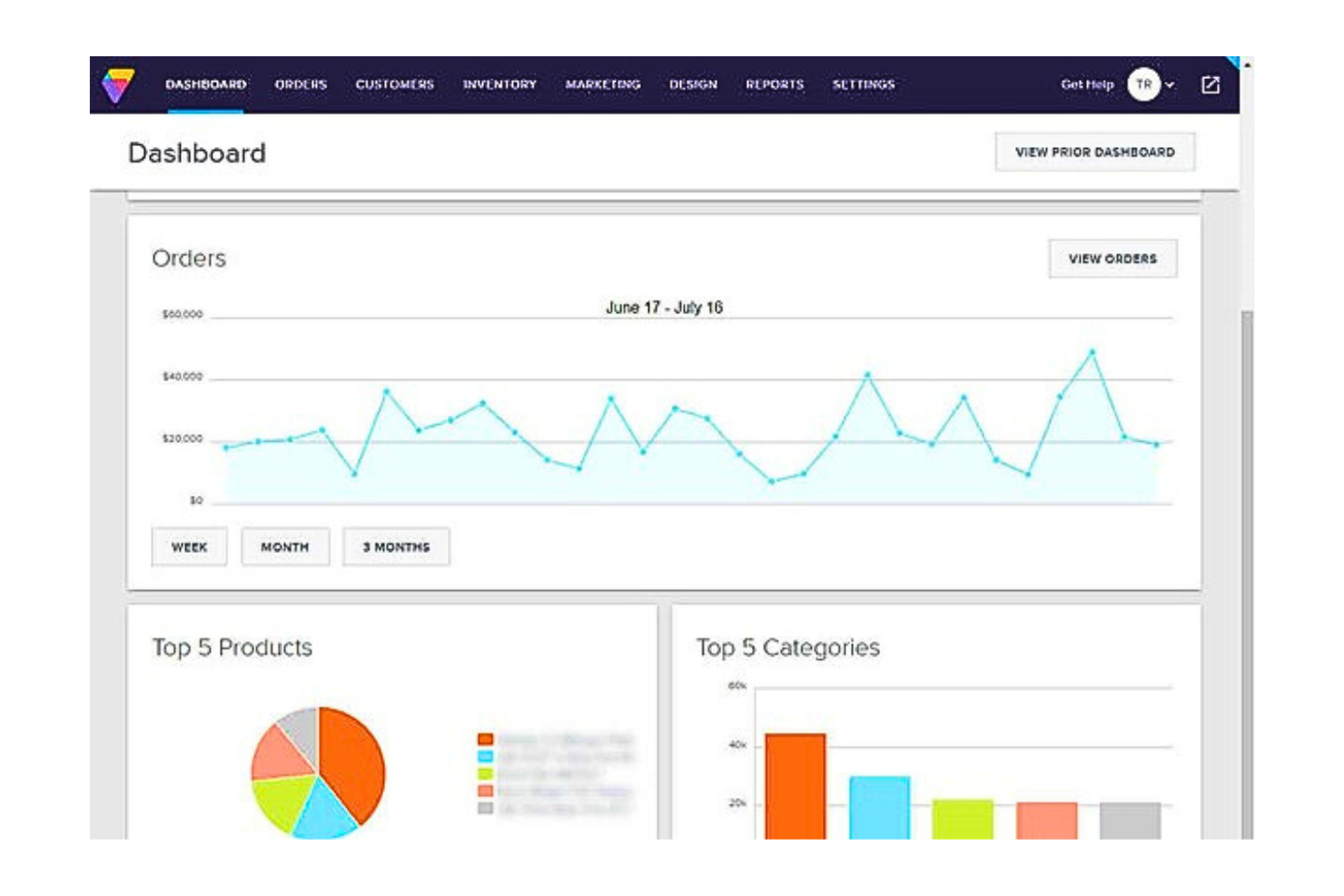
Volusion es una plataforma de comercio electrónico que abarca la creación de tiendas, la gestión de inventario, el procesamiento de pagos y la administración de SEO para comerciantes que buscan vender en línea y expandirse en mercados internacionales.
¿Para quién es mejor Volusion?
Volusion es una buena opción para minoristas en línea pequeños y medianos que desean una plataforma de comercio electrónico dedicada sin la complejidad de una solución empresarial completa.
Por qué elegí Volusion
He incluido Volusion en mis mejores elecciones porque sus herramientas de SEO integradas ofrecen a los comerciantes en línea control directo sobre las señales que impulsan el tráfico orgánico. Me gusta que puedas gestionar los metadatos en todas las páginas, productos y categorías desde una única vista de administración, en lugar de saltar entre distintas configuraciones. El archivo robots.txt editable te permite bloquear páginas de poco valor para que no sean rastreadas, y la indexación del mapa del sitio asegura que los motores de búsqueda puedan mostrar todo tu catálogo de productos. Para las tiendas internacionales, ese tipo de control sobre el rastreo es importante cuando intentas posicionarte en varios mercados.
Funciones clave de Volusion
- Definir moneda: Muestra los precios de los productos en la moneda local del comprador para apoyar a los clientes internacionales en la etapa de búsqueda de productos.
- Mensajes para carritos abandonados: Visualiza informes sobre carritos abandonados y activos, luego envía mensajes recordatorios dirigidos para recuperar ventas perdidas.
- Gestión y seguimiento de inventario: Controla el estado de los productos, realiza un seguimiento de los niveles de reposición y obtén verificación de cantidades en todo tu catálogo.
- Funcionalidad de venta cruzada: Gestiona pedidos de múltiples canales de compra directamente desde tu panel de administración de Volusion.
Pros and Cons
Pros:
- Configuración sencilla
- No se necesita experiencia en programación
- Excelente atención al cliente
Cons:
- Opciones de personalización limitadas
- Los informes necesitan mejorar

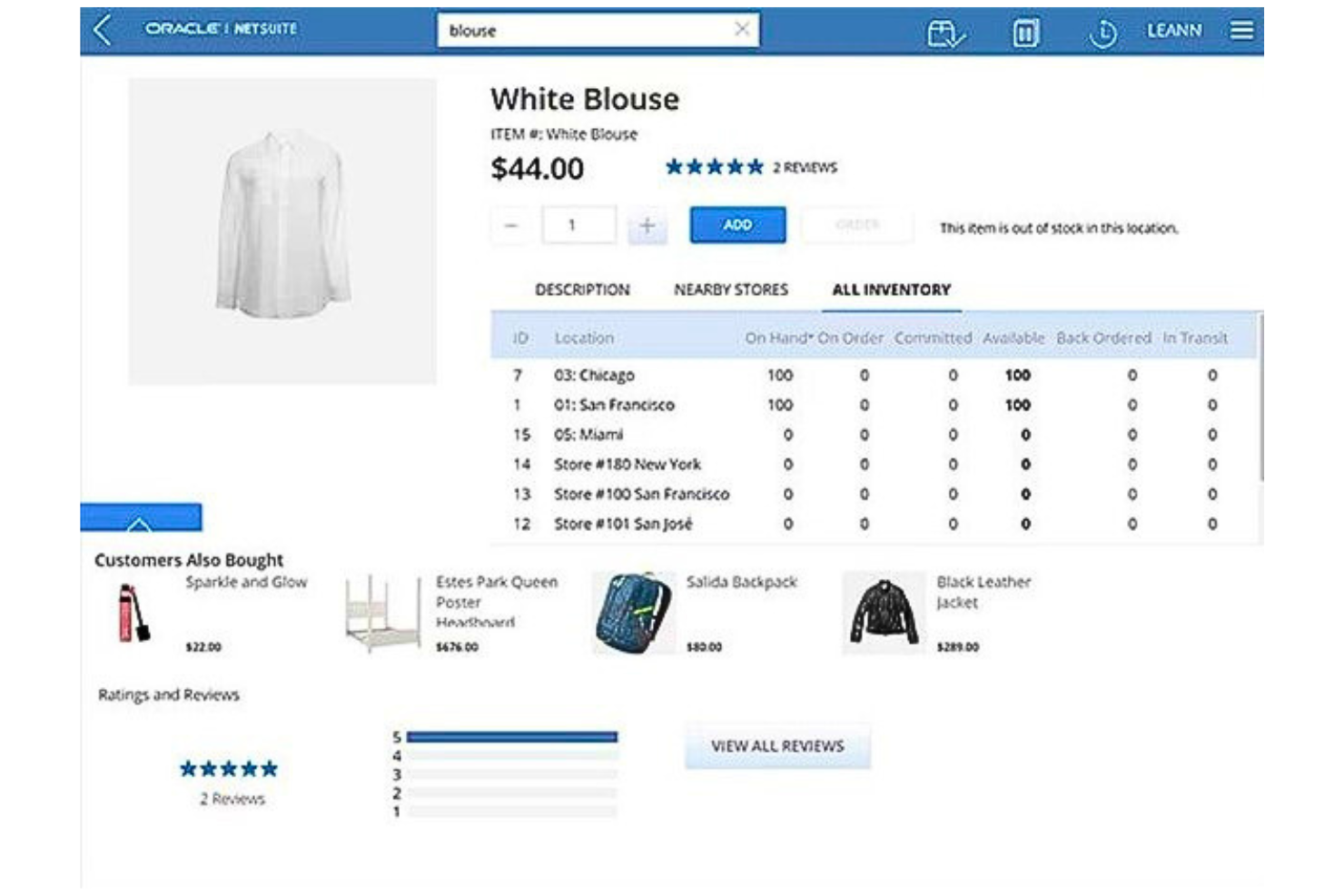
NetSuite Commerce (SuiteCommerce) es una plataforma de comercio electrónico en la nube que unifica las tiendas B2C y B2B con gestión de pedidos, inventario, CRM y finanzas en un solo sistema.
¿Para quién es mejor NetSuite Commerce Suite?
SuiteCommerce es una excelente opción para minoristas y fabricantes de tamaño medio a empresarial que venden en varios países y necesitan una única plataforma para gestionar ecommerce, inventario y finanzas juntos.
Por qué elegí NetSuite Commerce Suite
He incluido NetSuite SuiteCommerce en mi selección principal porque es una de las pocas plataformas de ecommerce donde la tienda, la gestión de pedidos, el inventario, el CRM y las finanzas están integrados de forma nativa en el mismo modelo de datos. No hay sincronización, ni middleware, ni retrasos. Cuando entra un pedido, el inventario se actualiza en tiempo real en todas las ubicaciones. Esa arquitectura de fuente única de la verdad lo hace destacar para la gestión unificada del ecommerce.
Características clave de NetSuite Commerce Suite
- Soporte multimoneda y multilenguaje: Configure cada tienda con su propio idioma, moneda y precios regionales.
- Gestión multisitio: Opere múltiples tiendas específicas por país desde un solo backend, cada una con su propio dominio y catálogo.
- Gestión global de impuestos y IVA: Aplique automáticamente los impuestos y tasas de IVA correctos según la ubicación del cliente y el tipo de transacción.
- Comercio B2B y B2C: Gestione experiencias de compra separadas para clientes mayoristas y minoristas, con precios basados en cuentas y flujos de compras por orden de compra.
Pros and Cons
Pros:
- Gestión de inventario integrada
- Diseños web adaptativos
- Soporte para negocios globales
Cons:
- Número limitado de integraciones
- Las personalizaciones son complejas

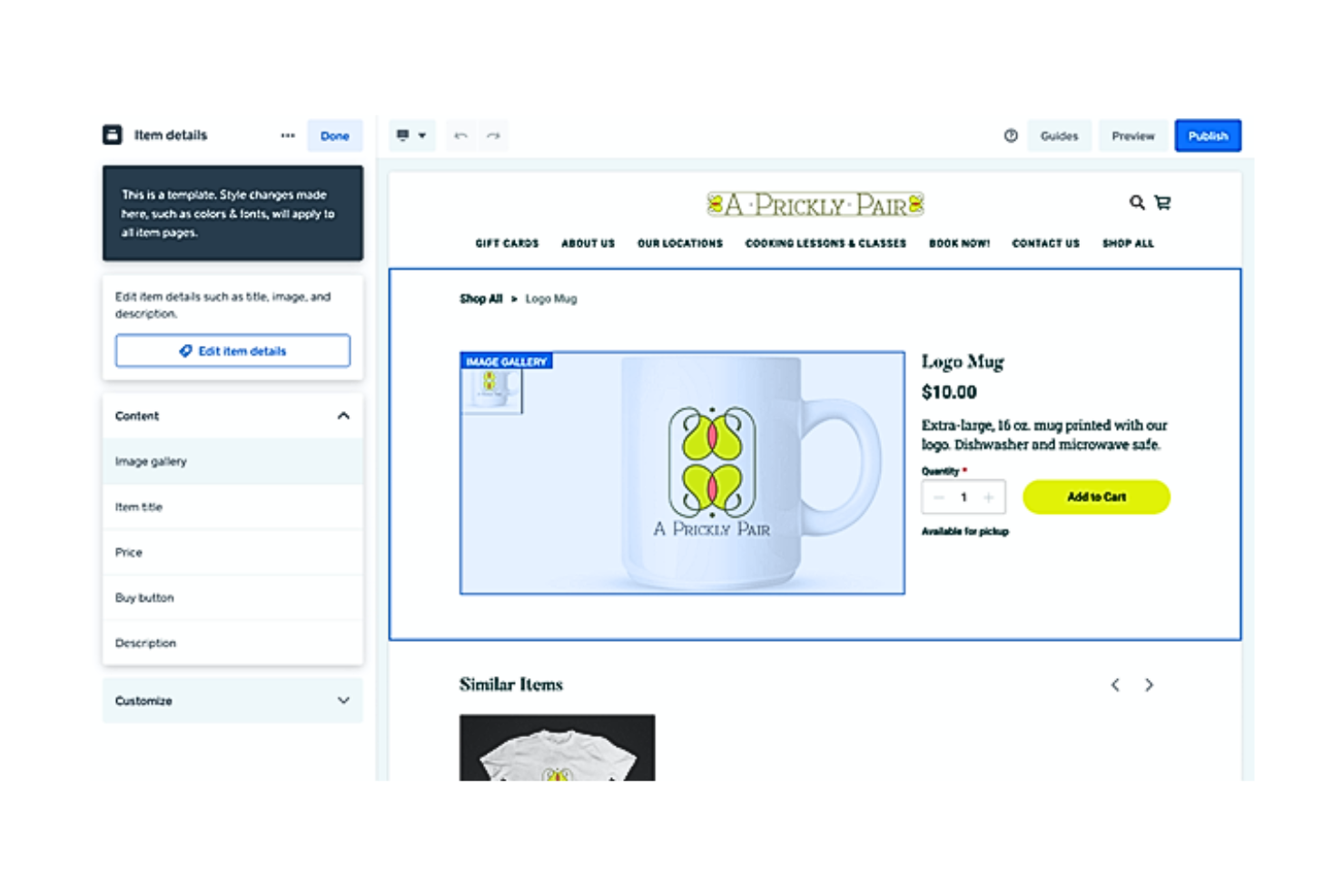
Square Online Store es un creador de sitios web de comercio electrónico que conecta las ventas en línea con el Punto de Venta presencial, ofreciendo herramientas para listar productos, gestionar pedidos, SEO y marketing al cliente, todo integrado en un único sistema.
¿Para quién es mejor Square Online Store?
Square Online Store es ideal para pequeños empresarios que ya usan Square para pagos presenciales y quieren ampliar sus ventas en línea sin tener que gestionar una plataforma separada.
Por qué elegí Square Online Store
He incluido Square Online Store en mis principales opciones porque es la manera más accesible para que pequeños negocios comiencen a vender por internet sin una curva de configuración complicada. Me gusta que el inventario se sincroniza automáticamente entre tu Punto de Venta Square y tu tienda online, así que si vendes un producto en persona, el conteo de existencias en línea se actualiza en tiempo real. El plan gratuito también permite a las pequeñas empresas lanzar una tienda completamente funcional sin costo inicial, y las herramientas integradas para entregas locales, recogidas y envíos te brindan flexibilidad en el cumplimiento de pedidos desde el primer día.
Características clave de Square Online Store
- Temas de sitio personalizables: Elige entre una biblioteca de plantillas prediseñadas y usa un editor de arrastrar y soltar para diseñar tu escaparate sin escribir código.
- Recuperación de carritos abandonados: Envía automáticamente correos electrónicos de seguimiento a los compradores que dejan tu sitio sin completar la compra (disponible en planes de pago).
- Venta en canales sociales: Conecta tu tienda con Facebook e Instagram para vender directamente a través de esas plataformas desde un solo catálogo de productos.
- Herramientas SEO integradas: Edita títulos de página, descripciones meta y URLs directamente en el creador para mejorar la visibilidad en buscadores.
Pros and Cons
Pros:
- Práctica herramienta de arrastrar y soltar
- Todos los planes tienen almacenamiento ilimitado
- Interfaz fácil de usar
Cons:
- Sin visor móvil de sitios
- Personalizaciones limitadas

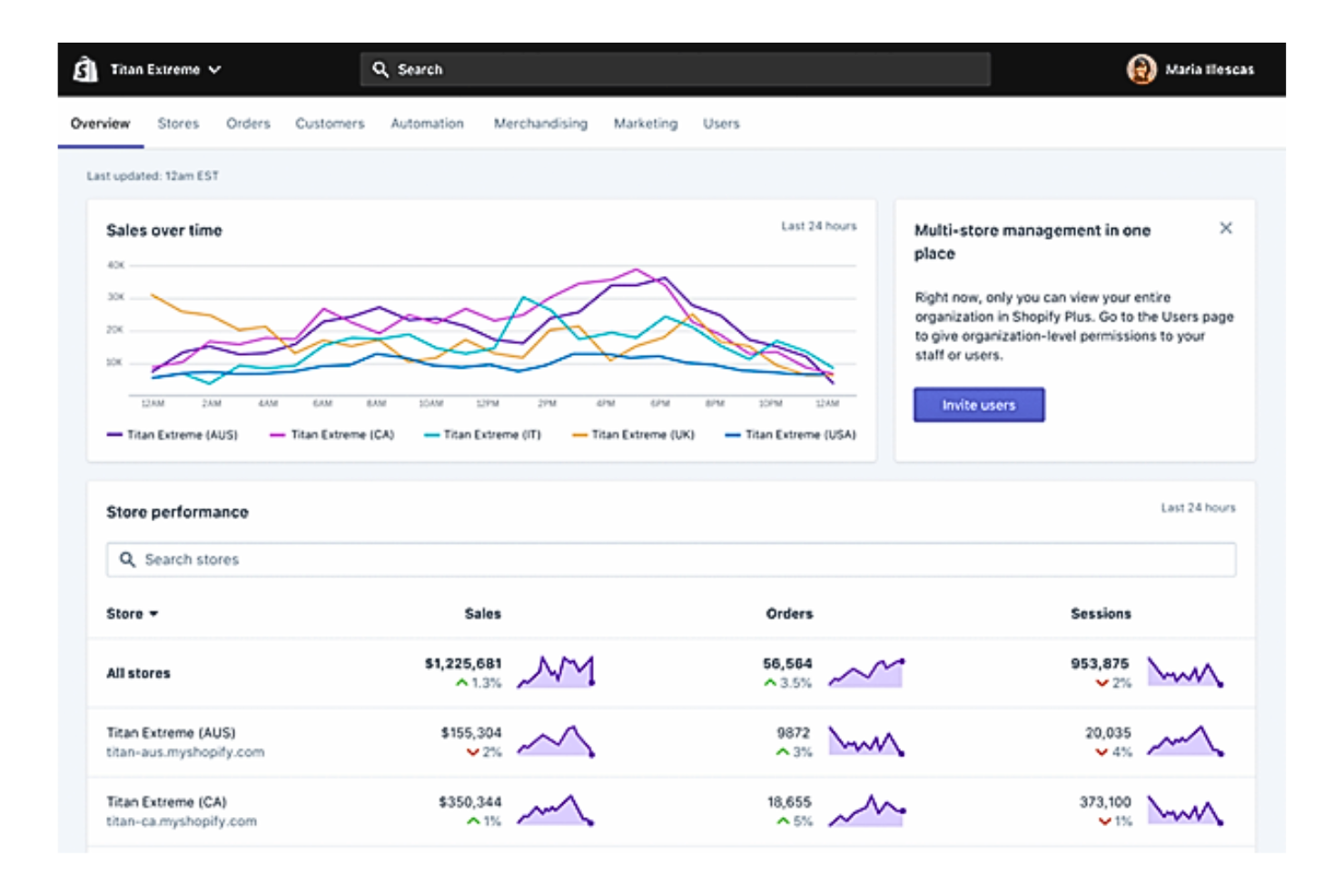
Shopify Plus es una plataforma de comercio electrónico empresarial que combina un generador de tiendas multicanal, herramientas de venta omnicanal, funciones de comercio B2B y capacidades de localización para ayudar a las marcas a vender en más de 150 países desde una sola oficina administrativa.
¿Para quién es mejor Shopify Plus?
Shopify Plus es una excelente opción para minoristas de rápido crecimiento y empresas que necesitan gestionar tiendas internacionales, precios localizados y logística transfronteriza a gran escala.
Por qué elegí Shopify Plus
Incluí Shopify Plus entre mis principales selecciones porque facilita la venta internacional desde un solo panel de administración. Me gusta especialmente Shopify Markets, que me permite configurar monedas, idiomas, aranceles e impuestos por región sin tener que cambiar entre tiendas o cuentas. Managed Markets va aún más lejos, ya que calcula y recauda automáticamente los aranceles en el proceso de pago y luego los remite en tu nombre, eliminando un verdadero dolor de cabeza operativo en las ventas internacionales.
Características clave de Shopify Plus
- Tiendas de expansión: Crea hasta nueve tiendas específicas por región, cada una con su propio dominio, inventario y contenido localizado, todo gestionado desde un solo panel de administración.
- Métodos de pago locales: Acepta opciones de pago específicas de cada región a través de Shopify Payments, incluyendo billeteras locales y proveedores de compra ahora y paga después.
- Extensibilidad del proceso de compra: Personaliza los flujos de pago usando aplicaciones y scripts para adaptar la experiencia de compra por mercado o segmento de clientes.
- Shopify Flow: Crea flujos de trabajo automatizados para reposición de inventario, etiquetado de pedidos y alertas de fraude sin necesidad de programar.
Pros and Cons
Pros:
- Gestión de inventario sin esfuerzo
- Integraciones sencillas con terceros
- Checkouts personalizables
Cons:
- No apto para pequeñas empresas
- El soporte al cliente puede mejorar

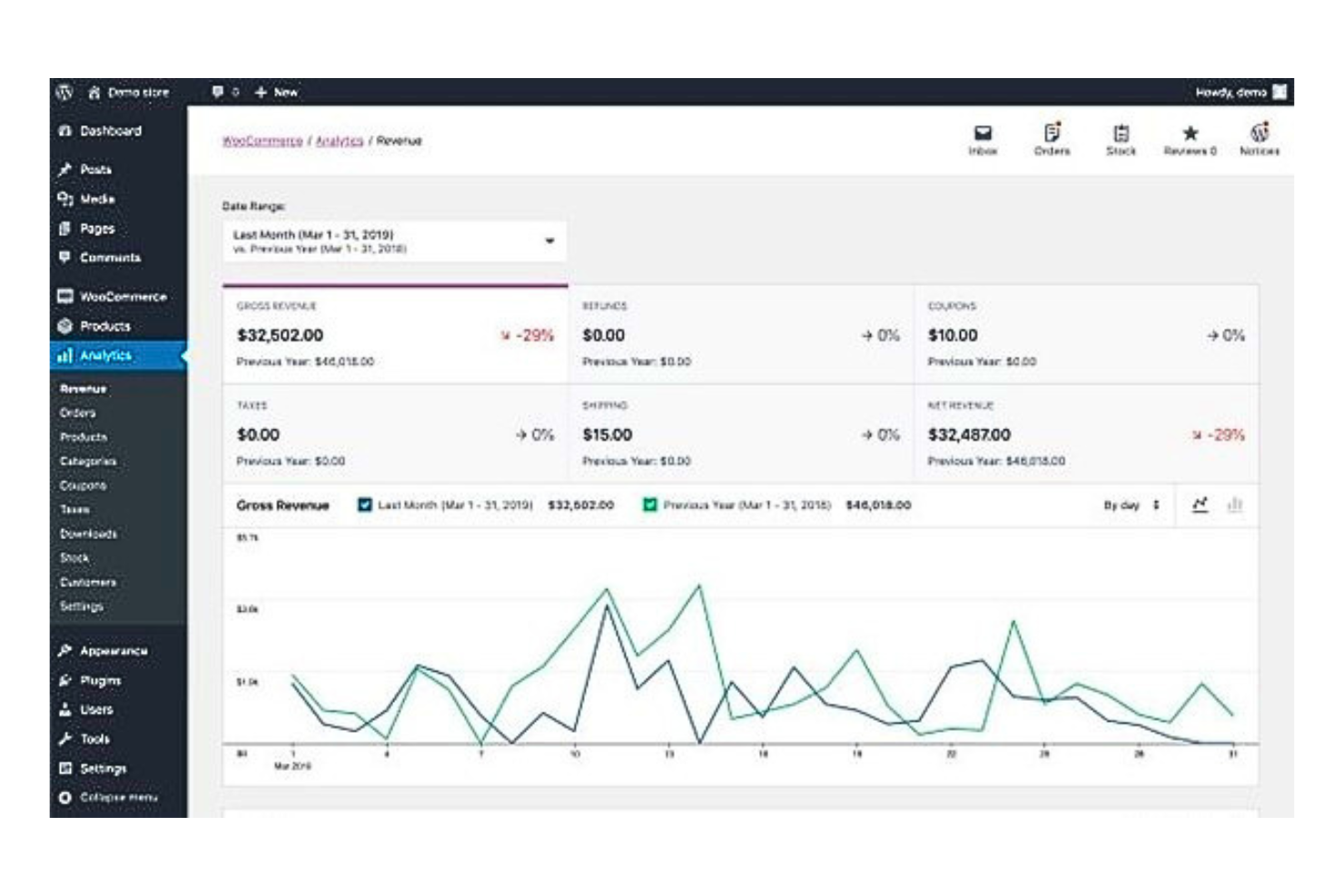
WooCommerce es un complemento de comercio electrónico de código abierto para WordPress que te permite crear y gestionar tiendas en línea con control total sobre el proceso de pago, los pagos, los datos, el alojamiento y las funcionalidades de la tienda, tanto para ventas locales como globales.
¿Para quién es mejor WooCommerce?
WooCommerce es ideal para pequeñas y medianas empresas que ya tienen sitios en WordPress y desean tener plena propiedad sobre el código, el diseño y la infraestructura de su tienda.
Por qué elegí WooCommerce
WooCommerce se gana su lugar como uno de los mejores en mi lista porque ninguna otra plataforma ofrece este nivel de control sobre cómo se construye y opera tu tienda internacional. Me encanta que su interfaz componible y de código abierto te permite modificar los flujos de pago, las páginas de productos y la lógica de envíos a nivel de código—no solo cambiando configuraciones. El WooCommerce Marketplace ofrece más de 1.000 extensiones, así puedo añadir métodos de pago específicos por región, herramientas de cumplimiento fiscal local y soporte para múltiples monedas exactamente según lo que necesita mi tienda, sin tener que pagar por funciones que no utilizo.
Características clave de WooCommerce
- Tienda multilingüe: WooCommerce está totalmente traducido a 24 idiomas, con soporte multilingüe integrado para localizar tu tienda para compradores internacionales.
- Aplicación móvil para la gestión de tienda: La app para iOS y Android te permite actualizar productos, completar pedidos y monitorear la actividad de la tienda desde cualquier lugar.
- Variaciones y paquetes de productos: Ofrece a los clientes suscripciones, paquetes de productos o variaciones configurables, todo desde una sola ficha de producto.
- Cálculos automáticos de impuestos: La herramienta fiscal integrada de WooCommerce calcula automáticamente las tasas según la ubicación del cliente, lo cual es útil para el cumplimiento internacional.
Pros and Cons
Pros:
- Excelente para posicionamiento SEO
- Altamente personalizable
- Gran cantidad de integraciones
Cons:
- El soporte al cliente necesita mejorar
- WordPress tiene una curva de aprendizaje pronunciada

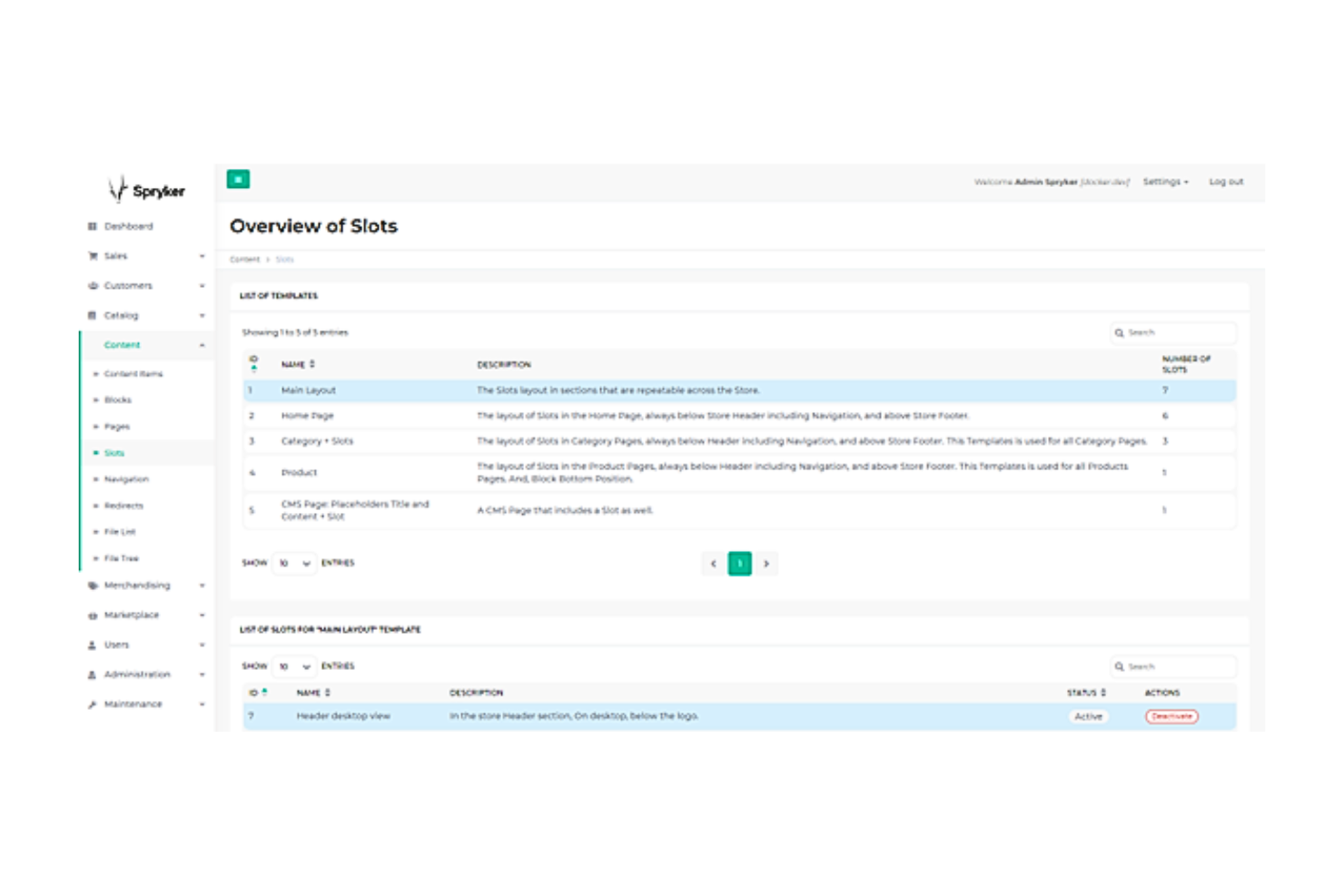
Spryker Commerce es una plataforma de comercio B2B componible y basada en API que admite la gestión multi-tienda, operaciones en marketplace y la venta omnicanal a través de múltiples modelos de negocio sobre una arquitectura modular única.
¿Para quién es mejor Spryker Commerce?
Spryker Commerce es ideal para empresas B2B de tamaño mediano y grande que gestionan operaciones comerciales complejas y multirregionales entre varias marcas o unidades de negocio.
Por qué elegí Spryker Commerce
Elegí Spryker Commerce como uno de los mejores para la expansión mundial porque su función Dynamic Multistore te permite lanzar y administrar nuevas tiendas regionales desde un solo back-end, sin migrar de plataforma. Cada tienda puede tener sus propias monedas, tasas de impuestos y contenido localizado. Me gusta que la gestión fiscal de Spryker se integra directamente con Avalara y Vertex para el cumplimiento transfronterizo, por lo que no necesitas configurar manualmente reglas específicas de cada país al ingresar a un nuevo mercado.
Características clave de Spryker Commerce
- Arquitectura headless basada en API: Conecta cualquier frontend, aplicación o punto de contacto de terceros a través de regiones utilizando la capa GLUE API de Spryker, sin estar limitado a un solo framework frontend.
- Gestión multi-almacén: Supervisa y administra inventarios en múltiples almacenes globales, con cálculos de disponibilidad por tienda que reflejan tu stock regional real.
- Módulo de marketplace: Crea y opera un marketplace multi-vendedor donde vendedores externos pueden gestionar sus propios productos, pedidos y envíos.
- Glosario y gestión multilingüe: Gestiona traducciones y contenidos localizados entre tiendas, con detección automática de idioma incorporada en la búsqueda.
Pros and Cons
Pros:
- Configuración modular y flexible
- Documentación online excelente
- Permite escalar el negocio
Cons:
- La incorporación de desarrolladores es compleja
- La actualización a versiones nuevas es difícil
Otras opciones
Además de las soluciones que investigué anteriormente, hay muchas opciones que merecen una consideración importante. Por eso, añadí otra breve lista de opciones para asegurarme de que tengas suficientes alternativas para determinar la mejor plataforma internacional de comercio electrónico posible para tus necesidades.
- BigCommerce
Ideal para grandes marcas internacionales
- Zen Cart
Mejor para la integración con pasarelas de pago.
- StoreBuilder
El mejor creador de comercio electrónico de código abierto.


Cómo evalúo las plataformas de comercio electrónico internacional
Divido mi evaluación en dos capas: los requisitos fundamentales—como el pago en varias monedas y la fiscalidad localizada—que una plataforma debe tener, y los diferenciadores que hacen que una sea la opción adecuada para minoristas globales.
Funcionalidad básica (imprescindibles para esta lista)
Cuando selecciono herramientas para mi lista, califico cada una en una escala del 0 (no ofrece la funcionalidad) al 5 (destaca en este ámbito) para cada funcionalidad básica que aparece abajo. Después, calculo la puntuación total de la herramienta como un porcentaje. Cada herramienta necesita alcanzar una puntuación mínima total del 65% para ser considerada.
- Soporte multimoneda: Compruebo si la plataforma gestiona tasas de cambio automáticas, redondeo localizado y reglas de precios por mercado, y no solo convierte un precio base.
- Localización multilingüe: Cada plataforma debe soportar tiendas traducidas, URLs localizadas y SEO regional—no solo un sencillo cambio de idioma en la parte frontal.
- Pasarelas de pago globales: Busco integraciones nativas con métodos de pago locales como iDEAL, Klarna y Alipay, junto con el procesamiento estándar de tarjetas.
- Impuestos internacionales y cumplimiento: Aquí importan los cálculos automáticos de IVA, GST y aranceles, incluyendo soporte para esquemas como IOSS o integraciones con herramientas como Avalara.
- Envíos y cumplimiento multirregión: Evalúo integraciones con transportistas, enrutamiento entre varios almacenes y si la plataforma soporta opciones de envíos DDP y DDU en todas las regiones.
- Geolocalización y gestión multi-tienda: La plataforma debe permitirte gestionar múltiples tiendas por país desde un solo panel de administración con enrutamiento geolocalizado y catálogos específicos por mercado.
Cuando tengo una lista de herramientas que cumplen estos criterios, considero qué hace que cada plataforma sea diferente.
Factores diferenciadores (lo que distingue a los proveedores)
Así comparo y contrasto diferentes proveedores:
Funciones destacadas
El cálculo del coste entregado es un gran diferenciador. Busco plataformas que muestren al cliente el precio final, incluyendo aranceles e impuestos durante el pago, lo que reduce el abandono de carritos en pedidos internacionales. Los conectores nativos a marketplaces regionales como Rakuten, Mercado Libre o Zalando también son importantes si tu plan de expansión va más allá de tu propia tienda. Para marcas que necesitan control total sobre experiencias localizadas del comprador, evalúo si la plataforma soporta arquitecturas headless o API-first para construir frontends personalizados.
Más allá de las funcionalidades
Evalúo el ecosistema y las integraciones de cada plataforma, especialmente los conectores nativos con ERPs como SAP o NetSuite y si el marketplace de aplicaciones incluye extensiones específicas por región. El cumplimiento normativo y la soberanía de datos también pesan mucho—verifico la compatibilidad con GDPR, la certificación PCI-DSS y el soporte para mandatos de facturación electrónica específicos por país. También merece la pena investigar el coste total de propiedad. Las comisiones por transacción, los márgenes en la conversión de moneda y los costes por mercado pueden aumentar rápidamente, por eso comparo las estructuras de precios para entender qué supondrá escalar a nuevas regiones en costes reales.
Características principales
Las plataformas internacionales de comercio electrónico ofrecen innumerables funciones, lo que puede resultar abrumador para quienes están comenzando su trayectoria en el comercio electrónico. Para ayudarte, añadí soluciones que ofrecen las siguientes funciones.
- Procesamiento de pagos: Las plataformas internacionales de comercio electrónico permiten a los clientes elegir su método de pago preferido, como una tarjeta de crédito o una cartera digital.
- Seguridad: Hay varios factores que deben tenerse en cuenta en relación con la seguridad del comercio electrónico, y las plataformas internacionales de comercio electrónico admiten muchos de ellos, incluidos los cortafuegos, los certificados SSL y mucho más.
- Opciones de personalización: Las plataformas internacionales de comercio electrónico altamente personalizables permiten a las empresas desarrollar tiendas en línea únicas que reflejen su marca y satisfagan las necesidades específicas de sus clientes.
- Envíos internacionales: Para operar una tienda de comercio electrónico verdaderamente internacional, las plataformas completas admitirán compras a nivel mundial con el fin de ayudar a mejorar las experiencias de tus clientes con tu marca.
- Análisis: Esta función facilita el seguimiento de las métricas de tu tienda en línea que son esenciales para tu empresa, como la tasa de abandono, el valor del tiempo de vida del cliente, las conversiones de ventas y el valor medio del pedido.
- Atención al cliente: Incluso la plataforma internacional de comercio electrónico más sencilla requerirá algún tipo de asistencia por parte del proveedor, por lo que añadí muchas opciones que ofrecen un soporte accesible y rápido mediante diferentes canales, como chat en directo, correo electrónico, teléfono o herramientas de autoayuda.
Qué son las plataformas internacionales de comercio electrónico
Las plataformas internacionales de comercio electrónico son sistemas en línea que permiten a las empresas vender productos y servicios a clientes de distintos países. Estas plataformas están equipadas con funciones para gestionar las complejidades del comercio global, como la compatibilidad con varias monedas, la traducción de idiomas, las pasarelas de pago internacionales y la logística de los envíos a todo el mundo.
Preguntas frecuentes
Al buscar nuevas plataformas internacionales de comercio electrónico para implementar en tu organización, es posible que tengas algunas preguntas que necesiten respuesta para ayudarte a tomar la mejor decisión para tu negocio. Para ayudarte, respondí las preguntas más frecuentes de otras personas al buscar estas herramientas.
¿Cuánto cuestan las plataformas internacionales de comercio electrónico?
El precio de una plataforma internacional de comercio electrónico puede variar según las funciones que necesite tu negocio. Las herramientas sencillas con capacidades básicas pueden costar tan solo $10/mes, mientras que las soluciones más complejas con funcionalidades avanzadas pueden costar mucho más. Durante mi investigación, el coste medio tendía a situarse entre $29/mes y $299/mes.
¿Qué 3 países gastan más en comercio electrónico?
Se espera que las ventas internacionales de comercio electrónico crezcan hasta superar los $8.148 billones para 2026, por lo que vale la pena comprender dónde se encuentran las oportunidades más importantes. Naturalmente, querrás identificar los principales mercados de comercio electrónico para entender cómo expandirte a nivel mundial. En primer lugar, comenzaré con China, porque el país registra ventas anuales en línea de $672 mil millones debido a que cuenta con la mayor población de compradores digitales. En segundo lugar, las ventas de comercio electrónico de EE. UU. alcanzaron los $343.15 mil millones en 2019 y se espera que lleguen a los $476.5 mil millones en 2024. Y, en tercer lugar, el Reino Unido registra ventas anuales en línea de $99 mil millones, pero si vas a dirigirte a este mercado, puedes esperar nuevas complicaciones debido a los cambios del IVA posteriores al Brexit; así que asegúrate de planificar en consecuencia.
¿Cuáles son los beneficios de las plataformas internacionales de comercio electrónico?
Las plataformas internacionales de comercio electrónico son fundamentales para permitir que las empresas amplíen su alcance y operen a escala mundial. A continuación se indican beneficios adicionales de las plataformas internacionales de comercio electrónico y cómo amplían significativamente las oportunidades comerciales, las fuentes de ingresos y la presencia global de las marcas en el mundo interconectado actual.
- Acceso a mercados globales: Las plataformas internacionales de comercio electrónico proporcionan acceso a un mercado potencial de 7.9 mil millones de personas en todo el mundo.
- Base de clientes diversa: Llega a un público diverso, ya que se prevé que el comercio electrónico transfronterizo represente el 22% del comercio electrónico mundial.
- Mayores ingresos: La expansión internacional puede generar un crecimiento significativo de los ingresos para las empresas de comercio electrónico.
- Globalización de la marca: Las plataformas internacionales de comercio electrónico pueden ayudar a las empresas a establecer una presencia de marca global, ya que muchos consumidores afirman comprar productos de minoristas extranjeros.
- Experiencia del cliente localizada: Adapta las ofertas a las preferencias locales para atender a los consumidores que prefieren comprar productos en un sitio que proporcione información en su idioma.
- Adaptabilidad monetaria: Aceptar varias divisas puede aumentar las tasas de finalización de compra de una tienda de comercio electrónico.
- Envíos internacionales: Ofrecer opciones de envío internacional puede influir en las decisiones de compra de los compradores en línea de todo el mundo.
- Diversificación del mercado: Diversificar tu presencia en el mercado puede reducir el impacto de las recesiones económicas en regiones específicas y disminuir el riesgo.
- Ventaja competitiva: Implementar plataformas internacionales de comercio electrónico en una empresa puede hacerla más competitiva en su sector.
- Expansión basada en datos: Aprovechar las estadísticas de las soluciones internacionales de comercio electrónico puede ayudar a las empresas a identificar mercados internacionales con gran potencial y perfeccionar sus estrategias globales.
Opiniones sobre otras plataformas de comercio electrónico
Creo que estas listas adicionales de opiniones complementarán tu investigación, especialmente si buscas algo muy específico para tu tienda. Puedes comenzar con las mejores plataformas de comercio electrónico en general, que incluyen un poco de todo, clasificadas en una lista definitiva.
Plataformas de comercio electrónico por tipo de negocio
- Plataformas SaaS de comercio electrónico
- Plataformas B2B de comercio electrónico
- Plataformas de mercados de comercio electrónico
- Plataformas de comercio electrónico por suscripción
- Plataformas de comercio electrónico para pequeñas empresas
Plataformas de comercio electrónico según la necesidad
- Plataformas de comercio electrónico sin interfaz
- Plataformas de comercio electrónico más fáciles de usar
- Plataformas de comercio omnicanal
- Plataformas de comercio electrónico empresarial
- Plataformas de comercio electrónico gratuitas
- Plataformas de comercio electrónico de código abierto
- Plataformas de comercio social
- Plataformas de comercio electrónico económicas
- Plataformas de comercio electrónico alojadas
Conclusión
Elegir la plataforma de comercio electrónico internacional adecuada para su empresa puede ser complicado y llevar mucho tiempo. Hay muchas características y condiciones detalladas que deben tenerse en cuenta, además de las necesidades específicas de su empresa. Las soluciones que he mencionado anteriormente ofrecen múltiples capacidades y servicios para ayudar a su organización a gestionar sus operaciones, como plantillas personalizables, gestión del inventario, variantes de productos e integraciones con empresas de transporte populares. Al seleccionar la mejor plataforma de comercio electrónico internacional, es fundamental considerar sus necesidades y objetivos particulares, así como investigar y comparar varias opciones para encontrar la que mejor se adapte a usted.
No olvide suscribirse al boletín de The Retail Exec para recibir más herramientas, consejos y análisis de expertos.