

I 10 migliori software per la gestione dell’inventario con codici a barre per il 2026

I 10 migliori software di gestione dell'inventario tramite codici a barre che dovresti utilizzare


Il caos dell'inventario non si annuncia: si manifesta semplicemente con spedizioni in ritardo, esaurimenti delle scorte e quel prodotto che è "sicuramente qui da qualche parte".
Ho lavorato in magazzino, gestito l'inventario e diretto operazioni di spedizione. Ho avuto a che fare con lettori di codici a barre che funzionano solo se sussurri loro dolci parole e con fogli di calcolo che richiedono un dottorato in stregoneria.
Quindi credimi quando dico: i tuoi strumenti sono importanti.
Il software per la gestione dell'inventario tramite codici a barre può trasformare quel caos in qualcosa che funziona davvero. Le piattaforme migliori riducono gli errori umani, velocizzano il monitoraggio e impediscono al tuo team di trascorrere metà del turno a cercare articoli mancanti.
In questa guida ti illustrerò i migliori strumenti per la gestione dell'inventario tramite codici a barre per 2026. Niente fronzoli, niente discorsi commerciali: solo analisi oneste di ciò che ogni piattaforma fa bene, dei suoi punti deboli e degli utenti a cui è più adatta.
Perché fidarsi dei nostri consigli sui software
Il nostro team testa e recensisce software dal 2012. In quanto leader del retail noi stessi, sappiamo quanto sia difficile — e importante — scegliere il software giusto.
Per questa guida, abbiamo valutato gli strumenti attraverso test pratici e ricerche indipendenti, assegnando un punteggio agli strumenti in base ai nostri criteri di selezione.
Le nostre recensioni riflettono il nostro giudizio indipendente, non un discorso di vendita.
Confronto diretto tra i migliori software di gestione dell'inventario tramite codici a barre
Hai bisogno di un confronto rapido? Ecco una panoramica delle migliori soluzioni software per la gestione dell’inventario tramite codici a barre, completa di prezzi, dettagli sulle prove e informazioni sui punti di forza di ciascuna. Perfetta se hai poco tempo o vuoi semplicemente confrontarle a colpo d’occhio.
| Tool | Best For | Trial Info | Price | ||
|---|---|---|---|---|---|
| 1 | Ideale per flussi di lavoro produttivi basati su codici a barre | Prova gratuita di 30 giorni disponibile | Da $49/utente/mese | Website | |
| 2 | Ideale per la scansione dei codici a barre | Prova gratuita di 14 giorni + demo gratuita disponibile | Da $129/mese (fatturato annualmente) | Website | |
| 3 | Ideale per il tracciamento preciso delle risorse | Prova gratuita di 15 giorni | Da $35/mese (fatturato annualmente) | Website | |
| 4 | Ideale per la pianificazione della produzione | Piano gratuito disponibile | A partire da $299/mese | Website | |
| 5 | Ideale per le opzioni di integrazione | Prova gratuita di 14 giorni + piano gratuito + demo gratuita disponibile | Da $29/mese (fatturato annualmente) | Website | |
| 6 | Ideale per le vendite multicanale | Demo gratuita disponibile | Da $499/mese | Website | |
| 7 | Ideale per la produzione | Prova gratuita di 15 giorni | Da $135/mese | Website | |
| 8 | Ideale per le piccole imprese | Piano gratuito disponibile + prova gratuita di 14 giorni | Da $24/mese (fatturato annualmente) | Website | |
| 9 | Ideale per la flessibilità open source | Demo gratuita disponibile | A partire da $25/utente/mese | Website | |
| 10 | Ideale per insight sull'inventario in tempo reale | Demo gratuita disponibile | Prezzo su richiesta | Website |

I migliori software di gestione dell'inventario tramite codici a barre: recensioni
Qui entriamo nei dettagli. Di seguito troverai le mie recensioni complete di ogni strumento di gestione dell’inventario tramite codici a barre entrato nella selezione, basate su ricerche pratiche, usabilità nel mondo reale e capacità effettiva di risolvere i problemi dell’inventario.

MRPeasy
Ideale per flussi di lavoro produttivi basati su codici a barre

MRPeasy è una soluzione MRP e di gestione dell'inventario pensata per produttori di piccole e medie dimensioni. Collega la scansione di codici a barre alla pianificazione della produzione, aiutando i team a gestire i materiali, tracciare gli ordini di lavoro e mantenere operative le attività di magazzino con precisione in tempo reale.
Perché ho scelto MRPeasy: Ho scelto MRPeasy perché offre ai produttori un sistema basato su codici a barre per gestire insieme produzione e livelli di magazzino. È possibile generare, stampare e scansionare codici a barre 1D o 2D per articoli e ubicazioni, rendendo più semplice mantenere i dati accurati tra le postazioni di lavoro. Mi piace anche che collega il monitoraggio dell'inventario alla pianificazione produttiva, così il tuo team può vedere quali materiali sono disponibili prima di programmare le lavorazioni. Questa integrazione aiuta a ridurre i tempi di inattività e garantisce processi produttivi più fluidi.
Caratteristiche e integrazioni distintive di MRPeasy:
Le funzionalità includono generazione e scansione di codici a barre per le attività di inventario, strumenti di pianificazione e previsione della produzione per allineare i materiali alla domanda, oltre a tracciabilità dei lotti e dei seriali per una rintracciabilità completa.
Le integrazioni includono Amazon, BigCommerce, EDI, HubSpot, Magento, Microsoft Power BI, Pipedrive, QuickBooks Online, Salesforce, ShipStation, Shopify, Ware2Go, WooCommerce, Xero e Zapier.
Pros and Cons
Pros:
- Monitoraggio inventario tramite codice a barre in tempo reale
- Integra controllo produzione e magazzino
- Tracciabilità dettagliata di lotti e seriali
Cons:
- Curva di apprendimento per i nuovi utenti
- L'interfaccia potrebbe essere più intuitiva
New Product Updates from MRPeasy
MRPeasy Expands REST API v2 With New Data Endpoints
MRPeasy expands REST API v2 with new endpoints for reports, dashboard data, production resources, stock, and settings. This gives users broader programmatic access to operational data. For more information, visit MRPeasy’s official site.
 .
.
Ideale per la scansione dei codici a barre

inFlow Inventory è un software completo per la gestione dell'inventario progettato per piccole e medie imprese. Offre strumenti per il monitoraggio delle scorte, la gestione degli ordini e la scansione dei codici a barre, risultando ideale per i team che necessitano di una gestione efficiente dello stock.
Perché ho scelto inFlow Inventory: Il software offre funzionalità avanzate di scansione dei codici a barre, consentendo al tuo team di aggiornare l'inventario rapidamente e con precisione. Puoi generare e stampare codici a barre direttamente dal sistema, semplificando la gestione delle scorte. Gli aggiornamenti in tempo reale dell'inventario aiutano a prevenire sia le rotture di stock che l'accumulo eccessivo. La facilità d'uso del software lo rende accessibile a team con diversi livelli di esperienza tecnica.
Funzionalità principali & integrazioni:
Le funzionalità includono aggiornamenti in tempo reale dell'inventario per mantenere livelli di stock accurati, generazione e stampa di codici a barre per una gestione semplificata delle scorte e strumenti per la gestione degli ordini che permettono di gestire in modo efficiente le richieste dei clienti.
Le integrazioni includono Shopify, QuickBooks Online, Xero, WooCommerce, Amazon, eBay, Square, ShipStation, Zapier e SalesBinder.
Pros and Cons
Pros:
- Scansione avanzata dei codici a barre
- Aggiornamenti in tempo reale dell'inventario
- Generazione e stampa di codici a barre
- Accessibile per differenti livelli di esperienza
Cons:
- Opzioni di personalizzazione limitate
- Richiede connessione internet
- Nessuna funzionalità offline

Ezo
Ideale per il tracciamento preciso delle risorse

EZOfficeInventory, ora conosciuto come EZO, è una piattaforma completa per la gestione delle risorse che eccelle nella gestione dell'inventario tramite codici a barre. Fornisce agli utenti strumenti per tracciare e gestire efficacemente le risorse attraverso codici a barre, codici QR e RFID, rendendolo una soluzione essenziale per le organizzazioni di vari settori.
Perché ho scelto EZOfficeInventory: Ho scelto EZOfficeInventory per il suo tracciamento tramite codici a barre, codici QR e RFID, che aiuta a gestire inventari complessi e ridurre la perdita di risorse. È ideale per settori come istruzione, sanità ed edilizia dove la precisione è fondamentale. L’accesso mobile e l’automazione dei flussi di lavoro supportano anche i team che lavorano in sedi diverse, semplificando gli aggiornamenti e liberando tempo per attività strategiche.
Funzionalità e integrazioni principali:
Le funzionalità includono report e analisi personalizzati che consentono di ottimizzare l’utilizzo delle risorse fornendo approfondimenti sulle prestazioni e i modelli di utilizzo degli asset. Inoltre, il software offre un portale self-service per le richieste, che consente richieste di risorse efficienti e riduce l’onere amministrativo. Benefici anche di strumenti intelligenti per la gestione degli asset che sincronizzano i dettagli delle risorse tra diverse piattaforme, assicurandoti di avere sempre informazioni aggiornate.
Le integrazioni includono Dropbox, OneDrive, Zendesk, Jira Service Desk, Google Workspace, Okta, OneLogin, Centrify, Ping Identity, Zendesk Sunshine, Topaz Signature Pad e Zapier.
Pros and Cons
Pros:
- Reportistica e analisi personalizzabili
- Supporta diversi sistemi di tracciamento come codici a barre, QR code e RFID
- Offre la gestione dei backup su cloud
Cons:
- Manca un ambiente sandbox per testare nuove funzionalità
- Richiede formazione per un utilizzo efficace

Katana
Ideale per la pianificazione della produzione
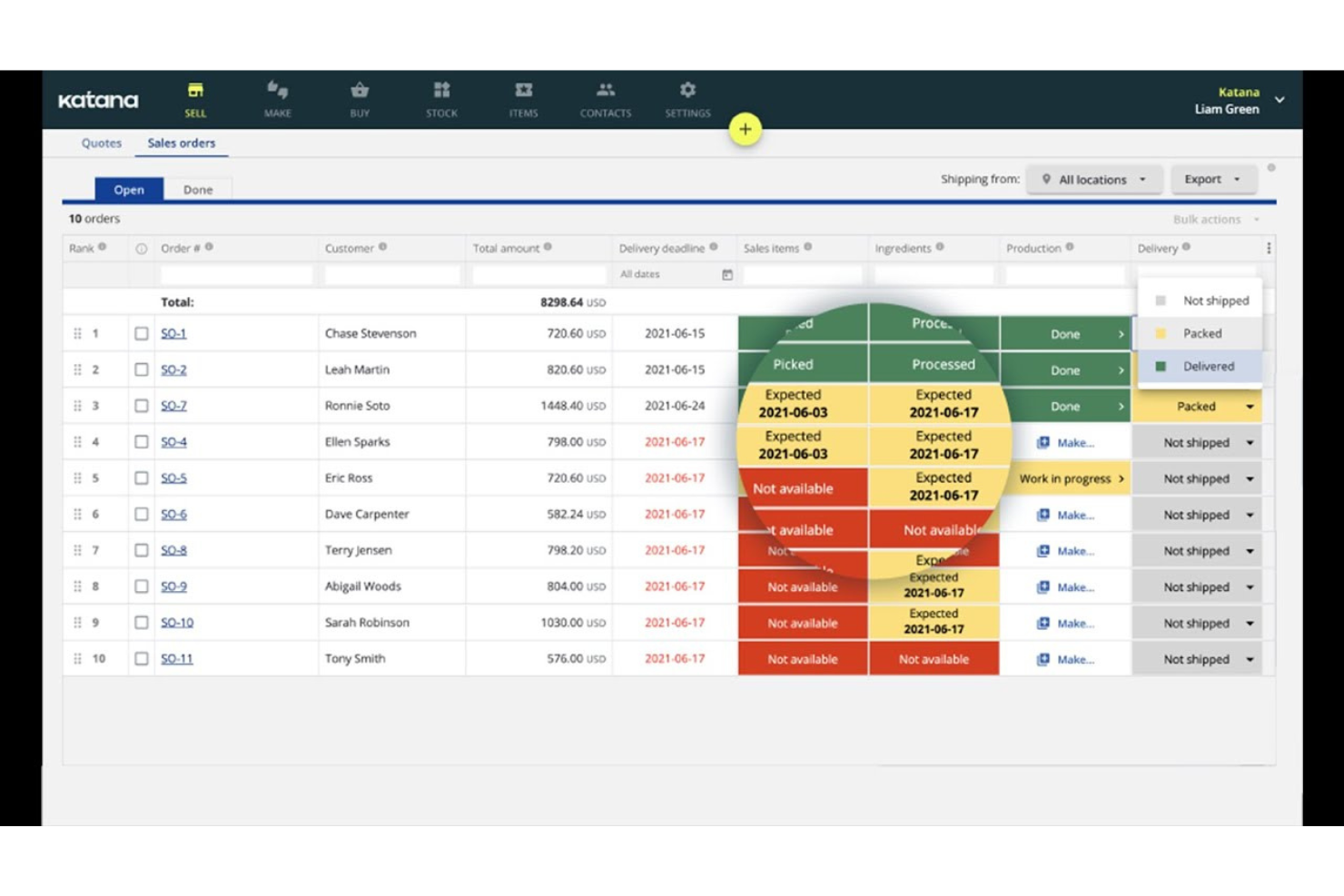
Katana è un software ERP per la produzione progettato per produttori di piccole e medie dimensioni. Offre strumenti per la gestione della produzione, dell'inventario e delle vendite, rendendolo ideale per le aziende che desiderano ottimizzare i propri processi produttivi.
Perché ho scelto Katana: Il software eccelle nella pianificazione della produzione, offrendo una gestione dell'inventario in tempo reale e una programmazione della produzione aggiornata istantaneamente. Il tuo team può dare priorità agli ordini e allocare le risorse in modo efficiente. La dashboard visiva offre una panoramica chiara dello stato della produzione, aiutandoti a mantenere il controllo delle operazioni. La capacità di Katana di gestire materie prime e prodotti finiti assicura flussi di lavoro di produzione senza intoppi.
Funzionalità e integrazioni principali:
Le funzionalità includono una dashboard visiva che fornisce una panoramica dei processi produttivi, il monitoraggio in tempo reale dell'inventario per mantenere aggiornati i livelli di stock e strumenti di pianificazione della produzione per allocare le risorse in modo efficiente.
Le integrazioni comprendono Shopify, WooCommerce, Xero, QuickBooks, Zapier, Salesforce, BigCommerce e Square.
Pros and Cons
Pros:
- Dashboard visiva della produzione
- Aggiornamenti dell'inventario in tempo reale
- Allocazione efficiente delle risorse
- Gestisce la gestione delle materie prime
Cons:
- Opzioni di personalizzazione limitate
- Richiede connessione internet
- Nessun accesso offline

Ideale per le opzioni di integrazione
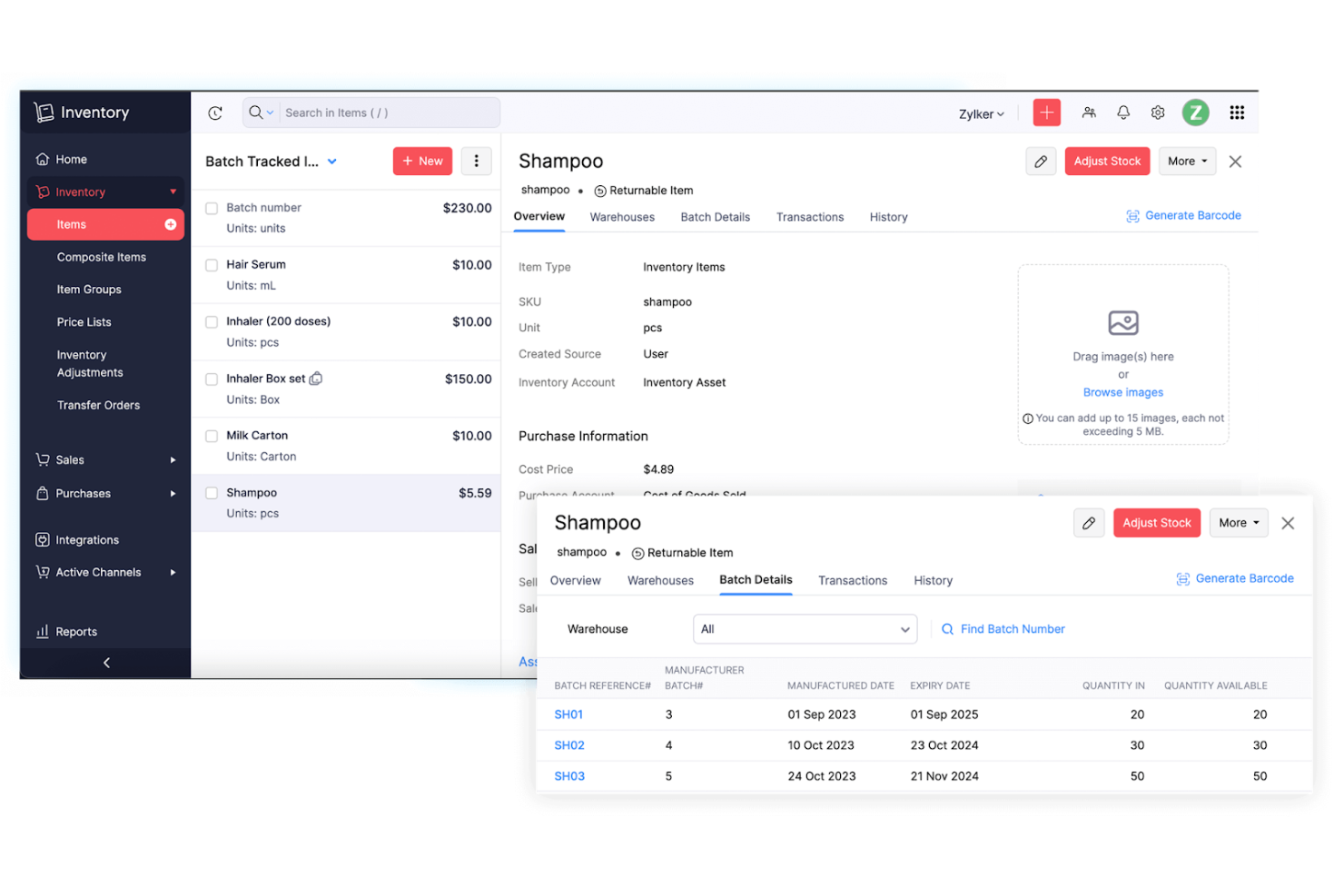
Zoho Inventory è una soluzione completa per la gestione dell'inventario pensata per aziende di tutte le dimensioni. Offre strumenti per la gestione degli ordini, il monitoraggio dell'inventario e integrazioni per la spedizione, rendendolo ideale per le aziende che desiderano ottimizzare le proprie operazioni.
Perché ho scelto Zoho Inventory: Offre ampie opzioni di integrazione, permettendo al tuo team di collegarsi facilmente a diverse piattaforme. Il software supporta la vendita multicanale, aiutandoti a gestire gli ordini provenienti da diversi canali di vendita in un unico posto. I flussi di lavoro automatizzati riducono le attività manuali, migliorando l'efficienza. Le funzionalità di monitoraggio dell'inventario assicurano livelli di stock accurati in tutte le sedi.
Caratteristiche principali & integrazioni:
Caratteristiche includono flussi di lavoro automatizzati che fanno risparmiare tempo al tuo team su compiti ripetitivi, vendita multicanale per gestire ordini da varie piattaforme e un monitoraggio dettagliato dell'inventario per mantenere registri di magazzino accurati.
Integrazioni includono Shopify, Amazon, eBay, Etsy, QuickBooks, Xero, Zoho Books, Zoho CRM, Stripe e PayPal.
Pros and Cons
Pros:
- Ampie opzioni di integrazione
- Supporta la vendita multicanale
- Capacità di flussi di lavoro automatizzati
- Monitoraggio dettagliato dell'inventario
Cons:
- Funzionalità offline limitate
- Richiede connessione a internet
- Processo di configurazione complesso

Ideale per le vendite multicanale

Finale Inventory è una soluzione di gestione dell'inventario basata su cloud progettata per le aziende coinvolte nelle vendite multicanale. Aiuta a gestire l'inventario su diverse piattaforme di vendita semplificando allo stesso tempo l'elaborazione e l'evasione degli ordini.
Perché ho scelto Finale Inventory: Offre un solido supporto per le vendite multicanale, permettendo al tuo team di gestire gli ordini provenienti da diverse piattaforme in un unico posto. Il software offre aggiornamenti in tempo reale dell'inventario per prevenire esaurimenti scorte e sovravendite. Le funzionalità di scansione dei codici a barre aumentano la precisione nel monitoraggio dei movimenti di magazzino. Strumenti di reportistica flessibili aiutano ad analizzare efficacemente i dati di vendita e le tendenze dell'inventario.
Funzionalità principali & integrazioni:
Funzioni includono aggiornamenti in tempo reale dell'inventario per evitare esaurimenti scorte, scansione dei codici a barre per un tracciamento accurato dello stock e strumenti di reportistica flessibili per analizzare i dati di vendita e le tendenze.
Integrazioni includono Shopify, Amazon, eBay, WooCommerce, BigCommerce, QuickBooks, Magento, Xero, Square ed Etsy.
Pros and Cons
Pros:
- Supporto alle vendite multicanale
- Aggiornamenti in tempo reale dell'inventario
- Scansione accurata dei codici a barre
- Strumenti di reportistica flessibili
Cons:
- Richiede una connessione internet
- Nessuna funzionalità offline
- Processo di configurazione complesso

Ideale per la produzione
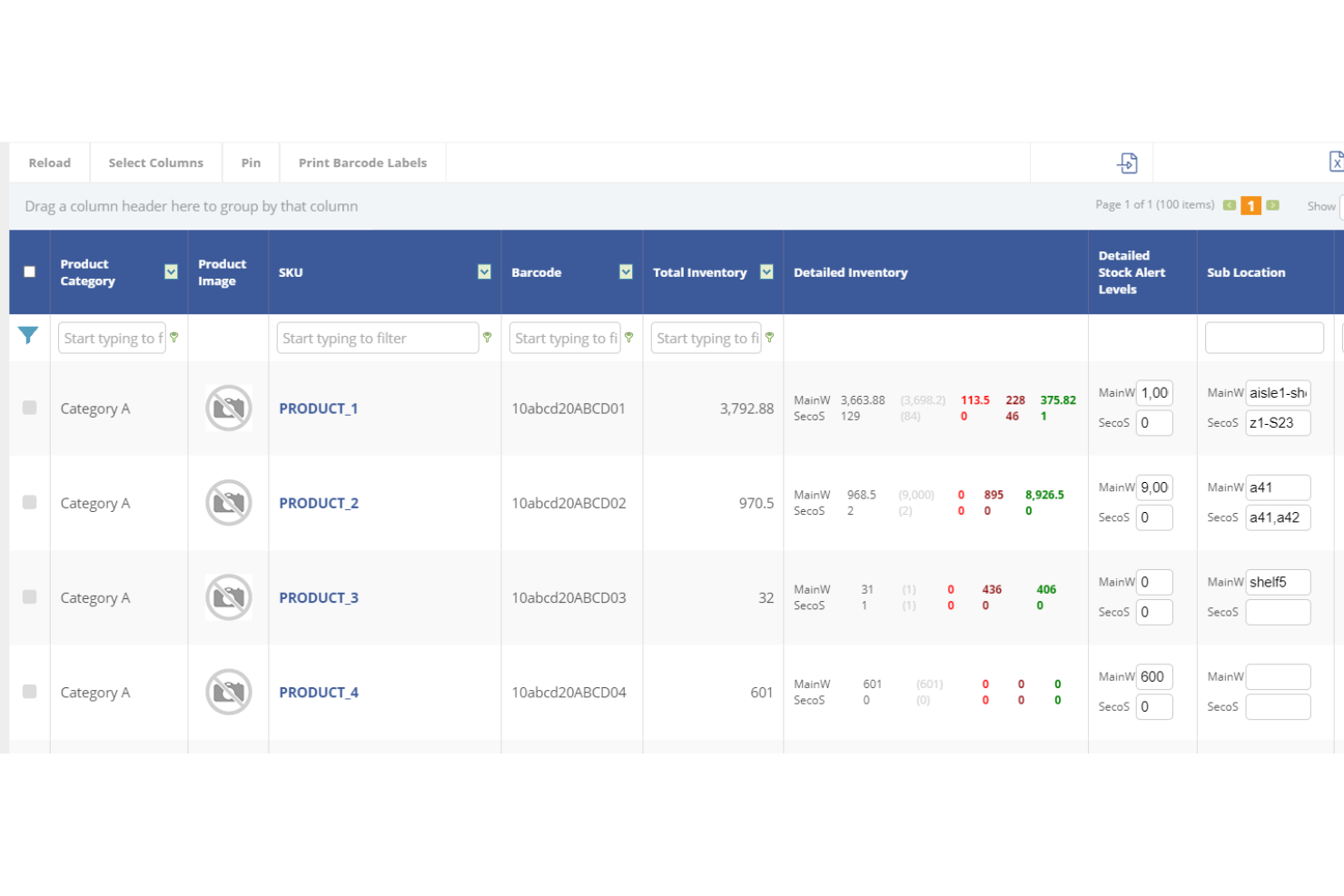
Megaventory è una soluzione di gestione dell'inventario progettata per le aziende manifatturiere. Aiuta a gestire la produzione, tracciare l'inventario e gestire gli ordini, rendendolo adatto ai team coinvolti nei processi produttivi.
Perché ho scelto Megaventory: Offre funzionalità pensate specificamente per le esigenze della produzione, come la gestione della distinta base e degli ordini di lavoro. Il tuo team può gestire con facilità più fasi di produzione. Il tracciamento dell'inventario in diverse sedi garantisce sempre il controllo sulla posizione dei tuoi stock. Il processo di evasione degli ordini è ottimizzato, aiutandoti a soddisfare efficacemente la domanda dei clienti.
Funzionalità principali e integrazioni:
Le funzionalità includono la gestione degli ordini che semplifica la gestione degli ordini di clienti e fornitori, strumenti di reportistica per offrire approfondimenti sulle tendenze di inventario e tracciamento delle scorte su più sedi per mantenere organizzato il magazzino.
Le integrazioni comprendono QuickBooks, Zapier, WooCommerce, Magento, Shopify e Salesforce.
Pros and Cons
Pros:
- Supporta più fasi di produzione
- Strumenti di reportistica dettagliati
- Gestisce ordini complessi
- Tracciamento scorte su più sedi
Cons:
- Curva di apprendimento più ripida per principianti
- Funzionalità limitate dell'app mobile
- Nessun accesso offline

Sortly
Ideale per le piccole imprese
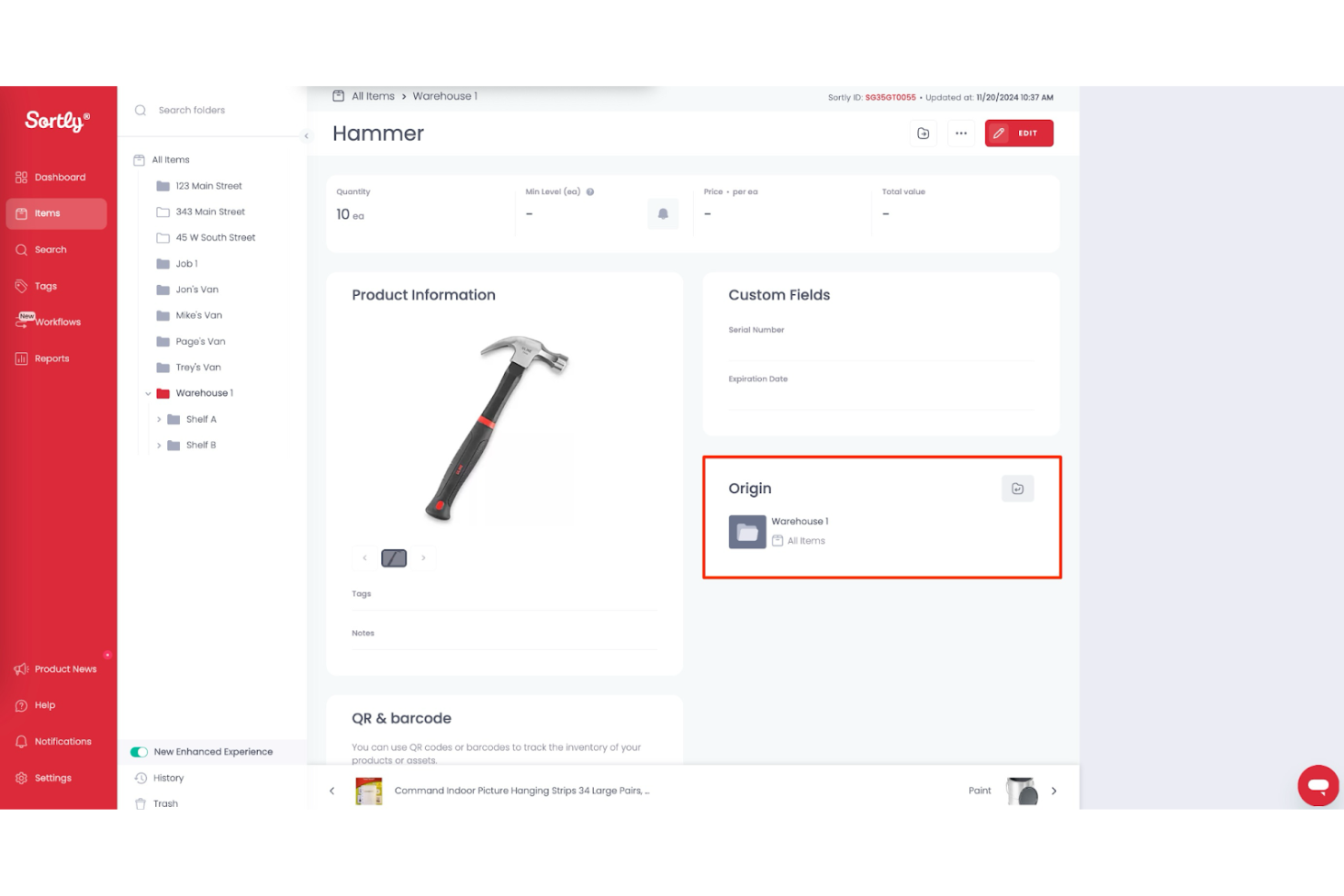
Sortly è uno strumento di gestione dell'inventario pensato per le piccole imprese, che offre accesso mobile e funzionalità di scansione dei codici a barre. Aiuta gli utenti a organizzare e monitorare l'inventario in modo efficiente, rendendolo ideale per settori come l'edilizia e il settore medico.
Perché ho scelto Sortly: Progettato pensando alle piccole aziende, Sortly offre un facile accesso da dispositivi mobili, permettendo di gestire l'inventario ovunque tu sia. La scansione di codici QR e a barre semplifica il processo, riducendo gli errori di inserimento manuale. Gli avvisi di scorte basse ti tengono informato, così non rimani mai senza articoli essenziali. Gli strumenti di reportistica forniscono informazioni sulle tendenze dell'inventario, aiutandoti a prendere decisioni più consapevoli.
Funzionalità e integrazioni principali:
Le funzionalità comprendono la scansione di codici QR e a barre per aggiornare rapidamente i livelli di inventario, accesso mobile per gestire le scorte ovunque e avvisi di scorte basse per evitare di esaurire i prodotti essenziali.
Le integrazioni includono QuickBooks, Xero e Shopify.
Pros and Cons
Pros:
- Accessibilità tramite app mobile
- Facile generazione di codici QR
- Campi di inventario personalizzabili
- Supporto per accesso offline
Cons:
- Funzionalità avanzate limitate
- Nessun supporto per più sedi
- Funzionalità di reportistica di base

Ideale per la flessibilità open source
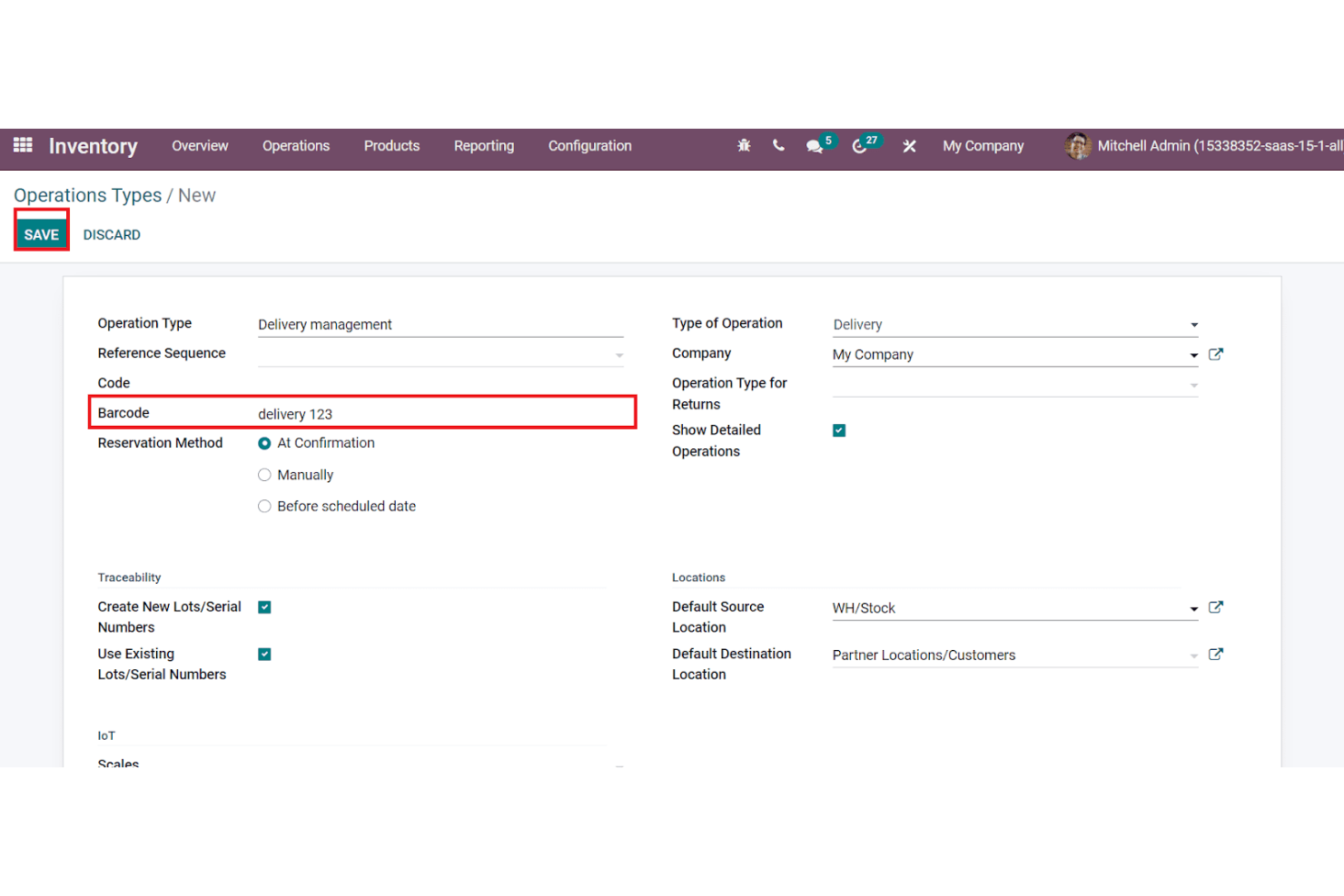
Odoo Inventory è una soluzione open source per la gestione dell'inventario, progettata per le aziende che cercano un software personalizzabile e scalabile. Offre funzionalità per il monitoraggio dell'inventario, la gestione degli ordini e le operazioni di magazzino, rendendolo adatto a imprese di varie dimensioni.
Perché ho scelto Odoo Inventory: La natura open source consente al tuo team di personalizzare il software in base alle esigenze specifiche dell'azienda. Puoi adattare il sistema per gestire l'inventario in modo efficiente su più magazzini. Il software supporta il riapprovvigionamento automatico, assicurando che i livelli di scorte rimangano ottimali. Le funzionalità di scansione dei codici a barre aiutano a semplificare le regolazioni e il monitoraggio dell'inventario.
Funzionalità e integrazioni principali:
Funzionalità includono riapprovvigionamento automatico per mantenere i livelli delle scorte ottimali, gestione multi-magazzino per un controllo efficiente dell'inventario tra diverse sedi, e scansione dei codici a barre per facilitare regolazioni e monitoraggio dell'inventario.
Integrazioni includono QuickBooks, PayPal, UPS, FedEx, eBay, Amazon, Shopify, WooCommerce, DHL e Stripe.
Pros and Cons
Pros:
- Personalizzazione open source
- Gestione multi-magazzino
- Riapprovvigionamento automatico
- Funzionalità di scansione dei codici a barre
Cons:
- Processo di configurazione complesso
- Richiede competenze tecniche
- Funzionalità offline limitate

Fulfil
Ideale per insight sull'inventario in tempo reale
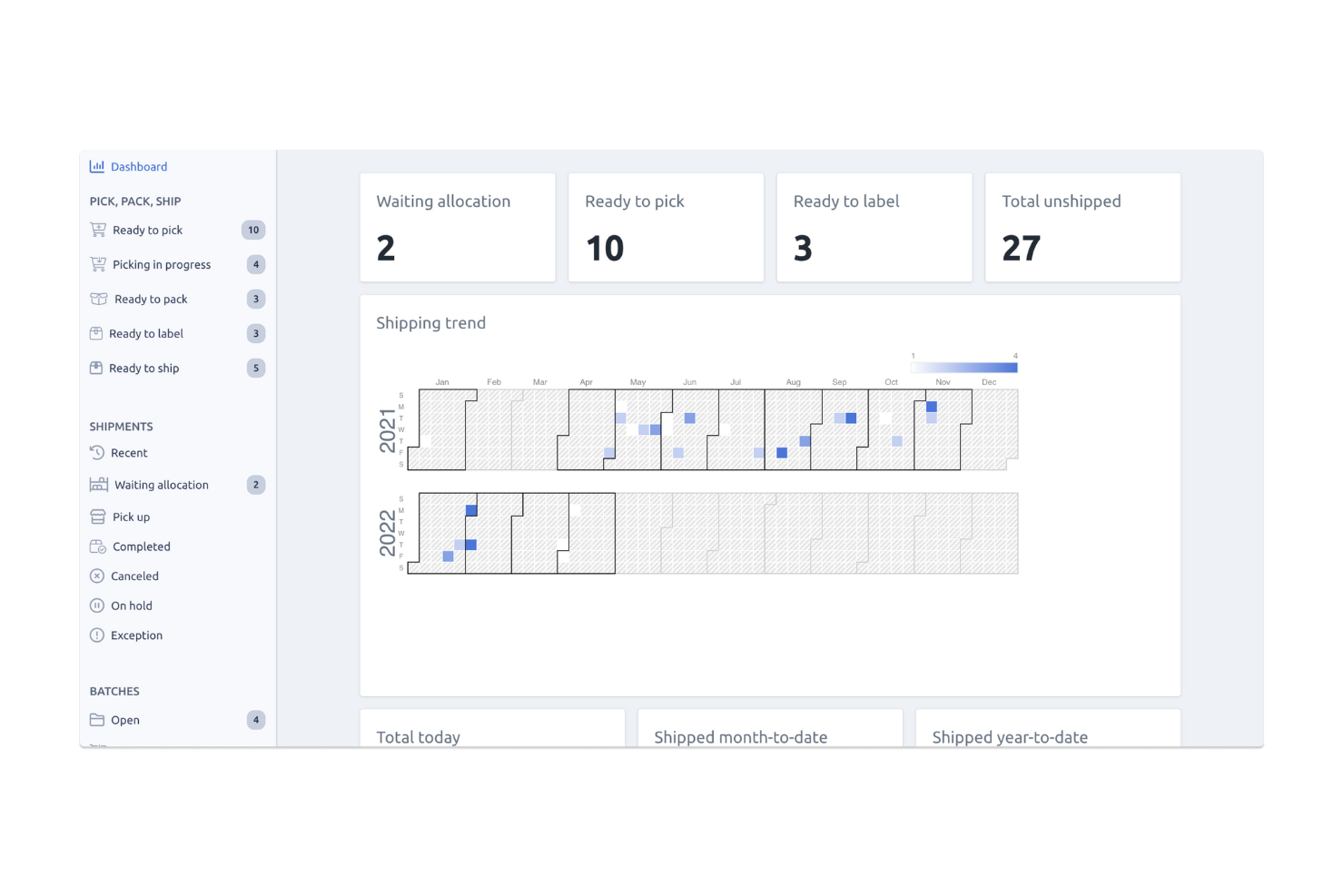
Fulfil è una soluzione di gestione dell'inventario tramite codici a barre creata per i team di ecommerce e vendita all'ingrosso. Combina sincronizzazione in tempo reale delle scorte, scansione dei codici a barre e flussi di lavoro automatizzati per aiutarti a mantenere livelli di inventario accurati e ottimizzare le operazioni di evasione ordini.
Perché ho scelto Fulfil: Ho scelto Fulfil per la sua capacità di mantenere i dati delle scorte coerenti tra magazzini e canali. Puoi scansionare e aggiornare l'inventario all'istante, riducendo errori e vendite in eccesso. Apprezzo anche i suoi strumenti di automazione che gestiscono l'instradamento degli ordini e le attività di evasione—ideale se gestisci operazioni ad alto volume e con più sedi.
Funzionalità e integrazioni distintive di Fulfil:
Funzionalità includono la scansione dei codici a barre per aggiornamenti rapidi e precisi, flussi di lavoro automatizzati che semplificano l'evasione e strategie avanzate di prelievo come il batch picking e lo zone picking.
Integrazioni includono Shopify, Amazon, Etsy, eBay, PayPal, DHL, FedEx, UPS e United States Postal Service.
Pros and Cons
Pros:
- Monitoraggio accurato dello stock in tempo reale
- Automazione di magazzino basata su codice a barre
- Robuste integrazioni ecommerce
Cons:
- La configurazione può richiedere tempo
- Curva di apprendimento iniziale più ripida
Altri software di gestione dell'inventario tramite codici a barre
Ecco alcune opzioni aggiuntive di software per la gestione dell’inventario tramite codici a barre che non sono entrate nella mia selezione, ma che vale comunque la pena prendere in considerazione:
- Craftybase
Ideale per venditori di prodotti fatti a mano
- SalesBinder
Ideale per la gestione dei clienti
- SkuNexus
Ideale per flussi di lavoro personalizzati
- HandiFox
Ideale per la gestione mobile dell'inventario
- Deskera
Ideale per soluzioni tutto-in-uno


Software correlati per la gestione dell'inventario
Esiste un software di gestione dell'inventario per ogni tipo di esigenza. Per questo abbiamo creato raccolte dedicate a tutti i casi d'uso.
- Software di gestione dell'inventario all'ingrosso
- Software di gestione dell'inventario per la vendita al dettaglio
- Software di gestione dell'inventario per il commercio elettronico
- Software di gestione dell'inventario basato sul cloud
- Software mobile di gestione dell'inventario
- Software di gestione dell'inventario per sistemi POS
- Software gratuito di gestione dell'inventario
Come valuto i software di gestione inventario tramite codice a barre
Valuto ogni strumento su due livelli: capacità di base come il monitoraggio in tempo reale delle scorte e la sincronizzazione col POS, essenziali per ogni team al dettaglio, e i fattori distintivi che rendono uno strumento migliore di un altro.
Funzionalità di Base (Requisiti Fondamentali per Questa Lista)
Quando seleziono gli strumenti per la mia lista, valuto ciascuno su una scala da 0 (non offre la funzionalità) a 5 (eccelle in quest'area) per ciascuna funzione base elencata di seguito. Poi calcolo il punteggio totale dello strumento in percentuale. Ogni strumento deve raggiungere un punteggio minimo totale del 65% per essere considerato.
- Scansione Codici a Barre & Generazione Etichette: Controllo quali formati di codice a barre supporta ogni strumento—UPC, EAN, QR, Code 128—e se è possibile progettare e stampare in massa etichette da scaffale o cartellini prezzo direttamente nell'app.
- Monitoraggio Inventario in Tempo Reale: Le giacenze dovrebbero aggiornarsi nel momento stesso in cui avviene una scansione, che si tratti di una vendita al registratore di cassa, di un check-in alla banchina di ricevimento, o di un trasferimento tra sedi.
- Gestione Stock Multi-sede: Cerco visibilità a livello di sede, flussi di trasferimento, e la possibilità di tracciare le scorte tra negozi, magazzini e aree di stoccaggio da un'unica dashboard.
- Supporto Dispositivi Mobili & Palmari: Il personale deve poter scansionare in movimento, quindi valuto app native iOS/Android e compatibilità con scanner dedicati di marchi come Zebra e Honeywell.
- Integrazione POS & Ecommerce: Verifico la presenza di connettori nativi per le piattaforme POS ed ecommerce effettivamente usate dai dettaglianti—Shopify, Square, Lightspeed, WooCommerce—e se le sincronizzazioni sono bidirezionali.
- Reportistica Inventario & Strumenti di Audit: Report utili vanno oltre una semplice esportazione della lista scorte. Cerco avvisi di scorte basse, processi guidati di conteggio ciclico e monitoraggio delle differenze dopo un inventario fisico.
Una volta ottenuta la lista di strumenti che soddisfano questi criteri, considero cosa distingue ciascuna piattaforma.
Fattori Differenzianti (Cosa Distingue i Fornitori)
Ecco come confronto i vari fornitori:
Funzionalità Distintive
La previsione della domanda è un importante elemento distintivo: cerco strumenti che analizzano la velocità delle vendite per generare automaticamente ordini di acquisto prima che le scorte si esauriscano, particolarmente importante per i rivenditori stagionali con centinaia di SKU. Anche la gestione di fornitori e ordini d'acquisto è cruciale, soprattutto quando i flussi di ricezione permettono di scansionare le spedizioni in entrata confrontandole con gli ordini aperti per identificare immediatamente discrepanze. Per chi gestisce elettronica, cosmetici o prodotti deperibili, valuto anche la tracciabilità di numeri di serie, lotti e scadenze, verificando se la scansione dei codici a barre acquisisce questi dati a livello di singola unità.
Oltre le Funzionalità
La compatibilità hardware è uno dei primi aspetti che verifico: controllo se il software è compatibile con scanner Zebra o Honeywell, stampanti DYMO o Brother e fotocamere di smartphone, per i team che preferiscono evitare hardware dedicato. Anche la scalabilità è fondamentale. Un singolo negoziante che intende aprire una seconda sede non dovrebbe dover cambiare piattaforma: per questo valuto se i piani prevedono l'aggiunta di nuove sedi, utenti e permessi basati sui ruoli man mano che si cresce. Valuto inoltre la profondità di integrazione, in particolare se i connettori verso POS, ecommerce e strumenti di contabilità come QuickBooks o Xero sincronizzano in maniera bidirezionale.
Che cos'è il software di gestione dell'inventario tramite codici a barre?
Il software di gestione dell'inventario tramite codici a barre è uno strumento che aiuta a monitorare l'inventario scansionando i codici a barre invece di affidarsi all'inserimento manuale dei dati (ovvero il regno degli errori umani).
Che tu stia utilizzando codici QR, etichette UPC o codici a barre 2D, questi sistemi ti permettono di aggiornare i livelli delle scorte in tempo reale utilizzando uno scanner di codici a barre, un dispositivo mobile o persino un semplice lettore di codici a barre.
Il miglior software per la gestione dell'inventario tramite codici a barre agisce come il tuo assistente digitale di magazzino, automatizzando attività noiose come gli inventari, gli ordini di acquisto e la gestione degli ordini.
Dalle piccole imprese ai magazzini su larga scala, i team utilizzano i sistemi di codici a barre per ridurre gli errori, velocizzare le operazioni e mantenere efficiente il processo di controllo dell'inventario.
È particolarmente utile se stai ancora destreggiandoti tra modelli Excel, note adesive e sessioni notturne passate a chiederti «dove diavolo si trova quel codice SKU?».
I moderni sistemi di gestione dell'inventario tramite codici a barre supportano app mobili (Android e iOS), scanner portatili e integrazioni con i sistemi POS, QuickBooks Online e piattaforme di commercio elettronico, rendendoli indispensabili per chiunque voglia ottimizzare i flussi di lavoro dell'inventario e aumentare la redditività.
Come scegliere il software per la gestione dell'inventario tramite codici a barre
Scegliere il sistema giusto per la gestione dell'inventario tramite codici a barre non significa solo confrontare le funzionalità: significa trovare uno strumento che si adatti al tuo flusso di lavoro, cresca insieme alla tua attività e ti aiuti a smettere di perdere tempo cercando codici SKU smarriti.
Ecco una lista di controllo per individuare la soluzione più adatta alle tue esigenze:
| Fattore | Cosa considerare |
|---|---|
| Scalabilità | Scegli un sistema che cresca insieme alla tua attività. Cerca piani flessibili, supporto per un numero illimitato di articoli in inventario e strumenti in grado di gestire nel tempo un numero maggiore di utenti, sedi o esigenze di gestione del magazzino. |
| Integrazioni | Assicurati che si sincronizzi con il tuo stack tecnologico esistente, come QuickBooks Online, la tua piattaforma di commercio elettronico o il sistema per il punto vendita (POS). Le integrazioni fluide riducono l'inserimento duplicato dei dati e ti aiutano a lavorare più velocemente. |
| Personalizzazione | Scegli uno strumento che ti permetta di adattarlo alla tua attività, non il contrario. Il supporto per campi personalizzati, formati di codici a barre (come codici QR o codici a barre 2D) e l'automazione dei flussi di lavoro è indispensabile. |
| Facilità d'uso | Evita curve di apprendimento ripide. Cerca un'app mobile intuitiva e menu chiari che aiutino il tuo team a scansionare i codici a barre, stampare le etichette e aggiornare i livelli delle scorte senza dover ricorrere continuamente all'aiuto del reparto IT. |
| Budget | Concentrati sul costo totale di proprietà, non solo sul canone mensile. Fai attenzione ai costi aggiuntivi come utenti extra, componenti aggiuntivi o strumenti per la generazione di codici a barre. Alcuni strumenti gratuiti o economici sono ottimi per le piccole imprese appena avviate. |
| Misure di sicurezza | Non sottovalutare la sicurezza dei dati dell'inventario. Assicurati che il software protegga le tue informazioni con crittografia, controlli degli accessi e backup regolari, soprattutto se gestisci le scorte su più dispositivi o sedi. |
| Assistenza | Scegli un fornitore che risponda davvero al telefono o alle richieste in chat. Cerca assistenza 24 ore su 24, 7 giorni su 7, chat dal vivo, aiuto nella configurazione e una solida base di conoscenze nel caso in cui il tuo team incontri un problema durante l'inventario. |
| Strumenti di reportistica | Scegli un software che offra informazioni utili per l'azione, non solo grafici accattivanti. Gli aggiornamenti dell'inventario in tempo reale, le previsioni della domanda e le notifiche sulle scorte ridotte sono fondamentali per prendere decisioni più intelligenti. |
Tendenze nel software per la gestione dell'inventario tramite codici a barre
I sistemi di inventario tramite codici a barre si stanno evolvendo rapidamente e le tendenze più recenti puntano tutte a dati più intelligenti, operazioni più fluide e meno problemi.
- Previsioni basate sull'IA. I sistemi avanzati di gestione dell'inventario ora utilizzano l'IA per analizzare i dati storici e suggerire quando e quanto riordinare, migliorando automaticamente la precisione delle scorte e riducendo l'eccesso di inventario.
- Blockchain per la trasparenza della catena di approvvigionamento. Alcuni strumenti stanno adottando la blockchain per registrare lo spostamento dei prodotti e verificarne l'autenticità, contribuendo a ridurre le frodi e migliorare la tracciabilità nelle operazioni di magazzino e vendita al dettaglio.
- Monitoraggio delle scorte basato sull'IoT. I sistemi di inventario tramite codici a barre vengono abbinati a sensori IoT e scaffali intelligenti per fornire aggiornamenti dell'inventario in tempo reale senza interventi manuali, una soluzione ideale per i magazzini ad alto volume.
- Monitoraggio della sostenibilità. Le nuove funzionalità consentono alle aziende di monitorare la propria impronta di carbonio, i rifiuti di imballaggio e l'utilizzo delle risorse, trasformando il controllo dell'inventario in una fonte di dati ESG.
- Realtà aumentata per l'efficienza del magazzino. Gli strumenti di realtà aumentata, come gli occhiali intelligenti, vengono testati per mostrare i dati dell'inventario e le istruzioni di prelievo in tempo reale, riducendo gli errori e velocizzando l'evasione degli ordini.
- App di inventario progettate per dispositivi mobili. Poiché un numero crescente di team gestisce l'inventario tramite dispositivi mobili, i sistemi stanno dando priorità alle app native per Android e iOS, che offrono scansione dei codici a barre, stampa delle etichette e flussi di lavoro completi per l'inventario in mobilità.
Funzionalità del software per la gestione dell'inventario tramite codici a barre
Non tutti i sistemi di inventario tramite codici a barre sono uguali. I migliori ti aiutano a lavorare velocemente, ridurre gli errori e anticipare la domanda. Ecco le funzionalità principali da cercare:
- Scansione dei codici a barre. Accelera gli aggiornamenti dell'inventario e riduce gli errori di inserimento manuale utilizzando lettori di codici a barre, app mobili o scanner portatili.
- Aggiornamenti dell'inventario in tempo reale. Riflette istantaneamente le variazioni delle scorte, così sai sempre quali sono i livelli attuali del tuo inventario, senza bisogno di aggiornare la pagina o usare fogli di calcolo.
- Gestione degli ordini. Tiene traccia degli ordini in entrata e in uscita, sincronizzando il tuo inventario con la domanda dei clienti su tutti i canali.
- Strumenti di reportistica. Offre report dettagliati sulle vendite, sui movimenti delle scorte e sull'indice di rotazione, così puoi prendere decisioni basate sui dati.
- Integrazione delle vendite multicanale. Si collega alle piattaforme di ecommerce, ai sistemi POS e ai marketplace per riunire in un unico luogo i dati sugli ordini e sulle scorte.
- Flussi di lavoro personalizzabili. Ti consente di adattare campi, codici a barre e processi di inventario in base alle operazioni della tua attività.
- Avvisi automatici per il riordino. Ti avvisa quando gli articoli raggiungono una soglia di scorte ridotte, così puoi effettuare un nuovo ordine prima che sia troppo tardi.
- Gestione di più magazzini. Gestisce l'inventario in più sedi o ubicazioni, aiutandoti a ottimizzare lo spazio e a evitare scorte duplicate.
- Tracciamento dei lotti. Tiene traccia dell'inventario in base al numero di lotto, al numero di serie o alla data di scadenza, una funzione fondamentale per i settori soggetti a rigorosi requisiti di conformità.
- Misure di sicurezza. Protegge i tuoi dati con autorizzazioni utente, backup crittografati e controlli degli accessi per una maggiore responsabilizzazione.
Vantaggi del software per la gestione dell'inventario con codici a barre
I sistemi di inventario con codici a barre non servono solo a tenere traccia delle scorte: servono a gestire la tua attività come si deve nel 2026. Ecco cosa ottieni davvero quando abbandoni i fogli di calcolo e inizi a scansionare come un professionista:
- Maggiore precisione. È nell'inserimento manuale che la precisione dell'inventario va a farsi benedire: la scansione dei codici a barre risolve rapidamente il problema.
- Maggiore efficienza. Gli aggiornamenti in tempo reale, le app mobili e gli strumenti di automazione aiutano il tuo team a smettere di gestire le emergenze e a completare rapidamente la lista delle attività.
- Costi ridotti. Livelli di scorte più intelligenti = meno esaurimenti delle scorte, meno scorte invendute e molti meno sprechi di denaro.
- Decisioni migliori. Report che non richiedono una chiave di decodifica ti permettono di prevedere, pianificare e agire senza andare a tentoni.
- Maggiore soddisfazione dei clienti. Non dovrai più dire ai clienti «ti faremo sapere»: saprai davvero cosa è disponibile, quando verrà spedito e dove si trova.
- Scalabilità per i team in crescita. Che tu stia aggiungendo nuovi SKU, magazzini o dipendenti, il software giusto non farà una piega.
- Sicurezza e backup dei dati. I dati del tuo inventario non svaniranno nel nulla: i sistemi validi li mantengono al sicuro, ne eseguono il backup e li rendono accessibili solo alle persone autorizzate.
Costi e prezzi del software per la gestione dell'inventario con codici a barre
I prezzi dei software per la gestione dell'inventario con codici a barre possono sembrare un bersaglio in movimento. Alcuni strumenti applicano un costo per utente, altri in base al livello di funzionalità e altri ancora aggiungono costi supplementari nascosti quando vuoi stampare un'etichetta o scansionare più di 100 SKU. Ecco una panoramica chiara e senza fronzoli di ciò che puoi aspettarti:
Tabella di confronto dei piani per il software di gestione dell'inventario con codici a barre
| Tipo di piano | Prezzo medio | Funzionalità comuni | Ideale per |
|---|---|---|---|
| Piano gratuito | $0 | Scansione di base dei codici a barre, tracciamento limitato dell'inventario, numero limitato di utenti o sedi. | Nuove imprese, attività secondarie, ex utenti di Excel |
| Piano personale | $5–$25/utente/mese | Gestione essenziale dell'inventario, accesso all'app mobile, tracciamento di base degli ordini, stampa delle etichette. | Libero professionisti o piccoli team con un budget limitato |
| Piano aziendale | $30–$75/utente/mese | Vendite multicanale, aggiornamenti in tempo reale, flussi di lavoro personalizzabili, strumenti di reportistica. | Aziende in espansione con maggiore complessità |
| Piano aziendale avanzato | $80–$150+/utente/mese | Sicurezza avanzata, automazione, tracciamento di più magazzini, integrazioni complete. | Venditori ad alto volume, operazioni complesse |
Ulteriori considerazioni sui costi
- Il prezzo basato sugli utenti aumenta rapidamente. Un piano da $30/mese potrebbe sembrare conveniente, finché non ti serve per 10 membri del team.
- Fai attenzione ai limiti dei codici a barre. Alcuni strumenti "economici" limitano il numero di codici a barre che puoi scansionare, stampare o archiviare senza pagare di più.
- I livelli di integrazione sono importanti. La sincronizzazione con il tuo POS, la piattaforma ecommerce o QuickBooks Online potrebbe richiedere un piano superiore.
- Funzionalità personalizzate = prezzi personalizzati. Se hai bisogno di flussi di lavoro complessi, previsioni o di una configurazione API personalizzata, preparati a parlare con il reparto vendite.
Domande frequenti sul software di gestione dell'inventario con codici a barre
Ecco alcune risposte alle domande comuni sul software di gestione dell’inventario con codici a barre:
È necessario uno scanner di codici a barre separato per utilizzare questo software?
Non sempre. Molti strumenti consentono di scansionare i codici a barre utilizzando la fotocamera del telefono tramite un’app mobile: una soluzione perfetta per i piccoli team o per le aziende in movimento. Tuttavia, se gestisci un volume elevato di inventario o effettui frequenti conteggi delle scorte, uno scanner portatile dedicato può aumentare notevolmente la velocità e la precisione.
Qual è la differenza tra il software per l'inventario con codici a barre e i sistemi completi di gestione dell'inventario?
Il software per l’inventario con codici a barre si concentra sulla scansione, il monitoraggio e l’aggiornamento dell’inventario tramite codici a barre: è ideale se vuoi automatizzare e velocizzare il controllo di base delle scorte.
I sistemi completi di gestione dell’inventario tendono a includere funzionalità aggiuntive come la gestione degli ordini, l’automazione dei magazzini, le previsioni e le integrazioni con strumenti di contabilità o ecommerce. Alcuni strumenti per codici a barre offrono entrambe le soluzioni, ma verifica di non pagare per più funzionalità di quelle di cui hai realmente bisogno.
Posso stampare le etichette con codici a barre direttamente dal software?
Sì, la maggior parte delle piattaforme per la gestione dell’inventario con codici a barre include un generatore di codici a barre integrato e supporta la stampa delle etichette. Alcune consentono di personalizzare le dimensioni e il formato delle etichette e di includere dettagli come SKU, numero di serie o ubicazione del contenitore, così puoi creare etichette con codici a barre realmente adatte alle tue attività.
Il software per l'inventario con codici a barre è adatto alle aziende con più sedi?
Può esserlo, ma non tutti gli strumenti gestiscono bene questa situazione fin dall’inizio. Se gestisci le scorte tra magazzini, negozi o centri di distribuzione, assicurati che il software supporti il monitoraggio dell’inventario su più sedi in tempo reale. Altrimenti continuerai a cercare manualmente le scorte.
Questo software funziona offline?
Alcune piattaforme offrono funzionalità offline limitate, soprattutto sui dispositivi mobili, ma la maggior parte dipende da una connessione Internet stabile per sincronizzare i dati. Se il tuo magazzino ha una connessione Wi-Fi instabile, assicurati che il sistema possa comunque scansionare e archiviare i dati localmente fino alla riconnessione.
Quanto è difficile passare da Excel a un software per l'inventario con codici a barre?
Non è affatto così complicato come sembra. La maggior parte delle piattaforme consente di importare i dati dell’inventario utilizzando un semplice modello CSV e di iniziare a scansionare quasi immediatamente.
Se hai gestito le scorte con i fogli di calcolo, il software per codici a barre sembrerà un notevole miglioramento senza le complicazioni di una completa riorganizzazione del sistema.
Comprendi meglio il tuo inventario con i codici a barre
La gestione dell'inventario non dovrebbe sembrare una caccia al tesoro quotidiana. Se il tuo team è ancora alle prese con prodotti mancanti, mette continuamente in dubbio i livelli delle scorte o è bloccato nel limbo dei fogli di calcolo, è arrivato il momento di adottare un sistema migliore.
Il software giusto per la gestione dell'inventario con codici a barre non si limita a scansionare i prodotti: elimina il caos, fa risparmiare tempo e ti offre la visibilità necessaria per crescere senza dover mettere in discussione ogni ordine.
Che tu gestisca un magazzino, un negozio o un'attività ecommerce, in questo elenco troverai uno strumento che ti aiuterà a smettere di gestire le emergenze e a iniziare a ottimizzare le attività. Per le aziende attente al budget, le soluzioni open source per la gestione dell'inventario offrono funzionalità potenti senza un prezzo elevato.
Hai la selezione dei migliori strumenti, le funzionalità, i pro e i contro: ora devi solo scegliere quello più adatto al tuo modo di lavorare.
Il settore retail non si ferma mai, e nemmeno tu dovresti farlo. Iscriviti alla nostra newsletter per ricevere le ultime analisi, strategie e risorse professionali dai principali leader del retail che stanno plasmando il settore.