

10 migliori piattaforme software per l’e-commerce mobile nel 2026

I migliori software per e-commerce mobile da prendere in considerazione


Il software per l'e-commerce mobile consente di gestire gli acquisti online da qualsiasi dispositivo, offrendo ai rivenditori gli strumenti per amministrare il proprio negozio, entrare in contatto con i clienti e incrementare le vendite, indipendentemente dal luogo in cui gli utenti stanno navigando.
Con un numero di persone che fa acquisti da smartphone più alto che mai, ottimizzare il proprio negozio per i dispositivi mobili è ormai indispensabile.
Il software giusto aiuta a semplificare la gestione degli ordini, automatizzare il marketing e offrire un'esperienza di pagamento mobile fluida.
Può trasformare una vetrina di base in una macchina di vendita multicanale ad alta conversione, facendo risparmiare tempo, riducendo le difficoltà e ampliando la base clienti lungo il percorso.
Scegliere un software per l'e-commerce mobile non significa selezionare l'app più appariscente. Significa abbinare funzionalità, integrazioni e supporto alle reali esigenze del proprio team, che si venda direttamente ai clienti, si stia lanciando un nuovo marchio o si stia ampliando la propria attività online.
Questa guida analizza le migliori piattaforme di e-commerce mobile per ogni esigenza.
Troverai una selezione chiara, confronti affiancati e analisi di esperti per aiutarti a scegliere la soluzione giusta per il tuo negozio.
Perché fidarsi dei nostri consigli sui software
Il nostro team testa e recensisce software dal 2012. In quanto leader del retail noi stessi, sappiamo quanto sia difficile — e importante — scegliere il software giusto.
Per questa guida, abbiamo valutato gli strumenti attraverso test pratici e ricerche indipendenti, assegnando un punteggio agli strumenti in base ai nostri criteri di selezione.
Le nostre recensioni riflettono il nostro giudizio indipendente, non un discorso di vendita.
Confronto affiancato dei migliori software per l'e-commerce mobile
\u003cspan style=\u0022font-weight: 400\u0022\u003eEcco un confronto affiancato dei prezzi, delle informazioni sulle prove gratuite e degli scenari d’uso ideali per ciascuno dei migliori software per l’e-commerce mobile, così potrai individuare rapidamente gli strumenti più adatti al tuo negozio e al tuo budget.\u003c/span\u003e
| Tool | Best For | Trial Info | Price | ||
|---|---|---|---|---|---|
| 1 | Ideale per la facilità d’uso | Prova gratuita di 3 giorni disponibile | Da $37/mese (fatturato annualmente) | Website | |
| 2 | Ideale per l'integrazione con WordPress | Piano gratuito disponibile | Da $0 di tariffa piattaforma; estensioni da $29/anno | Website | |
| 3 | Ideale per negozi Magento/ Adobe Commerce | Demo gratuita disponibile | $49/mese | Website | |
| 4 | Ideale per il retail omnicanale | Demo gratuita disponibile | Prezzo su richiesta | Website | |
| 5 | Ideale per soluzioni aziendali | Demo gratuita disponibile | Da $2,628 | Website | |
| 6 | Ideale per il commercio API-first | Prova gratuita di 60 giorni | Da $30.000/anno | Website | |
| 7 | Ideale per il commercio headless | Prova gratuita di 90 giorni | Da $50.000/anno | Website | |
| 8 | Ideale per i mercati asiatici | Dimostrazione gratuita disponibile | Da $29/mese | Website | |
| 9 | Ideale per utenti Shopify | Demo gratuita disponibile | Da $250/mese | Website | |
| 10 | Ideale per la personalizzazione delle app | Demo gratuita disponibile | Da $99/mese | Website |
I migliori software per l'e-commerce mobile, recensiti
\u003cspan style=\u0022font-weight: 400\u0022\u003eDi seguito troverai recensioni dettagliate di ciascuna delle migliori piattaforme di e-commerce mobile, con le funzionalità principali, gli scenari d’uso ideali e gli elementi che distinguono esattamente ogni strumento.\u003c/span\u003e

Shopify
Ideale per la facilità d’uso
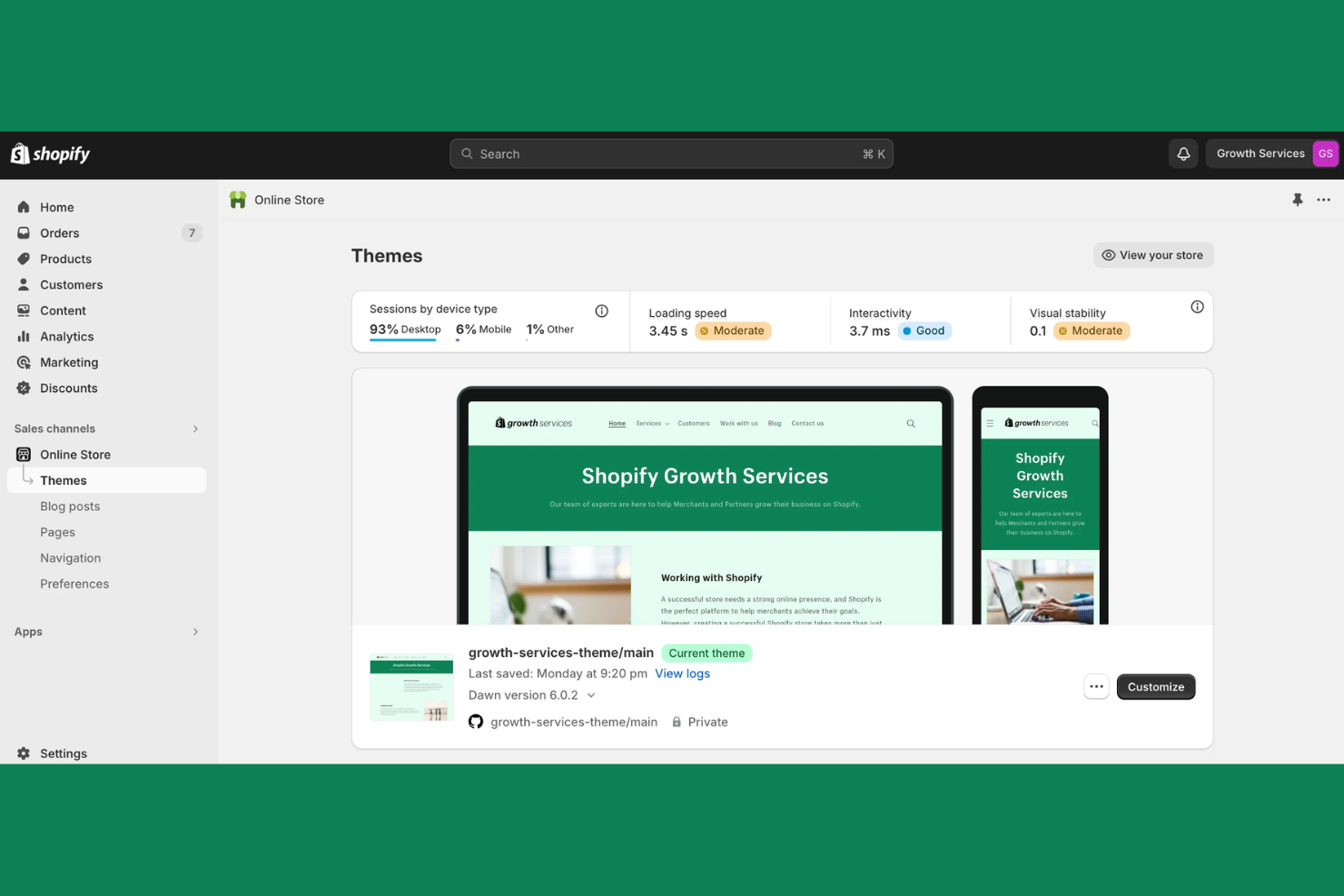
Shopify è una piattaforma di ecommerce progettata per le aziende che desiderano creare e gestire negozi online con facilità. Serve un’ampia gamma di utenti, dalle piccole startup alle grandi imprese, offrendo strumenti per gestire vendite, inventario e interazioni con i clienti.
Perché ho scelto Shopify: Offre un’interfaccia intuitiva, rendendola accessibile anche a utenti senza competenze tecniche. Shopify mette a disposizione una varietà di modelli personalizzabili, permettendoti di creare un negozio che rispecchi l’identità del tuo marchio. Il sistema di pagamento integrato semplifica le transazioni sia per te che per i clienti. Il ricco app store della piattaforma offre funzionalità aggiuntive per migliorare il negozio, rendendolo ideale per chi cerca semplicità ed efficienza.
Caratteristiche principali & integrazioni:
Caratteristiche includono un sistema di punto vendita che si integra con il negozio online per una gestione dell’inventario senza soluzione di continuità. La piattaforma supporta la vendita multicanale, consentendo di raggiungere clienti sui social media e nei marketplace. Inoltre, Shopify offre il recupero dei carrelli abbandonati per aiutarti a recuperare vendite perse.
Integrazioni includono Facebook, Instagram, Google Analytics, Mailchimp, QuickBooks, Xero, ShipStation, Oberlo, Amazon ed eBay.
Pros and Cons
Pros:
- Pagamenti integrati
- Ricco app store
- Supporta la vendita multicanale
Cons:
- Richiede l’acquisto di app per alcune funzionalità
- Capacità di reportistica limitate

Ideale per l'integrazione con WordPress
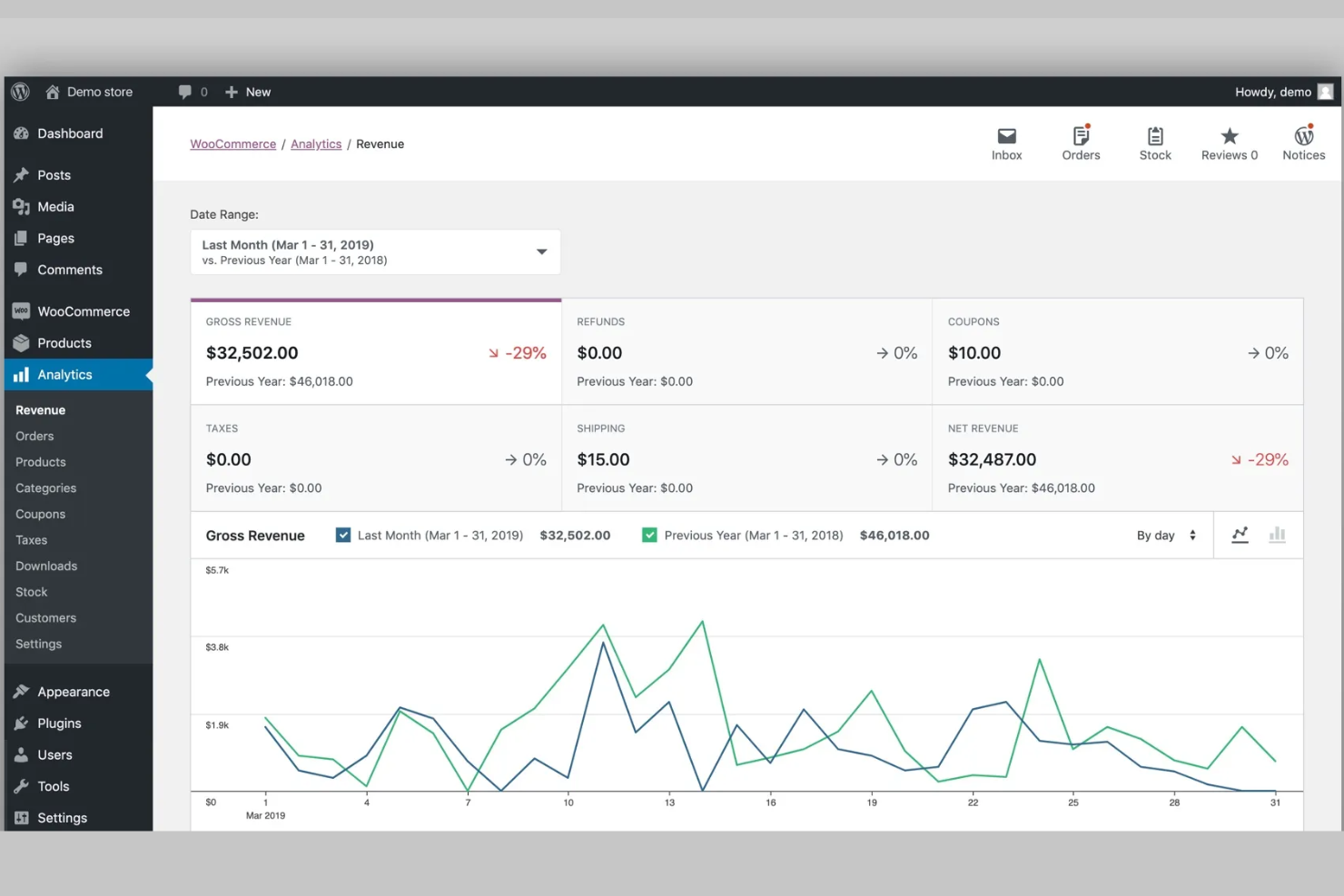
WooCommerce è un plugin ecommerce flessibile per WordPress, pensato per le aziende che desiderano creare e gestire negozi online direttamente dai loro siti WordPress. Si rivolge a piccole e medie imprese, offrendo strumenti per la gestione delle vendite, dell'inventario e dei clienti.
Perché ho scelto WooCommerce: Si integra perfettamente con WordPress, fornendo un'esperienza fluida per chi conosce già la piattaforma. WooCommerce offre ampie opzioni di personalizzazione, consentendo di adattare il negozio alle proprie esigenze specifiche. La sua natura open-source garantisce flessibilità, permettendo agli sviluppatori di estendere le funzionalità secondo necessità. L'ampia community e la vasta gamma di plugin rendono questa soluzione versatile per gli utenti WordPress.
Caratteristiche principali e integrazioni:
Funzionalità includono un sistema di gestione dei prodotti integrato che permette di organizzare ed esporre i prodotti in modo efficace. La piattaforma supporta vari metodi di pagamento, offrendo ai clienti molteplici opzioni al momento del checkout. Inoltre, WooCommerce mette a disposizione strumenti di reportistica dettagliati per monitorare le vendite e analizzare le performance del negozio.
Integrazioni comprendono PayPal, Stripe, Mailchimp, Square, Google Analytics, Facebook, ShipStation, QuickBooks, WooCommerce Subscriptions e WooCommerce Bookings.
Pros and Cons
Pros:
- Integrazione perfetta con WordPress
- Grande supporto dalla community
- Ampia gamma di plugin
Cons:
- Funzionalità limitate nella versione base
- Può essere impegnativo in termini di risorse

Ideale per negozi Magento/ Adobe Commerce

MageNative è un costruttore di app mobile pensato per le aziende che utilizzano Adobe Commerce (precedentemente Magento), offrendo strumenti per creare esperienze di shopping mobile personalizzate. Si rivolge ai proprietari di negozi Adobe Commerce che desiderano ampliare la propria presenza tramite app mobili e migliorare l'engagement dei clienti.
Perché ho scelto MageNative: Si specializza nell'integrazione con Adobe Commerce, rendendolo ideale per queste piattaforme. MageNative offre un costruttore di app drag-and-drop che permette di progettare app mobili senza codice. La sincronizzazione in tempo reale con il tuo negozio garantisce che l'app rifletta gli ultimi aggiornamenti e cambi di inventario. L'attenzione alla personalizzazione della piattaforma ti aiuta a creare un'esperienza di shopping unica per i tuoi clienti.
Funzionalità e integrazioni principali:
Funzionalità includono un sistema di notifiche push per coinvolgere i clienti con aggiornamenti e promozioni. Il costruttore di app offre modelli personalizzabili per adattarsi all'aspetto del tuo brand. Analisi in tempo reale ti forniscono informazioni sul comportamento dei clienti e sulle prestazioni dell'app.
Integrazioni includono Adobe Commerce, Google Analytics, Firebase, PayPal, Stripe, Mailchimp, Yotpo, Zendesk, Shopify e WooCommerce.
Pros and Cons
Pros:
- Specializzato nell'integrazione con Adobe Commerce
- Costruttore di app drag-and-drop
- Sincronizzazione in tempo reale con il negozio
Cons:
- Flessibilità di design limitata
- Potrebbe essere necessario supporto tecnico

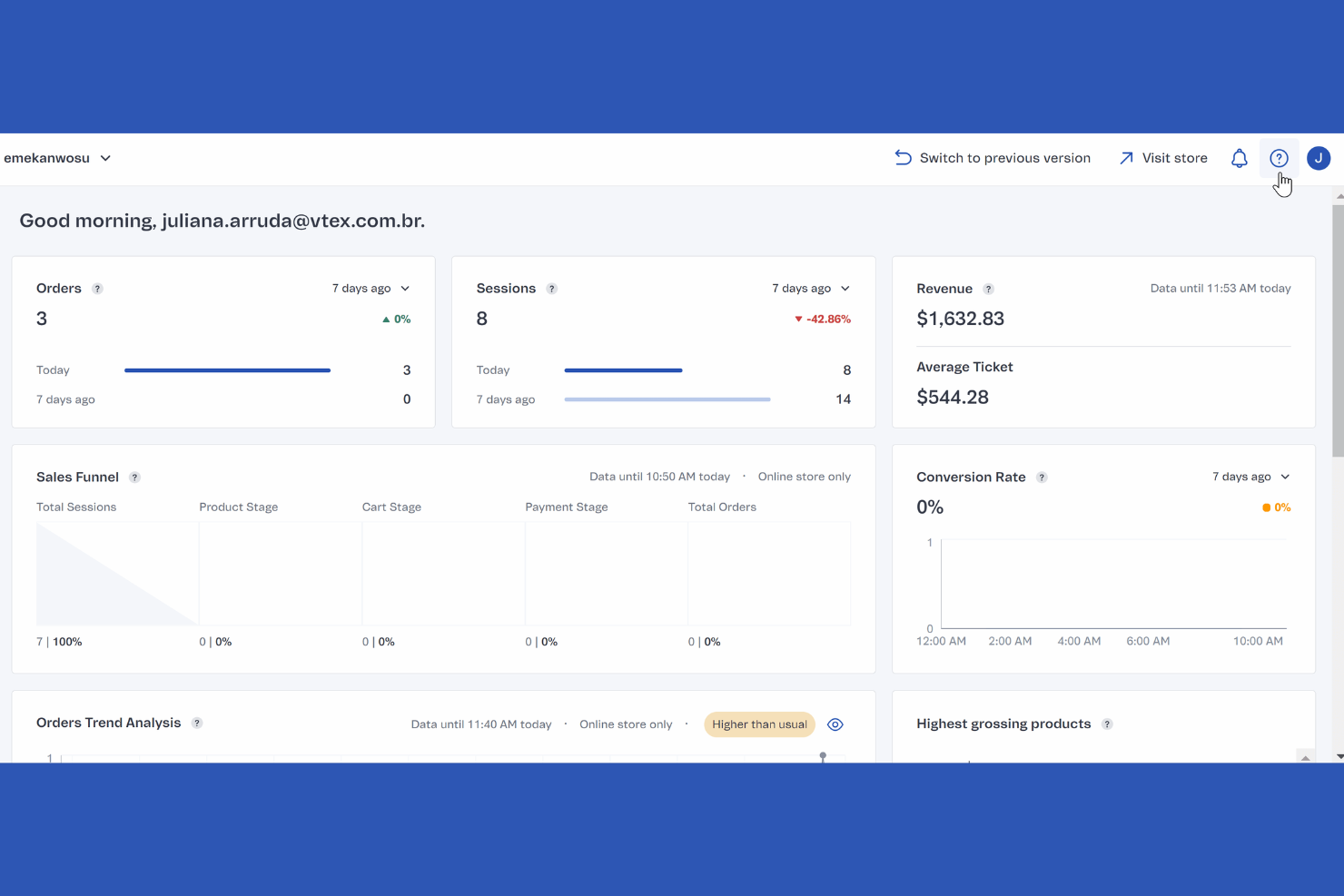
VTEX è una piattaforma di ecommerce progettata per le aziende che desiderano integrare i canali di vendita online e offline. Si rivolge principalmente a rivenditori e brand che puntano a migliorare le proprie capacità omnicanale e l'esperienza dei clienti.
Perché ho scelto VTEX: Offre una soluzione di commercio unificata che supporta sia le vendite online che in negozio, rendendola ideale per le esigenze del retail omnicanale. VTEX fornisce funzionalità come la gestione degli ordini e la sincronizzazione dell'inventario su tutti i canali, assicurando che il tuo team possa gestire le vendite in modo efficiente. La sua capacità di gestire scenari complessi come operazioni multi-brand e multi-paese ne aumenta la versatilità. L'attenzione della piattaforma al miglioramento dell'esperienza cliente tramite soluzioni di commercio integrate la distingue dalle altre.
Funzionalità e integrazioni principali:
Funzionalità includono una gestione avanzata degli ordini che ti consente di tracciare ed evadere gli ordini da più canali. La sincronizzazione dell'inventario garantisce visibilità in tempo reale delle scorte su tutti i punti vendita. La piattaforma offre inoltre un processo di checkout personalizzabile per aumentare la soddisfazione del cliente.
Integrazioni includono Salesforce, SAP, Microsoft Dynamics, Oracle, Shopify, Magento, Amazon, Google Analytics, PayPal e Stripe.
Pros and Cons
Pros:
- Forte sincronizzazione dell'inventario
- Processo di checkout personalizzabile
- Migliora l'esperienza del cliente
Cons:
- Alto costo iniziale
- Richiede competenze tecniche

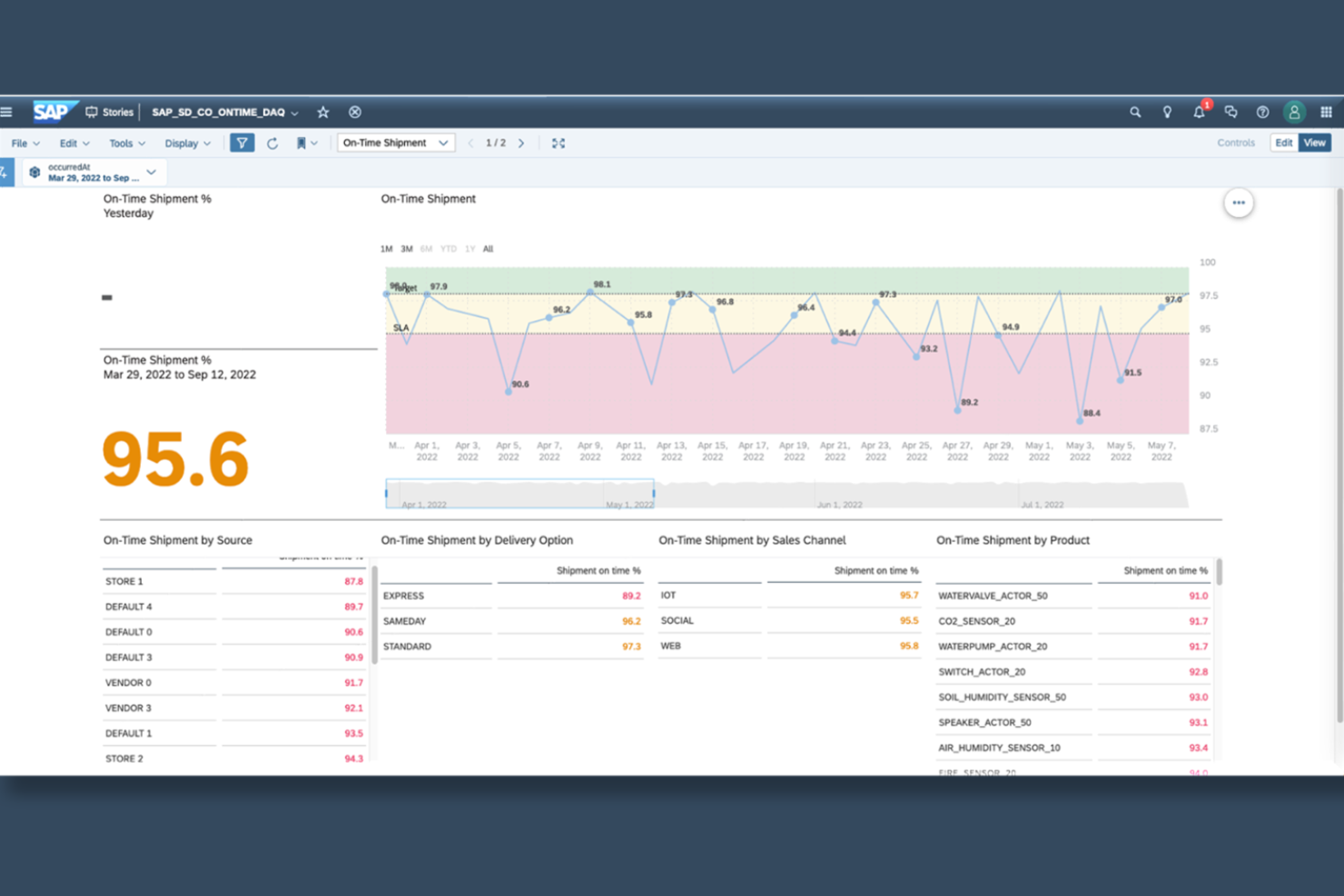
SAP Commerce Cloud è una piattaforma ecommerce completa progettata per le grandi aziende che desiderano gestire operazioni di commercio digitale complesse. Serve imprese che necessitano di strumenti robusti per gestire vendite, interazioni con i clienti e inventario su più canali.
Perché ho scelto SAP Commerce Cloud: Offre capacità estese studiate per le esigenze delle imprese, rendendola una scelta adatta per grandi organizzazioni. La piattaforma supporta scenari complessi B2B e B2C, consentendoti di gestire interazioni diversificate con i clienti. La sua scalabilità assicura la gestione di alti volumi di transazioni e dati. L'attenzione di SAP Commerce Cloud nel fornire un'esperienza commerciale unificata la differenzia come scelta principale per le aziende.
Caratteristiche principali e integrazioni:
Funzionalità includono una gestione avanzata degli ordini che aiuta il tuo team a ottimizzare l'evasione degli ordini su più canali. Gli strumenti di personalizzazione della piattaforma ti permettono di adattare le esperienze a diversi segmenti di clientela. Inoltre, SAP Commerce Cloud offre potenti strumenti di analisi per fornire informazioni sulle prestazioni di vendita e sul comportamento dei clienti.
Integrazioni includono SAP S/4HANA, SAP ERP, Microsoft Dynamics 365, Salesforce, Adobe Experience Manager, Google Analytics, PayPal, Stripe, Amazon ed eBay.
Pros and Cons
Pros:
- Supporta scenari B2B complessi
- Si adatta ad alti volumi di transazioni
- Esperienza commerciale unificata
Cons:
- Curva di apprendimento ripida
- Limitato per operazioni di scala ridotta

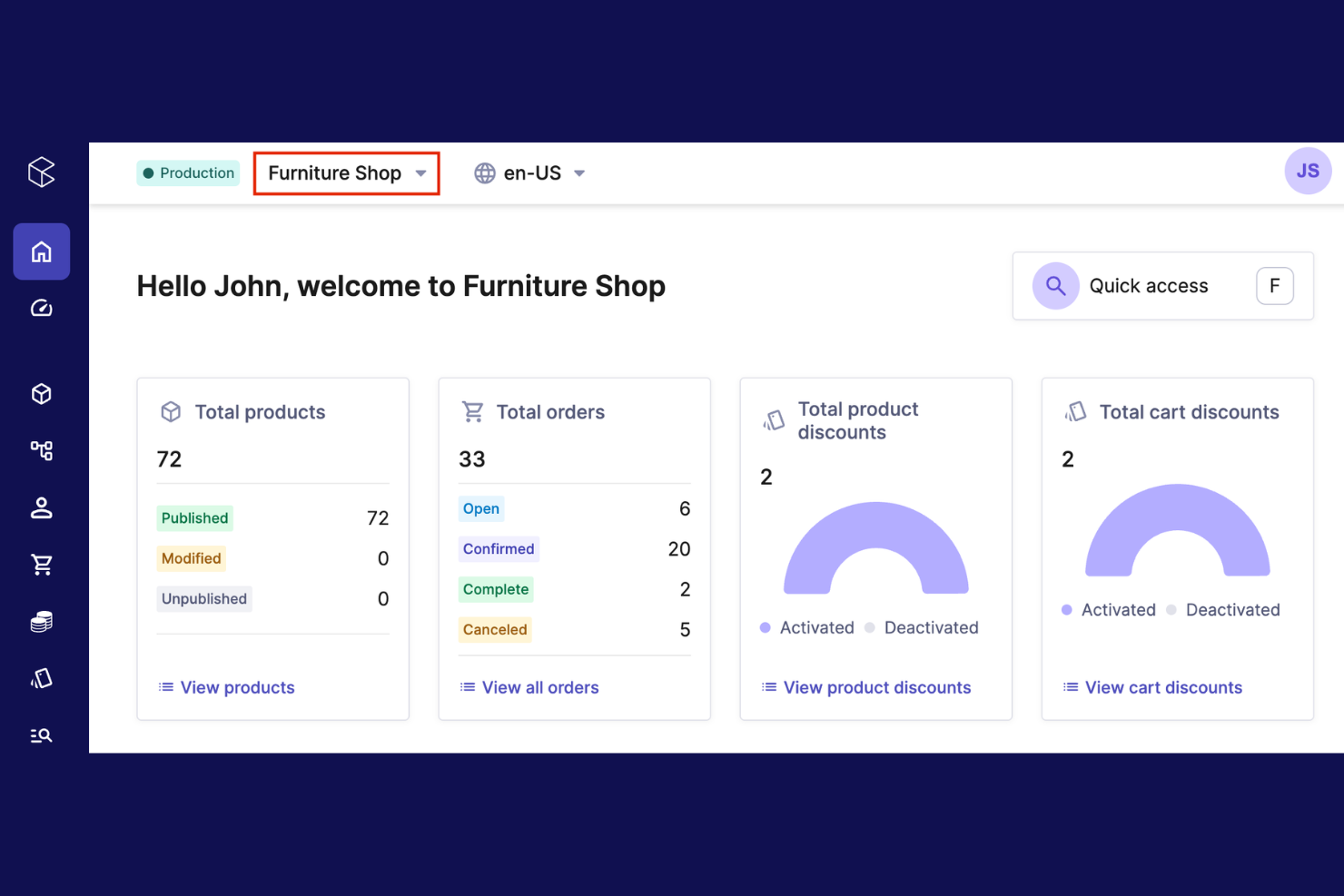
commercetools è una piattaforma cloud progettata per le aziende che desiderano adottare un'architettura di commercio headless. Si rivolge a sviluppatori e imprese che cercano flessibilità e personalizzazione nelle loro soluzioni ecommerce.
Perché ho scelto commercetools: Si distingue per l'approccio API-first, che consente al tuo team di creare esperienze di commercio su misura. L'architettura a microservizi della piattaforma supporta la scalabilità e l'adattabilità, fondamentali per le aziende con esigenze particolari. commercetools offre un'ampia gamma di API che facilitano l'integrazione con diversi canali e dispositivi. L'enfasi sul commercio headless ti offre la libertà di innovare senza vincoli su frontend specifici.
Funzionalità e integrazioni di rilievo:
Funzionalità includono un motore prezzi flessibile che consente di creare modelli di prezzo complessi. Il sistema di gestione delle informazioni di prodotto aiuta a organizzare e gestire in modo efficiente i dati dei prodotti. Il motore promozionale permette di elaborare campagne di marketing mirate per incrementare le vendite.
Integrazioni comprendono SAP, Adobe Experience Manager, Salesforce, Microsoft Dynamics, Shopify, Magento, WooCommerce, BigCommerce, Contentful e Algolia.
Pros and Cons
Pros:
- Piattaforma altamente personalizzabile
- Supporta architettura headless
- Solido supporto API
Cons:
- Curva di apprendimento ripida
- Richiede risorse di sviluppo

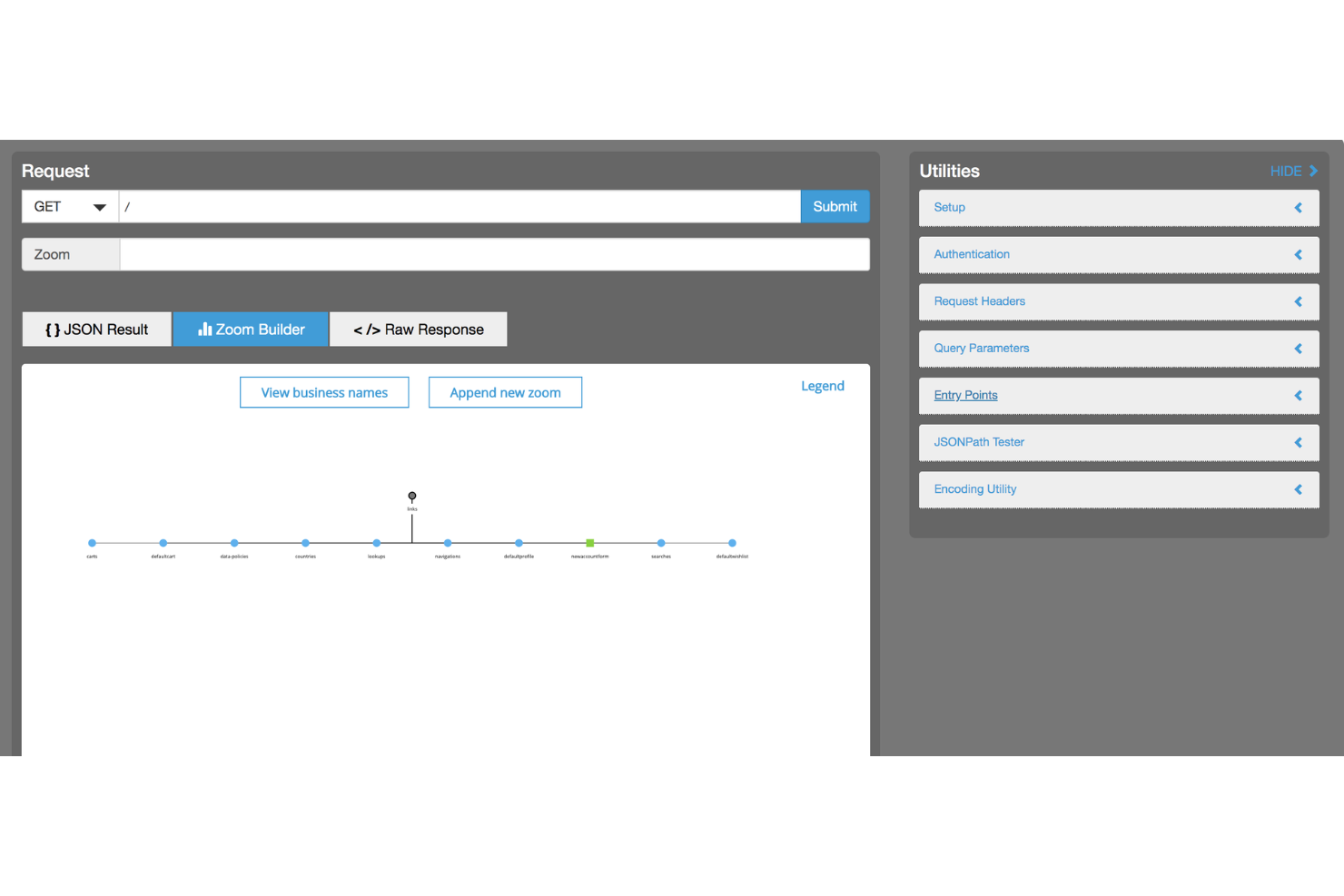
Elastic Path è una piattaforma di commercio headless progettata per le aziende che cercano flessibilità e personalizzazione nelle loro soluzioni ecommerce. È rivolta principalmente a imprese e sviluppatori che desiderano creare esperienze di commercio digitale uniche.
Perché ho scelto Elastic Path: Si distingue per l'approccio headless, che consente al tuo team di separare frontend e backend per una maggiore libertà creativa. Elastic Path offre un ricco set di API che permette di costruire esperienze clienti personalizzate su diversi touchpoint. La sua architettura modulare supporta scalabilità e adattabilità, elementi essenziali per le aziende con esigenze complesse. L'enfasi sulla commerce guidato da API rende questa piattaforma una scelta solida per chi cerca di innovare senza le tradizionali limitazioni.
Caratteristiche distintive e integrazioni:
Caratteristiche includono un motore di prezzi flessibile che consente di creare strategie di prezzo su misura. Il sistema di gestione dei cataloghi aiuta a organizzare efficacemente i prodotti su più canali. Il motore promozionale permette di progettare campagne specifiche per aumentare il coinvolgimento.
Integrazioni includono Adobe Experience Manager, Salesforce, SAP, Microsoft Dynamics, Contentful, Algolia, PayPal, Stripe, Google Analytics e AWS.
Pros and Cons
Pros:
- Supporta scenari di commercio complessi
- Architettura API altamente personalizzabile
- Design modulare e adattabile
Cons:
- Elevato costo di ingresso
- Richiede competenze tecniche

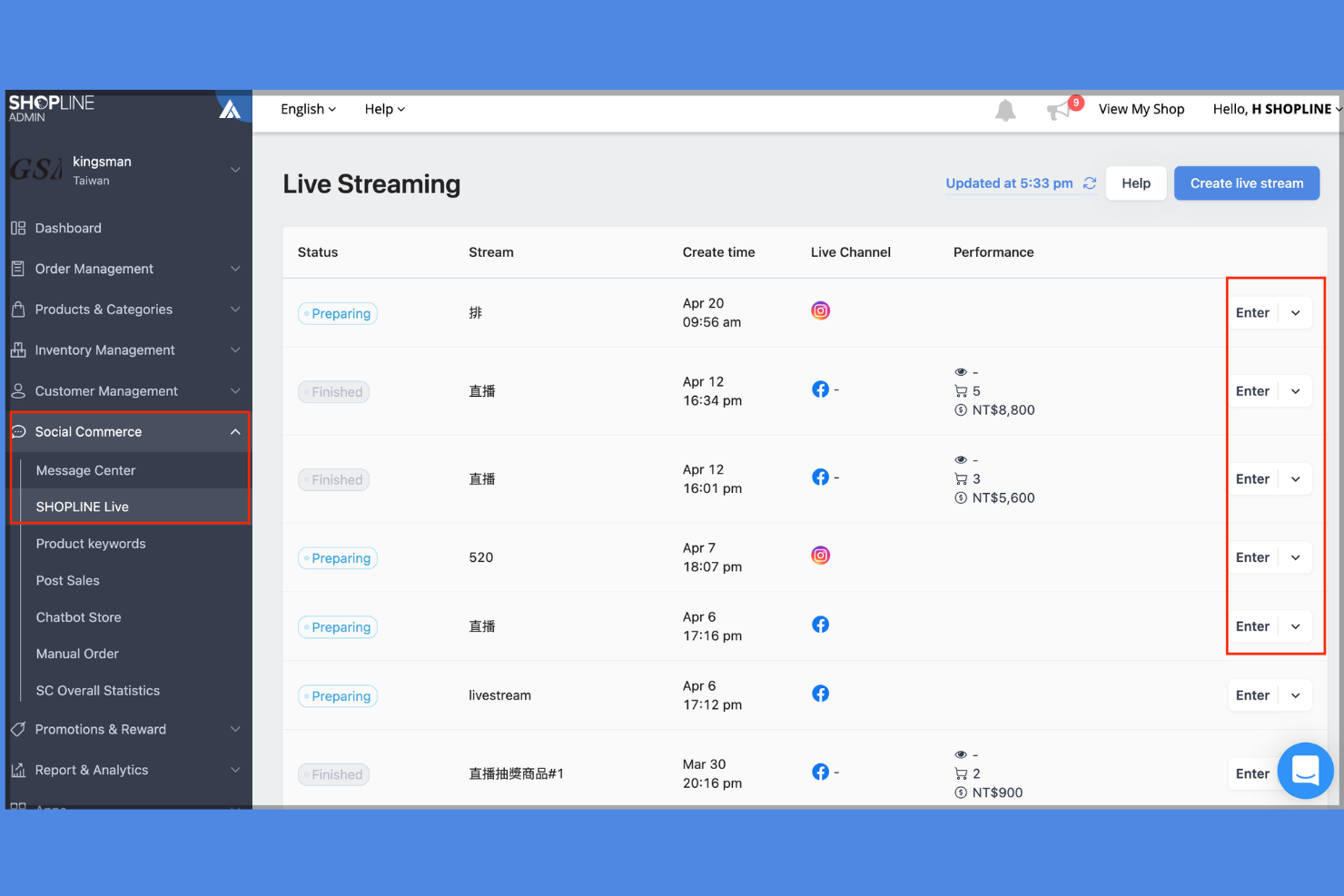
SHOPLINE è una piattaforma di ecommerce pensata per le aziende che si rivolgono ai mercati asiatici, offrendo strumenti per la creazione e la gestione di negozi online. Serve principalmente piccole e medie imprese che desiderano espandere la propria presenza in Asia, fornendo soluzioni localizzate per diverse esigenze aziendali.
Perché ho scelto SHOPLINE: È pensato specificamente per i mercati asiatici, offrendo supporto e funzionalità localizzate. SHOPLINE offre opzioni multi-valuta e multi-lingua, essenziali per le aziende che puntano a diverse regioni. I suoi strumenti di marketing, tra cui l'integrazione con i social media e l'analisi dei dati, ti aiutano a connetterti in modo efficace con il tuo pubblico. L'attenzione della piattaforma alla localizzazione e al supporto regionale la rende una scelta solida per le aziende in Asia.
Funzionalità principali e integrazioni:
Funzionalità includono una suite di marketing integrata che ti aiuta a gestire promozioni e campagne. La piattaforma supporta la reattività mobile, assicurando che il tuo negozio abbia un aspetto impeccabile su qualsiasi dispositivo. Inoltre, SHOPLINE offre una dashboard con analisi per monitorare le vendite e il comportamento dei clienti.
Integrazioni includono Facebook, Instagram, Google Analytics, PayPal, Stripe, WhatsApp, Line, WeChat, Alipay e Shopify.
Pros and Cons
Pros:
- Forte supporto alla localizzazione
- Opzioni multi-valuta
- Strumenti di marketing efficaci
Cons:
- Copertura globale limitata
- Richiede competenze regionali


Tapcart è una piattaforma per app mobile progettata specificamente per brand Shopify, con l'obiettivo di aumentare il coinvolgimento dei clienti e incrementare le vendite. Offre un costruttore di app intuitivo e strumenti per creare vetrine mobili personalizzate.
Perché ho scelto Tapcart: Si distingue per la sua specializzazione nei bisogni degli utenti Shopify. Tapcart offre un costruttore di app con funzionalità drag-and-drop che permette al tuo team di progettare e lanciare app senza particolari competenze tecniche. Le notifiche push e gli strumenti di analisi della piattaforma ti consentono di coinvolgere efficacemente i clienti, soprattutto durante i periodi di maggiore attività di acquisto. Il suo focus sull'integrazione con Shopify garantisce un'esperienza senza soluzione di continuità per gli utenti di questa piattaforma.
Caratteristiche e integrazioni principali:
Funzionalità includono un costruttore di app personalizzabile che ti permette di progettare la tua app senza dover programmare. Sono disponibili notifiche push per mantenere i tuoi clienti coinvolti e informati. Gli strumenti di analisi forniscono informazioni sul comportamento dei clienti, aiutandoti a prendere decisioni guidate dai dati.
Integrazioni includono Shopify, Mailchimp, Klaviyo, Recharge, Yotpo, Gorgias, Loox, Smile.io, Zendesk e Attentive.
Pros and Cons
Pros:
- Personalizzazione dell'app facile
- Notifiche push efficaci
- Strumenti di analisi dettagliati
Cons:
- Rivolto solo agli utenti Shopify
- Limiti di personalizzazione

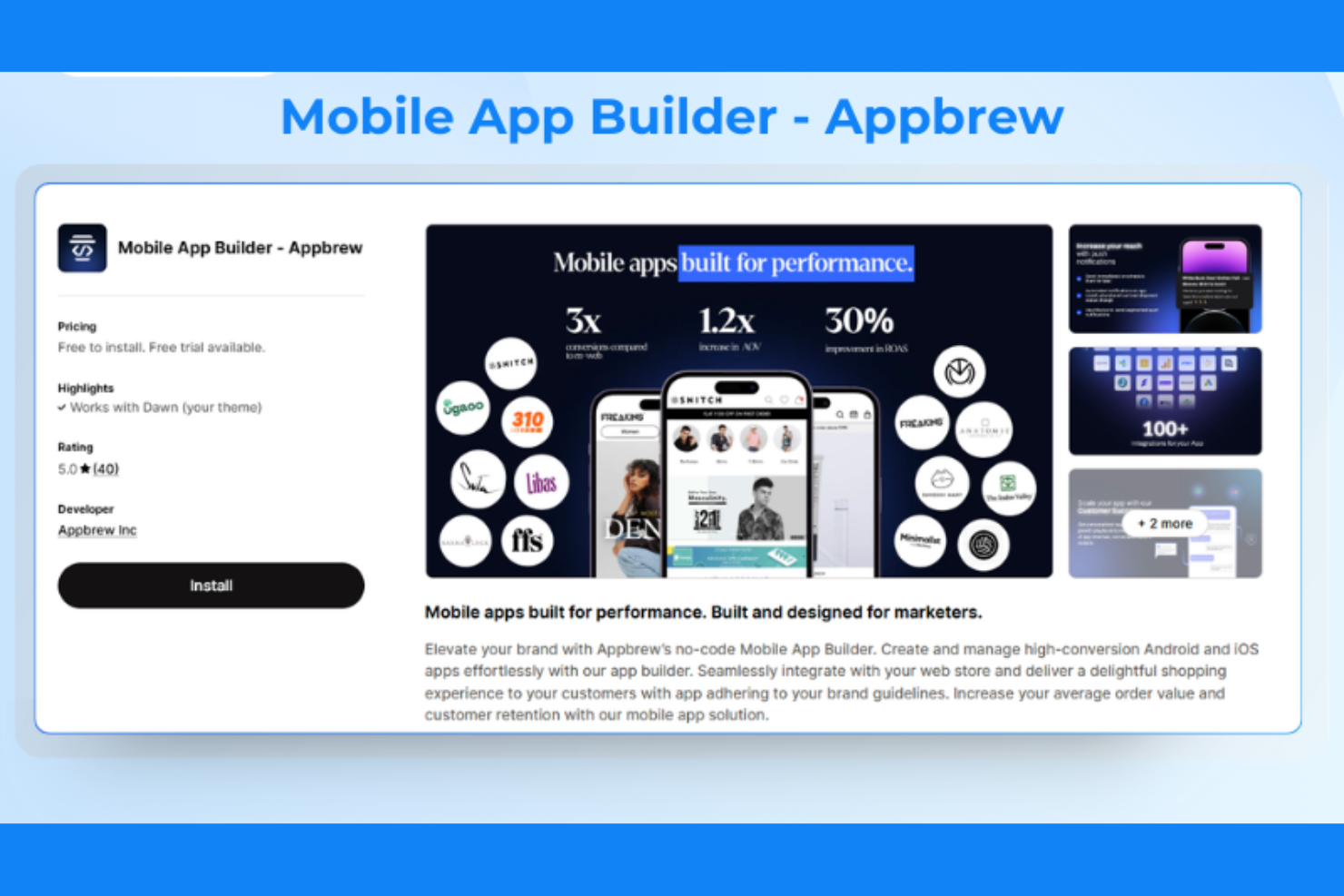
Appbrew è un costruttore di app mobile pensato per le aziende che desiderano creare app ecommerce personalizzate. Serve principalmente brand ecommerce e sviluppatori che vogliono offrire esperienze di shopping mobile uniche.
Perché ho scelto Appbrew: Offre ampie opzioni di personalizzazione, permettendo al tuo team di adattare le app alle esigenze specifiche del tuo brand. Appbrew mette a disposizione un'interfaccia intuitiva drag-and-drop, rendendolo accessibile anche a chi non ha competenze tecniche. Gli aggiornamenti in tempo reale della piattaforma assicurano che la tua app rifletta sempre i prodotti e le promozioni più recenti. Il suo focus su personalizzazione e flessibilità lo rende un'ottima scelta per i brand che vogliono distinguersi nel panorama mobile ecommerce.
Caratteristiche e integrazioni principali:
Funzionalità includono un sistema dinamico di gestione dei contenuti che consente di aggiornare i contenuti dell'app in tempo reale. La dashboard di analisi offre informazioni sul comportamento degli utenti e sulle prestazioni dell'app. Inoltre, la piattaforma supporta opzioni multilingua e multivaluta per raggiungere un pubblico globale.
Integrazioni includono Shopify, WooCommerce, Magento, Google Analytics, Firebase, Mailchimp, Stripe, PayPal, Salesforce e Zendesk.
Pros and Cons
Pros:
- Ampie opzioni di personalizzazione
- Interfaccia intuitiva
- Aggiornamenti in tempo reale dell'app
Cons:
- Integrazioni con terze parti limitate
- Richiede aggiornamenti regolari dei contenuti
Altri software per l'e-commerce mobile
\u003cspan style=\u0022font-weight: 400\u0022\u003eEcco alcune ulteriori opzioni di software per l’e-commerce mobile che non sono entrate nella mia selezione, ma che vale comunque la pena esaminare:\u003c/span\u003e
- Apptile
Ideale per il marketing tramite app
- Wix eCommerce
Ideale per principianti
- Shoutem
Ideale per builder drag-and-drop


Come Valuto i Software di E-commerce Mobile
Divido la mia valutazione in due livelli: le capacità di base che uno strumento deve avere per qualificarsi e i fattori differenzianti che distinguono le migliori opzioni in casi d’uso specifici.
Funzionalità di Base (Requisiti Fondamentali per Questa Lista)
Queste capacità fondamentali costituiscono i criteri di accettazione per l’inclusione nella mia lista dei software di e-commerce mobile:
- Costruttore di Vetrine Mobile: Verifico se ogni piattaforma supporta vetrine native per iOS, Android e PWA con sincronizzazione del catalogo, non solo una semplice versione web adattata ai dispositivi mobili.
- Checkout & Pagamenti Mobile: Apple Pay, Google Pay e l’acquisto con un solo tap sono requisiti minimi—valuto il supporto ai wallet, salvataggio dei metodi di pagamento e la qualità del flusso in-app.
- Notifiche Push & Coinvolgimento: Cerco notifiche push segmentate, trigger per carrelli abbandonati e avvisi per il riassortimento, poiché la semplice messaggistica broadcast non incide sulla fidelizzazione.
- Integrazione con la Piattaforma E-commerce: La sincronizzazione in tempo reale di prodotti, inventario, clienti e ordini con back-end come Shopify, BigCommerce o Magento è ciò che valuto qui.
- Analisi & Attribuzione Mobile: Conversione dei funnel, fidelizzazione dei gruppi di utenti e attribuzione del fatturato a livello di campagna sono importanti—verifico se i report vanno oltre un semplice conteggio delle installazioni.
- Personalizzazione dell’App & Merchandising: Raccomandazioni dinamiche di prodotti e blocchi di contenuto segmentati adattati ai comportamenti mobile sono ciò che distingue una vetrina da un catalogo statico.
Valuto ogni fornitore su una scala da 0 (funzionalità assente) a 5 (eccellenza in quest’area) per ogni criterio.
I fornitori devono raggiungere una valutazione media minima per essere presi in considerazione per la mia lista. Da quel punto, considero cosa distingue ogni piattaforma dalle altre.
Fattori Differenzianti (Cosa Distingue i Fornitori)
Dopo aver selezionato la mia lista, ecco come confronto i diversi fornitori nel campo dei software di e-commerce mobile:
Funzionalità Distintive
Un costruttore di app visuale permette ai team non tecnici di progettare e aggiornare app senza il supporto di sviluppatori, ideale per i brand dinamici. Presto anche molta attenzione a funzionalità native di live shopping o video commerce, poiché possono aumentare il coinvolgimento in settori come moda e bellezza. La visualizzazione di prodotti in realtà aumentata si distingue in categorie come arredamento o occhiali, mentre la ricerca e la scoperta potenziate dall’AI supportano acquisti personalizzati self-service, soprattutto per negozi con cataloghi molto estesi.
Oltre le Funzionalità
Il modello di prezzo conta: valuto se un fornitore applica tariffe SaaS fisse o prende una percentuale sulle entrate, poiché una tariffazione basata sul GMV può intaccare i margini nei periodi di picco. Il time-to-launch è un altro fattore chiave; i brand che lanciano nuovi prodotti o campagne stagionali hanno bisogno di passare rapidamente dall’iscrizione alla pubblicazione sull’App Store. Valuto anche la profondità dell’ecosistema, in particolare le integrazioni con MMP come AppsFlyer o Branch e la connettività con CDP, piattaforme di recensioni e strumenti di assistenza che la maggior parte dei team DTC già utilizza.
Che cos'è il software per l'e-commerce mobile?
Il software per l'e-commerce mobile è un insieme di strumenti che consente di gestire il proprio negozio online, elaborare gli ordini e amministrare le vendite direttamente da smartphone e tablet.
È pensato per rivenditori, marchi e imprenditori che devono raggiungere i clienti ovunque si trovino, soprattutto quelli che fanno acquisti dal telefono.
Con il software per l'e-commerce mobile puoi creare un'esperienza di acquisto fluida, dalla navigazione al pagamento, ottimizzata per gli schermi più piccoli e per chi fa acquisti mentre è in movimento.
Queste piattaforme risolvono problemi comuni come tempi di caricamento lenti, procedure di pagamento macchinose e problemi di sincronizzazione dell'inventario, aiutandoti ad aumentare le conversioni e a mantenere competitivo il tuo negozio in un mondo orientato innanzitutto ai dispositivi mobili con le migliori app per l'e-commerce.
Come scegliere il software per l'e-commerce mobile
Scegliere il software giusto per l'e-commerce mobile non significa puntare sul nome più famoso o sull'app più di tendenza. Significa trovare una piattaforma adatta alle esigenze, al budget e agli obiettivi di vendita del proprio negozio online, senza rallentare il lavoro. Concentrati su ciò che conta per la tua attività e non lasciarti distrarre da funzionalità infinite o piani tariffari confusi.
| Passaggio | Cosa cercare |
|---|---|
| Identifica le funzionalità indispensabili | Elenca ciò di cui hai bisogno: pagamento da dispositivi mobili, analisi in tempo reale, integrazioni e opzioni di pagamento. |
| Stabilisci il budget | Considera i costi mensili, quelli degli strumenti aggiuntivi e la scalabilità per la tua attività di commercio elettronico. |
| Verifica le integrazioni | Assicurati che la piattaforma si connetta agli strumenti che già utilizzi, come quelli per l'inventario, il marketing e i gateway di pagamento. |
| Prova l'esperienza utente | Testa la bacheca, il negozio online e il pagamento su dispositivi reali per verificarne la facilità d'uso. |
| Valuta assistenza e sicurezza | Cerca un'assistenza clienti reattiva, misure di sicurezza efficaci e SLA chiari. |
| Pianifica la crescita | Scegli una piattaforma scalabile che cresca insieme ai tuoi canali di vendita e alla tua base clienti. |
Funzionalità
La scelta del software giusto per il commercio elettronico da dispositivi mobili dipende dalle funzionalità che mantengono il tuo negozio online efficiente e in rapida crescita.
Ecco cosa dovresti cercare per creare un'esperienza di acquisto moderna, intuitiva e capace di generare molte conversioni.
- Negozi online ottimizzati per dispositivi mobili. Offri un'esperienza di acquisto fluida ai clienti che utilizzano smartphone e tablet.
- Gateway di pagamento integrati. Accetta carte di credito, PayPal, portafogli digitali e altro, senza le complicazioni legate a servizi di terze parti.
- Gestione dell'inventario in tempo reale. Sincronizza la disponibilità dei prodotti nel tuo negozio online e sui canali di vendita.
- Modelli e temi personalizzabili. Progetta il tuo sito di commercio elettronico in linea con il tuo marchio, senza bisogno di programmare.
- Notifiche push e messaggi. Coinvolgi gli acquirenti con aggiornamenti, promozioni e avvisi sugli ordini direttamente sui loro dispositivi.
- Pannello di analisi. Monitora le vendite, analizza il comportamento dei clienti e ottimizza la tua app o il tuo sito web per dispositivi mobili, ottenendo risultati migliori.
- Vendita multicanale. Pubblica e gestisci i prodotti sui marketplace, sui social media e sulla tua piattaforma di commercio elettronico.
- Strumenti SEO. Migliora il posizionamento nei motori di ricerca e porta traffico organico al tuo sito web di commercio elettronico.
- Pagamento sicuro da dispositivi mobili. Proteggi i dati dei clienti con certificati SSL e un'elaborazione dei pagamenti conforme allo standard PCI.
- Integrazioni con gli app store. Estendi le funzionalità con app di terze parti, plugin e funzioni avanzate.
Vantaggi
Il software per il commercio elettronico da dispositivi mobili non serve solo a gestire il tuo negozio dal telefono: consente di ottenere vantaggi concreti che aumentano le vendite, fanno risparmiare tempo e mantengono la tua attività un passo avanti rispetto alla concorrenza.
Ecco cosa puoi ottenere:
- Aumenta le vendite tra gli acquirenti da dispositivi mobili. Raggiungi più clienti nel luogo in cui trascorrono il loro tempo: gli smartphone.
- Semplifica le operazioni. Gestisci ordini, inventario e marketing da un unico pannello, risparmiando tempo e riducendo gli errori.
- Aumenta i tassi di conversione. Offri esperienze di pagamento rapide e intuitive che riducono l'abbandono del carrello.
- Migliora il coinvolgimento dei clienti. Utilizza notifiche push, programmi fedeltà e strumenti per i social media per invogliare gli acquirenti a tornare.
- Fai crescere la tua attività online. Espandi il tuo negozio di commercio elettronico senza superare le possibilità del software, grazie a piani e integrazioni scalabili.
- Rafforza la presenza del tuo marchio. Personalizza il tuo negozio online e la tua app mobile per un aspetto coerente e professionale su tutti i canali.
- Proteggi i dati dei clienti. Affidati alle funzionalità di sicurezza integrate per mantenere al sicuro le informazioni di pagamento e i dati dei clienti.
- Ottieni informazioni utili per le decisioni. Utilizza le analisi per monitorare le prestazioni, individuare le tendenze e prendere decisioni più efficaci sul marketing e sui prodotti.
Costi e prezzi
Il prezzo del software per il commercio elettronico da dispositivi mobili varia notevolmente in base alle dimensioni del tuo negozio online, alle funzionalità di cui hai bisogno e alle capacità della piattaforma.
Prevedi costi mensili, costi di transazione e possibili strumenti aggiuntivi per le funzionalità avanzate o le integrazioni. Leggi sempre attentamente le condizioni: i costi nascosti possono comparire rapidamente se cresci velocemente o desideri funzionalità aggiuntive.
| Piano | Prezzo medio | Funzionalità comuni | Ideale per |
|---|---|---|---|
| Piano gratuito | $0 | Elenco di prodotti di base, opzioni di pagamento limitate, assistenza di base | Nuovi imprenditori, fase di test |
| Piano personale | $5–$25/mese | Modelli personalizzabili, analisi di base, assistenza via e-mail | Piccoli negozi, esigenze semplici |
| Piano aziendale | $30–$100/mese | Analisi avanzate, vendita multicanale, elaborazione dei pagamenti | Attività online in crescita |
| Piano per aziende | $150–$500+/mese | Gestione dedicata dell'account, sicurezza avanzata, personalizzazione completa | Grandi marchi, operazioni complesse |
Alcune cose da tenere a mente:
- Le commissioni sulle transazioni possono aumentare rapidamente. Alcune piattaforme applicano una commissione per vendita o per gateway di pagamento, oltre alle tariffe mensili.
- I componenti aggiuntivi e le applicazioni di terze parti spesso hanno un costo extra. Tienili in considerazione nel calcolo del costo totale di gestione.
- Non tutte le funzionalità sono disponibili in ogni piano. Gli strumenti avanzati possono richiedere un costoso upgrade.
- La fatturazione annuale di solito offre sconti, ma una minore flessibilità.
Domande frequenti sul software per il commercio elettronico mobile
Ecco alcune risposte alle domande più comuni sul software per il commercio elettronico mobile:
Come faccio a sapere se il mio negozio online ha davvero bisogno di un software per il commercio elettronico mobile?
Se noti più traffico proveniente dai dispositivi mobili, ma i tassi di conversione sono inferiori a quelli desktop, oppure se il processo di pagamento e la navigazione risultano macchinosi sul telefono, è arrivato il momento di adottare una vera piattaforma per il commercio elettronico mobile. Gli acquirenti moderni si aspettano esperienze mobili rapide e senza ostacoli.
Se i tuoi concorrenti sono già presenti, probabilmente stai perdendo vendite. Passare a un software adeguato per il commercio elettronico mobile rende il tuo negozio pronto per il futuro e ti permette di raggiungere i clienti dove si trovano.
Posso migrare i prodotti e i dati esistenti su una nuova piattaforma?
La maggior parte dei migliori software per il commercio elettronico mobile offre strumenti di migrazione o guide dettagliate per importare cataloghi di prodotti, dati dei clienti e persino la cronologia degli ordini. Cerca piattaforme con solide funzioni di importazione ed esportazione o integrazioni integrate per il tuo attuale sito web di commercio elettronico.
Raramente è un processo semplice al 100%, ma non dovresti dover ricominciare da zero né perdere dati importanti.
In che modo il software per il commercio elettronico mobile migliora l'esperienza dei clienti?
Semplifica ogni fase del percorso di acquisto da dispositivi mobili: dai tempi di caricamento rapidi e dalle pagine prodotto intuitive a procedure di pagamento più semplici e notifiche immediate.
Aggiungendo funzioni come i metodi di pagamento salvati e il riordino con un solo tocco, crei un ambiente di acquisto che facilita gli acquisti ripetuti da parte dei clienti.
Cosa dovrei cercare nell'elaborazione dei pagamenti mobili?
Servono opzioni sicure e flessibili che includano carte di credito, portafogli digitali e metodi diffusi a livello regionale come PayPal o Apple Pay. Verifica che la piattaforma utilizzi gateway conformi allo standard PCI e offra protezione dalle frodi.
Punti extra per accrediti rapidi e commissioni sulle transazioni ridotte. Un processo di pagamento macchinoso o limitato farà crollare le vendite più rapidamente di quanto pensi.
Passare a un nuovo software per il commercio elettronico mobile interromperà la mia attività?
Una migrazione ben gestita non dovrebbe paralizzare la tua attività online. Prevedi un po’ di tempo per la configurazione e testa tutto prima del lancio, soprattutto le integrazioni e i flussi di pagamento.
Scegli un software con un processo di avvio efficace, assistenza in tempo reale e percorsi di migrazione chiari. La maggior parte delle aziende affronta una breve curva di apprendimento, seguita da un notevole aumento dell’efficienza e delle vendite.
Come posso ottenere il massimo dalla mia piattaforma di commercio elettronico mobile dopo il lancio?
Continua a testare e ottimizzare. Utilizza i pannelli di analisi per monitorare le tendenze delle vendite e il comportamento dei clienti.
Prova i test A/B sui modelli, aggiorna le schede dei prodotti e sfrutta le notifiche push o gli strumenti di marketing integrati. I risultati migliori derivano da modifiche regolari: non limitarti a configurare il tuo negozio online e dimenticartene.
Qual è il prossimo passo:
Se stai cercando un software per il commercio elettronico mobile, contatta gratuitamente un consulente SoftwareSelect per ricevere consigli personalizzati.
Compili un modulo e partecipi a una breve conversazione durante la quale il consulente approfondirà le tue esigenze specifiche. In seguito riceverai una selezione ristretta di software da valutare. Ti assisterà inoltre durante l'intero processo di acquisto, comprese le trattative sul prezzo.