


Ecwid vs. Shopify: Detailed Comparison and Expert Reviews for 2026

We review tools independently, and commissions help fund our testing. See our transparency policy, our methodology, or suggest a tool.
Struggling to choose between ecommerce platforms that actually fit your business, budget, and technical needs? You’re not alone—finding the right solution can feel overwhelming when every provider promises the world but delivers something different. Ecwid and Shopify both stand out in the ecommerce platform space, but they take very different approaches.
Ecwid is known for its flexibility and easy integration with existing websites, while Shopify offers a full-featured, all-in-one storefront experience. This article breaks down how each platform stacks up, so you can confidently decide which one will help your business grow and keep your operations running smoothly.
Ecwid
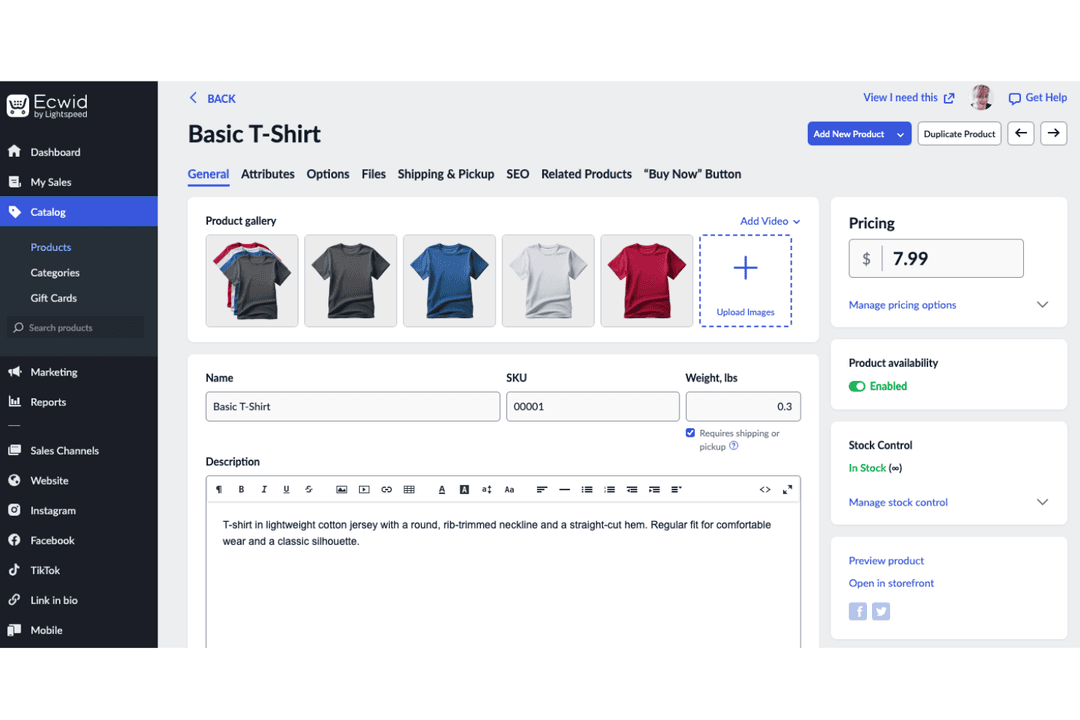
4.6/5
- Free account available
- From $5/month (billed annually)
Shopify
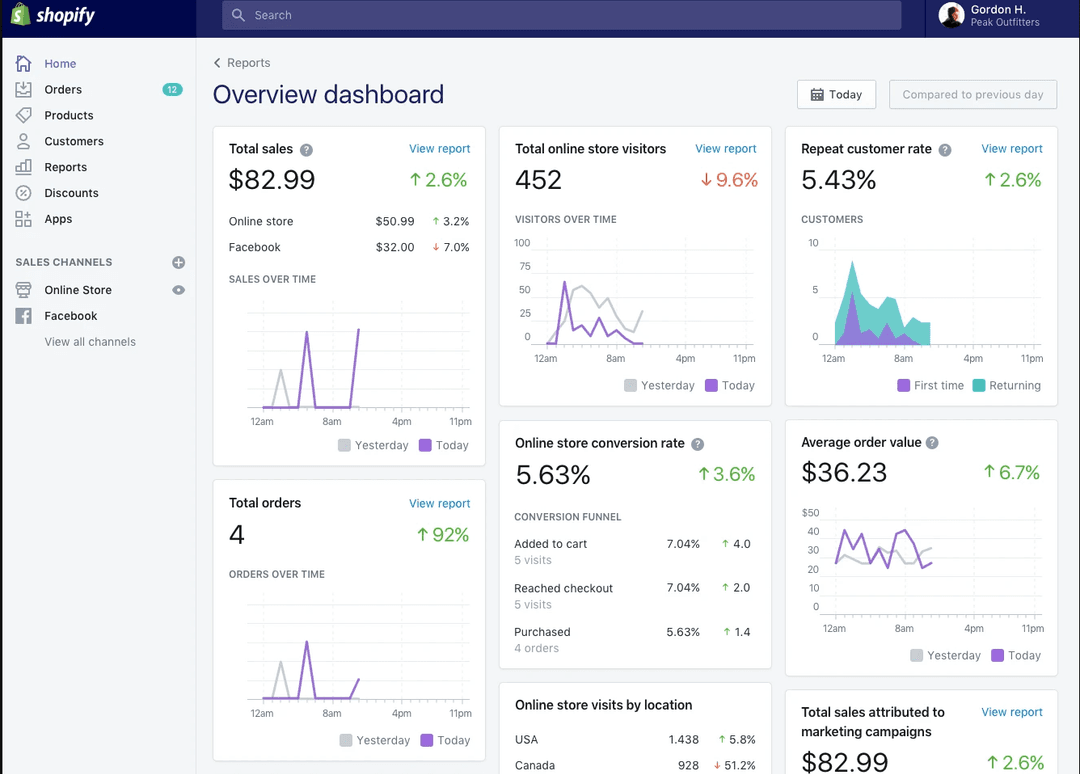
4.5/5
- 3-day free trial
- From $29/month (billed annually)
Why Trust Our Software Recommendations
6,700+
Reviews
20
Industry experts
16+
Evaluation factors
14
Years
Our team has been testing and reviewing software since 2012. As retail leaders ourselves, we know how difficult—and important—it is to choose the right software.
For this guide, we evaluated tools using hands-on testing and independent research, scoring tools using our selection criteria.
Our reviews reflect our independent judgment—not a sales pitch.
| Ecwid | Shopify | |
|---|---|---|
| Free Trial | Free account available | 3-day free trial |
| Pricing | From $5/month (billed annually) | From $29/month (billed annually) |
Ecwid vs. Shopify Pricing & Hidden Costs
Ecwid offers tiered plans that scale mainly based on product limits and feature access, making it easy to start small and upgrade as your catalog grows. Shopify, on the other hand, uses a more traditional all-in-one subscription model with progressively advanced features, built-in tools, and greater customization as you move up plans.
Where things get more nuanced is in the “hidden” costs you’ll want to factor in before deciding. With Shopify, you may run into additional expenses like transaction fees if you use third-party payment providers, premium apps, or add-ons for advanced functionality. Ecwid avoids transaction fees at the platform level but can still involve costs for extensions, integrations, or scaling features as your business grows.
As you evaluate pricing, think beyond the base subscription—consider how quickly you’ll need advanced features, how reliant you’ll be on apps, and whether you’re adding ecommerce to an existing site or building a store from scratch.
Both Ecwid and Shopify share a strong foundation of core ecommerce features, so you can accomplish the essentials regardless of which you choose. With either platform, you can sell physical or digital products, manage inventory, accept payments through multiple gateways, and sell across channels like social media or marketplaces. They’re also both designed to be beginner-friendly, letting you build and run an online store without needing coding skills.
Where they really differ is in how they approach ecommerce. Ecwid stands out for its ability to embed a store into an existing website, making it ideal if you already have a site and just want to add ecommerce functionality. Shopify, by contrast, shines as a fully hosted, all-in-one platform with a massive app ecosystem and built-in AI tools that help automate marketing and store management. In short, Ecwid is uniquely flexible for adding commerce anywhere, while Shopify is built to power a complete, scalable online business from the ground up.
| Ecwid | Shopify | |
|---|---|---|
| API | Yes | Yes |
| BitCoin | No | No |
| Data Export | Yes | Yes |
| Data Import | Yes | Yes |
| External Integrations | Yes | Yes |
| Inventory Tracking | Yes | Yes |
| Marketing Automation | Yes | Yes |
| Multi-User | Yes | No |
| Notifications | Yes | Yes |
| Order Management | Yes | Yes |
| PayPal | Yes | Yes |
| SAP Integration | No | No |
| Stripe | Yes | No |
| Integration | Ecwid | Shopify |
| PayPal | ❌ | ✅ |
| Stripe | ❌ | ✅ |
| Square | ✅ | ❌ |
| Mailchimp | ✅ | ✅ |
| QuickBooks | ✅ | ✅ |
| Wix | ✅ | ❌ |
| WordPress | ✅ | ✅ |
| Amazon | ❌ | ✅ |
| eBay | ❌ | ✅ |
| Facebook Shops | ✅ | ✅ |
| API | ✅ | ✅ |
| Zapier | ✅ | ✅ |
Both Ecwid and Shopify offer a wide range of integrations that cover payments, marketing, and business operations, so you’ll be able to connect your store to most of the tools you already use. Shopify tends to focus more on ecommerce-centric integrations, especially for payments and marketplace selling, while Ecwid leans into flexibility with integrations that make it easy to add ecommerce to existing websites. With API and Zapier support on both sides, you’ll have plenty of flexibility to connect your store to the tools you already use, so either platform can fit smoothly into your existing workflow.
| Factor | Ecwid | Shopify |
| PCI Compliance | PCI DSS validated, ensuring secure payment processing for all stores. | PCI DSS Level 1 certified, with end-to-end encryption for transactions. |
| Data Privacy | Offers GDPR tools and privacy settings for customer data management. | Provides GDPR compliance features and robust privacy controls. |
| Uptime Guarantee | Delivers high uptime with cloud hosting and automatic failover. | High-availability infrastructure with consistently strong uptime. |
| SSL Encryption | Free SSL certificates for all stores, securing customer data. | SSL encryption included on every store, protecting all transactions. |
| Fraud Protection | Built-in fraud detection and order review tools. | Advanced fraud analysis and risk management tools included. |
Both Ecwid and Shopify provide strong security foundations, including PCI compliance, SSL encryption, and GDPR-ready privacy tools, so you can confidently handle customer data and payments on either platform. Shopify stands out slightly with more advanced built-in fraud analysis and a highly mature global infrastructure, which can be especially valuable as your store scales. Ecwid still delivers reliable performance and essential security features, making it a solid choice if you want a simpler, lower-maintenance setup without sacrificing core protections.
| Factor | Ecwid | Shopify |
| User Interface | Clean, simple dashboard that’s easy to navigate for beginners. | Modern, intuitive interface with customizable admin panels. |
| Setup Process | Quick setup, especially for adding ecommerce to existing websites. | Guided setup with step-by-step wizards for launching a new store. |
| Onboarding | Helpful tooltips and a straightforward onboarding checklist. | Comprehensive onboarding with tutorials, videos, and live chat support. |
| Support | Email and chat support, plus a detailed knowledge base. | 24/7 live support, community forums, and extensive help resources. |
| Customization | Flexible for embedding in different site builders, but fewer themes. | Wide range of themes and drag-and-drop customization options. |
Shopify offers a more polished onboarding experience and deeper customization, while Ecwid shines for its simplicity and seamless integration with existing sites. If you want a platform that’s easy to add to your current setup, Ecwid is hard to beat, but Shopify’s user-friendly tools and always-available support make it a favorite for those building a store from scratch.
Ecwid
- Connects to in-person POS for unified inventory management.
- Free plan supports real sales with few restrictions.
- Multichannel sales include Facebook, Instagram, and marketplaces.
- Lacks advanced product filtering and merchandising options.
- Limited built-in SEO features for larger catalogs.
- No native abandoned cart recovery on the free plan.
Shopify
- You can easily customize your store with a wide range of themes.
- Shopify's app store offers tools to boost your store's functionality.
- It provides reliable security to protect your customers' data.
- You might find transaction fees if not using Shopify Payments.
- Shopify's blogging feature is less robust than others.
- It can be challenging to manage multiple currencies.
Ecwid
- Small Retail ShopsEcwid is easy to connect with in-person POS, syncing inventory across online and brick-and-mortar sales from one dashboard.
- Social SellersEcwid’s built-in Facebook and Instagram shopping tools make it simple to reach buyers directly on social channels.
- Service ProvidersYou can sell digital goods, bookings, or paid consultations without complicated setup or plugins through Ecwid’s digital product support.
- Craft or Handmade SellersThe Starter tier, app integrations, and marketplace options let makers start small and scale as their business grows.
- Freelancers or Side HustlesEcwid’s instant site builder and straightforward tools take pressure off part-timers or those just starting out with ecommerce.
- Food Trucks or Pop-UpsMobile-friendly management and fast setup make Ecwid a strong fit for mobile businesses needing reliable, simple sales tools.
Shopify
- Boutique RetailersShopify’s customizable themes help your store stand out in a crowded market.
- Artisan ShopsYou can easily showcase and sell unique products with Shopify’s flexible product listings.
- StartupsShopify’s user-friendly interface allows you to set up quickly and focus on growth.
- Small BusinessesIts app store provides tools to expand your store’s capabilities as your business grows.
- Online MarketplacesShopify’s secure checkout process builds trust with your customers.
- Subscription ServicesYou can manage recurring payments and customer subscriptions efficiently with Shopify’s built-in tools.
Who Should Use Ecwid, and Who Should Use Shopify?
Ecwid is a great fit if you already have a website and want to add ecommerce without rebuilding everything from scratch. It works especially well for small businesses, creators, or local sellers who need a simple, flexible way to start selling across multiple sites or social channels. If you value ease of use, lower upfront commitment, and the ability to plug into your existing setup, Ecwid will likely feel more natural.
Shopify is better suited for you if you’re building a dedicated online store or planning to scale into a larger ecommerce operation. It’s ideal for growing brands that need advanced features, deeper customization, and a robust ecosystem to support marketing, logistics, and global selling. If your goal is to create a full-featured, standalone ecommerce business with room to expand, Shopify gives you the tools to do it.
| Ecwid | Shopify | |
|---|---|---|
| Automation | Ecwid Basic automation (e.g., taxes, order notifications, simple workflows). | Shopify Advanced automation via Shopify Flow, apps, and built-in marketing tools. |
| Customization | Ecwid Limited native design control; depends heavily on the host site’s design. | Shopify Extensive customization with themes, editor tools, and access to code. |
| POS (In-Person Selling) | Ecwid Basic POS integrations via Square and others. | Shopify Fully developed POS system with advanced retail features. |
| Product Limits | Ecwid Lower-tier plans restrict number of products. | Shopify Unlimited products on all plans. |
| Storefront Creation | Ecwid Designed to add ecommerce to an existing site or use a simple instant site. | Shopify Built for creating a fully hosted, standalone ecommerce website from scratch. |
| Website Integration | Ecwid Embeds into existing sites (WordPress, Wix, custom sites) via plugin or code. | Shopify Primarily a standalone platform; external integration requires workarounds (e.g., Buy Button). |
| App Marketplace | Each has an app store or marketplace for adding extra features, though Shopify’s is larger and more varied. |
|---|---|
| Inventory Management | Both include built-in inventory tracking, letting you manage stock levels, variants, and orders from a central dashboard. |
| Mobile Management | Each offers mobile apps for managing orders, inventory, and products on the go. |
| Multi-Channel Sales | You can sell on Facebook, Instagram, and other social channels with both platforms’ built-in integrations. |
| Security Standards | Both provide SSL encryption, PCI compliance, and built-in fraud protection for safe transactions. |