

Le 10 Migliori Piattaforme di Ecommerce Internazionale nel 2026

10 Migliori Piattaforme Ecommerce Internazionali: Shortlist


Esistono davvero moltissime soluzioni software per la gestione dei rapporti con i fornitori, il che rende difficile scegliere le migliori. Vuoi ottimizzare e migliorare i processi di valutazione, selezione e gestione dei fornitori—e ora hai bisogno dello strumento giusto per la tua azienda e il tuo team. Sei nel posto giusto! In questo articolo condivido la mia esperienza personale nella gestione di negozi online di ogni dimensione, utilizzando varie piattaforme ecommerce e ti presento le mie scelte delle migliori piattaforme ecommerce internazionali in assoluto.
Perché fidarsi dei nostri consigli sui software
Il nostro team testa e recensisce software dal 2012. In quanto leader del retail noi stessi, sappiamo quanto sia difficile — e importante — scegliere il software giusto.
Per questa guida, abbiamo valutato gli strumenti attraverso test pratici e ricerche indipendenti, assegnando un punteggio agli strumenti in base ai nostri criteri di selezione.
Le nostre recensioni riflettono il nostro giudizio indipendente, non un discorso di vendita.
Sommario delle Migliori Piattaforme Ecommerce Internazionali
| Tool | Best For | Trial Info | Price | ||
|---|---|---|---|---|---|
| 1 | Ideale per il supporto multilingue | Piano gratuito disponibile | A partire da $17/mese | Website | |
| 2 | Ideale per la scalabilità | Demo gratuita disponibile | Prezzo su richiesta | Website | |
| 3 | Ideale per modelli ecommerce | Prova gratuita di 14 giorni disponibile | Da $16/mese (fatturazione annuale) | Website | |
| 4 | Miglior rapporto qualità-prezzo | Piano gratuito disponibile | Da $13/mese (fatturato annualmente) | Website | |
| 5 | Migliore ottimizzazione per i motori di ricerca | Prova gratuita di 14 giorni disponibile | Da $35/mese | Website | |
| 6 | Migliore per la gestione unificata dell'ecommerce | Demo gratuita disponibile. | Prezzo su richiesta. | Website | |
| 7 | Ideale per le piccole imprese | Piano gratuito disponibile. | Da $35/mese. | Website | |
| 8 | Il migliore per facilità d'uso | Demo gratuita disponibile | Prezzo su richiesta | Website | |
| 9 | Ideale per le personalizzazioni | Piano gratuito disponibile | Da $10/mese | Website | |
| 10 | Ideale per l'espansione internazionale | Demo gratuita disponibile. | Prezzi disponibili su richiesta. | Website |
Panoramica delle 10 migliori piattaforme ecommerce internazionali
Ecco le mie valutazioni sulle migliori piattaforme ecommerce internazionali disponibili, con gli elementi chiave che le rendono meritevoli di considerazione.

Wix
Ideale per il supporto multilingue
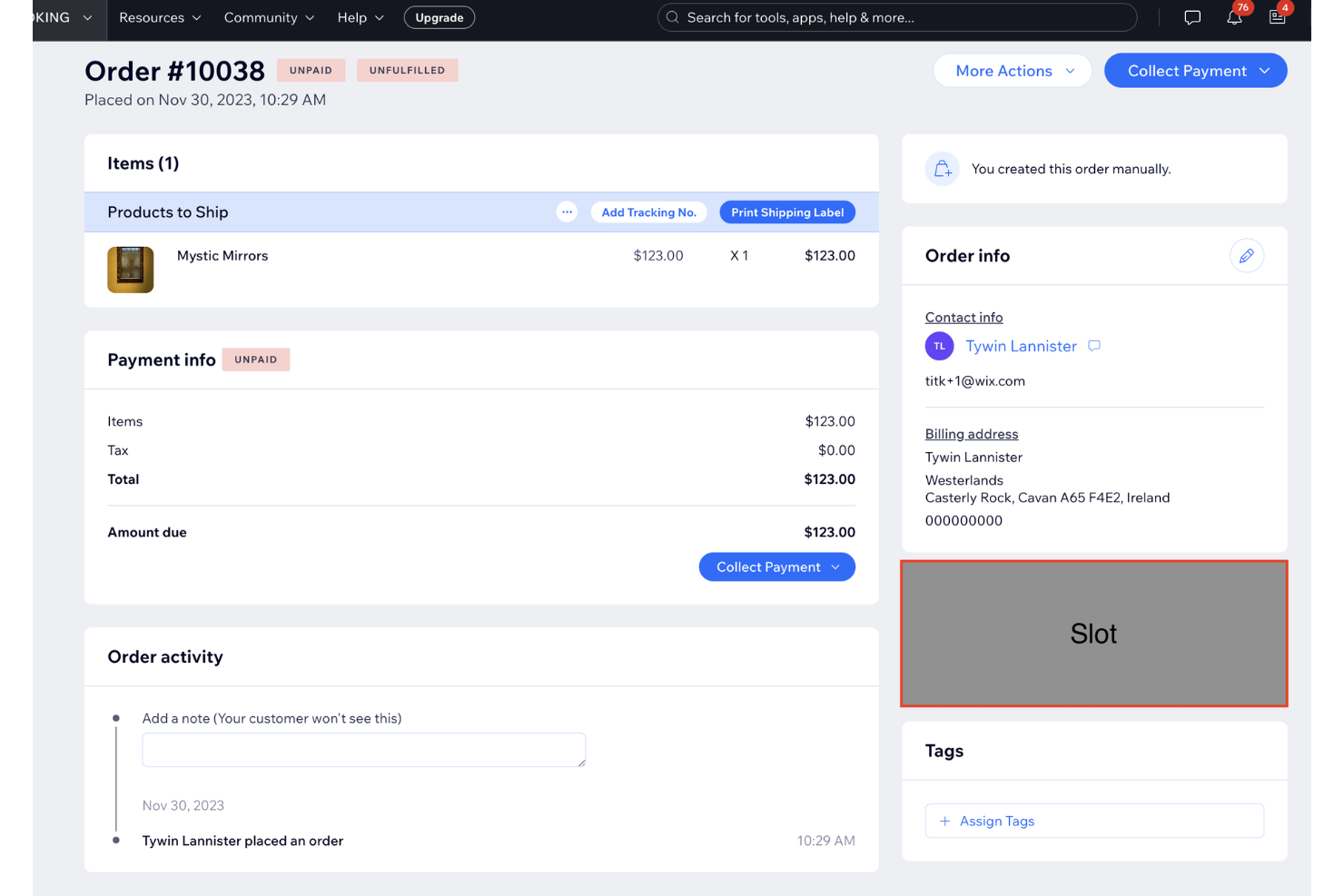
Wix è un costruttore di siti ecommerce alimentato dall'intelligenza artificiale che ti permette di vendere prodotti fisici, digitali e in dropshipping attraverso il tuo negozio online, di persona e sui marketplace globali, con strumenti multilingue integrati, pagamento in più valute e supporto per i pagamenti internazionali.
Per chi è ideale Wix?
Wix è adatto a piccole e medie imprese che desiderano vendere a livello internazionale senza la necessità di uno sviluppatore per costruire o gestire il proprio negozio.
Perché ho scelto Wix
Ho incluso Wix tra le mie scelte principali perché i suoi strumenti per negozi multilingue vanno oltre la semplice sostituzione del testo. Con Wix Multilingual, posso tradurre pagine prodotto, navigazione e flussi di checkout in più lingue, quindi perfezionare manualmente i contenuti tradotti automaticamente per ottenere il tono giusto per ogni mercato. Mi piace anche che la SEO multilingue sia integrata: Wix genera subdirectory URL appropriate per ciascuna lingua, permettendo a ogni versione dello shop di posizionarsi nei risultati di ricerca locali in modo indipendente.
Funzionalità principali di Wix
- Pagamento in più valute: Visualizza i prezzi e accetta pagamenti in oltre 100 valute, con conversione automatica in base alla posizione di ciascun cliente.
- Calcolo fiscale internazionale: Calcola automaticamente le aliquote fiscali applicabili alle transazioni transfrontaliere grazie all'integrazione incorporata con Avalara.
- Regole di spedizione regionali: Imposta tariffe di spedizione personalizzate, corrieri e opzioni di consegna per paesi o zone geografiche specifiche all'interno di un unico negozio.
- Vendita su marketplace globali: Elenca e vendi prodotti su canali internazionali come Amazon, eBay e piattaforme di social commerce direttamente dalla dashboard di Wix.
Pros and Cons
Pros:
- Configurazione semplice dei gateway di pagamento
- Editor drag-and-drop facile da usare
- Ampia selezione di app e widget
Cons:
- Non ideale per negozi online di grandi dimensioni
- Non è possibile cambiare modello dopo averlo impostato

Ideale per la scalabilità

Adobe Commerce è una piattaforma ecommerce cloud-native progettata per operazioni aziendali B2C e B2B, con un'architettura multisito, merchandising potenziato dall’IA e supporto integrato per più lingue, valute e normative fiscali nei mercati globali.
Per chi è ideale Adobe Commerce?
Adobe Commerce è particolarmente adatta ai rivenditori enterprise e mid-market che gestiscono un alto numero di SKU, più marchi o vendite transfrontaliere in diverse regioni.
Perché ho scelto Adobe Commerce
Adobe Commerce si guadagna un posto tra i migliori della mia lista perché l’infrastruttura cloud con auto-scaling gestisce i picchi di traffico e di ordini senza interventi manuali. Sono particolarmente colpito dal servizio SaaS per il catalogo, che consente una rapida acquisizione e aggiornamento di milioni di SKU. Quando il mio team deve lanciare nuovi negozi online per ulteriori regioni o marchi, l’architettura multisito ci permette di farlo da un’unica amministrazione senza dover ricostruire tutto da zero.
Caratteristiche principali di Adobe Commerce
- Supporto multivaluta e multilingua: Accetta pagamenti in oltre 200 valute e localizza i negozi online con lingue e contenuti specifici per regione.
- Raccomandazioni prodotto basate su IA: Mostra suggerimenti personalizzati sui prodotti in base alla navigazione e agli acquisti del singolo utente.
- Strumenti per il commercio B2B: Gestisci account aziendali, cataloghi personalizzati, prezzi negoziati e ordini di acquisto per i clienti all’ingrosso.
- Configurazione localizzata di pagamenti e tasse: Configura gateway di pagamento e regole fiscali specifiche per ogni paese in cui vendi.
Pros and Cons
Pros:
- Molti strumenti ecommerce integrati
- Piattaforma scalabile e flessibile
- Soluzioni avanzate di analisi e reportistica
Cons:
- Leggera curva di apprendimento
- Può richiedere conoscenze specialistiche

Ideale per modelli ecommerce
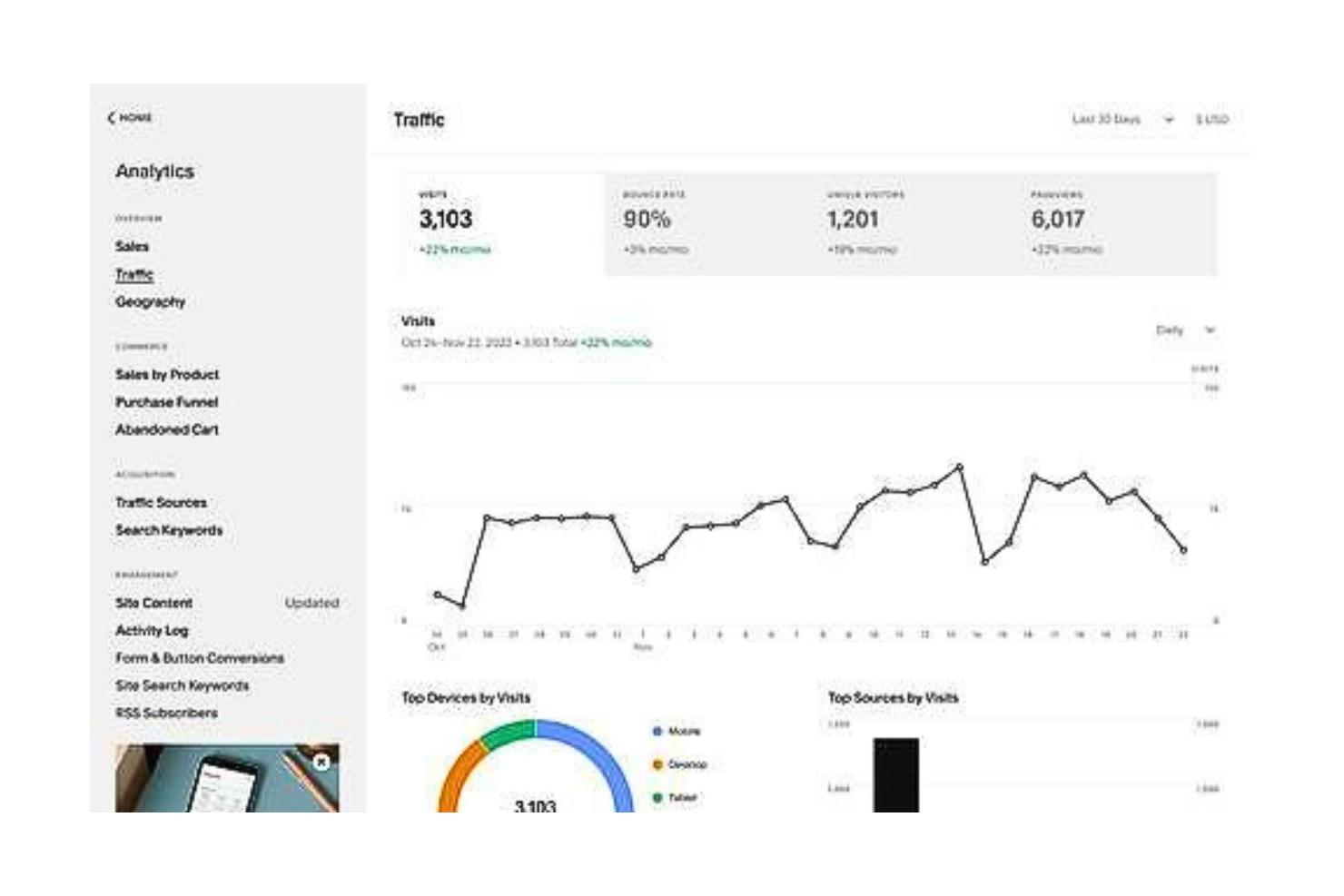
Squarespace è un costruttore di siti web e una piattaforma di ecommerce che combina la funzionalità di un negozio online con l'elenco dei prodotti, la gestione dell'inventario, l'elaborazione dei pagamenti e strumenti per la spedizione—tutto integrato in un sistema di design che parte dai modelli.
Per chi è ideale Squarespace?
Squarespace è particolarmente adatto a brand di piccole e medie dimensioni e venditori indipendenti che danno priorità all'estetica dello store e desiderano un ecommerce orientato al design senza dover assumere uno sviluppatore.
Perché ho scelto Squarespace
Ho incluso Squarespace tra le mie migliori scelte perché i suoi modelli ecommerce sono realmente pensati per la vendita e non solo per l'esposizione. Ogni modello include pagine prodotto pre-strutturate, layout di collezione e vetrine ottimizzate per dispositivi mobili che risultano efficaci anche nei mercati internazionali. Apprezzo in particolare come l'editor Fluid Engine consenta di personalizzare qualsiasi modello senza scrivere codice, permettendo di adattare l'aspetto della vetrina a diversi pubblici regionali senza dover ricominciare da zero.
Funzionalità principali di Squarespace
- Gestione fiscale automatizzata: Squarespace calcola automaticamente l'aliquota fiscale in base a dove e a cosa si vende, includendo IVA e GST per le transazioni internazionali.
- Elaborazione pagamenti multicanale: Accetta pagamenti tramite carte di credito, Apple Pay, Afterpay e opzioni regionali come SEPA e iDEAL tramite Squarespace Payments o provider terzi.
- Strumenti per spedizione ed evasione ordini: Imposta consegna locale, ritiro o spedizione standard, acquista e stampa etichette di spedizione e collega i corrieri direttamente dalla dashboard.
- Recensioni prodotto: Raccogli e mostra le recensioni dei clienti nelle pagine prodotto per rafforzare la credibilità presso nuovi mercati.
Pros and Cons
Pros:
- Modelli pre-costruiti pluripremiati
- Ottime capacità di gestione dell'inventario
- Piani accessibili
Cons:
- Leggera curva di apprendimento
- Difficile annullare le modifiche

Weebly
Miglior rapporto qualità-prezzo

Weebly è un costruttore di siti web e di ecommerce drag-and-drop, ora parte di Square, che ti permette di creare un negozio online con strumenti per l'inserimento dei prodotti, la gestione degli ordini, la spedizione e i pagamenti.
Per Chi è Meglio Weebly?
Weebly è adatto ai proprietari di piccole imprese e agli imprenditori individuali che desiderano un modo economico per avviare un negozio online semplice, senza bisogno di competenze tecniche.
Perché Ho Scelto Weebly
Ho incluso Weebly tra le mie migliori scelte perché offre un'inaspettata quantità di funzionalità ecommerce anche nei suoi piani base. Il piano gratuito supporta vere schede prodotto, un carrello della spesa e l'elaborazione dei pagamenti tramite Square fin dall'inizio. Nei piani a pagamento, non ci sono commissioni sulle transazioni, ed è incluso il tracciamento integrato delle spedizioni e strumenti automatici per le tasse sulle vendite negli Stati Uniti—funzionalità solitamente riservate ai livelli superiori delle altre piattaforme. È un punto di partenza pratico se vuoi testare mercati internazionali senza pagare un canone mensile elevato.
Funzionalità Chiave di Weebly
- Monitoraggio dell'inventario: Tieni sotto controllo i livelli di stock nel tuo catalogo prodotti, mostra conteggi bassi per creare urgenza e invia notifiche automatiche ai clienti quando i prodotti sono esauriti.
- Email per carrelli abbandonati: Invia automaticamente una email di recupero programmata agli acquirenti che lasciano il sito senza completare l'acquisto.
- Ricerca prodotti filtrata: Permette ai visitatori di filtrare i risultati per attributi come prezzo e colore, dando maggiore visibilità all'intero catalogo.
- Strumento di importazione del negozio: Importa i dati di prodotti già esistenti da Etsy o Shopify, o carica un file CSV, per mettere online il tuo negozio più velocemente.
Pros and Cons
Pros:
- Piano gratuito con funzioni ecommerce standard
- Numerose integrazioni disponibili
- Guide SEO utili
Cons:
- Formattazione scadente su mobile
- Template del sito datati

Volusion
Migliore ottimizzazione per i motori di ricerca
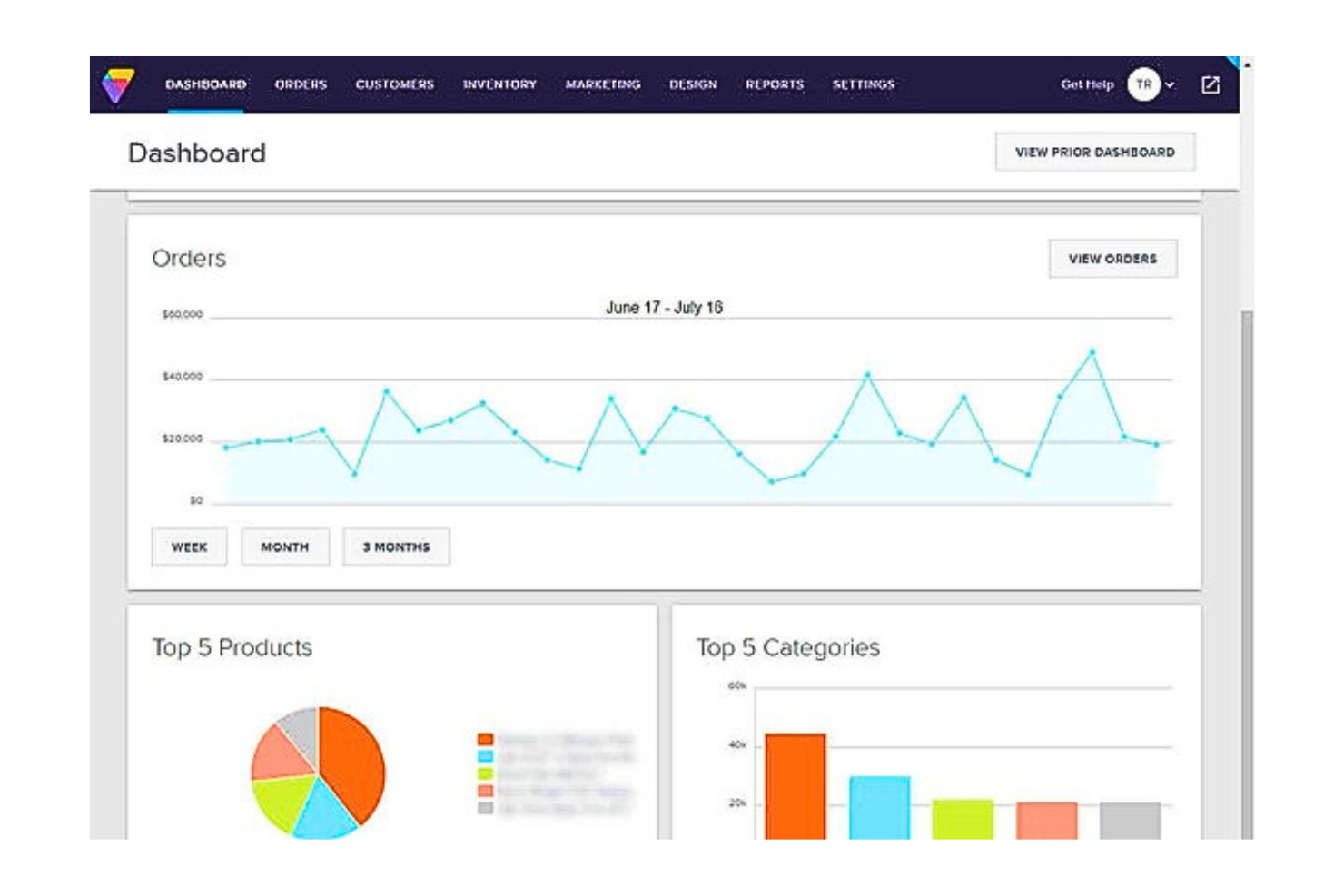
Volusion è una piattaforma di ecommerce che copre la creazione di vetrine, la gestione dell'inventario, l'elaborazione dei pagamenti e la gestione SEO per i commercianti che desiderano vendere online e crescere nei mercati internazionali.
Per chi è Volusion?
Volusion è adatto a rivenditori online di piccole e medie dimensioni che cercano una piattaforma ecommerce dedicata senza la complessità di una soluzione aziendale completa.
Perché ho scelto Volusion
Ho incluso Volusion tra le mie migliori scelte perché i suoi strumenti SEO integrati offrono ai commercianti online il controllo diretto sui segnali che guidano il traffico organico. Mi piace che sia possibile gestire i metadati di tutte le pagine, prodotti e categorie da una singola vista di amministrazione, invece di dover passare tra diverse impostazioni. Il file robots.txt modificabile consente di bloccare la scansione delle pagine di scarso valore, e l'indicizzazione della sitemap assicura che i motori di ricerca possano visualizzare l'intero catalogo prodotti. Per i negozi internazionali, questo tipo di controllo sulla scansione è importante quando si cerca di migliorare la posizione in più mercati.
Caratteristiche principali di Volusion
- Definizione della valuta: Visualizza i prezzi dei prodotti nella valuta locale dell'acquirente per supportare i clienti internazionali nella fase di navigazione dei prodotti.
- Messaggi per carrelli abbandonati: Visualizza rapporti su carrelli abbandonati e attivi, poi invia messaggi di promemoria mirati per recuperare vendite perse.
- Gestione di inventario e scorte: Monitora lo stato dei prodotti, traccia i livelli di riordino e ottieni una verifica delle quantità su tutto il catalogo.
- Funzionalità di cross-selling: Gestisci gli ordini da più canali di vendita direttamente dall’area amministrativa di Volusion.
Pros and Cons
Pros:
- Configurazione semplice
- Nessuna esperienza di codifica richiesta
- Assistenza clienti eccellente
Cons:
- Opzioni di personalizzazione limitate
- I report necessitano miglioramenti

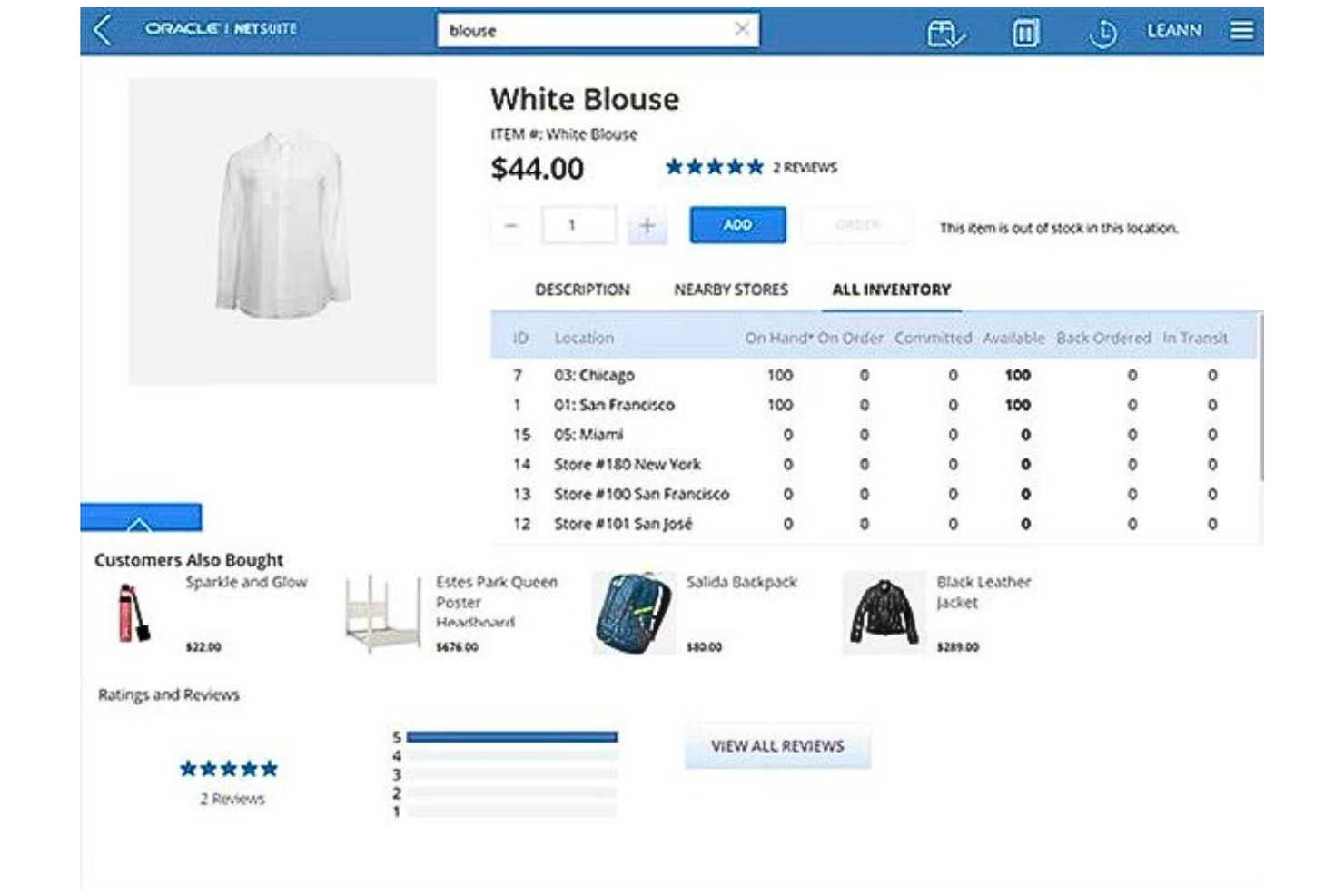
NetSuite Commerce (SuiteCommerce) è una piattaforma ecommerce basata su cloud che unifica i negozi B2C e B2B con gestione ordini, inventario, CRM e contabilità in un unico sistema.
Per chi è più indicato NetSuite Commerce Suite?
SuiteCommerce è particolarmente adatto a rivenditori e produttori di medie o grandi dimensioni che operano in più paesi e necessitano di una piattaforma unica per gestire ecommerce, inventario e contabilità insieme.
Perché ho scelto NetSuite Commerce Suite
Ho incluso NetSuite SuiteCommerce tra le mie scelte principali perché è una delle poche piattaforme ecommerce in cui negozio online, gestione degli ordini, inventario, CRM e contabilità utilizzano nativamente lo stesso modello di dati. Non c'è bisogno di sincronizzazione, middleware o attese. Quando arriva un ordine, l'inventario si aggiorna in tempo reale su tutte le sedi. Questa architettura basata su un'unica fonte di verità la rende unica per una gestione ecommerce unificata.
Caratteristiche principali di NetSuite Commerce Suite
- Supporto multivaluta e multilingua: Configura ogni negozio con la propria lingua, valuta e prezzi regionali.
- Gestione multi-sito: Gestisci più negozi online specifici per paese da un unico back-end, ciascuno con dominio e catalogo dedicati.
- Gestione globale di tasse e IVA: Applica automaticamente le tasse e le aliquote IVA corrette in base alla posizione del cliente e al tipo di transazione.
- Commercio B2B e B2C: Gestisci esperienze d'acquisto separate per clienti wholesale e retail, con prezzi basati su account e flussi di lavoro per ordini d'acquisto.
Pros and Cons
Pros:
- Gestione integrata dell'inventario
- Design di siti web reattivi
- Supporto per business globali
Cons:
- Numero limitato di integrazioni
- Personalizzazioni complesse

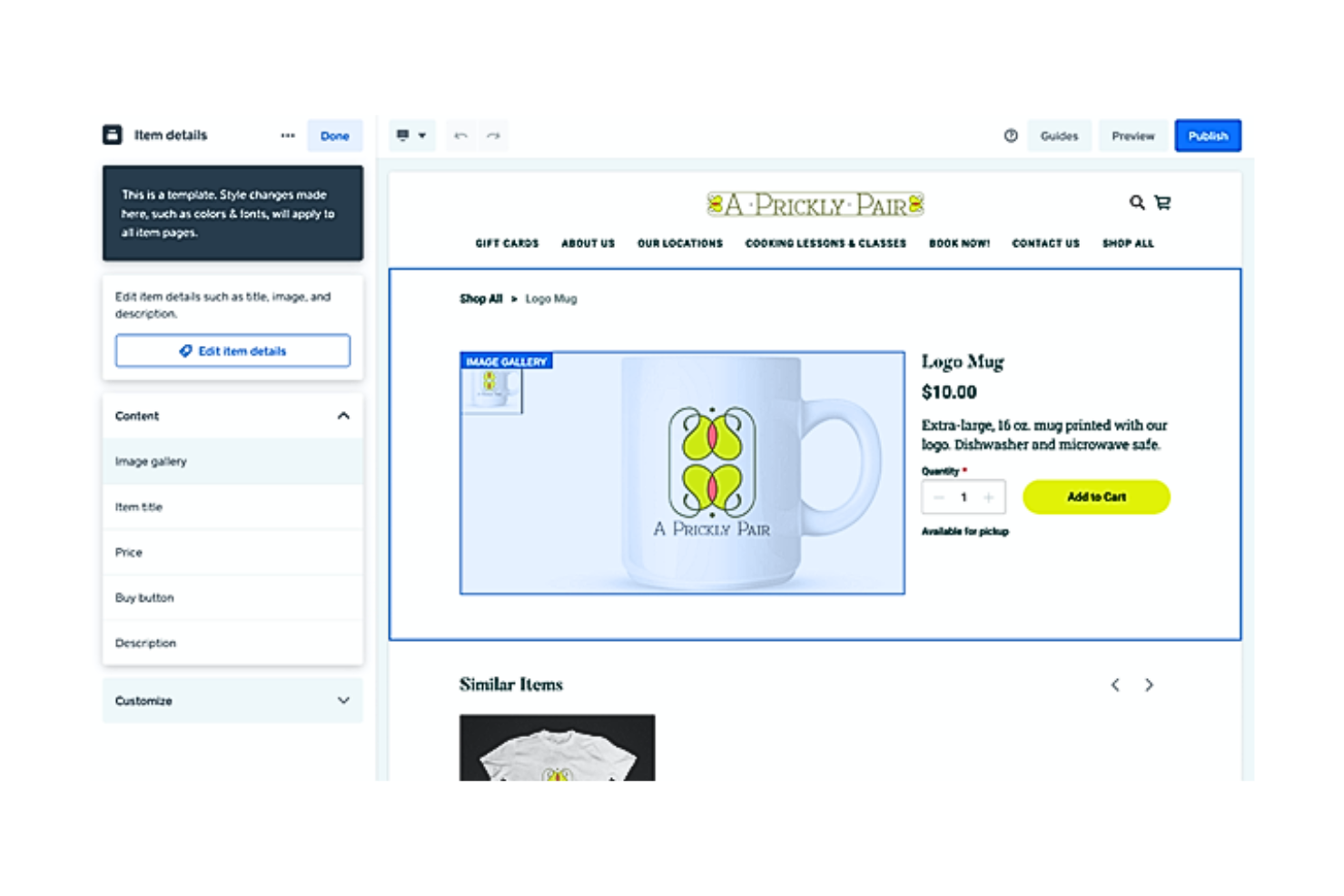
Square Online Store è un costruttore di siti ecommerce che collega la vendita online al Punto Vendita fisico, offrendo strumenti per la gestione dei prodotti, l'evasione degli ordini, la SEO e il marketing verso i clienti, tutto integrato in un unico sistema.
Per chi è ideale Square Online Store?
Square Online Store è la soluzione naturale per i piccoli imprenditori che già utilizzano Square per i pagamenti fisici e desiderano estendere le vendite online senza dover gestire una piattaforma separata.
Perché ho scelto Square Online Store
Ho incluso Square Online Store tra le mie scelte migliori perché rappresenta il punto di accesso più semplice per le piccole imprese che vogliono vendere online senza dover affrontare un complesso processo di configurazione. Mi piace il fatto che l’inventario venga sincronizzato automaticamente tra il POS Square e il negozio online, quindi se vendi un prodotto di persona, la quantità disponibile online si aggiorna in tempo reale. Il piano gratuito consente inoltre alle piccole aziende di lanciare un negozio completamente funzionale senza costi iniziali, mentre gli strumenti incorporati per la consegna locale, il ritiro e la spedizione garantiscono flessibilità dall'inizio.
Caratteristiche principali di Square Online Store
- Tema del sito personalizzabile: Scegli tra una libreria di modelli preimpostati e utilizza un editor drag-and-drop per progettare la tua vetrina senza scrivere codice.
- Recupero carrello abbandonato: Invia automaticamente e-mail di promemoria ai clienti che lasciano il sito senza completare un acquisto (disponibile solo con i piani a pagamento).
- Vendita sui canali social: Collega il tuo negozio a Facebook e Instagram per vendere direttamente su queste piattaforme utilizzando un unico catalogo prodotti.
- Strumenti SEO integrati: Modifica titoli delle pagine, meta descrizioni e URL direttamente all’interno del costruttore del sito per migliorare la visibilità sui motori di ricerca.
Pros and Cons
Pros:
- Utile strumento drag-and-drop
- Tutti i piani offrono spazio di archiviazione illimitato
- Interfaccia intuitiva
Cons:
- Nessun visualizzatore per mobile
- Personalizzazioni limitate

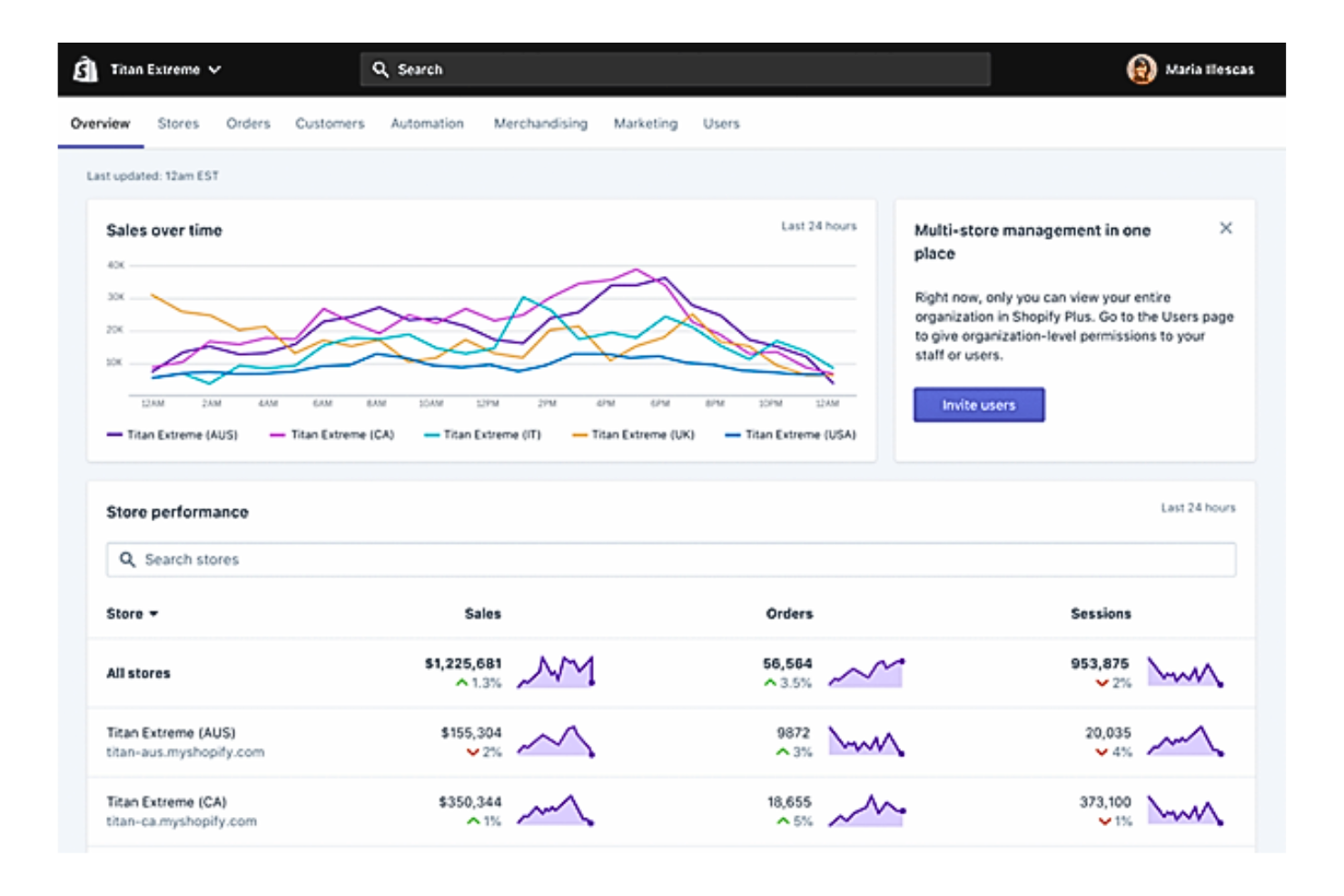
Shopify Plus è una piattaforma ecommerce enterprise che combina un costruttore di vetrine multicanale, strumenti di vendita omnicanale, funzionalità per il commercio B2B e capacità di localizzazione per aiutare i brand a vendere in oltre 150 paesi da un unico back office.
Per chi è ideale Shopify Plus?
Shopify Plus è una soluzione solida per rivenditori in forte crescita e aziende enterprise che devono gestire vetrine internazionali, prezzi localizzati e logistica transfrontaliera su larga scala.
Perché ho scelto Shopify Plus
Ho incluso Shopify Plus tra le mie scelte principali perché rende gestibile la vendita internazionale da un solo pannello di amministrazione. Apprezzo in particolare Shopify Markets, che mi permette di configurare valute, lingue, dazi e regole fiscali per ogni regione senza passare da uno store o account all'altro. Managed Markets va ancora oltre calcolando e riscuotendo automaticamente i dazi al checkout, per poi versarli per tuo conto—eliminando così una vera seccatura operativa dalla vendita cross-border.
Caratteristiche principali di Shopify Plus
- Store di espansione: Crea fino a nove vetrine specifiche per regione, ognuna con il proprio dominio, inventario e contenuti localizzati, tutte gestibili da un'unica amministrazione centrale.
- Metodi di pagamento locali: Accetta opzioni di pagamento specifiche per regione tramite Shopify Payments, inclusi portafogli digitali locali e fornitori buy-now-pay-later.
- Personalizzazione del checkout: Personalizza i flussi di checkout utilizzando app e script per adattare l'esperienza di acquisto in base al mercato o al segmento di clientela.
- Shopify Flow: Crea flussi di lavoro automatizzati per rifornimenti di inventario, tag degli ordini e avvisi di frode senza scrivere codice.
Pros and Cons
Pros:
- Gestione dell'inventario senza sforzo
- Integrazione semplice con terze parti
- Checkout personalizzabili
Cons:
- Non adatto alle piccole imprese
- Il supporto clienti necessita miglioramenti

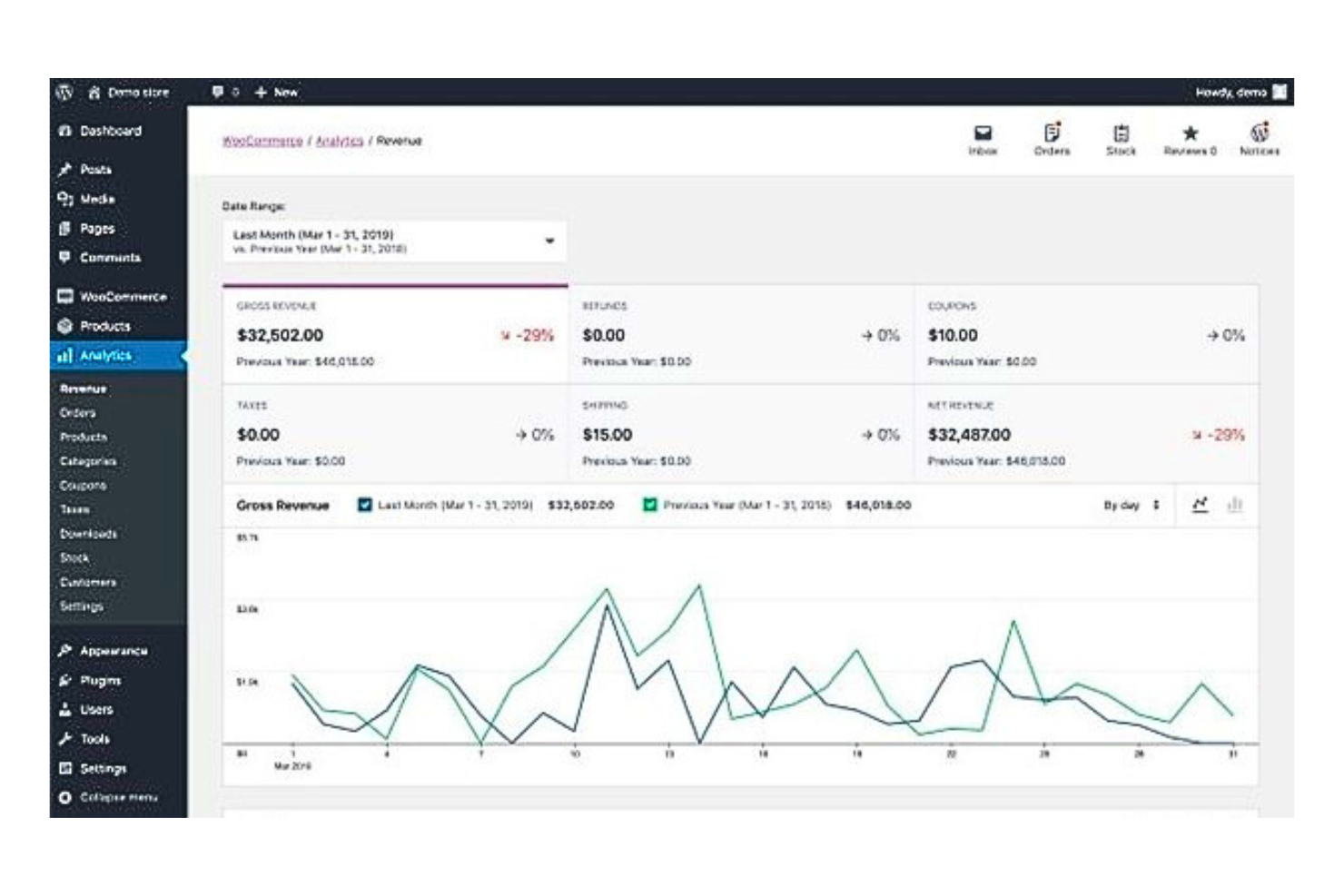
WooCommerce è un plugin ecommerce open-source per WordPress che consente di creare e gestire negozi online con pieno controllo su checkout, pagamenti, dati, hosting e funzionalità del negozio sia per la vendita locale che globale.
Per chi è WooCommerce?
WooCommerce è particolarmente adatto a piccole e medie imprese che già utilizzano siti WordPress e desiderano il pieno controllo sul codice, sul design e sull'infrastruttura del proprio negozio.
Perché ho scelto WooCommerce
WooCommerce si guadagna il suo posto tra i migliori della mia lista perché nessun'altra piattaforma offre lo stesso livello di controllo su come il tuo negozio internazionale viene costruito e gestito. Amo il fatto che il suo UI open-source e componibile permetta di modificare il percorso di checkout, le pagine prodotto e la logica di spedizione a livello di codice—non solo tramite impostazioni. Il WooCommerce Marketplace offre oltre 1.000 estensioni, quindi posso aggiungere metodi di pagamento specifici per regione, strumenti di conformità fiscale locali e supporto multi-valuta esattamente secondo le esigenze del mio negozio, senza pagare per funzionalità che non utilizzo.
Funzionalità principali di WooCommerce
- Vetrina multilingue: WooCommerce è completamente tradotto in 24 lingue, con supporto multilingue integrato per localizzare il tuo negozio per acquirenti internazionali.
- App mobile per la gestione del negozio: L'app iOS e Android consente di aggiornare i prodotti, evadere gli ordini e monitorare l'attività del negozio ovunque tu sia.
- Varianti di prodotto e bundle: Offri ai clienti abbonamenti, pacchetti di prodotti o varianti configurabili tutto da un'unica scheda prodotto.
- Calcolo automatico delle tasse: Lo strumento fiscale integrato di WooCommerce calcola automaticamente le aliquote in base alla posizione del cliente, utile per la conformità internazionale.
Pros and Cons
Pros:
- Eccellente per la SEO
- Altamente personalizzabile
- Numerose integrazioni disponibili
Cons:
- Il servizio clienti può essere migliorato
- WordPress ha una curva di apprendimento ripida

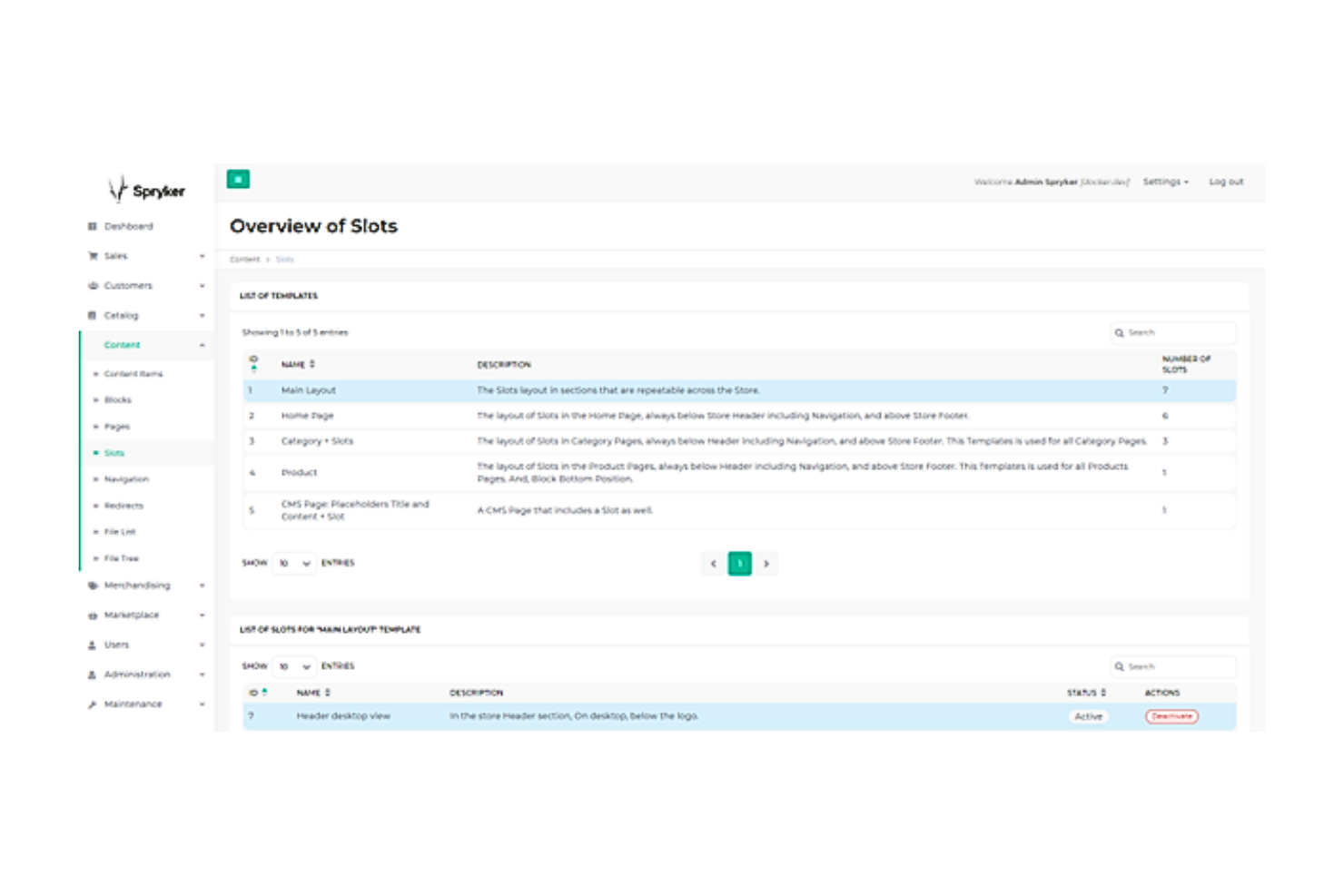
Spryker Commerce è una piattaforma di commercio B2B componibile e API-first che supporta la gestione multi-store, le operazioni di marketplace e la vendita omnicanale attraverso molteplici modelli di business su un'unica architettura modulare.
Per chi è ideale Spryker Commerce?
Spryker Commerce è particolarmente adatto per aziende B2B di medie e grandi dimensioni che gestiscono operazioni commerciali complesse e multi-regionali su più marchi o unità aziendali.
Perché ho scelto Spryker Commerce
Ho scelto Spryker Commerce come uno dei migliori per l'espansione globale perché la sua funzione Dynamic Multistore consente di creare e gestire nuovi store regionali direttamente da un unico back-end, senza dover cambiare piattaforma. Ogni store può avere le proprie valute, aliquote fiscali e contenuti localizzati. Mi piace che la gestione delle tasse di Spryker si integri direttamente con Avalara e Vertex per la conformità internazionale, in modo da non dover configurare regole specifiche per ogni paese da zero quando si entra in nuovi mercati.
Caratteristiche principali di Spryker Commerce
- Architettura headless e API-first: Collega qualsiasi frontend, app o punto di contatto di terze parti in qualsiasi regione utilizzando il livello API GLUE di Spryker, senza essere vincolato a un solo framework per il frontend.
- Gestione multi-magazzino: Tieni traccia e gestisci le scorte in più magazzini a livello globale, con calcoli di disponibilità per store basati sull'inventario regionale effettivo.
- Modulo marketplace: Crea e gestisci un marketplace multi-vendor in cui i venditori terzi possono gestire in autonomia i propri prodotti, ordini ed evasioni.
- Gestione glossario e multi-lingua: Gestisci traduzioni e contenuti localizzati per tutti gli store, con rilevamento automatico della lingua integrato nella ricerca.
Pros and Cons
Pros:
- Configurazione modulare e flessibile
- Eccellente documentazione online
- Supporta la crescita del business
Cons:
- L'inserimento degli sviluppatori è complesso
- Aggiornare alle versioni più recenti è difficile
Altre Opzioni
Ci sono molte soluzioni alternative che meritano una valutazione attenta oltre a quelle che ho già analizzato sopra. Quindi, ho aggiunto un altro breve elenco di opzioni per assicurarmi che tu abbia abbastanza alternative tra cui scegliere la migliore piattaforma ecommerce internazionale per le tue esigenze.
- BigCommerce
Ideale per grandi marchi internazionali
- Zen Cart
Ideale per l'integrazione di gateway di pagamento.
- StoreBuilder
Il miglior builder ecommerce open-source.


Come Valuto le Piattaforme di Ecommerce Internazionale
Divido la mia valutazione in due livelli: requisiti fondamentali—come il checkout multivaluta e l’imposta localizzata—che una piattaforma deve possedere, e i fattori distintivi che rendono una soluzione la scelta giusta per i rivenditori globali.
Funzionalità di Base (Requisiti Fondamentali per Questa Lista)
Quando seleziono gli strumenti per la mia lista, classifico ognuno su una scala da 0 (non offre la funzionalità) a 5 (eccelle in quest’area) per ciascuna delle funzionalità fondamentali elencate di seguito. Poi calcolo il punteggio totale dello strumento e lo converto in percentuale. Ogni strumento deve raggiungere un punteggio totale minimo del 65% per essere considerato per l’inclusione.
- Supporto Multivaluta: Verifico che la piattaforma gestisca tassi di cambio automatizzati, arrotondamenti localizzati e regole di prezzo per mercato invece di limitarsi a convertire un prezzo di base.
- Localizzazione Multilingue: Ogni piattaforma dovrebbe supportare vetrine tradotte, URL localizzati e SEO regionale, non solo un semplice selettore di lingua sul frontend.
- Gateway di Pagamento Globali: Cerco integrazioni native con metodi di pagamento locali come iDEAL, Klarna e Alipay insieme all’elaborazione standard delle carte.
- Tassazione e Conformità Internazionali: Qui conta il calcolo automatizzato di IVA, GST e dazi, inclusa la compatibilità con schemi come IOSS o integrazioni con strumenti come Avalara.
- Spedizione e Gestione Multi-Regione: Valuto le integrazioni con vettori, l’instradamento multi-magazzino e se la piattaforma supporta le opzioni di spedizione DDP e DDU in tutte le regioni.
- Geolocalizzazione e Gestione Multi-Store: La piattaforma dovrebbe consentire la gestione di vetrine per diversi paesi da un’unica amministrazione, con instradamento basato sulla posizione geografica e cataloghi specifici per mercato.
Una volta ottenuta una lista di strumenti che soddisfano questi criteri, considero cosa differenzia ciascuna piattaforma.
Fattori Differenzianti (Cosa Distingue i Fornitori)
Ecco come confronto e metto in evidenza i diversi fornitori:
Funzionalità Devono Spiccare
Il calcolo del costo atterrato è un grande elemento distintivo. Cerco piattaforme che mostrino agli acquirenti il prezzo finale, comprensivo di dazi e tasse durante il checkout, così da ridurre l’abbandono del carrello negli ordini transfrontalieri. Anche i connettori nativi verso marketplace regionali come Rakuten, Mercado Libre o Zalando sono rilevanti se il piano di espansione va oltre la propria vetrina online. Per i brand che necessitano del pieno controllo sull’esperienza d’acquisto localizzata, valuto se la piattaforma supporta un’architettura headless o API-first per sviluppi frontend personalizzati.
Oltre le Funzionalità
Esamino l’ecosistema e le integrazioni di ciascuna piattaforma, in particolare i connettori nativi ai sistemi gestionali come SAP o NetSuite e se il marketplace di app comprende estensioni specifiche per regione. La conformità e la sovranità dei dati sono aspetti cruciali: verifico la predisposizione al GDPR, la certificazione PCI-DSS e il supporto per mandati di fatturazione elettronica specifici per paese. Vale anche la pena approfondire il costo totale di proprietà. Le commissioni sulle transazioni, i ricarichi sul cambio valuta e i costi specifici per mercato possono diventare importanti rapidamente, quindi confronto le strutture di prezzo per capire quale sarà il vero costo di una crescita internazionale.
Caratteristiche Principali
Le piattaforme ecommerce internazionali offrono moltissime funzionalità che possono risultare opprimenti per chi sta iniziando questo percorso. Per aiutarti, ho selezionato soluzioni che includono le seguenti caratteristiche.
- Gestione dei pagamenti: Le piattaforme ecommerce internazionali permettono ai clienti di scegliere il metodo di pagamento preferito, come carta di credito o portafoglio digitale.
- Sicurezza: Ci sono diversi aspetti da considerare per la sicurezza ecommerce, e le piattaforme internazionali supportano molti di questi, come firewall, certificati SSL e altro ancora.
- Opzioni di personalizzazione: Le piattaforme ecommerce internazionali altamente personalizzabili permettono di creare negozi online unici che rispecchiano il brand e soddisfano esigenze specifiche dei clienti.
- Spedizione internazionale: Per gestire davvero un negozio ecommerce internazionale, le piattaforme più complete supportano la spedizione in tutto il mondo per migliorare l'esperienza dei tuoi clienti con il brand.
- Analisi dati: Questa funzione facilita il monitoraggio dei dati del tuo negozio online essenziali per il business, come tasso di abbandono, valore medio del cliente, conversioni di vendita e valore medio dell’ordine.
- Assistenza clienti: Anche la piattaforma ecommerce internazionale più intuitiva richiederà un certo livello di supporto da parte del fornitore, quindi ho incluso varie soluzioni che offrono supporto accessibile e rapido attraverso chat dal vivo, email, telefono o strumenti di autoassistenza.
Cosa Sono le Piattaforme Ecommerce Internazionali
Le piattaforme ecommerce internazionali sono sistemi online che consentono alle aziende di vendere prodotti e servizi a clienti in diversi Paesi. Queste piattaforme sono dotate di funzionalità per gestire le complessità del commercio globale, come il supporto multivaluta, la localizzazione linguistica, gateway di pagamento internazionali e la logistica per le spedizioni in tutto il mondo.
Domande Frequenti
Quando cerchi nuove piattaforme di ecommerce internazionale da implementare nella tua organizzazione, potresti avere alcune domande a cui rispondere prima per aiutarti a prendere la decisione migliore per il tuo business. Per aiutarti, ho risposto alle domande più frequenti poste da altri utenti durante la ricerca di questi strumenti.
Quanto costano le piattaforme di ecommerce internazionale?
Il prezzo di una piattaforma di ecommerce internazionale può variare a seconda delle funzionalità richieste dal tuo business. Strumenti semplici con funzionalità basilari possono avere un costo a partire da $10/mese, mentre soluzioni più complesse con funzionalità avanzate possono costare molto di più. Durante la mia ricerca, il costo medio tendeva a essere compreso tra $29/mese e $299/mese.
Quali sono i 3 paesi che spendono di più nell'ecommerce?
Le vendite di ecommerce internazionale dovrebbero crescere fino a superare gli $8.148 trilioni entro il 2026, quindi è utile capire dove si trovano le opportunità più rilevanti. Naturalmente, è importante identificare i mercati ecommerce più importanti per comprendere come espandersi a livello globale. Inizio dalla Cina, poiché il paese registra vendite online annuali di $672 miliardi grazie alla più ampia popolazione di acquirenti digitali. In secondo luogo, le vendite ecommerce negli Stati Uniti hanno raggiunto i $343,15 miliardi nel 2019 e si prevede arriveranno a $476,5 miliardi nel 2024. Infine, il Regno Unito registra vendite online annuali di $99 miliardi, ma se vuoi puntare su questo mercato, aspettati nuove complicazioni dovute ai cambiamenti dell’IVA dopo la Brexit, quindi pianifica di conseguenza.
Quali sono i vantaggi delle piattaforme di ecommerce internazionale?
Le piattaforme di ecommerce internazionale sono fondamentali per consentire alle aziende di espandere la propria portata e operare su scala globale. Di seguito sono riportati ulteriori vantaggi delle piattaforme di ecommerce internazionale e come esse ampliano in modo significativo le opportunità di business, i flussi di ricavi e la presenza globale del brand nel mondo interconnesso di oggi.rnu003culu003ern tu003cliu003eu003cstrongu003eAccesso al mercato globale:u003c/strongu003e Le piattaforme di ecommerce internazionale consentono l’accesso a un mercato potenziale di 7,9 miliardi di persone in tutto il mondo.u003c/liu003ern tu003cliu003eu003cstrongu003eClientela diversificata:u003c/strongu003e Raggiungi un pubblico variegato, con l’ecommerce transfrontaliero che rappresenterà il 22% dell’ecommerce globale.u003c/liu003ern tu003cliu003eu003cstrongu003eAumento dei ricavi:u003c/strongu003e Espandersi a livello internazionale può portare a una crescita significativa dei ricavi per le aziende di ecommerce.u003c/liu003ern tu003cliu003eu003cstrongu003eGlobalizzazione del brand:u003c/strongu003e Le piattaforme di ecommerce internazionale aiutano le aziende a costruire una presenza globale del marchio, con molti consumatori che dichiarano di acquistare prodotti da rivenditori esteri.u003c/liu003ern tu003cliu003eu003cstrongu003eEsperienza cliente localizzata:u003c/strongu003e Offri proposte su misura per le preferenze locali, venendo incontro a chi preferisce acquistare da siti che offrono informazioni nella propria lingua.u003c/liu003ern tu003cliu003eu003cstrongu003eAdattabilità della valuta:u003c/strongu003e Accettare più valute può aumentare i tassi di completamento degli ordini nel tuo ecommerce.u003c/liu003ern tu003cliu003eu003cstrongu003eSpedizione globale:u003c/strongu003e Offrire opzioni di spedizione internazionale può influenzare le decisioni d’acquisto degli acquirenti online internazionali.u003c/liu003ern tu003cliu003eu003cstrongu003eDiversificazione dei mercati:u003c/strongu003e Diversificando la presenza nei mercati puoi ridurre l’impatto di recessioni economiche in specifiche regioni, diminuendo il rischio.u003c/liu003ern tu003cliu003eu003cstrongu003eVantaggio competitivo:u003c/strongu003e Implementare piattaforme di ecommerce internazionale in un business può renderlo più competitivo nel proprio settore.u003c/liu003ern tu003cliu003eu003cstrongu003eEspansione guidata dai dati:u003c/strongu003e Sfruttando le statistiche offerte dalle soluzioni di ecommerce internazionale puoi individuare mercati ad alto potenziale e affinare le strategie globali.u003c/liu003ernu003c/ulu003ernu0026nbsp;
Recensioni di Altre Piattaforme Ecommerce
Credo che queste ulteriori raccolte di recensioni completeranno la tua ricerca, soprattutto se stai cercando qualcosa di molto specifico per il tuo negozio. Puoi iniziare consultando la lista definitiva delle migliori piattaforme ecommerce, che comprende un po' di tutto, ordinato secondo una classifica generale.
Piattaforme Ecommerce per Tipo di Business
- Piattaforme Ecommerce SaaS
- Piattaforme Ecommerce B2B
- Piattaforme Marketplace Ecommerce
- Piattaforme Ecommerce per Abbonamenti
- Piattaforme Ecommerce per Piccole Imprese
Piattaforme Ecommerce per Esigenza
- Piattaforme ecommerce headless
- Piattaforme ecommerce più semplici
- Piattaforme di commercio omnicanale
- Piattaforme ecommerce per aziende
- Piattaforme ecommerce gratuite
- Piattaforme ecommerce open source
- Piattaforme di social commerce
- Piattaforme ecommerce economiche
- Piattaforme ecommerce ospitate
Conclusione
Scegliere la giusta piattaforma ecommerce internazionale per la tua attività può essere impegnativo e richiedere molto tempo. Esistono molte funzionalità e dettagli da valutare oltre alle esigenze specifiche della tua azienda. Le soluzioni che ho elencato sopra offrono molteplici possibilità e servizi per aiutare la tua organizzazione nella gestione delle operazioni, come template personalizzabili, gestione dell’inventario, varianti di prodotto e integrazioni con i corrieri di spedizione più diffusi. Quando selezioni la migliore piattaforma ecommerce internazionale, è fondamentale considerare le tue esigenze e i tuoi obiettivi specifici, oltre a ricercare e confrontare le diverse opzioni per trovare quella più adatta.
Non dimenticare di iscriverti alla newsletter di The Retail Exec per scoprire altri strumenti, consigli e approfondimenti.