
10 Best Order Fulfillment Software Ranked for 2026

The Top Order Fulfillment Software to Consider


Order fulfillment software automates inventory allocation, order processing, picking, packing, shipping label generation and real-time tracking to stop mis-picks that spike returns, oversells that trigger backorders, and spreadsheet workflows that stall growth.
I’ve spent over a decade on warehouse floors and in shipping departments, managing operations for ecommerce and wholesale brands.
The right solution syncs stock across Shopify, Amazon and ERP systems, routes orders to the closest fulfillment center, and generates order entry software labels without manual setup.
This guide shows you the top order management and WMS tools to streamline workflows, cut shipping costs, and boost customer satisfaction for teams handling hundreds to thousands of daily orders.
Why Trust Our Software Recommendations
Our team has been testing and reviewing software since 2012. As retail leaders ourselves, we know how difficult—and important—it is to choose the right software.
For this guide, we evaluated tools using hands-on testing and independent research, scoring tools using our selection criteria.
Our reviews reflect our independent judgment—not a sales pitch.
Comparing the Best Order Fulfillment Software Side-by-Side
OK, let’s take a quick look at how these order fulfillment tools stack up on pricing and ideal use cases.
| Tool | Best For | Trial Info | Price | ||
|---|---|---|---|---|---|
| 1 | Best for automating shipping workflows | Free demo available | From $449/month (volume-based pricing) | Website | |
| 2 | Best for small businesses | 14-day free trial + free demo available | From $29/organization/month (billed annually) | Website | |
| 3 | Best for US/Canada-based businesses | Free demo | Pricing upon request | Website | |
| 4 | Best for centralized order management | Free demo available | Pricing upon request | Website | |
| 5 | Best all-in-one order fulfillment software | Free demo available | Pricing upon request | Website | |
| 6 | Best enterprise order fulfillment software | Free demo available | Pricing upon request | Website | |
| 7 | Best for businesses who sell on Amazon | Free demo | From $39.99/month | Website | |
| 8 | Best for high order accuracy | 30-day risk-free trial—no long-term contract | Pricing upon request | Website | |
| 9 | Best for managing multiple warehouses | Free demo available | From $1,850/month | Website | |
| 10 | Best for sustainability options | Free plan available | From $18/month (billed annually) | Website |
The Best Order Fulfillment Software, Reviewed
Here’s a brief description of each order fulfillment tool to showcase each platform’s best use case, some noteworthy features, and screenshots to give a snapshot of the user interface.

Best for automating shipping workflows

Linnworks is built for retailers selling across multiple channels who are tired of juggling spreadsheets, separate shipping tools, and surprise stockouts.
You get a single system to capture orders, sync inventory, and route shipments so your warehouse, 3PLs, and marketplaces are always working off the same source of truth.
Why I Picked Linnworks
I picked Linnworks because it gives you one control center for orders across Amazon, eBay, Shopify, Walmart, and more, so your team stops reconciling channels by hand and starts working from a single queue.
You can use its rules engine to route orders by channel, region, shipping method, or SLA, so priority orders automatically go to the right warehouse or 3PL without manual intervention.
Inventory updates flow back to every channel in near real time, which helps you prevent overselling and protect your marketplace ratings. I also like that you can tie returns, exchanges, and refunds back into the same order record, so your support team isn’t hopping between systems.
For growing brands handling serious volume, this combination of central order control and configurable automation is what actually moves the needle on fulfillment performance.
Linnworks Key Features
In addition to its multichannel order hub and automation rules, Linnworks offers a few operational tools that matter once your fulfillment volume starts to climb.
- Returns Management Workflows: Configure RMA statuses, restocking behavior, and refund actions from a single interface.
- Stock Forecasting Tools: Use sales history and lead times to calculate reorder points and avoid stockouts.
- Warehouse Transfer Management: Manage internal transfers, locations, and bins so pick faces stay stocked while bulk inventory sits in storage.
- Saved Views And Dashboards: Build custom order views and performance dashboards filtered by channel, SLA, or fulfillment location.
Linnworks Integrations
Integrations include Amazon, eBay, Walmart, Shopify, Magento, BigCommerce, UPS, FedEx, DHL, and USPS.
Pros and Cons
Pros:
- Centralized order hub unifies marketplace, webstore, and wholesale orders.
- Rules-based routing automates carrier, warehouse, and service selection per order.
- Real-time stock sync reduces overselling across channels, warehouses, and 3PLs.
Cons:
- Pricing best fits established brands rather than very small sellers.
- Complex initial setup for automations, locations, and channel mappings.
New Product Updates from Linnworks
Linnworks Adds DMSExpress and Trade Order POS Apps
Linnworks adds DMSExpress and Trade Order POS to its App Store for shipping automation and point-of-sale order creation. These new apps expand fulfillment and sales workflows by connecting multi-carrier shipping and trade order processing directly with Linnworks. For more information, visit Linnworks’ official site.
 .
.
Best for small businesses
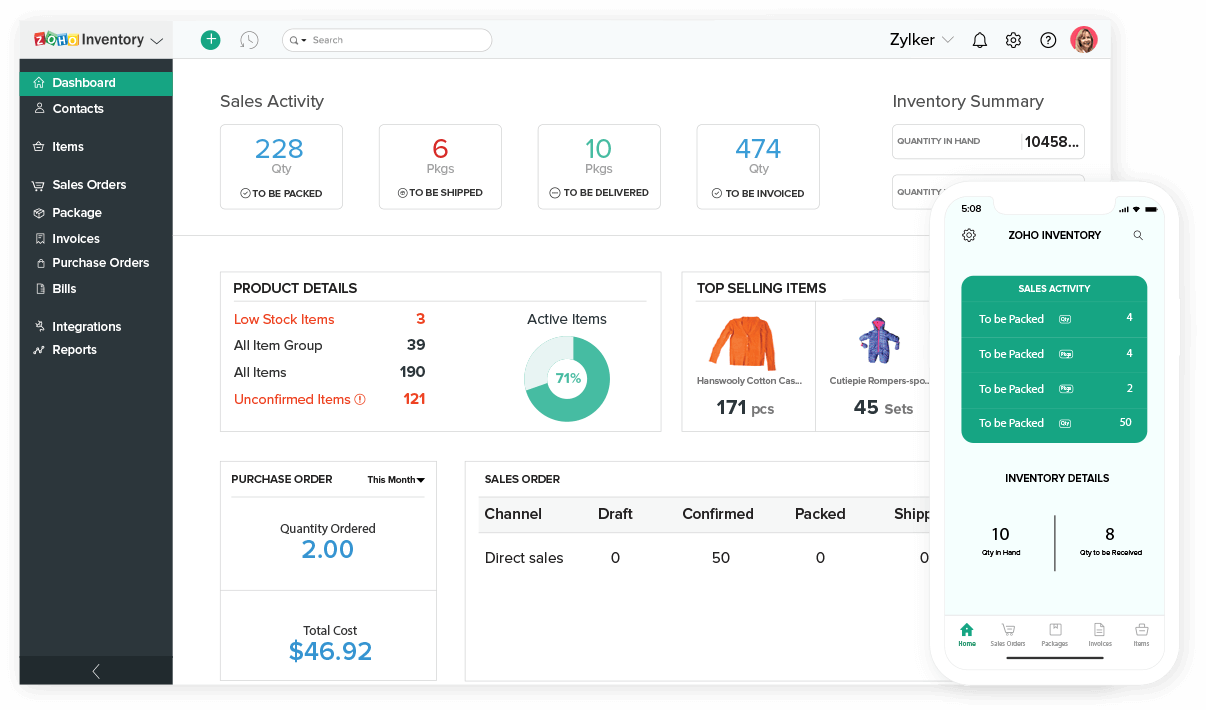
Zoho Inventory helps ecommerce teams keep orders moving from click to doorstep without losing track of what’s in stock, what’s packed, and what’s late.
It’s especially useful if you’re selling across multiple channels and need one place to manage carriers, labels, and tracking for small-to-midsize operations.
Why I Picked Zoho Inventory
I picked Zoho Inventory because you get a clear, operational view of your entire order pipeline—from pending to packed to delivered—through a shared dashboard your team can actually work from.
You can centralize online orders from your store and marketplaces so you’re not hopping between tabs to check what needs to ship next. Integrated carrier tools help you generate shipping labels and compare real-time rates, so you can keep costs down while still hitting delivery promises.
AfterShip tracking data flows back into Zoho Inventory, which means your team and your customers see the same shipment status without manual updates.
You can also lean on built-in drop shipping, sending orders straight to vendors when stock runs low instead of holding everything in your own warehouse.
Zoho Inventory Key Features
Here are a few other order-fulfillment features retailers will actually use.
- Multi-Warehouse Fulfillment: Route orders from multiple warehouses, allocate stock, and avoid overselling when you keep locations in one system.
- Batch Shipping Automation: Group orders, print packing slips, and bulk-create labels so your team isn’t clicking into each order one by one.
- Reorder Alerts: Use automatic low-stock alerts to replenish inventory before fulfillment grinds to a halt.
- Mobile Apps: Pick, pack, and update order status from iOS and Android apps while you’re on the floor.
Zoho Inventory Integrations
Integrations include Shopify, Zoho Commerce, Amazon, eBay, Etsy, Google Shopping, AfterShip, USPS, UPS, and Zoho Books.
Pros and Cons
Pros:
- Central dashboard tracks pending, packed, and delivered orders in real time.
- Integrated shipping labels and live rates reduce manual carrier entry.
- Dropshipping workflows let vendors fulfill backorders without extra steps.
Cons:
- Advanced fulfillment analytics and custom reports feel limited for enterprises.
- Initial setup for multichannel, multi-warehouse routing can be time-consuming.

ShipMonk
Best for US/Canada-based businesses
ShipMonk is built for fast-growing ecommerce brands that have outgrown DIY fulfillment and need serious coverage in North America and Europe.
You’ll get an owned-network 3PL with tech you actually log into every day—real-time inventory, order status by warehouse, and tools to keep SLAs tight when volume spikes.
Why I Picked ShipMonk
I picked ShipMonk because it gives you an order fulfillment “command center” that ties together inventory, orders, and warehouses so you always know what’s in stock and where it’s sitting.
You get an owned network of fulfillment centers across the US, Canada, Mexico, the UK, and mainland Europe, so you can promise faster shipping to your core markets without piecing together regional 3PLs.
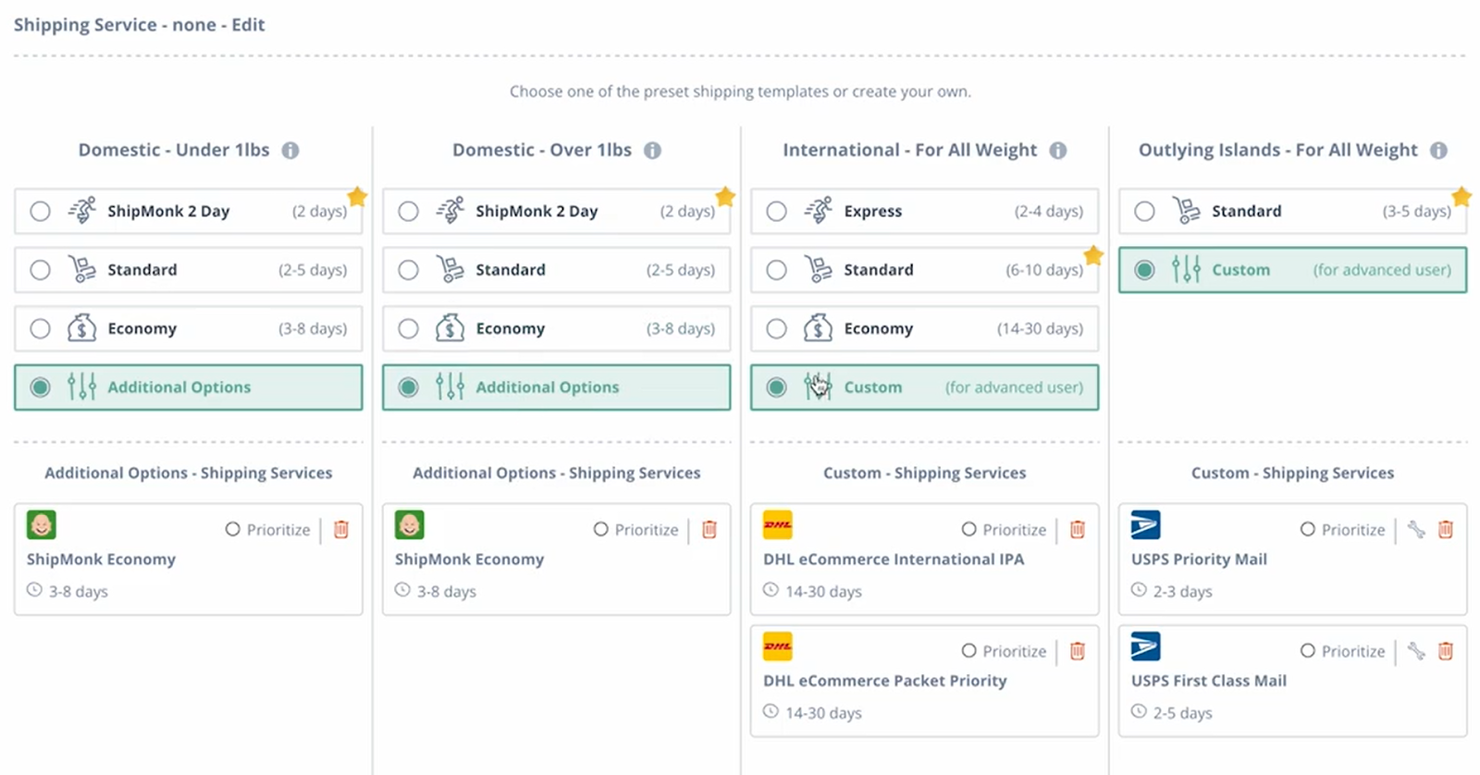
Their Virtual Carrier Network automatically shops rates and services across multiple carriers, which helps you keep delivery times competitive while protecting margin. I also like that you can run DTC, marketplace, and basic B2B/retail fulfillment in the same platform—pick locations, carton and pallet orders, and EDI workflows are all supported.
This mix makes ShipMonk a strong fit for high-growth brands shipping hundreds or thousands of orders per month that sell on their own site plus channels like Amazon and Walmart.
ShipMonk Key Features
Beyond the core fulfillment platform, here are a few capabilities that matter when you’re choosing order fulfillment software.
- Returns Management And Protection: Handle RMAs, restocking, and delivery-protection workflows so returns and damaged shipments don’t become a manual spreadsheet project.
- B2B And Retail Compliance: Support carton and pallet-level shipping, routing guides, EDI, and retailer prep so you can serve wholesale accounts alongside DTC.
- Custom Packaging And Kitting: Configure kitting, subscription boxes, and branded unboxing experiences without standing up your own packing operation.
- Billing And Analytics Tools: Use detailed billing reports and performance analytics to understand landed costs, carrier mix, and fulfillment SLAs by warehouse and channel.
ShipMonk Integrations
Integrations include Shopify, WooCommerce, BigCommerce, Magento, Amazon, Walmart, eBay, Etsy, and PayPal.
Pros and Cons
Pros:
- Supports DTC, wholesale, and marketplace orders from a single dashboard.
- Real-time inventory portal shows stock, orders, and SLAs per warehouse.
- Owned warehouses across US, Canada, Mexico, UK, and Europe enable faster shipping.
Cons:
- Best suited to brands shipping 500-plus orders per month.
- No fulfillment centers in Asia-Pacific for truly local delivery.

Fulfil
Best for centralized order management

For high-growth Shopify and DTC brands juggling Shopify, marketplaces, and 3PLs, Fulfil gives you a single place to run orders, inventory, and fulfillment without duct-taping tools together.
It’s built for operations teams that need real-time visibility into every order and warehouse, plus finance teams that care about accurate revenue recognition across channels.
Why I Picked Fulfil
I picked Fulfil because it gives you one ERP for the entire order lifecycle—orders, inventory, fulfillment, and accounting—so your team isn’t reconciling half-truths across multiple systems.
You can route each order based on inventory and customer location, using smart warehouse logic to cut shipping times and reduce freight costs. Native 3PL integrations with providers like ShipBob and ShipMonk let you outsource fulfillment while keeping Fulfil as your source of truth for stock levels and tracking.
I also like that revenue recognition and settlement reconciliation are baked in by channel, so finance isn’t rebuilding the story in spreadsheets at month-end.
Since it’s purpose-built for Shopify Plus and multi-channel DTC brands, it handles high volumes, complex bundles, and multi-location inventory in ways generic ERPs usually can’t without custom projects.
Fulfil Key Features
Beyond the central order hub, there are a few features that matter most for ecommerce fulfillment teams.
- Multi-Warehouse Inventory Management: Track inventory across internal warehouses and 3PL locations with bin-level detail and location-specific availability.
- Warehouse Operations Tools: Use barcode-based picking, batch waves, and packing rules to move orders through the warehouse faster with fewer mis-picks.
- Subscription And Pre-Order Support: Automate deferred revenue and fulfillment for recurring orders, pre-orders, and backorders without manual tracking.
- Built-In Data Warehouse: Sync operational data to BigQuery so you can analyze order cycle times, fulfillment SLAs, and margin by channel.
Fulfil Integrations
Integrations include Shopify, Amazon, TikTok Shop, ShipBob, ShipMonk, FedEx, UPS, USPS, and DHL.
Pros and Cons
Pros:
- Real-time inventory and revenue updates reduce oversells and stockout surprises.
- Native 3PL and carrier integrations automate pick, pack, and label creation.
- Unifies DTC, marketplace, and wholesale orders into one fulfillment workflow.
Cons:
- Optimized for Shopify Plus brands, so it can be overkill for smaller sellers.
- Implementation projects can be intensive for teams without dedicated operations staff.

ShipBob
Best all-in-one order fulfillment software
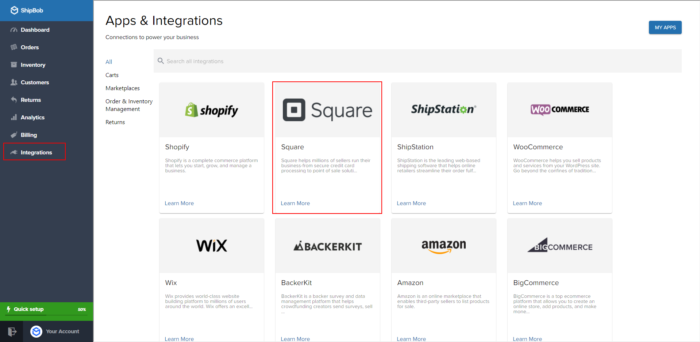
ShipBob is built for ecommerce brands that have outgrown in-house fulfillment and need reliable 2-day shipping without spinning up their own warehouse network.
You get software plus operations in one place, so you can keep visibility into inventory and SLAs while ShipBob’s team handles storage, picking, packing, and shipping across multiple regions.
Why I Picked ShipBob
I picked ShipBob because it gives growing brands a way to offer fast, Amazon-style delivery using ShipBob’s distributed fulfillment centers across the US, Canada, Europe, and Australia.
You can place inventory in multiple warehouses and use ShipBob’s software to route orders to the closest location, which cuts shipping zones and helps you hit 2-day delivery targets more consistently.
The same dashboard lets you track inventory levels, monitor order accuracy, and see carrier performance, so you’re not flying blind once you outsource. I also like that you can expand beyond DTC into B2B and retail distribution, using tools for EDI, pallet shipping, and retail-compliant routing guides.
That combination of global sites, shipping speed, and multi-channel support makes it a strong fit for brands that want to scale without building a logistics team in-house.
ShipBob Key Features
Here are a few practical ways ShipBob helps retailers keep fulfillment under control as order volume grows.
- Distributed Fulfillment Network: Store products in 60+ global locations and automatically ship from the closest facility to reduce transit times and shipping costs.
- Inventory Analytics And Reporting: Monitor stock levels, storage costs, and fulfillment SLAs from a single dashboard so you can adjust inventory placement before issues hit customers.
- Returns Management Tools: Use ShipBob’s returns workflows to receive, inspect, and restock returned items, keeping your inventory accurate while preserving margin.
- Custom Packaging Options: Configure branded boxes, inserts, and kitting rules so your unboxing experience stays on-brand even when ShipBob handles the packing.
ShipBob Integrations
Integrations include Shopify, Shopify Plus, BigCommerce, WooCommerce, Amazon, Walmart, eBay, Squarespace, Wix, and Square.
Pros and Cons
Pros:
- Supports both DTC and B2B/retail fulfillment, including pallets and routing.
- Inventory and performance dashboards show SLAs, storage costs, and stock levels.
- Distributed warehouse network supports 2-day delivery across much of the US.
Cons:
- Best pricing favors higher order volumes, so very small brands may pay more.
- No free trial; you’ll need a tailored quote and onboarding first.


NetSuite SuiteCommerce connects your ecommerce site, stores, and warehouse operations in one place, so you’re not stitching together orders, inventory, and finance by hand.
It’s best for enterprise and upper-midsize retailers that need advanced fulfillment options—like ship-from-store and BOPIS—tied directly into their ERP and order management workflows.
Why I Picked NetSuite SuiteCommerce
I picked NetSuite SuiteCommerce because it lets your ecommerce front end run directly on the same platform as your ERP and order management, so your team works from one real-time view of orders, payments, and inventory.
You can give store associates ship-from-store and pickup-in-store workflows through SuiteCommerce InStore, so they can pick, pack, and hand off online orders without leaving their POS.
Warehouse teams get guided pick-pack-ship flows through NetSuite WMS and Ship Central, so they can follow optimized pick paths instead of guessing their way through racks. Your operations leaders can define fulfillment rules—for example, which locations handle which orders and when—to control costs while still hitting delivery promises.
Finance gets accurate, immediate updates as orders move from sales to fulfillment to invoicing, so reconciliation doesn’t turn into a monthly archaeology project.
NetSuite SuiteCommerce Key Features
Beyond the tight ERP connection, there are a few fulfillment-specific features retailers actually lean on day to day.
- Wave Release Management: Group and prioritize orders into waves so pickers can handle like items together and cut travel time in the warehouse.
- Fulfillment Requests: Route online orders to specific stores or warehouses with work queues where staff can accept or reject based on capacity and stock.
- Cross-Subsidiary Fulfillment Rules: Define which locations can fulfill for others so you can ship from the best node without losing control of margins.
- Returns And Exchanges Workflows: Process omnichannel returns and exchanges while automatically updating inventory and financials in the same system.
NetSuite SuiteCommerce Integrations
Integrations include NetSuite ERP, NetSuite Order Management, NetSuite WMS, SuiteCommerce InStore, NetSuite CRM, NetSuite Ship Central, SuitePayments, and NetSuite Inventory Management.
Pros and Cons
Pros:
- Centralized inventory and orders reduce overselling and avoid manual reconciliation.
- Mobile WMS and pick-pack-ship flows help teams handle peak seasons.
- Omnichannel fulfillment options support ship-from-store, pickup in-store, and delivery.
Cons:
- Advanced fulfillment capabilities often require extra NetSuite modules and services.
- Configuration and rollout are complex, especially for smaller or lean teams.
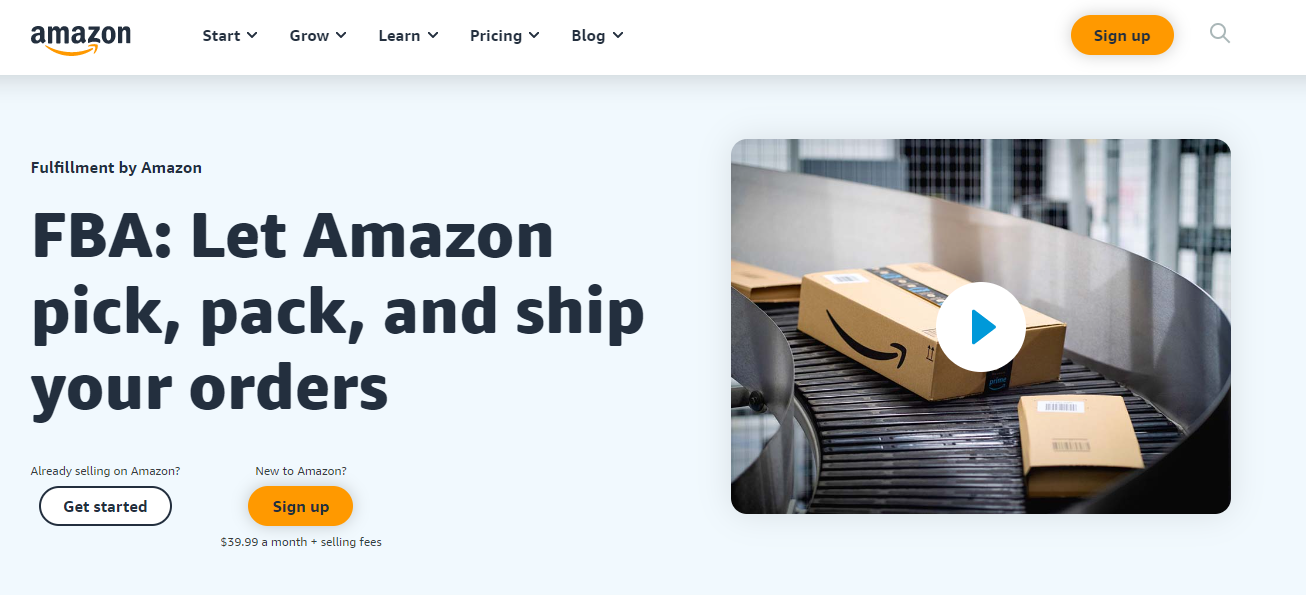
For brands selling heavily on Amazon, Fulfillment by Amazon (FBA) takes warehousing, picking, and shipping off your plate while keeping eligible orders Prime-ready.
You send inventory into Amazon’s network, and they fulfill marketplace and off-Amazon orders—including from your own site and other marketplaces—so your team can stay focused on merchandising, marketing, and product.
Why I Picked Fulfillment by Amazon
I picked Fulfillment by Amazon because it plugs you directly into Amazon’s logistics network, so you can offer fast 1–2 day delivery without building your own warehouses.
When your products qualify for Prime badging, you get a visibility and conversion lift from shoppers who already trust Amazon’s delivery reliability. The same inventory can fulfill orders from Shopify, BigCommerce, WooCommerce, and other channels through Multi-Channel Fulfillment, which helps you avoid fragmented stock across different warehouses.
Amazon also handles returns and first-line delivery support, taking repetitive operational work off your plate and reducing the need for extra headcount in customer service.
For brands that care about channel control, you can use unbranded packaging on non-Amazon orders so customers experience your brand, not just Amazon’s.
Fulfillment by Amazon Key Features
In addition to using Amazon’s network for both marketplace and external orders, there are a few operational features that matter day to day.
- Inventory Distribution Algorithms: Amazon automatically positions your stock across fulfillment centers to cut transit times and keep popular regions well supplied.
- Multiple Delivery Speed Options: Offer standard, two-day, or next-day delivery tiers so you can match shipping speed to product margin and customer expectations.
- Centralized Inventory Visibility: Track on-hand units, inbound shipments, and backorders for every SKU in Seller Central instead of chasing spreadsheets or per-channel reports.
- Automated Order Ingestion: Use prebuilt connectors and apps to send external channel orders into FBA automatically, reducing manual order entry and the risk of fulfillment errors.
Fulfillment by Amazon Integrations
Integrations include Shopify, WooCommerce, BigCommerce, Adobe Commerce, Walmart Marketplace, eBay, Etsy, and TikTok Shop.
Pros and Cons
Pros:
- Amazon handles picking, packing, shipping, and returns for your team.
- Multichannel fulfillment lets one inventory pool cover all sales channels.
- Prime eligibility lifts conversion for products targeting Amazon-first shoppers.
Cons:
- Less control over packaging and delivery experience than in-house 3PLs.
- Storage and fulfillment fees climb quickly on bulky, slow-moving inventory.


Red Stag Fulfillment is built for ecommerce brands that can’t afford mis-picks, broken gear, or “mystery” inventory losses—especially those shipping heavy, bulky, or high-value products.
Its fulfillment network, strict guarantees, and real-time visibility tools are best suited to growing US-based retailers who want predictable accuracy and fast delivery without babysitting their 3PL.
Why I Picked Red Stag Fulfillment
I picked Red Stag Fulfillment because its zero-shrinkage guarantee directly protects your margins—if inventory is lost or damaged in the warehouse, you’re reimbursed at cost instead of eating the loss.
You also get service-level guarantees on receiving and shipping, including two-business-day dock-to-stock and credits when they miss on-time or accuracy targets, so your team has real consequences backing those promises.
For brands with heavy, oversized, or fragile SKUs, their facilities and processes are purpose-built for larger parcels, which means fewer damages and returns. Your team gets real-time inventory and order status data from their platform, so you can monitor stock levels, track performance, and adjust reorder plans without waiting on manual reports.
Taken together, those guarantees and tools make Red Stag a strong fit if your biggest risk is getting high-value orders picked, packed, and delivered correctly every time.
Red Stag Fulfillment Key Features
Beyond the guarantees, Red Stag gives you practical fulfillment capabilities your operations team will actually use day to day.
- Omnichannel Fulfillment: Routes orders from your ecommerce store, marketplaces, and other sales channels through a single fulfillment workflow.
- Inventory Management Services: Offers real-time stock visibility, basic forecasting signals, and support for cycle counts to reduce out-of-stocks and overstock.
- Tracking And Traceability: Captures scan events and shipment data for each order so your team can quickly investigate delays, damages, or mis-routed parcels.
- Kitting And Assembly: Handles bundles, multi-packs, and light assembly in the warehouse, so complex product configurations still ship quickly and accurately.
Red Stag Fulfillment Integrations
Integrations include Shopify, WooCommerce, BigCommerce, Magento, TikTok Shop, Ecwid, Order Desk, and Sellercloud.
Pros and Cons
Pros:
- National two-day ground coverage helps keep shipping fast without air rates.
- On-time and accuracy guarantees include credits for late or incorrect orders.
- Zero-shrinkage guarantee reimburses lost inventory, reducing write-offs and disputes.
Cons:
- Premium, service-heavy model may cost more than budget 3PLs.
- Primarily US-focused fulfillment; limited options for international distribution.
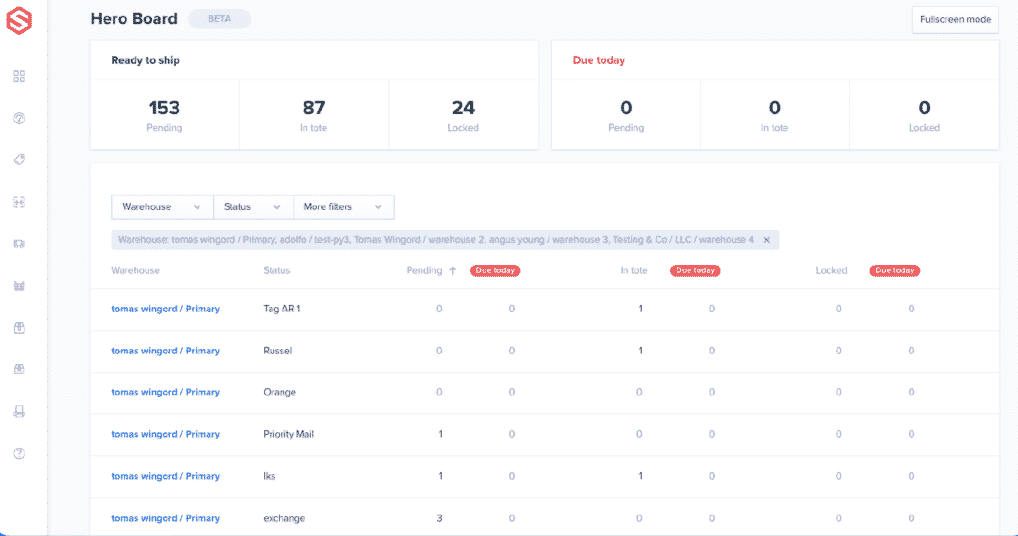
ShipHero helps ecommerce brands and 3PLs keep multi-warehouse fulfillment under control—no more guessing which warehouse should ship what.
You get real-time visibility into stock, labor, and shipping costs across locations, so you can ship quickly while keeping errors and oversells in check.
It’s best for high-volume merchants and 3PL operators managing multiple warehouses or clients.
Why I Picked ShipHero
I picked ShipHero because it gives you multi-warehouse allocation rules that actually reflect how your network works—orders can route from the closest or cheapest warehouse based on inventory, carrier, and service level.
You can keep your inventory accurate with real-time sync across sales channels, so you avoid overselling and last-minute order edits. Your team gets guided pick, pack, and ship workflows with barcode scanning, which reduces mis-picks and speeds up fulfillment on the floor.
As a 3PL, you can separate client accounts while still managing their inventory, billing, and SLAs from a single system, which keeps operations organized as you add more clients.
I also like that you can track storage usage and fulfillment activity at a detailed level, so you can bill customers based on actual cubic storage, picks, and packs instead of rough estimates.
ShipHero Key Features
Here are a few other ShipHero features that matter when you’re scaling fulfillment operations.
- Mobile Picking App: Equip warehouse staff with iOS devices for guided picking, scanning, and packing on the floor.
- Cycle Counting And Lot Tracking: Run ongoing cycle counts and manage lots/expiration dates to keep inventory accurate for regulated or perishable products.
- Automation Rules: Configure logic-based rules for orders, returns, and allocations so repetitive fulfillment decisions happen automatically.
- 3PL Client Management: Segment client warehouses, inventory, and billing so you can manage multiple brands without data bleeding between them.
ShipHero Integrations
Integrations include Shopify, Shopify Plus, BigCommerce, WooCommerce, Magento 2, Amazon, Walmart, Etsy, TikTok Shop, and Google Shopping.
Pros and Cons
Pros:
- Strong 3PL tooling for client billing, storage tracking, and account separation.
- Real-time inventory sync across channels reduces oversells and stockout surprises.
- Multi-warehouse allocation rules route orders from the best fulfillment location.
Cons:
- Advanced customization often requires deeper configuration or developer-level support.
- Interface and setup can feel complex for smaller or newer teams.

Bolt (now branded as GoBolt) is built for growing ecommerce brands that care about fast delivery and a lighter footprint, not just cheap boxes on shelves.
You plug your store into its North American warehouse and delivery network, then let it handle storage, picking, shipping, and returns with a strong emphasis on sustainability.
It’s a better fit for merchants doing serious order volume who want a tech-led 3PL partner rather than piecing together separate fulfillment and last mile providers.
Why I Picked Bolt
I picked Bolt for this list because it gives you true end-to-end coverage—warehousing, pick and pack, last mile delivery, and returns—so you aren’t stitching together multiple vendors and hoping orders don’t fall through the cracks.
You connect your Shopify or WooCommerce store through native integrations and, if you’re on Shopify, can tap into the Shopify Fulfillment Network, which lets you turn on Bolt in just a few clicks from your existing admin.
Your team gets a merchant portal with real-time views into inventory, order status, and shipments, so you can see exactly what’s sitting where and what’s out for delivery. Bolt also leans hard into sustainability, using carbon-neutral delivery programs and an intentionally designed network of warehouses across the U.S. and Canada to cut transit distance and emissions.
It’s best for brands processing thousands of orders per month that want operational control and greener logistics without building their own network.
Bolt Key Features
Beyond the core fulfillment workflow, there are a few features that make Bolt especially helpful for ecommerce teams managing scale and returns.
- Reverse Logistics Workflows: Configure whether items are restocked, donated, disposed of, or sent back to you so returns don’t pile up and erode margin.
- Multi-Node Network Optimization: Route orders through multiple warehouses across the U.S. and Canada to hit faster delivery promises without paying for constant air shipments.
- Merchant Portal Reporting: Use portal analytics on orders, shipments, and returns to spot bottlenecks, track SLAs, and adjust inventory placement.
- Delivery Experience Tools: Give customers accurate tracking and delivery updates tied to Bolt’s last mile network, reducing “where is my order?” tickets.
Bolt Integrations
Integrations include Shopify, Shopify Fulfillment Network, WooCommerce, ShipStation, Loop, Redo, Skubana, and Order Desk.
Pros and Cons
Pros:
- Handles fulfillment, last mile delivery, and returns in one platform.
- Uses carbon-reduction programs and network design to shrink shipping emissions.
- Native SFN and app integrations let Shopify brands connect in minutes.
Cons:
- Typically works best with merchants processing 3,000+ orders per month.
- Primarily serves brands shipping within the US and Canada.
Other Order Fulfillment Options
Here are a few more that didn’t make the top list.
- Shipwire
For diverse fulfillment solutions
- Kibo Commerce
For omnichannel fulfillment
- Fulfillment Bridge
For seamless sales channel integration
- Saltbox
For flexible workspace solutions
- OWD
For product personalization
- Falcon Fulfillment
For precise order processing
- ShipStation
For streamlining ecommerce shipping
- Fishbowl
For manufacturing companies
- Extensiv Order Manager
For a modular ecommerce solution
- ShipEngine
APIs for multi-carrier shipment and order management
- eShipper
For crowdfunded product logistics
- Shipfusion
For FDA compliant supply chain processes
- Simpl Fulfillment
User-friendly software
- Fulfillment.com
For non-technical users
- Whiplash
For scalability
- Deliverr
For Shopify stores


How I Evaluate Order Fulfillment Software
I split my evaluation into two layers: the baseline functionality a tool must have—like order routing across channels and real-time inventory sync—and the differentiators that set strong tools apart.
Core Functionality (Table Stakes For This List)
When I'm selecting tools for my list, I rank each one on a scale from 0 (does not offer the functionality) to 5 (excels in this area) for each core functionality listed below. Then, I calculate the tool's total score into a percentage. Each tool needs to achieve a minimum total score of 75% to be considered for inclusion.
- Multi-Channel Order Management: I check whether a tool consolidates orders from e-commerce storefronts, marketplaces, and POS into one view so teams aren't toggling between platforms.
- Real-Time Inventory Sync: Accurate stock counts across warehouses, stores, and channels matter here—I look for tools that update availability instantly to prevent overselling.
- Intelligent Order Routing: I evaluate whether a platform can automatically assign orders to the best fulfillment node based on rules like proximity, stock levels, or shipping cost.
- Pick, Pack & Ship Workflows: Tools should support warehouse-floor execution with pick lists, barcode scanning, and packing verification—not just order dashboards for back-office teams.
- Shipping & Carrier Integration: I look for native connections to major carriers, rate comparison, and automated label generation so fulfillment teams aren't copying tracking numbers manually.
- Returns & Reverse Logistics: I consider how a tool handles RMA creation, return label generation, restocking, and refund triggers—returns volume is too high in retail to manage manually.
Once I have a list of tools that meet this criteria, I consider what sets each platform apart.
Differentiating Factors (What Sets Vendors Apart)
Here's how I compare and contrast different vendors:
Standout Features
Distributed order management is a big differentiator—I look for tools that can orchestrate fulfillment across warehouses, 3PLs, and retail stores for ship-from-store scenarios. Fulfillment analytics also matter. Dashboards that track cost-per-order, carrier performance, and SLA compliance help teams spot bottlenecks before they become customer-facing problems. I also evaluate 3PL and marketplace fulfillment support, especially native connections to programs like FBA or WFS for brands running hybrid models.
Beyond Features
Integration ecosystem is one of the first things I check. A fulfillment tool needs native connectors to your ecommerce platform, marketplaces, and ERP—otherwise you're stitching workflows together with middleware. Scalability and pricing model also weigh heavily. I look at whether per-order or volume-based pricing stays viable as order counts spike during peak seasons. Reliability rounds it out: I evaluate uptime guarantees and processing speed, because a platform that lags during BFCM is a liability, not a tool.
What is Order Fulfillment Software?
Order fulfillment software is an automated system that manages customer orders from placement to delivery.
It handles inventory allocation, picking, packing, shipping label generation, and real-time tracking across ecommerce platforms, marketplaces, and ERP systems. Warehouse and shipping teams use it to eliminate mis-picks that drive returns, avoid stockouts that halt sales, and remove manual data entry that clogs operations.
By centralizing order management and automating workflows through best order processing services, it streamlines your fulfillment process, optimizes inventory management, and cuts shipping costs—all without custom scripts.
How to Choose Order Fulfillment Software
To land on the right order management and WMS solution, break the decision into clear evaluation phases. Score vendors against your real workflows, test with live orders, and verify integrations—so you avoid surprises when you scale.
| Step | What to evaluate | Action items |
|---|---|---|
| Define your requirements | Order volume, sales channels, warehouse locations | Map current order flows. Identify mis-picks, stockouts, and label errors. Prioritize must-have features over nice-to-have ones. |
| Run a live pilot | Picking speed, packing accuracy, error rates | Import a batch of sample SKUs. Process 50–100 real orders. Record time per order and error rates. |
| Verify integrations | Platform and carrier connections, inventory sync | Connect Shopify and Amazon. Push test orders. Confirm real-time stock updates and correct label generation. |
| Evaluate usability | Interface clarity, training resources, ramp-up time | Score demos on ease of navigation. Review guides and videos. Estimate how long new staff need to onboard. |
| Compare support and pricing | SLA response times, fee transparency, scalability | Request SLA documentation. List all fees, including per-order and carrier surcharges. Model costs at 500, 1,000, and 5,000 orders/month. |
| Gather peer feedback | Real-world reliability, feature roadmap, community support | Read recent user reviews. Join vendor forums or Slack groups. Ask for case studies from retailers your size. |
Top Features of Great Order Fulfillment Software
These aren’t your run-of-the-mill checklists—they’re the heavy hitters that keep fulfillment moving and costs down.
- Real-time inventory forecasting. Uses sales velocity and seasonality to predict stock needs and trigger automated reorder points.
- Smart wave and batch picking. Groups orders by location or shipping speed to cut travel time on the warehouse floor.
- Dynamic slotting. Automatically adjusts product locations based on picking frequency and seasonality.
- Multi-carrier rate shopping. Compares FedEx, UPS, USPS, and regional carriers in real time to pick the best rate and delivery time.
- Carrier-ready label printing. Generates compliant labels for any carrier, with batch print or on-demand via mobile scanners.
- Customizable automation rules. Triggers for exceptions—low-stock alerts, split shipments, or rush orders—so you don’t babysit every order.
- Returns portal and RMA workflows. Customer-facing return interface that pre-fills order details and automates restocking once inspected.
- API-driven integrations. Deep hooks into Shopify, BigCommerce, Amazon, ERP, WMS, and accounting software to eliminate manual data entry.
- Exceptions dashboard. Unified view of orders needing manual review—address corrections, payment holds, oversells—so nothing falls through the cracks.
- Mobile scanning and voice picking. Hands-free or handheld device workflows that speed up operations and reduce training time.
Key Benefits of Order Fulfillment Software
This is where the rubber meets the concrete: how these features translate into real savings, happier customers, and less firefighting.
- Slash mis-pick rates. Barcode and wave-picking accuracy drives error rates below 0.5%, cutting returns and credit holds.
- Reduce shipping costs. Multi-carrier rate shopping and automated carrier selection save 5–15% on labels.
- Eliminate stockouts and overstocks. Forecasting and automated reorder points keep stock levels balanced, freeing up capital and avoiding lost sales.
- Cut labor hours. Smart batching, dynamic slotting, and mobile workflows can reduce picking and packing time by up to 30%.
- Improve on-time delivery. Real-time tracking and carrier integrations boost customer satisfaction and Net Promoter Scores.
- Scale without spreadsheets. Centralized dashboards and automation rules let you handle 10x order volume with minimal headcount increases.
- Streamline returns. Customer self-service portals and automated RMA processing return sellable stock to inventory fast.
- Data-driven decisions. Built-in analytics on order cycle times, carrier performance, and SKU profitability inform continuous improvement.
- Enhanced visibility. Real-time alerts for delays, exceptions, or integration failures keep ops managers proactive, not reactive.
- Future-proof your workflows. API flexibility and modular architecture let you add new sales channels, carriers, or fulfillment centers without ripping and replacing.
Cost & Pricing for Order Fulfillment Software
Order fulfillment software pricing ranges from free tiers for basic inventory syncing to enterprise plans that start in the high hundreds per month.
Below is a snapshot of plan types for leading platforms—so you can budget accurately and avoid nasty billing surprises.
| Tier | Price range | Typical features | Best for |
|---|---|---|---|
| Basic | $0 – $100/month | Core order processing, simple inventory sync, single warehouse | Small ecommerce stores |
| Growing | $100 – $500/month | Multichannel sync, automated picking/packing rules, basic reporting | Mid-size retailers scaling operations |
| Advanced | $500 – $1,500/month | Multi-warehouse routing, advanced analytics, returns management | High-volume multichannel businesses |
| Enterprise | $1,500+/month (custom quotes) | Full WMS modules, API-driven custom integrations, dedicated support | Large retailers and 3PL providers |
Additional pricing considerations
- Volume tiers and overages. Check order-volume thresholds and per-order overage fees before you scale above the included limits.
- Carrier surcharges. Some carriers impose fuel, residential, or remote-area surcharges that your software may pass through.
- Storage fees. For 3PL-style platforms (ShipBob, ShipMonk), watch for per-pallet or per-cubic-foot monthly charges—and long-term storage premiums.
- Implementation and add-ons. Data migration, barcode hardware, API access, EDI connectors, and premium support often cost extra.
- Contract length. Monthly plans offer flexibility but may carry higher per-order costs; annual commitments usually lock in lower rates.
Order Fulfillment Software FAQs
Let’s see the top questions about order fulfillment software that readers like you might be thinking.
Can software handle seasonal order spikes, or does it melt under pressure?
Yes, but only if you pick a tough-as-nails platform. The best fulfillment software scales on demand—cloud horsepower, fast auto-scaling, and temp logins for seasonal staff, so Black Friday doesn’t break you. Vendor not offering specifics on peak volume? That’s your cue to walk away.
Which integrations actually matter for retail ops?
Stick with tools built to play nice with Shopify, WooCommerce, Amazon, plus your go-to carriers. If it won’t sync with the systems that feed your orders or get stuff out the door, skip it. And if you can automate accounting and ERP work in the mix, that’s even better.
How secure is my data—am I handing the keys to the whole store?
Your data should be locked up tighter than a Black Friday doorbuster. Expect AES-256 encryption, regular SOC 2 audits, and access controls that mean business. Get documentation up front; if a vendor plays coy, don’t waste your time.
What types of order errors can fulfillment software help prevent?
A sharp fulfillment system spots the stuff you and your crew might miss—duplicate orders, bad addresses, overselling, mispicks, and sending Aunt Sally’s vase to Uncle Bob by accident. Automation, scanning, and syncing cut down your “Where’s my order?” headaches.
How does order fulfillment software handle returns?
Returns aren’t glamorous, but you can’t hide from them. The right software builds in returns workflows—think instant label creation, tracking, and auto-restocking—so you don’t have piles of half-opened boxes sitting in the back.
Your team gets clarity, your customer gets an easy path, and your inventory count stays honest.
What support should I expect if I run into trouble?
Hope for the best; demand for the worst. You want live 24/7 help with real, human answers—especially when the rush hits or your label printer quits.
If the company offers onboarding coaches, solid help docs, or a user community that isn’t a ghost town, that’s worth its weight in gold.
What’s the difference between order fulfillment software and a 3PL (third-party logistics provider)?
Order fulfillment software gives you the tech and tools to run your own show—pick, pack, ship, repeat—from your warehouse or back room. A 3PL is a company you pay to do all that for you, offsite.
Think of software as the power loader you use; a 3PL is hiring someone to drive it while you focus elsewhere. Sometimes you need both, but mixing them up leads to expensive mistakes.
Other Fulfillment Tool Reviews
With order fulfillment software comes myriad other tools, services, and software to build out your ecommerce "bigger picture." Here are some additional review lists that you might be interested in:
- Sustainable Packaging Manufacturers
- Fulfillment Services (outsourcing)
- Ecommerce Shipping Software
- Shipping Solutions (outsourcing)
- Warehouse Management Software
- Pick and Pack Software
- Order Management Software
- Open Source OMS
- Canada Fulfillment Services
Fulfill your potential
You’ve battled mis-picks, dreaded stockouts, and the endless drudgery of spreadsheet order juggling.
These top order fulfillment platforms tackle those headaches head-on—automating picking, syncing inventory in real time, and spitting out carrier-ready labels without a hitch.
Think of it as giving your warehouse a shot of espresso: faster, sharper, and ready to scale without breaking a sweat.
Retail never stands still—and neither should you. Subscribe to our newsletter for the latest insights, strategies, and career resources from top retail leaders shaping the industry.