

10 Best Live Shopping Platforms To Boost Sales in 2026

Our Top 10 Live Shopping Platforms for Selling on Stream


Live shopping has always been an IRL thing. Go to a place, buy a thing—simple.
But if you want your online store to actually feel like in-store shopping (engagement, conversions, all the good stuff), you need a live shopping platform that delivers, not just streams.
Merchants just have to choose the platform they’ll use to make this virtual reality come to life. "Easier said than done", says the hypothetical ecommerce merchant in my brain (and probably you, too).
You want customers to watch demos, ask questions, and buy—just like in a real store—minus the escalator small talk. But not every platform makes this easy.
That’s where I come in. Using our ecomm expertise and a snazzy scoring system, I’ve rounded up the best live shopping platforms for any brand, with honest pros, cons, and the kind of advice I’d give my own (hypothetical) mom.
After you…
Why Trust Our Software Recommendations
Our team has been testing and reviewing software since 2012. As retail leaders ourselves, we know how difficult—and important—it is to choose the right software.
For this guide, we evaluated tools using hands-on testing and independent research, scoring tools using our selection criteria.
Our reviews reflect our independent judgment—not a sales pitch.
Comparing the Best Live Shopping Platforms, Feature by Feature
Comparison tables are great, right? Here, we’ll look at pricing, which varies widely for these livestream shopping platforms, as well as other key features to compare.
| Tool | Best For | Trial Info | Price | ||
|---|---|---|---|---|---|
| 1 | Best for multichannel streaming | Free demo available | Pricing upon request | Website | |
| 2 | Best live shopping platform for a wide range of features | Free plan + demo available | From $49/month | Website | |
| 3 | Best live shopping platform for reaching a large audience | Not available | Pricing upon request | Website | |
| 4 | Best live shopping platform for Amazon store owners | Not available | Free To Use | Website | |
| 5 | Best live shopping platform for a variety of businesses | Not available | Free | Website | |
| 6 | Best live shopping platform for cross-channel live redirects | Not available | Free | Website | |
| 7 | Best live shopping platform for access to experienced hosts | Not available | Pricing upon request | Website | |
| 8 | Best for cross-streaming | Free plan + demo available | From $49/month | Website | |
| 9 | Best live shopping platform with a wide range of integrations | Not available | Pricing upon request | Website | |
| 10 | Best live shopping platform for pre-paid shipping notification features | Not available | 10.25% + 30¢ per item sold | Website |
The 10 Best Live Shopping Platforms for Savvy Ecomm Brands, Reviewed
Now, the reviews. Here are our top 10 picks of live shopping platforms, each with a summary of what it is, what makes it unique, standout features, available integrations, and a list of pros and cons.

Sprii
Best for multichannel streaming
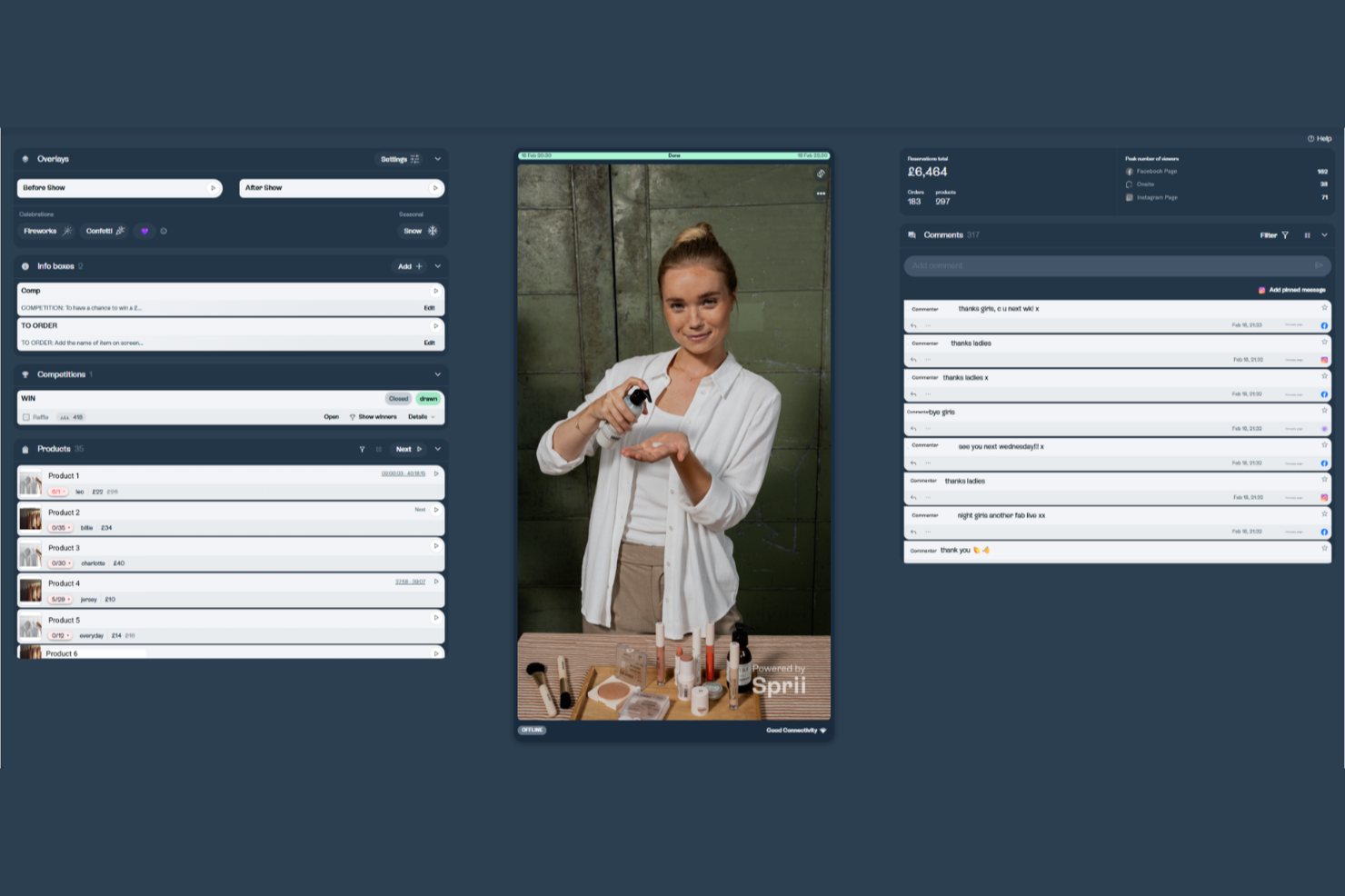
Sprii offers a dynamic solution for businesses aiming to elevate their e-commerce strategy through live shopping. With its ability to integrate live events across multiple platforms, Sprii is particularly appealing to companies in fashion, health, beauty, and electronics industries looking to boost engagement and sales. By providing interactive experiences, Sprii addresses the challenge of connecting with customers in real-time, enhancing both user engagement and conversion rates.
Why I Picked Sprii
I picked Sprii for its unique ability to facilitate multichannel streaming, allowing you to broadcast live shopping events simultaneously across platforms like Facebook and Instagram. This feature is complemented by its real-time interaction capabilities, enabling your team to engage with customers through live chat and product spotlights. Additionally, Sprii's advanced analytics provide insights into performance metrics, helping you refine your strategy and maximize sales.
Sprii Key Features
In addition to its multichannel streaming and real-time interaction, Sprii offers several other features that enhance its live shopping experience:
- Branded Video Graphics: Enhance your live streams with custom graphics to maintain brand consistency and captivate your audience.
- Auto-Reminders: Send automatic notifications to remind your audience about upcoming live shopping events and boost attendance.
- Abandoned Cart Notifications: Re-engage potential customers by reminding them of items left in their cart, encouraging purchase completion.
- Gamification Elements: Increase viewer engagement by incorporating interactive elements like quizzes and polls during your live events.
Sprii Integrations
Native integrations include Facebook, Instagram, YouTube, HubSpot, Microsoft Dynamics, Google Analytics, Shopify, Magento, WooCommerce, and Salesforce.
Pros and Cons
Pros:
- Includes branded video overlays
- Enables real time customer interaction
- Supports multichannel live streaming
Cons:
- Limited customization for advanced users
- Pricing not publicly disclosed

Best live shopping platform for a wide range of features
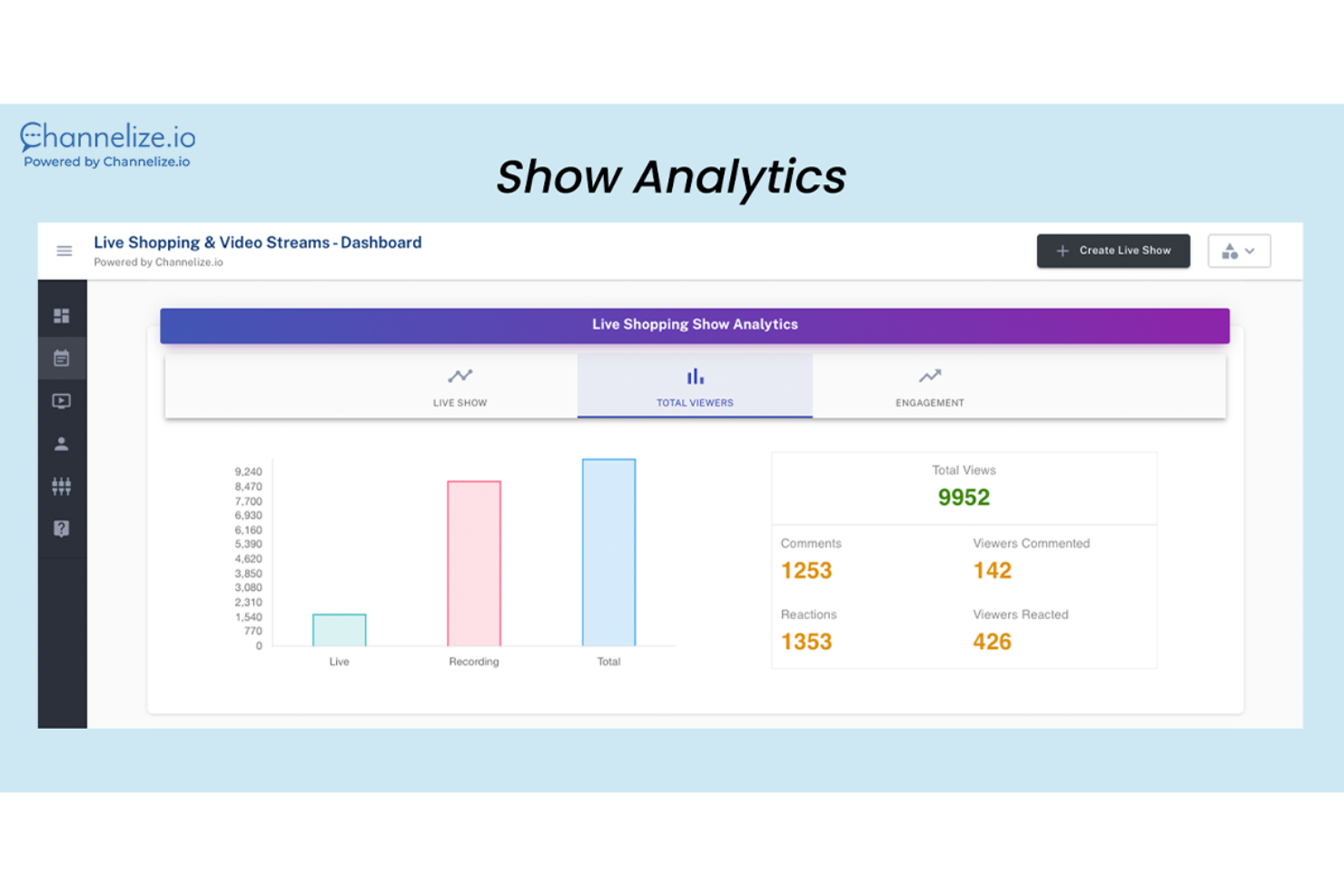
Channelize.io enables ecommerce brands to add live shopping experiences to their websites and apps.
Why I picked Channelize: Channelize is an end-to-end solution that offers a wide range of features. The software allows sellers to interact live with customers through features, like live chat, and product demonstrations. Additionally, sellers can multi stream their events across a variety of platforms including Facebook, YouTube, and others.
The miniplayer feature of Channelize.io is a floating video player that allows buyers to check the product page without leaving the live shopping experience. It also includes in-show product promotion, product spotlight, shopping show analytics, custom RTMP support, and more.
Channelize Standout Features and Integrations:
Standout features include a miniplayer that allows buyers to browse product pages without leaving the live shopping experience, ensuring seamless interaction. In-show product promotions and product spotlight tools help sellers highlight key items during live events. Additionally, the platform provides robust audience analytics, offering unique insights into user behavior and preferences to drive better engagement and conversions.
Integrations include Shopify, WooCommerce, Magento, PrestaShop, Wix, and Shoplazza, making it easy to connect with popular ecommerce platforms.
Pros and Cons
Pros:
- Experience with a variety of industries
- In show add-to-cart function available
- Pre-built integrations with ecommerce platforms
Cons:
- Additional add-ons can be expensive
- Multistreaming is only available in top plans

Best live shopping platform for reaching a large audience
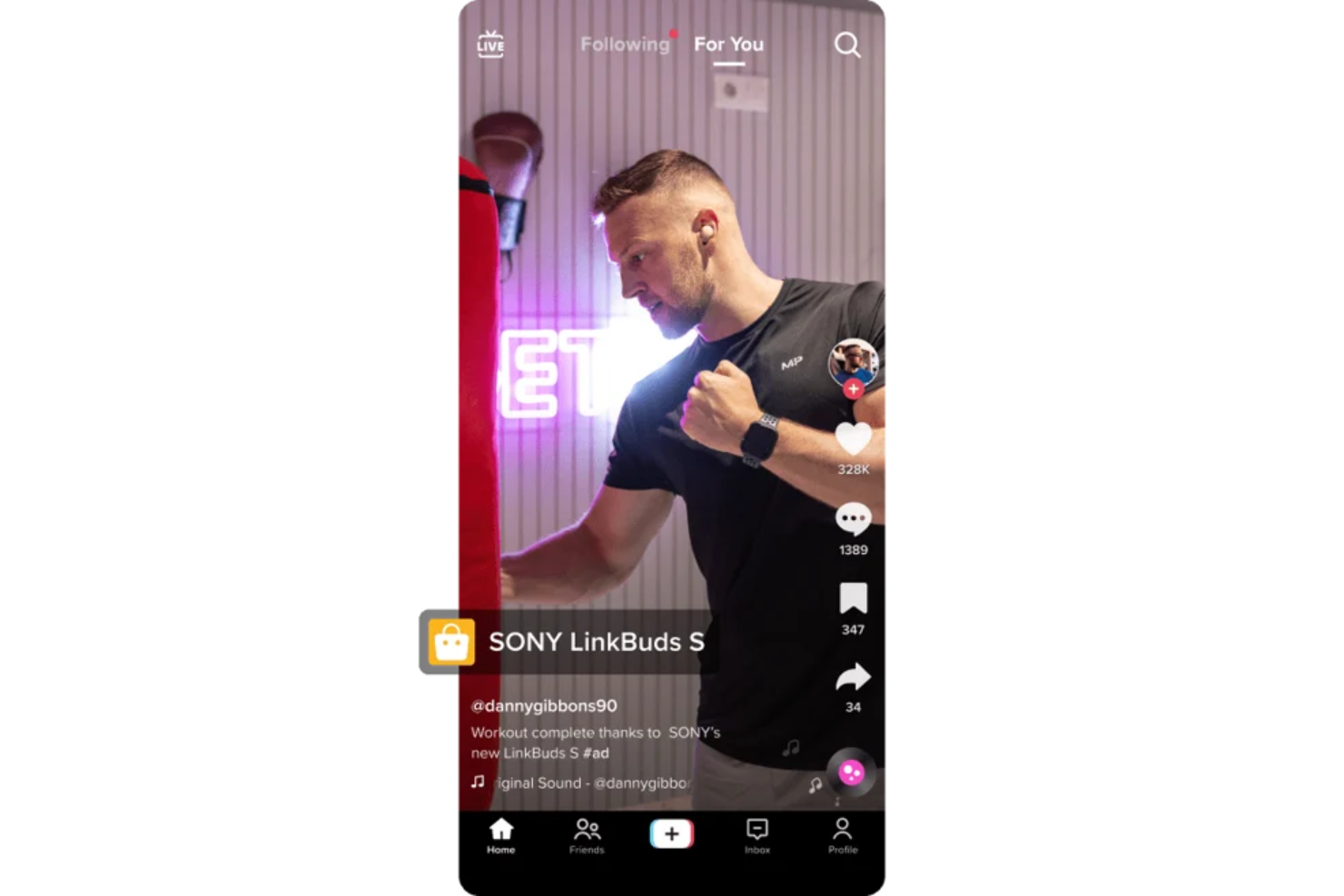
TikTok recently launched its live shopping features in November 2022. With the launch of these features, TikTok has expanded into the realm of social commerce, offering a great opportunity for sellers to reach a large audience.
Why I picked TikTok Shop: With the help of TikTok Shop, sellers can tap into the large audience of the social media app. It has 1 billion users, with 50 million daily active users in the US alone, making it one of the most popular social media channels.
Moreover, through TikTok Shop, you can increase your brand exposure and get more eyeballs on your business. Additionally, if your business caters to Gen-Z and millennials, TikTok is the place to be since more than half of TikTok's user base comprises Gen-Z and millennials.
TikTok Shop Standout Features and Integrations:
Standout features include customizable filters and effects that enhance the quality of live stream videos, such as facial filters or green screen backgrounds to create a more polished presentation. The platform also enables users to invite a co-host, offering unique opportunities for collaboration with influencers and boosting audience engagement during live streams.
Integrations include Prestashop, Base, Square, BigCommerce, OpenCart, Ecwid, and Shopline, ensuring compatibility with a range of popular ecommerce platforms.
Pros and Cons
Pros:
- Integrated into TikTok app
- Large and active user base
- In-app checkout feature available
Cons:
- Limited functionalities
- Analytics data is only available for 28 days

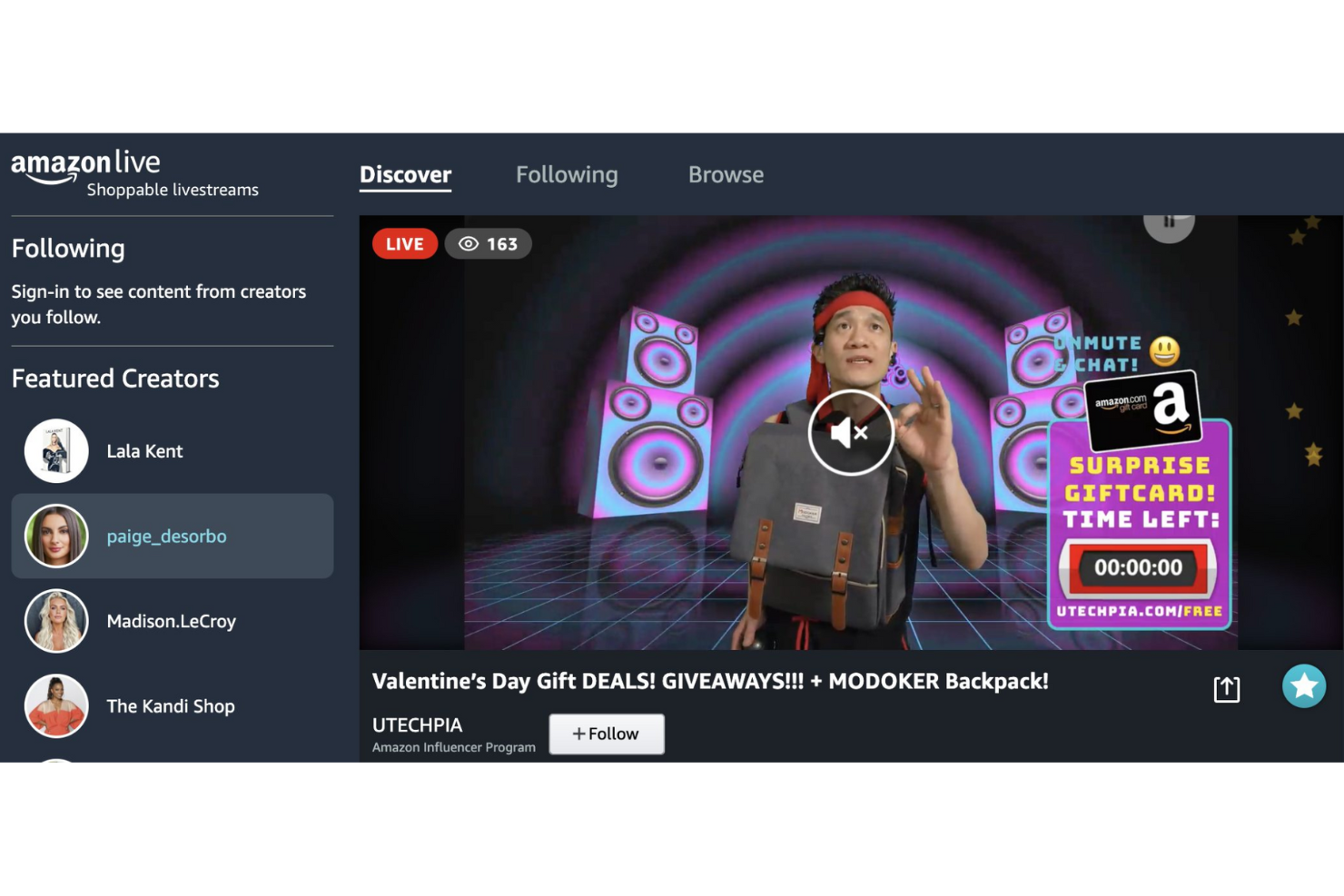
Amazon Live is a live shopping platform within Amazon that allows US Professional Sellers, US Amazon vendors, and Amazon influencers with storefronts to promote and sell products through livestream shopping events.
Why I picked Amazon Live: I picked Amazon Live because it presents Amazon store owners an opportunity to sell products through shopping livestreams. Store owners can create shoppable live streams to educate and interact with customers in real time. Sellers can also partner with Influencers to promote their products.
Additionally, Amazon Live includes a metrics feature that allows users to measure performance and improve their next live stream. The metrics tools include viewer count, which shows the number of users viewing the livestream. The Channel Analytics dashboard in the Amazon Live Creator app also provides a snapshot of the channel's total views, unmuted views, and product clicks. These metrics can help store owners track their livestream's success and make data-driven decisions to improve their future livestream videos.
Amazon Live Standout Features and Integrations:
Standout features include the product highlighting feature, which enables store owners to showcase specific items during live streams by adding them to a clickable product carousel. This feature provides viewers with direct links to purchase products, making it easy to convert live stream engagement into sales.
Additionally, the Amazon Live Creator app offers robust analytics tools, such as viewer count and product clicks, to help store owners track performance and optimize future livestreams.
Integrations weren't specified on their website, but it’s safe to assume compatibility with other Amazon systems, ensuring seamless functionality within the Amazon ecosystem.
Pros and Cons
Pros:
- Pay to boost your live stream is available
- Suitable for Amazon store owners
- Free to use
Cons:
- Users can't redirect traffic to their own website
- Can only promote Amazon products


Facebook Live Shopping is a feature of Facebook that combines live video streaming with ecommerce. It allows businesses to sell their products through live video broadcasts on Facebook.
Why I picked Facebook Live Shopping: Facebook has a large user base, making it an ideal platform for businesses of all shapes and sizes to sell their products. For example, ecommerce sellers can use Facebook's live shopping feature to demonstrate their products’ features and answer customers' questions. Additionally, local businesses, artisans, and craftsmen can also use it to reach a broader audience beyond their local area. They can showcase their products, share their stories and build a loyal customer base.
Similarly, fashion and beauty industry brands can leverage Facebook Live Shopping to demonstrate makeup techniques, show clothing items, and provide styling tips. This visual and interactive format can help customers visualize how products will look and work.
Facebook Live Shopping Standout Features and Integrations:
Standout features include live stream notifications, which alert users when a Facebook Live Shopping event is about to begin. These reminders help businesses reach interested audiences and increase event attendance, ensuring greater engagement. The platform’s interactive features, such as live product demonstrations and real-time customer Q&A, make it ideal for building customer trust and loyalty.
Integrations weren't specified on their website, but it’s reasonable to assume it integrates seamlessly with other Meta platforms, enhancing cross-platform functionality.
Pros and Cons
Pros:
- Free to use
- Provides access to a large audience
- Easy to use
Cons:
- Not scalable
- Limited features

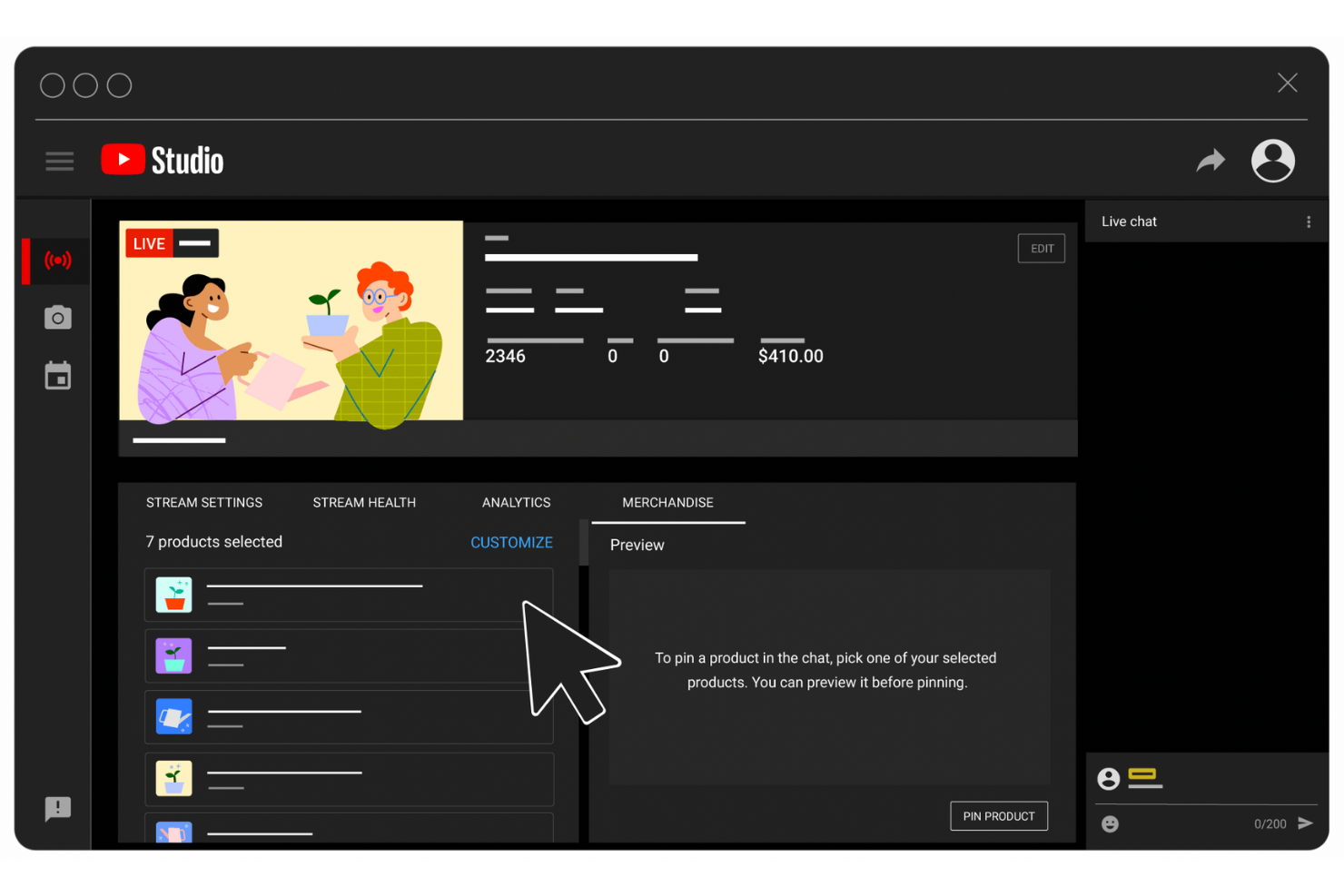
In 2022, YouTube unveiled its live shopping feature, which allows creators with more than 1,000 subscribers to showcase products on live streams.
Why I picked YouTube Live Shopping: I liked that the platform enables cross-channel live redirects. With cross-channel live redirects, creators with at least 1000 subscribers can redirect their viewers from a live stream or premiere to one on a different channel. This feature enables creators to collaborate with other creators and expand their reach.
Additionally, YouTube has partnered with Shopify, a popular ecommerce platform, to enable onsite checkout and sync inventory for eligible YouTube creators. This partnership enhances the shopping experience by allowing viewers to complete their purchases without leaving the YouTube app.
YouTube Live Shopping Standout Features and Integrations:
Standout features include robust live chat moderation tools that enhance audience engagement while preventing online harassment. These tools allow creators to block inappropriate words and assign moderators, ensuring a positive and interactive experience for viewers. Additionally, the platform’s cross-channel live redirects enable creators to collaborate and expand their audience by redirecting viewers to live streams or premieres on other channels.
Integrations weren't specified on their website, though the platform's integration with Shopify enables eligible creators to sync inventory and offer onsite checkout for a seamless shopping experience.
Pros and Cons
Pros:
- Compatible with both mobile and desktop
- Free to use
- Provides access to a large audience
Cons:
- Available in limited countries
- Users require at least 1,000 subscribers

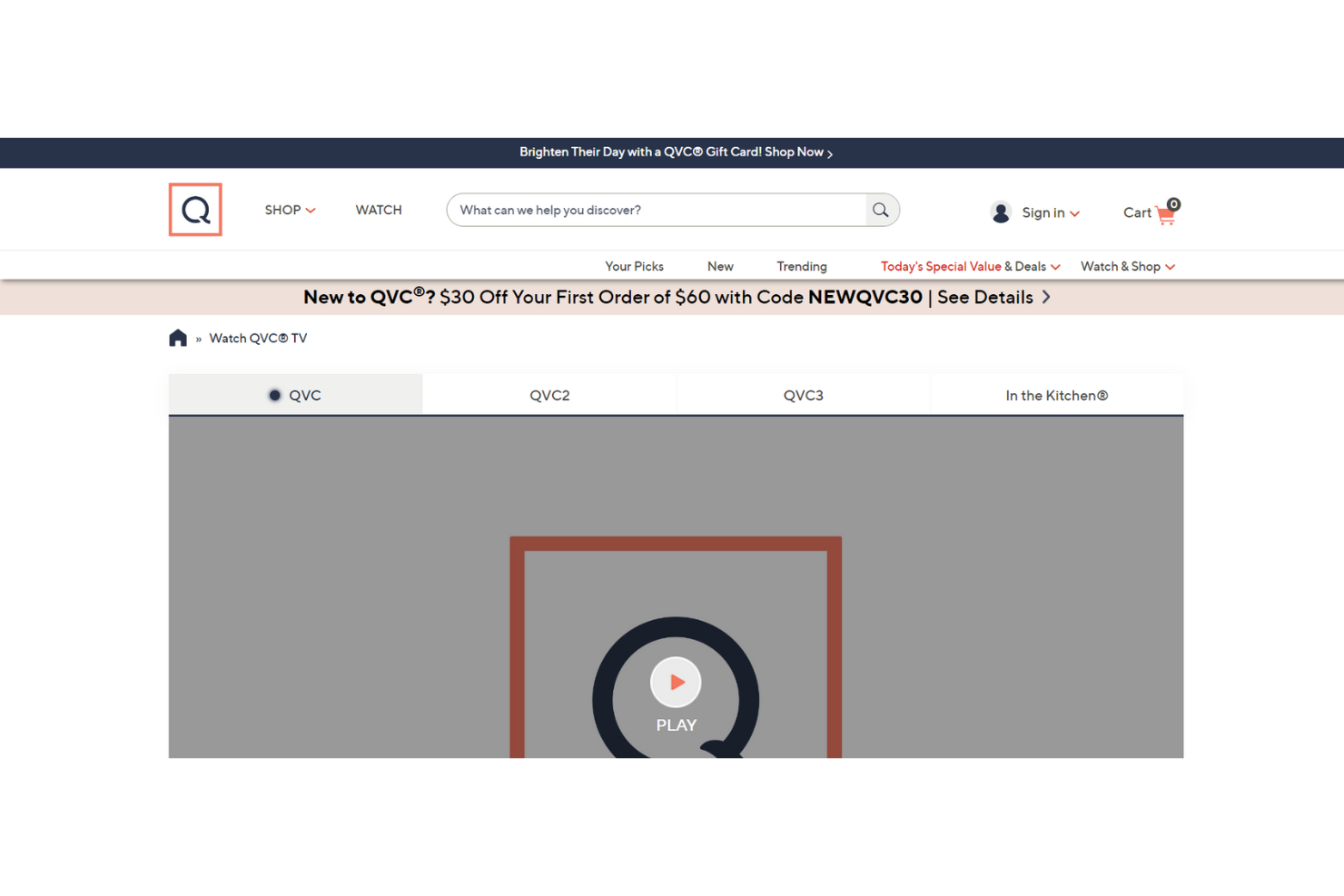
QVC Live is a television channel that broadcasts live shopping shows and other interactive programs. It is part of the QVC network, which includes QVC, QVC2, QVC3, and In the Kitchen channels. QVC Live features exclusive deals, original series, and live programming that viewers can watch and shop for products at the same time
Why I picked QVC Live: QVC employs experienced hosts who are skilled at presenting products and engaging with viewers. These hosts can effectively highlight the features and benefits of your products, leading to higher conversion rates.
QVC hosts often specialize in specific product categories, allowing them to develop an in-depth understanding of the products they present. This expertise enables them to discuss intricate details, functionalities, and benefits of your products with confidence, reassuring potential buyers that they are making informed choices.
These hosts are skilled storytellers who can create a narrative around your product. They can highlight its origin, innovative features, and how it could integrate into a customer's lifestyle, making the product more relatable and desirable.
QVC Live Standout Features and Integrations:
Standout features include extensive marketing and promotional support through QVC’s television network, streaming platforms, and website. These efforts help sellers gain significant visibility, reaching a broad and diverse audience. Additionally, QVC’s experienced hosts specialize in storytelling, showcasing product origins, innovative features, and lifestyle integration to make products more relatable and desirable to potential buyers.
Integrations weren't specified on their website, but it is likely they connect to most social media platforms, enabling sellers to extend their reach and drive engagement.
Pros and Cons
Pros:
- Offers interactive features
- Established reputation in the home shopping industry
- Wide audience reach
Cons:
- Limited airtime
- Need to complete an application process to become a vendor on QVC

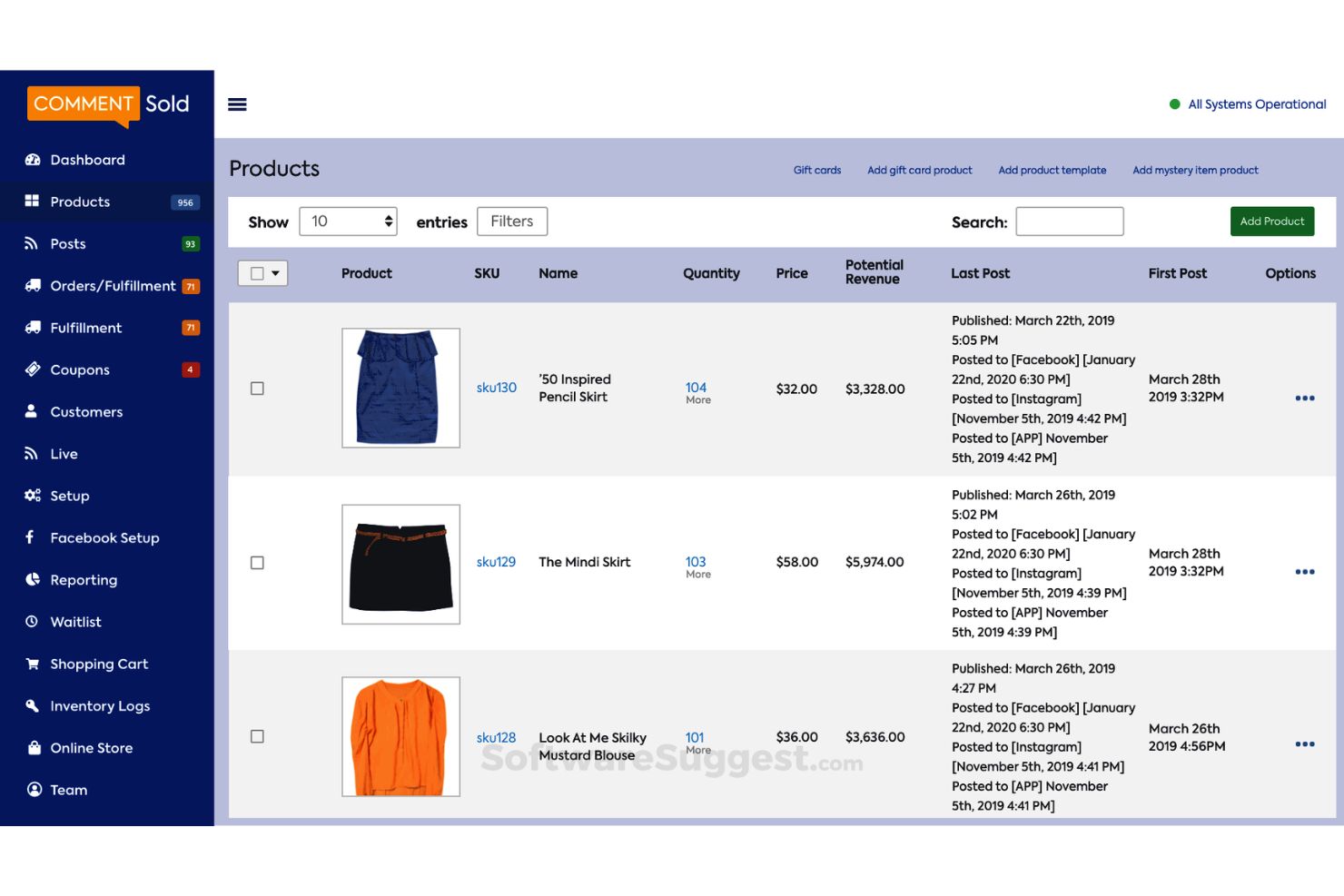
CommentSold is a live selling video commerce platform that allows shops to sell live on various social media platforms such as Facebook, Instagram, and TikTok. It enables businesses to transform their product listings into virtual events that can be streamed across all their channels simultaneously, reaching customers where they prefer.
Why I picked CommentSold Live: CommentSold is well-suited for cross-streaming due to its ability to integrate with various social media platforms, allowing businesses to sell products across multiple streams simultaneously. Sellers can easily set up live streams on their website, mobile app, Facebook page, and groups. Also, the platform provides push notification that keeps customers updated about promos, important events, and new arrivals.
CommentSold Live standout features and integrations:
Standout features include real-time inventory and a waitlist feature that allows ecommerce businesses to manage their inventory across all channels from a single dashboard. The inventory updates in real-time, ensuring businesses can keep track of their stock levels and avoid overselling. The waitlist feature also allows customers to express their interest in sold-out products by adding the item.
Integrations include PayPal, Shopify, Instagram, Stripe, Meta for Business, Shippo, Intercom, Square for Retail, TikTok, and Avalara.
Pros and Cons
Pros:
- Interactive live streaming
- Tailored for small businesses
- Real-time inventory sync
Cons:
- Additional add-ons can be expensive
- Multistreaming is only available in top plans

Best live shopping platform with a wide range of integrations
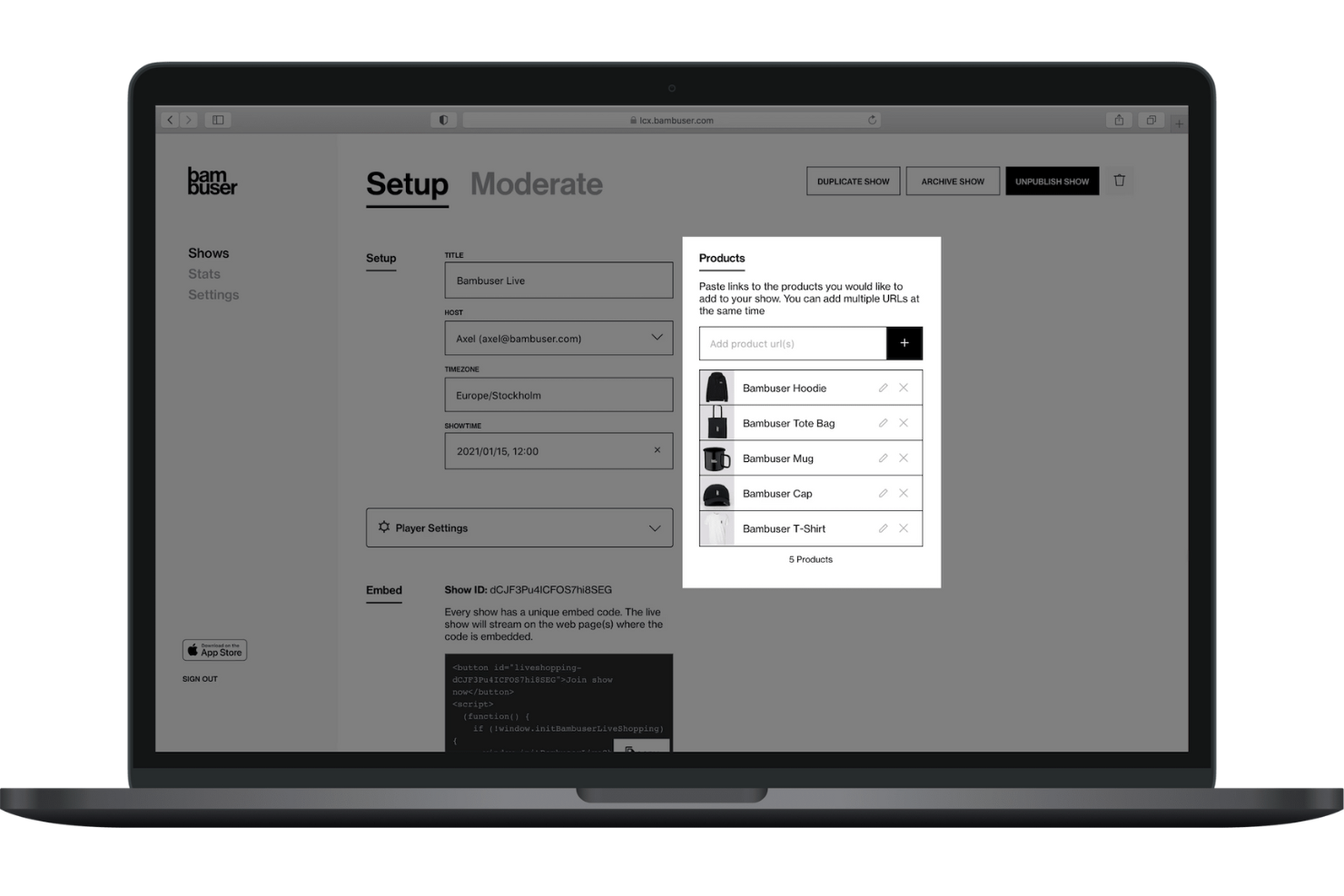
Bambuser is a live commerce platform that supports one-to-many and one-to-one shopping experiences. Other than live streams, sellers can also host pre-recorded and edited videos on the platform.
Why I picked Bambuser Live Video Shopping: I chose Bambuser Live Video Shopping because it offers a wide range of integrations. It integrates live video shopping capabilities with various ecommerce platforms, social media channels, and websites, allowing businesses to effortlessly reach and engage their target audiences across multiple online touchpoints.
This integration ecosystem enhances the visibility of live shopping events and maximizes the potential for conversions by meeting customers where they already are, ensuring a convenient and personalized shopping experience that boost sales.
Bambuser Live Video Shopping Standout Features and Integrations:
Standout features include the Floating Action Button (FAB) previews, which serve as pop-up teaser videos designed to grab attention and create urgency. This innovative feature helps increase visitor-to-viewer conversions by enticing users to join live shopping events. Additionally, Bambuser’s seamless integration ecosystem ensures a smooth and engaging live shopping experience across platforms.
Integrations include Shopify, Salesforce, Centra, Magento, Storm Commerce, WooCommerce, and Episerver Commerce, offering businesses flexibility to connect with leading ecommerce solutions.
Pros and Cons
Pros:
- Includes chat feature
- Integrates with various ecommerce platforms
- Allows sellers to stream videos in high-definition
Cons:
- Lacks transparent pricing
- The basic package doesn't include a live chat feature
Best live shopping platform for pre-paid shipping notification features

TalkShop.live is an online platform for live streaming and home shopping shows with a built-in buying experience. It allows users to go live and sell products through interactive video broadcasts.
Why I picked Talkshop.live: TalkShop.live offers automated fulfillment, which includes pre-paid shipping labels with automated shipping notifications for sellers and customers. The automated fulfillment feature makes the fulfillment process easier and more efficient for sellers, as they don't have to manually create shipping labels or send shipping notifications to customers.
Additionally, the automated shipping notifications keep customers informed about the status of their orders, which leads to increased customer satisfaction. This helps sellers build a positive reputation and increase customer loyalty.
Talkshop.live Standout Features and Integrations:
Standout features include the TalkShop.live iOS Seller app, which allows sellers to manage live events and sales on the go. The platform also supports access via desktop or mobile browsers, ensuring flexibility for sellers to operate seamlessly across devices and environments.
Integrations include Shopify and WordPress, with additional integration options available through API for enhanced customization and connectivity.
Pros and Cons
Pros:
- Easy to use
- Offers seamless in-platform purchasing
- Provides a unique and interactive platform for sellers
Cons:
- Pricing details are not transparent
- Not highly customizable
Other Live Shopping Options
Here are some other tools that didn’t make the top 10 list but are worth considering.
- NTWRK
Live shopping platform for niche businesses
- ShopShops
For global fashion sales
- GoLive
AI-powered live shopping platform
- Whisbi
Live shopping platform for 1-to-1 selling
- giosg
Live shopping platform with ecommerce tools
- Emplifi
Live shopping platform for scheduling live events
- Grip
Live shopping platform for simplicity and ease of use
- Klarna
Live shopping platform for creating shoppable content
- Restream
Live shopping platform for QR code product pop-ups
- Livescale
Live shopping platform for in-video purchase
- Streams.live
Live shopping platform with AI-assistant
- BuyWith
Live shopping platform for moderated chat
- GhostRetail
Live shopping platform for retailers of every size
- Tangiblee
Live shopping platform for enterprises
- Livery
Scalable live shopping platform
- ConferWith
Browser-based live shopping platform


How I Evaluate Live Shopping Platforms
I evaluate these tools in two layers: the baseline streaming and in-stream checkout capabilities a platform must have, and differentiators like simulcast reach and host tools that determine the right fit.
Core Functionality (Table Stakes For This List)
When I'm selecting tools for my list, I rank each one on a scale from 0 (does not offer the functionality) to 5 (excels in this area) for each core functionality listed below. Then, I calculate the tool's total score into a percentage. Each tool needs to achieve a minimum total score of 65% to be considered for inclusion.
- Live Video Streaming: I check for low-latency, HD-quality broadcasting that keeps product demos smooth and responsive, whether a brand is running a 20-minute flash sale or a two-hour showcase.
- In-Stream Shoppable Product Catalog: Product cards, pins, or overlays should let viewers add items to cart and check out without leaving the stream, since any redirect away from the video kills conversion.
- Ecommerce Platform Integration: The platform should offer native connectors to major backends like Shopify, Magento, and BigCommerce so inventory levels and pricing stay synced in real time during a broadcast.
- Real-Time Viewer Engagement Tools: I look for live chat, polls, Q&A, and giveaway features that give hosts ways to interact with the audience and replicate the energy of an in-store shopping experience.
- Multi-Channel Broadcasting & Simulcast: Being able to stream to a brand's own site and social channels like TikTok, Instagram, and YouTube at the same time is key for maximizing reach per event.
- Shoppable VOD & Analytics: Every live event should automatically convert into a shoppable replay, paired with performance data covering viewers, engagement, and attributed revenue.
Once I have a list of tools that meet the criteria, I consider what sets each platform apart.
Differentiating Factors (What Sets Vendors Apart)
Here's how I compare and contrast different vendors:
Standout Features
I look for platforms that auto-generate short-form shoppable clips from live streams, since a single two-hour event can fuel weeks of content across PDPs, email, and social. Host and influencer management tools also matter—scheduling creators, tracking per-host conversion rates, and handling payouts in one place saves real operational time. Embeddable shoppable video widgets that surface replay content on category pages and homepages extend the revenue window well beyond the live event itself.
Beyond Features
Pricing structure is one of the first things I evaluate. Some platforms charge per streaming minute while others take a revenue share, and that difference can dramatically shift ROI as your event volume grows. Implementation speed matters too; I check whether a platform offers turnkey templates or SDKs that get a brand from sign-up to first live show in days, not months. For brands selling across multiple markets, I also consider CDN coverage and multi-currency support to make sure streams perform well globally.
What is a Live Shopping Platform?
A live shopping platform is ecommerce software that lets brands sell products directly through real-time livestreams, combining instant checkout with interactive, QVC-meets-Instagram Live energy.
Think of it as your own virtual stage—customers can watch demos, drop questions in the chat, and buy that “must-have” thing without ever leaving the show (or putting on pants).
These platforms are used by retailers and ambitious brands who want to boost engagement, supercharge impulse buys, and turn regular shoppers into raving fans.
If your current “add to cart” button is gathering dust, this is how you bring it back to life.
How to Choose a Live Shopping Platform
Picking the right live shopping platform isn’t rocket science, but you definitely don’t want to go in blind. Here’s how to make sure you’re choosing a tool that’ll turn your live shopping experience into a sales machine instead of a snooze-fest:
- Check integration with your existing setup. Does the platform play nice with your current ecommerce system? If you’re running Shopify or WooCommerce, make sure it syncs without you needing to be a coding wizard.
- Test the engagement features. You’re here for the live interaction, so make sure the platform has killer features like live chat, polls, and product shout-outs. If your audience can’t engage, it’s like throwing a party where no one shows up.
- Look for real-time analytics. Can you track who’s watching, what they’re clicking, and (most importantly) what they’re buying? You’ll want to see these numbers roll in as the livestream is happening to measure success and tweak your strategy on the fly.
- Go mobile-first. Let’s face it, most people will be watching from their phones while multitasking or half-watching during their lunch break. Make sure the platform looks flawless on mobile, or you’ll lose half your audience before you even get started.
- Customization options. Does the platform let you sprinkle your brand’s secret sauce all over the livestream? Custom branding, overlays, and product highlights are key to making your stream look less like a high school project and more like a slick, on-brand production.
- Check pricing and scalability. Some platforms start cheap but add costs as you scale. Know what you’re signing up for now so you’re not surprised later when your skyrocketing viewership comes with skyrocketing fees.
If you tick these boxes, you’re on your way to finding a live shopping platform that’ll make your audience excited to watch—and more importantly, eager to buy.
Live Shopping Trends
Live shopping isn't a static technology, and 2026 is set to take it to new levels of interactivity and innovation. Here’s what you need to know about the hottest trends shaping live shopping:
- Augmented reality (AR) and virtual reality (VR) shopping. AR and VR are becoming mainstream, allowing customers to virtually try on clothes or see how products look in their space—right from the livestream. It’s like giving your customers a virtual fitting room.
- AI-driven personalization. Artificial intelligence will take personalization up a notch by recommending products in real time, based on each viewer’s preferences and shopping behavior. This boosts engagement and helps nudge viewers into making quicker buying decisions.
- Influencer and celebrity-hosted streams. Expect more high-profile influencers and celebrities hosting live shopping events. Their massive fanbases can drive engagement and create a sense of exclusivity around the products, which often leads to more sales.
- Multi-platform streaming. Brands will stream their live shopping events on multiple platforms at once—social media, their website, and third-party marketplaces—ensuring they reach as many viewers as possible, wherever they prefer to watch.
- User-generated content (UGC). Authentic, user-created content will be a key driver in live shopping events, with real customer reviews, unboxings, and testimonials creating trust and influencing purchases.
- Sustainability and transparency. Shoppers are demanding eco-friendly products and ethical business practices. Brands will use live shopping events to showcase their sustainability efforts and connect with environmentally conscious consumers.
- Shoppable video on demand. For those who can’t catch the live event, shoppable videos will allow viewers to watch—and buy—on their own time, blending the convenience of traditional ecommerce with the excitement of live shopping.
Key Features of Live Shopping Platforms
The best live shopping platforms are loaded with features that turn your basic livestream into a sales-driving, audience-engaging, money-making machine.
Here are the must-have features to look for when choosing the right platform:
- Real-time video streaming. The foundation of any live shopping platform—seamless, high-quality video that doesn't lag, freeze, or buffer mid-sale.
- In-stream purchasing. Viewers should be able to buy directly from the livestream without leaving the page. It’s all about instant gratification: see it, love it, buy it.
- Interactive chat. Keep your audience engaged by allowing them to ask questions, make comments, and interact with you and each other in real time. Bonus points if you can pin key comments or highlight viewer questions.
- Product showcasing. This is the magic moment—highlighting products on screen with clickable links or live demos. The best platforms let you display product details, prices, and purchasing buttons directly in the stream.
- Mobile optimization. A large chunk of your viewers will be on their phones, so a platform that prioritizes mobile streaming with slick, responsive design is key.
- Custom branding. Make the stream your own with customizable overlays, colors, and logos. Consistency with your brand makes your livestream look polished and professional.
- Audience engagement tools. Polls, giveaways, countdown timers, and live product drops—these features keep your audience excited, engaged, and most importantly, ready to buy.
- Social sharing. Amplify your reach by letting viewers share the livestream (or specific moments) to their social networks directly from the platform.
- Analytics and tracking. Know your numbers! The platform should provide real-time analytics on viewership, engagement, and sales, so you can measure what’s working and tweak what’s not.
- Replays and highlights. Not everyone can make it to your live event, so having the ability to record and post replays or create highlight reels can extend the life of your livestream long after it’s over.
A live shopping platform with these features will give you everything you need to create a smooth, engaging, and conversion-friendly live shopping experience that feels both fun and professional.
Benefits of Live Shopping Platforms
The live stream shopping market is expected to grow to more than $55 billion by 2026. Here’s why adopting live shopping can elevate your business:
- Increased customer engagement. Live shopping creates a real-time, interactive experience that draws your audience in, keeping them engaged longer than traditional shopping methods. It’s like having a virtual conversation with your customers, building a personal connection.
- Boosted conversion rates. The live format creates a sense of urgency and excitement that can lead to higher conversion rates. Viewers are more likely to make impulsive purchases when they see products in action and feel part of an exclusive event.
- Real-time feedback. Live chat and audience interaction let you get immediate feedback on your products. It’s a great way to answer questions, address concerns, and highlight the features that really matter to your viewers.
- Stronger brand loyalty. Livestreaming gives your brand a face and a personality. Regular live shopping events can help you build a community, making customers feel more connected to your brand and more likely to return for future purchases.
- Showcase products in action. Unlike static images or text, live shopping allows you to demonstrate products in real time. Whether it’s a clothing try-on or a gadget demo, seeing the product in use helps customers make more informed decisions.
- Expanded audience reach. With features like social sharing and replays, live shopping events have the potential to reach a wider audience, spreading your brand message far beyond your existing customer base.
- Real-time sales data. The analytics offered by live shopping platforms give you immediate insights into what’s working, who’s watching, and what’s selling—allowing you to optimize your strategy on the fly.
- Cost-effective marketing. Live shopping events are a highly engaging form of content marketing. They don’t require big production budgets like TV commercials, yet they provide a direct channel to showcase products and drive sales.
With benefits like these, live shopping platforms aren’t just about selling products—they’re about building relationships, driving engagement, and growing your brand in new and innovative ways.
Live Shopping Platforms FAQs
Hey, you made it to the Qs and the As! At this point, you’ve learned a thing or two, but for any lingering things you have yet to learn, we’ve got some FAQs for you.
How easy is it to integrate a live shopping platform with my existing ecommerce store?
Integrating a live shopping platform is easy with ecommerce platforms like Shopify, WooCommerce, and Magento, offering plug-and-play solutions. Custom setups may require API support or specialized tools for compatibility.
What kind of engagement features should I look for in a live shopping platform?
The best platforms offer a variety of interactive features to keep your audience hooked:
- Live chat for Q&A sessions.
- Polls and real-time feedback to gauge interest.
- Product highlights that viewers can click on during the stream.
- Gamified elements like giveaways or countdown timers to create urgency.
Can I host live shopping events on multiple platforms at the same time?
Yes, many platforms support multi-platform streaming, letting you broadcast your live event on social media (Facebook, Instagram, YouTube) and your website simultaneously. This way, you can reach a wider audience without splitting your focus between different streams.
How do live shopping platforms handle payments and ensure secure transactions?
Live shopping platforms handle payments securely by integrating payment gateways like Stripe or PayPal, ensuring PCI compliance, and using encryption to protect buyer data during transactions.
What kind of analytics and reporting can I expect from a live shopping platform?
Expect real-time analytics on viewer engagement, peak times, click-through rates, and sales performance, helping you optimize future streams by understanding what resonates with your audience.
How do live shopping platforms support mobile users and mobile-first shopping experiences?
Top live shopping platforms focus on mobile users with responsive design, high-quality mobile streaming, and seamless checkout processes, ensuring an optimized experience for smartphone shoppers.
Other Shopping Platform Reviews
Live shopping platform aren’t the only tools you’ll need, here are some other options that are worth checking:
Merge IRL and Online Commerce With Live Shopping Platforms
You can have something close to the in-store experience without having to rent commercial real estate, hire cashiers, and share physical space with strangers. So, this must be the future.
Live shopping platforms are the ticket.
You can open up this new sales channel to engage with customers that want that live real-time experience but online. There are many options to make this happen, so hopefully we've helped you make this very important decision.
If you aren't quite sure about a paid option, try the free trial and see what you think.
Additionally, make sure to sign up for The Retail Exec newsletter to get the latest articles and insights from top thinkers in the ecommerce industry.