

I 10 migliori software per la gestione degli abbonamenti per il 2026

I migliori software per la gestione degli abbonamenti da utilizzare


Il software per la gestione degli abbonamenti aiuta i brand ecommerce a lanciare e sviluppare gli abbonamenti automatizzando la fatturazione ricorrente, i rinnovi e la gestione autonoma da parte dei clienti, così puoi aumentare l'MRR prevedibile con meno abbandoni.
La piattaforma giusta gestisce gli aspetti più complessi per i quali non hai tempo e si integra perfettamente con il tuo ecosistema tecnologico. Ciò significa che:
- Automatizza la fatturazione ricorrente, le imposte, il calcolo proporzionale, i periodi di prova e i piani prepagati
- Gestisce flussi di sollecito dei pagamenti, rinnovo e recupero dei clienti che consentono davvero di recuperare ricavi
- Offre un portale self-service per mettere in pausa, saltare, sostituire o modificare gli ordini (meno richieste di assistenza)
- Fornisce report su coorti, abbandono, LTV e livello di SKU su cui puoi intervenire
- Integrazioni complete con Shopify/BigCommerce/Woo, Stripe/Adyen/PayPal, ESP, ERP e 3PL
Perché è importante: contabilità più ordinata, flusso di cassa più stabile, maggiore fidelizzazione e previsioni più chiare, senza dover collegare strumenti alla meno peggio o bombardare il team di assistenza.
Lavoro da oltre dieci anni nelle attività operative e nel marketing del commercio al dettaglio, dell'ecommerce e del commercio all'ingrosso.
Abbiamo testato le migliori soluzioni per la gestione degli abbonamenti con una prospettiva orientata al commercio al dettaglio, dando priorità a checkout rapidi, bundle e componenti aggiuntivi flessibili, logiche basate sulla disponibilità dell'inventario e analisi trasparenti, così puoi evitare congetture e iniziare a crescere.
Perché fidarsi dei nostri consigli sui software
Il nostro team testa e recensisce software dal 2012. In quanto leader del retail noi stessi, sappiamo quanto sia difficile — e importante — scegliere il software giusto.
Per questa guida, abbiamo valutato gli strumenti attraverso test pratici e ricerche indipendenti, assegnando un punteggio agli strumenti in base ai nostri criteri di selezione.
Le nostre recensioni riflettono il nostro giudizio indipendente, non un discorso di vendita.
Confronto tra i migliori software e app per la gestione degli abbonamenti &
Quando si sceglie un software per gli abbonamenti, il prezzo è una delle prime considerazioni. Naturalmente. Di seguito troverai un confronto dei prezzi dei nostri migliori sistemi per la gestione degli abbonamenti.
| Tool | Best For | Trial Info | Price | ||
|---|---|---|---|---|---|
| 1 | Ideale per modelli di fatturazione di abbonamento flessibili | Demo gratuita disponibile | Prezzo su richiesta | Website | |
| 2 | Ideale per gestire le tue operazioni senza plugin | Prova gratuita di 14 giorni | Da $34.50/mese | Website | |
| 3 | Ideale per abbonamenti retail enterprise | Prova non disponibile | Prezzo non disponibile | Website | |
| 4 | Ideale per una fatturazione personalizzabile | Demo gratuita + prova gratuita disponibile | Da $229/mese | Website | |
| 5 | Ideale per la gestione end-to-end delle sottoscrizioni | Piano gratuito disponibile | Da $49/organizzazione/mese | Website | |
| 6 | Ideale per l’analisi delle sottoscrizioni | Prova gratuita di 14 giorni + piano gratuito disponibile | Da $125/mese | Website | |
| 7 | Ideale per la visibilità sul ciclo di vita degli abbonamenti | Demo gratuita disponibile | Da $99/mese | Website | |
| 8 | Ideale per la gestione del dunning | Piano gratuito + prova gratuita + demo gratuita disponibili | Da $7,188/anno | Website | |
| 9 | Miglior strumento tutto-in-uno per la gestione degli abbonamenti | Prova gratuita di 90 giorni + demo gratuita disponibile | Da $249/mese + 0,9% del volume di fatturazione | Website | |
| 10 | Ideale per monitorare il ciclo di vita dei clienti | Piano gratuito disponibile | A partire da $31.10/utente/mese | Website |
Le migliori soluzioni software per la gestione degli abbonamenti, recensite
Qui esamineremo rapidamente ogni strumento per la gestione degli abbonamenti, evidenziando perché abbiamo scelto il software, le sue principali funzionalità e integrazioni, i pro e i contro e le schermate dello strumento in azione.

Ideale per modelli di fatturazione di abbonamento flessibili
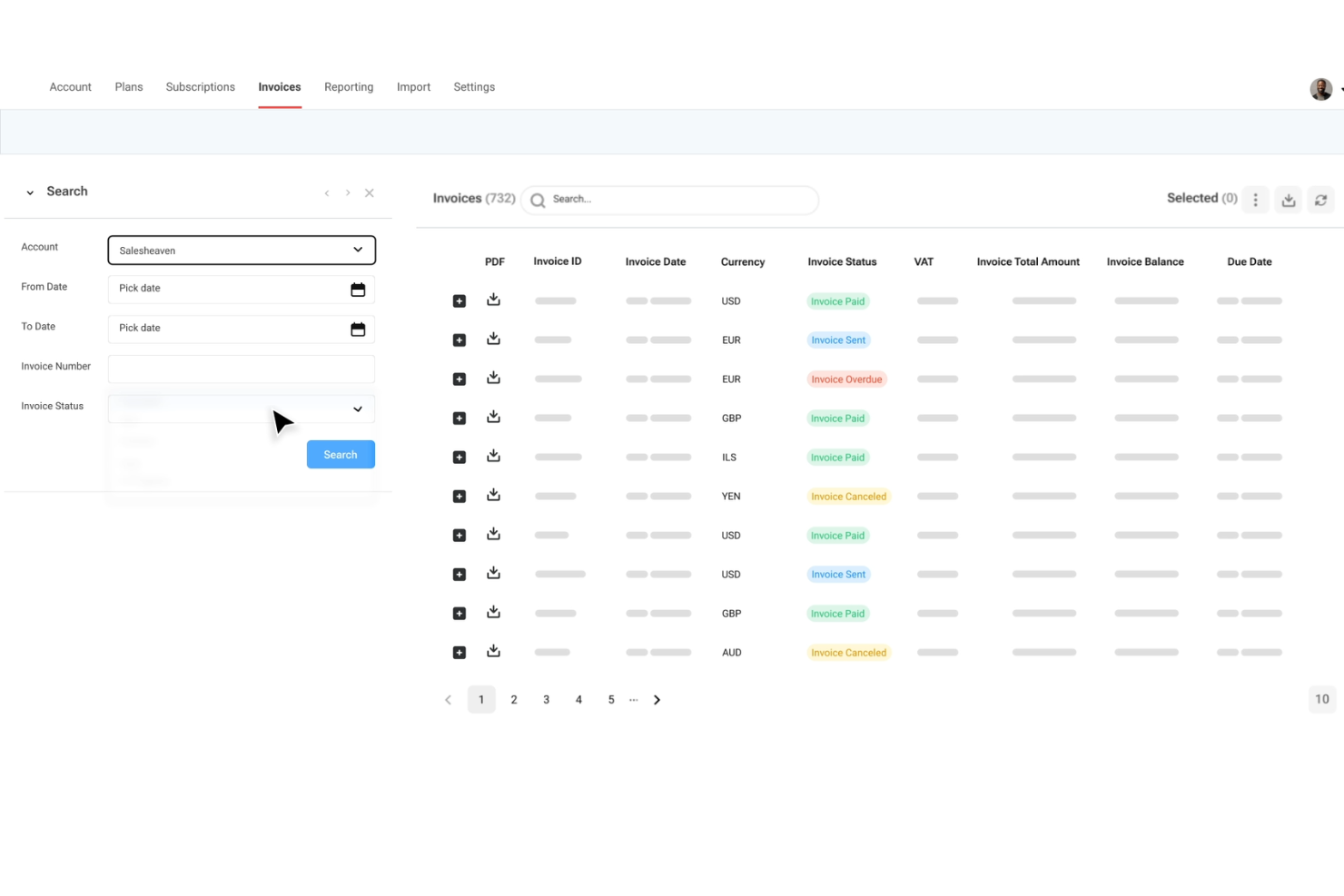
Per i team di revenue che gestiscono abbonamenti, modifiche e rinnovi, DealHub AI centralizza fatturazione, contratti e prezzi, così non dovete combinare più strumenti.
È progettato per i responsabili delle operazioni di vendita e della finanza che necessitano di modelli di fatturazione flessibili e di una verifica pulita su tutto il ciclo dalla proposta al ricavo.
Perché ho scelto DealHub AI
Ho scelto DealHub AI perché consente di gestire l'intero ciclo di vita dell'abbonamento—nuovi ordini, rinnovi, upgrade e downgrade—senza passaggi manuali, grazie a modifiche automatizzate e fatturazione programmata.
Hai una riscossione prevedibile dei pagamenti perché fatture, calendari di pagamento e promemoria vengono generati dalle stesse regole configurate, non da fogli di calcolo occasionali.
Quando la tua politica di prezzi si complica, puoi gestire in un unico posto fatturazione ricorrente, a traguardo e basata sull'utilizzo, così ogni cliente riceve la struttura più adatta.
La finanza rimane sicura perché la contabilizzazione dei ricavi è gestita con strumenti allineati a ASC 606 e IFRS 15, che offrono una tracciabilità chiara di ripartizione e rinvio. Il tuo team beneficia di meno errori e chiusure più rapide perché preventivazione, fatturazione e riconoscimento convivono in un solo workflow.
Funzionalità chiave di DealHub AI
Oltre all'automazione del ciclo di vita, ecco alcune funzionalità pratiche che gli operatori di abbonamenti utilizzeranno davvero.
- Analisi del Churn: Evidenzia il rischio di rinnovo con trend per coorti, prodotti e termini.
- Previsione dei Ricavi: Proietta MRR e riscossioni utilizzando dati in tempo reale di abbonamenti e fatture.
- Analisi dei Consumi: Tieni traccia dei pattern di utilizzo per impostare fasce di prezzo e regole di superamento soglia.
- Dashboard delle Fatture Ricorrenti: Filtra le fatture per stato, data e account per accelerare le riscossioni.
Integrazioni di DealHub AI
Le integrazioni includono Salesforce, Microsoft Dynamics 365, HubSpot, Freshworks, DocuSign, Gong e Slack.
Pros and Cons
Pros:
- Gli strumenti per la contabilizzazione dei ricavi aiutano la conformità a ASC 606 e IFRS 15.
- Supporta prezzi ricorrenti, a traguardo e basati sull'utilizzo in un unico sistema.
- Automatizza rinnovi, pagamenti e modifiche agli abbonamenti per ridurre errori.
Cons:
- Le regole di fatturazione complesse possono richiedere il supporto del fornitore per la configurazione.
- Mancano alcune integrazioni native oltre ai principali strumenti CRM e operativi.
New Product Updates from DealHub AI

DealHub AI Expands Bundle Attribute Automation
DealHub AI introduces Assignment Rules for child proposal attributes and numeric aggregation for bundles. These updates give admins more control over bundle attribute automation and configuration. For more information, visit DealHub’s official site.
 .
.
Subbly
Ideale per gestire le tue operazioni senza plugin
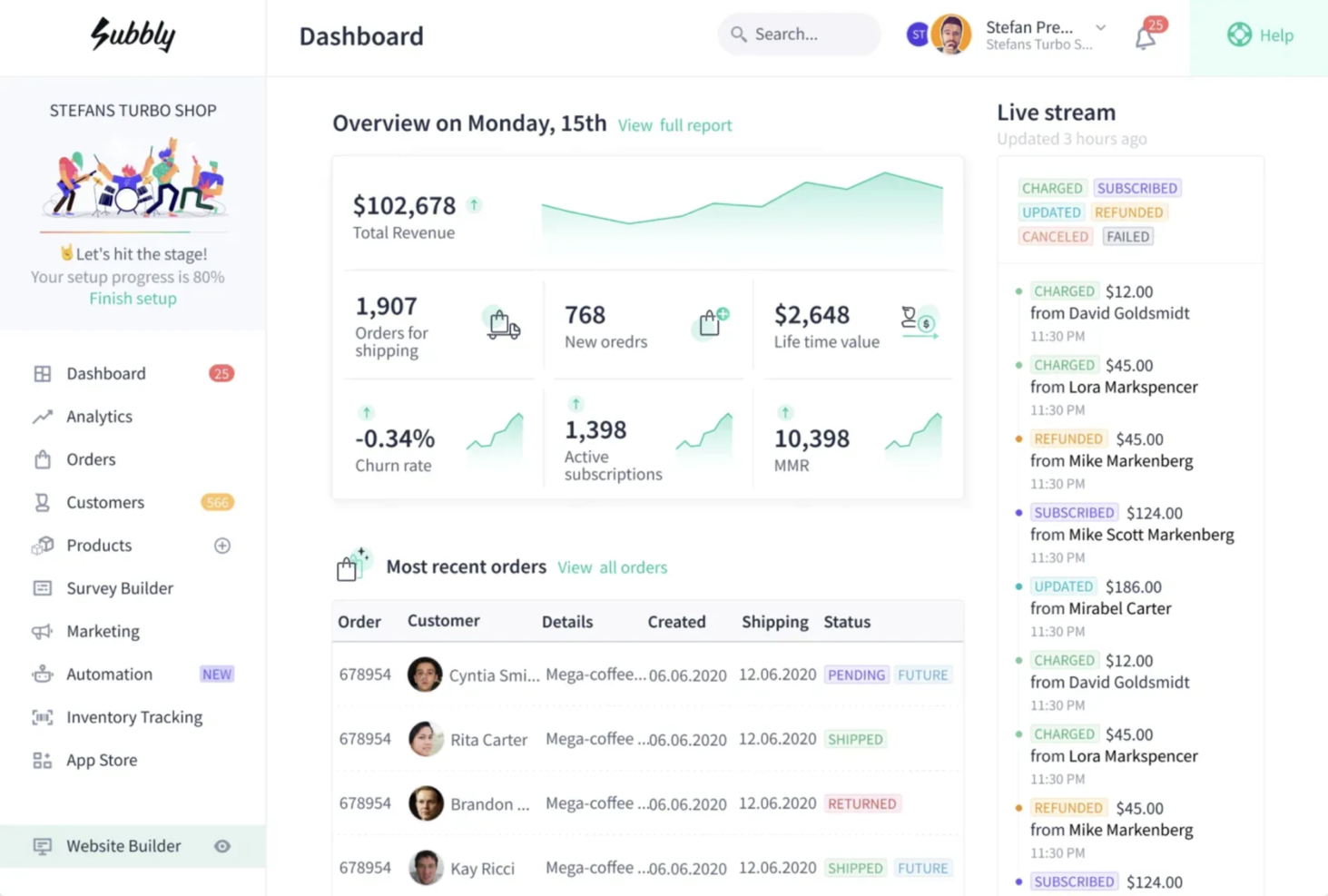
Per i brand che danno priorità agli abbonamenti e non vogliono una miriade di plugin, Subbly offre logica di abbonamento, fatturazione e gestione clienti in un unico posto—più funnel e strumenti anti-churn pensati per la fidelizzazione.
È ideale per box in abbonamento, membership e aziende di prodotti ricorrenti che desiderano piani flessibili, ottima gestione dei mancati pagamenti e un checkout davvero personalizzabile.
Perché ho scelto Subbly
Ho scelto Subbly perché consente di impostare vere meccaniche di abbonamento—salti, pause, cambi di piano e proratazione—senza dover mettere insieme vari add-on, mantenendo così le operazioni più semplici.
Avrai a disposizione funzionalità concrete per la fidelizzazione, come i tentativi di riscossione dei pagamenti falliti secondo programmazioni personalizzate e la raccolta dei motivi di cancellazione che alimenta offerte per trattenere i clienti, evitando così di perdere MRR.
Il checkout è personalizzabile (link di acquisto, sondaggi, upsell), così puoi raccogliere preferenze e aumentare l'AOV già in fase di acquisto. I controlli di inventario e i bundle supportano modelli di prezzo più complessi, permettendo di lanciare set curati o membership a livelli senza soluzioni improvvisate.
Quando inizi a scalare, le regole di automazione si ampliano per piano e l'accesso API nei livelli superiori consente al tuo team di integrare Subbly nel resto della tua infrastruttura.
Funzionalità principali di Subbly
Oltre agli strumenti di fidelizzazione e checkout sopra citati, ecco alcuni controlli pratici sugli abbonamenti che il tuo team userà davvero.
- Churn Suite e Flussi di Salvataggio: Raccogli i motivi di cancellazione e attiva offerte mirate prima che i clienti vadano via.
- Programmazioni avanzate per i mancati pagamenti: Imposta più tentativi di pagamento fallito con intervalli configurabili per recuperare ricavi.
- Self-service per abbonati: Consenti ai clienti di saltare, mettere in pausa, cambiare piano o aggiungere prodotti una tantum dal loro portale—meno ticket per l'assistenza.
- Funnel e Builder di Offerte: Aggiungi upsell/cross-sell e sondaggi pre-checkout per aumentare l'AOV e personalizzare l'onboarding.
Integrazioni di Subbly
Le integrazioni includono Mailchimp, Klaviyo, Intercom, Zendesk, ShipStation, Pirate Ship, Hotjar, Twilio, TaxJar e Postmark.
Pros and Cons
Pros:
- Bundle e logica flessibile dei piani supportano box curati e membership.
- Checkout personalizzabile, sondaggi e link di acquisto aumentano AOV e raccolta dati.
- Strumenti di salvataggio integrati e ripetizione automatica riducono sia il churn involontario che volontario.
Cons:
- Automazioni avanzate e accesso API sono riservati ai piani superiori.
- I piani Lite/entry limitano le opzioni di lingua per negozi multi-regione.
New Product Updates from Subbly

Subbly Improves AI Builder Navigation and Workflows
Subbly updates its AI Builder with tighter Admin integration, easier project and model switching, improved navigation, new preview modes, and a clearer Publish flow. These changes make it faster to move between building, managing, and previewing projects. For more information, visit Subbly’s official site.
 .
.
Ideale per abbonamenti retail enterprise
Ordergroove è una potente piattaforma di gestione degli abbonamenti progettata per aiutare i brand del settore retail a lanciare e scalare modelli di ricavi ricorrenti. Elimina la complessità della fatturazione ricorrente, della creazione degli ordini e della previsione delle scorte per i prodotti fisici. Il software consente ai commercianti di costruire solide relazioni con i clienti tramite esperienze di riacquisto senza attriti e flessibili.
Per chi è Ordergroove?
È ideale per brand retail e direct-to-consumer di fascia media ed enterprise che desiderano scalare le offerte di abbonamento ai prodotti fisici.
Perché ho scelto Ordergroove
Ho selezionato Ordergroove perché gestisce con semplicità il commercio ricorrente ad alto volume e complesso, pur rimanendo altamente personalizzabile. Si distingue come la miglior soluzione per abbonamenti retail enterprise, offrendo esperienze di checkout profondamente integrate senza mai reindirizzare i clienti fuori dal sito. Le sue analisi predittive e le robuste opzioni self-service offrono agli acquirenti il controllo totale sui loro ordini ricorrenti, fatto che incrementa notevolmente il tasso di fidelizzazione e il valore del cliente nel lungo periodo.
Funzionalità principali di Ordergroove
Anticipatory AI: Prevede quando gli abbonati rischiano di interrompere il servizio e invia automaticamente offerte mirate di fidelizzazione.
Checkout integrato: Mantiene i clienti sul tuo dominio durante la sottoscrizione all’abbonamento per massimizzare i tassi di conversione.
Portale self-service: Consente ai clienti di cambiare prodotto, saltare consegne o aggiornare i dati di fatturazione in piena autonomia.
Gestione incentivi: Permette ai commercianti di configurare facilmente e applicare automaticamente sconti a livelli o spedizioni gratuite sugli ordini ricorrenti.
Integrazioni di Ordergroove
Le integrazioni includono Shopify Plus, Salesforce Commerce Cloud, BigCommerce, Adobe Commerce (Magento) e Yotpo.
Pros and Cons
Pros:
- Profonde integrazioni con piattaforme enterprise
- Potenti strumenti promozionali e di sconto
- Esperienza di checkout nativa e senza interruzioni
Cons:
- Potente strumento promozionale e di sconto
- Richiede l’aiuto di uno sviluppatore per la configurazione

Ideale per una fatturazione personalizzabile
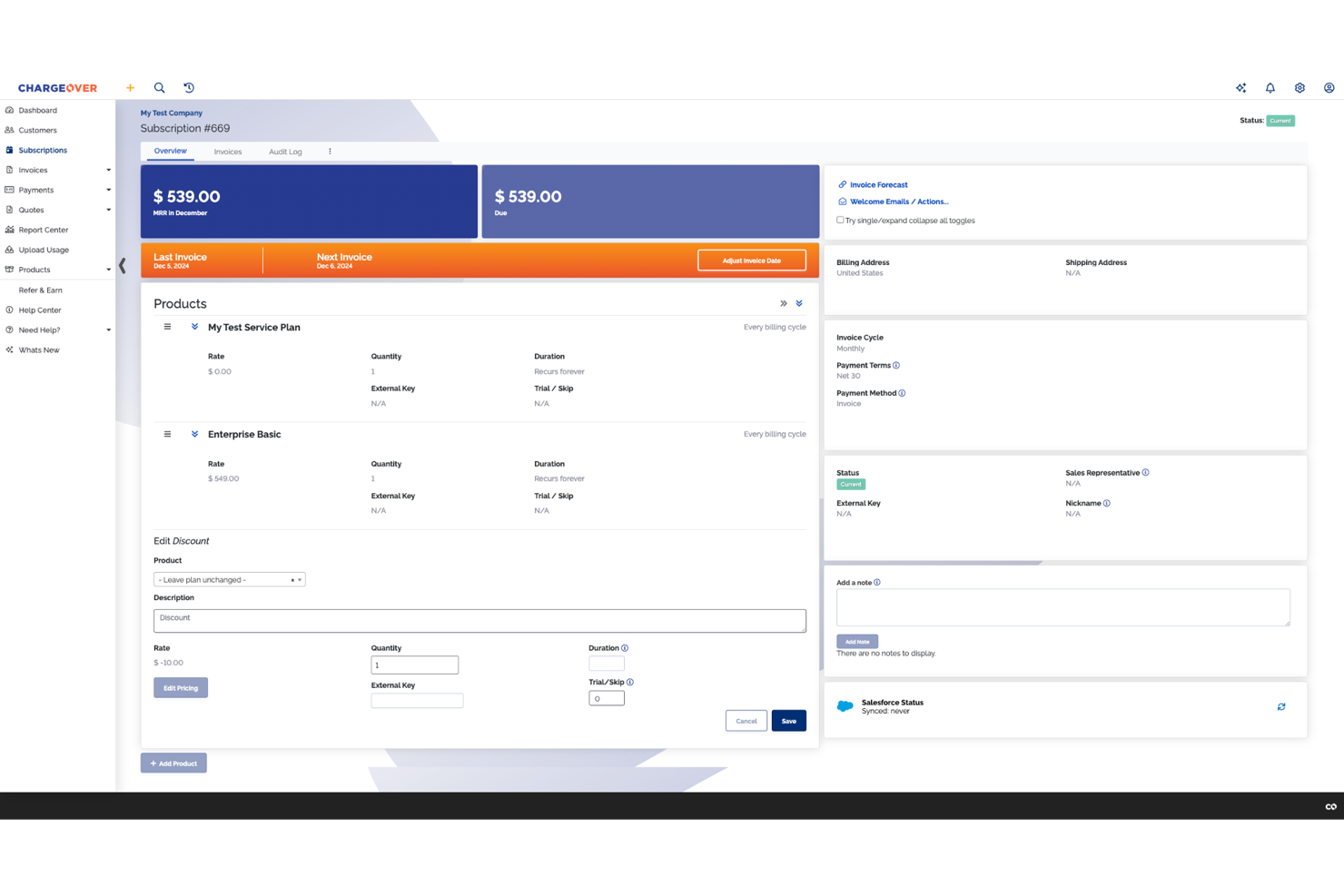
ChargeOver ti aiuta ad automatizzare le fatture ricorrenti, a recuperare i pagamenti non riusciti e a mantenere la contabilità ordinata—senza dover ricostruire il tuo stack.
È la soluzione ideale per team SaaS e di servizi che desiderano piani flessibili (compresi quelli a consumo/metrati) e incassi affidabili tramite tentativi automatici e promemoria.
Perché ho scelto ChargeOver
Ho scelto ChargeOver perché offre una fatturazione degli abbonamenti affidabile con veri strumenti che il tuo team finanziario userà davvero—pianificazioni di fatturazione personalizzate, prezzi a consumo/metrati e ripartizione proporzionale—così puoi replicare piani complessi senza soluzioni di fortuna.
Riduci l'abbandono involontario dei clienti grazie a dunning automatici, aggiornamenti automatici delle carte e logica di ripetizione configurabile, migliorando così direttamente il ricavo netto. La tua contabilità resta in ordine perché clienti, fatture e pagamenti si sincronizzano in tempo reale con QuickBooks o Xero, riducendo l'inserimento manuale e la riconciliazione.
Anche i team di vendita e customer success hanno piena visibilità—le integrazioni native con HubSpot e Salesforce spingono i dettagli degli abbonamenti (MRR, stato, prossimo addebito) direttamente dove operano i tuoi commerciali.
Inoltre, potendo utilizzare il tuo gateway preferito, mantieni i processori che preferisci mentre ChargeOver gestisce la logica degli abbonamenti.
Caratteristiche principali di ChargeOver
Oltre alla fatturazione flessibile e al dunning integrato, ecco alcuni strumenti utilizzati quotidianamente dai team.
- Pagine ospitate di iscrizione e pagamento: Consenti ai clienti di avviare abbonamenti, aggiornare carte e aderire all’autopay in modo sicuro.
- Componente aggiuntivo per la rilevazione ricavi: Calcola i ricavi differiti e riconosciuti e registra mensilmente le scritture contabili nel tuo GL.
- Gestione coupon e sconti: Avvia prove gratuite, promozioni una tantum e sconti ricorrenti senza compromettere la cronologia delle fatture.
- Webhooks e librerie: Attiva flussi di lavoro in sistemi a valle tramite REST API, webhook e ChargeOver.js.
Integrazioni di ChargeOver
Le integrazioni includono QuickBooks Online, QuickBooks Desktop, Xero, Salesforce, HubSpot, Avalara, ChartMogul, Mailchimp, ShipStation e Slack.
Pros and Cons
Pros:
- Le sincronizzazioni native con CRM e contabilità riducono il lavoro di riconciliazione e la perdita di dati.
- Ritenter automatici, aggiornamento carte ed email aiutano a recuperare i pagamenti falliti.
- Opzioni flessibili per modelli a consumo, a livelli e con ripartizione supportano abbonamenti complessi.
Cons:
- La rilevazione ricavi avviene tramite scritture contabili—passaggi extra per i contabili.
- La scelta del proprio gateway comporta contratti separati e commissioni dei processori.

Ideale per la gestione end-to-end delle sottoscrizioni
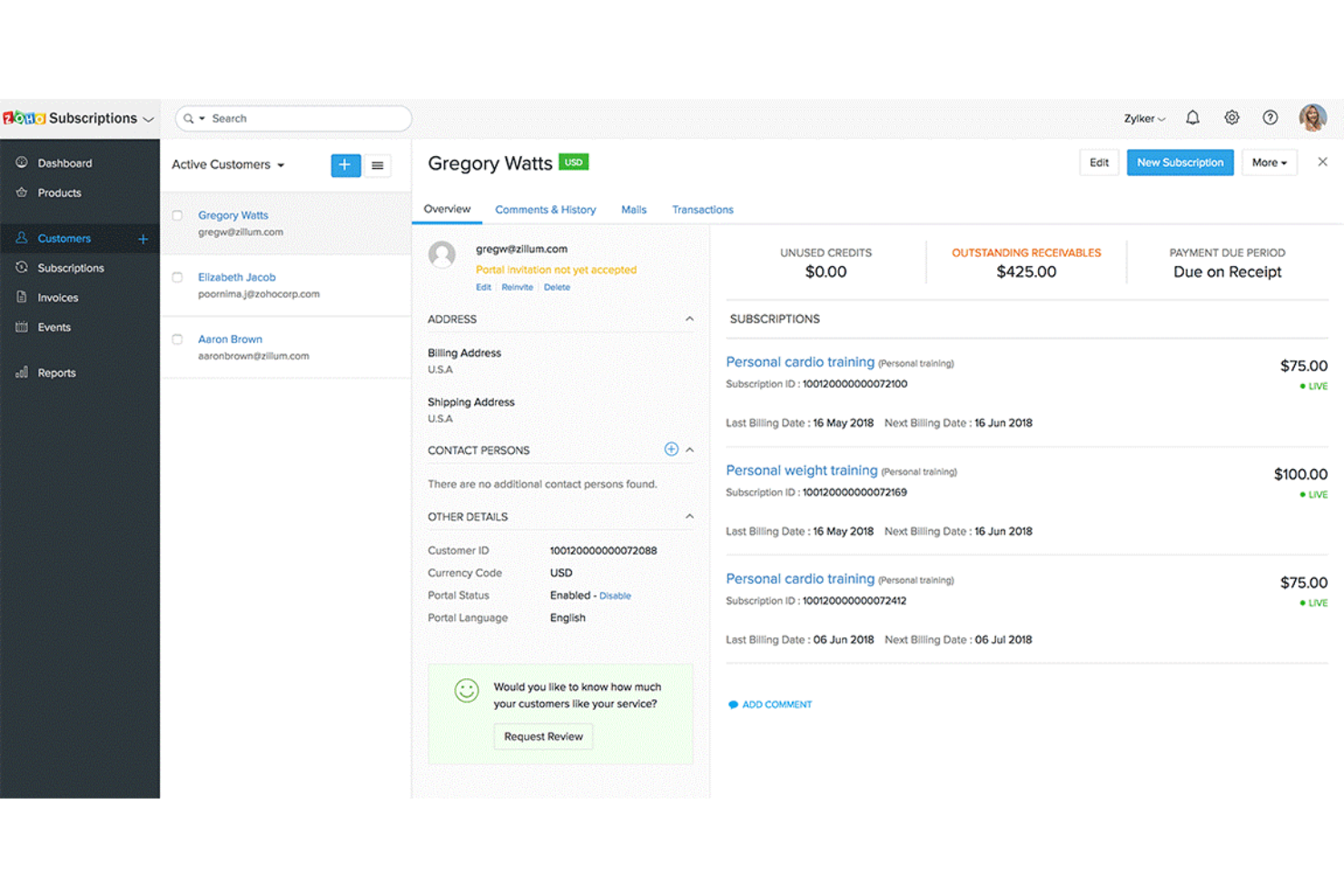
Per i brand con molte sottoscrizioni, Zoho Subscriptions offre il controllo della fatturazione senza bisogno di supervisione continua—proratazione automatica, tentativi di ripetizione sui pagamenti non riusciti e un portale clienti che il tuo team non deve gestire manualmente.
È una soluzione ideale per operatori ecommerce e SaaS che necessitano di copertura gateway regionale, fatture/pagine personalizzate e una gestione fiscale affidabile.
Perché ho scelto Zoho Subscriptions
Ho scelto Zoho Subscriptions perché consente di ridurre l'abbandono involontario tramite un recupero crediti configurabile—con tentativi automatici e promemoria programmati che supportano questo vantaggio.
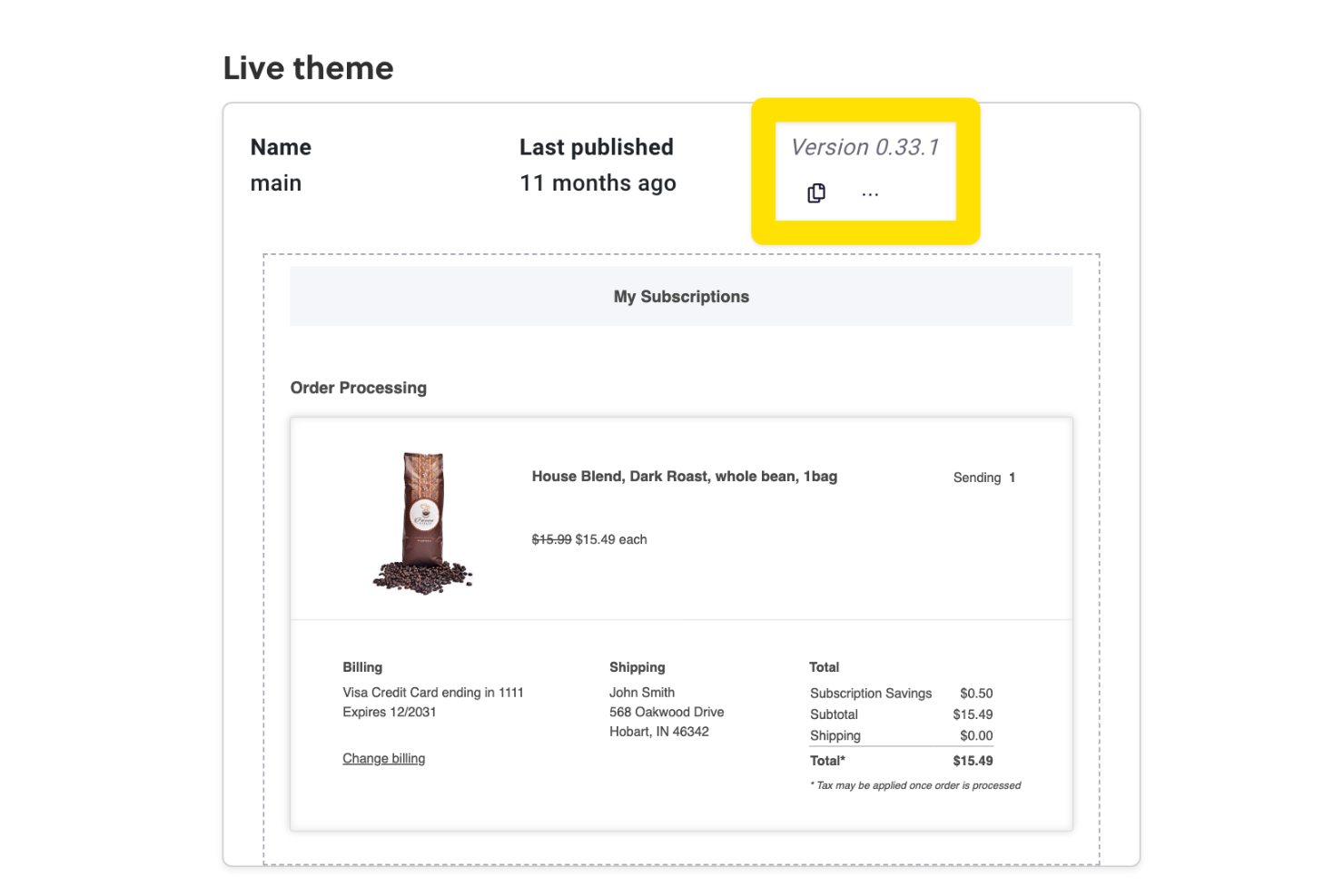
Le modifiche di upgrade/downgrade restano precise grazie alla proratazione, così i clienti pagano l'importo corretto quando i piani vengono modificati a metà ciclo. Puoi offrire un'opzione di pausa/ripresa per salvare gli account a rischio, supportata da note di credito integrate per il tempo non utilizzato.
Il tuo team ha anche pagine ospitate personalizzate e un portale self-service, così i clienti gestiscono piani e pagamenti senza ticket di assistenza. Per i pagamenti hai collegamenti nativi con i principali gateway, che offrono ridondanza e flessibilità per abbinare i processori ai tuoi mercati.
Funzionalità principali di Zoho Subscriptions
Oltre ai controlli del ciclo di vita sopra citati, ecco strumenti pratici che i team di sottoscrizioni utilizzano realmente.
- Fatturazione a consumo: Addebita in base all'utilizzo con regole per oltre-consumo in caso di superamento del piano.
- Coupon, sconti e prove gratuite: Gestisci promozioni e prove gratuite con controllo preciso su inizio/fine e idoneità.
- Report su ricavi e coorti: Monitora MRR, abbandono e spostamenti tra piani per ottimizzare prezzi e retention.
- Addebiti non fatturati: Aggiungi articoli occasionali e raggruppali nella prossima fattura per semplificare la contabilità clienti.
Integrazioni di Zoho Subscriptions
Le integrazioni includono Stripe, Authorize.Net, PayPal Express Checkout, PayPal Payflow Pro, Worldpay, Forte, WePay, 2Checkout, Zoho Books, Zoho CRM e Avalara AvaTax.
Pros and Cons
Pros:
- Puoi mettere in pausa/riprendere le sottoscrizioni per trattenere i clienti durante downgrade temporanei.
- Tentativi di recupero e promemoria configurabili riducono l'abbandono per pagamenti non riusciti.
- Molteplici gateway nativi permettono la scelta del processore più adatto alla regione.
Cons:
- L'integrazione con 2Checkout supporta solo pagamenti una tantum—niente fatturazione automatica.
- La disponibilità dei gateway varia in base al paese, limitando le opzioni in alcune regioni.

Ideale per l’analisi delle sottoscrizioni
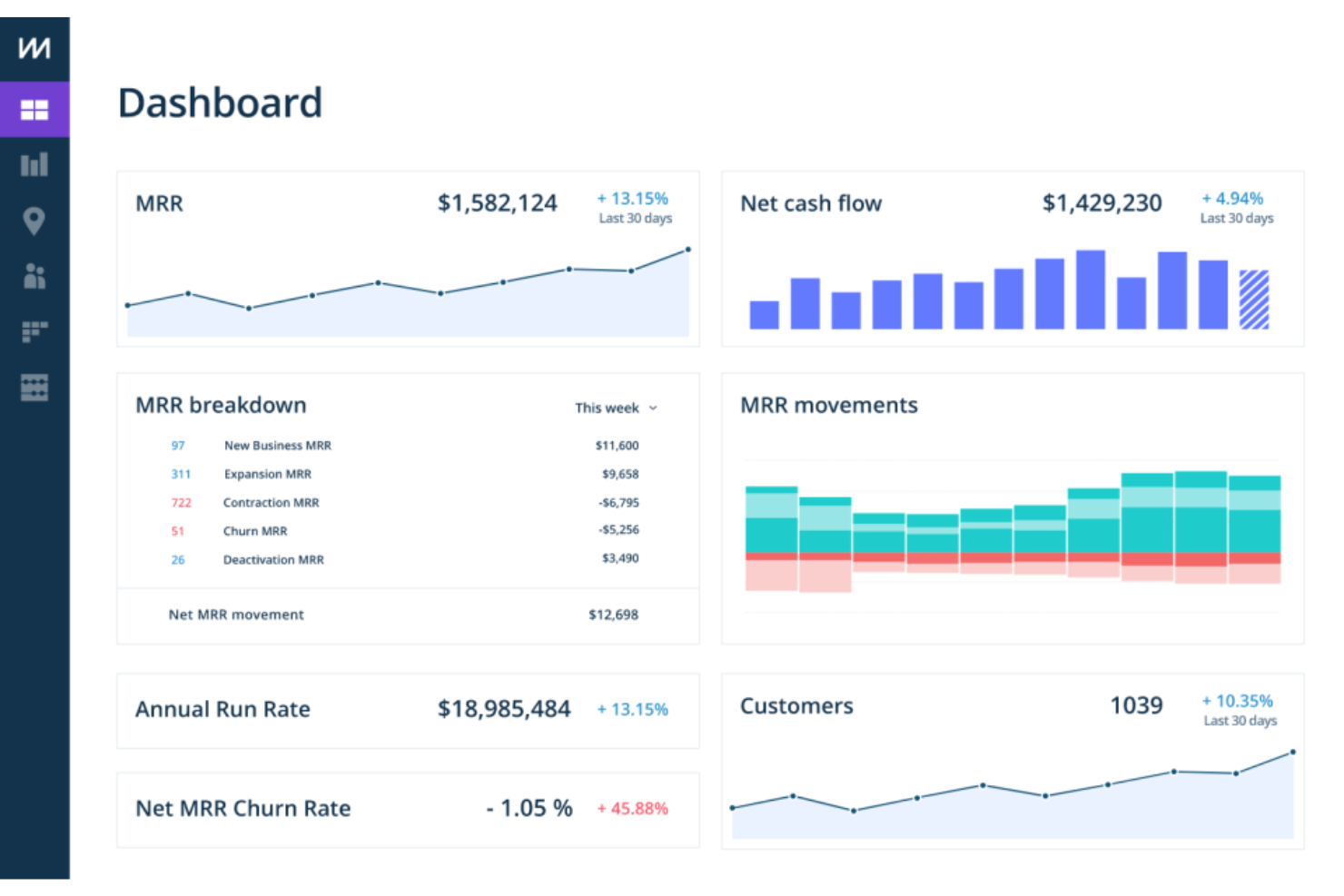
Per i marchi in abbonamento sommersi da dati di fatturazione disordinati, ChartMogul offre metriche di ricavo pulite e affidabili—MRR, churn, LTV—senza dover incollare fogli di calcolo.
È ideale per operatori che hanno bisogno di analisi di coorte e retention su più fonti di fatturazione e che tengono alla verificabilità dei dati.
Perché ho scelto ChartMogul
Ho scelto ChartMogul perché offre numeri affidabili grazie a un sistema integrato di pulizia dati—gestione dei duplicati, regole di mappatura e logica di movimento MRR—così i tuoi team finance e growth smettono di discutere sulle definizioni.
Puoi misurare retention ed espansione con grafici di coorte che collegano variazioni di ricavo a eventi specifici, non a semplici sensazioni. Il tuo team può segmentare per piano, area geografica, coupon o qualsiasi attributo personalizzato, per individuare opportunità di prezzo e packaging.
Quando serve un’analisi più approfondita, le esportazioni in data warehouse permettono ai tuoi analisti di interrogare abbonamenti grezzi insieme ai dati di prodotto o marketing. Le app mobili mantengono la leadership allineata, mostrando ARR, MRR e andamento del churn ovunque tu sia.
Funzionalità principali di ChartMogul
Oltre agli strumenti di analisi e qualità dati sopra menzionati, ecco alcune capacità pratiche che userai davvero.
- Esportazioni su Data Warehouse: Invia metriche e record su Snowflake, BigQuery, Redshift o S3 per analisi approfondite.
- Attributi personalizzati: Arricchisci i record clienti con metadati di piano, tag di ciclo di vita o segmenti che definisci tu.
- Benchmark & Coorti: Confronta la retention e la net retention MRR tra coorti per individuare punti di svolta.
- Condivisione email & app: Condividi grafici su Slack e via email così anche i non-analisti vedono la stessa fonte di verità.
Integrazioni ChartMogul
Le integrazioni includono Stripe, Recurly, Chargebee, Braintree, PayPal, Zuora, Paddle, GoCardless, App Store Connect e Google Play.
Pros and Cons
Pros:
- Le esportazioni verso data warehouse collegano i ricavi ai dati di prodotto e marketing.
- Le regole di pulizia dati riducono i duplicati e correggono mappature errate.
- La retention di coorte e net MRR rivela dove avviene davvero l’espansione.
Cons:
- Le app mobili sono solo per la visualizzazione; i report avanzati restano su desktop.
- Solo analytics: la fatturazione e l’emissione fatture richiedono comunque un’altra piattaforma.

Ideale per la visibilità sul ciclo di vita degli abbonamenti

Per i team in abbonamento che necessitano di una maggiore visibilità sul ciclo di vita, SubscriptionFlow riunisce in un unico luogo la fatturazione, lo stato dei clienti e i segnali di ricavo.
È adatto a SaaS, esercenti di abbonamenti e servizi B2B che desiderano un maggiore controllo del churn e flussi di upgrade/downgrade più fluidi.
Perché ho scelto SubscriptionFlow
Ho scelto SubscriptionFlow perché offre una visibilità concreta sul ciclo di vita, non solo grafici vaghi. Puoi monitorare lo stato di ogni account dalla registrazione al rinnovo, alla pausa o alla cancellazione, ed intervenire prima che il ricavo sfugga.
Questo vantaggio è supportato da funzionalità concrete: strumenti di pagamento ricorrente che registrano ogni evento di fatturazione, oltre ad avvisi utili per recuperare pagamenti falliti o intervenire con offerte.
Il tuo team può anche favorire l'espansione, perché i clienti possono cambiare piano, aggiornare i metodi di pagamento e gestire add-on da un portale self-service. Mi piace il fatto che si integri con i tuoi sistemi di commercio elettronico, CRM e contabilità, così i dati di abbonamento non rimangono isolati.
Funzionalità principali di SubscriptionFlow
Ecco alcuni strumenti che completano bene la focalizzazione sul ciclo di vita vista sopra.
- Elaborazione pagamenti ricorrenti: Gestisci rinnovi automatici e addebiti una tantum con custodia sicura delle carte.
- Portale clienti: Consenti ai clienti di effettuare upgrade, downgrade o aggiornare i dati di pagamento senza ticket.
- Dashboard del ciclo di vita: Visualizza rinnovi, pause e cancellazioni in un'unica vista centralizzata.
- Report e esportazioni: Ricava metriche sugli abbonamenti ed esporta dati per analisi finanziarie e operative.
Integrazioni di SubscriptionFlow
Le integrazioni includono Shopify, WooCommerce, BigCommerce, Magento, HubSpot, Salesforce, QuickBooks, Xero, Zendesk e Pipedrive.
Pros and Cons
Pros:
- Le ampie integrazioni native collegano la fatturazione a ecommerce, CRM e finanza.
- Il portale self-service riduce i ticket per upgrade, downgrade e aggiornamenti della carta.
- La dashboard del ciclo di vita evidenzia rinnovi, pause e cancellazioni per azioni più rapide.
Cons:
- Curva di apprendimento ripida durante la configurazione di piani e flussi di lavoro.
- La quantità di funzionalità può risultare eccessiva per i team più piccoli.

Ideale per la gestione del dunning

Se i rinnovi falliti causano abbandoni, Chargebee aiuta il tuo team a recuperare più ricavi con meno impegno—pensa a tentativi intelligenti, aggiornamenti delle carte e metodi di pagamento di backup che lavorano insieme.
È ideale per i brand in abbonamento e le aziende SaaS che gestiscono volumi significativi e necessitano di un controllo preciso sulle regole di dunning e sui cicli di pagamento.
Perché ho scelto Chargebee
Ho scelto Chargebee perché offre il recupero dei ricavi supportato da strumenti specifici—Smart Retry pianifica i tentativi di pagamento a intervalli guidati dai dati per aumentare i tassi di successo.
Puoi ridurre l'abbandono involontario perché Account Updater aggiorna automaticamente le carte scadute o riemesse durante i tentativi di pagamento.
Il tuo team può anche gestire senza intoppi i fallimenti perché i clienti possono aggiungere più fonti di pagamento e contrassegnare un metodo di backup nel portale.
Mantieni il controllo con periodi di dunning configurabili, azioni finali e sequenze email personalizzate che si allineano alla tua logica di fatturazione. Per le operazioni, ciò si traduce in meno escalation manuali e limiti più chiari su rinnovi e sospensioni.
Caratteristiche principali di Chargebee
Oltre al toolkit di recupero, ecco funzioni pratiche realmente utilizzate dai team di abbonamento.
- Catalogo Prodotti 2.0: Supporta modelli di prezzo a tariffa fissa, a livelli, basati sull'uso e ibridi da un unico catalogo.
- Gestione delle autorizzazioni: Limita le funzionalità per piano o componente aggiuntivo per ridurre errori di provisioning e rimborsi.
- Checkout e Portale Clienti: Offri checkout ospitato e modifiche di piano self-service per ridurre il carico di supporto.
- Revenue Recognition (RevRec): Genera pianificazioni conformi e scritture di giornale per velocizzare la chiusura di fine mese.
Integrazioni Chargebee
Le integrazioni includono Salesforce, HubSpot, QuickBooks Online, Xero, BigCommerce, Mailchimp, Klaviyo, Zendesk, Freshdesk e Slack.
Pros and Cons
Pros:
- I metodi di pagamento di backup intervengono automaticamente durante il dunning.
- Account Updater aggiorna le carte scadute per evitare abbandoni inutili.
- Smart Retry riduce i pagamenti falliti grazie a pianificazioni dinamiche guidate dai dati.
Cons:
- Cataloghi complessi e configurazioni multi-entità possono allungare i tempi di implementazione.
- Le funzionalità di recupero avanzato sono disponibili solo nei piani superiori, aumentando i costi.

Recurly
Miglior strumento tutto-in-uno per la gestione degli abbonamenti
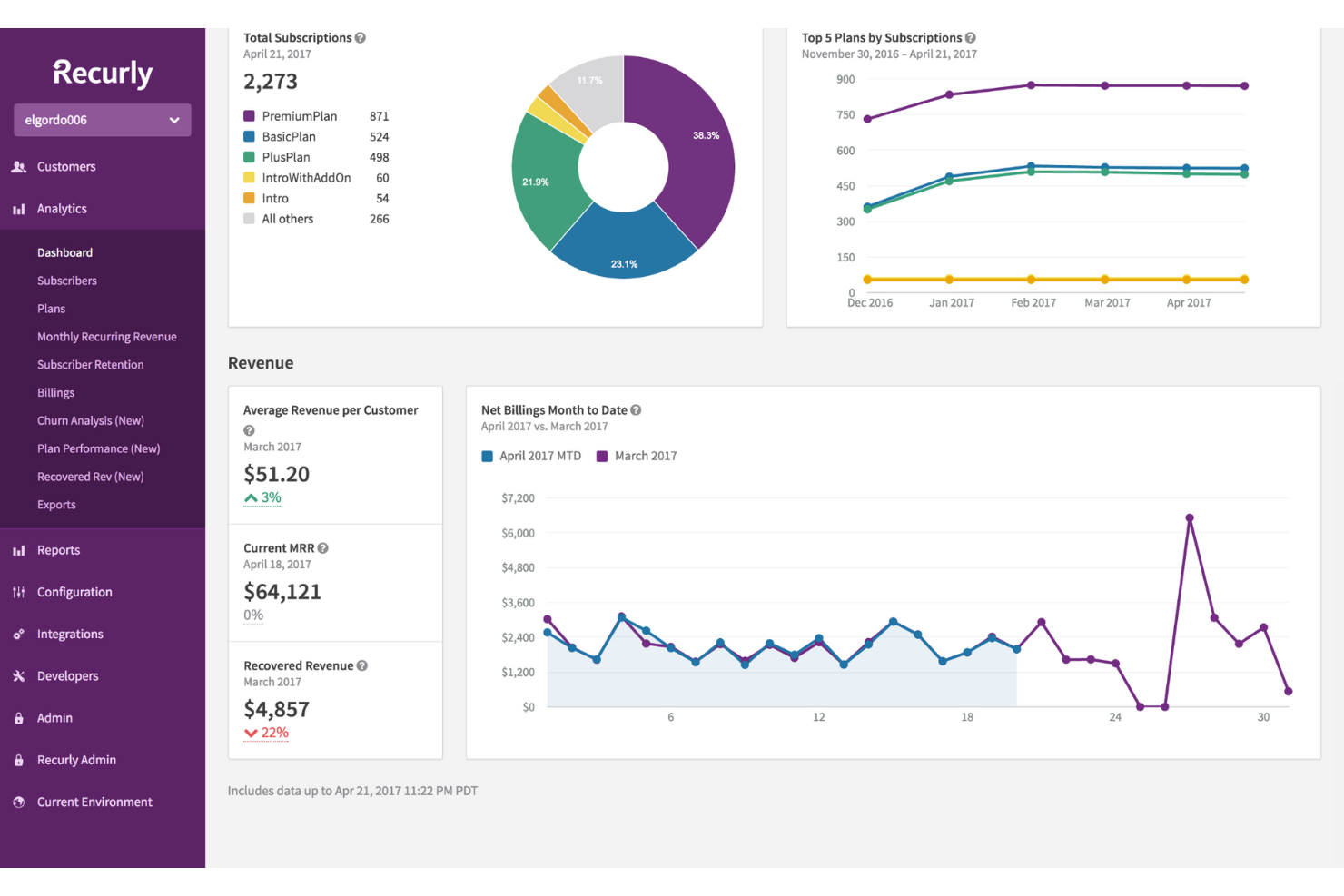
Per i team di finanza e abbonamenti che gestiscono modelli di prezzo misti, Recurly offre un controllo granulare su fatturazione, solleciti e conformità—senza dover rattoppare una mezza dozzina di strumenti specifici.
Ottieni fatturazione basata sull'utilizzo, coupon e carte regalo, gerarchie di account per fatturazione padre–figlio e riconoscimento dei ricavi automatizzato—rendendolo una soluzione ideale per aziende di abbonamenti di fascia media e enterprise che puntano a tassi di recupero e preparazione agli audit.
Perché ho scelto Recurly
Ho scelto Recurly perché puoi ridurre l'abbandono involontario tramite campagne di solleciti configurabili supportate da strumenti di aggiornamento carte e logica di riprova—funzionalità che migliorano davvero i tassi di recupero, non solo le dashboard.
Puoi gestire cataloghi complessi con prezzi a consumo e a livelli perché Recurly traccia gli eventi di utilizzo e fattura a fine ciclo, così il reparto finanza riconcilia i dati effettivi invece delle stime.
Il tuo team rimane sempre pronto per l'audit poiché il riconoscimento dei ricavi collega i contratti alle regole ASC 606/IFRS 15 e pubblica automaticamente i piani di ripartizione, riducendo i tempi di chiusura. Per il B2B, la gerarchia di account permette di raggruppare le fatture su una entità padre o fatturare le filiali separatamente, facilitando la gestione della contabilità clienti aziendale.
E quando è necessario espandersi, il supporto multi-gateway con regole di instradamento consente di aggiungere regioni o percorsi di failover senza cambiare piattaforma.
Funzionalità chiave di Recurly
- Gerarchia degli account: Imposta relazioni padre–figlio per consolidare o suddividere la fatturazione dei clienti B2B.
- Coupon, prove gratuite e carte regalo: Gestisci promozioni mirate e traccia le riscossioni senza complicazioni da fogli di calcolo.
- Più gateway e instradamento: Aggiungi gateway, imposta regole e attiva failover per proteggere i tassi di autorizzazione.
- Riconoscimento dei ricavi: Automatizza i piani ASC 606/IFRS 15 e i report esportabili per chiusure più rapide.
Integrazioni di Recurly
Le integrazioni includono Salesforce, QuickBooks Online, Xero, Avalara AvaTax, Zendesk, Shopify, ChartMogul, Oracle NetSuite, Mailchimp e Authorize.Net.
Pros and Cons
Pros:
- La gerarchia degli account si adatta a consolidamenti enterprise e flussi AR complessi.
- Le campagne di sollecito con aggiornamento carte riducono l'abbandono per pagamenti non riusciti.
- La fatturazione basata sull'utilizzo supporta modelli di prezzo a consumo, a livelli e ibridi.
Cons:
- Il riconoscimento dei ricavi è un modulo separato con una configurazione aggiuntiva.
- La modifica delle fatture si basa su note di credito; modifiche dirette limitate.

Odoo
Ideale per monitorare il ciclo di vita dei clienti
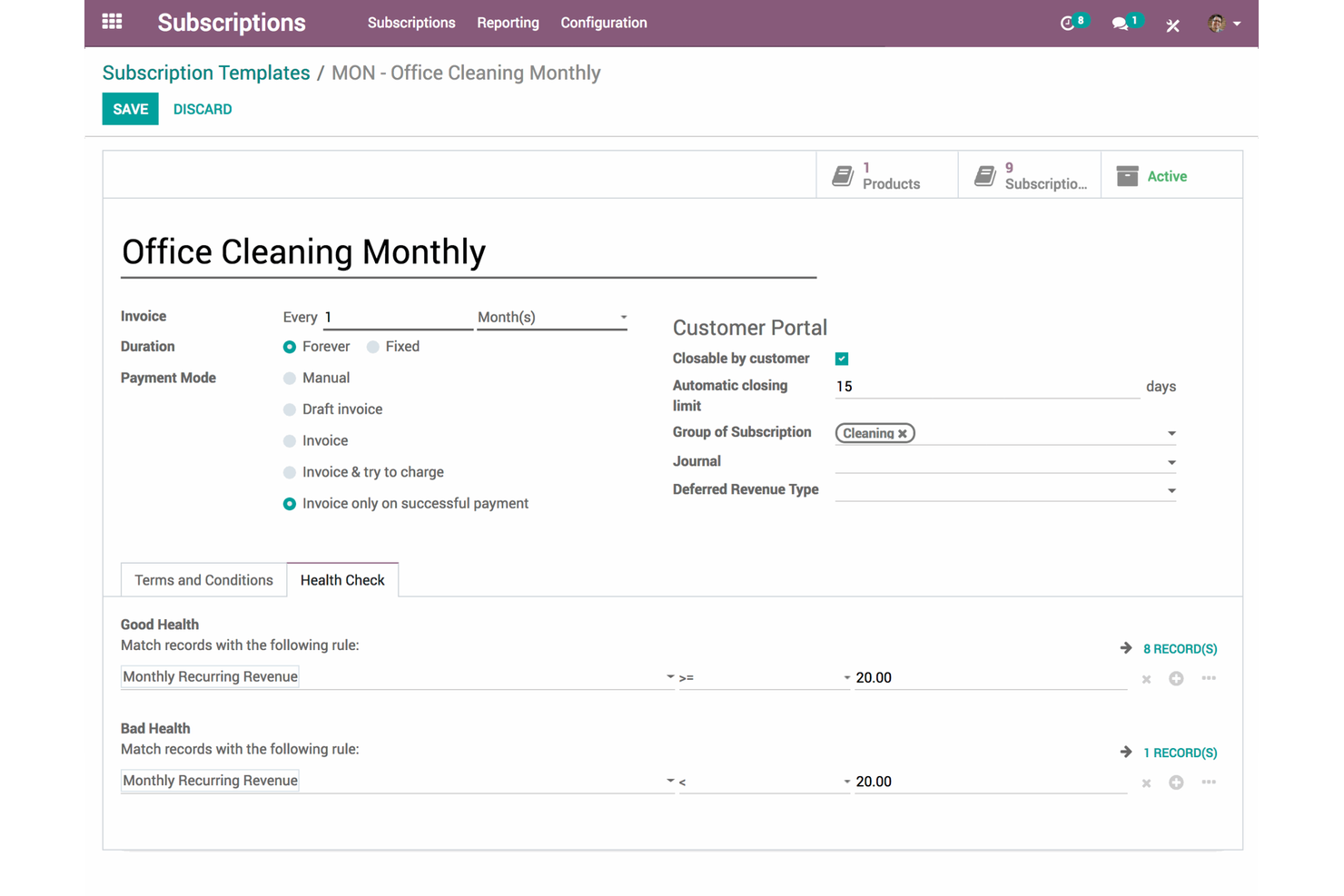
Per i rivenditori e i team B2B che gestiscono ricavi ricorrenti, Odoo Subscriptions mantiene fatturazione, rinnovi e gestione autonoma dei clienti nello stesso posto di preventivi, fatture e assistenza.
Ottieni meno lacune nelle integrazioni e report più puliti: la soluzione è ideale per chi vuole una gestione degli abbonamenti collegata direttamente alle attività finanziarie e operative quotidiane.
Perché ho scelto Odoo
Ho scelto Odoo perché puoi gestire l'intero ciclo di vita dell'abbonamento in un'unica suite: il tuo team può vendere un preventivo, convertirlo in un abbonamento, addebitare automaticamente gli importi e gestire i rinnovi senza passare da uno strumento all'altro.
Riduci i rinnovi non riusciti grazie alle email automatiche di sollecito e ai nuovi tentativi di pagamento, supportati dai metodi di pagamento salvati e dagli acquirer compatibili. La finanza ottiene dati accurati su MRR e abbandono perché gli eventi degli abbonamenti alimentano Odoo Accounting e Invoicing, invece di finire in un silo di dati separato.
I tuoi clienti possono aumentare o diminuire il piano oppure annullare l'abbonamento tramite un portale, riducendo le richieste di assistenza e migliorando la fidelizzazione grazie alle modifiche immediate dei piani.
Con la crescita dell'attività, puoi aggiungere moduli proprietari, come Helpdesk per i casi soggetti a SLA o e-commerce per le iscrizioni autonome, così il processo si amplia senza dover ricostruire le integrazioni.
Funzionalità principali di Odoo
Nella pratica, ecco dove i team ottengono vantaggi già dal primo giorno dopo la configurazione.
- Modelli e periodicità degli abbonamenti: Standardizza termini, intervalli di fatturazione e logiche di prova tra le diverse linee di prodotto.
- Solleciti e nuovi tentativi automatici: Recupera i ricavi con email programmate, nuovi tentativi intelligenti e monitoraggio dei saldi.
- Portale autonomo per i clienti: Consenti ai clienti di modificare i piani, aggiornare i metodi di pagamento o annullare l'abbonamento senza aprire una richiesta.
- Pannello MRR e abbandono: Monitora crescita, rinnovi e cancellazioni con metriche pronte per la gestione finanziaria.
Integrazioni di Odoo
Le integrazioni includono Odoo Accounting, Odoo Invoicing, Odoo CRM, Odoo Sales, Odoo Website/eCommerce, Odoo Helpdesk, Odoo POS, Odoo Inventory, Odoo Email Marketing e Odoo Studio.
Pros and Cons
Pros:
- Il flusso dal preventivo alla fattura risiede in un unico database, la suite Odoo.
- Il portale clienti consente modifiche dei piani, aumenti e cancellazioni.
- Rinnovi, ripartizione proporzionale e solleciti vengono eseguiti automaticamente a partire dai modelli.
Cons:
- La profondità dei moduli varia; per i casi avanzati potrebbero essere necessari componenti aggiuntivi a pagamento.
- La configurazione e la personalizzazione sono complesse senza un implementatore Odoo.
Altre opzioni per la gestione degli abbonamenti
Ecco ora alcune altre opzioni valide che non sono rientrate tra quelle ai primi posti.
- Zuora
Ideale per gestire qualsiasi modello di abbonamento
- Stripe Billing
Ideale per l’elaborazione dei pagamenti ricorrenti
- Salesforce Billing
Ideale per riconciliazione dei ricavi automatizzata
- PayWhirl
Ideale per widget di abbonamento flessibili
- Cleverbridge
Ideale per transazioni sicure
- Rebilly
Miglior framework per abbonamenti a prova di futuro
- Loop Subscriptions
Ideale per creare bundle di prodotti
- Rentle
Ideale per lanciare servizi in abbonamento
- Billsby
Ideale per soluzioni di fatturazione flessibili
- Cheddar
Ideale per la fatturazione basata sull'uso
- Stax Bill
Ideale per l'automazione degli abbonamenti


Recensioni correlate di software ecommerce
Se non hai ancora trovato quello che cerchi, dai un'occhiata a questi strumenti ecommerce correlati che abbiamo testato e valutato.
- Piattaforme ecommerce
- Software per la gestione dell'inventario
- Software per l'elaborazione dei pagamenti
- Soluzioni per il carrello della spesa
- Sistemi per la gestione degli ordini
- Software per la gestione del magazzino
- Software aziendale per la gestione degli abbonamenti
Come Valuto il Software per la Gestione degli Abbonamenti
Valuto gli strumenti per la gestione degli abbonamenti su due livelli: le funzionalità di base imprescindibili, come la fatturazione ricorrente e la gestione dei solleciti di pagamento, seguite dai fattori che fanno la differenza per il retail e i casi d'uso DTC.
Funzionalità di Base (Requisiti Fondamentali di Questa Lista)
Quando seleziono gli strumenti per la mia lista, valuto ognuno su una scala da 0 (non offre la funzionalità) a 5 (eccelle in quest'area) per ciascuna funzionalità chiave elencata di seguito. Poi calcolo il punteggio totale dello strumento in percentuale. Ogni strumento deve raggiungere un punteggio minimo totale del 65% per essere preso in considerazione.
- Motore di Fatturazione Ricorrente: Valuto come ogni strumento gestisce diversi intervalli di fatturazione, prorationi e fatturazione per vari tipi di piano—ad esempio un abbonamento "sottoscrivi e risparmia" con fatturazione mensile insieme a una box curata trimestrale.
- Gestione del Ciclo di Vita dell'Abbonato: La piattaforma dovrebbe consentire a iscritti e amministratori di gestire upgrade, downgrade, pause, salti, sostituzioni e cancellazioni senza soluzioni di fortuna o sviluppi personalizzati.
- Elaborazione dei Pagamenti & Gestione dei Solleciti: Controllo il supporto multi-gateway, la logica intelligente di riprova, l'integrazione con aggiornatori di carte e le sequenze di email di sollecito configurabili che aiutano a recuperare i pagamenti non riusciti prima che un abbonato annulli.
- Configurazione di Piani & Catalogo: I rivenditori devono poter creare piani, bundle, prove gratuite e offerte promozionali senza l'aiuto degli sviluppatori—come creare rapidamente una box regalo natalizia o aggiungere un upsell a metà ciclo.
- Strumenti per la Riduzione del Churn & la Fidelizzazione: Cerco flussi di cancellazione configurabili, opzioni alternative di pausa e sostituzione, offerte di riconquista mirate e analisi della fidelizzazione che mostrano dove e perché gli iscritti annullano.
- Integrazioni con Ecommerce & Retail: Connessioni native con piattaforme come Shopify, BigCommerce e WooCommerce sono fondamentali, così come la sincronizzazione con CRM, ERP e sistemi di logistica che completano l'ecosistema tecnologico retail.
Una volta che ho una lista di strumenti che rispettano questi criteri, considero quali elementi distinguono ciascuna piattaforma.
Fattori Differenzianti (Cosa Distingue i Fornitori)
Ecco come confronto e valuto i diversi fornitori:
Funzionalità Distintive
La funzione build-a-box è un grande elemento di differenziazione per i brand di abbonamenti curati—analizzo quanto controllo hanno gli iscritti nel sostituire articoli, scegliere varianti o personalizzare gli ordini a ogni ciclo. Anche le analisi sugli abbonati sono importanti: le piattaforme che evidenziano dati come l'andamento del MRR, le coorti di churn e la performance a livello di prodotto forniscono ai team retail le informazioni di cui hanno bisogno per agire rapidamente. Valuto inoltre quanto bene uno strumento sincronizzi gli ordini in abbonamento con inventario e sistemi di logistica, poiché vendere eccessivamente una SKU ricorrente mina rapidamente la fiducia degli abbonati.
Oltre le Funzionalità
L'integrazione con la piattaforma ecommerce è una delle prime cose che verifico—uno strumento che si integra profondamente con Shopify può offrire solo un supporto superficiale per BigCommerce o WooCommerce, e queste differenze si notano subito al checkout e in fase di sincronizzazione ordini. Anche la struttura di prezzo è importante, dato che alcuni fornitori addebitano una tariffa mensile fissa mentre altri trattengono una percentuale delle entrate da abbonamento, andando così a incidere sui margini con la crescita. Valuto inoltre la copertura in tema di conformità, in particolare la gestione PCI DSS e l'automazione della riscossione delle tasse per spedizioni di abbonamenti cross-border.
Che cos'è il software per la gestione degli abbonamenti?
Il software per la gestione degli abbonamenti è una piattaforma che automatizza la fatturazione ricorrente e gestisce l'intero ciclo di vita dell'abbonato: registrazione, rinnovi, calcolo proporzionale, cancellazioni, rimborsi e archiviazione sicura dei dati di pagamento.
Offre ai clienti un portale di autogestione per mettere in pausa, saltare, cambiare o aggiornare i dati di pagamento e gestisce il recupero automatico dei pagamenti insoluti per recuperare gli addebiti non riusciti, evitando perdite di entrate.
Il reparto finanziario ottiene fatture, imposte e riconoscimento dei ricavi accurati; il reparto crescita ottiene analisi di coorti, LTV e abbandono; il reparto operativo ottiene integrazioni con Shopify/BigCommerce/WooCommerce, Stripe/Adyen/PayPal, ERP e fornitori di servizi logistici di terze parti.
I marchi DTC, i servizi di box in abbonamento e i team SaaS utilizzano software per la gestione degli abbonamenti per aumentare i ricavi prevedibili con meno richieste di assistenza, meno passaggi di consegne agli sviluppatori e molta meno pulizia manuale dei dati.
Come scegliere un software per la gestione degli abbonamenti
Scegliere lo strumento sbagliato può compromettere i margini o la pazienza. Quello giusto? Ti aiuterà a crescere senza sforzo, a mantenere basso l'abbandono e a rendere prevedibili i ricavi. Ecco come scegliere il migliore:
| Passaggio | Cosa cercare | Perché è importante |
|---|---|---|
| Inizia dalla flessibilità della fatturazione | Supporta modelli ricorrenti, basati sull'utilizzo, per traguardi e ibridi | Clienti diversi hanno esigenze di prezzo diverse: non limitarti |
| Esigi la scalabilità globale | Supporto multivaluta, gestione localizzata delle imposte e gateway di pagamento regionali | Ti stai espandendo a livello internazionale? Il tuo software deve parlare la lingua locale (e fare i calcoli) |
| Dai priorità alla gestione del ciclo di vita | Flussi di attivazione iniziale, modifiche del piano a metà ciclo, rinnovi e strumenti per recuperare i clienti persi | Conquistare la prima vendita è facile: è mantenere il cliente che genera valore |
| Verifica le funzionalità di integrazione | Sincronizzazione fluida con piattaforme di commercio elettronico, CRM, ERP e strumenti di analisi | Nessuno strumento dovrebbe vivere in un silo: il tuo ecosistema tecnologico deve comunicare al suo interno |
| Cerca strumenti per la fidelizzazione e i ricavi | Automazione del recupero dei pagamenti insoluti, nuovi tentativi intelligenti e flussi per riconquistare i clienti | Queste funzionalità generano profitti recuperando i ricavi persi e aumentando il valore del ciclo di vita del cliente |
| Esigi strumenti per conoscere i clienti | Previsione dell'abbandono, metriche dei ricavi e parametri di riferimento degli abbonati | Non puoi ottimizzare ciò che non puoi misurare: la visibilità sui dati non è negoziabile |
| Testa l'esperienza utente, la tua e la loro | Pannelli di controllo chiari, portali cliente semplici e impostazioni di fatturazione intuitive | Il tuo team dovrebbe volerlo usare e i tuoi clienti non dovrebbero dover scrivere all'assistenza per mettere in pausa un abbonamento |
| Non trascurare la flessibilità del modello di prezzo | Possibilità di testare, perfezionare e lanciare nuove offerte senza l'aiuto degli sviluppatori | Cambiamenti rapidi = apprendimento rapido = crescita più rapida dei ricavi |
| Assicurati che cresca insieme a te | Gestisce 100 o 1 milione di abbonati senza bloccarsi o far lievitare i costi | Non vuoi cambiare piattaforma ogni volta che cresci: scegli subito una soluzione a prova di futuro |
Tendenze del software per la gestione degli abbonamenti nel 2026
L'economia degli abbonamenti sta diventando più sofisticata, non solo più grande. Per rimanere competitive, le aziende hanno bisogno di strumenti che facciano più che addebitare pagamenti ricorrenti. Queste sono le principali tendenze che stanno plasmando il modo in cui i marchi di commercio elettronico gestiscono e fanno crescere la propria base di abbonati quest'anno:
- La fidelizzazione è la nuova acquisizione. Le piattaforme stanno investendo molto in strumenti che riducono l'abbandono, dai flussi intelligenti per il recupero dei pagamenti insoluti ai programmi fedeltà e ai messaggi contestuali nell'app.
- La fidelizzazione e la personalizzazione basate sull'AI sono ormai indispensabili. Le piattaforme utilizzano l'AI per ridurre l'abbandono, inviare offerte personalizzate per riconquistare i clienti e modificare dinamicamente i piani in base al comportamento degli utenti.
- Il confronto con i parametri di riferimento e le informazioni chiave sono ormai integrati. I migliori strumenti non mostrano soltanto il tuo tasso di abbandono: ti dicono anche come ti posizioni rispetto agli altri nel tuo settore e cosa correggere successivamente.
- La scalabilità globale è indispensabile, non un semplice valore aggiunto. La fatturazione multivaluta, la conformità fiscale regionale e i metodi di pagamento locali sono essenziali se vuoi espanderti a livello internazionale senza difficoltà.
- La visibilità sul ciclo di vita favorisce decisioni più intelligenti. Le piattaforme moderne monitorano ogni fase del percorso dell'abbonato, dall'iscrizione al declassamento, per aiutarti a effettuare vendite aggiuntive, intervenire o migliorare l'esperienza utente in tempo reale.
- I modelli di prezzo ibridi stanno guadagnando terreno. Pagamento a consumo, basato sull'utilizzo, gratuito con opzioni a pagamento: tutto è possibile. Il software deve essere abbastanza flessibile da supportare gli esperimenti senza colli di bottiglia per gli sviluppatori.
- L'autogestione dei clienti è una leva di crescita. Ora gli strumenti includono portali personalizzati con il marchio in cui gli abbonati possono mettere in pausa, effettuare l'upgrade o aggiornare i propri dati senza contattare l'assistenza, riducendo attriti e costi.
- La sicurezza dei dati e la conformità non sono negoziabili. PCI DSS, GDPR e altri standard sono integrati nelle migliori piattaforme, aiutando le aziende a evitare rischi e a conquistare la fiducia dei clienti.
- Il riconoscimento e la previsione dei ricavi stanno diventando funzionalità standard. Sempre più piattaforme integreranno la conformità all'ASC 606, il monitoraggio dei ricavi differiti e modelli di previsione predittiva.
- Si sta dando priorità alle esperienze pensate prima di tutto per i dispositivi mobili. Dai flussi di fatturazione mobile al supporto per le notifiche push, le piattaforme si stanno adattando al modo in cui i clienti gestiscono gli abbonamenti mentre sono in movimento.
Funzionalità principali del software per la gestione degli abbonamenti
Non tutti i software per la fatturazione degli abbonamenti sono uguali. La piattaforma giusta non si limita ad automatizzare la fatturazione: offre strumenti per crescere in modo più intelligente, ridurre il tasso di abbandono e scalare a livello globale. Ecco cosa cercare:
- Funzionalità di sicurezza e conformità. Rispetta il GDPR, il PCI DSS e altri quadri normativi grazie alla crittografia dei dati integrata e a sistemi pronti per gli audit.
- Automazione della fatturazione e dell'invio ricorrente delle fatture. Genera automaticamente le fatture, addebita i clienti e sincronizza i dati dei pagamenti senza inserimenti manuali o il caos dei fogli di calcolo.
- Supporto per modelli di prezzo flessibili. Gestisci qualsiasi soluzione, dalle tariffe fisse ricorrenti ai piani basati sull'utilizzo, su traguardi, freemium o ibridi, senza dover chiamare il team di sviluppo.
- Funzionalità globali per pagamenti e imposte. Accetta più valute, applica le regole fiscali regionali e supporta i metodi di pagamento locali per espanderti a livello globale senza incubi di conformità.
- Strumenti per la gestione del ciclo di vita dei clienti. Gestisci l'inserimento, gli aggiornamenti, i rinnovi e le cancellazioni con flussi di lavoro integrati che mantengono il percorso del cliente fluido e proattivo.
- Strumenti per la fidelizzazione e il recupero dei ricavi. Utilizza l'automazione dei solleciti di pagamento, i nuovi tentativi intelligenti e i promemoria personalizzati per recuperare i pagamenti falliti e ridurre il tasso di abbandono involontario.
- Portali autonomi per gli abbonati. Consenti ai clienti di aggiornare i dati di fatturazione, sospendere o annullare i piani e gestire i propri abbonamenti senza dover contattare l'assistenza.
- Analisi e report finanziari integrati. Monitora metriche chiave come tasso di abbandono, MRR, LTV e andamento dei ricavi da un pannello di controllo centralizzato che si aggiorna in tempo reale.
- Parametri di riferimento e informazioni sulle prestazioni. Confronta i KPI dei tuoi abbonamenti con quelli di aziende simili del settore per individuare lacune e opportunità di miglioramento.
- Integrazioni di terze parti e API aperte. Connettiti facilmente a piattaforme di commercio elettronico, CRM, strumenti di contabilità e altro ancora per creare un flusso di lavoro unificato.
Vantaggi del software per la gestione degli abbonamenti
Non si tratta solo di automatizzare le attività amministrative, ma di costruire un'azienda più resiliente e redditizia. Il software giusto per la gestione degli abbonamenti ti aiuta a crescere senza caos, ecco come:
- Libertà di sperimentare. Lancia rapidamente nuove offerte, promozioni o piani senza ritardi dovuti allo sviluppo, così puoi testare, imparare e ottimizzare in tempo reale.
- Operazioni semplificate su larga scala. Automatizza fatturazione, rinnovi e cancellazioni, così il tuo team dedica meno tempo alla correzione degli errori e più tempo alla definizione della strategia.
- Una migliore esperienza del cliente. Offri agli abbonati portali autonomi intuitivi, una fatturazione trasparente e opzioni flessibili che li invoglino a rimanere più a lungo.
- Maggiore fidelizzazione e riduzione del tasso di abbandono. Recupera proattivamente i pagamenti falliti, personalizza i flussi di rinnovo e individua il rischio di abbandono con gli strumenti e i flussi di lavoro giusti.
- Ricavi prevedibili e scalabili. Crea un flusso di cassa affidabile con i sistemi di pagamento ricorrente, testando al contempo nuovi prezzi e confezionamenti per ampliare la tua base clienti.
- Decisioni più intelligenti grazie all'analisi dei dati. Utilizza metriche in tempo reale relative a MRR, tasso di abbandono, LTV e coorti per individuare cosa funziona e cosa sta silenziosamente causando una perdita di ricavi.
- Espansione globale più rapida. Vendi a livello internazionale con fiducia grazie alla conversione valutaria integrata, alla gestione delle imposte e al supporto per la conformità.
- Recupero dei ricavi più efficiente. Utilizza solleciti di pagamento automatizzati, nuovi tentativi intelligenti e metodi di pagamento di riserva per recuperare i ricavi che altrimenti andrebbero persi.
- Conformità finanziaria integrata. Preparati agli audit con strumenti che supportano ASC 606, IFRS 15, PCI DSS e altri standard finanziari per impostazione predefinita.
Costi e prezzi del software per la gestione degli abbonamenti
Il software per la gestione degli abbonamenti è disponibile con diversi piani tariffari pensati per adattarsi ad aziende di varie dimensioni, dalle startup più dinamiche alle grandi imprese.
Ecco una panoramica delle opzioni disponibili:
Tabella di confronto dei piani per il software di gestione degli abbonamenti
| Tipo di piano | Prezzo medio | Funzionalità comunemente incluse | Ideale per |
|---|---|---|---|
| Gratuito | $0 | Gestione limitata degli abbonamenti, processi di fatturazione manuali, reportistica di base, assistenza della comunità | Piccole startup o per fare una prova |
| Base | $10 - $50 al mese | Gestione di base degli abbonamenti, fatturazione ed emissione automatica delle fatture, reportistica di base, assistenza via e-mail | Startup e piccole imprese |
| Professionale | $50 - $200 al mese | Opzioni di fatturazione avanzate, report personalizzabili, integrazione con CRM e piattaforme di commercio elettronico, assistenza telefonica | Imprese in crescita |
| Aziendale | $200 - $1,000+ al mese | Modelli di tariffazione personalizzati, responsabile dell'account dedicato, analisi avanzate, assistenza premium, accesso API | Grandi imprese e aziende con volumi elevati |
Quando scegli un piano, pensa oltre la tua situazione attuale. Valuta la nostra valutazione completa dei software gratuiti per la gestione degli abbonamenti per trovare opzioni in grado di crescere insieme alla tua attività.
Molte aziende iniziano con un piano da $29–$99/mese per accedere all'automazione della fatturazione, agli strumenti per il recupero dei pagamenti insoluti e alle integrazioni con il commercio elettronico senza spendere troppo, soprattutto quando utilizzano software a codice sorgente aperto per la gestione degli abbonamenti.
Con la crescita della tua attività, le soluzioni software per la fatturazione degli abbonamenti come Chargebee e Recurly—che partono da circa $249/mese—offrono le analisi avanzate, la flessibilità tariffaria e il supporto per la conformità normativa di cui i marchi in crescita hanno bisogno per gestire migliaia di abbonati e milioni di dollari di ricavi.
Fai attenzione ai costi nascosti, come gli addebiti per l'accesso API, le integrazioni personalizzate o i livelli di assistenza premium. Uno strumento che sulla carta sembra conveniente può diventare rapidamente costoso se non presti attenzione.
Le migliori piattaforme per gli abbonamenti crescono insieme a te. Cerca prezzi in linea con la fase della tua attività, i tuoi obiettivi di fatturato e la tua necessità di agilità, non solo con il numero attuale dei tuoi dipendenti.
Domande frequenti sugli strumenti di gestione degli abbonamenti
È il momento delle domande e delle risposte. Abbiamo ipotizzato alcune domande che potresti avere ancora in mente e abbiamo fornito le relative risposte.
Quali sono i principali tipi di modelli di abbonamento per l'e-commerce?
I modelli di abbonamento includono il rifornimento (ad esempio rasoi o cibo per animali), le confezioni curate (come prodotti di bellezza o snack), i modelli di accesso (club con sconti o programmi VIP), il SaaS da freemium a premium e la fatturazione basata sull’utilizzo (paghi ciò che utilizzi).
La maggior parte delle aziende non si limita a un solo modello. Uno strumento flessibile per la gestione degli abbonamenti dovrebbe supportare più modelli contemporaneamente, così puoi sperimentare, personalizzare le offerte e apportare modifiche in base al comportamento dei clienti. Il software giusto non ti limita: ti aiuta a crescere con i modelli più adatti al tuo prodotto, ai tuoi prezzi e al tuo pubblico.
Il software per abbonamenti può supportare più canali (ad esempio online, mobile e in-app)?
Sì: le piattaforme di fascia alta sono progettate per gestire gli abbonamenti omnicanale. Che i clienti si registrino tramite il sito web, l’app mobile, il POS o un mercato online di terze parti, il software dovrebbe centralizzare i dati e garantire la coerenza tra le piattaforme.
Questa visualizzazione unificata consente esperienze cliente fluide, comunicazioni migliori durante il ciclo di vita e un monitoraggio accurato dei ricavi. Gli strumenti migliori offrono anche SDK e API per aiutarti a collegare nuovi canali durante la crescita. Nel mercato odierno, i silos tra i canali fanno perdere ricavi: la tua piattaforma dovrebbe supportare il modo in cui i clienti acquistano davvero.
Cosa dovrei evitare quando implemento un nuovo software per abbonamenti?
L’errore più grande? Considerarlo una soluzione pronta all’uso. Servono un inserimento adeguato, formazione e una pianificazione dell’integrazione. Altri rischi includono scegliere un software che non sia scalabile, non collegarlo al tuo ecosistema e-commerce o ignorare funzionalità fondamentali come la gestione dei pagamenti falliti e l’automazione del ciclo di vita.
Inoltre, non trascurare la reportistica. Se lo strumento non fornisce metriche utilizzabili, stai procedendo alla cieca. Infine, assicurati che l’esperienza cliente non peggiori durante la transizione. Il software dovrebbe migliorare il modo in cui gli abbonati interagiscono con il servizio, non confonderli. In sintesi: pianifica il lancio come se fosse il lancio di un prodotto.
In che modo queste piattaforme aiutano a ridurre il tasso di abbandono e migliorare la fidelizzazione?
La fidelizzazione non è un vantaggio aggiuntivo: è il modello di business. Le migliori piattaforme per abbonamenti riducono il tasso di abbandono tramite flussi intelligenti per la gestione dei pagamenti falliti (come nuovi tentativi, promemoria e metodi di pagamento alternativi), flussi di rinnovo personalizzati e strumenti di previsione dell’abbandono.
Alcune si spingono oltre, utilizzando l’apprendimento automatico per individuare gli utenti a rischio prima che annullino l’abbonamento. L’automazione del ciclo di vita ti aiuta a coinvolgere gli abbonati nei momenti chiave: inserimento, metà del ciclo o fase precedente al rinnovo, mantenendo l’esperienza coinvolgente. Se il tuo strumento attuale non ti aiuta concretamente a salvare gli abbonati e recuperare i ricavi, stai lasciando denaro sul tavolo.
Posso monitorare le prestazioni degli abbonamenti rispetto ai parametri di riferimento del settore?
Sì, ed è una delle funzionalità più sottovalutate. Il confronto con i parametri di riferimento ti permette di confrontare il tasso di abbandono, il valore del ciclo di vita del cliente (LTV), i ricavi ricorrenti mensili (MRR) o i tassi di conversione con quelli di aziende simili del tuo settore o della tua fascia dimensionale.
Alcune piattaforme, come ProfitWell o ChartMogul, offrono strumenti integrati per farlo. Altre propongono integrazioni con servizi o set di dati per i confronti. In entrambi i casi, ottieni il contesto necessario: il tuo tasso di abbandono è davvero negativo o semplicemente nella media? I tuoi numeri di crescita sono superiori alla concorrenza o sei indietro? I parametri di riferimento trasformano metriche isolate in indicazioni strategiche su cui puoi agire.
In che modo gli strumenti per abbonamenti gestiscono i pagamenti e le imposte internazionali?
Se vendi a livello globale, ti serve qualcosa di più di Stripe e di qualche preghiera. Le moderne piattaforme per abbonamenti gestiscono la fatturazione in più valute, applicano le norme fiscali specifiche delle diverse regioni (IVA, GST ecc.) e gestiscono la conformità agli standard internazionali come PCI DSS e GDPR.
Offrono inoltre metodi di pagamento localizzati, perché non tutti pagano con una carta Visa. Cerca strumenti che aggiornino automaticamente le aliquote fiscali, generino fatture conformi e supportino sistemi di pagamento regionali. Non si tratta solo di ricevere i pagamenti: devi fare in modo che i tuoi clienti internazionali si sentano come se acquistassero da un’azienda locale.
Quali strumenti sono migliori se voglio testare o personalizzare i modelli di prezzo?
Vuoi libertà nella definizione dei prezzi? Scegli allora uno strumento che non richieda l’intervento degli sviluppatori ogni volta che modifichi un’offerta. Piattaforme come Zuora, DealHub e Subbly ti consentono di creare piani flessibili: pacchetti, livelli freemium, fatturazione basata sull’utilizzo, periodi di prova e promozioni, tutto senza scrivere codice.
Questo significa test A/B più rapidi, un tempo di commercializzazione più breve e modifiche in tempo reale basate sulle prestazioni. Se il software ti vincola a un modello statico o rende i test complicati, sta rallentando la crescita. La personalizzazione dovrebbe essere semplice, non un progetto trimestrale.
Altre recensioni di software per la gestione dell'e-commerce
Il software per la gestione degli abbonamenti è un ottimo punto di partenza quando si cercano nuovi strumenti per ottimizzare le operazioni del proprio negozio online, ma cosa dire delle altre funzioni essenziali.
Qui troverai un elenco di altri software per la gestione dell'e-commerce che ho selezionato per aiutarti a gestire gli altri aspetti della tua attività.
- Migliori software per l'e-commerce
- Piattaforme di e-commerce in abbonamento
- CRM per l'e-commerce
- Software di analisi per l'e-commerce
Costruisci un programma di abbonamenti migliore
Qui a The Retail Exec siamo naturalmente favorevoli ai software, ma non puoi davvero gestire un programma di abbonamenti senza una tecnologia eccellente.
La complessità della fatturazione ricorrente è semplicemente insormontabile con il solo duro lavoro e la determinazione (che sappiamo non ti mancano). Per farlo nel modo giusto (e per farlo e basta), è necessario un software per la gestione degli abbonamenti.
In questo articolo hai tutto ciò che ti serve per iniziare a generare entrate regolari e affidabili dagli abbonamenti. Quindi, mettiti all'opera.
Il commercio al dettaglio non sta mai fermo, e nemmeno tu dovresti farlo. Iscriviti alla nostra newsletter per ricevere gli ultimi approfondimenti, le strategie e le risorse per la carriera dei principali leader del commercio al dettaglio che stanno plasmando il settore.