

I 10 migliori software per abbonamenti per le piccole imprese nel 2026

I 10 migliori software di gestione degli abbonamenti per le piccole imprese


Gestire gli abbonamenti in una piccola impresa è una particolare forma di equilibrismo: bisogna destreggiarsi tra la fatturazione ricorrente, inseguire i rinnovi e cercare di evitare che il tasso di abbandono intacchi i ricavi ricorrenti, assicurandosi al contempo che l’esperienza degli abbonati non ne risenta.
Il software giusto per la gestione degli abbonamenti può automatizzare le attività più impegnative, semplificare i flussi di lavoro e offrire visibilità in tempo reale sulle metriche che contano davvero.
Da oltre un decennio lavoro nel settore della vendita al dettaglio e dell’e-commerce, collaborando con sviluppatori e responsabili marketing nella configurazione della fatturazione degli abbonamenti per i negozi di e-commerce, so che i veri punti critici emergono nella gestione quotidiana: pagamenti non riusciti, soluzioni alternative manuali e pannelli di controllo che non mostrano cosa stia realmente accadendo ai clienti.
Questa guida parla chiaro sulle migliori piattaforme di gestione degli abbonamenti per le piccole imprese: cosa automatizzano, come gestiscono i pagamenti ricorrenti, cosa fanno per la fidelizzazione e in quali aspetti mostrano delle carenze.
Che la tua attività basata sugli abbonamenti riguardi il SaaS, l’e-commerce o i servizi, qui troverai opzioni che ti aiuteranno a ottimizzare il processo di fatturazione e a far crescere la tua base di abbonati.
Perché fidarsi dei nostri consigli sui software
Il nostro team testa e recensisce software dal 2012. In quanto leader del retail noi stessi, sappiamo quanto sia difficile — e importante — scegliere il software giusto.
Per questa guida, abbiamo valutato gli strumenti attraverso test pratici e ricerche indipendenti, assegnando un punteggio agli strumenti in base ai nostri criteri di selezione.
Le nostre recensioni riflettono il nostro giudizio indipendente, non un discorso di vendita.
Il miglior software di gestione degli abbonamenti per le piccole imprese
Questa tabella di confronto riassume i dettagli sui prezzi delle mie migliori scelte di software di gestione degli abbonamenti per le piccole imprese
| Tool | Best For | Trial Info | Price | ||
|---|---|---|---|---|---|
| 1 | Ideale per la fatturazione automatizzata | Demo gratuita + prova gratuita disponibile | Da $229/mese | Website | |
| 2 | Ideale per reportistica in tempo reale | Demo gratuita disponibile | Da $99/mese | Website | |
| 3 | Ideale per l'analisi finanziaria | Demo gratuita disponibile | Da $599/mese | Website | |
| 4 | Ideale per la personalizzazione grafica | Not available | Da $18/mese | Website | |
| 5 | Ideale per piccoli rivenditori | Demo gratuita disponibile | Da $29+/mese | Website | |
| 6 | Ideale per la fatturazione flessibile | Prova gratuita di 14 giorni disponibile | Da $29/mese | Website | |
| 7 | Ideale per integrazione facile | Prova gratuita di 14 giorni + piano gratuito disponibile | A partire da $9/mese + 2% di commissione sulle transazioni | Website | |
| 8 | Ideale per vendite globali | Demo gratuita disponibile | Prezzi su richiesta | Website | |
| 9 | Ideale per il supporto multilingue | Prova gratuita di 3 giorni | Da $29/mese | Website | |
| 10 | Ideale per i negozi Shopify | Prova gratuita + demo gratuita disponibile | A partire da $99/mese | Website |
I 10 migliori software di gestione degli abbonamenti per le piccole imprese, recensiti
Ecco la mia recensione diretta dei migliori sistemi di gestione degli abbonamenti per le piccole imprese. Cosa funziona, cosa non funziona e in quali aspetti ogni piattaforma offre realmente dei risultati.

Ideale per la fatturazione automatizzata

ChargeOver è un software di gestione degli abbonamenti pensato per le aziende che necessitano di soluzioni efficienti per la fatturazione e la gestione degli incassi. È ideale per aziende di piccole e medie dimensioni che desiderano automatizzare le attività di fatturazione ricorrente e gestire gli abbonamenti dei clienti senza sforzo.
Perché ho scelto ChargeOver: ChargeOver eccelle nella fatturazione automatica, rendendolo una scelta eccellente per le aziende che vogliono ridurre le mansioni manuali. Il software offre modelli di fattura personalizzabili, permettendoti di mantenere un aspetto professionale coerente con il tuo marchio.
I suoi promemoria automatici di pagamento ti aiutano a restare sempre aggiornato sulle riscossioni senza stress. ChargeOver supporta anche diversi metodi di pagamento, offrendo ai tuoi clienti flessibilità nella scelta di come pagare.
Caratteristiche principali & integrazioni:
Caratteristiche includono strumenti di reportistica dettagliati per ottenere approfondimenti sui tuoi dati di fatturazione, robusto supporto per transazioni in più valute e una gestione flessibile degli insoluti per gestire con efficienza i pagamenti non andati a buon fine. Queste funzionalità ti aiutano a gestire al meglio le tue operazioni di fatturazione.
Integrazioni includono QuickBooks, Xero, PayPal, Stripe, Authorize.Net, Braintree, Mailchimp, Salesforce, FreshBooks e Zapier.
Pros and Cons
Pros:
- Modelli di fattura personalizzabili
- Promemoria automatici di pagamento
- Supporto per transazioni in più valute
Cons:
- La configurazione iniziale può essere complessa
- Funzionalità di reportistica avanzata limitate

Ideale per reportistica in tempo reale

SubscriptionFlow è una piattaforma di gestione degli abbonamenti rivolta alle aziende che necessitano di un controllo dettagliato sui propri flussi di entrate ricorrenti. È pensata per le società che desiderano automatizzare i processi di fatturazione e ottenere analisi approfondite tramite dati in tempo reale.
Perché ho scelto SubscriptionFlow: SubscriptionFlow offre reportistica in tempo reale, cruciale per le aziende che necessitano di dati finanziari aggiornati al minuto. La piattaforma mette a disposizione dashboard complete che permettono di monitorare metriche chiave e indicatori di performance.
Supporta inoltre la fatturazione automatizzata, riducendo il lavoro manuale per il tuo team. Grazie agli strumenti di report personalizzabili, puoi adattare le analisi alle specifiche esigenze della tua azienda.
Funzionalità principali & integrazioni:
Funzionalità includono la gestione automatica dei solleciti per ridurre al minimo la perdita di entrate dovuta a pagamenti non riusciti. È anche possibile impostare prezzi a più livelli per adattarsi a diversi segmenti di clientela. La piattaforma offre strumenti avanzati di analisi per comprendere il comportamento dei clienti e ottimizzare le tue offerte.
Integrazioni includono Stripe, PayPal, QuickBooks, Xero, Salesforce, HubSpot, WooCommerce, Shopify, Mailchimp e Zapier.
Pros and Cons
Pros:
- Dati finanziari in tempo reale
- Strumenti di report personalizzabili
- Gestione automatica dei solleciti
Cons:
- Complessità dell'installazione iniziale
- Supporto offline limitato

Maxio
Ideale per l'analisi finanziaria

Maxio è una piattaforma di gestione degli abbonamenti pensata per le aziende SaaS B2B, che offre soluzioni software di fatturazione e gestione delle operazioni finanziarie. È ideale per i team finanziari che desiderano gestire modelli di business complessi basati su abbonamento e fatturazione ricorrente. Lo strumento fornisce approfondimenti finanziari dettagliati e supporta la fatturazione ricorrente.
Perché ho scelto Maxio: Maxio eccelle nell'offrire analisi finanziarie che aiutano a prendere decisioni informate sulla tua attività. I suoi punti di forza includono strumenti di reportistica avanzati e dashboard personalizzabili, in linea con il suo punto distintivo nelle analisi finanziarie.
Puoi facilmente monitorare le performance finanziarie e la conformità, rendendolo una scelta affidabile per la gestione di esigenze di fatturazione complesse. La piattaforma supporta inoltre molteplici gateway di pagamento, garantendo transazioni senza intoppi.
Caratteristiche principali e integrazioni:
Funzionalità includono la gestione del catalogo prodotti per evitare la dispersione dei contratti, processi di fatturazione personalizzati a seconda delle esigenze aziendali, e riconoscimento automatico dei ricavi per la conformità con GAAP e IFRS-15. Queste caratteristiche consentono di gestire in modo efficiente più pianificazioni e riallocazioni.
Integrazioni includono HubSpot, Salesforce, NetSuite, QuickBooks, Xero, Stripe, PayPal, Braintree, Zuora e Recurly.
Pros and Cons
Pros:
- Strumenti di reportistica avanzata
- Dashboard personalizzabili
- Supporta molteplici gateway di pagamento
Cons:
- Potrebbe richiedere conoscenze tecniche
- Supporto limitato per aziende non SaaS

Ideale per la personalizzazione grafica
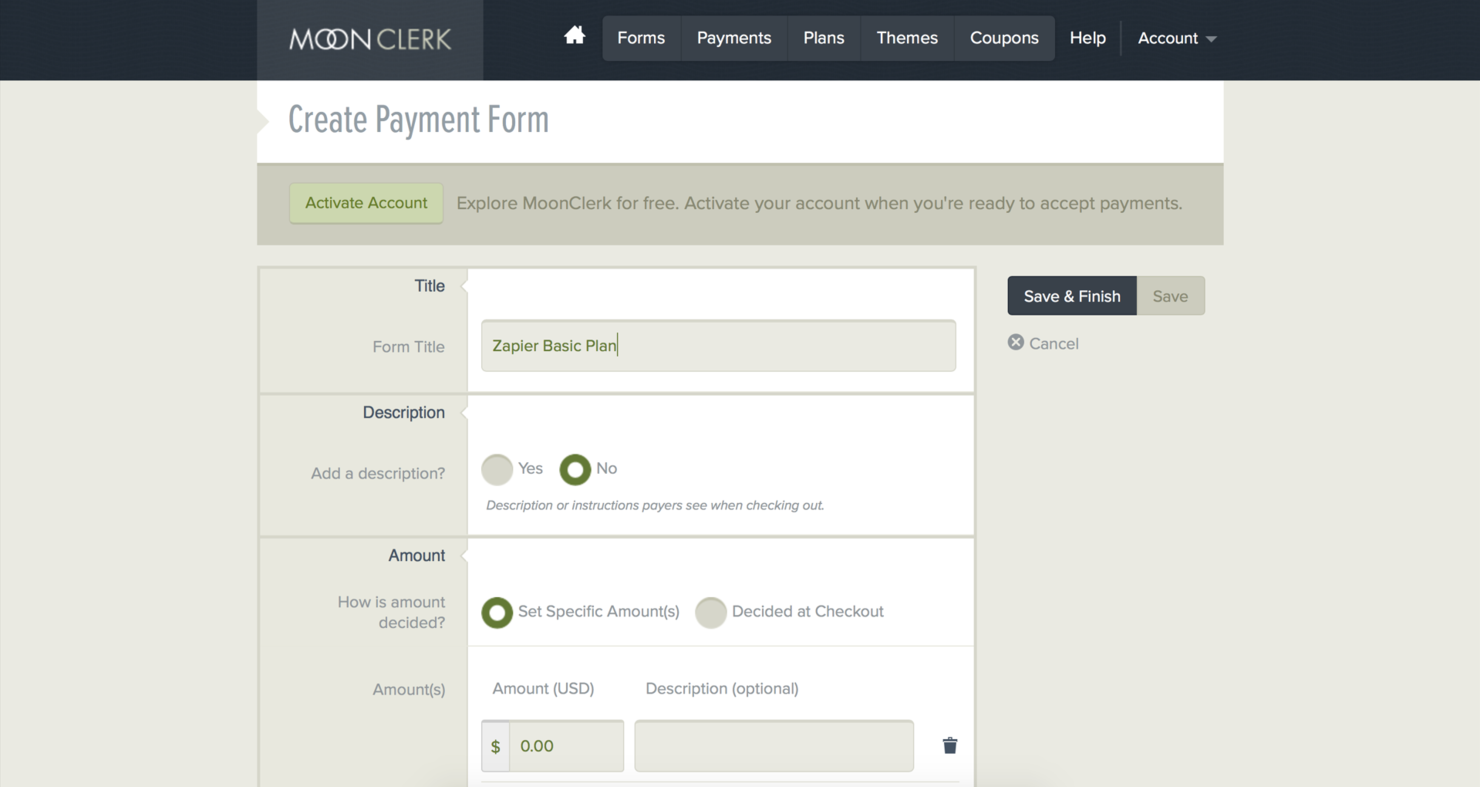
MoonClerk è uno strumento per l'elaborazione dei pagamenti e la gestione degli abbonamenti, pensato per piccole imprese e organizzazioni non profit. Aiuta gli utenti a impostare piani di pagamento ricorrenti e a personalizzare l'esperienza di pagamento per adattarla al design del proprio marchio.
Perché ho scelto MoonClerk: MoonClerk si distingue per la sua capacità di consentire la completa personalizzazione dell'aspetto e del feeling dei moduli di pagamento, rendendolo perfetto per le aziende che desiderano mantenere coerenza con il proprio marchio. Puoi facilmente progettare i moduli senza bisogno di competenze tecniche, grazie all'interfaccia intuitiva.
Lo strumento consente anche di gestire pagamenti ricorrenti e di impostare calendari di fatturazione flessibili. Con MoonClerk, puoi offrire un'esperienza di pagamento personalizzata che si allinea all'identità del tuo brand.
Caratteristiche principali & integrazioni:
Caratteristiche includono moduli di pagamento ottimizzati per dispositivi mobili che garantiscono accessibilità ai clienti da qualsiasi dispositivo. Puoi anche impostare notifiche automatiche per tenere tutti informati sullo stato dei pagamenti. Inoltre, la piattaforma offre report dettagliati per aiutarti a monitorare le tue performance finanziarie.
Integrazioni disponibili con Mailchimp, QuickBooks, Zapier, Xero, Salesforce, Slack, Google Sheets, Trello, Shopify e WordPress.
Pros and Cons
Pros:
- Moduli di pagamento completamente personalizzabili
- Calendari di fatturazione flessibili
- Moduli ottimizzati per dispositivi mobili
Cons:
- È richiesta una configurazione iniziale
- Assistenza non disponibile 24/7


Square Subscriptions è uno strumento di gestione abbonamenti pensato per piccoli rivenditori e varie tipologie di aziende come food & beverage, bellezza e servizi. Consente alle imprese di gestire la fatturazione e la fidelizzazione dei clienti migliorando al contempo la gestione del flusso di cassa.
Perché ho scelto Square Subscriptions: Square Subscriptions è ideale per i piccoli rivenditori grazie alla configurazione semplice e all'integrazione con altri prodotti Square. Offre modelli di fatturazione personalizzabili e transazioni automatiche, consentendo una gestione efficace degli abbonamenti.
Puoi creare link per il checkout e condividere le opzioni di abbonamento tramite social media o email. Questo rende facile per la tua azienda generare flussi di entrate prevedibili senza costi mensili.
Funzionalità e integrazioni principali:
Funzionalità includono durate dei piani flessibili che ti permettono di personalizzare gli abbonamenti in base alle esigenze della tua attività. La piattaforma offre anche una gestione semplice degli abbonamenti tramite la Square Dashboard, dando controllo totale sulle offerte. Le transazioni automatiche aiutano a garantire pagamenti puntuali e riducono il lavoro manuale.
Integrazioni includono Square Point of Sale, Square Invoices, Square Online, QuickBooks, Xero, Mailchimp, HubSpot, WooCommerce, Shopify e Google Analytics.
Pros and Cons
Pros:
- Modelli di fatturazione personalizzabili
- Transazioni automatiche
- Condivisione facile delle opzioni di abbonamento
Cons:
- Problemi di scalabilità per operazioni più grandi
- Alcune funzionalità possono richiedere una configurazione tecnica


Bold Subscriptions è uno strumento di gestione degli abbonamenti progettato per le aziende di ecommerce, in particolare quelle su Shopify. Aiuta i commercianti a creare e gestire servizi di abbonamento, concentrandosi su opzioni di fatturazione flessibili e fidelizzazione del cliente.
Perché ho scelto Bold Subscriptions: Bold Subscriptions offre una fatturazione flessibile, permettendoti di personalizzare come e quando fatturare i tuoi clienti. La piattaforma supporta il checkout con carrello misto, consentendo ai clienti di acquistare prodotti singoli e in abbonamento insieme.
Puoi anche impostare regole di sconto avanzate per incentivare gli abbonamenti. Grazie a una configurazione intuitiva, Bold Subscriptions rende semplice il lancio e la gestione efficace dei servizi in abbonamento.
Caratteristiche principali & integrazioni:
Funzionalità includono analisi avanzate per monitorare le prestazioni degli abbonamenti e conoscere meglio i clienti. Puoi anche personalizzare il portale clienti per migliorare l'esperienza utente. La piattaforma supporta più lingue e valute, rendendola adatta ad aziende internazionali.
Integrazioni includono Shopify, BigCommerce, WooCommerce, Zapier, HubSpot, Mailchimp, Google Analytics, Facebook, QuickBooks e Xero.
Pros and Cons
Pros:
- Supporta il checkout con carrello misto
- Regole di sconto avanzate
- Portale clienti personalizzabile
Cons:
- Alcune funzionalità richiedono competenze tecniche
- Potrebbe essere necessaria una personalizzazione per negozi di grandi dimensioni


PayWhirl è un software di gestione abbonamenti progettato per piccole e medie imprese, con un focus sull'ecommerce e sulla fatturazione ricorrente. Aiuta a gestire abbonamenti, preordini e piani di pagamento, rendendolo ideale per le aziende che necessitano di soluzioni di pagamento flessibili.
Perché ho scelto PayWhirl: PayWhirl rende semplice l'integrazione con le piattaforme più diffuse, un grande vantaggio per le aziende che desiderano espandere le proprie capacità ecommerce. Offre programmi di fatturazione personalizzabili, consentendo di adattare i piani di pagamento alle esigenze aziendali.
La funzione di portale clienti permette ai tuoi clienti di gestire facilmente i propri abbonamenti, migliorando così la soddisfazione del cliente. Puoi inoltre accettare pagamenti su diverse piattaforme, inclusi siti web e dispositivi mobili, ampliando la portata della tua attività.
Funzionalità e integrazioni principali:
Funzionalità includono la programmazione automatica dei pagamenti per farti risparmiare tempo, un portale clienti per una gestione facile degli abbonamenti e la possibilità di creare piani di fatturazione personalizzati adattabili a diversi modelli di business. Queste funzioni aiutano a gestire in modo efficiente i pagamenti ricorrenti.
Integrazioni includono Shopify, PayPal, Stripe, Square, WooCommerce, BigCommerce, QuickBooks, Xero, Mailchimp e Zapier.
Pros and Cons
Pros:
- Procedura di configurazione semplice
- Compatibile con molti processori di pagamento
- Migliora le funzionalità ecommerce
Cons:
- Curva di apprendimento per i principianti
- Supporto disponibile solo in determinati orari

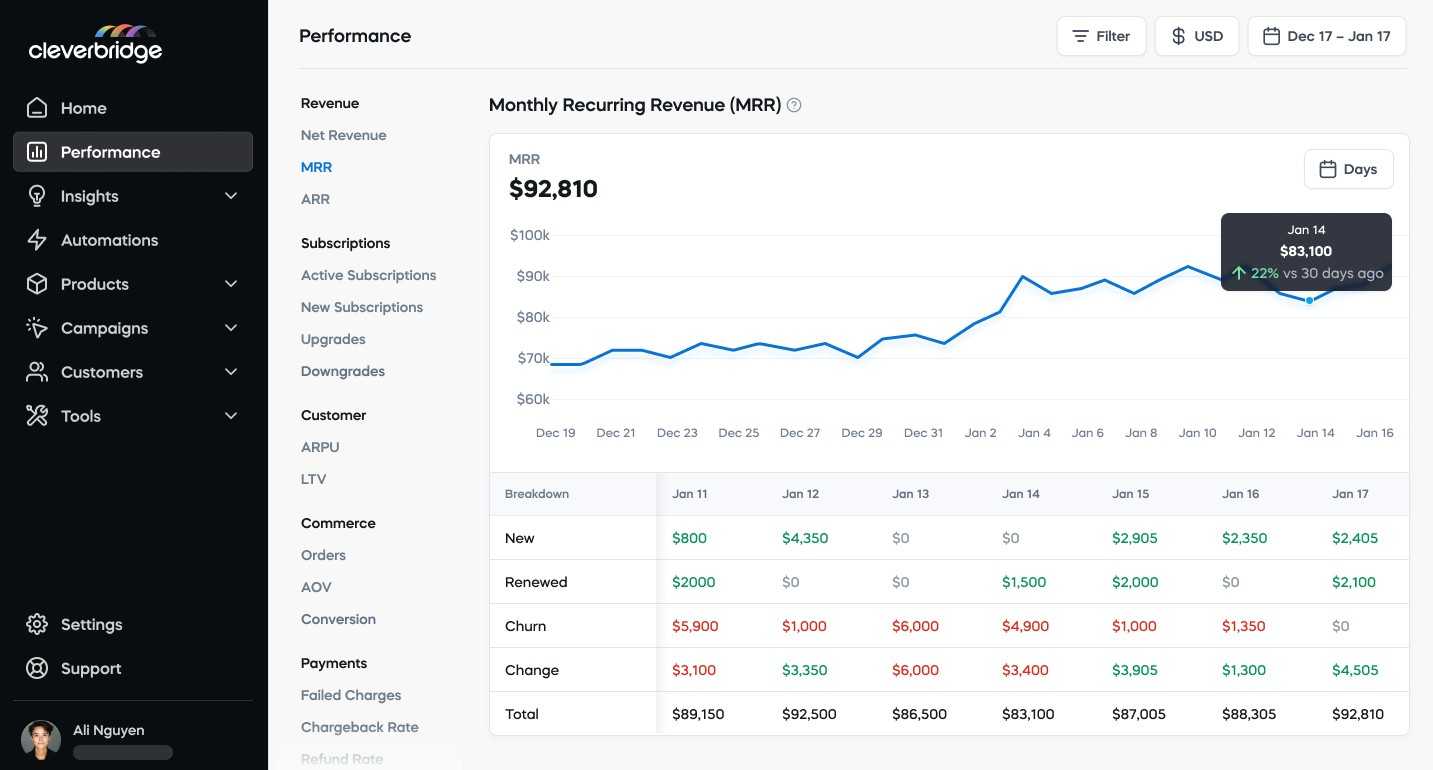
Cleverbridge è una piattaforma di gestione degli abbonamenti progettata per le aziende che desiderano espandere la propria presenza commerciale a livello globale. Serve alle aziende che vogliono gestire abbonamenti, gestire transazioni internazionali e migliorare l'esperienza dei clienti oltre confine.
Perché ho scelto Cleverbridge: Cleverbridge eccelle nel supportare le vendite globali, rendendolo ideale per le aziende che puntano a estendere il proprio mercato a livello internazionale. Offre supporto per più valute, fondamentale per la gestione delle transazioni in diverse regioni.
È inoltre possibile impostare metodi di pagamento localizzati, garantendo un'esperienza fluida ai clienti internazionali. Grazie ai suoi strumenti di gestione fiscale, Cleverbridge ti aiuta a orientarti tra le complesse normative fiscali dei vari paesi.
Caratteristiche e integrazioni principali:
Caratteristiche includono pagine di checkout personalizzabili che migliorano il percorso di acquisto del cliente. La piattaforma offre strumenti completi di prevenzione delle frodi per mettere in sicurezza le transazioni. Puoi anche accedere ad analisi di vendita dettagliate per monitorare le performance globali e adeguare di conseguenza le strategie.
Integrazioni includono Salesforce, Microsoft Dynamics 365, SAP, NetSuite, Marketo, HubSpot, Mailchimp, Zendesk, Google Analytics e Shopify.
Pros and Cons
Pros:
- Completa prevenzione delle frodi
- Pagine di checkout personalizzabili
- Analisi dettagliate delle vendite
Cons:
- Può risultare complesso da configurare
- Curva di apprendimento iniziale per i nuovi utenti
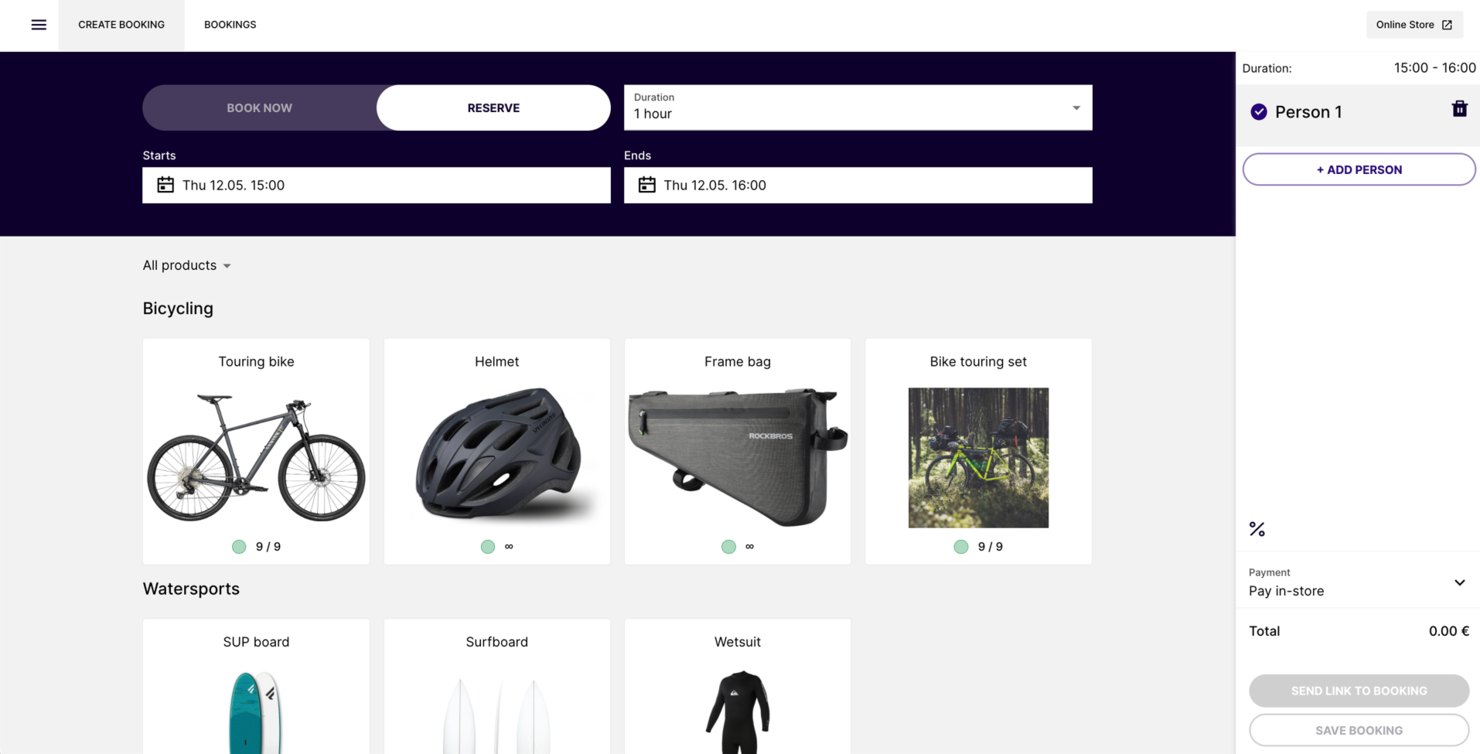
Twice Commerce è un software di gestione abbonamenti progettato per le aziende che desiderano passare a modelli di ricavo ricorrente. Serve alle imprese che hanno la necessità di gestire abbonamenti, noleggi e rivendite in modo efficace su diversi canali di vendita.
Perché ho scelto Twice Commerce: Twice Commerce si distingue per l'eccellente supporto multilingue, essenziale per le aziende che operano in mercati diversi. Il software offre strumenti per la gestione di abbonamenti e noleggi, rendendolo adattabile a diversi settori.
Con funzionalità come la gestione dell'inventario e l'evasione degli ordini, aiuta a ottimizzare le operazioni. L'interfaccia intuitiva garantisce una configurazione rapida, permettendoti di iniziare a gestire gli abbonamenti in modo efficiente.
Funzionalità e integrazioni principali:
Funzionalità comprendono strumenti per l'ottimizzazione dell'inventario, che ti aiutano a gestire le scorte in modo efficace. Il software supporta anche la vendita online e offline, offrendo flessibilità nel raggiungere i clienti. Con un catalogo prodotti dinamico, puoi aggiornare e gestire facilmente le tue offerte.
Integrazioni comprendono Shopify, WooCommerce, Zapier, QuickBooks, Xero, Stripe, PayPal, Mailchimp, Google Analytics e Facebook.
Pros and Cons
Pros:
- Gestione efficace dell'inventario
- Supporta vendite online e offline
- Catalogo prodotti dinamico
Cons:
- Necessaria un'adattamento al modello ad abbonamento
- Può richiedere personalizzazione per grandi aziende

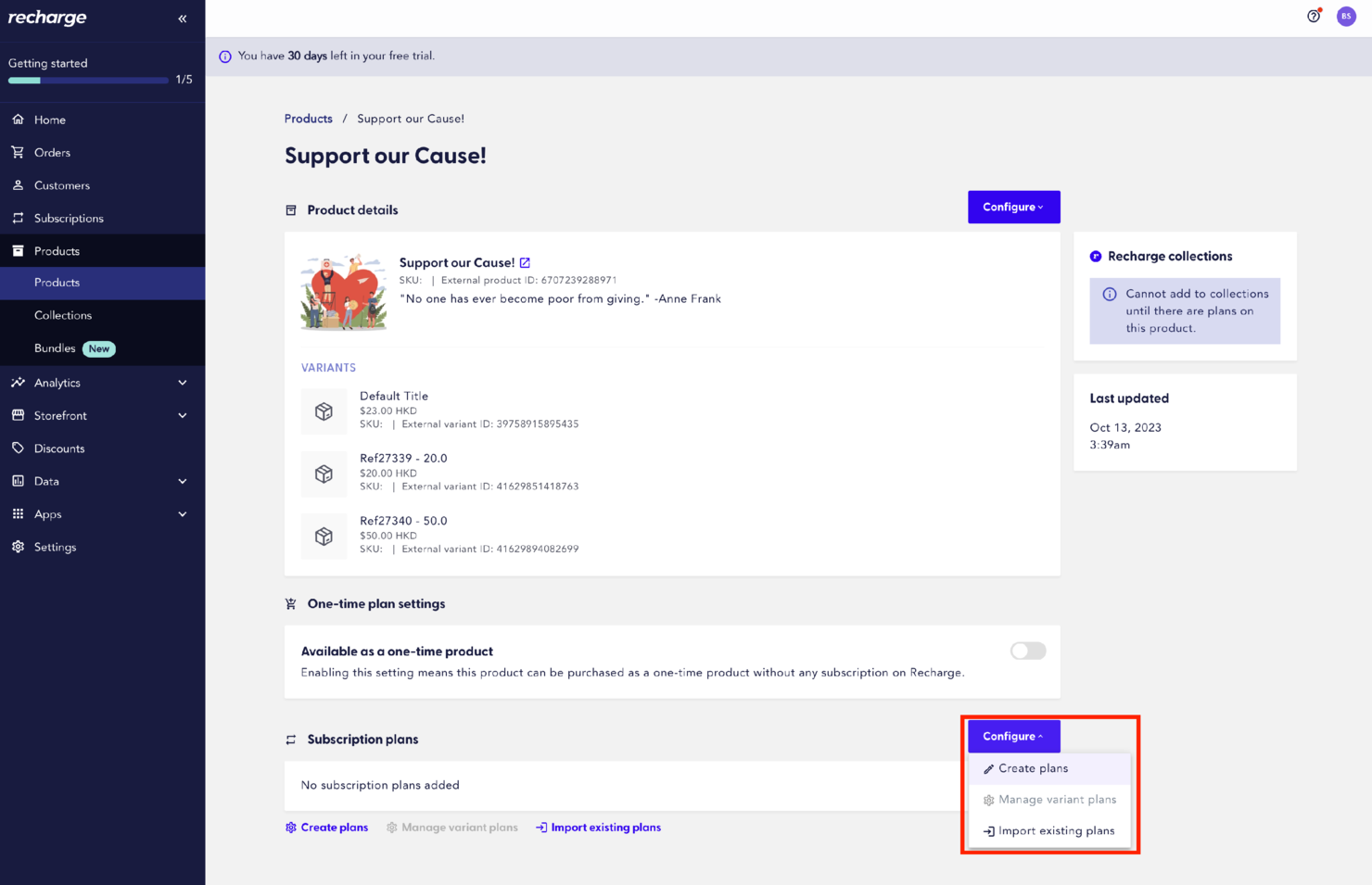
Recharge è una piattaforma di gestione abbonamenti pensata per le aziende di ecommerce, in particolare per chi utilizza Shopify. Aiuta i commercianti a gestire la fatturazione ricorrente, ottimizzare la fidelizzazione dei clienti e migliorare l'esperienza di abbonamento.
Perché ho scelto Recharge: Recharge è perfetta per i negozi Shopify che desiderano migliorare i loro servizi in abbonamento. Offre strumenti per la gestione dei pagamenti ricorrenti e propone opzioni di abbonamento personalizzabili.
Puoi integrarla facilmente con il tuo negozio Shopify per semplificare il processo di checkout. Recharge offre anche analisi che ti aiutano a comprendere il comportamento dei clienti e a migliorare le strategie di fidelizzazione.
Funzionalità principali & integrazioni:
Funzionalità includono una dashboard intuitiva che consente di monitorare i dati degli abbonati e le metriche di fatturato. Puoi configurare notifiche automatiche per tenere informati i clienti sui loro abbonamenti. Recharge supporta inoltre diversi gateway di pagamento, offrendo flessibilità sulle modalità di pagamento da parte dei clienti.
Integrazioni includono Shopify, BigCommerce, Stripe, PayPal, Klaviyo, Google Analytics, Facebook, Mailchimp, HubSpot e QuickBooks.
Pros and Cons
Pros:
- Perfetta per l'integrazione con Shopify
- Opzioni di abbonamento personalizzabili
- Supporta diversi gateway di pagamento
Cons:
- Richiede conoscenze tecniche
- Supporto offline limitato
Altri software di gestione degli abbonamenti per le piccole imprese
Ecco alcune altre opzioni di software di gestione degli abbonamenti per le piccole imprese che non sono entrate nella mia selezione, ma che vale comunque la pena prendere in considerazione:
- Rebilly
Ideale per il routing dei pagamenti
- Billsby
Ideale per la fatturazione basata sull'utilizzo
- Subscribie
Ideale per operazioni su piccola scala


Come valuto i software di gestione degli abbonamenti per piccole imprese
Valuto questi strumenti su due livelli: le basi fondamentali di fatturazione ricorrente e recupero crediti che ogni piattaforma deve offrire, e i fattori distintivi—come la sincronizzazione con Shopify e la cura delle box—che si adattano alle piccole attività retail in abbonamento.
Funzionalità di base (Requisiti minimi per questa lista)
Quando seleziono gli strumenti per la mia lista, valuto ciascuno su una scala da 0 (non offre la funzionalità) a 5 (eccelle in quest'area) per ogni funzionalità di base elencata qui sotto. Calcolo poi il punteggio totale in percentuale. Ogni strumento deve raggiungere un punteggio minimo totale del 65% per essere considerato per l'inclusione.
- Automazione della fatturazione ricorrente: Verifico che la piattaforma gestisca più cicli di fatturazione e modelli di prezzo, come abbonamenti di rifornimento settimanali insieme a tessere annuali, senza la necessità di creare manualmente le fatture.
- Gestione del ciclo di vita dell'abbonamento: Gestire iscrizioni, pause, sostituzioni e cancellazioni da un unico posto è fondamentale—specialmente per chi opera con box e si trova a gestire spedizioni saltate ad ogni ciclo.
- Integrazioni con gateway di pagamento: Verifico che ci sia supporto per diversi gateway e metodi di pagamento, affinché i rivenditori possano accettare carte di credito, bonifici ACH e portafogli digitali senza essere vincolati ad un unico provider.
- Gestione del recupero crediti e del churn: Una logica intelligente per i tentativi di riscossione e email automatiche di recupero distinguono le piattaforme che recuperano i pagamenti non riusciti da quelle che si limitano a segnalarli e lasciarli alla gestione manuale del tuo team.
- Analisi e reportistica degli abbonamenti: Valuto se la piattaforma mostra metriche specifiche per gli abbonamenti come MRR, tasso di abbandono e valore di vita del cliente (LTV) invece di semplici registri delle transazioni.
- Prezzi e setup adatti alle PMI: I piccoli team retail necessitano di prezzi trasparenti e onboarding self-service—cerco piattaforme dove il titolare di un negozio possa lanciare facilmente un programma di abbonamento senza assumere uno sviluppatore.
Dopo aver raccolto gli strumenti che soddisfano questi criteri, considero cosa distingue ogni piattaforma dall'altra.
Fattori distintivi (Cosa distingue i fornitori)
Ecco come confronto e metto a confronto i diversi fornitori:
Funzionalità degne di nota
Un portale self-service per i clienti fa risparmiare ore ogni settimana ai piccoli team permettendo agli abbonati di mettere in pausa, saltare o sostituire prodotti in autonomia. Per chi opera con box in abbonamento, considero anche gli strumenti di cura delle box—se i clienti possono scegliere gli articoli, creare bundle personalizzati o ricevere selezioni curate ad ogni ciclo. La sincronizzazione di inventario ed evasione è altrettanto importante; le piattaforme che scaricano le scorte in tempo reale e si collegano a operatori 3PL aiutano a prevenire le vendite eccessive quando vengono elaborate centinaia di rinnovi contemporaneamente.
Oltre le funzionalità
Le integrazioni con e-commerce e POS sono in cima alla mia lista—verifico se una piattaforma offre connettori nativi con lo shop online o il sistema POS già in uso nell'attività, poiché un'integrazione poco efficiente genera ordini doppi e discrepanze di magazzino. Anche la chiarezza dei prezzi è importante; cerco piani pubblicati che permettono di prevedere i costi man mano che aumenta il numero di abbonati. Infine, la velocità di implementazione merita una valutazione. I piccoli team retail hanno bisogno di template predefiniti per modelli comuni come subscribe-and-save o box curate, non di un percorso di onboarding che duri mesi.
Come scegliere il software di gestione degli abbonamenti per le piccole imprese
Scegliere il software giusto per la gestione degli abbonamenti non significa inseguire funzionalità appariscenti: significa trovare un sistema che si adatti davvero alla tua attività, ai tuoi flussi di lavoro e alle esigenze concrete del tuo team.
Ecco una lista di controllo rapida e pratica per aiutarti a fare chiarezza e individuare una soluzione adatta a te:
| Fase | Cosa fare | Perché è importante |
|---|---|---|
| Identifica i punti critici | Elenca gli aspetti in cui l'attuale sistema di fatturazione, rinnovi o gestione degli abbonati non è all'altezza. | Ti mantiene concentrato sulle soluzioni che risolvono problemi reali, non solo sulle funzionalità non indispensabili. |
| Stabilisci le funzionalità indispensabili | Decidi quali funzionalità sono irrinunciabili (fatturazione automatizzata, gestione dei solleciti, integrazioni e così via). | Garantisce che la tua selezione supporti realmente il tuo modello aziendale e i tuoi piani di crescita. |
| Verifica la facilità d'uso | Prova direttamente le demo o le versioni di prova gratuite. Coinvolgi il team che utilizzerà il software. | Evita sorprese e assicura che il personale possa effettivamente utilizzare la piattaforma ogni giorno. |
| Verifica la compatibilità delle integrazioni | Assicurati che si integri bene con il tuo CRM, gli strumenti di ecommerce e quelli di contabilità. | Ti evita il lavoro manuale e i problemi con i dati in futuro. |
| Confronta il costo totale | Vai oltre il prezzo indicato: considera la configurazione iniziale, l'assistenza e tutte le commissioni sulle transazioni o sugli aggiornamenti. | Previene sorprese sul budget e ti aiuta a ottenere un valore reale dalla spesa. |
| Valuta assistenza e configurazione iniziale | Valuta i tempi di risposta, le risorse formative e i canali di assistenza prima di prendere una decisione. | Quando le cose si complicano, vorrai un'assistenza che sia davvero utile. |
Che cos'è il software per la gestione degli abbonamenti per le piccole imprese?
Il software per la gestione degli abbonamenti per le piccole imprese è uno strumento che consente di automatizzare la fatturazione ricorrente, gestire gli abbonamenti dei clienti e occuparsi della riscossione dei pagamenti, senza le difficoltà del lavoro manuale.
È pensato per i titolari e i team aziendali che devono semplificare il proprio modello di abbonamento, ridurre il tasso di abbandono e mantenere sotto controllo i ricavi ricorrenti.
La piattaforma giusta offre dashboard, flussi di lavoro e opzioni di autogestione per i clienti che rendono molto meno complicate la fatturazione degli abbonamenti, i rinnovi e la fidelizzazione.
Alcuni piccoli marchi possono scegliere di utilizzare un software open source per la gestione degli abbonamenti, mentre altri potrebbero preferire opzioni SaaS. Questo articolo raccoglie entrambe le possibilità.
Funzionalità del software per la gestione degli abbonamenti per le piccole imprese
Non tutti i software per la gestione degli abbonamenti sono uguali. La piattaforma giusta dovrebbe fare più che elaborare un pagamento: dovrebbe aiutarti ad automatizzare, ottimizzare e ampliare la tua attività basata sugli abbonamenti senza richiedere una grande quantità di lavoro manuale.
Ecco cosa conta davvero per le piccole imprese:
- Fatturazione automatizzata. Addebita automaticamente i pagamenti ricorrenti, così non dovrai inseguire le fatture o gestire fogli di calcolo fino a tarda notte.
- Portali per l'autogestione dei clienti. Consenti agli abbonati di gestire autonomamente upgrade, downgrade, cancellazioni e dati di pagamento, riducendo le richieste all'assistenza.
- Opzioni di pagamento flessibili. Accetta carte di credito, ACH, pagamenti una tantum e ricorrenti e supporta diversi cicli di fatturazione per adattarti al tuo modello aziendale.
- Fatture personalizzabili. Fai in modo che le fatture rispecchino il tuo marchio, invece di utilizzare un modello generico, e adattale ai diversi piani di abbonamento.
- Report e dashboard in tempo reale. Visualizza a colpo d'occhio il tasso di abbandono, l'MRR, i rinnovi degli abbonamenti e le metriche sugli abbonati, senza più aspettare le sorprese di fine mese.
- Gestione dei solleciti di pagamento. Invia automaticamente promemoria per i pagamenti non riusciti, con nuovi tentativi intelligenti e notifiche per recuperare i ricavi che altrimenti perderesti.
- Integrazione con app CRM, di ecommerce e di contabilità. Sincronizza i dati dei clienti e i ricavi ricorrenti con il resto del tuo stack tecnologico, evitando di inserire più volte gli stessi dati.
- Supporto multivaluta e multilingue. Fattura ai clienti internazionali nella loro lingua e nella loro valuta senza ulteriori complicazioni.
- Solide misure di sicurezza. Proteggi i dati degli abbonati con la crittografia, la conformità PCI e i controlli degli accessi.
- Automazione tramite API e dei flussi di lavoro. Crea flussi di lavoro personalizzati o connettiti ad altri strumenti aziendali man mano che cresci, senza superare i limiti del tuo software.
Vantaggi del software per la gestione degli abbonamenti per le piccole imprese
Se gestisci ancora gli abbonamenti con fogli di calcolo o sistemi improvvisati, stai rinunciando a denaro (e serenità).
Ecco cosa ottieni davvero quando utilizzi una soluzione per la gestione degli abbonamenti pensata per le piccole imprese:
- Flusso di cassa migliorato. La fatturazione automatizzata e la riscossione dei pagamenti fanno sì che tu venga pagato puntualmente, ogni volta, senza dover inseguire i clienti.
- Riduzione del tasso di abbandono e migliore fidelizzazione. La gestione dei solleciti, i portali self-service e le notifiche in tempo reale aiutano a mantenere gli abbonati e a ridurre i pagamenti non riusciti.
- Risparmio di tempo per il tuo team. L'automazione gestisce le attività ripetitive—fatturazione, rinnovi, passaggi a un piano superiore, passaggi a un piano inferiore—così il tuo personale può concentrarsi sulla crescita, non sull'amministrazione.
- Migliore esperienza del cliente. Gli abbonati hanno il controllo grazie a portali intuitivi, opzioni di pagamento flessibili e comunicazioni chiare in ogni fase.
- Informazioni utili e decisioni più efficaci. I cruscotti e i report in tempo reale forniscono le metriche di cui hai bisogno—tasso di abbandono, ricavi ricorrenti, valore del cliente nel tempo—per gestire concretamente la tua attività in abbonamento, invece di andare a intuito.
- Scalabilità durante la crescita. Una buona piattaforma di gestione degli abbonamenti cresce insieme a te, gestendo più piani, più utenti e più integrazioni senza difficoltà.
- Maggiore sicurezza dei dati e conformità. Le protezioni integrate mantengono al sicuro i dati dei clienti e ti aiutano a rispettare PCI, GDPR e altri standard del settore.
Costi e prezzi dei software di gestione degli abbonamenti per le piccole imprese
Il prezzo dei software di gestione degli abbonamenti è tutt'altro che uguale per tutti. Troverai di tutto, dai piani "gratuiti per sempre" ai piani aziendali mensili da quattro cifre, con molte clausole scritte in piccolo nel mezzo.
La vera domanda non è solo il prezzo di listino: è cosa ottieni per i tuoi soldi e quali costi potrebbero gravare sul tuo budget in seguito.
Ecco una rapida panoramica dei tipi di piano più comuni e di ciò che generalmente includono:
| Tipo di piano | Prezzo medio | Funzionalità comuni | Ideale per |
|---|---|---|---|
| Piano gratuito | $0 | Fatturazione di base, portali cliente limitati, reportistica di base | Provare il servizio, attività individuali |
| Piano personale | $5–$25/utente/mese | Fatturazione automatizzata, portali cliente, reportistica standard | Piccoli team, esigenze semplici |
| Piano aziendale | $30–$75/utente/mese | Analisi avanzate, fatture personalizzabili, supporto multivaluta | Team in crescita, maggiore complessità |
| Piano per grandi aziende | $100+/utente/mese | Integrazioni complete, supporto prioritario, personalizzazione avanzata | Operazioni ad alto volume, con più sedi o complesse |
Ulteriori considerazioni sui costi
Prima di firmare sulla linea tratteggiata, fai attenzione a queste problematiche comuni:
- Commissioni sulle transazioni. Alcune piattaforme trattengono una percentuale su ogni pagamento, soprattutto nei piani di livello inferiore o “gratuiti”.
- Costi per passaggi a un piano superiore e componenti aggiuntivi. Funzionalità come flussi di lavoro avanzati, integrazioni aggiuntive o supporto di livello superiore possono avere un costo extra.
- Costi di avvio o configurazione. Alcuni fornitori fanno pagare l'assistenza per iniziare: chiedi informazioni in anticipo.
- Costi per eccedenza. Se superi i limiti relativi ad abbonati, fatture o transazioni, potresti ricevere addebiti imprevisti.
- Livelli di supporto. Il supporto 24/7 o “con trattamento speciale” a volte può costare di più, soprattutto nei piani di ingresso.
- Accesso API. Alcuni fornitori limitano le chiamate API o le integrazioni se non hai sottoscritto un piano superiore.
Domande frequenti sul software per la gestione degli abbonamenti per le piccole imprese
Ecco alcune risposte alle domande comuni sul software per la gestione degli abbonamenti per le piccole imprese:
Posso migrare gli abbonati esistenti e i dati di fatturazione in un nuovo software per la gestione degli abbonamenti?
Sì, la maggior parte delle piattaforme per la gestione degli abbonamenti offre strumenti di importazione o supporto durante la configurazione per aiutarti a migrare gli elenchi degli abbonati esistenti, i piani di abbonamento e la cronologia dei pagamenti.
Cerca una documentazione chiara, opzioni di importazione CSV e supporto dedicato alla migrazione, soprattutto se stai passando da sistemi sviluppati internamente o da un’altra piattaforma di fatturazione.
Qual è la differenza tra il software per la gestione degli abbonamenti e il normale software di fatturazione o di emissione delle fatture?
Il software per la gestione degli abbonamenti è progettato appositamente per la fatturazione ricorrente, i rinnovi automatici, la riduzione del tasso di abbandono, la gestione dei solleciti e la gestione del ciclo di vita degli abbonati.
Gli strumenti standard di fatturazione o di emissione delle fatture spesso non dispongono di funzioni come rinnovi automatici, portali per la gestione autonoma o metriche sugli abbonamenti in tempo reale, lasciandoti più lavoro manuale e meno informazioni utili.
In che modo il software per la gestione degli abbonamenti aiuta con il passaggio a piani superiori, il passaggio a piani inferiori e le modifiche dei piani?
Una buona soluzione per la gestione degli abbonamenti consente di automatizzare il passaggio a piani superiori, il passaggio a piani inferiori e le modifiche dei piani a metà ciclo, senza interventi manuali.
Gli abbonati possono spesso gestire autonomamente queste modifiche tramite un portale per la gestione autonoma e il sistema adegua automaticamente la fatturazione, il calcolo proporzionale e le notifiche, evitando al tuo team di occuparsi dei dettagli operativi.
Posso utilizzare il software per la gestione degli abbonamenti con più gateway di pagamento o valute?
Sì, molte delle principali piattaforme per la gestione degli abbonamenti supportano più gateway di pagamento (come Stripe, PayPal, Authorize.Net) e la fatturazione in più valute.
Questo è essenziale se gestisci un’attività di commercio elettronico o SaaS con abbonati internazionali oppure desideri flessibilità nella configurazione dell’elaborazione dei pagamenti.
Quali tipi di report e analisi dovrei aspettarmi?
Cerca pannelli di controllo in tempo reale che mostrino il tasso di abbandono, l’MRR, i rinnovi, i pagamenti non riusciti e il valore del cliente nel corso del suo ciclo di vita.
Le piattaforme migliori consentono di personalizzare i report, monitorare i gruppi di abbonati ed esportare i dati nel software di contabilità o nel CRM, fornendo informazioni utili per agire, non semplici raccolte di dati.
In che modo il software per la gestione degli abbonamenti gestisce i pagamenti non riusciti e riduce il tasso di abbandono?
Le piattaforme leader utilizzano la gestione automatizzata dei solleciti: riprovano i pagamenti non riusciti, inviano notifiche personalizzate con il tuo marchio e consentono ai clienti di aggiornare direttamente i dati di pagamento.
Flussi di lavoro intelligenti per la gestione dei solleciti aiutano a recuperare i ricavi, mantenere basso il tasso di abbandono e ridurre al minimo le attività manuali di ricontatto per il tuo team.