
Zendrop Review: Pros, Cons, Features and Pricing Explained



Zendrop is an order fulfillment software built for ecommerce brands running dropshipping operations. It handles order processing, product sourcing, and supplier fulfillment from one dashboard. I'd consider it over Spocket if you want access to a broader US-based supplier network and faster domestic shipping times—Spocket skews toward a more curated catalog with a heavier focus on European suppliers.
Zendrop Evaluation Summary
- Free to use
- Free account available
Why Trust Our Software Recommendations
Our team has been testing and reviewing software since 2012. As retail leaders ourselves, we know how difficult—and important—it is to choose the right software.
For this guide, we evaluated tools using hands-on testing and independent research, scoring tools using our selection criteria.
Our reviews reflect our independent judgment—not a sales pitch.
Zendrop Overview
In my experience, Zendrop stands out for its simple interface, fast onboarding, and clear pricing structure. Compared to other options, I think Zendrop’s US product sourcing and branded invoicing are great for scaling stores that want to focus on branding and speed. Its integrations are straightforward, but advanced automation and customization are more limited than some competitors. I’d suggest Zendrop is ideal if you want to quickly launch or expand a dropshipping business without getting bogged down in technical setup or supplier issues.
pros
-
Offers US and global product sourcing for faster shipping
-
Branded invoicing helps with store credibility and customer trust
-
24/7 customer support with live chat for quick assistance
cons
-
No direct access to digital product suppliers or print-on-demand
-
Free plan limits order automation and product imports
-
Shipment tracking updates can lag behind actual carrier movement
Is Zendrop Right For Your Needs?
Who Would be a Good Fit for Zendrop?
Zendrop is a solid choice for entrepreneurs and ecommerce teams focused on branded dropshipping and fast US or global fulfillment. It especially suits businesses launching new online stores quickly, social commerce sellers needing product variety, and brand owners wanting custom packaging. Its support resources and automated workflows make it accessible for boutiques, lean startups, and marketing departments.
-
Small Ecommerce Startups
Zendrop’s guided onboarding, free tier, and easy automation help small teams launch and manage an online shop with minimal experience.
-
Private Label Brands
Access to private labeling and custom packaging lets brand-focused businesses create a bespoke look and sell under their own name.
-
Social Media Sellers
The fast product import tools and US supplier catalog help social-first sellers stay agile and test new trends quickly.
-
Shopify Stores
Native Shopify integration, automated order syncing, and branded invoicing give Shopify merchants reliable dropshipping without extra plugins.
-
Marketing Departments
Pre-loaded product bundles and custom branding options help marketing teams roll out rapid product promotions or seasonal collections.
-
Global Ecommerce Stores
Worldwide supplier access and express shipping let international stores provide competitive delivery times and reach broader markets.
Who Would be a Bad Fit for Zendrop?
Zendrop isn’t built for established retailers with complex multi-channel operations or enterprise brands needing deep integration with legacy systems. It also isn’t ideal for physical retail stores, print-on-demand brands, digital product sales, or companies with custom product requirements Zendrop doesn't cover.
-
Enterprise Retail Chains
Zendrop lacks the deep ERP integrations and advanced inventory controls needed for high-volume, multi-warehouse operations.
-
Brick-and-Mortar Stores
Physical stores looking to sync point-of-sale inventory won’t find the right tools or integrations with Zendrop.
-
Print-On-Demand Brands
Zendrop doesn’t support print-on-demand products, so brands needing personalized printing won’t get what they need.
-
Digital Product Sellers
Since Zendrop only sources and ships physical goods, businesses selling digital items can’t use the platform.
-
Custom Manufacturers
Companies with highly customized, non-catalog products won’t find enough supplier flexibility or onboarding support.
-
Food and Beverage Merchants
Zendrop doesn’t offer inventory or supplier options for perishable goods or regulated food sales.
Our Review Methodology
How We Test & Score Tools
We’ve spent years building, refining, and improving our software testing and scoring system. The rubric is designed to capture the nuances of software selection and what makes a tool effective, focusing on critical aspects of the decision-making process.
Below, you can see exactly how our testing and scoring works across seven criteria. It allows us to provide an unbiased evaluation of the software based on core functionality, standout features, ease of use, onboarding, customer support, integrations, customer reviews, and value for money.
Core Functionality (25% of final scoring)
The starting point of our evaluation is always the core functionality of the tool. Does it have the basic features and functions that a user would expect to see? Are any of those core features locked to higher-tiered pricing plans? At its core, we expect a tool to stand up against the baseline capabilities of its competitors.
Standout Features (25% of final scoring)
Next, we evaluate uncommon standout features that go above and beyond the core functionality typically found in tools of its kind. A high score reflects specialized or unique features that make the product faster, more efficient, or offer additional value to the user.
We also evaluate how easy it is to integrate with other tools typically found in the tech stack to expand the functionality and utility of the software. Tools offering plentiful native integrations, 3rd party connections, and API access to build custom integrations score best.
Ease of Use (10% of final scoring)
We consider how quick and easy it is to execute the tasks defined in the core functionality using the tool. High scoring software is well designed, intuitive to use, offers mobile apps, provides templates, and makes relatively complex tasks seem simple.
Onboarding (10% of final scoring)
We know how important rapid team adoption is for a new platform, so we evaluate how easy it is to learn and use a tool with minimal training. We evaluate how quickly a team member can get set up and start using the tool with no experience. High scoring solutions indicate little or no support is required.
Customer Support (10% of final scoring)
We review how quick and easy it is to get unstuck and find help by phone, live chat, or knowledge base. Tools and companies that provide real-time support score best, while chatbots score worst.
Customer Reviews (10% of final scoring)
Beyond our own testing and evaluation, we consider the net promoter score from current and past customers. We review their likelihood, given the option, to choose the tool again for the core functionality. A high scoring software reflects a high net promoter score from current or past customers.
Value for Money (10% of final scoring)
Lastly, in consideration of all the other criteria, we review the average price of entry level plans against the core features and consider the value of the other evaluation criteria. Software that delivers more, for less, will score higher.
Core Features
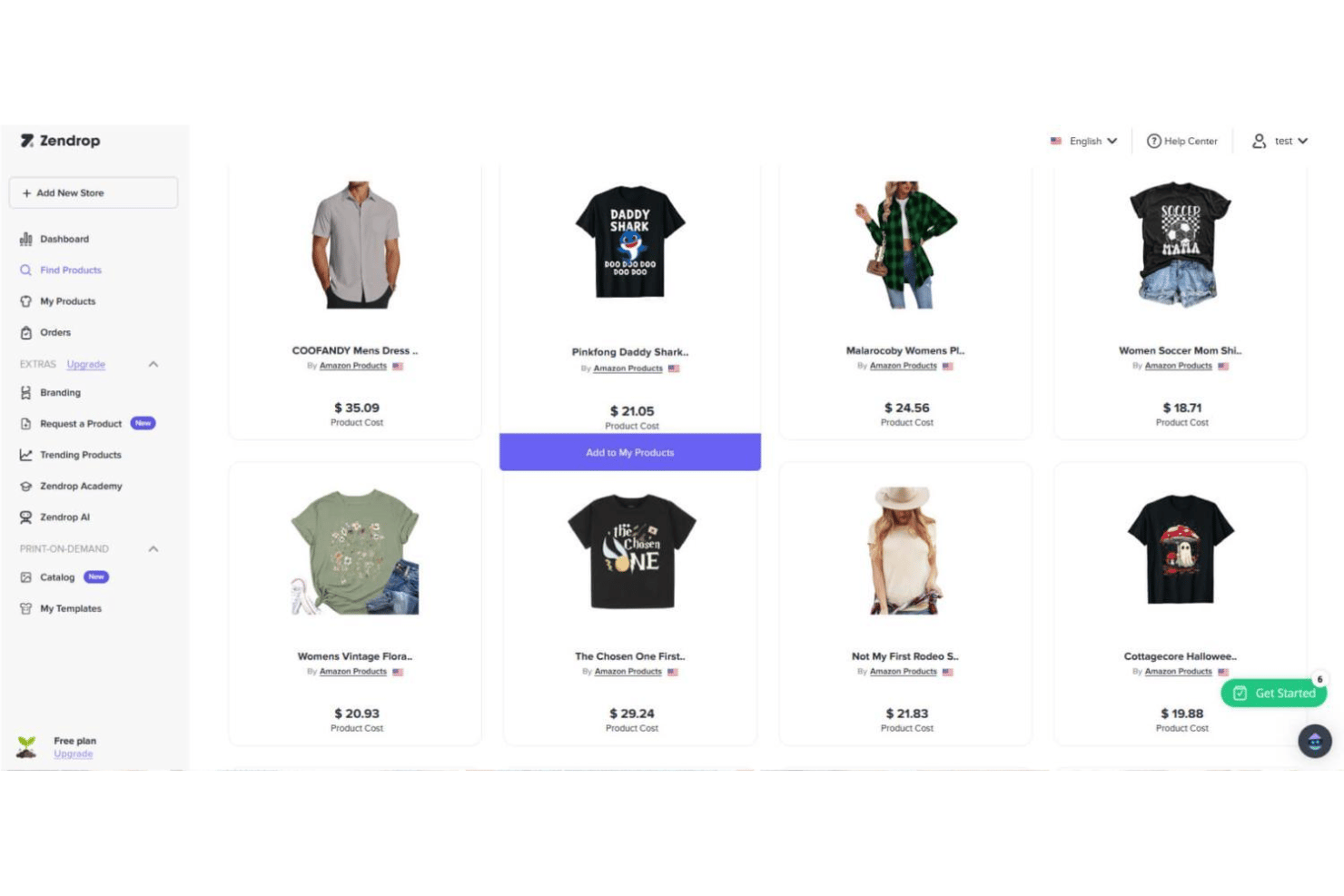
US and Global Product Sourcing
Source products from US and international suppliers for faster fulfillment. This flexibility helps meet different delivery expectations and reach new markets.
Automated Order Fulfillment
Zendrop automatically processes and ships orders placed through your store. Your workflow is simplified, so you spend less time on manual entry.
Branded Invoicing
Customize order invoices with your own brand logo and high-quality details. This feature helps you build trust and create a consistent shopping experience.
Private Labeling Options
Access private labeling for select products so you can sell under your own brand. This stands out for store owners wanting greater brand control.
Product Customization and Bundling
Easily create product bundles or customize product options before adding them to your shop. This helps you create unique offers that appeal to different segments.
Real-Time Order Tracking
Give customers real-time tracking with order status updates through Zendrop. This reduces support inquiries and keeps buyers informed.
Standout Features
Custom Packaging Services
Zendrop offers personalized package inserts and custom packaging for your shipments. This elevates your unboxing experience and helps reinforce your brand identity.
Express Shipping Program
Access Zendrop’s express shipping options for select products with delivery as fast as 3-7 days. This gives your store a competitive edge for customers who want quick delivery.
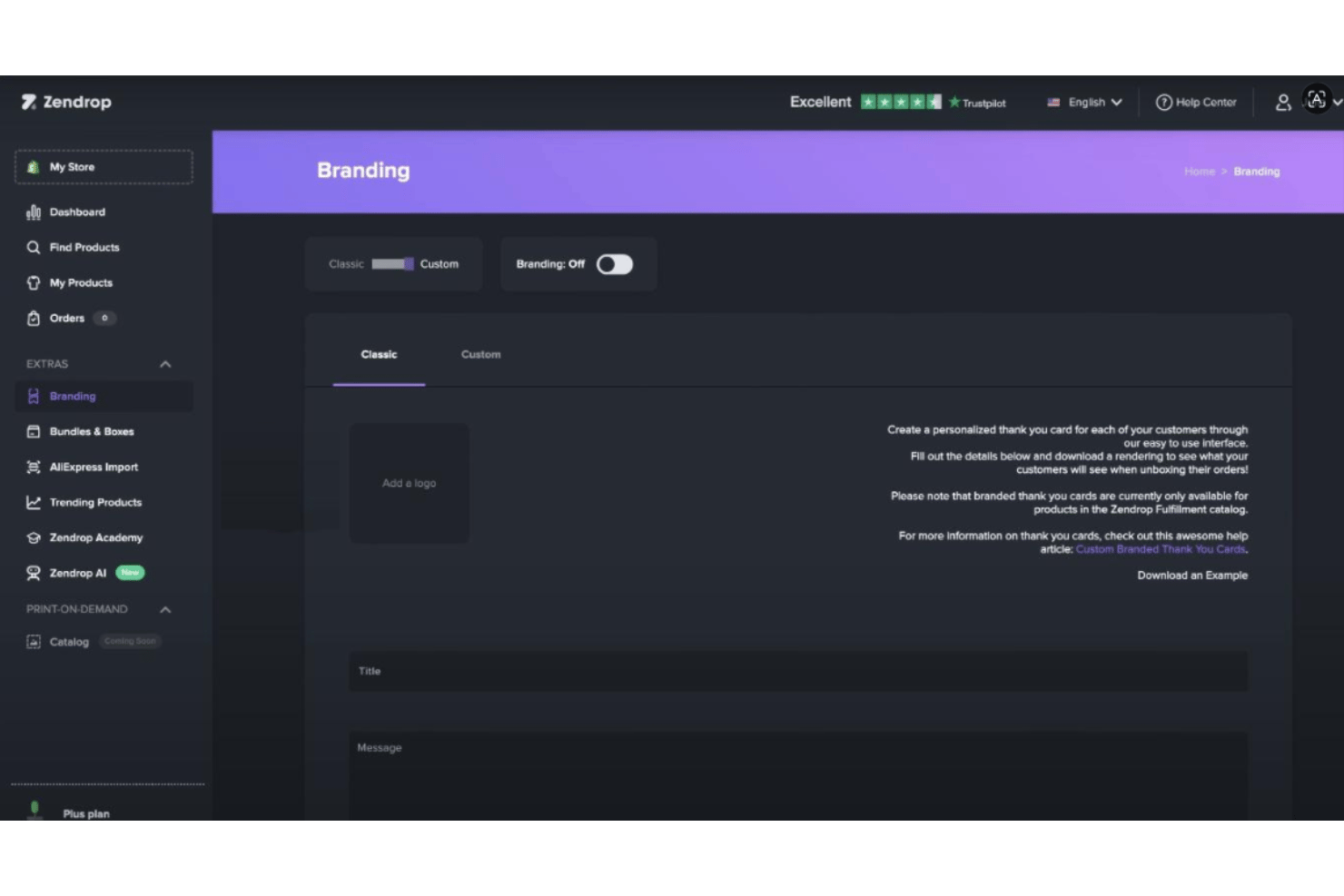
Ease of Use
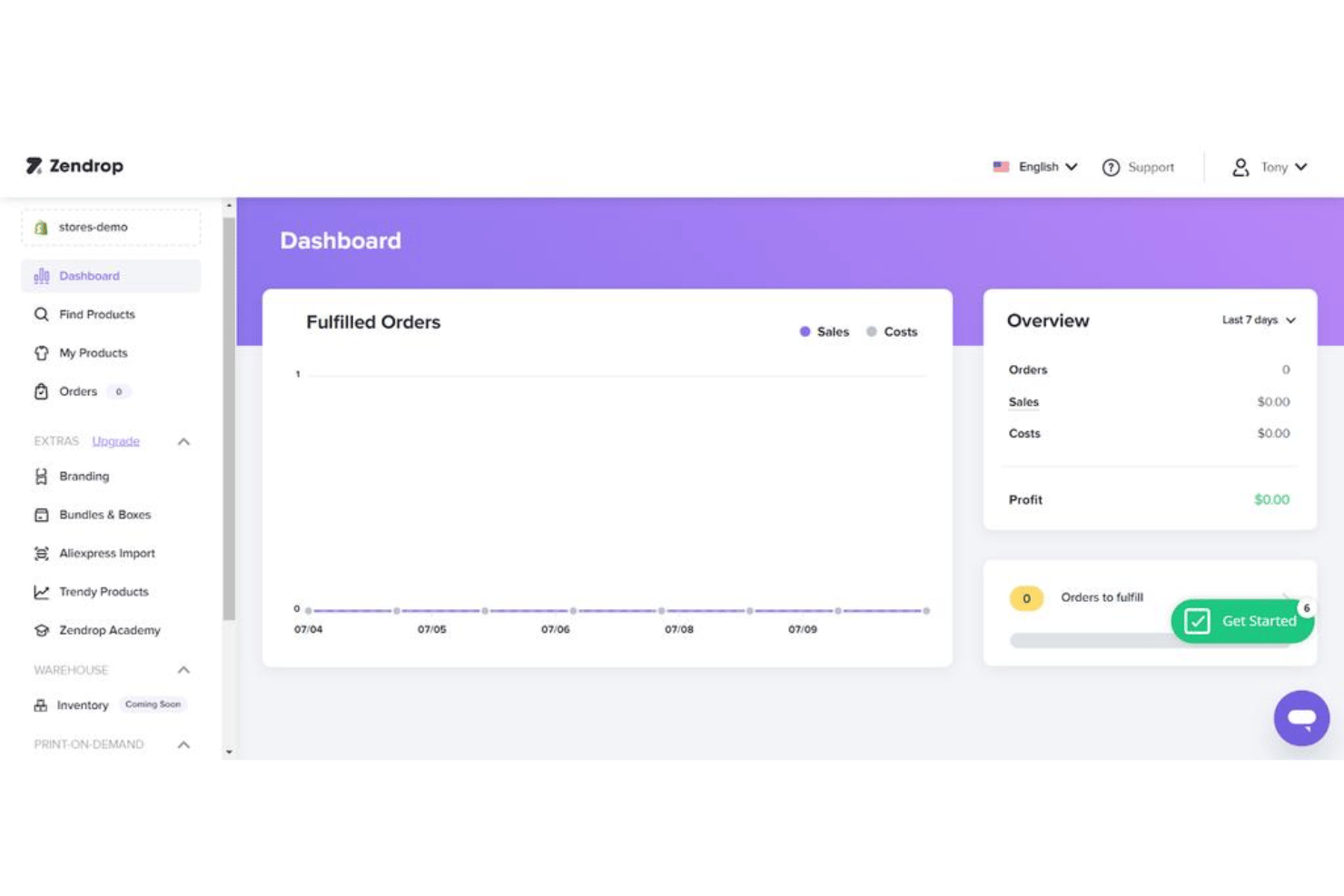
Zendrop stands out for its clean dashboard, fast onboarding, and guided store setup, making it friendly to both first-time dropshippers and seasoned sellers. I think it reduces daily effort by automating fulfillment steps and offering in-app product discovery, helping users find and add items in just a few clicks. Most users point to its workflow as intuitive, with support resources easy to access.
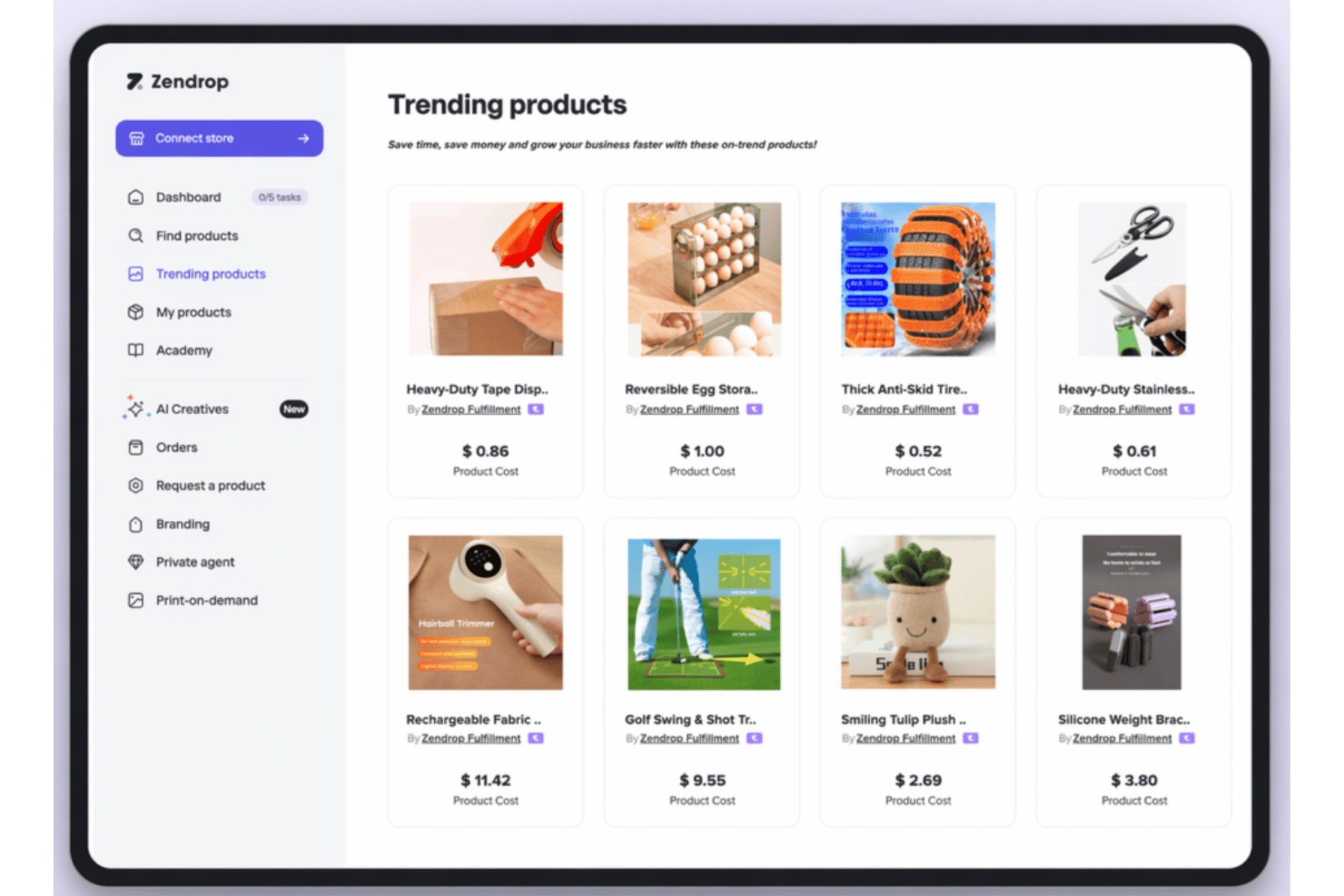
Onboarding
Zendrop gets high marks from beginners for its fast, guided onboarding that walks you through store connection, product import, and order flow step by step. I see strong support from around-the-clock live chat, a detailed help center, and plenty of video tutorials via Zendrop Academy, which help users see value and launch quickly. Zendrop Users regularly mention feeling supported and ready to sell within an hour.
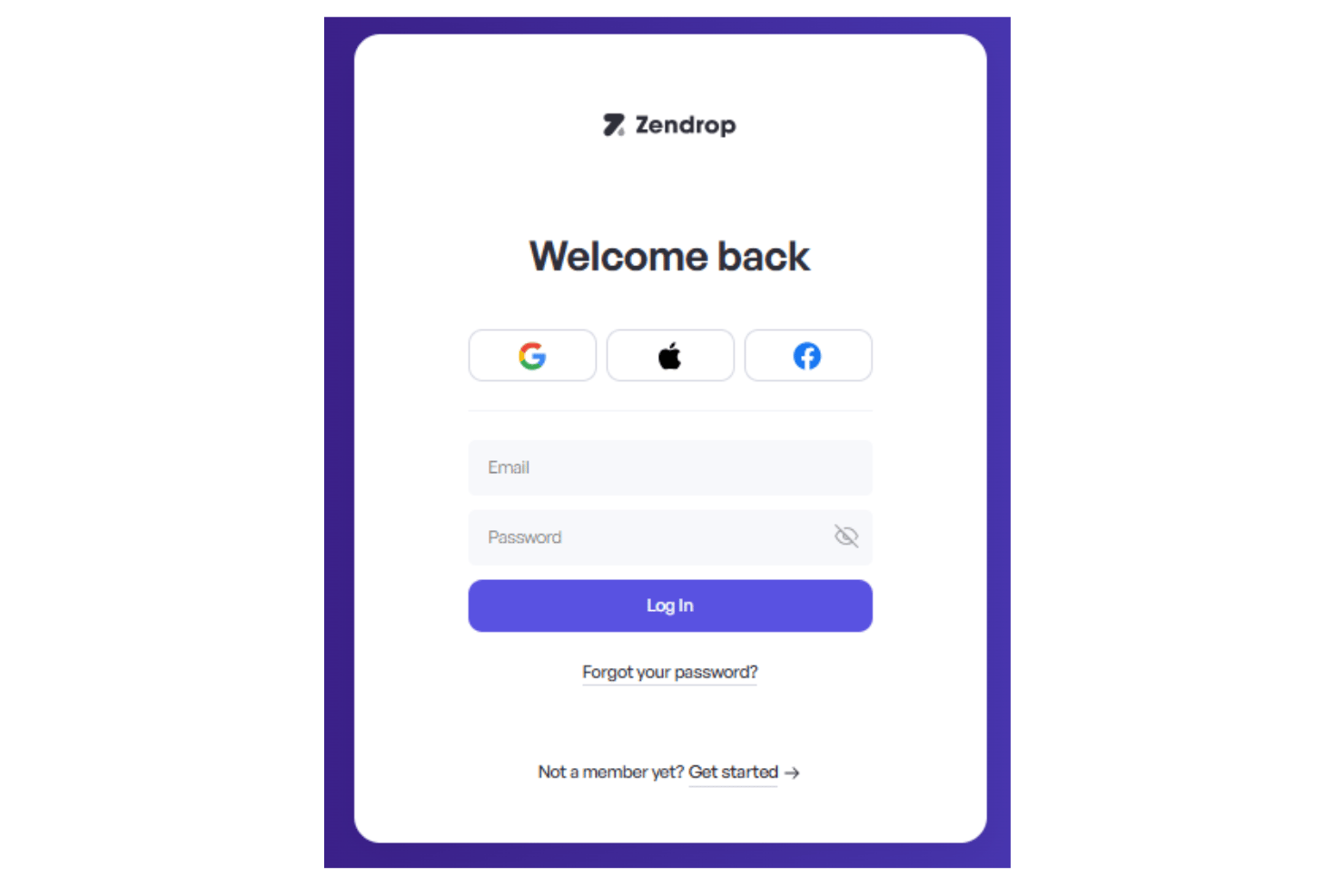
Customer Support
Zendrop’s customer support team consistently gets positive feedback for their 24/7 live chat and quick response times. I think its commitment shows in how support will even resolve supplier or shipping questions directly inside the dashboard. Many users say they get clear answers within minutes, which saves time and frustration.
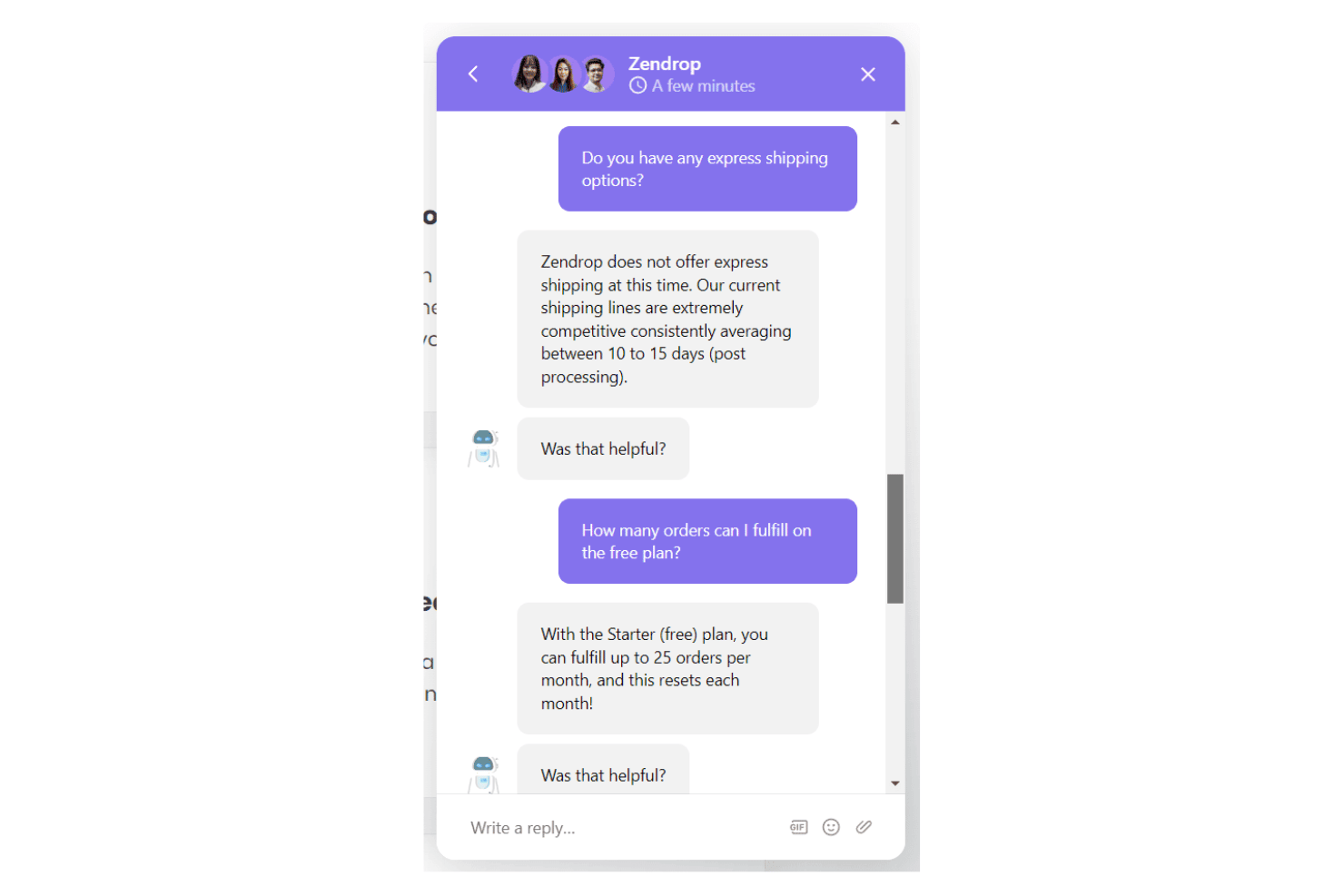
Integrations
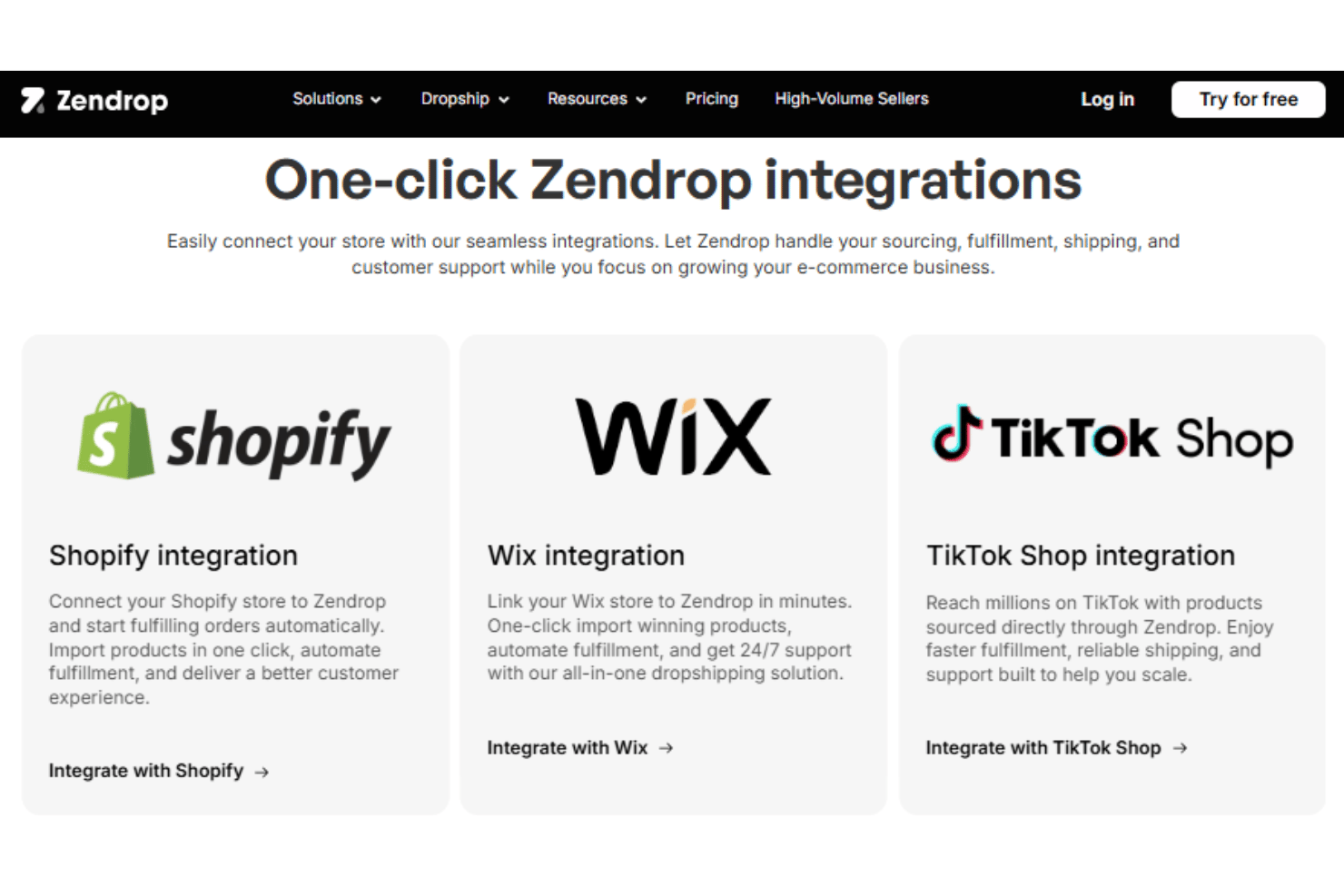
Zendrop integrates with Shopify, TikTok Shop US, ClickFunnels, and Wix.
Zendrop does not currently offer a public API or connect with major third-party integration tools.
Value for Money
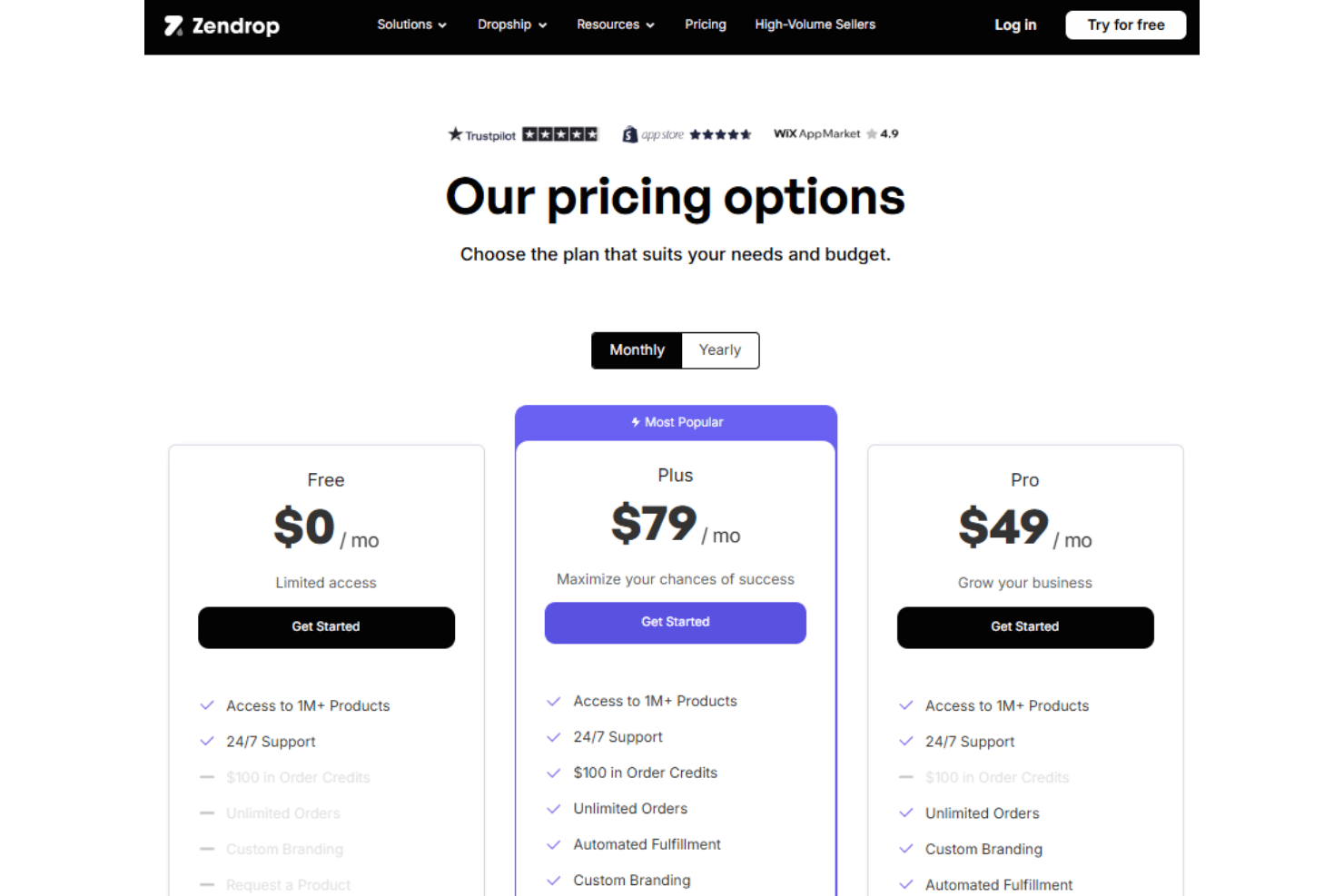
Zendrop’s pricing is transparent and starts with a useful free tier, but many valuable features require upgrading. Most users say the Pro and Plus plans are worth it; with faster shipping, premium products, and automation that actually saves time as your store grows.
- Free: Includes limited product imports, manual order fulfillment, basic support.
- Pro: Adds automated fulfillment, custom packaging, faster shipping options, and unlimited orders.
- Plus: Offers private labeling, print-on-demand, weekly coaching calls, and access to Zendrop AI.
Zendrop Specs
- 2-Factor Authentication
- A/B Testing
- Analytics
- API
- BitCoin
- Conversion Tracking
- Dashboard
- Data Export
- Data Import
- Data Visualization
- Design Templates
- External Integrations
- Inventory Tracking
- Keyword Tracking
- Marketing Automation
- Multi-User
- Notifications
- Order Management
- Payment Gateway Integration
- Payment Processor
- PayPal
- Product Catalog
- Review Monitoring
- SAP Integration
- Scheduling
- Stripe
- Third-Party Plugins/Add-Ons
Zendrop FAQs
How quickly can Zendrop fulfill US orders?
Does Zendrop manage product returns and refunds?
Can I customize packaging with Zendrop?
Is there a limit to how many products I can import?
Does Zendrop support order tracking for my customers?
What ecommerce platforms does Zendrop integrate with?
How secure is my store's data with Zendrop?
Can I source products only from US-based suppliers?
Zendrop Company Overview & History
Zendrop is a private dropshipping platform founded to help ecommerce businesses source and fulfill products worldwide with a focus on US and global suppliers. The company is headquartered in Las Vegas, Nevada, and serves tens of thousands of entrepreneurs and online stores globally. Zendrop is known for its user-friendly platform, custom branding options, and fast shipping solutions. The company has placed a strong emphasis on building community, sharing educational resources, and providing 24/7 customer support to its users.
Zendrop Major Milestones
- 2020: Zendrop founded and platform launched to serve global ecommerce retailers.
- 2021: Reached over 50,000 active users on the platform.
- 2022: Rolled out US product sourcing and express shipping program for faster domestic fulfillment.
- 2023: Expanded custom packaging, educational resources, and support offerings for merchants.