27 Best D2C Ecommerce Platforms Ranked for 2026

The Top 10 D2C Ecommerce Platform to Consider
These are my top D2C ecommerce platform picks—each stands out for what it does best, whether that’s design flexibility, scalability, or supporting fashion brands.


If you’re searching for the best D2C ecommerce platform, you want the facts—what actually works, what helps you control your customer experience, and what will grow your business without the usual headaches.
Direct-to-consumer brands face a unique set of challenges: building customer loyalty, managing operations without middlemen, and staying profitable while scaling. The right ecommerce solution should make all of that easier, not harder.
I’ve been deep in the trenches, working with top ecommerce brands and SaaS providers.
This guide gets straight to the point, with real-world insights on the best D2C ecommerce platforms to help you optimize every part of your direct-to-consumer business.
Why Trust Our Software Reviews
We’ve been testing and reviewing retail and ecommerce software and services since 2021.
As retail experts ourselves, we know how critical and difficult it is to make the right decision when selecting software. We invest in deep research to help our audience make better software purchasing decisions.
We’ve tested more than 2,000 tools for different finance and accounting use cases and written over 1,000 comprehensive software reviews. Learn how we stay transparent and our review methodology.
Comparing the Best D2C Ecommerce Platforms, Side-by-Side
See how these top D2C ecommerce platforms stack up on pricing, free trials, and what each one does best—so you can find the right fit fast.
| Tool | Best For | Trial Info | Price | ||
|---|---|---|---|---|---|
| 1 | Best for small retailers | Free plan available | OpenCart is free to use | Website | |
| 2 | Best for design flexibility | Free demo available | From $29/month | Website | |
| 3 | Best for collaborative commerce | Free demo available | Pricing upon request | Website | |
| 4 | Best for mid-sized businesses | Free demo available | From $697/month | Website | |
| 5 | Best for microservices architecture | 60-day free trial | From $30,000/year | Website | |
| 6 | Best for API-first approach | 90-day free trial | From $50,000/year | Website | |
| 7 | Best for headless commerce | Free demo available | $1,599/month | Website | |
| 8 | Best for open-source flexibility | Free demo available | Pricing upon request | Website | |
| 9 | Best for global expansion | Free demo available | Pricing upon request | Website | |
| 10 | Best for fashion brands | Not available | Website |
The 10 Best D2C Ecommerce Platforms, Reviewed
Get the inside scoop on each platform’s strengths, standout features, and ideal use case—so you can pick the best D2C ecommerce solution for your team.

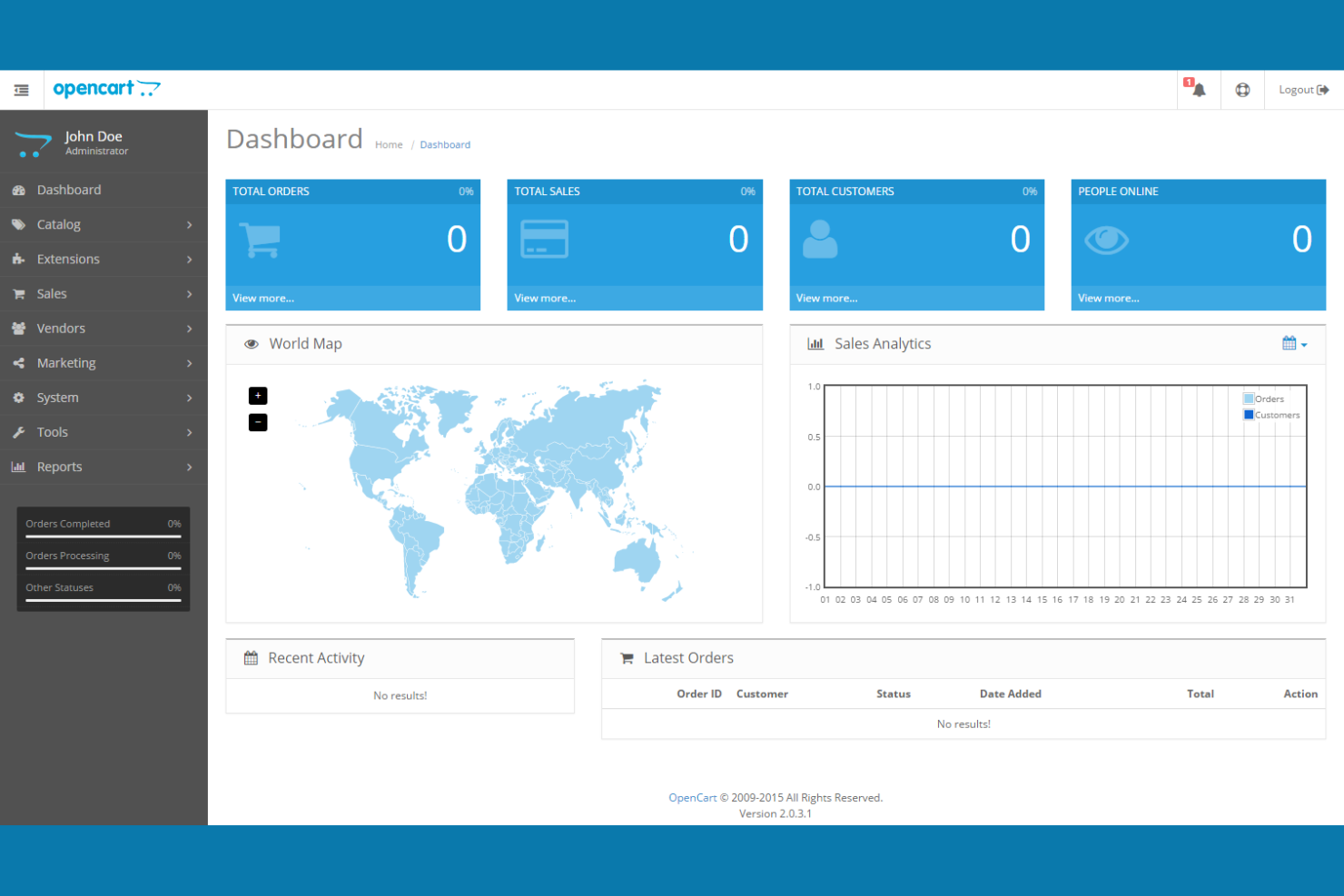
OpenCart is an open-source ecommerce platform designed for small retailers looking to create and manage online stores. It provides essential store management tools and supports a variety of payment gateways and shipping methods.
Why I picked OpenCart: OpenCart serves small retailers with its straightforward setup and user-friendly interface. It comes with a marketplace offering over 13,000 modules and themes, allowing you to customize your store to fit your brand. The platform's built-in SEO tools help you improve your store's online presence without needing additional plugins. OpenCart also offers both community support and dedicated commercial support, making it accessible for users with varying technical expertise.
Standout features & integrations:
Features include a customizable product catalog that lets you manage products efficiently. Multi-store functionality allows you to manage different stores from a single admin interface. OpenCart's reporting tools provide insights into sales, customers, and products, helping you make informed decisions.
Integrations include PayPal, Stripe, Amazon Payments, FedEx, UPS, Square, Skrill, SagePay, Klarna, and WorldPay.
Pros and Cons
Pros:
- Built-in SEO tools
- Wide range of themes
- Easy setup process
Cons:
- Fewer advanced marketing tools
- Limited scalability for large enterprises

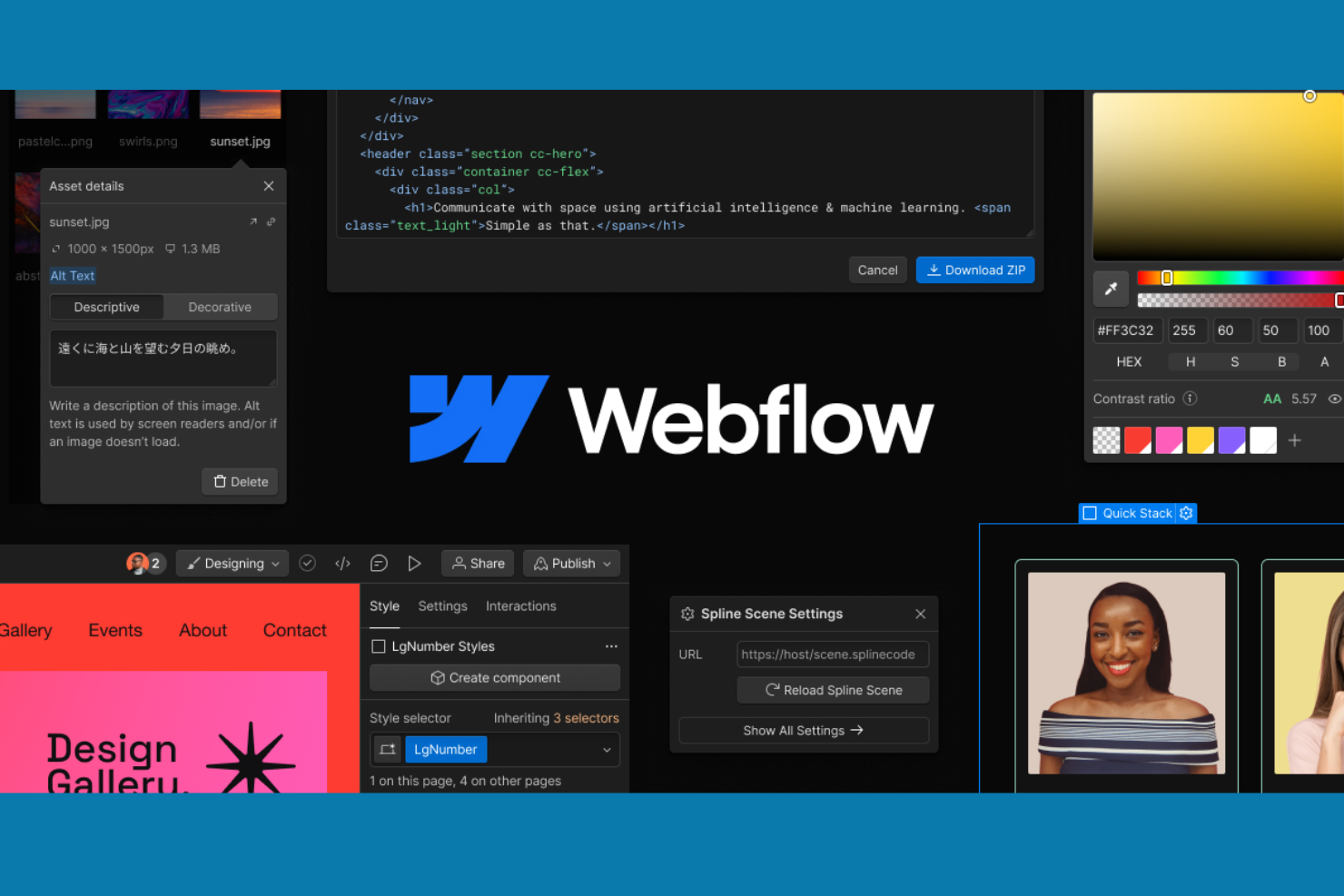
Webflow eCommerce is a web design and ecommerce platform catering to businesses that value custom design capabilities. It allows users to create visually appealing online stores without needing extensive coding skills.
Why I picked Webflow eCommerce: Webflow eCommerce offers a unique blend of design flexibility and ecommerce functionality. Its visual editor lets you design your store exactly as you envision, providing complete control over layout and style. The platform supports responsive design, ensuring your store looks great on any device. Webflow's CMS lets you manage content effortlessly, making it an ideal choice for design-focused teams.
Standout features & integrations:
Features include a customizable checkout experience that lets you tailor the purchase process to fit your brand. The platform offers dynamic content capabilities, allowing you to create and manage complex databases. Webflow also provides advanced SEO tools to help you optimize your store's visibility.
Integrations include Zapier, Mailchimp, Google Analytics, Facebook Pixel, Stripe, PayPal, ShipStation, QuickBooks, HubSpot, and AfterShip.
Pros and Cons
Pros:
- Dynamic content management
- Advanced SEO capabilities
- Extensive design customization
Cons:
- Requires design expertise
- Limited ecommerce features


VTEX is a cloud-based ecommerce platform designed for businesses that need a collaborative approach to commerce. It supports both B2B and B2C operations, providing a unified solution for managing sales, inventory, and customer engagement.
Why I picked VTEX: VTEX offers a collaborative commerce platform that encourages teamwork across different departments. Its multi-tenant architecture allows you to manage multiple stores and brands from a single platform. With its order management system, you can streamline the entire order lifecycle from purchase to delivery. VTEX also provides headless commerce capabilities, giving your team the flexibility to create custom shopping experiences.
Standout features & integrations:
Features include a native marketplace function that allows you to expand your sales channels by integrating with other vendors. The promotion engine lets you create and manage complex promotional campaigns easily. VTEX also offers a powerful search engine to enhance product discoverability on your site.
Integrations include Salesforce, SAP, Oracle, PayPal, Stripe, Amazon, Google Shopping, Facebook, Instagram, and Microsoft Dynamics.
Pros and Cons
Pros:
- Native marketplace integration
- Flexible headless commerce capabilities
- Supports multiple sales channels
Cons:
- Limited built-in analytics
- Requires technical expertise

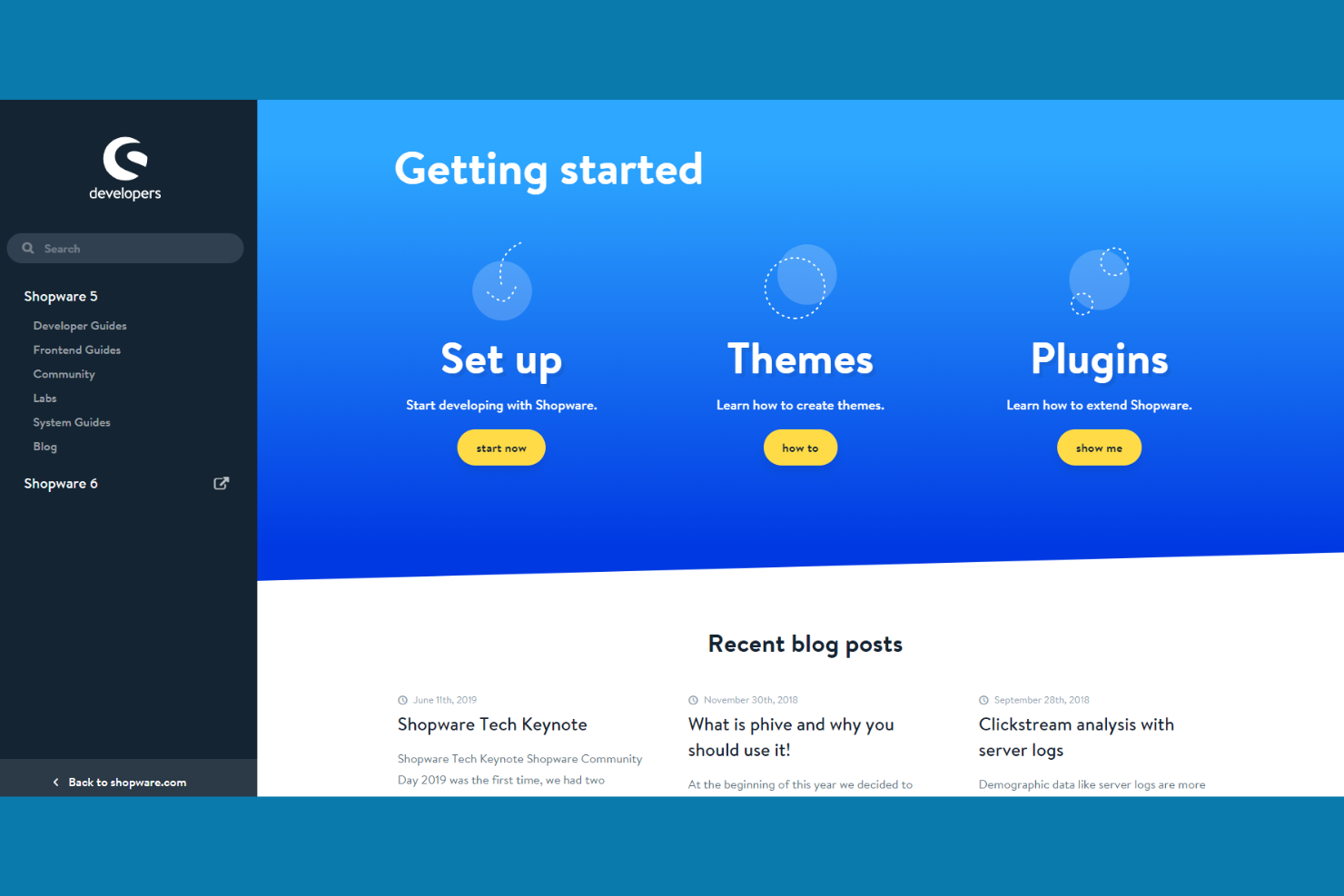
Shopware is an open-source ecommerce platform designed for mid-sized businesses that need flexibility and scalability. It supports both B2B and B2C models, offering a range of features for creating engaging online shopping experiences.
Why I picked Shopware: Shopware provides mid-sized businesses with a flexible platform that can grow with their needs. It offers customizable shopping experiences, allowing you to tailor your store to specific customer segments. The platform's API-first architecture supports scalability, making it suitable for expanding businesses. Shopware's no-code automation tools simplify managing complex operations, which is ideal for teams without extensive technical expertise.
Standout features & integrations:
Features include digital sales rooms that create personalized shopping experiences. The flow builder feature allows you to automate business processes without coding. Shopware also offers 3D and AR commerce capabilities, enhancing product presentation and customer interaction.
Integrations include PayPal, Stripe, DHL, Amazon, Mailchimp, Google Analytics, Facebook, Klarna, Sage, and HubSpot.
Pros and Cons
Pros:
- No-code automation tools
- Scalable API architecture
- Strong B2B support
Cons:
- Limited built-in marketing tools
- Requires technical setup knowledge


commercetools is a headless commerce platform designed for enterprises seeking flexibility and scalability. It enables businesses to create custom ecommerce solutions using its microservices-based architecture.
Why I picked commercetools: commercetools offers a microservices architecture that allows your team to build tailored commerce solutions. Its API-driven approach supports seamless integration with other systems. You can deploy new features rapidly without disrupting existing operations. commercetools also provides a flexible data model, making it easier to adapt to changing business needs.
Standout features & integrations:
Features include a customizable checkout process that lets you tailor the purchasing experience. The platform offers a powerful promotions engine to manage discounts and special offers. commercetools also provides a flexible product information management system to handle complex product catalogs.
Integrations include Salesforce, SAP, Adobe Experience Manager, AWS, Microsoft Azure, Google Cloud, PayPal, Stripe, Algolia, and Contentful.
Pros and Cons
Pros:
- Strong API-driven integrations
- Supports complex product catalogs
- Highly flexible microservices architecture
Cons:
- Requires technical expertise
- High initial setup cost


Elastic Path is a headless commerce platform designed for businesses that prioritize flexibility and customization. It caters to companies looking to build unique and scalable digital commerce experiences.
Why I picked Elastic Path: Elastic Path focuses on an API-first approach, allowing your team to integrate and customize commerce experiences. Its modular architecture supports the creation of tailored solutions that fit specific business needs. The platform's flexibility makes it ideal for businesses with complex requirements. Elastic Path's commerce cloud provides the infrastructure needed to manage and scale digital commerce operations efficiently.
Standout features & integrations:
Features include a product content management system that lets you organize and manage product information seamlessly. The platform's pricing engine allows you to create dynamic pricing strategies. Elastic Path also offers a robust promotions engine to design and manage promotional campaigns effectively.
Integrations include Salesforce, SAP, Adobe Experience Manager, Avalara, PayPal, Stripe, TaxJar, Google Analytics, HubSpot, and Microsoft Dynamics.
Pros and Cons
Pros:
- Comprehensive promotions management
- Scalable architecture for growth
- Highly customizable API-first platform
Cons:
- Requires technical expertise
- High entry cost for small businesses

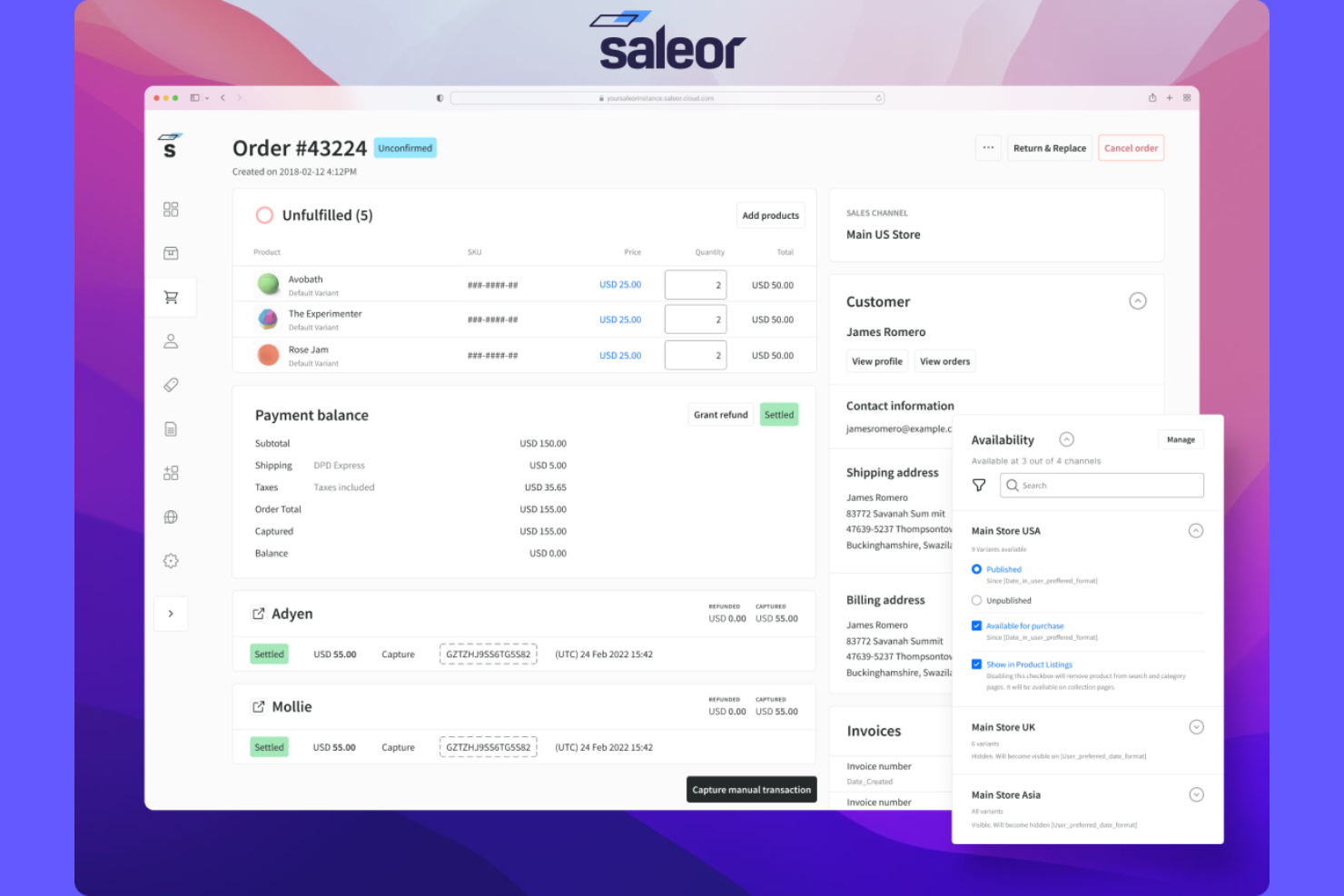
Saleor is a headless commerce platform designed for developers and businesses looking for flexibility in ecommerce solutions. It allows you to build custom storefronts using a modern, API-first approach.
Why I picked Saleor: Saleor focuses on headless commerce, giving your team the ability to create unique user experiences without being tied to a specific frontend framework. Its GraphQL API provides efficient data querying, enhancing performance. Saleor supports multichannel selling, allowing you to manage various sales channels from one platform. The platform's open-source nature means you can customize it to fit your specific needs.
Standout features & integrations:
Features include a customizable product catalog that lets you manage complex product information. Saleor offers a built-in multi-currency system, making it easier to sell internationally. The platform also provides a flexible tax management system to handle different tax rates and rules.
Integrations include Stripe, PayPal, Mailchimp, Google Analytics, Facebook, Instagram, AWS, Shopify, Algolia, and Contentful.
Pros and Cons
Pros:
- Built-in multi-currency support
- Supports multichannel selling
- Highly flexible headless architecture
Cons:
- High customization needs technical skills
- Requires developer expertise


Sylius is an open-source ecommerce platform designed for developers and businesses seeking customizable solutions. It caters to companies wanting to build tailored ecommerce experiences without being tied to a specific framework.
Why I picked Sylius: Sylius offers open-source flexibility, allowing your team to modify the platform to fit specific business needs. Its modular architecture supports adding or removing components as needed. You can create unique customer experiences by leveraging its Symfony-based foundation. Sylius also provides extensive documentation and community support, making it easier for developers to implement custom features.
Standout features & integrations:
Features include a customizable product catalog that adapts to various business models. The platform offers advanced promotion and discount management tools to enhance marketing efforts. Sylius also provides a robust set of APIs for seamless integration with other systems.
Integrations include PayPal, Stripe, Mailchimp, Google Analytics, Facebook, Algolia, Elasticsearch, Redis, Akeneo, and SendGrid.
Pros and Cons
Pros:
- Extensive API capabilities
- Flexible modular architecture
- Strong community support
Cons:
- Advanced customization needs technical skills
- Limited built-in features

Commerce Layer is an API-first commerce platform designed for businesses looking to expand globally. It supports multi-currency and multi-language capabilities, making it ideal for international sales.
Why I picked Commerce Layer: Commerce Layer focuses on facilitating global expansion with its multi-currency and multi-language support. Its API-driven approach allows your team to integrate with existing systems easily. The platform's flexibility lets you manage localized pricing and inventory across different markets. Commerce Layer also offers a headless architecture, enabling custom storefront creation that aligns with local customer preferences.
Standout features & integrations:
Features include a flexible inventory management system that adapts to various sales channels. The platform's order management capabilities ensure smooth processing and fulfillment of international orders. Commerce Layer also provides advanced pricing strategies to cater to different regions and market demands.
Integrations include Stripe, PayPal, Google Analytics, Mailchimp, Salesforce, Algolia, Contentful, AWS, Microsoft Azure, and Netlify.
Pros and Cons
Pros:
- Customizable headless architecture
- Supports localized pricing strategies
- Strong multi-currency support
Cons:
- Limited built-in marketing tools
- Requires developer expertise


Centra is an ecommerce platform specifically tailored for fashion brands looking to expand their digital presence. It offers tools to manage sales, inventory, and customer relationships within the fashion industry.
Why I picked Centra: Centra focuses on the unique needs of fashion brands, providing features that support global expansion and multichannel sales. Its inventory management system is designed to handle the complexities of fashion retail. Centra's order management capabilities ensure efficient processing and fulfillment of orders. The platform's customization options let you create a brand-specific shopping experience that resonates with your audience.
Standout features & integrations:
Features include a virtual showroom that allows for B2B sales, enhancing the wholesale buying experience. Centra's pricing engine supports dynamic pricing strategies, letting you adjust prices based on market conditions. The platform also provides detailed analytics and reporting tools to monitor sales performance and customer behavior.
Integrations include Klarna, PayPal, Stripe, DHL, FedEx, Google Analytics, Facebook, Instagram, Salesforce, and Mailchimp.
Pros and Cons
Pros:
- Dynamic pricing capabilities
- Supports global sales expansion
- Tailored for fashion industry needs
Cons:
- Limited out-of-box marketing tools
- Requires specialized knowledge
Other D2C Ecommerce Platform
Here are some additional D2C ecommerce platform options that didn’t make it onto my shortlist, but are still worth checking out:
- Nacelle
For performance optimization
- SCAYLE
For scalability
- Ecwid
For multichannel selling
- PrestaShop
For open-source customization
- Adobe Commerce
Adobe Commerce
- WooCommerce
For WordPress users
- Salesforce Commerce Cloud
For B2C and B2B
- OroCommerce
For B2B ecommerce
- Kibo Commerce
For unified commerce
- SAP Commerce Cloud
For global enterprises
- Wix eCommerce
For easy setup
- Square Online
For in-person integration
- Medusa
For headless flexibility
- Spryker Commerce
For custom commerce solutions
- WriteText.ai for Shopify
For small startups
- Catalog Maker by for BigCommerce
For enterprise growth
- Squarespace Enterprise
For design-focused users


Our Selection Criteria For D2C Ecommerce Platforms
Choosing a D2C ecommerce platform isn’t just a box-checking exercise. Here’s exactly how I evaluated each option and what matters most for brands going direct.
Core functionality (25% of total score)
Every platform had to deliver on the basics before making this list.
- Manage product listings. Easy setup, clear organization, no headaches.
- Process customer orders. Seamless checkout, fast payments, minimal friction.
- Integrate payment gateways. Flexible options—no one likes limited payment choices.
- Track inventory levels. Real-time accuracy, simple restocking.
- Provide customer support tools. You need more than just a contact form.
Additional standout features (25% of total score)
Not all platforms go beyond the basics—these extras set the best apart.
- Headless commerce capabilities. Future-proof flexibility, especially for complex brands.
- Advanced analytics dashboard. Real-time data, not just pretty charts.
- Multi-currency support. Sell global, without operational migraines.
- AI-driven product recommendations. Smarter upsells, higher conversions.
- Customizable checkout process. Match your brand, remove friction.
Usability (10% of total score)
If it’s clunky, your team won’t use it. Here’s what I watched for.
- Intuitive interface design. Clean, modern, makes sense on day one.
- Simple navigation structure. No hunting for key settings.
- Minimal setup time. Get live quickly, not months later.
- Clear user documentation. Save time on training and troubleshooting.
- Responsive design for mobile. Looks great, works great—any device.
Onboarding (10% of total score)
Getting started should feel like a boost, not a burden.
- Training videos available. Not just docs—actual walkthroughs.
- Interactive product tours. Learn by doing, not guessing.
- Access to templates and guides. Jumpstart your setup.
- Live webinars for new users. Direct answers, right away.
- Chatbots for support. Quick fixes, anytime.
Customer support (10% of total score)
When things go sideways, fast help matters.
- 24/7 support availability. Retail never sleeps, neither should your platform.
- Multiple support channels. Email, chat, phone—pick your poison.
- Response time for inquiries. Minutes, not days.
- Knowledge base access. Find answers without waiting.
- Personalized support options. Real help from real people.
Value for money (10% of total score)
Don’t overpay for shelfware. I looked for real value at every tier.
- Competitive pricing tiers. Transparent and fair—no gotchas.
- Features offered at each price point. You get what you pay for (or better).
- Free trial or demo availability. Try before you commit.
- Transparent pricing structure. No hidden “gotcha” fees.
- Annual plan discounts. Save if you’re ready to commit.
Customer reviews (10% of total score)
What actual users say is just as important as the sales pitch.
- Overall satisfaction ratings. Happy customers, real stories.
- Commonly mentioned pros and cons. No rose-colored glasses here.
- Frequency of updates and improvements. Dead platforms are dealbreakers.
- Customer retention rates. Do users stick around?
- Feedback on support quality. If support is a nightmare, you’ll know.
What is a D2C Ecommerce Platform?
A D2C ecommerce platform is software that lets brands sell directly to consumers online—no wholesalers, distributors, or other middlemen in the way.
These platforms give you complete control over your storefront, customer data, and the end-to-end buying experience.
Most direct-to-consumer brands use a D2C ecommerce platform to launch new products, manage inventory, and run targeted marketing campaigns.
The right tool streamlines everything from checkout to order fulfillment, while helping you build stronger customer relationships and optimize your business model for higher margins. For anyone looking to own their brand and customer base, it’s the foundation you can’t skip.
How to Choose D2C Ecommerce Platform
Don’t get lost in endless feature lists—zero in on these key steps to find the best D2C ecommerce platform for your brand:
| Action step | What to look for | Pro tip |
|---|---|---|
| Map out your growth plans | Scalability for big catalogs, high traffic | See if established brands rely on it. |
| Audit your tech stack | Integrations with your CRM, ERP, marketing | Skip platforms that need lots of custom builds. |
| Test the customization options | Flexibility with themes, checkout, workflows | Demo theme changes—don’t settle for “almost.” |
| Put the platform through a real trial | Intuitive interface, easy onboarding | Launch a sample store with your own team. |
| Run the numbers | Transparent pricing and real ROI | Dig for hidden costs and upcharges. |
| Review the support and community | Fast, helpful support, active user forums | Hunt for honest user reviews, not just testimonials. |
| Double-check security and compliance | GDPR, PCI, regular audits, data protections | Ask for recent certifications and policies. |
Work through these steps, not just marketing claims, and you’ll land on a D2C ecommerce platform built for your business—not someone else’s.
Top Features of D2C Ecommerce Platforms
When you’re running a direct-to-consumer brand, you need more than just a pretty online storefront.
- Direct control over every touchpoint. Forget asking permission—own your product listings, checkout flow, and post-purchase messaging. Shape every detail of the customer journey without begging IT or crossing your fingers on feature requests.
- Deep integrations with marketing and analytics tools. The top platforms play nice with your CRM, email marketing, SMS, and every pixel and tag you need. If you can’t plug in your real data, you’re flying blind.
- Headless and API-first options. If you want real flexibility, don’t settle for rigid templates. Modern D2C brands demand the ability to build unique customer experiences, test landing pages, and iterate fast. Headless means you’re never boxed in.
- Native multichannel and social selling. If your platform can’t push products to Instagram, Facebook, and the latest sales channel, you’re behind. The best D2C ecommerce platforms let you manage social media selling, marketplaces, and even in-store or pop-up events—all from one backend.
- Dynamic pricing and promotions engine. Real D2C brands move fast. Your platform should support flash sales, personalized discounts, bundles, and loyalty rewards—without manual workarounds or third-party hacks.
- Advanced customer data management. You’re not just selling widgets—you’re building a customer base. Look for unified profiles, segmentation, and real-time insights. The right platform turns customer data into actual revenue.
- Inventory and order management that scales. The system should keep pace as you grow—real-time stock sync, pre-orders, bundles, and even support for split shipments. Bonus points for automation that keeps you lean as you scale.
- SEO and content controls built for search. Ranking on Google still matters. The best D2C ecommerce platforms make it easy to edit meta tags, control URLs, and publish rich content—without calling in the dev team.
Top Benefits of D2C Ecommerce Platforms
Owning your own D2C ecommerce platform is about gaining leverage, speed, and full control over your brand and customer relationships.
Here’s what the right platform delivers for serious operators:
- Full ownership of your customer data and relationships. No more guessing what drives retention or who your VIPs are. You control every data point—shopping behavior, purchase history, feedback loops.
- Total brand control, no middlemen in the mix. You set the narrative and design the experience from ad click to repeat purchase. The best platforms let you roll out new products, update messaging, and run targeted campaigns on your timeline, not a retailer’s.
- Higher profit margins, fewer hands in your pocket. Selling direct means skipping the markups and fees from intermediaries, wholesalers, or retail partners. More of every dollar lands in your account—and you can reinvest it in better marketing, customer experience, or product launches.
- Ability to launch, test, and optimize fast. Want to A/B test a landing page or try a new payment option? The best D2C ecommerce platforms don’t slow you down with endless approvals or development backlogs.
- Real-time insights drive smarter marketing and growth. With unified analytics and real-time reporting, you know what’s selling, who’s buying, and what to double down on next. Use this data to personalize campaigns, streamline the checkout experience, and keep customers coming back.
- Built to scale with your business, not against it. As your product catalog, channels, and order volume grow, a strong D2C ecommerce solution won’t buckle. Look for platforms that automate inventory management, handle peak traffic, and let you spin up new storefronts or campaigns with minimal friction.
- Freedom to build omnichannel and personalized experiences. Integrate your online store with in-store pop-ups, marketplaces, and social media platforms. The right platform turns every touchpoint into an opportunity to strengthen loyalty and boost customer satisfaction.
Costs & Pricing of D2C Ecommerce Platforms
Before you commit, you need to understand what you’re really signing up for—and how that aligns with your D2C strategy, budget, and growth ambitions.
Here’s a snapshot of common plan tiers across top platforms so you can make decisions that don’t bite you later.
| Plan type | Average monthly price (annual billing) | Common features | Best for |
|---|---|---|---|
| Free plan | $0 | Basic storefront, limited products, social selling | Bootstrap testing, side hustles |
| Starter/Personal | $15–$35 | Themes, basic SEO, simple analytics | New D2C brands, lightweight order volumes |
| Growth/Business | $50–$100 | Multichannel selling, inventory tracking, marketing tools | Scaling businesses, moderate catalogs |
| Enterprise | $300+ or transaction fee based | Custom workflows, headless/cart APIs, SLAs, dedicated support | High-volume brands, global expansion |
Additional cost considerations
Beyond the sticker price, here’s where your profit margin might disappear—if you don’t stay sharp.
- Transaction fees and gateway premiums. Some platforms waive extra fees; others tack on a cut unless you use their preferred gateway. These add up fast when you scale.
- Apps, extensions, and plug-ins. Pricing tiers often don’t cover marketing automations, loyalty programs, or analytics upgrades—expect to pay extra (or build your own workaround).
- Development, hosting, and extras. Headless or API-first setups offer flexibility—but that flexibility comes with dev hours, hosting fees, and maintenance costs. Budget accordingly.
- Theme or template charges. Some platforms give you free themes; others charge for professional-grade options. If your conversion depends on design, that’s not a side hustle expense.
- Support and service levels. Basic support might get you ticketed help; top tiers come with SLAs and dedicated account managers. A minute offline on sale day can cost more than your monthly support upgrade.
Growth penalties. Watch platforms that increase your fees based on traffic, orders, or SKUs—your success shouldn’t trigger price hikes.
D2C Ecommerce Platform FAQs
You’ve seen the top platforms, features, and pricing realities. Here’s what serious operators still want to know before pulling the trigger on a new D2C ecommerce platform.
What’s the real difference between D2C and traditional ecommerce platforms?
D2C ecommerce platforms are built for brands that want full control—over their storefront, customer data, and profit margins.
Traditional ecommerce platforms often cater to resellers or marketplaces, where you’re sharing space, giving up data, and losing brand presence.
With D2C, you own the customer relationship, can launch new products on your terms, and skip the middlemen who erode your margins. If building a loyal customer base and maximizing lifetime value is the goal, D2C is how you get there.
How do I migrate my existing store to a D2C ecommerce platform without losing data?
Migration is never a “click-and-done” project, but the best platforms make it manageable.
Start by backing up your existing store data—products, orders, customers, and reviews. Many D2C ecommerce platforms offer migration tools, API imports, or work with migration partners.
You’ll want to test everything in a sandbox environment first, then plan for a quick cutover to avoid downtime. Prioritize data accuracy and URL redirects to keep your SEO and customer history intact.
What’s the real cost of switching platforms?
Switching costs go way beyond monthly subscriptions. Factor in migration time, potential downtime, lost SEO rankings, retraining your team, and possible re-integration with your CRM or marketing stack.
Don’t forget hidden fees—custom theme rebuilds, paid apps, and possible consultant or developer help. The short-term pain pays off if you’re moving to a platform that finally fits your growth plan—but budget for more than the base price tag.
How do D2C ecommerce platforms help with customer retention and loyalty?
A real D2C platform gives you tools to understand and engage your customer base—think unified profiles, segmentation, automation, and personalized offers.
You can run retention campaigns, loyalty programs, and trigger communications based on real customer behavior, not just order history. With all your data in one place, you’ll spot churn risks early and turn first-time buyers into brand advocates.
Can a D2C platform handle both B2C and wholesale or B2B sales?
The short answer: some can, some can’t. If you need to run both D2C and B2B/wholesale channels from one system, look for platforms that support multiple storefronts, custom pricing, account management, and volume discounts.
Avoid shoehorning a pure D2C tool into a B2B use case unless it’s built for it—otherwise, you’ll be fighting the platform at every turn.
How do I future-proof my D2C ecommerce tech stack?
Choose platforms with open APIs, headless options, and a strong integration ecosystem. You want the freedom to add sales channels, upgrade your CRM, test new payment gateways, and plug in best-in-class marketing tools as your business evolves.
Platforms that invest in regular updates and support new tech (like AI-driven personalization or social commerce) will keep you ahead of trends instead of playing catch-up.
Lock In Your D2C Advantage
If you’ve made it this far, you’re already ahead of most brands still stuck chasing retail middlemen. The right D2C ecommerce platform is how you take control of your margins, your customer experience, and your brand’s future.
Ready to streamline your tech stack, cut out the noise, and build something customers actually come back for?
If you're in the process of researching D2C ecommerce platform, connect with a SoftwareSelect advisor for free recommendations.
You fill out a form and have a quick chat where they get into the specifics of your needs. Then you'll get a shortlist of software to review. They'll even support you through the entire buying process, including price negotiations.
Retail never stands still—and neither should you. Subscribe to our newsletter for the latest insights, strategies, and career resources from top retail leaders shaping the industry.