


Acumatica vs. NetSuite: Detailed Comparison and Expert Reviews for 2026


Choosing between Acumatica and NetSuite means weighing flexible, user-friendly customization against deep, enterprise-grade automation—two very different approaches to commerce ERP software that can shape your retail operations for years to come. If you’re struggling to decide which platform will help your team manage inventory, unify channels, and keep up with shifting customer expectations, you’re not alone. This comparison breaks down how Acumatica and NetSuite differ, so you can confidently match your business needs to the right solution.
Acumatica vs. NetSuite Commerce: An Overview
Acumatica

NetSuite Commerce
Why Trust Our Software Reviews
Acumatica vs. NetSuite Commerce Pricing Comparison
| Acumatica | NetSuite Commerce | |
|---|---|---|
| Free Trial | Free demo available | Free demo available |
| Pricing | Pricing upon request | From $2,500/month + $999 license fee + $99/month access fee |
Acumatica vs. NetSuite Pricing & Hidden Costs
Acumatica uses a consumption-based pricing model, where costs depend on the resources your business uses, not the number of users. This can be appealing for growing teams but may lead to higher costs as transaction volumes increase. NetSuite requires you to reach out to their sales team for pricing, with fees based on modules, user seats, and add-ons. Both platforms may include extra charges for implementation, integrations, support, and future upgrades, so it’s important to look beyond the base price.
To choose the right pricing model, map out your expected growth, transaction volumes, and the specific features you’ll need over time. Ask each vendor for a detailed quote that includes implementation, support, and any third-party integrations you plan to use. Reviewing contract terms for renewal rates and upgrade costs can help you avoid surprises and ensure the solution you pick will remain cost-effective as your business evolves.
Acumatica vs. NetSuite Commerce Feature Comparison
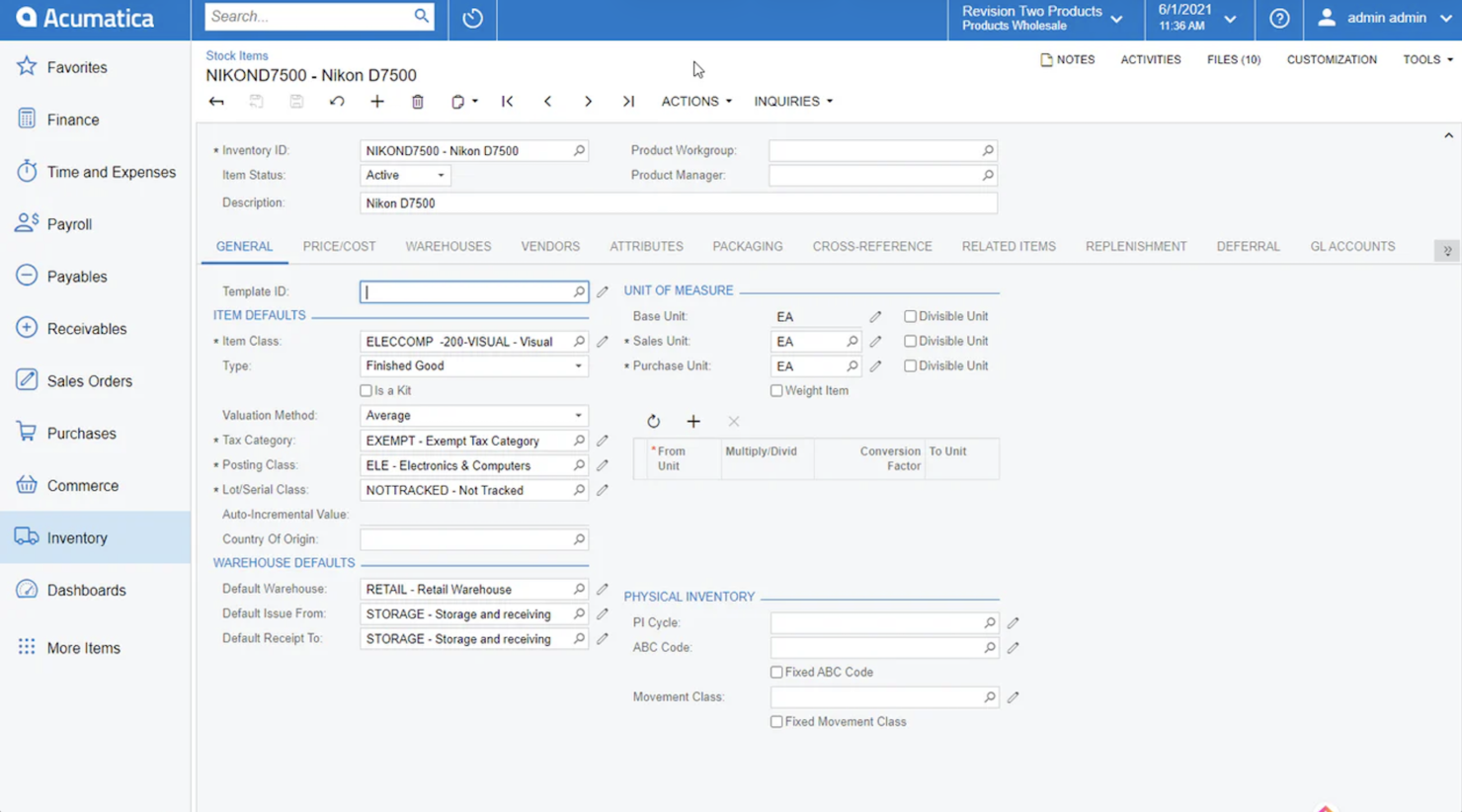
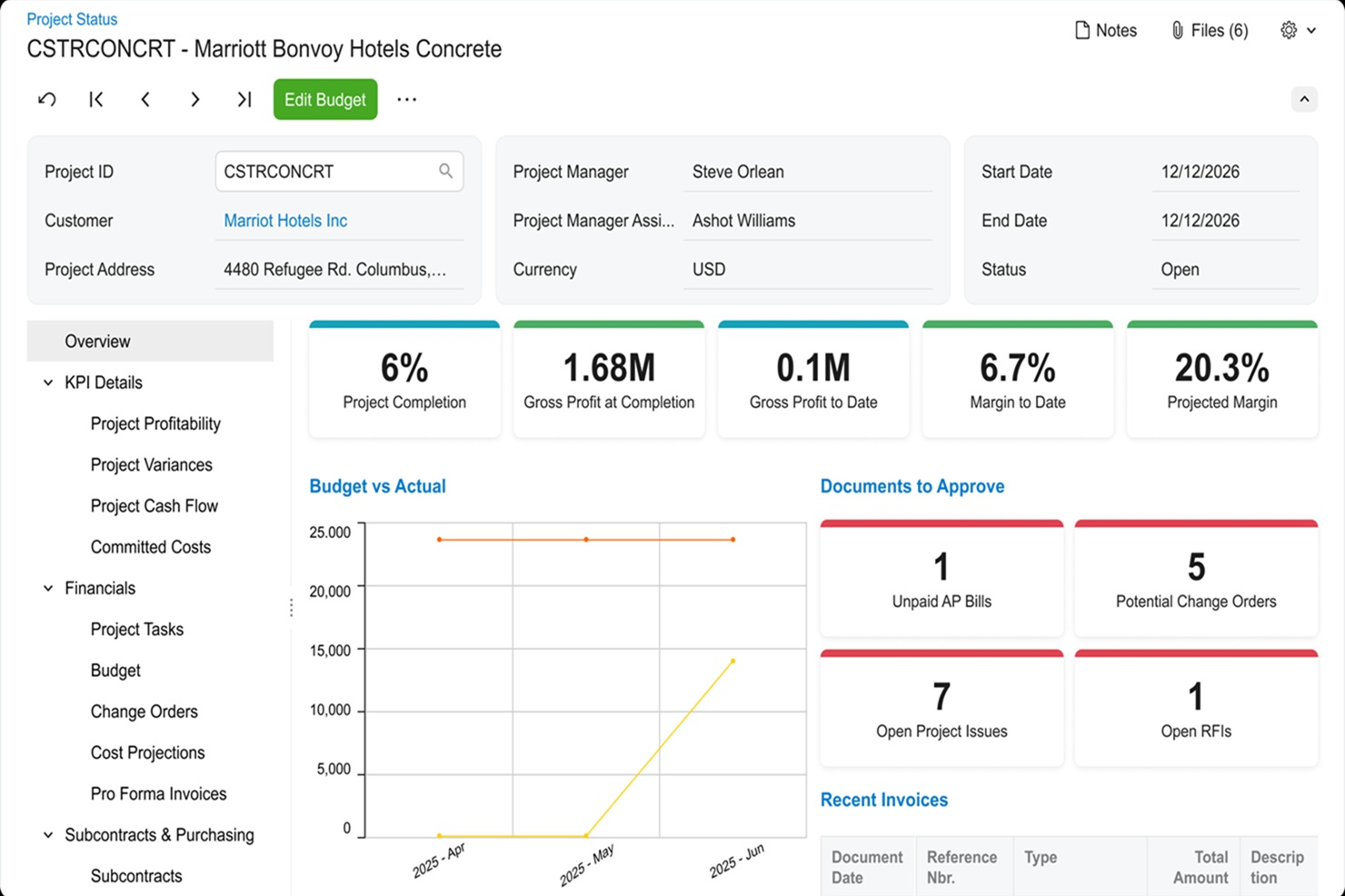
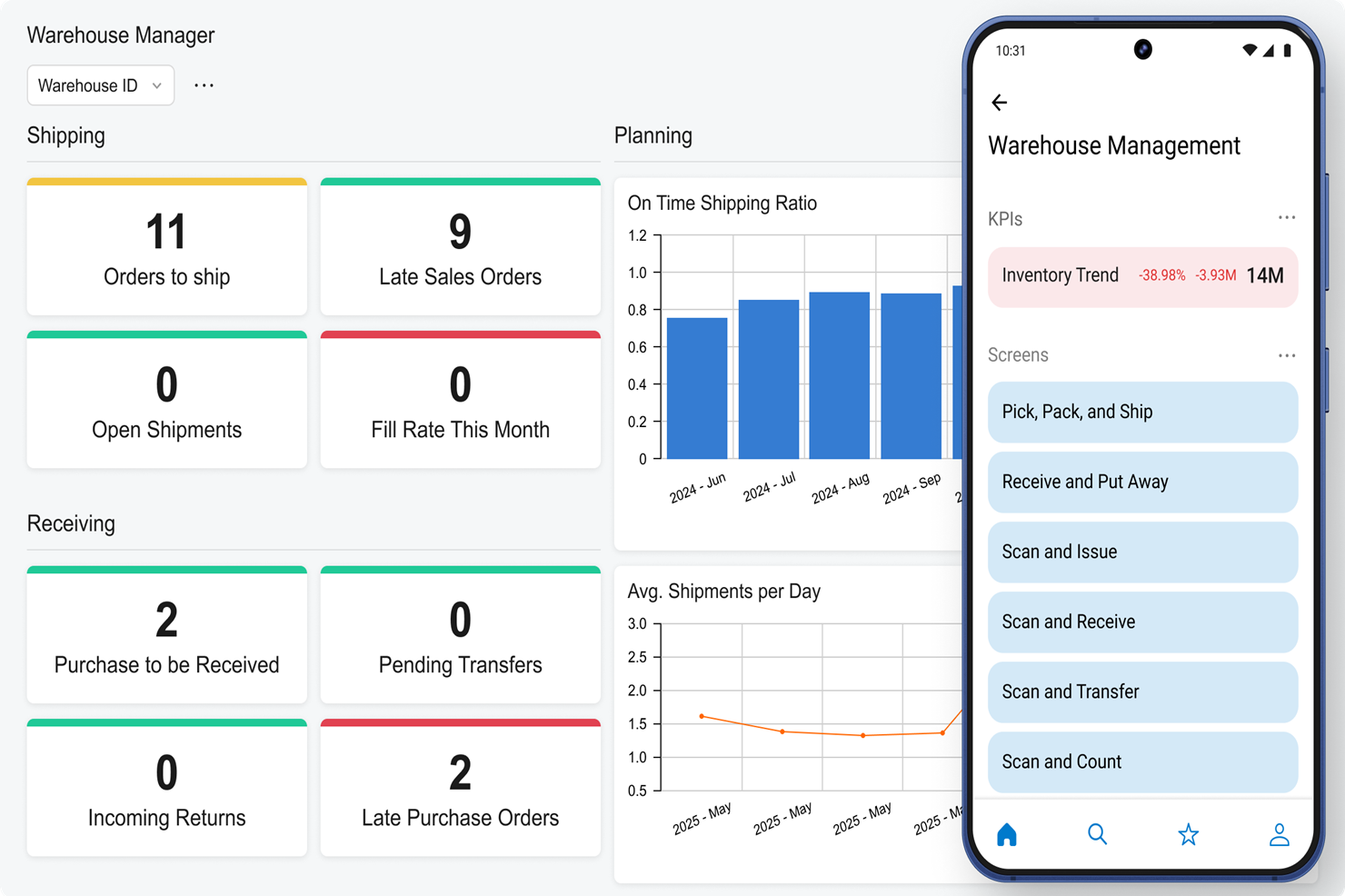
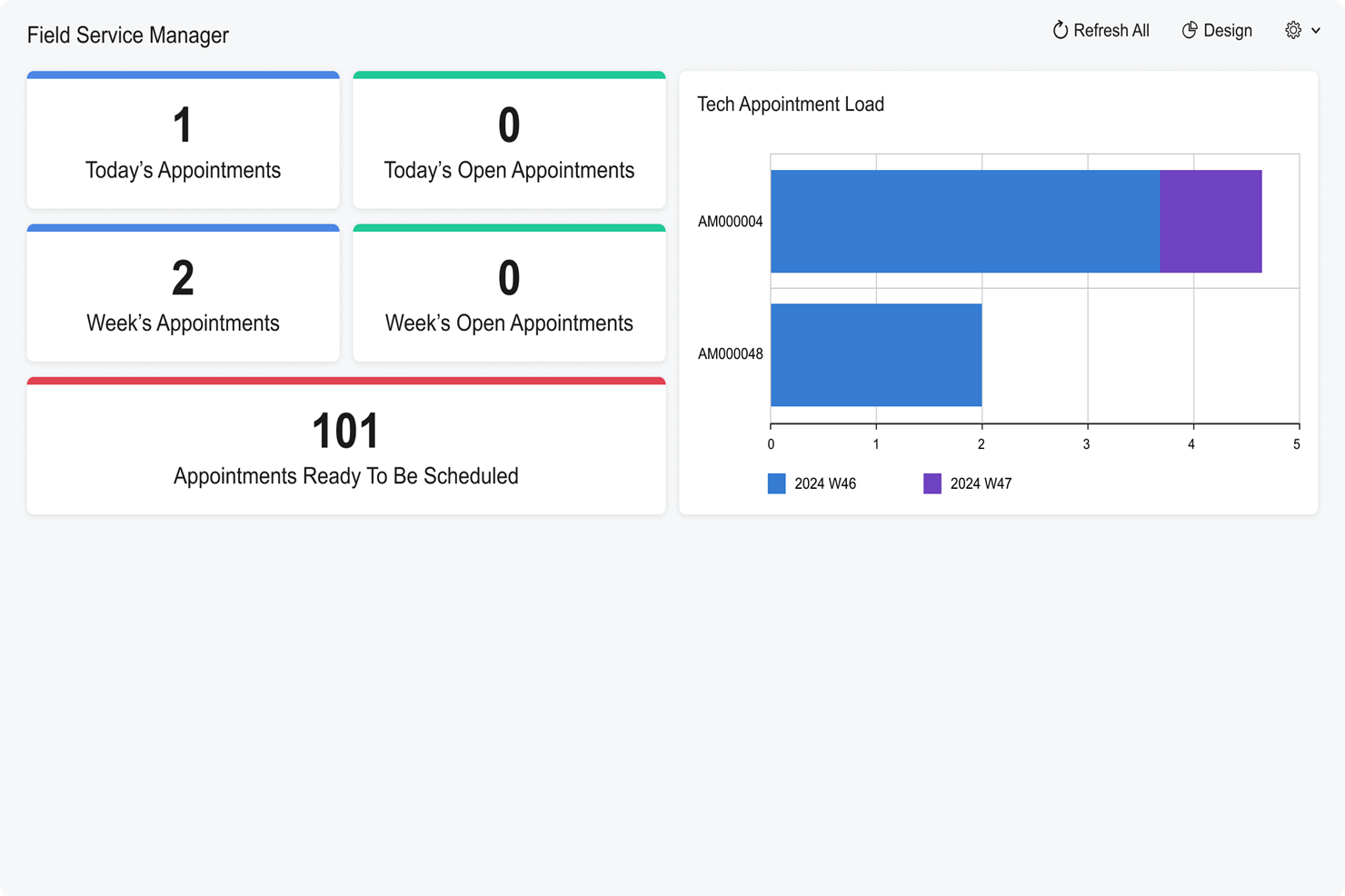
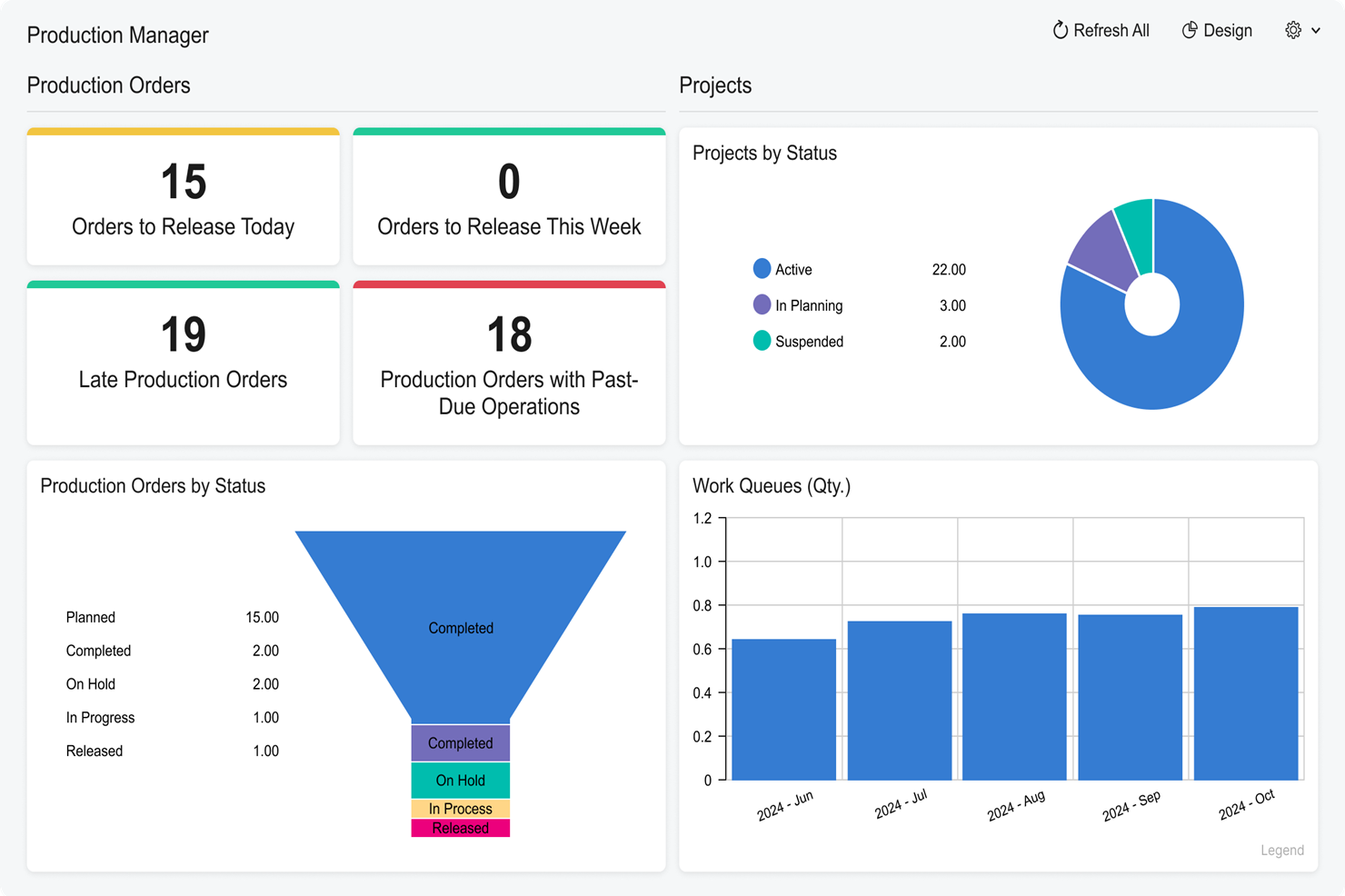
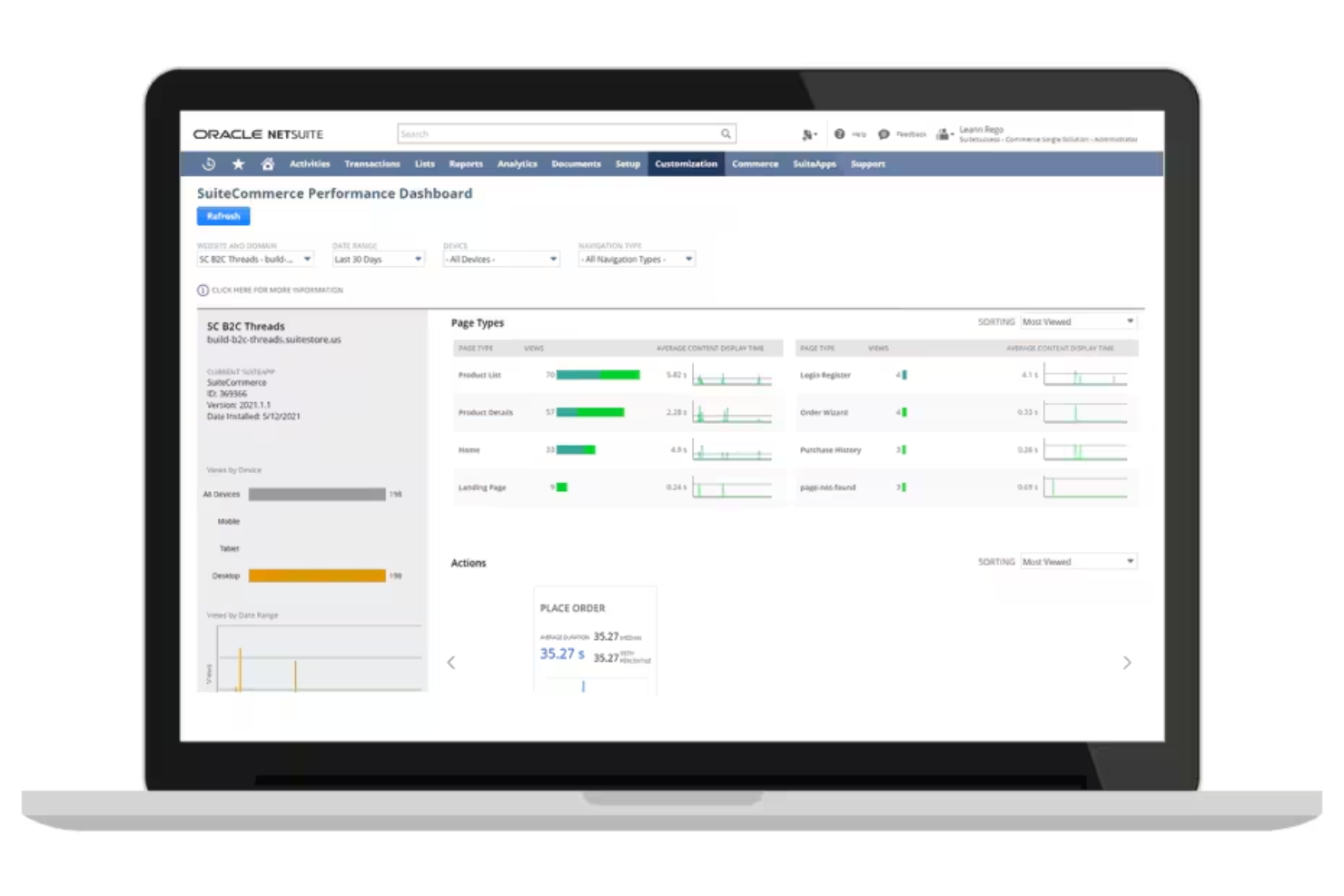
Acumatica’s customizable dashboards and flexible workflow automation let users tailor daily tasks like order processing and inventory tracking to fit their unique business processes. NetSuite’s advanced financial management and built-in ecommerce integrations help users manage multi-channel sales and complex reporting from a single platform, making it easier to keep operations and data in sync.
| Acumatica | NetSuite Commerce | |
|---|---|---|
| API | ||
| Dashboard | ||
| Data Export | ||
| Data Import | ||
| Data Visualization | ||
| External Integrations | ||
| Inventory Tracking | ||
| Multi-User | ||
| Notifications | ||
| Order Management | ||
| Scheduling | ||
| Third-Party Plugins/Add-Ons |
Acumatica vs. NetSuite Integrations
| Integration | Acumatica | NetSuite |
| Shopify | ✅ | ✅ |
| Magento (Adobe Commerce) | ✅ | ✅ |
| BigCommerce | ✅ | ✅ |
| Salesforce | ✅ | ✅ |
| Avalara | ✅ | ✅ |
| Amazon Marketplace | ✅ | ✅ |
| WooCommerce | ✅ | ✅ |
| Square | ✅ | ✅ |
| Oracle Marketing Cloud | ❌ | ✅ |
| Microsoft Dynamics 365 | ✅ | ✅ |
| API | ✅ | ✅ |
| Zapier | ✅ | ✅ |
Acumatica and NetSuite integrate core business functions like financials, inventory, CRM, and e-commerce to help companies streamline operations and share data across systems. Both support retail needs such as POS, order management, and e-commerce connections, but NetSuite generally offers deeper, more mature native retail and global business capabilities and stronger out-of-the-box integrations (especially for larger or international operations).
Both platforms support API and Zapier, so most users will find the flexibility they need to connect their preferred systems.
Acumatica vs. NetSuite Security, Compliance & Reliability
| Factor | Acumatica | NetSuite |
| Data Encryption | Uses TLS/SSL encryption for data in transit and at rest. | Provides end-to-end encryption and advanced access controls. |
| Regulatory Compliance | Supports GDPR, SOC 1/2, and PCI DSS compliance for ecommerce operations. | Maintains certifications for GDPR, SOC 1/2/3, PCI DSS, and more. |
| Uptime Guarantee | Offers a published SLA with 99.5% uptime for cloud deployments. | Delivers a 99.98% uptime SLA and real-time system status updates. |
| Access Controls | Role-based permissions and multi-factor authentication available. | Granular user permissions, SSO, and multi-factor authentication. |
| Data Backup | Automated daily backups with disaster recovery options. | Continuous data backup and geo-redundant disaster recovery. |
NetSuite edges ahead with broader compliance certifications and a higher uptime guarantee, but both platforms deliver strong security and reliability for ecommerce businesses. Acumatica’s straightforward controls and backup options are easy to manage, while NetSuite’s advanced compliance and real-time reliability features appeal to larger, highly regulated organizations.
Acumatica vs. NetSuite Ease of Use
| Factor | Acumatica | NetSuite |
| User Interface | Modern, intuitive dashboards with customizable layouts for different roles. | Feature-rich interface with more complexity and a steeper learning curve. |
| Onboarding | Guided setup and in-app tutorials help new users get started quickly. | Structured onboarding but requires more training for full adoption. |
| Navigation | Simple menu structure and quick access to frequently used modules. | Deep navigation with many layers, which can slow down new users. |
| Support Resources | Extensive online help, community forums, and responsive support team. | Comprehensive documentation and 24/7 support, but slower response times. |
| Customization | Drag-and-drop tools for easy workflow and report customization. | Advanced customization options, but changes often require technical help. |
Acumatica is generally easier for new users to pick up and customize, while NetSuite’s depth and complexity can be overwhelming without dedicated training. Acumatica shines for teams that want a straightforward, approachable experience, while NetSuite is better suited for organizations with the resources to invest in training and ongoing support.
Acumatica vs NetSuite Commerce: Pros & Cons
Acumatica
- Support that answers the phone. When you hit a wall, you’re not left yelling into the void.
- Unlimited user access, no gotchas. Add as many people as you want without getting dinged for every login.
- Customization is actually possible. You can shape the system to fit your business, not the other way around.
- Occasional performance hiccups. Especially if you push the system hard or over-customize.
- Expect a real learning curve. Onboarding isn’t “set it and forget it”—you’ll need to invest time.
- Interface isn’t exactly intuitive. Some screens feel designed by accountants, for accountants.
NetSuite Commerce
- Your team can manage multiple sales channels from one platform.
- It offers real-time data analytics for better decision-making.
- You can customize it to fit your specific business needs.
- It requires regular updates that can disrupt daily operations.
- Your team might experience occasional system slowdowns.
- It can have a steep learning curve for new users.
Best Use Cases for Acumatica and NetSuite Commerce
Acumatica
- Manufacturing companies Handles complex production processes and inventory management without missing a beat.
- Distribution businesses Advanced supply chain features keep your operation running smoothly.
- Retail operations Real-time data insights let you actually track sales and inventory.
- Finance departments Robust financial reporting tools streamline your day-to-day.
- Growing enterprises Scalability and unlimited users mean you’re set for expansion.
- Inventory managers Detailed tracking keeps you out of trouble with overstock or shortages.
NetSuite Commerce
- Retail Chains NetSuite Commerce supports complex inventory management and multi-channel sales, perfect for expansive retail operations.
- Wholesale Distributors Your team can manage bulk orders efficiently with its integrated order processing and inventory tracking.
- B2B Companies It offers personalized customer experiences and pricing, ideal for businesses focusing on B2B sales.
- Ecommerce Teams You can manage all online sales channels from a single platform, simplifying your ecommerce operations.
- IT Departments Customization and scalability make it easy for IT teams to tailor the platform to specific business needs.
- Marketing Teams Real-time data analytics help your team make informed marketing decisions quickly.
Who Should Use Acumatica, And Who Should Use NetSuite?
Acumatica is a great fit for midsize retailers and ecommerce teams that want flexibility, approachable customization, and a user-friendly experience without heavy IT involvement. NetSuite is better suited for larger enterprises or fast-scaling businesses that need advanced automation, deep financial controls, and broad compliance coverage. If your team values quick onboarding and hands-on control, Acumatica will feel more accessible. For organizations with complex operations, global reach, or strict regulatory needs, NetSuite’s depth and scalability make it the stronger choice.
Differences Between Acumatica and NetSuite Commerce
| Acumatica | NetSuite Commerce | |
|---|---|---|
| Automation | Flexible workflow automation for daily retail tasks. | Deep automation for finance, inventory, and multi-channel sales. |
| Compliance Standards | Supports core standards like GDPR and PCI DSS. | Broader compliance, including SOC 1/2/3 and global regulations. |
| Customization | Drag-and-drop tools for easy workflow and report changes. | Advanced customization, often requires technical expertise. |
| Pricing Model | Consumption-based, costs scale with usage not user count. | Quote-based, costs depend on modules and user licenses. |
| User Interface | Modern, intuitive, and easy for new users to navigate. | Feature-rich but more complex, with a steeper learning curve. |
| Read Acumatica ReviewOpens new window | Read NetSuite Commerce ReviewOpens new window |
Similarities Between Acumatica and NetSuite Commerce
| Cloud-Based | Both are fully cloud-based ERP platforms, offering remote access, automatic updates, and mobile support for retail and ecommerce teams. |
|---|---|
| Ecommerce Integrations | Both connect with major ecommerce platforms like Shopify, Magento, and BigCommerce, supporting unified order and product management. |
| Financial Reporting | Each offers built-in financial reporting, customizable dashboards, and multi-currency support for global operations and compliance. |
| Integrations & API | Both provide open APIs and Zapier integrations, allowing teams to connect third-party tools and build custom workflows as business needs evolve. |
| Inventory Management | Each provides real-time inventory tracking, automated stock alerts, and multi-location support to help retailers manage supply and demand. |
| Read Acumatica ReviewOpens new window Read NetSuite Commerce ReviewOpens new window | |