25 Best 3PL Companies for Ecommerce in 2026

The Top 3PL Companies for Ecommerce
Here we are, right up at the top with the best ecommerce 3PL companies, with what each is ideal for.


3PL companies are your line in the sand between running a business and running yourself ragged.
I’ve managed warehouses, overseen international shipping, and kept inventory on a tight leash—so trust me when I say: handing off fulfillment to the right 3PL is how real operators scale.
Here’s what matters: the best 3PL companies keep your customers happy, your operations humming, and your focus where it belongs—on growth, not grunt work.
We’ve sifted through the noise and ranked the top players so you can skip the guesswork and get back to running a sharper, smarter business.
Why Trust Our Software Reviews
Comparing the Best 3PLs For Ecommerce
While the pricing comparison below may not be all that illuminating, given that pricing very much depends on your brand, you can easily compare what each company is best at.
| Service | Best For | Trial Info | Price | ||
|---|---|---|---|---|---|
| 1 | Best for eco-friendly delivery | Free consultation available on request | Pricing available upon request | Website | |
| 2 | Best for fast global fulfillment | Free demo available | Pricing upon request | Website | |
| 3 | Best for international deliveries | Trial information not available | Pricing available upon request | Website | |
| 4 | Best for managing supply chains | Free discovery call available | Pricing available upon request | Website | |
| 5 | Best for large businesses | Free demo | Pricing upon request | Website | |
| 6 | Best for global logistics solutions | Not available | Pricing upon request | Website | |
| 7 | Best for real-time GPS tracking | Free demo | Pricing upon request | Website | |
| 8 | Best for combining sea and air logistics | Free demo | Pricing upon request | Website | |
| 9 | Best end-to-end freight management | Free demo | Pricing upon request | Website | |
| 10 | Best for shipping across railway networks | Free demo | Pricing upon request | Website | |
| 11 | Best for reverse logistics | Free demo | Pricing upon request | Website | |
| 12 | Best coast-to-coast network | Free demo | Pricing upon request | Website | |
| 13 | Best for shipping high-value products | Consultation available upon request | Pricing available upon request | Website | |
| 14 | Best for scaling shipping processes | Free demo | Pricing upon request | Website | |
| 15 | Best for reliable freight transportation | Not available | Pricing upon request | Website | |
| 16 | Best for transportation management systems | Free demo available | Pricing upon request | Website | |
| 17 | Best for diverse shipping modes | Not available | Pricing upon request | Website | |
| 18 | Best for multimodal freight solutions | Not available | Pricing upon request | Website | |
| 19 | Best for extensive US warehousing | Not available | Pricing upon request | Website | |
| 20 | Best for optimizing supply chains | Free demo | Pricing upon request | Website |
The Best 3PL Companies, Reviewed
To help with your search, I put together these overviews of the best 3PL companies. Following these highlights will save you time, money, and stress during this process.
GoBolt is a sustainable third-party logistics provider focusing on fulfillment, last-mile delivery, and returns management.
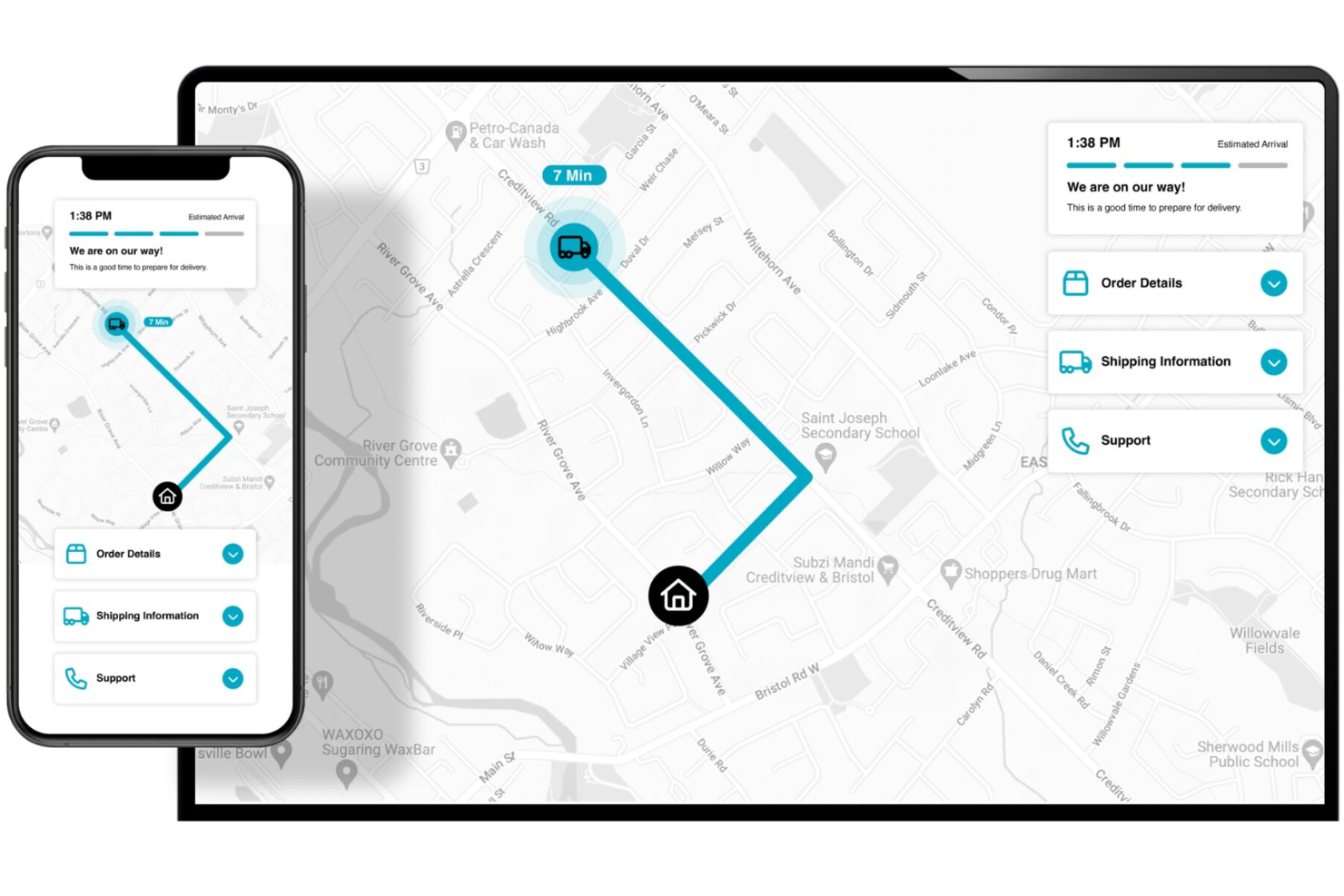
Why I picked GoBolt: GoBolt's commitment to sustainability sets them apart in the 3PL industry. They utilize a fleet of electric vehicles for deliveries, helping you reduce your carbon footprint. Their route optimization further minimizes emissions, aligning with environmentally conscious business practices. Their real-time tracking technology provides transparency throughout the delivery process. This feature allows you and your customers to monitor shipments, enhancing the overall experience and building trust.
GoBolt Standout Services and Integrations
Standout services include a network of fulfillment centers across the U.S. and Canada, enabling you to scale your business efficiently. Their returns management simplifies the process by reviewing and processing returns according to your standard operating procedures, ensuring timely restocking and refunds. Additionally, GoBolt's warehouse management system integrates with your ecommerce platform or order management system.
Integrations include Shopify, Squarespace, Wix, BigCommerce, WooCommerce, ShipStation, Skubana, Loop Returns, Order Desk, Orderful, and Extensiv.
Pros and Cons
Pros:
- Strong integration with ecommerce platforms
- Real-time updates and tracking
- Offers sustainable 3PL
Cons:
- Occasional delivery delays
- Limited to North America

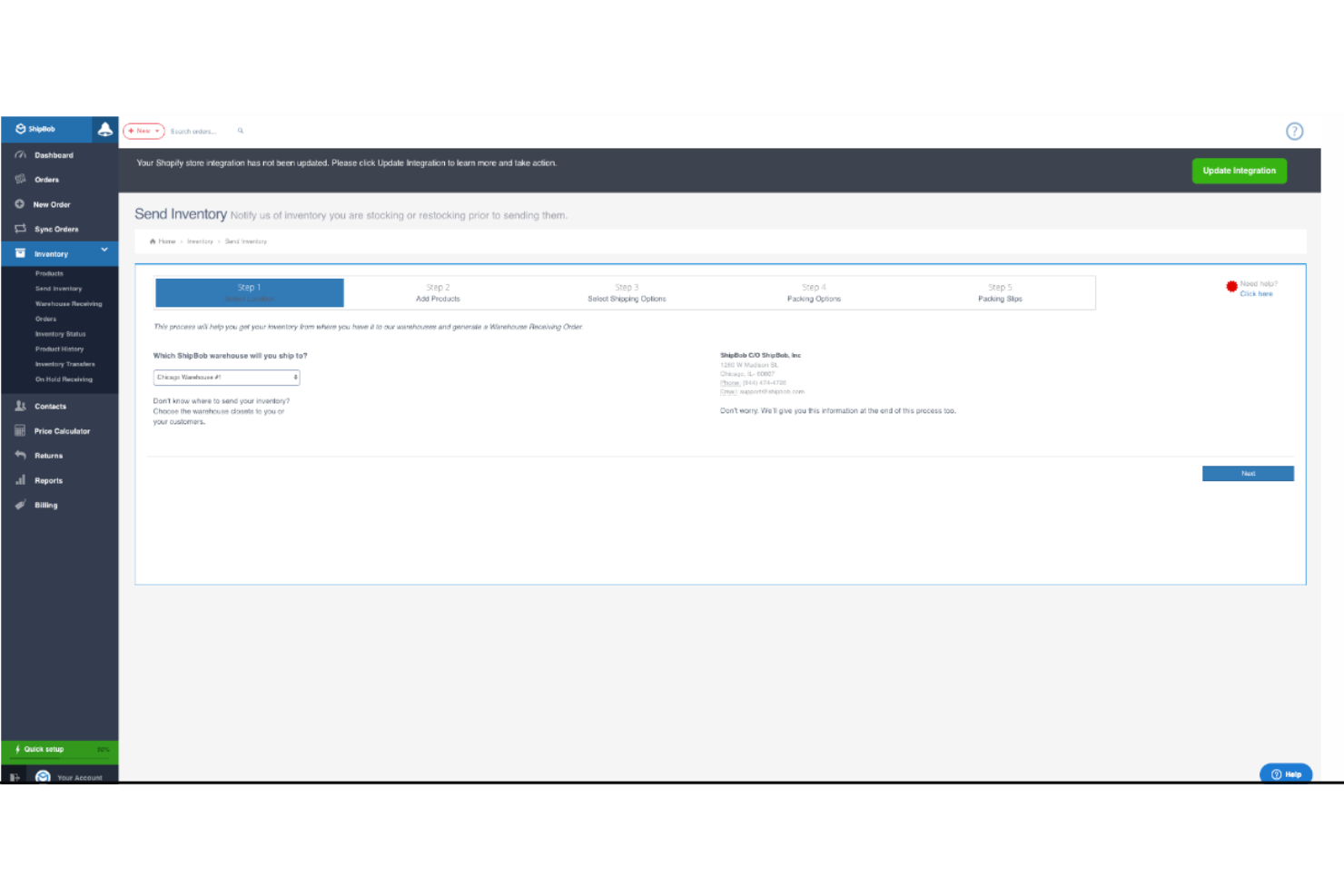
ShipBob is a fulfillment service provider that offers a range of logistics solutions for e-commerce businesses.
Why I picked ShipBob: ShipBob provides a of fulfillment services that address various aspects of the e-commerce supply chain. These services include receiving and storing inventory, picking and packing orders, negotiating shipping rates, and managing expedited and standard deliveries. The company's distributed inventory capabilities also allow for strategic placement of goods across fulfillment centers, which can improve delivery times and reduce shipping costs.
ShipBob Standout Services and Integrations
Standout services include a Warehouse Management System (WMS) for businesses that have their own warehousing facilities but require advanced software to manage operations. ShipBob also offers a Managed Freight Program, which is designed to streamline the process of shipping inventory from manufacturers to ShipBob's fulfillment centers.
Integrations include Shopify, Klaviyo, Recharge, Amazon, BigCommerce, Ebay, Magento, Brightpearl, Yotpo, and Netsuite.
Pros and Cons
Pros:
- Easy integration with ecommerce platforms
- 2-day delivery option
- Fast and accurate order fulfillment
Cons:
- Limitations for B2B and wholesale orders
- High shipping costs

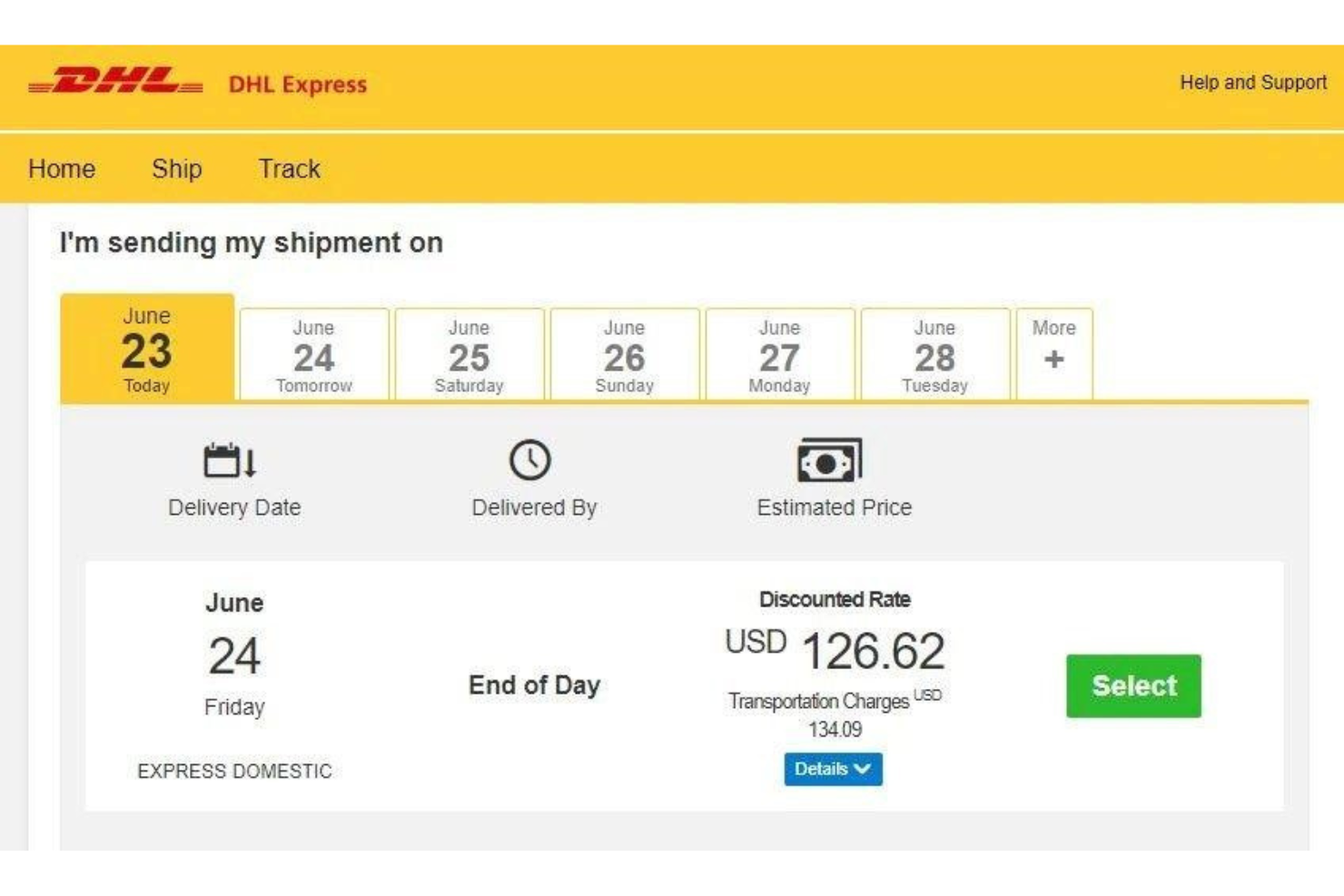
DHL Supply Chain is best known for helping ecommerce merchants with international delivery to any country worldwide.
Why I picked DHL Supply Chain: I wanted to start this list with DHL Supply Chain because of its ability to help you ship products anywhere around the world. DHL Supply Chain is an enormous global logistics organization with operations in over 220 countries and is an essential player in the international 3PL industry. The company collates all crucial logistics services, such as warehousing, transport, and management, in an elevated package and further helps simplify global logistics services and supplier administration and helps with customer touchpoint management.
DHL Supply Chain Standout Services and Integrations
Standout services include reverse logistics services that offer end-to-end processes such as returns management and product recalls. You’ll also have access to a warehouse management system that provides tools such as inventory control, automated replenishment, order optimization, cycle counting, and much more.
Integrations include native integrations to help your business handle ecommerce orders by connecting with popular ecommerce platforms and management tools. These integrations include Adobe Commerce, AfterShip, Malvern Systems, Pacejet, PrestaShop, ShipStation, ShipWorks, Shopify, Soapbox, WooCommerce, and other software options.
Pros and Cons
Pros:
- Fast product delivery
- Immediate tracking details
- Easy shipment creation
Cons:
- Isn’t suitable for smaller businesses
- Sessions can expire quickly

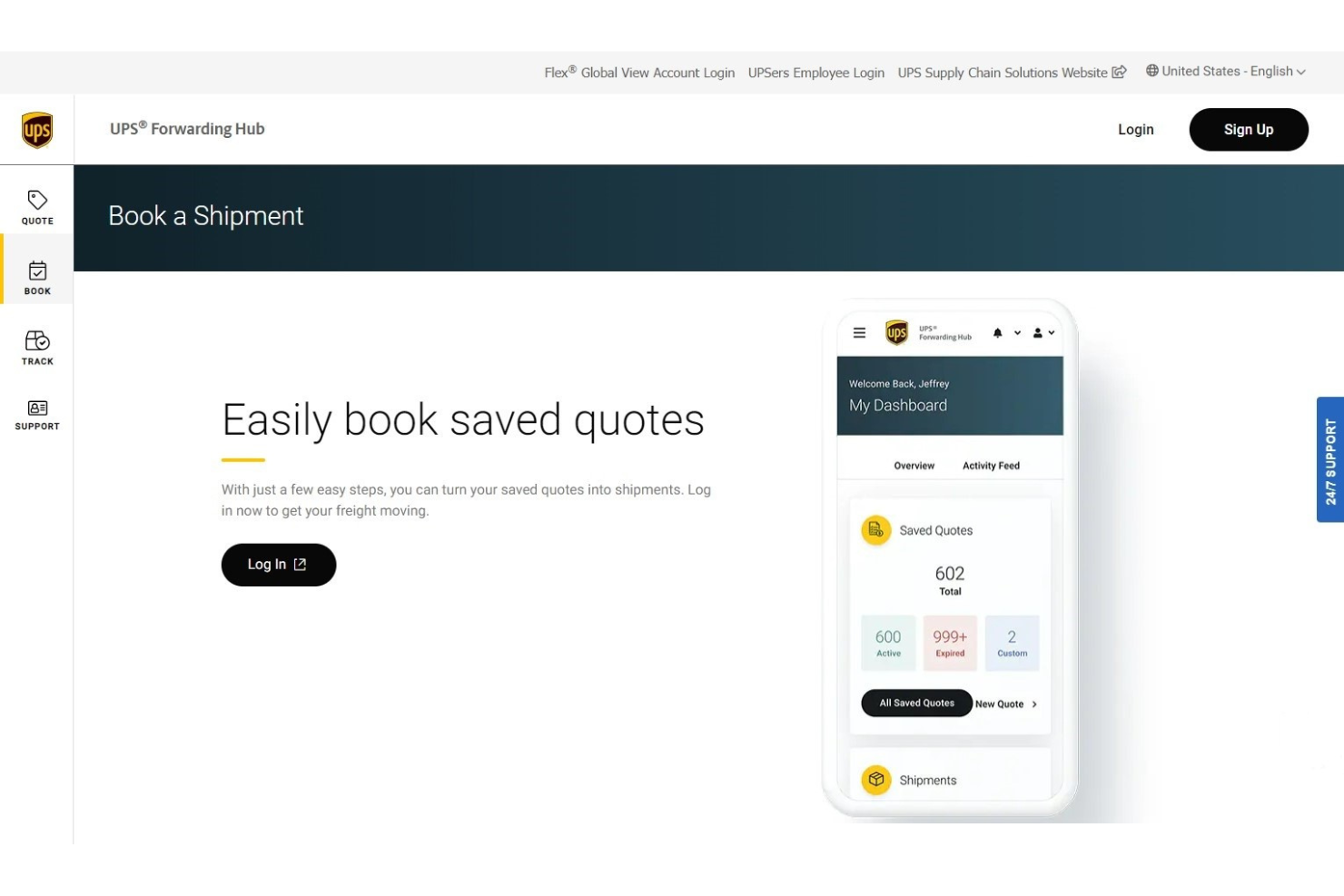
UPS Supply Chain Solutions does more than ship packages to customers. The company offers logistics services that help online stores manage supply chains.
Why I picked UPS Supply Chain Solutions: I believe UPS Supply Chain deserves a spot on this list because of the company’s ability to provide value-added services that help your business manage supply chains. No matter the complexity of your supply chain, UPS Supply Chain Solutions has the capabilities to work closely with your business to help you manage goods flow from receiving to storage to order processing to product shipping. The company does this by offering a global network of distribution centers, technology, and logistics knowledge.
UPS Supply Chain Solutions Standout Services and Integrations
Standout services include insurance services to help protect shipments, your business’s reputation, and the bottom line by paying claims when needed. The company also acts as a customs brokerage partner for your business by helping you avoid clearance issues, customs complexities, and service interruptions.
Integrations include connections with various shipping management tools your business is likely already using to ship products to customers. These connections include links with third-party applications such as Agiliron, canary7, Cleo, ClickPost, Coyote Logistics, Docinfusion, IvyPanda, NetSuite, Shipster, Shiptheory, and other software options.
Pros and Cons
Pros:
- Good customer support
- Excellent tracking features
- Ships free boxes and supplies
Cons:
- Steep learning curve
- Sometimes doesn’t honor shipping quotes
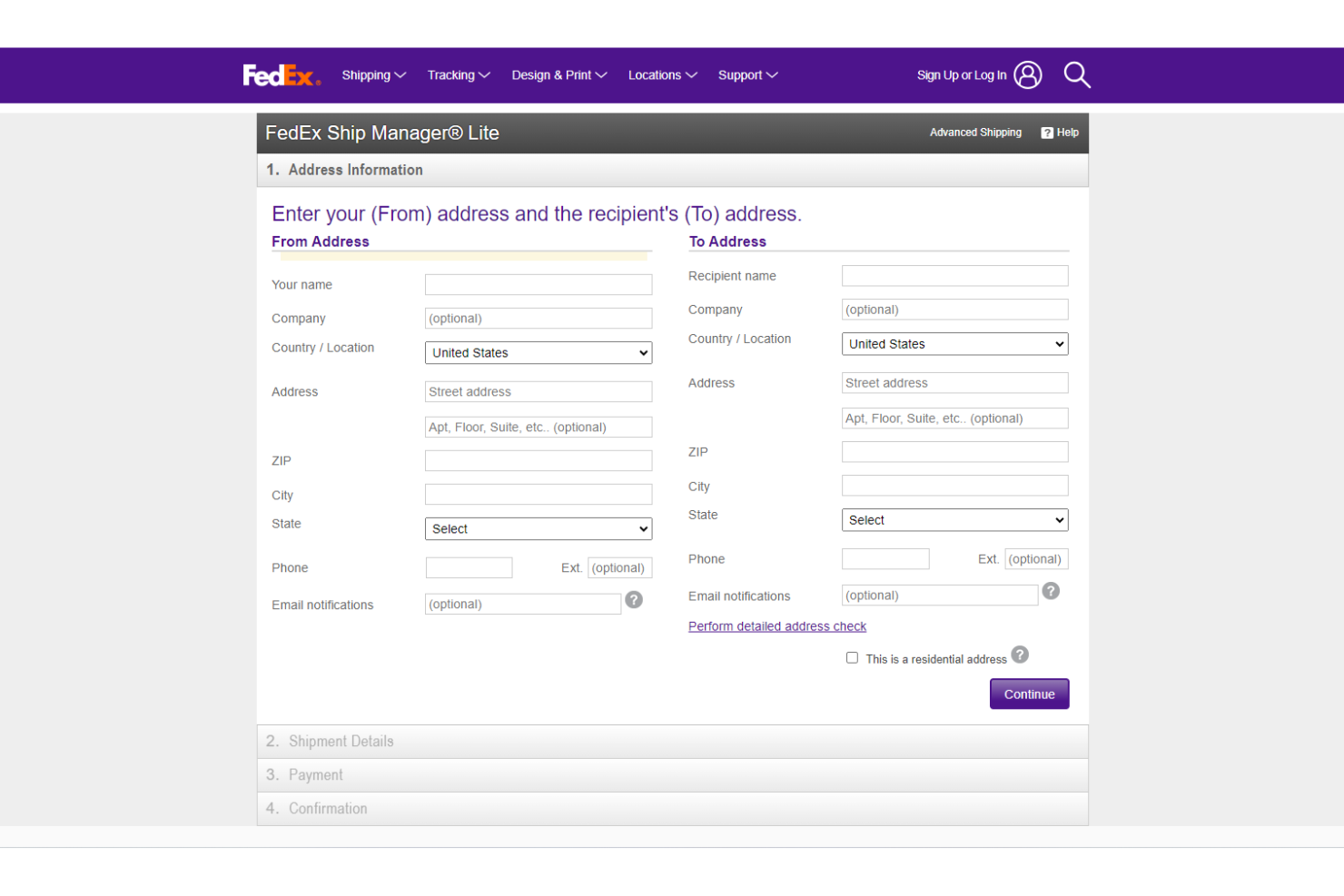
FedEx Supply Chain is one of the major carriers in North America that owns and operates a network of warehouses to help large organizations quickly get orders to customers.
Why I picked FedEx Supply Chain: This company made this list because it offers the most diverse warehouse network fit for large ecommerce businesses. FedEx Supply Chain is a multinational 3PL company that can also help online stores via an integrated approach to distribution, fulfillment, packaging, returns, and more. FedEx Supply Chain can help you maximize supply chain visibility and control through warehouse management systems and automation.
FedEx Supply Chain Standout Services and Integrations
Standout services include supply chain consulting, where you’ll get help from FedEx experts who provide an impartial business evaluation and develop a growth plan. The company also offers transportation management services to free up your time and resources and reduce capacity shortages to ensure you meet business goals.
Integrations include optimizing shipping processes within your online store via a multichannel strategy that integrates returns and distribution centers. FedEx Supply Chain does this by providing an API that anyone with development expertise can use to integrate with your ecommerce platform.
Pros and Cons
Pros:
- Helps identify and fix product issues
- Real-time location tracking
- Provides customized packaging
Cons:
- Some delivery issues
- Integrating with business systems is challenging
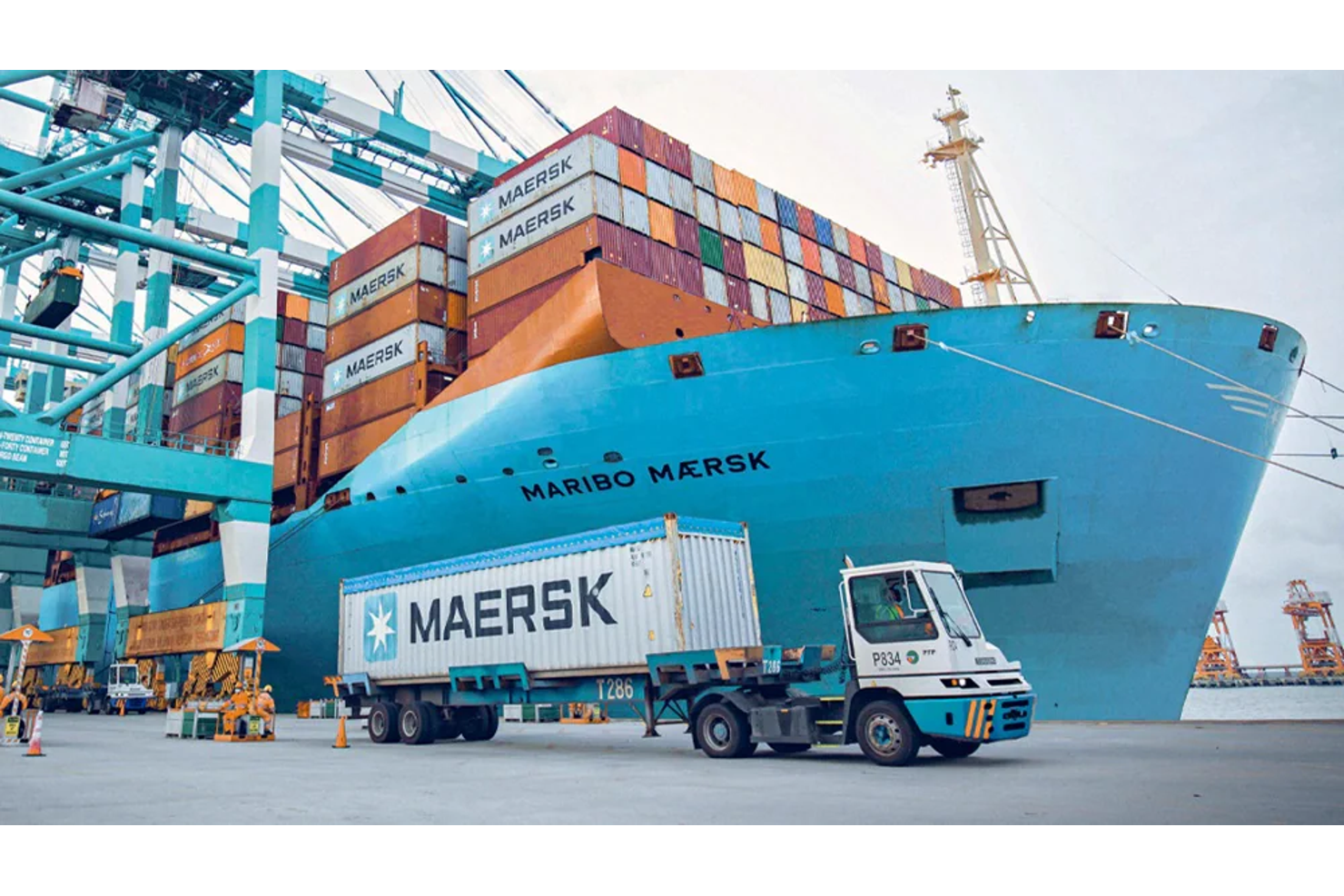
Maersk Logistics is a global logistics platform that orchestrates end-to-end transport and fulfillment for brands moving goods across regions and modes.
It covers planning, booking, ocean and inland transport, warehousing, and visibility, helping teams compress lead times, reduce handoffs, and stabilize service levels.
Why I picked Maersk Logistics:
For retail and omnichannel leaders, Maersk’s single-partner model simplifies multi-mode execution—ocean, air, trucking, and last mile—while tying it to warehousing and customs so ops teams spend less time chasing carriers.
The East–West network and shuttle approach aim to smooth variability on major lanes, and the online suite lets teams book, track, and manage exceptions without toggling tools.
It’s a strong fit when you want one accountable 3PL with global reach and specialized options like white-glove and expedited; consider niche specialists if you only need a narrow service or a single region.
Standout features and integrations:
Features include ground freight, dedicated capacity, white glove, expedited services, an East–West ocean network, a logistics trend map, multi-industry solutions, and online tools to book and manage shipments.
Integrations include Google Analytics, Medallia, Facebook, LinkedIn, The Trade Desk, Adform, Sitecore, Akamai, Google Marketing Platform, Salesforce, Microsoft, and Mailchimp.
Pros and Cons
Pros:
- Real-time tracking and technology that provide shipment visibility.
- End-to-end solutions with strong infrastructure and experienced staff.
- Global reach with an extensive shipping network.
Cons:
- Delivery delays and schedule changes are a common complaint.
- Customer support can be slow and difficult to reach.
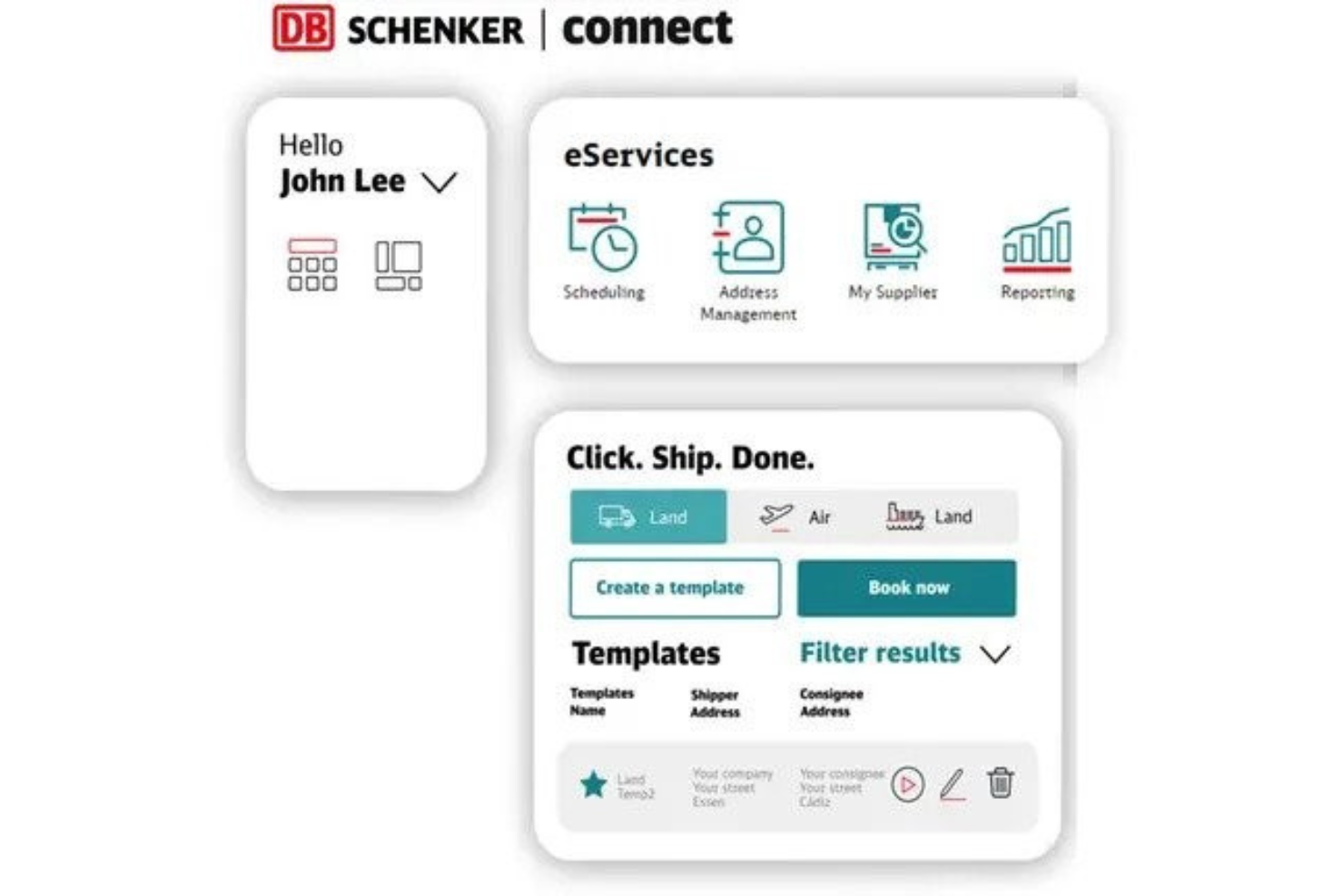
DB Schenker provides air, land, and sea logistics and helps ecommerce businesses ship products to almost 130 countries globally. Online merchants can get freight services for contract logistics, lead logistics, and unique products, along with real-time GPS shipment tracking.
Why I picked DB Schenker: When shipping products, especially large, expensive items, having advanced tracking capabilities can provide some piece of mind. So, I wanted to add DB Schenker to this article because of its real-time tracking tools. The company provides information about delivery time, shipment status, and location, and you can use the tracking number for every shipment to access this information without having to log into the customer portal.
DB Schenker Standout Services and Integrations
Standout services include intercontinental supply chain solutions that provide end-to-end visibility and enable inventory reduction for worldwide deliveries. The company also offers freight management solutions that provide a broad range of capabilities, such as air and ocean freight, transportation management, and customs clearance.
Integrations include connections with a few third-party applications to help you manage your processes and shipments. These include integrations with systems such as BaseLinker, Cleo, Ingrid, Mintsoft, Odoo, Salesforce, ShippyPro, Shopify, and Vonzu.
Pros and Cons
Pros:
- Time-definite air freight services
- Temperature and humidity monitoring
- Customized statistics and reports
Cons:
- Customer support needs work
- Some notification issues
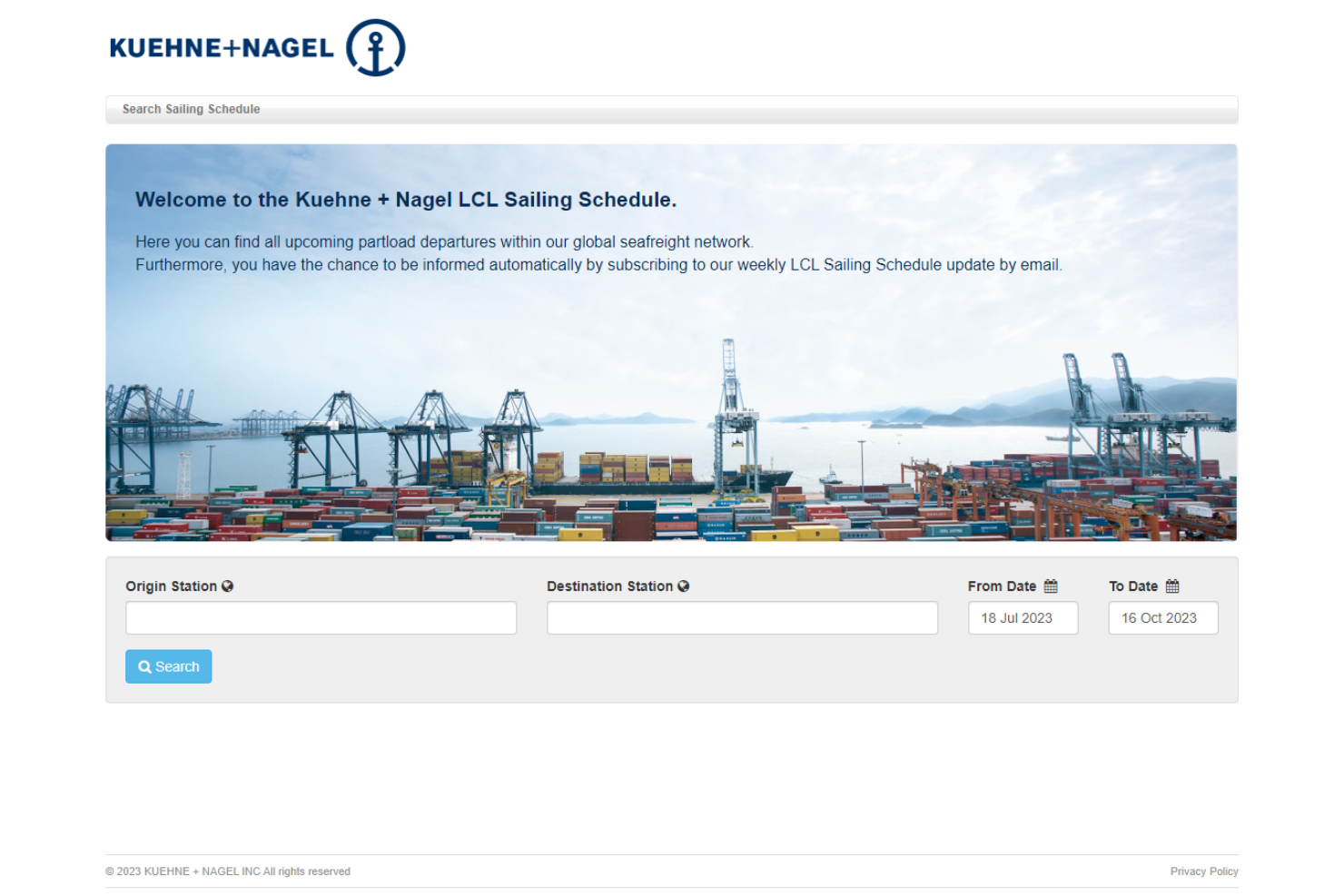
Kuehne + Nagel helps ecommerce brands reduce costs and save time by combining sea and air logistics.
Why I picked Kuehne + Nagel: If you need a new method for long-haul shipments or want to reduce carbon emissions, I added Kuehne + Nagel for your consideration. The company offers a Sea-Air feature that combines the benefits of air and sea freight that provides quick time-to-market with lower costs. Kuehne + Nagel created a service that synchronizes the two transport modes and utilizes predictive analytics in shipment planning and execution to help you keep shipment promises and meet deadlines.
Kuehne + Nagel Standout Services and Integrations
Standout services include order management capabilities to help you handle the reward and risks of global supply chains and ensure your products easily travel to international markets. Kuehne + Nagel also offers consulting services that provide comprehensive support to help turn your data into actionable insights and introduce you to a suite of digital supply chain tools.
Integrations include connections with a few tools to help optimize your shipping processes, such as AfterShip, Cleo, iScala, nChannel, and ShipperHQ. Kuehne + Nagel also offers an API that allows you to make custom integrations with your current systems.
Pros and Cons
Pros:
- Sustainable shipping processes
- Leading freight technology software
- Extensive knowledge base
Cons:
- Small number of integrations
- Customer support needs work
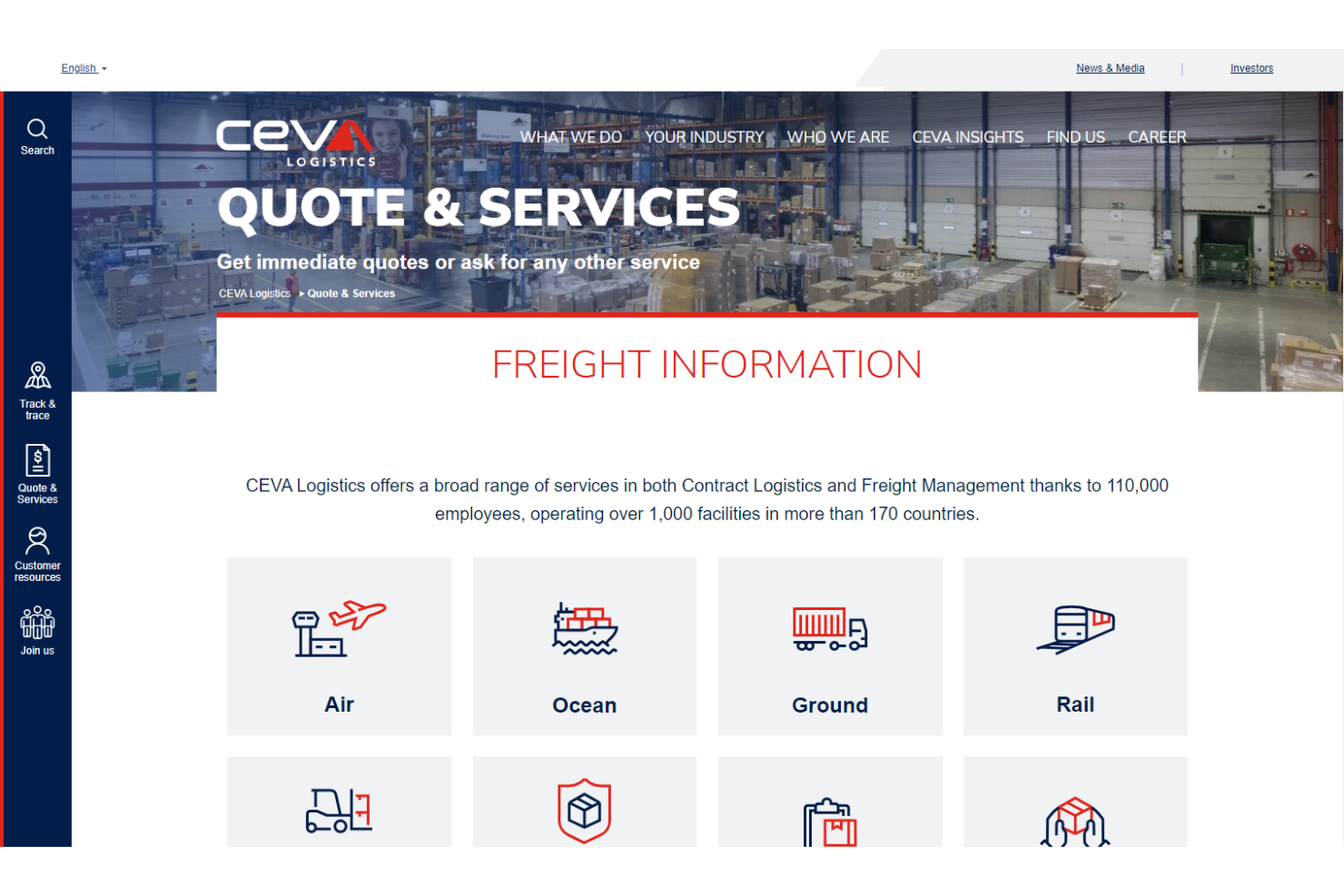
CEVA Logistics offers an integrated, end-to-end freight management solution for ecommerce businesses. The company’s services allow merchants to get value across every stage of their supply chain.
CEVA Logistics: From inbound supplier management and warehousing to transport and customs services to reverse logistics, CEVA Logistics makes an entry on this list because of its end-to-end ecommerce solutions. CEVA Logistics does everything you need in one centralized location with a global presence to help ecommerce brands of all sizes. Your business can benefit from the company’s transportation networks, warehousing, freight station, and last-mile carrier networks to satisfy your customers.
CEVA Logistics Standout Services
Standout services include fiscal representation if you’re looking to target European customers by ensuring local VAT compliance. The company also provides project logistics services that allow you to create custom freight solutions to match your specific shipment needs.
Pros and Cons
Pros:
- Helps businesses develop actionable insights
- Provides a scalable infrastructure
- Manages entire supply chains
Cons:
- Some delivery timing issues
- Customer support needs work

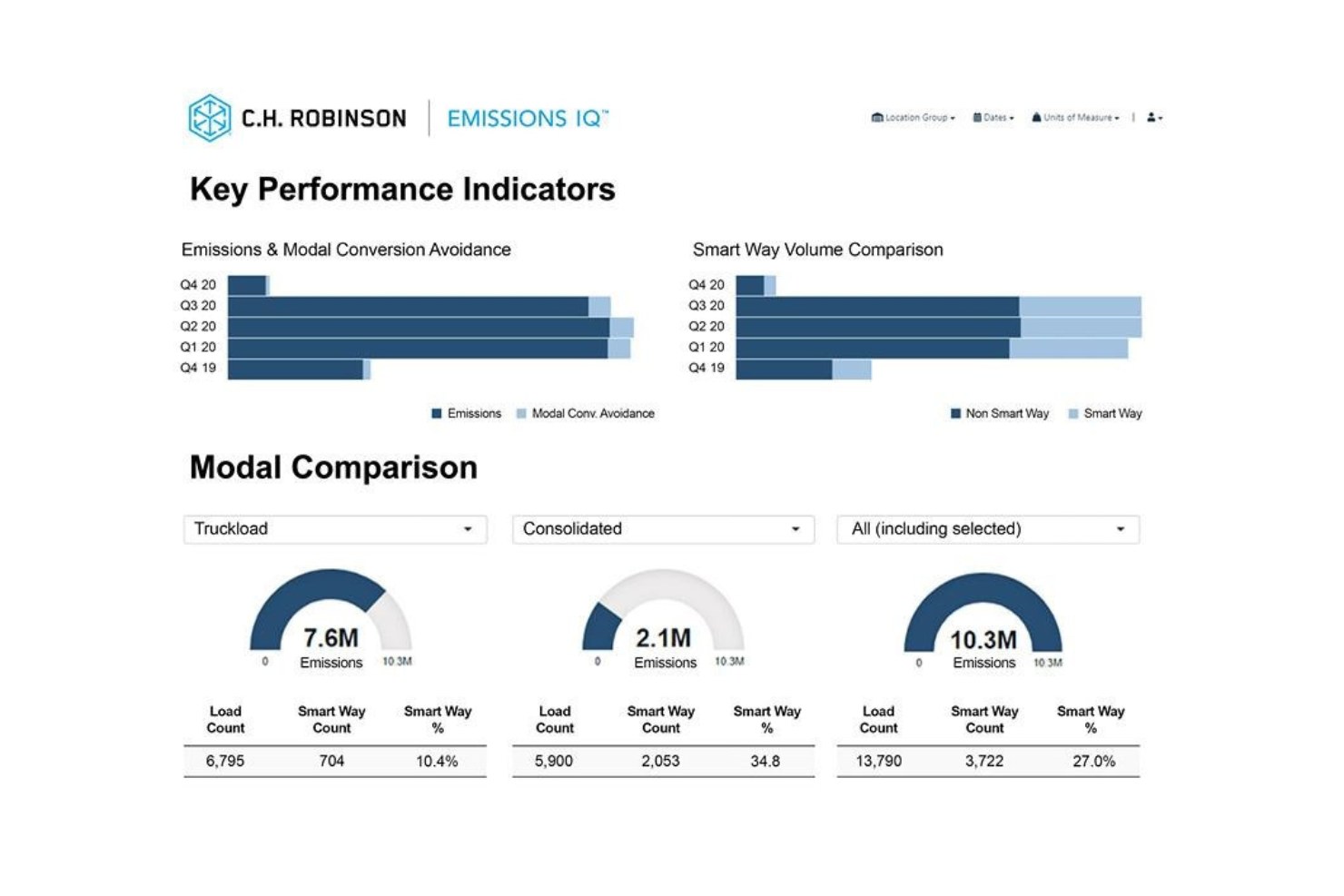
C.H. Robinson is one of the largest 3PL logistics providers specializing in shipping products across railway networks.
Why I picked C.H. Robinson: What makes C.H. Robinson stand apart from the rest of the options on this list is its ability to ship your products via railway networks. When working with C.H. Robinson, you can add rail shipping to diversify your shipping solutions if you sell large-sized products. The company also offers a complete logistics service and tools suite, including supply chain management solutions.
C.H. Robinson Standout Services and Integrations
Standout services include advisors and policy experts who will help you with customs clearance to help you comply with changes, identify issues, and remove risks. The company can also help you with flexible warehousing distribution, fulfillment, and transportation solutions that meet your requirements.
Integrations include native connections with business systems that help you simplify transportation management and manage the entire shipment lifecycle. These connections include applications such as Banyan Technology, BlueYonder, Creative Logistics Solutions, e2open, FreightPop, MercuryGate, Microsoft Dynamics 365, NetSuite, SAP, ShipERP, and other software options.
Pros and Cons
Pros:
- Accommodates business needs
- Significant intermodal rail shipping
- Allows unplanned, last-minute shipments
Cons:
- Needs better product handling
- Customer support needs work

Ryder Supply Chain Solutions provides reliable reverse logistics capabilities to help ecommerce brands manage returns customers send to their stores.
Why I picked Ryder Supply Chain Solutions: Reverse fulfillment is an essential function for ecommerce businesses because it involves handling products that customers return to your store. So, I added Ryder Supply Chain Solutions because it can efficiently manage this process for your brand. The company provides multiple reverse logistics solutions that help your ecommerce business manage returns and get products back in your warehouse.
Ryder Supply Chain Solutions Standout Services and Integrations
Standout services include customs clearance functions that offer complete visibility into supply chains and compliance with trade regulations. The company also provides fleet management services to help those with private fleets manage them efficiently and enables access to various transportation solutions.
Integrations include connections with top business management systems via the RyderEcommerce platform. Through this system, you can connect Ryder to multiple business applications such as Brightpearl, Corso, Flexport, Gorgias, Klaviyo, Loop, Parcel Perform, Rebuy, Recharge, Returnly, and other software options.
Pros and Cons
Pros:
- White-glove product delivery
- Custom warehousing solutions
- Sells and rents trucks
Cons:
- No temperature-controlled shipping
- Steep learning curve
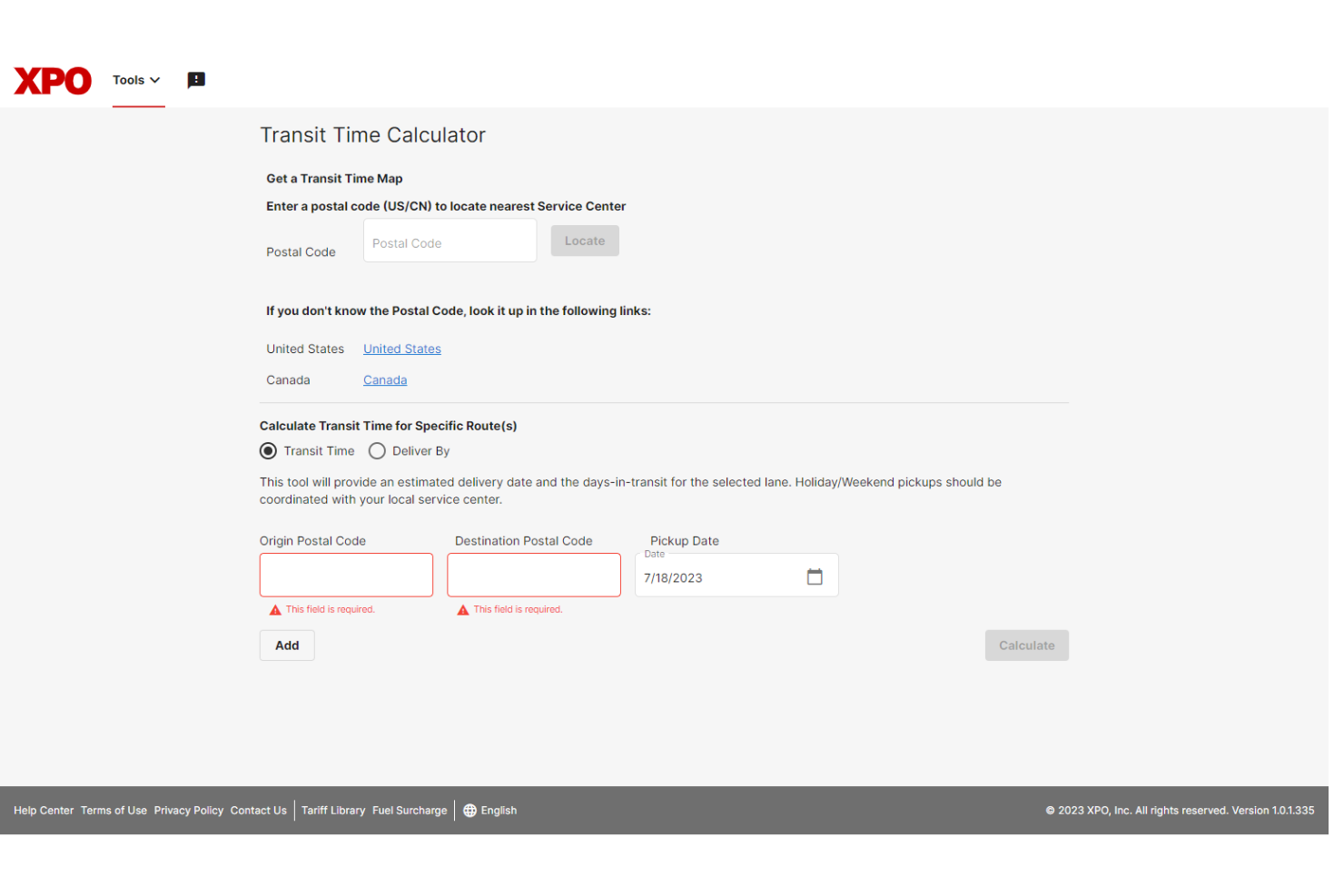
XPO Logistics offers ecommerce businesses a coast-to-coast freight network throughout North America. They provide capacity for every load, no matter how large it is.
Why I picked XPO Logistics: With over 8,000 tractors, 27,000 trailers, and 13,000 drivers, XPO Logistics offers your online store a freight network that covers 99% of the country from coast-to-coast. XPO Logistics can manage any sized shipment volume across its fleet network. They’re also regularly growing their fleet, so they can scale as you scale.
XPO Logistics Standout Services and Integrations
Standout services include customized solutions allowing you to monitor shipments, manage pickups and deliveries, and send real-time alerts. XPO Logistics also offers an exclusive-use service that protects your cargo from damage by reducing the number of times it's handled and guarantees space in private trailers.
Integrations include connections with standard shipping systems and ecommerce platforms, such as Clarity Venture, Cleo, ConnectPointz, Go3g.com, Happy Returns, Insight Works, NetSuite, Okta, ShipEngine, TrackingMore, and other software options. XPO Logistics also offers an API that allows you to connect the company's services with your current applications.
Pros and Cons
Pros:
- Guaranteed deliveries
- Easy to schedule deliveries
- Excellent support
Cons:
- Tracking shipments can be slow
- System can be buggy

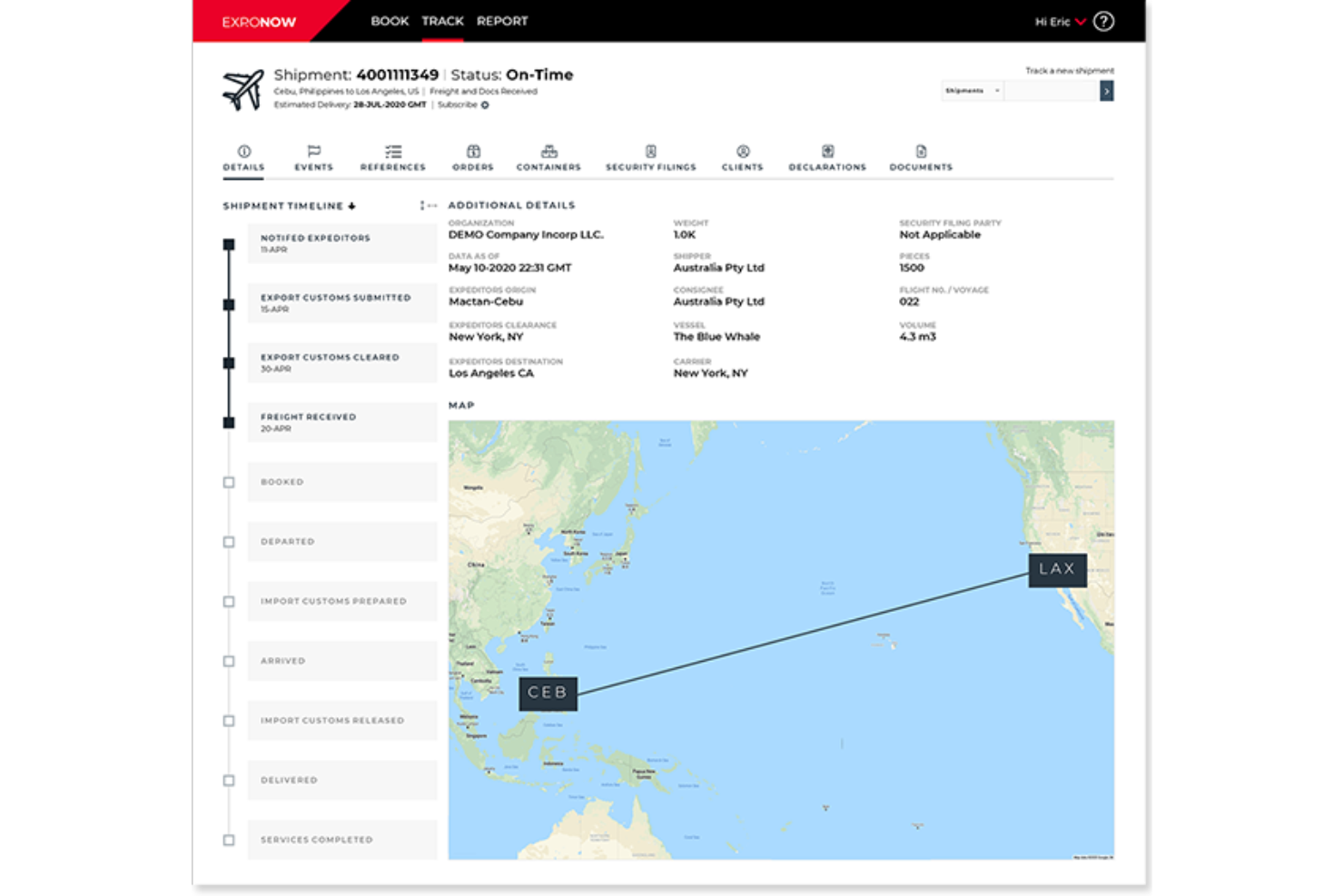
Expeditors International works well with ecommerce businesses that need a solution for shipping high-value products to customers.
Why I picked Expeditors International: I wanted to add Expeditors International to this article because of the company’s ability to handle high-value products when shipping to customers. The company uses proper protection with special white-glove treatment when sending these products. Expeditors International offers temperature-controlled delivery options if needed so that you can deliver products to any location.
Expeditors International Standout Services and Integrations
Standout services include built-in data analytics tools that offer the necessary information, including everything from the point of order to final delivery. Expeditors International also offers a Living Model service that creates a twin of your supply chain, allowing you to make decisions based on specific conditions.
Integrations include connections with internal business systems and service providers to help you share data with all stakeholders across your supply chain. The company does this through APIs, traditional EDI, and almost every other method available.
Pros and Cons
Pros:
- Present in over 300 locations worldwide
- Same-day delivery options
- Bulk shipping capabilities
Cons:
- Pricing details aren’t transparent
- No native integrations

J.B. Hunt Transport Services helps growing ecommerce businesses scale by handling every shipment type and empowering merchants to customize solutions when necessary.
Why I picked J.B. Hunt Transport Services: When your business is ready to grow, you’ll need to work with a 3PL company that can handle your new needs. So, to help, I added J.B. Hunt Transport Services for your consideration because of its ability to help you deliver your products to customers. The company offers various freight modes for every shipment need, including less-than-truckload (LTL), intermodal, specialty shipments, and more.
J.B. Hunt Transport Services Standout Services
Standout services include dedicated contract services that consist of a dedicated fleet that ensures you always have the capacity to deliver products with branded equipment and drivers who wear your logo. The company also offers final mile services that deliver products directly to customers’ homes.
Pros and Cons
Pros:
- Can handle complex supply chains
- Temperature-controlled shipping
- Works well with small businesses
Cons:
- Sometimes doesn’t provide precise delivery times
- Customer service needs work
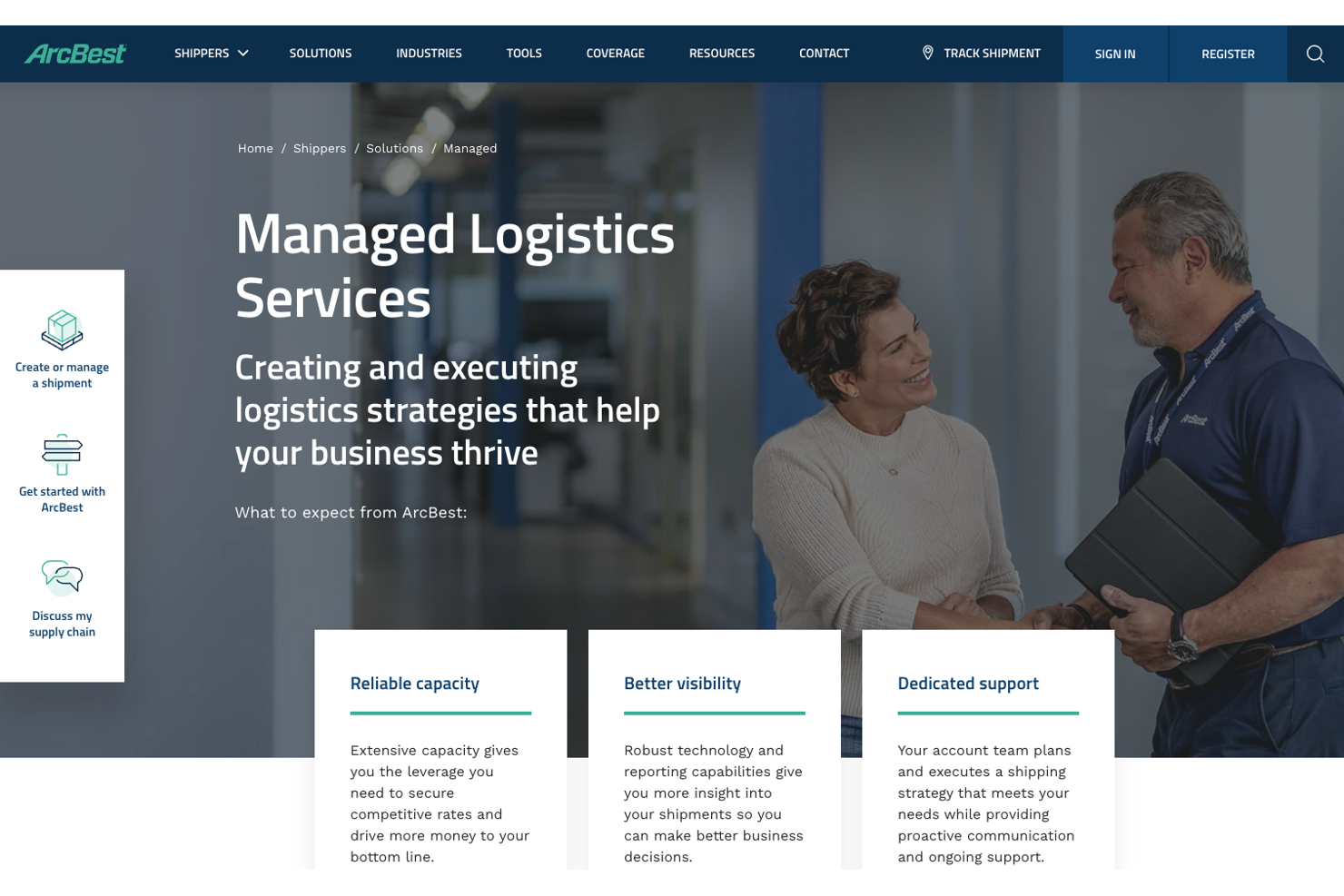
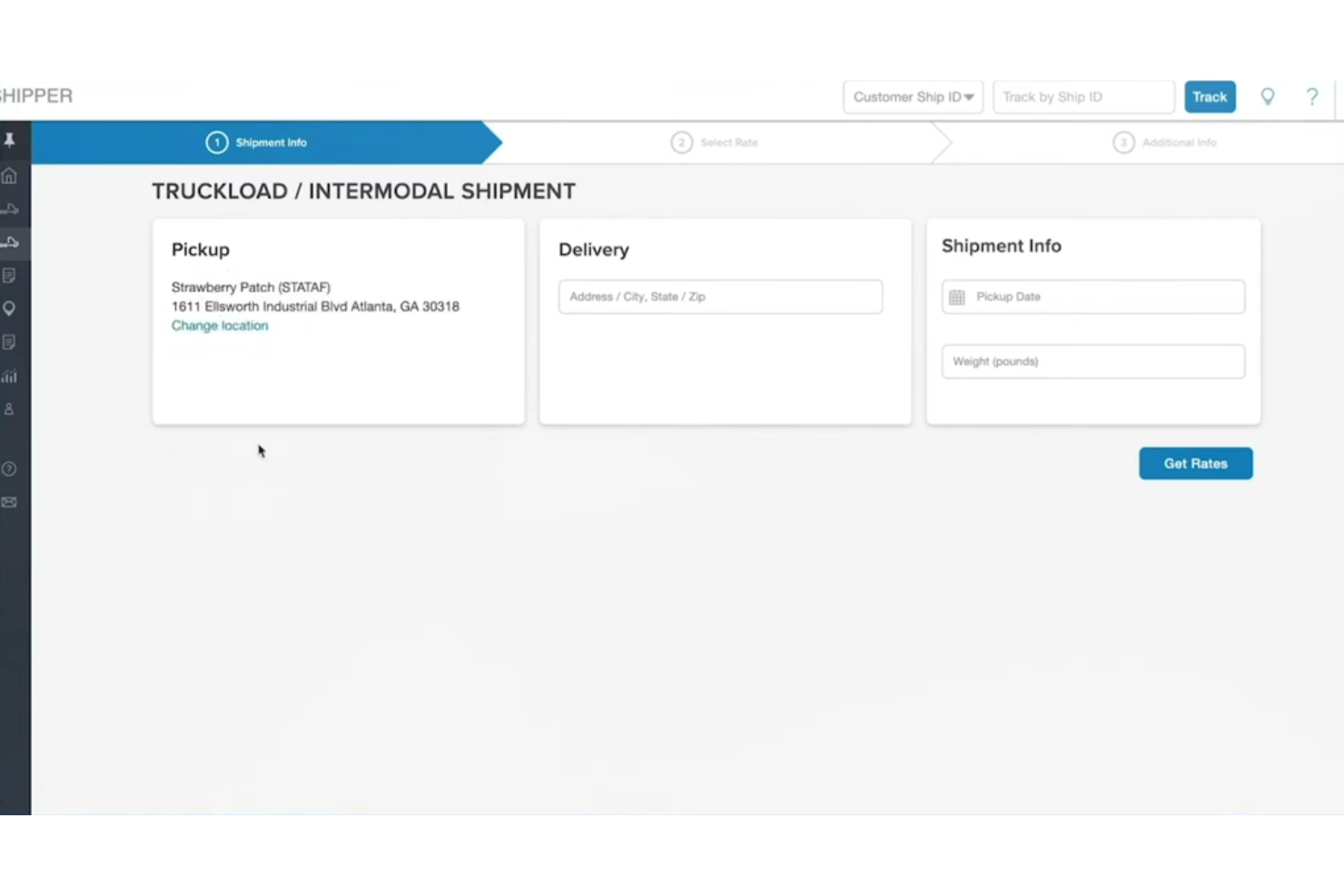
ArcBest is a third-party logistics partner for retailers and omnichannel brands.
It manages freight transportation and end-to-end logistics—covering LTL, truckload, brokerage, and managed transportation—so operations teams can move heavy, complex goods reliably and keep costs in check.
Why I picked ArcBest:
ArcBest brings deep freight muscle with nationwide LTL roots and expanded truckload brokerage, then layers on a managed-logistics model to simplify planning and execution. Retail teams get shipment tracking, digital document tools, and clear billing and payments—useful when coordinating stores, DCs, and drop-ship partners.
The company’s technology focus (including EDI/API connectivity and tools like Vaux) gives better shipment visibility and faster issue resolution across partners.
Standout features and integrations:
Features include freight transportation across LTL and truckload, managed transportation with shipment tracking and document retrieval, proactive dunning and billing support, and operations tools such as pickup requests, service-center lookups, and product-launch delivery planning—plus warehouse-adjacent innovations like Vaux for safer, faster handling.
Integrations include ERP systems, TMS systems, WMS systems, EDI, API (including ShipStation API), and NetSuite.
Pros and Cons
Pros:
- Comprehensive suite of shipping and logistics solutions.
- Positive experiences with customer service in specific terminals.
- Reliable delivery for large and heavy equipment cited by satisfied customers.
Cons:
- Inconsistent service quality and communication across locations.
- Reports of significant delays and shipments being held for extended periods.


GlobalTranz Enterprises is a third-party logistics provider for retailers and omnichannel brands.
It manages parcel, LTL, FTL, intermodal, and final-mile—plus managed transportation and warehousing—so logistics teams gain cost control, visibility, and reliable execution.
Why I picked GlobalTranz Enterprises:
The company blends a large carrier network with a TMS for end-to-end tracking and analytics, which helps cut lead times and improve on-time performance.
Its 2021 combination with Worldwide Express broadens parcel, LTL, and truckload coverage—useful for retailers balancing ecommerce spikes and store replenishment.
Standout features and integrations:
Features include managed transportation with a configurable TMS, a 45,000-carrier truckload network and 75+ LTL partners, cross-border Mexico programs, parcel spend management for rate optimization, intermodal to reduce linehaul cost, white-glove and last-mile for fragile/high-touch deliveries, and warehouse & fulfillment support to smooth seasonal peaks.
Integrations include Salesforce Cloud Commerce, Zenkraft Multi Carrier Shipping, Yurtici Kargo, Ward, and DPD Meta.
Pros and Cons
Pros:
- The online platform for booking shipments is user-friendly and easy to navigate.
- A variety of shipping options are available, providing flexibility.
- Competitive initial pricing is attractive to new customers.
Cons:
- Frequent billing discrepancies and incorrect invoicing cause frustration.
- Customer service ratings are notably low, with a 1.3 out of 5 score.

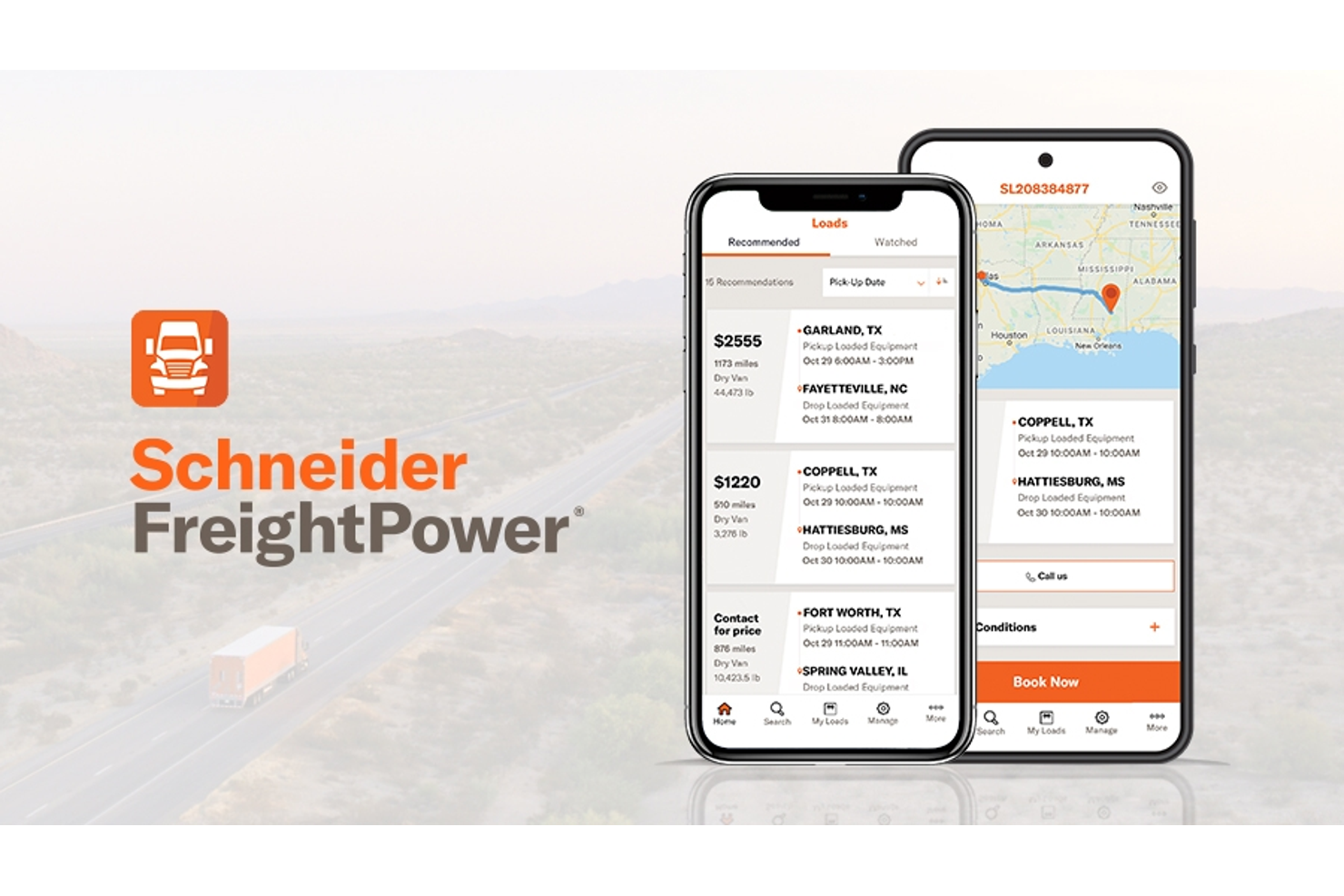
Schneider FreightPower is a digital freight platform that streamlines quoting, booking, and tracking for shippers and carriers.
It covers load search, instant pricing, 24/7 visibility, and mobile workflows, helping teams secure capacity faster, cut manual calls, and keep shipments on schedule.
Why I picked Schneider FreightPower:
This platform fits retailers and brands that need reliable multimodal capacity—truckload, LTL, intermodal—without juggling multiple portals. FreightPower pairs Schneider’s large 3PL network with real-time tools, so transportation managers can self-serve rates, book in minutes, and monitor exceptions from phone or desktop.
The tradeoff is limited public detail on integrations and pricing, which may matter for teams planning deep TMS workflows or formal ROI modeling; still, for operational speed and dependable coverage, it’s a strong option.
Standout features and integrations:
Features include instant freight quoting and booking, live shipment tracking, a self-service mobile app for carriers, support for diverse modes (dry van, intermodal, refrigerated, flatbed, bulk, LTL), sustainability resources, and dedicated/brokerage access for specialized moves.
Integrations include FreightPower API connections with transportation management systems, EDI flows (e.g., Orderful), links with Mastery Logistics and Platform Science, and standard TMS connectivity.
Pros and Cons
Pros:
- Pairs digital tools with dedicated and brokerage services for dependable capacity.
- Covers multiple shipping modes—dry van, intermodal, bulk, LTL, refrigerated, and flatbed.
- Offers instant freight quoting, booking, and 24/7 tracking in a single platform.
Cons:
- Tracking quality varies by carrier.
- Limited workflow customization in the portal.

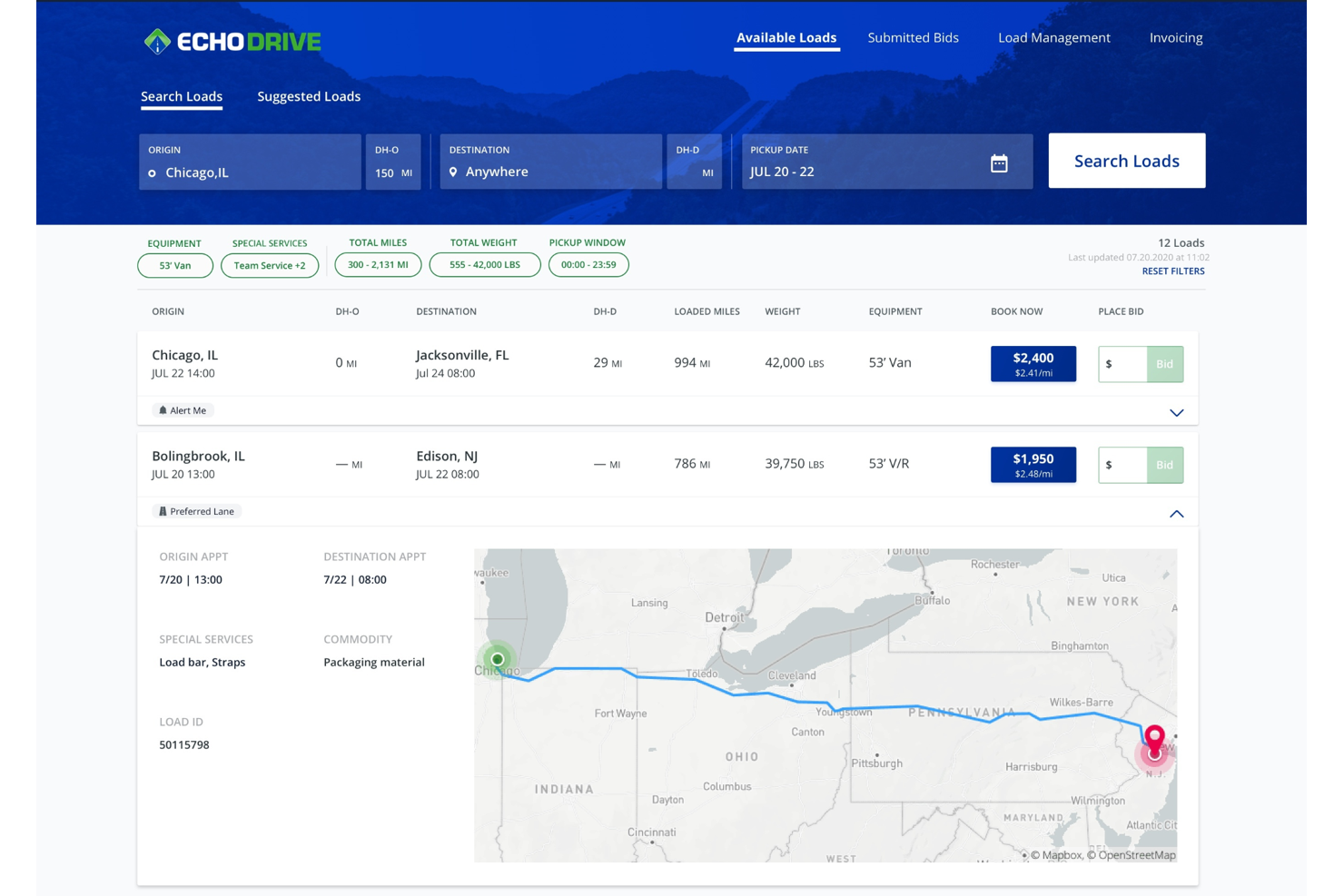
Echo Global Logistics is a technology-enabled 3PL for shippers and carriers moving freight across truckload, LTL, intermodal rail, and international lanes.
It centralizes quoting, booking, tracking, and settlement, so transportation teams gain stronger visibility, faster cycle times, and more predictable costs.
Why I picked Echo Global Logistics:
EchoConnect and its shipper/carrier portals make day-to-day transportation tasks—rate shopping, tendering, tracking, and exceptions—feel integrated rather than stitched together.
The managed transportation offering pairs those tools with dedicated experts for planning, routing guide compliance, and network optimization—useful when you’re juggling seasonal demand or a complex carrier mix.
Add warehousing options and around-the-clock support, and Echo can serve as a single partner from tender to storage without forcing a rip-and-replace of your stack.
Standout features and integrations:
Features include freight brokerage with both spot and contracted coverage, managed transportation with analytics-backed optimization, multimodal execution spanning FTL, LTL, intermodal, and international, and year-round warehousing for overflow and packaging—each designed to cut dwell, reduce manual chasing, and keep shipments on SLA.
Integrations include EchoSync data integration, EchoConnect shipper technology, carrier technology, EchoDrive, and EchoDrive Preferred.
Pros and Cons
Pros:
- Managed transportation team can stabilize service and optimize routing guides during spikes.
- EchoShip/EchoConnect tools make quoting, tendering, and tracking straightforward for shippers.
- Broad carrier network means faster coverage and more competitive spot/contract rates.
Cons:
- Billing disputes and unexpected accessorials are a recurring complaint from shippers.
- Service quality can be inconsistent by lane/office—missed pickups and communication gaps show up in reviews.


Kenco Group is a North American third-party logistics provider for brands that need integrated warehousing, fulfillment, and transportation at scale.
It centralizes distribution, ecommerce fulfillment, and transportation management—plus MHE fleet and logistics engineering—so operators get predictable costs, tighter SLAs, and cleaner performance visibility.
Why I Picked Kenco Group:
The network is deep—43M+ square feet across 140+ facilities—so national rollouts, peak flex, and multi-node fulfillment are realistic without stitching together regional partners.
Their emphasis on analytics and continuous improvement shows up in cost-to-serve work, engineered labor standards, and KPI discipline, which matters when you’re chasing lower dwell, fewer touches, and faster turns. Awards and customer-voted rankings reinforce a service culture that can shoulder complex, multi-year programs.
Standout features and integrations:
Features include integrated logistics with ecommerce fulfillment, transportation management (TL/LTL/parcel and control-tower visibility), value-added services (kitting, labeling, returns), MHE fleet services, and supply-chain engineering/consulting. Taken together, this mix reduces handoffs, shortens lead times, and gives operators one playbook for inbound through last mile.
Integrations include Aptos, BigCommerce, Magento, Shopify, and WooCommerce.
Pros and Cons
Pros:
- Data-driven visibility and engineering focus that helps reduce costs and improve KPIs.
- Recognized repeatedly in customer-voted 3PL rankings, indicating strong service and partnership.
- Reliable for complex, large-scale supply chain programs and multi-facility operations.
Cons:
- Pricing is custom and online integration details are limited, creating less upfront transparency.
- Best fit tends to be mid-market to enterprise; smaller DTC brands may find less tailoring.
Penske Logistics provides end-to-end supply chain solutions that help ecommerce brands optimize complex shipping processes.
Why I picked Penske Logistics: The company can customize supply chain solutions that optimize your current logistics process. Penske Logistics offers the expertise your ecommerce brand needs to succeed by providing any support level you need. The company’s supply chain planning services can help you achieve business goals, whether entering a new market or enhancing current assets.
Penske Logistics Standout Services
Standout services include warehouse design solutions to simplify warehouse layouts designed for efficient product access and overall labor productivity. Penske Logistics also provides supply chain consulting services that can help you improve flexibility via proven data collection and analysis, modeling tools, and extensive supply chain experience.
Pros and Cons
Pros:
- Simple shipment scheduling
- Straightforward truck leasing options
- Easy transport services
Cons:
- Customer support needs work
- Pickup locations are always different
Other Options
If you’ve been searching for new 3PL companies to work with for some time, you already know the vast number of options available. So, to make this list more beneficial for your needs, I wanted to add more 3PL options worth considering.
- Nippon Express
For customized logistics solutions.
- DSV Panalpina
Self-service shipment management platform.
- Coyote Logistics
For on-demand freight tracking.
- Lineage Logistics
For food supply chains.
- Americold
Temperature-controlled supply chain infrastructure.


Our Selection Criteria for Top 3PL Companies
Selecting the right 3PL software is crucial for optimizing your supply chain operations. With many options available, it's essential to evaluate 3PL solutions based on specific criteria to ensure they meet your business's unique needs.
Here's the framework we use:
Core 3PL functionality (25% of total weighting score)
To be considered among the best, a 3PL software must support essential use cases:
- Comprehensive warehouse management system (WMS) for inventory control and space optimization.
- Efficient order fulfillment processes, including processing, packing, and shipping.
- Integration of a robust transportation management system (TMS) for streamlined logistics.
- Real-time inventory tracking to monitor stock levels and movement.
- Detailed reporting and analytics capabilities to drive informed decision-making.
Additional standout features (25% of total weighting score)
Identifying standout 3PL software involves looking for:
- Seamless integration capabilities with ecommerce platforms and online marketplaces.
- Advanced real-time visibility and tracking of shipments to ensure transparency.
- Predictive analytics powered by AI and machine learning for demand forecasting.
- Customizable dashboards and KPI tracking for tailored business insights.
- Innovative tools like blockchain technology for secure and transparent transactions.
Usability (10% of total weighting score)
When evaluating usability, we consider:
- An intuitive user interface that simplifies navigation and reduces training time.
- Mobile accessibility to manage operations on-the-go.
- Customizable workflows to align with specific business processes.
- Drag-and-drop functionality for easy management of orders and tasks.
- Clear and concise data visualization to quickly interpret key metrics.
Onboarding (10% of total weighting score)
For onboarding, essential aspects include:
- Comprehensive training materials, including guides, tutorials, and FAQs.
- A guided setup process to streamline initial configuration.
- Assistance with data migration from legacy systems to ensure smooth transitions.
- Personalized onboarding support from dedicated specialists for a tailored experience.
- Regular check-ins during the implementation phase to address any issues.
Customer support (10% of total weighting score)
Effective customer support is evaluated by:
- Availability of 24/7 support through multiple channels, such as phone, email, and chat.
- Knowledgeable support staff with expertise in 3PL operations to provide relevant assistance.
- Proactive issue resolution and continuous system monitoring.
- Regular software updates and bug fixes to maintain smooth operations.
- Access to a community forum or knowledge base for peer support and shared insights.
Value for money (10% of total weighting score)
Assessing value for money involves looking at:
- Transparent pricing structures with no hidden fees.
- Scalable pricing options that grow with your business.
- Strong ROI potential based on efficiency gains and feature offerings.
- Competitive pricing compared to similar 3PL software solutions.
- Flexible contract terms and easy cancellation policies to reduce risk.
Customer reviews (10% of total weighting score)
In evaluating customer reviews, focus is placed on:
- Stories of successful integrations and effective use of 3PL features to solve business challenges.
- Overall satisfaction ratings from current users reflecting ease of use and functionality.
- Specific feedback on the quality of customer support and training experiences.
- Reports of tangible benefits and ROI from implementing the software.
- Long-term user experiences and loyalty to the product, indicating sustained value.
What is a 3PL Company?
A 3PL company is a third-party logistics provider that takes warehousing, inventory, fulfillment, and shipping off your plate—so you can actually focus on running your business.
The best 3PL companies negotiate freight rates, optimize packaging, and give you the data you need to cut costs and speed up delivery.
Retailers and brands use 3PL companies to scale without hiring an army or renting more storage space. Whether you need cold storage, specialized handling, or international shipping, a solid 3PL partner keeps your operations tight and your customers happy.
In short: they handle the logistics grind, you get your evenings back.
How to Choose 3PL Companies
Choosing a 3PL company shouldn’t feel like a leap of faith. You want a partner who can handle your chaos, scale with your ambitions, and keep your ops running smooth—without the smoke and mirrors.
Here’s how seasoned operators make the call, step by step.
| Step | What to do | What to ask or watch out for |
|---|---|---|
| Define your real needs | List your order volumes, product types, seasonality, and any must-haves (cold storage, kitting). | “Can you actually keep up with my order spikes and product quirks?” |
| Pressure-test their tech | Make sure their WMS and integrations work with your stack—no excuses. | “Show me your system live—how does it handle my actual workflow?” |
| Demand a full pricing breakdown | Get every fee in writing—storage, pick/pack, returns, all of it. Don’t accept hand-waving. | “What’s included, what’s extra, and what’s going to surprise me?” |
| Check their scalability in practice | Ask for proof: how do they handle growth, launches, and sudden volume jumps? | “Tell me about a client who scaled—what broke, what worked?” |
| Validate their industry experience | They should know your product category inside out—no learning on your dime. | “Who else like me have you worked with, and what went sideways?” |
| Audit their warehouse network | Are their fulfillment centers where your customers are? Can they hit your shipping promises? | “What percent of my orders will make two-day ground shipping?” |
| Test customer support and onboarding | Call their support, ask about onboarding, and check real reviews for red flags. | “Who’s my go-to when stuff hits the fan? How fast do you respond?” |
| Look for value-added extras | Don’t settle for basic. Push for returns, custom packaging, real reporting, and more. | “What extras do you offer that will actually move the needle?” |
Trends for 3PL Companies
The logistics world is moving fast, and staying ahead means keeping up with these trends:
- Tech is taking over. AI, machine learning, and IoT are no longer just buzzwords—they’re transforming 3PL operations. From predicting demand to optimizing delivery routes, these tools make logistics smarter, faster, and more reliable. IoT sensors are also giving real-time shipment updates, so no more “where’s my package” panic.
- Green logistics is the new standard. Customers and regulators alike are demanding eco-friendly operations. 3PLs are stepping up with electric delivery trucks, energy-efficient warehouses, and carbon offset programs. Saving the planet while saving costs? Win-win.
- Last-mile delivery gets creative. With ecommerce booming, the final stretch of delivery is where it’s at. Think drones, robots, and even crowdsourced delivery networks. It’s all about getting packages to doorsteps faster and with fewer headaches.
- Data rules everything. Predictive analytics and real-time monitoring are helping 3PLs plan better, cut costs, and avoid hiccups. Whether it’s optimizing warehouse layouts or catching delivery delays before they happen, data is the secret sauce to seamless logistics.
- Customers want it their way. Personalized logistics is the name of the game. 3PLs are offering tailored shipping options, better tracking transparency, and flexible services to keep clients happy and loyal.
- Regional logistics make a comeback. Global supply chain issues are pushing companies to rethink their strategies. Nearshoring and regionalized networks are becoming the go-to for faster, more reliable delivery.
- Omnichannel fulfillment takes center stage. The ecommerce explosion isn’t slowing down, and 3PLs are expanding their networks to handle inventory and fulfill orders across multiple channels. Automation is leading the charge to make it all happen smoothly.
Keeping pace with these trends will help your logistics game stay sharp and ready to meet customer demands head-on.
3PL vs freight broker: What's the difference?
While 3PLs and freight brokers both facilitate shipping, they serve different roles in the supply chain.
- 3PLs provide end-to-end logistics solutions. They manage warehousing, fulfillment, transportation, and supply chain planning, acting as a full-service logistics partner.
- Freight brokers connect shippers with carriers. They don’t own warehouses or fleets but instead negotiate and coordinate freight movement between businesses and trucking companies.
- 3PLs offer long-term partnerships. They handle ongoing logistics needs, optimize supply chains, and provide value-added services like inventory management and returns processing.
- Freight brokers focus on single shipments. Their expertise lies in securing the best carrier rates for specific freight loads, making them ideal for businesses with occasional shipping needs.
If you need a full-scale logistics partner, a 3PL is the way to go. If you just need help finding the best carrier for a one-off shipment, a freight broker can get the job done.
Key Features & Functions of 3PL Companies
When it comes to picking the right 3PL, it’s all about the features that keep your logistics running smoother than a same-day delivery.
- Comprehensive supply chain management. A great 3PL doesn’t just move boxes—it handles transportation, warehousing, packing, and strategic planning to streamline your entire supply chain.
- Warehouse management systems (WMS). Say goodbye to inventory guesswork. Advanced WMS tools automate tracking, optimize storage, and provide real-time insights into stock levels and shipments.
- End-to-end visibility. Customers hate being left in the dark—and so do you. The best 3PLs offer real-time tracking tools that keep everyone updated on shipment status, reducing “where’s my package” anxiety.
- Ecommerce platform integration. A top-tier 3PL should seamlessly sync with Shopify, WooCommerce, Amazon, or other platforms, ensuring orders flow from checkout to delivery without a hitch.
- Flexible, customizable solutions. Need kitting, custom packaging, or handling for fragile and oversized items? The best 3PLs adapt to your business needs, not the other way around.
- Scalable networks. A robust 3PL grows with you, offering strategically located fulfillment centers to cut shipping costs and speed up delivery times.
- Freight rate optimization. The right 3PL negotiates competitive freight rates, reducing your overall logistics expenses while ensuring efficient shipping.
- Smart analytics. Data is your logistics BFF. A great 3PL uses AI-driven analytics to forecast demand, optimize routes, and uncover cost-saving opportunities.
- Sustainability efforts. Eco-friendly shipping options, sustainable packaging, and energy-efficient facilities help you meet sustainability goals while enhancing your brand image.
- Reverse logistics. Returns happen—make them painless. A strong 3PL has efficient systems for handling returns, ensuring a smooth customer experience.
With these features, a 3PL isn’t just a service—it’s your logistics ace in the hole, helping you deliver for your customers and your bottom line.
Benefits of 3PL Companies
A 3PL isn’t just about shipping—it’s about making logistics work smarter, not harder. Here’s why outsourcing can transform your business:
- Lower costs without cutting corners. Managing warehouses and transportation isn’t cheap. A 3PL spreads expenses across clients, giving you access to top-tier logistics without the hefty overhead.
- Expand without the headaches. Whether you're dealing with seasonal spikes or launching new products, a 3PL has the network and systems to scale up or down as needed.
- Smarter logistics through technology. Real-time tracking, automated warehouses, and AI-driven forecasting keep your inventory moving efficiently and your customers informed.
- Speed matters. A strong fulfillment network means two-day (or faster) shipping isn’t just possible—it’s the standard. Faster deliveries mean fewer abandoned carts and happier customers.
- Seamless returns. A 3PL with solid reverse logistics makes returns quick and painless, improving retention and reducing support headaches.
- Industry-specific solutions. Need cold storage? Custom kitting? Heavy freight handling? The right 3PL isn’t one-size-fits-all—it’s built to support your business model.
- Sustainability that works. Many 3PLs now offer eco-friendly shipping, energy-efficient warehouses, and sustainable packaging to align with consumer expectations and reduce your footprint.
- More time for what matters. Offloading logistics means you can focus on product development, marketing, and customer experience instead of supply chain chaos.
A 3PL isn’t just a service—it’s a competitive edge. The right partner helps you move faster, spend smarter, and keep customers coming back.
Costs & Pricing of 3PL Companies
Selecting the right 3PL plan is crucial for balancing efficiency and cost-effectiveness. Here's a breakdown of typical pricing tiers and their offerings:
| Plan type | Average price | Common features | Best for |
|---|---|---|---|
| Starter Plan | $100 – $500/month | Up to 500 orders per month, basic inventory management, standard reporting, email support, integration with major ecommerce platforms | Small businesses with low order volumes |
| Business Plan | $500 – $2,000/month | Up to 5,000 orders per month, advanced inventory management, multiple warehouse locations, priority support, advanced reporting and analytics, API access | Growing businesses needing scalable solutions |
| Enterprise Plan | $2,000+/month | Unlimited orders, custom integrations, dedicated account manager, advanced forecasting, multi-channel fulfillment, custom reporting, SLA guarantees | Large businesses with complex logistics needs |
Additional considerations
- Hidden costs. Be aware of potential extra fees such as setup charges, storage fees, and shipping costs. It's essential to request a detailed breakdown from your 3PL provider to avoid surprises.
- Choosing the right provider. Evaluate factors like the provider’s technology compatibility with your systems, their scalability to grow with your business, and the level of customer service they offer.
Practical example
A small boutique selling handmade jewelry might start with the Starter Plan, while a growing fashion brand with seasonal peaks might find the Business Plan more fitting.
Large ecommerce platforms handling thousands of orders daily would benefit from the comprehensive services of the Enterprise Plan.
By carefully assessing your business needs and asking the right questions, you can select a 3PL plan that not only fits your current requirements but also supports your growth ambitions.
3PL Companies FAQs
When talking 3PLs, there are always more questions. While many of them can be answered by the companies themselves during the investigation phase, we’ll do our best to answer some here.
How do 3PLs handle reverse logistics and returns management?
Returns are where logistics get messy—but a good 3PL doesn’t flinch. They set up systems to process returns fast, track why products come back, and get inventory back into play (or responsibly disposed of) without clogging up your cash flow.
If returns are eating your lunch, grilled or not, make sure your 3PL spells out their returns workflow in writing—and that their tech talks to yours.
What technological advancements are leading 3PL companies implementing to improve their services?
You want 3PLs who’ve retired the clipboard. Think real-time inventory systems, predictive analytics, robotics, and integrations with your ecommerce and ERP platforms.
The right tech means fewer stockouts, faster fulfillment, and fewer midnight “where’s my shipment?” emails. Solid tech doesn’t just look good on a demo—it saves your team time and headaches.
Can 3PLs help with international shipping and customs clearance?
Yes, most established 3PLs can handle cross-border chaos. The best ones walk you through paperwork, slash your customs “wait and see” time, and help you avoid rookie mistakes with duties and taxes.
If you’re going global, grill any 3PL on how they manage international compliance and what their track record looks like in your key markets.
How do I know if my business is ready for a 3PL?
If you spend more time packing boxes than growing sales—or if order errors and missed ship dates keep lighting up your Slack—then it’s probably time.
3PLs make sense when your ops can’t scale without breaking things, or when in-house fulfillment drags down profit. Don’t wait until everything’s on fire; the right 3PL will help you work smarter, not just faster.
How do I evaluate and compare 3PL providers for my business?
Start with what matters most: speed, accuracy, cost, tech integration, and customer service. Ask for references and dig into real-world KPIs, not just sales pitch slides.
Take tech seriously—if their platform won’t play nice with yours, move on. And don’t let the cheapest bid fool you; long-term headaches aren’t worth the bargain.
What integrations should I look for in a 3PL partner?
You want their systems to plug directly into your ecommerce platform, ERP, marketplace, and accounting tools. Shopify, BigCommerce, NetSuite, QuickBooks—you name it.
The less manual double-entry, the better. Check if their API is well-documented and if they’ll support custom integrations or just hand you a setup FAQ and wish you luck.
What are the biggest challenges when working with a 3PL?
The biggest headaches? Sloppy communication, systems that don’t sync, and hidden fees. Missed handoffs between your team and theirs can kill momentum and cost you customers.
Prevent nasty surprises by setting clear SLAs upfront and checking what their customer support is really like—ideally before you sign, not after.
Other Ecommerce Service Reviews
You can read the following company comparisons for more in-depth reviews of similar logistics and fulfillment services.
Outsource Fulfillment to Scale Your Brand
You're here because you need an expert solution for warehousing and fulfilling your orders. You are ready to stop storing and shipping everything yourself, and you found us.
Lucky you! In the services on this page (and especially the top 10), you'll find what you are looking for, thus simplifying your life and growing your brand. Glad we could help!
Retail never stands still—and neither should you. Subscribe to our newsletter for the latest insights, strategies, and career resources from top retail leaders shaping the industry.