

I 10 migliori software di gestione dell’inventario per ristoranti recensiti nel 2026

I migliori software di gestione dell'inventario per ristoranti: selezione


Gestire l'inventario di un ristorante può sembrare un esercizio di equilibrismo. Devi continuamente bilanciare i livelli delle scorte, ridurre gli sprechi alimentari e tenere sotto controllo i costi. È qui che entra in gioco il software di gestione dell'inventario. Ti aiuta a monitorare ogni cosa, rendendo il tuo lavoro un po' più semplice.
In base alla mia esperienza, scegliere il software giusto può trasformare il modo in cui opera il tuo team. Ho testato e recensito in modo indipendente diverse opzioni per offrirti una panoramica imparziale di ciò che è disponibile.
In questo articolo troverai le mie migliori scelte di software per la gestione dell'inventario. Ti illustrerò le loro funzionalità, i vantaggi e i motivi per cui potrebbero essere la soluzione perfetta per il tuo ristorante. Rendiamo la gestione dell'inventario meno complicata per te e il tuo team.
Perché fidarsi dei nostri consigli sui software
Il nostro team testa e recensisce software dal 2012. In quanto leader del retail noi stessi, sappiamo quanto sia difficile — e importante — scegliere il software giusto.
Per questa guida, abbiamo valutato gli strumenti attraverso test pratici e ricerche indipendenti, assegnando un punteggio agli strumenti in base ai nostri criteri di selezione.
Le nostre recensioni riflettono il nostro giudizio indipendente, non un discorso di vendita.
Confronto tra software di gestione dell'inventario per ristoranti
La tabella seguente confronta i dettagli dei prezzi delle mie migliori selezioni di software di gestione dell’inventario per ristoranti.
| Tool | Best For | Trial Info | Price | ||
|---|---|---|---|---|---|
| 1 | Ideale per ridurre lo spreco alimentare | Demo gratuita disponibile | Da $199/mese | Website | |
| 2 | Ideale per grandi aziende | Demo gratuita disponibile | Prezzi su richiesta | Website | |
| 3 | Ideale per l'automazione delle fatture | Demo gratuita disponibile | Da $330/sede/mese | Website | |
| 4 | Ideale per la gestione visiva dell'inventario | Piano gratuito disponibile + prova gratuita di 14 giorni | Da $24/mese (fatturazione annuale) | Website | |
| 5 | Ideale per l'integrazione con i sistemi POS | Piano gratuito disponibile | Da $69/mese | Website | |
| 6 | Ideale per il monitoraggio in tempo reale dell'inventario | Prova gratuita di 14 giorni disponibile | Da $89/mese (fatturato annualmente) | Website | |
| 7 | Ideale per la gestione di più sedi | Demo gratuita disponibile | Prezzo su richiesta | Website | |
| 8 | Ideale per il controllo dei costi | Demo gratuita disponibile | Prezzo su richiesta | Website | |
| 9 | Ideale per la reportistica dettagliata | Demo gratuita disponibile | Prezzo su richiesta | Website | |
| 10 | Ideale per inventario in tempo reale sincronizzato con le vendite | Disponibile piano gratuito | Da $35/mese | Website |
Recensioni dei migliori software di gestione dell'inventario per ristoranti
Di seguito trovi i miei riepiloghi dettagliati dei migliori software di gestione dell’inventario per ristoranti inclusi nella mia selezione. Le mie recensioni offrono uno sguardo approfondito sulle funzionalità principali, i pro e i contro, le integrazioni e i casi d’uso ideali di ogni strumento, per aiutarti a trovare quello più adatto a te.

Ideale per ridurre lo spreco alimentare
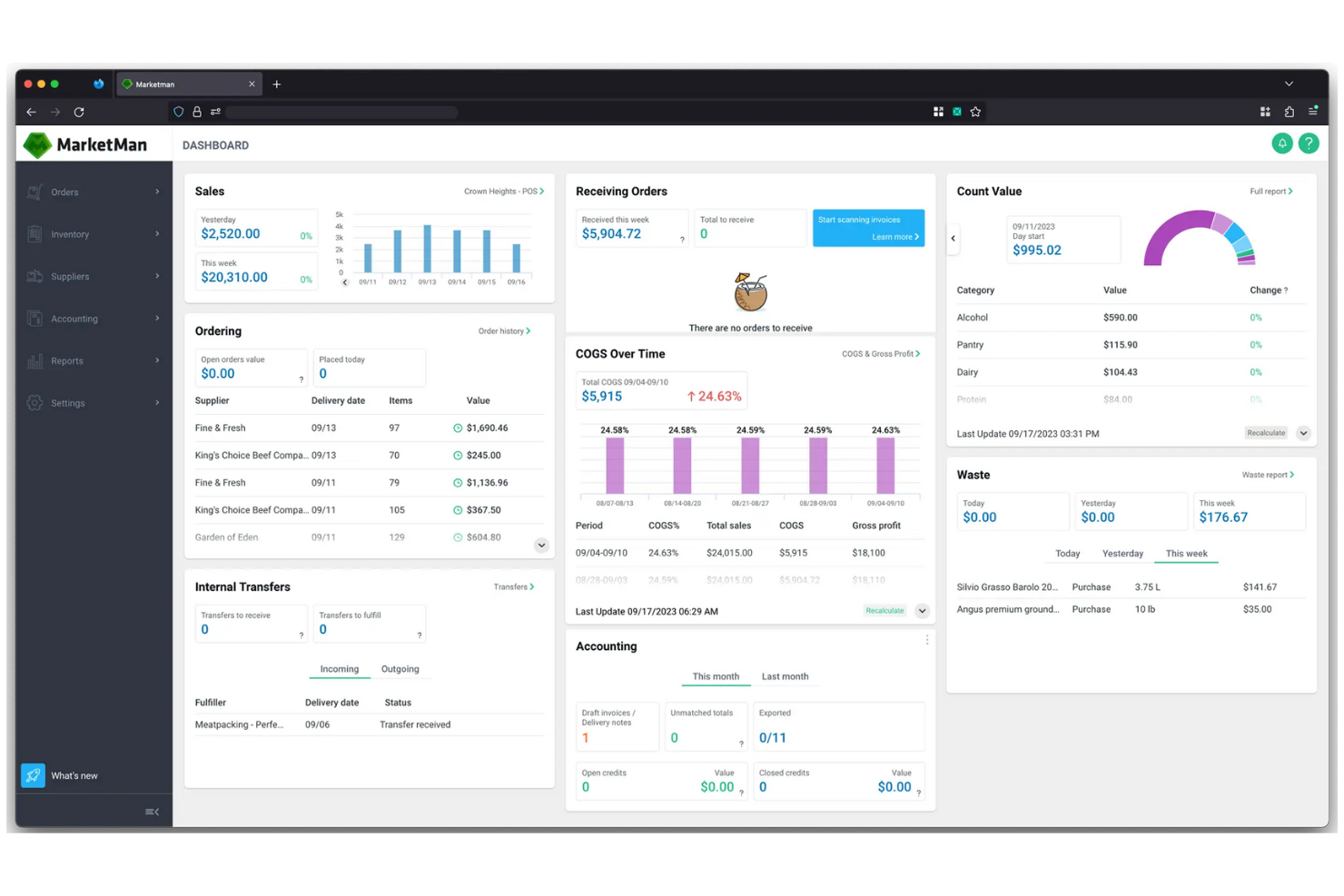
MarketMan è un software di gestione dell'inventario per ristoranti progettato per migliorare il controllo dei costi e l'efficienza. Serve i ristoranti offrendo monitoraggio dell'inventario, fatturazione e calcolo del costo delle ricette, tutto all'interno di una piattaforma facile da usare.
Perché ho scelto MarketMan: Si concentra sulla riduzione degli sprechi alimentari, con funzionalità come l'automazione basata su intelligenza artificiale per il controllo dell'inventario. Puoi monitorare acquisti e costi in tempo reale, assicurandoti di immagazzinare solo ciò che serve. Il sistema fornisce anche approfondimenti sulle tendenze di acquisto, aiutandoti a individuare le aree in cui è possibile ridurre gli sprechi. Il calcolo del costo delle ricette supporta ulteriormente questo obiettivo mostrando l'esatto costo delle merci vendute, consentendo decisioni di prezzo migliori.
Caratteristiche principali e integrazioni:
Caratteristiche includono automazione tramite intelligenza artificiale per semplificare le attività, analisi in tempo reale per inventario e COGS (costo del venduto), e accesso tramite app mobile per la gestione in movimento.
Integrazioni includono Square, QuickBooks, Xero, Toast, Lightspeed, Clover, Revel, Aloha, Micros, Squirrel e altri.
Pros and Cons
Pros:
- Automazione basata su IA
- Comodità dell'app mobile
- Calcolo dettagliato del costo delle ricette
Cons:
- Prezzo di partenza relativamente elevato
- Piani personalizzati necessari per grandi aziende
Oracle
Ideale per grandi aziende
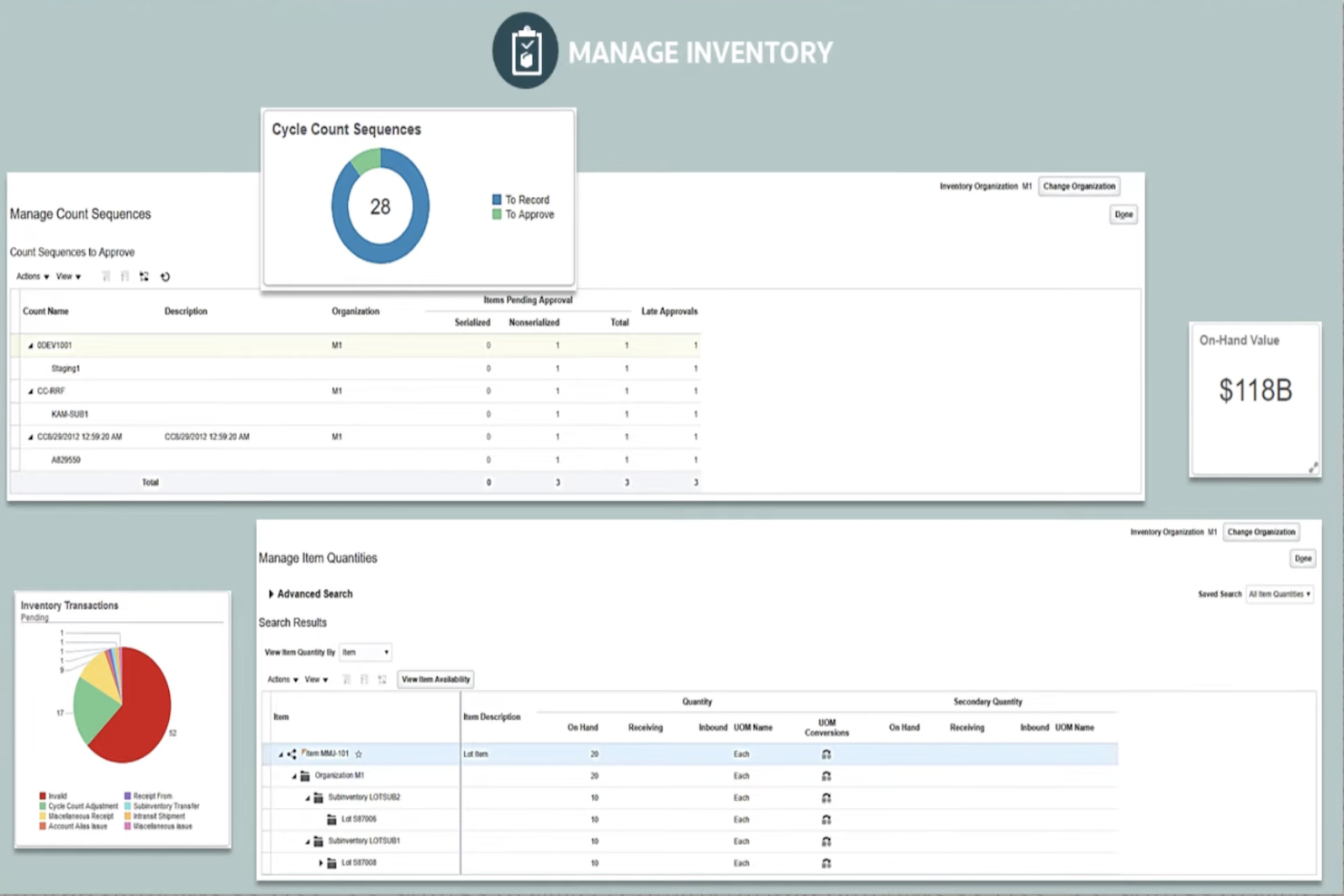
Oracle è un software di gestione dell'inventario a livello aziendale progettato per grandi ristoranti e catene. Si specializza nel fornire soluzioni per il controllo dell'inventario, la gestione finanziaria e gli approvvigionamenti.
Perché ho scelto Oracle: È pensato per grandi aziende, con funzionalità come analisi avanzate e accesso ai dati in tempo reale. Puoi gestire un ampio inventario fisico su più sedi. La piattaforma offre anche strumenti di reportistica che aiutano a prendere decisioni informate. Questo lo rende adatto a operazioni complesse che richiedono un controllo dettagliato.
Caratteristiche distintive e integrazioni:
Funzionalità includono analisi predittive per la previsione della domanda, processi di approvvigionamento automatizzati per ridurre le attività manuali e strumenti di reportistica personalizzabili in base alle esigenze aziendali.
Integrazioni includono SAP, Microsoft, Salesforce, Google Cloud, Amazon Web Services, IBM, VMware, Slack, Zoom e altri ancora.
Pros and Cons
Pros:
- Ampie opzioni di personalizzazione
- Adatto a operazioni complesse
- Scalabile per aziende in crescita
Cons:
- Aggiornamenti lenti a livello di articolo
- Licenze e aggiornamenti costosi

Ideale per l'automazione delle fatture
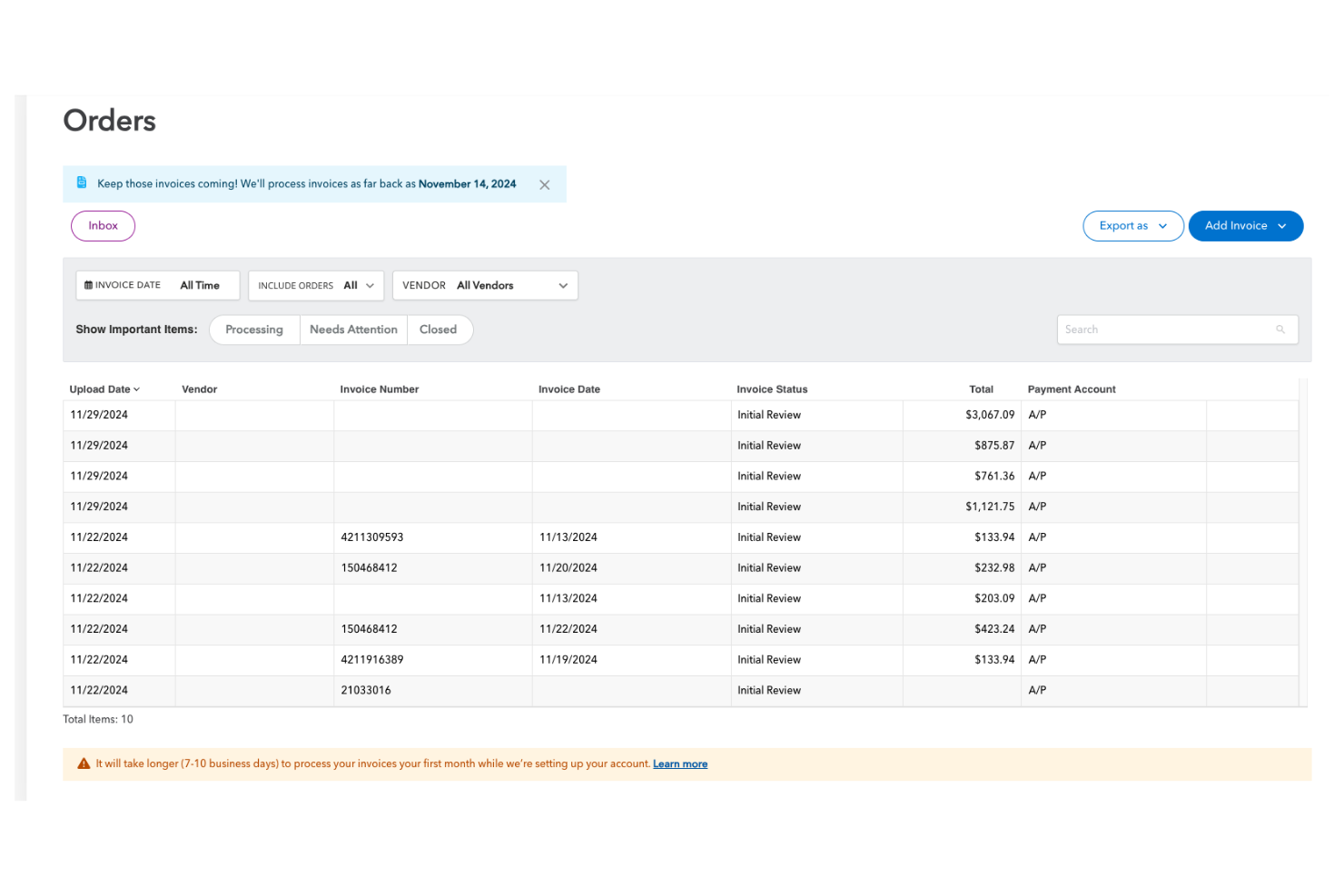
MarginEdge è un software di gestione per ristoranti progettato per la gestione di inventario e finanze. Si rivolge a proprietari e gestori di ristoranti offrendo strumenti per il monitoraggio dei costi, l'elaborazione delle fatture e il controllo dell'inventario.
Perché ho scelto MarginEdge: automatizza l'elaborazione di fatture e ordini di acquisto, riducendo l'inserimento manuale dei dati e gli errori. Puoi inviare fatture tramite email o dispositivo mobile e il sistema le elaborerà e categorizzerà automaticamente. Questa funzione fa risparmiare tempo e aiuta a garantire l'accuratezza nei tuoi registri finanziari. Inoltre, MarginEdge si integra con molti sistemi di contabilità, facilitando la gestione delle spese del tuo team e migliorando la tua redditività.
Funzionalità e integrazioni principali:
Funzionalità includono monitoraggio dei costi degli alimenti in tempo reale per aiutarti a gestire i budget, report personalizzabili per analisi dettagliate e strumenti di analisi del menu che facilitano le decisioni di prezzo.
Integrazioni includono QuickBooks, Xero, Toast, Square, Aloha, Oracle MICROS, Compeat, Restaurant365, Clover, Revel e altri.
Pros and Cons
Pros:
- Automazione efficiente delle fatture
- Monitoraggio dei costi in tempo reale
- Integrazione contabile fluida
Cons:
- Gli errori nelle fatture necessitano di revisione
- Le funzionalità avanzate possono richiedere formazione aggiuntiva

Sortly
Ideale per la gestione visiva dell'inventario

Sortly è un software di gestione dell'inventario progettato per piccole e medie imprese che cercano un modo intuitivo per gestire le proprie scorte. Offre funzionalità che consentono di tracciare e organizzare facilmente l'inventario tramite elementi visivi e interfacce semplici.
Perché ho scelto Sortly: Eccelle nella gestione visiva dell'inventario, permettendo di utilizzare foto per catalogare e tracciare gli articoli. Questo rende più semplice per il tuo team riconoscere i prodotti e gestirli in modo efficiente. Il software fornisce la generazione di codici QR per un accesso rapido ai dettagli dell'inventario. È inoltre possibile personalizzare i campi in base alle proprie esigenze specifiche, aumentando la flessibilità del processo di gestione delle scorte.
Funzionalità e integrazioni principali:
Funzionalità includono il tracciamento dell'inventario basato su foto, la generazione di codici QR per una facile ricerca degli articoli e campi personalizzabili per adattare il sistema alle tue esigenze specifiche.
Integrazioni includono QuickBooks, Shopify, Amazon Business, Zapier, Slack, e altri.
Pros and Cons
Pros:
- Tracciamento visivo dell'inventario
- Facile generazione di codici QR
- Non sono necessarie competenze tecniche
Cons:
- Funzionalità avanzate limitate
- Non adatto a inventari di grandi dimensioni

Toast
Ideale per l'integrazione con i sistemi POS
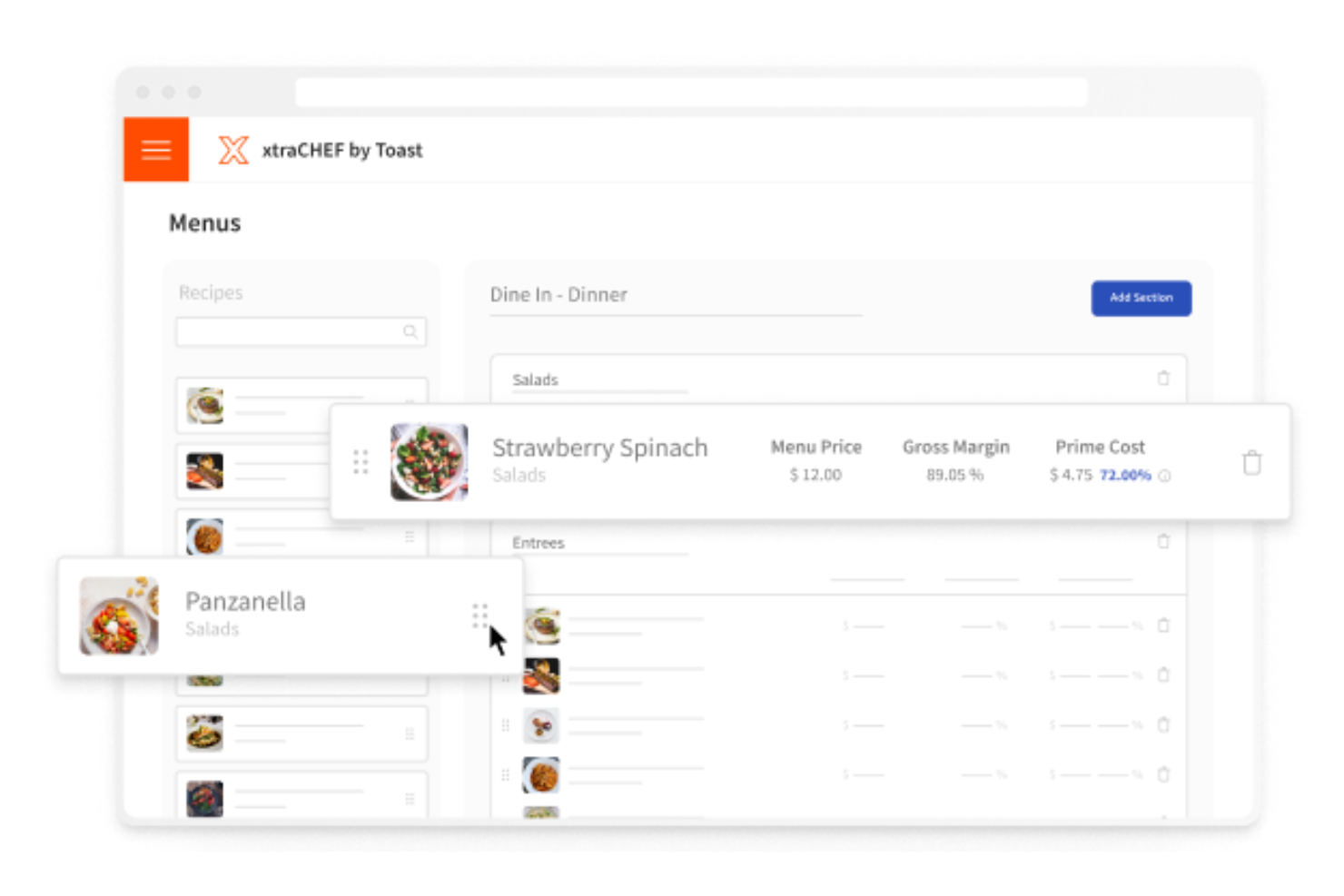
Toast è un sistema di gestione e punto vendita progettato per ristoranti di tutte le dimensioni. Aiuta a semplificare le operazioni gestendo ordini, pagamenti e inventario.
Perché ho scelto Toast: Offre un'integrazione fluida con i sistemi POS, rendendo semplice la gestione delle operazioni del tuo ristorante in un unico luogo. Il sistema consente aggiornamenti in tempo reale dei tuoi articoli di menù e il tracciamento degli ordini, aiutando ad aumentare l'efficienza del servizio. Puoi anche accedere a report di vendita dettagliati che ti aiutano a prendere decisioni aziendali informate. Questa capacità di integrazione rende Toast un'ottima scelta per chi desidera unificare i propri strumenti di gestione del ristorante.
Funzionalità principali e integrazioni:
Funzionalità includono gestione del menù in tempo reale che consente aggiornamenti istantanei, report di vendita dettagliati per decisioni basate sui dati e opzioni di ordine e pagamento da mobile per migliorare l'esperienza del cliente.
Integrazioni includono Grubhub, Uber Eats, DoorDash, OpenTable, 7shifts, PeachWorks, Compeat, Homebase, BevSpot e altri ancora.
Pros and Cons
Pros:
- Aggiornamenti del menù semplici
- Gestione e tracciamento degli ordini in tempo reale
- Opzioni di pagamento da mobile
Cons:
- Impostazione e mantenimento dell'inventario richiedono tempo
- Dipendenza da componenti aggiuntivi di terze parti

Ideale per il monitoraggio in tempo reale dell'inventario
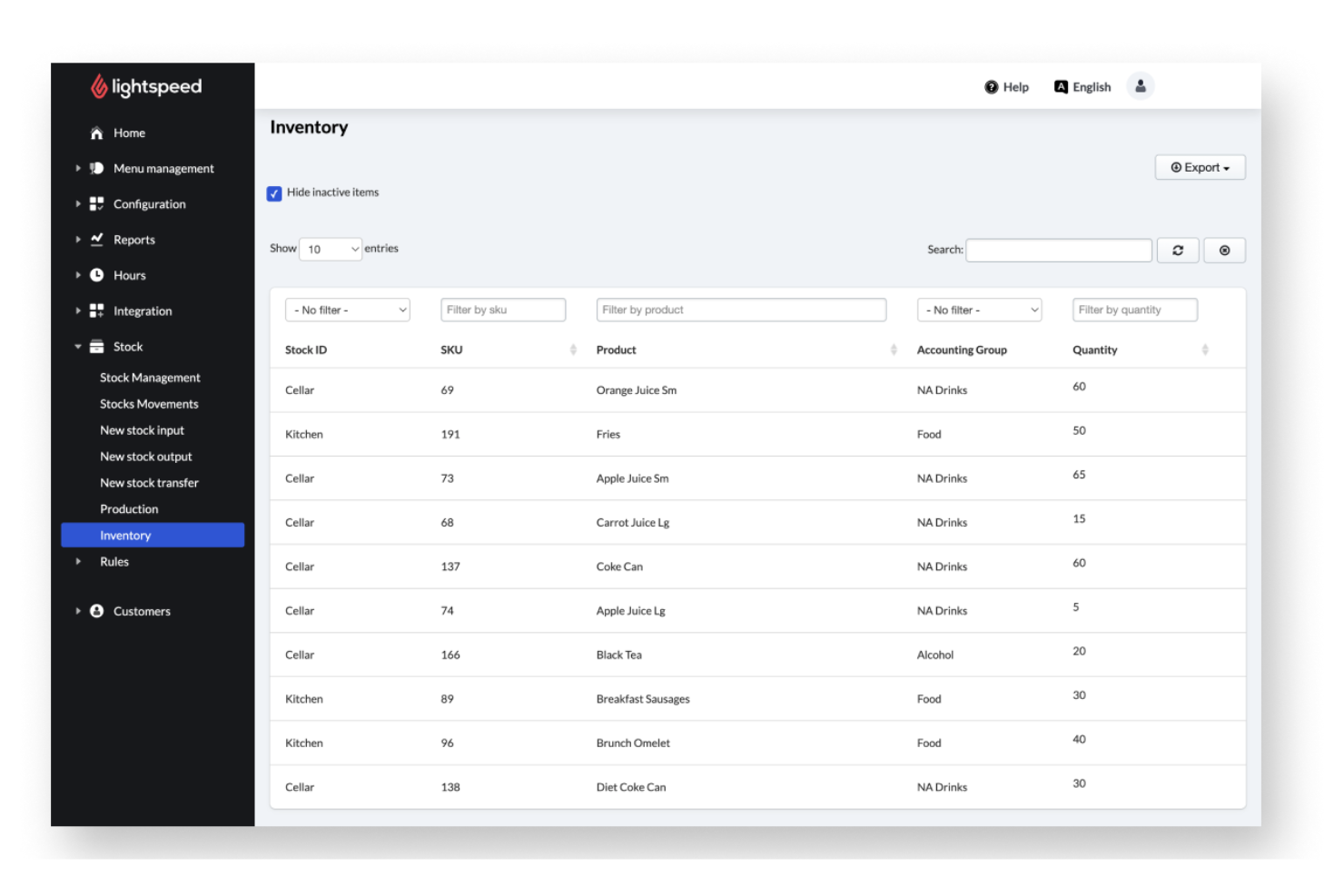
Lightspeed è un sistema di gestione per ristoranti polivalente che si adatta a una varietà di locali di ristorazione. Offre soluzioni per il punto vendita, la gestione dell'inventario e il coinvolgimento della clientela.
Perché ho scelto Lightspeed: Il suo sistema di gestione dell'inventario eccelle nel monitoraggio in tempo reale delle scorte, permettendoti di controllare i livelli del magazzino man mano che avvengono le vendite. Questa caratteristica aiuta il tuo team a ridurre gli sprechi e ottimizzare i processi di approvvigionamento. La piattaforma fornisce inoltre analisi dettagliate che offrono una panoramica sulle tendenze di vendita e sulle necessità di inventario. È l’ideale per i ristoranti che vogliono migliorare l’efficienza operativa e aumentare i propri margini di profitto grazie al controllo preciso dell'inventario.
Funzionalità e integrazioni principali:
Funzionalità includono avanzati strumenti di reportistica che consentono di comprendere i modelli di vendita, gestione personalizzabile del menù per aggiornamenti facili e un programma fedeltà integrato per aumentare la fidelizzazione dei clienti.
Integrazioni includono QuickBooks, Xero, Mailchimp, 7shifts, Uber Eats, OpenTable, Resy, Deliverect e molte altre.
Pros and Cons
Pros:
- Aggiornamenti in tempo reale delle scorte
- Programmi fedeltà integrati
- Supporta sia piccole che grandi aziende
Cons:
- Dipende da una connessione internet stabile
- I componenti aggiuntivi aumentano il costo complessivo

Ideale per la gestione di più sedi
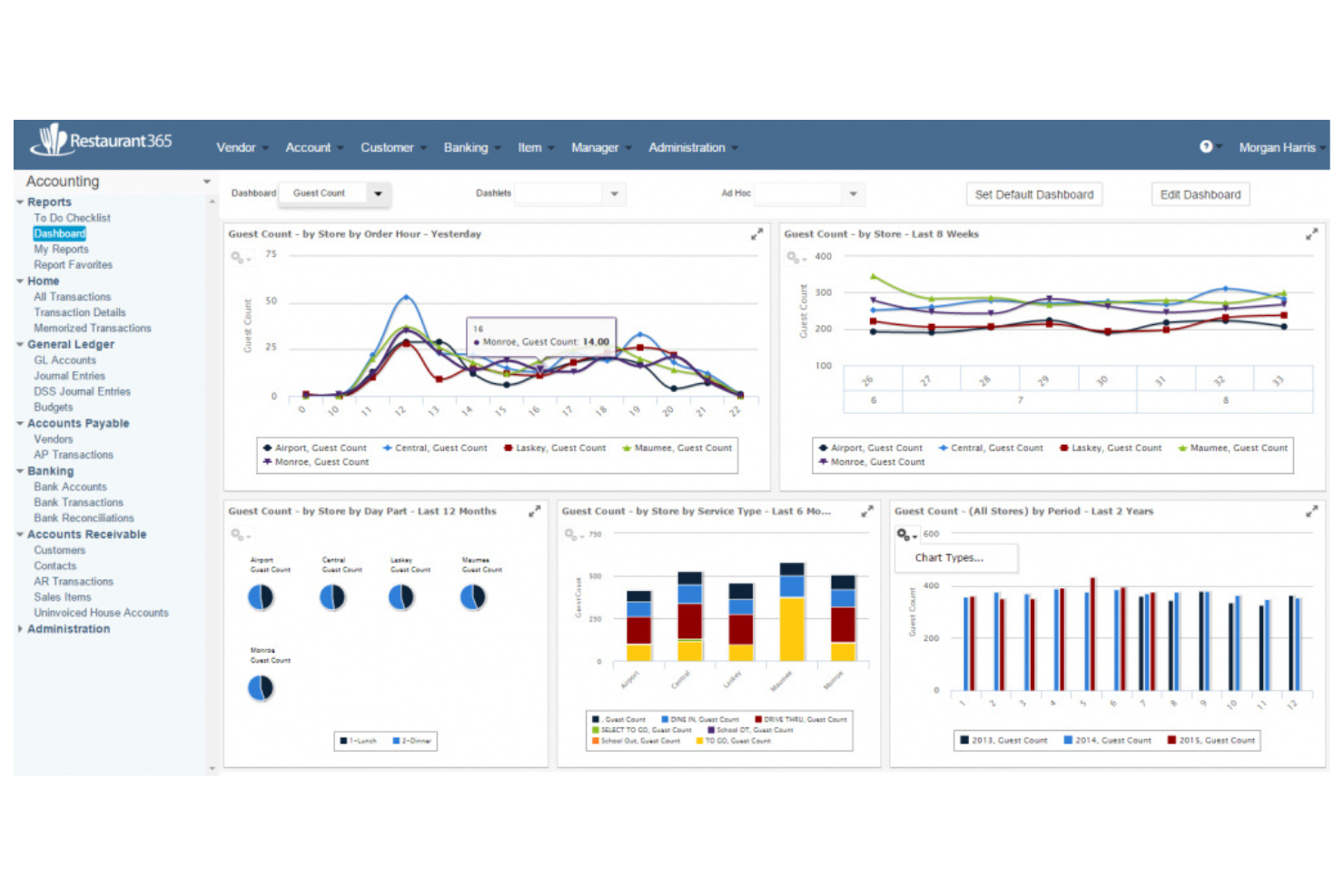
Restaurant365 è un software basato su cloud progettato per la gestione dei ristoranti, con un focus su contabilità, inventario e pianificazione del personale. È popolare tra i ristoranti con più sedi che desiderano centralizzare le operazioni e aumentare l'efficienza.
Perché ho scelto Restaurant365: Eccelle nella gestione di più sedi grazie a funzionalità come la contabilità centralizzata e il monitoraggio dell'inventario su tutte le filiali. La piattaforma consente di consolidare i dati finanziari e di inventario, contribuendo a garantire coerenza e accuratezza. Lo strumento offre anche dashboard personalizzabili per monitorare le metriche di prestazione di ogni sede. Questo lo rende una scelta solida per i ristoranti che necessitano di una visione unificata delle loro operazioni.
Caratteristiche principali e integrazioni:
Funzionalità includono la contabilità automatizzata per ridurre gli errori manuali, dashboard personalizzabili per il monitoraggio delle prestazioni, e strumenti di pianificazione per ottimizzare la gestione del personale.
Integrazioni includono QuickBooks, Xero, Square, Toast, Aloha, Oracle MICROS, Revel, Clover, Paychex, ADP e altri.
Pros and Cons
Pros:
- Contabilità centralizzata
- Supporto multi-sede
- Strumenti dettagliati per la pianificazione del personale
Cons:
- Richiede formazione continua
- Problemi di prestazioni con grandi volumi di dati

Back Office è un software completo di gestione per ristoranti progettato per ristoranti indipendenti, strutture multi-concetto, affiliati e franchisor. Offre soluzioni per la gestione dell'inventario, contabilità, paghe e controllo del costo del cibo.
Perché ho scelto Back Office: È focalizzato sul controllo dei costi, con funzionalità come report finanziari dettagliati e calcolo del costo delle ricette. Puoi monitorare accuratamente le spese e gestire i costi del personale e degli alimenti. Il software offre anche analisi dei dati per aiutarti a prendere decisioni informate. Ciò lo rende ideale per i ristoranti che vogliono migliorare la supervisione finanziaria e la redditività.
Funzionalità principali e integrazioni:
Funzionalità includono la gestione del contante per operazioni finanziarie coese, gestione automatizzata dei conti da pagare per il monitoraggio efficiente delle spese e strumenti di reportistica personalizzabili per approfondimenti dettagliati.
Integrazioni includono QuickBooks, Square, Toast, Aloha, Micros, Revel, Lightspeed, Linga, Maitre'D, Squirrel, Sync POS e altro ancora.
Pros and Cons
Pros:
- Gestione efficace dei costi
- Report finanziari dettagliati
- Supporta operazioni multi-sede
Cons:
- Occasionali problemi di prestazione
- Richiede formazione continua
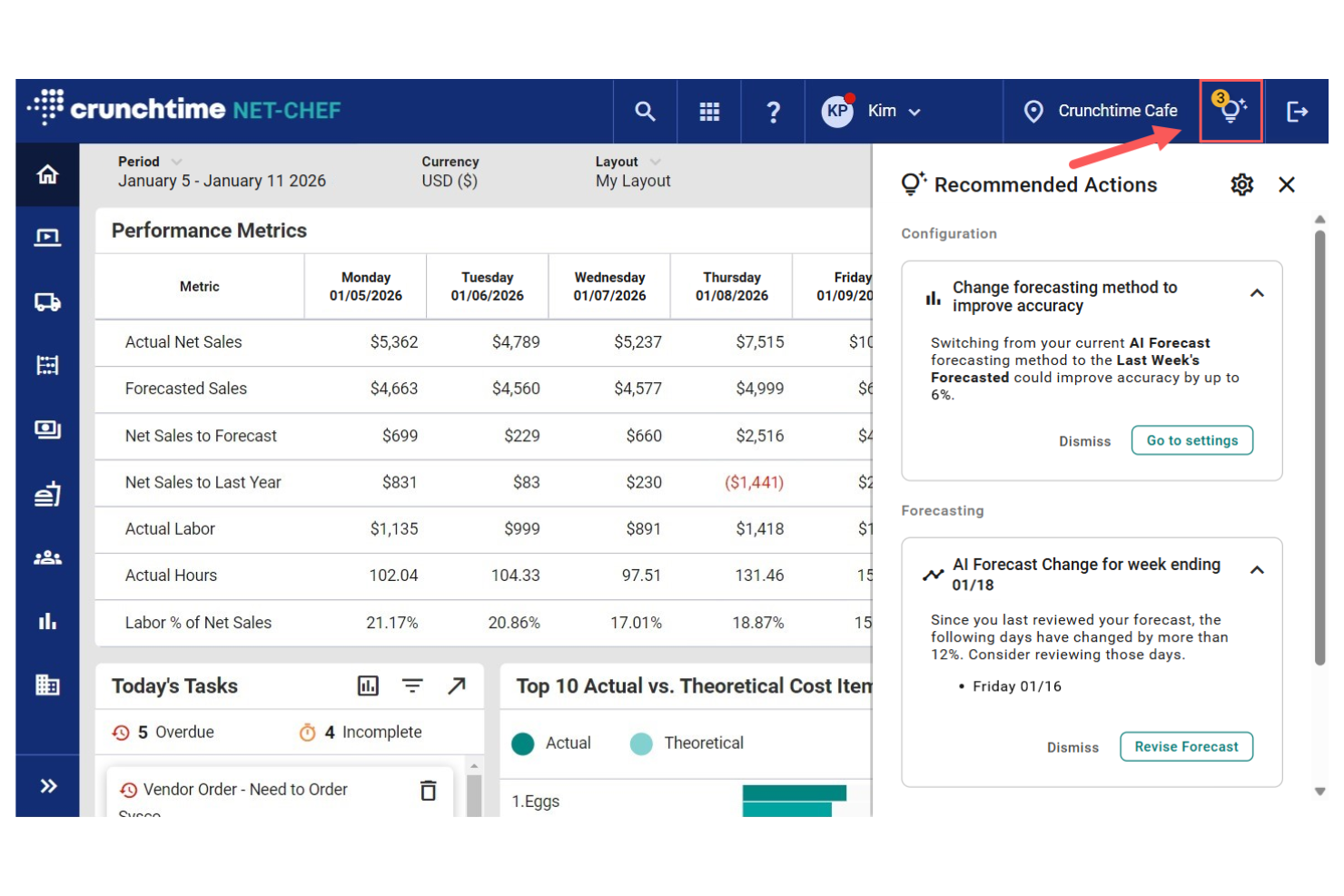
Crunchtime è una soluzione di gestione dell'inventario pensata per ristoranti e attività di ristorazione. Offre funzioni principali nel controllo dell'inventario, nella gestione del personale e nelle operazioni della catena di approvvigionamento.
Perché ho scelto Crunchtime: Offre capacità di reportistica dettagliata che ti forniscono approfondimenti accurati sulle tue operazioni. Puoi monitorare l’utilizzo dell’inventario e i costi con precisione, aiutando il tuo team a prendere decisioni informate. Il sistema supporta anche la gestione del personale, permettendoti di ottimizzare i livelli di organico in base ai dati sulle vendite. Queste caratteristiche lo rendono una scelta ideale per chi attribuisce valore alla reportistica dettagliata per una maggiore efficienza operativa.
Caratteristiche distintive e integrazioni:
Caratteristiche includono la gestione delle ricette per aiutarti a mantenere la coerenza, il monitoraggio automatico dell'inventario per ridurre le discrepanze e gli errori manuali, e strumenti di previsione delle vendite per anticipare le tue future necessità.
Integrazioni includono QuickBooks, ADP, Paycor, Paylocity, Square, Revel, Oracle MICROS, Aloha, Squirrel e altri ancora.
Pros and Cons
Pros:
- Supporta la gestione del personale
- Monitoraggio accurato dell'inventario
- Gestione efficace della catena di approvvigionamento
Cons:
- Richiede aggiornamenti regolari
- Visibilità in tempo reale limitata

Square
Ideale per inventario in tempo reale sincronizzato con le vendite
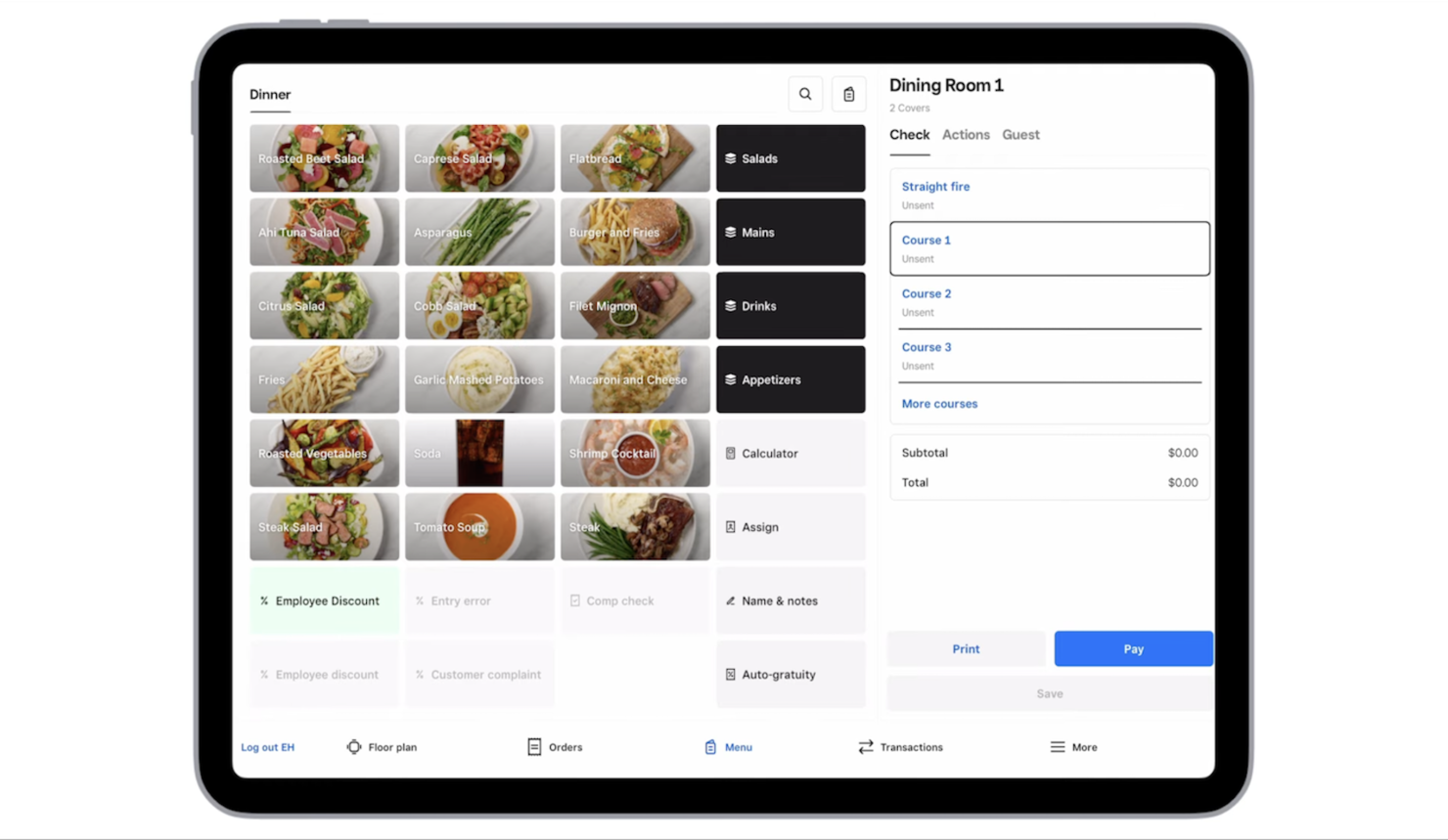
La Gestione dell’Inventario Square per Ristoranti è integrata nel sistema POS di Square ed è progettata per ristoranti di piccole e medie dimensioni che necessitano di un monitoraggio dell’inventario in tempo reale collegato direttamente alle vendite. Aiuta i proprietari a gestire ingredienti, piatti del menu e livelli di magazzino automaticamente, man mano che vengono effettuati gli ordini.
Perché ho scelto Square: Si distingue per la sua perfetta integrazione con Square for Restaurants POS, garantendo aggiornamenti automatici dell’inventario a ogni vendita. Questo riduce il conteggio manuale e aiuta a prevenire esaurimenti degli ingredienti chiave. Square supporta anche modificatori e varianti degli articoli, facilitando il monitoraggio degli ingredienti su diversi piatti del menu. Gli avvisi di scorte basse consentono ai gestori di riordinare prima che i materiali si esauriscano, migliorando l’efficienza operativa.
Funzionalità e integrazioni principali:
Funzionalità includono sincronizzazione dell’inventario in tempo reale con le vendite POS, monitoraggio a livello di ingrediente, avvisi di scorte basse e supporto per modificatori e varianti degli articoli.
Integrazioni includono Square for Restaurants, Square Online, QuickBooks, DoorDash, Uber Eats e altri strumenti dell’ecosistema Square.
Pros and Cons
Pros:
- Aggiornamenti automatici dell’inventario in base alle vendite
- Progettato appositamente per i flussi di lavoro dei ristoranti
- Configurazione semplice con Square POS
Cons:
- Previsioni avanzate degli ingredienti limitate
- Ideale soprattutto per ristoranti che usano Square
New Product Updates from Square
Square Adds Case Receiving and Camera Barcode Scanning
Square adds case and pallet receiving plus camera barcode scanning on iPhone and iPad. These updates help sellers receive stock in the units they buy and scan items without separate hardware. For more information, visit Square’s official site.
 .
.Altri software di gestione dell'inventario per ristoranti
Ecco alcune altre opzioni di software di gestione dell’inventario per ristoranti che non sono state incluse nella mia selezione, ma che vale comunque la pena prendere in considerazione:
- TouchBistro
Ideale per sistemi POS basati su iPad
- NetSuite
Ideale per la gestione aziendale integrata


Come valuto i software di gestione dell'inventario per ristoranti
Analizzo due livelli: le caratteristiche fondamentali, come il monitoraggio degli ingredienti, il calcolo del costo delle ricette e la diminuzione dell'inventario tramite POS, e i fattori che differenziano uno strumento rendendolo adatto a uno specifico operatore.
Funzionalità di base (Requisiti indispensabili per questa lista)
Quando seleziono gli strumenti per la mia lista, valuto ognuno su una scala da 0 (funzionalità assente) a 5 (eccellenza in quest'area) per ciascuna funzione chiave elencata di seguito. Poi calcolo il punteggio totale trasformandolo in percentuale. Ogni strumento deve raggiungere un punteggio minimo totale del 65% per essere preso in considerazione.
- Monitoraggio dell'inventario a livello di ingrediente: Verifico se la piattaforma tiene traccia delle materie prime supportando unità di misura multiple, ad esempio convertendo una cassa di pomodori in libbre e once man mano che vengono utilizzati in cucina.
- Calcolo dei costi di ricette e menu: Ogni strumento dovrebbe permettere di costruire ricette a partire dagli ingredienti tracciati e mostrare in tempo reale il costo a piatto, così che gli chef possano individuare cambiamenti nei margini quando aumenta il prezzo di un fornitore.
- Gestione dei fornitori e degli ordini di acquisto: Cerco cataloghi di fornitori, riordino automatico basato su PAR e flussi di ricezione delle consegne che consentano ai responsabili di riordinare da più fornitori in una sola volta.
- Integrazione POS e diminuzione dell'inventario: La piattaforma deve offrire connessioni native con i principali sistemi POS per ristoranti, cosicché i prodotti venduti riducano automaticamente lo stock e venga evidenziata la differenza tra utilizzo teorico e reale.
- Conteggio dello stock e report delle variazioni: Qui è importante il conteggio supportato da dispositivi mobili o scanner, insieme a report che spieghino se le perdite derivano da deterioramento, errori di porzionatura o furto.
- Gestione inventario multi-sede: Per gli operatori con più punti vendita, valuto se lo strumento gestisce trasferimenti tra sedi, report aggregati e permessi a livello di location per il personale addetto al conteggio.
Una volta che ho una lista di strumenti che soddisfano questi criteri, considero cosa distingue ogni piattaforma.
Fattori di differenziazione (Cosa distingue i fornitori)
Ecco come confronto i vari fornitori:
Funzionalità distintive
L'analisi ingegneristica del menu è un punto chiave. Cerco strumenti che classifichino i piatti secondo la matrice stelle/aratro/enigma/cane così che gli chef possano identificare rapidamente quali piatti riprezzare, promuovere o eliminare. La previsione della domanda basata su intelligenza artificiale aggiunge un altro livello: piattaforme che prendono in considerazione vendite storiche, stagionalità ed eventi locali aiutano i responsabili a generare ordini più precisi invece di affidarsi solo all'intuito. Anche l'automazione di contabilità e conti da pagare è importante. La sincronizzazione bidirezionale con piattaforme come QuickBooks o Sage che codifica automaticamente le fatture nei conti contabili corretti può far risparmiare ore a ogni chiusura di periodo.
Oltre le funzionalità
La compatibilità POS è la prima cosa che controllo: uno strumento che non si collega al tuo sistema POS genera lavoro manuale che ne vanifica lo scopo. Valuto anche quanto bene una piattaforma si adatta al tipo di attività. Un bar singolo ha esigenze molto diverse rispetto a una catena QSR di 50 punti vendita o a una rete di ghost kitchen. Anche l'usabilità mobile negli ambienti di back-of-house pesa molto: celle frigorifere e depositi spesso non hanno Wi-Fi affidabile, quindi la possibilità di contare o ricevere offline su dispositivi iOS o Android diventa una vera esigenza operativa, non solo un optional.
Come scegliere un software di gestione dell'inventario per ristoranti
È facile perdersi in lunghi elenchi di funzionalità e strutture tariffarie complesse. Per aiutarti a rimanere concentrato mentre affronti il tuo particolare processo di selezione del software, ecco un elenco di fattori da tenere a mente:
| Fattore | Cosa considerare |
|---|---|
| Scalabilità | Il software crescerà insieme alla tua attività? Verifica se è in grado di gestire un numero maggiore di sedi o un inventario più ampio man mano che espandi l'attività. Cerca soluzioni che offrano piani a più livelli con possibilità di crescita. |
| Integrazioni | Funziona con i tuoi sistemi attuali? Assicurati che si colleghi al tuo POS, al software di contabilità e agli altri strumenti, per evitare silos di dati e attività manuali. |
| Personalizzazione | Puoi adattarlo alle tue esigenze? Cerca opzioni che consentano di personalizzare report, flussi di lavoro e impostazioni in base ai tuoi processi specifici. |
| Semplicità d'uso | L'interfaccia è intuitiva? Prova il software per verificare se il tuo team può imparare a usarlo senza una formazione approfondita. Un sistema complesso potrebbe rallentare le operazioni. |
| Implementazione e inserimento | Quanto tempo sarà necessario per renderlo operativo? Considera il tempo e le risorse necessari per la configurazione e la formazione. Cerca fornitori che offrano un solido supporto durante la fase di inserimento. |
| Costo | Rientra nel tuo budget? Confronta i modelli tariffari e presta attenzione ai costi nascosti. Assicurati di comprendere il costo totale di gestione, inclusi eventuali costi aggiuntivi per funzionalità extra. |
| Misure di sicurezza | Quanto sono sicuri i dati? Verifica la presenza di crittografia, autorizzazioni degli utenti e conformità alle leggi sulla protezione dei dati, per proteggere le informazioni sensibili. |
| Disponibilità dell'assistenza | Quali opzioni di assistenza sono disponibili? Considera la disponibilità del servizio clienti e del supporto tecnico. Se le tue attività sono operative 24 ore su 24, cerca un accesso all'assistenza continuo. |
Che cos'è il software di gestione dell'inventario per ristoranti?
Il software di gestione dell'inventario per ristoranti è uno strumento che aiuta a gestire e monitorare le scorte di alimenti e forniture. I responsabili dei ristoranti, gli chef e i team addetti agli approvvigionamenti utilizzano generalmente questi strumenti per ridurre gli sprechi, controllare i costi e mantenere accurati i livelli delle scorte.
Le funzionalità di monitoraggio in tempo reale, ordinazione automatizzata e report dettagliati aiutano a gestire efficacemente l'inventario e a prendere decisioni informate. Questi strumenti apportano valore migliorando l'efficienza operativa e la redditività delle attività di ristorazione.
Funzionalità
Quando scegli un software di gestione dell'inventario per ristoranti, presta attenzione alle seguenti funzionalità chiave:
- Monitoraggio in tempo reale: Controlla immediatamente i livelli delle scorte per evitare di accumulare quantità eccessive o di rimanere senza articoli essenziali.
- Ordinazione automatizzata: Riordina automaticamente le forniture quando le quantità in inventario scendono al di sotto delle soglie impostate, risparmiando tempo e riducendo gli errori manuali.
- Report dettagliati: Genera report sull'utilizzo dell'inventario, sulle tendenze delle vendite e sull'analisi dei costi per prendere decisioni aziendali informate.
- Calcolo dei costi delle ricette: Calcola il costo delle ricette per garantire prezzi accurati e redditività.
- Accesso tramite applicazione mobile: Gestisci l'inventario ovunque ti trovi grazie alle funzionalità mobili, ottenendo flessibilità e praticità.
- Supporto per più sedi: Monitora l'inventario in più sedi del ristorante per mantenere uniformità e controllo.
- Pannelli di controllo personalizzabili: Personalizza i pannelli di controllo per visualizzare le metriche e i dati più rilevanti per le tue attività.
- Gestione dei fornitori: Tieni traccia dei dettagli, degli ordini e delle prestazioni dei fornitori per migliorare la gestione dei partner, garantendo al contempo consegne puntuali e forniture di qualità.
Vantaggi
L'implementazione di un software di gestione dell'inventario per ristoranti offre diversi vantaggi al tuo team e alla tua attività. Ecco alcuni dei benefici che puoi aspettarti:
- Riduzione degli sprechi: Il monitoraggio in tempo reale e l'ordinazione automatizzata aiutano a ridurre al minimo gli sprechi, garantendo l'acquisto esclusivo di ciò che serve.
- Risparmio sui costi: Il calcolo dei costi delle ricette e i report dettagliati forniscono informazioni sulle spese, aiutandoti a individuare le aree in cui ridurre i costi e migliorare la redditività.
- Maggiore efficienza: L'automazione dei processi di inventario libera tempo per il tuo team, che può concentrarsi su altre attività, aumentando la produttività complessiva e riducendo i costi della manodopera.
- Processo decisionale migliore: L'accesso ad analisi e report dettagliati consente di prendere decisioni informate sui livelli delle scorte, sui prezzi e sulla gestione dei fornitori.
- Maggiore accuratezza: L'inserimento e il monitoraggio automatizzati dei dati riducono gli errori manuali, garantendo registri dell'inventario più accurati.
- Relazioni più solide con i fornitori: La gestione dei dettagli e delle prestazioni dei fornitori aiuta a garantire consegne puntuali e forniture di qualità.
- Flessibilità e mobilità: L'accesso tramite applicazione mobile consente di gestire l'inventario ovunque ti trovi, offrendo flessibilità e praticità.
Costi e prezzi
La scelta di un software per la gestione dell'inventario per ristoranti richiede la comprensione dei vari modelli e piani tariffari disponibili. I costi variano in base alle funzionalità, alle dimensioni del team, ai componenti aggiuntivi e ad altri fattori. La tabella seguente riassume i piani più comuni, i relativi prezzi medi e le funzionalità tipicamente incluse nelle soluzioni software per la gestione dell'inventario dei ristoranti:
Tabella di confronto dei piani per i software di gestione dell'inventario per ristoranti
| Tipo di piano | Prezzo medio | Funzionalità comuni |
|---|---|---|
| Piano gratuito | $0 | Monitoraggio di base dell'inventario, report limitati e gestione di base dei fornitori. |
| Piano personale | $24-$69/mese | Monitoraggio dell'inventario, report di base, accesso da dispositivi mobili e integrazioni limitate. |
| Piano aziendale | $150-$300/mese | Report avanzati, ordinazione automatizzata, calcolo dei costi delle ricette e supporto per più sedi. |
| Piano enterprise | $150-$500/mese | Dashboard personalizzabili, analisi dettagliate, una suite completa di integrazioni e assistenza dedicata. |
Domande frequenti sui software per la gestione dell'inventario per ristoranti
Ecco alcune risposte alle domande comuni sui software per la gestione dell’inventario per ristoranti:
I software per la gestione dell'inventario per ristoranti supportano il monitoraggio degli alimenti deperibili?
Sì, molte piattaforme per la gestione dell’inventario dei ristoranti sono progettate per monitorare gli alimenti deperibili, comprese le date di scadenza e la durata di conservazione. È possibile ricevere avvisi quando gli ingredienti si avvicinano al deterioramento e monitorare la rotazione delle scorte. Ciò riduce gli sprechi alimentari, abbassa i costi dell’inventario e contribuisce a mantenere la conformità alle norme di sicurezza alimentare in cucina.
Posso integrare il software per la gestione dell'inventario con il mio sistema POS esistente?
Sì, la maggior parte delle soluzioni offre integrazioni con i sistemi POS più diffusi. Prima dell’acquisto, verifica che il software supporti il tuo sistema POS specifico per garantire un flusso di dati efficace tra le piattaforme. L’integrazione consente aggiornamenti in tempo reale e aiuta a mantenere conteggi accurati dell’inventario.
Se il tuo sistema POS attuale non è supportato, valuta la possibilità di utilizzare una soluzione middleware per colmare il divario. Prova sempre l’integrazione durante il periodo di prova per risolvere eventuali problemi prima di procedere con l’adozione definitiva
Che tipo di assistenza dovrei aspettarmi dai fornitori di software?
Dovresti aspettarti che i prodotti per la gestione dell’inventario offrano opzioni di assistenza complete, tra cui e-mail, telefono e chat dal vivo. Molti fornitori mettono a disposizione account manager dedicati per assistere nella configurazione iniziale e nella gestione dei problemi continuativi. Cerca fornitori che offrano numerose risorse online, come domande frequenti, forum per gli utenti e video tutorial.
Considera la disponibilità dell’assistenza durante gli orari di apertura della tua attività, soprattutto se gestisci un’attività notturna o operativa 24 ore su 24, 7 giorni su 7. Controlla le recensioni o chiedi referenze per valutare la qualità e la reattività del loro team di assistenza.
In che modo il software per la gestione dell'inventario può aiutare a garantire la conformità?
Può aiutare a garantire la conformità automatizzando la tenuta dei registri e fornendo tracciati di audit. Ti consente di mantenere livelli accurati delle scorte e monitorare le date di scadenza per rispettare le normative sanitarie. Alcuni software offrono anche funzionalità per l’etichettatura e il monitoraggio degli allergeni, fondamentali per la conformità alle norme di sicurezza alimentare.
Gli aggiornamenti regolari del fornitore possono mantenere il sistema allineato alle normative più recenti. Verifica sempre che il software soddisfi gli standard di conformità locali prima dell’acquisto.