

Le 10 migliori alternative a Square per i pagamenti al dettaglio nel 2026

Le 10 migliori alternative a Square da prendere in considerazione


Se stai cercando alternative a Square, troverai numerosi sistemi POS ed elaboratori di pagamenti che offrono commissioni più basse, prezzi più flessibili e strumenti avanzati per la gestione dell’inventario, adatti alle esigenze della tua attività.
Gestisco la logistica e le attività di vendita al dettaglio da anni, quindi so cosa funziona davvero per le piccole imprese e per i venditori che cercano di gestire più canali di vendita.
In questo articolo analizzerò le migliori alternative a Square, evidenziando i punti di forza e di debolezza di ciascuna, così potrai trovare rapidamente una soluzione di pagamento realmente adatta alla tua attività.
Perché fidarsi dei nostri consigli sui software
Il nostro team testa e recensisce software dal 2012. In quanto leader del retail noi stessi, sappiamo quanto sia difficile — e importante — scegliere il software giusto.
Per questa guida, abbiamo valutato gli strumenti attraverso test pratici e ricerche indipendenti, assegnando un punteggio agli strumenti in base ai nostri criteri di selezione.
Le nostre recensioni riflettono il nostro giudizio indipendente, non un discorso di vendita.
Confronto diretto tra le migliori alternative a Square
Ottieni una panoramica chiara dei principali concorrenti di Square: confronta a colpo d’occhio prezzi chiave, offerte di prova e casi d’uso più adatti. Trova un elaboratore di pagamenti o un sistema POS che si adatti alla tua attività e al tuo budget, senza le solite incertezze.
| Tool | Best For | Trial Info | Price | ||
|---|---|---|---|---|---|
| 1 | Ideale per una tariffazione in abbonamento economica | Prova gratuita di 3 mesi | Da $79/mese | Website | |
| 2 | Ideale per costi di elaborazione prevedibili | Preventivo gratuito disponibile | Prezzi su richiesta | Website | |
| 3 | Ideale per integrazione di pagamenti orientata agli sviluppatori | Non disponibile | A partire da 2,9% + 30¢/transazione | Website | |
| 4 | Ideale per ecommerce integrato e gestione dei pagamenti | Prova gratuita di 3 giorni disponibile | Da $37/mese (fatturazione annuale) | Website | |
| 5 | Ideale per transazioni internazionali e servizi di portafoglio digitale | Piano gratuito + demo gratuita disponibile | Da $0,30/transazione | Website | |
| 6 | Ideale per soluzioni di pagamento mobile a basso costo | Demo gratuita disponibile | A partire dal 3,25% più $0,15 per transazione | Website | |
| 7 | Ideale per la gestione della fatturazione ricorrente | Demo gratuita disponibile | Da $17/mese | Website | |
| 8 | Ideale per soluzioni di elaborazione pagamenti globali | Demo gratuita disponibile | Prezzi disponibili su richiesta | Website | |
| 9 | Ideale per grandi aziende canadesi | Demo gratuita disponibile | Prezzi disponibili su richiesta | Website | |
| 10 | La migliore piattaforma business all-in-one con prezzi in abbonamento | Demo gratuita disponibile | A partire da $99/mese (fatturazione annuale) | Website |
Le 10 migliori alternative a Square, analizzate
Ecco la mia analisi chiara e diretta delle principali alternative a Square. Esamino funzionalità reali, pro e contro, integrazioni e il tipo di attività per cui ogni fornitore è stato effettivamente progettato, così non dovrai affidarti a semplici slogan di marketing.

Ideale per una tariffazione in abbonamento economica
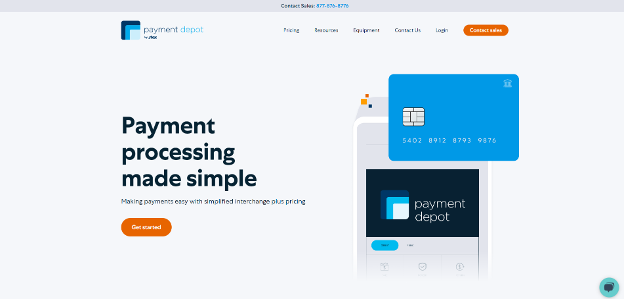
Payment Depot è una soluzione di elaborazione dei pagamenti progettata per piani di abbonamento a livelli basati sul volume di transazioni. I piani di livello superiore offrono commissioni per transazione più basse. Ideale per le aziende con volumi di elaborazione bassi o medi che non temono costi leggermente variabili.
Perché Payment Depot è una buona alternativa a Square: Payment Depot è una buona opzione per chi possiede già un sistema POS che soddisfa le proprie esigenze ma cerca un diverso processore di pagamenti per tariffe più convenienti o si concentra su una semplice tariffazione in abbonamento per le proprie transazioni. Payment Depot offre tariffe all’ingrosso sulle transazioni con carta di credito, garantendo alla tua azienda prezzi trasparenti. Utilizza un modello di prezzi basato su abbonamento senza ricarichi percentuali, il che può aiutarti a risparmiare man mano che cresce il volume delle tue transazioni. Include attrezzatura gratuita per alcuni piani se necessario e offre assistenza clienti 24/7 per risolvere rapidamente qualsiasi problema. Questo lo rende un’ottima scelta per le aziende che cercano un’elaborazione dei pagamenti conveniente e prevedibile.
Caratteristiche principali & Integrazioni:
Caratteristiche includono finanziamenti il giorno successivo, che ti permettono di ricevere i pagamenti più velocemente. Offre elaborazione sicura dei pagamenti con conformità PCI inclusa in tutti i piani. Puoi anche accedere a report dettagliati per monitorare facilmente le vendite e i dati sui pagamenti.
Le integrazioni includono QuickBooks, Clover, Authorize.Net, Shopify, WooCommerce, Adobe Commerce, BigCommerce, Stripe, PayPal e Square.
Pros and Cons
Pros:
- Sconti sulle transazioni in base al volume
- Ideale per aziende con volumi di elaborazione bassi o medi
- Non sono richiesti contratti a lungo termine per gli account
Cons:
- Le commissioni di elaborazione possono variare leggermente con le tariffe all’ingrosso
- Meno strumenti integrati rispetto ad alcune soluzioni tutto-in-uno

Stax
Ideale per costi di elaborazione prevedibili
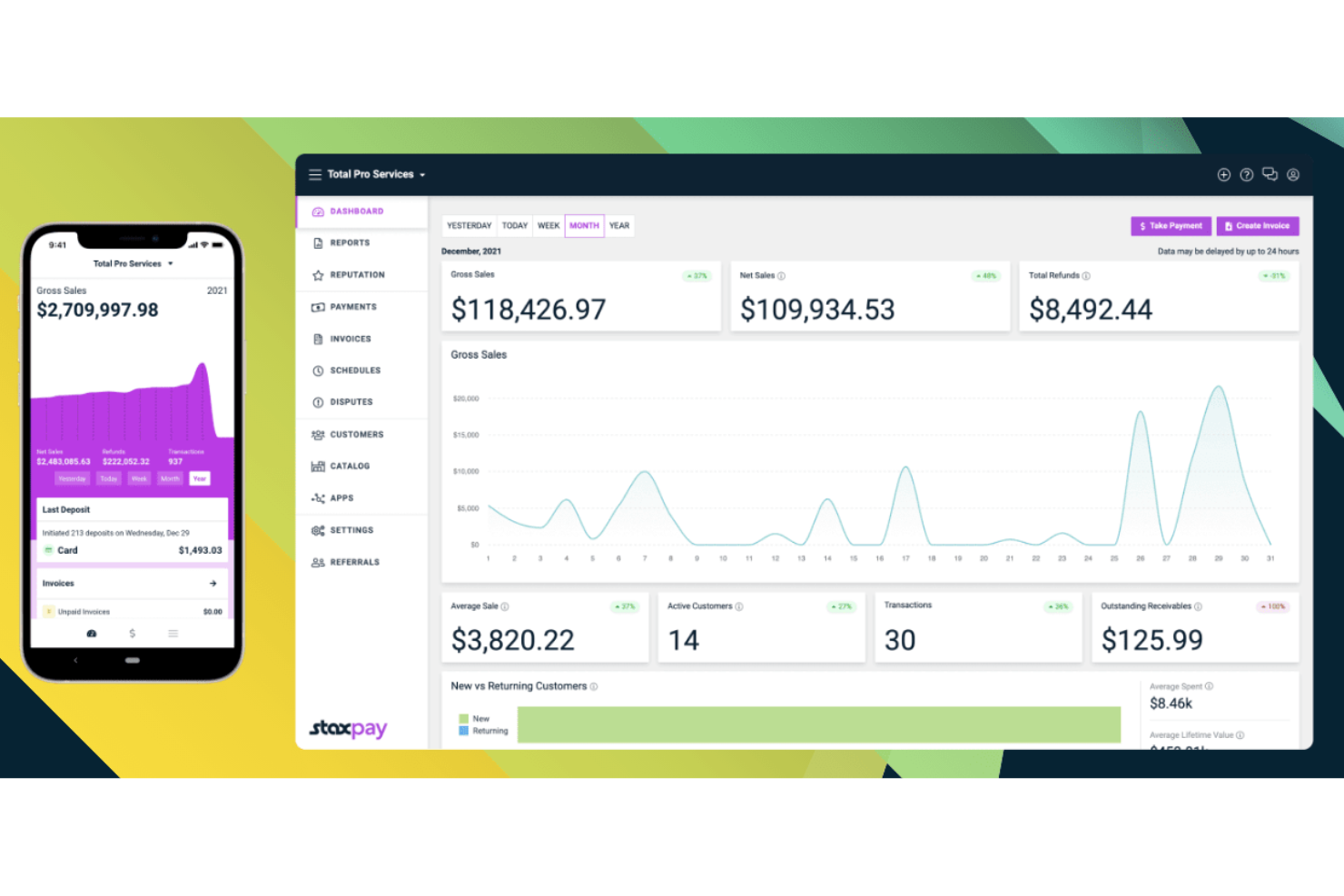
Stax Pay offre una soluzione di elaborazione dei pagamenti su misura che si adatta alle aziende di tutte le dimensioni, rendendola una scelta interessante per chi cerca alternative a Square. Che tu sia una realtà commerciale in crescita o un fornitore di servizi, la trasparenza dei prezzi di Stax Pay e il supporto dedicato possono aiutarti a gestire con efficienza le complessità dei pagamenti. Concentrandosi sulla riduzione dei costi di elaborazione e sul miglioramento del flusso di cassa, Stax Pay dà forza alla tua attività per puntare sulla crescita e sulla soddisfazione dei clienti.
Perché ho scelto Stax Pay
Ho scelto Stax Pay perché supera i tradizionali costi di transazione a percentuale adottando un modello ad abbonamento abbinato a una tariffazione interchange-plus che, per le aziende con volumi medi o alti di transazioni mensili, può portare a un risparmio evidente nel tempo. Le sue funzionalità di fatturazione, addebiti ricorrenti e fatture personalizzate offrono flessibilità nei flussi di pagamento che si adattano non solo al retail, ma anche a servizi, abbonamenti e clienti B2B. Inoltre, hai strumenti centralizzati per reportistica e riconciliazione che aiutano a monitorare vendite, depositi e flusso di cassa per ogni tipo di pagamento in un unico posto.
Stax Pay: Caratteristiche Principali
Oltre al suo modello di prezzo e alla flessibilità della fatturazione, Stax Pay offre queste funzionalità utili:
- Conformità automatizzata alle sovrattasse: Aiuta i commercianti a compensare i costi di elaborazione automatizzando il rispetto delle normative sulle sovrattasse.
- Tecnologia white-label: Offre opzioni di personalizzazione affinché le aziende possano marchiare la propria soluzione di pagamento.
- Supporto a pagamenti mobili e online: Accetta pagamenti con carta in presenza (mobile o terminale), così come pagamenti online, inseriti manualmente o ACH — utile se la tua attività combina transazioni in loco e a distanza.
- Link di pagamento, carrello acquisti & strumenti e-commerce: Modelli di carrello preimpostati, link di pagamento e pagine di pagamento ospitate consentono di accettare vendite o servizi online con configurazione minima.
Integrazioni Stax Pay
Le integrazioni includono QuickBooks, Salesforce, WooCommerce, Shopify, BigCommerce, Magento, Xero, NetSuite, FreshBooks e Zapier. È disponibile anche un'API per integrazioni personalizzate.
Pros and Cons
Pros:
- Prezzi trasparenti con abbonamento e tariffa interchange per costi prevedibili.
- Supporta diversi metodi di pagamento, incluso l'elaborazione da mobile.
- Possibilità di trasferire le commissioni di elaborazione ai clienti dove consentito dalle normative sulle sovrattasse.
Cons:
- L'accredito dei fondi il giorno successivo non è garantito e talvolta comporta costi extra.
- Per i commercianti con bassi volumi, la quota di abbonamento può superare i risparmi.

Stripe
Ideale per integrazione di pagamenti orientata agli sviluppatori
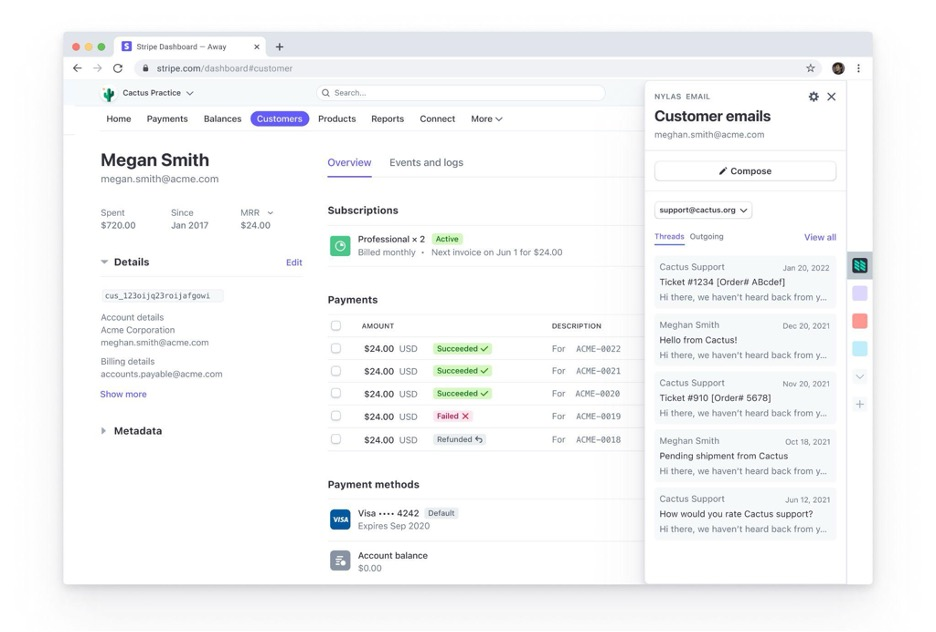
Stripe è una piattaforma di elaborazione dei pagamenti progettata per aziende online, sviluppatori e startup. Offre un checkout online rapido e intuitivo e una varietà di strumenti per accettare pagamenti, gestire abbonamenti e gestire transazioni complesse grazie al suo approccio API-first.
Perché Stripe è una valida alternativa a Square: Stripe è da tempo considerato un concorrente di Square perché offre agli sviluppatori una soluzione di pagamento più flessibile e personalizzabile rispetto a Square, soprattutto per chi ha competenze tecniche. Le sue API permettono un'integrazione profonda nel tuo sito web o nella tua app, consentendoti di personalizzare l'esperienza di pagamento per accettare pagamenti con carta di credito e gestire gli ordini online. A differenza di Square, Stripe supporta una gamma più ampia di funzioni avanzate come la fatturazione ricorrente, un programma di fidelizzazione clienti e la gestione degli abbonamenti. Se la tua azienda richiede flussi di pagamento particolari o automazioni, Stripe offre maggiore controllo e scalabilità.
Funzionalità e integrazioni di spicco:
Le funzionalità includono opzioni flessibili di gateway di pagamento, una suite di strumenti quali fatturazione ricorrente, link di pagamento e fatturazione e una dashboard di reportistica avanzata. È possibile personalizzare facilmente i moduli di pagamento. Stripe supporta anche le transazioni internazionali, rendendolo un'ottima scelta se gestisci un'attività globale.
Le integrazioni includono PayPal, QuickBooks, Xero, Shopify, WooCommerce, BigCommerce, Adobe Commerce, Salesforce e Zapier.
Pros and Cons
Pros:
- Supporta pagamenti internazionali
- Facile integrazione con applicazioni personalizzate
- Documentazione API completa
Cons:
- Non adatto ai principianti
- Configurazione complessa per chi non è sviluppatore

Shopify
Ideale per ecommerce integrato e gestione dei pagamenti
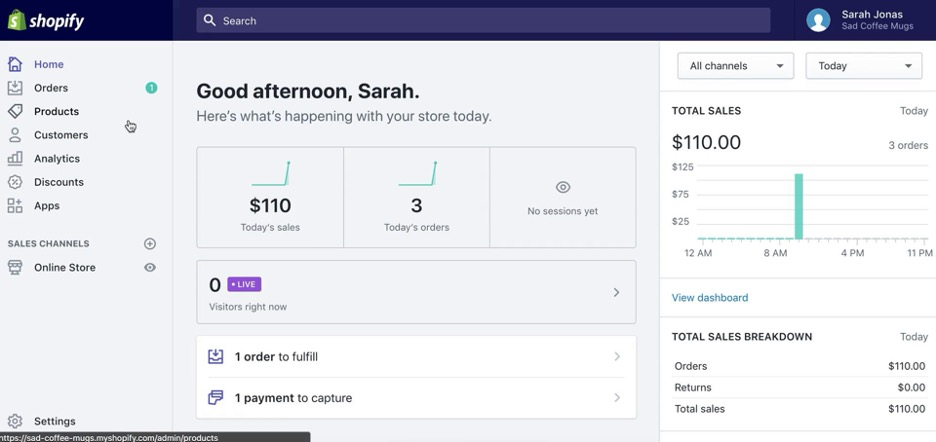
Shopify è una piattaforma di ecommerce che aiuta le aziende a creare e gestire negozi online. Offre una suite di strumenti per l'elaborazione dei pagamenti, la gestione degli ordini e il marketing, tutto in un'unica piattaforma.
Perché Shopify è una buona alternativa a Square: Shopify ti consente di gestire sia l'ecommerce che l'elaborazione dei pagamenti in un unico posto. Puoi configurare un negozio online rapidamente e iniziare a vendere subito. Offre soluzioni di pagamento integrate che funzionano senza problemi con il tuo negozio. Inoltre, Shopify mette a disposizione funzionalità personalizzabili, così puoi adattare il negozio alle tue esigenze.
Funzionalità e integrazioni principali:
Le funzionalità includono un costruttore di negozi online personalizzabile che ti permette di creare un shop su misura per il tuo marchio. Shopify offre anche strumenti integrati per la gestione dell'inventario, così puoi monitorare le scorte su più canali di vendita. Grazie alle sue opzioni di pagamento flessibili, puoi accettare pagamenti in diversi modi, rendendo il processo facile per i tuoi clienti.
Le integrazioni includono QuickBooks, Mailchimp, Xero, PayPal, Amazon, Google Analytics, Facebook, Instagram, Zapier e Google Ads.
Pros and Cons
Pros:
- Configurazione e creazione negozio facili
- Ampia gamma di metodi di pagamento
- Temi e design personalizzabili
Cons:
- Può diventare costoso con componenti aggiuntivi
- Curva di apprendimento lieve per i nuovi utenti

PayPal
Ideale per transazioni internazionali e servizi di portafoglio digitale
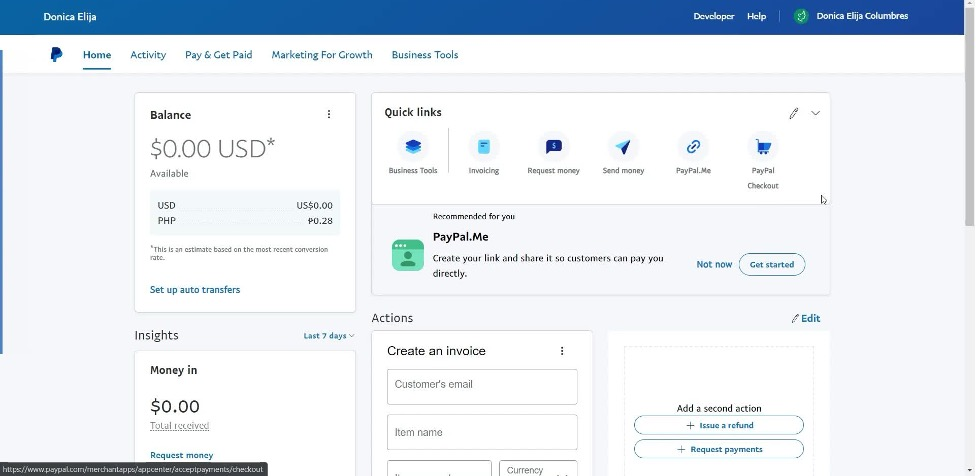
PayPal è una piattaforma di pagamento online utilizzata da aziende e consumatori in tutto il mondo per effettuare transazioni sicure. Offre servizi di portafoglio digitale, permettendo agli utenti di inviare, ricevere e conservare denaro in diverse valute.
Perché PayPal è una valida alternativa a Square: PayPal è l'ideale per le aziende che devono gestire pagamenti internazionali. Supporta oltre 100 valute, rendendo facile raggiungere clienti in tutto il mondo. Puoi anche utilizzare PayPal come portafoglio digitale, consentendo ai clienti di conservare fondi ed effettuare acquisti direttamente dal loro conto. Con la sua ampia protezione per gli acquirenti e sistemi di pagamento sicuri, è una scelta affidabile sia per i commercianti che per i consumatori. Se gestisci un negozio fisico o hai bisogno di un sistema POS che si integri con il tuo conto PayPal per le vendite in presenza, PayPal Zettle (precedentemente noto come iZettle) può anche essere una buona soluzione per te.
Caratteristiche e integrazioni principali:
Le funzionalità includono il supporto alle transazioni internazionali, consentendo di accettare pagamenti in oltre 100 valute. PayPal offre anche la fatturazione ricorrente, che aiuta il tuo team a gestire facilmente servizi su abbonamento. Puoi collegare conti bancari e carte per trasferimenti rapidi e per una gestione dei fondi semplice direttamente dal conto PayPal.
Le integrazioni includono Shopify, WooCommerce, BigCommerce, Wix, Square e Adobe Commerce.
Pros and Cons
Pros:
- Supporta oltre 100 valute
- Si integra facilmente con le piattaforme ecommerce
- Offre protezione per acquirenti e venditori
Cons:
- Le commissioni di transazione possono accumularsi
- Assistenza clienti limitata

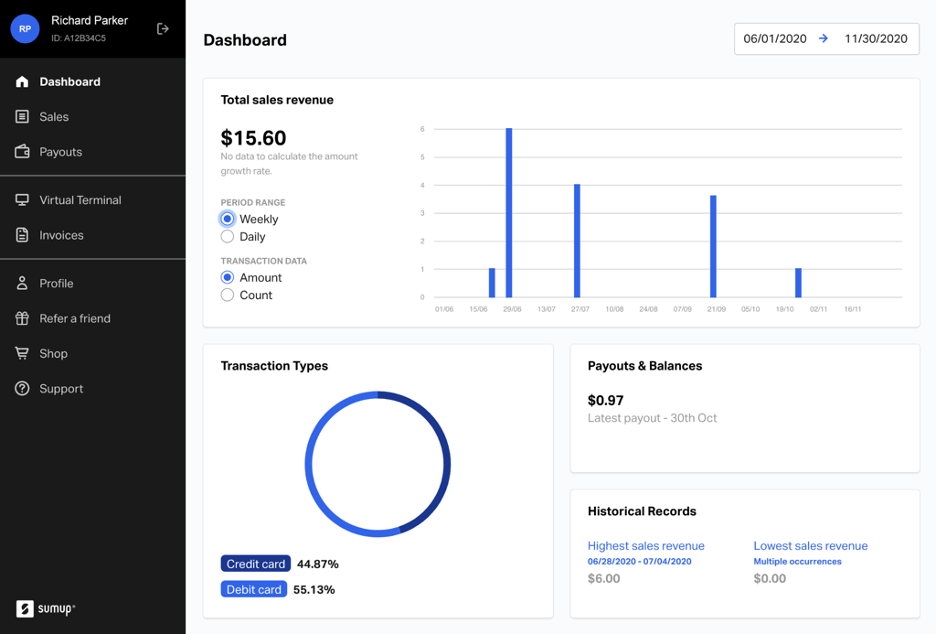
SumUp è una soluzione di pagamento mobile progettata per piccole imprese e imprenditori che cercano un modo conveniente per accettare pagamenti ovunque si trovino. Ti permette di gestire transazioni con carta di credito grazie a un sistema semplice e a basso costo.
Perché SumUp è una valida alternativa a Square: SumUp offre un modello di prezzi trasparente e senza costi mensili o amministrativi, rendendolo una scelta ideale per chi desidera ridurre al minimo i costi di gestione dei pagamenti. Puoi accettare pagamenti tramite un lettore di carte mobile che si collega allo smartphone. Il dispositivo è compatto e facile da usare, quindi non è necessario alcun equipaggiamento particolare. SumUp offre inoltre un'app intuitiva che ti permette di monitorare le vendite e gestire i pagamenti in mobilità.
Funzionalità principali e integrazioni:
Le funzionalità includono un modello di prezzi semplice e trasparente senza canoni mensili: paghi solo ciò che usi. Sono previsti anche piani in abbonamento con sconti sul volume per aziende che gestiscono più di $3400 al mese. Il lettore di carte è compatibile sia con pagamenti tramite chip che contactless, garantendo flessibilità per le diverse preferenze della clientela. SumUp permette inoltre un facile accesso alla cronologia delle transazioni e al monitoraggio dei pagamenti tramite una app mobile intuitiva.
Le integrazioni comprendono QuickBooks, Xero, Shopify, WooCommerce e Square.
Pros and Cons
Pros:
- Commissioni di transazione basse
- Nessun abbonamento mensile o contratti a lungo termine
- Compatibile con qualsiasi smartphone
Cons:
- Non supporta la fatturazione ricorrente
- Non si integra con tutti i sistemi POS

Rotessa
Ideale per la gestione della fatturazione ricorrente
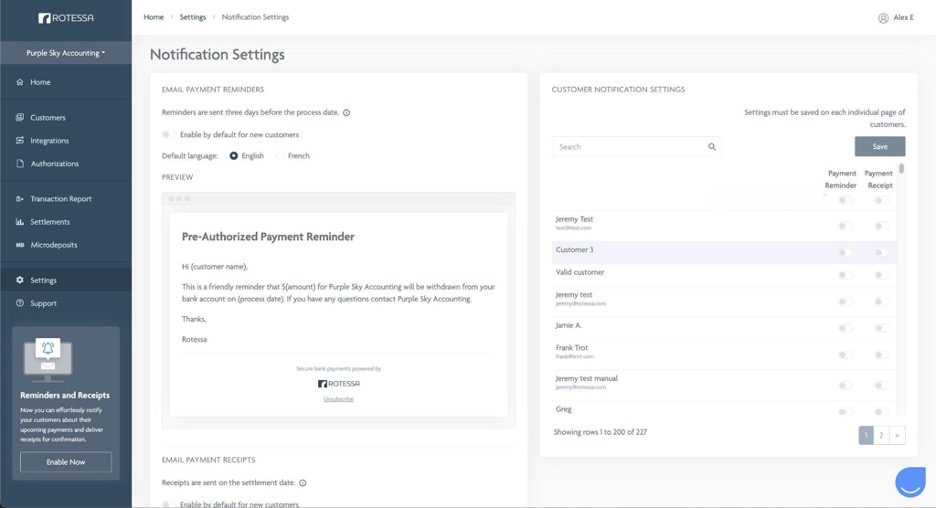
Rotessa è un processore di pagamenti particolarmente efficace nell’aiutare le aziende a gestire pagamenti ricorrenti e abbonamenti. È utile per le organizzazioni che hanno bisogno di un modo semplice e affidabile per gestire la fatturazione automatica.
Perché Rotessa è una buona alternativa a Square: Rotessa è ideale se il tuo team si focalizza sulla fatturazione ricorrente. Consente di impostare facilmente pagamenti automatici, riducendo la fatturazione manuale e migliorando la regolarità del flusso di cassa. Puoi gestire diversi cicli di fatturazione e importi dei pagamenti con il minimo sforzo. Che tu abbia intervalli di fatturazione settimanali, mensili o personalizzati, Rotessa assicura che tutto funzioni in modo fluido e puntuale.
Funzionalità e integrazioni principali:
Le funzionalità includono cicli di fatturazione automatica, pianificazioni di pagamento flessibili e strumenti di reportistica semplici. Puoi impostare intervalli personalizzati per i pagamenti, assicurandoti che il sistema si adatti alle esigenze della tua attività. Lo strumento offre una dashboard di facile lettura per monitorare lo stato dei pagamenti e le entrate. In particolare, Rotessa non prevede una spesa minima né costi di attivazione o cancellazione, cosa piuttosto comune tra i processori di pagamento e spesso usata per vincolare i clienti ai contratti. Invece di applicare una commissione per transazione come Square, Rotessa addebita una tariffa di abbonamento fissa per un numero stabilito di transazioni.
Le integrazioni disponibili includono QuickBooks, Xero, Zapier e Stripe.
Pros and Cons
Pros:
- Ideale per aziende basate su abbonamento
- Intervalli e importi di fatturazione personalizzati
- Promemoria di pagamento automatici per i clienti
Cons:
- Limitato alle esigenze di fatturazione ricorrente
- Non supporta pagamenti singoli

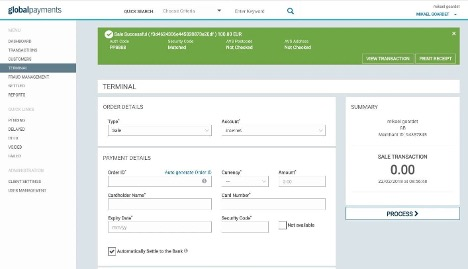
Global Payments è una piattaforma di elaborazione dei pagamenti progettata per aziende di tutte le dimensioni. Permette ai commercianti di accettare pagamenti tramite diversi canali, inclusi online, in negozio e mobile.
Perché Global Payments è una valida alternativa a Square: Global Payments offre una vasta gamma di soluzioni di pagamento internazionali, rendendola ideale per le aziende che operano oltre confine. È possibile elaborare pagamenti in più valute in modo semplice. La piattaforma supporta inoltre diversi metodi di pagamento, tra cui carte di credito, ACH e portafogli digitali. Questa flessibilità garantisce di poter soddisfare le esigenze dei clienti di tutto il mondo e risparmiare sulle commissioni di transazione attraverso metodi di pagamento economici come ACH.
Funzionalità e integrazioni principali:
Le funzionalità includono elaborazione semplice dei pagamenti internazionali, supporto multi-valuta e opzioni di pagamento mobile. Con Global Payments puoi accettare pagamenti da tutto il mondo, l'ideale per le aziende in espansione internazionale. Avrai anche accesso a strumenti di protezione antifrode e a soluzioni di pagamento personalizzabili, per rispondere meglio alle tue esigenze specifiche.
Le integrazioni comprendono QuickBooks, Xero, Shopify, Adobe Commerce, WooCommerce, BigCommerce, Square, Stripe e PayPal.
Pros and Cons
Pros:
- Supporto ai pagamenti globali
- Opzioni multivaluta
- Strumenti per la protezione antifrode
Cons:
- Commissioni più alte per alcune transazioni
- Non ideale per imprese molto piccole


Moneris è una soluzione di elaborazione pagamenti progettata per le aziende in Canada, che offre servizi per la gestione di pagamenti online, in presenza e tramite dispositivi mobili. Serve una vasta gamma di settori, con particolare attenzione a fornire soluzioni di livello enterprise.
Perché Moneris è una valida alternativa a Square: Moneris opera come un processore di pagamenti tradizionale con una forte attenzione al servizio clienti personalizzato e alla sicurezza avanzata. È pensato per le piccole e medie imprese in Canada, offrendo prezzi competitivi, una solida protezione contro le frodi e supporto per diversi settori. Moneris si distingue per le sue integrazioni fluide, i servizi di gestione paghe e l'attenzione alla conformità PCI, rendendolo una scelta eccellente per le aziende in crescita che necessitano di più delle semplici soluzioni di pagamento di base.
Caratteristiche e integrazioni principali:
Le funzionalità includono una gestione flessibile dei pagamenti per transazioni in presenza, online e mobile. Moneris offre protezione avanzata contro le frodi, report sulle vendite in tempo reale e strumenti per gestire buste paga e benefit dei dipendenti.
Le integrazioni comprendono QuickBooks, Clover, Lightspeed, WooCommerce e altro ancora.
Pros and Cons
Pros:
- Soluzioni su misura per PMI
- Protezione avanzata contro le frodi e conformità PCI
- Integrazione con strumenti per la gestione paghe e benefit
Cons:
- Non è la soluzione più economica per le aziende molto piccole
- Potrebbero esserci costi aggiuntivi per alcune funzionalità
La migliore piattaforma business all-in-one con prezzi in abbonamento
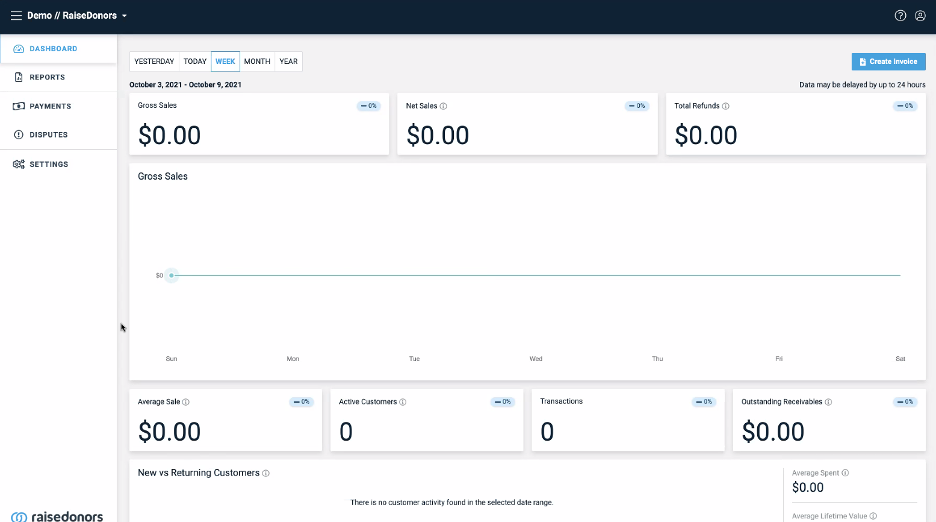
Stax Payments è una piattaforma di elaborazione dei pagamenti progettata per aziende di tutte le dimensioni, in particolare quelle che adottano modelli di abbonamento. Offre prezzi trasparenti e semplifica l'accettazione dei pagamenti sia per le transazioni online che per quelle di persona.
Perché Stax Payments è una valida alternativa a Square: Con Stax Payments ottieni prezzi chiari basati su abbonamento senza costi nascosti, rendendo facile la gestione delle spese. La tariffa fissa, scalabile e ricca di strumenti, è ideale per le aziende che danno priorità ai costi prevedibili e alle funzionalità complete. Include strumenti come la fatturazione personalizzabile e la gestione della fatturazione ricorrente. Troverai anche avanzati strumenti di reportistica che aiutano a monitorare i pagamenti e ottimizzare i ricavi. Questo approccio alla tariffazione in abbonamento distingue Stax Payments da Square offrendo più strumenti all-in-one e risparmi costanti con la crescita dell'attività.
Funzionalità e integrazioni di rilievo:
Le funzionalità includono prezzi basati su abbonamento senza costi nascosti, opzioni di fatturazione personalizzabili e gestione flessibile della fatturazione ricorrente. Puoi facilmente impostare pagamenti automatici per i tuoi clienti, risparmiando tempo e fatica. La piattaforma offre anche report dettagliati per monitorare le transazioni e analizzare i modelli di pagamento.
Le integrazioni includono QuickBooks, Xero, Zapier, Stripe e PayPal.
Pros and Cons
Pros:
- Prezzi in abbonamento senza costi nascosti
- Gestione flessibile della fatturazione ricorrente
- Opzioni di fatturazione personalizzabili
Cons:
- Il prezzo può essere elevato per le piccole imprese
- Meno adatto ad aziende che gestiscono meno di $100k/anno
Altre alternative a Square
Ecco alcune alternative aggiuntive a Square che non sono entrate nella mia selezione, ma che vale comunque la pena prendere in considerazione:
- Clearly Payments
Ideale per modelli di prezzo scalabili e flessibili
- Clover
Ideale per sistemi POS personalizzabili
- Chase Payments
Ideale per grandi aziende


Raccolte correlate di software POS
I sistemi POS non sono tutti uguali, quindi potresti voler prendere in considerazione i vari tipi di piattaforme e software disponibili. Per fortuna, ci abbiamo già pensato noi.
- Sistemi POS mobili
- Sistemi POS per la vendita al dettaglio
- Software POS per piccole imprese
- Sistemi POS integrati
- Sistemi POS per negozi di ferramenta
- Alternative al POS di Shopify
Come valuto le alternative a Square
Valuto le alternative a Square su due livelli: i requisiti fondamentali, come il supporto ai lettori di carte e il monitoraggio dell'inventario, e poi gli elementi distintivi, come la struttura dei prezzi e la sincronizzazione omnicanale.
Funzionalità fondamentali (requisiti di base per questo elenco)
Quando seleziono gli strumenti per il mio elenco, assegno a ciascuno un punteggio su una scala da 0 (non offre la funzionalità) a 5 (eccelle in quest'area) per ogni funzionalità fondamentale elencata di seguito. Poi calcolo il punteggio totale dello strumento e lo converto in percentuale. Ogni strumento deve raggiungere un punteggio totale minimo del 65% per essere preso in considerazione.
- Sistema POS per la vendita al dettaglio: cerco un'interfaccia di cassa progettata per il commercio al dettaglio, con tasti rapidi per gli articoli più venduti, scansione dei codici a barre, applicazione degli sconti e gestione dei resi alla cassa.
- Elaborazione integrata dei pagamenti: ogni strumento dovrebbe accettare pagamenti senza contatto, con chip, tramite strisciata e con portafogli digitali attraverso un elaboratore nativo o strettamente integrato, senza necessità di riconciliazione manuale.
- Gestione dell'inventario: qui è importante il monitoraggio a livello di SKU, inclusa la gestione delle varianti per elementi come taglia e colore, gli avvisi sulle scorte ridotte e la visibilità dell'inventario tra più sedi.
- Hardware POS compatibile: verifico se la piattaforma supporta o vende lettori di carte, stampanti per ricevute, scanner di codici a barre e cassetti per contanti pronti all'uso.
- Sincronizzazione dell'e-commerce e omnicanale: i rivenditori che vendono sia online sia in negozio hanno bisogno della sincronizzazione in tempo reale dell'inventario e degli ordini, quindi valuto come ogni strumento collega i punti vendita fisici e digitali.
- Reportistica per la vendita al dettaglio e CRM: la suddivisione delle vendite per prodotto, dipendente o periodo di tempo dovrebbe essere inclusa di serie, insieme ai profili dei clienti che registrano la cronologia degli acquisti per programmi fedeltà o comunicazioni mirate.
Una volta ottenuto un elenco di strumenti che soddisfano questi criteri, considero ciò che distingue ogni piattaforma.
Fattori distintivi (ciò che differenzia i fornitori)
Ecco come confronto i diversi fornitori:
Funzionalità di rilievo
La modalità offline è molto importante per i venditori temporanei e i rivenditori con una connessione Internet instabile: cerco strumenti che continuino a elaborare i pagamenti con carta e sincronizzino le transazioni quando la connessione viene ripristinata. Anche i programmi fedeltà integrati sono importanti, perché aggiungere un'app di ricompense di terze parti comporta costi e complessità. Per i negozi con più dipendenti, valuto se la gestione del personale include la pianificazione dei turni, il monitoraggio delle ore lavorate e la reportistica delle vendite per dipendente in un unico posto.
Oltre le funzionalità
La trasparenza dei prezzi è una delle prime cose che valuto: il fatto che un fornitore applichi commissioni forfettarie o commissioni interchange-plus cambia i calcoli per i rivenditori con volumi elevati. Anche la flessibilità nella scelta dell'elaboratore dei pagamenti è importante, perché alcune piattaforme impongono il proprio elaboratore mentre altre consentono di utilizzare il proprio conto esercente. Verifico anche gli ecosistemi di integrazione, soprattutto i collegamenti nativi a strumenti di contabilità come QuickBooks o Xero, poiché l'inserimento manuale dei dati di vendita è una via rapida verso gli errori contabili.
Che cos’è Square?
Square è un elaboratore di pagamenti e una piattaforma per punti vendita (POS) progettata per piccole imprese, negozi al dettaglio e venditori di ecommerce che hanno bisogno di un modo semplice per accettare pagamenti di persona e online.
Riunisce l’elaborazione delle carte di credito, la gestione dell’inventario e un’app mobile in un unico sistema con prezzi trasparenti e a tariffa fissa, senza contratti a lungo termine né complessi conti esercente.
Square semplifica l’avvio dei pagamenti contactless e dei lettori di carte, motivo per cui è molto apprezzato dai nuovi proprietari di attività.
Ma, sebbene sia accessibile e conveniente per molti, Square non è sempre abbastanza flessibile per attività in crescita o team con esigenze avanzate. Alcuni utenti riscontrano limiti nella gestione dell'inventario, nelle integrazioni o nelle commissioni sulle transazioni man mano che la loro attività cresce.
Perché cercare un'alternativa a Square?
Anche gli strumenti più popolari hanno i loro punti deboli, e Square non fa eccezione.
Ecco perché titolari e responsabili di attività come te finiscono per cercare sistemi POS e processori di pagamento migliori:
- Hai bisogno di una gestione avanzata dell'inventario. Gli strumenti di base di Square non sono sufficienti se gestisci più canali o sedi.
- Il tuo team ha bisogno di un'assistenza clienti reale e disponibile 24 ore su 24. Il supporto può essere discontinuo proprio quando hai più bisogno di aiuto.
- Operi in un settore ad alto rischio o hai esigenze di pagamento complesse. Square non è adatto a ogni tipo di attività, soprattutto se gestisci volumi di transazioni insoliti o hai bisogno di integrazioni personalizzate.
- Vuoi commissioni di elaborazione dei pagamenti più basse o maggiore flessibilità nei prezzi. Le commissioni a tariffa fissa possono pesare quando la tua attività cresce o diversifichi i metodi di pagamento.
- Hai bisogno di integrazioni software migliori. Se utilizzi QuickBooks, Lightspeed o altre piattaforme specifiche, Square potrebbe non connettersi correttamente.
- Hai bisogno di un maggiore controllo su rimborsi, storni di addebito o programmi di fidelizzazione dei clienti. Rispetto ai fornitori specializzati, Square può sembrare limitato.
Se ti riconosci in questo elenco, il resto di questa guida è pensato per te.
Se cerchi anche alternative a Stripe, consulta la nostra guida completa alle migliori alternative a Stripe per i rivenditori, così potrai confrontare tutte le opzioni tra questi due elenchi.
Caratteristiche da cercare in un'alternativa a Square
Non accontentarti di un POS generico solo perché è facile da configurare. Il concorrente giusto di Square dovrebbe risolvere concretamente i tuoi problemi e adattarsi alle tue esigenze di pagamento, e-commerce e operative, sia che tu gestisca un punto vendita, venda online o gestisca fatturazioni complesse.
- Elaborazione versatile dei pagamenti per le vendite in presenza e online. Assicurati che il tuo sistema sia in grado di gestire ogni tipo di pagamento, dalle carte di credito ai pagamenti contactless e tramite codice QR.
- Lettori hardware affidabili per carte di credito. Cerca soluzioni con lettori di carte di credito o lettori apprezzati per Android e iOS: non affidare il tuo checkout a un dispositivo economico di dubbia qualità.
- Tariffe competitive per l'elaborazione delle carte di credito. Commissioni trasparenti e convenienti contano più di un marketing accattivante: leggi attentamente le condizioni prima di iscriverti.
- Integrazione e-commerce fluida. Scegli una piattaforma che si sincronizzi con il tuo negozio e con i principali processori di carte di credito per l'e-commerce, così non dovrai mai gestire manualmente l'inventario tra più piattaforme.
- Gestione avanzata dell'inventario. Il monitoraggio delle scorte in tempo reale, gli avvisi automatici sulle scorte basse e il supporto per più sedi ti fanno risparmiare ore ed evitano l'esaurimento delle scorte.
- Fatturazione ricorrente e fatturazione integrate. Se gestisci abbonamenti, assicurati che la tua soluzione supporti pagamenti automatici e fatture personalizzate con il tuo marchio: valuta le opzioni della nostra guida ai migliori sistemi di pagamento ricorrente.
- Strumenti solidi per la fidelizzazione dei clienti e le carte regalo. I programmi integrati semplificano il ritorno dei clienti: evita le piattaforme che considerano la fidelizzazione un aspetto secondario.
- CRM completo e report sulle vendite. Ti servono informazioni utili per prendere decisioni, non semplici accumuli di dati: cerca dashboard che utilizzerai davvero.
- Strumenti per la gestione dei dipendenti. Autorizzazioni, monitoraggio delle ore e accesso basato sui ruoli sono essenziali se hai un team.
- Funzionalità di pagamento offline. Assicurati che le vendite non si blocchino quando la connessione Wi-Fi si interrompe: le transazioni offline dovrebbero sincronizzarsi automaticamente quando torni online.
- Riconciliazione dei pagamenti semplificata. Mantieni la calma a fine mese scegliendo una soluzione che si integri con i principali software di riconciliazione dei pagamenti e-commerce.
- Assistenza clienti rapida e affidabile. Non mettere a rischio la tua attività: scegli fornitori con assistenza 24 ore su 24, 7 giorni su 7 e una solida esperienza nel supporto.
Se queste funzionalità sono presenti, risparmierai tempo, ridurrai i costi e apprezzerai davvero la gestione del tuo POS, senza rimpianti.
Domande frequenti sulle alternative a Square
Nessuno ha tempo di chiamare l’assistenza solo per ottenere risposte di base sul passaggio da Square. Ecco le domande più comuni che i titolari di attività mi fanno quando valutano i concorrenti di Square.
Quanto è difficile passare da Square a un nuovo sistema POS?
Passare da Square a un nuovo sistema POS non è difficile, ma richiede una certa pianificazione. La maggior parte delle alternative a Square consente di importare i prodotti e i dati dei clienti. Riordina l’inventario e i registri delle vendite prima del passaggio.
Utilizza entrambi i sistemi contemporaneamente per una settimana, così da evitare problemi alla cassa: la preparazione aiuta il personale e i clienti ad adattarsi senza difficoltà.
Ho bisogno di nuovo hardware o funzioneranno i lettori di carte che già possiedo?
No, la maggior parte dei lettori di carte progettati per Square non funzionerà con altri sistemi POS. Alcune alternative, come Clover o Shopify POS, richiedono il loro hardware specifico. Verifica la compatibilità con il tuo fornitore prima dell’acquisto oppure chiedi un elenco scritto dei dispositivi compatibili per evitare interruzioni durante l’implementazione.
Le alternative a Square possono gestire più sedi o franchising?
Sì, molti concorrenti di Square supportano attività con più sedi e reti in franchising. Cerca fornitori di sistemi POS basati sul cloud con sincronizzazione dell’inventario e report centralizzati. Assicurati che la piattaforma possa crescere insieme alla tua attività, così da non dover creare procedure manuali in seguito.
I concorrenti di Square sono più sicuri per l’elaborazione dei pagamenti e la conformità PCI?
La maggior parte delle alternative affidabili è certificata PCI-DSS e utilizza pratiche di crittografia e sicurezza aggiornate. Assicurati di scegliere un fornitore che consideri seriamente la conformità dei pagamenti, poiché questo protegge la tua attività e i tuoi clienti.
Il passaggio influirà sulle integrazioni e-commerce esistenti?
I principali sistemi POS sono progettati per funzionare con le maggiori piattaforme e-commerce. Tuttavia, verifica sempre che il nuovo fornitore supporti nativamente le tue specifiche integrazioni prima di effettuare il passaggio.
Posso trasferire i dati dei clienti e delle vendite da Square a un nuovo sistema?
La maggior parte delle alternative principali offre strumenti e guide per importare clienti, prodotti e registri delle vendite. Chiedi al nuovo fornitore assistenza per la migrazione, così da mantenere accurati i dati e ridurre al minimo le interruzioni.
Esistono alternative a Square più adatte ai settori ad alto rischio?
Sì, alcuni fornitori supportano specificamente i settori ad alto rischio con servizi personalizzati di elaborazione dei pagamenti e conformità. Se la tua attività rientra in una categoria ad alto rischio, verifica l’idoneità e la compatibilità con il settore prima di effettuare il passaggio.
Il passaggio da Square influirà sulla velocità di elaborazione dei pagamenti o sui tempi di accredito?
La velocità di elaborazione e i tempi di accredito possono variare tra i diversi fornitori. Chiedi a ciascuna alternativa quali sono i tempi medi di elaborazione dei pagamenti, se offre l’opzione di deposito il giorno successivo e se sono possibili eventuali blocchi, così da garantire un accesso rapido ai tuoi fondi.
È ora di valutare le tue alternative a Square
Non c’è alcun premio per chi continua a usare un sistema POS che non è adatto alla propria attività.
Che tu abbia bisogno di prezzi più convenienti, di strumenti reali per la gestione dell’inventario o semplicemente di un processo di pagamento più fluido, queste alternative a Square sono progettate per mantenere operative la tua attività e la tua tranquillità.
Il commercio al dettaglio non si ferma mai, e nemmeno tu dovresti farlo. Iscriviti alla nostra newsletter per ricevere gli ultimi approfondimenti, strategie e risorse professionali dai principali leader del commercio al dettaglio che stanno plasmando il settore.