

Las 10 mejores alternativas a Square para pagos minoristas en 2026

Las 10 mejores alternativas a Square que deberías considerar


Si buscas alternativas a Square, encontrarás muchos sistemas POS y procesadores de pagos que ofrecen comisiones más bajas, precios más flexibles y herramientas avanzadas de inventario para adaptarse a las necesidades de tu negocio.
He gestionado operaciones logísticas y minoristas durante años, así que sé qué funciona realmente para las pequeñas empresas y los vendedores que intentan gestionar varios canales de venta.
En este artículo, analizaré las mejores alternativas a Square y destacaré los puntos fuertes y débiles de cada una para que puedas encontrar rápidamente una solución de pagos que se adapte de verdad a tu negocio.
Por qué confiar en nuestras recomendaciones de software
Nuestro equipo lleva probando y evaluando software desde 2012. Como líderes del sector retail, sabemos lo difícil —y lo importante— que es elegir el software adecuado.
Para esta guía, evaluamos las herramientas mediante pruebas prácticas e investigación independiente, puntuando las herramientas según nuestros criterios de selección.
Nuestras reseñas reflejan nuestro criterio independiente, no un discurso de ventas.
Comparativa de las mejores alternativas a Square, una junto a otra
Obtén una visión clara de los principales competidores de Square: compara de un vistazo sus precios clave, ofertas de prueba y casos de uso más adecuados. Encuentra un procesador de pagos o sistema POS que se ajuste a tu negocio y presupuesto, sin las dudas habituales.
| Tool | Best For | Trial Info | Price | ||
|---|---|---|---|---|---|
| 1 | Ideal para precios de suscripción asequibles | Prueba gratuita de 3 meses | Desde $79/mes | Website | |
| 2 | La mejor opción para costos de procesamiento predecibles | Cotización gratuita disponible | Precio bajo solicitud | Website | |
| 3 | Ideal para integración de pagos pensada para desarrolladores | No disponible | Desde 2.9% + 30¢/transacción | Website | |
| 4 | Ideal para comercio electrónico y procesamiento de pagos integrados | Prueba gratuita de 3 días disponible | Desde $37/mes (facturación anual) | Website | |
| 5 | Ideal para transacciones internacionales y servicios de billetera digital | Plan gratuito + demo gratuita disponible | Desde $0.30/transacción | Website | |
| 6 | Lo mejor para soluciones de pago móvil de bajo costo | Demo gratuita disponible | Desde 3.25% más $0.15 por transacción | Website | |
| 7 | Ideal para la gestión de facturación recurrente | Demo gratuita disponible | Desde $17/mes | Website | |
| 8 | Ideal para soluciones de procesamiento de pagos globales | Demo gratuita disponible | Precios disponibles a solicitud | Website | |
| 9 | Ideal para grandes empresas canadienses | Demostración gratuita disponible | Precios disponibles a solicitud | Website | |
| 10 | La mejor plataforma empresarial integral con precios por suscripción | Demo gratuita disponible | Desde $99/mes (facturado anualmente) | Website |
Las 10 mejores alternativas a Square, analizadas
Este es mi análisis directo de cada una de las principales alternativas a Square. Examino sus funciones reales, ventajas y desventajas, integraciones y el tipo de usuario para el que está pensado cada proveedor, para que no tengas que conformarte con la publicidad.

Ideal para precios de suscripción asequibles
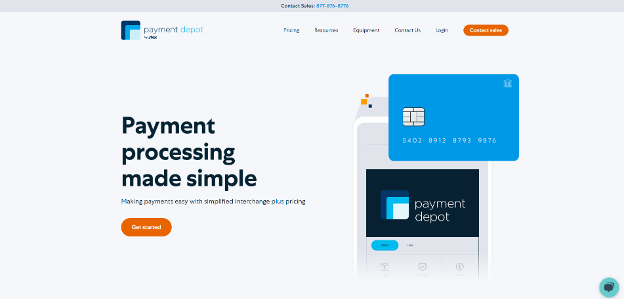
Payment Depot es una solución de procesamiento de pagos diseñada con planes de suscripción escalonados según el volumen procesado. Los planes de nivel superior ofrecen tarifas por transacción más bajas. Es ideal para empresas con volúmenes de procesamiento bajos o medios que no tienen inconveniente con costos ligeramente variables.
Por qué Payment Depot es una buena alternativa a Square: Payment Depot es una buena opción para quienes ya tienen un sistema POS que les gusta pero buscan un procesador de pagos diferente para obtener mejores tarifas o desean una estructura de precios por suscripción simple para sus transacciones. Payment Depot ofrece tarifas al por mayor en transacciones con tarjeta de crédito, brindando precios transparentes para tu negocio. Utiliza un modelo de precios basado en suscripción sin recargos porcentuales, lo que puede ayudarte a ahorrar dinero a medida que crece tu volumen de transacciones. Incluye equipo gratuito en algunos planes si lo necesitas y ofrece soporte al cliente 24/7 para ayudarte a resolver problemas rápidamente. Esto lo convierte en una opción sólida para empresas que buscan procesamiento de pagos asequible y predecible.
Funciones destacadas e integraciones:
Funciones incluyen financiamiento al día siguiente, lo que te ayuda a recibir pagos más rápido. Ofrece procesamiento de pagos seguro con cumplimiento PCI incluido en todos los planes. También puedes acceder a informes detallados para rastrear fácilmente las ventas y los datos de pago.
Las integraciones incluyen QuickBooks, Clover, Authorize.Net, Shopify, WooCommerce, Adobe Commerce, BigCommerce, Stripe, PayPal y Square.
Pros and Cons
Pros:
- Descuentos por transacciones según el volumen
- Ideal para empresas con volúmenes de procesamiento bajos o medianos
- No se requieren contratos a largo plazo para las cuentas
Cons:
- Las comisiones de procesamiento pueden ser ligeramente variables con tarifas al por mayor
- No tiene tantas herramientas integradas como algunas soluciones todo en uno

Stax
La mejor opción para costos de procesamiento predecibles
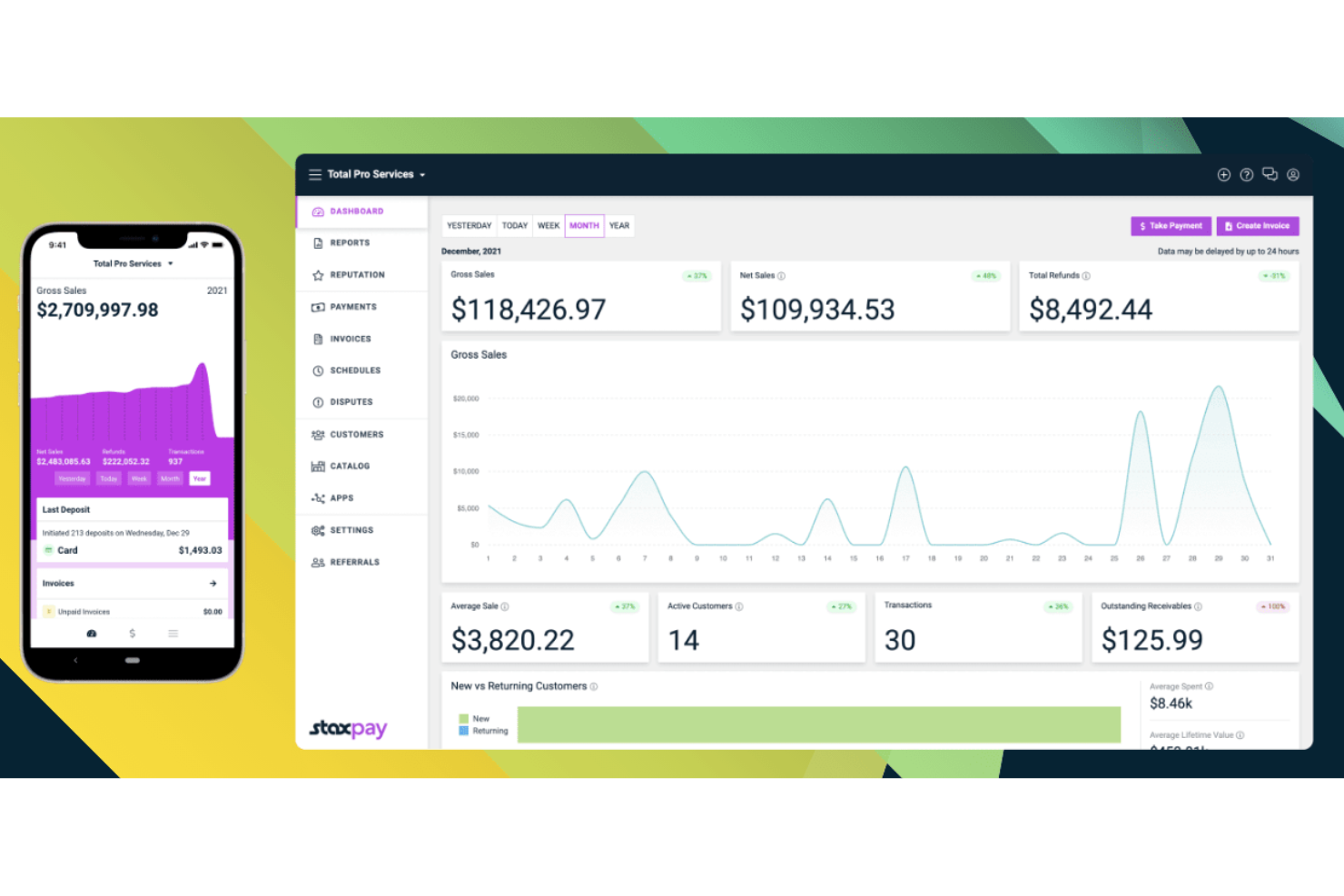
Stax Pay ofrece una solución de procesamiento de pagos personalizada que se adapta a empresas de todos los tamaños, convirtiéndose en una opción atractiva para quienes buscan alternativas a Square. Ya sea que tengas un negocio minorista en crecimiento o seas un proveedor de servicios, la estructura de precios transparente y el soporte dedicado de Stax Pay pueden ayudarte a gestionar de manera eficiente las complejidades de los pagos. Al enfocarse en reducir los costos de procesamiento y mejorar el flujo de caja, Stax Pay le permite a tu negocio centrarse en el crecimiento y la satisfacción del cliente.
Por qué elegí Stax Pay
Elegí Stax Pay porque elimina las comisiones tradicionales basadas en porcentaje por transacción, utilizando un modelo de suscripción combinado con precios de intercambio más tarifa. Para empresas que procesan un volumen mensual moderado o alto, esto puede traducirse en costos significativamente menores a lo largo del tiempo. Sus funciones para facturación, cobros recurrentes y facturas personalizadas te proporcionan flujos de pago flexibles que se adaptan a negocios más allá del comercio minorista, incluidos servicios, suscripciones y clientes B2B. Además, obtienes herramientas centralizadas de informes y conciliación, lo que te ayuda a seguir las ventas, depósitos y flujo de caja de todos los tipos de pago en un solo lugar.
Funciones clave de Stax Pay
Además de su modelo de precios y flexibilidad de facturación, Stax Pay ofrece estas útiles funcionalidades:
- Conformidad automatizada para recargos: Ayuda a los comercios a compensar los costos de procesamiento automatizando el cumplimiento de la normativa sobre recargos.
- Tecnología de etiqueta blanca: Ofrece opciones de personalización para que las empresas puedan marcar su propia solución de procesamiento de pagos.
- Soporte para pagos móviles y en línea: Acepta pagos con tarjeta presencial (móvil o terminal), así como pagos en línea, introducidos manualmente o por ACH, lo que es útil si tu empresa combina transacciones presenciales y remotas.
- Enlaces de pago, carrito de compras y herramientas de comercio electrónico: Plantillas de carritos de compra prediseñadas, enlaces de pago y páginas de pago alojadas te permiten aceptar ventas o servicios en línea con una configuración mínima.
Integraciones de Stax Pay
Las integraciones incluyen QuickBooks, Salesforce, WooCommerce, Shopify, BigCommerce, Magento, Xero, NetSuite, FreshBooks y Zapier. También cuenta con una API disponible para integraciones personalizadas.
Pros and Cons
Pros:
- La suscripción más intercambios con tarifa transparente ofrece costos predecibles.
- Admite varios métodos de pago, incluido el procesamiento móvil.
- Posibilidad de trasladar las comisiones de procesamiento a los clientes donde la ley de recargos lo permite.
Cons:
- El financiamiento al día siguiente no está garantizado y, a veces, conlleva un costo adicional.
- La tarifa de suscripción puede superar los ahorros para negocios con bajo volumen.

Stripe
Ideal para integración de pagos pensada para desarrolladores
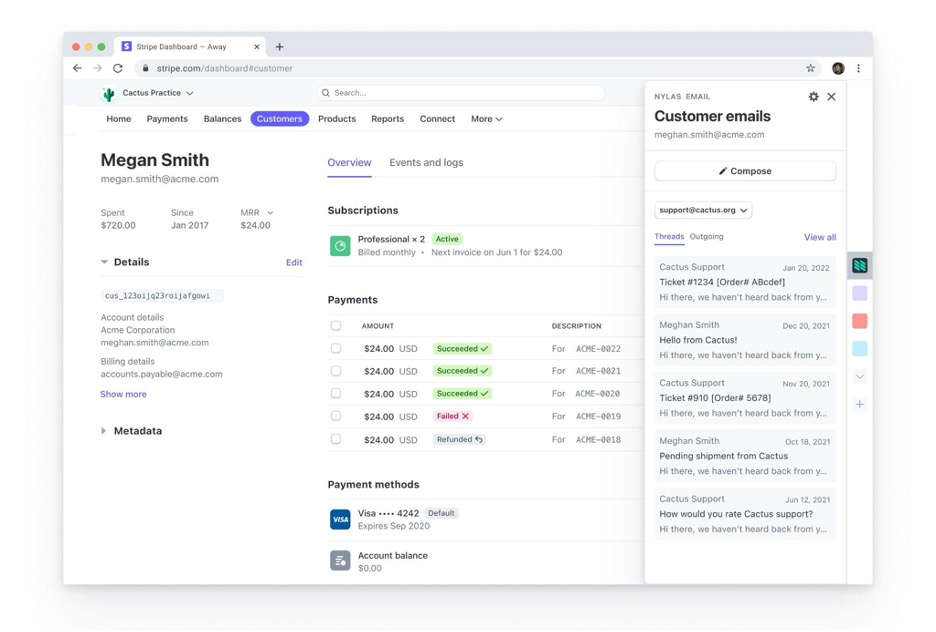
Stripe es una plataforma de procesamiento de pagos diseñada para negocios en línea, desarrolladores y startups. Ofrece un proceso de pago en línea rápido y fácil de usar, así como diversas herramientas para aceptar pagos, gestionar suscripciones y manejar transacciones complejas gracias a su enfoque API-first.
Por qué Stripe es una buena alternativa a Square: Stripe ha sido considerado durante mucho tiempo un competidor de Square porque ofrece a los desarrolladores una solución de pagos más flexible y personalizable que Square, especialmente para quienes tienen experiencia técnica. Sus APIs permiten una integración profunda en tu sitio web o aplicación, lo que te permite personalizar la experiencia de pago para aceptar tarjetas de crédito y procesar pedidos en línea. A diferencia de Square, Stripe admite una gama más amplia de funciones avanzadas como facturación recurrente, un programa de fidelidad para clientes y gestión de suscripciones. Si tu negocio requiere flujos de pago únicos o automatización, Stripe ofrece más control y escalabilidad.
Características destacadas e integraciones:
Las características incluyen opciones flexibles de pasarela de pago, un conjunto de herramientas como facturación recurrente, enlaces de pago y facturación, además de un panel de informes muy completo. Puedes personalizar fácilmente tus formularios de pago. Stripe también admite transacciones internacionales, lo que lo convierte en una excelente opción si tienes un negocio global.
Las integraciones incluyen PayPal, QuickBooks, Xero, Shopify, WooCommerce, BigCommerce, Adobe Commerce, Salesforce y Zapier.
Pros and Cons
Pros:
- Admite pagos internacionales
- Fácil integración con aplicaciones personalizadas
- Documentación API completa
Cons:
- No es apto para principiantes
- Configuración compleja para quienes no son desarrolladores

Shopify
Ideal para comercio electrónico y procesamiento de pagos integrados
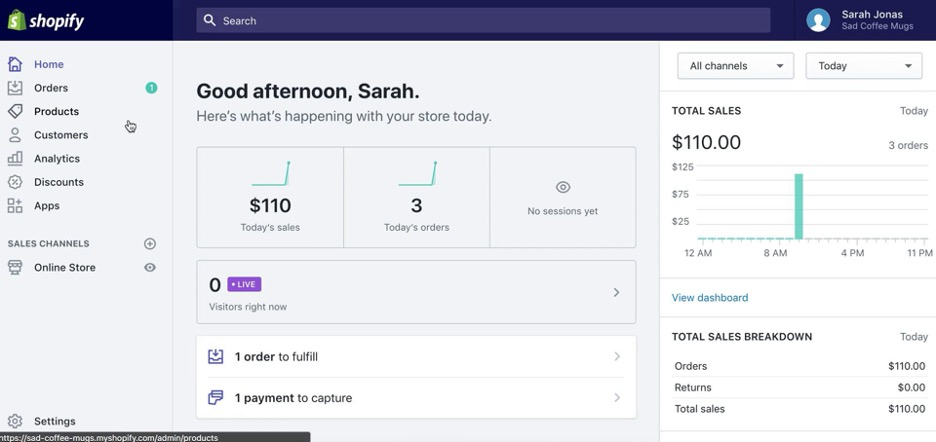
Shopify es una plataforma de comercio electrónico que ayuda a las empresas a crear y gestionar tiendas en línea. Ofrece un conjunto de herramientas para el procesamiento de pagos, la gestión de pedidos y el marketing, todo en una sola plataforma.
Por qué Shopify es una buena alternativa a Square: Shopify te permite gestionar tanto el comercio electrónico como el procesamiento de pagos en un solo lugar. Puedes configurar una tienda en línea rápidamente y empezar a vender de inmediato. Ofrece soluciones de pago integradas que funcionan de manera fluida con tu tienda. Además, Shopify proporciona funciones personalizables, por lo que puedes adaptar tu tienda a tus necesidades.
Funciones destacadas e integraciones:
Las funciones incluyen un creador de tiendas en línea personalizable que te permite crear una tienda acorde a tu marca. Shopify también ofrece herramientas integradas para la gestión de inventario, lo que permite seguir los niveles de stock a través de varios canales de venta. Con sus opciones de pago flexibles, puedes aceptar pagos de muchas maneras, facilitando así la experiencia a tus clientes.
Las integraciones incluyen QuickBooks, Mailchimp, Xero, PayPal, Amazon, Google Analytics, Facebook, Instagram, Zapier y Google Ads.
Pros and Cons
Pros:
- Configuración y creación de tienda sencilla
- Amplia gama de métodos de pago
- Temas y diseños personalizables
Cons:
- Puede resultar costoso con complementos
- Pequeña curva de aprendizaje para nuevos usuarios

PayPal
Ideal para transacciones internacionales y servicios de billetera digital
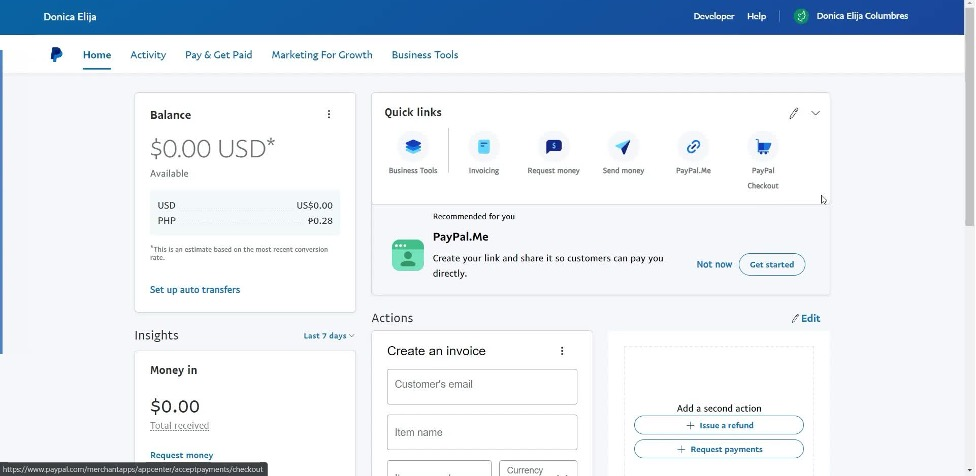
PayPal es una plataforma de pagos en línea utilizada por empresas y consumidores de todo el mundo para realizar transacciones seguras. Ofrece servicios de billetera digital, lo que permite a los usuarios enviar, recibir y almacenar dinero en varias monedas.
Por qué PayPal es una buena alternativa a Square: PayPal es ideal para empresas que necesitan procesar pagos internacionales. Admite más de 100 monedas, lo que facilita llegar a clientes en todo el mundo. También puedes utilizar PayPal como billetera digital, permitiendo a los clientes almacenar fondos y realizar compras directamente desde su cuenta. Gracias a su amplia protección al comprador y sistemas de pago seguros, es una opción de confianza tanto para comerciantes como para consumidores. Si tienes una tienda física o necesitas un sistema POS que se integre con tu cuenta de PayPal para ventas en persona, entonces PayPal Zettle (anteriormente conocido como iZettle) también puede ser una buena solución para ti.
Funciones e integraciones destacadas:
Las funciones incluyen soporte para transacciones internacionales, lo que te permite aceptar pagos en más de 100 monedas. PayPal también ofrece facturación recurrente, ayudando a tu equipo a gestionar fácilmente los servicios basados en suscripción. Puedes vincular tus cuentas bancarias y tarjetas para transferencias rápidas y gestionar fondos de manera sencilla directamente desde tu cuenta PayPal.
Las integraciones incluyen Shopify, WooCommerce, BigCommerce, Wix, Square y Adobe Commerce.
Pros and Cons
Pros:
- Soporta más de 100 monedas
- Se integra fácilmente con plataformas de comercio electrónico
- Ofrece protección al comprador y al vendedor
Cons:
- Las comisiones por transacción pueden acumularse
- Atención al cliente limitada

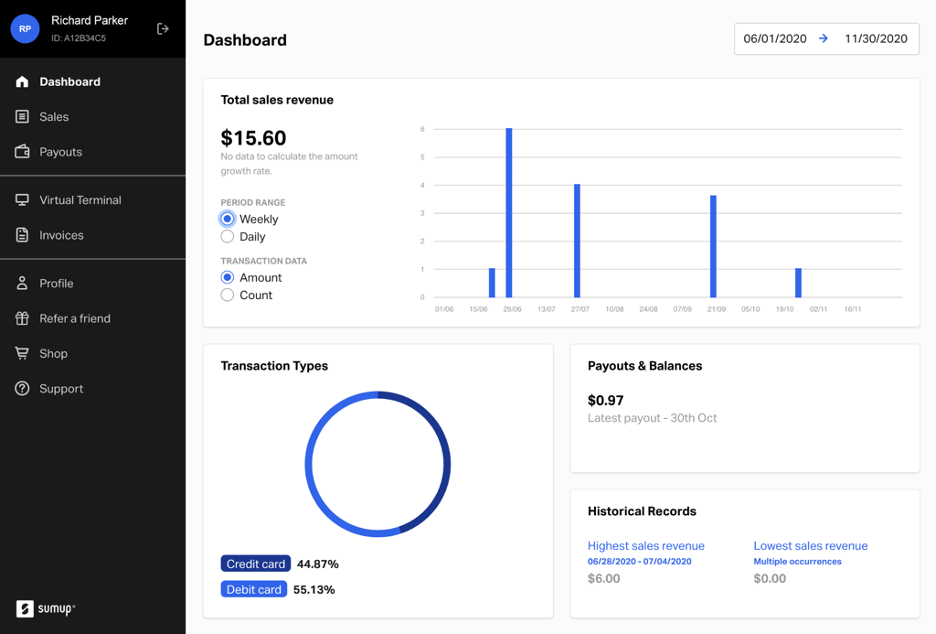
SumUp es una solución de pago móvil diseñada para pequeñas empresas y emprendedores que necesitan una forma asequible de aceptar pagos en cualquier lugar. Te ayuda a procesar transacciones con tarjeta de crédito con una configuración sencilla y de bajo costo.
Por qué SumUp es una buena alternativa a Square: SumUp ofrece un modelo de precios directo, sin comisiones mensuales ni cargos administrativos, por lo que es una opción ideal para negocios que buscan minimizar los costes de procesamiento de pagos. Puedes aceptar pagos con un lector de tarjetas móvil que se conecta a tu teléfono inteligente. El dispositivo es compacto y fácil de usar, por lo que no necesitas ningún equipo especial. Además, SumUp proporciona una aplicación fácil de usar que te permite seguir tus ventas y gestionar pagos sobre la marcha.
Funcionalidades y conexiones destacadas:
Las funcionalidades incluyen un modelo de precios simple y transparente, sin cuotas mensuales, permitiendo que solo pagues por lo que utilizas. También ofrecen planes de suscripción con descuentos por volumen para negocios que procesan más de $3400 al mes. El lector de tarjetas funciona tanto con chip como con pagos sin contacto, ofreciendo flexibilidad para las diferentes preferencias de los clientes. SumUp también brinda acceso rápido al historial de transacciones y seguimiento de pagos a través de su aplicación móvil fácil de usar.
Las integraciones incluyen QuickBooks, Xero, Shopify, WooCommerce y Square.
Pros and Cons
Pros:
- Bajas comisiones por transacción
- Sin suscripción mensual ni contratos a largo plazo
- Funciona con cualquier teléfono inteligente
Cons:
- No admite cobros recurrentes
- No se integra con todos los sistemas POS

Rotessa
Ideal para la gestión de facturación recurrente
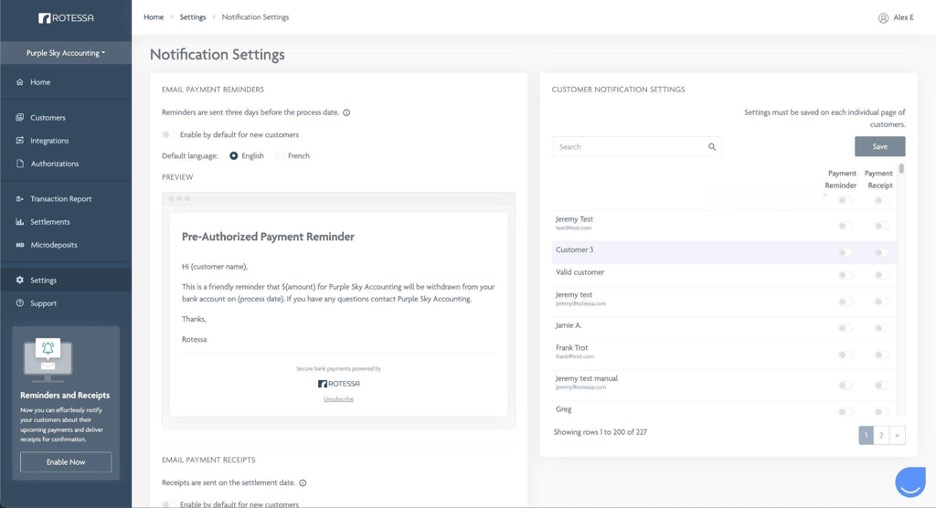
Rotessa es un procesador de pagos que resulta especialmente útil para ayudar a las empresas a gestionar pagos recurrentes y suscripciones. Es útil para organizaciones que necesitan una manera sencilla y confiable de manejar la facturación automatizada.
Por qué Rotessa es una buena alternativa a Square: Rotessa es ideal si tu equipo se enfoca en la facturación recurrente. Facilita la configuración de pagos automáticos, reduciendo la facturación manual y mejorando la consistencia del flujo de caja. Puedes gestionar diferentes ciclos de facturación y montos de pago con un esfuerzo mínimo. Ya sea que tengas intervalos semanales, mensuales o personalizados, Rotessa garantiza que todo funcione sin problemas y a tiempo.
Características destacadas e integraciones:
Las características incluyen ciclos de facturación automáticos, horarios de pago flexibles y herramientas de informes sencillas. Puedes configurar intervalos personalizados para los pagos, asegurando que el sistema se adapte a las necesidades de tu negocio. La herramienta ofrece un panel fácil de leer para rastrear el estado de los pagos y los ingresos. Cabe destacar que Rotessa no requiere un gasto mínimo ni cobra tarifas de configuración o cancelación, algo bastante habitual en otros procesadores de pago y otro método por el cual suelen atarte a un contrato. En lugar de una tarifa por transacción como Square, Rotessa cobra una tarifa fija de suscripción por un número determinado de transacciones.
Las integraciones incluyen QuickBooks, Xero, Zapier y Stripe.
Pros and Cons
Pros:
- Ideal para empresas basadas en suscripciones
- Intervalos y montos de facturación personalizados
- Recordatorios de pago automáticos para los clientes
Cons:
- Limitado a casos de uso de facturación recurrente
- No admite pagos únicos

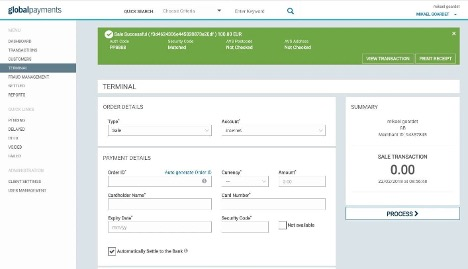
Global Payments es una plataforma de procesamiento de pagos diseñada para empresas de todos los tamaños. Permite a los comerciantes aceptar pagos a través de múltiples canales, incluyendo en línea, en tienda y en dispositivos móviles.
Por qué Global Payments es una buena alternativa a Square: Global Payments ofrece una amplia gama de soluciones de pagos internacionales, lo que la hace ideal para empresas que operan a nivel internacional. Puedes procesar pagos fácilmente en múltiples monedas. La plataforma también admite varios métodos de pago, incluyendo tarjetas de crédito, ACH y billeteras digitales. Esta flexibilidad garantiza que puedas satisfacer las necesidades de clientes en todo el mundo y ahorrar en comisiones de transacción mediante métodos de pago económicos como ACH.
Características destacadas e integraciones:
Las características incluyen procesamiento internacional de pagos sencillo, soporte para múltiples monedas y opciones de pago móvil. Con Global Payments, puedes aceptar pagos de todo el mundo, lo que es perfecto para empresas en expansión global. También tendrás acceso a herramientas de protección contra fraudes y soluciones de pago personalizables, facilitando la adaptación a tus necesidades específicas.
Las integraciones incluyen QuickBooks, Xero, Shopify, Adobe Commerce, WooCommerce, BigCommerce, Square, Stripe y PayPal.
Pros and Cons
Pros:
- Soporte para pagos globales
- Opciones de múltiples monedas
- Herramientas de protección contra fraudes
Cons:
- Comisiones más altas en ciertas transacciones
- No es ideal para empresas muy pequeñas


Moneris es una solución de procesamiento de pagos diseñada para empresas en Canadá, que ofrece servicios para gestionar pagos en línea, en persona y móviles. Atiende a una amplia variedad de sectores, con un enfoque en proporcionar soluciones a nivel empresarial.
Por qué Moneris es una buena alternativa a Square: Heartland funciona como un procesador de pagos tradicional con un fuerte enfoque en la atención personalizada al cliente y seguridad avanzada. Está dirigido a pequeñas y medianas empresas en EE. UU., ofreciendo precios competitivos, protección robusta contra fraudes y soporte para varios sectores. Heartland destaca por sus integraciones fluidas, servicios de nómina y su enfoque en el cumplimiento de PCI, lo que lo convierte en una excelente opción para negocios en crecimiento que necesitan más que solo soluciones básicas de pago.
Características e integraciones destacadas:
Las características incluyen procesamiento de pagos flexible para transacciones en persona, en línea y móviles. Heartland ofrece protección avanzada contra fraudes, informes de ventas en tiempo real y herramientas para gestionar la nómina y beneficios de empleados.
Las integraciones incluyen QuickBooks, Clover, Lightspeed, WooCommerce y más.
Pros and Cons
Pros:
- Soluciones personalizadas para pymes
- Protección avanzada contra fraudes y cumplimiento PCI
- Integración con herramientas de nómina y beneficios
Cons:
- No es tan rentable para empresas muy pequeñas
- Puede tener costes adicionales por algunas funciones
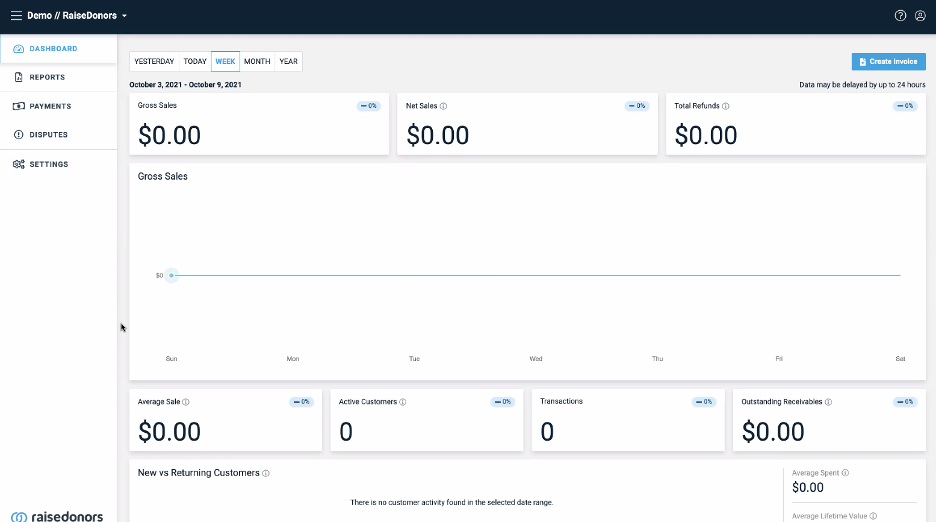
Stax Payments es una plataforma de procesamiento de pagos diseñada para empresas de todos los tamaños, especialmente aquellas enfocadas en modelos basados en suscripciones. Ofrece precios transparentes y simplifica la aceptación de pagos tanto en línea como en persona.
Por qué Stax Payments es una buena alternativa a Square: Con Stax Payments, obtienes precios claros basados en suscripción y sin cargos ocultos, lo que facilita la gestión de tus costos. De tarifa plana, escalable y con muchas herramientas, es excelente para negocios que priorizan costos predecibles y funciones completas. Incluye características como facturación personalizable y cobros recurrentes. También encontrarás herramientas avanzadas de informes para ayudarte a rastrear pagos y optimizar los ingresos. Este enfoque en precios por suscripción distingue a Stax Payments de Square al ofrecer más herramientas integrales y ahorros consistentes a medida que creces.
Funciones y integraciones destacadas:
Funciones incluyen precios basados en suscripción sin tarifas ocultas, opciones de facturación personalizables y una gestión flexible de cobros recurrentes. Puedes configurar fácilmente pagos automáticos para tus clientes, ahorrando tiempo y esfuerzo. La plataforma también ofrece informes detallados para rastrear transacciones y analizar patrones de pago.
Las integraciones incluyen QuickBooks, Xero, Zapier, Stripe y PayPal.
Pros and Cons
Pros:
- Precios por suscripción sin tarifas ocultas
- Gestión flexible de cobros recurrentes
- Opciones de facturación personalizables
Cons:
- El precio puede ser alto para pequeñas empresas
- Menos adecuada para negocios que procesan menos de $100k/año
Otras alternativas a Square
Estas son otras alternativas a Square que no llegaron a formar parte de mi selección, pero que merece la pena conocer:
- Clearly Payments
Ideal para modelos de precios escalables y flexibles
- Clover
Ideal para sistemas de punto de venta personalizables
- Chase Payments
Mejor para grandes empresas


Recopilaciones relacionadas de software POS
Los sistemas POS no son todos iguales, así que quizá quieras considerar los distintos tipos de plataformas y programas disponibles. Por suerte, nosotros ya lo hemos hecho.
- Sistemas POS móviles
- Sistemas POS para comercios minoristas
- Software POS para pequeñas empresas
- Sistemas POS integrados
- Sistemas POS para ferreterías
- Alternativas al POS de Shopify
Cómo evalúo las alternativas a Square
Evalúo las alternativas a Square en dos niveles: requisitos básicos, como la compatibilidad con lectores de tarjetas y el seguimiento del inventario, y elementos diferenciadores, como la estructura de precios y la sincronización omnicanal.
Funcionalidad principal (requisitos básicos para esta lista)
Al seleccionar herramientas para mi lista, califico cada una en una escala de 0 (no ofrece la funcionalidad) a 5 (sobresale en esta área) para cada una de las funcionalidades principales que se indican a continuación. Luego, convierto la puntuación total de la herramienta en un porcentaje. Cada herramienta debe alcanzar una puntuación total mínima del 65 % para ser considerada.
- Sistema POS para comercios minoristas: Busco una interfaz de pago diseñada para comercios minoristas: teclas rápidas para artículos populares, escaneo de códigos de barras, aplicación de descuentos y gestión de devoluciones en la caja.
- Procesamiento de pagos integrado: Cada herramienta debería aceptar pagos sin contacto, con chip, mediante banda magnética y con monederos móviles a través de un procesador nativo o estrechamente integrado, sin conciliación manual.
- Gestión del inventario: Aquí es importante el seguimiento a nivel de SKU, incluida la gestión de variantes como talla y color, las alertas de existencias bajas y la visibilidad del inventario en varias ubicaciones.
- Hardware POS compatible: Compruebo si la plataforma admite o vende lectores de tarjetas, impresoras de recibos, escáneres de códigos de barras y cajones portamonedas que funcionen de inmediato.
- Sincronización del comercio electrónico y omnicanal: Los comercios que venden tanto por internet como en tiendas físicas necesitan sincronizar en tiempo real el inventario y los pedidos, por lo que evalúo cómo conecta cada herramienta las tiendas físicas y digitales.
- Informes para comercios minoristas y CRM: Los desgloses de ventas por producto, empleado o periodo deberían estar incluidos de forma estándar, junto con perfiles de clientes que registren el historial de compras para programas de fidelización o comunicaciones dirigidas.
Una vez que tengo una lista de herramientas que cumplen estos criterios, analizo qué distingue a cada plataforma.
Factores diferenciadores (qué distingue a los proveedores)
Así es como comparo y contrasto los distintos proveedores:
Características destacadas
El modo sin conexión es muy importante para los vendedores temporales y los comercios minoristas con una conexión a internet poco fiable: busco herramientas que sigan procesando pagos con tarjeta y sincronicen las transacciones cuando se restablezca la conexión. Los programas de fidelización integrados también son importantes, porque añadir una aplicación de recompensas de terceros aumenta los costes y la complejidad. En las tiendas con varios empleados, evalúo si la gestión de empleados incluye la planificación de turnos, el registro de horas y los informes de ventas por empleado en un mismo lugar.
Más allá de las características
La transparencia de precios es uno de los primeros aspectos que evalúo: que un proveedor cobre tarifas fijas o tarifas de intercambio más margen cambia los cálculos para los comercios minoristas con un gran volumen de ventas. La flexibilidad del procesador de pagos también es importante, porque algunas plataformas te obligan a utilizar su propio procesador, mientras que otras te permiten aportar tu propia cuenta comercial. También compruebo los ecosistemas de integraciones, especialmente las conexiones nativas con herramientas de contabilidad como QuickBooks o Xero, ya que introducir manualmente los datos de ventas es una vía rápida hacia los errores contables.
¿Qué es Square?
Square es un procesador de pagos y una plataforma de punto de venta (POS) diseñada para pequeñas empresas, tiendas minoristas y vendedores de comercio electrónico que necesitan una forma sencilla de aceptar pagos presenciales y en línea.
Reúne el procesamiento de tarjetas de crédito, la gestión del inventario y una aplicación móvil en un único sistema con precios transparentes y de tarifa fija, sin contratos a largo plazo ni cuentas de comerciante complejas.
Square facilita empezar a aceptar pagos sin contacto y utilizar lectores de tarjetas, por eso es tan popular entre los nuevos propietarios de negocios.
Pero, aunque es accesible y rentable para muchos, Square no siempre es lo bastante flexible para operaciones en crecimiento o equipos con necesidades avanzadas. Algunos usuarios se encuentran con limitaciones en el inventario, las integraciones o las comisiones por transacción a medida que crecen.
¿Por qué buscar una alternativa a Square?
Incluso las herramientas más populares tienen sus límites, y Square no es una excepción.
Estas son las razones por las que propietarios y responsables de empresas como tú terminan buscando mejores sistemas TPV y procesadores de pagos:
- Necesitas una gestión avanzada del inventario. Las herramientas básicas de Square no serán suficientes si gestionas varios canales o ubicaciones.
- Tu equipo necesita un servicio de atención al cliente real y disponible las 24 horas. El soporte puede ser irregular justo cuando más necesitas ayuda.
- Trabajas en un sector de alto riesgo o tienes necesidades de pago complejas. Square no funciona bien con todos los tipos de negocio, especialmente si procesas volúmenes de transacciones inusuales o necesitas integraciones personalizadas.
- Quieres comisiones de procesamiento de pagos más bajas o mayor flexibilidad en los precios. Las comisiones fijas pueden resultar costosas a medida que creces o diversificas tus métodos de pago.
- Necesitas mejores integraciones de software. Si utilizas QuickBooks, Lightspeed u otras plataformas específicas, es posible que Square no se conecte correctamente.
- Necesitas más control sobre reembolsos, contracargos o programas de fidelización de clientes. Square puede parecer limitado en comparación con proveedores especializados.
Si te ves reflejado en esa lista, el resto de esta guía está pensado para ti.
Si también estás buscando alternativas a Stripe, consulta nuestra guía completa sobre las mejores alternativas a Stripe para minoristas, para que puedas comparar todas las opciones de ambas listas.
Características que debes buscar en una alternativa a Square
No te conformes con un TPV genérico solo porque sea fácil de configurar. El competidor adecuado de Square debería resolver realmente tus problemas y adaptarse a tus necesidades de pago, comercio electrónico y operaciones, tanto si gestionas una tienda física como si vendes por internet o manejas una facturación compleja.
- Procesamiento de pagos versátil para ventas presenciales y online. Asegúrate de que tu sistema pueda gestionar todo tipo de pagos, desde tarjetas de crédito hasta transacciones sin contacto y mediante códigos QR.
- Hardware fiable para lectores de tarjetas de crédito. Busca soluciones con lectores de tarjetas de crédito para Android y iOS mejor valorados; no confíes tu proceso de pago a un dispositivo barato.
- Tarifas competitivas de procesamiento de tarjetas de crédito. Las comisiones transparentes y rentables importan más que un marketing llamativo; lee la letra pequeña antes de registrarte.
- Integración fluida con el comercio electrónico. Elige una plataforma que se sincronice con tu tienda y con los principales procesadores de tarjetas de crédito para comercio electrónico, para no tener que gestionar el inventario entre varias plataformas.
- Gestión avanzada del inventario. El seguimiento del stock en tiempo real, las alertas automatizadas de existencias bajas y la compatibilidad con varias ubicaciones te ahorran horas y evitan las roturas de stock.
- Facturación recurrente y emisión de facturas integradas. Si gestionas suscripciones, asegúrate de que tu solución admita pagos automatizados y facturas con tu marca; considera las opciones de nuestra guía sobre los mejores sistemas de pagos recurrentes.
- Herramientas completas de fidelización de clientes y tarjetas regalo. Los programas integrados facilitan que los compradores vuelvan; evita las plataformas que tratan la fidelización como algo secundario.
- CRM y elaboración de informes de ventas completos. Quieres información útil, no simples volúmenes de datos; busca paneles que realmente vayas a utilizar.
- Herramientas de gestión de empleados. Los permisos, el control horario y el acceso basado en roles son esenciales si tienes un equipo.
- Capacidades de pago sin conexión. Asegúrate de que las ventas no se detengan cuando falle la conexión wifi; las transacciones sin conexión deberían sincronizarse automáticamente cuando vuelvas a estar conectado.
- Conciliación de pagos simplificada. Evita complicaciones a final de mes eligiendo una solución que se integre con el principal software de conciliación de pagos para comercio electrónico.
- Atención al cliente rápida y fiable. No te la juegues con tu negocio; elige proveedores con ayuda disponible las 24 horas y un historial sólido de asistencia.
Si aciertas con estas características, ahorrarás tiempo, reducirás costes y disfrutarás de verdad gestionando tu TPV, sin arrepentimientos.
Preguntas frecuentes sobre alternativas a Square
Nadie tiene tiempo de llamar al servicio de asistencia solo para obtener respuestas básicas sobre cómo cambiar de Square. Estas son las preguntas más frecuentes que me hacen los propietarios de negocios cuando evalúan alternativas a Square.
¿Qué tan difícil es cambiar de Square a un nuevo sistema POS?
Cambiar de Square a un nuevo sistema POS no es difícil, pero requiere planificación. La mayoría de las alternativas a Square permiten importar tus productos y los datos de tus clientes. Limpia el inventario y los registros de ventas antes de hacer el cambio.
Utiliza ambos sistemas en paralelo durante una semana para evitar problemas en el proceso de pago; la preparación ayuda a que tu personal y tus clientes se adapten sin dificultades.
¿Necesito hardware nuevo o funcionarán mis lectores de tarjetas actuales?
No, la mayoría de los lectores de tarjetas diseñados para Square no funcionan con otros sistemas POS. Algunas alternativas, como Clover o Shopify POS, requieren su propio hardware específico. Comprueba la compatibilidad con tu proveedor antes de comprar o solicita por escrito una lista de compatibilidad para evitar interrupciones durante la implementación.
¿Pueden las alternativas a Square gestionar varias ubicaciones o franquicias?
Sí, muchos competidores de Square admiten operaciones con varias ubicaciones y franquicias. Busca proveedores de sistemas POS basados en la nube con sincronización del inventario y generación de informes centralizada. Asegúrate de que la plataforma pueda crecer contigo para no tener que crear soluciones manuales más adelante.
¿Son más seguras las alternativas a Square para procesar pagos y cumplir con la normativa PCI?
La mayoría de las alternativas reconocidas cuentan con certificación PCI-DSS y utilizan prácticas de cifrado y seguridad actualizadas. Asegúrate de elegir un proveedor que se tome en serio el cumplimiento de la normativa de pagos, ya que esto protege a tu negocio y a tus clientes.
¿Cambiar afectará a mis integraciones actuales de comercio electrónico?
Los principales sistemas POS están diseñados para funcionar con las principales plataformas de comercio electrónico. Sin embargo, comprueba siempre que tu nuevo proveedor admita de forma nativa tus integraciones específicas antes de cambiar.
¿Puedo transferir los datos de mis clientes y ventas de Square a un nuevo sistema?
La mayoría de las principales alternativas ofrecen herramientas y guías para importar clientes, productos y registros de ventas. Solicita asistencia para la migración a tu nuevo proveedor para mantener la precisión de tus datos y minimizar las interrupciones.
¿Hay alternativas a Square más adecuadas para sectores de alto riesgo?
Sí, algunos proveedores ofrecen asistencia específica a sectores de alto riesgo con servicios personalizados de procesamiento de pagos y cumplimiento normativo. Si tu negocio pertenece a una categoría de alto riesgo, confirma la elegibilidad y la adecuación al sector antes de cambiar.
¿Cambiar de Square afectará a la velocidad de procesamiento de mis pagos o a los plazos de liquidación?
La velocidad de procesamiento y los plazos de liquidación pueden variar según el proveedor. Pregunta a cada alternativa por sus tiempos medios de procesamiento de pagos, las opciones de depósito al día siguiente y cualquier posible retención para garantizar un acceso rápido a tus fondos.
Es hora de poner en orden tus opciones
No hay ningún premio por seguir utilizando un sistema POS que no se adapta a tu negocio.
Tanto si necesitas mejores precios como herramientas de inventario reales o simplemente un proceso de pago más fluido, estas alternativas a Square están diseñadas para mantener intactos tus procesos y tu tranquilidad.
El comercio minorista nunca se detiene, y tú tampoco deberías hacerlo. Suscríbete a nuestro boletín para conocer las últimas perspectivas, estrategias y recursos profesionales de los principales líderes del comercio minorista que están dando forma al sector.