

Oracle Fusion Cloud Order Management Review: Pros, Cons, Features & Pricing
Built for large retailers, Oracle Fusion Cloud Order Management stands out with real-time data sync and deep integrations—ideal for complex, omnichannel fulfillment.

We review tools independently, and commissions help fund our testing. See our transparency policy, our methodology, or suggest a tool.
Oracle Fusion Cloud ERP is an enterprise order management system software built for large organizations managing complex, high-volume order flows across multiple channels. It connects order capture, fulfillment, inventory, and financials in one native cloud suite. I'd consider it over SAP S/4HANA Cloud if your priority is tighter built-in integration across financials and supply chain without heavy customization—Oracle's unified data model tends to reduce the configuration overhead that SAP implementations typically require.
Oracle Fusion Cloud ERP Evaluation Summary
0/5
- Pricing upon request
- Free demo available
Why Trust Our Software Recommendations
6,700+
Reviews
20
Industry experts
16+
Evaluation factors
14
Years
Our team has been testing and reviewing software since 2012. As retail leaders ourselves, we know how difficult—and important—it is to choose the right software.
For this guide, we evaluated tools using hands-on testing and independent research, scoring tools using our selection criteria.
Our reviews reflect our independent judgment—not a sales pitch.
Oracle Fusion Cloud ERP Overview
In my opinion, Oracle Fusion Cloud Order Management isn’t just built for scale—it’s built for teams that live and breathe operational complexity.
If your business is drowning in fragmented systems and manual workarounds, this platform brings order to the chaos through real-time integration and end-to-end orchestration.
But make no mistake—this is not a casual setup.
The UI is dense, onboarding takes real time, and your team will need to commit to learning it. That said, the payoff is clear: better visibility, fewer errors, and more control across every stage of your order lifecycle.
It’s not for everyone, and that’s the point. But for large retailers and supply chain-driven teams who need a highly configurable OMS, Oracle Fusion is a heavyweight contender.
Pros
- Real-time data sync. Helps your team make faster, informed decisions.
- Strong automation. Cuts manual work and reduces order errors.
- Highly customizable. Adapts to your specific business needs.
Cons
- Complex interface. Steep learning curve for new users.
- Long onboarding. Takes time to set up and train your team.
- Slower support response. Helpful, but not always fast.
Is Oracle Fusion Cloud ERP Right For Your Needs?
Who Would be a Good Fit for Oracle Fusion Cloud ERP?
Oracle Fusion Cloud Order Management is built for large, layered operations—retailers with complex order flows, deep integration needs, and teams that depend on real-time inventory data.
If you're managing ecommerce, in-store, and wholesale fulfillment across multiple systems, this OMS won’t just keep up—it’ll bring much-needed orchestration.
It’s especially strong for businesses already in the Oracle ecosystem or those looking to scale a retail order management system that connects seamlessly to ERP and supply chain platforms.
- LARGE RETAIL CHAINSAutomation reduces order errors and manual handoffs between systems.
- ECOMMERCE PLATFORMSReal-time data synchronization keeps inventory levels accurate across all sales channels.
- SUPPLY CHAIN DEPARTMENTSTight integration with fulfillment and inventory modules improves forecasting and replenishment.
- MANUFACTURING COMPANIESSupports build-to-order workflows and order status tracking from production to delivery.
- LOGISTICS TEAMSA centralized dashboard gives visibility across fulfillment locations and shipping operations.
- GLOBAL BUSINESSESHandles the mess of multi-currency, multi-language, and multichannel retail with clean execution.
Who Would be a Bad Fit for Oracle Fusion Cloud ERP?
If your operation runs on spreadsheets, this system’s going to feel like a spaceship—and not in a good way.
Small retailers, startups, and anyone looking for fast, simple order tracking will likely get buried under configuration options and onboarding tasks. It’s not that it won’t work—it’s just way more than you need.
- SMALL RETAIL SHOPSToo much platform for basic order processing.
- STARTUPSSetup time and cost don’t match the pace of an early-stage business.
- FREELANCERSSolo operators managing customer orders don’t need enterprise-scale workflows.
- LOCAL DISTRIBUTORSFor teams without multi-channel needs, it’s overkill.
- NON-TECH TEAMSThe UI demands a level of tech fluency or IT backup.
- BUDGET-CONCIOUS FIRMSStrong functionality, but not priced for lean teams trying to stay nimble.
Core Features
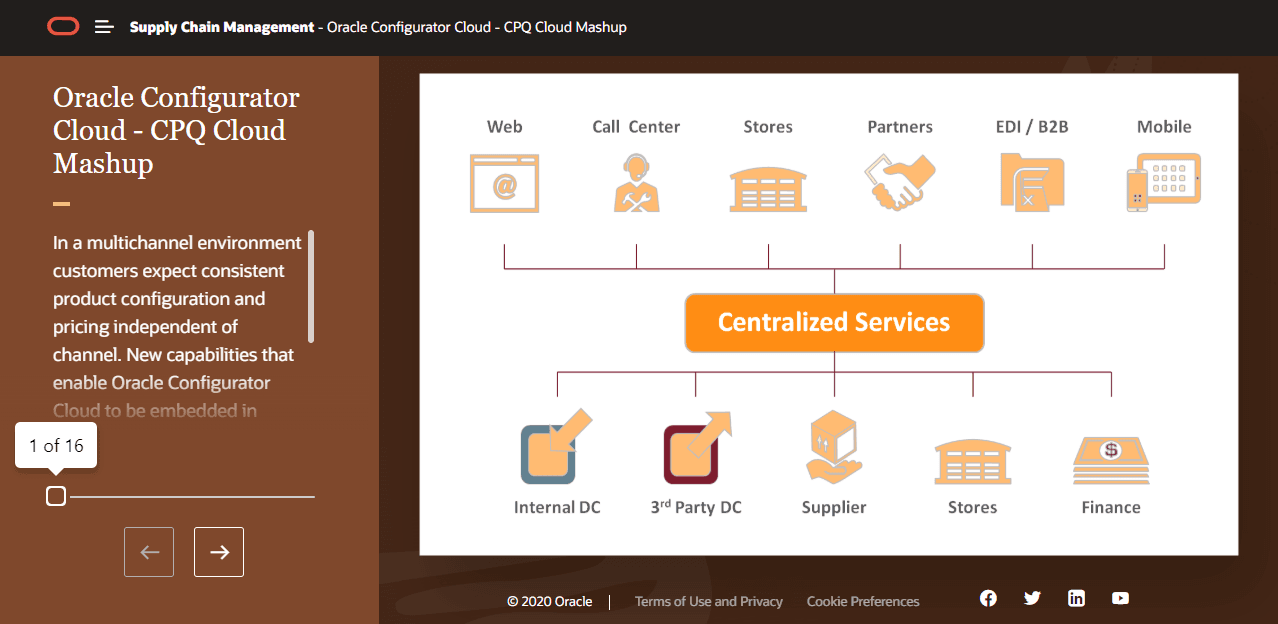
- Order processing automation. Automates workflows across systems to reduce manual entry, speed up processing, and let ops focus on exceptions.
- Inventory management. Tracks inventory levels in real time across ecommerce, in-store, and warehouse systems to prevent stockouts and overordering.
- Fulfillment management. Coordinates order fulfillment from click to delivery, with support for multiple fulfillment locations and full lifecycle tracking.
- Pricing and promotions management. Adjusts pricing dynamically and streamlines promotional campaigns across channels without manual overrides.
- Analytics and reporting. Delivers actionable insights through customizable dashboards, helping teams make informed decisions on operations.
- Customer order visibility. Improves the customer experience with real-time order status updates and notifications across every sales channel.
Standout Features
- Advanced customization options. Tailors the platform to fit unique business workflows across sales channels, ERP systems, and fulfillment models.
- Real-time data synchronization. Keeps ecommerce, POS, and backend systems aligned with accurate inventory, order, and fulfillment data.
Ease of Use
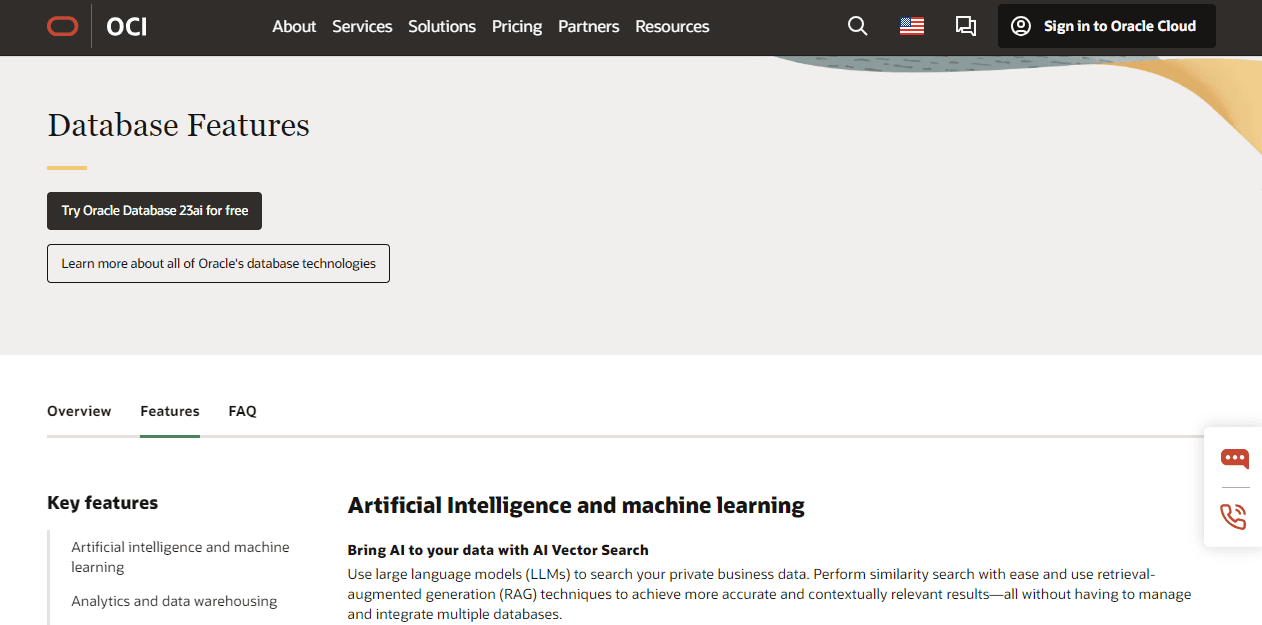
Oracle Fusion Cloud Order Management delivers power—but it makes you work for it. The interface isn’t exactly intuitive, especially for teams used to lightweight ecommerce tools.
Navigating modules like inventory management or order orchestration can feel like learning a new language.
That said, once your team gets past the initial learning curve, the system becomes a real asset. Real-time visibility, automation, and streamlined workflows start to pay off. But you’ll need a team that’s willing—and able—to dig in.
Onboarding
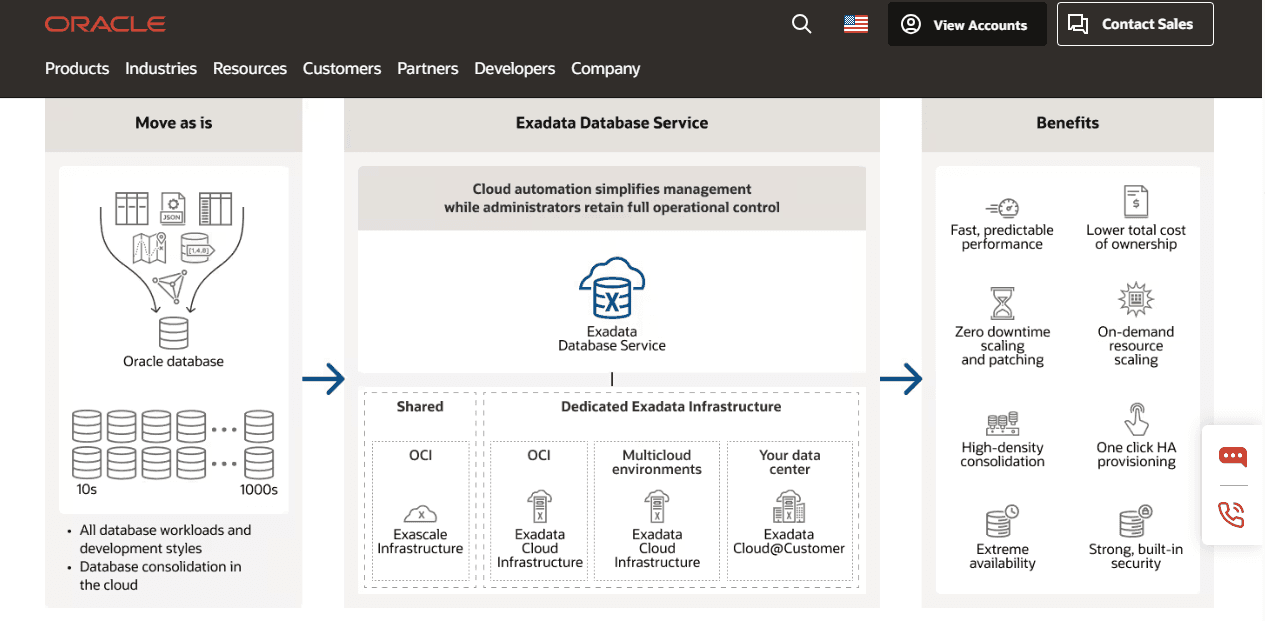
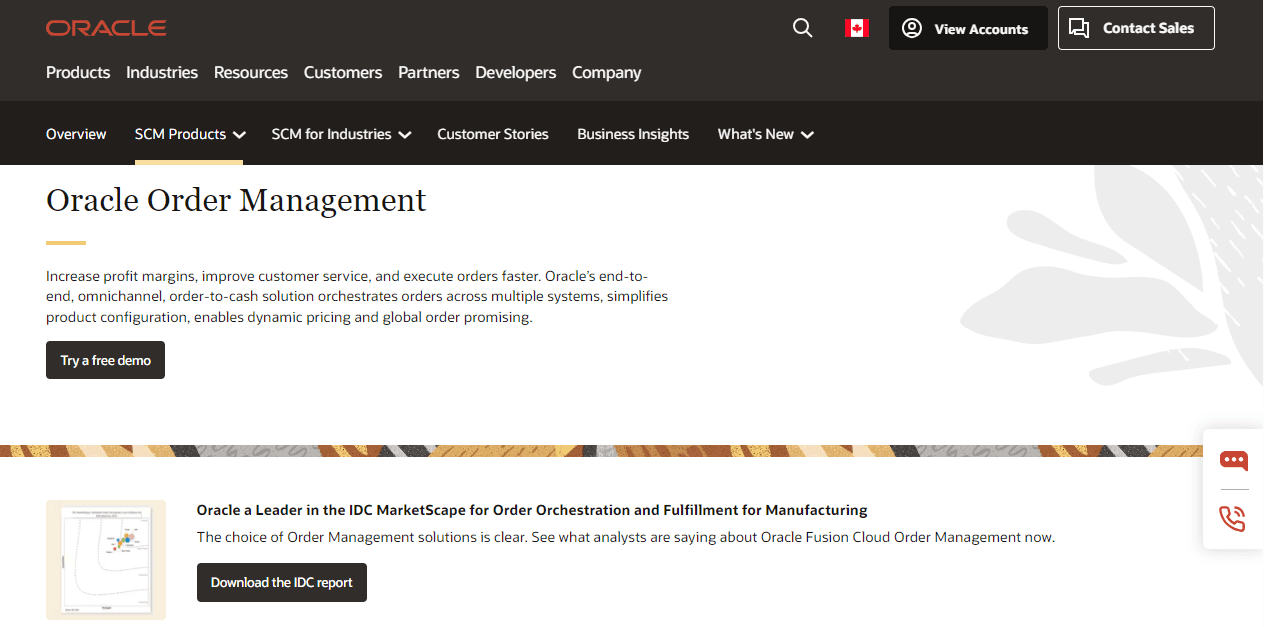
This isn’t a plug-and-play setup. Onboarding Oracle Fusion is a multi-phase process that requires IT involvement, detailed planning, and time.
You’ll be configuring workflows, mapping integrations, and probably sitting through a few long webinars.
The good news? Oracle provides solid documentation and guided implementation support. If your team can commit the time, the onboarding process sets you up for long-term scalability.
But don’t underestimate the lift—this is enterprise-grade onboarding, not a Shopify tutorial.
Customer Support
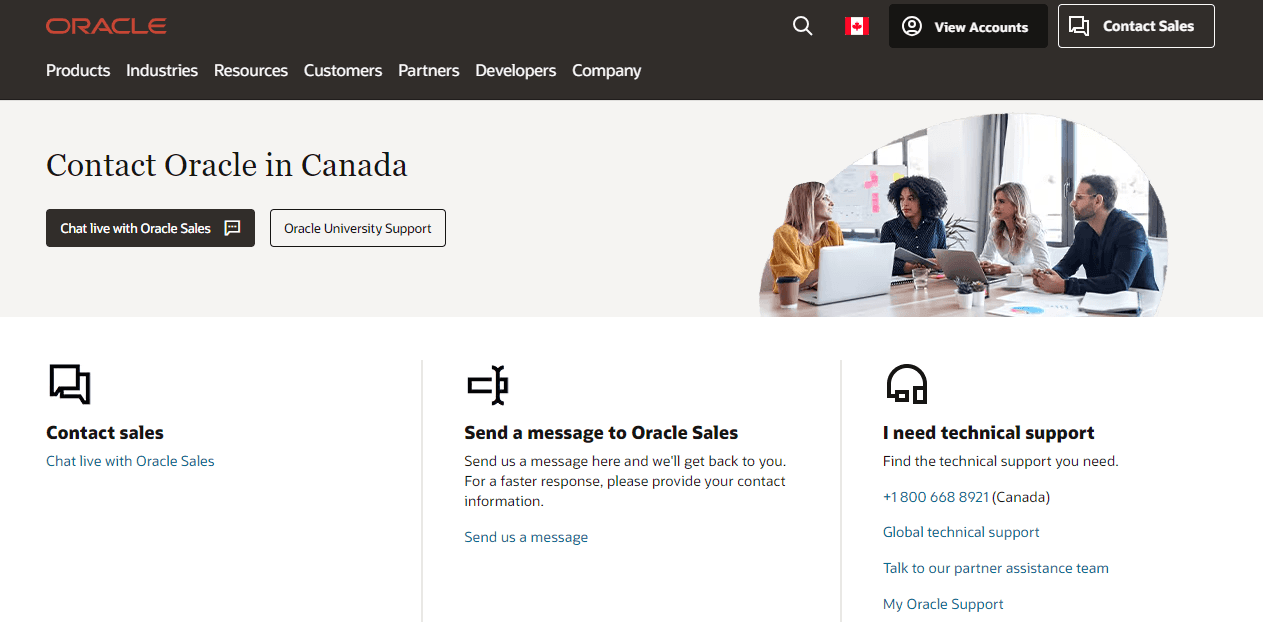
Support is competent but not always quick. You’ll get the right answers eventually, but if you're in the middle of a high-volume sales event, “eventually” may not cut it.
Email and phone support are the main channels, and documentation is deep enough to troubleshoot most common issues internally.
For retailers with in-house IT or partners familiar with the Oracle retail order management suite, most problems are solvable without a support ticket. Just don’t expect instant responses if you’re flying solo.
Value for Money
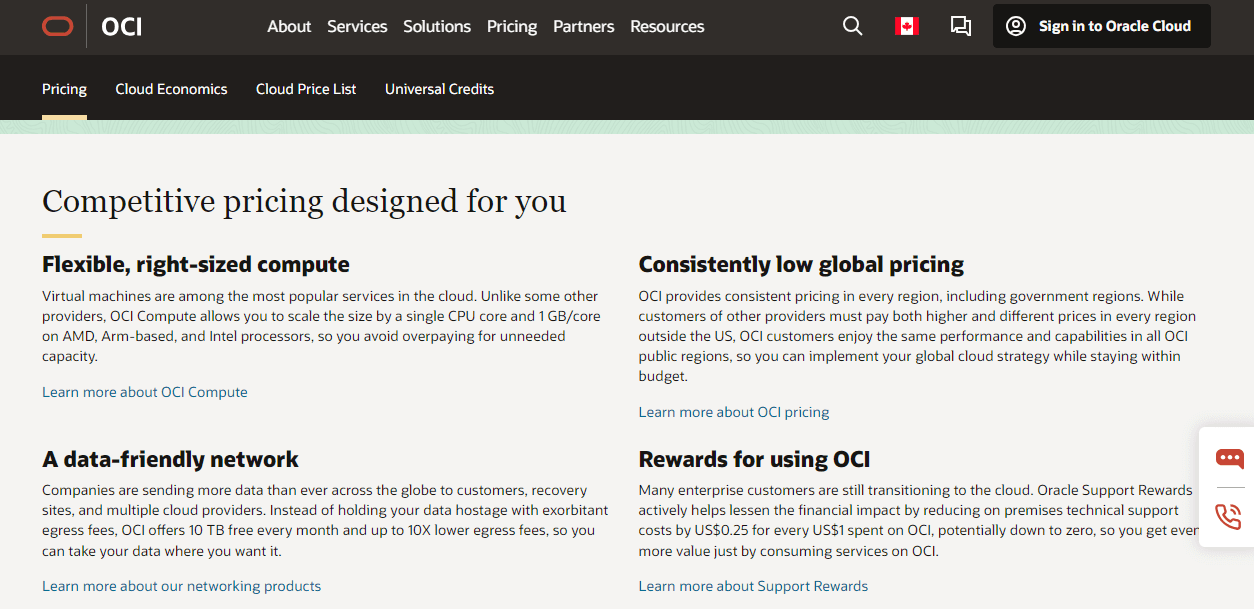
Oracle Fusion Cloud Order Management isn’t cheap—but it’s not trying to be.
This is an enterprise OMS designed for scale, complexity, and integration across ERP, supply chain, and ecommerce ecosystems. If your business is at that level, the value is there.
You’re paying for real-time inventory data, end-to-end visibility, and serious workflow automation. For teams managing high order volumes or complex fulfillment across multiple channels, that ROI becomes clear fast.
But if you're a lean team looking to optimize costs, the price tag might sting.
- Basic. Includes core OMS functionality like order processing and inventory tracking.
- Standard. Adds advanced analytics, dashboards, and limited customization tools.
- Premium. Unlocks full system customization, priority support, and expanded integration options.
Oracle Fusion Cloud ERP Specs
- API: No
- Barcode Scanning: No
- Budgeting: No
- Calendar Management: No
- Customer Management: No
- Dashboard: No
- Data Export: No
- Data Import: No
- Data Visualization: No
- External Integrations: No
- Forecasting: No
- Inventory Tracking: No
- Multi-User: No
- Notifications: No
- Order Management: No
- POS Integration: No
- Product Catalog: No
- Purchase Orders: No
- Reorder Automation: No
- SAP Integration: No
- Scheduling: No
- Shipping Management: No
- Status Notifications: No
- Stock Level Monitoring: No
- Supplier Management: No
- Third-Party Plugins/Add-Ons: No
- Warehouse Management: No
Oracle Fusion Cloud ERP FAQs
Oracle Fusion Cloud ERP Company Overview & History
Oracle Fusion Cloud Order Management is part of Oracle Corporation’s broader suite of enterprise applications, built to support large-scale operations across finance, HR, supply chain, and customer experience.
Headquartered in Austin, Texas, Oracle has long served global retailers, manufacturers, and logistics-heavy businesses with a need for serious backend infrastructure.
The Fusion Cloud platform launched in 2011 to bring a more modular, cloud-native approach to Oracle’s legacy systems. Over the past decade, the order management module has evolved to support modern retail requirements—real-time inventory visibility, omnichannel fulfillment, and end-to-end order lifecycle management.
Recent product updates include stronger analytics, exception management, and deeper integration across Oracle’s retail order management suite. It’s a system built by and for enterprises that need control, not just visibility.
Oracle Fusion Cloud Order Management major milestones
- 1977: Oracle Corporation founded
- 2011: Launch of Oracle Fusion Applications, including Order Management
- 2019: Named a leader in IDC MarketScape for order orchestration and fulfillment
- 2021: Expanded global order promising and strategic pricing tools
- 2023: Released real-time analytics and proactive exception handling
What's Next?
Oracle Fusion Cloud Order Management isn’t for the faint of heart—but it’s also not trying to be. If your retail operation is juggling ecommerce, POS, ERP, and supply chain platforms with no single source of truth, this system brings everything under control.
You’ll work for that visibility—but once you have it, the payoff is operational clarity and fewer costly surprises.
If you’re running a high-volume, multichannel retail business and need end-to-end visibility, this platform delivers.
Just be sure your team’s ready to handle the onboarding curve and the price tag.
Retail never stands still—and neither should you. Subscribe to our newsletter for the latest insights, strategies, and career resources from top retail leaders shaping the industry.