



Ecwid Vs WooCommerce: Comparison and Expert Reviews for 2026


Choosing between Ecwid and WooCommerce means weighing a plug-and-play ecommerce platform that works anywhere against a deeply customizable, WordPress-powered storefront —and your choice shapes everything from launch speed to long-term flexibility. If you’re trying to decide which ecommerce platform will help your team hit revenue targets, manage inventory, and deliver a smooth customer experience, you’re definitely not alone. Ecwid stands out for its quick setup and ability to add online selling to an existing website, while WooCommerce gives you full control over every aspect of your store if you’re familiar with or willing to dive into WordPress. This article breaks down the real-world differences, strengths, and trade-offs so you can confidently choose the right fit for your business.
Ecwid vs. WooCommerce: An Overview
Ecwid

WooCommerce
Why Trust Our Software Reviews
We’ve been testing and reviewing retail and ecommerce software and services since 2021.
As retail experts ourselves, we know how critical and difficult it is to make the right decision when selecting software. We invest in deep research to help our audience make better software purchasing decisions.
We’ve tested more than 2,000 tools for different finance and accounting use cases and written over 1,000 comprehensive software reviews. Learn how we stay transparent and our review methodology.
Ecwid vs. WooCommerce Pricing Comparison
| Ecwid | WooCommerce | |
|---|---|---|
| Free Trial | Free plan available | Free access available |
| Pricing | From $5/month (billed annually) | Pricing upon request |
Ecwid Vs WooCommerce Pricing & Hidden Costs
Ecwid uses a tiered subscription model, with different feature sets unlocked at each level and a free plan for basic stores. You’ll pay a recurring fee for advanced features like product variations, abandoned cart recovery, and integrations. WooCommerce itself is free to install on any WordPress site, but you’ll need to budget for hosting, premium extensions, payment gateway fees, and possibly developer support – all costs that can add up as your store grows.
To choose the right pricing model, it’s wise to map out your must-have features and estimate the total cost of ownership over time, including add-ons, payment processing, and support. Consider how each platform’s pricing structure scales with your catalog size, sales volume, and need for customization. Reviewing your growth plans and technical resources will help you spot which vendor’s pricing model fits your business now, and as you expand.
Ecwid vs. WooCommerce Feature Comparison
Ecwid’s centralized dashboard and built-in multichannel selling lets you manage products, orders, and inventory across your website, social media, and marketplaces without juggling multiple tools. WooCommerce’s deep integration with WordPress and extensive plugin library give you granular control over store design, checkout flows, and product options, making it a favorite for teams that want to tailor every detail.
| Ecwid | WooCommerce | |
|---|---|---|
| API | ||
| BitCoin | ||
| Data Export | ||
| Data Import | ||
| External Integrations | ||
| Inventory Tracking | ||
| Marketing Automation | ||
| Multi-User | ||
| Notifications | ||
| Order Management | ||
| PayPal | ||
| SAP Integration | ||
| Stripe |
Ecwid Vs WooCommerce Integrations
| Integration | Ecwid | WooCommerce |
|---|---|---|
| PayPal | ✅ | ✅ |
| Stripe | ✅ | ✅ |
| Square | ✅ | ✅ |
| Mailchimp | ✅ | ✅ |
| ✅ | ✅ | |
| QuickBooks | ❌ | ✅ |
| ShipStation | ✅ | ✅ |
| Google Analytics | ✅ | ✅ |
| Salesforce | ❌ | ✅ |
| HubSpot | ❌ | ✅ |
| API | ✅ | ✅ |
| Zapier | ✅ | ✅ |
Both Ecwid and WooCommerce cover the most-used ecommerce integrations, but WooCommerce’s plugin ecosystem gives it an edge for advanced marketing and CRM connections like Salesforce and HubSpot. With API and Zapier support on both sides, most teams will find the flexibility they need, though WooCommerce’s broader range may appeal to businesses with complex integration requirements.
Ecwid Vs WooCommerce Security, Compliance & Reliability
| Factor | Ecwid | WooCommerce |
|---|---|---|
| PCI Compliance | PCI DSS validated out of the box, handling payment data securely. | Depends on hosting and payment gateway; store owners must ensure PCI DSS compliance themselves. |
| Data Privacy | Built-in GDPR tools for consent, data export, and deletion requests, as well as a WHOIS privacy service when you buy a domain. | GDPR compliance requires plugins and manual configuration for privacy controls. |
| SSL Encryption | SSL included and managed on Ecwid’s hosted platform. | SSL depends on your hosting provider and must be configured separately. |
| Uptime & Backups | Cloud-hosted with automatic updates and daily backups. | Reliability varies by host; backups and updates are the store owner’s responsibility. |
Ecwid offers a more hands-off, managed approach to security and compliance, while WooCommerce puts more responsibility on the store owner to configure and maintain protections. Ecwid’s strengths are its built-in PCI compliance and automated backups, while WooCommerce stands out for flexibility but requires more technical oversight to stay secure and compliant.
Ecwid Vs WooCommerce Ease of Use
| Factor | Ecwid | WooCommerce |
|---|---|---|
| Initial Setup | Guided setup with minimal technical steps and instant storefront launch. | Requires WordPress installation, plugin setup, and more technical configuration upfront. |
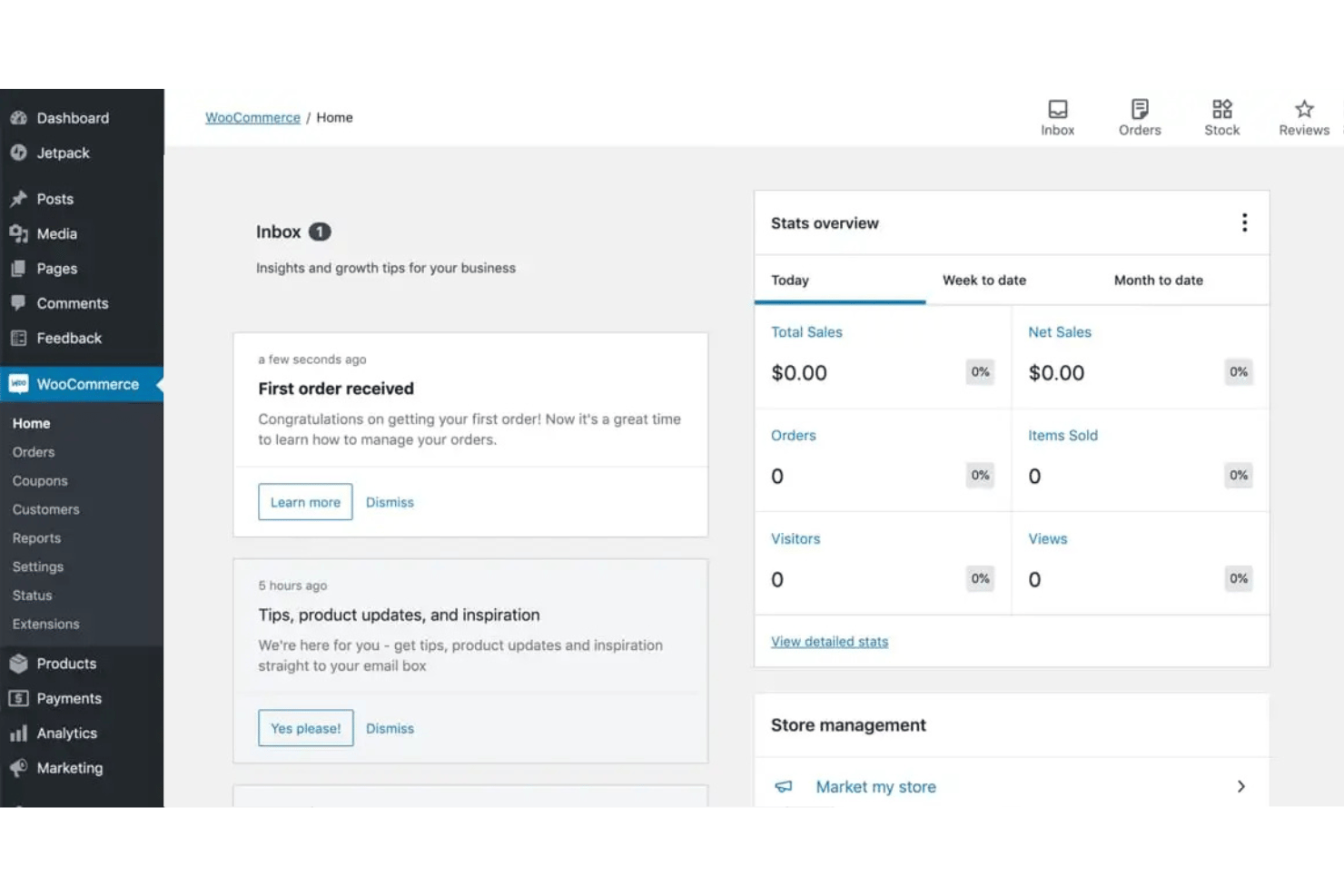
| User Interface | Clean, intuitive dashboard with drag-and-drop product management. | Familiar WordPress admin panel, but more complex with many menus and options. |
| Onboarding | Step-by-step onboarding checklist and in-app tips for new users. | Documentation-driven onboarding with community forums and tutorials. |
| Ongoing Support | Live chat and email support included on paid plans. | Support depends on plugins and hosting; community forums are the main resource. |
Ecwid vs WooCommerce: Pros & Cons
Ecwid
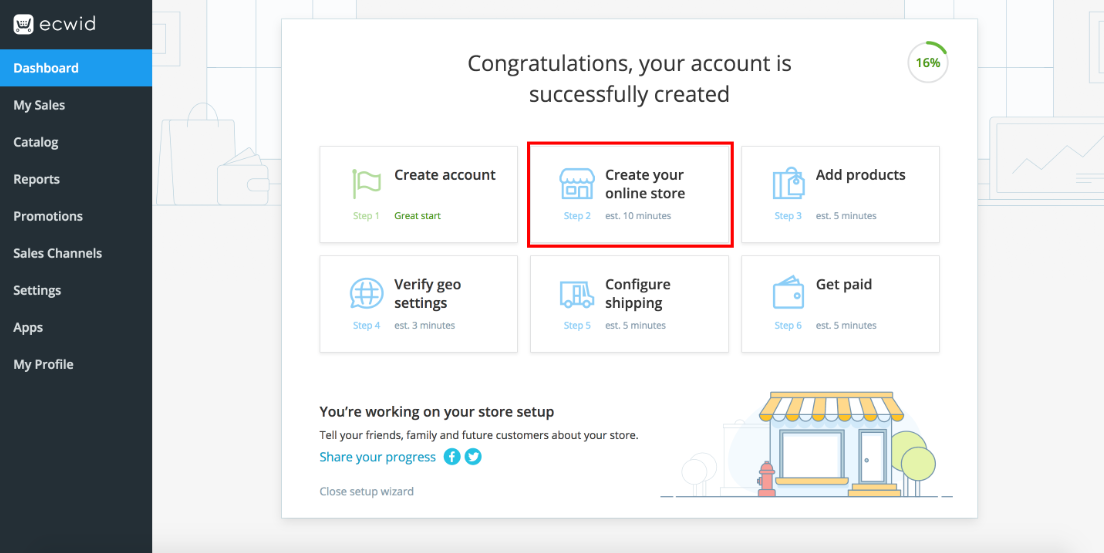
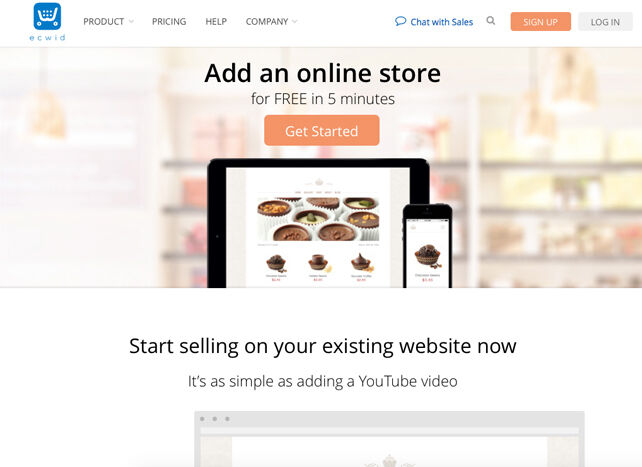
- You can easily add Ecwid to your existing website without needing technical skills.
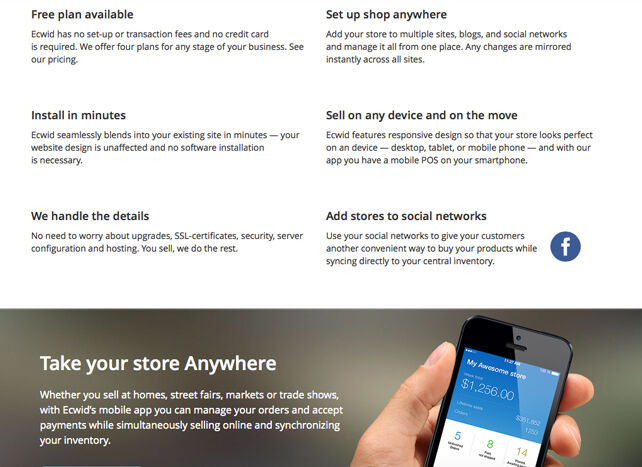
- It offers a mobile-friendly storefront, making it convenient for your customers to shop on any device.
- The platform provides multilingual support, helping you reach a global audience.
- Some users find the interface less intuitive compared to competitors.
- Limited customization options might not suit complex needs.
- Advanced features can require additional learning or support.
WooCommerce
- WooCommerce provides extensive customization capabilities.
- The platform allows for a rich variety of plugins.
- WooCommerce benefits from strong community support and resources.
- Technical knowledge is needed for setup and customization.
- Extensive plugins and high traffic can affect site speed and performance.
- There's a lack of advanced SEO features.
Best Use Cases for Ecwid and WooCommerce
Ecwid
- Small Retailers You can quickly integrate Ecwid into your existing site, making it easy to start selling online.
- Niche Product Vendors Ecwid’s multilingual support helps you reach customers worldwide without hassle.
- Mobile-First Businesses The mobile-friendly storefront ensures your customers can shop easily on any device.
- Solo Entrepreneurs With its straightforward setup, you can focus on your products rather than tech issues.
- Local Artisans Ecwid allows you to showcase and sell your unique items globally with minimal setup.
- Non-Technical Users Its user-friendly interface means you won’t need a tech team to manage your store.
WooCommerce
- In-House Developers Open-source codebase allows developers to build custom features and workflows.
- International Sellers Multi-currency and multilingual plugins help reach global customers.
- Nonprofits Custom donation and fundraising plugins make WooCommerce a fit for nonprofits.
- Content Creators Seamless WordPress integration lets bloggers and publishers sell products directly.
- Subscription Box Brands Built-in and third-party plugins support recurring billing and membership models.
- Small Retailers WooCommerce’s low upfront costs and flexibility suit small shops with limited budgets.
Who Should Use Ecwid, And Who Should Use WooCommerce?
Ecwid is a great fit for small businesses, brick-and-mortar retailers, and teams that want to add online selling to an existing website or social channel with minimal fuss. WooCommerce is best for businesses that already use WordPress, need deep customization, or have access to technical resources for setup and ongoing management. If you value speed, simplicity, and a managed experience, Ecwid will feel like a natural choice. If you want full control over every aspect of your ecommerce platform and don’t mind a steeper learning curve, WooCommerce is the way to go.
Differences Between Ecwid and WooCommerce
| Ecwid | WooCommerce | |
|---|---|---|
| Automation | Built-in tools for multichannel selling and inventory sync. | Extensive automation possible through plugins and integrations, but requires setup. |
| Customization | Limited design and checkout customization options. | Highly customizable with themes, plugins, and code access. |
| Platform Dependency | Works with any website or as a standalone store. | Requires a WordPress site to function. |
| Pricing Model | Subscription-based with feature tiers and a free plan. | Free core plugin, but costs add up with hosting and extensions. |
| User Interface | Simple, guided dashboard for non-technical users. | Complex admin panel with more options and a steeper learning curve. |
| Read Ecwid ReviewOpens new window | Read WooCommerce ReviewOpens new window |
Similarities Between Ecwid and WooCommerce
| API & Zapier Access | Both offer API access and Zapier integration, allowing you to connect with other tools and automate workflows. |
|---|---|
| Inventory Management | Both offer product catalog management, stock tracking, and SKU assignment for organized inventory control. |
| Mobile Management | Both provide mobile apps or responsive dashboards for managing your store on the go. |
| Multichannel Selling | Both let you sell on social media, marketplaces, and your own site, though Ecwid has built-in tools and WooCommerce uses plugins. |
| Payment Integrations | Both support major gateways like PayPal, Stripe, and Square, letting you accept payments from day one. |
| Read Ecwid ReviewOpens new window Read WooCommerce ReviewOpens new window | |