
28 Best Warehouse Order Management Systems of 2026

The Top 10 Warehouse Order Management Systems to Consider
Here are the best warehouse order management systems for streamlining fulfillment, boosting accuracy, and giving you real-time control.


Getting orders out the door quickly—and accurately—can make or break your business. I’ve managed warehouses, wrangled international shipments, and led inventory control for ecommerce brands, so I know how easy it is for order fulfillment to spiral out of control without the right systems in place.
That’s where warehouse order management systems come in.
These platforms are built to handle every step of the order process, from inventory allocation and real-time tracking to picking, packing, and shipping.
While many people lump these in with warehouse management systems (WMS), my focus here is specifically on tools designed to streamline the order management and fulfillment process inside your warehouse.
In this guide, you’ll find my top picks—each vetted for real-world usability, automation capabilities, integration options, and how well they actually improve supply chain operations. I’m not interested in vendor hype, just what works to optimize workflows and drive order accuracy.
With over a decade of hands-on experience across distribution, international shipping, and retail operations, I built this list for warehouse leaders who want actionable advice, not sales pitches.
Let’s dig into the systems that can help you deliver every order, every time
Why Trust Our Software Reviews
We’ve been testing and reviewing retail and ecommerce software and services since 2021.
As retail experts ourselves, we know how critical and difficult it is to make the right decision when selecting software. We invest in deep research to help our audience make better software purchasing decisions.
We’ve tested more than 2,000 tools for different finance and accounting use cases and written over 1,000 comprehensive software reviews. Learn how we stay transparent and our review methodology.
Comparing the Best Warehouse Order Management Systems, Side-by-Side
Quickly compare the top warehouse order management systems by pricing, free trial availability, and the use cases each one serves best. Find a fit for your team at a glance.
| Tool | Best For | Trial Info | Price | ||
|---|---|---|---|---|---|
| 1 | Best for built-in purchasing automation | Free demo available | Pricing upon request | Website | |
| 2 | Best for large enterprises | Free demo available | Pricing upon request | Website | |
| 3 | Best for manufacturing industries | Free demo available | Pricing upon request | Website | |
| 4 | Best for real-time analytics | Free demo available | Pricing upon request | Website | |
| 5 | Best for healthcare logistics | Free demo available | From $50/user/month | Website | |
| 6 | Best for scalable architecture | Free demo available | Pricing upon request | Website | |
| 7 | Best for European markets | Free demo available | Pricing upon request | Website | |
| 8 | Best for multilingual support | Free demo available | Pricing upon request | Website | |
| 9 | Best for cloud-based solutions | Free demo available | Pricing upon request | Website | |
| 10 | Best for advanced tracking | Free demo available | Pricing upon request | Website |
The 10 Best Warehouse Order Management Systems, Reviewed
Below you’ll find my detailed take on the best warehouse order management systems—covering what they do well, where they fit, and why they made the cut.

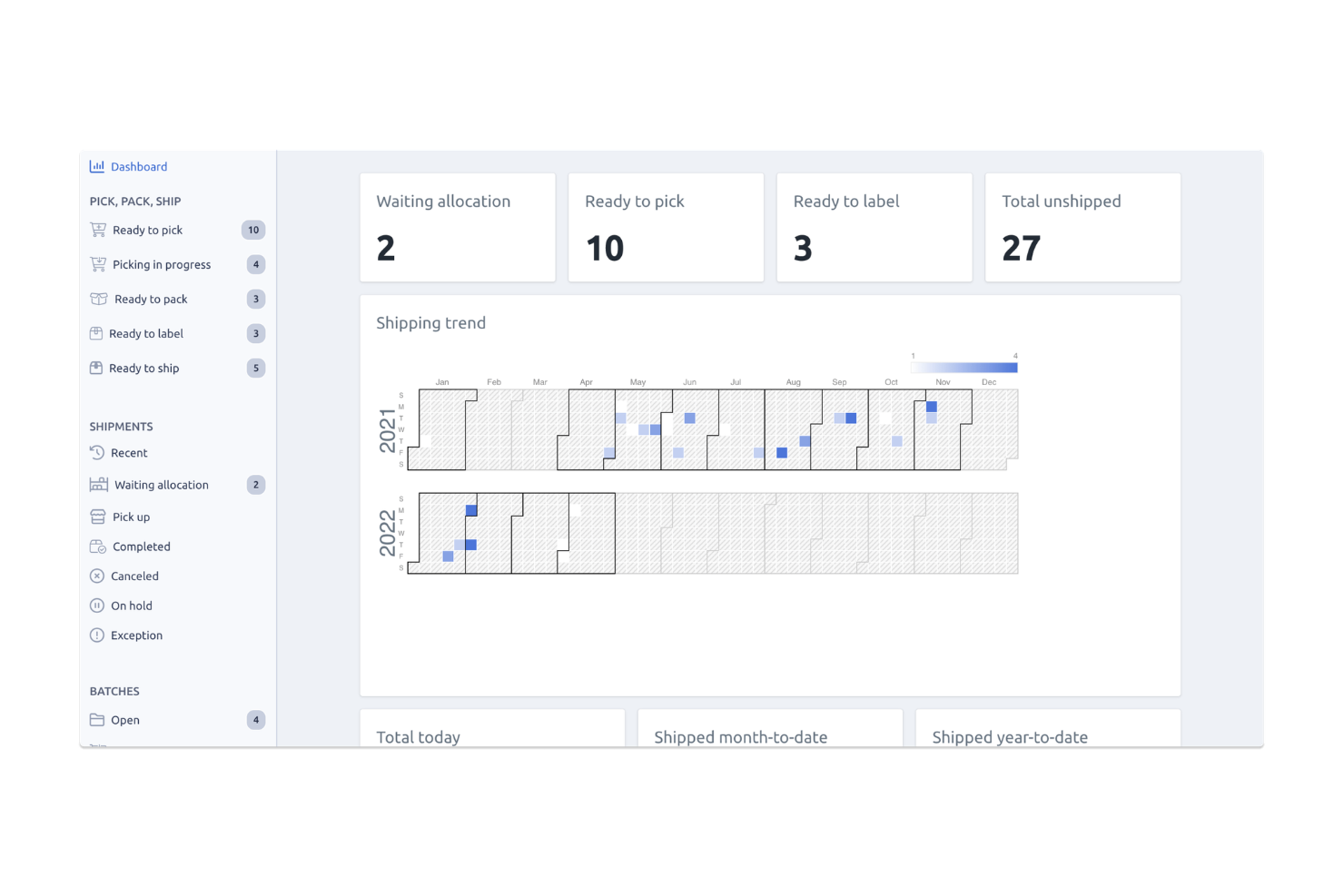
Fulfil is a cloud-based ERP designed for ecommerce and wholesale merchants that need better control over warehouse and back-office operations. It centralizes order management across multiple sales channels, giving you a unified view of inventory, purchasing, and fulfillment. As an ERP for growing product-based businesses, Fulfil can help you improve operational visibility while supporting more accurate, efficient warehouse workflows.
Why I Picked Fulfil
I picked Fulfil because it brings multi-channel order management, inventory control, and purchasing into one connected system, which is especially important if you sell across several platforms. You can track inventory in real time, helping you reduce overselling and stock discrepancies. I also like its built-in purchasing and procurement automation, which can help you maintain appropriate stock levels without relying on manual spreadsheets or disconnected tools.
Fulfil Key Features
In addition to its robust order management capabilities, Fulfil provides several features that enhance warehouse operations:
- Barcoding/Serial Tracking: This feature enables precise tracking of items, reducing errors in inventory management.
- Kitting: Allows you to efficiently manage product bundles, simplifying the fulfillment process for complex orders.
- Purchasing: Automates the procurement process, ensuring timely restocking based on real-time inventory data.
- Returns Management: Streamlines the handling of returned goods, improving customer satisfaction and operational efficiency.
Fulfil Integrations
Integrations include Shopify, Amazon, Walmart, TikTok, Faire, and over 400 third-party logistics providers.
Pros and Cons
Pros:
- Extensive 3PL integration network
- Real time inventory visibility
- AI assisted workflow configuration
Cons:
- API customization requires technical expertise
- Pricing not publicly disclosed


Infor is a warehouse order management system designed for large enterprises. It serves industries such as distribution, manufacturing, and services, with a strong focus on logistics, order fulfillment, and inventory efficiency.
Why I picked Infor: Infor is built for complex operations, using AI-driven tools and 3D visualization to optimize order planning and inventory control. It connects smoothly with other Infor solutions, giving your team a unified workflow. Its emphasis on order accuracy and labor productivity makes it a standout option for enterprises that need comprehensive order management.
Standout features & integrations:
Features include AI capabilities that enhance warehouse planning and inventory management. It also offers 3D visualization to improve operational insights and embedded analytics for real-time data analysis. The system supports various warehouse functions, including receiving, put-away, and picking.
Integrations include Infor ERP, Infor SCM, Infor OS cloud platform, Infor Nexus, Infor Birst, Infor Coleman AI, Infor Mongoose, Infor ION, Infor Ming.le, and Infor Factory Track.
Pros and Cons
Pros:
- Integrated automation
- High order accuracy
- AI-driven capabilities
Cons:
- Limited third-party integrations
- Requires technical expertise


Solochain is a warehouse management system tailored for manufacturing industries, focusing on enhancing operational efficiency. It serves manufacturers by integrating production processes and inventory management to optimize workflows.
Why I picked Solochain: Solochain excels in manufacturing environments with its ability to integrate production and warehouse activities. It provides real-time tracking of materials and products, ensuring your team maintains accuracy and efficiency. The system's flexibility allows you to customize workflows to match your specific production needs. These features make Solochain a great fit for manufacturers seeking a unified solution for their operations.
Standout features & integrations:
Features include advanced inventory management that allows precise tracking of materials and finished goods. It offers mobile access to streamline operations on the warehouse floor. The system's reporting tools provide insights into production and inventory efficiency, helping you make data-driven decisions.
Integrations include SAP, Oracle, Microsoft Dynamics, Infor, IBM, Salesforce, Epicor, QuickBooks, Sage, and NetSuite.
Pros and Cons
Pros:
- Unified production and inventory
- Real-time material tracking
- Tailored for manufacturing
Cons:
- Limited for non-manufacturing industries
- Requires technical expertise

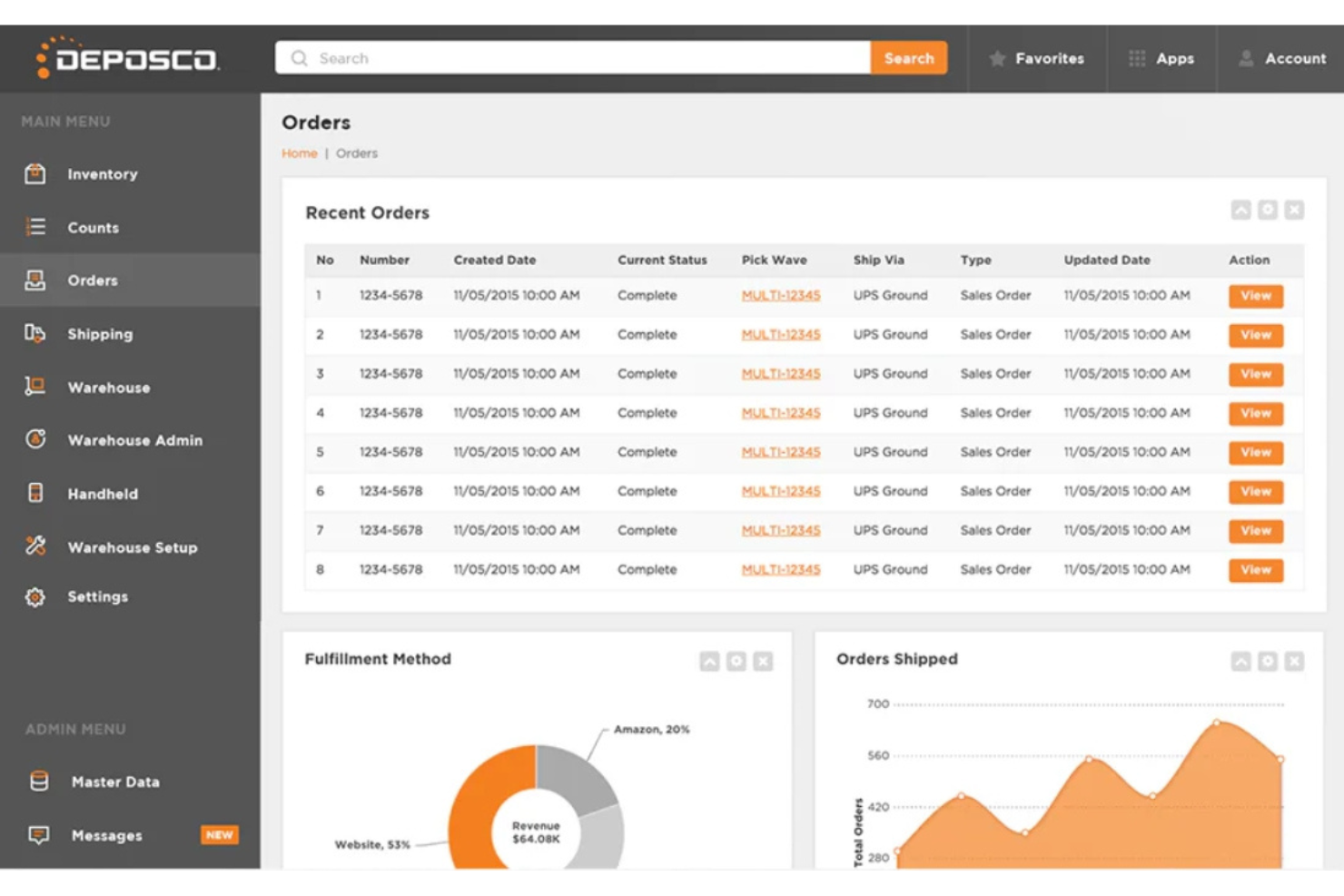
Deposco is a warehouse management system that caters to businesses needing real-time analytics for inventory and supply chain management. It serves industries like retail and distribution, focusing on optimizing order fulfillment and inventory tracking.
Why I picked Deposco: Deposco offers powerful real-time analytics that provide your team with up-to-the-minute insights into inventory and supply chain operations. Its intuitive dashboard displays key metrics, helping you make informed decisions quickly. The system's scalability supports growing businesses, accommodating increased demands seamlessly. These features are crucial for companies looking to maintain competitive efficiency in their supply chain processes.
Standout features & integrations:
Features include a user-friendly interface that simplifies navigation and operation. It also offers customizable reporting that allows you to tailor insights to your specific business needs. The system supports various warehouse functions, including inbound logistics, inventory management, and outbound shipping.
Integrations include SAP, Oracle, Microsoft Dynamics, Infor, IBM, Salesforce, Epicor, QuickBooks, Sage, and NetSuite.
Pros and Cons
Pros:
- User-friendly interface
- Customizable reporting
- Real-time analytics
Cons:
- Limited offline functionality
- May need ongoing support


Tecsys Elite is a warehouse management system tailored for healthcare logistics. It serves healthcare providers and distributors, focusing on improving supply chain efficiency and inventory management.
Why I picked Tecsys Elite: It's designed specifically for healthcare logistics, offering features like advanced inventory tracking and compliance management. The system allows your team to manage complex supply chains with ease. Its focus on healthcare makes it ideal for organizations needing strict regulatory compliance. These features ensure you're meeting industry standards while optimizing operations.
Standout features & integrations:
Features include real-time tracking that enhances inventory visibility and control. It also provides automated replenishment to maintain optimal stock levels and order accuracy. The system's reporting tools give insights into supply chain performance and help you make informed decisions.
Integrations include SAP, Oracle, Microsoft Dynamics, Epicor, Infor, Salesforce, Manhattan Associates, JDA Software, Blue Yonder, and IBM.
Pros and Cons
Pros:
- Automated replenishment
- Supports regulatory compliance
- Advanced inventory tracking
Cons:
- Limited customization options
- Complex setup process


PSIwms is a warehouse management system designed for businesses seeking scalability in their operations. It caters to industries like manufacturing and logistics, focusing on enhancing inventory management and optimizing warehouse processes.
Why I picked PSIwms: PSIwms offers a scalable architecture that grows with your business, supporting increased operational demands. Its modular design allows you to add functionalities as needed, providing flexibility. The system's real-time inventory tracking ensures accuracy, helping you maintain efficient operations. These features make it suitable for businesses planning for growth and needing a system that can adapt to changing requirements.
Standout features & integrations:
Features include advanced analytics that provide insights into warehouse performance and help you make data-driven decisions. It offers automated task management to streamline operations and reduce manual errors. The system supports various warehouse activities, including inbound and outbound logistics, to enhance overall efficiency.
Integrations include SAP, Oracle, Microsoft Dynamics, Infor, IBM, Salesforce, Epicor, QuickBooks, Sage, and NetSuite.
Pros and Cons
Pros:
- Automated task management
- Real-time inventory tracking
- Scalable architecture
Cons:
- May need ongoing support
- Requires technical expertise

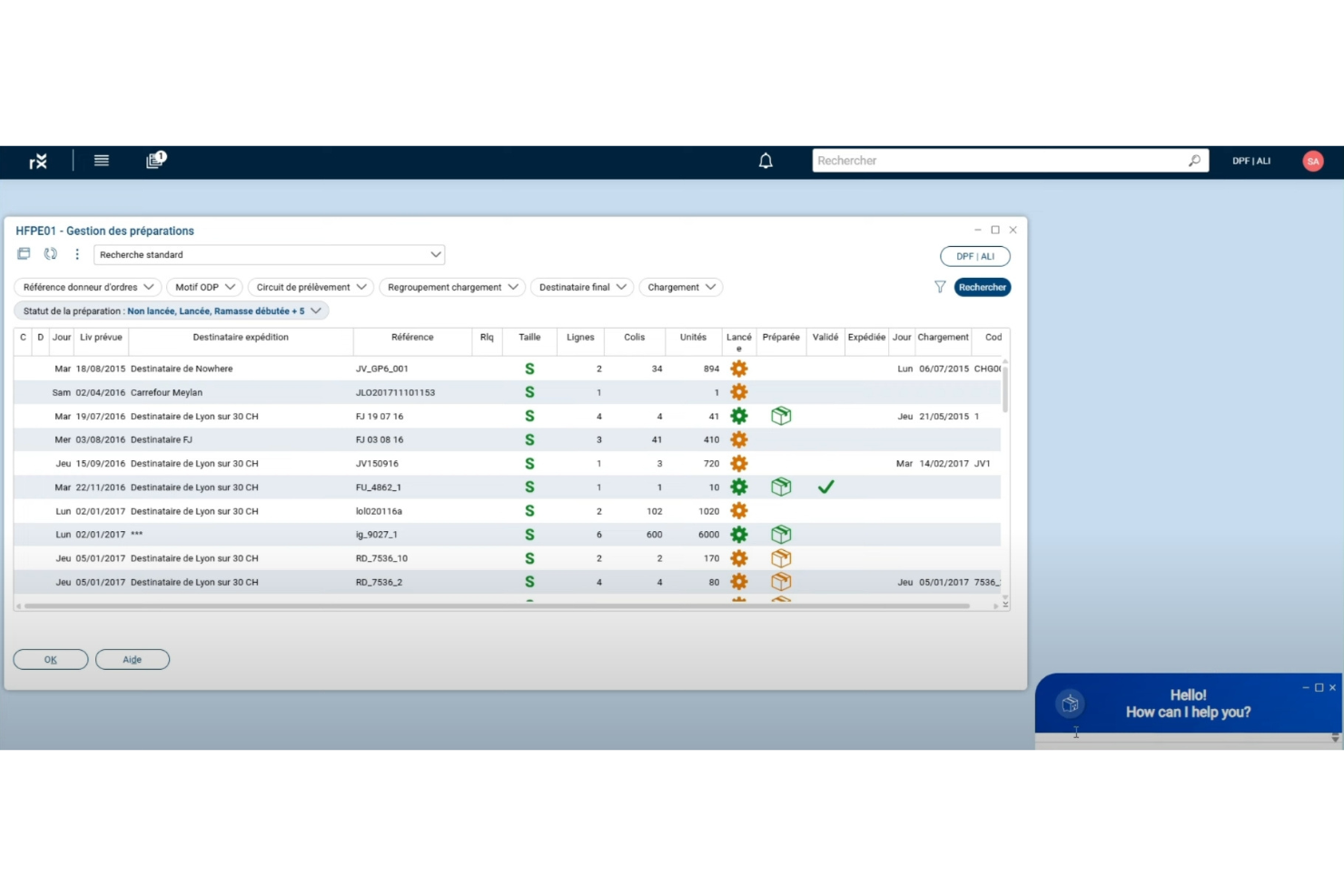
Reflex WMS is a warehouse management system tailored for the European market, providing solutions for industries like retail and logistics. It focuses on optimizing warehouse operations and improving inventory accuracy for businesses across Europe.
Why I picked Reflex WMS: Reflex WMS excels in supporting European market needs with its compliance to regional standards and regulations. Its adaptability allows your team to configure the system to match your specific operational requirements. The real-time data visibility enhances decision-making and operational efficiency. These features make it a valuable tool for businesses operating within Europe, where compliance and adaptability are key.
Standout features & integrations:
Features include advanced reporting tools that provide insights into operational performance. It offers real-time inventory tracking to maintain stock accuracy and prevent shortages. The system also supports various warehouse functions, including picking, packing, and shipping, to enhance operational efficiency.
Integrations include SAP, Oracle, Microsoft Dynamics, Infor, IBM, Salesforce, Epicor, QuickBooks, Sage, and NetSuite.
Pros and Cons
Pros:
- Supports multiple warehouse functions
- Real-time data visibility
- Compliance with European standard
Cons:
- Limited support outside Europe
- Requires technical expertise

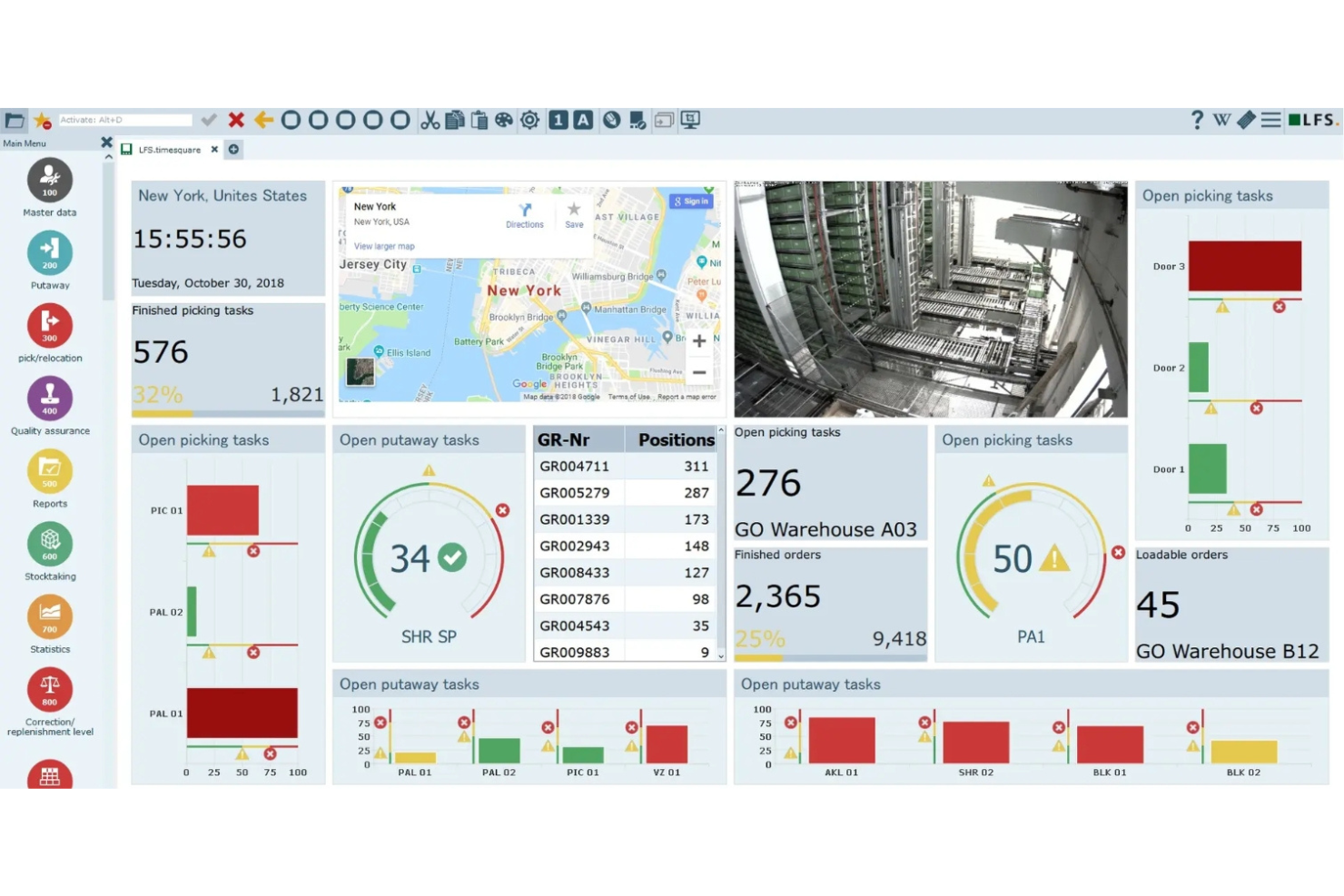
EPG WMS (LFS) is a warehouse management system designed for businesses requiring multilingual support. It serves a diverse user base across various industries, focusing on optimizing warehouse processes and enhancing operational efficiency.
Why I picked EPG WMS (LFS): EPG WMS (LFS) provides extensive multilingual support, making it ideal for global operations. Its flexible configuration allows you to tailor the system to your specific needs, enhancing adaptability. The real-time data tracking feature ensures your team can make informed decisions quickly. These capabilities make it suitable for businesses operating in multiple regions with diverse language requirements.
Standout features & integrations:
Features include customizable workflows that adapt to your specific operational needs. It also offers advanced analytics for in-depth performance insights and decision-making support. The system supports various warehouse activities, including receiving, picking, and shipping, to optimize efficiency.
Integrations include SAP, Oracle, Microsoft Dynamics, Infor, IBM, Salesforce, Epicor, QuickBooks, Sage, and NetSuite.
Pros and Cons
Pros:
- Advanced analytics
- Customizable workflows
- Real-time data tracking
Cons:
- Limited offline functionality
- Requires technical expertise

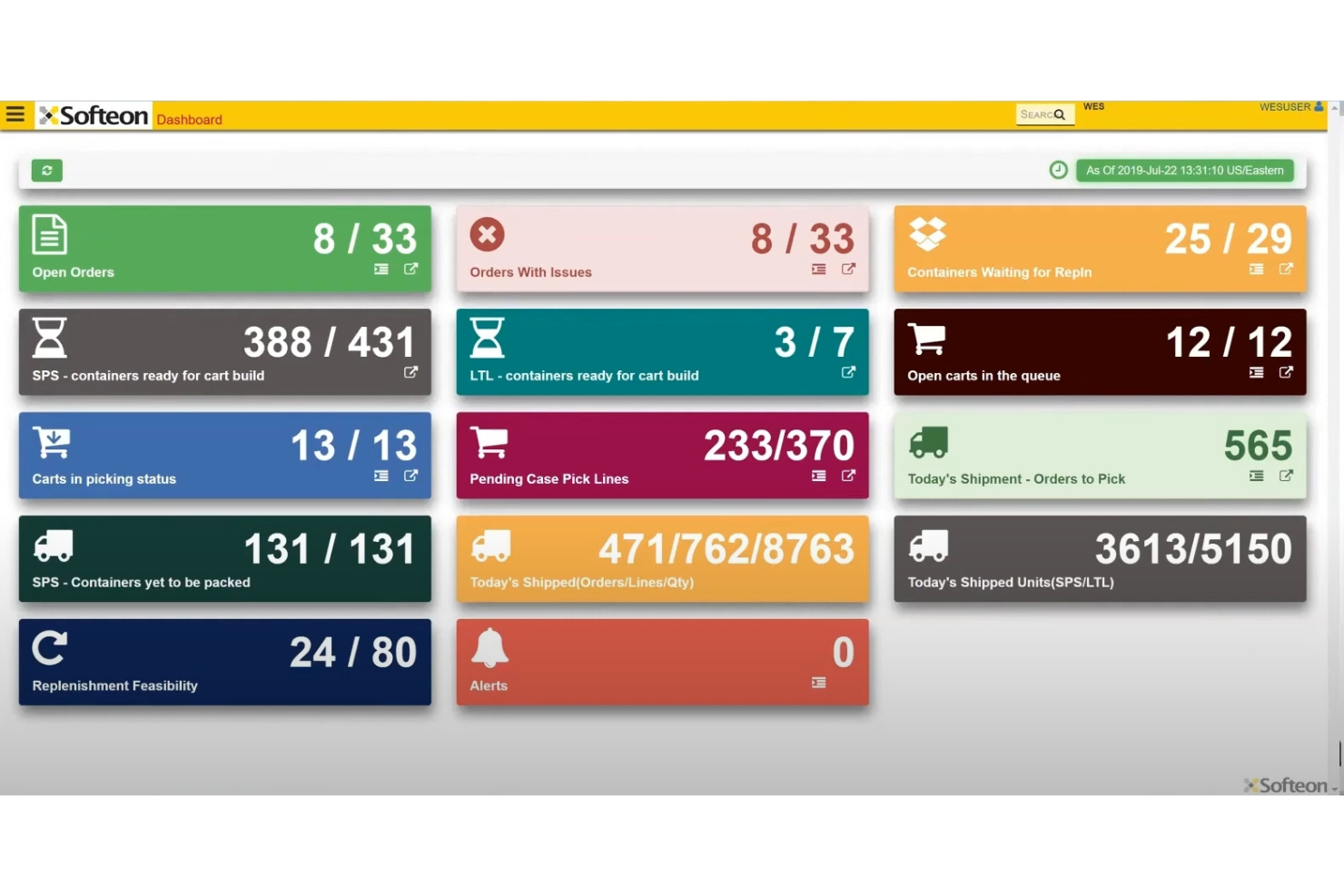
Softeon is a warehouse order management system designed for industries like retail, manufacturing, and logistics. It supports businesses by automating key processes such as inventory tracking, order fulfillment, and shipping, helping ensure accuracy and efficiency across operations.
Why I picked Softeon: Softeon is built to scale, making it capable of managing both routine orders and high-volume demand. Its real-time data visibility gives your team the insights needed to prioritize and process orders quickly. By automating fulfillment and reducing manual errors, Softeon stands out as a strong choice for businesses seeking reliable and adaptable order management.
Standout features & integrations:
Features include a user-friendly interface that simplifies warehouse operations and reduces the learning curve for your team. It also offers advanced analytics to track performance metrics and identify areas for improvement. The system supports various warehouse functions, including picking, packing, and shipping, to streamline processes.
Integrations include Oracle, SAP, Microsoft Dynamics, JDA, Manhattan Associates, IBM, Blue Yonder, Epicor, Infor, and Salesforce.
Pros and Cons
Pros:
- Advanced analytics
- Real-time data visibility
- Scalable for growing businesses
Cons:
- Initial setup complexity
- Requires internet connectivity

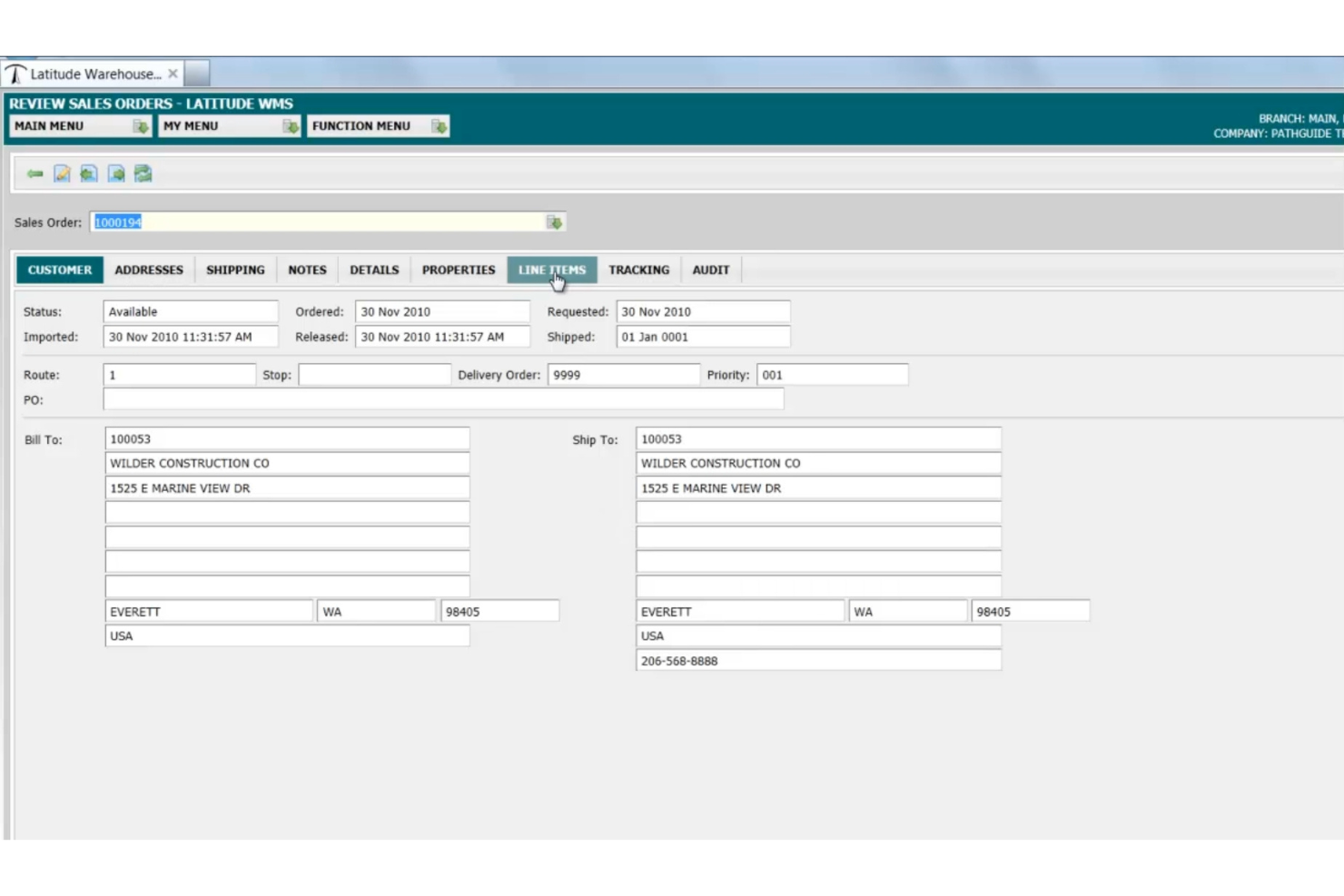
PathGuide Latitude WMS is a warehouse management system designed for businesses needing advanced tracking capabilities. It caters to industries like distribution and manufacturing, focusing on improving inventory accuracy and order fulfillment efficiency.
Why I picked PathGuide Latitude WMS: The system offers advanced tracking features that provide your team with detailed visibility into inventory movements. Its real-time updates ensure you always have accurate information at your fingertips. The flexible configuration allows you to adapt the system to your specific operational needs. These features make it a valuable tool for businesses that require precise inventory management and tracking.
Standout features & integrations:
Features include dynamic slotting that improves warehouse space utilization. It offers a user-friendly interface that simplifies navigation and reduces training time. The system's reporting tools provide insights into warehouse performance, helping you make informed decisions quickly.
Integrations include SAP, Oracle, Microsoft Dynamics, Infor, IBM, Salesforce, Epicor, QuickBooks, Sage, and NetSuite.
Pros and Cons
Pros:
- Dynamic slotting
- Real-time inventory updates
- Advanced tracking capabilities
Cons:
- Not ideal for small operations
- May need technical support
Other Warehouse Order Management System
Here are some additional warehouse order management system options that didn’t make it onto my shortlist, but are still worth checking out:
- Savoye WMS
For retail supply chains
- Made4net
For mid-sized businesses
- Microlistics
For fast deployment
- Infoplus
For data-driven decisions
- Epicor Warehouse Management
For mid-sized manufacturers
- ShipBob
For small to medium businesses
- SphereWMS
For real-time inventory control
- Aptean
For food and beverage industry
- Hopstack
For automated processes
- Logiwa WMS
For high-volume order fulfillment
- Extensiv
For third-party logistics
- Manhattan Active
For continuous innovation
- Körber Supply Chain
For supply chain integration
- Cadence WMS
For adaptable workflows
- SAP Extended Warehouse Management
For complex logistics
- Oracle Warehouse Management Cloud
For cloud-based flexibility
- Descartes Peoplevox
For ecommerce operations
- Blue Yonder Warehouse Management
For end-to-end visibility


Our Selection Criteria For Warehouse Order Management Systems
Choosing warehouse order management software is about more than ticking boxes on a spec sheet. I’ve evaluated each platform based on the realities of warehouse life—what works on the floor, not just in the demo. Here’s the framework I used to make my picks (and how each system earned its spot).
Core functionality (25% of total score)
When it comes to day-to-day warehouse order management, these are the features that must work flawlessly:
- Accurate, real-time inventory tracking that doesn’t leave you guessing.
- Seamless order processing, even when the pressure is on.
- Shipment and delivery tracking that keeps your customers in the loop.
- Layout optimization tools that help your team move faster and smarter.
- Reporting that makes sense—no more data black holes.
Additional standout features (25% of total score)
Above and beyond the basics, these features separate a solid system from a great one:
- Real-time analytics for decision-making under fire.
- Customizable workflows to match your unique processes.
- IoT integrations, automation tech, and support for barcode/RFID scanning.
- Mobile access so managers and staff can keep moving.
- Automated replenishment so you’re never caught with empty shelves.
Usability (10% of total score)
Software that’s a pain to use is a pain to adopt. I look for:
- Intuitive interfaces your team won’t hate.
- Easy, logical navigation and clean layouts.
- Responsive design that works on any device, any shift.
Onboarding (10% of total score)
A long, painful setup drains morale and resources. Here’s what matters:
- Training videos, walkthroughs, and live demos for a fast start.
- Interactive onboarding to get teams comfortable, quickly.
- Templates and ready-made workflows for a running start.
Customer support (10% of total score)
Support matters most when things go sideways. I consider:
- 24/7 support and humans you can actually reach.
- Multiple ways to get help: chat, phone, email, knowledge base.
- Support teams that know warehouses—not just scripts.
Value for money (10% of total score)
I won’t recommend anything that isn’t worth the spend. My focus:
- Transparent, upfront pricing—no nasty surprises.
- Feature depth at each tier.
- Scalable plans that fit growing teams.
- Generous free trials to test before you buy.
Customer reviews (10% of total score)
Finally, I dig into what real users say:
- Overall satisfaction and recurring complaints.
- Consistency in support and reliability feedback.
- Genuine praise or pain around specific features.
What Is a Warehouse Order Management System?
A warehouse order management system is software built to control the entire order process inside your warehouse.
These systems go beyond basic inventory tracking—they manage everything from order intake to picking, packing, and shipping, keeping your workflows tight and your fulfillment process reliable.
Warehouse order management systems (sometimes called WOMS, sometimes bundled as WMS) give you real-time inventory visibility, automate routine tasks, and help teams avoid costly errors.
If you’re running ecommerce, retail, or multichannel distribution, these tools are what keep inventory levels accurate, customer promises realistic, and supply chain chaos in check.
How to Choose a Warehouse Order Management System
Choosing the right warehouse order management system isn’t about grabbing the biggest brand or the longest feature list—it’s about finding the tool that fits your team, your workflows, and your growth plans. Here’s a practical decision table to help you cut through the noise and focus on what actually matters.
| What to do | Why it matters | Pro tip |
|---|---|---|
| Map your current workflows | Know exactly where your pain points and bottlenecks are | Walk the floor—ask your team what actually slows them down |
| List must-have integrations | Make sure the new system connects to your ERP, ecommerce, or CRM | Test integrations with your real data before signing any deal |
| Prioritize usability and training | If your team hates it, they won’t use it | Request a sandbox or demo account for real-world testing |
| Check real-time and automation features | Boost operational efficiency and reduce manual errors | Look for platforms with proven case studies in your industry |
| Confirm support and onboarding | Fast, knowledgeable help minimizes disruption | Ask for average onboarding times and ongoing support stats |
| Scrutinize total cost (not just the sticker price) | Avoid surprises from add-ons or usage fees | Ask for a detailed quote including updates, modules, and support |
Features of Warehouse Order Management System
A warehouse order management system is only as good as the features that actually solve problems on the ground. Here’s what to look for if you want a tool that pulls its weight:
- Real-time inventory tracking so you always know what’s in stock, not just what should be.
- Automated order allocation and routing to speed up fulfillment and keep errors down.
- Barcode and RFID scanning for faster, mistake-proof receiving and picking.
- Advanced order picking strategies (wave, batch, zone) to match your warehouse layout and demand spikes.
- Integrated shipping management that connects with your carriers and prints labels with zero manual entry.
- Customizable workflows and rule-based automation so you’re not locked into someone else’s idea of efficiency.
- Mobile access and handheld support so your team can update, pick, and receive on the move.
- Dashboards and real-time analytics that put actionable data in front of managers—not buried in a spreadsheet.
- Role-based permissions and audit trails to keep sensitive data tight and processes compliant.
- Seamless integrations with ERP, ecommerce, and shipping tools so data flows where you need it, when you need it.
Benefits of Warehouse Order Management System
When you pick the right warehouse order management system, you don’t just check a box—you get practical, measurable wins across your operation:
- Increased order accuracy by automating routine steps and reducing human error.
- Faster fulfillment times with streamlined picking, packing, and shipping.
- Lower labor costs because automation lets your team do more with less.
- Real-time inventory visibility across all channels, so you avoid stockouts and over-selling.
- Easier compliance and traceability with audit trails and standardized processes.
- Stronger customer satisfaction thanks to on-time, accurate deliveries and real-time order notifications.
- Better decision-making using live data and analytics to adjust staffing, inventory, and workflows in real time.
- Seamless scaling—handle more orders, new products, and multiple warehouse locations without chaos.
- Simplified onboarding for new hires with clear, intuitive workflows.
- More control and peace of mind because you know exactly what’s happening, everywhere, all the time.
Costs and Pricing of Warehouse Order Management System
Warehouse order management system pricing varies widely depending on the functionality you need, your operation’s scale, and whether you go with a cloud-based WMS or an on-premises solution.
Most providers offer tiered plans based on user count, warehouse locations, and integration requirements.
The right WMS investment should streamline your order fulfillment, improve inventory accuracy, and deliver strong ROI by reducing operational inefficiencies.
| Plan | Average price | Common features | Best for |
|---|---|---|---|
| Free plan | $0 | Basic inventory tracking, order processing, limited reporting | Small teams or trialing new workflows |
| Personal plan | $10–$30/user/month | Inventory management, simple order fulfillment, barcode scanning | Small to midsize operations, startups |
| Business plan | $50–$100/user/month | Real-time inventory visibility, advanced order automation, mobile access | Growing ecommerce brands, distribution centers |
| Enterprise plan | $150–$300/user/month | Seamless ERP integration, labor management, real-time analytics, high-volume throughput | Large-scale supply chain operations, multi-location warehouses |
Additional cost considerations for WMS solutions
- Implementation and onboarding fees can add up—ask providers for upfront, transparent pricing.
- Integration with ERP, TMS, and other supply chain management tools may require custom work or extra modules.
- Support for advanced automation technologies (robotics, machine learning, AI) is often a premium add-on.
- On-premises deployments mean you’ll cover infrastructure and maintenance costs; cloud-based WMS providers roll this into a SaaS subscription.
- Training, ongoing support, and software updates are sometimes bundled, sometimes not—get it in writing.
Warehouse Order Management System FAQs
Here are some answers to common questions about warehouse order management system:
What’s the difference between a warehouse order management system and a standalone WMS?
A warehouse order management system focuses on optimizing the entire fulfillment process—tracking, picking, packing, shipping, and order accuracy—while a standalone WMS usually centers on inventory management, storage, and warehouse layout.
Many modern systems combine both functionalities, but if you need true end-to-end supply chain execution, prioritize a platform with deep order management capabilities and seamless integration with your other supply chain solutions.
Can a warehouse order management system support robotics and automation technologies?
Yes, many advanced warehouse order management systems now integrate directly with robotics, machine learning, and automation technologies.
These features speed up tasks like order picking, replenishment, and real-time inventory tracking.
If your goal is operational efficiency, look for providers who offer robust APIs or built-in support for automation and material handling equipment—especially if you plan to scale or future-proof your warehouse.
How does cycle counting work in a modern warehouse order management system?
Cycle counting in a top-tier WMS is automated and built for real-time accuracy.
Instead of shutting down for a full inventory audit, your system prompts staff to count small batches regularly—often using barcode or RFID scanning.
This streamlines inventory management, reduces manual errors, and ensures high inventory accuracy without disrupting supply chain operations or throughput.
Can these systems handle yard management and transportation management (TMS) as well?
Absolutely—leading warehouse order management systems often include modules or integrations for yard management and TMS.
This gives you real-time visibility into trailers, docks, inbound shipments, and outbound logistics. By combining yard and transportation management with warehouse processes, you can optimize everything from inbound scheduling to last-mile delivery for true end-to-end SCM visibility.
What role does replenishment automation play in improving warehouse operations?
Automated replenishment is a must for high-volume warehouses or omnichannel fulfillment centers. A robust WMS uses real-time data to trigger restocking, minimizing out-of-stocks and excess inventory.
This not only streamlines supply chain management, but also boosts order accuracy and customer experience—especially if your system supports predictive demand forecasting and notifies you before problems arise
How do I ensure my new WMS solution will scale as my business grows?
Scalability is critical—choose a cloud-based WMS or SaaS provider with proven success supporting multi-site distribution centers and seasonal demand spikes.
Look for features like seamless ERP and SCM integration, flexible workflows, and real-time data dashboards. The best providers offer transparent pricing as you grow and strong support for everything from inventory visibility to advanced analytics and labor management.
Put Your Warehouse to Work
If you’ve made it this far, you’re serious about order accuracy, operational efficiency, and a warehouse that runs itself (well, almost).
Use these insights and tools to streamline every workflow—and finally get your nights and weekends back.
If you're in the process of researching warehouse order management system, connect with a SoftwareSelect advisor for free recommendations.
You fill out a form and have a quick chat where they get into the specifics of your needs. Then you'll get a shortlist of software to review. They'll even support you through the entire buying process, including price negotiations.
Retail never stands still—and neither should you. Subscribe to our newsletter for the latest insights, strategies, and career resources from top retail leaders shaping the industry.