
14 Best ShipStation Alternatives Reviewed in 2026

Best ShipStation Alternatives Shortlist
Here’s my shortlist of the best ShipStation alternatives:


Running a retail operation comes with its own set of challenges. You might be struggling with inventory management, shipping delays, or rising costs. These issues can make you question whether ShipStation shipping software is the right fit for your business.
In my experience, finding the right warehouse management system can make all the difference. I'm here to help you explore alternatives that may better meet your needs.
Throughout this article, you'll find unbiased reviews of top ShipStation alternatives. I'll guide you through their unique features and how they can address your specific business challenges. Let's find the right solution for you and your team.
What Is ShipStation?
ShipStation is a warehouse management system designed to simplify shipping and order fulfillment. It's widely used by e-commerce businesses, retailers, and logistics professionals needing to manage shipping logistics efficiently. Features such as batch processing, automation rules, and multi-carrier shipping help with reducing manual tasks, improving order accuracy, and speeding up delivery times. Overall, ShipStation provides a centralized platform to manage your shipping needs, saving you time and reducing errors.
Best ShipStation Alternatives Summary
This comparison chart summarizes pricing details for my top ShipStation alternatives to help you find the best one for your budget and business needs.
| Tool | Best For | Trial Info | Price | ||
|---|---|---|---|---|---|
| 1 | Best value for money | Free 14-day trial + free plan + free demo available | From $29 per organization/month (billed annually) | Website | |
| 2 | Best for ease of use | 14-day free trial + free demo available | From $129/month (billed annually) | Website | |
| 3 | Best for small business inventory | Free 14-day trial + free plan available | From $24/month (billed annually) | Website | |
| 4 | Best for AI-powered industry-specific solutions | Free demo available | Pricing upon request | Website | |
| 5 | Best for real-time inventory tracking | Free 14-day trial + free plan + free demo available | From $359/month (billed annually) | Website | |
| 6 | Best for 3PL fulfillment | Free demo available | Pricing upon request | Website | |
| 7 | Best for AI-enabled warehouses | Free demo available | Pricing available upon request | Website | |
| 8 | Best for logistics efficiency | Free demo available | Pricing upon request | Website | |
| 9 | Best for small warehouses | Free 15-day trial + free plan + free demo available | From $349/month | Website | |
| 10 | Best for high-volume warehouse operations | Free tier + free demo + free product tour available | Pricing upon request | Website |
Why Trust Our Software Reviews
Best ShipStation Alternatives Reviews
Below are my detailed summaries of the best ShipStation alternatives that made it onto my shortlist. My reviews offer a detailed look at the key features, pros and cons, integrations, and ideal use cases of each tool to help you find the best one for you.


Zoho Inventory is an inventory management software designed for small to medium-sized businesses. It helps retailers and e-commerce businesses manage orders, inventory, and shipping efficiently.
Why it's a good ShipStation alternative: Zoho Inventory emphasizes data privacy, safeguarding your business information. It offers features like multi-channel selling and order management, which help you to simplify your sales processes. The software's advanced reporting tools provide valuable insights into your inventory performance. Its user-friendly interface allows for efficient inventory handling and shipping management.
Standout Features and Integrations:
Features include batch and expiry date tracking for perishable goods, automated reordering to prevent stockouts, sales orders and returns management, and barcode scanning to improve inventory accuracy.
Integrations include Amazon, eBay, Etsy, Shopify, USPS, Stripe, PayPal, Slack, QuickBooks Online, and more.
Pros and Cons
Pros:
- Reliable order syncing
- Strong audit readiness
- Real-time multi-channel inventory tracking
Cons:
- Feature depth varies by plan
- Limited advanced logistics

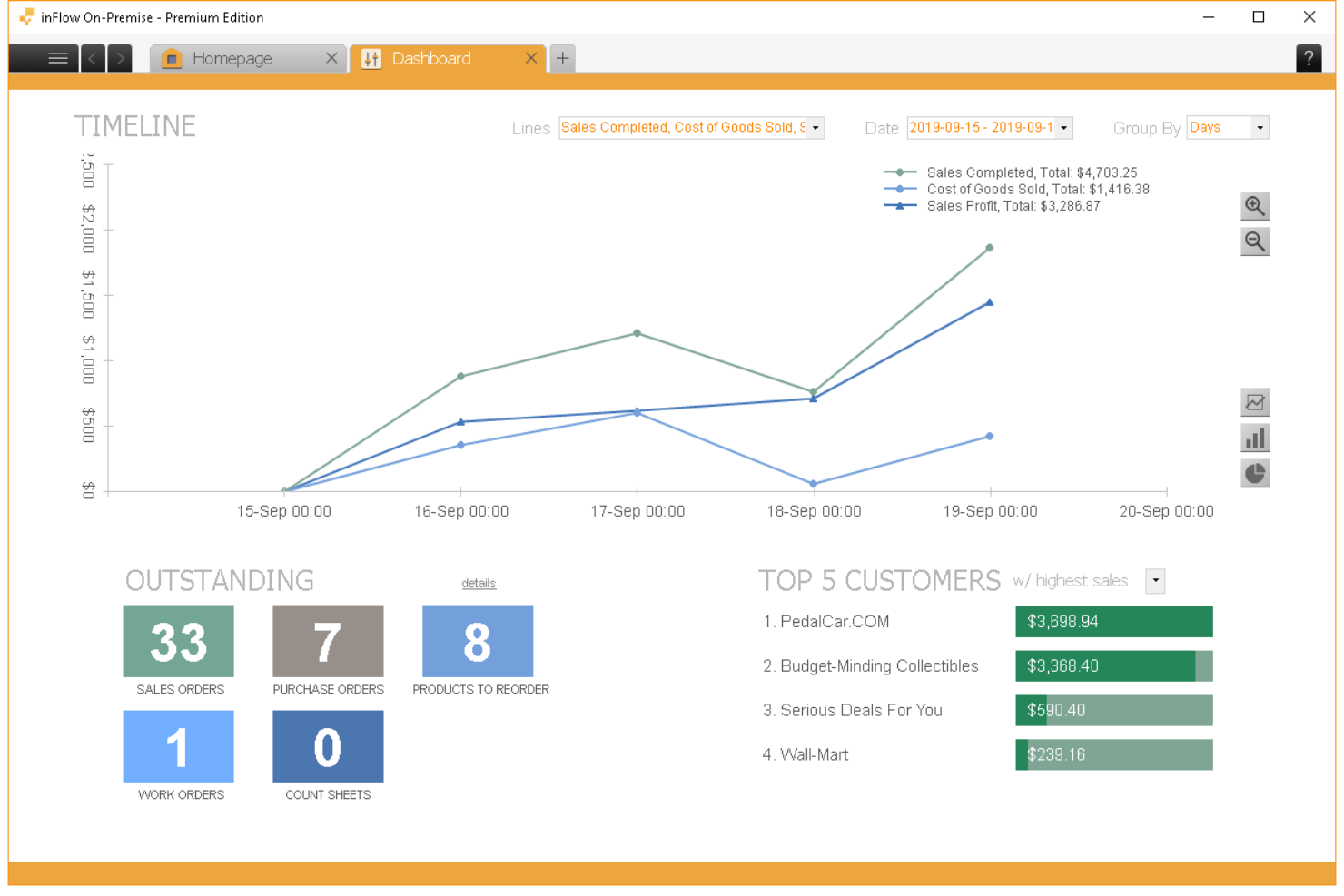
inFlow Inventory is an all-in-one inventory management software aimed at small to medium-sized businesses. It helps retailers and wholesalers manage inventory, sales, and purchasing in a single platform.
Why it's a good ShipStation alternative: inFlow Inventory is known for its ease of use, making it accessible for teams without extensive IT support. It offers features such as barcode scanning and sales order management, simplifying inventory tasks. The software also provides real-time inventory updates to maintain accurate stock levels. With its intuitive design, your team can quickly learn and start using the system effectively.
Standout Features and Integrations:
Features include customizable reports to track sales and inventory trends, reorder management to maintain optimal stock levels, and multi-currency support for international transactions.
Integrations include QuickBooks Online, Shopify, WooCommerce, Amazon, Squarespace, FedEx, Xero, Zapier, and more.
Pros and Cons
Pros:
- Simple workflow structure
- Real-time inventory tracking
- Easy to adopt
Cons:
- Basic warehouse logic
- Inventory-first bias

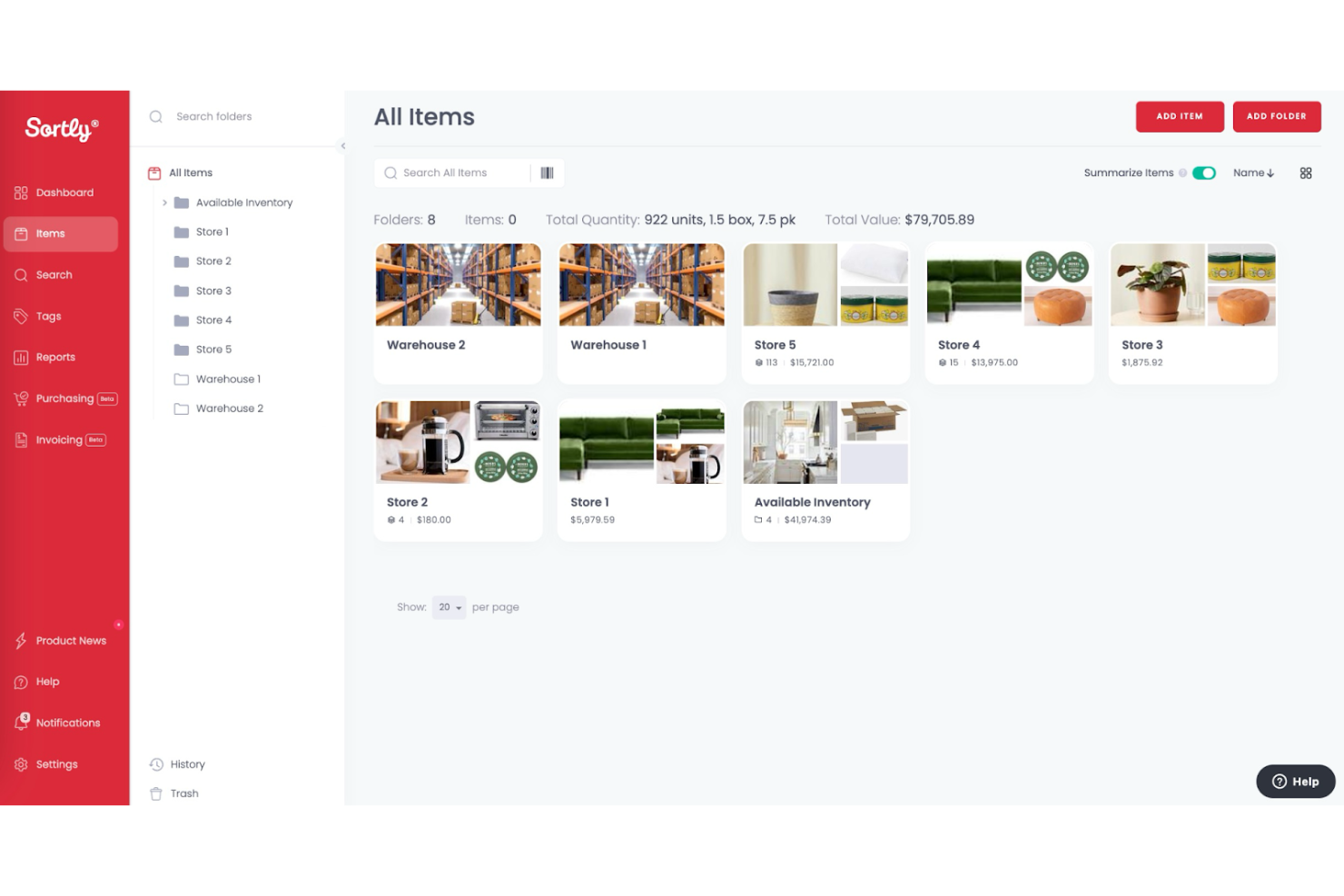
Sortly is an inventory management software tailored for small businesses and teams. It provides tools for tracking inventory, managing assets, and organizing items efficiently.
Why it's a good ShipStation alternative: Sortly is perfect for small businesses needing a simple inventory management solution. Its intuitive interface allows your team to manage items with minimal training. Features like barcode scanning and QR code labeling make it easy to track inventory accurately. The software's visual organization helps you quickly locate and manage items, saving time and reducing errors.
Standout Features and Integrations:
Features include photo-based tracking to visually organize inventory, QR code generation for easy item identification, low stock alerts, and customizable fields to tailor inventory details to your needs.
Integrations include QuickBooks Online, Slack, Microsoft Teams, Amazon, and more.
Pros and Cons
Pros:
- Simple barcode usage
- Minimal training required
- Visual-first inventory tracking
Cons:
- Limited integration capabilities
- Limited logistics depth

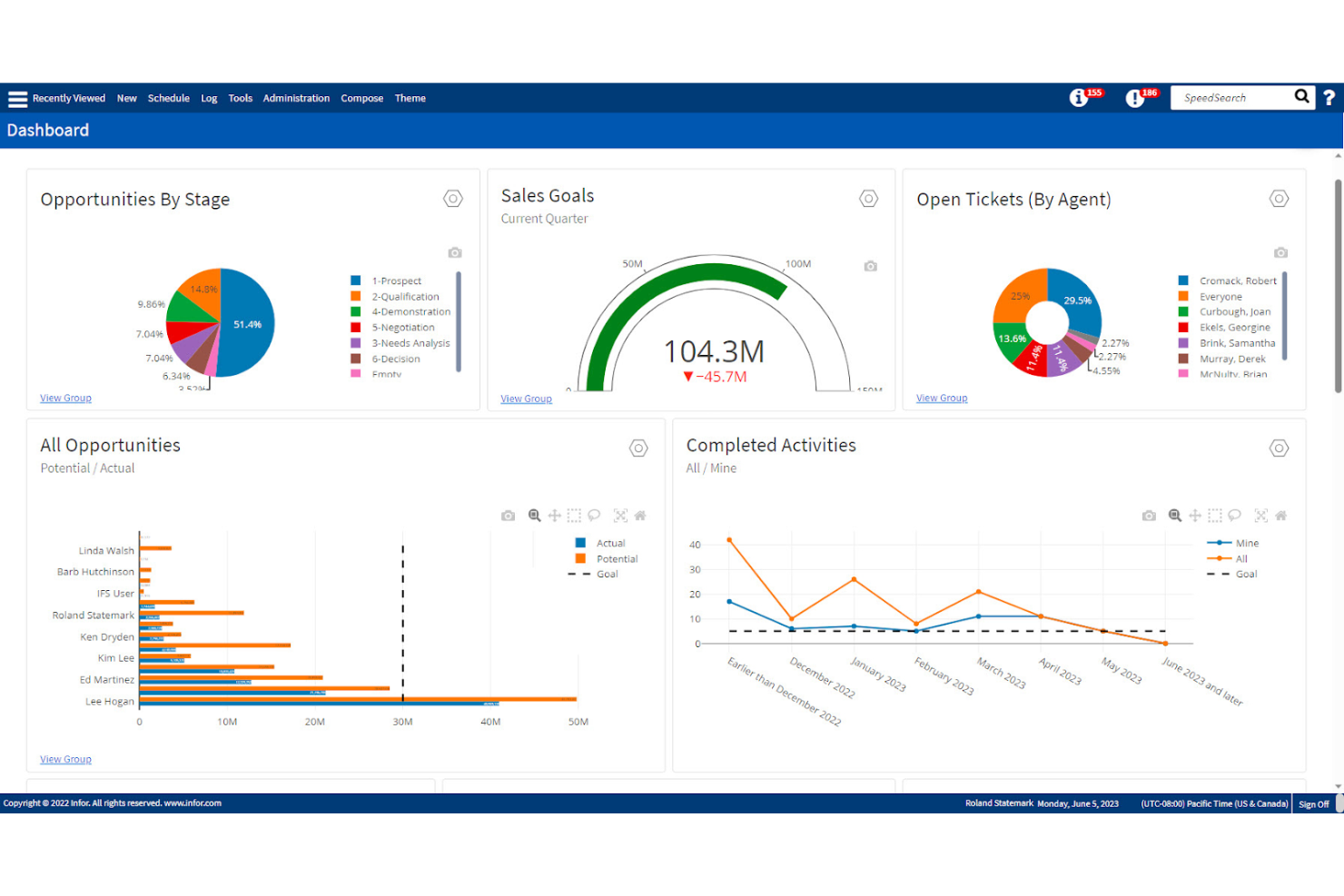
Infor is an enterprise software platform designed to support core business operations such as supply chain, logistics, inventory, and order management. It's used by organizations that need to manage complex operational workflows across manufacturing, distribution, and fulfillment.
Why it's a good ShipStation alternative: Infor uses built-in AI and automation to help your team make faster, data-backed decisions across operations. You can use predictive insights to improve inventory planning, demand forecasting, and order fulfillment timing. The platform supports intelligent industry-specific workflows that reduce manual steps across logistics and warehouse processes. This helps your team respond to changes without constant manual intervention. It's a good fit for teams that value efficiency gains over basic shipping features.
Standout Features and Integrations:
Features predictive analytics for demand planning, automated workflow orchestration, and role-based performance dashboards. By leveraging AI-driven insights to proactively identify risks and delays, your team can shift its focus from routine tasks to critical exceptions.
Integrations include Infor CloudSuite, Salesforce, Microsoft Azure, Amazon Web Services, Snowflake, and more.
Pros and Cons
Pros:
- Automates operational workflows
- Industry-specific configurability
- AI-driven demand insights
Cons:
- Limited integrations
- Long onboarding timelines

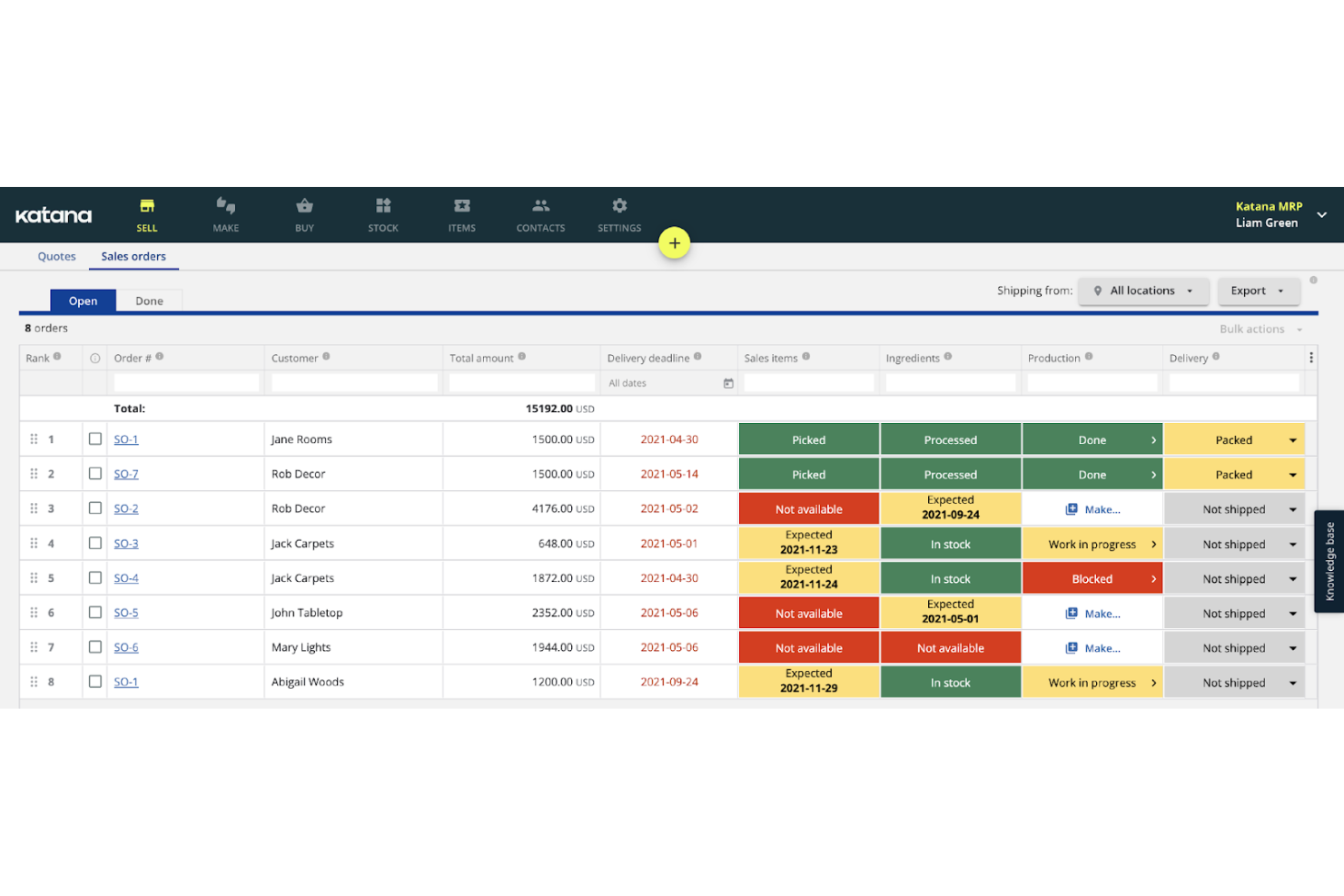
Katana is a manufacturing and inventory management software designed for small and medium-sized businesses. It helps manufacturers and product makers manage production schedules, inventory levels, and order fulfillment.
Why it's a good ShipStation alternative: Katana’s real-time inventory tracking provides constant visibility into your stock levels. It provides features such as visual production planning and floor-level control, helping your team manage production efficiently. The software's real-time master planning optimizes resource allocation and manufacturing processes. With its user-friendly interface, you can oversee and adjust workflows to meet production demands.
Standout Features and Integrations:
Features include batch tracking for traceability, production scheduling to optimize workflow, and floor-level control to monitor production progress.
Integrations include Shopify, WooCommerce, QuickBooks Online, Xero, Zapier, Salesforce, Amazon, eBay, Etsy, and more.
Pros and Cons
Pros:
- Visual scheduling tools
- Accurate stock planning
- Manufacturing-first inventory
Cons:
- Workflow friction for resellers
- Requires middleware for shipping

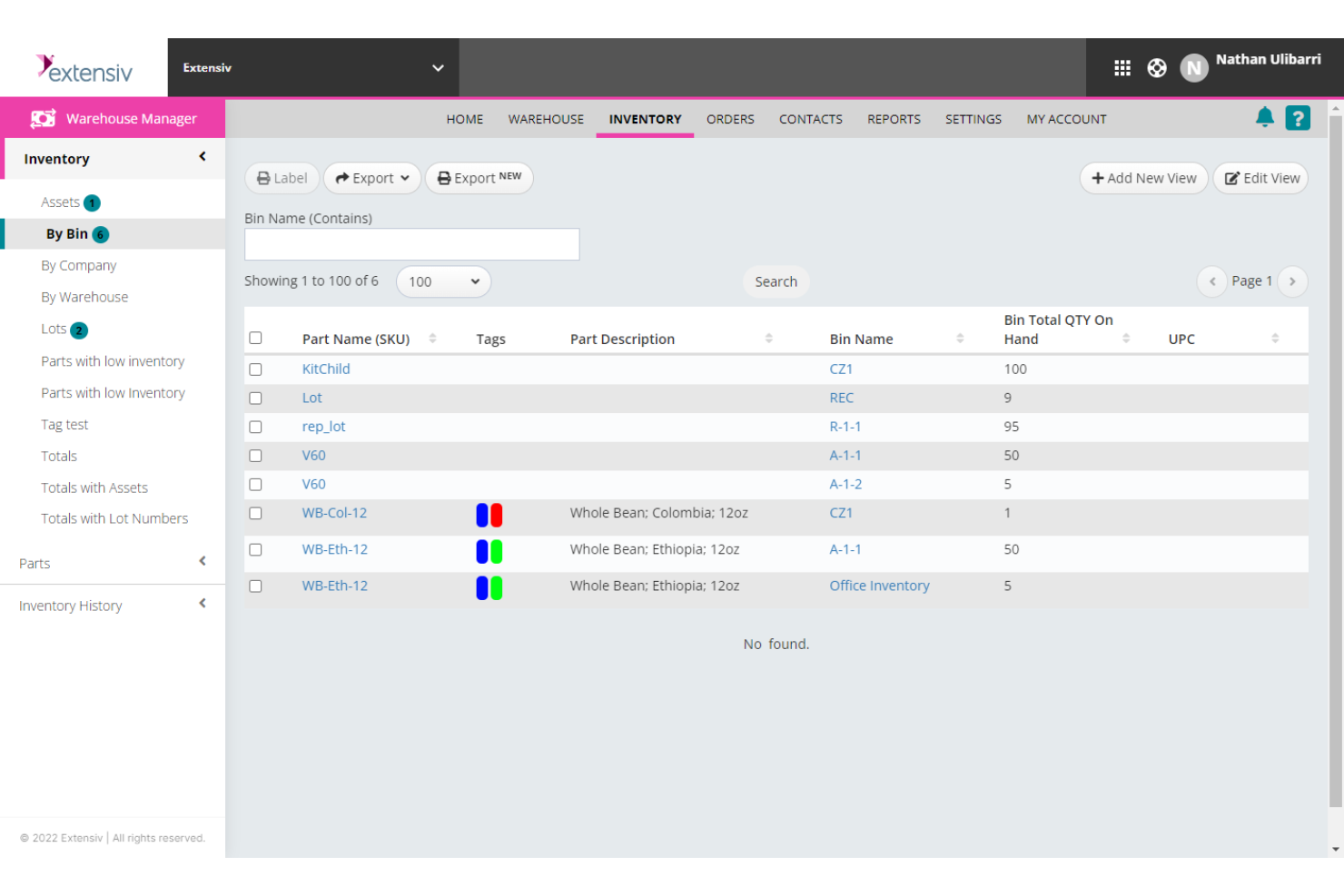
Extensiv provides omnichannel fulfillment software tailored for third-party logistics (3PL) providers. It serves logistics managers and warehouse operators by offering tools for inventory and order management, shipping, carrier account integration, and analytics.
Why it's a good ShipStation alternative: Extensiv excels in e-commerce-driven 3PL fulfillment, providing tools such as the 3PL Warehouse Manager and Network Management, and integration with e-commerce platforms, such as Amazon and Shopify. These features help you manage complex logistics networks efficiently. The software's focus on automation of fulfillment and shipping processes, such as packing orders and printing and choosing the most cost-effective shipping labels, as well as analytics, helps to improve operational efficiency and decision-making. With capabilities for improving visibility and reducing manual tasks, it's ideal for businesses looking to optimize their logistics processes.
Standout Features and Integrations:
Features include smartscan for accurate inventory tracking, billing manager to optimize financial processes, and reporting and analytics to provide insights into your operations.
Integrations include QuickBooks, Shopify, Amazon, eBay, WooCommerce, BigCommerce, Shippo, Veeqo, and more.
Pros and Cons
Pros:
- Multi-client inventory handling
- Extensive e-commerce platform integrations
- Built for 3PL workflows
Cons:
- Segmented product suite
- Reporting tools can be overwhelming

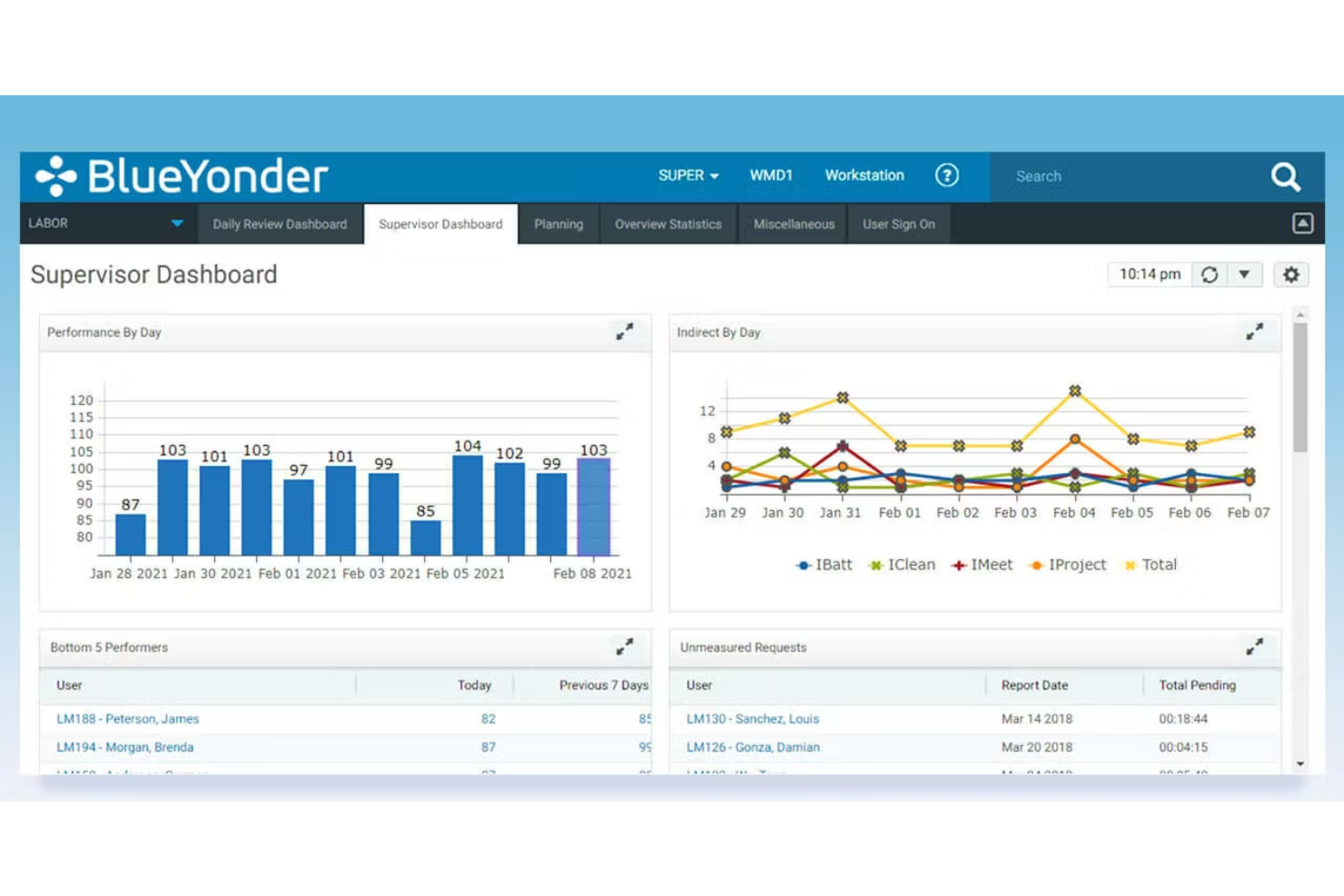
Blue Yonder is a warehouse management system designed for businesses looking to improve their operational efficiency with advanced AI capabilities. Its main user base includes logistics managers and warehouse operators. It focuses on optimizing warehouse processes and improving decision-making.
Why it's a good ShipStation alternative: Blue Yonder uses AI agents to offer real-time recommendations, making it ideal for AI-driven efficiency. It includes features such as resource forecasting and orchestration, which help with precise planning and dynamic allocation. The system's robotics hub integrates various automation solutions, adding a layer of adaptability. Warehouse labor insights further help to improve employee engagement and productivity.
Standout Features and Integrations:
Features include warehouse load building for optimizing trailer loads, advanced slotting to transform slotting into a proactive process, and yard management to reduce waste and improve throughput.
Integrations are not publicly listed.
Pros and Cons
Pros:
- Predictive resource planning
- Dynamic labor optimization
- AI-guided warehouse decisions
Cons:
- Slow deployment
- Requires ongoing technical support

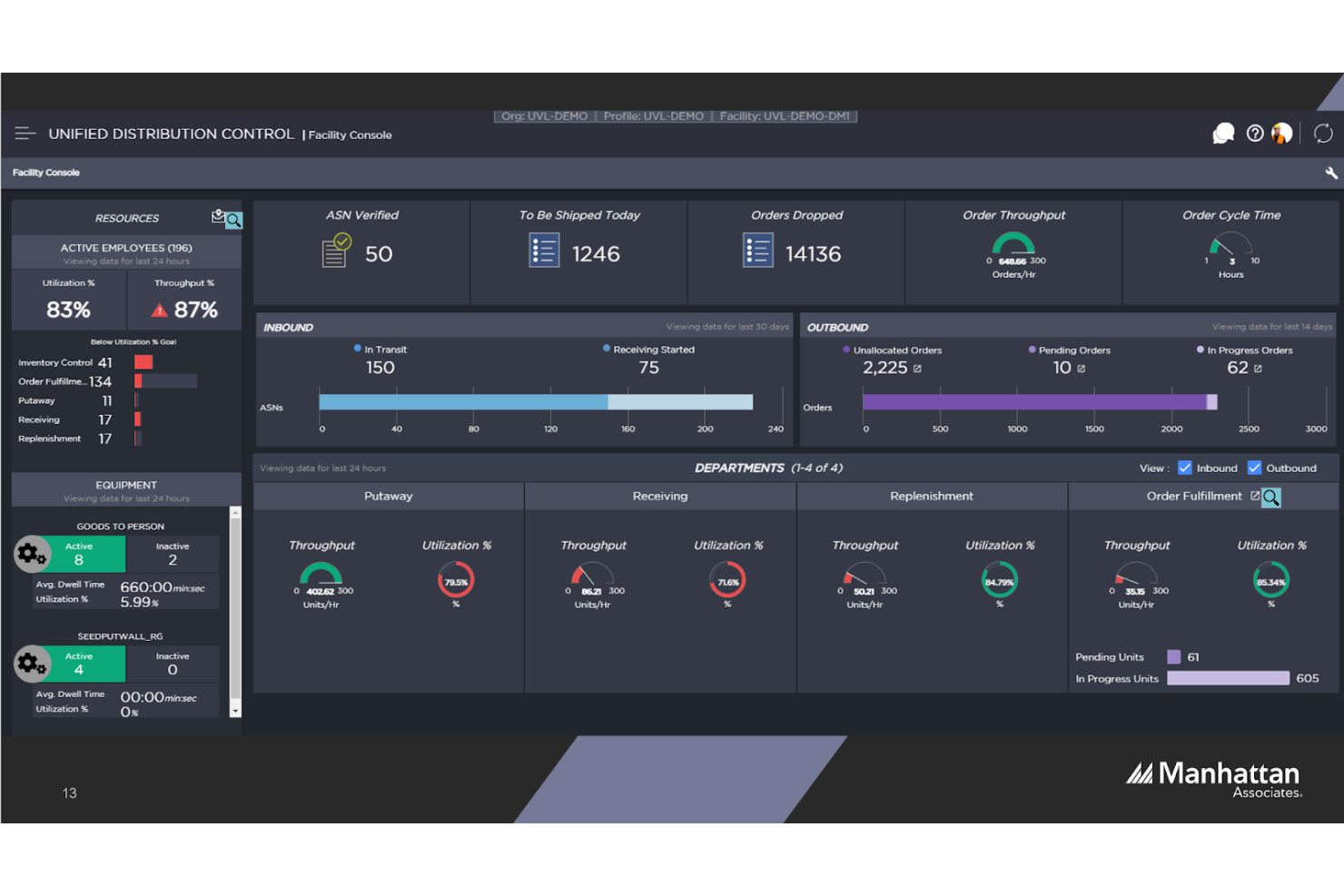
Manhattan Associates is a retail and supply chain software provider known for its cloud-native, microservices-based solutions. Its main users are logistics managers and retailers who need to manage inventory and supply chain operations efficiently.
Why it's a good ShipStation alternative: Manhattan Associates offers advanced supply chain planning and execution tools, making it ideal for logistics efficiency. Its cloud-native platform supports smooth inventory and order management, improving operational workflows. The system's machine learning capabilities help optimize logistics decisions, providing real-time insights. With a focus on omnichannel commerce businesses, it keeps your supply chain agile and responsive to market demands.
Standout Features and Integrations:
Features include intelligent workflows that automate routine tasks, machine learning capabilities for predictive analytics, and extensive API access for customization to fit your specific needs.
Integrations include SAP S/4HANA, IBM, Google Cloud, and more.
Pros and Cons
Pros:
- Cloud-native architecture
- Real-time shipping notifications
- Optimizes logistics execution
Cons:
- Requires technical expertise
- Complex solution design


Ordoro is a warehouse management system designed for small to medium-sized e-commerce businesses. It provides tools for inventory management, e-commerce shipping, and order fulfillment.
Why it's a good ShipStation alternative: Ordoro is tailored for small warehouses, offering simplified inventory and e-commerce shipping management. It provides features such as automatic inventory syncing and order tracking, simplifying operations. Ordoro also offers competitive monthly fees and shipping rate discounts for UPS, USPS, and Sendle. With its user-friendly interface, you can efficiently handle inventory and fulfill orders without complications.
Standout Features and Integrations:
Features include kitting to bundle products for sale, barcode scanning to speed up order processing, and dropshipping management to simplify supplier relationships.
Integrations include Shopify, BigCommerce, WooCommerce, Amazon, eBay, Etsy, QuickBooks, UPS, FedEx, and more.
Pros and Cons
Pros:
- Shipping cost visibility
- Useful kitting tools
- Simplified warehouse workflows
Cons:
- Limited branding customization
- No mobile app

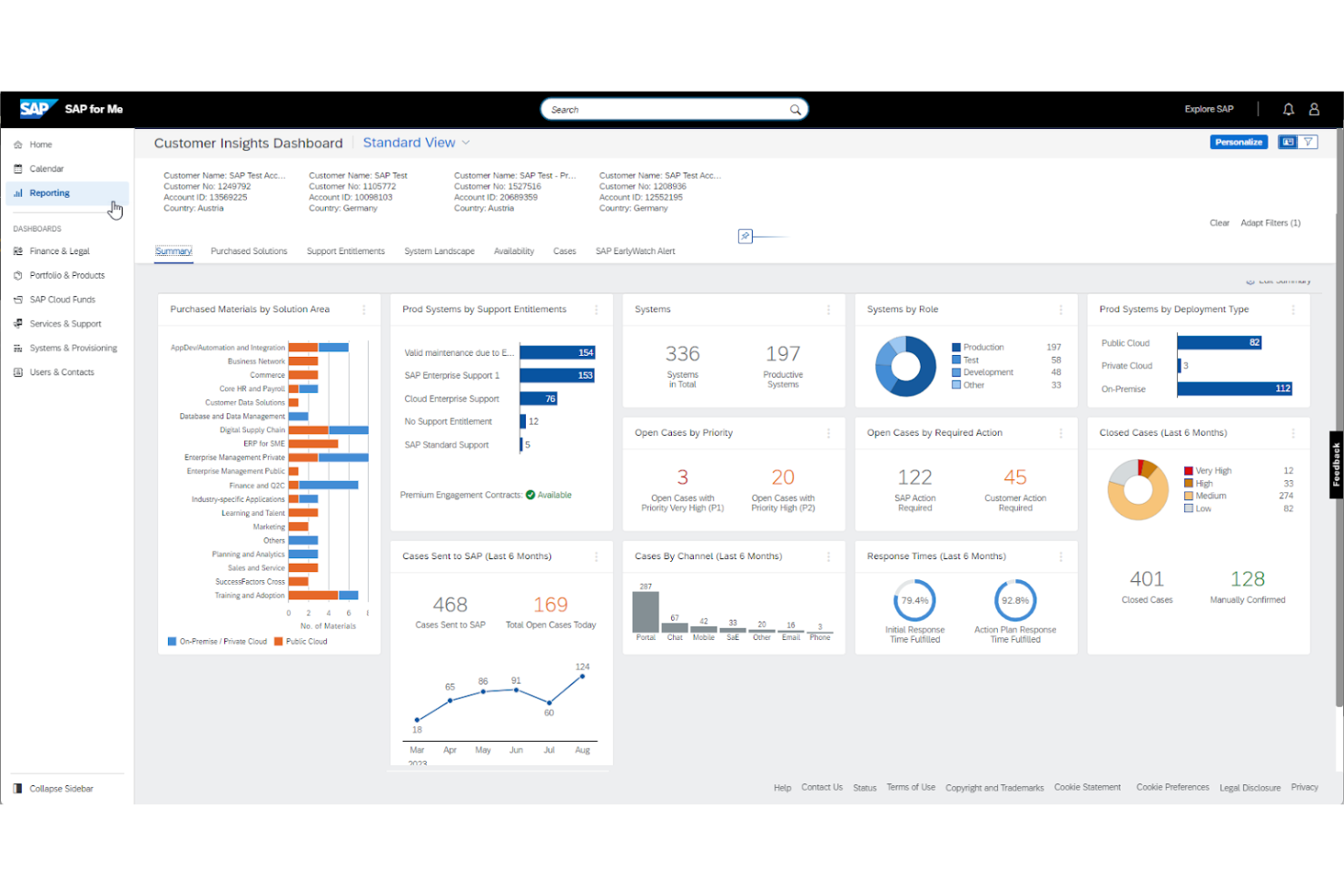
SAP Extended Warehouse Management (EWM) is an enterprise software platform used by businesses to manage core operations across finance, supply chain, logistics, and operations. It supports order processing, inventory management, fulfillment, and data coordination across complex business environments.
Why it's a good ShipStation alternative: SAP EWM replaces standalone shipping tools with a comprehensive system for high-volume, multi-warehouse logistics. Integrating shipping with finance and procurement allows for more specialized workflows and simplified regional compliance. It excels when fulfillment is integrated into a larger operational framework.
Standout Features and Integrations:
Features include supply chain planning for coordinating inventory and demand, order management for handling complex fulfillment flows, and analytics for tracking performance across operations. You can adapt processes based on industry rules and internal policies. I believe this helps your team manage shipping as part of end-to-end operations instead of in isolation.
Integrations are not publicly listed.
Pros and Cons
Pros:
- Centralizes logistics data
- Supports multi-site and high-volume operations
- Handles complex fulfillment rules
Cons:
- Excessive for simple shipping
- Lengthy implementation cycles
Other ShipStation Alternatives
Here are some additional ShipStation alternatives that didn’t make it onto my shortlist, but are still worth checking out:
- Körber
For AI-assisted supply chain automation
- Fishbowl
For QuickBooks integration
- ShippingEasy
For cost-effective shipping
- Magaya
For freight management


Related Reviews
ShipStation Alternatives Selection Criteria
When selecting the best ShipStation alternatives to include in this list, I considered common buyer needs and pain points related to warehouse management system products, such as inventory tracking accuracy and order fulfillment speed. I also used the following framework to keep my evaluation structured and fair:
Core Functionality (25% of total score)
To be considered for inclusion in this list, each solution had to fulfill these common use cases:
- Inventory management
- Order tracking
- Shipping label creation
- Stock level alerts
- Reporting and analytics
Additional Standout Features (25% of total score)
To help further narrow down the competition, I also looked for unique features, such as:
- AI-driven insights
- Automated reordering
- Customizable workflows
- Multi-location support
- Real-time data updates
Usability (10% of total score)
To get a sense of the usability of each system, I considered the following:
- Intuitive interface
- Easy navigation
- Speed of task completion
- Accessibility on mobile devices
- Customization options
Onboarding (10% of total score)
To evaluate the onboarding experience for each platform, I considered the following:
- Availability of training videos
- Interactive product tours
- Access to templates
- Webinars for new users
- Chatbot assistance
Customer Support (10% of total score)
To assess each software provider's customer support services, I considered the following:
- Availability of live chat
- Email support response time
- Extensive help center
- 24/7 customer support
- Dedicated account managers
Value for Money (10% of total score)
To evaluate the value for money of each platform, I considered the following:
- Pricing transparency
- Range of features offered
- Cost compared to competitors
- Discounts for annual billing
- Free trial availability
Customer Reviews (10% of total score)
To get a sense of overall customer satisfaction, I considered the following when reading customer reviews:
- Overall satisfaction ratings
- Feedback on customer support
- Comments on ease of use
- Reports on system reliability
- User recommendations
Why Look for a ShipStation Alternative?
While ShipStation is a good choice for a warehouse management system, there are a number of reasons why some users seek out alternative solutions. You might be looking for a ShipStation alternative because…
- You need more advanced inventory tracking
- Your team requires multi-channel support
- You're looking for better scalability options
- You need improved data privacy features
- Your business operates in multiple countries
If any of these sound like you, you've come to the right place. My list contains several warehouse management system options that are better suited for teams facing these challenges with ShipStation and looking for alternative solutions.
ShipStation Key Features
Here are some of the key features of ShipStation, to help you contrast and compare what alternative solutions offer:
- Cost savings: Access discounts of up to 90% from major carriers, saving you money on shipping.
- Inventory management: Sync inventory across multiple sales channels to prevent overselling and keep stock levels accurate.
- Centralized operations: Manage shipping from various stores through a single platform, simplifying your workflow.
- Workflow automation: Automate label creation and reduce human error, increasing your team's efficiency.
- Customer experience: Use branded emails and tracking pages to provide a personalized touch to your customers.
- Scalability: Support for business growth with tools that adapt to your expanding needs.
- Warehouse optimization: Consolidate order picking and packing processes to speed up fulfillment.
- Order management: Combine and filter orders based on various criteria to manage them efficiently.
- Analytics and tracking: Monitor customer engagement and provide reliable tracking information to keep customers informed.
- Carrier integrations: Connect with carriers such as FedEx, UPS, USPS, Stamps.com, Now Couriers, Royal Mail, and Amazon Shipping.
- International shipping: Simplify global shipping with support for customs and duties, making it easier to reach international customers.
What's Next:
If you're in the process of researching warehouse management systems, connect with a SoftwareSelect advisor for free recommendations.
You fill out a form and have a quick chat where they get into the specifics of your needs. Then you'll get a shortlist of software to review. They'll even support you through the entire buying process, including price negotiations.