The 29 Best Retail Planning Software, Ranked & Reviewed for 2026

The Top 10 Retail Planning Software to Consider
These are the retail planning tools that cut through the noise and actually deliver on inventory, forecasting, and profitability.


Finding retail planning software that actually solves real problems—like out-of-control stock levels, wild demand swings, and disconnected teams—isn’t easy.
Most solutions look the same on the surface, but a handful deliver the forecasting, automation, and real-time insights you need to protect margins and keep shelves stocked.
After more than a decade running retail operations, I know what works (and what’s a distraction). I’ve lived the headaches of inventory chaos, bad replenishment calls, and wasted hours cobbling together spreadsheets that don’t match reality.
This guide is built for operators who want tools that streamline the planning process, cut silos, and help you make smarter, faster decisions.
I’ve tested these planning platforms myself—no vendor spin, just what you need to drive profitability and keep your business sharp.
Let’s break down the best retail planning solutions and find the fit that makes your life easier.
Why Trust Our Software Reviews
Comparing the Best Retail Planning Software, Side-by-Side
See how the top retail planning platforms stack up on pricing, trial info, and ideal use cases—so you can cut through the vendor hype and spot the right fit for your team.
| Tool | Best For | Trial Info | Price | ||
|---|---|---|---|---|---|
| 1 | Best for B2B order management | 60-days free trial available | Pricing upon request | Website | |
| 2 | Best for advanced analytics | Free demo available | Pricing is customized based on business needs | Website | |
| 3 | Best for cloud-based solutions | Free demo available | Pricing upon request | Website | |
| 4 | Best for supply chain integration | Free demo available | Pricing is customized based on business needs | Website | |
| 5 | Best for data visualization | Free demo available | Pricing is customized based on business needs | Website | |
| 6 | Best for fashion industry focus | Free demo available | Pricing is customized based on business needs | Website | |
| 7 | Best for demand forecasting | Free demo available | Pricing is customized based on business needs | Website | |
| 8 | Best for global supply chain | Free demo available | Pricing is customized based on business needs | Website | |
| 9 | Best for AI-driven analytics | Free demo available | Pricing is customized based on business needs | Website | |
| 10 | Best for end-to-end planning | Free demo available | Pricing is customized based on business needs | Website |
The 10 Best Retail Planning Software, Reviewed
Here’s my take on the retail planning software that actually stands out—what each one does well, where it falls short, and who should use it.
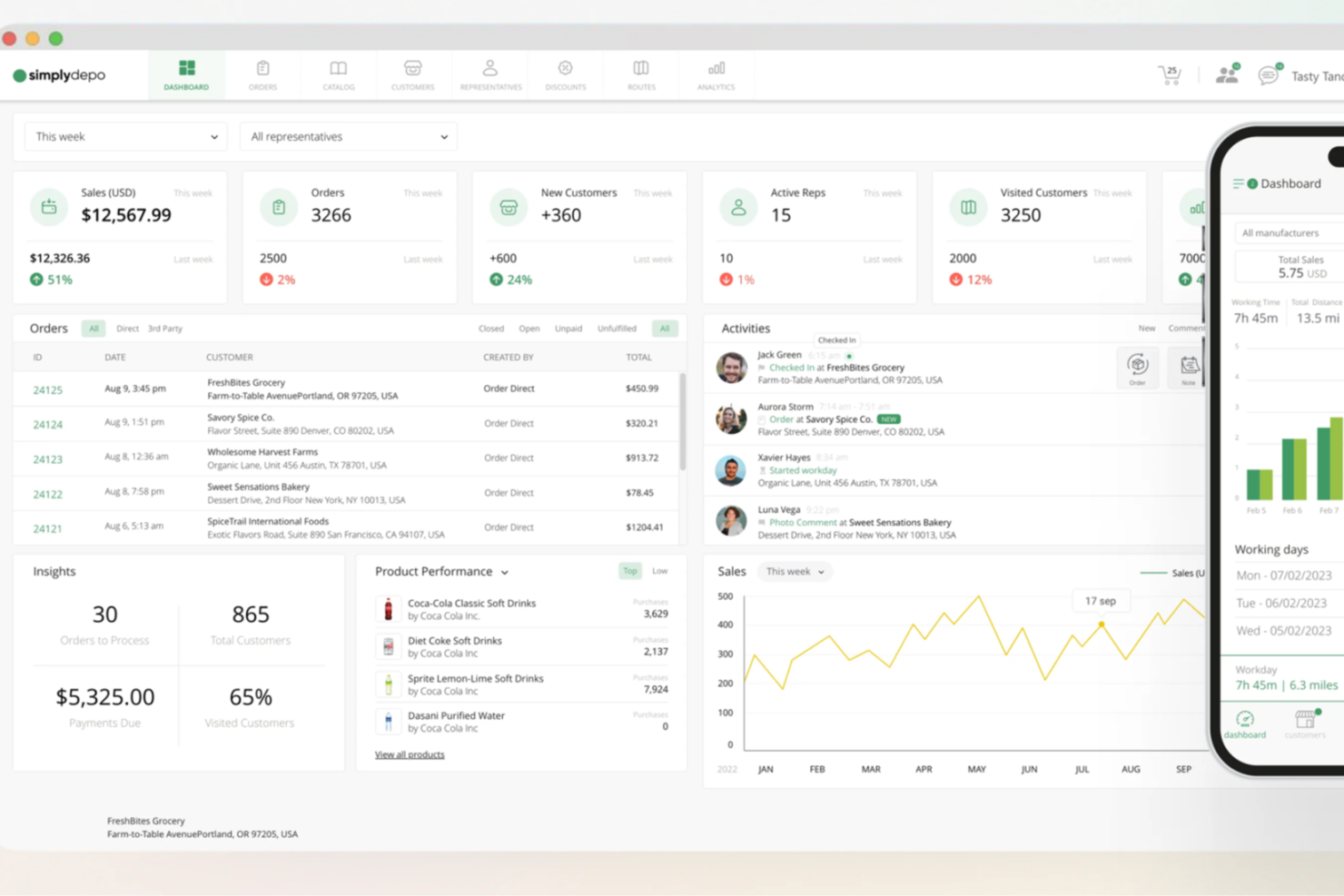
SimplyDepo provides an all-in-one solution for small and emerging brands looking to streamline their distribution and retail execution processes. With features such as B2B CRM, route accounting, and sales rep tools, the platform caters to brands, distributors, and merchandisers aiming to enhance sales efficiency and customer relationship management. By automating order processing and providing real-time insights, SimplyDepo addresses challenges in order management and delivery, making it an ideal choice for businesses seeking to scale.
Why I Picked SimplyDepo
I picked SimplyDepo for its unique ability to streamline the retail planning process through features like B2B order management and route planning optimization. The B2B CRM stands out by facilitating better client management and sales efficiency, while the route accounting features help your team optimize delivery schedules, saving time and resources. For those looking to improve order visibility and reporting, SimplyDepo's integration with systems like QuickBooks and Salesforce ensures real-time insights and reduced manual tasks.
SimplyDepo Key Features
In addition to its standout capabilities, I also found the following features that SimplyDepo offers useful:
- Sales Rep App: Empowers your field sales team with tools to manage tasks and prospects on-the-go.
- Distribution Management: Ensures accurate and efficient product delivery to your clients.
- Real-time Inventory Access: Provides up-to-date information on stock levels to facilitate timely reordering.
- Task Management: Helps your team stay organized and prioritize daily activities.
SimplyDepo Integrations
Integrations include Quickbooks, Shopify, Salesforce, and an API for custom integrations.
Pros and cons
Pros:
- Sales representative field productivity tools
- Route planning optimization features included
- Business to business order management
Cons:
- Enterprise scalability details not available
- Mobile application performance feedback limited

SAS Intelligent Planning is a retail planning software designed for businesses seeking to enhance their forecasting and planning capabilities. It serves retailers across various sectors, focusing on demand forecasting, inventory optimization, and sales and operations planning.
Why I picked SAS Intelligent Planning: SAS Intelligent Planning offers advanced analytics that empower your team to make data-driven decisions. Its demand forecasting tools provide accurate predictions to optimize inventory and reduce stockouts. The solution's scenario planning features allow you to test different strategies for better outcomes. Additionally, its sales and operations planning capabilities ensure alignment across your business units.
Standout features & integrations:
Features include collaborative planning tools that enhance teamwork and communication. The software provides exception management to quickly address issues and maintain performance. Its reporting and visualization capabilities offer valuable insights into key metrics, helping your team make informed decisions.
Integrations include SAP, Oracle, Microsoft Dynamics, Salesforce, IBM, Teradata, Qlik, Tableau, and Power BI.
Pros and cons
Pros:
- Effective scenario planning
- Accurate demand forecasting
- Strong advanced analytics capabilities
Cons:
- Complex implementation process
- High learning curve
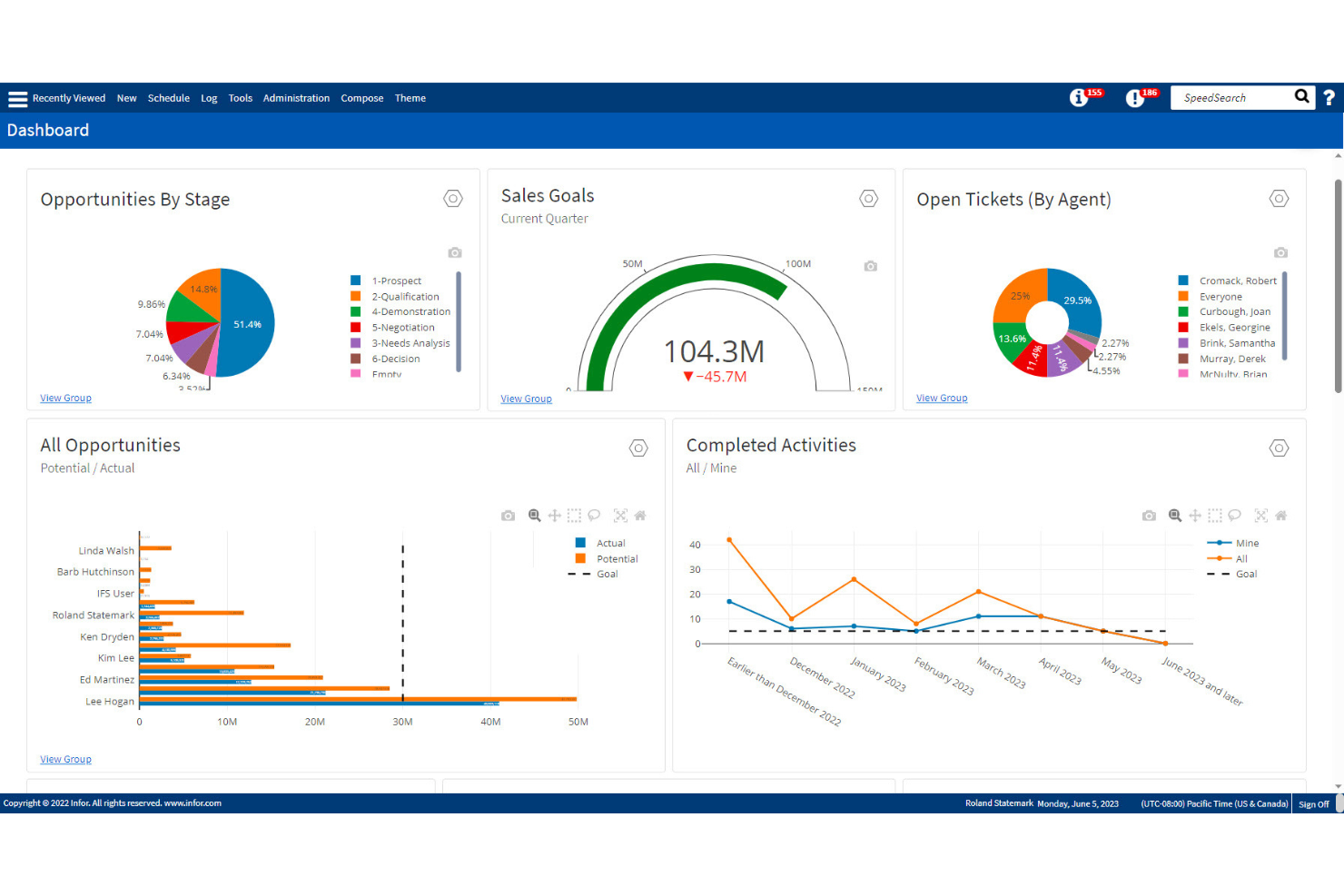
Infor is a cloud-based retail planning software designed to support businesses in optimizing their operations and improving customer experiences. It caters to retailers across various sectors, providing tools for merchandising, supply chain management, and customer engagement.
Why I picked Infor: Infor is known for its cloud-based solutions, offering flexibility and scalability for your team. Its merchandising tools help streamline product lifecycle management and improve inventory accuracy. The supply chain management feature ensures efficient operations, reducing costs and enhancing service levels. Additionally, its customer engagement tools allow you to personalize interactions and improve customer satisfaction.
Standout features & integrations:
Features include advanced analytics for better decision-making and valuable insights into business performance. The software also offers demand planning capabilities to optimize stock levels and reduce waste. Its real-time visibility tools provide immediate access to key metrics, helping your team stay informed and agile.
Integrations include SAP, Oracle, Microsoft Dynamics, Salesforce, IBM, Workday, ADP, Kronos, and Tableau.
Pros and cons
Pros:
- Advanced analytics capabilities
- Strong supply chain management
- Scalable for growing businesses
Cons:
- Limited customization options
- Requires technical expertise


RELEX Solutions is a retail planning platform designed for businesses looking to optimize their supply chain and inventory management. It serves industries like grocery and consumer goods, providing tools for demand forecasting, inventory management, and pricing strategies.
Why I picked RELEX Solutions: RELEX Solutions excels in supply chain integration, offering features that enhance demand forecasting and inventory management. Automatic replenishment ensures optimal stock levels, reducing waste and increasing efficiency. Demand sensing helps your team predict market changes and adjust plans accordingly. Integrated business planning aligns supply and demand, supporting better decision-making across your organization.
Standout features & integrations:
Features include predictive inventory management to maintain high product availability and minimize stockouts. Channel planning ensures consistent product distribution across various sales channels. Workload forecasting helps optimize staff scheduling, enhancing store operations.
Integrations include SAP, Oracle, Microsoft Dynamics, Salesforce, JDA, Blue Yonder, IBM, and Teradata.
Pros and cons
Pros:
- Advanced demand forecasting
- Efficient automatic replenishment
- Strong supply chain integration
Cons:
- Limited customization options
- Requires technical expertise


Board is a retail planning platform tailored for businesses looking to enhance their decision-making through data visualization and analytics. It serves a diverse range of industries, focusing on business intelligence, performance management, and predictive analytics.
Why I picked Board: Board excels in data visualization, providing your team with intuitive dashboards and reporting tools. Its drag-and-drop interface makes it easy to create custom reports and visualizations. The predictive analytics feature helps you anticipate trends and make informed decisions. Additionally, its performance management tools allow you to align strategy with execution, ensuring your business stays on track.
Standout features & integrations:
Features include comprehensive budgeting and forecasting capabilities that support financial planning. The software also offers simulation tools to test different scenarios and their potential outcomes. Its real-time data analytics provide immediate insights, helping your team respond quickly to changes.
Integrations include SAP, Oracle, Microsoft Dynamics, Salesforce, IBM, Infor, Qlik, Tableau, and Power BI.
Pros and cons
Pros:
- Real-time data insights
- Strong predictive analytics
- Intuitive data visualization tools
Cons:
- Requires technical expertise
- Limited flexibility in customization

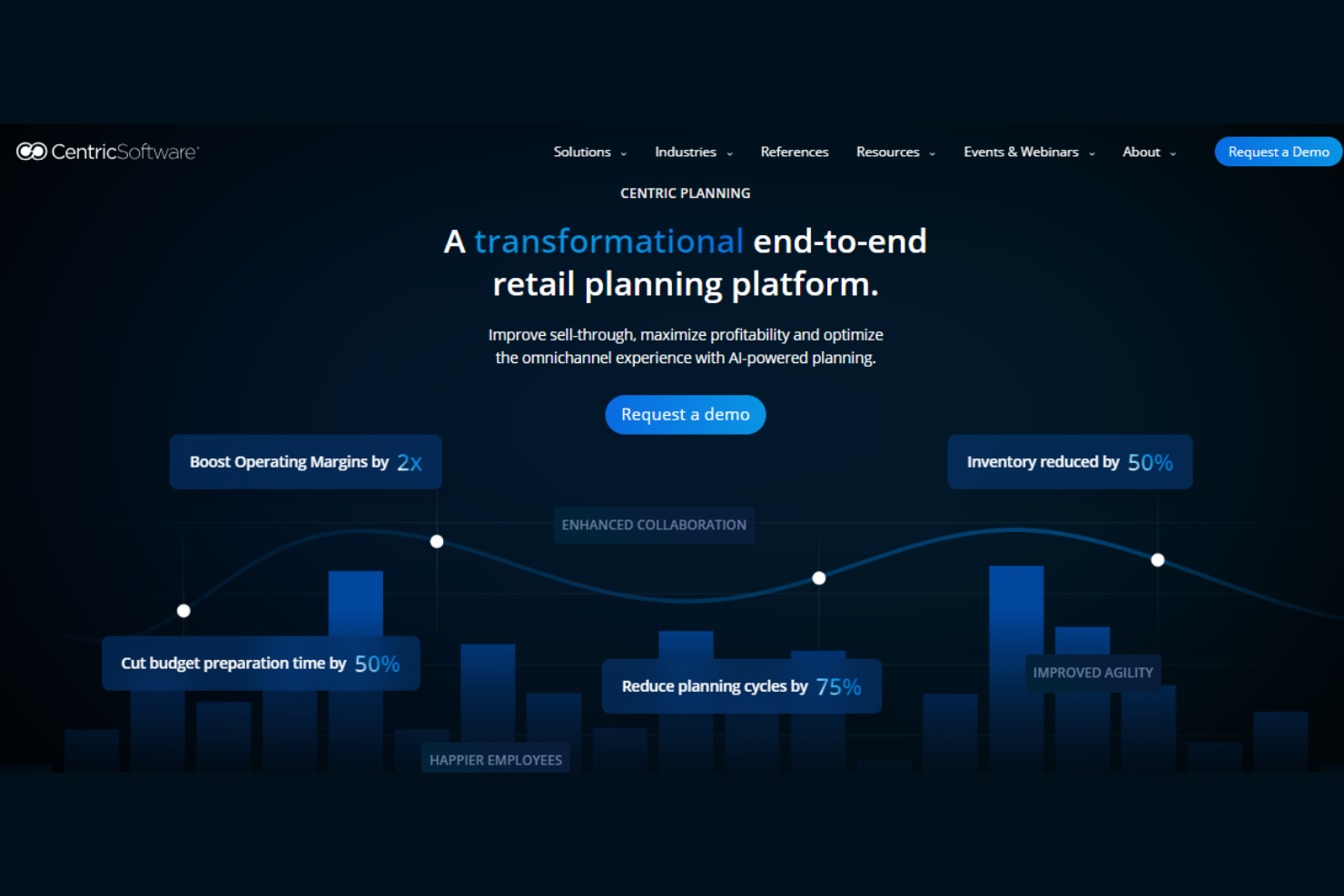
Centric Software is a retail planning solution tailored for the fashion industry, helping brands manage product lifecycle and streamline planning processes. It primarily serves fashion retailers with tools for inventory management, sales forecasting, and demand planning.
Why I picked Centric Software: Centric Software caters specifically to the fashion industry, offering features that address the unique challenges of fashion retail. It provides advanced analytics for merchandise financial planning, enabling your team to optimize assortments effectively. Visual tools support omnichannel planning, ensuring alignment across various sales channels. The platform's emphasis on fashion makes it an ideal fit for companies seeking industry-specific solutions.
Standout features & integrations:
Features include automated data entry and real-time updates, which facilitate quicker decision-making. The software also offers a user-friendly interface that promotes team collaboration. Advanced analytics support merchandise financial planning and assortment optimization.
Integrations include Salesforce, SAP, Oracle, Microsoft Dynamics, Adobe, PTC, Dassault Systèmes, Lectra, and Browzwear.
Pros and cons
Pros:
- Supports omnichannel planning
- Visual tools for planning
- Advanced analytics capabilities
Cons:
- Limited to fashion industry
- Complex customization options


ToolsGroup is a merchandise financial planning software designed to support retailers in optimizing their financial and inventory planning strategies. It serves a wide range of industries, focusing on demand forecasting and inventory optimization as key business functions.
Why I picked ToolsGroup: ToolsGroup excels in demand forecasting, offering features that allow your team to predict customer demand accurately. Its inventory optimization tools help maintain the right stock levels, reducing waste and increasing profitability. The software's probabilistic forecasting approach provides insights into demand variability, supporting better decision-making. Additionally, its scenario planning capabilities let you test different strategies for optimal results.
Standout features & integrations:
Features include advanced inventory optimization to balance supply and demand effectively. The software also offers service level management to ensure product availability meets customer expectations. Additionally, it provides automation tools to streamline planning processes and reduce manual tasks.
Integrations include SAP, Oracle, Microsoft Dynamics, Salesforce, Infor, NetSuite, JDA, Blue Yonder, Epicor, and Manhattan Associates.
Pros and cons
Pros:
- Supports probabilistic forecasting
- Effective inventory optimization
- Accurate demand forecasting
Cons:
- Limited flexibility in customization
- Requires technical expertise

Logility is a retail planning software focused on optimizing global supply chain operations for retailers and manufacturers. Its main user base includes companies looking to enhance demand planning, inventory management, and supply chain efficiency.
Why I picked Logility: Logility excels in managing global supply chains, providing tools that help your team forecast demand accurately and optimize inventory. Its multi-echelon inventory optimization ensures efficient stock levels across locations. The demand planning feature offers predictive analytics to support strategic decisions. Additionally, its supply chain visibility tools allow for real-time tracking and management of logistics.
Standout features & integrations:
Features include advanced demand sensing to anticipate changes in consumer behavior. The software provides collaborative planning capabilities to align various departments within your organization. It also offers scenario simulations to test different strategies and their potential outcomes.
Integrations include SAP, Oracle, Microsoft Dynamics, Salesforce, IBM, Infor, JDA, Manhattan Associates, Epicor, and Qlik.
Pros and cons
Pros:
- Real-time supply chain planning visibility
- Multi-echelon inventory optimization
- Accurate demand forecasting
Cons:
- Limited customization options
- Requires technical expertise

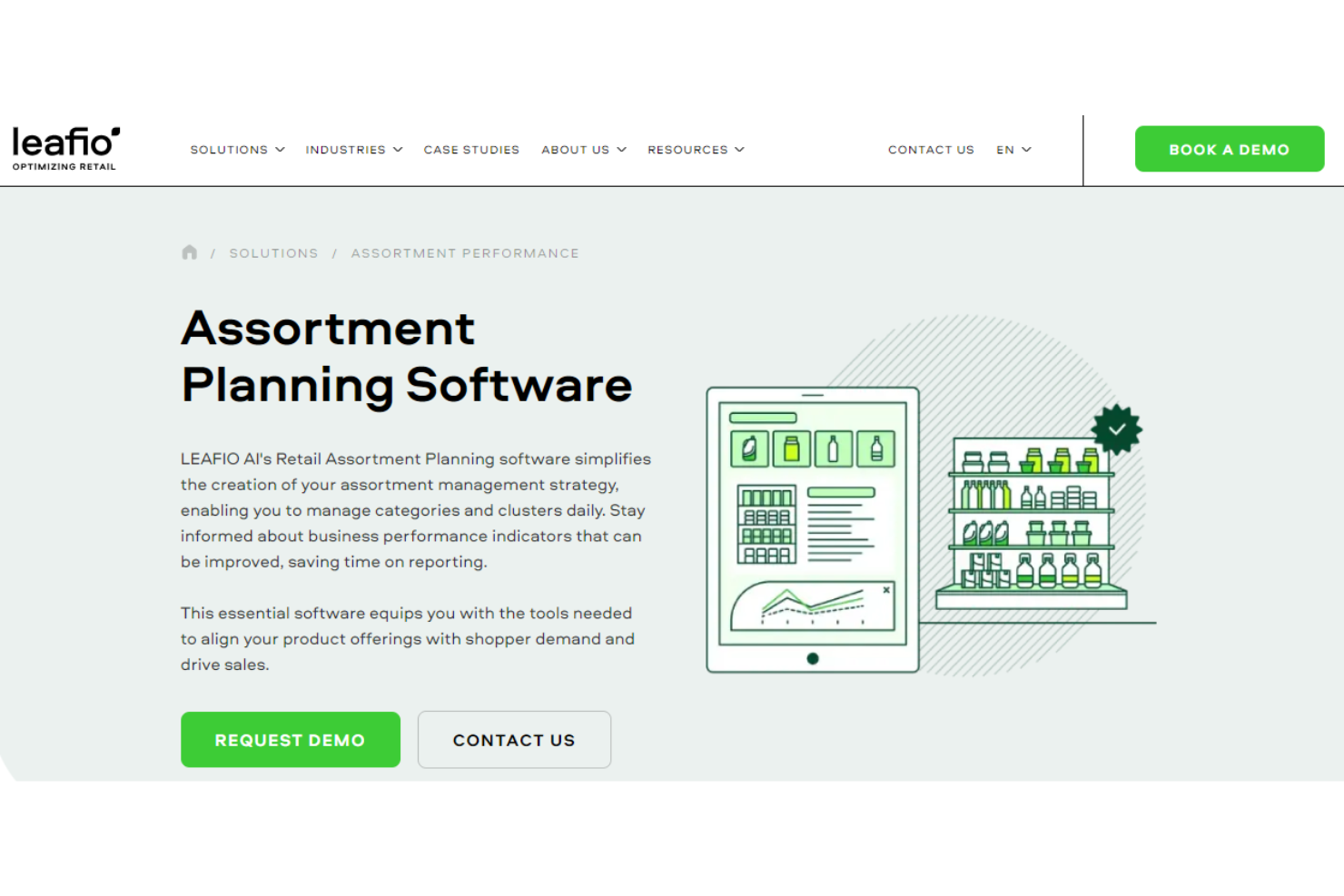
LEAFIO is a retail planning software designed for businesses seeking to enhance assortment performance through data-driven insights. It primarily serves retailers looking to optimize inventory levels, improve sales, and reduce markdowns.
Why I picked LEAFIO: LEAFIO leverages AI-driven analytics to provide actionable insights that help your team make informed decisions. Its predictive analytics feature anticipates demand patterns, allowing for better inventory planning. Automated replenishment tools ensure that stock levels are maintained efficiently. The platform's user-friendly dashboards make it easy for your team to visualize data and track performance.
Standout features & integrations:
Features include advanced demand forecasting to anticipate market trends and improve stock management. The software also offers markdown optimization, helping your team increase profitability by minimizing excess inventory. In addition, it provides real-time reporting tools to keep your team updated on performance metrics.
Integrations include SAP, Oracle, Microsoft Dynamics, QuickBooks, NetSuite, Shopify, Amazon, WooCommerce, and Salesforce.
Pros and cons
Pros:
- Automated replenishment tools
- Advanced demand forecasting
- AI-driven analytics
Cons:
- Limited customization options
- Requires technical expertise

Solvoyo is a retail planning solution designed for businesses aiming to integrate and optimize their supply chain and retail operations. It caters to retailers and manufacturers, providing tools for demand planning, inventory optimization, and supply chain management.
Why I picked Solvoyo: Solvoyo focuses on end-to-end planning, offering a platform that integrates demand planning with supply chain management. Its demand forecasting tools help your team anticipate customer needs accurately. The inventory optimization feature ensures stock levels are balanced across locations. Additionally, its supply chain analytics provide insights into performance, enabling you to make data-driven decisions.
Standout features & integrations:
Features include scenario planning to test different strategies and their outcomes. The software also provides replenishment planning to maintain optimal stock levels. Its performance dashboards offer real-time insights into key metrics, helping your team stay informed.
Integrations include SAP, Oracle, Microsoft Dynamics, Salesforce, IBM, Infor, Blue Yonder, Manhattan Associates, Epicor, and Qlik.
Pros and cons
Pros:
- Effective inventory optimization
- Accurate demand forecasting
- Strong supply chain integration
Cons:
- Limited flexibility in customization
- Requires technical expertise
Other Retail Planning Software
Here are some additional retail planning software options that didn’t make it onto my shortlist, but are still worth checking out:
- DotActiv
For small to medium retailers
- Toolio
For intuitive user interface
- daVinci Retail
For assortment planning
- Anaplan
For collaborative planning
- Blue Yonder
For category management
- Oracle Retail
For enterprise-level solutions
- SymphonyAI
For AI-driven assortment optimization
- EDITED
For market data insights
- WFX PLM
For fashion industry specialization
- Streamline
For supply chain optimization
- Style Arcade
For visual merchandising tools
- o9 Solutions
For financial planning integration
- NielsenIQ
For space optimization
- Stylumia
For trend prediction
- Retalon
For predictive analytics
- 7thonline
For omnichannel merchandise planning
- Increff
For data-driven buying decisions
- Nextail
For agile inventory management
- Quant Retail
For store-specific planning


Our Selection Criteria For Retail Planning Software
Choosing retail planning software shouldn’t feel like a guessing game—or an endless slog through lookalike features and inflated promises.
I broke down my scoring with real-world retail headaches in mind, so you’ll know exactly what makes the cut (and why).
Core functionality (25% of total score)
To make this list, every platform had to handle these non-negotiables—no half measures.
- Inventory management that goes beyond basic stock counts and offers real-time visibility.
- Demand forecasting built on historical data, seasonality, and market volatility.
- Assortment planning tools that let you optimize the right mix—no more overstock or deadweight.
- Sales and operations planning that actually helps connect the dots between teams, not add more silos.
- Performance analytics that are easy to pull and act on, not buried in spreadsheets.
Additional standout features (25% of total score)
We gave extra points for tools that bring something new to the table, not just a repackaged spreadsheet.
- AI-driven insights and automation for smarter, faster planning.
- Real-time data sync that keeps everyone on the same page, always.
- Customizable dashboards and reports that fit how you actually work.
- Predictive analytics for what-if scenarios and future-proofing decisions.
- Seamless multichannel and supply chain integrations—no manual workarounds.
Usability (10% of total score)
You shouldn’t need a consultant or a PhD to get your team up and running.
- Intuitive interface that’s easy for operators and planners alike.
- Minimal learning curve and clear workflows—so adoption isn’t a battle.
- Customization options for your business, not just what the vendor imagines.
- Clean, visual layouts that surface what matters most.
Onboarding (10% of total score)
Getting started shouldn’t be a slog. Here’s what I looked for.
- Solid training resources—videos, tours, templates—to shorten ramp-up.
- Live and on-demand support, so you’re never left in the dark.
- Easy imports and clear setup steps that don’t require IT heroics.
- Hands-on onboarding help when you need it.
Customer support (10% of total score)
If things go sideways, you want responsive support—not an endless ticket queue.
- True 24/7 coverage, not just a promise on the website.
- Multiple channels: phone, chat, email, with real people who know retail.
- Fast, knowledgeable responses—because downtime costs money.
- A useful knowledge base that isn’t just marketing.
Value for money (10% of total score)
I looked for real return on investment, not just a pile of features.
- Transparent, competitive pricing—no hidden charges or forced upgrades.
- Features that deliver value at every tier, not just for enterprise budgets.
- Scalability as your business grows, without punishing you on cost.
- Discounts or deals for longer-term commitments.
Customer reviews (10% of total score)
What real users say matters just as much as feature lists.
- High overall satisfaction from retailers who’ve actually used the tool.
- Consistent feedback on support, ease of use, and performance.
- Frequent product updates that show the company’s actually listening.
- Balanced pros and cons—not just cherry-picked quotes.
What is Retail Planning Software?
Retail planning software is a platform that helps retailers cut through chaos by managing inventory, forecasting demand, and optimizing product assortments—all in one place.
Operators, planners, and retail merchandisers use these tools to connect business silos, automate what can be automated, and make faster, data-backed decisions.
The right solution gives you real-time visibility into stock, pricing, and supply chain workflows, so you can avoid overstocks, lost sales, and margin-killing markdowns with proper assortment planning tools.
Ultimately, it’s about streamlining the planning process, increasing profitability, and letting you run a tighter, smarter retail operation—no more scrambling with spreadsheets.
How to Choose Retail Planning Software
Don’t get lost in feature bloat or endless demos. Focus on what matters most for your business—scalability, integration, and a platform your team will actually use. Here’s a cheat sheet to make your shortlist count.
| Factor | What to consider | Pro tip |
|---|---|---|
| Scalability | Will the software keep up as your business grows—more stores, SKUs, and users? | Pick tools with flexible plans and proven enterprise customers. |
| Integrations | Does it connect cleanly with your current ERP, POS, and ecommerce stack? | Insist on plug-and-play integrations to avoid custom dev costs. |
| Usability | Is the interface clear enough that your team won’t avoid it—or make costly mistakes? | Get hands-on demos and let your frontline staff try it. |
| Customizability | Can you tailor reports, dashboards, and workflows to match how you actually operate? | Prioritize solutions that let you tweak, not just look. |
| Onboarding | How steep is the learning curve—and what’s the real timeline to get up and running? | Look for in-app training, live support, and a no-BS launch plan. |
| Cost | What’s the real TCO—subscriptions, add-ons, and any hidden fees? | Don’t just compare sticker prices; map it to your use case. |
| Support | How fast can you get a human when something breaks—or when you need answers fast? | Test support before you buy. |
Key Features of Retail Planning Software
Forget the empty claims—here are the features that actually make a difference when you’re evaluating planning solutions for real retail challenges.
- Real-time inventory tracking. See up-to-the-minute stock levels across all channels and locations, no guesswork.
- AI-powered demand forecasting. Tap into machine learning and market trends for more accurate, automated predictions.
- Automated replenishment. Trigger orders or alerts based on actual demand, not gut feel.
- Scenario planning and what-if modeling. Stress-test your strategies against promotions, supply chain delays, and volatility before rolling them out.
- Advanced retail assortment planning. Drill down by region, store, or segment to fine-tune your mix and match customer demand.
- Pricing and markdown management. Optimize prices dynamically, not just react to overstocks at the last minute.
- Integrated supply chain workflows. Sync procurement, logistics, and merchandising for a single source of truth.
- Custom dashboards and analytics. Get the metrics you need—fast—to steer day-to-day decisions and long-term strategy.
- Collaboration tools. Keep your whole team on the same page, eliminating silos and wasted effort.
- Compliance and sustainability modules. Track what matters for audits and responsible sourcing.
Benefits of Retail Planning Software Solutions
When you get the right tool in place, the benefits show up where it counts—on the P&L, in team productivity, and in fewer headaches for operators.
- Better inventory control. Say goodbye to dead stock and stockouts with data-driven replenishment and real-time tracking.
- Higher profitability. Optimize pricing, reduce markdowns, and streamline assortments for stronger margins.
- Smarter, faster decision-making. Move quickly with real-time analytics and what-if modeling, instead of waiting for outdated reports.
- Stronger cross-team alignment. Collaboration features help break down silos so merchandisers, planners, and execs pull in the same direction.
- Greater customer satisfaction. Keep shelves stocked with what your customers actually want—at the right time and price.
- Fewer costly surprises. Spot trends and issues early thanks to live dashboards and predictive analytics.
- More efficient workflows. Automate manual business processes, free up your team’s time, and streamline complex tasks.
- Sustainable, future-ready operations. Track compliance and sustainability metrics without extra admin work.
Costs & Pricing of Retail Planning Software
Pricing for retail planning software is all over the map—thanks to everything from per-user fees to custom enterprise quotes and feature add-ons.
Here’s what you can expect to pay, plus what’s actually included at each level.
| Plan | Average price | Common features | Best for |
|---|---|---|---|
| Free plan | $0 | Basic inventory tracking, simple reporting, email support | Testing before rollout, micro retailers |
| Personal plan | $10–$30/user/month | Demand forecasting, entry-level analytics, standard integrations | Small retailers, new locations |
| Business plan | $50–$100/user/month | Advanced inventory management, custom dashboards, multi-user access | Mid-sized retailers, multi-store ops |
| Enterprise plan | $150+/user/month | Full integration suite, AI-driven analytics, dedicated support, unlimited scale | Large chains, global expansion |
Caveats and buying tips:
- Pricing can change fast. Always confirm quotes directly with vendors—especially for “enterprise” tiers.
- Watch for hidden costs. Setup, training, and integration fees can sneak up on you.
- Custom features cost more. If you want deep customization, plan for higher up-front and ongoing costs.
- Scalability matters. Some platforms charge more as you add users, stores, or SKUs—check the fine print.
Retail Planning Software FAQs
Here are some answers to common questions about retail planning software:
What’s the fastest way to get value from retail planning software?
Start small—automate demand forecasting and inventory management for your highest-volume SKUs first. Get those quick wins and build from there, adding scenario planning and advanced analytics as your team gets comfortable. Try to use everything at once and you’ll end up overwhelmed and frustrated.
How do I know if a retail planning tool will play nice with my other systems?
Check the integrations list before signing. The best retail planning platforms connect directly to your ERP, POS, ecommerce stack, and supply chain tools. If you see “custom integration” in the contract, get clear on cost and timeline—otherwise, you’re looking at surprise IT headaches and budget overruns.
Can planning software really cut down on overstock and stockouts?
If you’re stuck with spreadsheets or siloed data, real retail planning software is a game-changer. AI-driven forecasting and real-time visibility take the guesswork out, so you order smarter, move faster, and keep shelves stocked—without tying up capital in dead inventory.
How do I justify the investment in planning software to my CFO?
Skip the feature list and show the numbers. Lower inventory carrying costs, higher profitability, and improved service levels speak the CFO’s language. Point to automated replenishment and smarter assortment planning as drivers for reduced lost sales and fewer margin-killing markdowns.
What should I watch for during onboarding and rollout?
Don’t let the vendor rush you. Demand hands-on training, detailed documentation, and live support. Bring in your key users for pilot testing and feedback. A good launch means faster adoption and actual business results—instead of stalled rollouts and frustrated teams.
How does retail planning software handle volatile demand or sudden market changes?
Look for platforms that offer scenario planning and real-time adjustments. The best retail planning software lets you model “what-if” situations, send automated alerts, and use machine learning to adapt to market swings on the fly. “Set-and-forget” tools will leave you exposed.
The Bottom Line on Planning
Choosing the right retail planning software isn’t about chasing buzzwords—it’s about arming your team to win at inventory, forecasting, and profitability.
Cut the noise, pick what fits, and get back to running retail the way it should be.
If you're in the process of researching retail planning software, connect with a SoftwareSelect advisor for free recommendations.
You fill out a form and have a quick chat where they get into the specifics of your needs. Then you'll get a shortlist of software to review. They'll even support you through the entire buying process, including price negotiations.
Retail never stands still—and neither should you. Subscribe to our newsletter for the latest insights, strategies, and career resources from top retail leaders shaping the industry.