14 Best Retail Media Platform Reviewed in 2026

Best Retail Media Platform Shortlist
Here’s my shortlist of the best retail media platforms:


Running a retail operation can be tough. You're juggling inventory, customer demands, and market trends. A retail media platform can help alleviate these challenges by improving your marketing efforts and connecting you with the right audience.
I've tested and reviewed these platforms independently. With years of experience in the retail management industry, I aim to provide you with an unbiased and well-researched review of the top options available.
In this article, you'll find insights into the best retail media platforms, their features, and how they can benefit your business. Let's make your retail operations smoother and more efficient.
Why Trust Our Software Reviews
Best Retail Media Platform Summary
This comparison chart summarizes pricing details for my top retail media platform selections to help you find the best one for your budget and business needs.
| Tool | Best For | Trial Info | Price | ||
|---|---|---|---|---|---|
| 1 | Best for cross-device targeting | Free demo available | Pricing upon request | Website | |
| 2 | Best for e-commerce reach | Not available | Pricing based on usage | Website | |
| 3 | Best for real-time ad placements | Free demo available | Pricing upon request | Website | |
| 4 | Best for in-store integration | Free demo available | Pricing upon request | Website | |
| 5 | Best for grocery retailers | Free demo available | Pricing upon request | Website | |
| 6 | Best for auction-based ads | Free demo available | Pricing upon request | Website | |
| 7 | Best for personalized shopping data | Free demo available | Pricing upon request | Website | |
| 8 | Best for regional grocery chains | Not available | Pricing upon request | Website | |
| 9 | Best for national retail campaigns | Free demo available | Pricing upon request | Website | |
| 10 | Best for data-driven insights | Free demo available | Pricing upon request | Website |
Best Retail Media Platform Reviews
Below are my detailed summaries of the best retail media platforms that made it onto my shortlist. My reviews offer a detailed look at the key features, pros and cons, integrations, and ideal use cases of each tool to help you find the best one for you.

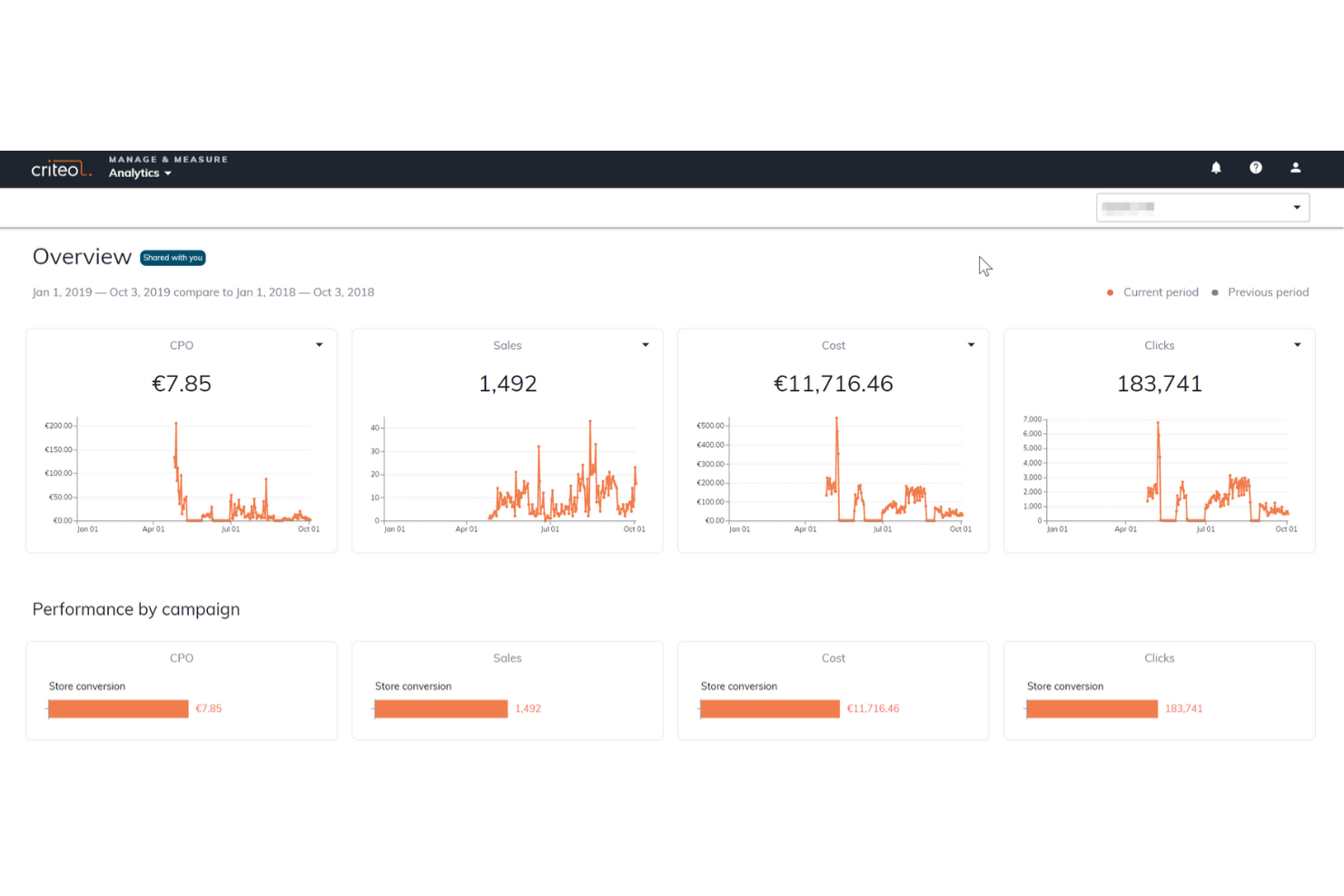
Criteo is a retail media platform designed for retailers and advertisers to connect with consumers across multiple devices. It primarily serves e-commerce businesses by offering targeted advertising solutions.
Why I picked Criteo: Criteo excels in cross-device targeting, making it a standout choice for businesses looking to reach customers on different platforms. Its ability to track user behavior across devices ensures your ads are seen by the right audience, whether they're on a smartphone, tablet, or desktop. Criteo also offers advanced retargeting features, allowing you to re-engage potential customers who have previously interacted with your brand. This ensures your marketing efforts are maximized across all channels.
Standout features and integrations:
Features include dynamic retargeting that adjusts ads in real-time based on user behavior. The platform provides detailed analytics to help you understand ad performance. You can also access a wide range of ad formats, from leading agencies and top 3P API partners, to suit your campaign needs.
Integrations include Shopify.
Pros and Cons
Pros:
- Wide range of ad formats
- Real-time ad personalization
- Effective cross-platform partnerships
Cons:
- Less hands-on control compared to competitors
- Complex initial setup

Amazon Ads is a platform designed for businesses of all sizes to reach many potential customers on Amazon. It primarily serves e-commerce businesses by offering advertising solutions that increase visibility and sales.
Why I picked Amazon Ads: This platform excels in e-commerce reach, making it ideal for businesses looking to connect with a vast audience. Sponsored ads allow you to set up cost-per-click campaigns with no upfront fees, giving you control over your budget. You can also create brand stores for free, magnifying your brand's visibility on social media. Even if you're not selling on Amazon, the platform helps increase brand awareness through various ad formats.
Standout features and integrations:
Features include sponsored ads, which are simple to set up and operate on a cost-per-click basis. You can create customizable brand stores to showcase your products and brand. The platform also offers video and audio ad formats to engage customers in different ways.
Integrations include Amazon Marketing Cloud and Amazon DSP.
Pros and Cons
Pros:
- Variety of ad formats
- Targets high-intent buyers
- Self-service capabilities
Cons:
- High competition for ad space
- Complex campaign management

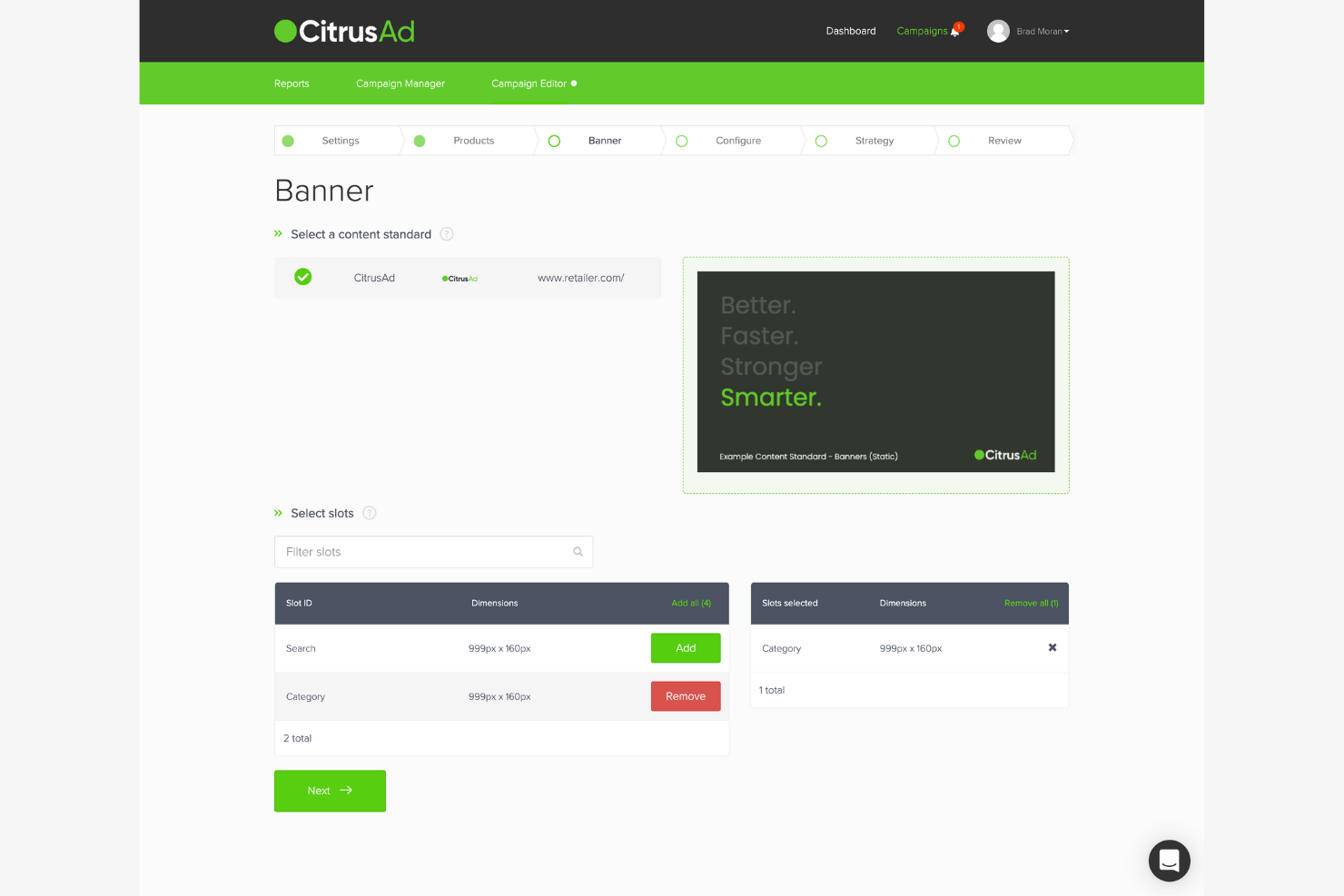
CitrusAd is a self-serve retail media platform designed for brands and retailers looking to optimize their advertising strategies with real-time ad placements. It primarily serves e-commerce businesses by providing solutions that magnify visibility and drive sales through targeted ads.
Why I picked CitrusAd: CitrusAd excels at real-time ad placements, ensuring your products are visible to shoppers at the right moment. You can manage campaigns with flexibility, adjusting bids and budgets on the fly to optimize performance. The platform offers detailed analytics, helping you understand shopper behavior and refine your strategies. By providing a user-friendly interface, CitrusAd makes it simple for your team to launch and manage campaigns efficiently.
Standout features and integrations:
Features include the ability to adjust ad placements in real-time, allowing you to respond quickly to changing market conditions. You can access analytics to track the success of your campaigns and make informed decisions. The platform also provides a user-friendly dashboard, making campaign management straightforward and accessible.
Integrations include Pacvue and Roundel.
Pros and Cons
Pros:
- User-friendly self-serve interface
- Flexible campaign management
- Real-time ad adjustments
Cons:
- Limited advanced targeting
- Limited to e-commerce platforms


Walmart Connect is an advertising platform tailored for businesses aiming to upgrade their marketing strategies both online and in-store. It caters to retailers wanting to boost brand awareness and drive sales through targeted advertising solutions.
Why I picked Walmart Connect: Walmart Connect excels in integrating in-store and online advertising, leveraging its closed-loop attribution for precise targeting. Sponsored products and onsite display ads engage customers at multiple touchpoints, escalating marketing reach. Self-service capability allows you to manage campaigns through the Walmart Ad Center's advanced tool and partner network support. The platform also provides valuable perspectives and resources to help you optimize your advertising efforts.
Standout features and integrations:
Features include tools for building brand awareness and boosting sales through sponsored products. You can access campaign optimization insights to track your advertising impact effectively. The platform also offers educational resources and a partner directory for collaboration.
Integrations are not currently listed by Walmart Connect.
Pros and Cons
Pros:
- Strong partner network
- Extensive educational resources
- Campaign optimization tools
Cons:
- Focusing on sales lift may impact brand building
- Limited to Walmart's ecosystem

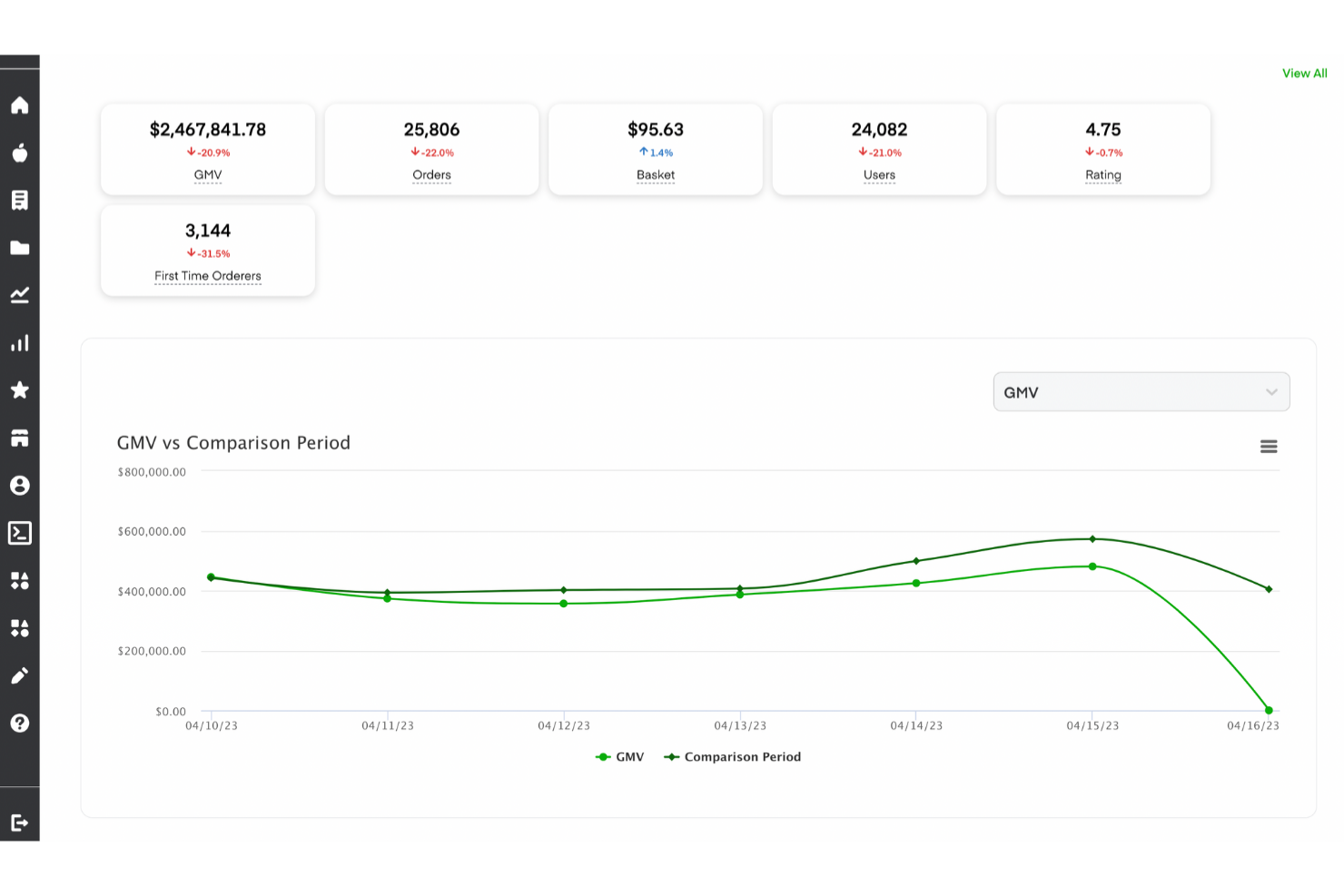
Instacart Ads is a retail media platform that provides brands with sponsored product listings and display ads to connect with customers. It's typically used by grocery brands and retailers, helping them increase sales by reaching customers directly within the shopping experience.
Why I picked Instacart Ads: Instacart offers unique features that cater to grocery retailers, making it a standout choice for this industry. You can create sponsored product display ads that appear directly in users' shopping interfaces, increasing visibility and sales. The platform provides rich analytics to track the performance of your ads and optimize campaigns. Instacart's ad solutions are integrated within the shopping journey, ensuring your products are seen by users who are ready to buy.
Standout features and integrations:
Features include the ability to launch on-site campaigns quickly to drive sales during key shopping periods. You can access analytics to measure the impact of your advertising efforts. The platform also allows for flexible budget adjustments, helping you control ad spending effectively.
Integrations include TikTok Ads Manager.
Pros and Cons
Pros:
- Quick campaign setup
- Integrated within the shopping experience
- Ideal for grocery advertising
Cons:
- Requires active campaign management
- Limited to the grocery sector

eBay is a retail media network designed for businesses looking to leverage auction-based advertising to reach a diverse audience. It mainly serves small- to medium-sized businesses wanting to increase visibility and sales through targeted ad placements.
Why I picked eBay: eBay's unique auction-based advertising model allows you to bid for ad placements, offering flexibility and control over your budget. You can target specific audiences based on their shopping habits, ensuring your ads reach the right people. The platform also provides real-time analytics, helping you track campaign performance and make informed decisions. With customizable ad formats, you can tailor your marketing efforts to suit your business needs.
Standout features and integrations:
Features include detailed audience targeting options that help you reach potential buyers effectively. You can access real-time performance data to optimize your campaigns on the fly. The platform also offers a variety of ad formats for different marketing strategies.
Integrations include eBay Sell APIs and eBay Developer Program Tools.
Pros and Cons
Pros:
- Tools to control ad spend
- Global audience targeting
- Real-time analytics
Cons:
- Limited control over branding
- Complex bidding process

Kroger Precision Marketing is a retail media platform designed for brands and retailers looking to leverage personalized shopping data to upgrade their advertising strategies. It primarily serves consumer packaged goods (CPG) grocery brands by providing ad solutions that drive growth and improve shopper experience for existing and new customers.
Why I picked Kroger Precision Marketing: Kroger Precision Marketing's personalized first-party shopping data, which is more reliable than third-party cookie data, allows you to create highly targeted ad campaigns. The platform's data-driven approach helps you understand customer behavior and tailor your marketing efforts accordingly. With features that enable precise audience segmentation, you can ensure your ads reach high-intent shoppers. Its integrated solutions support in-store advertising spaces and online campaigns, maximizing your advertising impact.
Standout features and integrations:
Features include advanced audience segmentation tools that help you target specific customer groups effectively. You can access detailed insights into shopping behaviors to refine your marketing strategies. The platform also supports both in-store and online campaigns, offering a complete approach to advertising.
Integrations are not currently listed by Kroger Precision Marketing.
Pros and Cons
Pros:
- Extensive advertising tools
- First-party data-driven insights
- Supports in-store and online campaigns
Cons:
- Limited to the grocery sector
- Some features are tied to closed-loop ecosystems

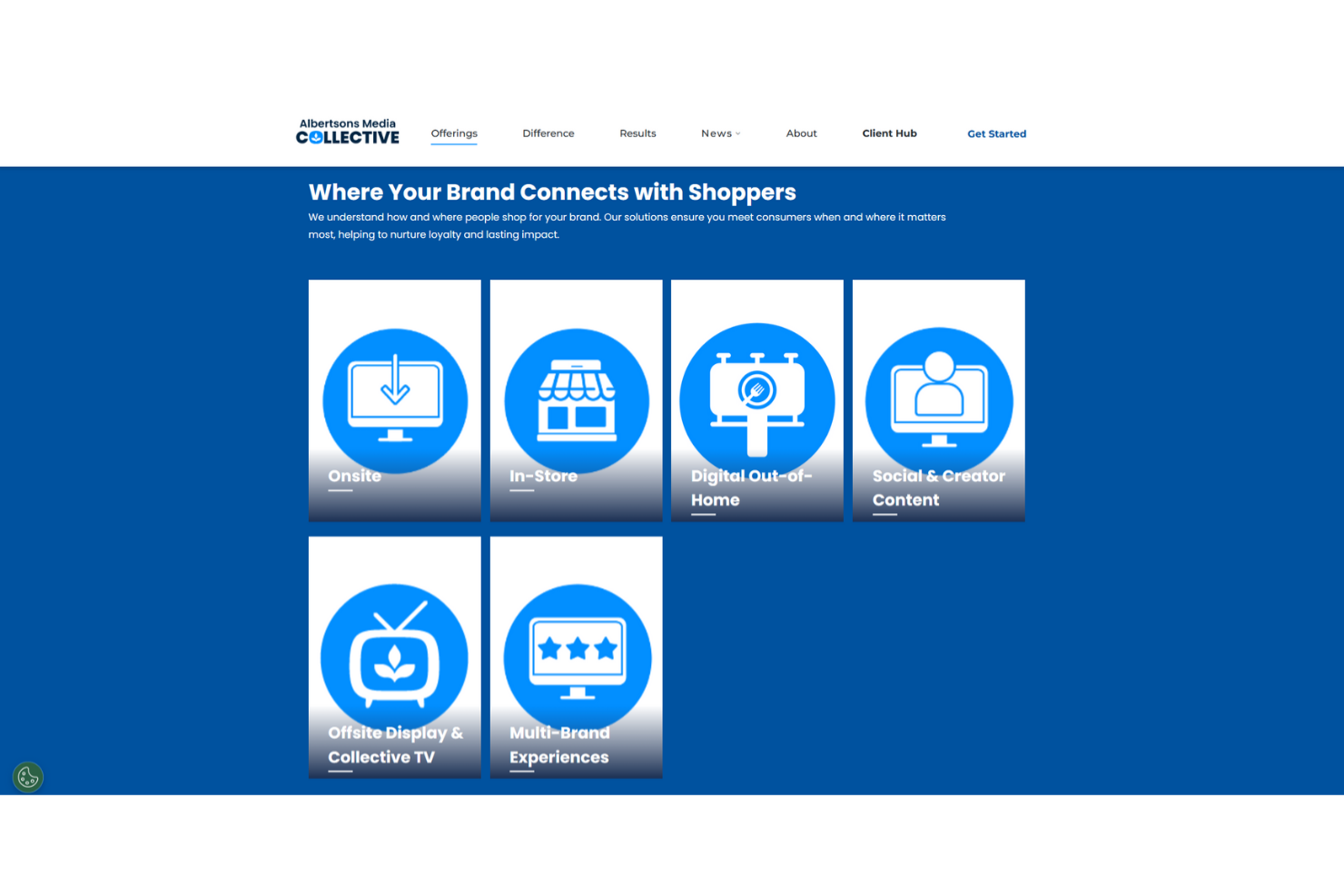
Albertsons Media Collective is a retail media platform designed for regional grocery chains to elevate their advertising efforts. It mainly serves CPG grocery brands and retailers, helping them connect with existing and new customers through targeted ad campaigns.
Why I picked Albertsons Media Collective: This platform is tailored for regional grocery chains, offering solutions that cater specifically to their needs. You can create customized ad campaigns that align with local shopping behaviors and preferences. The platform provides insights into customer interactions, helping you optimize your marketing strategies. With its focus on regional markets, Albertsons Media Collective ensures your ads resonate with the right audience.
Standout features and integrations:
Features include tools for creating localized ad campaigns that align with regional shopping trends. You can access insights into customer interactions to refine your advertising strategies. The platform also offers options for both digital and in-store campaigns, maximizing your marketing reach.
Integrations are not currently listed by Albertsons Media Collective.
Pros and Cons
Pros:
- Supports digital and in-store ads
- Insights into customer interactions
- Localized ad campaign options
Cons:
- Limited scale vs bigger networks
- Reporting lacks transparency
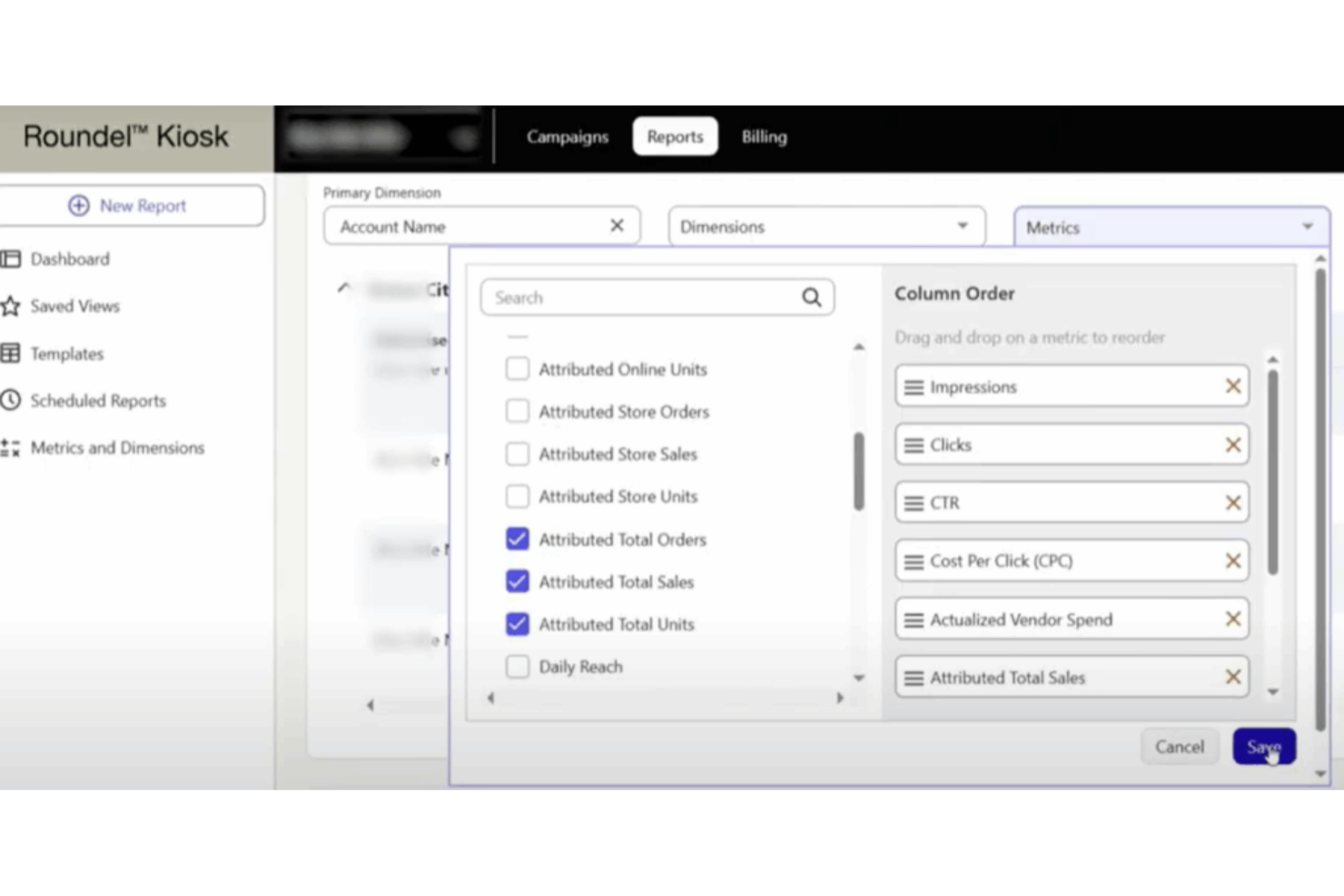
Roundel is Target's retail media network designed for brands looking to upgrade their advertising strategies through national retail campaigns. It primarily serves large-scale retailers who are aiming to increase brand visibility and drive sales across the country.
Why I picked Roundel: Roundel works with multiple ad tech partners for national retail campaigns, ensuring your brand reaches a wide audience. You can leverage their extensive network to place ads both in-store and online, maximizing your reach. The platform provides data-driven awareness to help you fine-tune your campaigns for better performance. With a range of ad formats, you can tailor your marketing efforts to suit different consumer segments.
Standout features and integrations:
Features include in-store ad placements that improve visibility at the point of sale. The platform offers a variety of ad formats, allowing you to engage consumers in multiple ways. You can also access detailed analytics to track the effectiveness of your campaigns.
Integrations are not currently listed by Roundel.
Pros and Cons
Pros:
- Supports large-scale campaigns
- Variety of ad formats
- Extensive national reach
Cons:
- Requires detailed campaign planning
- High competition for ad space


Pacvue is a retail media platform designed for CPG companies and others aiming to leverage data-driven insights to upgrade their advertising strategies. It primarily serves e-commerce businesses by providing tools to optimize ad performance and drive sales while adding new revenue streams.
Why I picked Pacvue: Pacvue offers advanced analytics that give you clarification of campaign performance, making it a top choice for first-party data marketing. You can access real-time data to adjust your strategies and maximize ROI. The platform provides customizable dashboards, allowing you to track key metrics that matter to your business. With automated reporting, you can save time and focus on strategic decision-making.
Standout features and integrations:
Features include customizable dashboards that let you track essential metrics for your campaigns. Automated reporting helps your team save time by sending campaign analytics directly to your inbox. The platform also offers real-time data access, allowing you to make timely adjustments to your advertising strategies.
Integrations include Amazon Advertising, Target RMS, Kroger, and more.
Pros and Cons
Pros:
- Automated reporting features
- Real-time data access
- Tracks omnichannel performance
Cons:
- Expensive for small teams
- Requires data analysis skills


Retail Media Platform Selection Criteria
When selecting the best retail media platform to include in this list, I considered common buyer needs and pain points, such as targeting precision and campaign flexibility. In addition, I used the following framework to ensure my evaluation remained structured, balanced, and fair.:
Core Functionality (25% of total score)
To be considered for inclusion in this list, each solution had to fulfill these common use cases:
- Enable targeted ad campaigns
- Provide real-time analytics
- Support cross-channel marketing
- Offer budget management tools
- Facilitate audience segmentation
Additional Standout Features (25% of total score)
To help further narrow down the competition, I also looked for unique features, such as:
- Dynamic pricing capabilities
- Advanced AI-driven insights
- Customizable ad formats
- Multi-language support
- Geotargeting options
Usability (10% of total score)
To get a sense of the usability of each system, I considered the following:
- Intuitive interface design
- Ease of navigation
- Minimal learning curve
- Responsive design for mobile use
- Customizable user settings
Onboarding (10% of total score)
To evaluate the onboarding experience for each platform, I considered the following:
- Availability of training videos
- Interactive product tours
- Access to templates and guides
- Presence of chatbots for assistance
- Scheduled webinars for new users
Customer Support (10% of total score)
To assess each software provider’s customer support services, I considered the following:
- 24/7 support availability
- Multiple support channels
- Quick response times
- Access to a knowledge base
- Personalized customer assistance
Value for Money (10% of total score)
To evaluate the value for money of each platform, I considered the following:
- Competitive pricing structure
- Transparent pricing information
- Flexibility in pricing plans
- Discounts for long-term commitments
- Features offered at each pricing tier
Customer Reviews (10% of total score)
To get a sense of overall customer satisfaction, I considered the following when reading customer reviews:
- Overall satisfaction ratings
- Commonly praised features
- Frequently reported issues
- Feedback on customer support
- User-reported return on investment
How To Choose a Retail Media Platform
It’s easy to get bogged down in long feature lists and complex pricing structures. To help you stay focused as you work through your unique software selection process, here’s a checklist of factors to keep in mind:
| Factor | What to Consider |
|---|---|
| Scalability | Can the platform grow with your business? Consider future expansion and whether the tool can handle increased volume without performance issues. Look for flexible pricing that scales. |
| Integrations | Does it integrate with your existing tools? Ensure compatibility with your current systems, such as CRM, analytics, and CMS, for data flow and efficiency. |
| Customizability | Are you able to tailor the platform to fit your needs? Look for tools that offer adjustable settings or modules that align with your specific business processes. |
| Ease of use | Is the platform user-friendly for your team? Evaluate the interface and learning curve. A simple design can save time and reduce errors. |
| Implementation and onboarding | How quickly can you get started? Consider the resources needed for setup and training, as well as the availability of support during the onboarding phase. |
| Cost | Does it fit your budget? Compare pricing models and total cost of ownership, including hidden fees or additional charges for features and support. |
| Security safeguards | Are your data and customer information protected? Ensure the platform has strong data encryption, compliance certifications, and regular security updates. |
| Support availability | Will you have access to help when needed? Check whether the vendor offers 24/7 support and multiple contact options. Quick and effective support can prevent downtime. |
What Is a Retail Media Platform?
A retail media platform is a tool that allows retailers and brands to create and manage advertising campaigns within a retail environment. Marketing professionals and brand managers typically use retail media networks to increase visibility and drive sales. Targeted ad placements, real-time analytics, and budget management capabilities help with campaign optimization and audience engagement. Overall, these tools provide value by improving the effectiveness of retail advertising efforts.
Features of Retail Media Platforms
When selecting a retail media platform, keep an eye out for the following key features:
- Targeted ad placements: Allow you to reach specific audience segments, increasing the likelihood of engagement and conversions.
- Real-time analytics: Provides immediate insights into campaign performance, enabling quick adjustments to improve outcomes.
- Budget management tools: Help you control and allocate advertising spend effectively to maximize return on investment.
- Audience segmentation: Enables precise targeting by dividing your audience into meaningful groups based on behavior or demographics.
- Customizable ad formats: Offers flexibility in how ads are presented, allowing you to tailor them to different marketing strategies.
- Dynamic pricing capabilities: Adjusts ad costs based on demand and competition, ensuring competitive and effective ad placements.
- Advanced targeting capabilities: Uses retailers' first-party data to refine audience reach and improve ad relevance.
- Data-driven insights: Provides valuable information on customer behavior to inform marketing strategies.
- Integration compatibility: Ensures the platform works smoothly with your existing systems for efficient data flow.
- Security safeguards: Protects sensitive data with encryption and compliance with industry standards.
Benefits of Retail Media Platforms
Implementing a retail media platform provides several benefits for your team and your business. Here are a few you can look forward to:
- Improved targeting: Allows you to reach the right audience with precision, increasing engagement and conversion rates.
- Improved campaign performance: Real-time analytics and data-driven insights help optimize advertising strategies for better results.
- Cost efficiency: Budget management tools ensure that advertising spend is allocated effectively, maximizing return on investment.
- Increased flexibility: Customizable ad formats and dynamic pricing capabilities provide adaptability to market changes and campaign needs.
- Better audience understanding: Audience segmentation and advanced targeting capabilities offer deeper insights into customer behavior and preferences.
- Streamlined operations: Integration compatibility ensures that the platform works well with your existing systems, making data management smoother.
- Data security: Security safeguards protect sensitive information, maintaining trust and compliance with industry standards.
Costs and Pricing of Retail Media Platforms
Selecting a retail media platform requires an understanding of the various pricing models and plans available. Costs vary based on features, team size, add-ons, and more. The table below summarizes common plans, their average prices, and typical features included in retail media platform solutions:
Plan Comparison Table for Retail Media Platform
| Plan Type | Average Price | Common Features |
|---|---|---|
| Free Plan | $0 | Basic ad placements, limited analytics, and community support. |
| Personal Plan | $500-2000/month | Targeted ad placements, basic analytics, budget management tools, and email support. |
| Business Plan | $2000-5000/month | Advanced targeting options, real-time analytics, customizable ad formats, integration support, and priority support. |
| Enterprise Plan | $5000+/month | In-depth analytics, dynamic pricing capabilities, full integration compatibility, dedicated account management, and premium customer support. |
Retail Media Platform FAQs
Here are some answers to common questions about retail media platforms:
Do I need technical skills to use a retail media platform?
No, most retail media platforms are designed to be user-friendly and accessible to those without technical expertise. However, a basic understanding of digital marketing concepts can be beneficial. Many platforms offer tutorials, customer support, and resources to help you and your team get up to speed quickly.
How can a retail media platform increase sales for my store?
A retail media platform helps you reach customers with targeted ads at the point of purchase, driving higher conversion rates. This means you can promote products directly when shoppers are most likely to buy, boosting both online and in-store sales.
How do retail media platforms integrate with other tools?
Retail media platforms often offer integrations with popular tools such as CRM systems, analytics software, and e-commerce platforms. These integrations ensure smooth data flow and allow you to manage all aspects of your marketing campaigns in one place. Check the platform’s integration capabilities to ensure compatibility with your existing tools.
What’s the difference between a retail media platform and traditional digital advertising?
Retail media platforms use real-time shopper data from your store to deliver highly targeted ads within your e-commerce site or app. Traditional digital ads usually rely on broader third-party data, making retail media networks more precise and relevant to your customers.
Can a retail media platform help with in-store advertising?
Yes, many retail media solutions offer features that support both online and in-store advertising efforts. You can create on-site targeted campaigns that can be displayed on screens in a physical store or kiosk to augment the customer shopping experience and boost sales. This dual capability helps you maintain a consistent brand presence across all channels.
How do I measure the ROI of retail media campaigns?
You can track metrics such as ad-attributed sales, click-through rates, and return on ad spend directly within most platforms. Comparing these results to your overall sales growth helps you see the impact your campaigns have on revenue.
What’s Next:
If you're in the process of researching a retail media platform, connect with a SoftwareSelect advisor for free recommendations.
You fill out a form and have a quick chat where they get into the specifics of your needs. Then you'll get a shortlist of software to review. They'll even support you through the entire buying process, including price negotiations.