14 Best Retail AI Solutions Reviewed in 2026

Best Retail AI Solutions Shortlist
Here’s my shortlist of the best retail AI solutions:


Running a retail operation means juggling constant moving pieces — keeping stock levels in check, anticipating what shoppers will want next, and improving how people interact with your store. Retail AI tools help you handle those pressures by giving you clearer forecasts, sharper insights, and faster ways to respond to day-to-day demands.
In my experience testing and reviewing software, I know how AI capabilities can transform your retail management. You'll find my unbiased, well-researched review of the top retail AI solutions in this listicle.
I'll guide you through their features, functions, and benefits, so you can make an informed decision for your team.
Why Trust Our Software Reviews
Best Retail AI Solutions Summary
This comparison chart summarizes pricing details for my top retail AI solutions selections to help you find the best one for your budget and business needs.
| Tool | Best For | Trial Info | Price | ||
|---|---|---|---|---|---|
| 1 | Best for cloud-based AI services | Free plan + free demo + 30-day free trial available | Pricing upon request | Website | |
| 2 | Best for enterprise resource planning | Free demo available | Pricing upon request | Website | |
| 3 | Best for large-scale AI deployment | Free trial available | Contact AWS for pricing | Website | |
| 4 | Best for in-store monitoring and video analytics | Free demo available | Pricing upon request | Website | |
| 5 | Best for AI governance and hybrid cloud modernization | Free consultation available | Pricing upon request | Website | |
| 6 | Best for integrated business solutions | Free demo available | Pricing upon request | Website | |
| 7 | Best for predictive analytics | Expert consultation available | Pricing upon request | Website | |
| 8 | Best for fashion retail insights | Free demo available | Pricing upon request | Website | |
| 9 | Best for customer relationship management | 30-day free trial available | From $60/user/month (billed annually) | Website | |
| 10 | Best for retail analytics | Not available | From $199/user/month | Website |
Best Retail AI Solution Reviews
Below are my detailed summaries of the best retail AI solutions that made it onto my shortlist. My reviews offer a detailed look at the key features, pros & cons, integrations, and ideal use cases of each tool to help you find the best one for you.

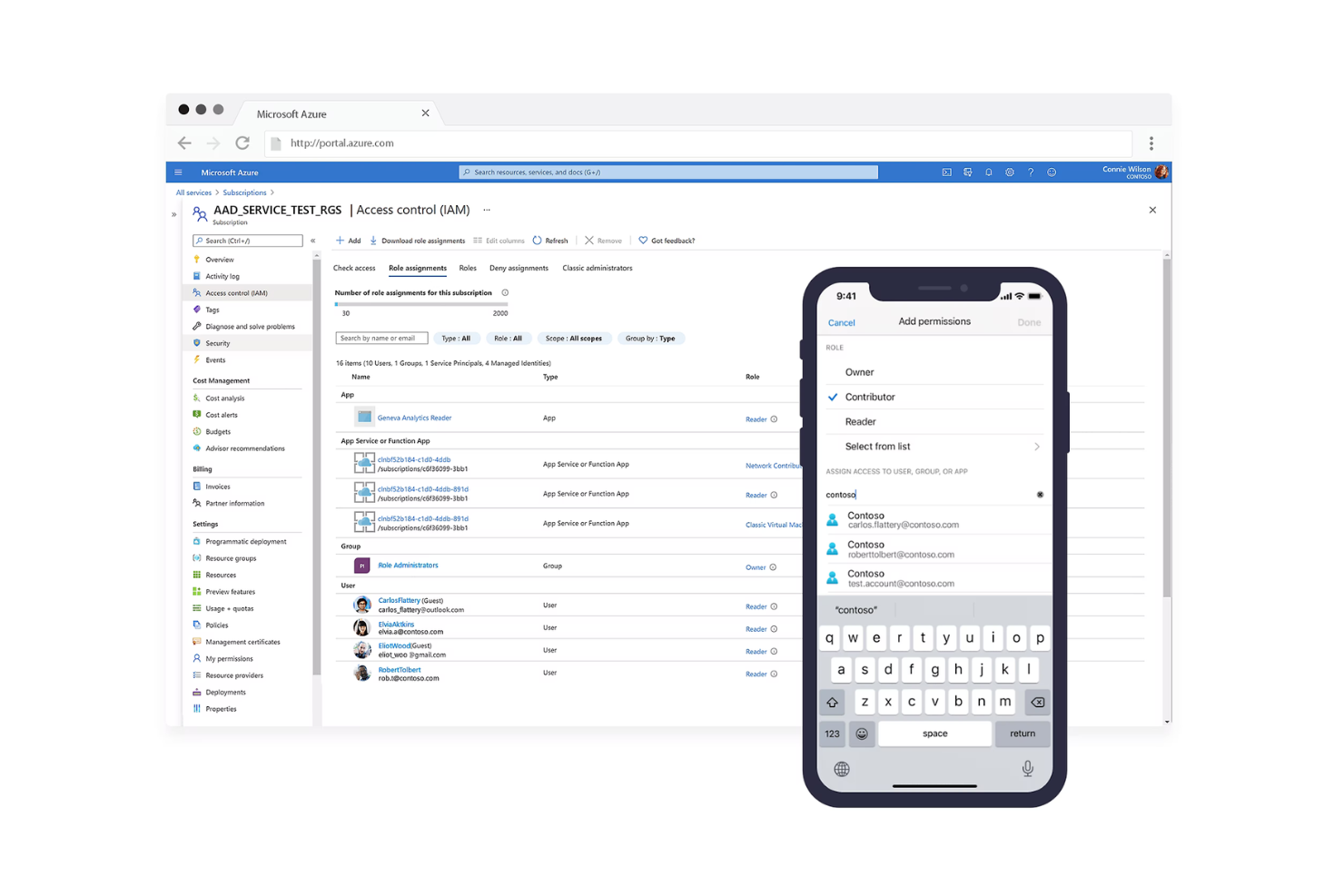
Microsoft Azure is a cloud computing platform that provides a wide range of services, including AI and machine learning tools, for businesses of all sizes. Its AI capabilities help users build, deploy, and manage intelligent applications across many industries.
Why I picked Microsoft Azure: Microsoft Azure offers cloud-based AI services that are scalable and versatile. Its AI tools include machine learning models and cognitive services, which support your team's ability to develop intelligent applications. The platform's flexibility allows you to tailor solutions to your specific business needs. Azure's focus on providing cloud services distinguishes it from other solutions.
Standout Features & Integrations:
Features include AI shopping assistants, campaign orchestrations, assortment optimization, and inventory optimization. These features can transform the shopper experience and drive supply chain agility. Azure's global network ensures reliable and fast service delivery.
Integrations include Microsoft 365, Copilot, OneLake, and Power BI.
Pros and Cons
Pros:
- Scalable cloud infrastructure
- Flexible service offerings
- Extensive AI toolset
Cons:
- Requires technical expertise for setup
- Complex pricing structure

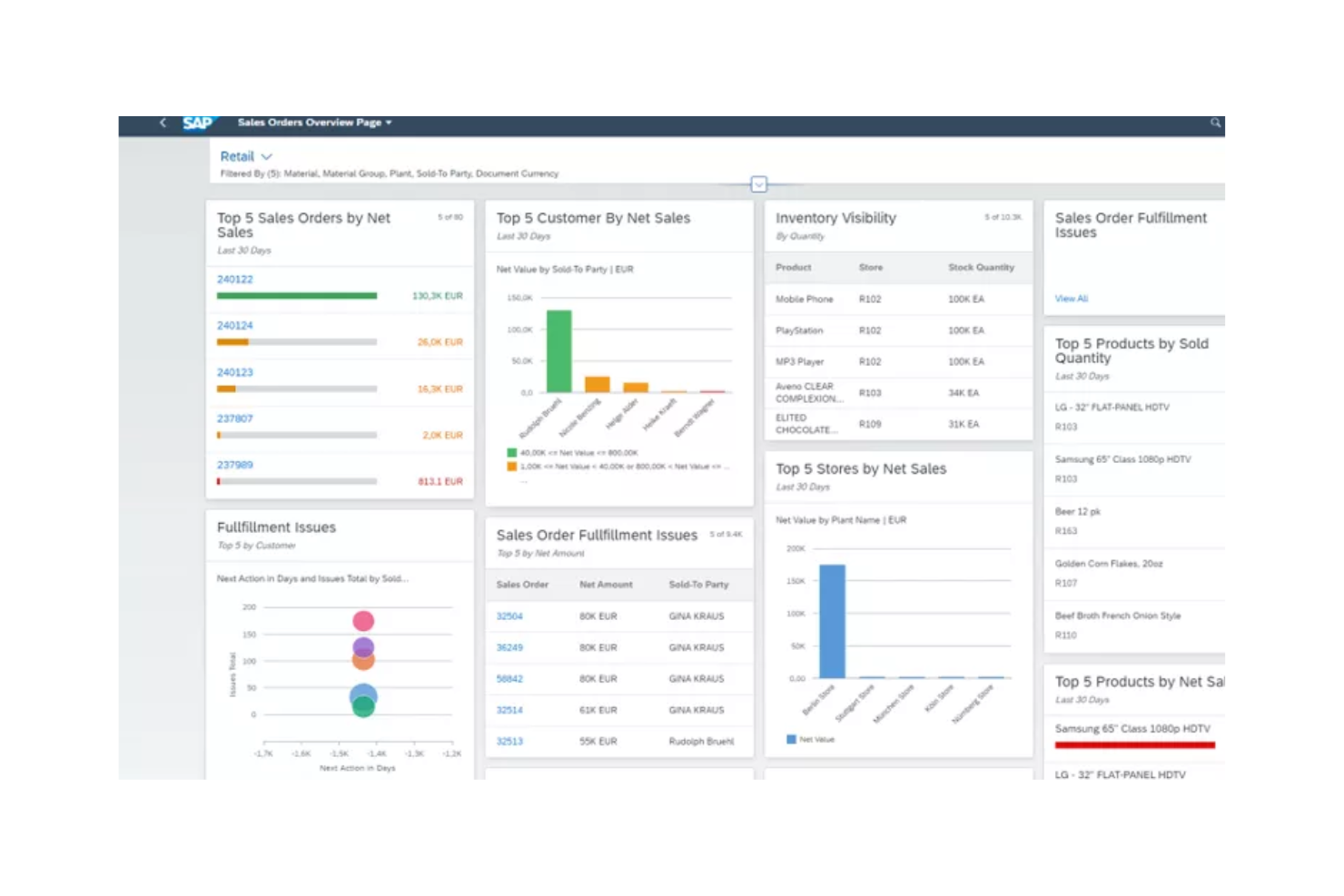
SAP offers enterprise resource planning (ERP) software that helps large organizations manage business operations and customer relations. Its AI capabilities provide predictive insights and help with pricing strategies.
Why I picked SAP: SAP offers enterprise resource planning with its suite of AI-driven tools. Its machine learning algorithms help your team automate repetitive tasks and improve decision-making. Predictive analytics provide valuable insights into business trends. This focus on ERP and AI integration distinguishes SAP from other AI solutions aimed at the retail industry.
Standout Features & Integrations:
Features include predictive analytics, process automation, and real-time reporting. It can help to automate inventory management and data synchronization with suppliers, ensure consistent pricing and promotions across all channels, and monitor store performance through dashboards and real-time insights.
Integrations include Microsoft Azure, AWS, Google Cloud, Salesforce, Oracle, IBM, Workday, Adobe, Slack, and Tableau.
Pros and Cons
Pros:
- Scalable for large enterprises
- Strong predictive analytics offering
- Advanced ERP capabilities
Cons:
- Requires technical expertise for setup
- Complex implementation process

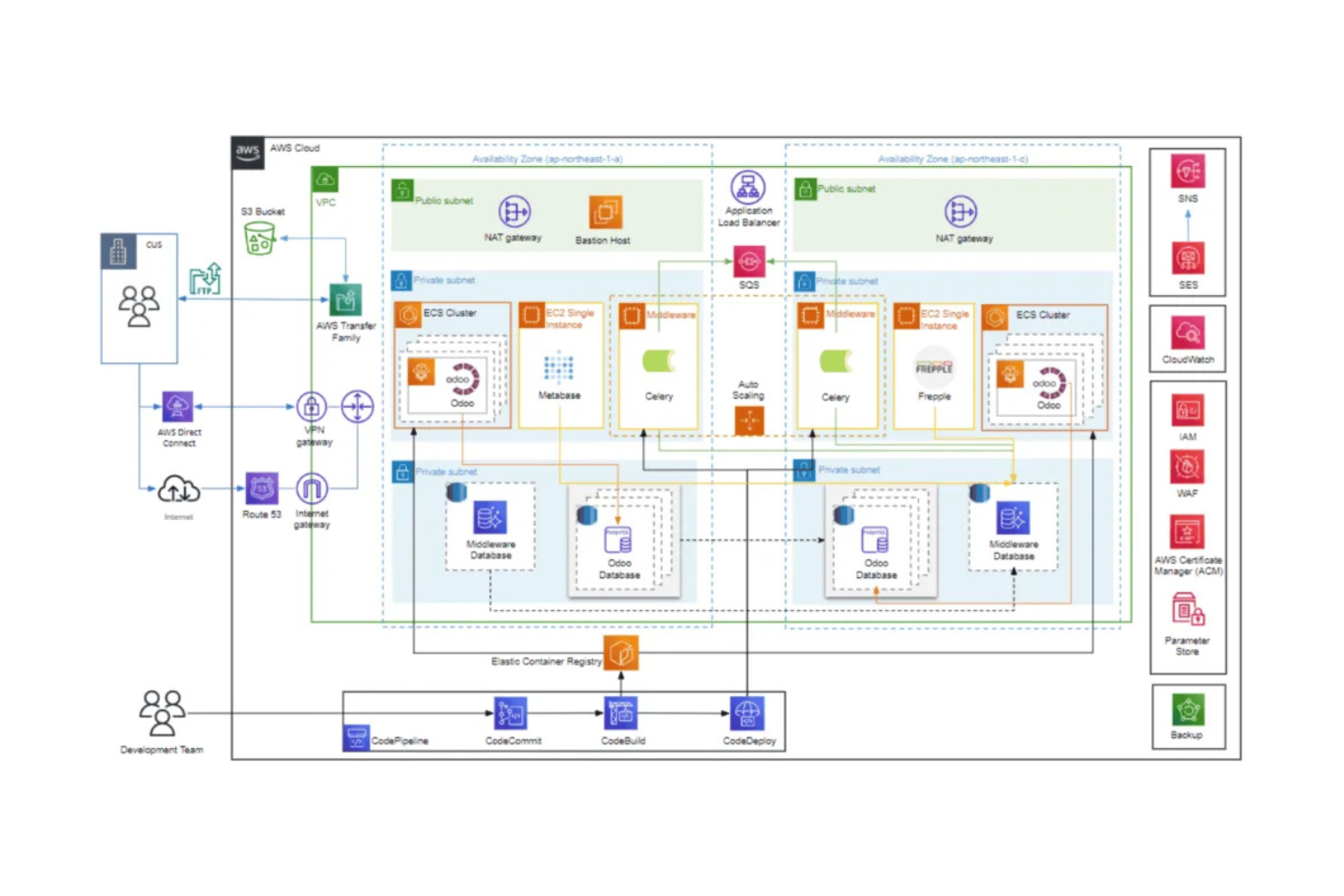
AWS is a cloud computing platform offering a wide range of services, including computing power, storage, and AI tools, for businesses of all sizes. For retail, it delivers cloud portfolio, analytics, and artificial intelligence technologies, decades of industry knowledge, and the largest partner ecosystem.
Why I picked AWS: Retail and consumer goods leaders use AWS's expertise for better customer experiences. AWS and Amazon provide a range of cloud, analytics, and AI capabilities, enabling industry players to maximize cloud potential. Additionally, AWS offers industry-leading security and reliability within the retail and consumer goods sectors.
Standout Features & Integrations:
Features include personalized product recommendations, optimized advertising and marketing campaigns, and personalized emails through GenAI.
Integrations are not publicly listed at this time.
Pros and Cons
Pros:
- Extensive range of cloud services
- Reliable global network
- Scalable infrastructure for growing businesses
Cons:
- Requires technical expertise for setup
- Complex pricing structure
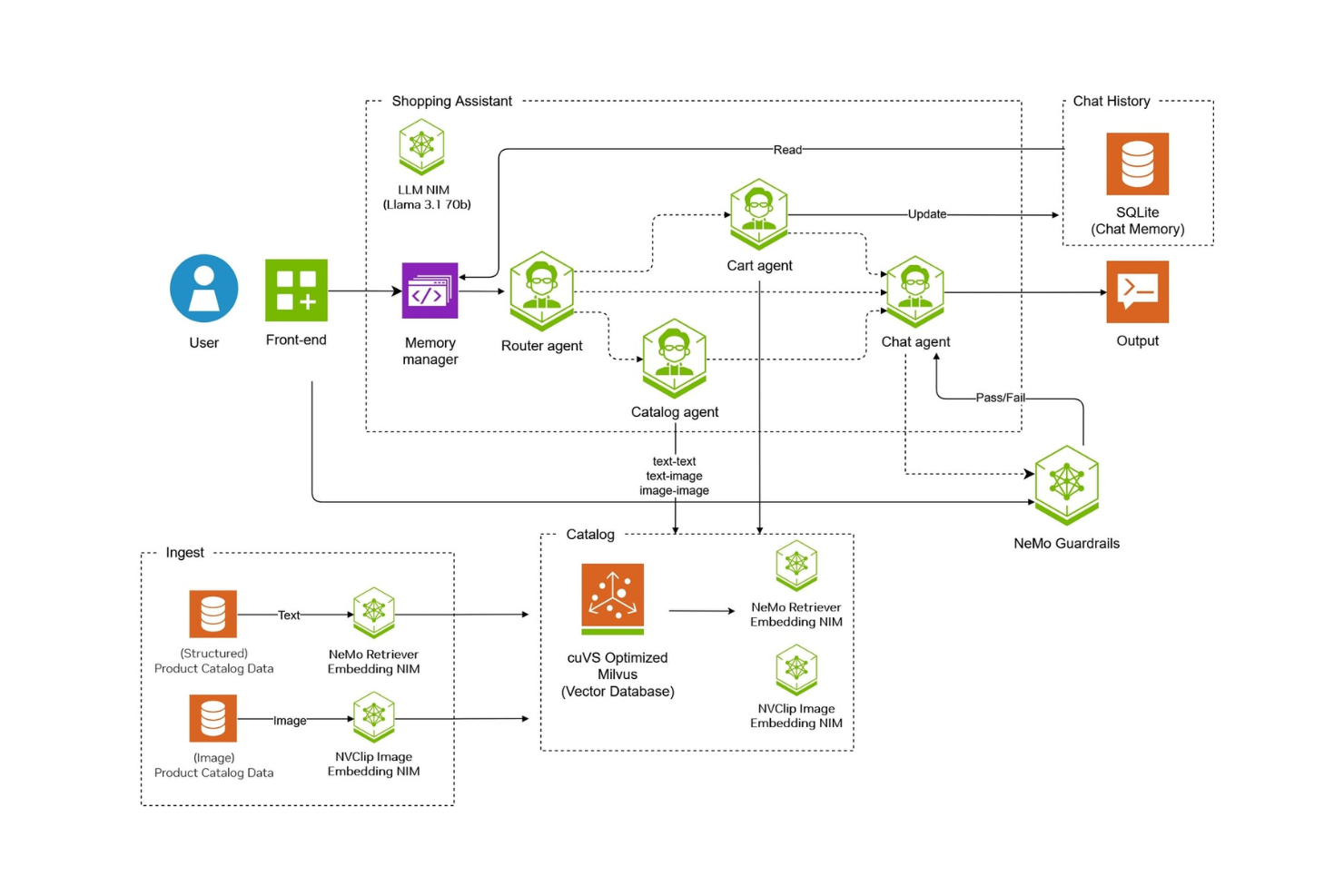
Nvidia provides the GPU infrastructure and AI frameworks that retailers use to analyze store traffic, detect patterns, and improve both customer experience and operational efficiency. Its platforms support a wide range of retail use cases, from computer vision at checkout to inventory tracking, loss prevention, and workforce analytics.
Why I picked Nvidia: Nvidia stands out because its technology powers the most advanced forms of retail intelligence. Its AI frameworks enable video analytics that can identify foot traffic patterns, monitor shelf availability, detect suspicious behavior, and even measure shopper engagement with displays. Retailers can use Nvidia to process camera feeds in real time, giving them instant insights into queue lengths, store congestion, or inventory issues.
Standout Features & Integrations:
Features include smart-store capabilities such as automated checkout systems, planogram compliance checks, and in-store heatmaps that help merchandisers understand how customers move through retail spaces. Combined with its GPU-driven performance for model training and inference, Nvidia enables retailers to deploy faster, more accurate AI applications that improve operations and enhance the customer experience.
Integrations include Microsoft Azure, AWS, Google Cloud, IBM Cloud, SAP, Oracle, MATLAB, TensorFlow, PyTorch, and Kubernetes.
Pros and Cons
Pros:
- High-quality graphics rendering
- Supports a wide range of AI-powered applications
- Exceptional processing power for AI tasks
Cons:
- Can have a steep learning curve
- Requires specialized hardware
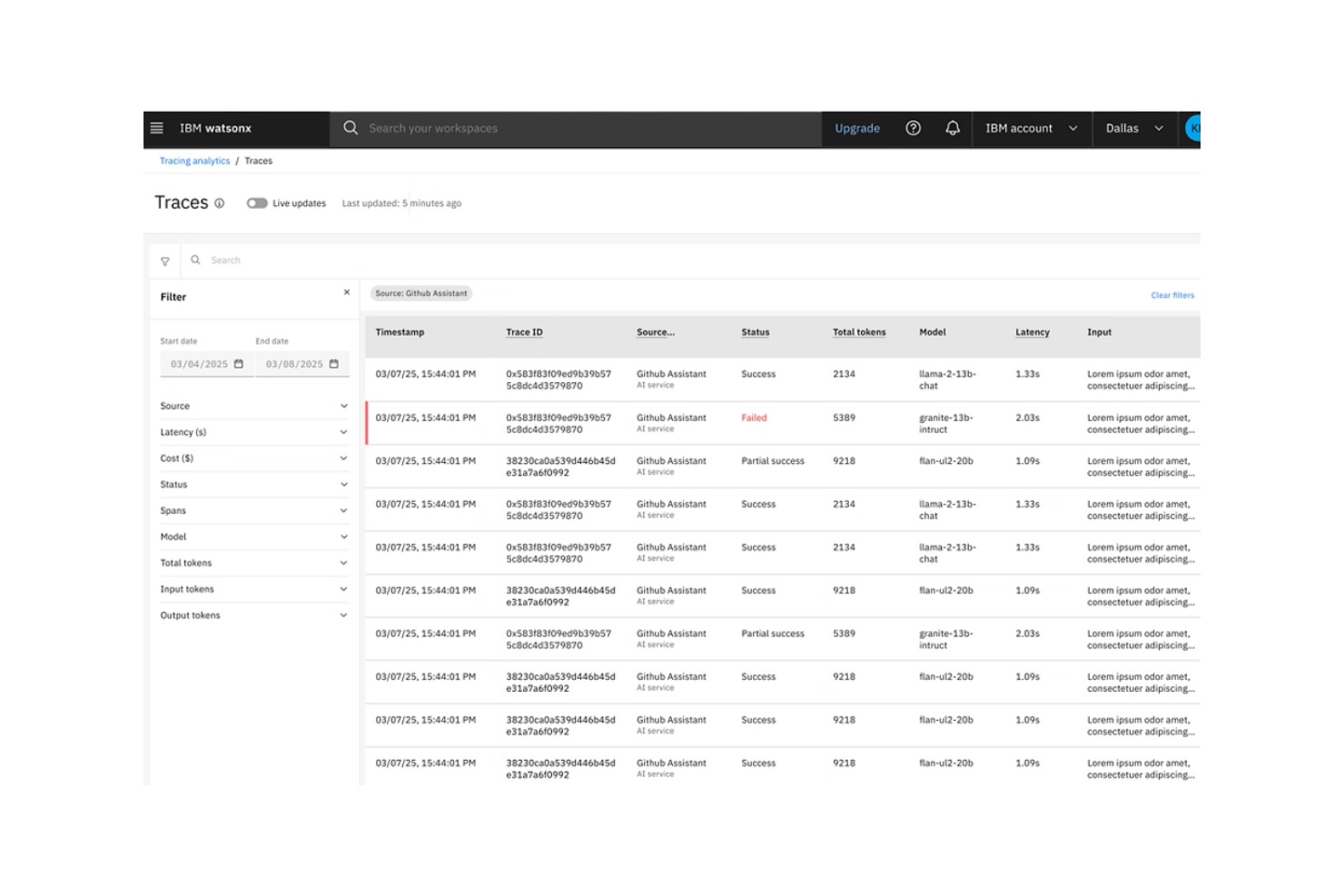
IBM offers a suite of AI-driven business tools designed for retail businesses looking to improve both online and in-store sales. Its AI capabilities include machine learning, natural language processing, and data analytics.
Why I picked IBM: IBM offers a suite of AI-driven business tools that identify automation opportunities, help increase omnichannel profitability, and improve sales. Its machine learning models help your team analyze data patterns and forecast outcomes. Natural language processing allows for improved customer interactions. These features make IBM a strong contender for businesses seeking AI technology solutions.
Standout Features & Integrations:
Features include advanced data analytics, machine learning models, and natural language processing. These are used to forecast customer behavior, assess risk management, and optimize financial performance throughout the planning and record-to-report processes.
Integrations are permitted through APIs over HTTPS for outbound calls and through IBM MQ and RESTful APIs for inbound calls.
Pros and Cons
Pros:
- Advanced AI for personalization and forecasting
- Strong integration with ERPs and trading partners
- Enterprise-grade order and fulfillment orchestration
Cons:
- Steeper learning curve for AI and assistant tools
- High implementation cost and complexity
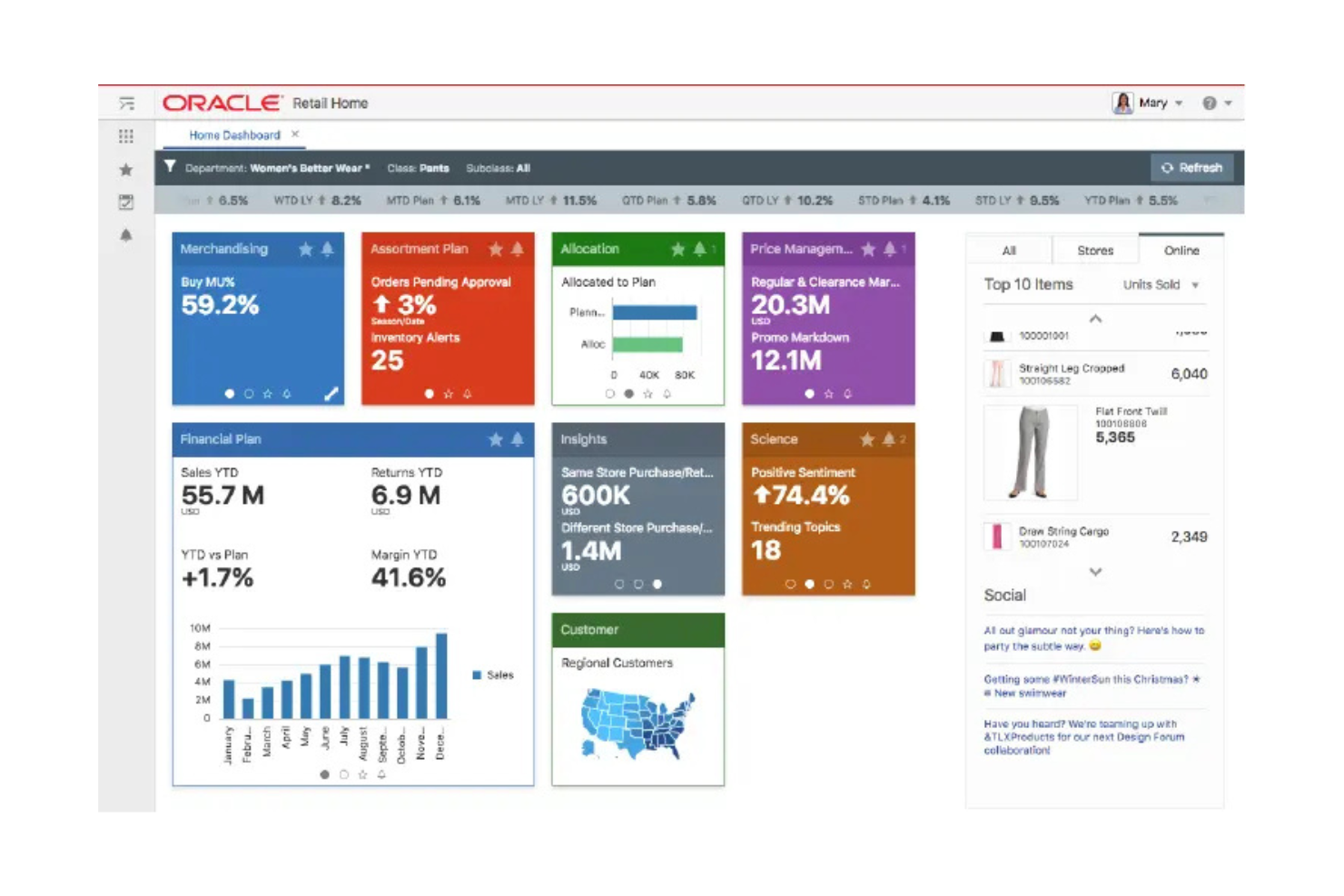
Oracle offers a suite of cloud applications and platform services designed for businesses of all sizes, focusing on integrated business solutions. Its AI capabilities enhance decision-making, automate tasks, and provide valuable insights to users.
Why I picked Oracle: Oracle provides integrated business solutions with its cloud platform. Its AI features include machine learning and decision automation, which help your team improve ecommerce and in-store processes. Oracle's focus on integration allows for data flow across various business functions. This integrated approach makes it ideal for businesses seeking end-to-end solutions.
Standout Features & Integrations:
Features include advanced data analytics, decision automation, and machine learning capabilities. These help you gain insights and make informed decisions quickly. The platform's scalability supports businesses as they grow and adapt.
Integrations include Salesforce, Microsoft Azure, AWS, Google Cloud, SAP, IBM, Workday, NetSuite, Slack, and Tableau.
Pros and Cons
Pros:
- Strong omnichannel support
- Built-in AI for forecasting
- Unified retail suite
Cons:
- Complex setup and configuration
- High cost compared to competitors

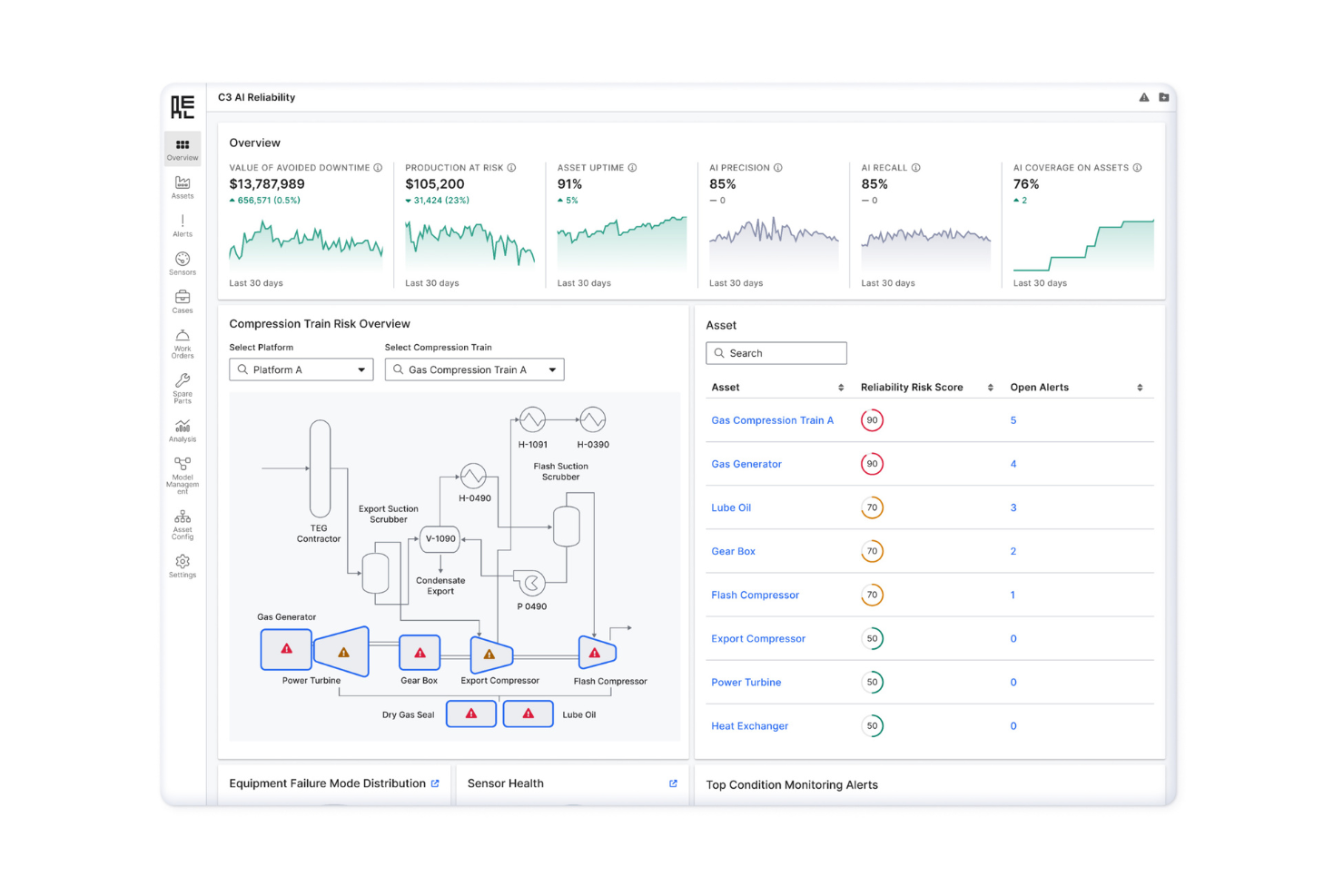
C3 AI is an enterprise AI platform primarily used by large organizations for predictive analytics and decision-making. It offers AI-driven insights that help businesses anticipate market trends and optimize operations.
Why I picked C3 AI: C3 AI specializes in predictive analytics with its AI capabilities. Its features include real-time data processing and advanced forecasting models. These tools enable your team to predict future trends and make data-driven decisions. This focus on predictive analytics differentiates C3 AI from other retail AI solutions.
Standout Features & Integrations:
Features include real-time data processing, demand forecasting, and workflow automation. These help you optimize inventory and orchestrate the supply chain. The platform's ability to handle large data sets ensures accurate and timely insights.
Integrations include Microsoft Azure, AWS, Google Cloud, SAP, Oracle, Microsoft Power BI and Tableau, as well as machine learning and AI systems.
Pros and Cons
Pros:
- Supports real-time data management
- Handles large data sets efficiently
- Strong predictive analytics capabilities
Cons:
- Requires technical expertise for full utilization
- Complex setup process

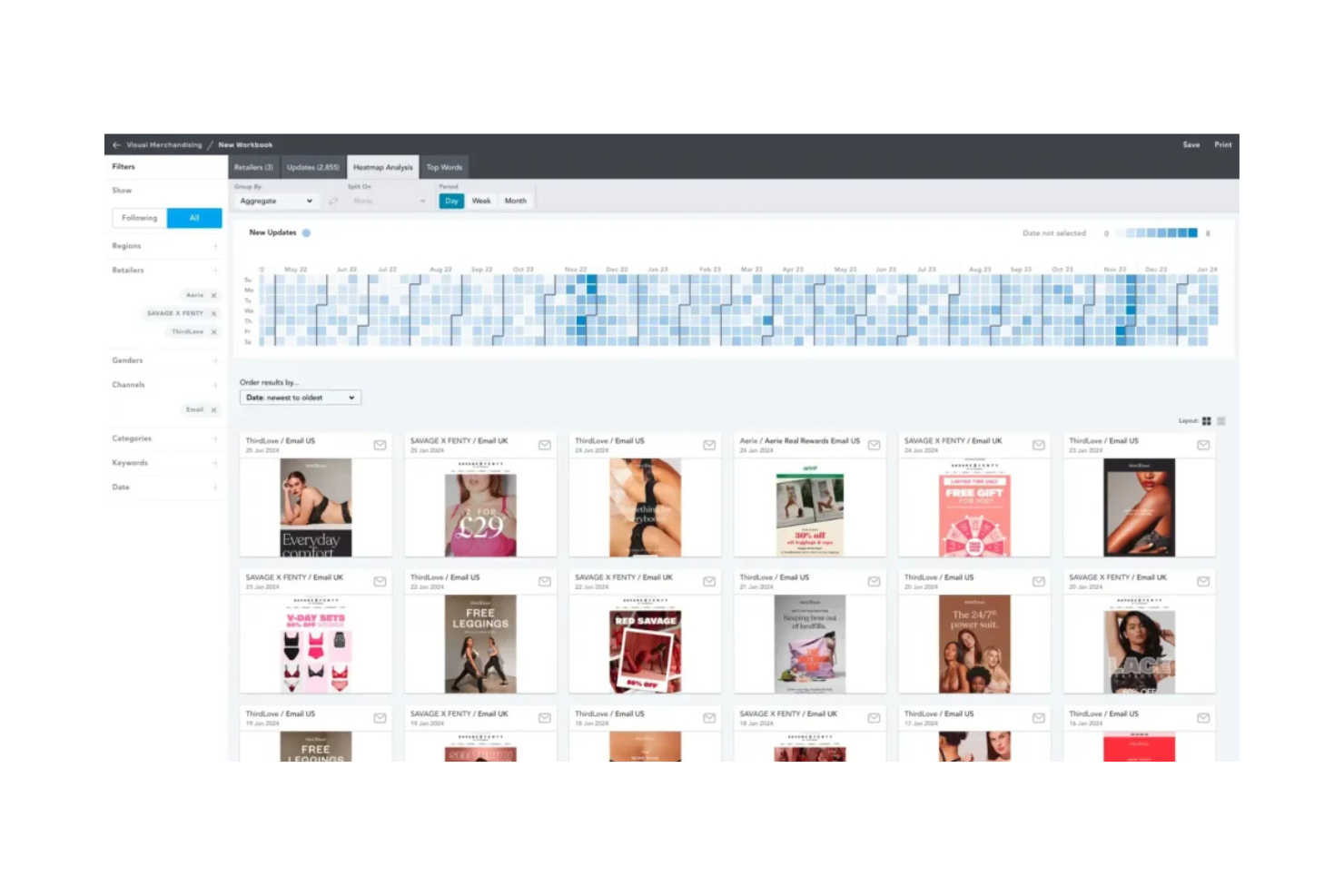
EDITED is a Retail Intelligence Platform tailored for fashion retailers, offering insights into market trends and customer preferences. It provides AI-driven solutions to help users analyze competitor activities and make informed decisions.
Why I picked EDITED: EDITED delivers fashion retail insights through its AI capabilities. It differentiates itself by offering market trend analysis and customer segmentation, specifically tailored for fashion businesses. The platform's AI features help you understand what's profitable and what customers think. This focus on fashion retail data sets EDITED apart from other solutions.
Standout Features & Integrations:
Features include market trend analysis, profit assessments, price optimization, and customer segmentation. These features help your team stay ahead by understanding competitors and aligning inventory with market demands. The ability to quickly adapt to changing market conditions is a key benefit.
Pros and Cons
Pros:
- Significant time savings in data collection
- Tailored insights for fashion retail
- Quick adaptation to market changes
Cons:
- Limited to fashion retail insights
- May require training for optimal use
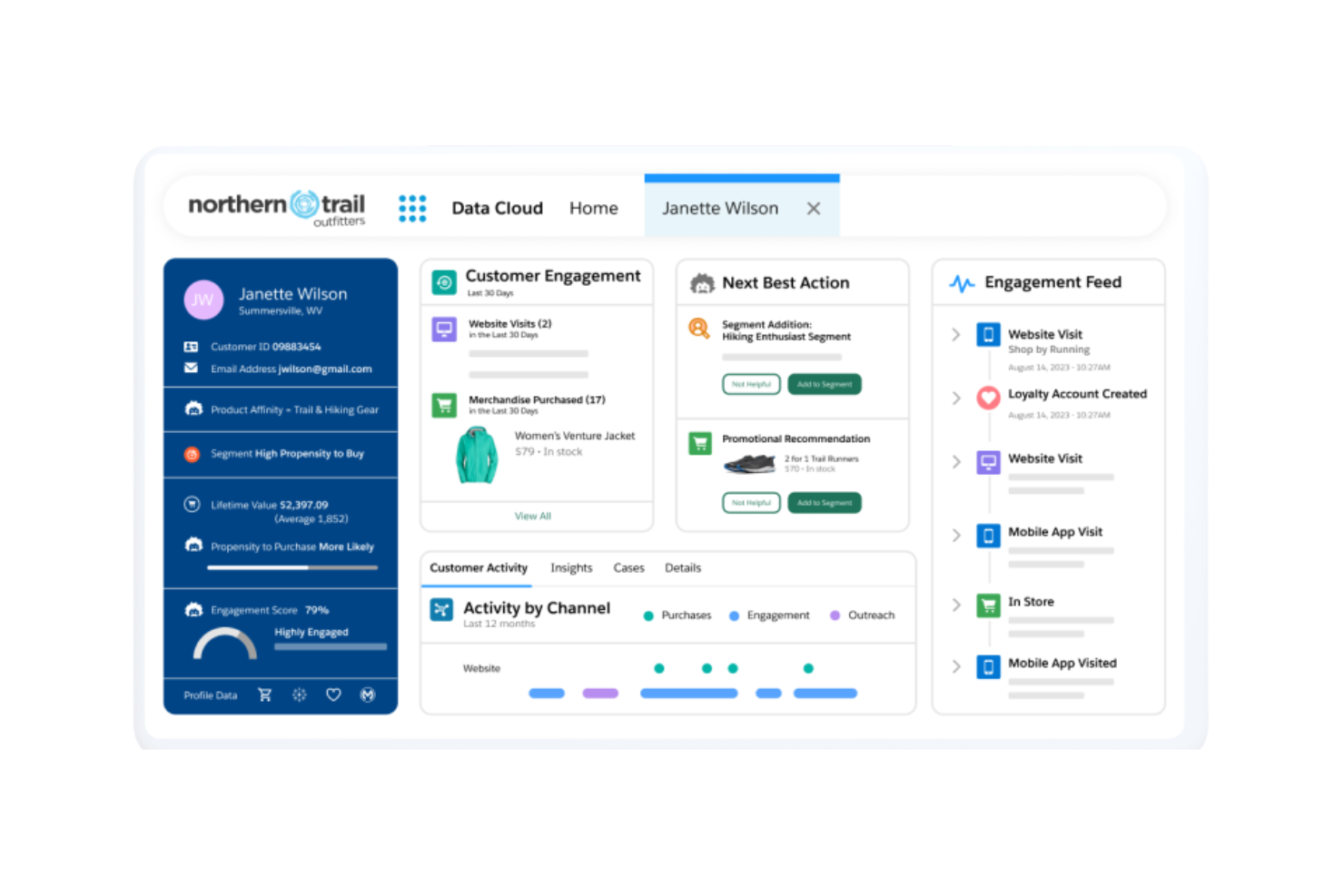
Salesforce is a cloud-based customer relationship management (CRM) platform designed for businesses of all sizes to manage customer interactions and data. Its AI capabilities assist users in personalizing customer interactions and automating sales processes.
Why I picked Salesforce: Salesforce is renowned for its customer relationship management tools, supported by generative AI features like Einstein Analytics. These tools help your team personalize customer experiences and predict sales trends. The platform's automation capabilities simplify routine tasks, freeing up your time. This specialization in CRM makes Salesforce a preferred choice for managing customer relationships.
Standout Features & Integrations:
Features include customizable dashboards, automated workflows, and detailed reporting tools. These features give your team the flexibility to adapt the platform to specific needs. Real-time data access ensures you can make informed decisions quickly.
Integrations include Slack, Mailchimp, HubSpot, Google Workspace, QuickBooks, Dropbox, DocuSign, LinkedIn, and Jira.
Pros and Cons
Pros:
- Effective sales process automation
- Strong AI-driven analytics
- Highly customizable CRM platform
Cons:
- Requires ongoing maintenance and updates
- Can be complex for new users

Other Retail AI Solutions
Here are some additional retail AI solutions options that didn’t make it onto my shortlist, but are still worth checking out:
- Toolio
For inventory optimization
- Streamline
For demand forecasting
- Kimonix
For personalized merchandising
- ForecastSmart
For retail demand prediction


Retail AI Solution Selection Criteria
When selecting the best retail AI solutions to include in this list, I considered common buyer needs and pain points like improving inventory management and enhancing customer insights. I also used the following framework to keep my evaluation structured and fair:
Core Functionality (25% of total score)
To be considered for inclusion in this list, each solution had to fulfill these common use cases:
- Predicting customer demand
- Optimizing inventory levels
- Enhancing customer engagement
- Automating marketing efforts
- Analyzing sales data
Additional Standout Features (25% of total score)
To help further narrow down the competition, I also looked for unique features, such as:
- Real-time data processing
- Customizable AI models
- Integration with IoT devices
- Advanced analytics dashboards
- Multilingual support
Usability (10% of total score)
To get a sense of the usability of each system, I considered the following:
- Intuitive interface design
- Ease of navigation
- Customizable user settings
- Minimal learning curve
- Accessibility features
Onboarding (10% of total score)
To evaluate the onboarding experience for each platform, I considered the following:
- Availability of training videos
- Interactive product tours
- Access to webinars and tutorials
- Comprehensive documentation
- Responsive chat support during onboarding
Customer Support (10% of total score)
To assess each software provider’s customer support services, I considered the following:
- 24/7 availability
- Multiple support channels
- Fast response times
- Availability of dedicated account managers
- Dedicated help center
Value For Money (10% of total score)
To evaluate the value for money of each platform, I considered the following:
- Pricing transparency
- Competitive pricing structure
- Availability of tiered pricing plans
- Discounts for long-term commitments
- Free trial or demo availability
Customer Reviews (10% of total score)
To get a sense of overall customer satisfaction, I considered the following when reading customer reviews:
- Overall satisfaction ratings
- Feedback on ease of use
- Comments on feature effectiveness
- Reports on customer service experiences
- User testimonials and case studies
How to Choose Retail AI Solutions
It’s easy to get bogged down in long feature lists and complex pricing structures. To help you stay focused as you work through your unique software selection process, here’s a checklist of factors to keep in mind:
| Factor | What to Consider |
|---|---|
| Scalability | Can the solution grow with your business? Consider future needs and whether the tool can handle increased data or users without performance issues. |
| Integrations | Does it work with your existing tools? Check for compatibility with current systems to avoid workflow disruptions. |
| Customizability | Can you tailor the solution to your needs? Look for options to customize dashboards, reports, and workflows so it fits your business processes. |
| Ease of Use | Is the interface intuitive? Ensure your team can easily navigate the tool without extensive training. A simple user experience can boost adoption rates |
| Implementation and Onboarding | How long will setup take? Consider the time and resources required to get up and running. Look for solutions with clear onboarding processes and support. |
| Cost | Does it fit your budget? Compare pricing plans and check for hidden fees. Ensure the solution offers good value for the features you need. |
| Security Safeguards | How does it protect your data? Look for encryption, compliance with data protection standards, and regular security updates to keep your information safe. |
| Support Availability | When can you get help? Consider the availability of customer support and whether it's offered in your time zone. Quick access to help can solve issues faster. |
What Are Retail AI Solutions?
Retail AI solutions are software tools that use artificial intelligence to help retailers optimize operations, improve customer experiences, and make data-driven decisions. These tools are commonly used by retail managers, data analysts, and marketing professionals to improve efficiency and profitability.
Features like predictive analytics, inventory optimization, and customer behavior insights help with decision-making and operational efficiency. Overall, these tools provide retailers with the ability to adapt quickly to market changes and customer demands.
Features
When selecting retail AI solutions, keep an eye out for the following key features:
- Predictive analytics: Uses historical data to forecast future trends, helping retailers make informed decisions.
- Inventory optimization: Ensures stock levels are balanced to meet demand without overstocking or understocking.
- Customer behavior insights: Analyzes customer data to provide insights into buying patterns and preferences.
- Automated marketing efforts: Streamlines marketing campaigns by targeting customers with personalized offers.
- Real-time data processing: Provides up-to-the-minute information, allowing for quick adjustments to strategies.
- Natural language processing: Enhances customer interactions by understanding and responding to customer queries.
- Advanced data analytics: Offers deep insights into sales and performance metrics for strategic planning.
- Machine learning models: Continuously improves predictions and recommendations based on new data.
- Customizable dashboards: Allows users to tailor data displays to fit their specific business needs.
- Integration capabilities: Ensures the solution works smoothly with existing systems and tools.
Benefits
Implementing retail AI solutions provides several benefits for your team and your business. Here are a few you can look forward to:
- Improved decision-making: Predictive analytics and data insights help your team make informed choices about inventory and marketing.
- Enhanced customer experiences: Customer behavior insights allow for personalized interactions and better service.
- Increased efficiency: Automated marketing and inventory management save time and reduce manual tasks.
- Better demand forecasting: AI models predict future trends, helping you prepare for changes in customer demand.
- Cost savings: Optimizing inventory levels reduces waste and minimizes overstocking costs.
- Scalability: AI solutions grow with your business, adapting to increased data and user demands.
- Faster response times: Real-time data processing ensures quick adaptation to market changes.
Costs and Pricing
Selecting retail AI solutions requires an understanding of the various pricing models and plans available. Costs vary based on features, team size, add-ons, and more. The table below summarizes common plans, their average prices, and typical features included in retail AI solutions:
Plan Comparison Table for Retail AI Solutions
| Plan Type | Average Price | Common Features |
|---|---|---|
| Free Plan | $0 | Basic analytics, limited data processing, and basic customer insights. |
| Personal Plan | $10-$30/user/month | Advanced analytics, personalized dashboards, and basic automation tools. |
| Business Plan | $50-$100/user/month | Full analytics suite, inventory optimization, and advanced customer insights. |
| Enterprise Plan | $150-$300/user/month | Custom AI models, unlimited data processing, and premium support services. |
Retail AI Solutions FAQs
Here are some answers to common questions about retail AI solutions:
How do I determine the right retail AI solution for my business?
Can retail AI solutions integrate with my current systems?
How can AI improve customer experience in retail?
Are there any security concerns with using AI in retail?
What should I consider when evaluating the cost of retail AI solutions?
What’s Next:
If you're in the process of researching retail AI solutions, connect with a SoftwareSelect advisor for free recommendations.
You fill out a form and have a quick chat where they get into the specifics of your needs. Then you'll get a shortlist of software to review. They'll even support you through the entire buying process, including price negotiations.