14 Best Linnworks Alternatives Reviewed in 2026

10 Best Linnworks Alternatives Shortlist
Here's my pick of the 10 best software from the 14 tools reviewed.


Running a retail operation comes with its own set of challenges. Managing inventory efficiently is an essential yet daunting task. You might be searching for alternatives to Linnworks because you're facing scalability issues, need multichannel e-commerce, or want features that better fit your business model.
In my experience, finding the right software can transform how you handle inventory, order volume, and customer satisfaction. In this article, I'll share unbiased reviews of top Linnworks alternatives. You'll get insights into features and pros and cons to help you make an informed decision.
Stick around to discover which tool might be the perfect fit for your team's needs. Let's find the solution that aligns best with your business goals.
What is Linnworks?
Linnworks is an inventory management system that helps businesses automate their operations. E-commerce retailers, warehouse managers, and supply chain professionals commonly use it to organize their inventory and order processes. Features such as multichannel listings, order management, and analytics support your need for efficient inventory control and decision-making. Overall, Linnworks offers a solution to improve operational efficiency and boost productivity.
Best Linnworks Alternatives Summary
This comparison chart summarizes pricing details for my top Linnworks alternative selections to help you find the best one for your budget and business needs.
| Tool | Best For | Trial Info | Price | ||
|---|---|---|---|---|---|
| 1 | Best for real-time manufacturing oversight | Free 14-day trial + free plan + free demo available | From $359/month (billed annually) | Website | |
| 2 | Best for data privacy focus | 14-day free trial + free demo available | From $29/organization/month (billed annually) | Website | |
| 3 | Best for multi-warehouse management | Free demo available | From $499/month | Website | |
| 4 | Best for mobile inventory tracking | Free plan available + 14-day free trial | From $24/month (billed annually) | Website | |
| 5 | Best for omnichannel management | 14-day free trial + free demo available | From $349/month | Website | |
| 6 | Best for e-commerce automation | Free 15-day trial + free plan + free demo available | From $349/month | Website | |
| 7 | Best for integrated payments | 30-day free trial + free plan available | From $49/location/month | Website | |
| 8 | Best for warehouse inventory solutions | Free plan + free trial available | From $31.10/user/month (billed annually) | Website | |
| 9 | Best for small to mid-sized businesses | 14-day free trial + demo available | From $129/month (billed annually) | Website | |
| 10 | Best for QuickBooks integration | Free demo available | Pricing upon request | Website |
Why Trust Our Software Reviews
We’ve been testing and reviewing retail and ecommerce software and services since 2021.
As retail experts ourselves, we know how critical and difficult it is to make the right decision when selecting software. We invest in deep research to help our audience make better software purchasing decisions.
We’ve tested more than 2,000 tools for different finance and accounting use cases and written over 1,000 comprehensive software reviews. Learn how we stay transparent and our review methodology.
Best Linnworks Alternatives Reviews
Below are my detailed summaries of the best Linnworks alternatives that made it onto my shortlist. My reviews offer a detailed look at the key features, pros and cons, integrations, and ideal use cases of each tool to help you find the best one for you.

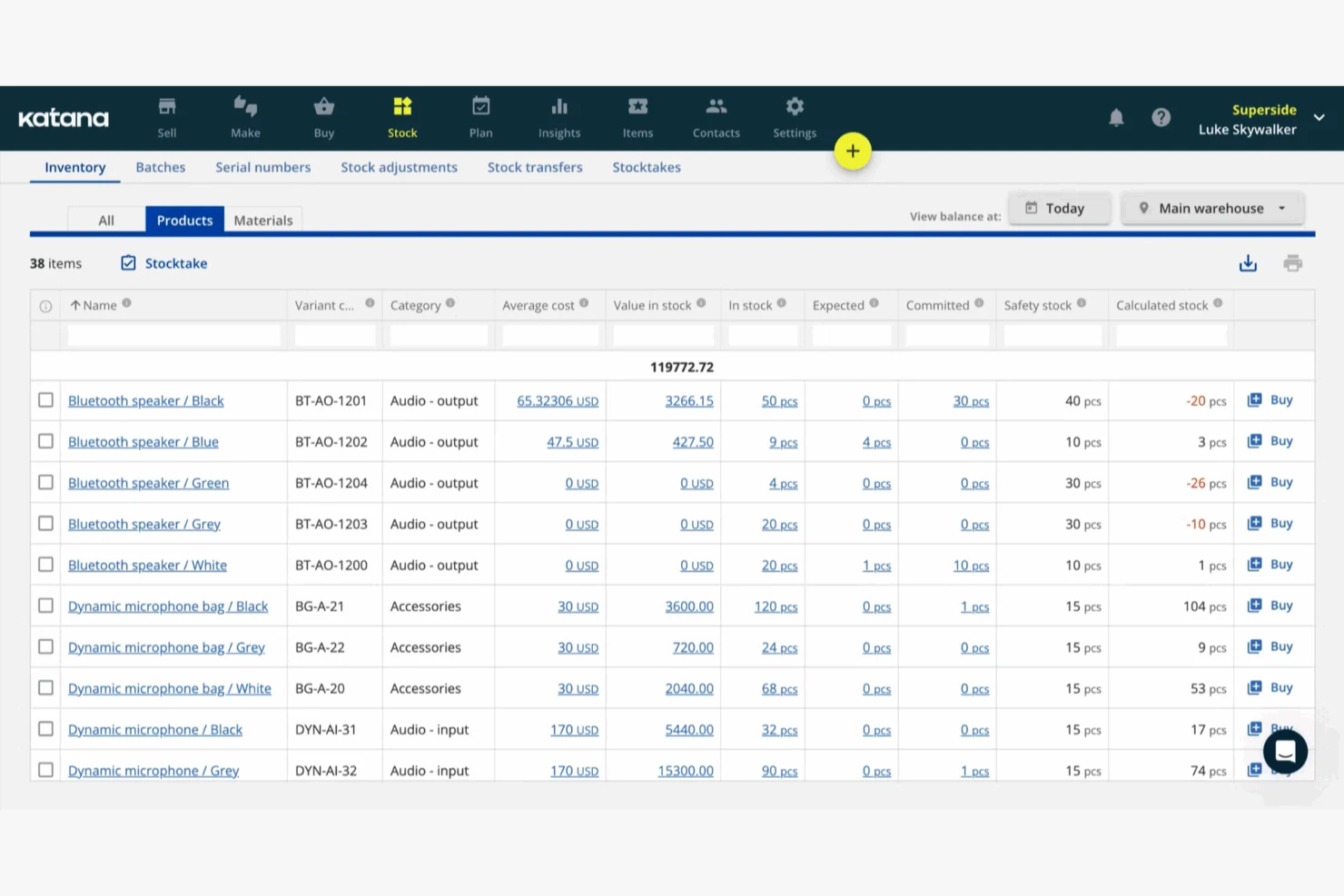
Katana is a manufacturing and inventory management software designed for small to medium-sized manufacturers. It helps teams manage production, inventory, and sales orders efficiently.
Why it's a good Linnworks alternative: Katana offers real-time manufacturing oversight, providing live updates on production and inventory. Its visual production planning feature enables you to manage resources and workflows.
You can track materials and products, ensuring everything is on schedule. These features support manufacturers needing detailed oversight and control over their operations.
Standout features and integrations:
Features include batch tracking to trace materials and products throughout the production process. You can also manage shop floor operations with real-time updates, ensuring optimal resource allocation. The software supports multichannel sales, helping you manage orders from various platforms.
Integrations include Shopify, WooCommerce, QuickBooks Online, Xero, BigCommerce, Zapier, Salesforce, Amazon, eBay, ShipStation, and more.
Pros and Cons
Pros:
- Batch tracking available
- Good for small manufacturers
- Visual production planning
Cons:
- Needs internet/cloud
- Limited scalability for large enterprises
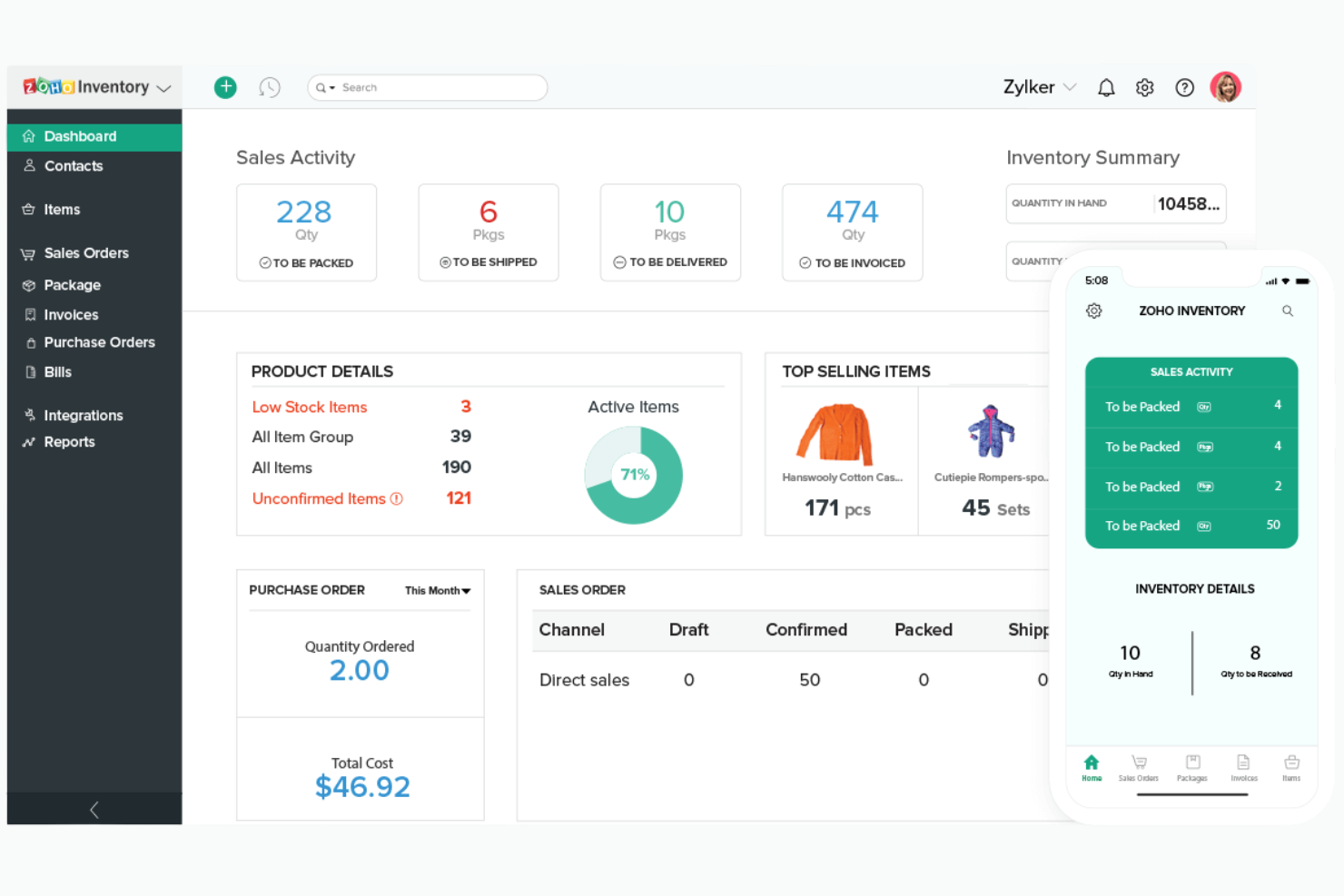
Zoho Inventory is an inventory management tool that offers order management and stock tracking solutions for small to medium-sized businesses. It's a reliable system for businesses that need to manage sales and inventory efficiently.
Why it's a good Linnworks alternative: Zoho Inventory prioritizes data privacy, providing secure management of your inventory data. It offers features such as serial number tracking and batch tracking, which are essential for businesses that require detailed inventory records.
The tool also includes order management capabilities to simplify your sales process. These features make it a solid choice for businesses concerned about data privacy and efficient inventory control.
Standout features and integrations:
Features include automated workflows to simplify your inventory processes. You can set up reorder levels to ensure you never run out of stock. The software also provides extensive reporting, giving you insights into your inventory performance.
Integrations include Shopify, Amazon, eBay, Etsy, PayPal, Stripe, Zoho Books, Zoho CRM, QuickBooks, and more.
Pros and Cons
Pros:
- Extensive reporting features
- Scalable for growing businesses
- Strong focus on data privacy
Cons:
- Mobile app is less powerful
- Limited warehouse application

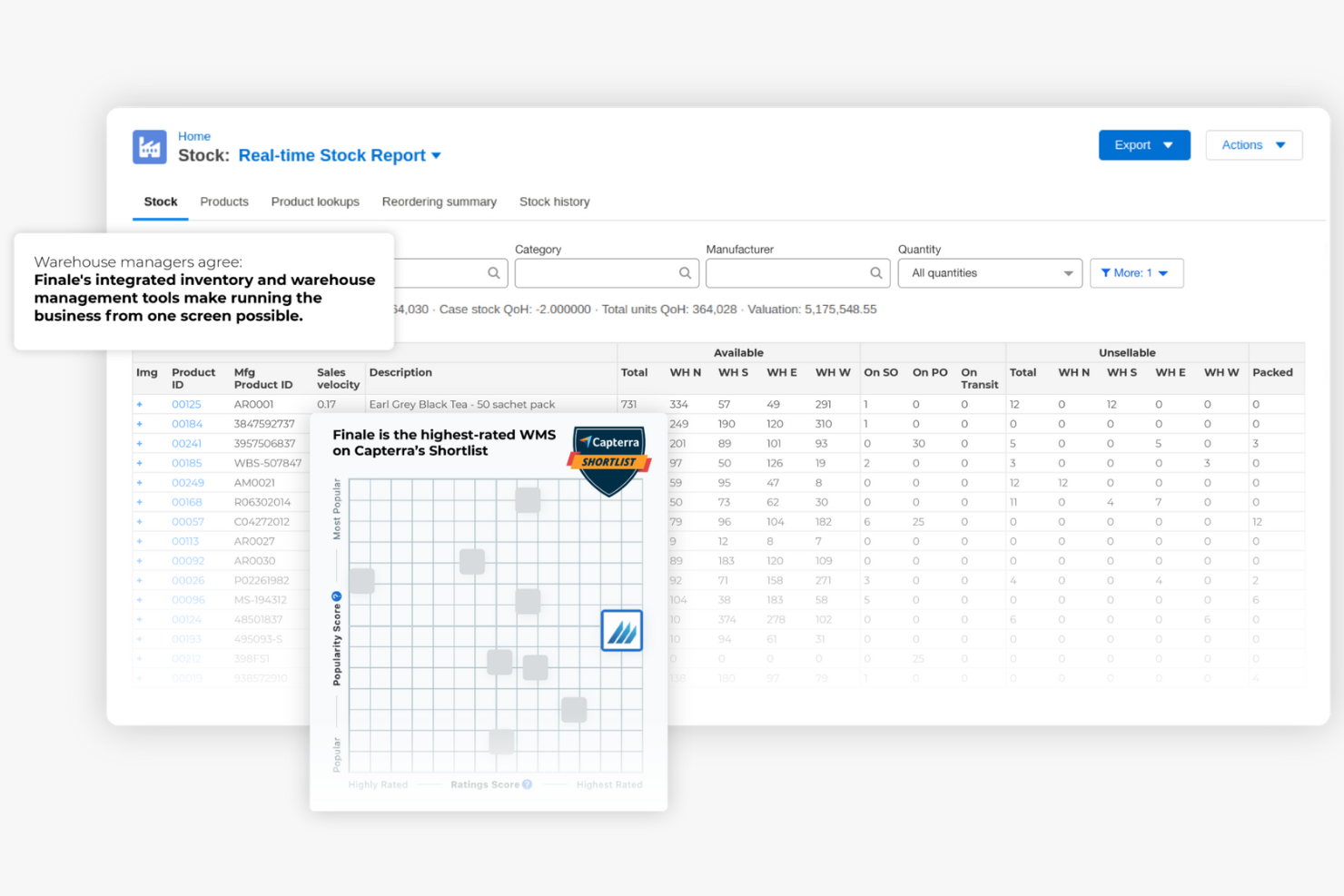
Finale Inventory is a cloud-based inventory management solution designed for businesses needing to manage inventory across multiple locations. Companies used it to keep track of stock levels, manage orders, and simplify operations.
Why it's a good Linnworks alternative: Finale Inventory excels in multi-warehouse management, offering features such as real-time stock updates and location-specific inventory tracking. You can transfer stock between warehouses and maintain accurate inventory levels.
The software supports barcode scanning, making stock management efficient and reducing errors. These capabilities make it suitable for businesses with complex inventory needs across various locations.
Standout features and integrations:
Features include demand forecasting to help you predict future inventory needs. You can also set up automatic reorder points to prevent stockouts. The system offers detailed reporting, providing insights into inventory performance and helping you make informed decisions.
Integrations include Shopify, QuickBooks, Xero, WooCommerce, Amazon, eBay, ShipStation, BigCommerce, Etsy, Square, and more.
Pros and Cons
Pros:
- Detailed reporting available
- Efficient stock transfers
- Supports real-time stock updates
Cons:
- Can be hard to navigate at first
- Limited offline functionality


Sortly is an inventory management tool designed for small businesses to track and organize their stock. Professionals in the construction, medical, and education industries use it to manage inventory and assets.
Why it's a good Linnworks alternative: Sortly offers mobile inventory tracking, allowing you to manage stock on the go with its app. Visual inventory tracking via photos, along with barcode scanning, provides easy access and organization.
Low stock alerts ensure you never run out of essential items, and extensive reporting keeps you informed. These capabilities support mobile access and efficient inventory management.
Standout features and integrations:
Features include a mobile app for inventory management, barcode and QR code scanning, and high-resolution photo uploads. You can receive alerts for low stock and access real-time reporting with export options. This helps you keep track of inventory efficiently and ensures you have the information you need.
Integrations include QuickBooks, Slack, Microsoft Teams, Amazon Business U.S., and more.
Pros and Cons
Pros:
- Quick setup process
- Visual inventory tracking
- Easy mobile access
Cons:
- May not suit large enterprises
- Lacks core supply chain features

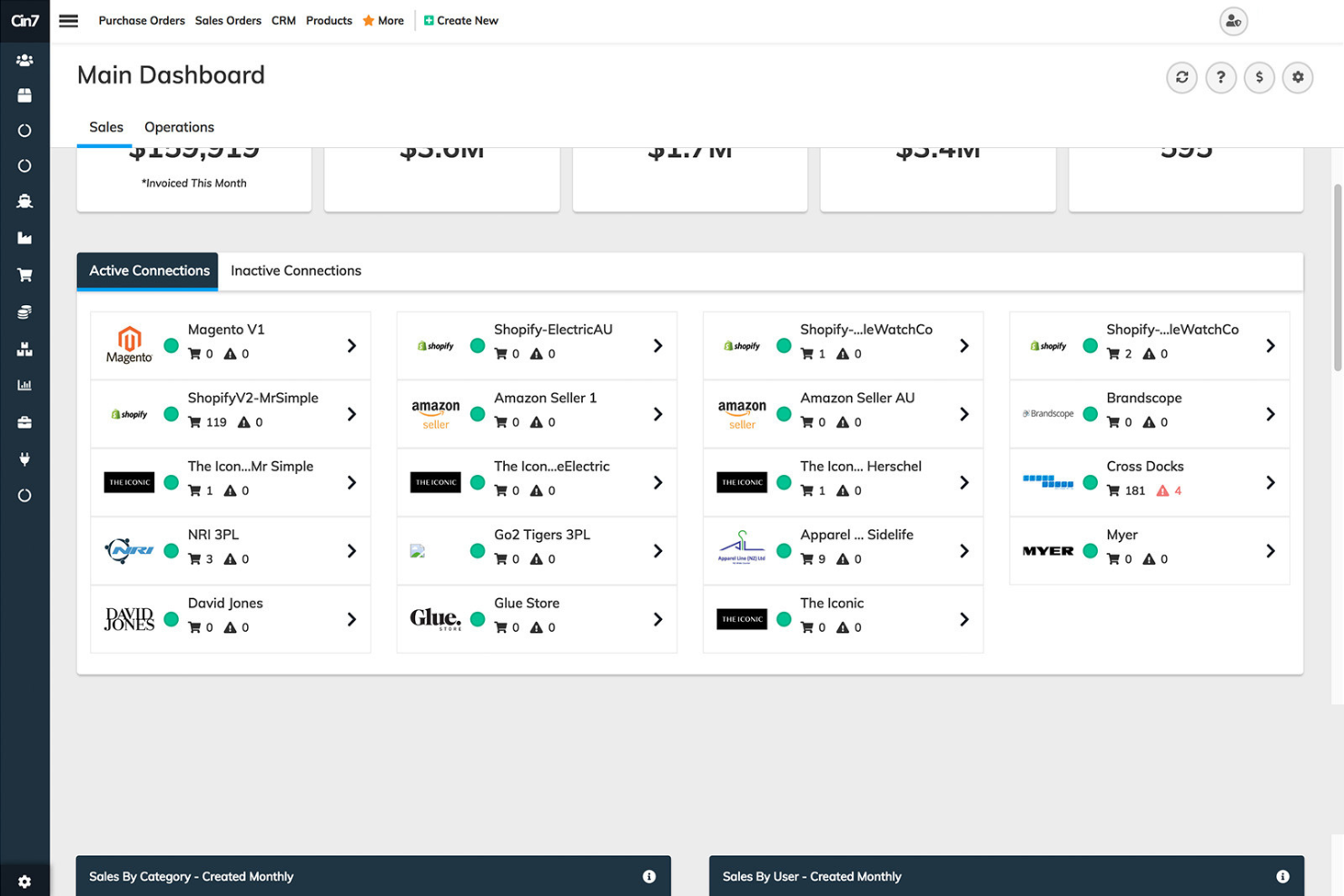
Cin7 is an inventory management software solution for online retailers and wholesalers who need to manage inventory across multiple sales channels. Businesses used it to unify their sales, inventory, and fulfillment.
Why it's a good Linnworks alternative: Cin7 offers extensive omnichannel management capabilities, integrating your sales channels, warehouses, and order fulfillment in a single platform. Features such as automated order workflows and real-time stock visibility help you manage complex inventory needs.
The software's point-of-sale (POS) integration allows for online and in-store transactions. These features make it ideal for businesses needing a unified approach to inventory and sales management.
Standout features and integrations:
Features include advanced reporting tools that provide insights into sales and inventory performance. The software supports product bundling, allowing you to combine products. You can also manage multiple warehouses, ensuring your stock is where it needs to be.
Integrations include Shopify, QuickBooks, Xero, Amazon, WooCommerce, BigCommerce, eBay, Adobe Commerce, Square Up, Salesforce, and more.
Pros and Cons
Pros:
- POS integration
- Real-time inventory updates
- Supports multiple sales channels
Cons:
- Higher cost for small businesses
- Limited Shopify connectivity

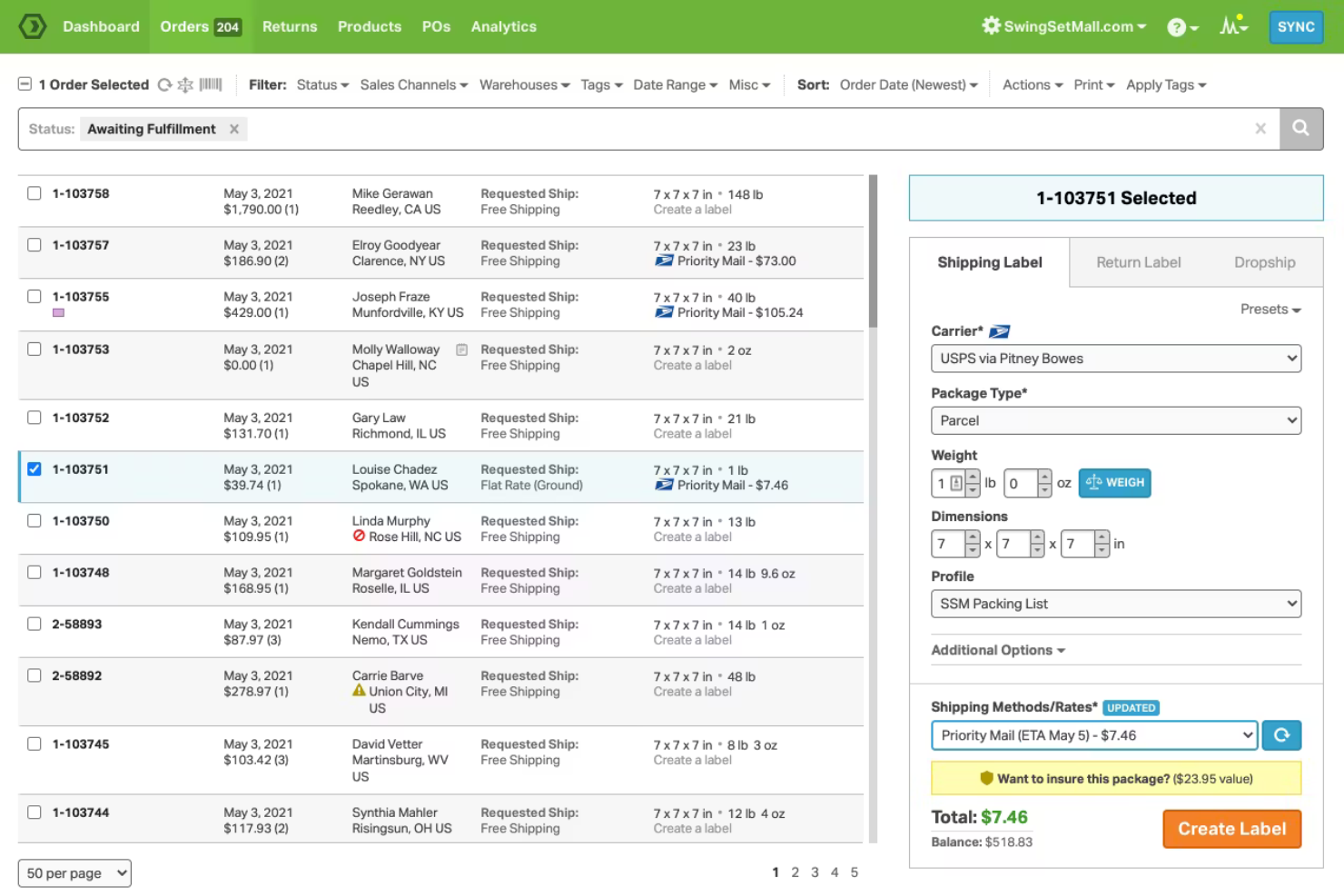
Ordoro is an inventory management software that delivers order fulfillment and shipping processes capabilities for e-commerce businesses. Teams needing to automate their e-commerce operations use it to save time and reduce errors.
Why it's a good Linnworks alternative: Ordoro is an enterprise resource planning (ERP) platform that excels in e-commerce automation, offering features such as automatic order routing and shipping label generation. You can manage inventory across multiple sales channels, ensuring stock levels are accurate.
The software provides advanced analytics to help you make informed decisions. These features make it ideal for businesses looking for e-commerce workflow automation and optimization.
Standout features and integrations:
Features include dropshipping capabilities, allowing you to manage suppliers and orders efficiently. You can also use barcode scanning to improve accuracy in your inventory management. The software offers kitting features to bundle products and manage them as a single unit.
Integrations include Shopify, BigCommerce, WooCommerce, Amazon, eBay, Etsy, Square, Adobe Commerce, QuickBooks Online, and more.
Pros and Cons
Pros:
- Kitting features for product bundling
- Supports dropshipping operations
- Good for e-commerce automation
Cons:
- Not ideal for brick-and-mortar stores
- Limited inventory planning

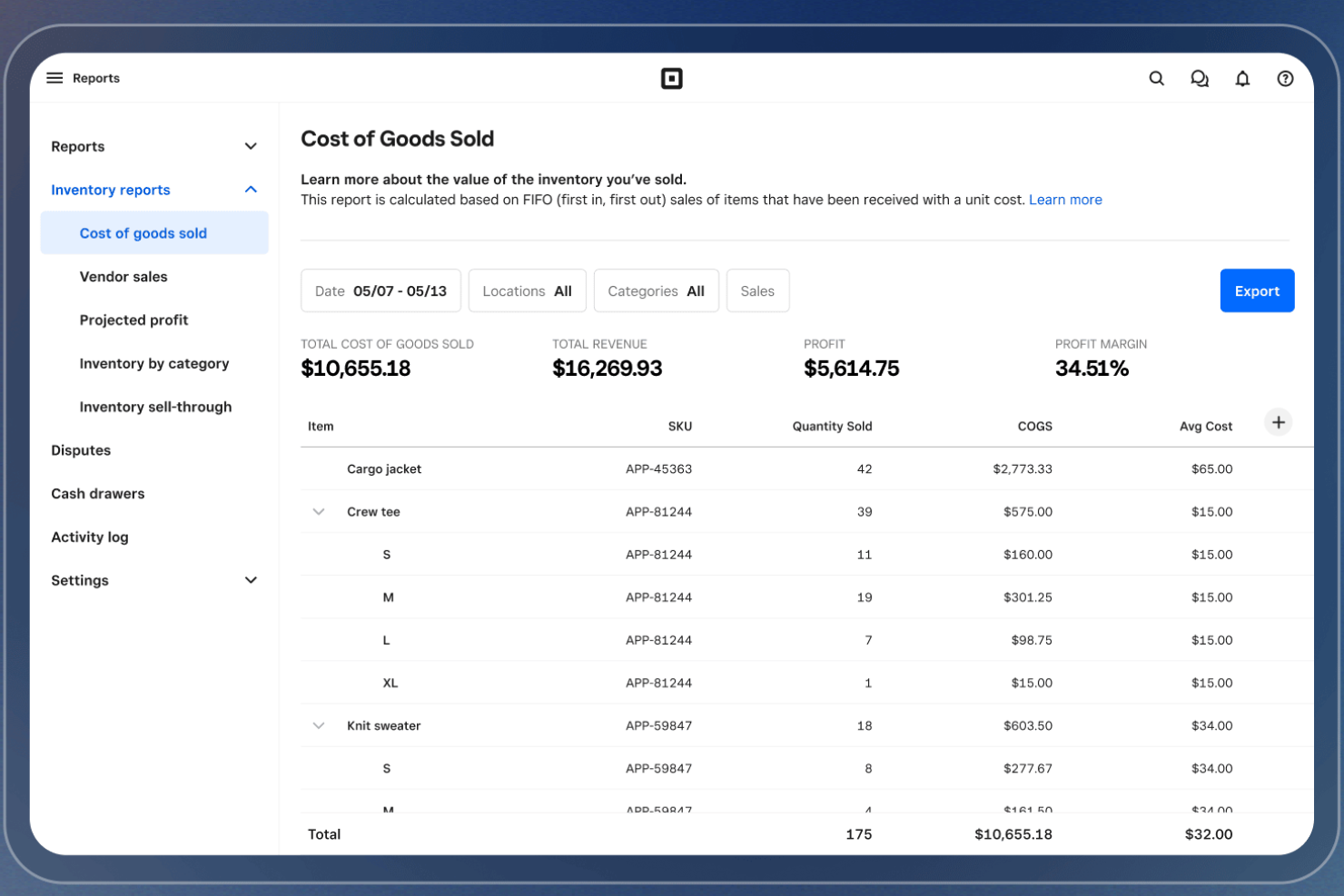
Square is an end-to-end business management tool that provides solutions for POS, payment processing, and inventory management for small to medium-sized businesses. It's ideal for businesses looking to manage sales and inventory efficiently in a single platform.
Why it's a good Linnworks alternative: Square offers an all-in-one business management approach, integrating POS and payment processing with inventory tracking. You can manage sales both online and in-store, giving you flexibility in how you run your business.
Real-time inventory updates help you keep track of stock levels accurately. These features make it a great choice for businesses seeking a unified system.
Standout features and integrations:
Features include detailed sales reporting, which helps you analyze your business performance. You can also utilize employee management tools to track hours and manage schedules. The software supports mobile payments, allowing you to accept payments on-the-go.
Integrations include QuickBooks Online, WooCommerce, BigCommerce, Wix, Adobe Commerce, Xero, Mailchimp, Zoho Books, and more.
Pros and Cons
Pros:
- Real-time stock updates
- Supports mobile payments
- All-in-one solution
Cons:
- Support can be weak
- Inventory and order management lack depth


Odoo is an inventory management solution tailored for businesses needing to track tools and equipment. Industries use it to manage inventory and resources.
Why it's a good Linnworks alternative: Odoo offers specialized tool tracking capabilities, providing detailed insights into the usage and location of equipment. This enterprise resource planning (ERP) software allows you to manage inventory levels and automate reordering processes.
Real-time data ensures your tools are always available when needed. These features make it ideal for businesses focused on managing tools and equipment effectively.
Standout features and integrations:
Features include advanced reporting tools to help you analyze inventory performance. You can set up automated workflows to handle repetitive tasks and save time. The system also supports batch and serial number tracking, giving you detailed control over inventory.
Integrations are not publicly listed.
Pros and Cons
Pros:
- Batch and serial number tracking
- Good for equipment management
- Supports detailed tool tracking
Cons:
- Some modules lack polish
- Cost scaling can become expensive

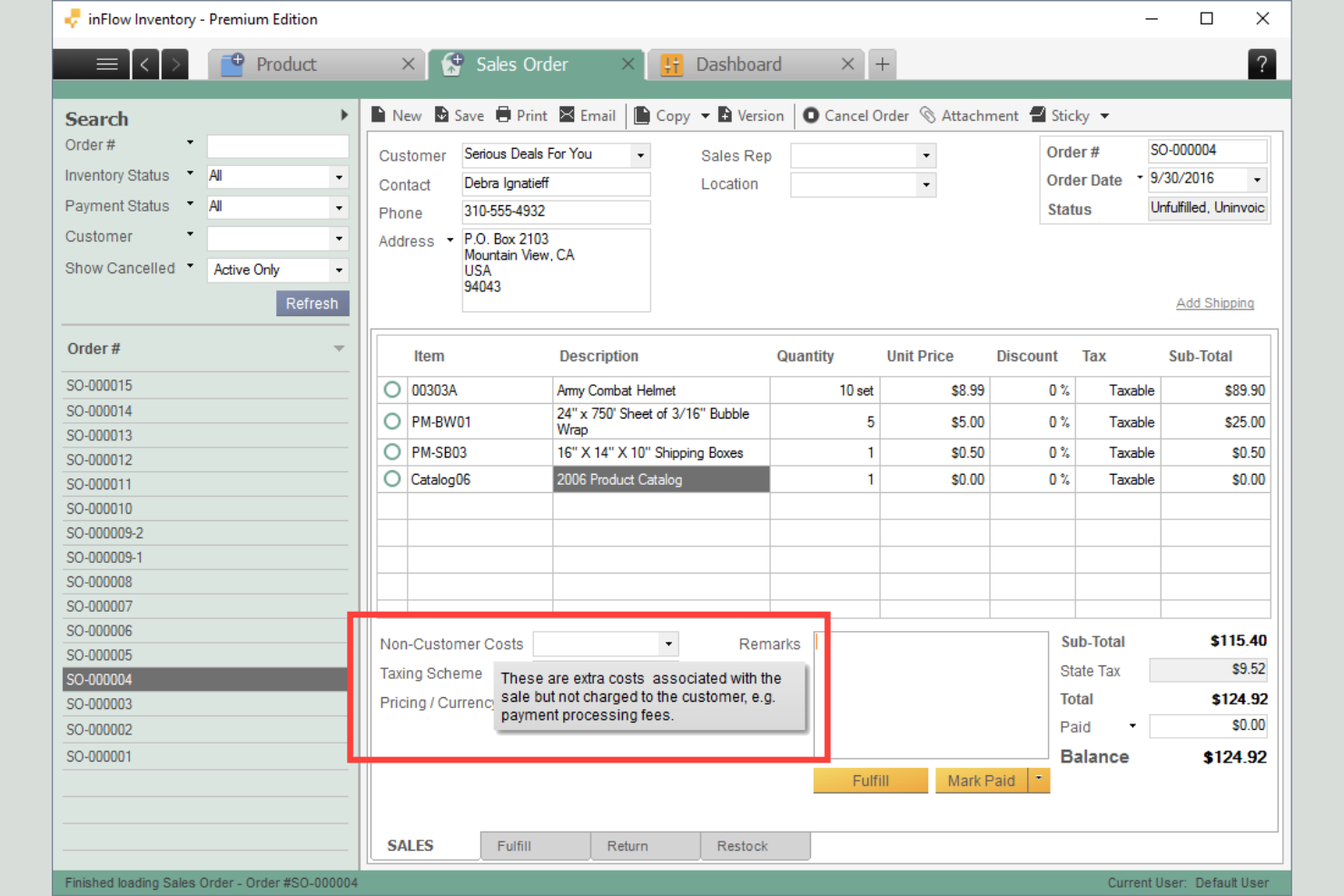
inFlow is an inventory management software tailored for small to mid-sized businesses that provides inventory tracking and order management capabilities. Companies used it to keep their inventory organized and accessible.
Why it's a good Linnworks alternative: inFlow offers a user-friendly interface designed for businesses that need straightforward inventory solutions. It provides features ideal for smaller teams, including barcode scanning and purchase order management.
The software also offers customizable reports to give you insights into your inventory. These features cater well to small and mid-sized businesses looking for a practical tool.
Standout features and integrations:
Features include customizable reporting, allowing you to generate insights based on your specific needs. You can manage sales and purchase orders efficiently, keeping your operations smooth. The software also provides barcode scanning to help you quickly update inventory levels.
Integrations include QuickBooks Online, Shopify, WooCommerce, Amazon, Squarespace, Xero, Zapier, Etsy, eBay, and more.
Pros and Cons
Pros:
- Barcode scanning available
- Efficient order management
- Customizable reporting options
Cons:
- Reporting and analytics lack depth
- Limited multichannel sales sync
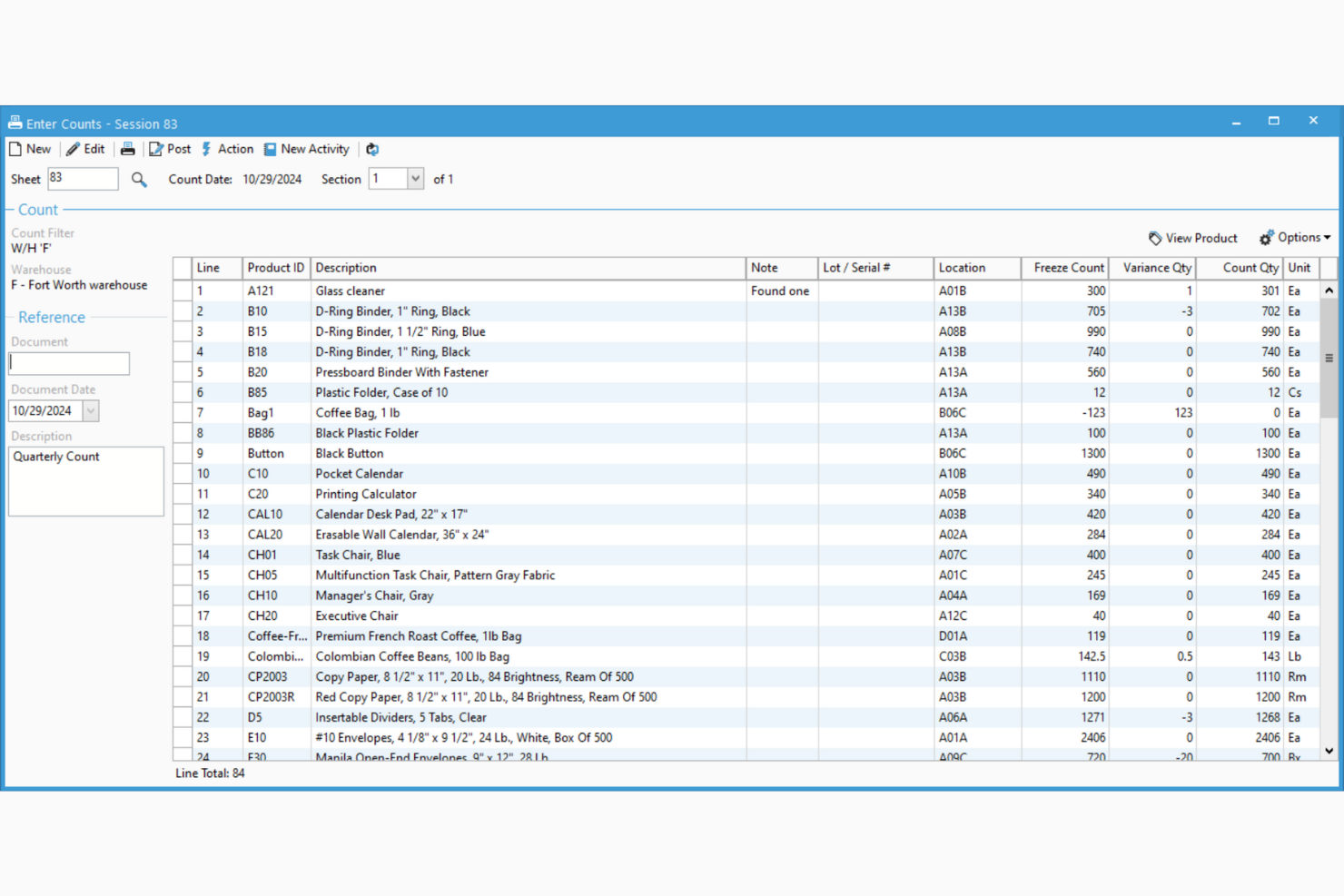
Acctivate is an inventory management software designed for small to medium-sized businesses that need to optimize their inventory processes. Companies use it to integrate inventory management with QuickBooks to simplify operations.
Why it's a good Linnworks alternative: Acctivate integrates with QuickBooks, providing a unified solution for accounting and inventory management. Features such as advanced inventory control, order management, and real-time data access help you keep operations efficient.
Acctivate can help you track inventory levels, manage orders, and maintain precise records. These capabilities make it a strong choice for businesses that rely heavily on QuickBooks.
Standout features and integrations:
Features include business analytics tools that provide insights into sales and inventory trends. You can also automate purchasing processes to ensure stock levels are maintained. The software supports lot and serial number tracking, giving you detailed control over inventory items.
Integrations include QuickBooks, Adobe Commerce, Volusion, and more.
Pros and Cons
Pros:
- Automates purchasing processes
- Supports advanced inventory control
- Integrates well with QuickBooks
Cons:
- Not ideal for non-QuickBooks users
- High upfront cost
Other Linnworks Alternatives
Here are some additional Linnworks alternatives that didn’t make it onto my shortlist, but are still worth checking out:
- ToolHound
For tool tracking in industries
- Microsoft Inventory Management System
For SharePoint users
- Xero
For small business accounting
- RFgen
For offline data collection


Linnworks Alternatives Selection Criteria
When selecting the best Linnworks alternatives to include in this list, I considered common buyer needs and pain points related to inventory management products, including real-time inventory tracking and multi-location management. I also used the following framework to keep my evaluation structured and fair:
Core Functionality (25% of total score)
To be considered for inclusion in this list, each solution had to fulfill these common use cases:
- Track inventory levels
- Manage purchase orders
- Handle sales orders
- Provide reporting and analytics
- Support barcode scanning
Additional Standout Features (25% of total score)
To help further narrow down the competition, I also looked for unique features, such as:
- Customizable dashboards
- Real-time inventory updates
- Multichannel sales support
- Integration with accounting systems
- Automated reordering
Usability (10% of total score)
To get a sense of the usability of each system, I considered the following:
- User interface design
- Ease of navigation
- Customization options
- Mobile accessibility
- Speed and responsiveness
Onboarding (10% of total score)
To evaluate the onboarding experience for each platform, I considered the following:
- Availability of training videos
- Interactive product tours
- Access to webinars
- Ready-to-use templates
- Support from chatbots
Customer Support (10% of total score)
To assess each software provider's customer support services, I considered the following:
- 24/7 availability
- Response time
- Access to live chat
- Quality of help documentation
- Availability of phone support
Value for Money (10% of total score)
To evaluate the value for money of each platform, I considered the following:
- Pricing model transparency
- Features included in base price
- Scalability of pricing plans
- Discounts for annual billing
- Overall cost compared to features
Customer Reviews (10% of total score)
To get a sense of overall customer satisfaction, I considered the following when reading customer reviews:
- Feedback on reliability
- Comments on ease of use
- Satisfaction with customer support
- Reports of any recurring issues
- Overall user recommendations
Why Look For a Linnworks Alternative?
While Linnworks is a good choice for inventory management, there are a number of reasons why some users seek out alternative solutions. You might be looking for a Linnworks alternative because:
- You need more customization options.
- Your team requires better mobile access.
- You're looking for a more affordable solution.
- Your business needs multi-language support.
- You want easier integration with other tools.
- You require more advanced analytics.
If any of these sound like you, you've come to the right place. My list contains several inventory management options that are better suited for teams facing these challenges with Linnworks and looking for alternative solutions.
Linnworks Key Features
Here are some of the key features of Linnworks, to help you contrast and compare what alternative solutions offer:
- Inventory management: Centralizes your inventory operations to prevent under or overselling.
- Order management: Simplifies the process of managing orders from multiple sales channels.
- Shipping management: Automates shipping processes and integrates with major carriers.
- Multichannel integration: Connects with various online marketplaces and platforms for smooth sales management.
- Reporting and analytics: Provide insights into sales, inventory levels, and performance metrics.
- Automated workflows: Reduce manual tasks through automation, supporting efficiency.
- Stock forecasting: Helps predict inventory needs to optimize stock levels and reduce waste.
- Warehouse management: Strengthens control over warehouse operations, including picking and packing.
- Price management: Allows for the adjustment of pricing strategies across different platforms.
- Product listing creation: Facilitates the creation and management of product listings across multiple channels.
What's Next:
If you're in the process of researching inventory management, connect with a SoftwareSelect advisor for free recommendations.
You fill out a form and have a quick chat where they get into the specifics of your needs. Then you'll get a shortlist of software to review. They'll even support you through the entire buying process, including price negotiations.