
13 Best Ecommerce Personalization Software Solutions Picked for 2026

Best Ecommerce Personalization Software Shortlist
Here's my pick of the 10 best software from the 13 tools reviewed.


Ecommerce personalization software helps your business deliver tailored shopping experiences by using customer data to customize product recommendations, content, and offers across digital channels.
If you’re searching for ways to increase conversion rates, improve retention, and meet rising customer expectations, finding the right personalization platform is essential. This guide will help you compare leading ecommerce personalization software for 2026, so you can choose the best fit for your team’s goals, tech stack, and growth plans.
Why Trust Our Software Reviews
Best Ecommerce Personalization Software Summary
This comparison chart summarizes pricing details for my top ecommerce personalization software selections to help you find the best one for your budget and business needs.
| Tool | Best For | Trial Info | Price | ||
|---|---|---|---|---|---|
| 1 | Best for lightning-fast product search | Free + pay-as-you-go plans available | From $0.50/1K search requests | Website | |
| 2 | Best for on-site conversion tools | Free demo available | Pricing upon request | Website | |
| 3 | Best for rapid Shopify integration | Free demo available | Pricing upon request | Website | |
| 4 | Best for cross-channel campaign orchestration | Free demo available | Pricing upon request | Website | |
| 5 | Best for plug-and-play automation | Free demo available | From $119/month | Website | |
| 6 | Best for advanced AI-driven recommendations | Free demo available | Pricing upon request | Website | |
| 7 | Best for AI-powered search merchandising | Free demo available | Pricing upon request | Website | |
| 8 | Best for real-time product bundling | 15-day free trial + free demo available | From $50/month | Website | |
| 9 | Best for large catalog optimization | Free demo available | Pricing upon request | Website | |
| 10 | Best for unified product and content personalization | Free demo available | Pricing upon request | Website |
Best Ecommerce Personalization Software Reviews
Below are my detailed summaries of ecommerce personalization software that made it onto my shortlist. My reviews offer a detailed look at the features, best use cases, and integrations of each platform to help you find the best one for you.
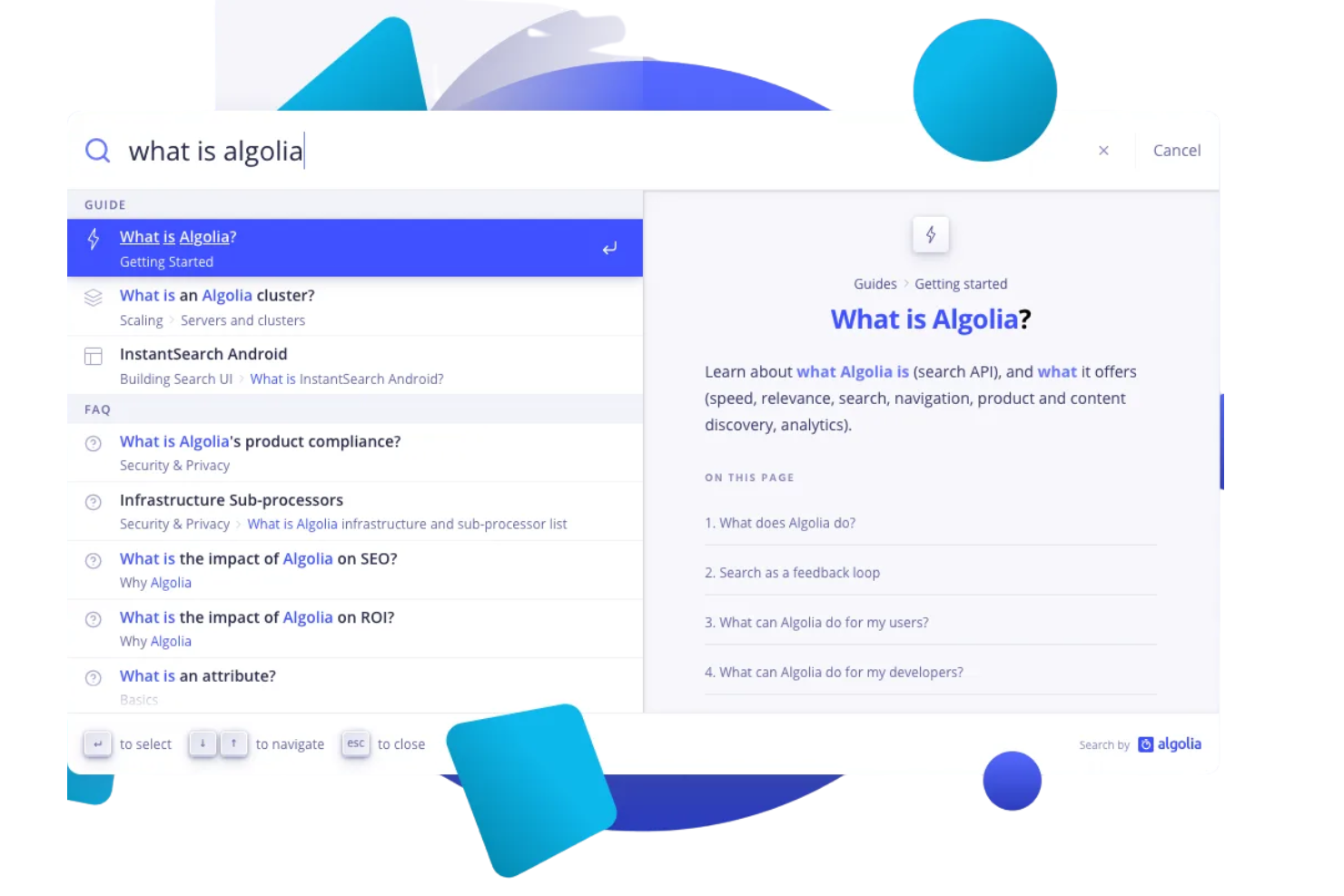
Algolia delivers sub-second product search for ecommerce teams that need speed and scalability. It’s a strong choice for retailers and marketplaces where fast, relevant search results directly impact conversion and customer satisfaction. With Algolia, you can fine-tune ranking, relevance, and filtering to match your catalog and shopper needs.
Why I Picked Algolia
When speed is the top priority for product search, Algolia is hard to match. Its instant search capabilities deliver results as users type, which is essential for ecommerce sites where every millisecond counts. I like that Algolia offers customizable ranking and relevance controls, so you can tailor search results to your catalog and merchandising strategy. The platform’s advanced filtering and faceting options also help shoppers quickly narrow down large product selections, making it a strong fit for ecommerce personalization.
Algolia Key Features
Some other features that make Algolia useful for ecommerce personalization include:
- A/B Testing: Lets you compare different search configurations to optimize performance.
- Personalization API: Delivers individualized search results based on user behavior and preferences.
- Dynamic Synonym Management: Automatically updates and manages synonyms to improve search accuracy.
- Multi-Cluster Support: Handles large-scale catalogs and global traffic with distributed infrastructure.
Algolia Integrations
Integrations include Salesforce Commerce Cloud B2C, Shopify, Adobe Commerce, Netlify, Commercetools, BigCommerce, Contentful, Amplience, Contentstack and an API for custom integrations.
Pros and Cons
Pros:
- Dynamic synonym management improves search accuracy
- Personalization API tailors results for each shopper
- Search results update instantly as users type
Cons:
- Requires developer resources for advanced setup
- Usage-based pricing can be unpredictable

Yieldify specializes in helping ecommerce and retail teams increase on-site conversions through targeted personalization campaigns. It’s especially useful for marketers and digital teams looking to deploy pop-ups, banners, and overlays that respond to real-time shopper behavior. Yieldify stands out for its ability to segment audiences and trigger conversion tools based on granular user actions.
Why I Picked Yieldify
Yieldify stands out for its focus on on-site conversion tools that help ecommerce teams influence shopper behavior in real time. I picked Yieldify because it lets you create personalized overlays, banners, and pop-ups that trigger based on specific user actions, like exit intent or cart abandonment. The platform also offers advanced audience segmentation, so you can tailor conversion campaigns to different customer groups. These features make Yieldify a strong choice for businesses that want to boost conversions with targeted, behavior-driven messaging.
Yieldify Key Features
Some other features that make Yieldify appealing for ecommerce personalization include:
- A/B Testing Engine: Lets you test different campaign variations to see which messaging or design performs best.
- Drag-and-Drop Campaign Builder: Allows you to quickly design and launch on-site campaigns without coding.
- Email Capture Widgets: Helps you collect visitor emails through customizable forms and overlays.
- Performance Analytics Dashboard: Gives you real-time data on campaign engagement and conversion rates.
Yieldify Integrations
Integrations include Shopify, Klaviyo, Salesforce Commerce Cloud, Dotdigital, Mailchimp, Segment, Attentive, Trustpilot, and more.
Pros and Cons
Pros:
- Integrates with most major ESPs and ecommerce platforms
- Real-time audience segmentation for targeted messaging
- Dedicated account managers assist with campaign setup
Cons:
- Pricing details require direct contact with sales
- Limited self-service options for advanced users

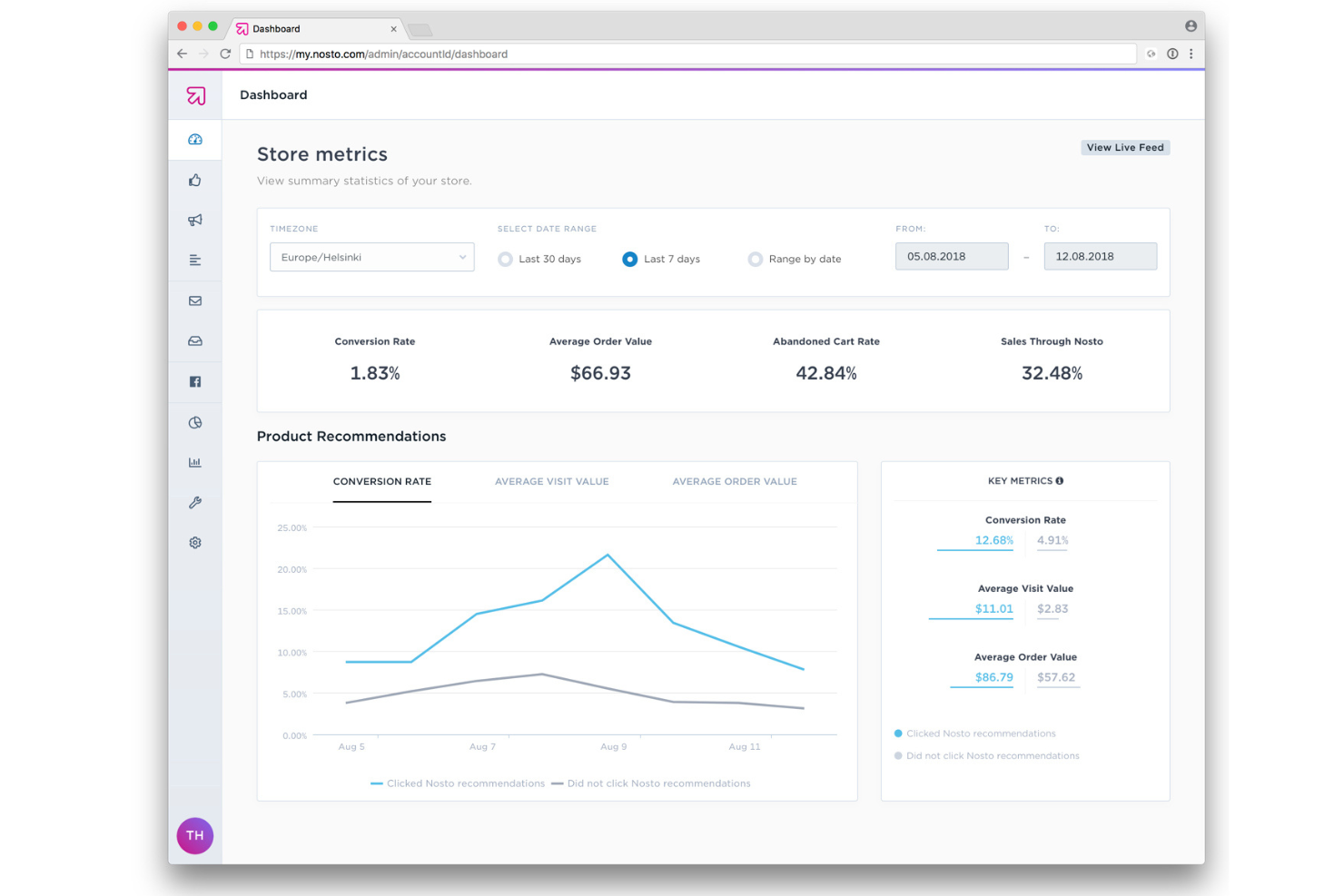
If you need quick personalization for your Shopify store, Nosto is built for rapid deployment and integration. This platform is especially useful for ecommerce teams that want to launch product recommendations, content personalization, and merchandising campaigns without heavy development work. Nosto’s Shopify-first approach helps retailers deliver tailored shopping experiences with minimal setup.
Why I Picked Nosto
For ecommerce teams focused on Shopify, Nosto stands out for how quickly you can get started with personalization. Its native Shopify app allows you to launch product recommendations, dynamic content, and pop-ups directly within your store without custom coding.
I like that Nosto’s onboarding process is tailored for Shopify merchants, making it easy to activate merchandising and segmentation features right away. This rapid integration means you can start testing and optimizing personalized experiences almost immediately.
Nosto Key Features
In addition to its Shopify-focused onboarding, Nosto offers several other features for ecommerce personalization:
- Visual Merchandising Editor: Arrange and prioritize products on category pages using a drag-and-drop interface.
- Segmentation Engine: Build and target customer segments based on real-time behavior and purchase history.
- A/B Testing Tools: Test different personalization strategies and content variations directly within the platform.
- Content Personalization Widgets: Deploy banners, pop-ups, and other dynamic content tailored to specific audiences.
Nosto Integrations
Integrations include Shopify, Salesforce, Adobe Commerce, BigCommerce, Klaviyo, Attentive, Yotpo, and more.
Pros and Cons
Pros:
- Segmentation engine targets real-time shopper behavior
- Visual merchandising editor supports drag-and-drop sorting
- Shopify app enables rapid store integration
Cons:
- Limited support for non-Shopify platforms
- Some integrations require manual setup steps

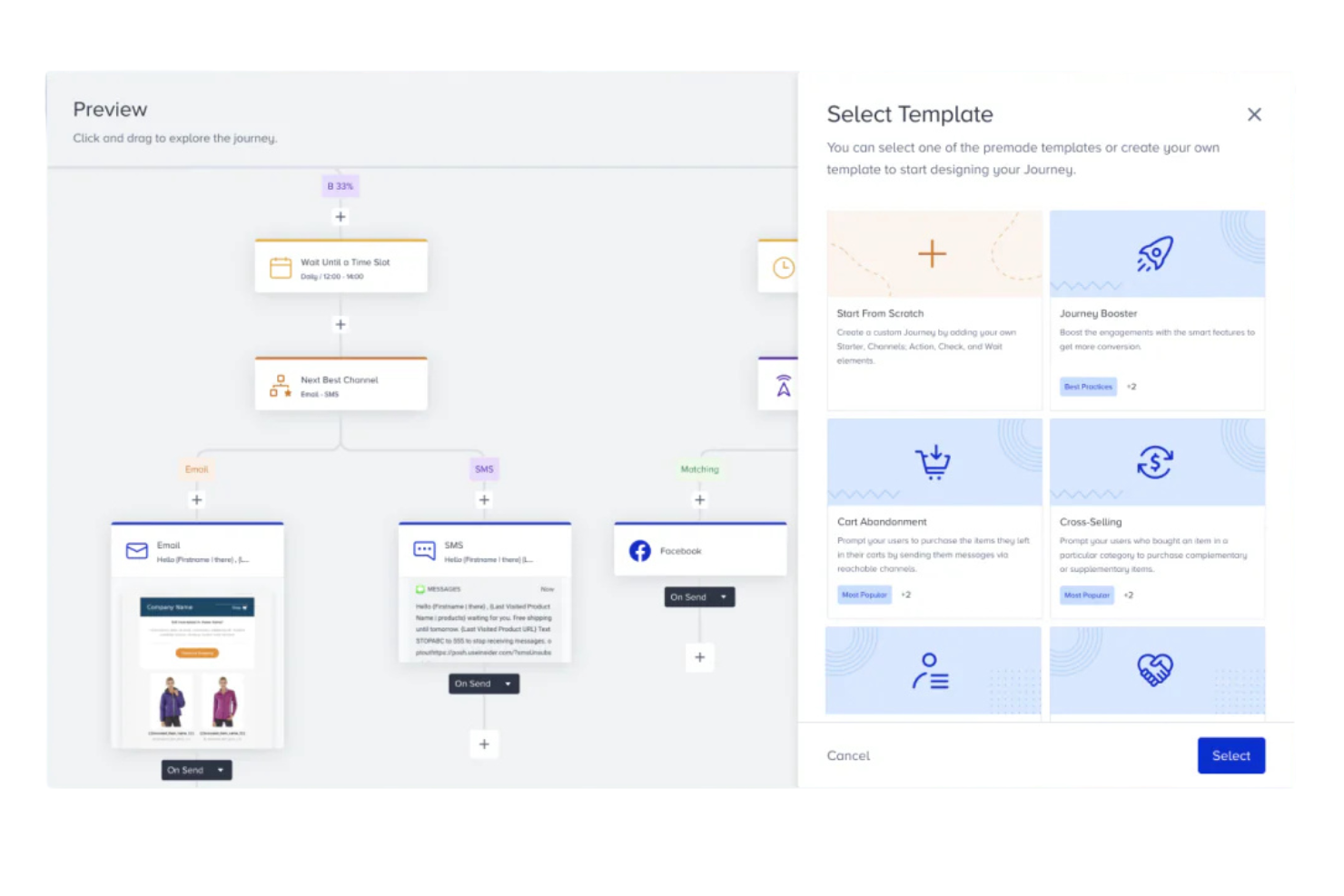
Insider is built for ecommerce and retail teams that want to coordinate personalized campaigns across multiple digital channels. It’s especially useful for marketers aiming to unify messaging and experiences on web, mobile, email, and messaging apps. With Insider, you can manage cross-channel journeys and deliver targeted content to shoppers wherever they engage.
Why I Picked Insider
What drew me to Insider is its focus on orchestrating campaigns across every major digital channel from a single platform. For ecommerce teams, this means you can design and automate personalized journeys that reach customers on the web, mobile apps, email, SMS, and messaging apps like WhatsApp.
Insider’s journey builder lets you map out cross-channel touchpoints and trigger actions based on real-time customer behavior. This approach helps you deliver consistent, relevant experiences no matter where your shoppers interact.
Insider Key Features
Some other features that make Insider useful for ecommerce personalization include:
- AI-Powered Product Recommendations: Delivers tailored product suggestions based on user behavior and preferences.
- A/B Testing Engine: Let you experiment with different campaign elements to optimize performance.
- Customer Data Platform (CDP): Unifies customer data from multiple sources for more accurate targeting.
- Onsite Personalization Widgets: Adds dynamic banners, pop-ups, and overlays to personalize the onsite experience.
Insider Integrations
Integrations include Shopify, Salesforce CRM, Google Analytics, Segment, Amplitude, Facebook Ads, Mailchimp, Snowflake, Amazon S3, and Yotpo.
Pros and Cons
Pros:
- On-site widgets personalize banners and pop-ups
- AI-driven segmentation updates in real time
- Visual journey builder supports complex campaign flows
Cons:
- IMobile app personalization features are less advanced
- Pricing details are not publicly available
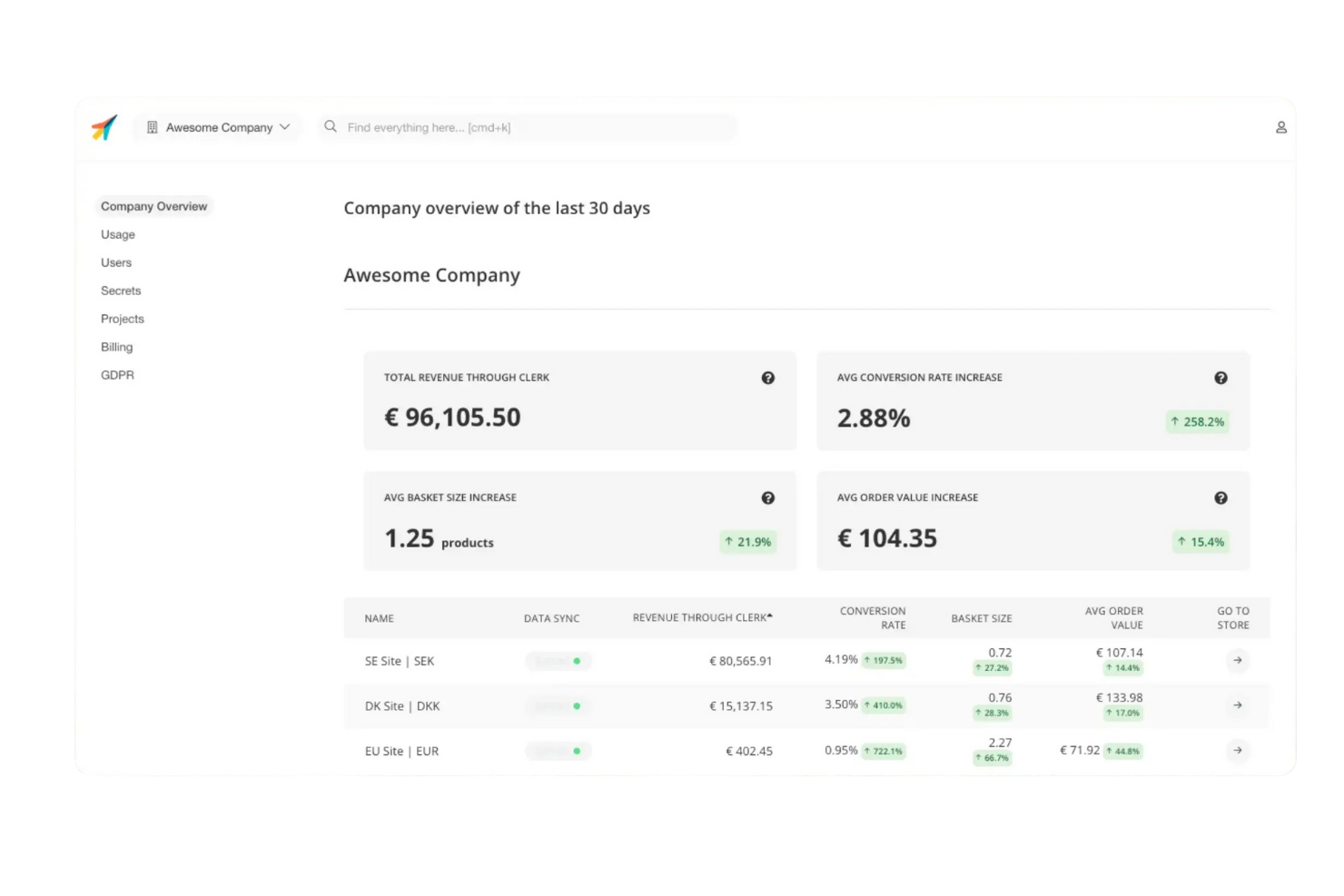
Clerk.io stands out for ecommerce teams that want to automate personalization without heavy technical work. It’s designed for retailers and brands looking for plug-and-play tools to deliver product recommendations, search, and email personalization. With Clerk.io, you can quickly launch AI-driven experiences that adapt to shopper behavior across your site and marketing channels.
Why I Picked Clerk.io
For ecommerce teams that want to automate personalization with minimal setup, Clerk.io offers a true plug-and-play approach. Its pre-built modules for product recommendations, personalized search, and automated email content let you launch tailored experiences without custom development.
Notably, Clerk.io’s AI adapts to shopper behavior in real time, so your site and campaigns stay relevant as trends shift. This makes it a strong fit for retailers who want to quickly deploy and maintain advanced personalization features.
Clerk.io Key Features
Some other features that make Clerk.io appealing for ecommerce personalization include:
- Audience Segmentation: Lets you group shoppers based on behavior and preferences for targeted campaigns.
- Live Search Analytics: Provides real-time data on what customers are searching for and clicking.
- Cross-Sell and Upsell Modules: Automatically suggest related or higher-value products during the shopping journey.
- Multi-Language Support: Enables you to personalize experiences for customers in different regions and languages.
Clerk.io Integrations
Integrations include Shopify, BigCommerce, Shopware, WooCommerce, PrestaShop, DanDomain, Lightspeed, and SmartWeb.
Pros and Cons
Pros:
- Automated email personalization syncs with store data
- Real-time product recommendations update with inventory
- Plug-and-play modules require minimal technical setup
Cons:
- Reporting dashboard offers basic analytics only
- Fewer advanced merchandising tools than some competitors

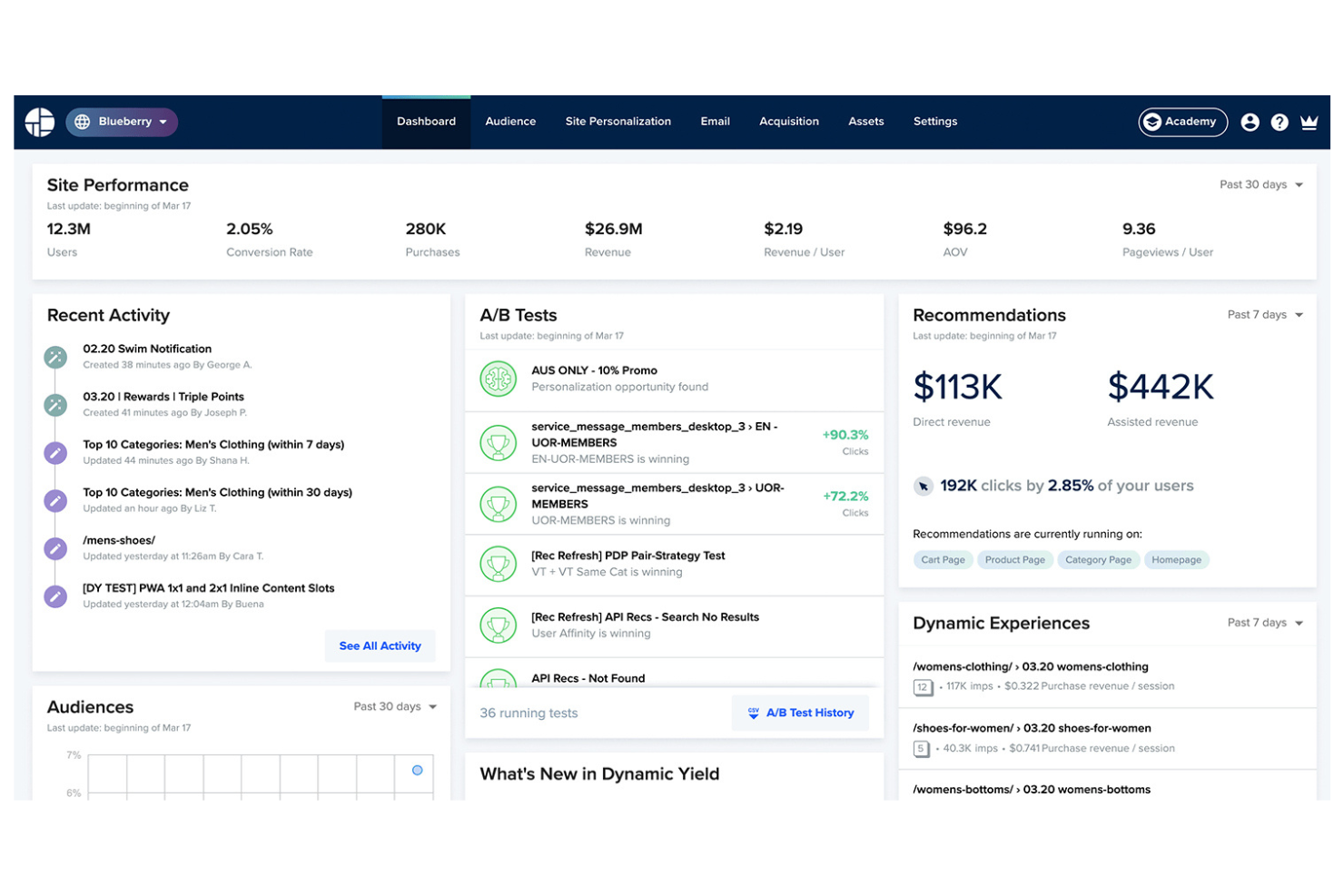
Dynamic Yield uses advanced AI to help retailers and ecommerce teams deliver highly personalized product recommendations and experiences. This platform is a strong fit for businesses looking to optimize every touchpoint with real-time, data-driven personalization. If your team needs granular control over recommendations, testing, and targeting, Dynamic Yield offers a flexible solution.
Why I Picked Dynamic Yield
I chose Dynamic Yield for its advanced AI-driven recommendations, which set it apart in the ecommerce personalization space. The platform’s machine learning algorithms analyze real-time shopper behavior to deliver highly relevant product suggestions and content.
I appreciate how Dynamic Yield lets you run A/B and multivariate tests on recommendations, so you can fine-tune what works best for your audience. Its predictive targeting tools also help you personalize experiences for different customer segments, making it a strong choice for teams focused on data-driven growth.
Dynamic Yield Key Features
Some other features in Dynamic Yield that support ecommerce personalization include:
- Visual Editor: Make on-site changes and personalize content without needing to write code.
- Triggered Messaging: Send personalized pop-ups, banners, or notifications based on user actions or behaviors.
- Audience Segmentation: Build and manage detailed customer segments using behavioral and demographic data.
- API Access: Integrate Dynamic Yield’s personalization capabilities into custom applications or external systems.
Dynamic Yield Integrations
Integrations include Oracle Responsys, Emarsys, Klaviyo, SendGrid, Iterable, Google Analytics, Tealium, Segment, and more.
Pros and Cons
Pros:
- Visual editor enables no-code personalization changes
- Supports advanced A/B and multivariate testing
- AI-driven recommendations adapt to real-time behavior
Cons:
- Reporting dashboard can feel complex for new users
- Implementation can require significant technical resources

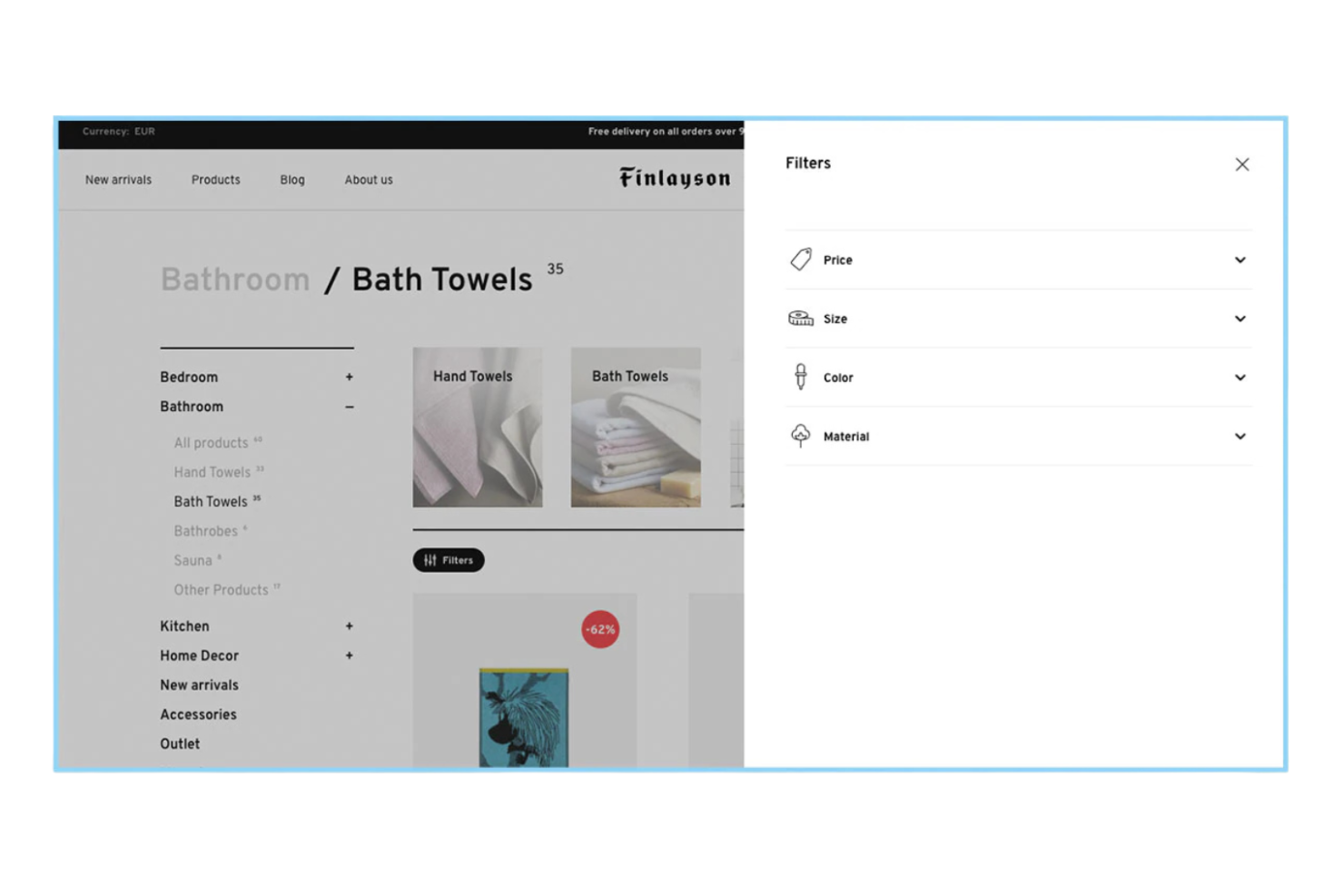
Athos Commerce brings AI-driven search and merchandising to ecommerce teams that want to improve product discovery and relevance. It’s a strong fit for retailers and brands looking to surface the right products through intelligent search, category navigation, and dynamic recommendations. With Athos Commerce, you can fine-tune search results and automate merchandising to match shopper intent in real time.
Why I Picked Athos Commerce
For ecommerce teams focused on search-driven personalization, Athos Commerce stands out for its AI-powered approach to merchandising. The platform uses natural language processing to understand shopper intent and deliver relevant search results, even for complex or misspelled queries.
In addition, Athos Commerce’s dynamic merchandising lets you automate product placements and boost or bury items based on real-time performance data. This level of control and intelligence helps retailers create more personalized and profitable search experiences.
Athos Commerce Key Features
Some other features that make Athos Commerce valuable for ecommerce personalization include:
- Visual Category Merchandising: Lets you arrange and curate category pages with drag-and-drop controls.
- Personalized Product Recommendations: Suggests products based on individual shopper behavior and preferences.
- Synonym Management: Allows you to define and manage synonyms to improve search accuracy.
- Multilingual Search Support: Handles product search and discovery in multiple languages for global stores.
Athos Commerce Integrations
Integrations include Shopify, Shopify Plus, BigCommerce, Adobe Commerce (Magento), Salesforce, Shopware, Miva, and NetSuite.
Pros and Cons
Pros:
- Synonym management improves search relevance
- Visual merchandising supports drag-and-drop curation
- AI search handles misspellings and synonyms
Cons:
- Category merchandising can be slow with large catalogs
- Limited prebuilt templates for recommendations

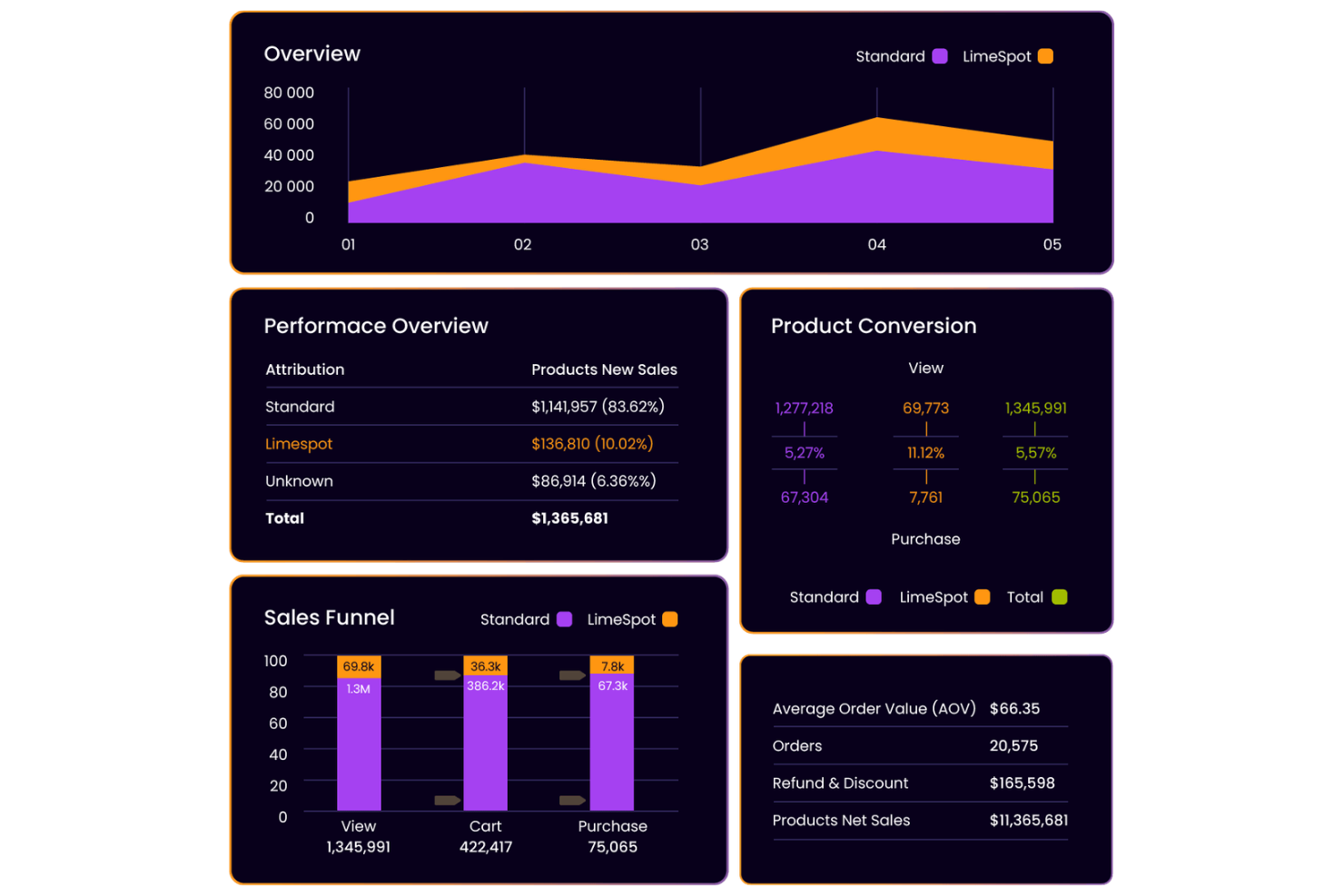
LimeSpot is built for ecommerce teams that want to drive sales with dynamic product bundling and real-time personalization. It’s especially useful for retailers looking to increase average order value by automatically suggesting relevant product combinations as shoppers browse. With LimeSpot, you can deliver personalized bundles and recommendations that update instantly based on each customer’s behavior and cart contents.
Why I Picked LimeSpot
LimeSpot stands out for its ability to create real-time product bundles that adapt to each shopper’s journey. The platform uses AI to analyze browsing and purchase behavior, then instantly generates personalized product combinations that appear throughout the site.
I picked LimeSpot because its bundling engine updates recommendations as customers add or remove items from their carts, helping you capture more upsell and cross-sell opportunities. This makes it a strong choice for ecommerce teams focused on increasing average order value with dynamic, context-aware personalization.
LimeSpot Key Features
In addition to its dynamic bundling capabilities, LimeSpot offers several other features worth noting:
- Personalized Email Recommendations: Let you embed tailored product suggestions directly into marketing emails.
- Audience Segmentation: Allows you to target specific customer groups with unique recommendation strategies.
- A/B Testing Tools: Enables you to test different recommendation layouts and strategies to optimize performance.
- Multi-Store Management: Supports managing personalization across multiple storefronts from a single dashboard.
LimeSpot Integrations
Integrations include Shopify, Klaviyo, HubSpot, Mailchimp, Yotpo, Okendo, Smile.io, Recharge, PageFly, and Shogun.
Pros and Cons
Pros:
- Audience segmentation for targeted product suggestions
- Built-in A/B testing for recommendation modules
- Real-time bundling updates with cart changes
Cons:
- Limited control over recommendation placement locations
- Pricing increases with higher order volume

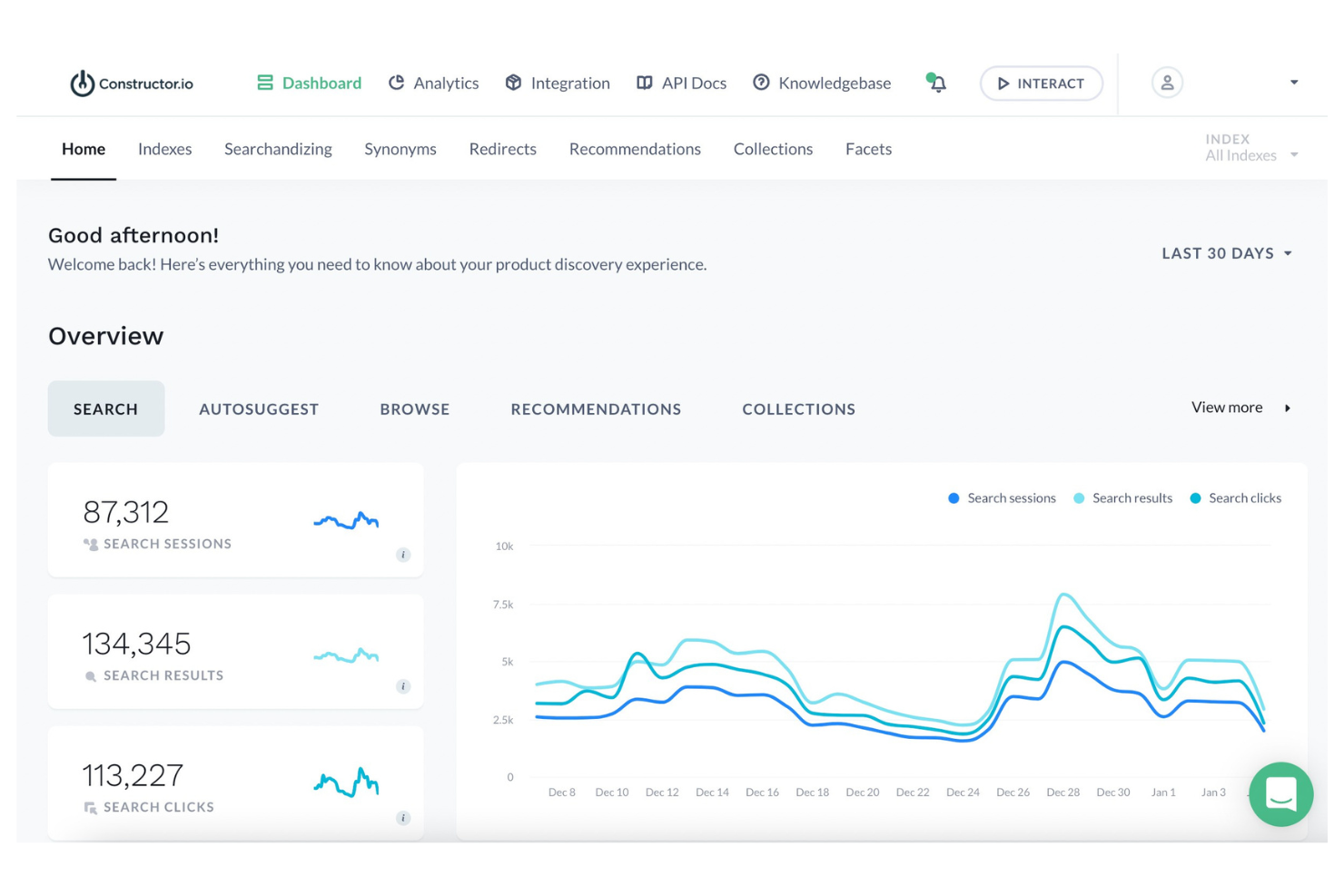
Constructor.io is designed for retailers and marketplaces managing large, complex product catalogs. It’s a strong fit for ecommerce teams that need advanced search, product discovery, and merchandising tools to help shoppers find relevant items quickly. With AI-driven optimization and real-time catalog updates, Constructor.io addresses the challenges of scale and relevance that come with extensive inventory.
Why I Picked Constructor.io
What sets Constructor.io apart is its focus on optimizing large and complex product catalogs for better shopper experiences. The platform uses AI-powered search and product discovery tools that help customers find relevant items, even in catalogs with thousands of SKUs.
I picked Constructor.io because it offers real-time catalog updates and advanced merchandising controls, which are essential for retailers managing frequent inventory changes. These features make it a strong choice for ecommerce teams that need to maintain relevance and accuracy at scale.
Constructor.io Key Features
In addition to its catalog optimization strengths, Constructor.io offers several other features worth highlighting:
- Personalized Search Results: Delivers individualized product rankings based on shopper behavior and preferences.
- Dynamic Faceted Navigation: Lets you configure and update product filters in real time.
- A/B Testing Suite: Allows you to experiment with different search and merchandising strategies directly in the platform.
- Behavioral Analytics Dashboard: Provides detailed insights into how users interact with search and product discovery tools.
Constructor.io Integrations
Integrations include Salesforce, Braze, BigCommerce, Elastic Path, Akeneo, Commercetools, Amplience, Contentstack, Shopify, Contentful, and more.
Pros and Cons
Pros:
- Merchandising controls for granular product curation
- Real-time indexing for frequent catalog updates
- AI-driven search adapts to shopper behavior
Cons:
- Some analytics features require manual configuration
- Limited out-of-the-box templates for recommendations

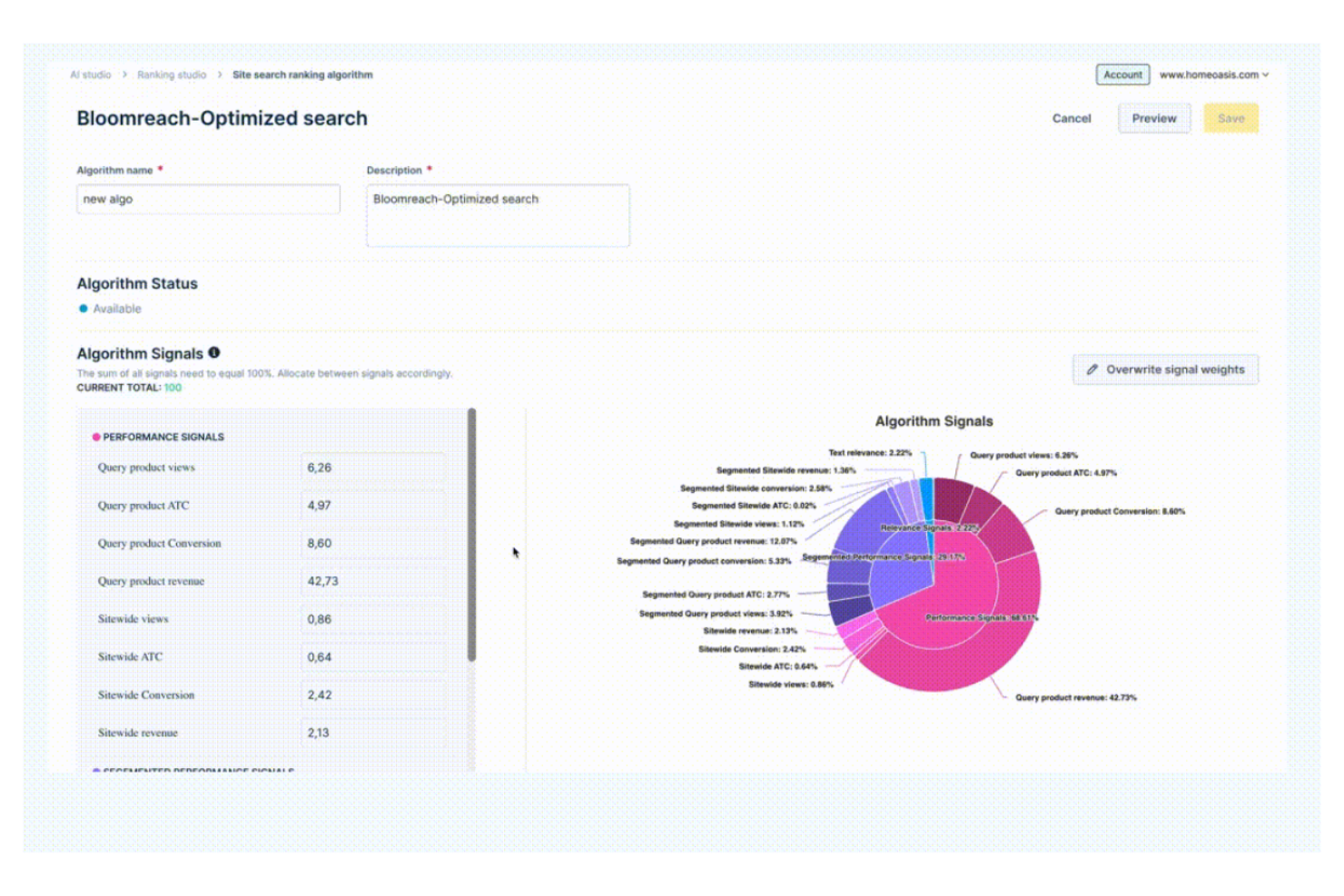
Bloomreach brings together product discovery and content personalization in a single platform, making it a strong fit for retailers with complex catalogs and content needs. It’s designed for ecommerce and digital teams that want to unify search, merchandising, and content experiences across channels. With Bloomreach, you can coordinate personalized product recommendations and dynamic content to create a more cohesive customer journey.
Why I Picked Bloomreach
What sets Bloomreach apart is its ability to unify both product and content personalization within a single platform. For ecommerce teams, this means you can coordinate personalized product recommendations alongside dynamic content blocks, all managed from one place.
I appreciate how Bloomreach’s search and merchandising tools work together with its content management features, allowing you to deliver consistent, relevant experiences across your site. This unified approach helps retailers address the challenge of aligning product discovery with tailored content for every shopper.
Bloomreach Key Features
Some other features that make Bloomreach valuable for ecommerce teams include:
- AI-Powered Search: Surfaces relevant products and content based on shopper intent and behavior.
- Audience Segmentation: Allows you to build and target granular customer segments using real-time data.
- Campaign Orchestration: Lets you coordinate personalized campaigns across web, email, and mobile channels.
- Analytics Dashboard: Provides detailed insights into personalization performance and customer engagement.
Bloomreach Integrations
Integrations include Shopify, Snowflake, Google Cloud Platform, Databricks, Amazon Web Services, Antavo, PassMachine, EagleEye, Tealium, and Duel.
Pros and Cons
Pros:
- Real-time audience segmentation for campaign targeting
- Content and product personalization are managed together
- AI search adapts to shopper intent signals
Cons:
- Limited prebuilt templates for campaign design
- Some advanced features need developer support
Other Ecommerce Personalization Software
Here are some additional ecommerce personalization software options that didn’t make it onto my shortlist, but are still worth checking out:
- Optimizely
For experimentation-driven personalization
- Segment
For unified customer data management
- Vue.ai
For AI-powered visual merchandising


Ecommerce Personalization Software Selection Criteria
When selecting the best ecommerce personalization software to include in this list, I considered common buyer needs and pain points, like delivering relevant product recommendations and increasing on-site conversion rates. I also used the following framework to keep my evaluation structured and fair:
Core Functionality (25% of total score)
To be considered for inclusion in this list, each solution had to fulfill these common use cases:
- Personalize product recommendations
- Segment audiences based on behavior
- Trigger on-site messages or pop-ups
- Track and report on campaign performance
- Integrate with ecommerce platforms
Additional Standout Features (25% of total score)
To help further narrow down the competition, I also looked for unique features, such as:
- AI-driven content personalization
- Real-time behavioral targeting
- Dynamic pricing or offer adjustments
- Omnichannel personalization capabilities
- Advanced A/B and multivariate testing
Usability (10% of total score)
To get a sense of the usability of each system, I considered the following:
- Simple and intuitive user interface
- Clear navigation and menu structure
- Visual campaign builders or editors
- Minimal clicks to launch campaigns
- Responsive design for all device types
Onboarding (10% of total score)
To evaluate the onboarding experience for each platform, I considered the following:
- Step-by-step product tours or walkthroughs
- Access to training videos and documentation
- Availability of pre-built templates
- Live chat or chatbot support during setup
- Webinars or onboarding sessions for new users
Customer Support (10% of total score)
To assess each software provider’s customer support services, I considered the following:
- Multiple support channels available
- Fast response times to inquiries
- Access to a dedicated account manager
- Comprehensive help center or knowledge base
- Community forums or user groups
Value For Money (10% of total score)
To evaluate the value for money of each platform, I considered the following:
- Transparent and flexible pricing plans
- Features included at each pricing tier
- No hidden fees or surprise charges
- Discounts for annual commitments
- Free trial or demo availability
Customer Reviews (10% of total score)
To get a sense of overall customer satisfaction, I considered the following when reading customer reviews:
- Positive feedback on campaign results
- Reports of reliable platform performance
- Comments on ease of integration
- Praise for customer support quality
- Critiques of any missing or weak features
How to Choose Ecommerce Personalization Software
It’s easy to get bogged down in long feature lists and complex pricing structures. To help you stay focused as you work through your unique software selection process, here’s a checklist of factors to keep in mind:
| Factor | What to Consider |
|---|---|
| Scalability | Will the software handle your current and projected site traffic, product catalog size, and user base as you grow? |
| Integrations | Does the tool connect natively with your ecommerce platform, CRM, ESP, analytics, and other core systems? Check for compatibility with your existing stack. |
| Customizability | Can you tailor campaigns, rules, and audience segments to your brand’s needs without heavy development work? |
| Ease of use | Will your team be able to launch and manage campaigns without ongoing IT support? Look for intuitive interfaces and clear workflows. |
| Implementation and onboarding | How long will it take to get up and running? Ask about migration support, training resources, and typical time-to-value for businesses like yours. |
| Cost | Are pricing tiers transparent and predictable as your usage grows? Watch for hidden fees, minimum commitments, or extra charges for integrations. |
| Security safeguards | Does the vendor meet your data privacy, GDPR, and security requirements? Ask about encryption, access controls, and audit trails. |
| Support availability | What support channels are offered, and during what hours? Consider if you’ll need dedicated account management or 24/7 emergency help. |
What is Ecommerce Personalization Software?
Ecommerce personalization software is a type of tool that helps ecommerce businesses deliver personalized shopping experiences across digital channels. These platforms use customer data, browsing behavior, and predictive analytics to tailor product recommendations, landing pages, and marketing campaigns.
By combining website personalization, email marketing, and personalization tools, businesses can create more relevant interactions at every stage of the customer journey. This approach not only improves user experience but also strengthens customer loyalty and increases conversions.
Features
When selecting ecommerce personalization software, keep an eye out for the following key features:
- Audience segmentation: Group customers based on behavior, demographics, or purchase history to deliver targeted experiences and messaging.
- Dynamic content display: Automatically adjust banners, images, and messaging on your site to match each visitor’s preferences or actions.
- On-site messaging: Trigger pop-ups, banners, or notifications based on user actions like exit intent, time on page, or cart value.
- Product recommendation engine: Suggest relevant products to shoppers based on their browsing and purchase patterns to increase cross-sell and upsell opportunities.
- A/B testing tools: Run experiments on different personalization strategies to see which versions drive better engagement and conversions.
- Campaign scheduling: Set specific start and end times for personalization campaigns, ensuring timely and relevant promotions.
- Integration with ecommerce platforms: Connect directly with your ecommerce system to sync product data, inventory, and customer profiles.
- Performance analytics: Track the impact of personalization efforts with dashboards that report on engagement, conversion rates, and revenue attribution.
- Email capture forms: Collect visitor emails through customizable forms or overlays to grow your marketing list and enable follow-up campaigns.
Common Ecommerce Personalization Software AI Features
Beyond the standard ecommerce personalization software features listed above, many of these solutions are incorporating AI with features like:
- Predictive product recommendations: Use AI algorithms to analyze browsing and purchase data, predicting which products a customer is most likely to buy next and surfacing them automatically.
- Automated customer segmentation: Leverage machine learning to identify new customer segments based on evolving behaviors and preferences, without manual rule-setting.
- Personalized content generation: Generate unique headlines, product descriptions, or promotional messages tailored to each visitor using natural language processing.
- Churn prediction modeling: Uses AI to detect signals that a customer may be about to leave or disengage, enabling timely retention campaigns.
- Dynamic pricing optimization: Adjust product prices in real time based on demand, inventory, and customer behavior patterns, using AI-driven analysis.
Benefits
Implementing ecommerce personalization software provides several benefits for your team and your business. Here are a few you can look forward to:
- Higher conversion rates: Personalized product recommendations and targeted messaging help guide shoppers toward purchases that match their interests.
- Increased average order value: Cross-sell and upsell features suggest relevant add-ons or upgrades, encouraging customers to spend more per transaction.
- Improved customer retention: AI-powered segmentation and churn prediction enable timely, relevant outreach that keeps shoppers engaged and coming back.
- More efficient marketing: Automated campaign scheduling and dynamic content reduce manual work and help your promotions reach the right audience at the right time.
- Better data-driven decisions: Performance analytics and A/B testing tools provide clear insights into what’s working, so you can refine your personalization strategies.
- Enhanced customer experience: Real-time personalization creates a shopping journey that feels tailored to each visitor, building loyalty and satisfaction.
Costs and Pricing
Selecting ecommerce personalization software requires an understanding of the various pricing models and plans available. Costs vary based on features, team size, add-ons, and more. The table below summarizes common plans, their average prices, and typical features included in ecommerce personalization software solutions:
Plan Comparison Table for Ecommerce Personalization Software
| Plan Type | Average Price | Common Features |
|---|---|---|
| Free Plan | $0 | Basic product recommendations, limited audience segmentation, simple on-site messaging, and basic analytics. |
| Personal Plan | $20-$100/month | Advanced segmentation, campaign scheduling, integration with ecommerce platforms, and email capture forms. |
| Business Plan | $120-$800/month | AI-powered recommendations, A/B testing tools, dynamic content display, and performance analytics. |
| Enterprise Plan | $1,000+/month | Custom integrations, dedicated account management, advanced security safeguards, and priority support. |
Ecommerce Personalization Software FAQs
Here are some answers to common questions about ecommerce personalization software:
How does ecommerce personalization software use customer data?
Ecommerce personalization software collects and analyzes customer data, such as browsing history, purchase behavior, and demographic details. This information is used to segment audiences, tailor product recommendations, and trigger personalized content or offers throughout the shopping journey.
Can ecommerce personalization software integrate with my existing ecommerce platform?
Yes, most ecommerce personalization software solutions offer integrations with popular ecommerce platforms. Before choosing a tool, check for native connectors or APIs that support your current systems, including your ecommerce platform, CRM, and marketing tools.
What are the main challenges when implementing ecommerce personalization software?
Common challenges include data integration, ensuring data privacy compliance, and aligning personalization strategies with business goals. Teams should plan for a learning curve and allocate resources for onboarding, training, and ongoing optimization.
Is ecommerce personalization software suitable for small businesses?
Yes, many vendors offer plans and features designed for small businesses, including free or low-cost tiers. Small teams can start with basic personalization and scale up as their needs and budgets grow.
How do I measure the ROI of ecommerce personalization software?
Track metrics such as conversion rate, average order value, customer retention, and revenue attributed to personalized campaigns. Most platforms provide analytics dashboards to help you monitor performance and calculate ROI over time.
What’s Next:
If you're in the process of researching ecommerce personalization software, connect with a SoftwareSelect advisor for free recommendations.
You fill out a form and have a quick chat where they get into the specifics of your needs. Then you'll get a shortlist of software to review. They'll even support you through the entire buying process, including price negotiations.