

Afterpay Review: Pros, Cons, Features and Pricing
Afterpay excels with its user-friendly interface and no interest fees, making it a standout choice for budget-conscious shoppers.

We review tools independently, and commissions help fund our testing. See our transparency policy, our methodology, or suggest a tool.
Afterpay is a BNPL platform built around a single, straightforward model: four interest-free installments paid every two weeks. It's worth considering if you're a retailer looking to reduce cart abandonment and lift average order value without adding complexity at checkout. Compared to Klarna, which layers in multiple financing products and payment options, Afterpay keeps the experience simple—making it easier for shoppers to understand and more predictable for merchants to manage.
Afterpay Evaluation Summary
0/5
- Pricing upon request
- Not available
Why Trust Our Software Recommendations
6,700+
Reviews
20
Industry experts
16+
Evaluation factors
14
Years
Our team has been testing and reviewing software since 2012. As retail leaders ourselves, we know how difficult—and important—it is to choose the right software.
For this guide, we evaluated tools using hands-on testing and independent research, scoring tools using our selection criteria.
Our reviews reflect our independent judgment—not a sales pitch.
Afterpay Overview
In my opinion, Afterpay is a solid choice for those looking to implement a buy now pay later option. It's easy to use and provides a flexible payment plans that helps both businesses and consumers manage their finances. While the user-friendly interface and installment payment options are impressive, it does lack some store partnerships and refund speed compared to competitors like Klarna. It's best suited for small to medium-sized retail businesses looking to enhance customer purchasing power. If you value ease of use and budgeting assistance, Afterpay is worth considering.
Pros
- It offers a user-friendly interface that's easy for your team to navigate.
- You can increase sales by providing flexible payment options for customers.
- It helps your customers budget better with installment payments.
Cons
- Refunds can be slower compared to other platforms.
- It lacks some store partnerships that might be important for your business.
- Customer support isn't as responsive as some users expect.
Is Afterpay Right For Your Needs?
Who Would be a Good Fit for Afterpay?
Afterpay is ideal for small to medium-sized retail businesses and online stores. If your team wants to offer flexible payment methods to boost sales, Afterpay's user-friendly interface and installment payment features make it a strong choice. It's particularly beneficial for fashion boutiques and tech retailers aiming to enhance customer purchasing power and improve budgeting. Your finance department will appreciate the predictable cash flow from regular installments, while your customers can plan around structured monthly payments. This platform is best for teams focused on increasing customer satisfaction and encouraging repeat purchases.
- Fashion BoutiquesAfterpay lets your customers manage their spending by splitting payments, which can increase sales in your boutique.
- Tech RetailersYour tech store can benefit from offering installment payments, making high-ticket items more accessible.
- E-commerce StartupsAfterpay's user-friendly interface allows your startup to easily implement buy now pay later options to attract more customers.
- Small RetailersIf you're running a small retail business, Afterpay can help you compete by offering flexible payment options.
- Finance TeamsYour finance department will find Afterpay's predictable cash flow from installments beneficial for budgeting.
- Customer Service TeamsBy using Afterpay, your team can enhance customer satisfaction with flexible payment options, encouraging repeat business.
- Customer Support TeamsIf your team needs quick resolutions, Afterpay's slower refund process and support might not meet your expectations.
Who Would be a Bad Fit for Afterpay?
Afterpay isn't a great fit for large corporations or businesses with complex payment needs. If your team requires extensive store partnerships or customized payment solutions, Afterpay's limited partnerships and standard installment options may not meet your demands. It's less suitable for industries like luxury goods, where immediate payment is often preferred. Your team might find the slower refund process and less responsive customer support frustrating if a quick resolution is crucial.
- Large CorporationsAfterpay lacks the extensive store partnerships and customized solutions your large corporation might need.
- Luxury GoodsIf your business deals in luxury goods, Afterpay's installment model may not align with your immediate payment requirements.
- Wholesale DistributorsYour wholesale operations might find Afterpay's consumer-focused payment structure unsuitable for bulk transactions.
- Financial ServicesFor financial services, Afterpay's standard payment options won't meet your need for complex financial solutions.
- Tech GiantsYour tech giant's vast payment requirements outpace what Afterpay's straightforward installment plans can offer.
Our Review Methodology
How We Test & Score Tools
We’ve spent years building, refining, and improving our software testing and scoring system. The rubric is designed to capture the nuances of software selection and what makes a tool effective, focusing on critical aspects of the decision-making process.
Below, you can see exactly how our testing and scoring works across seven criteria. It allows us to provide an unbiased evaluation of the software based on core functionality, standout features, ease of use, onboarding, customer support, integrations, customer reviews, and value for money.
Core Functionality (25% of final scoring)
The starting point of our evaluation is always the core functionality of the tool. Does it have the basic features and functions that a user would expect to see? Are any of those core features locked to higher-tiered pricing plans? At its core, we expect a tool to stand up against the baseline capabilities of its competitors.
Standout Features (25% of final scoring)
Next, we evaluate uncommon standout features that go above and beyond the core functionality typically found in tools of its kind. A high score reflects specialized or unique features that make the product faster, more efficient, or offer additional value to the user.
We also evaluate how easy it is to integrate with other tools typically found in the tech stack to expand the functionality and utility of the software. Tools offering plentiful native integrations, 3rd party connections, and API access to build custom integrations score best.
Ease of Use (10% of final scoring)
We consider how quick and easy it is to execute the tasks defined in the core functionality using the tool. High scoring software is well designed, intuitive to use, offers mobile apps, provides templates, and makes relatively complex tasks seem simple.
Onboarding (10% of final scoring)
We know how important rapid team adoption is for a new platform, so we evaluate how easy it is to learn and use a tool with minimal training. We evaluate how quickly a team member can get set up and start using the tool with no experience. High scoring solutions indicate little or no support is required.
Customer Support (10% of final scoring)
We review how quick and easy it is to get unstuck and find help by phone, live chat, or knowledge base. Tools and companies that provide real-time support score best, while chatbots score worst.
Customer Reviews (10% of final scoring)
Beyond our own testing and evaluation, we consider the net promoter score from current and past customers. We review their likelihood, given the option, to choose the tool again for the core functionality. A high scoring software reflects a high net promoter score from current or past customers.
Value for Money (10% of final scoring)
Lastly, in consideration of all the other criteria, we review the average price of entry level plans against the core features and consider the value of the other evaluation criteria. Software that delivers more, for less, will score higher.
Core Features
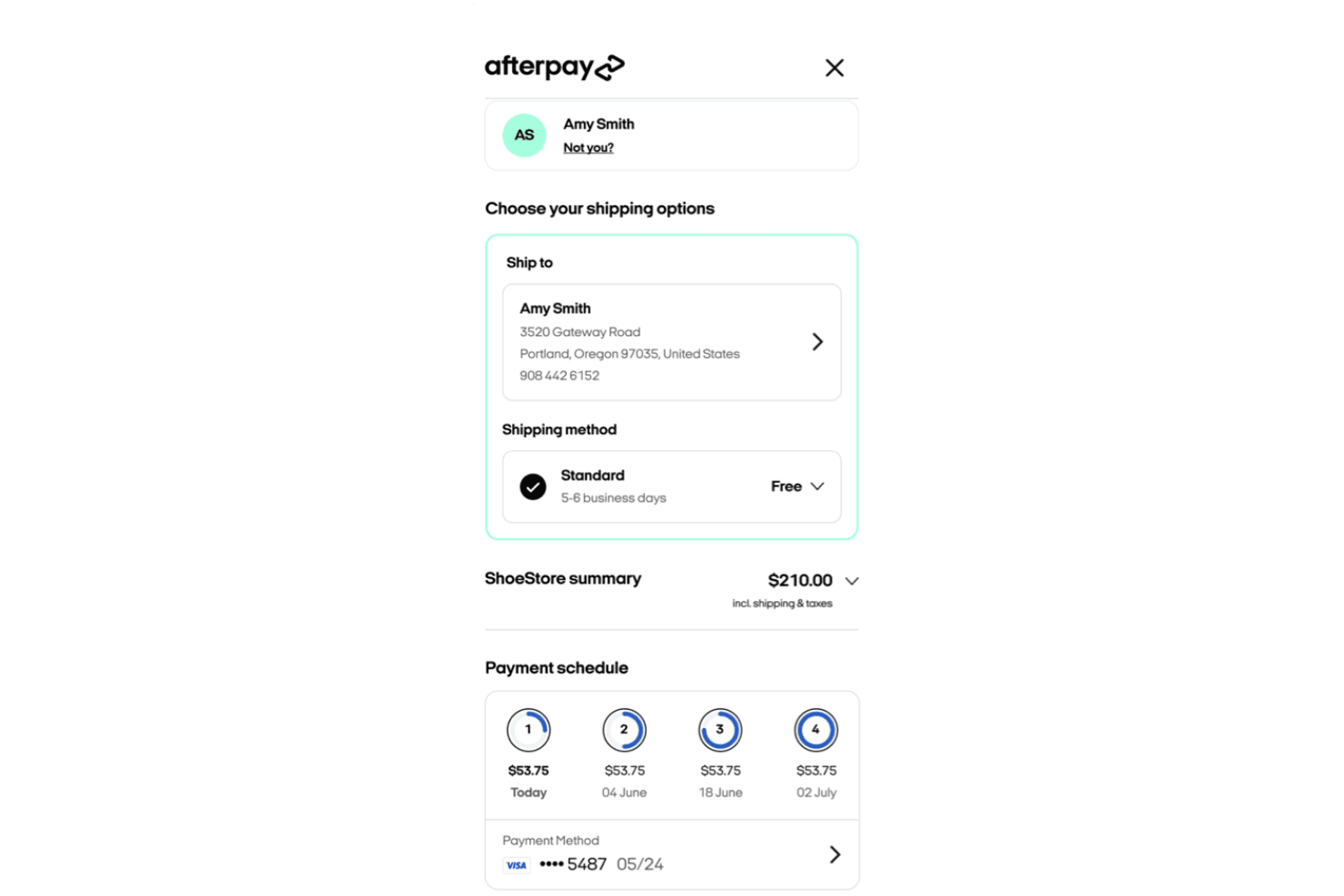
Installment Payments: You can offer your customers the ability to pay in four equal installments, with the first payment due at checkout. This feature stands out for its simplicity and ease of use.
Automated Payments: Payments are automatically deducted from your customers' credit card or checking accounts, reducing the risk of missed payments. This automation ensures a smooth payment experience.
Real-Time Approvals: Your customers get immediate approval based on eligibility criteria, enabling quick and hassle-free purchasing. This feature enhances the shopping experience.
Customer Notifications: Afterpay sends reminders to your customers about upcoming payments, helping them stay on track. These notifications reduce late payment occurrences.
Merchant Dashboard: You can track sales and customer payment statuses through a comprehensive dashboard. This feature provides valuable insights into your business performance.
Standout Features
No Interest Charges: Unlike many competitors, Afterpay has interest-free payments, making it a consumer-friendly option. This feature can attract more budget-conscious customers.
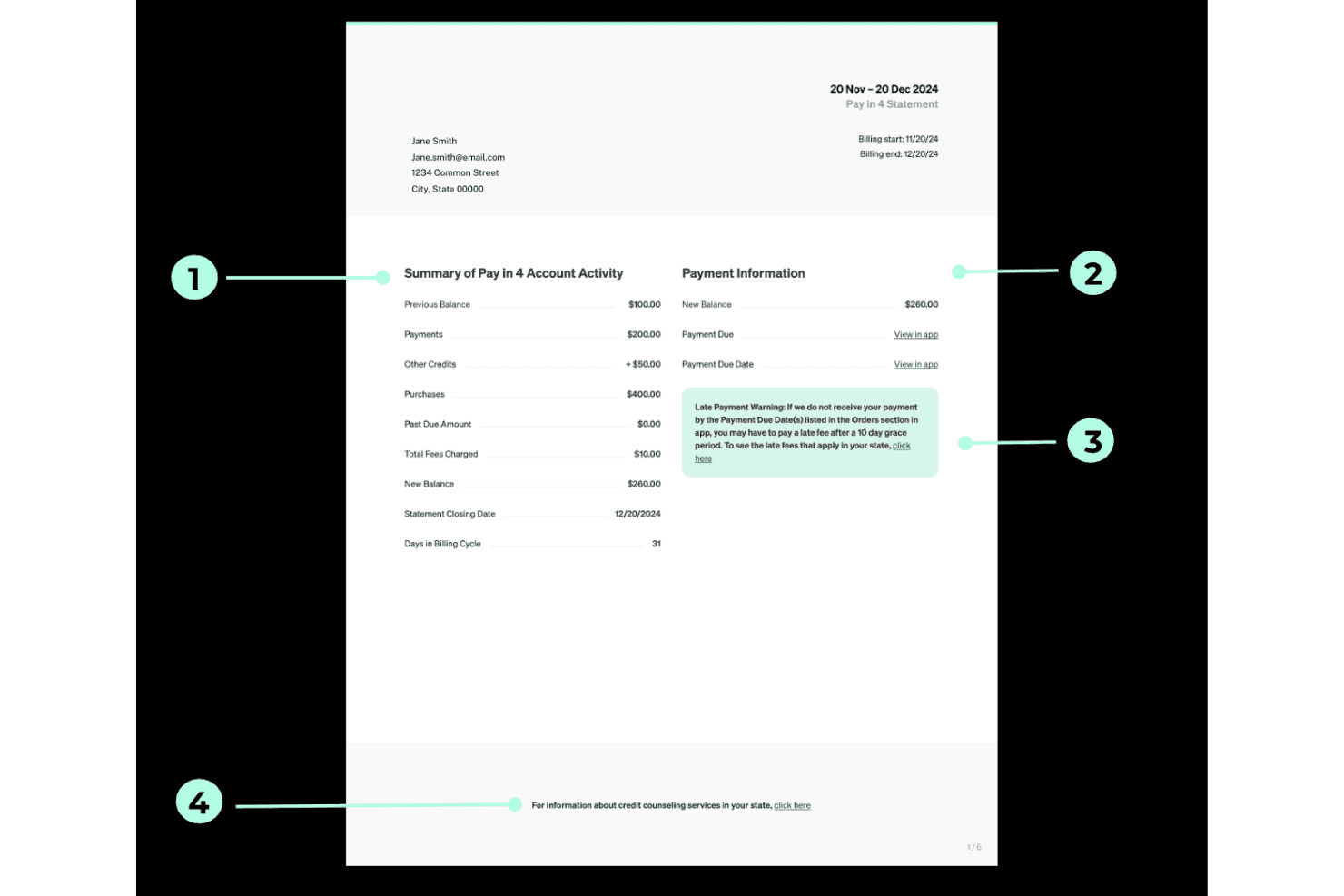
Budgeting Assistance: Afterpay helps your customers manage their finances by clearly outlining repayment schedules. This feature supports responsible spending and enhances customer loyalty.
Ease of Use
Afterpay is incredibly user-friendly, making it a top choice for your team. Its intuitive interface allows you to manage transactions with ease, and the process for setting up installment payments is straightforward. Unlike some other platforms, Afterpay provides real-time approvals and supports payment through linked credit and debit cards, as well as bank accounts, reducing the hassle for both you and your customers. The platform's simplicity ensures that you can quickly learn to implement and use Afterpay, enhancing your overall experience and efficiency.
Onboarding
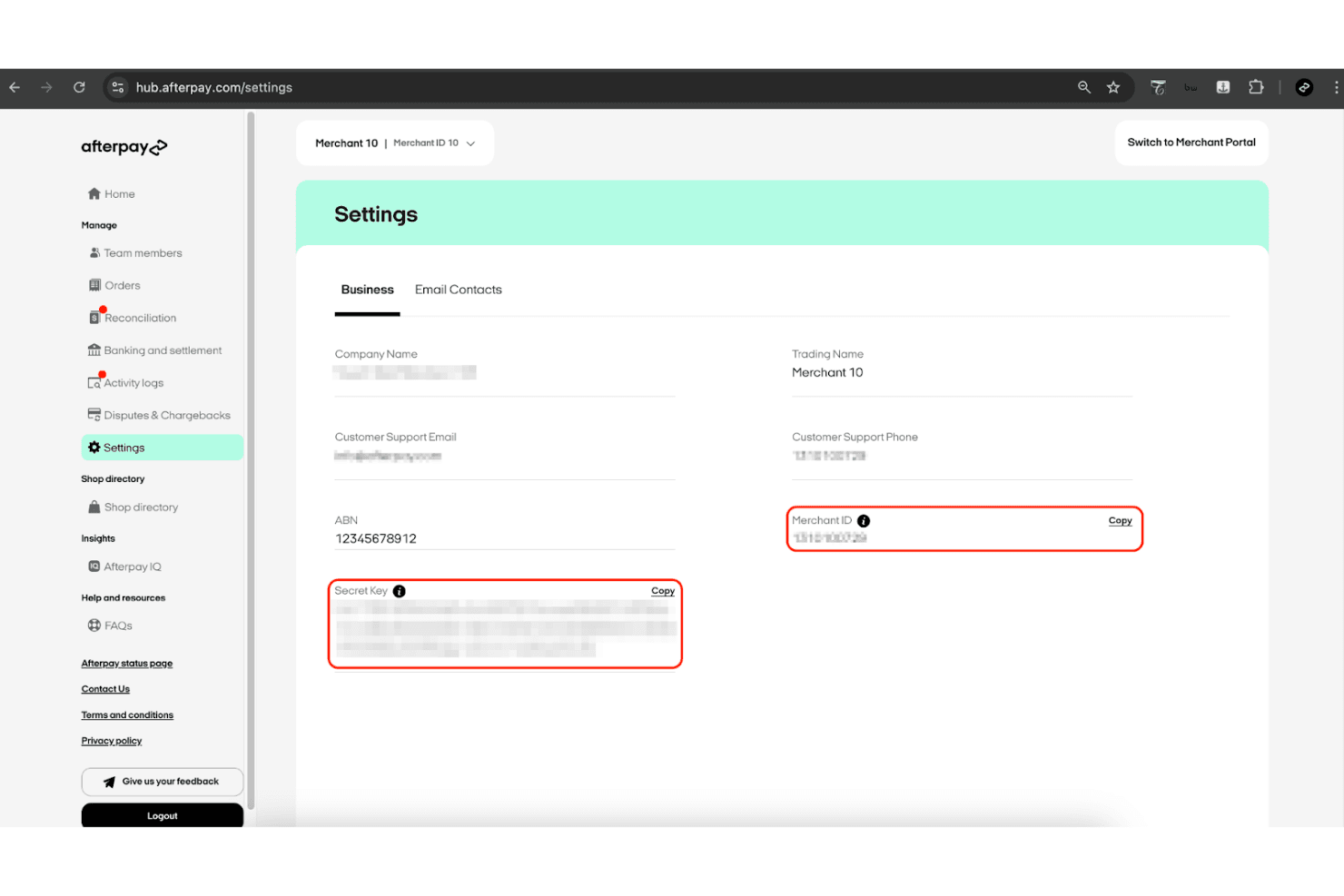
Afterpay offers a smooth onboarding experience, allowing your team to get started quickly. The setup process is straightforward, with clear instructions guiding you through each step. New users appreciate the available support resources, including tutorials and customer service, which help you understand the platform's features and functionalities. While the onboarding process is efficient, some users feel that additional personalized support could enhance the experience even further, ensuring you gain the most value from the platform.
Customer Support
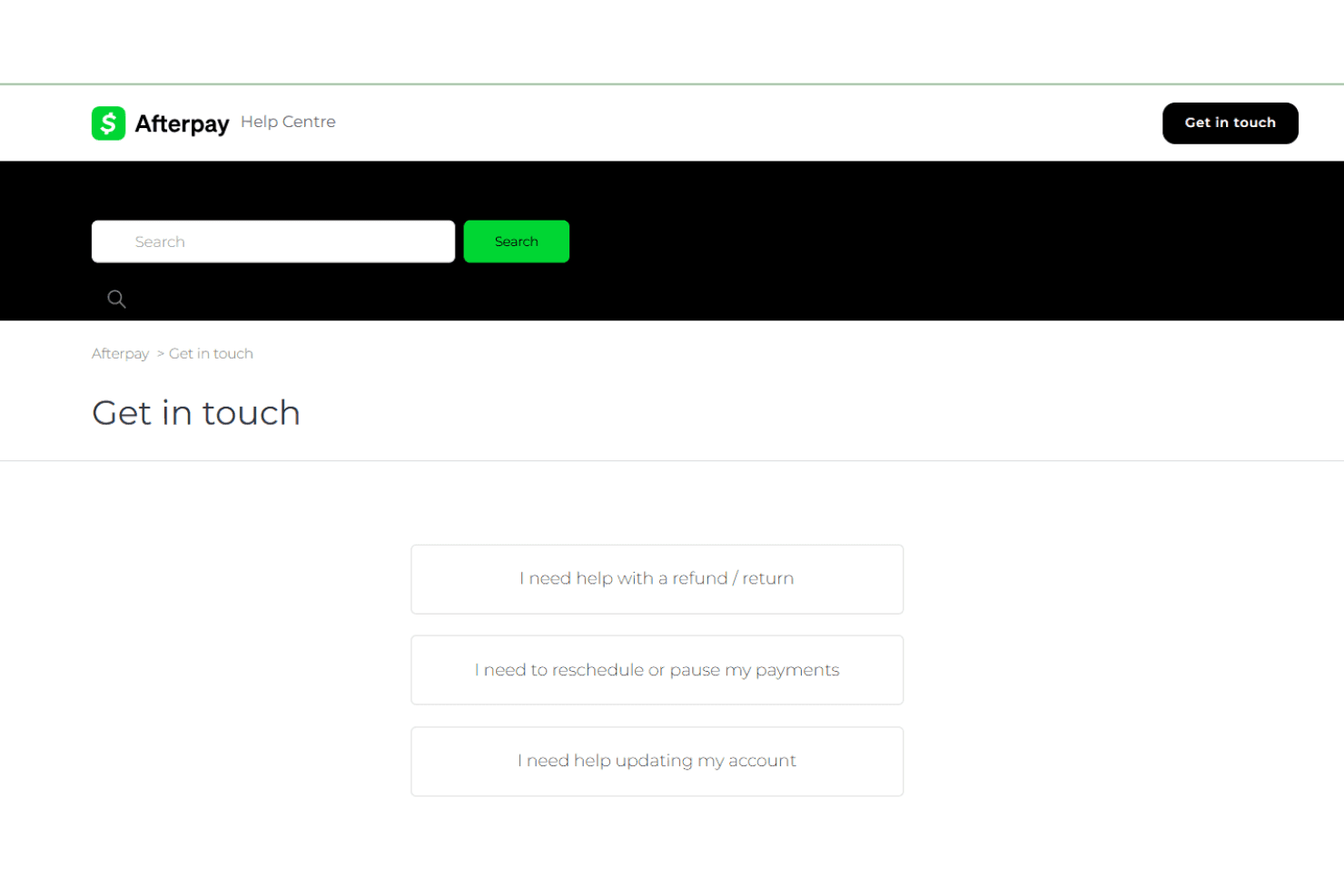
Afterpay's customer support is generally reliable, offering multiple channels like email and live chat to assist your team. Users appreciate the helpfulness of the support staff, though some feel response times could be quicker. The platform provides a solid base of FAQs and tutorials, which help you resolve common issues independently. While the support is adequate for most needs, teams requiring immediate assistance might occasionally find the service less responsive than desired.
Integrations
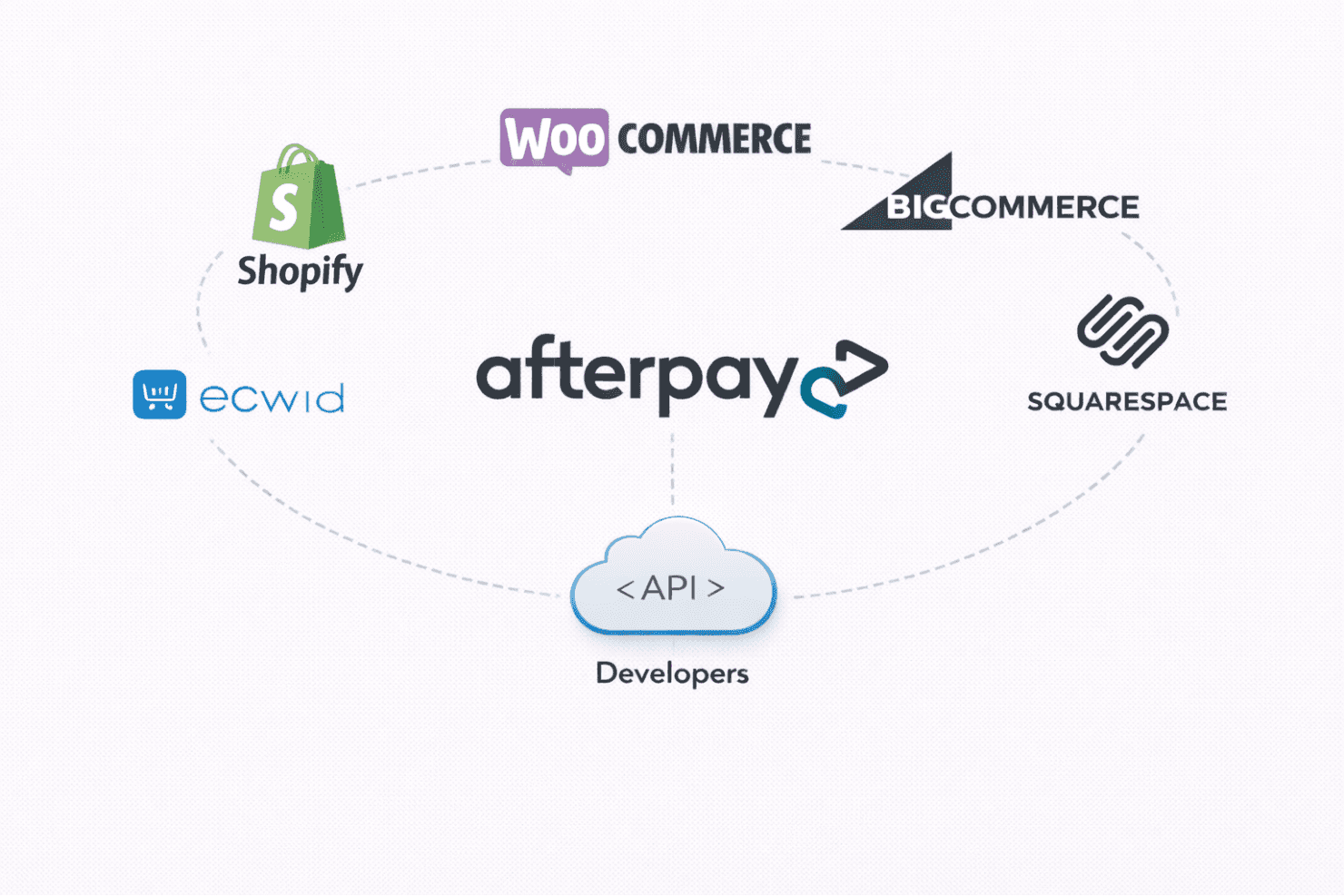
Afterpay integrates with Shopify, WooCommerce, BigCommerce, Squarespace, and Ecwid.
Afterpay also provides an API for developers to enhance integration capabilities.
Value for Money
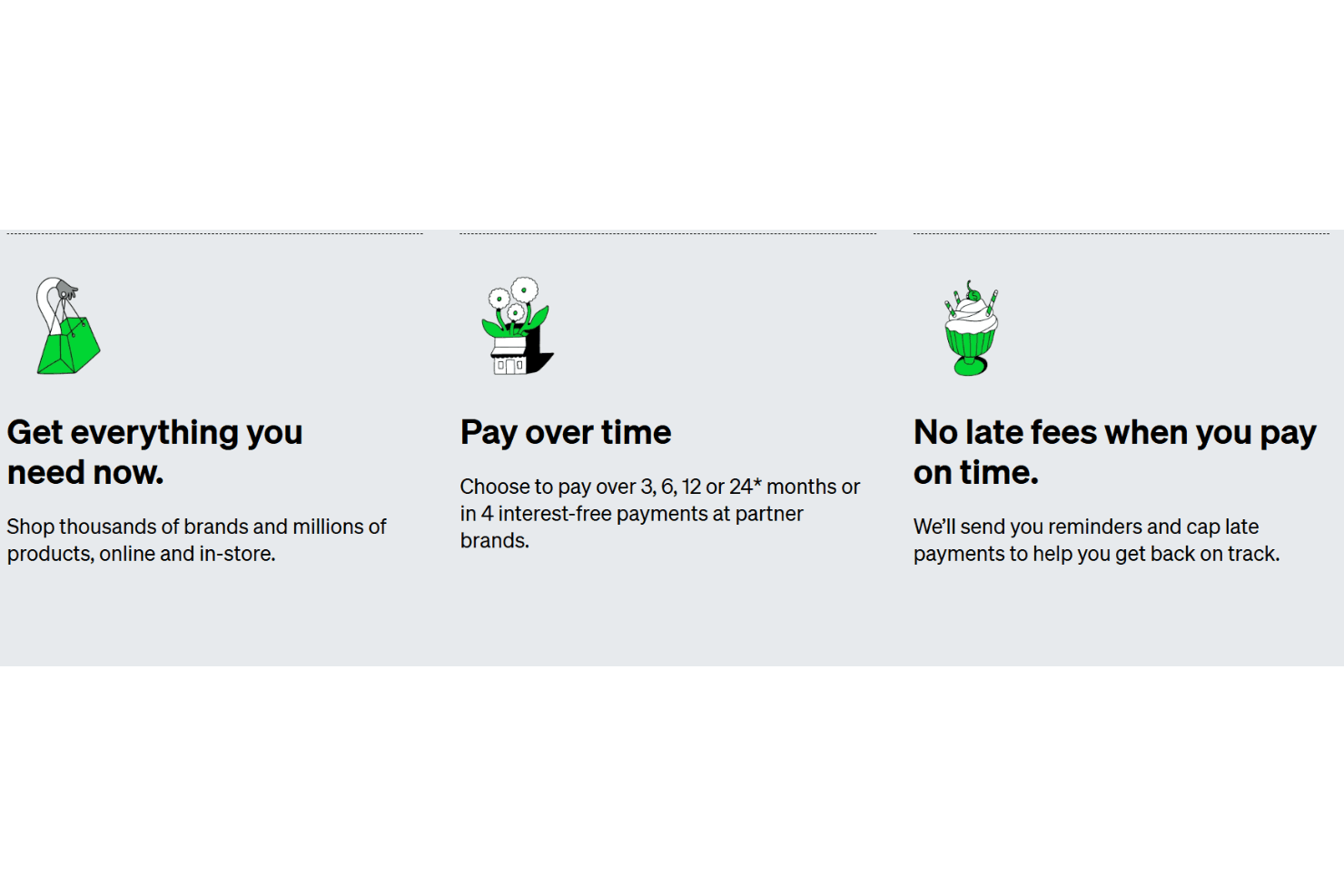
Afterpay delivers strong value if you want simple, no-interest installments that shoppers already trust. Users like the clear terms and automatic payments, which remove friction at checkout and help boost conversion without confusing fees. There’s no free trial, but consumers pay nothing to use it, and merchants don’t deal with tiered plans—pricing is usage-based, which feels fair if you benefit from higher order values.
- Consumers: $0 / per user. Pay in four interest-free installments with automatic payments.
- Merchants: Custom pricing / per transaction. Accept installment payments, get paid upfront, Afterpay handles collections and risk.
Afterpay Specs
- 2-Factor Authentication: Yes
- A/B Testing: No
- Analytics: Yes
- API: Yes
- BitCoin: No
- Conversion Tracking: No
- Dashboard: No
- Data Export: Yes
- Data Import: Yes
- Data Visualization: No
- Design Templates: No
- External Integrations: Yes
- Inventory Tracking: No
- Keyword Tracking: No
- Marketing Automation: No
- Multi-User: Yes
- Notifications: Yes
- Order Management: Yes
- Payment Gateway Integration: Yes
- Payment Processor: Yes
- PayPal: Yes
- Product Catalog: Yes
- Review Monitoring: No
- SAP Integration: No
- Scheduling: No
- Stripe: Yes
- Third-Party Plugins/Add-Ons: No
Afterpay FAQs
Afterpay Company Overview & History
Afterpay, founded in 2014 by Nick Molnar and Anthony Eisen, is an Australian technology company specializing in buy now, pay later services. Headquartered in Sydney, it has grown to over 24 million customers and partners with more than 348,000 merchants globally. Afterpay is now owned by Block, Inc., and is known for its innovative payment solutions that enhance consumer purchasing power. The company is recognized for its strong work culture and has been featured in several news outlets for its rapid growth and impact in the fintech sector.
Afterpay Major Milestones
- 2014: Founded by Nick Molnar and Anthony Eisen in Sydney, Australia.
- 2016: Went public on the Australian Securities Exchange (ASX).
- 2021: Acquired by Block, Inc. for $39 billion, marking a significant financial milestone.
- 2022: Expanded its customer base to over 24 million globally.
- 2023: Continued to innovate with new features and expanded merchant partnerships worldwide.