

Le 10 migliori piattaforme e-commerce open source nel 2026

10 Elenco delle migliori piattaforme ecommerce open source


Questo è l’elenco definitivo delle piattaforme ecommerce open source. Contiene le 10 migliori piattaforme ecommerce open source, oltre a quasi altre due dozzine di piattaforme ecommerce open source e consigli software. Tratto anche un paio di domande frequenti relative alle soluzioni ecommerce open source.
Con la forte crescita delle piattaforme ecommerce, sono aumentati anche i prezzi degli abbonamenti mensili dei prodotti SaaS per l’ecommerce come Shopify e BigCommerce. Certo, esistono marketplace come Amazon per vendere i propri prodotti, ma avere una propria piattaforma ecommerce permette di evitare le commissioni elevate e di valorizzare il proprio marchio indipendente.
Quindi, esiste una soluzione migliore rispetto all’acquisto di un costoso software ecommerce (e all’espressione contrariata del vostro commercialista)?
Ebbene, sì!
Lasciate che vi presenti le piattaforme ecommerce open source.
Le piattaforme ecommerce open source possono essere un’ottima opzione per gestire progetti MVP ecommerce relativi a una nuova soluzione nella propria linea di prodotti. Scoprite qui sotto le migliori e cosa rende eccezionale ciascuna di esse.
Perché fidarsi dei nostri consigli sui software
Il nostro team testa e recensisce software dal 2012. In quanto leader del retail noi stessi, sappiamo quanto sia difficile — e importante — scegliere il software giusto.
Per questa guida, abbiamo valutato gli strumenti attraverso test pratici e ricerche indipendenti, assegnando un punteggio agli strumenti in base ai nostri criteri di selezione.
Le nostre recensioni riflettono il nostro giudizio indipendente, non un discorso di vendita.
Tabella comparativa delle piattaforme ecommerce open source
| Tool | Best For | Trial Info | Price | ||
|---|---|---|---|---|---|
| 1 | La migliore piattaforma ecommerce open source per rivenditori B2B e B2C | Not available | Prezzo su richiesta | Website | |
| 2 | La migliore piattaforma eCommerce open source con funzionalità di base | Gratis | Gratis | Website | |
| 3 | Ideale per proprietari di negozi retail ad alto volume | Demo gratuita disponibile | Prezzo su richiesta | Website | |
| 4 | Miglior piattaforma eCommerce open source per funzioni di sicurezza | Demo gratuita disponibile | Prezzo su richiesta | Website | |
| 5 | Migliore piattaforma eCommerce open source per aggiornamenti delle funzionalità | Piano gratuito disponibile | Da $0/mese | Website | |
| 6 | La migliore piattaforma eCommerce open source in termini di flessibilità su larga scala | Not available | Prezzi su richiesta | Website | |
| 7 | Migliore agenzia di sviluppo ecommerce per progetti basati su Drupal | Not available | Website | ||
| 8 | Il miglior sistema di gestione dei contenuti open source per gestire cataloghi di prodotti | Not available | Website | ||
| 9 | Miglior piattaforma eCommerce open source per esigenze multi-store | Not available | Prezzo su richiesta | Website | |
| 10 | Ideale per la vendita di eventi e abbonamenti | Not available | Prezzi su richiesta | Website |
Le migliori piattaforme ecommerce open source, recensite
Abbiamo recensito brevemente ciascuna di queste 10 principali piattaforme ecommerce open source, descrivendo ciò che fanno meglio, le funzionalità incluse, i pro e i contro di ciascuna e mostrando schermate dell’interfaccia.

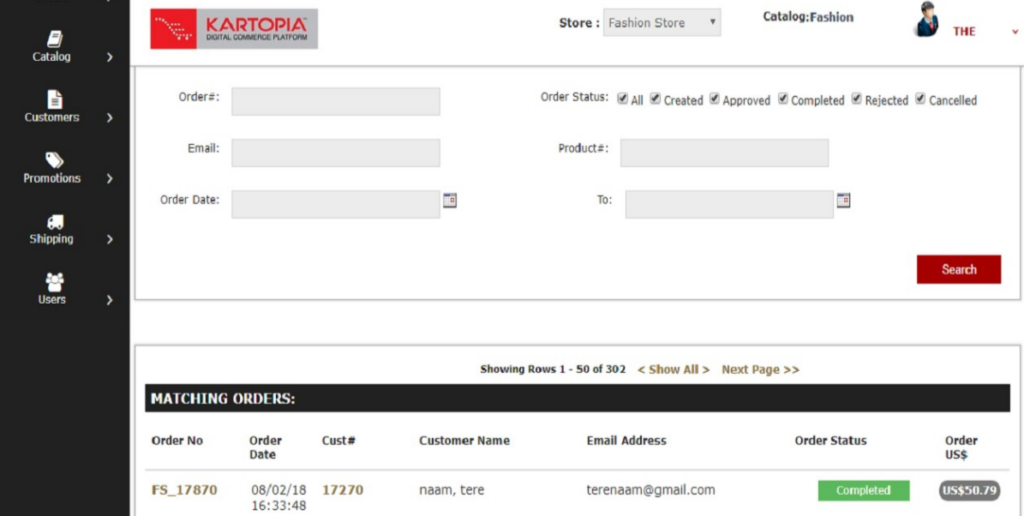
Kartopia offre una soluzione di piattaforma ecommerce per la vendita al dettaglio B2B e B2C. La sua struttura modulare può essere sfruttata per offrire livelli superiori di personalizzazione grazie a un'esperienza cliente fantasiosa e personalizzata. Il prodotto si integra facilmente con l'infrastruttura IT esistente.
Offre una visione unica di clienti, inventario e ordini, insieme a una gestione flessibile dell'evasione degli ordini per soddisfare modelli di consegna personalizzati. Servendo diverse aree geografiche, Kartopia dispone di funzionalità multi-paese, multi-valuta e multilingue. Dispone inoltre di funzioni di gestione degli ordini con completa funzionalità di evasione. Questo può essere molto utile per il tuo negozio ecommerce.
Kartopia si integra senza problemi con sistemi ERP di terze parti, sistemi di pagamento, logistica, marketing e analisi.

La migliore piattaforma eCommerce open source con funzionalità di base
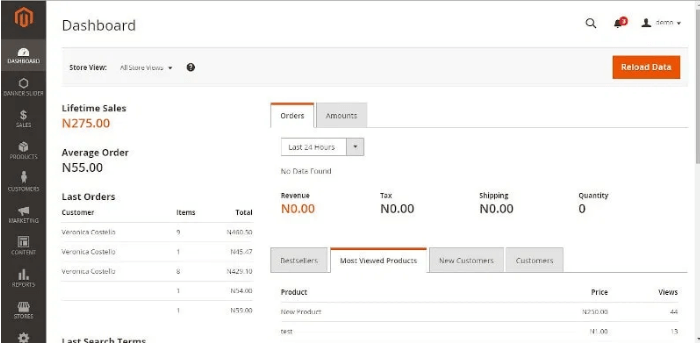
Magento è una piattaforma e-commerce open source offerta da Adobe. La versione open source include funzionalità come la ricerca nel sito, la gestione del catalogo, il checkout integrato, il pagamento, la spedizione e altre funzionalità di base. Queste funzionalità ti aiutano ad avviare la tua attività di e-commerce.
La personalizzazione dei template richiede conoscenze avanzate di sviluppo per essere eseguita senza problemi. Inoltre, le varie personalizzazioni influiscono sulle prestazioni del sito, rendendolo più lento rispetto ad altre piattaforme open source. Il supporto è disponibile tramite documentazione.
Per un supporto tecnico, è necessario passare a Magento Commerce. Nel complesso, Magento open source è un buon punto di partenza se desideri una soluzione eCommerce gratuita di un marchio famoso.
Tuttavia, se cerchi una soluzione ricca di funzionalità, allora Magento Commerce è la scelta giusta.

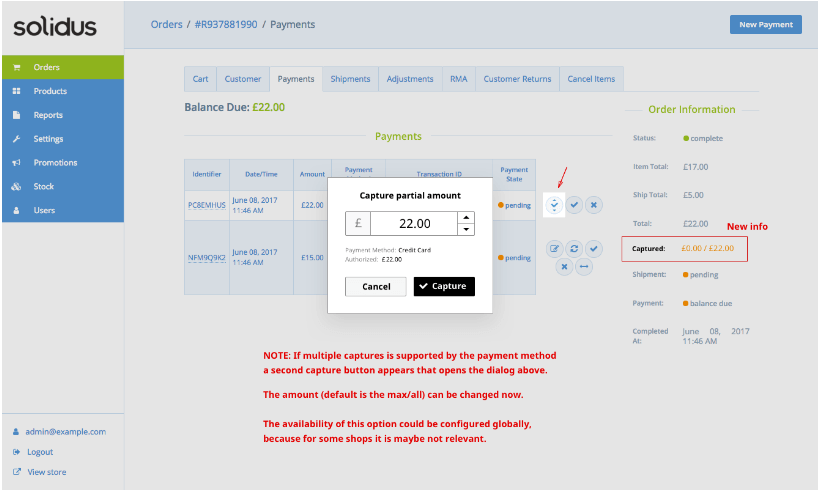
Questa piattaforma open-source è basata su Ruby on Rails. Ciò ti offre il vantaggio di gestire facilmente i cambiamenti e godere di flessibilità. In termini di sicurezza, dispone di correzioni automatiche, una politica di divulgazione trasparente e revisioni rigorose del codice. Il prodotto offre un'API stabile e un'estensibilità semplice.
Solidus si integra facilmente con PayPal, Stripe, Chargebee e TransferWise (Cha-Ching!). Si integra anche con TaxCloud, AngularSpree, Sentry e altre app aziendali correlate.
Il supporto è disponibile tramite documentazione e una community attiva su Stack Overflow. C’è anche una community Slack alla quale puoi unirti.

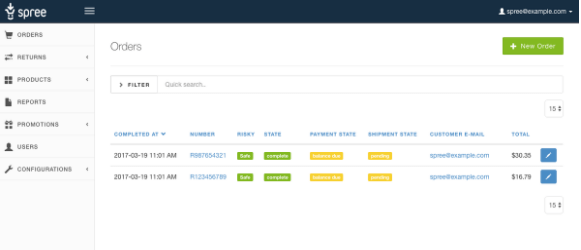
Di solito presente tra i migliori progetti open-source, Spree Commerce è una scelta sicura quando si tratta di costruire una solida piattaforma eCommerce. Basato su Ruby on Rails, Spree Commerce offre flessibilità e funzionalità di personalizzazione come la gestione di cambiamenti notevoli al modello dati in tempi relativamente rapidi.
Inoltre, la sicurezza del sito è piuttosto elevata per piattaforme di questo tipo. Spree Commerce dispone di una forte crittografia delle password e di una REST API basata su token. I gateway di pagamento disponibili consentono la conformità PCI-DSS.
Con un approccio mobile-first e un'esperienza utente completamente personalizzabile, il prodotto soddisfa tutti i requisiti per gestire un moderno business eCommerce. L'esperienza utente è fluida su qualsiasi dispositivo – iPhone, iPad, Android o Desktop.
Spree Commerce è veloce nel caricamento e può essere scalato in base alle esigenze. Come la maggior parte delle piattaforme eCommerce open source, Spree Commerce richiede un certo periodo di apprendimento.
L'assistenza è disponibile tramite documentazione, guide e una community Slack attiva di sviluppatori.

Migliore piattaforma eCommerce open source per aggiornamenti delle funzionalità
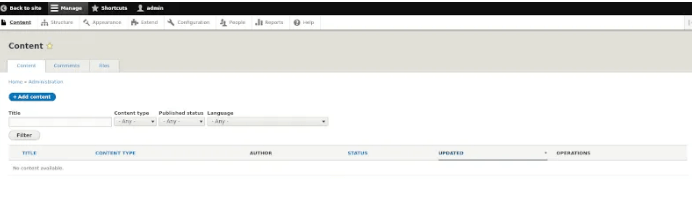
Drupal è una delle tecnologie più comuni e affidabili utilizzate per costruire piattaforme ecommerce solide. Il prodotto è dotato di una cache integrata, che garantisce una velocità elevata e prestazioni ottimizzate per i motori di ricerca. Questa caratteristica ottimizzata per la SEO consente al tuo sito ecommerce di posizionarsi meglio su Google per le parole chiave desiderate.
La comunità attiva che supporta il progetto garantisce standard di sviluppo elevati. Dispone di un proprio sistema di sicurezza che viene costantemente aggiornato grazie a una community di sviluppatori sempre attiva. Dal punto di vista della gestione dell’inventario, sono disponibili moduli per la gestione degli ordini, la personalizzazione dei prodotti, oltre a spedizione ed evasione per il tuo shop online.
Le estensioni includono software come Avalara, Mailjet, PayPal e altre applicazioni aziendali complementari di alto livello. In termini di supporto, la piattaforma offre blog dettagliati, pagine social e un forum della community.
Sono disponibili guide utente complete e una videoteca che ti aiutano ulteriormente a comprendere i vari passaggi per realizzare una piattaforma ecommerce solida.
Detto ciò, è necessario avere una buona conoscenza da sviluppatore per affrontare la curva di apprendimento.

La migliore piattaforma eCommerce open source in termini di flessibilità su larga scala
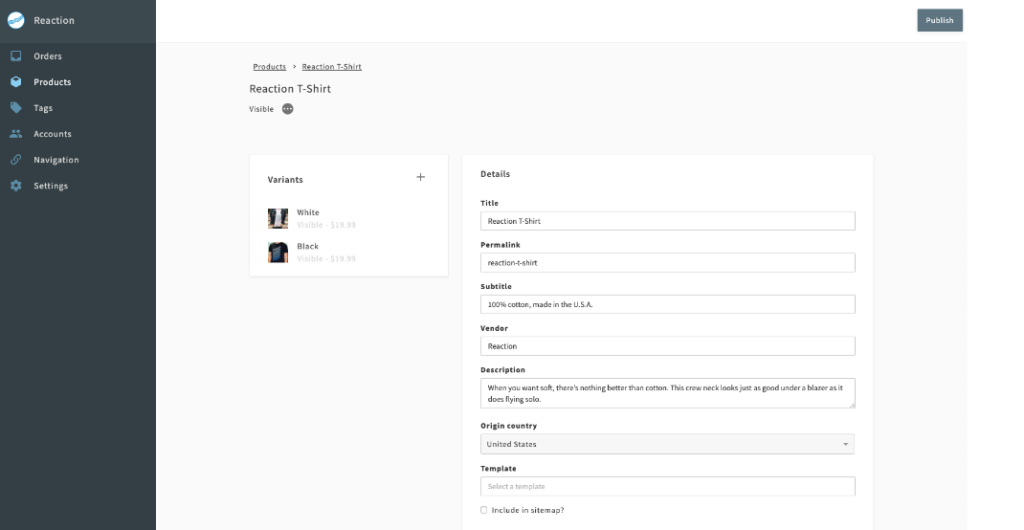
Reaction Commerce ti consente di aggiungere nuove funzionalità e capacità senza dover migrare su una nuova piattaforma. La sua architettura basata sugli eventi ti aiuta a sfruttare al meglio i dati degli eventi di prodotto e a sbloccare informazioni preziose attraverso il catalogo. La piattaforma è estremamente flessibile con funzionalità di commercio e microservizi.
Queste caratteristiche possono essere utilizzate insieme o in alternativa alla tua attuale infrastruttura tecnologica. Il prodotto è progettato per scalare con 1 milione di SKU, la capacità di milioni di variazioni d’inventario e la possibilità di gestire migliaia di ordini al giorno. La piattaforma offre una velocità fulminea con un tempo medio di risposta di 225 ms.
Reaction Commerce funziona immediatamente con ERP, OMS, fornitori di pagamento e altri servizi.
Il supporto è disponibile tramite documentazione di base e un modulo di contatto.


Acro Media è un'agenzia di sviluppo di soluzioni ecommerce specializzata nella tecnologia Drupal. Puoi considerare di affidarti a loro per perfezionare e personalizzare i tuoi progetti Drupal secondo le tue esigenze.
L'agenzia vanta oltre 10 anni di esperienza in ecommerce open source e utilizza la metodologia agile per costruire partnership collaborative. Il team di sviluppatori è esperto nella creazione di piattaforme ecommerce headless che ottimizzano i flussi di lavoro.
La squadra di 50 sviluppatori contribuisce anche all'integrazione con fornitori di terze parti e migliora l'esperienza utente grazie a frontend accattivanti.
L'assistenza clienti è disponibile tramite telefono, e-mail e chat. Il prezzo viene definito in base alle necessità e alla scala del progetto.

Il miglior sistema di gestione dei contenuti open source per gestire cataloghi di prodotti
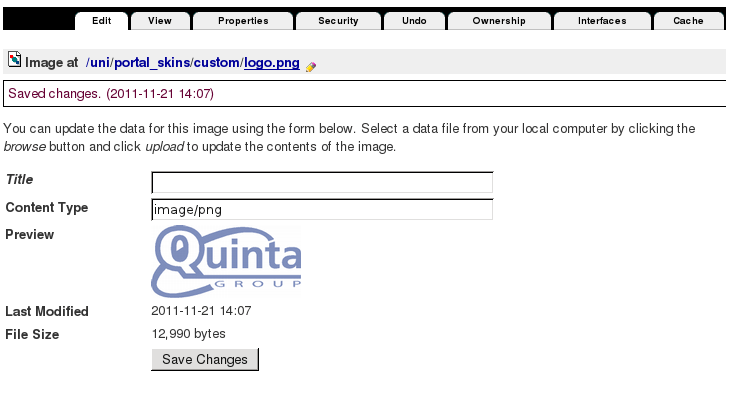
Quintagroup offre uno strumento completo per la gestione online dei cataloghi di prodotti. Inoltre, consente pagamenti online semplici grazie ai servizi di sviluppo Plone.
Il servizio Plone include integrazioni ecommerce come PayPal, PayFlowPro, Google Checkout e Salesforce. È possibile implementare funzionalità come la registrazione a conferenze, la prenotazione di stanze, l'accesso prepagato a determinate sezioni e altro ancora.
La piattaforma offre personalizzazioni di base, ma nulla di particolarmente degno di nota. L'assistenza è disponibile tramite un modulo di contatto.

Miglior piattaforma eCommerce open source per esigenze multi-store
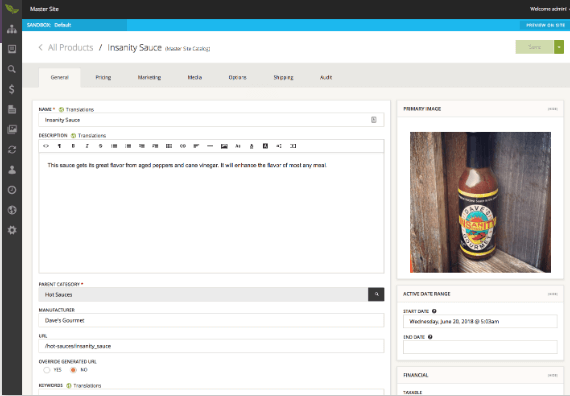
Basata su tecnologia ecommerce headless, la soluzione multi-sito di Broadleaf utilizza un framework basato su microservizi per offrire ai clienti la possibilità di gestire i propri dati e l’esperienza utente. Questo significa che aspetti come performance, problematiche relative alla privacy e costi dell’infrastruttura sono gestiti da microservizi individuali.
Questi microservizi sono separati dagli altri componenti della soluzione. È possibile combinare un numero ‘n’ di microservizi Broadleaf in un unico contenitore e database. In alternativa, si possono suddividere i servizi in base alla loro specifica funzione. Queste caratteristiche modulari offrono molta flessibilità nel deployment e sono ottime per la scalabilità.
La sua funzionalità ecommerce consente di supportare le esigenze B2C, B2B, multi-tenant, multi-sito e marketplace. In termini di personalizzazione, garantisce lo stesso alto livello di personalizzazione totale tipico delle piattaforme basate su un motore headless commerce. Broadleaf si integra con WordPress, Magento, Django CMS, Zendesk, Zapier e altre applicazioni eCommerce molto diffuse.
Affidato da brand della cultura pop come Major League Baseball, puoi essere sicuro di ottenere un vero successo con questo prodotto. È possibile inviare richieste di funzionalità e segnalazioni di bug tramite il modulo di contatto.
È presente una leggera curva di apprendimento e un certo livello di difficoltà. Detto ciò, una volta acquisita familiarità con il prodotto, questa può diventare una soluzione ecommerce molto conveniente per la tua azienda.

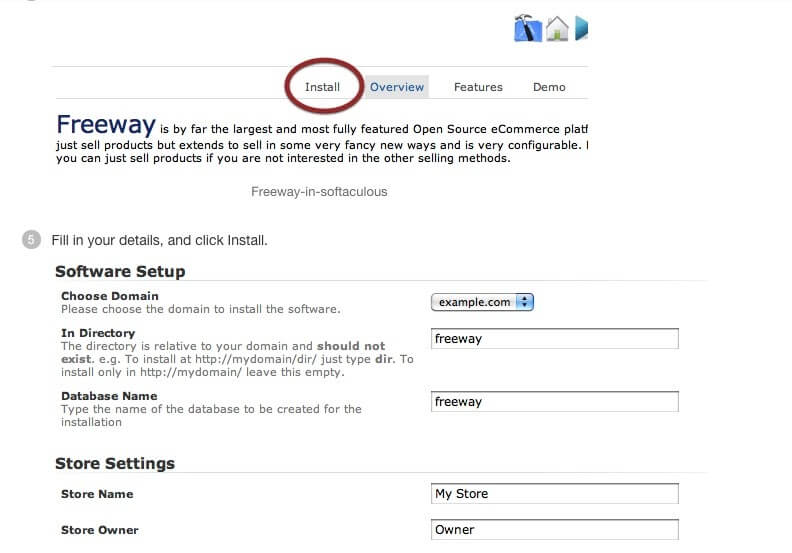
Open Freeway è perfetto per chi desidera vendere abbonamenti ed eventi insieme ai prodotti. Utilizzalo per prenotazioni basate sul tempo, vendita di pacchetti di abbonamento e appuntamenti.
Il prodotto dispone di strumenti di marketing e SEO integrati che possono aiutarti a raggiungere i clienti più velocemente. In termini di personalizzazione, la sua architettura modulare consente modifiche estremamente facili da implementare senza alcuna interferenza con il codice sorgente principale.
L'assistenza è disponibile tramite la documentazione e una pagina con modulo di contatto dove puoi segnalare eventuali bug.
Altre opzioni di piattaforme ecommerce open source
Ecco alcune altre piattaforme ecommerce open source che non sono rientrate nell’elenco principale.


Come valuto le piattaforme ecommerce open source
Divido la mia valutazione in criteri di base—come licenza open source, supporto all’auto-ospitalità e gestione del catalogo—e fattori differenzianti che distinguono le piattaforme degne di raccomandazione dalle altre.
Funzionalità di base (requisiti fondamentali per questa lista)
Quando seleziono gli strumenti per la mia lista, valuto ciascuno su una scala da 0 (non offre la funzionalità) a 5 (eccelle in quest’area) per ogni funzionalità principale elencata di seguito. Poi calcolo il punteggio totale dello strumento in percentuale. Ogni strumento deve raggiungere un punteggio minimo totale del 65% per essere considerato per l’inclusione.
- Codice open source: Controllo il tipo di licenza (MIT, GPL, Apache, ecc.) e se l’intera base di codice è pubblicamente accessibile, non solo un rilascio limitato "source-available".
- Supporto all’auto-ospitalità: Ogni piattaforma dovrebbe offrire una documentazione per il deployment self-hosted, idealmente con molteplici opzioni come Docker o Kubernetes oltre alle configurazioni server tradizionali.
- Gestione storefront & catalogo: Valuto come ogni piattaforma gestisce le varianti di prodotto, le categorie e le regole di prezzo—ovvero la gestione di cataloghi con migliaia di SKU in più valute.
- Carrello, checkout & pagamenti: Il processo di checkout è importante quanto il supporto ai gateway, quindi considero quanto sia configurabile il flusso e con quali gateway principali (Stripe, PayPal, ecc.) vi sia un’integrazione nativa.
- Gestione ordini & inventario: I team retail necessitano di visibilità in tempo reale sullo stock, quindi valuto se ciascuna piattaforma supporta inventari multi-sede, gestione del ciclo vita degli ordini e processo di reso.
- API & estensibilità tramite plugin: Un ecosistema di estensioni solido è sinonimo di flessibilità a lungo termine—valuto le API disponibili, il supporto ai webhook e la varietà del marketplace di plugin per ogni piattaforma.
Una volta ottenuta la lista di strumenti che rispettano questi criteri, considero ciò che distingue ogni piattaforma.
Fattori differenzianti (Cosa distingue i fornitori)
Ecco come confronto e metto a confronto i diversi fornitori:
Caratteristiche distintive
L’architettura headless commerce è un importante fattore differenziante—permette di costruire vetrine personalizzate per web, mobile e chioschi in negozio da un unico backend. Valuto anche la gestione multi-store, importante per i rivenditori che gestiscono brand separati o siti regionali condivisione di catalogo e inventario. L’integrazione POS nativa è un altro elemento che considero, perché determina quanto bene una piattaforma unifica le transazioni online e in negozio senza ricorrere a soluzioni di terze parti.
Oltre le caratteristiche
Il modello di licenza conta molto. Una piattaforma con licenza GPL ha implicazioni diverse per l’uso commerciale rispetto a una sotto MIT o Apache, quindi valuto come ogni licenza influenza la capacità di personalizzare e redistribuire il codice. Anche il costo totale di proprietà è un fattore chiave—hosting, il carico su DevOps e i costi dei moduli premium possono aumentare rapidamente sulle piattaforme self-hosted. Esamino inoltre la salute della comunità: una base attiva di contributori e una solida rete di agenzie certificate indicano che la piattaforma può crescere insieme alle tue esigenze.
Come scegliere una piattaforma ecommerce open source
Selezionare la piattaforma ecommerce open source giusta può rappresentare una svolta decisiva per la propria attività, offrendo flessibilità e controllo. Ecco cosa valutare quando si sceglie una soluzione open source:
- Cosa vuoi farci. Individua le esigenze specifiche del tuo negozio online. Cerchi ampie opzioni di personalizzazione, il controllo sull'hosting o l'integrazione con strumenti aziendali esclusivi? Chiarire i tuoi obiettivi ti aiuterà a determinare le funzionalità che la piattaforma deve offrire.
- Chi dovrà utilizzarla. Considera chi, nel tuo team, gestirà la piattaforma di ecommerce. Hai personale tecnico in grado di occuparsi dello sviluppo e della manutenzione oppure avrai bisogno di supporto esterno? Valuta il livello di competenze necessario per assicurarti che il tuo team possa utilizzare e gestire efficacemente la piattaforma.
- Con quali altri strumenti deve funzionare. Individua gli strumenti e i sistemi esistenti con cui la tua piattaforma di ecommerce deve integrarsi, come CRM, gestione dell'inventario e automazione del marketing. Un'integrazione perfetta è fondamentale per garantire flussi di lavoro efficienti e prestazioni aziendali complessive.
- Quali risultati sono importanti. Determina i risultati chiave che la piattaforma di ecommerce deve offrirti. Vuoi aumentare le vendite, migliorare l'esperienza dei clienti o semplificare le operazioni? Definisci metriche di successo come tassi di conversione, soddisfazione dei clienti ed efficienza operativa.
- Come funzionerebbe all'interno della tua organizzazione. Valuta come la piattaforma di ecommerce si inserisce nei tuoi flussi di lavoro e processi aziendali attuali. Considera cosa funziona bene e cosa deve essere migliorato. Tieni presente che ogni azienda è unica, quindi scegli una piattaforma in linea con le tue esigenze specifiche e il tuo stile operativo.
Considerando questi fattori, puoi selezionare una piattaforma di ecommerce open source che offra la flessibilità, il controllo e le capacità di integrazione richieste dalla tua azienda.
Che cos'è una piattaforma di ecommerce open source?
Le piattaforme di ecommerce open source sono soluzioni software che consentono alle aziende di creare e gestire negozi online con la massima libertà di personalizzare e modificare la piattaforma in base alle proprie esigenze specifiche.
Queste piattaforme sono basate su codice sorgente disponibile gratuitamente per chiunque desideri utilizzarlo, modificarlo e distribuirlo. Questa natura aperta significa che puoi adattare la piattaforma ai tuoi requisiti precisi, sia per quanto riguarda il design e le funzionalità, sia per l'integrazione con altri sistemi.
Le soluzioni di ecommerce open source sono una scelta eccellente per le aziende alla ricerca di una piattaforma conveniente e flessibile, in grado di crescere ed evolversi insieme a loro.
Inoltre, sono supportate da una comunità di sviluppatori che contribuisce costantemente allo sviluppo e al miglioramento della piattaforma.
Funzionalità principali delle piattaforme di ecommerce open source
Quando valuti le piattaforme di ecommerce open source, è fondamentale cercare funzionalità che migliorino sia l'esperienza dei tuoi clienti sia la tua efficienza operativa.
Ecco alcune funzionalità essenziali che abbiamo preso in considerazione:
Maggiore flessibilità
Le piattaforme open source offrono un livello di personalizzazione e flessibilità superiore rispetto al modello SaaS generico.
Con le piattaforme di ecommerce open source puoi raggiungere un livello di personalizzazione senza precedenti, adattando le funzionalità e il design del sito alle esigenze specifiche della tua azienda.
Questa libertà consente di modificare il codice, aggiungere funzionalità personalizzate e creare un'esperienza di acquisto unica.
Sicurezza avanzata
La sicurezza è fondamentale per qualsiasi negozio online. Le piattaforme di ecommerce open source beneficiano di una comunità di sviluppatori specializzati che analizzano e implementano il codice, assicurandosi che venga sottoposto a controlli rigorosi.
Questo approccio collaborativo offre solide misure di sicurezza, tra cui aggiornamenti regolari, supporto SSL, crittografia dei dati e conformità agli standard del settore per proteggere il tuo negozio e le informazioni dei clienti.
Velocità del sito
La velocità del sito è una metrica fondamentale per qualsiasi attività di ecommerce.
Tempi di caricamento lenti possono causare abbandoni, ridurre le conversioni e portare a un calo del posizionamento su Google. Abbiamo testato la velocità dei siti delle piattaforme per assicurarci che offrano prestazioni rapide e affidabili.
Una piattaforma che si carica rapidamente migliora l'esperienza dell'utente e mantiene coinvolti i clienti.
Supporto della comunità
Una comunità attiva e vivace è inestimabile per le piattaforme open source. Queste comunità offrono accesso a conoscenze condivise, soluzioni e innovazioni.
Poiché in genere le piattaforme open source non offrono supporto diretto individuale, il supporto della comunità diventa essenziale. Cerca piattaforme con guide utili, tutorial, documentazione e un forum attivo in cui utenti e sviluppatori condividano le proprie conoscenze.
Questa rete di supporto aiuta il prodotto a evolversi più rapidamente e ad adattarsi alle nuove tendenze e tecnologie.
Ecosistema di plugin
Un solido ecosistema di plugin è essenziale per estendere le funzionalità della tua piattaforma di ecommerce.
Cerca un'ampia gamma di plugin ed estensioni in grado di migliorare tutto, dalla SEO e dall'analisi all'elaborazione dei pagamenti e alla gestione dell'inventario. Ciò ti consente di aggiungere funzionalità man mano che la tua attività cresce e le tue esigenze cambiano.
Scalabilità
Man mano che la tua attività cresce, la piattaforma di commercio elettronico dovrebbe crescere insieme a te.
Ciò significa che dovrebbe gestire un aumento del traffico, un catalogo di prodotti più ampio e un numero maggiore di transazioni senza compromettere le prestazioni.
La scalabilità garantisce che la tua piattaforma possa supportare la tua attività ora e in futuro.
Strumenti SEO
Le funzionalità SEO integrate contribuiscono a migliorare la visibilità del tuo sito sui motori di ricerca. Cerca piattaforme che offrano meta tag personalizzabili, URL ottimizzati per la SEO e strumenti per gestire sitemap e parole chiave.
Strumenti SEO efficaci sono fondamentali per attirare traffico organico verso il tuo negozio.
Integrazione dei gateway di pagamento
Offrire diverse opzioni di pagamento è fondamentale per la comodità dei clienti. Assicurati che la piattaforma supporti l'integrazione con vari gateway di pagamento, comprese opzioni popolari come PayPal, Stripe e le principali carte di credito.
Questa flessibilità migliora l'esperienza di acquisto, assecondando diverse preferenze di pagamento.
Gestione dell'inventario
Strumenti efficaci per la gestione dell'inventario ti aiutano a monitorare i livelli delle scorte, gestire le varianti dei prodotti e prevenire le vendite superiori alle scorte disponibili.
Cerca funzionalità che forniscano aggiornamenti e notifiche in tempo reale per mantenere accurato il tuo inventario. Ciò garantisce che tu possa soddisfare la domanda dei clienti senza impegnare risorse in modo eccessivo.
Analisi e reportistica
Strumenti completi di analisi e reportistica sono essenziali per monitorare le prestazioni del tuo negozio.
Report dettagliati sulle vendite, sul comportamento dei clienti e sulle fonti di traffico ti aiutano a prendere decisioni aziendali consapevoli. Queste informazioni sono fondamentali per ottimizzare le tue attività e far crescere la tua azienda.
Design reattivo per dispositivi mobili
Poiché una parte significativa del traffico proviene dai dispositivi mobili, la tua piattaforma di commercio elettronico deve offrire un design reattivo per dispositivi mobili.
Ciò garantisce un'esperienza di acquisto fluida su tutti i dispositivi, dai computer desktop agli smartphone. Un design reattivo per dispositivi mobili è essenziale per mantenere il coinvolgimento degli utenti e incrementare le conversioni.
Concentrandoti su queste funzionalità chiave, puoi selezionare una piattaforma di commercio elettronico a codice aperto che offre la flessibilità, le funzionalità e la sicurezza necessarie per gestire un negozio online di successo.
Altre recensioni di piattaforme di commercio elettronico
Se non hai ancora trovato esattamente ciò che cerchi, potresti dare un'occhiata alle mie altre recensioni dei vari tipi di piattaforme di commercio elettronico.
- Piattaforme di commercio elettronico senza interfaccia
- Software di commercio elettronico multicanale
- Piattaforme di commercio sui social
- Piattaforme di commercio elettronico economiche
- Piattaforme di commercio elettronico in hosting
- Piattaforme di commercio elettronico SaaS
- Piattaforme internazionali di commercio elettronico
- Piattaforme di commercio elettronico in Canada
- Software a codice aperto per la gestione degli abbonamenti