

I 10 migliori software di gestione dell’inventario per il commercio elettronico nel 2026

Il miglior software di gestione dell'inventario per i marchi di e-commerce


Il software di gestione dell'inventario per l'e-commerce mantiene sincronizzato ogni SKU su Shopify, marketplace, magazzino e 3PL, così eviti di vendere prodotti esauriti, proteggi i margini e spedisci puntualmente.
La piattaforma giusta aggiorna automaticamente le scorte su tutti i canali, assegna gli ordini e monitora gli ordini di acquisto, i trasferimenti e gli inventari a rotazione, senza dover riconciliare manualmente i fogli di calcolo.
Supporta pacchetti/kit, ordini arretrati, codici a barre e resi, quindi invia dati puliti al tuo WMS, all'app di spedizione e al software di contabilità.
Per i rivenditori online, il vantaggio è semplice: meno esaurimenti di scorte, meno problemi per i clienti e un ciclo di conversione del contante più efficiente. Ottieni conteggi affidabili, riordini più intelligenti (previsione della domanda + scorta di sicurezza) e visibilità dal ricevimento della merce fino alla consegna.
Ho gestito l'inventario per un importante rivenditore e il magazzino e le spedizioni per un grossista, quindi le scelte riportate di seguito privilegiano piattaforme in grado di reggere nei periodi di picco, con cataloghi complessi e resi reali.
Di seguito abbiamo selezionato il miglior software di gestione dell'inventario per l'e-commerce per i marchi che vendono su più canali. Scegli uno strumento adatto alla complessità del tuo catalogo e al tuo insieme di strumenti operativi, e cresci senza rinunciare ai tuoi fine settimana.
Perché fidarsi dei nostri consigli sui software
Il nostro team testa e recensisce software dal 2012. In quanto leader del retail noi stessi, sappiamo quanto sia difficile — e importante — scegliere il software giusto.
Per questa guida, abbiamo valutato gli strumenti attraverso test pratici e ricerche indipendenti, assegnando un punteggio agli strumenti in base ai nostri criteri di selezione.
Le nostre recensioni riflettono il nostro giudizio indipendente, non un discorso di vendita.
Tabella comparativa dei software di gestione dell'inventario per i marchi di e-commerce
Questa tabella comparativa riassume i dettagli sui prezzi delle mie migliori selezioni di software di gestione dell’inventario per i marchi di e-commerce:
| Tool | Best For | Trial Info | Price | ||
|---|---|---|---|---|---|
| 1 | Le migliori previsioni di scorte, oltre agli strumenti per inserzioni multicanale | Demo gratuita disponibile | Da $449/mese (prezzi in base al volume) | Website | |
| 2 | Ideale per l’integrazione e-commerce con sincronizzazione automatica | Prova gratuita di 30 giorni disponibile | Da $49/utente/mese | Website | |
| 3 | Ideale per la gestione dell’inventario su più magazzini | Demo gratuita disponibile | Prezzo su richiesta | Website | |
| 4 | Ideale per inventario e POS per piccole imprese in un'unica soluzione | Demo gratuita disponibile | Da Interchange + 0,40% + 8¢ (varia in base al volume) | Website | |
| 5 | Ideale con strumenti integrati di analisi dei profitti | Piano gratuito + demo gratuita disponibile | Da $19/mese | Website | |
| 6 | Ideale per la gestione automatizzata degli ordini | Prova gratuita di 60 giorni disponibile | Prezzi su richiesta | Website | |
| 7 | Miglior piano gratuito per piccole imprese con componente aggiuntivo per la gestione dell'inventario | Account gratuito disponibile | Da $5/mese (fatturato annualmente) | Website | |
| 8 | Ideale per gestire più funzioni aziendali | Demo gratuita disponibile | Prezzi su richiesta | Website | |
| 9 | Ideale per aziende ecommerce ad alto volume | Demo gratuita disponibile | Da $499/mese | Website | |
| 10 | Ideale per esigenze complesse di inventario ecommerce | Demo gratuita disponibile | Prezzo su richiesta | Website |
Il miglior software di gestione dell'inventario per l'e-commerce, recensito
Ora esaminiamo le migliori soluzioni IMS per l’e-commerce. Abbiamo preparato una breve recensione per ciascuna, con i relativi punti di forza, le funzionalità principali, i pro e i contro, i dettagli sui prezzi e le schermate dello strumento in azione.

Le migliori previsioni di scorte, oltre agli strumenti per inserzioni multicanale
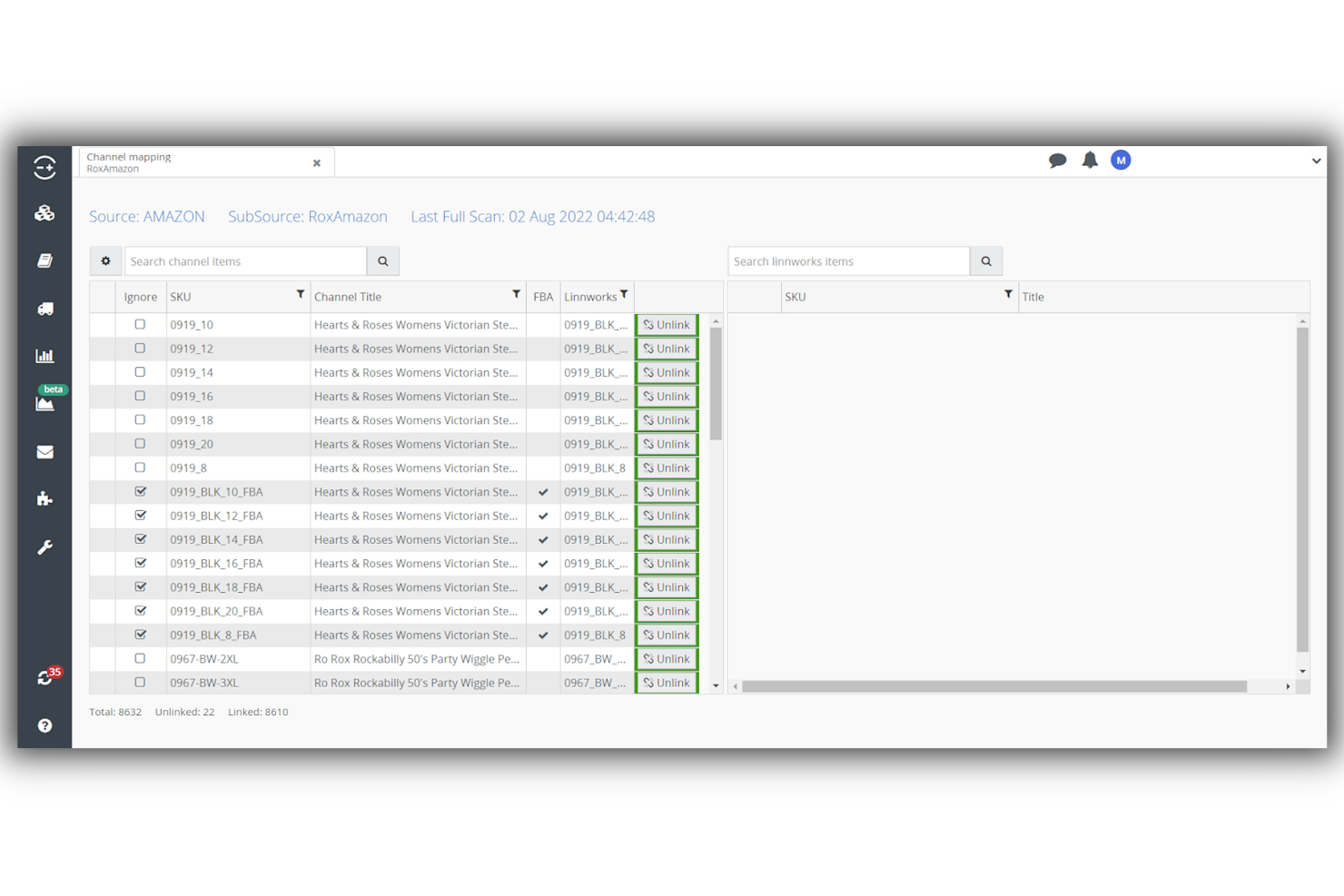
Linnworks centralizza il tuo inventario ecommerce, gli ordini e le inserzioni su diversi marketplace così puoi smettere di combattere contro esaurimenti di scorte e vendite in eccesso.
È ideale per rivenditori multicanale in rapida crescita che hanno bisogno di avere un inventario preciso tra magazzini e canali di vendita senza dover costruire da zero la propria infrastruttura operativa.
Perché ho scelto Linnworks
Ho scelto Linnworks perché ti offre un unico luogo dove gestire inventario, ordini e inserzioni su tutti i tuoi marketplace e webstore principali, così non devi più riconciliare fogli di calcolo o saltare da una dashboard all'altra.
Hai la sincronizzazione delle scorte in tempo reale tra i vari canali, il che aiuta a prevenire le vendite in eccesso aggiornando l'inventario man mano che arrivano ordini e mentre aggiorni le quantità nei magazzini. Lo stesso motore supporta la logica multi-magazzino, così puoi indirizzare gli ordini dalla posizione migliore in base a scorte, regione o regole sul livello di servizio.
Mi piace anche il fatto che puoi utilizzare le previsioni sulla domanda e la cronologia delle vendite per impostare punti di riordino più intelligenti invece di andare a intuito, il che ti aiuta a ridurre le scorte morte coprendo comunque i picchi di richiesta.
Per team che gestiscono volumi importanti, questi strumenti di previsione abbinati all’automazione basata su regole possono liberare una parte considerevole del lavoro ripetitivo sull’inventario.
Caratteristiche principali di Linnworks
Oltre alla sincronizzazione dell'inventario multicanale, ecco alcune funzionalità importanti per i rivenditori che lavorano molto con le scorte.
- Automazione basata su regole: Crea regole if/then per gestire attività come l'instradamento degli ordini, la catalogazione e l'aggiornamento delle scorte, così l’amministrazione ripetitiva dell’inventario viene gestita in background.
- Gestione degli ordini di acquisto: Genera ordini di acquisto dai dati di domanda e scorte, poi traccia i ricevimenti rispetto alle quantità previste per mantenere un rifornimento efficace.
- Analisi dell'inventario: Usa i report su velocità di vendita, invecchiamento delle scorte e performance dei canali per decidere cosa riordinare, eliminare o promuovere con offerte.
- Controlli multi-magazzino: Imposta regole specifiche per le sedi, traccia i trasferimenti tra magazzini e tieni una vista aggregata delle scorte disponibili e giacenti.
Integrazioni Linnworks
Le integrazioni includono Amazon, eBay, Walmart, Shopify, BigCommerce, Magento, TikTok Shop, Etsy, Wayfair e WooCommerce.
Pros and Cons
Pros:
- Copertura estesa dei marketplace, ideale per centralizzare inventario e ordini su diversi canali.
- Solida logica multi-magazzino per instradare e bilanciare le scorte tra le diverse sedi.
- Strumenti di previsione della domanda per impostare punti di riordino più intelligenti e prevenire le rotture di stock.
Cons:
- Non c'è una classica prova gratuita; per iniziare bisogna prenotare una demo.
- Il prezzo non è trasparente; i preventivi vengono forniti solo tramite trattativa con il reparto vendite.
New Product Updates from Linnworks
Linnworks Adds DMSExpress and Trade Order POS Apps
Linnworks adds DMSExpress and Trade Order POS to its App Store for shipping automation and point-of-sale order creation. These new apps expand fulfillment and sales workflows by connecting multi-carrier shipping and trade order processing directly with Linnworks. For more information, visit Linnworks’ official site.
 .
.
MRPeasy
Ideale per l’integrazione e-commerce con sincronizzazione automatica
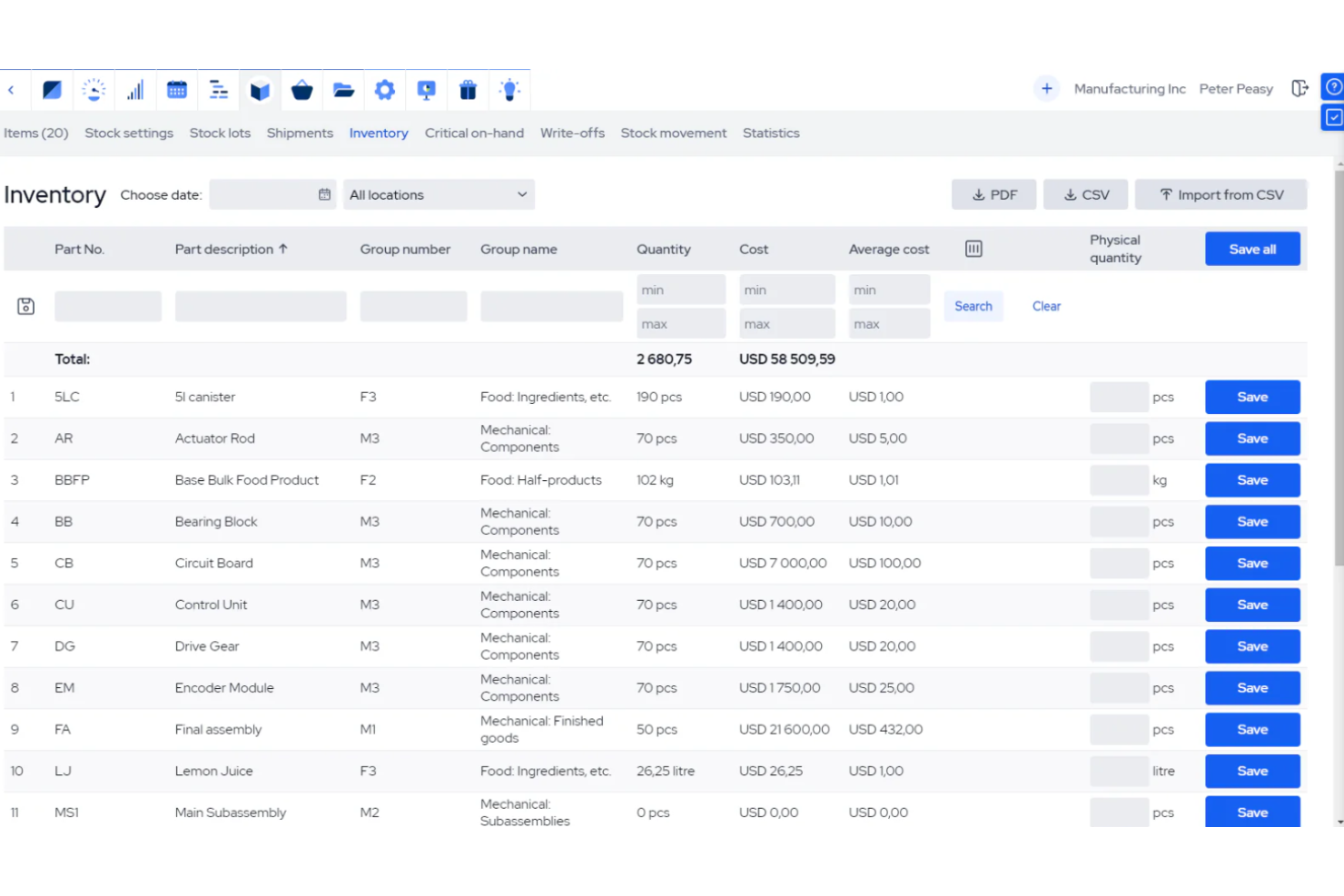
MRPeasy è progettato per i piccoli produttori e rivenditori che hanno bisogno che l'inventario e-commerce rimanga sincronizzato con la produzione, invece di essere nascosto in fogli di calcolo scollegati.
Collega i tuoi negozi e marketplace con stock in tempo reale, ordini di lavoro e acquisti, permettendoti di mantenere i bestseller disponibili senza perdere il controllo di ciò che succede in produzione.
Perché ho scelto MRPeasy
Ho scelto MRPeasy perché le sue integrazioni native con Shopify, BigCommerce, WooCommerce, Magento e Amazon ti permettono di sincronizzare automaticamente ordini, movimenti di magazzino e spedizioni, evitando di dover inserire manualmente i dati tra i sistemi.
Questa sincronizzazione è supportata da una logica produttiva vera e propria: gli ordini di vendita possono generare ordini di produzione, così il team può gestire flussi make-to-order o assemble-to-order mentre l'inventario viene aggiornato in background.
Hai inoltre una visione unica dell'inventario tra magazzini e siti produttivi, aiutando a promettere date di spedizione realistiche perché consulti le scorte effettivamente disponibili e quelle in arrivo.
Per i brand e-commerce che producono o assemblano i propri prodotti, è un modo pratico per unire la domanda web, i piani di produzione e la gestione delle scorte in un unico posto.
Caratteristiche principali di MRPeasy
Oltre alla sincronizzazione e-commerce, MRPeasy offre strumenti di gestione dell’inventario veramente utilizzabili dalle squadre operative e di produzione nel lavoro quotidiano.
- Gestione dei punti di riordino: Configura livelli minimi/massimi e usa i suggerimenti del sistema per creare ordini di acquisto prima che prodotti chiave vadano esauriti.
- Tracciabilità lotti e seriali: Rintraccia i lotti e i numeri di serie dai componenti al prodotto finito e alla spedizione, per una tracciabilità completa.
- Portale clienti B2B: I clienti all’ingrosso possono inoltrare ordini e controllare lo stato consultando le scorte in tempo reale, senza scambi di email.
- Gestione degli acquisti: Collega tempi di consegna dei fornitori, ricezioni pianificate e ordini di acquisto direttamente alle esigenze di produzione e di vendita.
Integrazioni MRPeasy
Le integrazioni includono Shopify, BigCommerce, WooCommerce, Magento, Amazon, ShipStation, QuickBooks Online, Xero, HubSpot e Salesforce.
Pros and Cons
Pros:
- La sincronizzazione automatica mantiene allineati ordini e-commerce, livelli di stock e spedizioni.
- Supporta flussi make-to-order, collegando gli ordini online direttamente agli ordini di produzione.
- Le viste inventario multi-magazzino aiutano a smistare gli ordini dalla posizione migliore.
Cons:
- La configurazione iniziale è dettagliata, specie se mancano processi produttivi strutturati.
- Opzioni di marketplace native limitate oltre alle principali piattaforme; le altre richiedono connettori.
New Product Updates from MRPeasy
MRPeasy Expands REST API v2 With New Data Endpoints
MRPeasy expands REST API v2 with new endpoints for reports, dashboard data, production resources, stock, and settings. This gives users broader programmatic access to operational data. For more information, visit MRPeasy’s official site.
 .
.
SkuVault
Ideale per la gestione dell’inventario su più magazzini
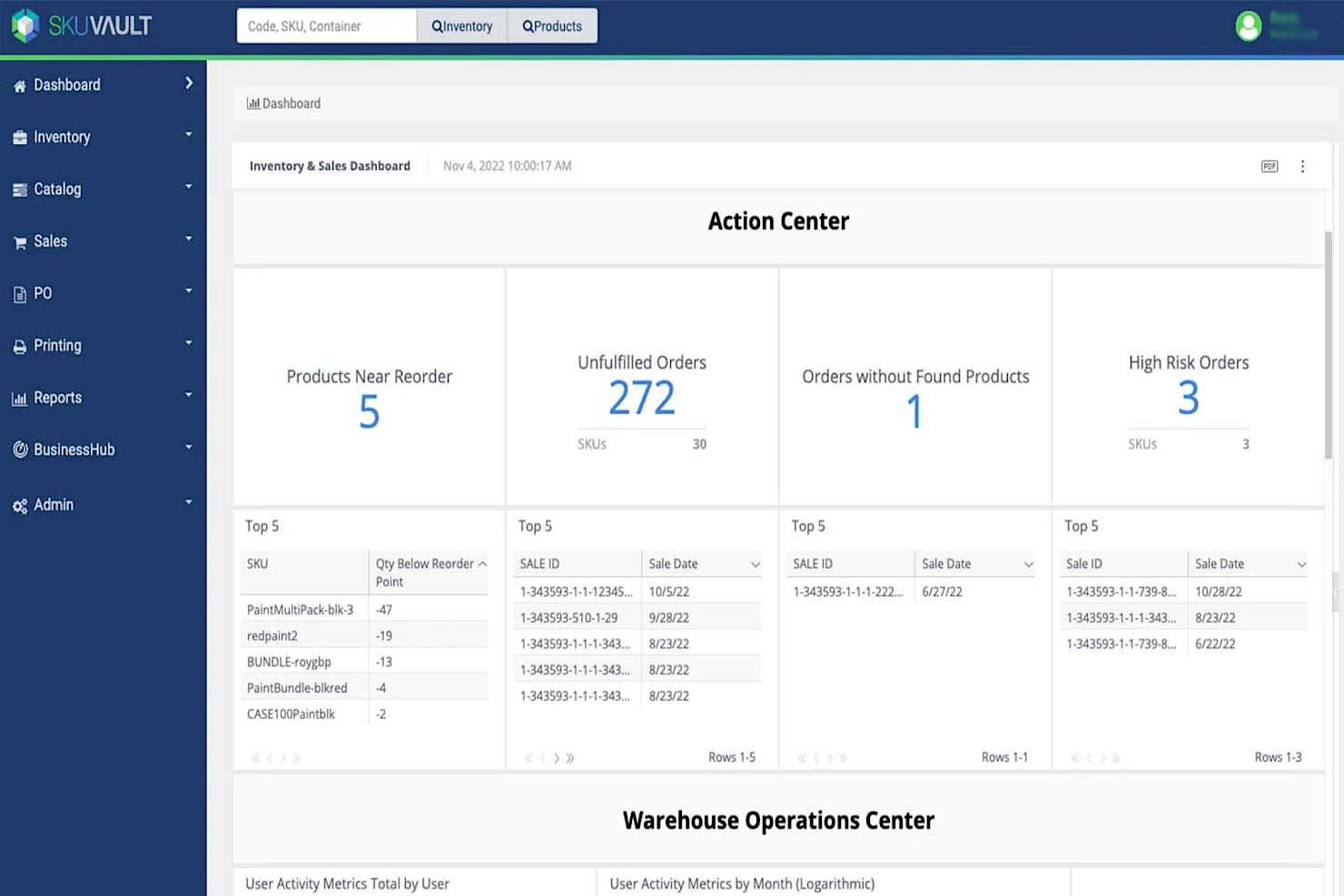
SkuVault è progettato per i team di ecommerce che gestiscono più magazzini, marketplace e negozi online e hanno bisogno di una fonte unica e affidabile per la giacenza fisica.
È particolarmente adatto a brand ad alto volume che puntano a conteggi accurati, meno errori di prelievo e un controllo più serrato dell'inventario in ogni sede.
Perché ho scelto SkuVault
Ho scelto SkuVault perché fornisce inventario in tempo reale, a livello di sede, su più magazzini e canali di vendita, così puoi sapere esattamente cosa è disponibile prima di fare una promessa ai clienti.
Riduci le rotture di stock e gli eccessi usando strumenti come i buffer di quantità e gli avvisi di riordino basati sulla domanda, invece di affidarti a stime da fogli di calcolo.
Il tuo team beneficia anche di prelievi con codici a barre e controlli di qualità integrati, che riducono gli errori e le rispedizioni collegando ogni prelievo a una scansione e a una verifica.
Se vendi prodotti regolamentati o deperibili, la tracciabilità dei lotti e la gestione delle scadenze con prelievo FIFO/FEFO ti aiutano a ruotare correttamente lo stock e a essere pronto per audit senza dover integrare strumenti di conformità separati.
Funzionalità principali di SkuVault
Oltre al controllo multi-magazzino, ci sono alcune funzionalità extra su cui i team ecommerce con molto inventario fanno particolare affidamento.
- Composizione e bundling: Crea kit, multipack e SKU assemblati mantenendo la precisione dell’inventario dei componenti per ogni sede di magazzino.
- Conteggio ciclico e audit: Svolgi conteggi ciclici e verifiche di inventario senza chiudere intere corsie per inventari fisici totali.
- Tracciamento lotti e scadenze: Traccia i lotti e le date di scadenza dall’inizio alla fine, così puoi dare priorità alle merci più vecchie, ridurre le svalutazioni e gestire richiami in modo efficiente.
- Workflow per 3PL e magazzini esterni: Dona a 3PL e magazzini satellite accesso controllato e visibilità a livello di sede, così anche i team esterni seguono le stesse regole di inventario che utilizzi tu.
Integrazioni di SkuVault
Le integrazioni includono Shopify, Amazon, eBay, Walmart, BigCommerce, WooCommerce, Magento, ShipStation e ShipWorks.
Pros and Cons
Pros:
- La visibilità su più magazzini previene sovravendite e carenze di stock su canali ad alto traffico.
- Il prelievo tramite codici a barre e il controllo qualità riducono gli errori di prelievo e le costose rispedizioni.
- La tracciabilità dei lotti e il prelievo FEFO supportano la conformità per i prodotti regolamentati.
Cons:
- L’interfaccia appare datata in alcune aree, e l’inserimento di nuovo personale richiede più tempo.
- La personalizzazione dei report è limitata per analisi e dashboard molto specifiche.

Helcim
Ideale per inventario e POS per piccole imprese in un'unica soluzione
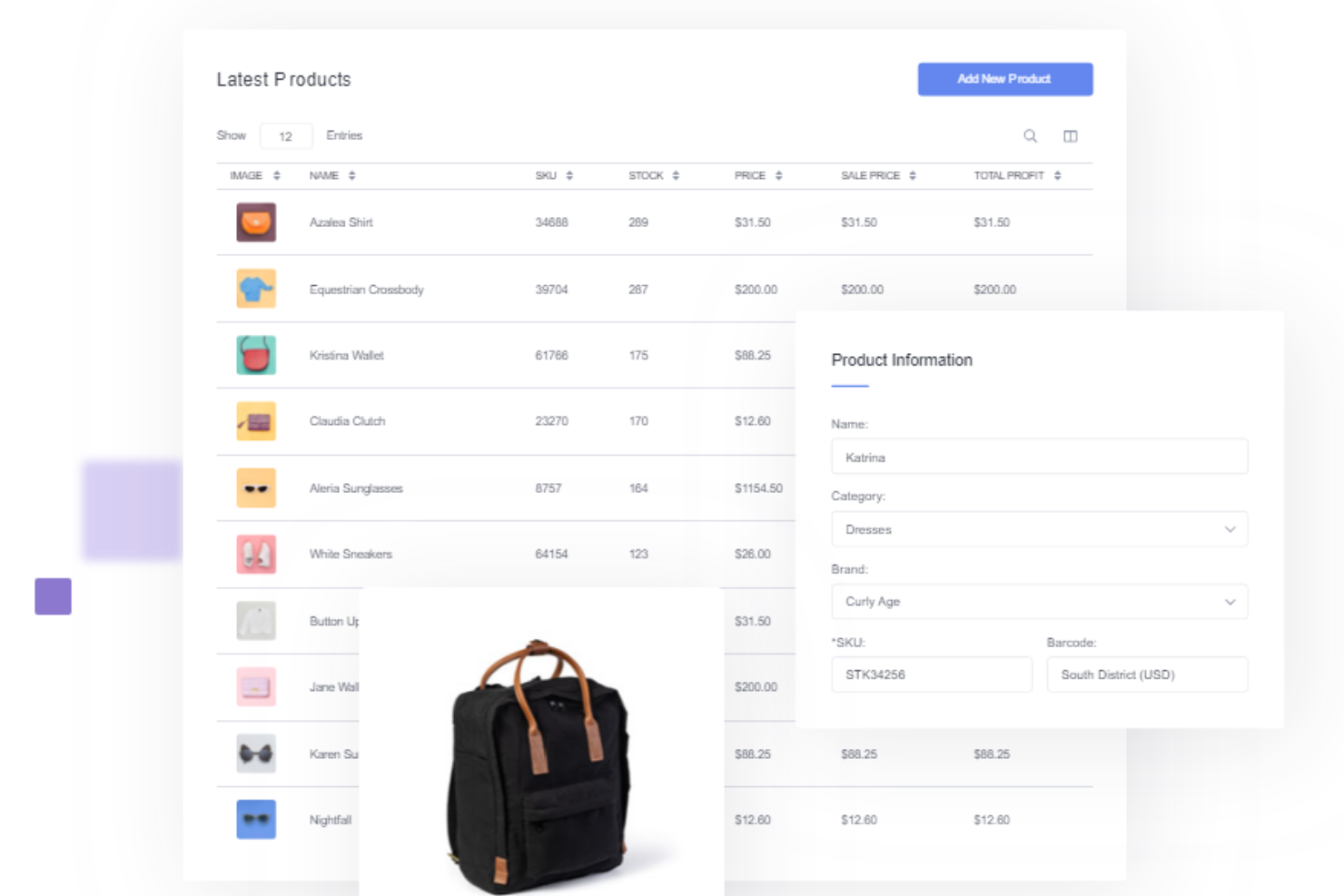
Helcim offre a piccoli e medi rivenditori negli Stati Uniti e in Canada un modo per gestire inventario e pagamenti in un'unica soluzione, senza costi aggiuntivi per il monitoraggio delle scorte.
Se gestisci un'attività ibrida—POS in negozio e carrelli online—è progettato per mantenere allineati quantità, dati di catalogo e ordini, così non sei costretto a vivere tra i fogli di calcolo.
Perché ho scelto Helcim
Ho scelto Helcim perché offre un gestore di inventario completo integrato nella piattaforma di pagamento, così puoi monitorare prodotti, varianti e livelli di scorte senza dover aggiungere un altro abbonamento.
Il tuo team può vendere tramite il POS Helcim, il checkout online e le fatture mentre l'inventario si aggiorna in tempo reale, riducendo il rischio di vendite superiori alle scorte perché ogni vendita aggiorna automaticamente le disponibilità.
Apprezzo anche la possibilità di impostare avvisi di scorte basse e utilizzare report sulle vendite e sui prodotti per decidere cosa riordinare, invece di procedere a intuito sperando che i best seller arrivino con la prossima spedizione.
Dal punto di vista dei costi, la tariffazione interchange-plus e la struttura di account gratuito di Helcim permettono di gestire elaborazione pagamenti e inventario in un solo strumento, ideale se vuoi tenere d'occhio i margini ma hai comunque bisogno di un POS moderno e di una soluzione ecommerce.
Caratteristiche principali di Helcim
Ecco alcuni strumenti focalizzati sull'inventario che fanno la differenza quando superi la fase “Tengo traccia dello stock a memoria”.
- Gestione Catalogo e Varianti: Crea un catalogo prodotti dettagliato con SKU, immagini, varianti e modificatori per permettere al personale di registrare sempre il prodotto corretto.
- Importazione e Aggiornamento in Blocchi: Importa prodotti tramite CSV ed esegui modifiche di massa, funzione fondamentale quando passi da un altro sistema o devi ripulire un catalogo ampio.
- Accesso all'Inventario da Qualsiasi Dispositivo: Gestisci scorte e dettagli dei prodotti da desktop, tablet, telefono o dal terminale smart di Helcim per poter aggiornare i conteggi sia dal magazzino sia dal punto vendita.
- Reportistica su Inventario e Prodotti: Usa i report sui prodotti più venduti e con maggior ricavo per capire quali articoli generano entrate, così da adattare acquisti e strategie di esposizione di conseguenza.
Integrazioni Helcim
Le integrazioni comprendono Xero, QuickBooks Online, WooCommerce, Foxy.io e Great Exposure.
Pros and Cons
Pros:
- Monitoraggio inventario incluso senza costi aggiuntivi con il tuo account Helcim.
- Sincronizzazione in tempo reale tra POS, checkout online e fatture riduce il rischio di sovravendita.
- Importazione in blocco, varianti e cataloghi organizzati supportano la crescita degli SKU.
Cons:
- Ideale per una singola sede o attività semplici, non per contesti complessi con più magazzini.
- Disponibile solo per esercenti in Canada e Stati Uniti.

Veeqo
Ideale con strumenti integrati di analisi dei profitti
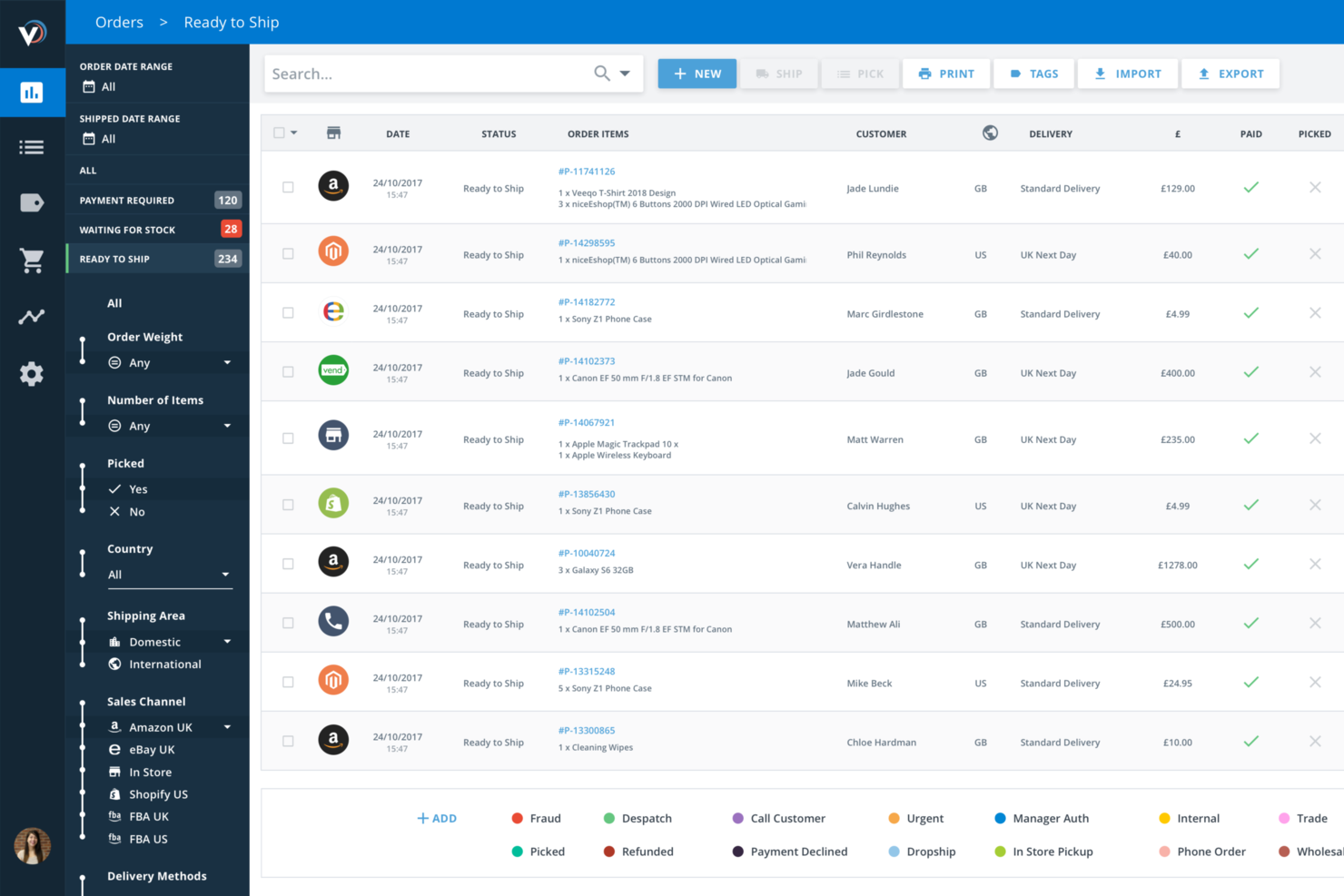
Veeqo è una piattaforma di gestione dell'inventario per l'ecommerce che collega i tuoi canali di vendita, sincronizza l'inventario in tempo reale, gestisce ordini e integra strumenti di spedizione e analisi per i rivenditori che vendono su più piattaforme.
Per chi è più adatto Veeqo?
Veeqo è adatto a rivenditori ecommerce e team operativi che gestiscono inventario, ordini e spedizioni su diversi canali di vendita online.
Perché ho scelto Veeqo
Veeqo merita il suo posto nella mia classifica perché posso accedere agli strumenti integrati di analisi dei profitti direttamente nella piattaforma. Utilizzo i report sui profitti di Veeqo per vedere i margini per prodotto, canale e ordine in tempo reale. Il mio team è in grado di monitorare costi, commissioni e spese di spedizione per una visione chiara della redditività effettiva.
Caratteristiche principali di Veeqo
- Sincronizzazione inventario in tempo reale: Aggiorna automaticamente i livelli di stock su tutti i canali di vendita collegati.
- Gestione ordini multicanale: Centralizza gli ordini da Amazon, eBay, Shopify e altri in un'unica dashboard.
- Creazione integrata di etichette di spedizione: Ti consente di generare e stampare etichette di spedizione per più corrieri direttamente dalla piattaforma.
- Reportistica dettagliata su vendite e inventario: Fornisce analisi sulle prestazioni dei prodotti, sulle tendenze di vendita e sul turnover dell'inventario.
Integrazioni di Veeqo
Veeqo offre integrazioni native con Amazon, eBay, Shopify, WooCommerce, Magento, Walmart, Royal Mail, USPS, FedEx, DHL, UPS e Wix (per utenti di Stati Uniti e Regno Unito). È disponibile un'API per integrazioni personalizzate.
Pros and Cons
Pros:
- Sincronizzazione inventario in tempo reale su tutti i canali
- Strumenti integrati per l'analisi e il reporting dei profitti
- Smistamento ordini e regole di spedizione automatici
Cons:
- Mancanza di funzionalità di previsione o pianificazione della domanda
- Meno integrazioni rispetto ad alcuni concorrenti
New Product Updates from Veeqo
Veeqo Adds Wix Integration for US and UK Users
Veeqo now integrates with Wix for US and UK users, letting you connect your Wix account and manage orders and inventory from a single place. For more information, visit Veeqo's official site.
 .
.
Ideale per la gestione automatizzata degli ordini
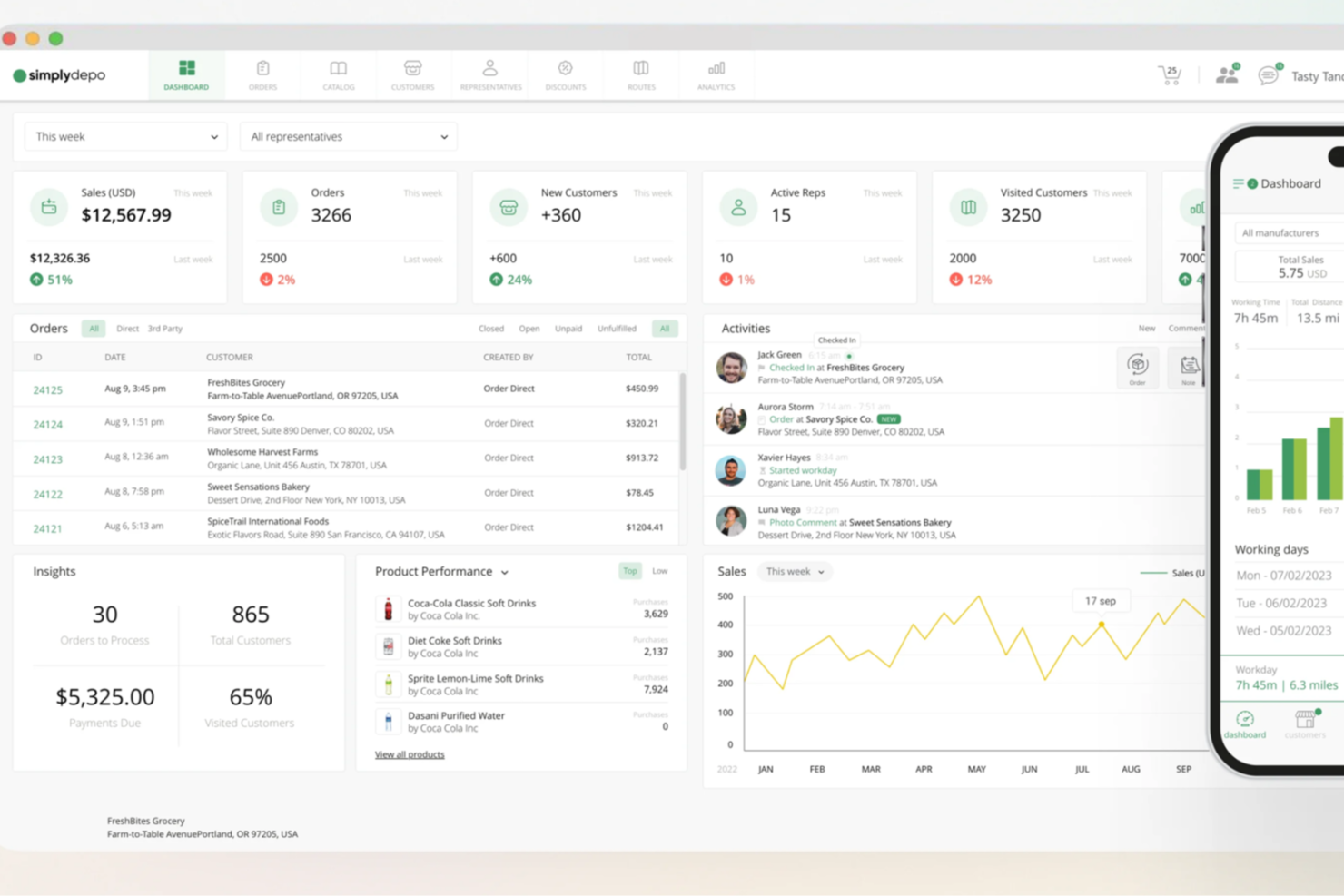
Per le aziende alla ricerca di una soluzione affidabile per la gestione dell'inventario ecommerce, SimplyDepo offre un approccio su misura che si adatta a brand, distributori e grossisti. Semplificando i processi di ordine e consegna, affronta le sfide operative che devono fronteggiare i marchi piccoli ed emergenti che puntano a far crescere il proprio business. Con il suo focus sull’aumento dell’efficienza e delle relazioni con la clientela, SimplyDepo si distingue come uno strumento prezioso per chi desidera ottimizzare la gestione dell’inventario e favorire la crescita.
Perché ho scelto SimplyDepo
Ho scelto SimplyDepo per la sua attenzione specifica all’aumento dell’efficienza operativa grazie a funzionalità come la gestione automatizzata degli ordini e l’accesso in tempo reale all’inventario. Queste funzionalità rispondono direttamente all’esigenza di flussi di lavoro ottimizzati e di una riduzione degli errori manuali, elementi fondamentali nella gestione dell'inventario ecommerce. Inoltre, il portale ordini B2B semplifica il processo di riordino e la gestione delle interazioni con i clienti, rendendolo una soluzione interessante per i distributori che vogliono migliorare l'elaborazione degli ordini e il servizio al cliente.
Funzionalità principali di SimplyDepo
Oltre ai suoi punti di forza distintivi, SimplyDepo offre diverse funzionalità chiave pensate per le esigenze della gestione dell'inventario ecommerce:
- Field CRM: Fornisce strumenti per monitorare i percorsi di vendita e i follow-up, migliorando la gestione delle relazioni con i clienti.
- Ottimizzazione dei percorsi: Aiuta a pianificare i percorsi di consegna più efficienti, risparmiando tempo e risorse.
- Dati cliente centralizzati: Permette un facile accesso alle informazioni sui clienti, facilitando un servizio personalizzato e la fidelizzazione.
- App per agenti di vendita: Fornisce ai team commerciali strumenti mobili per gestire ordini e interazioni con i clienti ovunque si trovino.
Integrazioni SimplyDepo
Le integrazioni includono Quickbooks, Shopify, Salesforce e SimplyDepo offre un’API per integrazioni personalizzate.
Pros and Cons
Pros:
- Gestione di inventario e ordini in tempo reale
- Ordinazione B2B con portali cliente
- API disponibile per integrazioni personalizzate
Cons:
- Opzioni di personalizzazione limitate per i flussi di lavoro
- L’onboarding richiede formazione per i team

Ecwid
Miglior piano gratuito per piccole imprese con componente aggiuntivo per la gestione dell'inventario
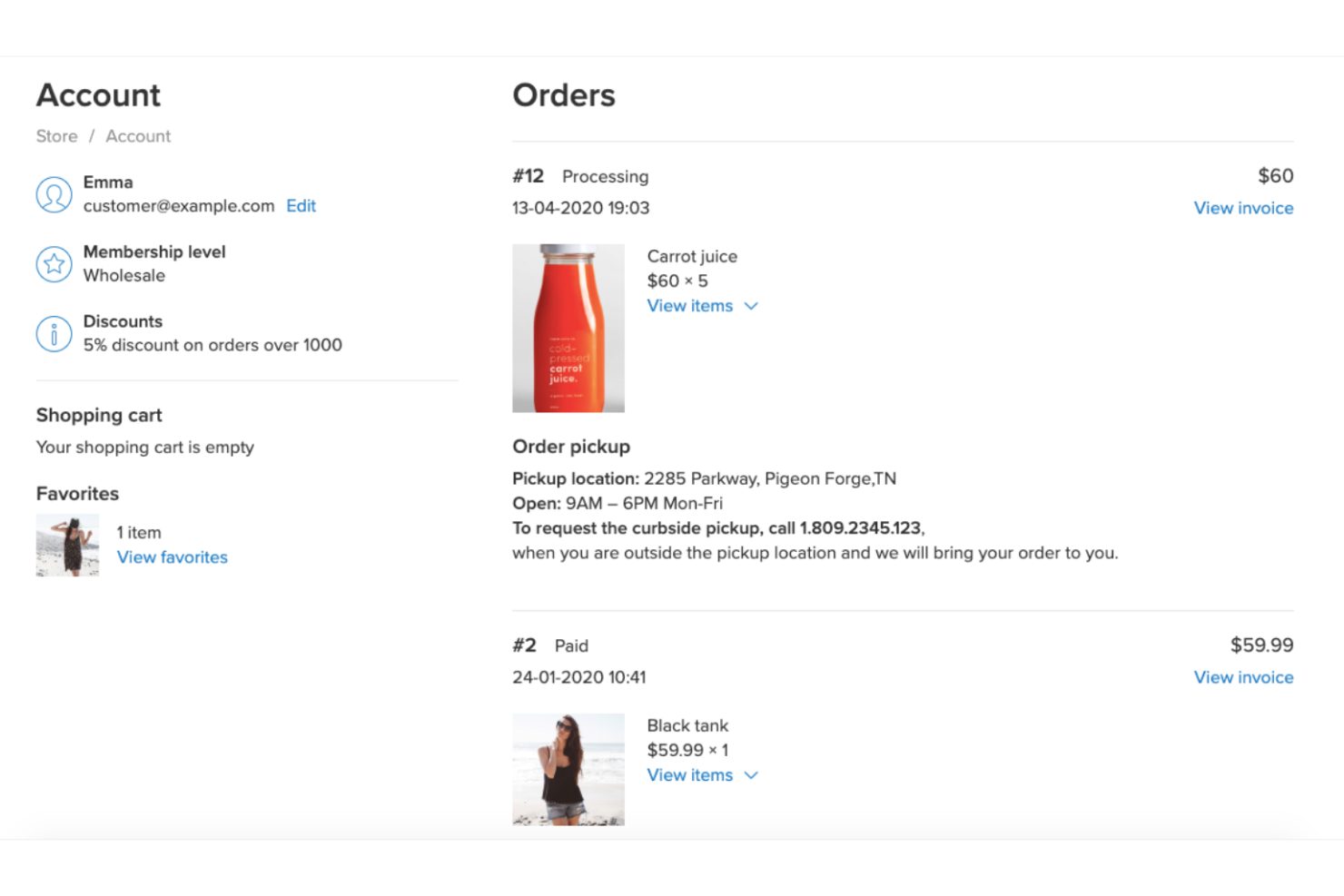
Ecwid è una soluzione ideale se desideri un controllo dell'inventario di base integrato direttamente nella tua piattaforma ecommerce, senza dover collegare un sistema separato.
Funziona al meglio per piccoli rivenditori e operatori singoli che vogliono mantenere la disponibilità su pochi canali senza dover gestire fogli di calcolo tutto il giorno.
Perché ho scelto Ecwid
Ho scelto Ecwid perché puoi gestire il catalogo prodotti, i livelli di stock e i prezzi da un'unica dashboard, così sai sempre cosa è effettivamente disponibile per la vendita.
Questo vantaggio è supportato dal monitoraggio dello stock integrato, avvisi di scorte basse e messaggi “disponibile in negozio” che puoi mostrare ai clienti per incentivare acquisti anticipati.
È adatto anche ai team che vendono in più di un luogo: l’inventario si aggiorna all’arrivo degli ordini dal sito web, dagli shop social e dagli altri canali collegati, riducendo il rischio di vendere due volte l’ultimo articolo disponibile.
Se lavori in mobilità, l’app mobile consente di modificare le quantità dello stock, gestire gli ordini e controllare le vendite recenti direttamente dal telefono, ideale per mercati, pop-up e piccoli negozi senza back office.
Caratteristiche principali di Ecwid
Ecco alcune funzionalità incentrate sull'inventario che aiutano i piccoli rivenditori a mantenere l'ordine.
- Monitoraggio dello stock di prodotti e varianti: Tieni traccia delle quantità sia a livello di prodotto che di opzione, così taglie, colori o altre varianti non vengono vendute in eccesso senza accorgersene.
- Avvisi di scorte basse e controlli di visibilità: Configura notifiche di scorte basse e scegli cosa mostrare ai clienti quando gli articoli sono pochi, esauriti o disponibili per il preordine.
- Modifica di inventario in blocco: Aggiorna quantità di stock, prezzi e dettagli del catalogo in blocco, utile quando aggiorni collezioni stagionali o correggi conteggi errati.
- App e automazioni per l’inventario: Collega componenti aggiuntivi come la sincronizzazione con Google Sheets, strumenti per ordini di acquisto e flussi di lavoro con codici a barre per trasformare Ecwid in una leggera back office per l’inventario.
Integrazioni di Ecwid
Le integrazioni includono FreshBooks, LiveChat, Mailchimp, PayPal, ShippingEasy, Stripe, Square, Wix, WordPress e Zapier.
Pros and Cons
Pros:
- Il monitoraggio dello stock e gli avvisi integrati aiutano a prevenire esaurimenti nelle piccole attività.
- Il catalogo centralizzato mantiene l'inventario allineato tra sito, social e altri canali.
- Le app per iOS e Android consentono modifiche allo stock e gestione degli ordini in mobilità.
Cons:
- Le funzionalità avanzate come assemblaggi e pianificazione della produzione richiedono app di terze parti.
- La gestione approfondita di inventario in più sedi si basa su integrazioni con Lightspeed Retail, non solo su Ecwid.

Ideale per gestire più funzioni aziendali
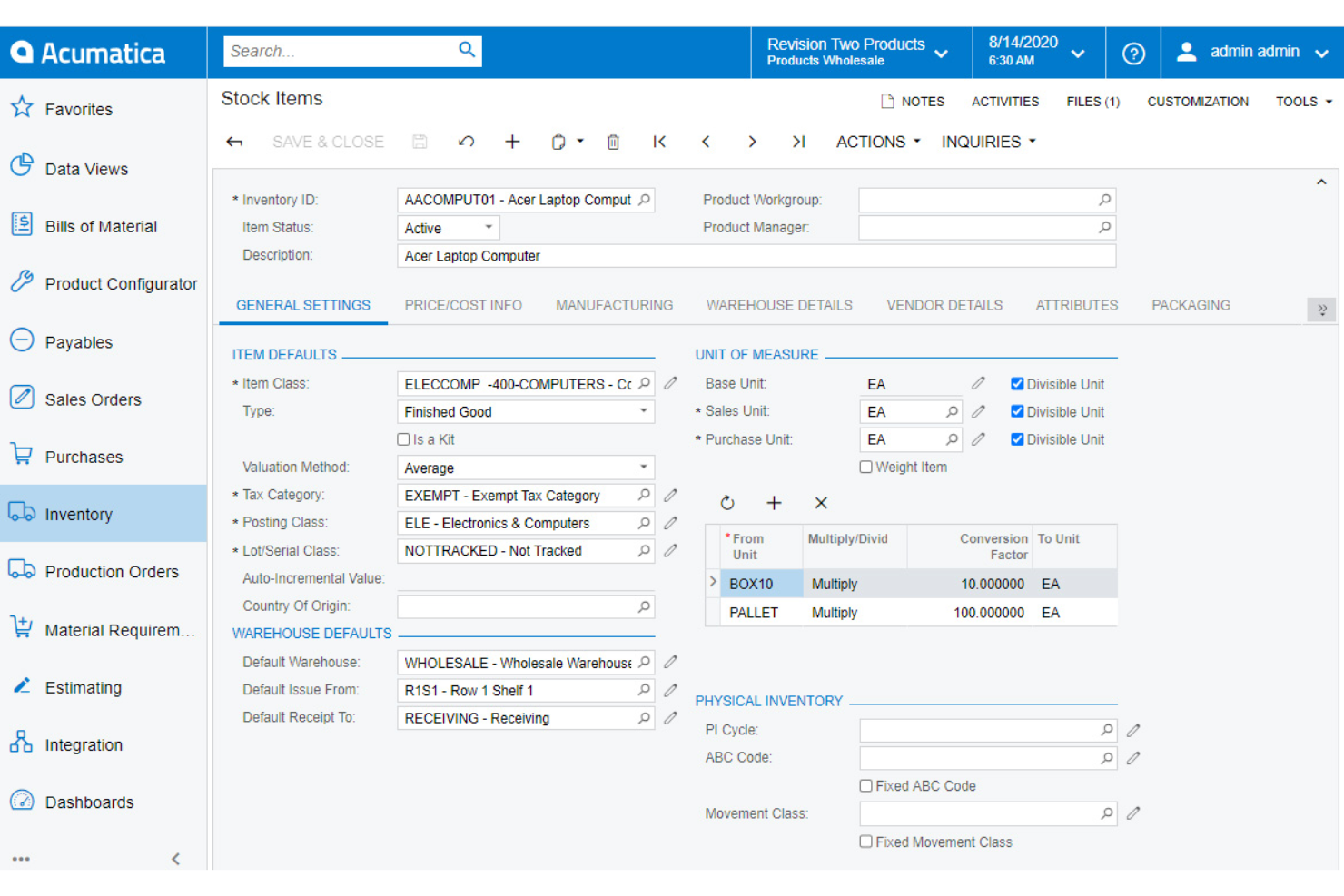
Acumatica Cloud ERP offre ai rivenditori ecommerce e omnicanale in crescita un'unica fonte di verità per stock, ordini e clienti, così non dovrai più destreggiarti tra fogli di calcolo ogni volta che viene effettuata una vendita su Shopify o Amazon.
È l’ideale se gestisci più magazzini o canali e hai bisogno di dati sull’inventario in tempo reale collegati direttamente ad acquisti, evasione e contabilità.
Perché ho scelto Acumatica Cloud ERP
Ho scelto Acumatica per la gestione dell’inventario ecommerce perché offre visibilità in tempo reale sulle giacenze nei magazzini, negozi, 3PL e canali online, supportata da un motore di inventario centralizzato che aggiorna la disponibilità non appena le unità si spostano.
Il tuo team può ridurre vendite in eccesso e ordini arretrati perché il sistema invia quantità disponibili affidabili ai tuoi negozi online tramite connettori nativi, invece di affidarsi a importazioni manuali o file CSV obsoleti.
Apprezzo anche il fatto che l’inventario sia nello stesso sistema di acquisti e finanza: così, quando ricevi un ordine di acquisto o spedisci un ordine, costi e margini si aggiornano automaticamente nei tuoi report.
Per i team con cataloghi complessi, definizioni di articoli flessibili, attributi e unità di misura ti aiutano a gestire varianti e bundle senza dover ricorrere a soluzioni alternative artigianali.
Funzionalità Chiave di Acumatica Cloud ERP
Ecco alcuni strumenti specifici per l’inventario che i team ecommerce utilizzeranno realmente ogni giorno.
- Controllo Multimagazzino: Traccia le giacenze disponibili, in transito e allocate tra magazzini, negozi e 3PL da un unico modulo inventario.
- Regole di Riordino dell’Inventario: Configura livelli minimi/massimi, scorte di sicurezza e punti di riordino basati sulla domanda per generare suggerimenti di acquisto o trasferimento prima che le scorte finiscano.
- Kit e Bundle: Supporta kit, bundle e sostituzioni affinché i componenti vengano scalati correttamente e gli ordini continuino a fluire quando una SKU principale è esaurita.
- Tracciamento Granulare delle Ubicazioni: Usa posizione di magazzino, corsia, scaffale, mensola e contenitore per ottimizzare i percorsi di picking e ridurre gli errori mentre aumentano i volumi di ordini.
Integrazioni di Acumatica Cloud ERP
Le integrazioni includono Shopify, Shopify POS, BigCommerce, Amazon, Avalara, ShipEngine, DocuSign, Smartsheet, Power BI ed EazyStock.
Pros and Cons
Pros:
- Aggiornamenti in tempo reale delle giacenze fra magazzini, negozi, 3PL e canali collegati.
- I connettori ecommerce nativi riducono l’inserimento manuale di ordini e fogli di calcolo inventario.
- Ottimo supporto per kit, bundle e sostituzioni per cataloghi prodotti complessi.
Cons:
- Il focus su aziende di fascia media lo rende eccessivo per venditori molto piccoli e mono-canale.
- L’implementazione e configurazione iniziale può risultare complessa per team snelli.

Ideale per aziende ecommerce ad alto volume

Finale Inventory è pensato per i brand di ecommerce che gestiscono alti volumi di ordini su marketplace, FBA e più magazzini.
Fornisce al tuo team una fonte unica di verità per inventario e acquisti, così da evitare esaurimenti di scorte, vendite eccessive e il caos dei fogli di calcolo manuali.
Perché ho scelto Finale Inventory
Ho scelto Finale Inventory per i team ecommerce in crescita che hanno bisogno di un unico luogo dove gestire inventario, ordini e acquisti su tutti i canali di vendita.
Puoi collegare dozzine di marketplace e carrelli, poi lasciare che Finale aggiorni i livelli di stock quasi in tempo reale per evitare vendite eccessive durante promozioni e picchi stagionali.
Apprezzo anche il suo supporto avanzato per Amazon FBA e le operazioni multi-magazzino: puoi trasferire stock tra sedi e FBA mentre la scansione dei codici a barre mantiene le quantità accurate durante ricevimento, prelievo e imballaggio.
Per i team che stanno superando i limiti dei fogli di calcolo, l'onboarding guidato e i flussi di lavoro configurabili aiutano a formalizzare i processi disordinati già in uso, piuttosto che costringere tutti in un sistema rigido e unico.
Caratteristiche chiave di Finale Inventory
Oltre alla sincronizzazione multicanale di base, Finale offre ai team ecommerce diversi strumenti che migliorano direttamente accuratezza e redditività dell'inventario.
- Automazione dei punti di riordino: Calcola i punti di riordino e suggerimenti d'acquisto in base alla velocità di vendita e ai tempi di consegna.
- Kit e confezioni multiple: Tiene traccia dei componenti di kit e bundle singolarmente, così i multipack e i set non falsano i conteggi di magazzino.
- Contabilità dell'inventario e COGS: Include i costi accessori come spedizione e dazi nel costo del prodotto per avere margini più chiari.
- Report delle performance per canale: Suddivide vendite e redditività per canale così da poter dare priorità agli SKU e ai marketplace che realmente generano profitto.
Integrazioni di Finale Inventory
Le integrazioni includono Amazon, eBay, Shopify, WooCommerce, Etsy, Walmart, ShipStation, QuickBooks Online, Square e Faire.
Pros and Cons
Pros:
- La sincronizzazione multicanale previene vendite eccessive su marketplace e carrelli in simultanea.
- I flussi di lavoro in magazzino basati su codici a barre riducono errori di ricezione, prelievo e spedizione.
- I suggerimenti dinamici per il riordino ti aiutano a evitare esaurimenti di magazzino durante picchi di domanda.
Cons:
- La sincronizzazione dell'inventario avviene quasi in tempo reale ma non è davvero istantanea.
- L'accesso API e gli strumenti avanzati di automazione richiedono abbonamenti di fascia superiore.

Fulfil
Ideale per esigenze complesse di inventario ecommerce
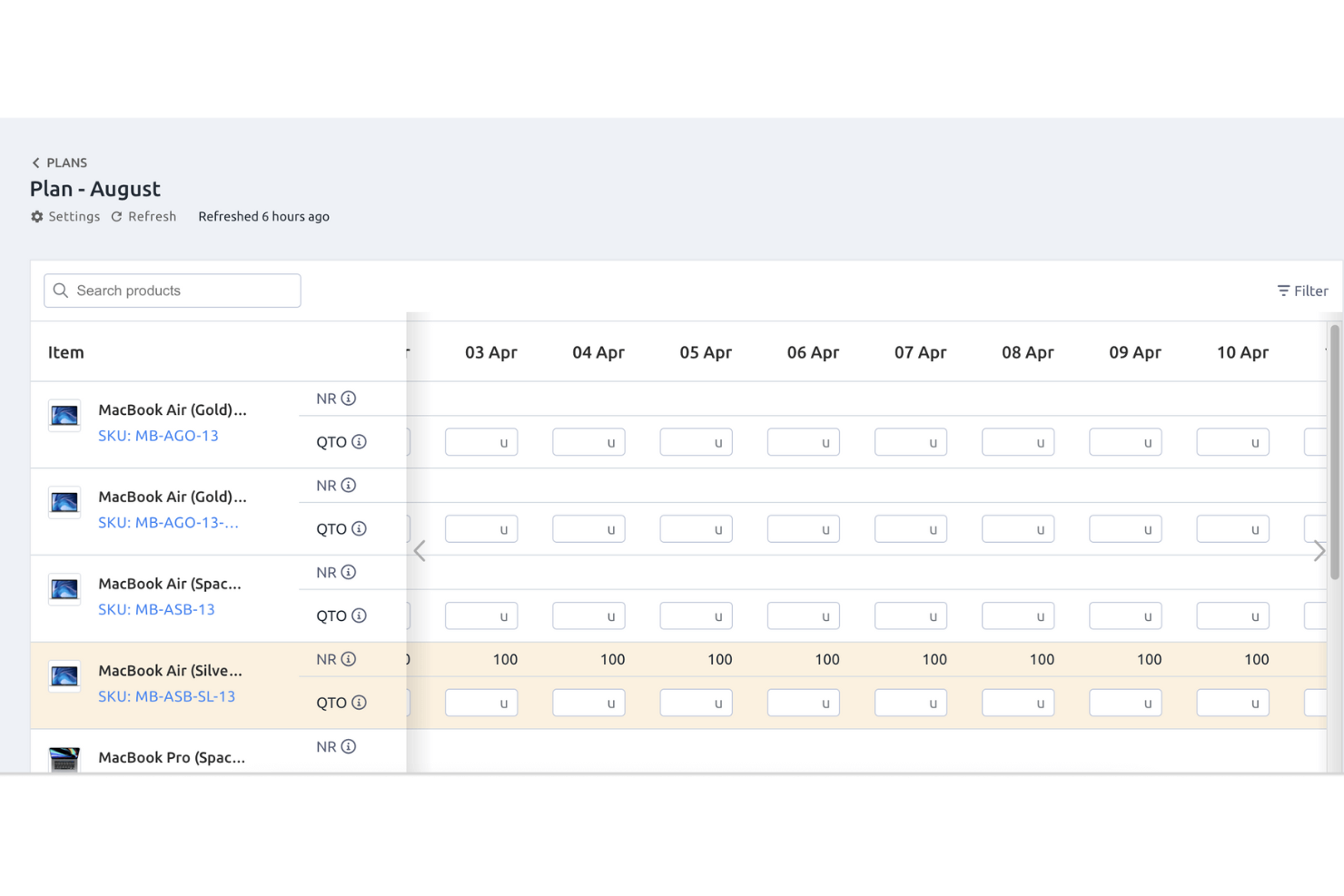
Per i marchi ecommerce in rapida crescita sommersi dal caos di magazzini multipli, Fulfil unisce inventario, ordini e contabilità in un unico sistema, così non dovrai più riconciliare fogli di calcolo a mezzanotte.
È ideale per team Shopify e multicanale che necessitano di una visibilità in tempo reale su magazzini, 3PL e programmi Amazon—non un semplice plugin che va in crisi quando il volume aumenta.
Perché ho scelto Fulfil
Ho scelto Fulfil per la gestione di inventari ecommerce complessi perché offre scorte e COGS in tempo reale per ogni SKU attraverso tutti i magazzini, 3PL e canali, permettendoti di vedere la reale redditività invece di doverla indovinare dai dati esportati.
Hai a disposizione controlli pratici sull’inventario, come la mappatura dei magazzini e regole di disponibilità che ti permettono di decidere esattamente quali scorte alimentano ciascun canale, fondamentale quando ti trovi a gestire FBA, il tuo centro distributivo e uno o più 3PL.
Mi piace anche come la funzione di previsione dell’inventario si basi su ordini di acquisto in ingresso, scorte producibili e domanda storica per aiutare il tuo team a pianificare gli acquisti anziché reagire alle rotture di stock.
Per i responsabili delle operazioni, le regole di automazione che instradano gli ordini tra i magazzini, 3PL e Amazon MCF significano meno interventi manuali, meno ordini smistati erroneamente e molte meno emergenze quando cresce il volume.
Funzionalità principali di Fulfil
Ecco alcune funzionalità focalizzate sull’inventario che il tuo team utilizzerà davvero ogni giorno.
- Registro inventario in tempo reale: Traccia ogni movimento dalla ricezione dell’ordine di acquisto alla spedizione, offrendo a finanza e operazioni una fonte unica di verità per scorte disponibili, in transito e rettificate.
- Regole di disponibilità per canale: Permette di impostare formule di disponibilità specifiche per canale (inclusi articoli in arrivo e producibili), così puoi spingere più stock su Amazon mantenendo buffer di sicurezza per Shopify o il B2B.
- Gestione preordini e riassortimenti: Supporta date di riassortimento e logiche di preordine a livello di SKU, aiutandoti a continuare a vendere senza eccessi anche quando la merce è in arrivo o in produzione.
- Gestione multi-magazzino: Gestisce l’inventario tra magazzini interni e sedi di 3PL in una sola vista, con la possibilità di suddividere automaticamente gli ordini tra le sedi quando gli articoli sono distribuiti.
Integrazioni di Fulfil
Le integrazioni includono Shopify, Amazon, Amazon Multi-Channel Fulfillment (MCF), FedEx, UPS, USPS, DHL e 247 Fulfillment.
Pros and Cons
Pros:
- Inventario e COGS in tempo reale per ogni SKU attraverso magazzini e canali.
- Regole di disponibilità flessibili aiutano a prevenire la sovravendita su Shopify e marketplace.
- Integrazioni native con Amazon FBA/MCF e 3PL per gestire configurazioni omnicanale complesse.
Cons:
- La profondità delle funzionalità e l’impegno richiesto per l’implementazione sono più adatti a marchi di medie o grandi dimensioni.
- L’approccio all’implementazione potrebbe risultare pesante per operazioni di inventario molto semplici.
Altri software di gestione dell'inventario per l'e-commerce
Ecco alcune altre opzioni valide che non sono entrate nell’elenco dei migliori software di gestione dell’inventario per l’e-commerce:
- Settle
Ideale per il monitoraggio in tempo reale dell’inventario
- Odoo
Ideale per la tracciabilità totale con inventario a doppia registrazione
- QuickBooks eCommerce
Ideale per monitorare contemporaneamente inventario e spese
- Rocketspark
Ideale per la gestione di stock e inventario di base
- Square Online
Il miglior piano gratuito per qualsiasi azienda con soluzioni mirate alla vendita al dettaglio
- SphereWMS
Ideale per il controllo dell'inventario in tempo reale
- Cadence WMS
Ideale per la gestione integrata di inventario e magazzino
- SKULabs
Ideale per imballaggio e spedizione più accurati
- Acctivate Inventory Management
La migliore gestione dell'inventario per l'integrazione con QuickBooks
- Kentro
Ideale per ottimizzare e gestire la tua filiera
- ShipStation
Ideale per inventario e spedizioni tutto in uno
- Cin7 Core
Ideale per produttori e venditori di prodotti


Recensioni correlate
Se non hai ancora trovato ciò che cerchi, dai un'occhiata a questi strumenti per l'e-commerce correlati che abbiamo testato e valutato.
- Piattaforme di e-commerce
- Software di gestione dell'inventario
- Software di gestione dell'inventario aziendale
- Software di gestione dell'inventario multicanale
- Software per l'elaborazione dei pagamenti
- Soluzioni per il carrello degli acquisti
- Sistemi di gestione degli ordini
- Software di gestione del magazzino
Come valuto il software di gestione inventario per l’ecommerce
Cerco strumenti su due livelli: la funzionalità di base necessaria per sincronizzare lo stock, gestire SKU e indirizzare gli ordini, e i fattori differenzianti che distinguono il miglior prodotto dagli altri.
Funzionalità di base (Requisiti minimi per questa lista)
Quando seleziono gli strumenti per la mia lista, ne valuto ciascuno su una scala da 0 (non offre la funzionalità) a 5 (eccelle in quest’area) per ciascuna delle funzionalità di base elencate qui sotto. Successivamente, calcolo il punteggio totale dello strumento in percentuale. Ogni software deve raggiungere un punteggio minimo totale del 65% per poter essere incluso.
- Sincronizzazione inventario multicanale: Verifico quanti connettori nativi di marketplace e piattaforme ogni strumento offre e se gli aggiornamenti dello stock sono bidirezionali e in tempo reale.
- Monitoraggio scorte in tempo reale: Conteggi precisi per ogni magazzino e canale sono fondamentali durante flash sale ed eventi di picco, quando il rischio di overbooking aumenta.
- Gestione SKU & varianti: Valuto come ogni strumento gestisce cataloghi complessi con varianti, kit e bundle, soprattutto per chi vende SKU diversi su ciascun canale.
- Automazione ordini di acquisto e riordino: I trigger intelligenti per i riordini sulla base della velocità di vendita e dei tempi di consegna del fornitore distinguono gli strumenti utili da quelli basilari con soli ordini d'acquisto manuali.
- Gestione ordini e logistica: Analizzo come gli ordini vengono gestiti dal checkout alla spedizione, inclusi supporto per il prelievo/imballaggio, integrazione con corrieri e passaggio ai 3PL.
- Report e previsioni sull’inventario: Tassi di sell-through, invecchiamento scorte e previsioni di domanda per SKU o canale mi permettono di capire se una piattaforma offre analisi utili sull’inventario.
Dopo aver selezionato gli strumenti che rispondono a questi criteri, considero ciò che rende ogni piattaforma unica.
Fattori differenzianti (Cosa distingue i fornitori)
Ecco come confronto e metto in relazione i diversi venditori:
Funzionalità distintive
L’IA per la previsione della domanda è fondamentale. Valuto se uno strumento riesce ad analizzare le vendite storiche e la stagionalità per consigliare le quantità da riordinare per singolo SKU, e non solo segnalare le scorte basse dopo che il problema si è già verificato. Anche la tracciatura del costo finale conta per i brand che importano prodotti, poiché spedizioni, dazi e costi dei fornitori incidono direttamente sulle decisioni di margine a livello di canale. Per chi gestisce sia DTC sia all’ingrosso, verifico se la piattaforma supporta portali B2B con prezzi a scaglioni e cataloghi personalizzati per cliente senza dover utilizzare un sistema separato.
Oltre le funzionalità
Dedico molto tempo alle integrazioni con lo stack tecnologico e-commerce. Uno strumento che si collega ai canali di vendita ma non può sincronizzarsi con il software di contabilità o il 3PL crea attività manuali che annullano il vantaggio del sistema. La scalabilità è altrettanto importante: valuto se una piattaforma riesce a gestire picchi stagionali di ordini senza rallentare la sincronizzazione o obbligare ad aggiornare il piano nel momento di massimo traffico. La trasparenza dei prezzi pesa molto nella valutazione, perché costi nascosti per accesso API o canali extra possono far crescere la spesa reale oltre quanto promesso dal prezzo di listino.
Come scegliere un software di gestione dell'inventario per l'e-commerce
Scegliere un software di gestione dell'inventario per l'e-commerce dovrebbe aiutarti a risolvere i problemi, non ad aggiungerne di nuovi.
La maggior parte delle piattaforme promette il mondo, ma solo una manciata renderà effettivamente più efficienti le tue operazioni—e ancora meno cresceranno insieme a te man mano che la tua attività si espande.
Ecco una checklist mirata per fare chiarezza:
| Passaggio | Cosa cercare | Perché è importante |
|---|---|---|
| Individua i tuoi colli di bottiglia | Identifica i problemi ricorrenti—esaurimento delle scorte, evasione lenta, riconciliazioni manuali. Le tue funzionalità indispensabili dovrebbero risolvere prima di tutto questi problemi. | Nessun software può risolvere problemi che non hai identificato. Dai priorità in base all'impatto. |
| Mappa la tua base di utenti | Chi deve utilizzare questo strumento—magazzino, e-commerce, finanza, operazioni? Cerca un'esperienza utente intuitiva, impostazioni per le autorizzazioni e accesso da dispositivi mobili. | L'adozione fallisce se lo strumento è troppo tecnico per gli utenti reali. |
| Controlla le integrazioni | Elenca le tue piattaforme principali (Shopify, Amazon, contabilità, spedizioni) e richiedi integrazioni native o API affidabili. | Ti evita silos di dati, doppio inserimento e grattacapi legati allo sviluppo personalizzato. |
| Dai priorità ai risultati principali | Non inseguire semplicemente le funzionalità—concentrati sulla riduzione degli esaurimenti di scorte, sull'aumento della rotazione dell'inventario e sull'accelerazione dell'evasione degli ordini. | Le funzionalità non significano nulla se non migliorano i numeri che ti interessano. |
| Pianifica la crescita | È in grado di gestire più SKU, più canali o più automazione man mano che cresci? Informati sui livelli di prezzo e sugli aggiornamenti modulari. | I marchi in crescita superano gli strumenti “base” più rapidamente di quanto si pensi. |
| Provalo con dati reali | Esegui una prova con il tuo team e SKU reali. Valuta l'inserimento, l'assistenza e i riscontri degli utenti—non solo la dimostrazione. | Individuerai i fattori decisivi prima di firmare un impegno a lungo termine. |
Tendenze nella gestione dell'inventario per l'e-commerce per 2026
La gestione dell'inventario non riguarda più soltanto la disponibilità dei prodotti sugli scaffali: serve a garantire un'evasione più rapida, decisioni più intelligenti e migliori esperienze per i clienti. Ecco cosa è di tendenza nel 2026:
- La sicurezza dei dati come priorità. Con la crescente digitalizzazione dei sistemi di inventario, la protezione da violazioni e perdite di dati è più importante che mai.
- Previsione della domanda basata sull'IA. Gli strumenti di IA prevedono ora le vendite utilizzando dati storici, segnali di mercato e molto altro. Sono più accurati che mai, ma devono ancora affrontare difficoltà in caso di picchi imprevisti o rapidi cambiamenti delle tendenze.
- Magazzini intelligenti basati sull'IoT. I sensori monitorano le scorte, segnalano i problemi e ottimizzano la disposizione in tempo reale. È come dare al tuo magazzino occhi e cervello.
- Trasparenza tramite blockchain. La tecnologia blockchain aiuta i marchi a verificare l'origine dei prodotti, monitorare le spedizioni e proteggere i dati della catena di approvvigionamento.
- Strategie di inventario combinabili. Le aziende combinano gestione just-in-time, ordini all'ingrosso e sistemi di inventario perpetuo in base al tipo di prodotto e alle esigenze dei canali.
- Sincronizzazione dell'inventario omnicanale. Gestire le scorte nei negozi fisici, nei negozi online e nei marketplace è ormai una necessità. Gli strumenti di sincronizzazione in tempo reale mantengono tutti aggiornati.
- Automazione e AR nei magazzini. La robotica gestisce il prelievo e l'imballaggio; la realtà aumentata aiuta i lavoratori a trovare più rapidamente gli articoli e a ridurre gli errori.
- Inventario ecosostenibile. I marchi stanno riducendo gli sprechi e adottando pratiche di gestione ecologica dei magazzini, come l'illuminazione a basso consumo e gli imballaggi sostenibili.
- Prezzi dinamici basati sui livelli delle scorte. I prezzi variano ora automaticamente in base all'inventario, alla domanda e alle attività dei concorrenti.
- Scalabilità basata sul cloud. Gli strumenti nativi del cloud aiutano le aziende a crescere rapidamente senza dover rinnovare completamente l'infrastruttura IT.
Cos'è il software per la gestione dell'inventario nell'e-commerce?
Il software per la gestione dell'inventario nell'e-commerce è uno strumento che consente ai rivenditori online di monitorare, sincronizzare e automatizzare le scorte tra vetrine online, marketplace, magazzini e operatori logistici di terze parti in tempo reale.
Mantiene ogni SKU allineato tra canali e sedi, aggiornando le quantità quando vengono registrate le vendite, ricevuti i resi ed evasi gli ordini di acquisto, così smetti di vendere più prodotti di quelli disponibili e di gonfiare le scorte di sicurezza.
Prevede il monitoraggio di più sedi, pacchetti/kit, codici a barre, conteggi ciclici, previsione della domanda, regole per le scorte di sicurezza e riordini automatizzati collegati ai tempi di approvvigionamento dei fornitori.
I team operativi lo utilizzano per ridurre gli esaurimenti di scorte e le riconciliazioni manuali, fornendo al contempo dati puliti ai sistemi di spedizione, WMS, marketplace e contabilità.
Funzionalità principali del software per la gestione dell'inventario nell'e-commerce
Pensa alla lista dei desideri per il tuo software di inventario come alla lista della spesa che usi più spesso: ti mantiene concentrato sugli elementi essenziali, non sugli extra appariscenti di cui potresti pentirti in seguito.
Con la complessità dell'e-commerce (tra il caos multicanale e il sovraccarico di SKU), queste sono le funzionalità che contano davvero:
- Monitoraggio dell'inventario in tempo reale. Gli aggiornamenti in tempo reale sui livelli delle scorte aiutano a prevenire vendite eccessive, esaurimenti delle scorte e problemi per i clienti.
- Integrazione multicanale. Sincronizza l'inventario tra piattaforme come Shopify, Amazon, eBay e i sistemi POS dei negozi fisici. Un'unica fonte di verità = meno errori.
- Gestione degli ordini e del magazzino. Dall'aggregazione degli ordini al prelievo, all'imballaggio e ai resi, i sistemi migliori semplificano l'intero flusso di lavoro.
- Previsione intelligente della domanda. Gli strumenti avanzati analizzano le tendenze e i fattori esterni (stagionalità, promozioni, ecc.) per aiutarti a fare acquisti in modo più intelligente, non solo più veloce.
- Supporto per codici a barre e RFID. Accelera la ricezione, la scansione e il monitoraggio grazie alla compatibilità integrata con codici a barre/RFID.
- Riordino e avvisi automatizzati. Genera automaticamente gli ordini di acquisto e ricevi avvisi sulle scorte ridotte prima di arrivare a una situazione critica. Alcuni strumenti segnalano persino l'inventario datato per evitare scorte invendute.
- Monitoraggio dei lotti e delle scadenze. Per i prodotti deperibili o regolamentati, monitora i numeri di lotto e le date di scadenza per garantire la conformità e ridurre gli sprechi.
- Report e analisi. Ottieni informazioni utili sulle tendenze delle vendite, sulla velocità di evasione degli ordini e sullo stato delle scorte. I cruscotti personalizzati valgono punti extra.
- Accesso ottimizzato per dispositivi mobili. Gestisci l'inventario ovunque ti trovi dal tuo telefono o tablet, che tu sia in magazzino o connesso al Wi-Fi a 30.000 piedi di altezza.
- Basato sul cloud con sicurezza basata sui ruoli. Accedi da qualsiasi luogo grazie a backup automatici, crittografia e controlli delle autorizzazioni per proteggere i dati sensibili.
Il miglior software per la gestione dell'inventario non si limita a gestire la complessità: la rende semplice. Inizia da queste funzionalità fondamentali e avrai un sistema che cresce insieme al tuo negozio, invece di ostacolarlo.
Principali vantaggi del software per la gestione dell'inventario ecommerce
Il software per la gestione dell'inventario ecommerce è come avere una squadra dietro le quinte che mantiene le operazioni fluide, permettendoti di concentrarti sullo spettacolo principale: vendere.
È una svolta per gestire i livelli delle scorte, amministrare gli ordini e mantenere tutto sincronizzato tra i tuoi canali di vendita. Ecco cinque vantaggi chiave che lo rendono indispensabile:
- Monitoraggio dell'inventario in tempo reale. Mantiene aggiornati in tempo reale i livelli delle scorte, garantendo che tu non venda mai più prodotti di quelli disponibili e non debba affrontare i temuti esaurimenti. Questo non solo evita clienti insoddisfatti, ma ottimizza anche il ricambio dell'inventario riducendo le scorte invendute.
- Integrazione multicanale. Sincronizza l'inventario su tutti i tuoi canali di vendita, che si tratti del tuo negozio online, del marketplace Amazon o di un negozio temporaneo. Gestire tutto da un'unica piattaforma riduce drasticamente il tempo dedicato agli aggiornamenti manuali e garantisce che ogni canale mostri livelli delle scorte accurati.
- Riordino automatizzato. Genera automaticamente gli ordini di acquisto quando le scorte raggiungono soglie predefinite. Gli strumenti avanzati possono tenere conto dei tempi di consegna dei fornitori e della stagionalità, rendendo il riordino più intelligente e garantendo la disponibilità degli articoli più richiesti nei periodi di forte domanda.
- Analisi e report dettagliati. Trasforma i dati grezzi in informazioni utili sulle tendenze delle vendite, sul ricambio dell'inventario e persino sulle preferenze dei prodotti a livello regionale. Vuoi sapere quale prodotto mettere in evidenza nella tua prossima campagna? Il software ha la risposta.
- Maggiore efficienza e produttività. Automatizza le noiose attività manuali, come l'aggiornamento dei registri dell'inventario o la creazione di report, lasciando al tuo team il tempo di concentrarsi sulle attività di crescita strategica. Questo aumento della produttività non solo riduce i costi, ma supporta anche la crescita senza spese generali eccessive.
Costi e prezzi del software per la gestione dell'inventario ecommerce
Scegliere il software giusto per la gestione dell'inventario ecommerce è un investimento nell'efficienza e nella scalabilità della tua attività.
Questi sistemi sono disponibili con diverse opzioni di prezzo, pensate per aziende di ogni dimensione, dalle startup intraprendenti alle grandi imprese. La chiave è comprendere le funzionalità offerte da ciascun livello di prezzo e il modo in cui si allineano alle esigenze e ai piani di crescita della tua attività.
Tabella di confronto dei piani per il software di gestione dell'inventario ecommerce
| Tipo di piano | Prezzo medio | Funzionalità comunemente incluse | Ideale per |
|---|---|---|---|
| Base | $29 - $99/mese | Monitoraggio dell'inventario, report di base, accesso per un singolo utente, integrazione con le principali piattaforme ecommerce | Piccole startup, imprenditori individuali |
| Professionale | $99 - $299/mese | Accesso per più utenti, report avanzati, integrazione multicanale, assistenza clienti | Aziende in crescita, imprese di medie dimensioni |
| Enterprise | $299+/mese | Integrazioni personalizzate, accesso API, analisi avanzate, account manager dedicato | Grandi imprese, venditori ad alto volume |
| Gratuito | $0 | Monitoraggio limitato dell'inventario, report di base, assistenza della community | Nuove aziende, utenti attenti al budget |
Considerazioni da fare nel definire i prezzi dei piani
- La scalabilità è importante. Le piccole imprese possono trovare interessanti i piani Base, con funzionalità come il monitoraggio dell'inventario e l'integrazione con piattaforme come Shopify o Amazon. Tuttavia, con l'espansione dell'attività, probabilmente saranno necessari piani Professionali o Aziendali per funzionalità avanzate come la sincronizzazione multicanale o l'accesso alle API.
- I piani gratuiti sono un punto di partenza. Sebbene i piani gratuiti offrano un ottimo punto di partenza per le nuove imprese, spesso non includono gli strumenti necessari alla crescita, come il supporto per più utenti o l'automazione. Passa a un piano superiore non appena le tue esigenze superano queste limitazioni.
- I piani Professionali sono il giusto compromesso. La maggior parte delle aziende di commercio elettronico in crescita sceglie questo livello, ottenendo funzionalità essenziali come reportistica avanzata e accesso per più utenti senza la complessità o il costo dei software di livello aziendale.
- I piani Aziendali sono pensati per la scalabilità. I venditori su larga scala traggono vantaggio dalle integrazioni personalizzate e dai team di assistenza dedicati per gestire operazioni ad alto volume, garantendo che nulla venga trascurato.
Scegliendo il piano giusto, farai in modo che il software sia in linea con il tuo budget, supportando al contempo le esigenze operative della tua attività e la sua scalabilità futura.
Che tu sia agli inizi o gestisca un'attività ad alto volume, comprendere questi livelli di prezzo ti aiuterà a investire con criterio nella tua strategia di gestione dell'inventario.
Domande frequenti sul software di gestione dell'inventario per ecommerce
A questo punto potresti avere ancora delle domande, alle quali per fortuna abbiamo pensato. Ecco alcune domande che potresti avere ancora. Se abbiamo ragione, troverai le risposte qui sotto.
Shopify offre un sistema di gestione dell'inventario?
Sì, Shopify include già un solido sistema di gestione dell’inventario, ma non è tutto qui. I suoi strumenti gestiscono gli aspetti fondamentali, come il conteggio delle scorte, la scansione dei codici a barre e gli avvisi sulle scorte in esaurimento. Se gestisci un’attività seria e multicanale o stai superando i limiti di Shopify, valuta l’integrazione di una soluzione di inventario dedicata per mantenere tutto sotto controllo mentre cresci.
Qual è la differenza tra gestione dell'inventario e gestione del magazzino?
La gestione dell’inventario tiene traccia di ciò che possiedi, di dove si trova e di quando sta per esaurirsi. La gestione del magazzino, invece, riguarda il flusso: come si spostano quegli articoli e come il tuo team li gestisce fisicamente. I team migliori usano entrambe: una per tenere il conto, l’altra per mantenere gli ordini in movimento e i reparti sgombri.
Quali sono le metriche chiave da monitorare per la gestione dell'inventario ecommerce?
Devi monitorare il tasso di rotazione delle scorte, il tasso di vendita, i giorni di copertura, l’accuratezza degli ordini e le perdite di inventario: se qualcosa ti costa denaro o rallenta il lavoro, deve essere monitorato. Analizza anche le scorte invendute e quelle eccessive. Le metriche non sono solo numeri: sono le spie che ti avvertono quando devi cambiare rapidamente direzione.
Gli strumenti di gestione dell'inventario possono davvero aiutare l'esperienza del cliente?
Sì, e non solo in teoria. Dati di inventario accurati e aggiornati significano meno prodotti esauriti, meno temute email con scritto “ci dispiace, in realtà non è disponibile” e spedizioni più rapide. È così che conquisti clienti abituali. Il caos dell’inventario non è solo un problema di magazzino: è un problema di fidelizzazione dei clienti.
Come scelgo la strategia di gestione dell'inventario più adatta (come JIT o gli acquisti all'ingrosso)?
Inizia dalla domanda dei tuoi prodotti e dall’affidabilità dei fornitori. Vendi prodotti ad alta rotazione con catene di approvvigionamento stabili? Il metodo JIT può mantenere contenuto il capitale immobilizzato. Gestisci prodotti a bassa rotazione o hai a che fare con fornitori imprevedibili? Gli acquisti all’ingrosso, anche con costi di mantenimento più elevati, potrebbero evitarti più problemi di quanti ne creino. La maggior parte dei team più efficienti combina gli approcci in base alla categoria e al flusso di cassa.
Quali integrazioni dovrei privilegiare nel mio software di inventario?
Sincronizza l’inventario con le piattaforme ecommerce (come Shopify, Amazon ed eBay), il tuo sistema contabile e il tuo partner di magazzino o di spedizione. Questo è il minimo indispensabile. Punti extra se funziona bene anche con gli strumenti di analisi e il POS. Non lasciarti abbagliare da un lungo elenco: cerca integrazioni che riducano il lavoro manuale e gli errori proprio nei punti in cui li avverti maggiormente.
Qual è il modo migliore per gestire la sincronizzazione dell'inventario multicanale?
Automatizzala. La sincronizzazione manuale è un ottimo modo per vendere due volte lo stesso prodotto e moltiplicare i problemi. Usa strumenti che aggiornino in tempo reale i livelli delle scorte su tutti i canali in cui vendi, segnalino le vendite oltre la disponibilità prima che si verifichino e offrano una visione unificata. Il software giusto ti permetterà di smettere di rincorrere i fogli di calcolo e di concentrarti sulla crescita dei canali di vendita, invece di risolverne i problemi.
Altre recensioni di software per la gestione dell'inventario
Non hai ancora trovato il software di gestione dell'inventario più adatto alle tue esigenze? Ecco alcune altre recensioni di soluzioni per la gestione dell'inventario ecommerce che ho raccolto e che possono guidarti nella prossima fase della tua ricerca: