
10 Best Ecommerce Platforms For Medium Businesses in 2026

Best Ecommerce Platforms For Medium Businesses Shortlist


Navigating ecommerce solutions for medium-sized businesses can be as challenging as finding the right platform to expand your online presence. Many companies struggle to provide effective resources to support their ecommerce growth, leading to missed opportunities and reduced sales.
As an ecommerce technology analyst, I’ve observed a growing demand for solutions that address these challenges head-on. Using my knowledge of ecommerce software, I tested and reviewed several of the top platforms on the market to help businesses find the best fit for their needs.
Whether you’re looking to implement a new ecommerce platform or optimize your existing setup, my guide will help you make informed decisions that enhance both your customer experience and your bottom line.
Why Trust Our Software Recommendations
Our team has been testing and reviewing software since 2012. As retail leaders ourselves, we know how difficult—and important—it is to choose the right software.
For this guide, we evaluated tools using hands-on testing and independent research, scoring tools using our selection criteria.
Our reviews reflect our independent judgment—not a sales pitch.
Comparison Table: Ecommerce Platform For Medium Business
We’ve investigated the pricing and availability of free trials and demo versions for simpler side-by-side comparison.
| Tool | Best For | Trial Info | Price | ||
|---|---|---|---|---|---|
| 1 | Best for cost-free, open-source ecommerce | Not available | Free plan available | Website | |
| 2 | Best for full control and customization | 14-day free trial | From €24/month | Website | |
| 3 | Best for extensive extensions and themes | Free plan available | Free plan available | Website | |
| 4 | Best for integrated ecommerce and marketing tools | Free plan available | From $13/month (billed annually) | Website | |
| 5 | Best for scalable ecommerce solutions | Free demo available | From $499/month | Website | |
| 6 | Best for built-in payment processing | Free plan available | From $41/month | Website | |
| 7 | Best for user-friendly, customizable online stores | 14-day free trial | From $35/month | Website | |
| 8 | Best for customizable storefronts without coding | Not available | From $77.85/user/month | Website | |
| 9 | Best for free, user-friendly ecommerce setup | Free plan available | From $21/month | Website | |
| 10 | Best for customizable, open-source shopping carts | 30-day free trial | Free plan available | Website |
Best Ecommerce Platforms for Medium Businesses Reviews
This analysis offers an overview of the best ecommerce platforms for medium businesses, highlighting the pros, cons, features, and suitable use cases.

Best for cost-free, open-source ecommerce

AbanteCart is a self-hosted, open-source ecommerce platform that covers product catalog management, shopping cart functionality, multi-store support, and storefront customization for businesses running their own online stores.
Who Is AbanteCart Best For?
AbanteCart is a good fit for technically capable medium-sized businesses that want full control over their ecommerce infrastructure without paying for a SaaS platform.
Why I Picked AbanteCart
AbanteCart earns its spot on my shortlist because it's one of the few truly free ecommerce platforms that doesn't trade cost savings for functionality. I like that the core platform includes multi-store management, a built-in product configurator for handling complex product options, and a RESTful API that lets my team connect custom storefronts or back-office systems. There are no transaction fees eating into margins, and no monthly license costs scaling up as revenue grows.
AbanteCart Key Features
- International ecommerce support: Sell across borders with multi-language, multi-currency, and localized tax rate settings built into the core platform.
- Product bulk import/export: Upload and update large product catalogs via a flexible import tool that supports data mapping and image uploads.
- Coupon and promotional pricing engine: Create coupons tied to specific products, customers, or time periods, with usage tracking included.
- Store credits and account balance management: Issue store credits from the admin panel and let customers apply their balance at checkout.
Pros and Cons
Pros:
- Highly customizable
- No transaction fees
- Free to use
Cons:
- Requires technical knowledge for advanced customization
- Limited customer support

Best for full control and customization
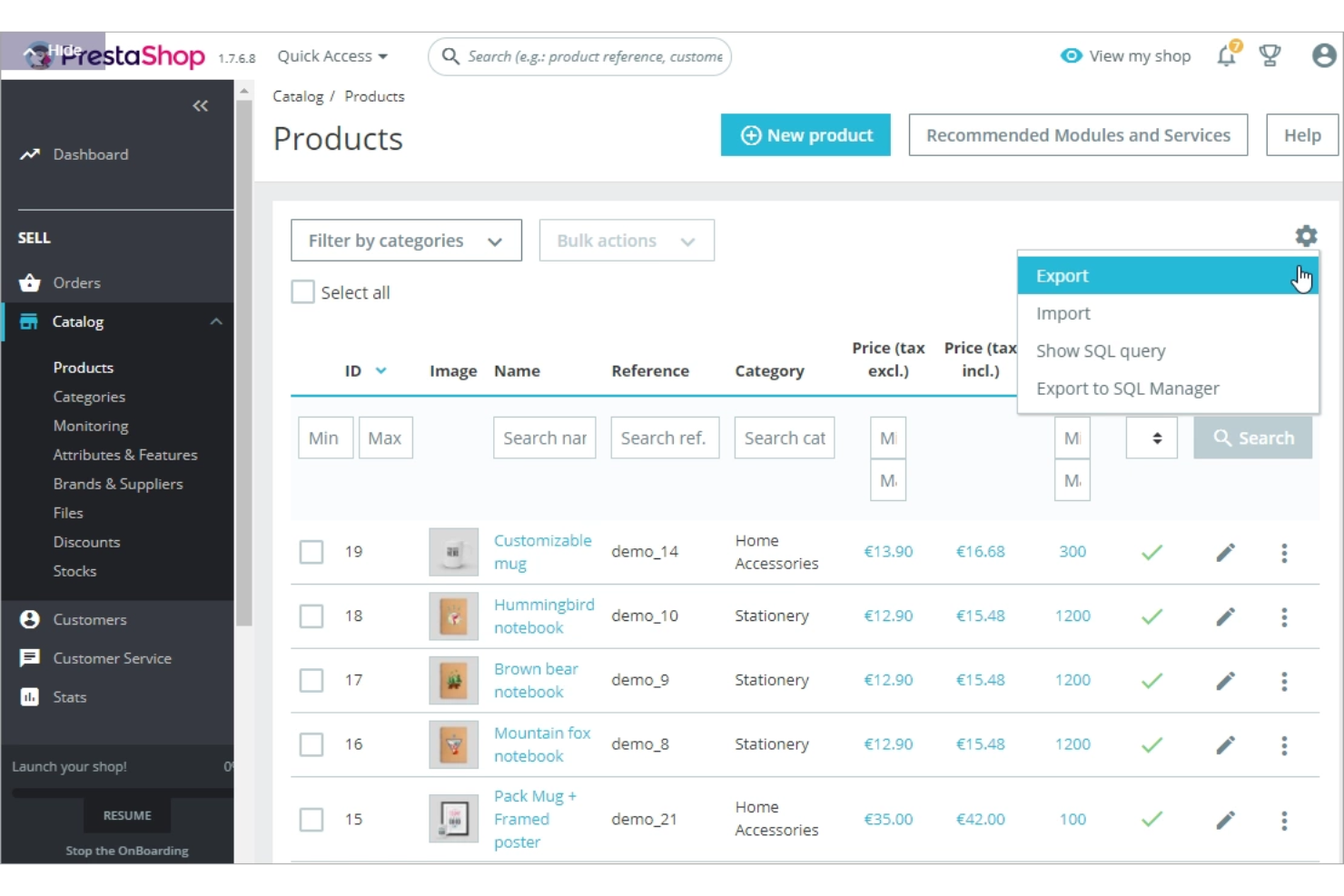
PrestaShop is an open-source ecommerce platform that gives medium-sized businesses full control over their online store through a customizable codebase, multi-store management, and an extensive marketplace of modules and themes.
Who Is PrestaShop Best For?
PrestaShop is a strong fit for medium-sized retailers and ecommerce teams with technical resources who want to build and own a fully tailored online store.
Why I Picked PrestaShop
PrestaShop earns its spot on my shortlist because its open-source architecture gives you direct access to the HTML, CSS, and PHP behind your store. I love that you're not locked into a rigid template—my team can modify the codebase or layer on modules from the marketplace to build exactly the storefront we need. The multi-store feature lets us run multiple branded storefronts from one back office, each with its own catalog, pricing, and localization settings.
PrestaShop Key Features
- Built-in SEO tools: Customize URLs, meta titles, meta descriptions, and canonical tags directly from the product or category page editor.
- Cart rules and discount engine: Create percentage-based, fixed-amount, or free-shipping promotions with conditions based on cart value, customer group, or product selection.
- Product catalog management: Manage unlimited products with attribute combinations, stock levels, and pricing per variant.
- Native analytics dashboard: Track sales, conversion rates, top products, and abandoned carts from the back office.
Pros and Cons
Pros:
- Comprehensive marketplace
- Extensive customization options
- Full ownership of the store
Cons:
- Limited customer support
- Requires technical knowledge

OpenCart
Best for extensive extensions and themes
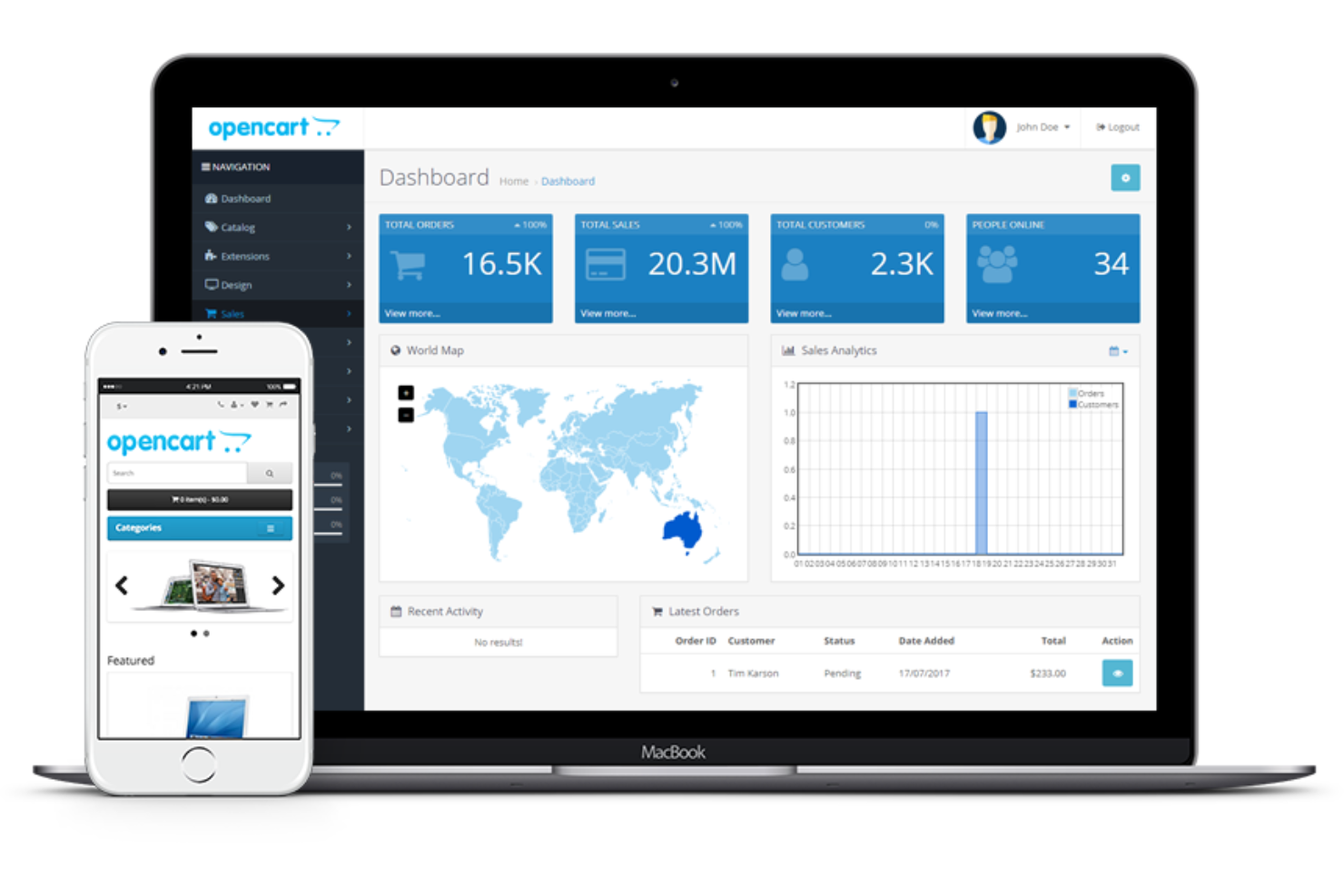
OpenCart is an open-source ecommerce platform that lets you build and manage an online store with product, order, and customer management, multi-store support, SEO tools, and access to a marketplace of 13,000+ extensions and themes.
Who Is OpenCart Best For?
OpenCart is a good fit for technical teams at medium-sized businesses that want full control over their store's codebase and the flexibility to customize it heavily.
Why I Picked OpenCart
I've included OpenCart in my top picks because its marketplace of 13,000+ extensions and themes is one of the largest in the open-source ecommerce space. I like that you can add payment gateways, shipping modules, and marketing tools without touching the core code, which keeps upgrades clean. The theme library also goes deep, with options built specifically for industries like fashion, electronics, and furniture, so you're not starting from a blank slate.
OpenCart Key Features
- Multi-store management: Run multiple storefronts with separate product catalogs, pricing, and designs from a single admin dashboard.
- Customer group pricing: Assign different product prices and discount tiers to specific customer groups, like wholesale vs. retail buyers.
- Built-in SEO controls: Set custom meta titles, descriptions, and URL slugs at the product and category level directly in the admin.
- Multi-currency and multi-language support: Display prices in local currencies and serve content in 40+ languages without additional plugins.
Pros and Cons
Pros:
- Built-in SEO tools
- Solid multi-store management
- Extensive customization options
Cons:
- Requires coding for advanced customizations
- Limited built-in marketing features

Weebly
Best for integrated ecommerce and marketing tools
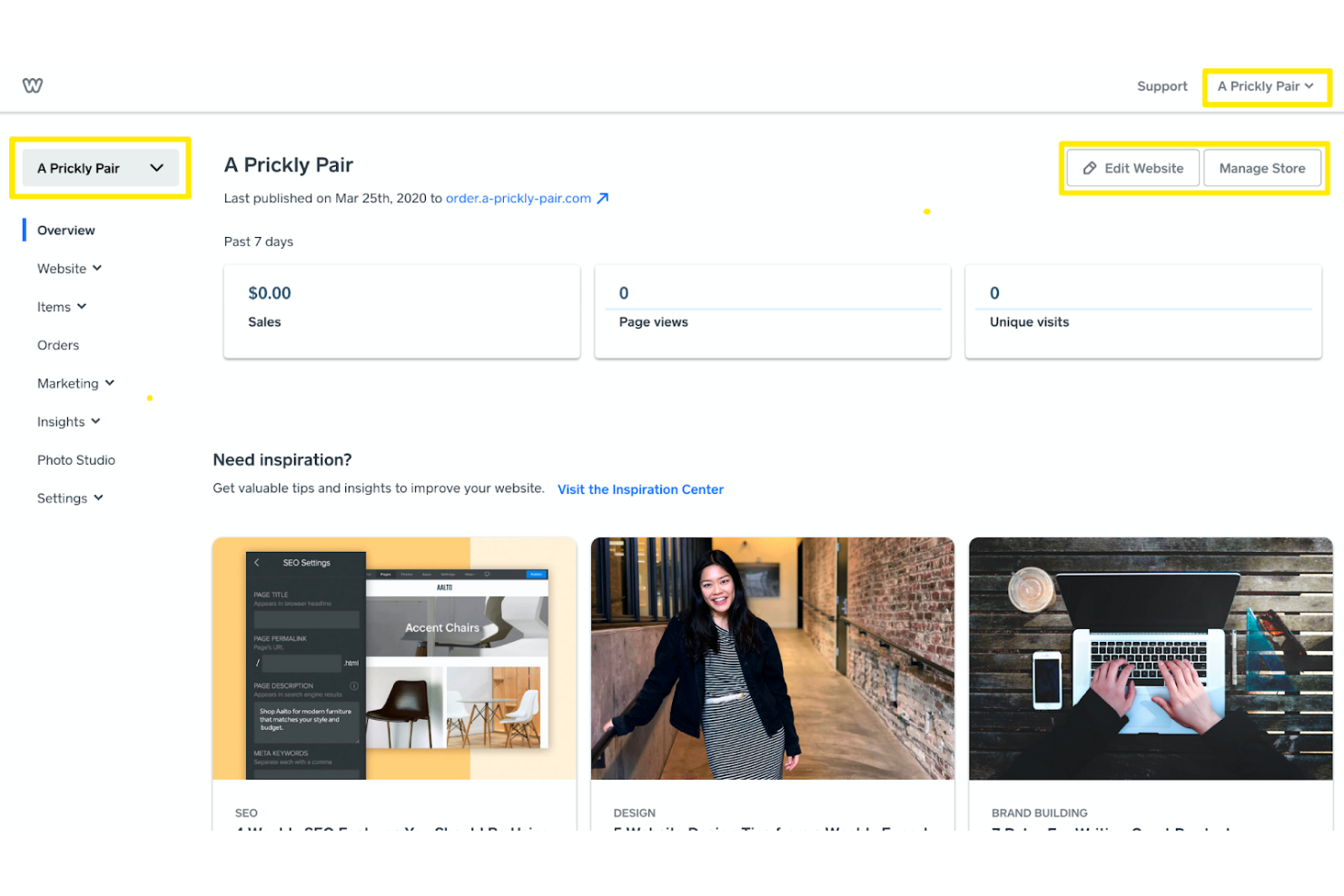
Weebly is a drag-and-drop website and online store builder, backed by Square, that pairs ecommerce tools like order management and payments with built-in marketing features including email campaigns and Facebook ads.
Who Is Weebly Best For?
Weebly is a good fit for small business owners and solo entrepreneurs who want to launch an online store without a developer.
Why Choose Weebly
Weebly is a top pick because it keeps your store and marketing tools in the same place, which is rare at this price point. The Weebly Promote email builder pulls products, blog posts, and logos directly from your site into email templates. Abandoned-cart emails are sent automatically, so you recapture lost sales without a separate tool. The suggested email prompts are a nice touch—Weebly generates a ready-to-send campaign whenever you add a new product or coupon code.
Weebly Key Features
- Drag-and-drop store builder: A visual editor lets you add product pages, galleries, and checkout sections without touching code.
- Inventory tracking: Monitor stock levels across your product catalog and set low-stock alerts to avoid overselling.
- Real-time shipping rates: Pulls live carrier rates from USPS, UPS, and FedEx at checkout so customers see accurate shipping costs.
- Coupon and discount tools: Create percentage-off, dollar-off, or free shipping coupons and apply them at checkout.
Pros and Cons
Pros:
- Unlimited product listings
- Integrated marketing tools
- Easy to use
Cons:
- Some formatting options are not customizable
- Limited number of plugins

X-Cart
Best for scalable ecommerce solutions
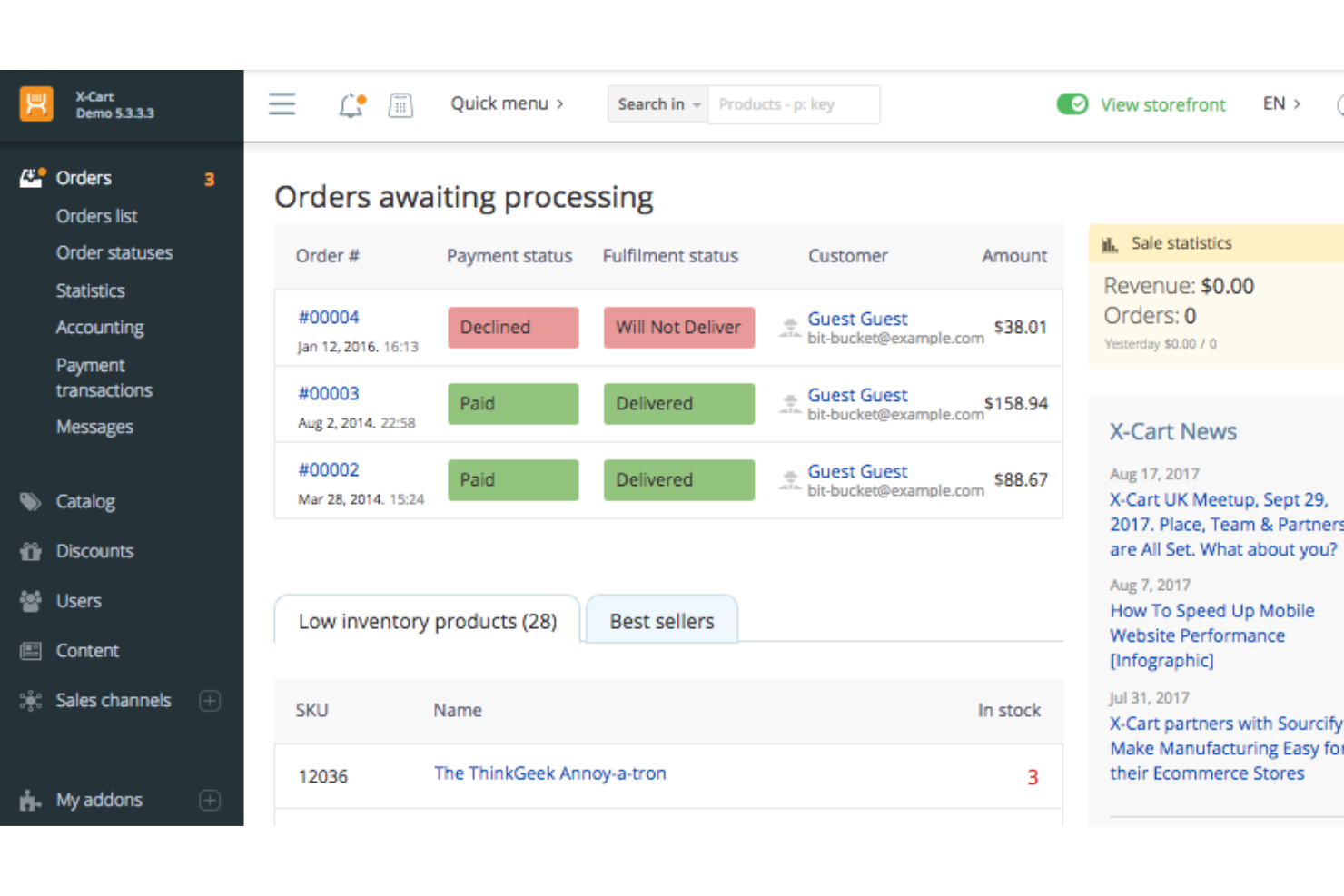
X-Cart is a self-hosted ecommerce platform that combines catalog management, multichannel selling, payment processing, and built-in marketing tools for online retailers.
Who Is X-Cart Best For?
X-Cart is a strong fit for mid-sized online retailers in the automotive aftermarket industry who need a self-hosted platform with deep catalog and fitment management.
Why I Picked X-Cart
I've included X-Cart in my top picks because its self-hosted, open-source architecture gives mid-sized automotive retailers a level of scalability that hosted platforms simply can't match. Because you have full access to the source code, your team can build custom integrations, extend core functionality, and adapt the platform as your catalog and order volume grow. I also like how X-Cart handles large, multi-faceted catalogs natively, supporting bulk SKU editing, automated catalog imports on a schedule, and real-time inventory sync across multiple warehouse distributors like Turn 14 and Keystone Automotive. Its headless technology option adds another layer of scalability, letting you decouple the frontend from the backend so you can evolve your storefront without rebuilding your entire infrastructure.
X-Cart Key Features
- Year/Make/Model fitment search: Filter products by vehicle year, make, and model to surface compatible parts for shoppers.
- Multichannel selling: List and sync products across Google Shopping, Facebook, Instagram, and eBay from one dashboard.
- Customer group pricing: Set distinct price tiers for wholesale buyers, dealers, and retail customers within the same store.
- Abandoned cart recovery: Sends automated follow-up emails to shoppers who left items in their cart without completing a purchase.
Pros and Cons
Pros:
- Omnichannel selling
- Extensive customization
- Solid automotive tools
Cons:
- Complex setup
- Limited customer support

Best for built-in payment processing
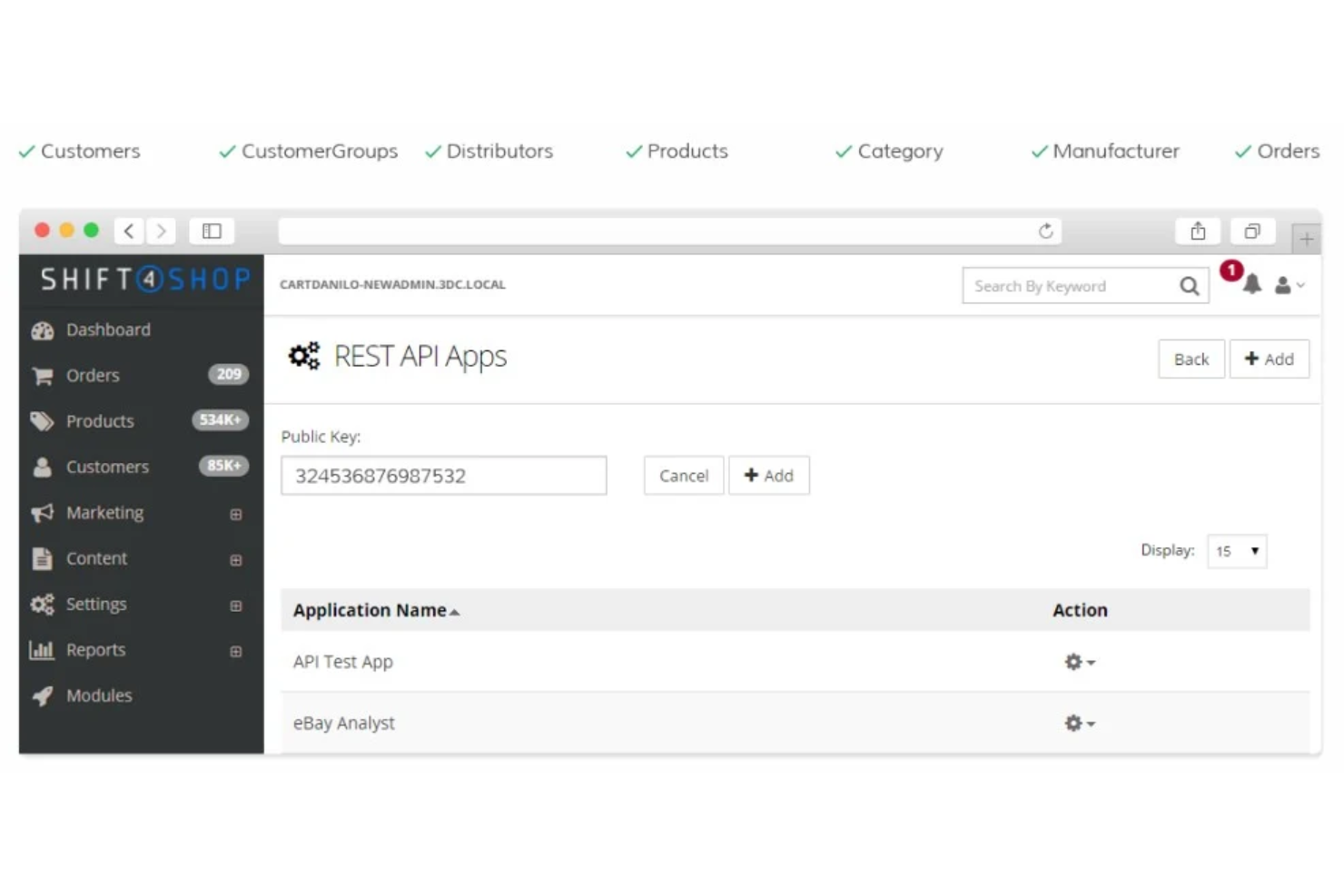
Shift4Shop is a hosted ecommerce platform with a built-in website builder, integrated payment processing, inventory management, multichannel selling, and marketing tools designed for growing online businesses.
Who Is Shift4Shop Best For?
Shift4Shop is a good fit for medium-sized retailers who want a full-featured ecommerce platform without paying transaction fees on every sale.
Why I Picked Shift4Shop
I've included Shift4Shop in my top picks because the payment processing isn't a bolt-on third-party integration—it's built directly into the platform through Shift4. I can accept credit cards, Apple Pay, and Google Pay without configuring a separate merchant account, which cuts setup time significantly. I also like that tokenization is native, so storing card-on-file data for subscription orders is handled automatically without additional tools. The fraud detection powered by Kount runs in the background on every transaction as well.
Shift4Shop Key Features
- Abandoned cart saver: Automatically sends follow-up emails to shoppers who leave without completing checkout.
- SmartCategories: Dynamically organizes products into categories based on rules like price, brand, or custom attributes.
- Customer groups: Assigns wholesale pricing tiers and custom discounts to specific B2B buyer segments.
- Real-time shipping rates: Displays live carrier rates at checkout and generates printable shipping labels directly from the order manager.
Pros and Cons
Pros:
- Drag and drop builder
- 24/7 support
- Unlimited products
Cons:
- Learning curve for new users
- Outdated user interface

Volusion
Best for user-friendly, customizable online stores
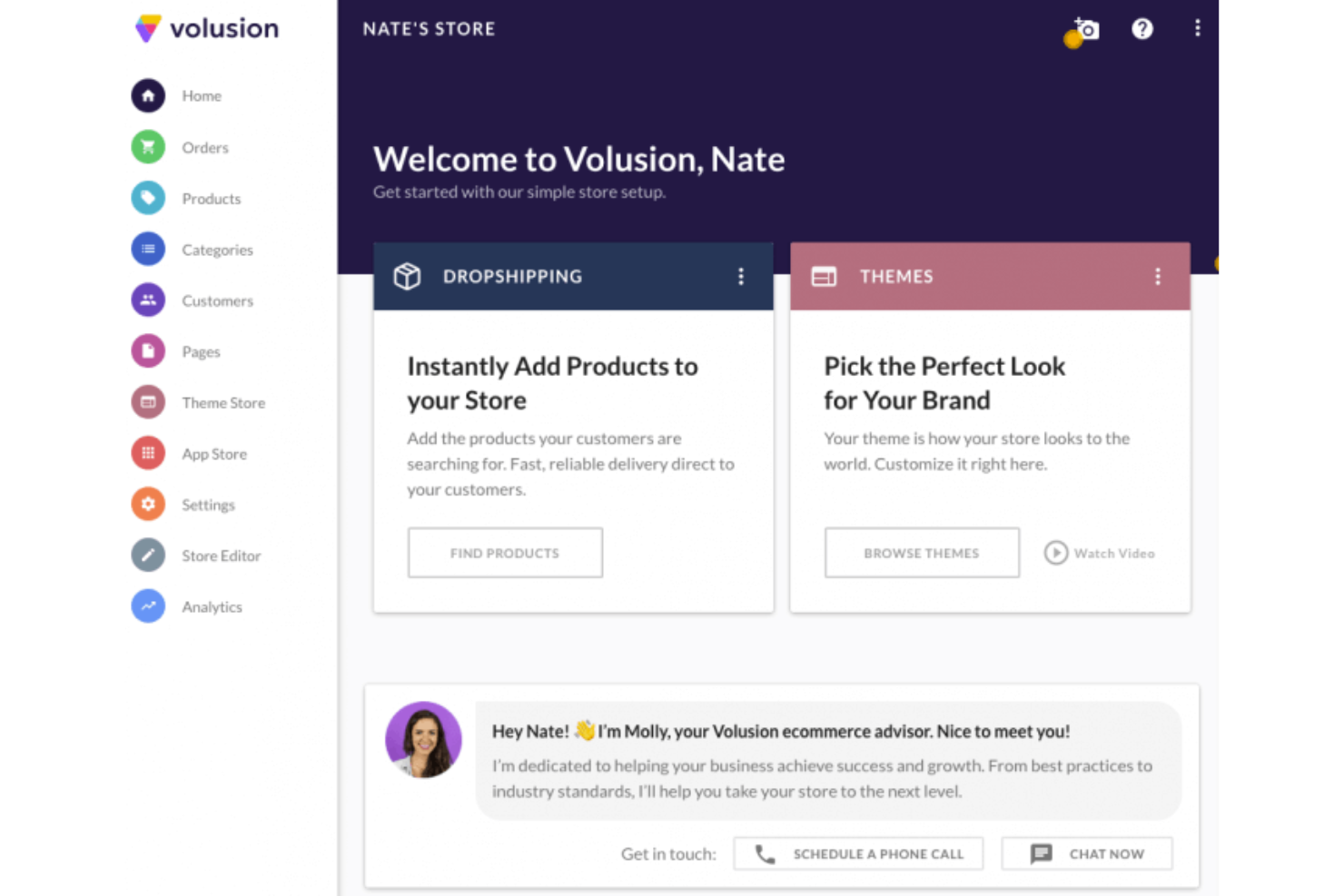
Volusion is an ecommerce platform with a built-in site builder, inventory management, payment processing, CRM, and SEO tools for building and managing an online store.
Who Is Volusion Best For?
Volusion is a good fit for small to mid-sized ecommerce businesses that want a straightforward platform to build and manage an online store without heavy technical overhead.
Why I Picked Volusion
I picked Volusion as one of the best because its drag-and-drop site editor lets you build a polished storefront without touching code. I like that you can customize page layouts, product displays, and navigation using responsive themes, and add custom CSS when needed. The built-in product page editor lets me control how merchandise is presented without relying on third-party plugins.
Volusion Key Features
- Inventory management: Track stock levels, manage warehouses, and create purchase orders directly within the platform.
- Built-in CRM: Manage customer accounts, purchase histories, and reviews without a separate tool.
- SEO controls: Edit metadata, manage sitemap indexing, and configure robots.txt settings for each page of your store.
- Abandoned cart reports: View and act on abandoned cart data to identify where shoppers are dropping off in the checkout flow.
Pros and Cons
Pros:
- Solid inventory management
- Extensive customization options
- User-friendly interface
Cons:
- Some website changes can only be done in HTML
- Support needs improvement

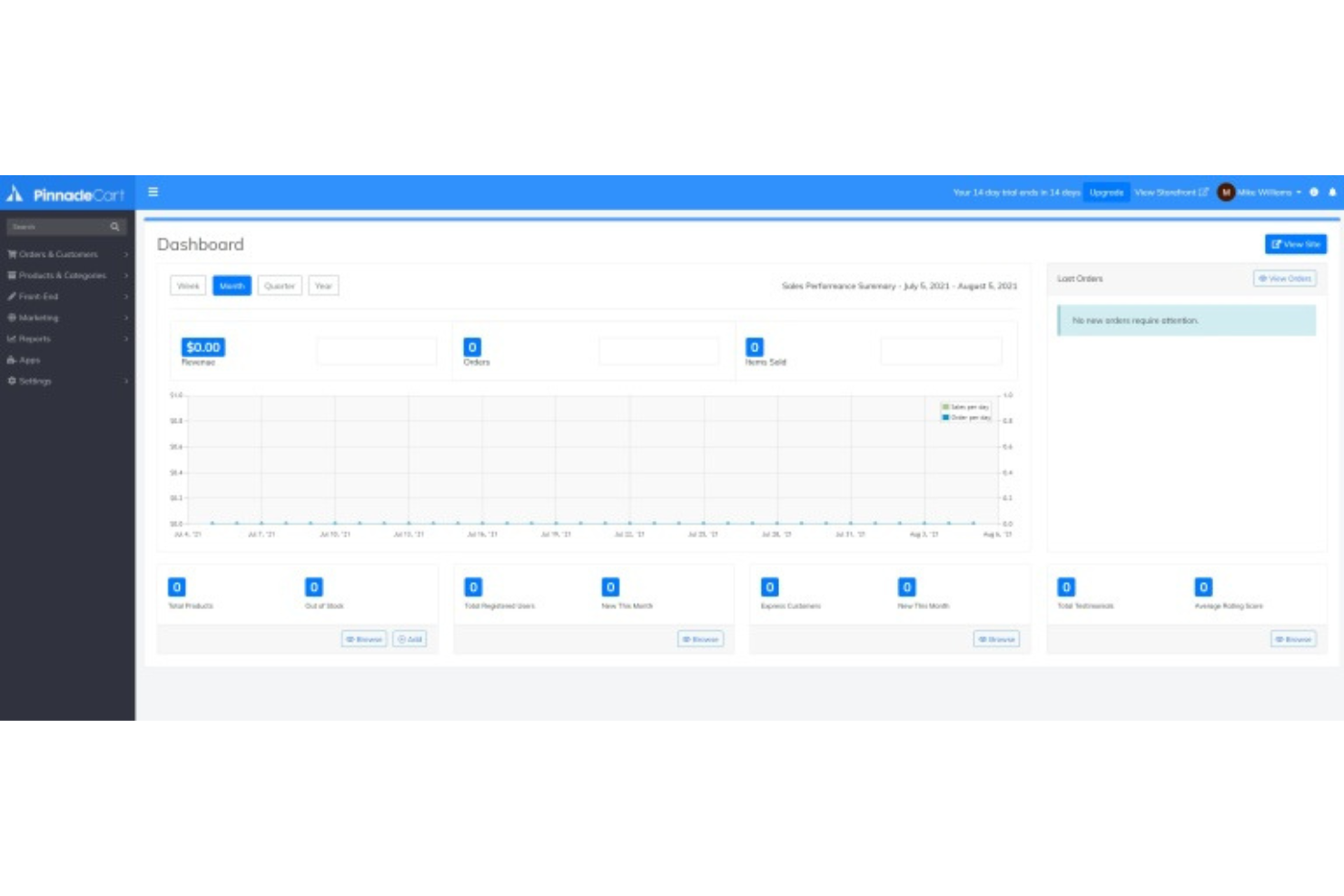
PinnacleCart is an ecommerce platform that covers storefront building, product management, multichannel selling, and marketing tools, with a no-code point-and-click store builder at its core.
Who Is PinnacleCart Best For?
PinnacleCart is a good fit for small to mid-sized retail businesses that want full control over their store's look and feel without relying on a developer.
Why I Picked PinnacleCart
I picked PinnacleCart because its point-and-click storefront builder lets you make meaningful design changes without touching a line of code. You can swap themes, rearrange layouts, and adjust branding directly from the control panel. If you want to go deeper, PinnacleCart provides access to HTML, CSS, and JavaScript, allowing a developer to make changes without a full rebuild.
PinnacleCart Key Features
- Abandoned cart recovery: Automatically sends follow-up emails to shoppers who leave without completing a purchase.
- Multichannel selling: List and sell products across Amazon, eBay, and Facebook directly from your PinnacleCart dashboard.
- Built-in SEO controls: Edit meta titles, descriptions, and URLs at the product and category level without third-party tools.
- Recurring billing: Set up subscription-based products and automate recurring payments from within the platform.
Pros and Cons
Pros:
- Extensive support services
- No coding required
- Customizable templates
Cons:
- Limited customization
- Steep learning curve

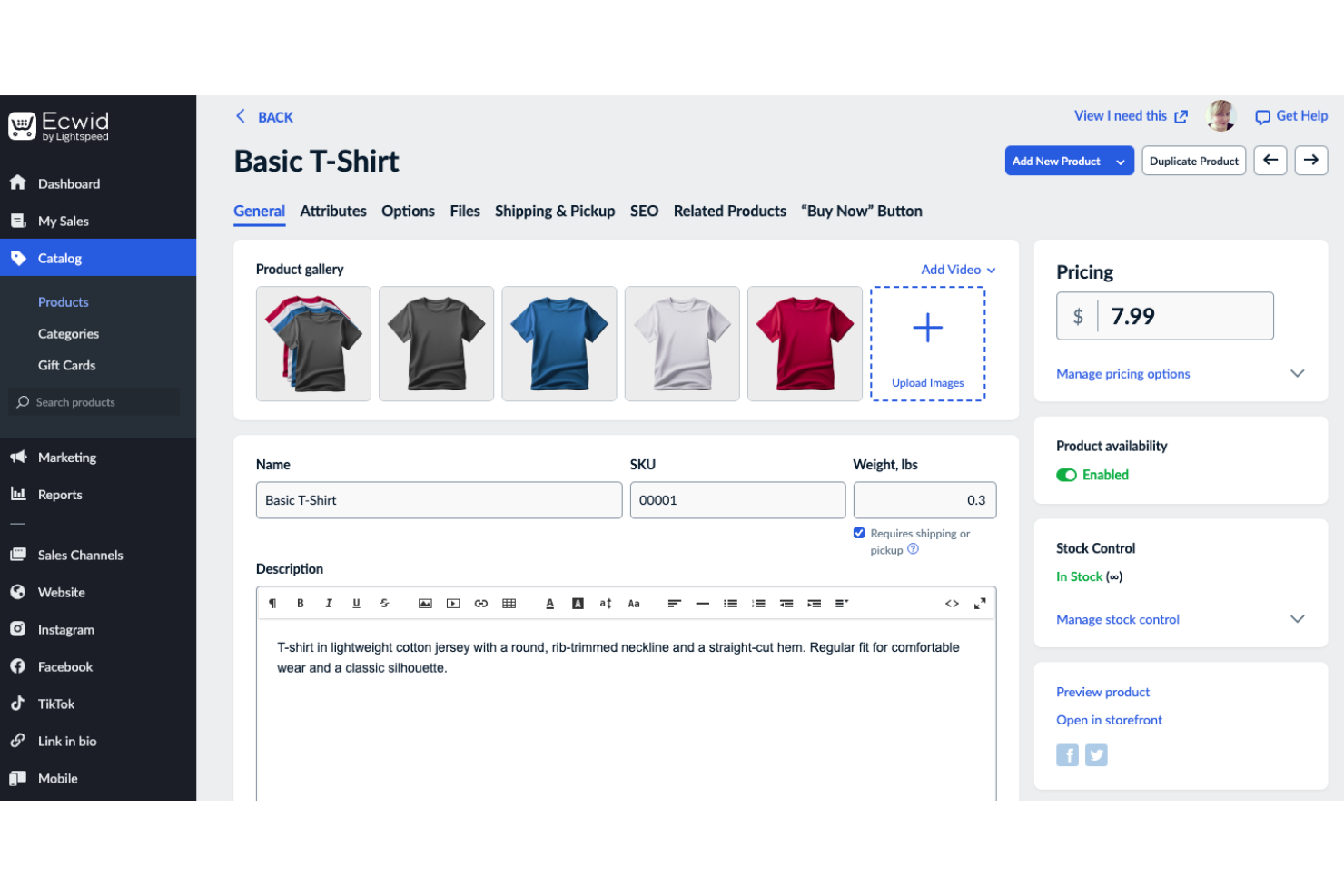
Ecwid is an ecommerce platform that lets you sell across your own website, social media, marketplaces, and in-person from a single dashboard, with tools for inventory management, order management, payments, shipping, and automated marketing.
Who Is Ecwid Best For?
Ecwid is a good fit for small to medium-sized businesses that want to add an online store to an existing website without rebuilding their entire web presence.
Why I Recommend Ecwid
Ecwid stands out for its genuinely free starting point and how fast you can get a store live. The Starter plan lets you list up to 10 products at no cost with no expiration date, which is rare. I also like the Instant Site feature, which generates a ready-to-go storefront in minutes. If you're on WordPress or Wix, Ecwid's embeddable store widget integrates into your existing site without a full rebuild.
Ecwid Key Features
- Multichannel selling: Manage sales across Facebook, Instagram, Amazon, and eBay from a single control panel.
- Abandoned cart recovery: Automatically send follow-up emails to shoppers who left without completing checkout.
- Automated tax calculations: Calculate sales tax based on customer location at checkout without manual setup.
- POS integration: Connect a card reader to sell in-person while keeping online and offline inventory in sync.
Pros and Cons
Pros:
- Syncs across multiple platforms easily
- Easy integration with social media
- Good mobile optimization for stores
Cons:
- Restricted design flexibility for templates
- Limited native reporting options

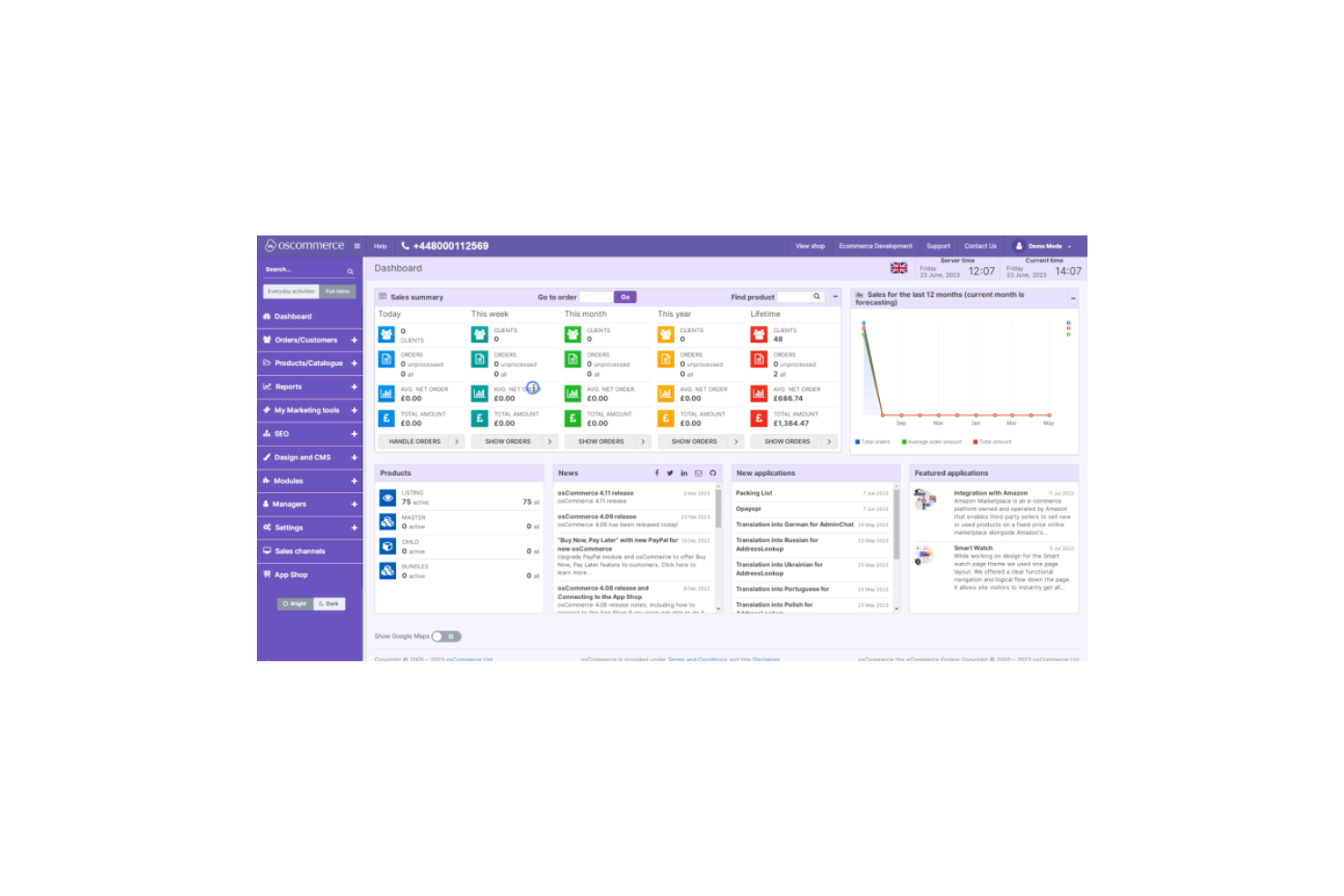
osCommerce is a free, open-source ecommerce platform that lets you self-host a fully customizable shopping cart with multi-store support, B2B/B2C functionality, and an extendable app ecosystem.
Who Is osCommerce Best For?
osCommerce is a good fit for technically resourced medium businesses that want full control over their store's code, hosting environment, and customization without recurring platform fees.
Why I Picked osCommerce
I've included osCommerce in my top picks because its open-source shopping cart gives you direct access to the underlying code, so your development team can modify checkout flows, cart logic, and product display without working around a SaaS platform's limitations. I particularly like the add-on marketplace, which has over 1,000 extensions covering payment gateways, tax rules, and product catalog tools. You can also run multiple storefronts from a single installation, which is practical for medium businesses managing more than one brand or regional site.
osCommerce Key Features
- Multi-language and multi-currency support: Run your store in multiple languages and accept payments in different currencies natively, without requiring a third-party plugin.
- Customer group management: Segment shoppers into B2B and B2C groups to apply separate pricing, discounts, and catalog visibility rules.
- API and import/export facility: Move large volumes of product, order, and customer data in and out of osCommerce using its built-in API and import/export tools.
- GDPR compliance tools: Manage customer data consent and privacy settings from the admin backend to meet data protection requirements.
Pros and Cons
Pros:
- Multi-language and multi-currency support
- Strong community support
- Extensive customization options
Cons:
- Limited built-in themes
- Requires technical knowledge
Other Best Ecommerce Platforms For Medium Businesses
Below is a list of additional best ecommerce platforms for medium businesses that we shortlisted, but did not make it to the top list. They are still worth checking out!
- Big Cartel
For artists and small businesses
- Square Online
For integrated payments and growth tools
- Shopify
For ecommerce innovation
- BigCommerce
For solid growth potential
- Squarespace
For intuitive setup
- Adobe Commerce
For comprehensive enterprise solutions
- Webflow
For creative design freedom
- WooCommerce
For WordPress synergy
- Wix
For user-friendly simplicity
- Magento
For limitless customization


Related Ecommerce Software Reviews
If you still haven't found what you're looking for here, check out these related ecommerce tools we've tested and evaluated.
- Ecommerce Platforms
- Inventory Management Software
- Payment Processing Software
- Shopping Cart Solutions
- Order Management Systems
- Warehouse Management Software
How I Evaluate Ecommerce Platforms for Medium Businesses
I split my evaluation into baseline criteria a platform must clear—like multi-channel selling and inventory sync—and the differentiators that separate one mid-market solution from another.
Core Functionality (Table Stakes For This List)
When I'm selecting tools for my list, I rank each one on a scale from 0 (does not offer the functionality) to 5 (excels in this area) for each core functionality listed below. Then, I calculate the tool's total score into a percentage. Each tool needs to achieve a minimum total score of 65% to be considered for inclusion.
- Scalable Storefront Builder: I evaluate theme flexibility, drag-and-drop editing, and how well the storefront holds up when catalogs grow past thousands of SKUs.
- Multi-Channel Selling: Each platform should let you sell across marketplaces, social, and POS from a single backend rather than juggling separate tools.
- Inventory & Order Management: I check whether inventory syncs across warehouses, retail locations, and online channels in real time to prevent overselling.
- Payments & Checkout: Support for multiple payment gateways, multi-currency checkout, and automated tax calculation matters—especially for growing retailers.
- Integrations & APIs: I look for open APIs and prebuilt connectors to the ERP, CRM, POS, and shipping tools mid-market retailers typically already run.
- B2B & International Commerce: Platforms should support wholesale pricing tiers, multi-language storefronts, and cross-border selling without requiring a separate instance.
Once I have a list of tools that meet this criteria, I consider what sets each platform apart.
Differentiating Factors (What Sets Vendors Apart)
Here's how I compare and contrast different vendors:
Standout Features
Built-in marketing automation is a major differentiator. Platforms with native abandoned cart recovery, email campaigns, and loyalty programs save you from stitching together separate tools. I also evaluate AI-powered merchandising, like dynamic product recommendations that adapt to shopper behavior during peak sales events. Advanced analytics round this out. I want real-time dashboards for channel attribution and customer lifetime value without needing a third-party BI tool.
Beyond Features
Total cost of ownership matters more than sticker price. I look at transaction fees, app costs, and what happens to pricing as your order volume grows. Scalability is closely tied to this—I check whether a platform can handle traffic spikes during peak retail events without requiring an infrastructure upgrade or replatforming. Security and compliance also weigh heavily. PCI DSS Level 1 certification, uptime SLAs, and built-in fraud prevention tools tell me a platform is ready for mid-market transaction volumes.
How To Choose The Best Ecommerce Platform For Medium Businesses
As you work through your own unique software selection process, keep the following points in mind.
- Scalability and Performance: Ensure the platform can handle your current business size and can grow with you. For example, if your business experiences seasonal spikes in traffic, the platform should be able to manage these without performance issues. Some ecommerce platforms are known for their scalability and can support businesses as they expand.
- Customization and Flexibility: It is essential to be able to customize your online store to reflect your brand identity. Look for platforms that offer a wide range of themes and plugins or the ability to add custom code. Some highly customizable platforms allow extensive modifications to meet specific business needs.
- Integration Capabilities: Your ecommerce platform should seamlessly integrate with other tools and systems you use, such as CRM, ERP, and marketing automation software. This ensures smooth operations and data consistency across your business. Some ecommerce sites are known for their integration capabilities, making them a good choice for companies with complex needs.
- Security Features: Protecting customer data and ensuring secure transactions is paramount. Look for platforms that offer solid security measures, including SSL certificates, PCI compliance, and fraud detection tools. Some platforms prioritize security, providing you and your customers peace of mind.
- Cost of Ownership: Consider the total cost of ownership, including subscription fees, transaction fees, and any additional costs for plugins or custom development. It's important to balance cost with the features and support you receive. For example, while some ecommerce websites may have a monthly fee, it may also include hosting, security, and support, which can be more cost-effective than managing these separately.
Trends For Best Ecommerce Platform For Medium Businesses
The ecommerce landscape is changing quickly, driven by new technology and changing consumer preferences. Mid-sized businesses must stay updated on trends like mobile optimization and personalized experiences to remain competitive and meet customer expectations.
- AI-Powered Personalization: AI-driven personalization tailors the shopping experience to individual customers. This trend enhances customer satisfaction and boosts sales, which is essential for businesses aiming to improve customer retention.
- Mobile-First Design: Mobile-first design prioritizes the mobile shopping experience. With increasing mobile traffic, this trend ensures better user engagement, essential for capturing the growing number of mobile shoppers.
- Subscription-Based Models: Subscription-based models offer recurring revenue streams. This trend provides businesses with predictable income and customer loyalty, particularly for companies selling consumable products.
- Social Commerce Integration: Social commerce integration allows shopping directly through social media platforms. This trend leverages the power of social networks to drive sales, which is essential for reaching a broader audience.
- Augmented Reality (AR) Shopping: AR shopping lets customers visualize products in their environment. This trend reduces return rates and increases purchase confidence, which is significant for businesses selling home decor and fashion.
What Is An Ecommerce Platform For Medium Businesses?
An ecommerce platform for medium-sized businesses facilitates online buying and selling with features like product listings, shopping carts, and payment processing. These platforms help companies to manage inventory, process payments, and fulfill orders efficiently while enhancing customer relationships.
Key components include user-friendly navigation, practical search functions, customer service tools, and solid security. Mobile responsiveness is essential, as most online purchases are made via a mobile phone. Many ecommerce platforms offer pricing plans and features tailored for scalability and customization.
Features Of The Best Ecommerce Platforms For Medium Businesses
Choosing the right ecommerce platform is essential for the success of a medium-sized business. The platform you select should support your current needs and scale with your business as it grows. For businesses currently using Ecwid, exploring top Ecwid alternatives can provide better scalability and advanced features. Here are the key features of the best ecommerce platform for medium companies.
- Customization Options: Businesses can tailor the online store with themes and apps. This feature is essential because it allows them to create a unique shopping experience that aligns with their brand identity.
- Sales Channels: Support selling online, in-person, and across various platforms. This ensures that businesses can reach their customers wherever they are, whether through a website, social media, or physical stores.
- Payment Processing: Multiple payment options and secure transactions. Offering various payment methods increases customer convenience and trust, leading to higher conversion rates.
- Marketing Tools: Features for customer engagement, social media integration, and email marketing. Practical marketing tools help businesses attract and retain customers, driving sales and growth.
- Analytics and Reporting: Tools to track sales, orders, and overall performance. Detailed analytics provide insights into business performance, helping to make informed decisions and optimize operations.
- Inventory Management: Efficient stock and order management systems. Proper inventory management ensures that businesses can meet customer demand without overstocking or running out of products.
- Shipping Solutions: Options for faster shipping and fulfillment services. Reliable shipping solutions enhance customer satisfaction by ensuring timely product delivery.
- Customer Support: Access to 24/7 assistance and resources for business growth. Robust customer support helps resolve issues quickly, minimizing downtime and maintaining customer satisfaction.
- SEO Tools: Built-in SEO features to enhance visibility, such as optimized URLs and fast loading times. Good SEO practices help improve search engine rankings, driving more organic traffic to the online store.
- Security Features: Strong security measures, including SSL certificates and PCI compliance. Ensuring the security of customer data is essential for building trust and protecting the business from cyber threats.
Benefits Of The Best Ecommerce Platforms For Medium Businesses
Choosing the right ecommerce platform is essential for medium-sized businesses looking to grow and succeed in the competitive online marketplace. Here are five primary benefits that the best ecommerce platform can offer.
- Scalability: The platform can handle increased traffic and sales volume as your business grows, ensuring your website remains fast and reliable.
- Customization: It offers a wide range of customizable templates and features, allowing you to create a unique and branded shopping experience for your customers.
- Integration: Integrates with various third-party tools and services, such as payment gateways, shipping providers, and marketing tools, to simplify your operations.
- Security: Provides security features, including SSL certificates and PCI compliance, to protect your customers' data and build trust.
- Customer Support: Offers solid customer support, including 24/7 assistance and a wealth of resources, to help you resolve issues quickly and keep your business running smoothly.
Leveraging the right ecommerce platform can significantly improve your business's efficiency and customer satisfaction, helping medium-sized companies boost their online presence and drive growth.
Costs & Pricing Of The Best Ecommerce Platforms For Medium Businesses
When selecting an ecommerce platform for medium businesses, it's essential to understand the various pricing plans and the features each one offers. Pricing can range significantly based on the level of functionality and support required.
Below is a table outlining common plan types, average prices, and the features typically included.
Plan Comparison Table For The Best Ecommerce Platforms for Medium Businesses
| Plan Type | Average Price | Common Features |
| Free Plan | $0 | Basic online store setup, limited product listings, basic support |
| Personal Plan | $14 - $29/month | Custom domain, basic analytics, limited customization, email support |
| Business Plan | $29 - $299/month | Advanced analytics, multiple payment gateways, inventory management, 24/7 support |
| Enterprise Plan | Custom pricing | Custom integrations, dedicated support, advanced security, unlimited products |
Each plan serves different business needs, from basic store setups to advanced solutions for growing businesses. By evaluating the features and costs, businesses can choose the ecommerce platform that best fits their operations and budget, ensuring they have the tools to manage and grow their online presence.
Best Ecommerce Platform For Medium Business FAQs
Here are some commonly asked questions about the best ecommerce platform for medium business.
Among the best ecommerce platforms for medium businesses, what are the key differences between hosted and self-hosted platforms?
Hosted ecommerce platforms provide a complete package where the hosting, security, and maintenance are managed by the service provider. This allows business owners to focus on running their store without worrying about technical aspects. On the other hand, self-hosted platforms like WooCommerce and Magento require you to manage your own hosting, security, and updates. While self-hosted platforms offer greater customization and control, they also demand more technical expertise and resources to maintain. The choice between hosted and self-hosted platforms depends on your technical capabilities, budget, and the level of control you desire.
How important is mobile optimization among the best ecommerce platforms for medium businesses?
Mobile optimization is important for any ecommerce platform, especially for medium-sized businesses looking to expand their reach. With a significant portion of online shopping done via mobile devices, a mobile-optimized platform ensures a seamless shopping experience for customers, leading to higher conversion rates and customer satisfaction. Mobile optimization includes responsive design, fast loading times, and easy navigation on smaller screens. Platforms that prioritize mobile optimization can help you stay competitive in the market and cater to the growing number of mobile shoppers.
How do the best ecommerce platforms for medium businesses handle customer support?
Customer support is an important aspect to consider when choosing an ecommerce platform. Look for platforms that offer 24/7 support through various channels, such as live chat, email, and phone. Additionally, check if the platform provides a solid knowledge base, tutorials, and community forums to help you troubleshoot issues independently. The quality of customer support can significantly impact your ability to resolve problems quickly and efficiently, ensuring minimal disruption to your business operations.
How do the best ecommerce platforms for medium businesses handle security and compliance?
Ecommerce platforms must adhere to strict security and compliance standards to protect sensitive customer data and ensure safe transactions. Look for platforms that offer SSL certificates, PCI-DSS compliance, and regular security updates. Additionally, consider features like two-factor authentication, data encryption, and fraud detection tools. Ensuring your chosen platform meets these security standards can help build trust with your customers and protect your business from potential security breaches.
How can I integrate third-party tools and services with the best ecommerce platforms for medium businesses?
Most ecommerce platforms offer integration capabilities with a wide range of third-party tools and services, such as payment gateways, email marketing software, inventory management systems, and analytics tools. Check if the platform provides an app marketplace or API access to facilitate these integrations. Smooth integration with third-party tools can enhance your store’s functionality, simplify operations, and improve the overall customer experience. Ensure the platform you choose supports the specific tools and services you rely on for your business.