
10 software ERP per il commercio al dettaglio per il 2026

Software ERP per il commercio al dettaglio - Selezione


Il software ERP per il commercio al dettaglio è un tipo di piattaforma per la gestione aziendale che collega i dati relativi a inventario, vendite, acquisti, finanze e clienti in tutte le attività operative della tua azienda di vendita al dettaglio. Se stai cercando il miglior software ERP per il commercio al dettaglio, probabilmente vuoi migliorare l'accuratezza dell'inventario, unificare i tuoi canali di vendita, aumentare l'efficienza operativa, ridurre al minimo le attività ripetitive e ottenere una visibilità in tempo reale sui processi aziendali. Con così tante opzioni disponibili, scegliere il sistema giusto può fare la differenza tra una crescita fluida e costosi contrattempi. Questa guida ti aiuterà a confrontare le migliori soluzioni ERP per il commercio al dettaglio del 2026, così potrai trovare quella più adatta alle esigenze del tuo team e agli obiettivi della tua azienda.
Perché fidarsi dei nostri consigli sui software
Il nostro team testa e recensisce software dal 2012. In quanto leader del retail noi stessi, sappiamo quanto sia difficile — e importante — scegliere il software giusto.
Per questa guida, abbiamo valutato gli strumenti attraverso test pratici e ricerche indipendenti, assegnando un punteggio agli strumenti in base ai nostri criteri di selezione.
Le nostre recensioni riflettono il nostro giudizio indipendente, non un discorso di vendita.
Riepilogo dei migliori software ERP per il commercio al dettaglio
Questa tabella comparativa riassume i dettagli dei prezzi delle mie migliori selezioni di software ERP per il commercio al dettaglio, per aiutarti a trovare quello più adatto al tuo budget e alle tue esigenze aziendali.
| Tool | Best For | Trial Info | Price | ||
|---|---|---|---|---|---|
| 1 | Ideale per la gestione dell’inventario su più sedi | Demo gratuita disponibile | Prezzo su richiesta | Website | |
| 2 | Ideale per operazioni di vendita omnicanale | Demo gratuita disponibile | Prezzo su richiesta | Website | |
| 3 | Ideale per la scalabilità retail cloud-based | Demo gratuita disponibile | Prezzi su richiesta | Website | |
| 4 | Migliore per opzioni di personalizzazione open-source | Demo gratuita disponibile | $9.10/mese | Website | |
| 5 | Ideale per aziende di vendita al dettaglio specializzate | Demo gratuita disponibile | Prezzo su richiesta | Website | |
| 6 | Ideale per rivenditori di moda e abbigliamento | Demo gratuita disponibile | Prezzo su richiesta | Website | |
| 7 | Ideale per operazioni di back-end unificate | Demo gratuita disponibile | Prezzo su richiesta | Website | |
| 8 | Ideale per analisi in tempo reale nel settore retail | Demo gratuita disponibile | Prezzi su richiesta | Website | |
| 9 | Ideale per integrazione con l’ecosistema Microsoft | Prova gratuita di 30 giorni disponibile | Da $50/utente/mese (fatturazione annuale) | Website | |
| 10 | Ideale per tempi di implementazione rapidi | Demo gratuita disponibile | Prezzi su richiesta | Website |

Recensioni dei software ERP per il commercio al dettaglio
Di seguito trovi i miei riepiloghi dettagliati dei software ERP per il commercio al dettaglio inclusi nella mia selezione. Le mie recensioni offrono una panoramica dettagliata delle funzionalità, dei casi d’uso migliori e delle integrazioni di ciascuna piattaforma, per aiutarti a trovare quella più adatta a te.
NetSuite
Ideale per la gestione dell’inventario su più sedi
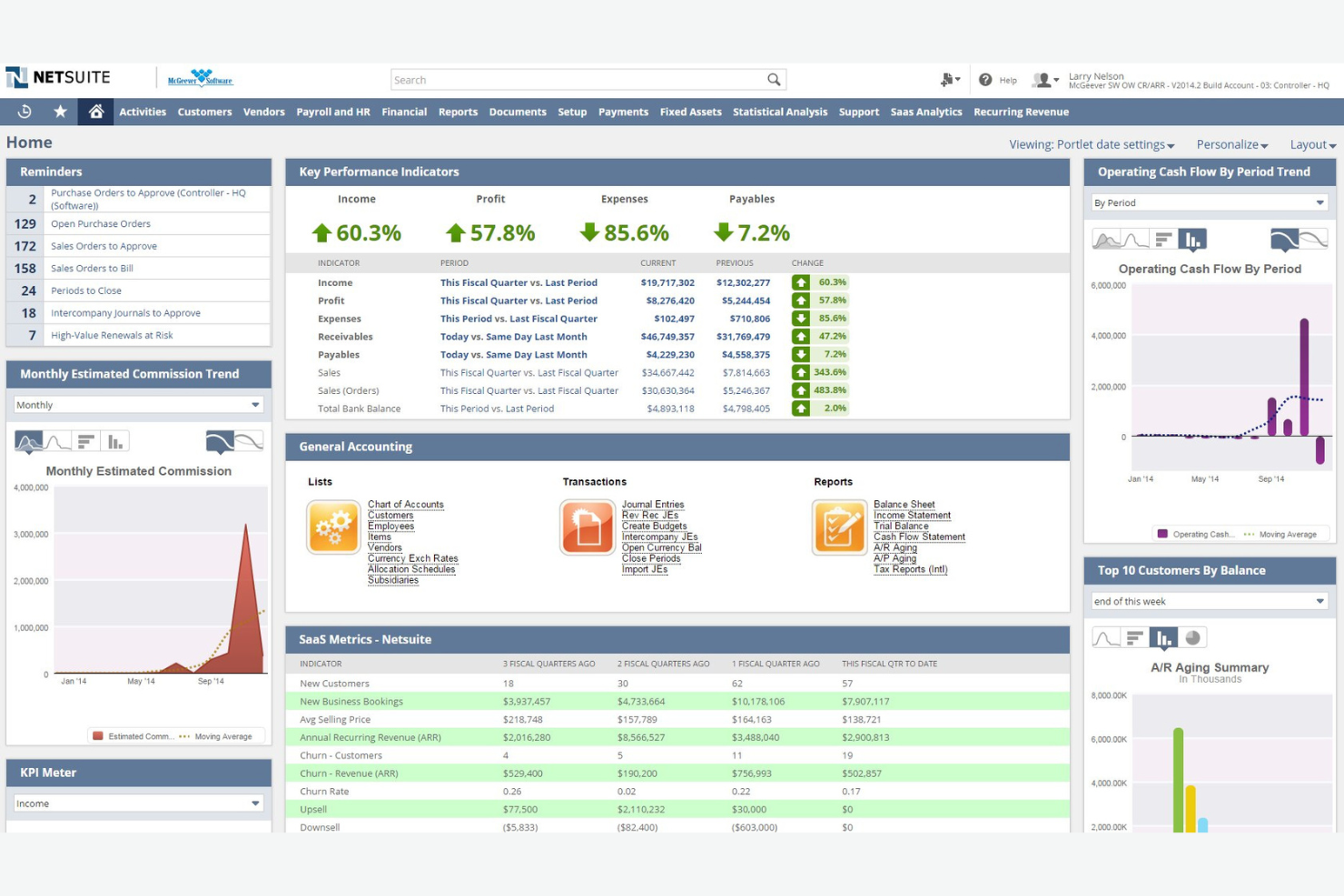
NetSuite è una piattaforma ERP basata su cloud progettata per i rivenditori che gestiscono l'inventario su più sedi. È particolarmente indicata per le aziende che necessitano di una visibilità in tempo reale su scorte, vendite ed evasione su larga scala. Se desideri unificare le tue operazioni e ridurre le discrepanze di inventario tra negozi e canali, NetSuite offre strumenti specializzati per affrontare queste sfide.
Perché ho scelto NetSuite
Per i rivenditori che gestiscono l'inventario su più sedi, NetSuite si distingue per le sue avanzate funzionalità di gestione multi-sede. Ho scelto NetSuite perché consente di monitorare in tempo reale livelli di stock, trasferimenti e punti di riordino tra magazzini, negozi e canali online. Il rifornimento automatico e la visibilità centralizzata dell'inventario aiutano a ridurre esaurimenti di scorte e giacenze eccessive. Queste caratteristiche rendono NetSuite una soluzione ideale per le aziende che devono coordinare l'inventario in modo efficiente durante la crescita.
Funzionalità principali di NetSuite
Altre funzionalità di NetSuite utili per i team retail includono:
- Integrazione punto vendita (POS): Collega i dati di vendita in negozio direttamente all’ERP per reportistica unificata e aggiornamenti dell’inventario.
- Gestione degli ordini: Gestisce gli ordini provenienti da diversi canali, inclusi online, negozio fisico e telefono, in un unico sistema.
- Gestione delle relazioni con i clienti (CRM): Tiene traccia delle interazioni, della cronologia acquisti e delle preferenze dei clienti all’interno della stessa piattaforma.
- Gestione finanziaria: Gestisce contabilità, fatturazione e report finanziari integrati alle operazioni di vendita al dettaglio.
Integrazioni di NetSuite
Le integrazioni includono Salesforce, Shopify, Jira, HubSpot e Zendesk.
Pros and Cons
Pros:
- Strumenti finanziari robusti
- Cloud altamente scalabile
- Funzionalità POS native
Cons:
- Troppo avanzato per piccole imprese
- Assistenza può essere lenta

Ideale per operazioni di vendita omnicanale
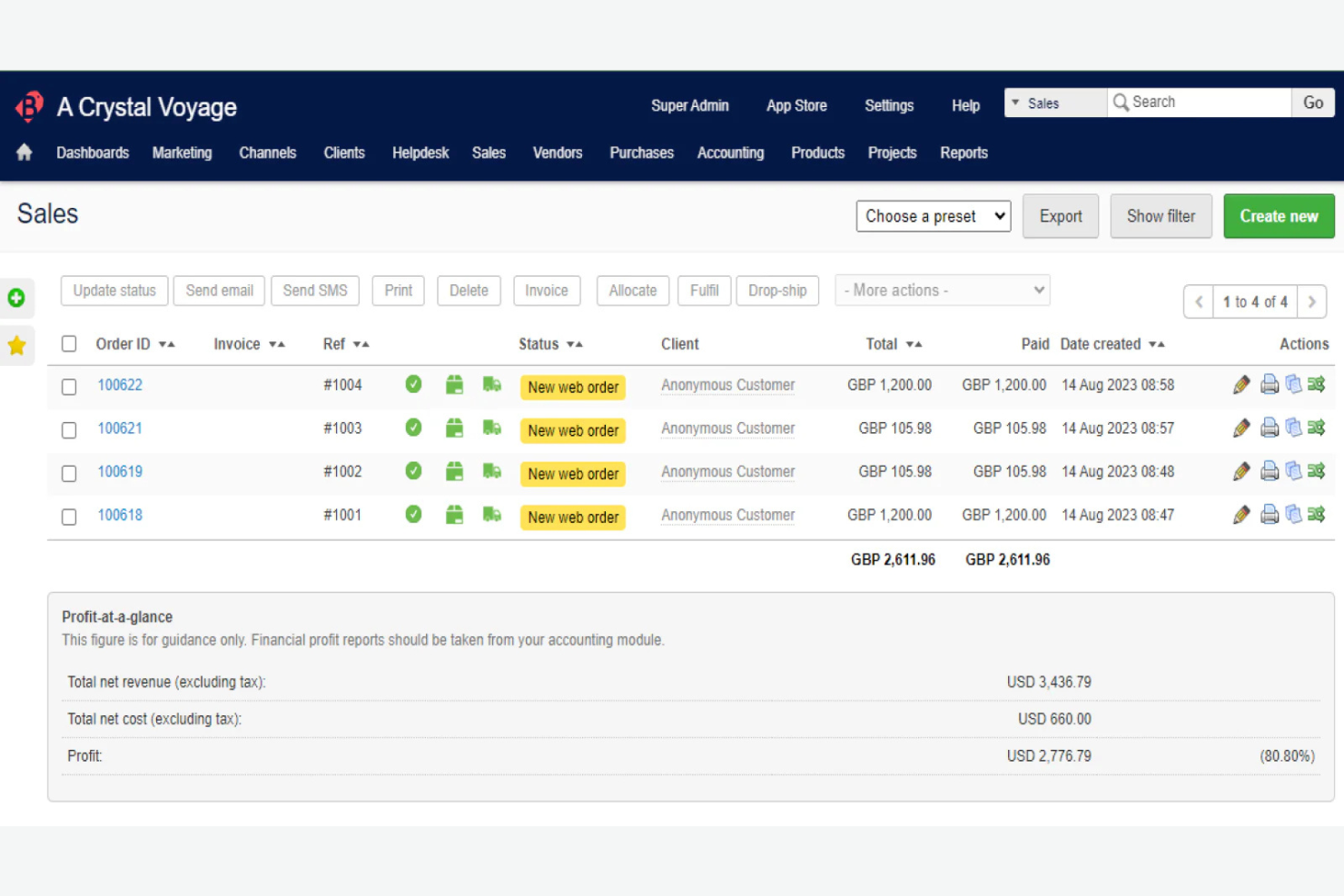
Brightpearl è progettato appositamente per rivenditori e grossisti che devono gestire vendite, inventario ed evasione ordini su più canali. È particolarmente utile per le aziende che desiderano automatizzare i flussi di lavoro tra i loro negozi online, marketplace e sedi fisiche. Se desideri centralizzare le operazioni e tenere il passo con le esigenze della vendita omnicanale, Brightpearl offre strumenti pensati per questa complessità.
Perché ho scelto Brightpearl
Ciò che distingue Brightpearl è la sua attenzione nel supportare vere operazioni di vendita omnicanale. Ho scelto Brightpearl perché collega in tempo reale i dati di vendita, inventario ed evasione ordini tra negozi online, marketplace e punti vendita fisici. L'instradamento automatico degli ordini e la gestione centralizzata dell'inventario aiutano a evitare vendite eccedenti e a mantenere livelli di stock precisi ovunque tu venda. Per i rivenditori che devono coordinare più canali senza soluzioni manuali, le funzionalità di Brightpearl sono progettate proprio per questa complessità.
Caratteristiche principali di Brightpearl
Oltre al coordinamento omnicanale, ho trovato interessanti anche queste funzionalità:
- Contabilità integrata: Gestisce finanze, fatturazione e reportistica sulla stessa piattaforma delle operazioni di vendita al dettaglio.
- Gestione fornitori: Traccia ordini di acquisto, performance dei fornitori e tempi di consegna per un maggiore controllo degli approvvigionamenti.
- Flussi di dropshipping automatizzati: Supporta la spedizione diretta al cliente dai fornitori senza intervento manuale.
- Dashboard analitica in tempo reale: Fornisce una panoramica aggiornata di vendite, inventario e metriche di performance in un'unica visuale.
Integrazioni di Brightpearl
Le integrazioni includono Shopify, BigCommerce, Amazon, ShipStation e Walmart.
Pros and Cons
Pros:
- Tempi di implementazione rapidi
- Ottime regole di automazione
- Conteggi di magazzino in tempo reale
Cons:
- Non è un ERP completo
- Reportistica personalizzata carente

Ideale per la scalabilità retail cloud-based
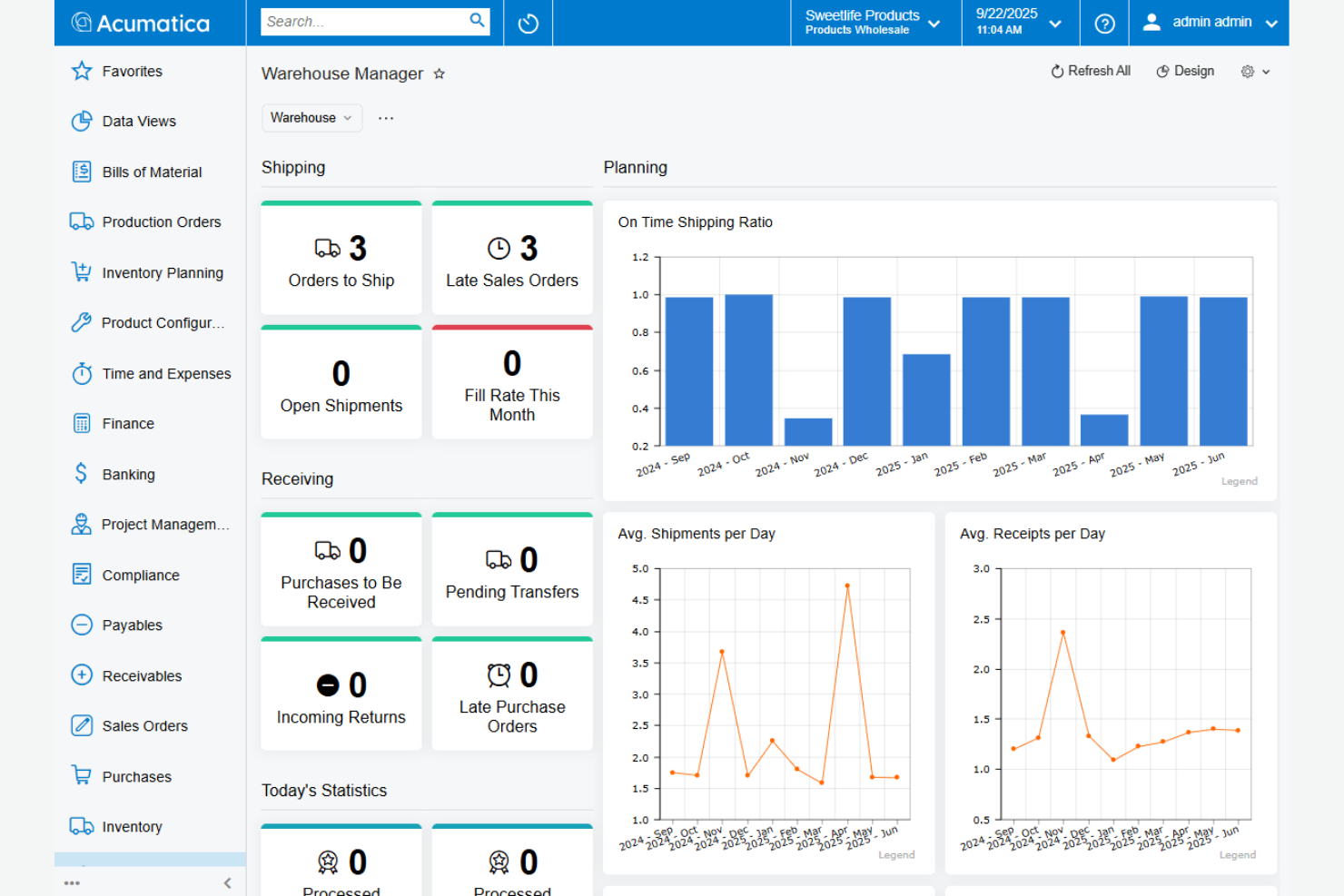
Acumatica offre una piattaforma ERP basata su cloud pensata per i rivenditori che devono scalare rapidamente e gestire più canali. È particolarmente utile per le aziende con attività ecommerce, punti vendita fisici e operazioni all'ingrosso in crescita che desiderano una gestione unificata di inventario e ordini. Grazie a un'implementazione flessibile e all'accesso ai dati in tempo reale, Acumatica aiuta i team retail ad adattarsi alla domanda e ai modelli di vendita in continua evoluzione.
Perché ho scelto Acumatica
Ciò che distingue Acumatica come ERP per il retail è la sua attenzione alla scalabilità cloud, componente essenziale per i rivenditori con volumi di vendita variabili e molteplici canali di vendita. Ho scelto Acumatica perché permette di gestire inventario, ordini e dati dei clienti in tempo reale tra ecommerce, negozi fisici e operazioni all’ingrosso. Le opzioni di implementazione flessibili e il modello di prezzo basato sull'utilizzo rendono più semplice per i dettaglianti in crescita espandersi senza dover affrontare grandi revisioni IT. Se la tua azienda ha bisogno di adattarsi rapidamente a picchi stagionali o a nuovi canali di vendita, l’architettura cloud di Acumatica è progettata per supportare questa crescita.
Funzionalità principali di Acumatica
Oltre alla scalabilità, ci sono altre funzionalità che i team retail possono trovare preziose:
- Sistema di punto vendita (POS) integrato: Collega le transazioni in negozio direttamente all’ERP per una tracciabilità unificata delle vendite.
- Workflow di acquisto automatizzati: Semplifica la gestione fornitori e le approvazioni degli ordini d’acquisto all’interno della piattaforma.
- Gestione delle relazioni con i clienti (CRM): Tiene traccia delle interazioni con i clienti, della cronologia delle vendite e delle attività marketing in un unico punto.
- Cruscotti personalizzati per ruolo: Fornisce viste e analisi su misura per ciascun membro del team, dai responsabili di negozio ai responsabili finanziari.
Integrazioni di Acumatica
Le integrazioni includono Shopify, BigCommerce, Salesforce, HubSpot, Power BI e Adobe Sign.
Pros and Cons
Pros:
- Prezzi basati sull'utilizzo
- Solida e-commerce nativa
- Distribuzione cloud flessibile
Cons:
- Il costo dei moduli può aumentare
- Rete globale più contenuta

Odoo
Migliore per opzioni di personalizzazione open-source
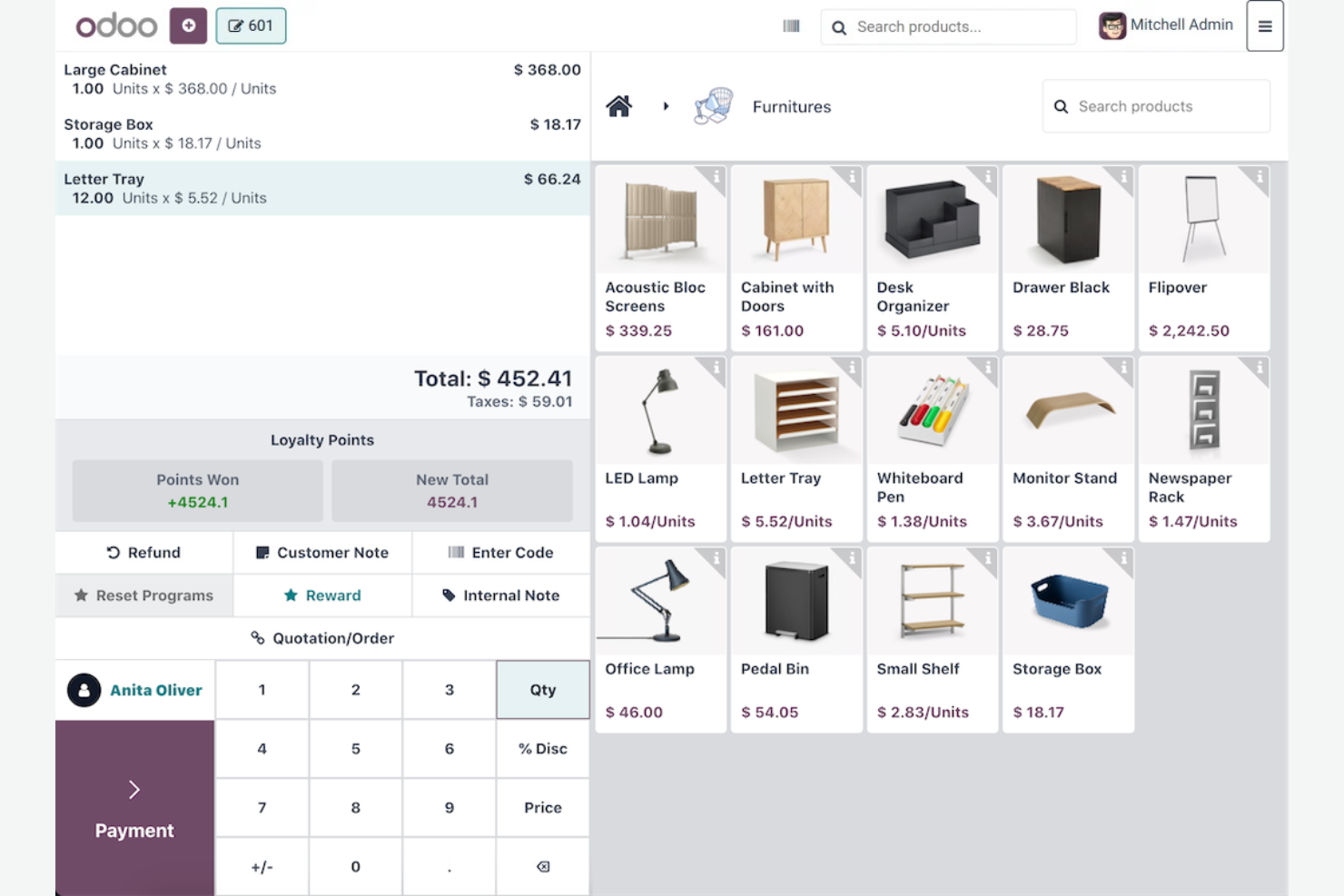
Se stai cercando un ERP per il retail che possa essere completamente adattato alla tua attività, Odoo offre una flessibilità open-source difficile da eguagliare. È una scelta valida per i rivenditori che dispongono di risorse IT o di sviluppo interne e desiderano personalizzare i flussi di lavoro, i moduli e le integrazioni. Odoo aiuta i team a unificare vendite, inventario ed operazioni ecommerce, offrendo il controllo su come ogni processo viene gestito.
Perché ho scelto Odoo
Ciò che distingue Odoo è il suo framework open-source, che offre ai rivenditori la libertà di personalizzare quasi ogni aspetto dell’ambiente ERP. Ho selezionato Odoo perché consente di modificare i moduli esistenti o crearne di completamente nuovi per allinearsi ai tuoi specifici flussi di lavoro retail. L’accesso al codice sorgente della piattaforma e una comunità di sviluppatori molto attiva permettono di adattare funzionalità di inventario, vendite ed ecommerce per esigenze specializzate. Questo livello di personalizzazione è particolarmente prezioso per i rivenditori con processi complessi o che desiderano mantenere il pieno controllo sul proprio stack tecnologico.
Funzionalità principali di Odoo
Oltre alle sue possibilità di personalizzazione, Odoo offre diverse funzionalità che supportano le operazioni di vendita al dettaglio:
- Gestione multinegozio: Ti permette di supervisionare inventario, vendite e operazioni attraverso diversi punti vendita da un’unica dashboard.
- Piattaforma ecommerce integrata: Collega il tuo negozio online con inventario, vendite e dati dei clienti in tempo reale.
- Scansione barcode: Supporta la tracciabilità dell’inventario e le procedure di checkout tramite codici a barre.
- Gestione programmi fedeltà: Consente di impostare e gestire premi e promozioni per i clienti direttamente nel sistema.
Integrazioni Odoo
Le integrazioni includono WhatsApp, Amazon, Shopify, Magento, Stripe e Twilio.
Pros and Cons
Pros:
- Design altamente modulare
- Prezzi molto convenienti
- App POS retail integrata
Cons:
- La personalizzazione può diventare costosa
- Il supporto può essere carente

Epicor
Ideale per aziende di vendita al dettaglio specializzate

Epicor è progettato per i rivenditori specializzati che necessitano di un software ERP adattato a requisiti unici di inventario, servizi e clienti. È particolarmente adatto per aziende come ferramenta, garden center e rivenditori di ricambi auto che gestiscono assortimenti di prodotti complessi e servizi in negozio. Epicor aiuta questi rivenditori a gestire inventari specializzati, rapporti con i fornitori e programmi di fidelizzazione dei clienti, tutto in un unico sistema.
Perché ho scelto Epicor
Epicor si distingue per le attività di vendita al dettaglio specializzate perché è costruito per gestire le specifiche esigenze di inventario e servizio che questi rivenditori affrontano. Ho scelto Epicor perché supporta cataloghi di prodotti complessi, inclusi articoli serializzati e kit, comuni in ferramenta, centri giardinaggio e negozi di ricambi auto. La piattaforma offre anche strumenti integrati per la gestione dei servizi in negozio, come riparazioni o ordini personalizzati, parallelamente alle operazioni di vendita tradizionali. Per i rivenditori che hanno bisogno di tracciare inventari specializzati e offrire esperienze cliente su misura, le funzionalità specifiche per il settore di Epicor lo rendono un’ottima scelta.
Funzionalità principali di Epicor
Altre funzionalità utili per i rivenditori specializzati includono:
- Motore avanzato per promozioni: Consente di impostare e gestire sconti complessi, coupon e offerte di fidelizzazione.
- Gestione ordini omnicanale: Coordina gli ordini tra canali online, in negozio e mobile in un unico sistema.
- Strumenti di integrazione con i fornitori: Collegamento diretto con i fornitori per riordino automatico e gestione degli ordini di acquisto.
- Modulo di gestione del personale: Pianifica il personale, monitora le ore e gestisce i costi del lavoro all'interno dell'ERP.
Integrazioni di Epicor
Le integrazioni includono Salesforce, AutoCAD, SolidWorks, Microsoft Office e Amazon Web Services.
Pros and Cons
Pros:
- Eccellente gestione della supply chain
- Funzionalità CRM integrate
- Ottimo controllo del magazzino
Cons:
- Migliore per la produzione
- Gli aggiornamenti possono essere problematici

Infor
Ideale per rivenditori di moda e abbigliamento
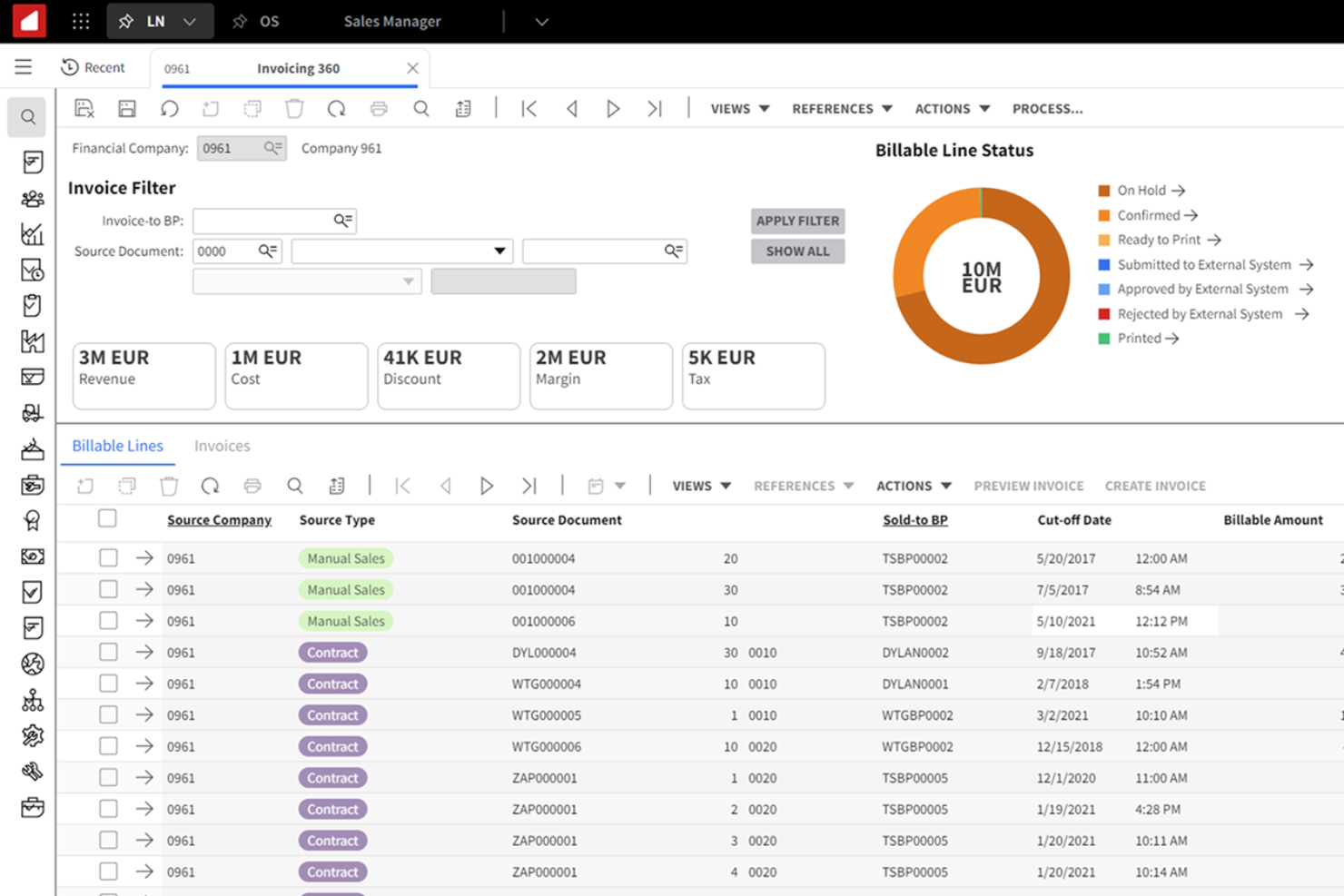
Infor offre una piattaforma ERP retail pensata per i marchi di moda e abbigliamento che devono gestire stili in rapida evoluzione, collezioni stagionali e catene di approvvigionamento globali. È particolarmente utile per rivenditori e grossisti che gestiscono assortimenti complessi, molteplici canali di vendita e cicli di vita dei prodotti molto rapidi. Infor aiuta queste aziende a coordinare progettazione, approvvigionamento, inventario e merchandising in un unico sistema progettato per il ritmo frenetico della moda.
Perché ho scelto Infor
Ciò che distingue Infor per i rivenditori di moda e abbigliamento è il suo focus sulla gestione della velocità e complessità tipiche di questo settore. Ho scelto Infor perché offre strumenti specifici per la gestione di stili e stagioni che ti aiutano a tracciare collezioni, varianti colore e taglie attraverso diversi canali. La piattaforma supporta inoltre l’approvvigionamento globale e la visibilità della catena di fornitura, aspetti essenziali per i marchi che lavorano con fornitori internazionali e una domanda fluttuante. Per le aziende che devono coordinare progettazione, produzione e merchandising in un unico ambiente, le funzionalità specializzate di Infor rappresentano una scelta solida.
Funzionalità principali di Infor
Ho riscontrato anche diverse altre funzionalità utili per i rivenditori di moda e abbigliamento:
- Strumenti di pianificazione dell’assortimento: Consentono di creare, visualizzare e modificare gli assortimenti di prodotto per canale o regione.
- Sistema POS integrato: Collega le vendite in negozio ai dati di inventario e cliente in tempo reale.
- Gestione ordini omnicanale: Gestisce ordini ed evasione su ecommerce, negozi e marketplace.
- Portale di collaborazione fornitori: Offre uno spazio condiviso per comunicare e gestire gli ordini con i fornitori.
Integrazioni di Infor
Le integrazioni includono Salesforce, Microsoft Dynamics, SAP, Oracle, AWS e PayPal.
Pros and Cons
Pros:
- Interfaccia utente accattivante
- Tecnologia retail moda specializzata
- Pianificazione avanzata della domanda
Cons:
- Sincronizzazioni esterne complesse
- Prezzo elevato per il mid-market

Fulfil
Ideale per operazioni di back-end unificate
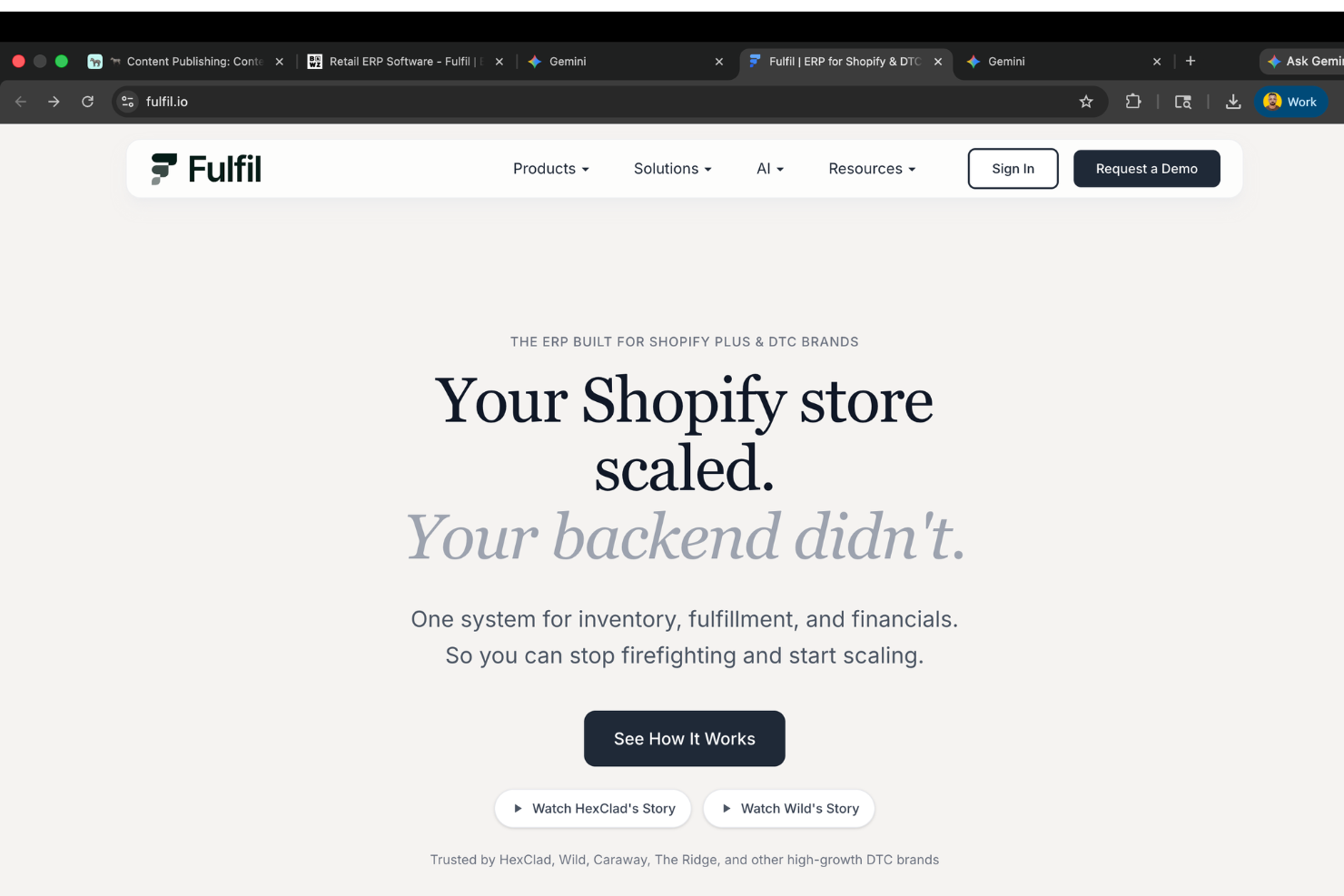
Fulfil.io è una moderna piattaforma ERP (Enterprise Resource Planning) basata su cloud, progettata specificamente per brand retail ed e-commerce in forte crescita. Funziona come unica fonte di verità, unificando inventario, gestione ordini, contabilità e approvvigionamento in un sistema completo. Eliminando app scollegate e l'inserimento manuale dei dati, il software risolve le sfide critiche legate alla crescita delle operazioni, alle rotture di stock impreviste e alla frammentazione della reportistica finanziaria.
Per chi è più indicato Fulfil?
Fulfil.io è ideale per rivenditori omnicanale e grossisti di fascia media e enterprise che gestiscono elevati volumi di transazioni su più piattaforme.
Perché ho scelto Fulfil
Ho selezionato questa piattaforma perché offre un'architettura veramente unificata, progettata appositamente per il commercio moderno e non per la produzione generica o i tradizionali modelli aziendali. Si distingue come la migliore soluzione per le operazioni di back-end unificate collegando senza soluzione di continuità i negozi online con magazzino e flussi contabili. Questa integrazione profonda permette agli operatori retail di crescere con fiducia senza affidarsi a connettori di terze parti fragili o middleware.
Funzionalità principali di Fulfil
- Gestione dell'inventario: Sincronizza in tempo reale i livelli di stock su più canali di vendita e magazzini.
- Evasione degli ordini: Automatizza i flussi complessi di smistamento, picking, packing e spedizione per accelerare le consegne.
- Acquisti & Approvvigionamento: Ottimizza il rapporto con i fornitori con punti di riordino automatici e generazione degli ordini di acquisto.
- Contabilità nativa: Dispone di un libro mastro integrato per tracciare accuratamente costi di approvvigionamento, COGS e redditività.
Integrazioni di Fulfil
Le integrazioni includono Shopify, BigCommerce, Amazon, eBay, Walmart, Stripe, Faire, EasyPost e NuORDER.
Pros and Cons
Pros:
- Ampia estensibilità tramite API
- Automatizza l'instradamento degli ordini
- Sincronizzazione inventario in tempo reale
Cons:
- Eccessivo per piccoli rivenditori
- Fascia di prezzo premium

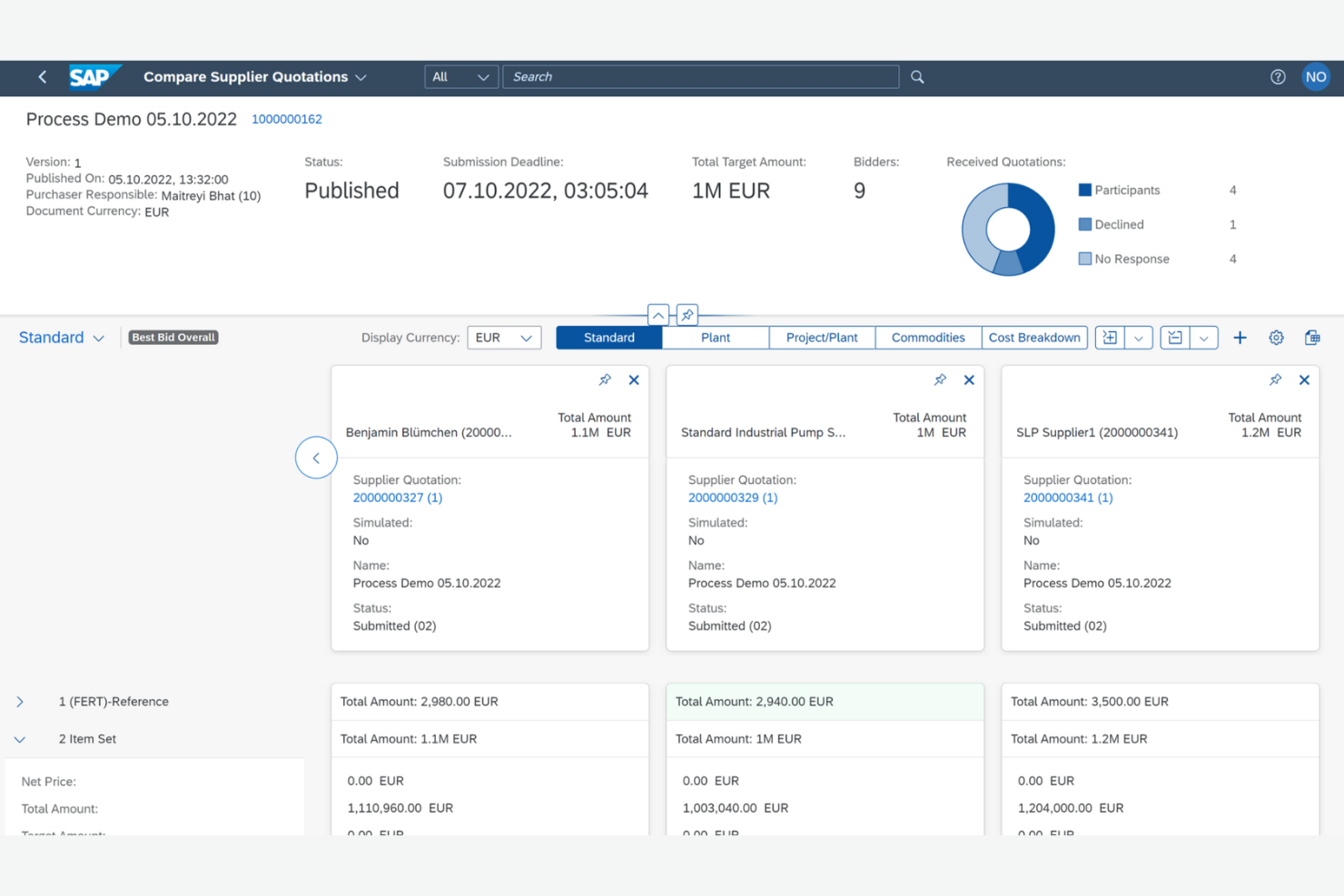
SAP S/4HANA è progettato per i rivenditori che necessitano di analisi in tempo reale per gestire operazioni complesse e inventari che cambiano rapidamente. È una soluzione adatta per grandi organizzazioni retail che desiderano collegare dati di vendita, supply chain e finanza in un unico luogo. Grazie al suo database in-memory, SAP S/4HANA aiuta i team ad analizzare le tendenze e a prendere decisioni man mano che avvengono le transazioni.
Perché ho scelto SAP S/4HANA
Per i rivenditori che necessitano di accesso immediato ai dati operativi, SAP S/4HANA si distingue per le sue capacità di analisi in tempo reale. Ho scelto questo strumento perché utilizza un database in-memory per elaborare simultaneamente transazioni e analisi, così puoi monitorare vendite, inventario e attività della supply chain in tempo reale. Le dashboard analitiche integrate consentono ai team retail di visualizzare le tendenze e individuare problemi senza attendere report a lotti. Se la tua azienda si basa su decisioni rapide guidate dai dati, SAP S/4HANA è progettato per offrire questo livello di insight.
Funzionalità principali di SAP S/4HANA
Altre funzionalità utili per i team retail includono:
- Gestione ordini omnicanale: Coordina gli ordini attraverso canali online, in negozio e mobile in un unico sistema.
- Pianificazione automatizzata del rifornimento: Calcola i livelli di scorta ottimali e genera ordini di acquisto in base alla domanda in tempo reale.
- Gestione centralizzata dei dati master: Mantiene dati coerenti su prodotti, fornitori e clienti in tutte le unità aziendali.
- Consolidamento finanziario integrato: Unisce i dati finanziari di più entità per reporting unificato e conformità.
Integrazioni SAP S/4HANA
Le integrazioni includono Ariba, SuccessFactors, Concur, Salesforce, MuleSoft e SAP Concur.
Pros and Cons
Pros:
- Supply chain globale
- Grande capacità di gestione dati
- Strumenti omnicanale avanzati
Cons:
- Implementazione lunga
- Richiede esperti SAP
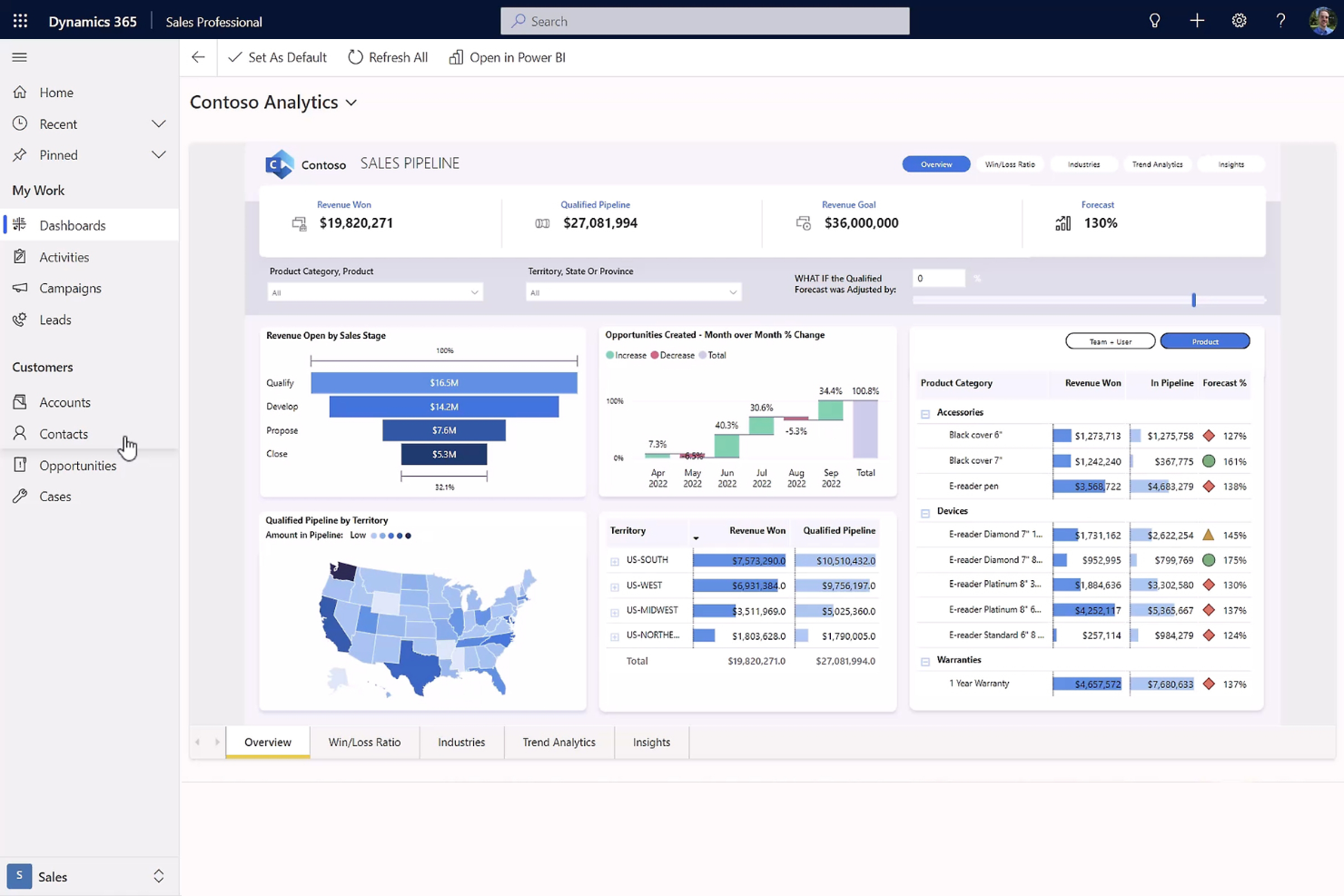
Se la tua azienda utilizza già strumenti Microsoft, Microsoft Dynamics 365 offre una soluzione ERP per il retail che si integra perfettamente nei flussi di lavoro esistenti. È particolarmente utile per i rivenditori che desiderano unificare dati, processi ed esperienze cliente tra vendite, finanza e operazioni all’interno dell’ecosistema Microsoft. Grazie alla profonda integrazione con Microsoft 365, Power BI e Azure, Dynamics 365 aiuta i team a collegare le operazioni di vendita al dettaglio con strumenti di produttività e analisi già familiari.
Perché ho scelto Microsoft Dynamics 365
Ciò che distingue Microsoft Dynamics 365 è il livello di connessione con il più ampio ecosistema Microsoft, rendendolo una scelta solida per i rivenditori già orientati sulle tecnologie Microsoft. Ho scelto Dynamics 365 perché consente di gestire operazioni di vendita al dettaglio, finanza e dati cliente in un ambiente unificato che si sincronizza con Microsoft 365 e Power BI. Gli strumenti di analisi e reportistica in tempo reale della piattaforma aiutano i team retail a prendere decisioni informate utilizzando interfacce già note. Se per la tua azienda è importante una collaborazione fluida e una centralizzazione dei dati tra prodotti Microsoft, Dynamics 365 è progettato appositamente per questa esperienza.
Funzionalità principali di Microsoft Dynamics 365
Altre funzionalità degne di nota includono:
- Rifornimento automatico delle scorte: genera ordini di acquisto e trasferimenti di articoli in base ai livelli di inventario in tempo reale.
- Piattaforma di commercio unificato: collega le operazioni di punto vendita, ecommerce e call center in un unico sistema.
- Gestione delle informazioni di prodotto: centralizza dati, prezzi e descrizioni dei prodotti su tutti i canali.
- Motore promozionale integrato: consente di impostare e gestire sconti, coupon e offerte speciali su tutti i canali.
Integrazioni di Microsoft Dynamics 365
Le integrazioni includono Microsoft Office 365, SharePoint, Power BI, LinkedIn, Outlook e Adobe.
Pros and Cons
Pros:
- Sincronizzazione trasparente con Microsoft
- Solido commercio unificato
- Approfondimenti avanzati sui clienti
Cons:
- Richiede competenze di sviluppo
- Gli aggiornamenti interrompono i flussi

Priority
Ideale per tempi di implementazione rapidi
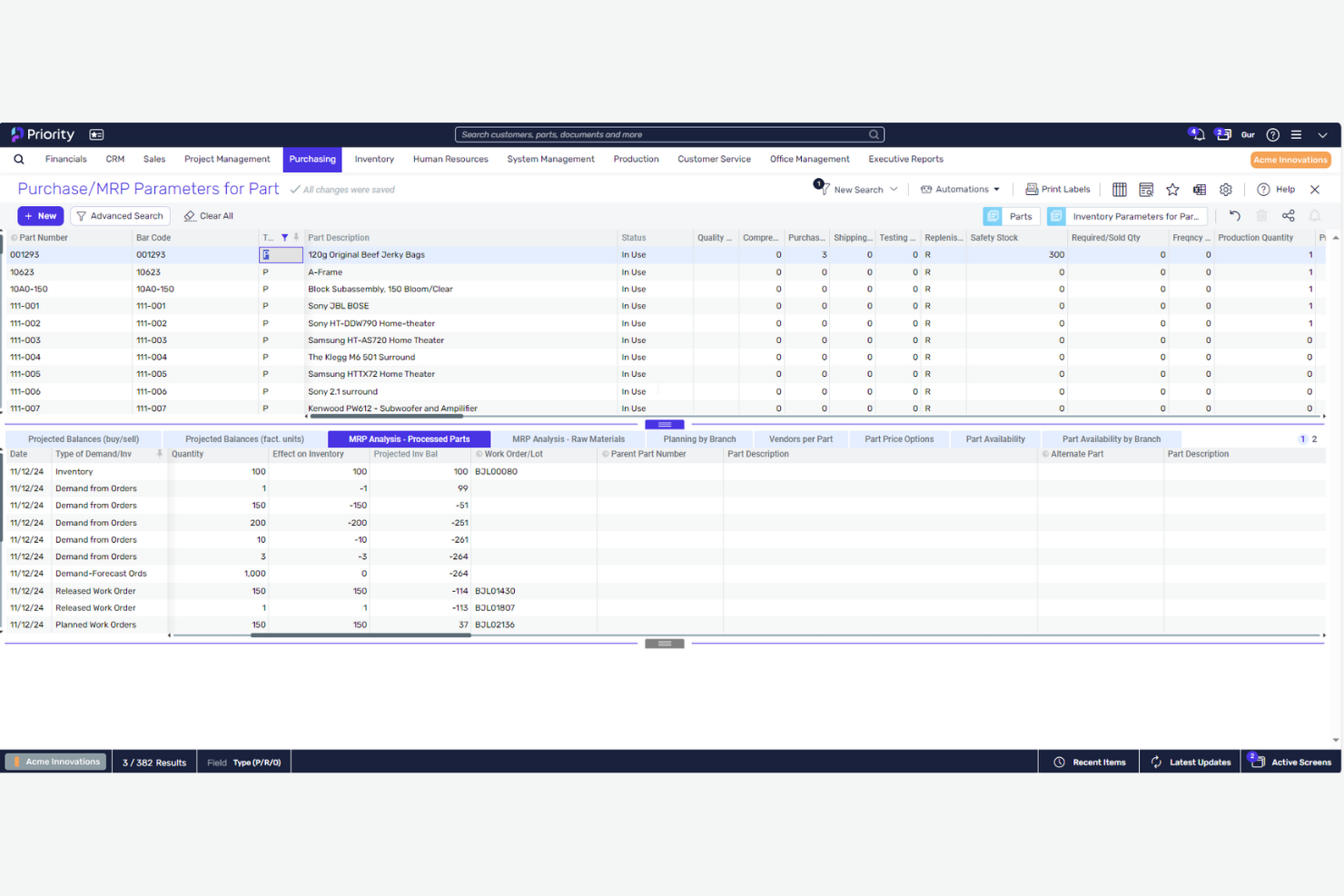
Priority è pensato per i rivenditori che hanno bisogno di adottare rapidamente un software ERP, senza cicli di implementazione lunghi. È adatto alle aziende che desiderano un sistema modulare personalizzabile secondo le proprie attività, sia che gestiscano un singolo negozio o una catena multi-sede. Priority aiuta i team a centralizzare processi di magazzino, vendite e acquisti, permettendo loro di agire velocemente e adattarsi durante la crescita.
Perché ho scelto Priority
Per i rivenditori che devono muoversi rapidamente, Priority si distingue per i suoi tempi di implementazione rapidi e l'approccio modulare. Ho scelto Priority perché offre modelli preconfigurati per il settore e onboarding guidato, così l'azienda può iniziare senza lunghi tempi di configurazione. La struttura modulare della piattaforma consente di attivare solo le funzionalità necessarie, permettendo di scalare o adattarsi man mano che l'azienda evolve. Questo rende Priority una scelta forte per i rivenditori che vogliono ridurre al minimo i fermi e iniziare subito a gestire magazzino, vendite e acquisti.
Funzionalità chiave di Priority
Altre funzionalità utili per i team retail includono:
- Gestione inventario multi-sede: Tiene traccia dei livelli di scorte e dei movimenti fra diversi punti vendita o magazzini.
- Sistema POS integrato: Collega le transazioni in negozio direttamente ai dati ERP.
- Workflow di acquisto automatizzati: Consente di impostare regole per il riordino e la gestione dei fornitori.
- Reportistica finanziaria in tempo reale: Fornisce informazioni aggiornate su vendite, spese e redditività.
Integrazioni di Priority
Le integrazioni includono Salesforce, QuickBooks, Shopify, Salesforce, Microsoft Office, Outlook e Slack.
Pros and Cons
Pros:
- Buone opzioni POS mobile
- Conveniente per le medie imprese
- Forte su multi-valuta
Cons:
- Marketplace di app ridotto
- Interfaccia un po' datata
Altri software ERP per il commercio al dettaglio
Ecco alcune opzioni aggiuntive di software ERP per il commercio al dettaglio che non sono entrate nella mia selezione, ma che vale comunque la pena prendere in considerazione:
- Oracle Retail
Ideale per implementazioni su larga scala in ambito enterprise
- Method
Ideale per le esigenze di integrazione con QuickBooks
- Cin7
Ideale per il controllo unificato di POS e inventario


Come valuto i software ERP per il retail
Divido la mia valutazione in due livelli: requisiti di base come l'inventario in tempo reale e l'integrazione con il POS, e elementi differenzianti che distinguono una soluzione adatta da quella giusta per la tua attività di vendita al dettaglio.
Funzionalità di base (Requisiti indispensabili per questa lista)
Quando seleziono gli strumenti per la mia lista, attribuisco a ciascuno un punteggio da 0 (non offre la funzionalità) a 5 (eccelle in questo ambito) per ogni funzionalità base elencata qui sotto. Successivamente, calcolo il punteggio totale dello strumento in percentuale. Ogni strumento deve raggiungere un punteggio totale minimo del 65% per essere preso in considerazione per l'inclusione.
- Gestione dell'inventario retail: Valuto come ogni piattaforma gestisce la visibilità in tempo reale delle scorte tra negozi e magazzini, inclusi trasferimenti, conteggi ciclici e tracciamento a livello di SKU per articoli con varianti come taglia/colore.
- Connettività POS integrata: È importante se l'ERP include un modulo POS nativo o connettori certificati, soprattutto per la sincronizzazione di transazioni, resi e dati clienti con il sistema centrale.
- Gestione ordini omnicanale: Valuto quanto bene la piattaforma consolida ordini da negozi fisici, e-commerce e marketplace in un unico flusso di lavoro con opzioni di evasione come BOPIS e spedizione dal negozio.
- Gestione finanziaria retail: Ogni strumento dovrebbe coprire la contabilità di base (GL, AP/AR) oltre a esigenze specifiche del retail come consolidamento multi-azienda, tracciamento del costo reso e gestione fiscale su diverse giurisdizioni.
- Gestione acquisti e fornitori: Verifico la generazione automatica di ordini di acquisto basata su punti di riordino, gestione fornitori e flussi di ricezione che si collegano a inventario e contabilità fornitori.
- Analytics & Reporting Retail: I cruscotti dovrebbero evidenziare KPI del retail come tasso di sell-through, margine lordo per SKU o categoria e performance a livello di punto vendita, invece di offrire solo report finanziari generici.
Una volta che ho una lista di strumenti che soddisfano questi criteri, considero cosa distingue ogni piattaforma dalle altre.
Fattori differenzianti (Cosa distingue i fornitori)
Ecco come confronto e metto a paragone i diversi fornitori:
Funzionalità distintive
Le previsioni della domanda basate su AI sono un elemento di netta distinzione. Le piattaforme che prevedono la domanda a livello di SKU e punto vendita aiutano gli acquirenti a evitare sovrastock e perdite di vendite durante i periodi di picco. Valuto anche gli strumenti di pianificazione delle merci, in particolare il budget open-to-buy e l'ottimizzazione dei ribassi, che sono importanti soprattutto per i retailer di abbigliamento e stagionali. Un sistema di gestione magazzino integrato con flussi pick/pack/ship è un altro aspetto che prendo in considerazione, poiché può eliminare la necessità di un WMS separato.
Oltre le funzionalità
Le integrazioni con l'ecosistema retail sono uno dei primi aspetti che controllo. Una piattaforma che si collega alla tua vetrina e-commerce, ai marketplace e ai fornitori di spedizioni senza personalizzazioni salva mesi di sviluppo su misura. Valuto anche molto attentamente l'adattabilità al settore: un ERP progettato per il retail dell'abbigliamento gestisce le matrici stile/colore/taglia in modo diverso rispetto a uno pensato per alimentari o prodotti durevoli. I tempi di implementazione sono anch'essi fondamentali, soprattutto per rollout su più negozi, dove template specifici per il retail e partner esperti possono ridurre sensibilmente il time-to-value.
Come scegliere un software ERP per il commercio al dettaglio
È facile perdersi in lunghi elenchi di funzionalità e strutture tariffarie complesse. Per aiutarti a rimanere concentrato mentre affronti il tuo specifico processo di selezione del software, ecco una lista di fattori da tenere a mente:
| Fattore | Cosa considerare |
|---|---|
| Scalabilità | Il software sarà in grado di gestire la crescita del numero di sedi, SKU e canali di vendita nei prossimi 3-5 anni? Verifica i limiti relativi a utenti, transazioni e volume dei dati. |
| Integrazioni | L'ERP si collega nativamente ai tuoi strumenti di e-commerce, POS, contabilità e spedizione? Elenca le integrazioni indispensabili e conferma il supporto per ciascuna. |
| Personalizzazione | Puoi adattare flussi di lavoro, campi e report in base ai tuoi processi di vendita al dettaglio senza un forte coinvolgimento del reparto IT? Informati sulla differenza tra configurazione e programmazione personalizzata. |
| Facilità d'uso | Il tuo team sarà in grado di imparare a usare il sistema rapidamente? Richiedi una demo e fai testare agli utenti finali le attività più comuni prima di prendere una decisione. |
| Implementazione e avviamento | Quali risorse, tempi e competenze sono necessari per diventare operativi? Informati sul supporto alla migrazione, sulla formazione e sulle tempistiche tipiche per l'avvio. |
| Costo | Qual è il costo totale di proprietà, comprese licenze, componenti aggiuntivi, assistenza e aggiornamenti? Fai attenzione ai costi nascosti e chiarisci i termini del contratto. |
| Misure di sicurezza | Il software offre accesso basato sui ruoli, crittografia dei dati e registri di controllo? Conferma la conformità agli standard di protezione dei dati del tuo settore. |
| Disponibilità dell'assistenza | Quali canali di assistenza sono disponibili e in quali orari? Valuta se hai bisogno di supporto 24 ore su 24, 7 giorni su 7, di assistenza nella lingua locale o di un account manager dedicato. |
Cos'è il software ERP per il commercio al dettaglio?
Il software ERP per il commercio al dettaglio è un sistema centralizzato che gestisce le operazioni principali del commercio al dettaglio, tra cui inventario, vendite, acquisti, contabilità e dati dei clienti. Queste piattaforme aiutano i rivenditori a coordinare i processi tra i canali fisici e digitali, migliorare l'accuratezza dei dati e supportare il processo decisionale. Il software ERP per il commercio al dettaglio viene utilizzato dai responsabili dei negozi, dai team di e-commerce, dal personale finanziario e dai responsabili delle operazioni per unificare i flussi di lavoro e mantenere la visibilità sull'intera attività di vendita al dettaglio.
Funzionalità
Quando selezioni un software ERP per il commercio al dettaglio, presta attenzione alle seguenti funzionalità chiave:
- Gestione dell'inventario: monitora i livelli, i movimenti e le ubicazioni delle scorte nei magazzini e nei negozi, aiutandoti a evitare l'esaurimento delle scorte e le eccedenze.
- Gestione degli ordini: centralizza l'elaborazione degli ordini provenienti da tutti i canali di vendita, automatizza le fasi di evasione e aggiorna lo stato degli ordini in tempo reale.
- Integrazione del punto vendita (POS): collega le vendite in negozio al tuo sistema ERP, sincronizzando istantaneamente transazioni, inventario e dati dei clienti.
- Gestione degli acquisti e dei fornitori: gestisce gli ordini di acquisto, le anagrafiche dei fornitori e i flussi di lavoro degli approvvigionamenti per ottimizzare il rifornimento delle scorte e i rapporti con i fornitori.
- Gestione delle relazioni con i clienti (CRM): memorizza i profili dei clienti, la cronologia degli acquisti e le preferenze per supportare il marketing mirato e un servizio personalizzato.
- Gestione finanziaria: gestisce contabilità, fatturazione, pagamenti e report finanziari all'interno della stessa piattaforma, garantendo registrazioni accurate e aggiornate.
- Report e analisi: fornisce dashboard e report personalizzabili su vendite, inventario e operazioni per supportare decisioni basate sui dati.
- Supporto per più sedi: consente la gestione centralizzata dell'inventario, delle vendite e del personale in più negozi o magazzini.
- Elaborazione di resi e rimborsi: monitora i resi dei prodotti, gestisce i flussi di lavoro dei rimborsi e aggiorna automaticamente i registri dell'inventario e finanziari.
Funzionalità comuni di intelligenza artificiale del software ERP per il commercio al dettaglio
Oltre alle funzionalità standard del software ERP per il commercio al dettaglio elencate sopra, molte di queste soluzioni integrano l'intelligenza artificiale con funzionalità come:
- Previsione della domanda: utilizza algoritmi di intelligenza artificiale per analizzare le tendenze delle vendite, la stagionalità e i fattori esterni, prevedere il fabbisogno futuro di inventario e ridurre l'esaurimento o l'eccesso di scorte.
- Rilevamento automatico delle anomalie: monitora le transazioni e i dati operativi per segnalare schemi insoliti, come potenziali frodi, errori di prezzo o discrepanze nell'inventario.
- Ottimizzazione dinamica dei prezzi: adegua i prezzi dei prodotti in tempo reale in base alla domanda, ai prezzi della concorrenza e ai livelli di inventario per massimizzare i ricavi e il margine.
- Raccomandazioni personalizzate sui prodotti: analizza il comportamento dei clienti e la cronologia degli acquisti per suggerire prodotti pertinenti, aumentando le opportunità di vendita incrociata e vendita aggiuntiva.
- Rifornimento intelligente: genera automaticamente ordini di acquisto e avvisi di rifornimento prevedendo quando le scorte saranno prossime all'esaurimento, tenendo conto dei tempi di consegna e della velocità delle vendite.
Vantaggi
L'implementazione di un software ERP per il commercio al dettaglio offre diversi vantaggi al tuo team e alla tua azienda. Eccone alcuni di cui potrai beneficiare:
- Operazioni centralizzate: unifica i dati di inventario, vendite, acquisti e finanze in un'unica piattaforma, riducendo il lavoro manuale e i silos di dati.
- Maggiore accuratezza dell'inventario: il monitoraggio in tempo reale e gli aggiornamenti automatici delle scorte aiutano a prevenire l'esaurimento e l'eccesso di scorte e le vendite perse.
- Processo decisionale più rapido: gli strumenti integrati di analisi e reportistica forniscono informazioni tempestive su vendite, inventario e operazioni.
- Esperienza cliente migliorata: le funzionalità integrate di CRM e POS consentono un servizio personalizzato e un coinvolgimento coerente tra i diversi canali.
- Evasione degli ordini ottimizzata: la gestione automatizzata degli ordini e i flussi di lavoro dei fornitori accelerano l'elaborazione e riducono gli errori.
- Supporto alla crescita scalabile: le funzionalità per più sedi e canali semplificano l'espansione dell'attività senza perdere il controllo.
- Maggiore controllo dei costi: le funzionalità di gestione finanziaria e di determinazione dinamica dei prezzi aiutano a monitorare le spese e ottimizzare i margini.
Costi e prezzi
La selezione di un software ERP per il commercio al dettaglio richiede la comprensione dei vari modelli e piani tariffari disponibili. I costi variano in base alle funzionalità, alle dimensioni del team, agli elementi aggiuntivi e ad altri fattori. La tabella seguente riassume i piani più comuni, i relativi prezzi medi e le funzionalità tipicamente incluse nelle soluzioni software ERP per il commercio al dettaglio:
Tabella comparativa dei piani per il software ERP per la vendita al dettaglio
| Tipo di piano | Prezzo medio | Funzionalità comuni |
|---|---|---|
| Piano gratuito | $0 | Monitoraggio di base dell'inventario, gestione limitata degli ordini, accesso per un singolo utente e assistenza della community. |
| Piano personale | $25-$150/utente/mese | Gestione di base dell'inventario e delle vendite, reportistica di base, assistenza via e-mail e integrazioni limitate. |
| Piano aziendale | $150-$350/utente/mese | Supporto per più sedi, analisi avanzate, flussi di lavoro per gli acquisti, funzionalità CRM e accesso API. |
| Piano enterprise | $5000+/mese | Flussi di lavoro personalizzati, gestione dedicata dell'account, sicurezza avanzata, assistenza prioritaria e integrazioni complete. |
Domande frequenti sul software ERP per la vendita al dettaglio
Ecco alcune risposte alle domande frequenti sul software ERP per la vendita al dettaglio:
Quanto tempo richiede l'implementazione del software ERP per la vendita al dettaglio?
I tempi di implementazione variano, ma la maggior parte dei progetti di software ERP per la vendita al dettaglio richiede tra 2 e 6 mesi. La tempistica dipende dalle esigenze di migrazione dei dati, dal numero di integrazioni e dal livello di personalizzazione richiesto. Anche le fasi di pianificazione, formazione e test possono influire sulla durata complessiva del progetto.
Il software ERP per la vendita al dettaglio può integrarsi con la mia piattaforma di commercio elettronico esistente?
Sì, la maggior parte delle soluzioni software ERP per la vendita al dettaglio offre integrazioni con le piattaforme di commercio elettronico più diffuse. Prima di scegliere un sistema, verifica che supporti il tuo specifico fornitore di commercio elettronico e controlla se l’integrazione è nativa o richiede connettori di terze parti.
Quali tipi di aziende traggono maggiori vantaggi dal software ERP per la vendita al dettaglio?
Il software ERP per la vendita al dettaglio è particolarmente vantaggioso per le aziende con più canali di vendita, sedi o esigenze di inventario complesse. È particolarmente utile per i rivenditori che desiderano unificare le operazioni in negozio e online, migliorare l’accuratezza dell’inventario e ottenere una maggiore visibilità sulle prestazioni aziendali.
Come faccio a sapere se la mia azienda è pronta per il software ERP per la vendita al dettaglio?
Se hai difficoltà con i processi manuali, i silos di dati o gli errori frequenti nell’inventario, potrebbe essere il momento di prendere in considerazione il software ERP per la vendita al dettaglio. Le aziende che intendono crescere, aggiungere nuove sedi o espandersi online traggono spesso vantaggio dalla struttura e dall’automazione offerte da questi sistemi.
Cosa devo cercare in una demo del software ERP per la vendita al dettaglio?
Concentrati su come il sistema gestisce i tuoi flussi di lavoro principali, come la gestione dell’inventario, l’elaborazione degli ordini e la reportistica. Chiedi di vedere le integrazioni con gli strumenti esistenti e fai testare l’interfaccia agli utenti finali per assicurarti che corrisponda alle esigenze e al livello di competenza del tuo team.