

Recensione di Toast: vantaggi, svantaggi, funzionalità e prezzi spiegati
Toast si distingue per le funzionalità pensate per i ristoranti e l'hardware robusto, ma i prezzi e i termini contrattuali potrebbero non essere adatti a tutte le attività. Ideale per i ristoranti orientati alla crescita che cercano un POS tutto-in-uno.

Recensiamo gli strumenti in modo indipendente, e le commissioni aiutano a finanziare i nostri test. Consulta la nostra politica sulla trasparenza, la nostra metodologia o suggerisci uno strumento.
Toast is a restaurant POS system built for food service operations, from quick-service counters to full-service dining rooms. Consider it if your team needs one platform to handle tableside ordering, kitchen display systems, online ordering, and payroll. If you're weighing it against Square, Toast goes much deeper on restaurant-specific workflows. Square works fine for simple setups, but Toast is the better fit for operators who need more than basic payment processing.
Toast Evaluation Summary
4.2/5
- From $69/month
- Free demo available
Perché fidarsi dei nostri consigli sui software
6,700+
Reviews
20
Industry experts
16+
Evaluation factors
14
Years
Il nostro team testa e recensisce software dal 2012. In quanto leader del retail noi stessi, sappiamo quanto sia difficile — e importante — scegliere il software giusto.
Per questa guida, abbiamo valutato gli strumenti attraverso test pratici e ricerche indipendenti, assegnando un punteggio agli strumenti in base ai nostri criteri di selezione.
Le nostre recensioni riflettono il nostro giudizio indipendente, non un discorso di vendita.
Toast Overview
If you’re judging Toast against other POS systems, I think its restaurant-first design, built-in online ordering, and handheld hardware set it apart. The interface is intuitive for staff, and onboarding is smoother than most. Pricing can be higher, especially with add-ons, and some integrations are limited. Support is responsive, but you’ll want to review contract terms closely.
I’d suggest Toast is best for fast-casual, quick service, or multi-location restaurants that want a unified system for front and back of house. For cafes or food trucks, the mobile hardware is a real advantage.
Pros
- Toast's interface is intuitive, making it easy for your team to use.
- The system's reporting tools give you valuable insights into your restaurant's performance.
- Toast's mobile ordering feature speeds up service and enhances customer satisfaction.
Cons
- The hardware options can be limited compared to other systems.
- Some users find the customization options lacking for specific needs.
- The system might require frequent updates, which can disrupt operations.
Is Toast Right For Your Needs?
Who Would be a Good Fit for Toast?
Small to medium-sized restaurants, cafes, and bars are a great fit for Toast. If you run a busy diner or a local bistro, Toast’s intuitive interface and efficient mobile ordering can transform your service speed and customer satisfaction. Its robust reporting tools help you manage inventory and analyze sales trends, making it easier to run your business smoothly. For teams that need a reliable, straightforward system, Toast provides the functionalities to handle daily operations without a hitch.
- Local CafesToast’s user-friendly interface helps your team process orders quickly, keeping your morning rush smooth.
- Busy DinersIts mobile ordering feature speeds up service, ensuring your customers get their meals promptly.
- Family RestaurantsThe reporting tools offer insights into your operations, helping you manage inventory and staff efficiently.
- Bars and PubsToast’s quick transaction capabilities keep your bar running efficiently during peak hours.
- Food TrucksThe compact hardware options make it easy to set up and operate in tight spaces.
- Quick Service RestaurantsToast’s fast processing and easy-to-use system enhance customer service during high-volume times.
Who Would be a Bad Fit for Toast?
Large chain restaurants or businesses with complex customization needs might find Toast lacking. If your operations require extensive hardware options or highly specialized features, Toast’s limited customization and hardware might not meet your expectations. Enterprises needing intricate integration with multiple third-party systems may struggle with Toast’s offerings, as it focuses more on straightforward, core functionalities rather than extensive tailor-made solutions.
- Large ChainsIf you manage a large chain, Toast’s limited hardware options might not scale well with your needs.
- Highly Customized MenusFor businesses with complex menu customizations, Toast’s capabilities might not provide the flexibility you need.
- Enterprise-Level OperationsEnterprises requiring extensive integrations might find Toast’s core-focused system too limiting.
- Multi-Location FranchisesFranchises with numerous locations might struggle with Toast’s hardware limitations and need for frequent updates.
- Specialty RestaurantsRestaurants needing highly specialized features might find Toast’s functionalities too basic.
- Tech-Savvy TeamsTeams looking for advanced tech features might find Toast’s straightforward approach too simplistic.
La Nostra Metodologia di Recensione
Come Testiamo e Valutiamo gli Strumenti
Abbiamo trascorso anni a costruire, perfezionare e migliorare il nostro sistema di test e valutazione dei software. Il nostro schema di valutazione è progettato per cogliere le sfumature della selezione dei software e per comprendere cosa rende uno strumento efficace, concentrandosi su aspetti critici del processo decisionale. Qui sotto puoi vedere esattamente come funzionano i nostri test e valutazioni attraverso sette criteri. Questo ci permette di fornire una valutazione imparziale del software basata su funzionalità principali, caratteristiche distintive, facilità d’uso, onboarding, supporto clienti, integrazioni, recensioni dei clienti e rapporto qualità-prezzo.
Funzionalità di base (25% della valutazione finale)
Il punto di partenza della nostra valutazione è sempre la funzionalità principale dello strumento. Ha le funzioni e le caratteristiche di base che un utente si aspetterebbe? Alcune di queste funzionalità sono bloccate a piani tariffari di livello superiore? Alla base, ci aspettiamo che uno strumento regga il confronto con le capacità minime dei suoi concorrenti.
Caratteristiche distintive (25% della valutazione finale)
Successivamente valutiamo caratteristiche distintive e non comuni che vadano oltre la normale funzionalità presente in strumenti simili. Un punteggio alto riflette funzionalità specializzate o uniche che rendono il prodotto più veloce, efficiente o che offrano valore aggiunto all’utente. Valutiamo anche quanto sia facile integrare il software con altri strumenti della consueta infrastruttura tecnologica per espanderne la funzionalità e l’utilità. Gli strumenti che offrono molte integrazioni native, connessioni di terze parti e accesso API per costruire integrazioni personalizzate ottengono il punteggio più alto.
Facilità d’uso (10% della valutazione finale)
Consideriamo quanto sia rapido e semplice eseguire le attività definite nelle funzionalità di base utilizzando lo strumento. I software che ottengono un punteggio alto sono ben progettati, intuitivi, offrono app mobili, modelli pronti e rendono compiti complessi relativamente semplici.
Onboarding (10% della valutazione finale)
Sappiamo quanto sia importante una rapida adozione da parte del team per una nuova piattaforma, quindi valutiamo quanto sia facile imparare a usare uno strumento con una formazione minima. Esaminiamo quanto tempo impiega un membro del team a configurarsi e iniziare a utilizzare lo strumento senza esperienza. Le soluzioni con punteggi elevati richiedono poco o nessun supporto.
Supporto clienti (10% della valutazione finale)
Valutiamo quanto sia rapido e facile ricevere assistenza e trovare aiuto tramite telefono, live chat o base di conoscenza. Gli strumenti e le aziende che forniscono un supporto in tempo reale ottengono i punteggi migliori, mentre i chatbot hanno i punteggi più bassi.
Recensioni dei clienti (10% della valutazione finale)
Oltre ai nostri test e valutazioni, consideriamo il net promoter score dei clienti attuali e passati. Esaminiamo la loro propensione, data la possibilità, a scegliere nuovamente lo strumento per le sue funzionalità di base. Un punteggio elevato riflette un alto net promoter score da clienti attuali o passati.
Rapporto qualità-prezzo (10% della valutazione finale)
Infine, considerando tutti gli altri criteri, valutiamo il prezzo medio dei piani base rispetto alle funzionalità fondamentali e teniamo in considerazione il valore degli altri criteri di valutazione. Il software che offre di più, a meno, ottiene punteggi più alti.
Core Features
Tableside Ordering
Staff use handheld devices to take orders and process payments right at the table. This speeds up service and reduces errors.
Online Ordering
Customers place orders directly through a branded online portal that syncs with the POS. Orders flow straight to the kitchen without manual entry.
Menu Management
Easily update menus, prices, and modifiers across all devices and locations. Changes sync instantly, so staff always see the latest options.
Kitchen Display System
Digital screens in the kitchen show real-time order tickets and status updates. This helps kitchen staff prioritize and track orders efficiently.
Inventory Tracking
Monitor ingredient levels and receive alerts when stock runs low. The system automatically deducts inventory as items are sold.
Employee Management
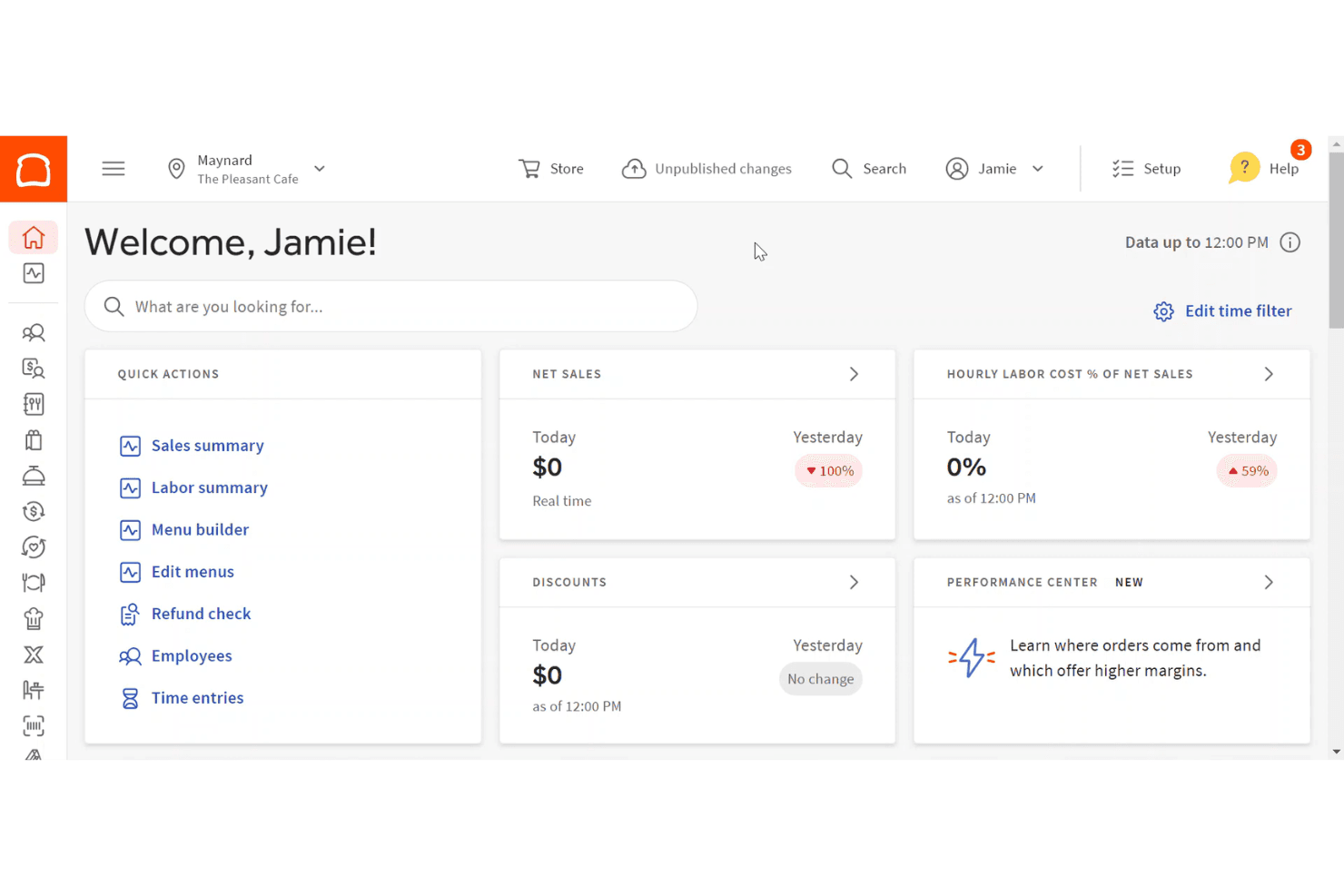
Schedule shifts, track hours, and manage payroll from the POS dashboard. Built-in tools help reduce scheduling conflicts and labor costs.
Ease of Use
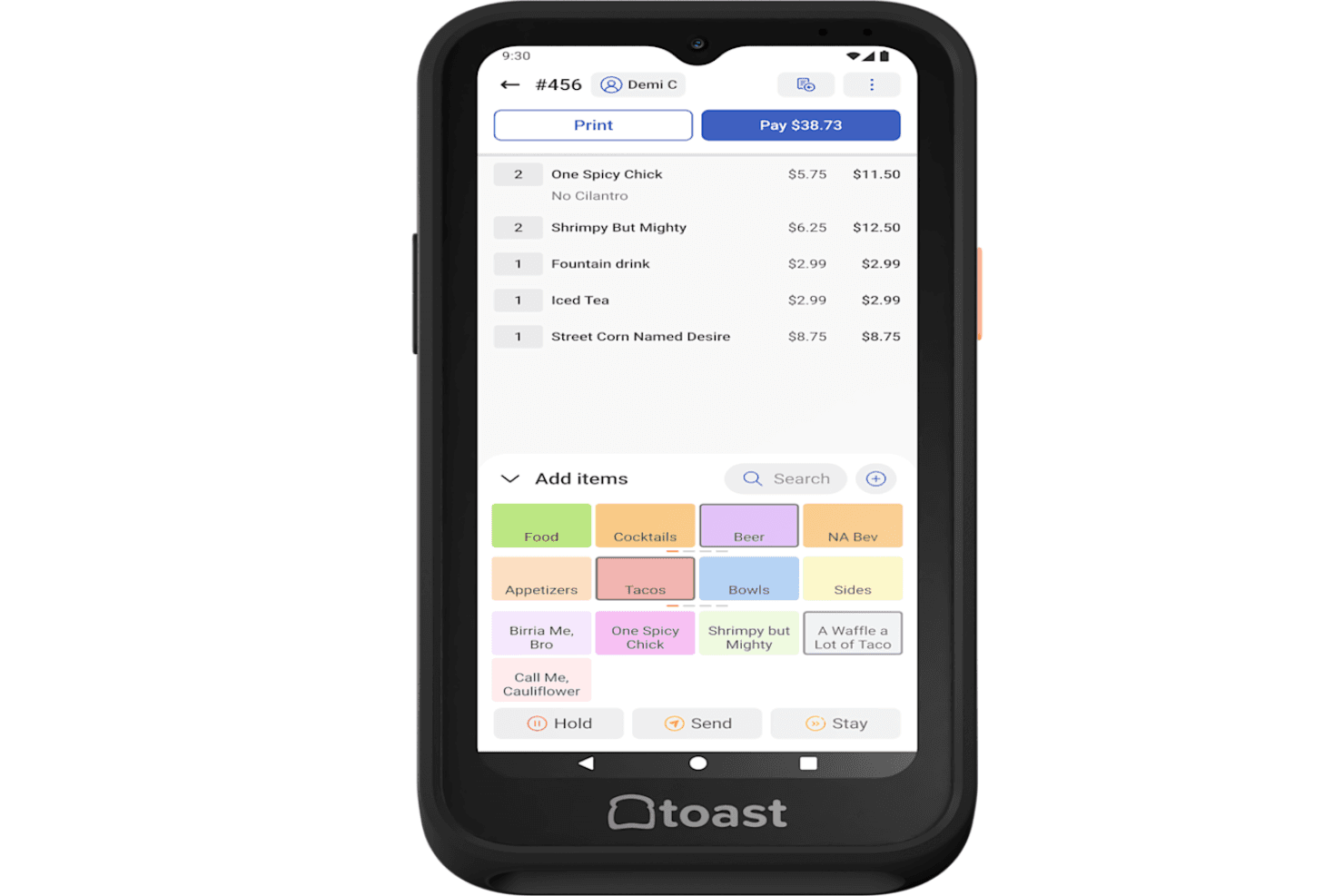
Toast is user-friendly, with a clean touchscreen interface that staff pick up quickly—even during busy shifts. The menu layout, order flow, and payment screens are intuitive, which helps reduce training time.
Many users mention that onboarding new employees is faster than with other systems. The handheld devices and kitchen display screens are easy to navigate, and real-time updates keep everyone on the same page. Overall, Toast’s design fits the fast pace of restaurant work.
Integrations
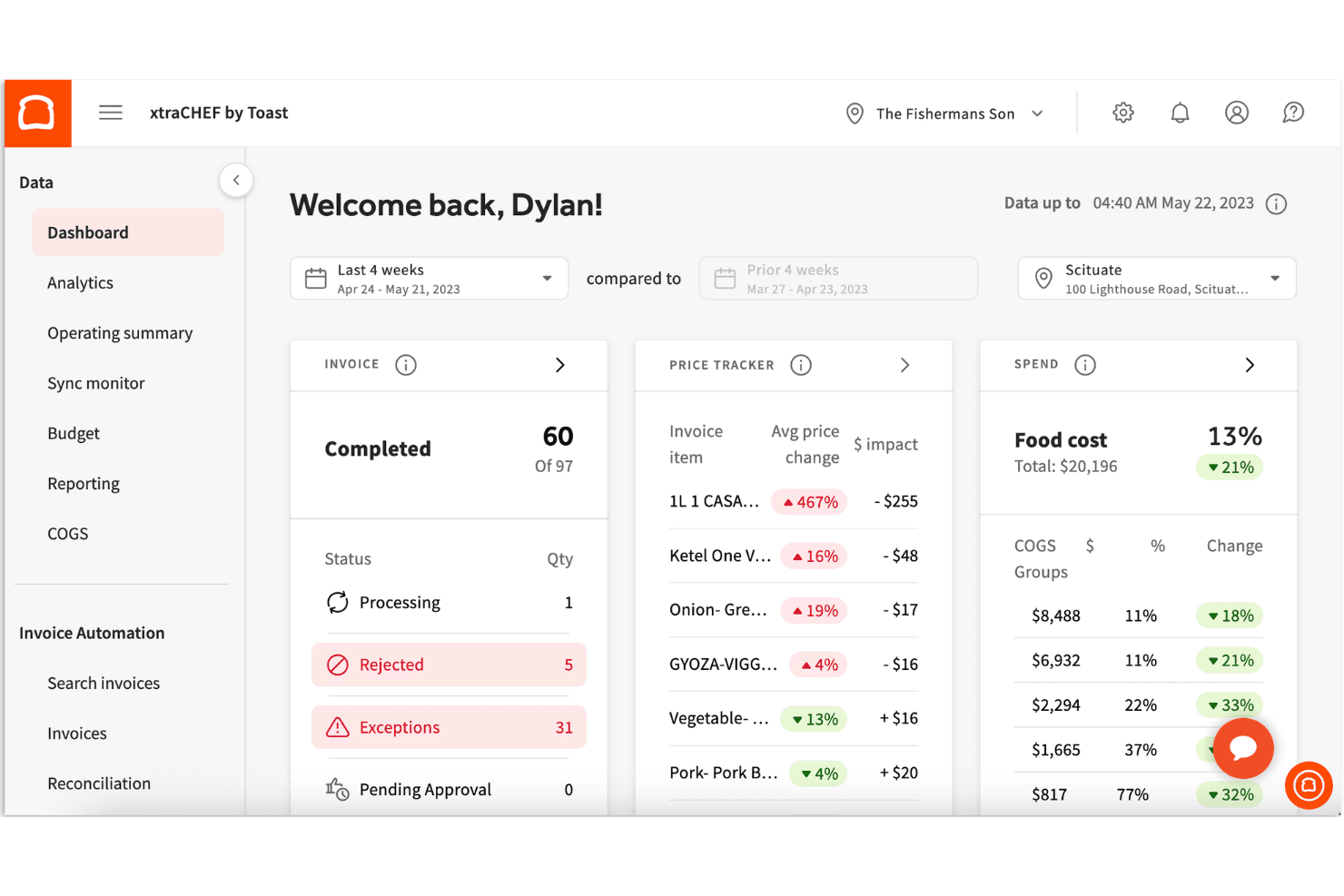
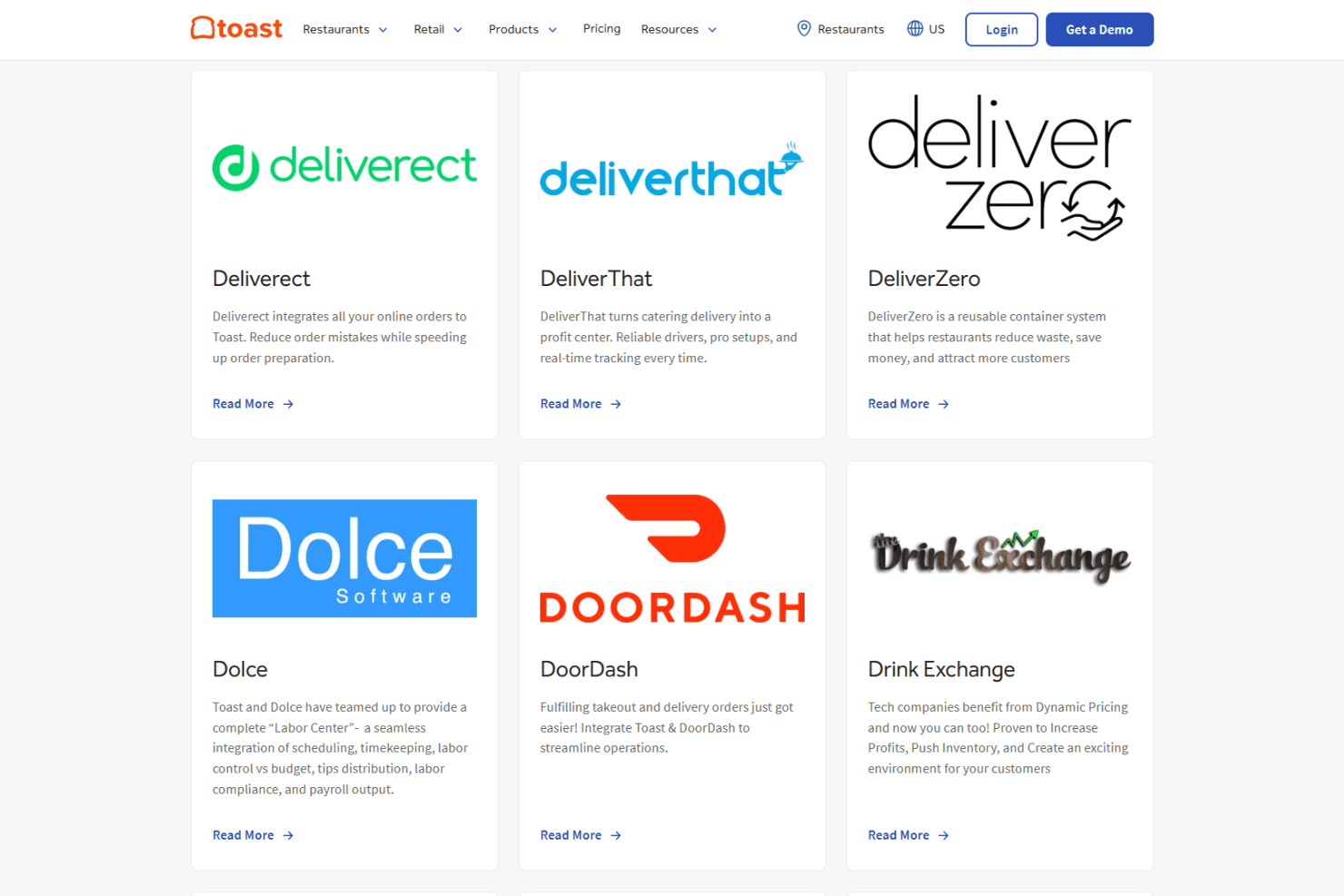
Toast integrates with 7shifts, Grubhub, DoorDash, MarketMan, xtraCHEF, Homebase, OpenTable, Restaurant365, QuickBooks, and Uber Eats, among others.
Toast also offers an API and connects with a wide range of third-party integration partners.
Toast Specs
- 2-Factor Authentication: Yes
- API: Yes
- Budgeting: No
- Contact Management: Yes
- Customer Management: Yes
- Dashboard: Yes
- Data Export: Yes
- Data Import: Yes
- Data Visualization: Yes
- Expense Tracking: Yes
- External Integrations: Yes
- Forecasting: No
- Inventory Tracking: Yes
- Multi-Currency: No
- Multi-User: Yes
- Notifications: Yes
- Payment Processor: Yes
- Supplier Management: Yes
- Tax Management: Yes
- Third-Party Plugins/Add-Ons: Yes


