

I 10 migliori software POS gratuiti recensiti nel 2026

Elenco dei migliori software POS gratuiti


Gestire un'attività di vendita al dettaglio non è affatto semplice. Devi occuparti delle scorte, gestire il personale e mantenere alta la soddisfazione dei clienti, tenendo sempre d'occhio i profitti. Un software POS gratuito può alleggerire il carico offrendo strumenti essenziali senza un impegno finanziario.
Trovare il software per punti vendita giusto può essere complicato, quindi ho esaminato e testato diverse soluzioni POS gratuite per proporti le migliori. Questi strumenti possono aiutare il tuo team a gestire le transazioni, amministrare l'inventario e mantenere la tua attività efficiente.
In questo articolo condividerò le mie recensioni imparziali dei migliori software POS gratuiti e ti illustrerò ciò che distingue ciascuna opzione, così potrai trovare quella più adatta alle esigenze della tua attività.
Perché fidarsi dei nostri consigli sui software
Il nostro team testa e recensisce software dal 2012. In quanto leader del retail noi stessi, sappiamo quanto sia difficile — e importante — scegliere il software giusto.
Per questa guida, abbiamo valutato gli strumenti attraverso test pratici e ricerche indipendenti, assegnando un punteggio agli strumenti in base ai nostri criteri di selezione.
Le nostre recensioni riflettono il nostro giudizio indipendente, non un discorso di vendita.
Riepilogo dei migliori software POS gratuiti
Sebbene tutti i software POS presenti nel mio elenco includano offerte gratuite, dispongono anche di piani a pagamento nel caso in cui tu desideri effettuare un upgrade. Ecco i costi di base di ciascuno degli strumenti inclusi nel mio elenco:
| Tool | Best For | Trial Info | Price | ||
|---|---|---|---|---|---|
| 1 | Best for simple billing | Not available | Free to use | Website | |
| 2 | Best for online integration | Free plan available | Pricing upon request | Website | |
| 3 | Best for multiplatform support | Free plan + free demo available | From $10/month (billed annually) | Website | |
| 4 | Best for small businesses | Free plan available | From $35/month | Website | |
| 5 | Best for inventory tracking | 14-day free trial | From $5/month | Website | |
| 6 | Best for customization | Free demo available | Free to use | Website | |
| 7 | Best for ease of use | 30-day free trial | From $45/month | Website | |
| 8 | Best for mobile compatibility | 30-day free trial | From $4/user/month | Website | |
| 9 | Best for offline functionality | Not available | Free to use | Website | |
| 10 | Best for local store use | Free plan available | From $12/month | Website |
Recensioni dei migliori software POS gratuiti
Di seguito trovi i miei riepiloghi dettagliati dei migliori software POS gratuiti inclusi nel mio elenco. Le mie recensioni offrono una panoramica approfondita delle funzionalità principali, dei vantaggi e degli svantaggi, delle integrazioni e dei casi d’uso ideali di ciascuno strumento, per aiutarti a trovare quello più adatto a te. Sebbene alcuni di questi strumenti offrano una versione completamente gratuita, altri propongono un periodo di prova gratuito. In ciascuna recensione ho aggiunto una nota su ciò che è gratuito.

Moon POS
Best for simple billing
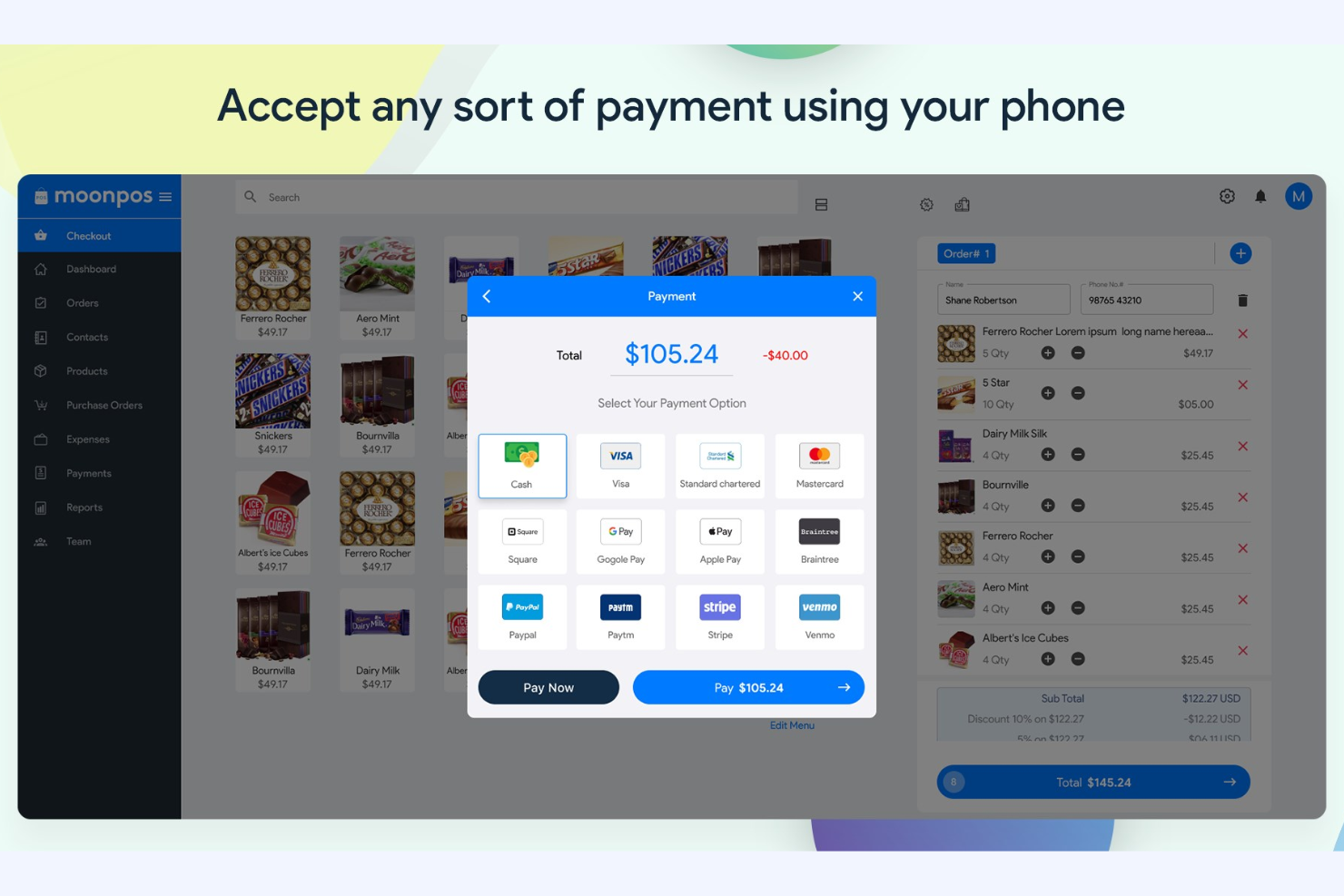
Moon POS is a no-frills POS solution aimed at small retail businesses. It focuses on basic billing, sales tracking, and inventory management to support daily operations.
Why I picked Moon POS: Moon POS's free version offers straightforward features for managing sales transactions, handling basic inventory management, and tracking sales at no cost. The simple interface allows your team to learn to use it quickly, which is ideal for businesses prioritizing ease of use.
Standout Features and Integrations:
Features include a built-in customer loyalty program to encourage repeat business, customizable receipts, and sales analytics to monitor your business's performance. You can also set up discounts and promotions to boost sales.
Integrations include PayPal, Stripe, Venmo, Apple Pay, CashApp, Zapier, Public API, WooCommerce, Gmail, Basecamp, and more.
What's free? Moon POS offers a free-forever plan with basic POS functionality, but it may restrict advanced features and support.
Pros and Cons
Pros:
- Easy discount setup
- Secure, cloud-based data
- Support for payments and integrations
Cons:
- Requires additional hardware for a full POS setup
- Basic loyalty features

Best for online integration
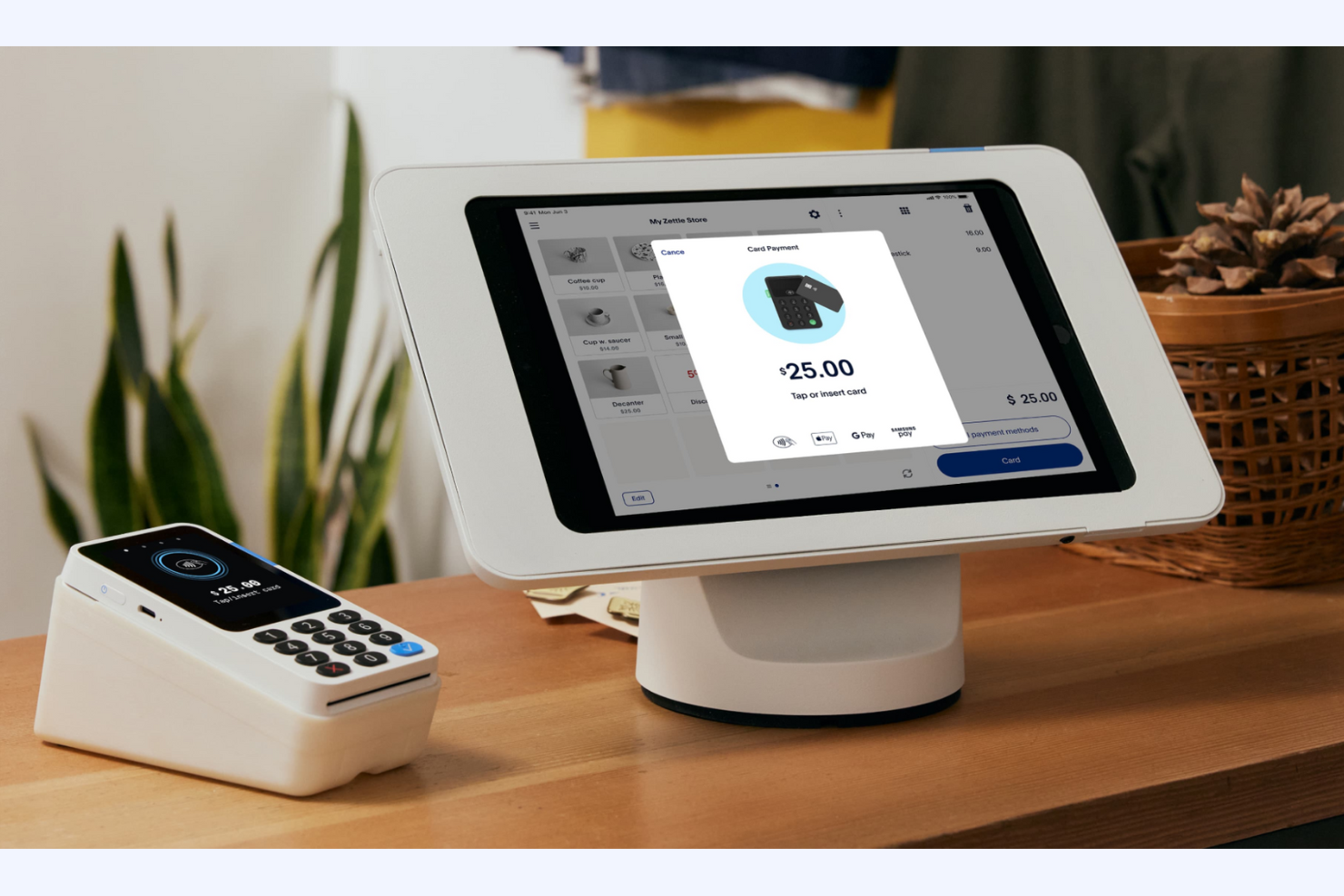
PayPal POS is a digital point-of-sale solution designed for businesses looking to integrate online and in-person sales. It caters to small and medium-sized businesses, providing tools for managing payments, sales, and customer interactions.
Why I picked PayPal POS: PayPal POS offers a free plan that integrates online payments, letting you manage both digital and in-person transactions from one platform. You can track sales, manage inventory, and access customer data with ease. The software is particularly useful for businesses that want to simplify their online and offline sales processes. PayPal POS's ability to handle multiple sales channels makes it appealing for businesses with an online presence.
Standout Features and Integrations:
Features include real-time transaction tracking, customizable sales reports, and inventory management tools. You can also set up recurring payments and subscriptions for your regular customers.
Integrations include QuickBooks, WooCommerce, Shopify, BigCommerce, Xero, NearSt, and more.
What's free? PayPal POS offers a free-forever plan with basic POS functionalities, though transaction fees apply, and there may be limitations on advanced features.
Pros and Cons
Pros:
- No monthly software fees
- Recurring payments
- Online and offline sales integration
Cons:
- Scaling limitations
- Transaction fees can add up quickly

eHopper
Best for multiplatform support
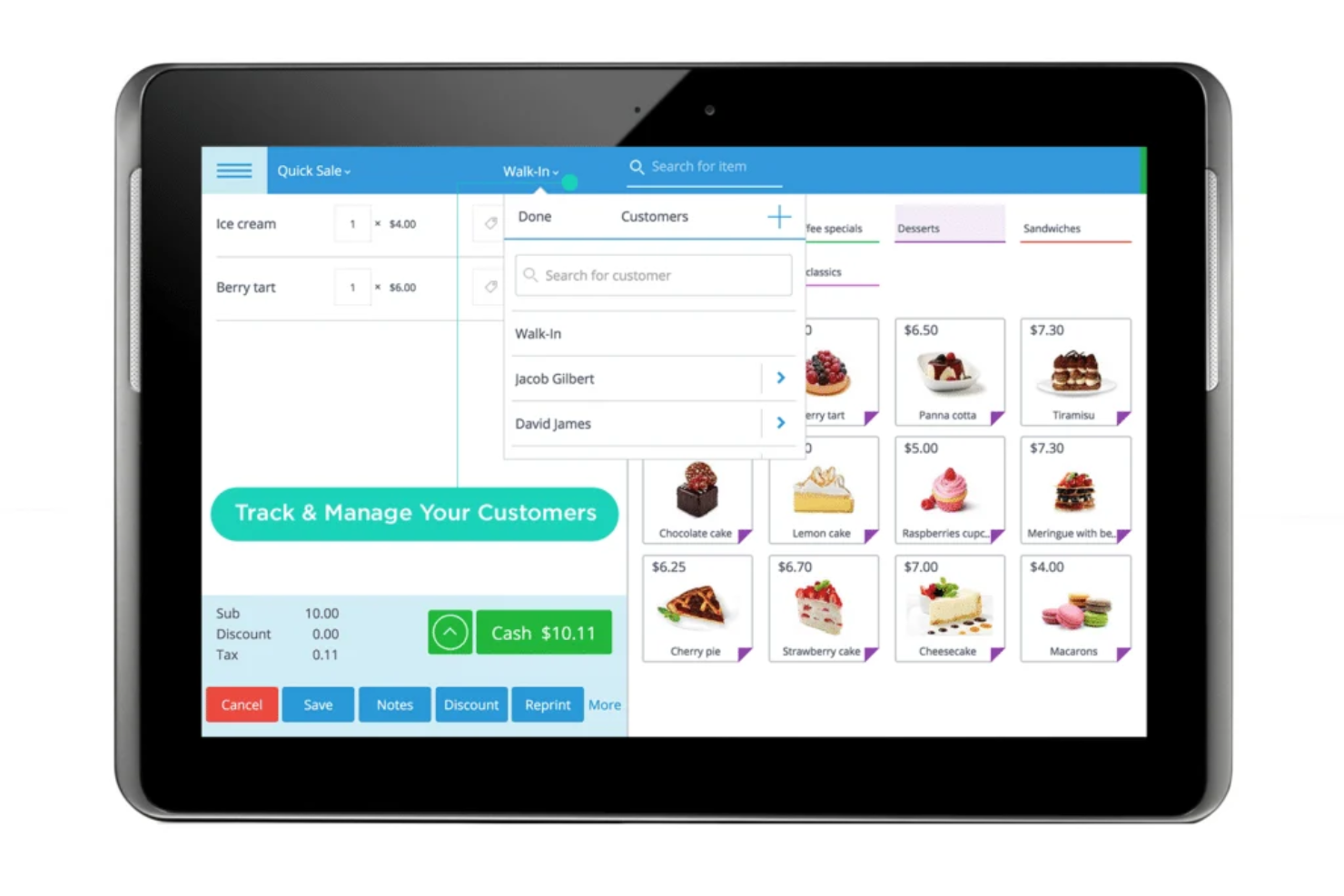
eHopper is a versatile POS software designed for retail and hospitality businesses. It offers sales processing, inventory management, and customer service functionalities and supports multiple platforms such as Windows, Android, and iOS.
Why I picked eHopper: eHopper's free plan lets you use the software across different devices, which is perfect if your team uses different platforms. The free plan includes basic inventory management, sales tracking, and CRM features. You can also process payments and manage orders at no extra cost. This flexibility makes it a great choice for businesses with unique hardware requirements.
Standout Features and Integrations:
Features include order management, employee performance tools, and a built-in time clock. The software also offers a customer loyalty program to encourage repeat business and supports multiple languages.
Integrations include QuickBooks, Xero, Mailchimp, WooCommerce, BigCommerce, PrestaShop, Shopify, and more.
What's free? eHopper offers a free forever plan with basic POS features, limited to one cash register and one user.
Pros and Cons
Pros:
- Multiple languages supported
- Time clock included
- Multiplatform compatibility
Cons:
- Transaction and product caps
- No iOS support for POS

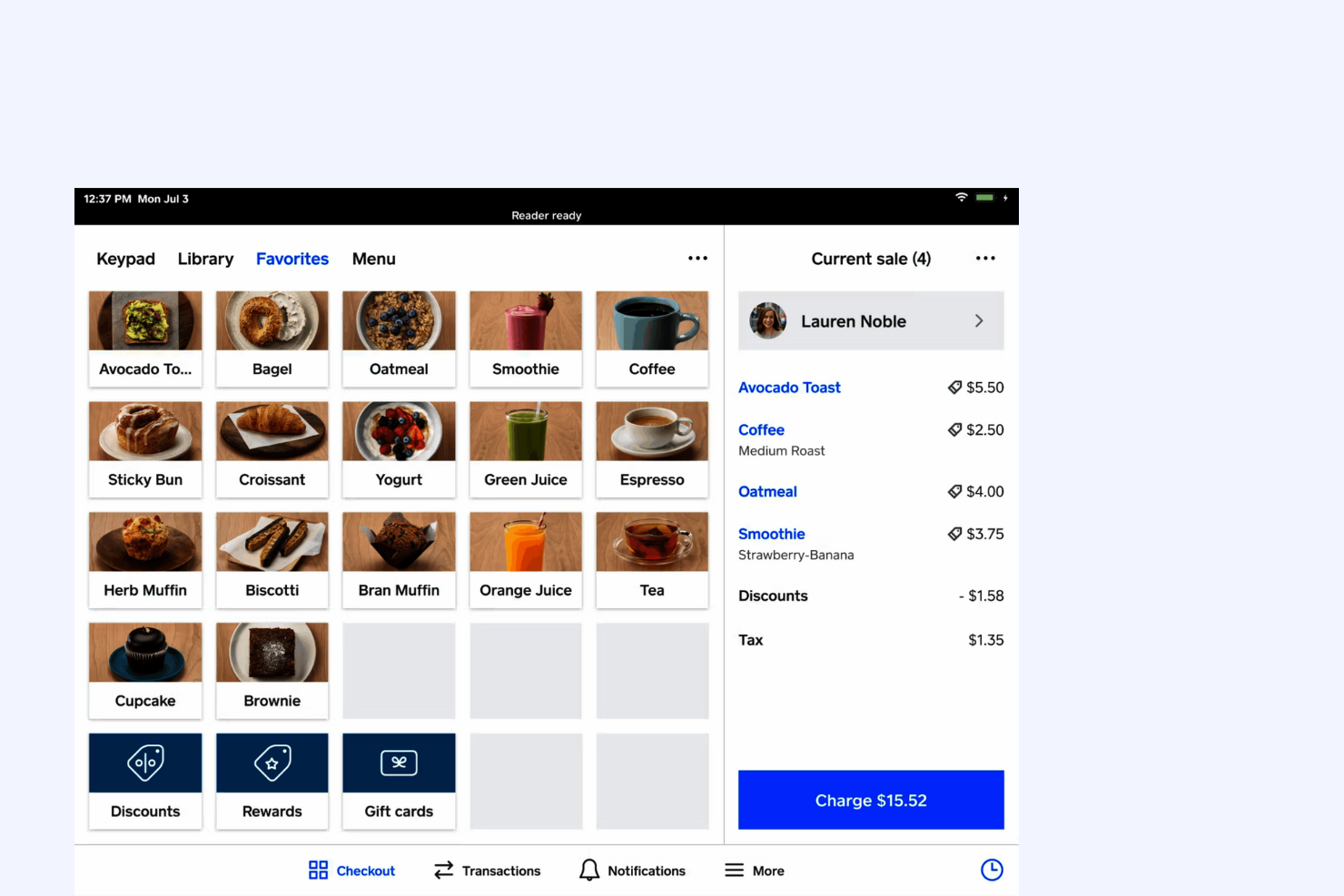
Square is a POS software tailored for small businesses, offering tools for payment processing, sales tracking, and basic inventory management. It serves retailers, cafes, and other local shops that need reliable, straightforward point-of-sale capabilities.
Why I picked Square: Square's free plan provides essential POS features that cater to small businesses. You can accept payments, track sales, and manage basic inventory at no extra cost, and its user-friendly interface lets you quickly set up and start selling. With no monthly fees for the basic plan, it's an ideal choice for startups and boutiques looking to minimize expenses.
Standout Features and Integrations:
Features include customizable digital receipts, a dashboard for real-time sales analytics, and business management tools to track hours and sales. You can also access customer feedback directly through the platform, which can help you improve service quality.
Integrations include QuickBooks, Xero, WooCommerce, BigCommerce, Wix, PrestaShop, and more.
What's free? Square offers a free-forever plan with basic POS features, but it charges a per-transaction fee and has limited advanced features.
Pros and Cons
Pros:
- Customizable receipts
- No upfront fees
- Online ordering system
Cons:
- Windows incompatibility
- Unexpected fund holds

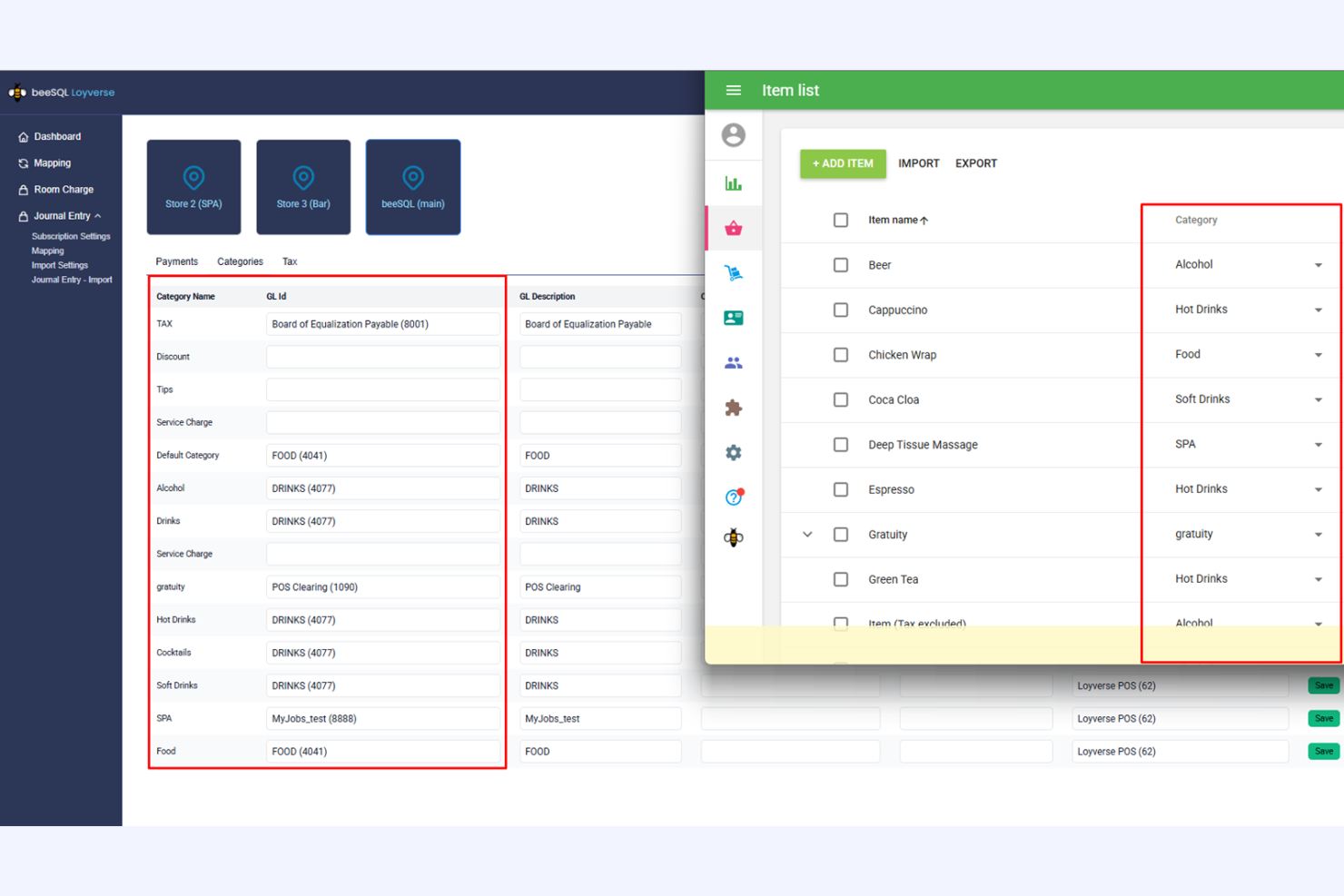
Loyverse is a free POS software designed for small retail businesses and cafes. It focuses on inventory management, sales tracking, and customer loyalty programs to support your daily operations.
Why I picked Loyverse: Loyverse's free plan includes essential inventory-tracking features, making it ideal for small businesses looking to boost efficiency. You can manage supplies, receive low-stock alerts, and conduct stock takes all through the POS system. The free version also lets you create and manage customer profiles to improve customer loyalty.
Standout Features and Integrations:
Features include a detailed sales analytics dashboard, employee performance-tracking tools, and a built-in loyalty program to encourage repeat business. You can customize receipts and access sales data in real time, providing valuable insights into your operations.
Integrations include QuickBooks, Xero, SumUp, PayPal, Worldpay, Tyro, Stripe, and more.
What's free? Loyverse offers a free-forever plan with no user limit, but some advanced features, such as integrations, may require a paid add-on.
Pros and Cons
Pros:
- Built-in customer loyalty program
- Real-time sales insights
- Intuitive inventory management
Cons:
- Syncing and connectivity glitches
- Add-ons required for integrations

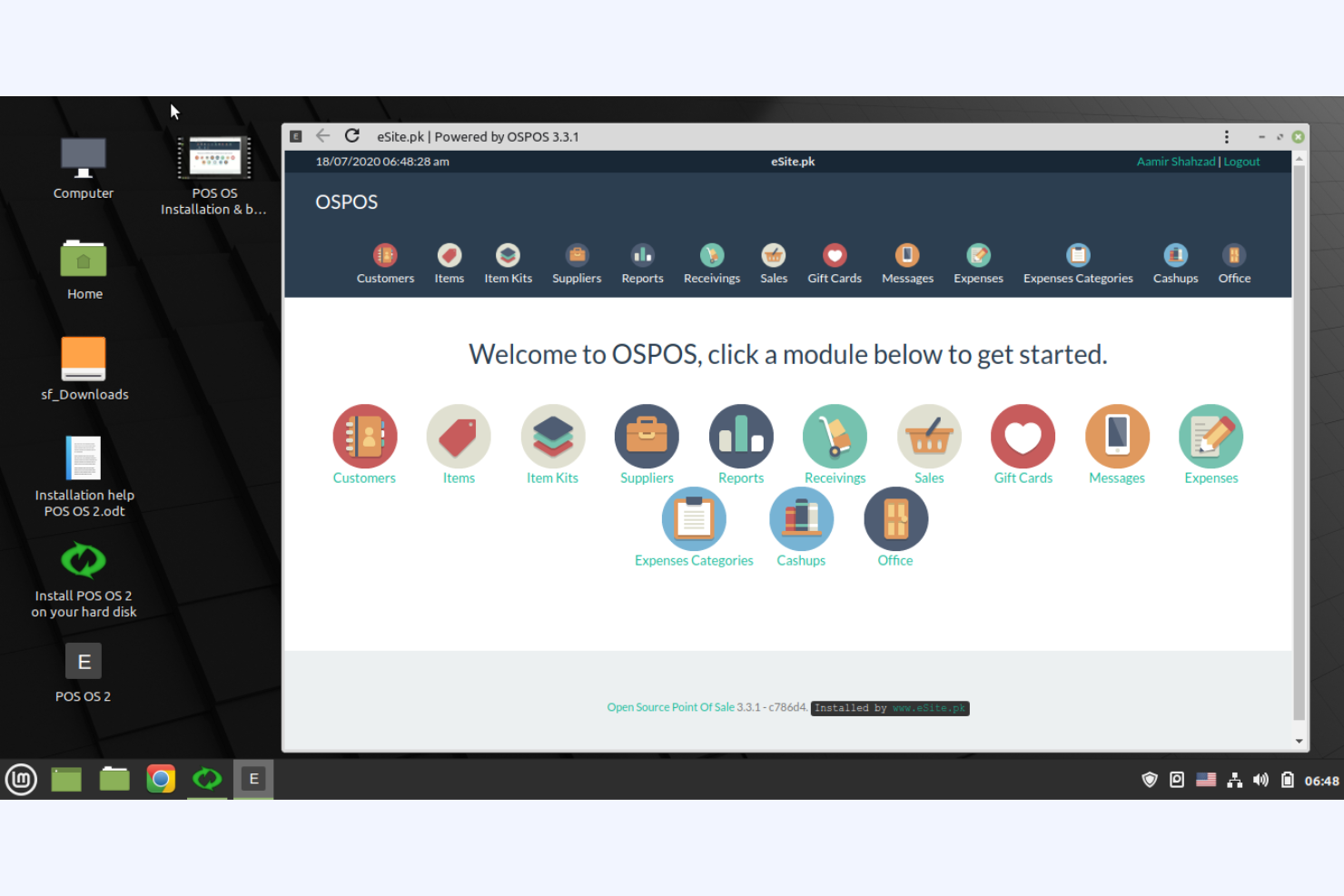
Open Source Point of Sale is a customizable POS system designed for small to medium-sized retailers that want flexibility in managing their sales and inventory. It provides essential tools for transaction processing, inventory management, and customer management.
Why I picked Open Source Point of Sale: It offers a free, open-source solution that lets you customize the software to fit your business needs. The free version includes basic sales and inventory management tools, but you can modify the code to add features or adjust functionality, making it perfect for businesses that want granular control over their POS system. This level of customization is ideal if you're tech-savvy and need a tailored solution.
Standout Features and Integrations:
Features include detailed sales and inventory reports to help you track business performance. You can even manage multiple stores from a single account, which is useful if you're expanding. The system also supports multiple languages, making it a versatile option for diverse teams.
Integrations include Mailchimp and more.
What's free? Open Source Point of Sale offers a free-forever plan with full access to its open-source code, allowing for unlimited customization.
Pros and Cons
Pros:
- Free access to source code
- Web-based and flexible deployment
- No license fees
Cons:
- No official support
- Requires technical knowledge

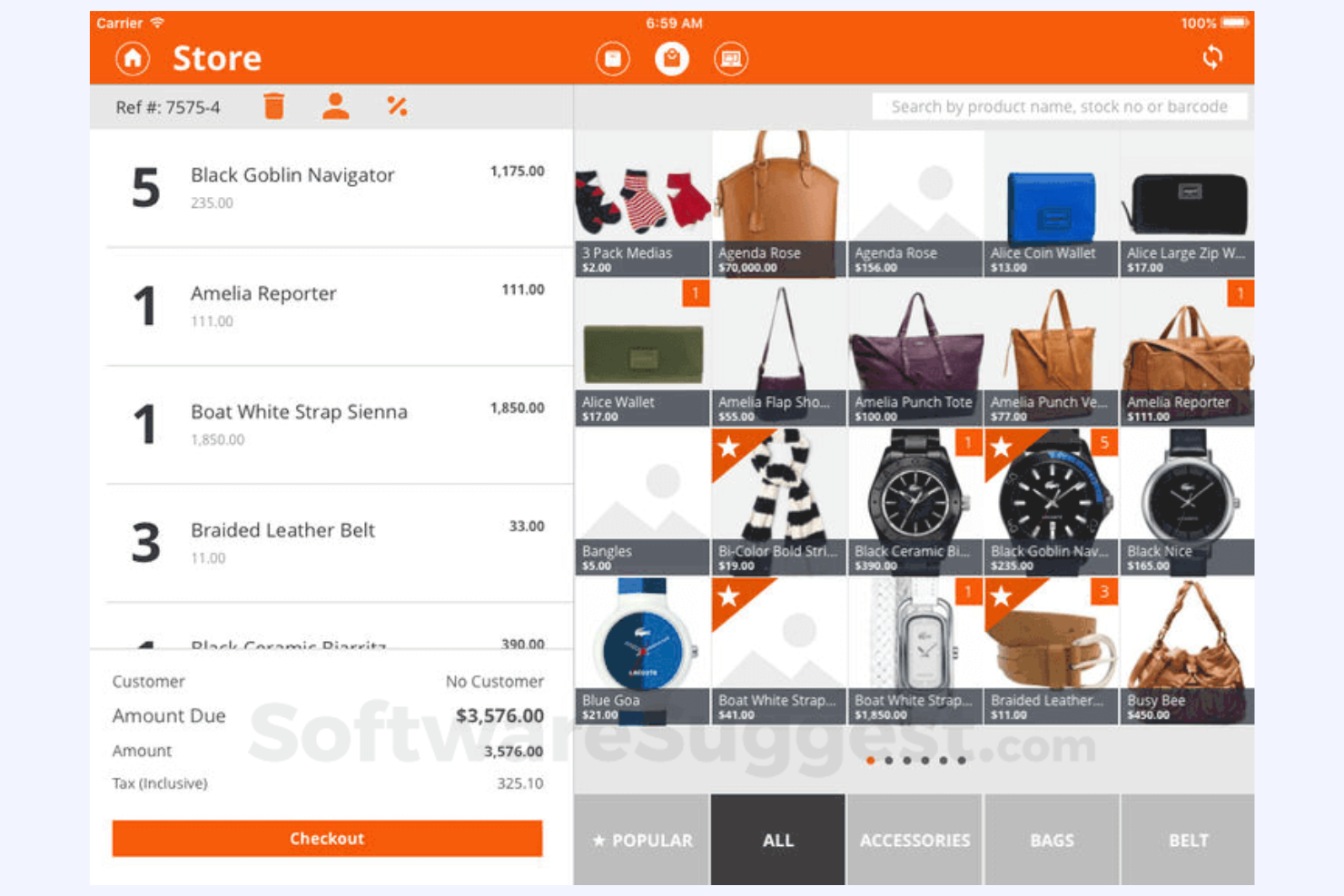
Imonggo is a user-friendly POS software designed for small to medium-sized retailers. It offers sales tracking, inventory management, and customer relationship features that cater to no-nonsense businesses.
Why I picked Imonggo: Imonggo's free offering provides a simple interface that makes it easy for you to manage sales and inventory. Its free plan allows for unlimited products and transactions, which is great if you have a large inventory. Thanks to the software's intuitive design, you won't need extensive training to get started. This focus on ease of use makes it a practical choice for business owners new to retail POS systems.
Standout Features and Integrations:
Features include real-time sales tracking, a built-in customer loyalty program, and detailed sales reports. You can also set up promotions and discounts to drive customer engagement.
Integrations include Shopify, QuickBooks, Cyclr, and more.
What's free? Imonggo offers a free-forever plan with a limited number of users and restrictions for advanced features.
Pros and Cons
Pros:
- Easy promotion setup
- Cost-effective
- Unlimited product catalog
Cons:
- Lack of e-commerce sync
- No offline mode for free users

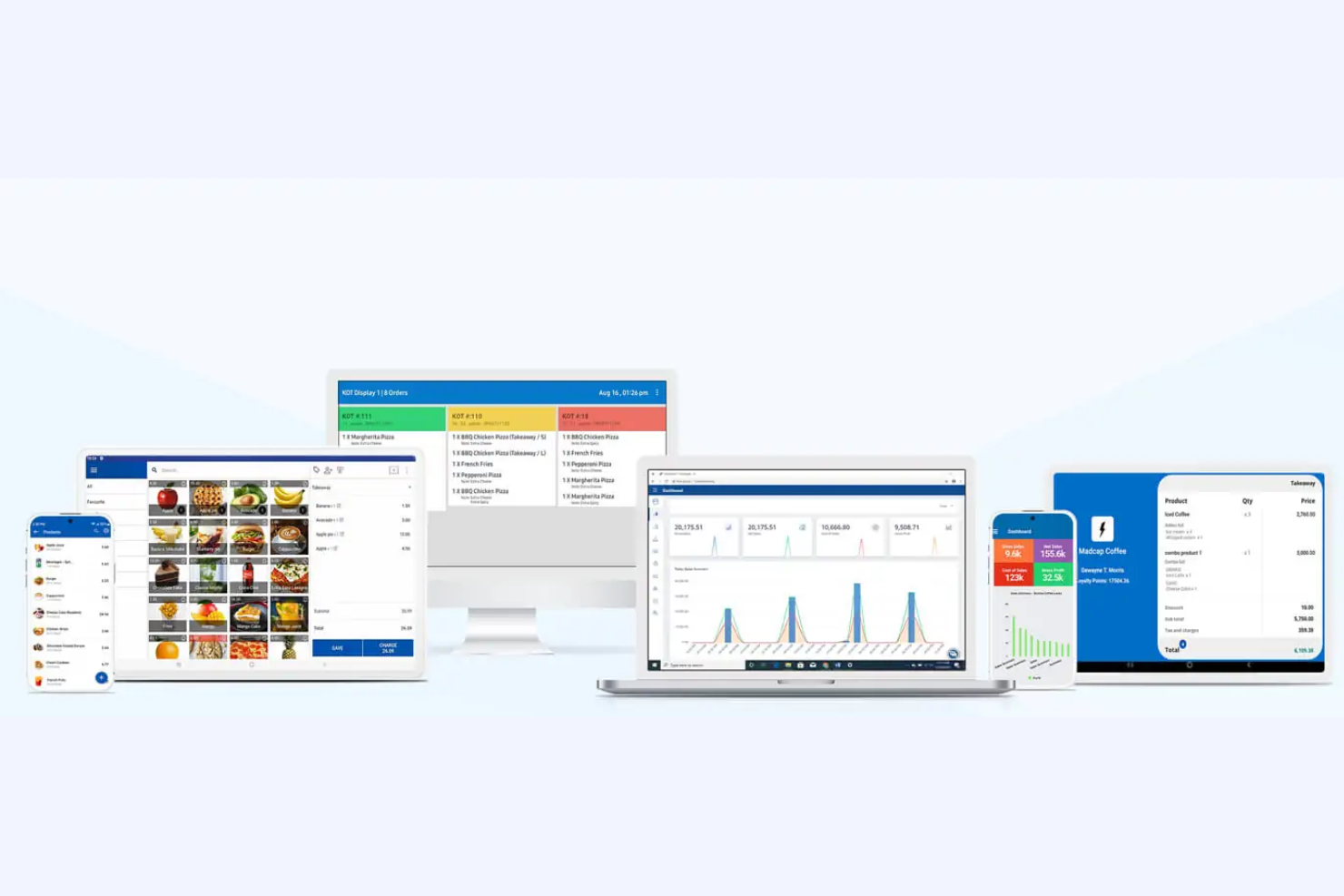
SalesPlay is a mobile-friendly POS solution ideal for small to medium-sized retail and hospitality businesses. It focuses on sales processing, inventory management, and CRM, all accessible via mobile devices.
Why I picked SalesPlay: SalesPlay's free version supports mobile devices, making it highly accessible for teams on the go. You can process sales, manage inventory, and track customer data directly from your phone or tablet. The mobile POS app is user-friendly and easy to learn, making it a flexible solution ideal for businesses that require mobility.
Standout Features and Integrations:
Features include a customer loyalty program, detailed sales and inventory reports, and the ability to manage multiple stores from one account. You can also set up promotions and discounts to help boost sales.
Integrations include QuickBooks, Xero, WooCommerce, Shopify, Mailchimp, Salesforce, and more.
What's free? SalesPlay offers a free-forever plan with basic POS features, but it may limit the number of users and restrict advanced features.
Pros and Cons
Pros:
- Loyalty programs offered
- Multiple stores supported
- Convenient mobile access
Cons:
- Basic inventory features
- Limited user accounts

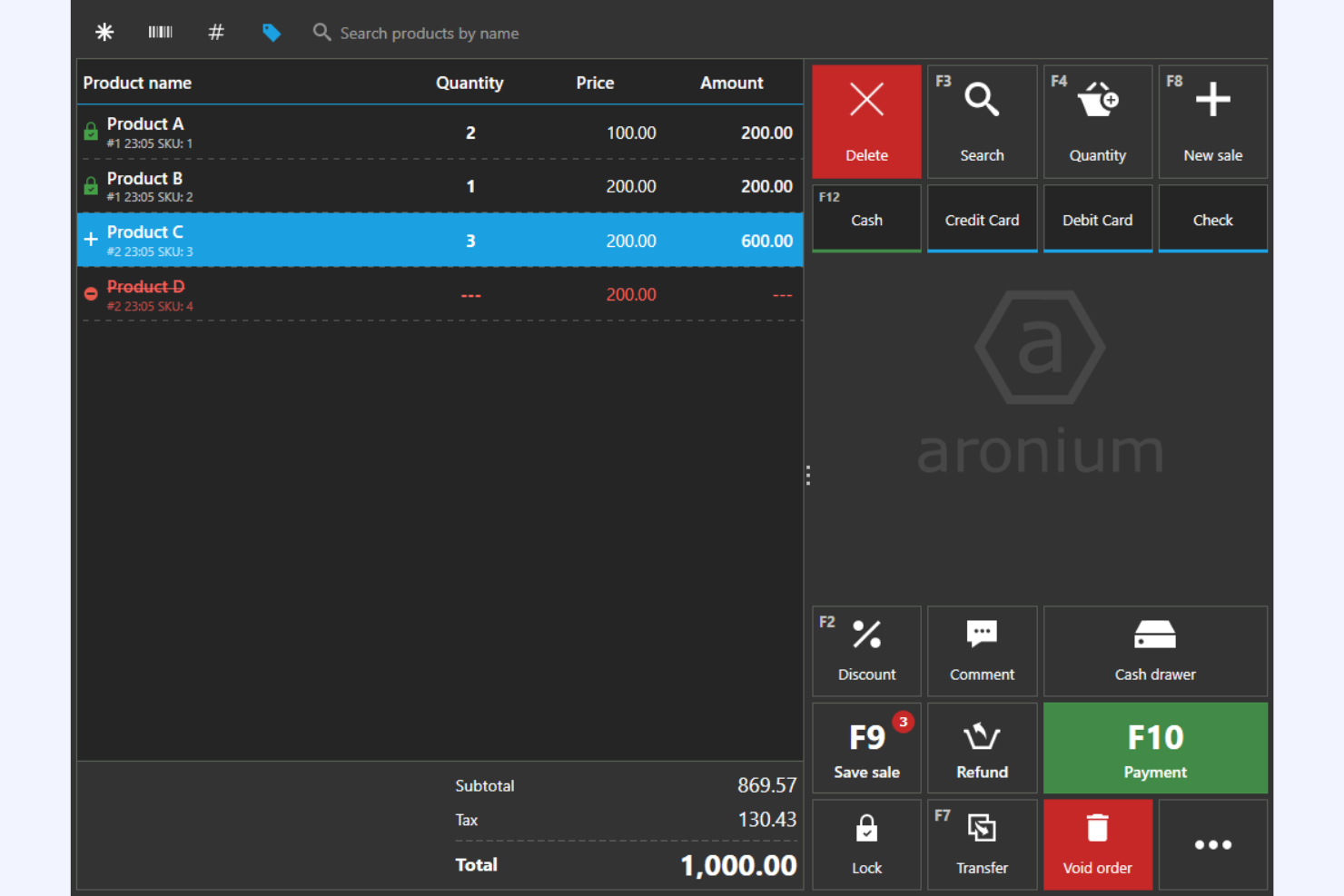
Aronium is a POS software geared toward small to medium-sized retail businesses. It lets you manage sales, inventory, and customer relationships all offline.
Why I picked Aronium: Aronium's free version offers offline functionality, which is a lifesaver if your internet connection is unreliable. The software also supports multiple languages and currencies, making it versatile for global markets. This allows your operations to run smoothly even when the internet goes out.
Standout Features and Integrations:
Features include advanced reporting tools that let you monitor sales and inventory. You can also create detailed customer profiles to upgrade your marketing efforts. The software's clean and intuitive user interface makes it easy for your team to learn and use.
Integrations include WooCommerce, Shopify, Xero, QuickBooks, Mailchimp, PrestaShop, BigCommerce, and more.
What's free? Aronium offers a free-forever plan with full offline functionality, but it may have limitations on advanced features and support.
Pros and Cons
Pros:
- Multiple currencies accepted
- Detailed sales reports
- Full offline capabilities
Cons:
- No mobile app
- Reporting features may not be as customizable as competitors
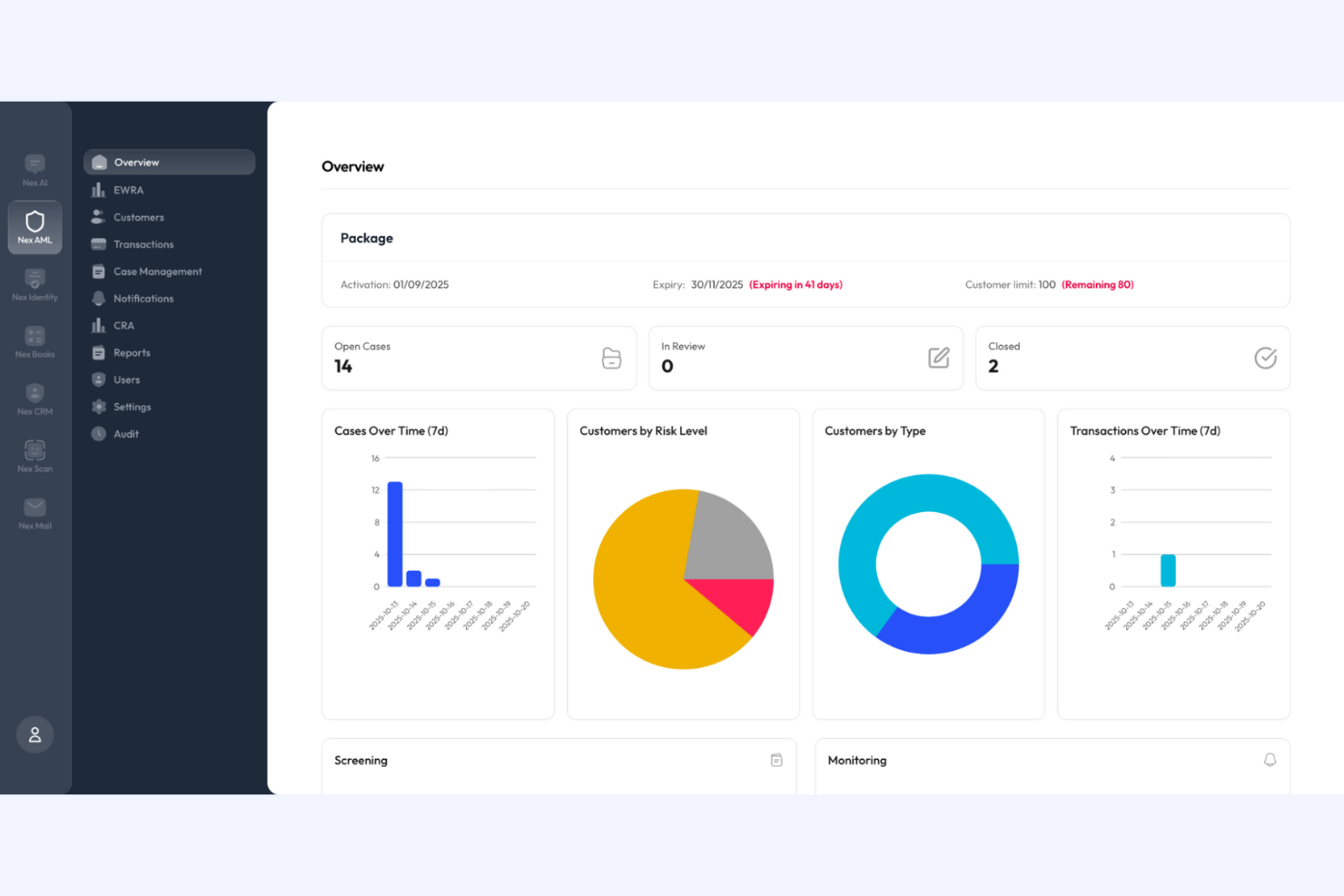
Nexchar is a POS software tailored for small local retail businesses, focusing on sales processing, inventory management, and customer management. It provides essential tools to help you run your store operations efficiently.
Why I picked Nexchar: Nexchar's free version is ideal for local stores with straightforward operational needs. You can manage inventory, track sales, and handle customer data for free. The software's user-friendly design lets you get started with minimal training. This makes it an excellent choice for small shops looking to improve their daily operations without a steep learning curve.
Standout Features and Integrations:
Features include inventory management tools, including stock-level monitors and low-stock alerts, and sales reports to gain insights into your business's performance. The software also includes a barcode scanner to speed up the checkout process.
Integrations include QuickBooks, Xero, WooCommerce, Shopify, PrestaShop, BigCommerce, Mailchimp, Salesforce, and more.
What's free? Nexchar offers a free-forever plan with basic POS features, but it may limit the number of users and restrict advanced functionalities.
Pros and Cons
Pros:
- Ideal for small stores
- Low-stock alerts
- Barcode scanning
Cons:
- Manual updates required
- Not ideal for large or complex setups


How I Evaluate Free POS Software
I look at free POS tools in two layers: the core functionality a shop floor or pop-up needs to process sales, and the differentiators that make one a better long-term fit.
Core Functionality (Table Stakes For This List)
When I'm selecting tools for my list, I rank each one on a scale from 0 (does not offer the functionality) to 5 (excels in this area) for each core functionality listed below. Then, I calculate the tool's total score into a percentage. Each tool needs to achieve a minimum total score of 65% to be considered for inclusion.
- Sales Transaction Processing: I evaluate how checkout works in practice—things like applying mix-and-match discounts, handling returns, and processing split payments across registers.
- Genuinely Free Plan: Each tool needs to offer a truly free tier beyond a trial, so I check for ongoing access to core POS features without a subscription.
- Inventory Tracking: Real-time stock updates matter when you're selling across a busy floor, so I look at SKU handling, variant support, and low-stock alerts.
- Payment Processing Integration: I consider which processors each platform supports and whether it accepts card, contactless, and mobile wallet payments at checkout.
- Sales Reporting & Analytics: Good reporting means more than a transaction log. I look for product-level breakdowns, date-range filtering, and exportable revenue reports.
- Receipt & Customer Management: I check whether the tool stores customer profiles alongside purchase history and supports both printed and digital receipts.
Once I have a list of tools that meet this criteria, I consider what sets each platform apart.
Differentiating Factors (What Sets Vendors Apart)
Here's how I compare and contrast different vendors:
Standout Features
Offline mode is a big deal—if your internet drops during a Saturday rush, you need to keep ringing up sales. I also look at whether a platform offers a mobile POS app, since pop-up shops and market vendors often rely on a tablet as their only register. Ecommerce sync matters for retailers who sell both in-store and online, because managing two separate inventories leads to overselling fast. Built-in loyalty features are another differentiator worth evaluating, especially for boutiques building a repeat customer base.
Beyond Features
Payment processor flexibility is something I always evaluate—some platforms lock you into a single processor, while others let you shop around for better transaction rates. I also consider how each tool scales from free to paid tiers, because a solo shop owner today might open a second location next year and shouldn't have to migrate their data. Hardware compatibility matters too; I check whether a platform works with standard receipt printers and scanners you can buy anywhere.
Come scegliere un software POS gratuito
Gli elenchi complessi di funzionalità e le strutture dei prezzi possono rendere difficile capire cosa si ottiene realmente da un software POS gratuito. Per aiutarti a rimanere concentrato mentre valuti le opzioni software, ecco alcuni fattori da tenere presenti:
| Fattore | Cosa considerare |
|---|---|
| Portata dell'offerta gratuita | Verifica quali funzionalità sono incluse nel piano gratuito e se ci sono limitazioni, ad esempio sul numero di utenti o di transazioni. |
| Scalabilità | Assicurati che il software possa crescere insieme alla tua attività, offrendo upgrade e funzionalità aggiuntive con l'evolversi delle tue esigenze. |
| Integrazioni | Cerca la compatibilità con gli strumenti che già utilizzi, come software di contabilità o piattaforme di commercio elettronico, per consentire operazioni fluide. |
| Facilità d'uso | Valuta se l'interfaccia è intuitiva e richiede una formazione minima affinché il tuo team possa iniziare rapidamente. |
| Assistenza clienti | Considera la disponibilità dei canali di assistenza, come la chat dal vivo o il supporto telefonico, soprattutto se il tuo team potrebbe aver bisogno di aiuto durante la configurazione. |
| Accesso da dispositivi mobili | Verifica se il software supporta i dispositivi mobili, una caratteristica fondamentale per le attività che hanno bisogno di flessibilità nella gestione delle vendite in mobilità. |
| Sicurezza | Verifica la presenza di funzionalità come la crittografia dei dati e i controlli di accesso degli utenti per proteggere le informazioni sensibili dell'attività e dei clienti. |
| Personalizzazione | Valuta se puoi adattare il software ai processi della tua attività, ad esempio personalizzando le ricevute o configurando programmi fedeltà. |
Cos'è un software POS gratuito?
Il software POS è uno strumento che aiuta le aziende a gestire le transazioni di vendita, l'inventario e i dati dei clienti. Le offerte gratuite includono generalmente funzionalità di base con limitazioni sul numero di utenti o di transazioni, oppure possono essere prove a tempo limitato. I rivenditori, i titolari di piccole imprese e i professionisti del settore dell'ospitalità utilizzano spesso questi strumenti per facilitare le operazioni e migliorare l'efficienza. Le funzionalità di gestione dell'inventario, monitoraggio delle vendite e gestione delle relazioni con i clienti aiutano le aziende a gestire le attività quotidiane, sviluppare le proprie operazioni e migliorare l'esperienza dei clienti.
Funzionalità
Esaminiamo le funzionalità comunemente presenti nei software POS e vediamo quali sono generalmente incluse nei piani gratuiti e in quelli a pagamento.
Funzionalità tipiche dei software POS gratuiti
- Elaborazione delle vendite: Gestisci le transazioni in modo efficiente, occupandoti dei pagamenti e delle ricevute.
- Gestione dell'inventario: Monitora i livelli delle scorte per assicurarti di avere i prodotti giusti disponibili per la vendita.
- Archiviazione dei dati dei clienti: Conserva le informazioni di base sui clienti per migliorare il marketing e fidelizzarli.
- Report di base: Genera report semplici per ottenere informazioni sulle prestazioni e sulle tendenze delle vendite.
- Accesso da più dispositivi: Utilizza il software su dispositivi diversi, come iPad e computer, per una maggiore flessibilità.
Funzionalità tipiche dei software POS a pagamento
- Analisi avanzate: Fornisci informazioni più approfondite sulle prestazioni aziendali per supportare le decisioni strategiche.
- Report personalizzabili: Adatta i report a esigenze specifiche, ottenendo visualizzazioni dettagliate di varie metriche aziendali.
- Programmi fedeltà: Implementa programmi fedeltà rivolti ai clienti per incentivare gli acquisti ripetuti e aumentare le vendite.
- Integrazione con i software di contabilità: Sincronizza strumenti di contabilità come QuickBooks per migliorare la gestione finanziaria.
- Gestione dei dipendenti: Monitora le prestazioni dei dipendenti e gestisci i turni di lavoro per aumentare la produttività.
Vantaggi
L'implementazione di un software POS gratuito offre diversi vantaggi al tuo team e alla tua azienda. Eccone alcuni di cui potrai usufruire:
- Risparmio sui costi: Risparmia denaro accedendo alle funzionalità POS essenziali senza canoni mensili, una soluzione ideale per le piccole imprese con un budget limitato.
- Configurazione semplice: Inizia rapidamente con interfacce intuitive che richiedono una formazione minima, consentendo al tuo team di concentrarsi sulle vendite.
- Flessibilità: Utilizza il software su diversi dispositivi, con la flessibilità di gestire le vendite ovunque.
- Controllo di base dell'inventario: Tieni sotto controllo i livelli delle scorte in modo efficiente, così saprai sempre cosa è disponibile e quando è il momento di effettuare un nuovo ordine.
- Informazioni sui clienti: Accedi ai dati di base dei clienti per migliorare il servizio e creare esperienze personalizzate che incentivino gli acquisti ripetuti.
- Scalabilità: Inizia con un piano gratuito e passa a un piano superiore man mano che la tua azienda cresce, così il software potrà evolversi insieme alle tue esigenze.
- Prova delle funzionalità avanzate: Prova alcune funzionalità avanzate con una versione di prova limitata, così potrai decidere se vale la pena effettuare l'upgrade a un piano a pagamento.
Costi e prezzi
Capisco che tu sia arrivato a questo articolo cercando le migliori opzioni di software POS disponibili gratuitamente. Tuttavia, poiché i piani gratuiti offrono solo funzionalità limitate, è molto probabile che in futuro dovrai passare a un piano superiore.
La tabella seguente riassume i piani più comuni, i relativi prezzi medi e le funzionalità generalmente incluse nelle soluzioni software POS:
Tabella di confronto dei piani per software POS
| Tipo di piano | Prezzo medio | Funzionalità comuni |
|---|---|---|
| Piano gratuito | $0 | Elaborazione di base delle vendite, monitoraggio dell'inventario, archiviazione dei dati dei clienti, report di base e accesso da più dispositivi. |
| Piano personale | $20-$60/mese | Report avanzati, programmi fedeltà per i clienti, integrazioni di base, gestione dei dipendenti e personalizzazione limitata. |
| Piano aziendale | $60-$150/mese | Report personalizzabili, gestione avanzata dell'inventario, integrazioni estese e un'assistenza clienti migliore. |
| Piano aziendale avanzato | $150-400+/mese | Gestione dedicata dell'account, personalizzazione completa, analisi avanzate, assistenza prioritaria e gestione di più sedi. |
Domande frequenti sul software POS gratuito
Qui trovi alcune risposte alle domande comuni sul software POS gratuito:
Quali sono i limiti dei sistemi POS gratuiti?
Spesso i sistemi POS gratuiti presentano funzionalità limitate, un’assistenza clienti ridotta e potenziali costi nascosti. Potresti scoprire che funzionalità avanzate come report dettagliati o integrazioni sono disponibili solo nelle versioni a pagamento. Controlla sempre cosa è incluso prima di scegliere un piano gratuito.
Un sistema POS gratuito è davvero gratuito?
Sebbene il software in sé possa essere gratuito, potrebbero comunque esserci costi come le commissioni sulle transazioni. Alcuni fornitori potrebbero inoltre chiederti di sottoscrivere contratti a lungo termine, che potrebbero prevedere penali per la risoluzione anticipata. Leggi attentamente i termini per comprendere i costi effettivi.
Come guadagnano i sistemi POS gratuiti?
I sistemi POS gratuiti guadagnano solitamente attraverso le commissioni sulle transazioni. Se il fornitore agisce anche come gestore dei pagamenti, potrebbe trattenere una parte di ogni transazione. Per questo è importante considerare la struttura delle commissioni quando scegli una soluzione POS gratuita.
Qual è il problema più comune nei sistemi POS?
Tra i problemi più comuni nei sistemi POS ci sono i malfunzionamenti hardware, come i guasti ai lettori di carte, e i problemi software, come le prestazioni lente o le difficoltà di integrazione. Disporre di hardware affidabile e software aggiornato può aiutare a ridurre questi problemi.
I sistemi POS gratuiti possono gestire più sedi?
Alcuni sistemi POS gratuiti possono gestire più sedi, ma ciò dipende spesso dal fornitore. Potrebbe essere necessario passare a un piano a pagamento per accedere alla gestione di più sedi. Se operi in più sedi, controlla sempre che il piano gratuito possa soddisfare le tue esigenze.
I sistemi POS gratuiti sono sicuri?
Il livello di sicurezza può variare da un fornitore all’altro, quindi è importante verificare che il sistema POS gratuito offra funzionalità come la crittografia dei dati e i controlli degli accessi degli utenti. Proteggere le informazioni dei clienti dovrebbe essere una priorità assoluta, anche se utilizzi una soluzione gratuita.
Cosa succede ora:
Se stai cercando un software POS gratuito, contatta gratuitamente un consulente SoftwareSelect per ricevere consigli.
Compili un modulo e fai una breve conversazione durante la quale il consulente approfondirà le tue esigenze specifiche. Poi riceverai una selezione ristretta di software da valutare. Ti assisterà inoltre durante l'intero processo di acquisto, comprese le trattative sul prezzo.