
Los 10 mejores programas TPV gratuitos analizados en 2026

Lista de los mejores programas POS gratuitos


Gestionar un negocio minorista no es nada fácil. Tienes que controlar el inventario, administrar al personal y mantener alta la satisfacción de los clientes, todo ello mientras vigilas los resultados financieros. El software POS gratuito puede ayudarte a aligerar la carga al ofrecer herramientas esenciales sin el compromiso financiero.
Encontrar el software de punto de venta adecuado puede resultar abrumador, por eso he revisado y probado varias soluciones POS gratuitas para ofrecerte las mejores opciones. Estas herramientas pueden ayudar a tu equipo a gestionar las transacciones, administrar el inventario y mantener el funcionamiento fluido de tu negocio.
En este artículo, compartiré mis reseñas imparciales de los mejores programas POS gratuitos y te explicaré qué hace destacar a cada opción para que encuentres la más adecuada para las necesidades de tu negocio.
Por qué confiar en nuestras recomendaciones de software
Nuestro equipo lleva probando y evaluando software desde 2012. Como líderes del sector retail, sabemos lo difícil —y lo importante— que es elegir el software adecuado.
Para esta guía, evaluamos las herramientas mediante pruebas prácticas e investigación independiente, puntuando las herramientas según nuestros criterios de selección.
Nuestras reseñas reflejan nuestro criterio independiente, no un discurso de ventas.
Resumen de los mejores programas POS gratuitos
Aunque todos los programas POS de mi lista incluyen opciones gratuitas, también ofrecen planes de pago por si deseas actualizarte. Estos son los costes básicos de cada una de las herramientas que llegaron a mi lista:
| Tool | Best For | Trial Info | Price | ||
|---|---|---|---|---|---|
| 1 | Best for simple billing | Not available | Free to use | Website | |
| 2 | Best for online integration | Free plan available | Pricing upon request | Website | |
| 3 | Best for multiplatform support | Free plan + free demo available | From $10/month (billed annually) | Website | |
| 4 | Best for small businesses | Free plan available | From $35/month | Website | |
| 5 | Best for inventory tracking | 14-day free trial | From $5/month | Website | |
| 6 | Best for customization | Free demo available | Free to use | Website | |
| 7 | Best for ease of use | 30-day free trial | From $45/month | Website | |
| 8 | Best for mobile compatibility | 30-day free trial | From $4/user/month | Website | |
| 9 | Best for offline functionality | Not available | Free to use | Website | |
| 10 | Best for local store use | Free plan available | From $12/month | Website |
Reseñas de los mejores programas POS gratuitos
A continuación encontrarás mis resúmenes detallados de los mejores programas POS gratuitos que llegaron a mi lista. Mis reseñas ofrecen un análisis detallado de las características principales, las ventajas y desventajas, las integraciones y los casos de uso ideales de cada herramienta para ayudarte a encontrar la mejor para ti. Aunque algunas de estas herramientas ofrecen una versión completamente gratuita, otras ofrecen un periodo de prueba gratuito. He añadido una nota sobre lo que es gratuito en cada una de mis reseñas.

Moon POS
Best for simple billing
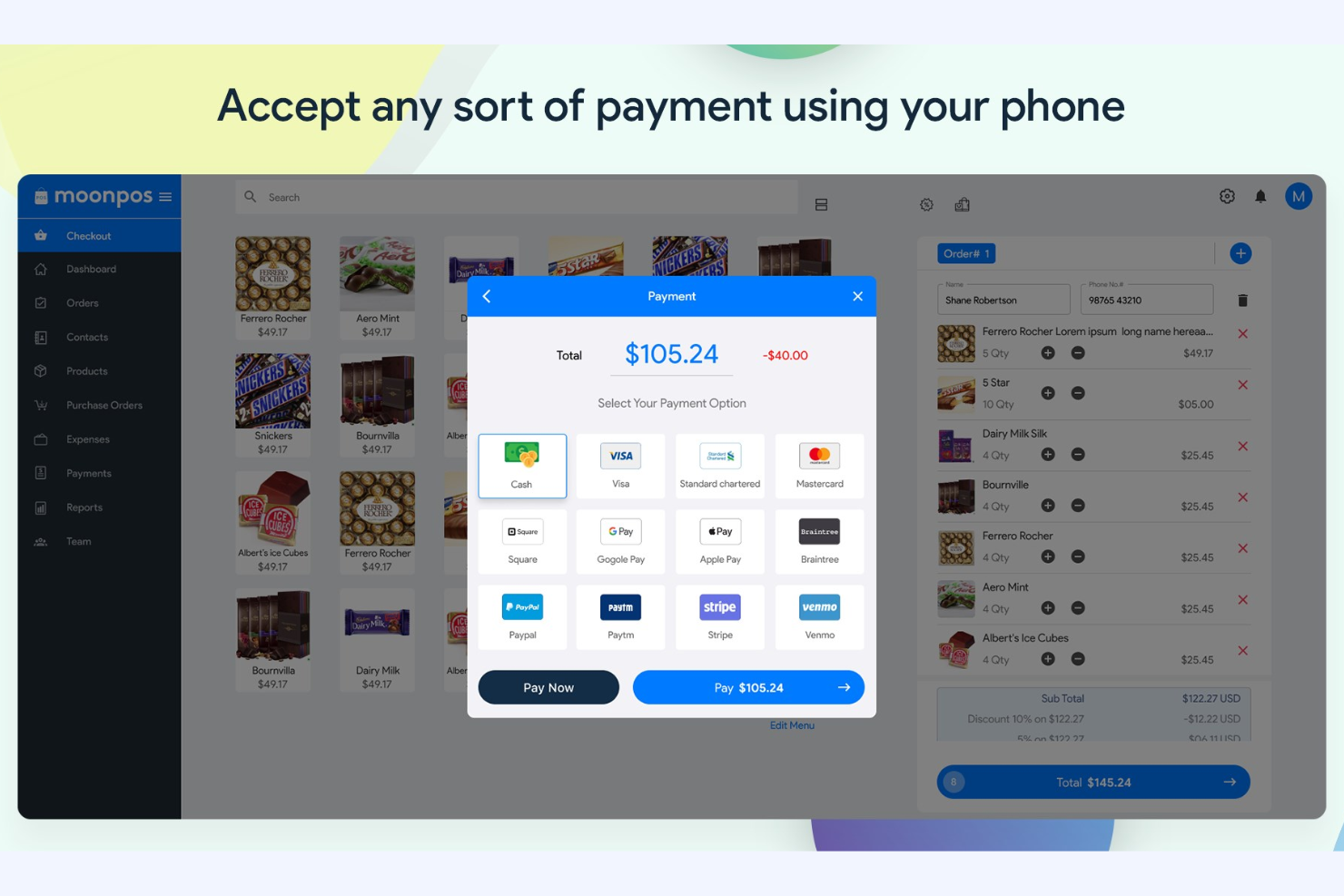
Moon POS is a no-frills POS solution aimed at small retail businesses. It focuses on basic billing, sales tracking, and inventory management to support daily operations.
Why I picked Moon POS: Moon POS's free version offers straightforward features for managing sales transactions, handling basic inventory management, and tracking sales at no cost. The simple interface allows your team to learn to use it quickly, which is ideal for businesses prioritizing ease of use.
Standout Features and Integrations:
Features include a built-in customer loyalty program to encourage repeat business, customizable receipts, and sales analytics to monitor your business's performance. You can also set up discounts and promotions to boost sales.
Integrations include PayPal, Stripe, Venmo, Apple Pay, CashApp, Zapier, Public API, WooCommerce, Gmail, Basecamp, and more.
What's free? Moon POS offers a free-forever plan with basic POS functionality, but it may restrict advanced features and support.
Pros and Cons
Pros:
- Easy discount setup
- Secure, cloud-based data
- Support for payments and integrations
Cons:
- Requires additional hardware for a full POS setup
- Basic loyalty features

Best for online integration
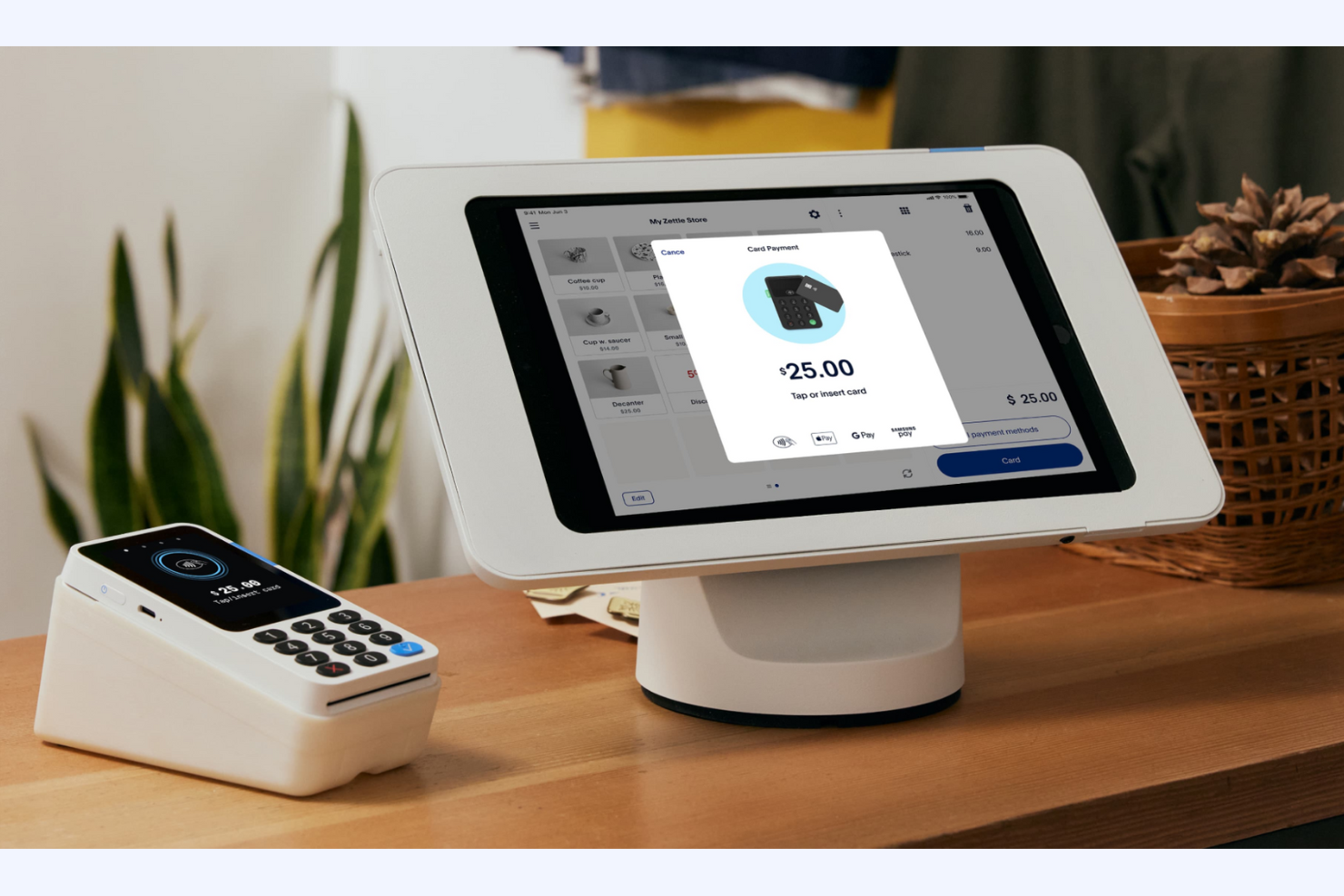
PayPal POS is a digital point-of-sale solution designed for businesses looking to integrate online and in-person sales. It caters to small and medium-sized businesses, providing tools for managing payments, sales, and customer interactions.
Why I picked PayPal POS: PayPal POS offers a free plan that integrates online payments, letting you manage both digital and in-person transactions from one platform. You can track sales, manage inventory, and access customer data with ease. The software is particularly useful for businesses that want to simplify their online and offline sales processes. PayPal POS's ability to handle multiple sales channels makes it appealing for businesses with an online presence.
Standout Features and Integrations:
Features include real-time transaction tracking, customizable sales reports, and inventory management tools. You can also set up recurring payments and subscriptions for your regular customers.
Integrations include QuickBooks, WooCommerce, Shopify, BigCommerce, Xero, NearSt, and more.
What's free? PayPal POS offers a free-forever plan with basic POS functionalities, though transaction fees apply, and there may be limitations on advanced features.
Pros and Cons
Pros:
- No monthly software fees
- Recurring payments
- Online and offline sales integration
Cons:
- Scaling limitations
- Transaction fees can add up quickly

eHopper
Best for multiplatform support
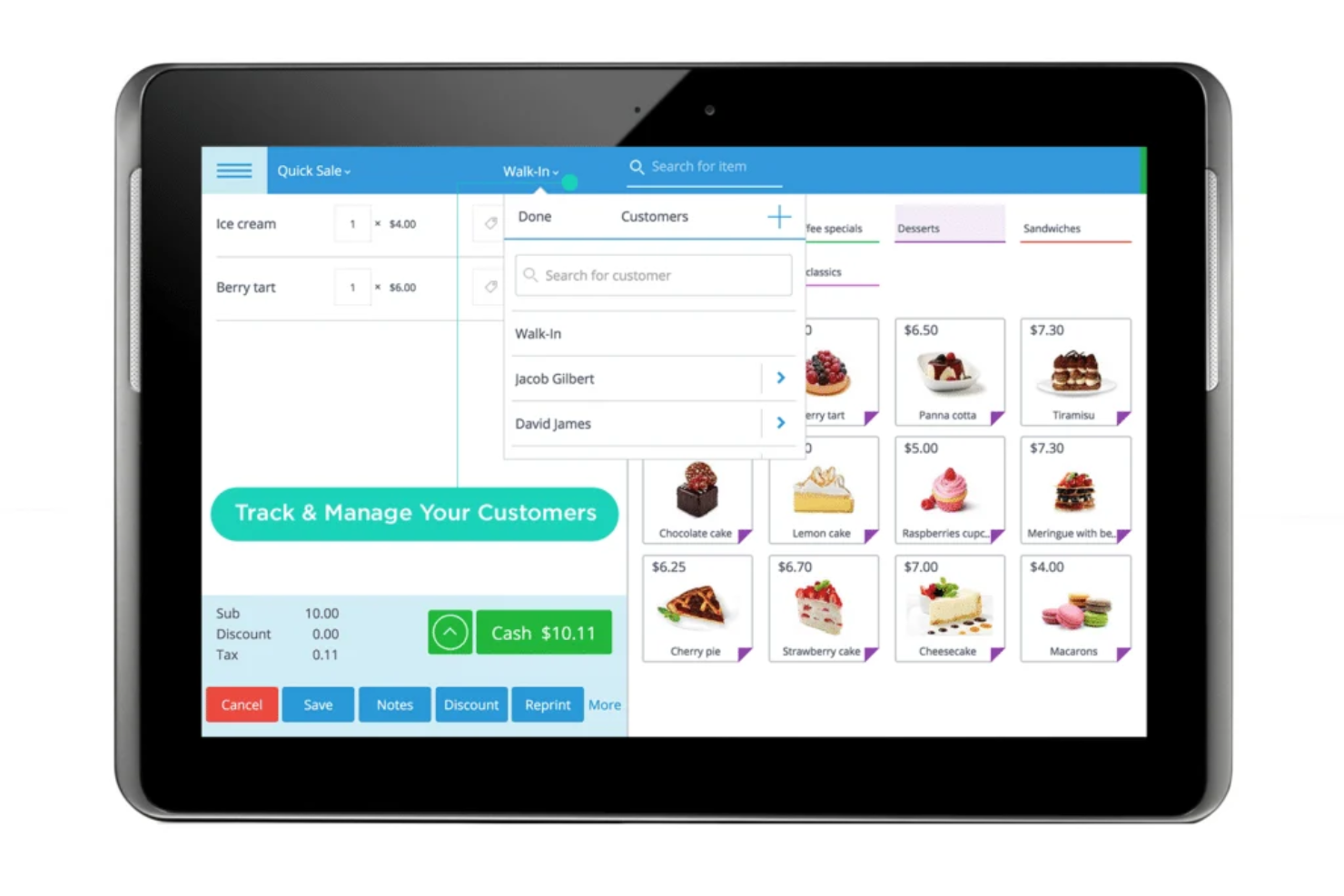
eHopper is a versatile POS software designed for retail and hospitality businesses. It offers sales processing, inventory management, and customer service functionalities and supports multiple platforms such as Windows, Android, and iOS.
Why I picked eHopper: eHopper's free plan lets you use the software across different devices, which is perfect if your team uses different platforms. The free plan includes basic inventory management, sales tracking, and CRM features. You can also process payments and manage orders at no extra cost. This flexibility makes it a great choice for businesses with unique hardware requirements.
Standout Features and Integrations:
Features include order management, employee performance tools, and a built-in time clock. The software also offers a customer loyalty program to encourage repeat business and supports multiple languages.
Integrations include QuickBooks, Xero, Mailchimp, WooCommerce, BigCommerce, PrestaShop, Shopify, and more.
What's free? eHopper offers a free forever plan with basic POS features, limited to one cash register and one user.
Pros and Cons
Pros:
- Multiple languages supported
- Time clock included
- Multiplatform compatibility
Cons:
- Transaction and product caps
- No iOS support for POS

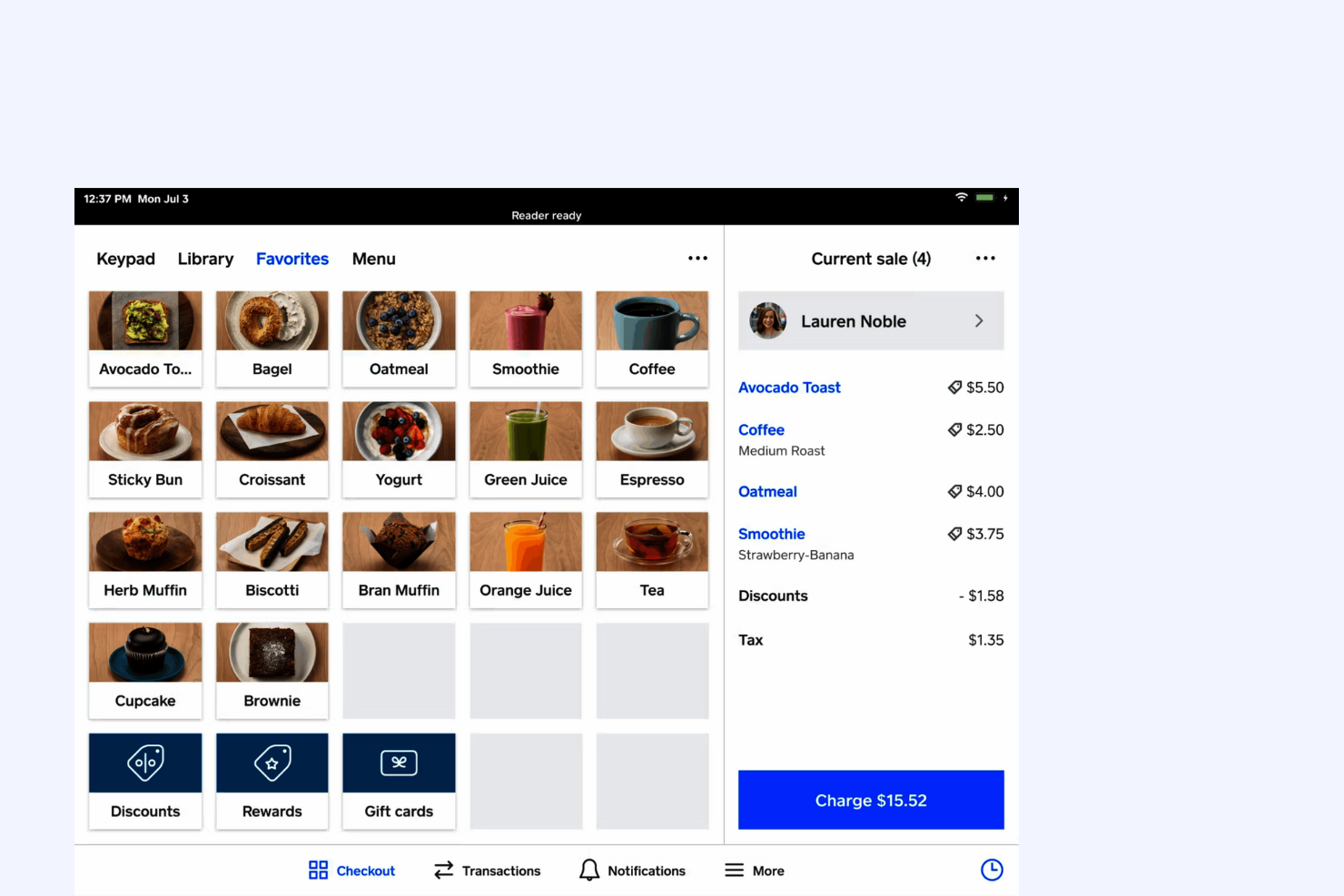
Square is a POS software tailored for small businesses, offering tools for payment processing, sales tracking, and basic inventory management. It serves retailers, cafes, and other local shops that need reliable, straightforward point-of-sale capabilities.
Why I picked Square: Square's free plan provides essential POS features that cater to small businesses. You can accept payments, track sales, and manage basic inventory at no extra cost, and its user-friendly interface lets you quickly set up and start selling. With no monthly fees for the basic plan, it's an ideal choice for startups and boutiques looking to minimize expenses.
Standout Features and Integrations:
Features include customizable digital receipts, a dashboard for real-time sales analytics, and business management tools to track hours and sales. You can also access customer feedback directly through the platform, which can help you improve service quality.
Integrations include QuickBooks, Xero, WooCommerce, BigCommerce, Wix, PrestaShop, and more.
What's free? Square offers a free-forever plan with basic POS features, but it charges a per-transaction fee and has limited advanced features.
Pros and Cons
Pros:
- Customizable receipts
- No upfront fees
- Online ordering system
Cons:
- Windows incompatibility
- Unexpected fund holds

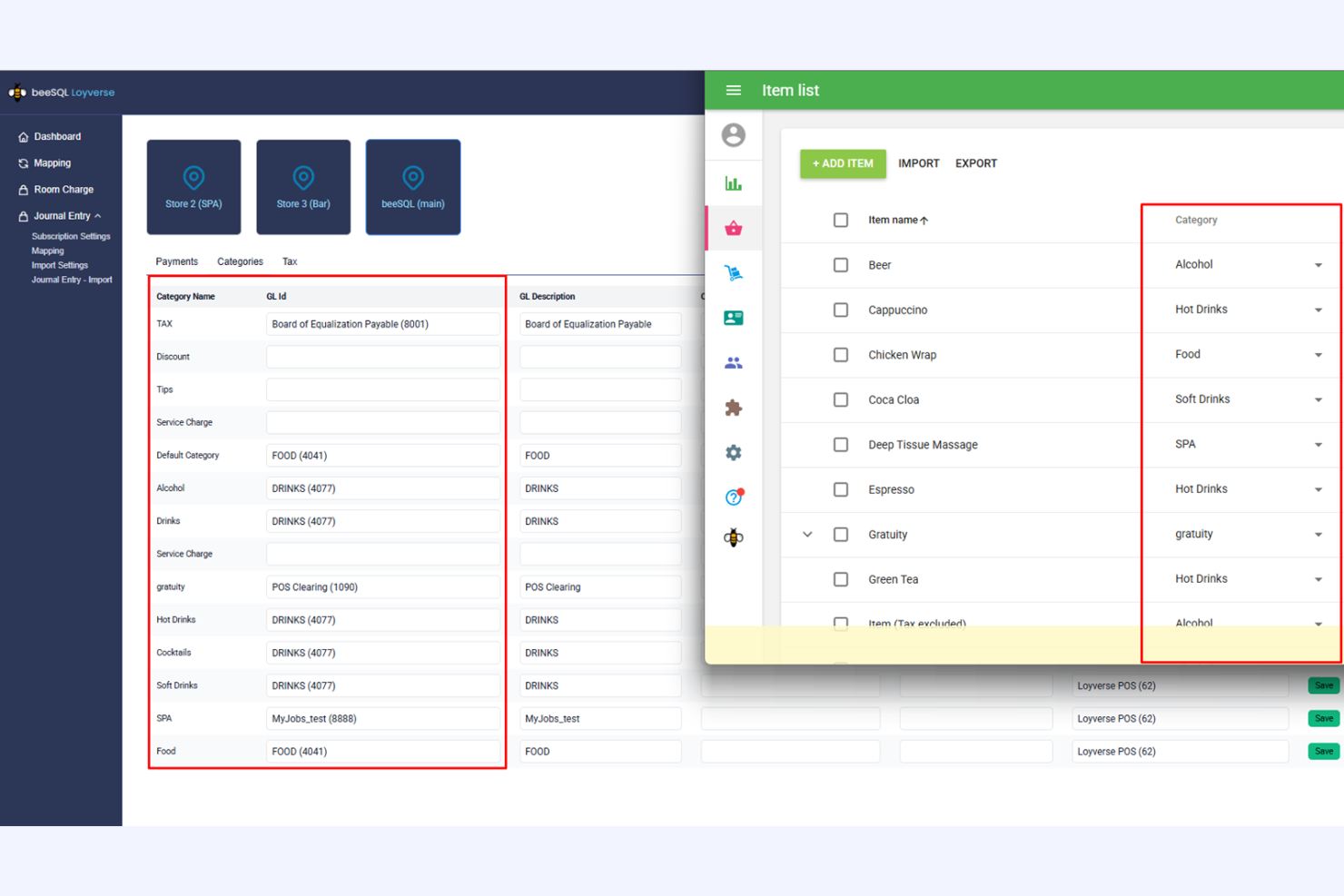
Loyverse is a free POS software designed for small retail businesses and cafes. It focuses on inventory management, sales tracking, and customer loyalty programs to support your daily operations.
Why I picked Loyverse: Loyverse's free plan includes essential inventory-tracking features, making it ideal for small businesses looking to boost efficiency. You can manage supplies, receive low-stock alerts, and conduct stock takes all through the POS system. The free version also lets you create and manage customer profiles to improve customer loyalty.
Standout Features and Integrations:
Features include a detailed sales analytics dashboard, employee performance-tracking tools, and a built-in loyalty program to encourage repeat business. You can customize receipts and access sales data in real time, providing valuable insights into your operations.
Integrations include QuickBooks, Xero, SumUp, PayPal, Worldpay, Tyro, Stripe, and more.
What's free? Loyverse offers a free-forever plan with no user limit, but some advanced features, such as integrations, may require a paid add-on.
Pros and Cons
Pros:
- Built-in customer loyalty program
- Real-time sales insights
- Intuitive inventory management
Cons:
- Syncing and connectivity glitches
- Add-ons required for integrations

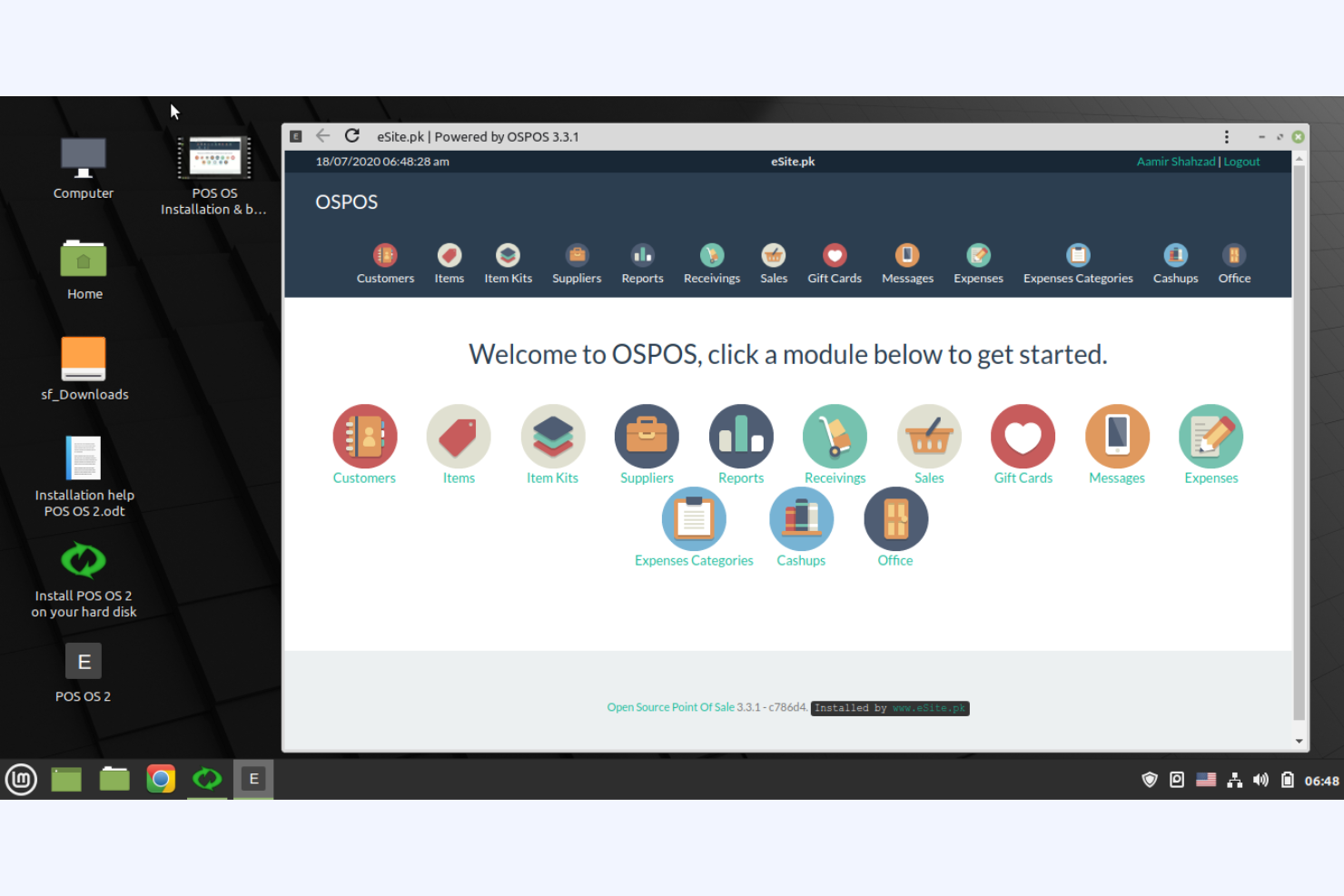
Open Source Point of Sale is a customizable POS system designed for small to medium-sized retailers that want flexibility in managing their sales and inventory. It provides essential tools for transaction processing, inventory management, and customer management.
Why I picked Open Source Point of Sale: It offers a free, open-source solution that lets you customize the software to fit your business needs. The free version includes basic sales and inventory management tools, but you can modify the code to add features or adjust functionality, making it perfect for businesses that want granular control over their POS system. This level of customization is ideal if you're tech-savvy and need a tailored solution.
Standout Features and Integrations:
Features include detailed sales and inventory reports to help you track business performance. You can even manage multiple stores from a single account, which is useful if you're expanding. The system also supports multiple languages, making it a versatile option for diverse teams.
Integrations include Mailchimp and more.
What's free? Open Source Point of Sale offers a free-forever plan with full access to its open-source code, allowing for unlimited customization.
Pros and Cons
Pros:
- Free access to source code
- Web-based and flexible deployment
- No license fees
Cons:
- No official support
- Requires technical knowledge

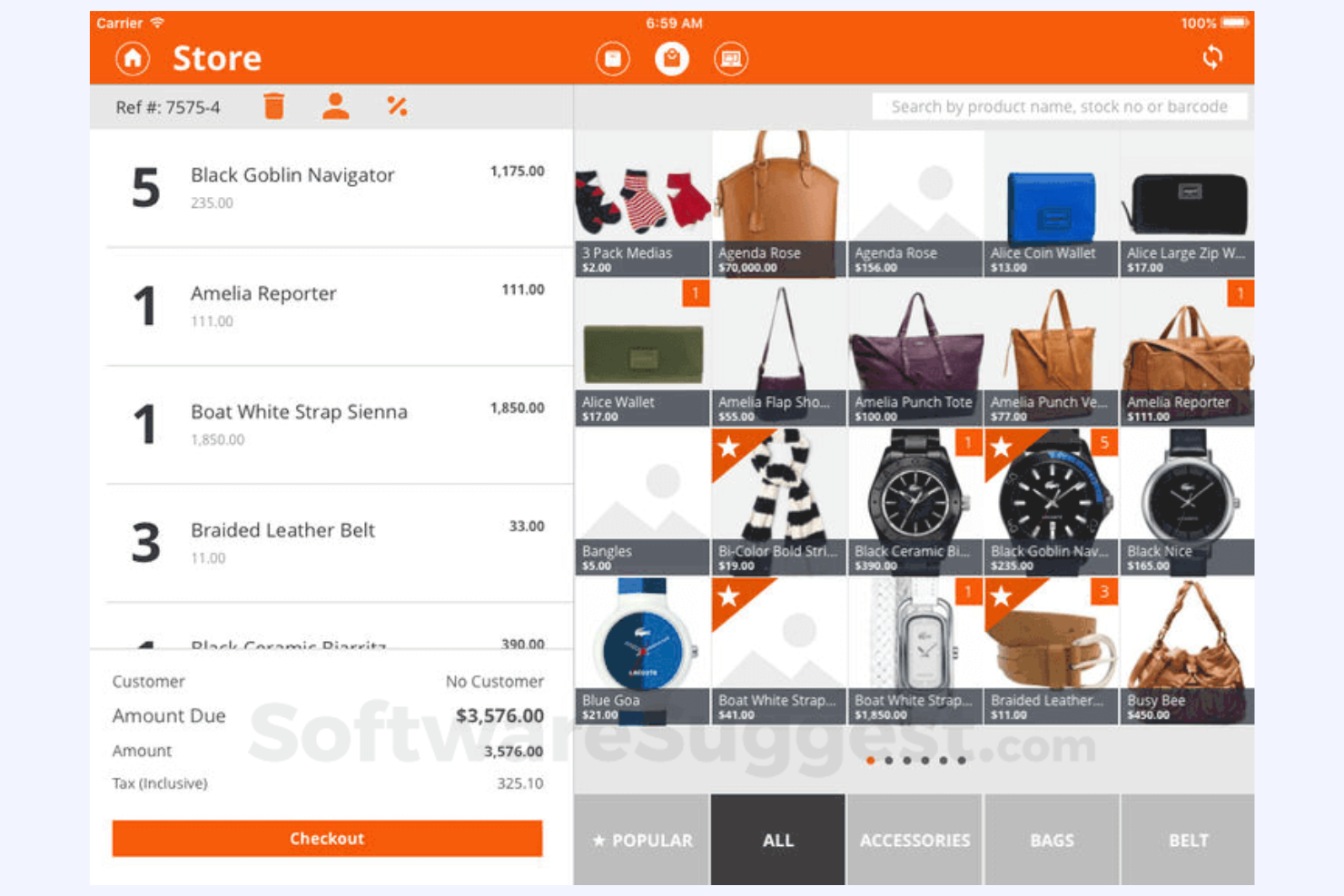
Imonggo is a user-friendly POS software designed for small to medium-sized retailers. It offers sales tracking, inventory management, and customer relationship features that cater to no-nonsense businesses.
Why I picked Imonggo: Imonggo's free offering provides a simple interface that makes it easy for you to manage sales and inventory. Its free plan allows for unlimited products and transactions, which is great if you have a large inventory. Thanks to the software's intuitive design, you won't need extensive training to get started. This focus on ease of use makes it a practical choice for business owners new to retail POS systems.
Standout Features and Integrations:
Features include real-time sales tracking, a built-in customer loyalty program, and detailed sales reports. You can also set up promotions and discounts to drive customer engagement.
Integrations include Shopify, QuickBooks, Cyclr, and more.
What's free? Imonggo offers a free-forever plan with a limited number of users and restrictions for advanced features.
Pros and Cons
Pros:
- Easy promotion setup
- Cost-effective
- Unlimited product catalog
Cons:
- Lack of e-commerce sync
- No offline mode for free users

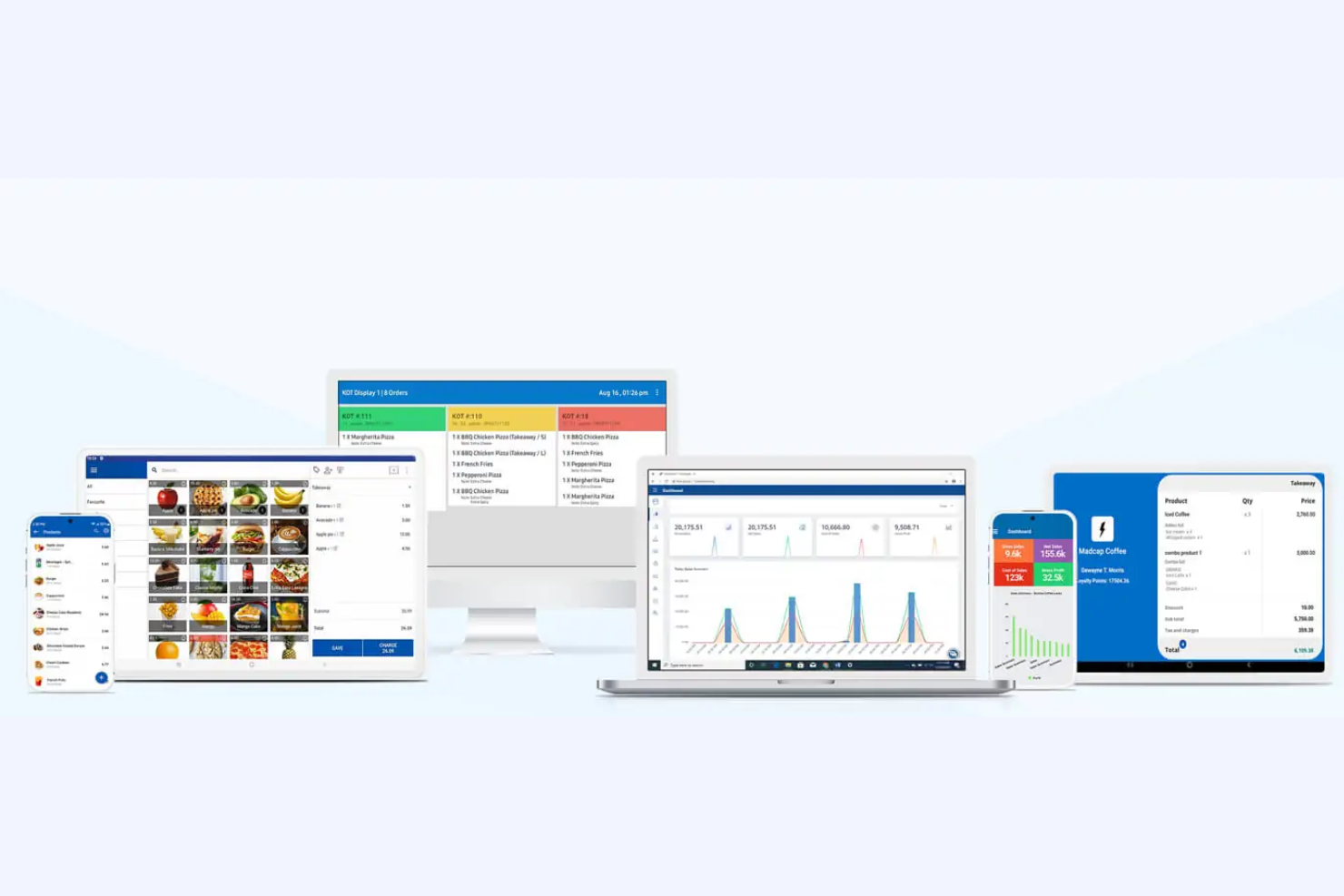
SalesPlay is a mobile-friendly POS solution ideal for small to medium-sized retail and hospitality businesses. It focuses on sales processing, inventory management, and CRM, all accessible via mobile devices.
Why I picked SalesPlay: SalesPlay's free version supports mobile devices, making it highly accessible for teams on the go. You can process sales, manage inventory, and track customer data directly from your phone or tablet. The mobile POS app is user-friendly and easy to learn, making it a flexible solution ideal for businesses that require mobility.
Standout Features and Integrations:
Features include a customer loyalty program, detailed sales and inventory reports, and the ability to manage multiple stores from one account. You can also set up promotions and discounts to help boost sales.
Integrations include QuickBooks, Xero, WooCommerce, Shopify, Mailchimp, Salesforce, and more.
What's free? SalesPlay offers a free-forever plan with basic POS features, but it may limit the number of users and restrict advanced features.
Pros and Cons
Pros:
- Loyalty programs offered
- Multiple stores supported
- Convenient mobile access
Cons:
- Basic inventory features
- Limited user accounts

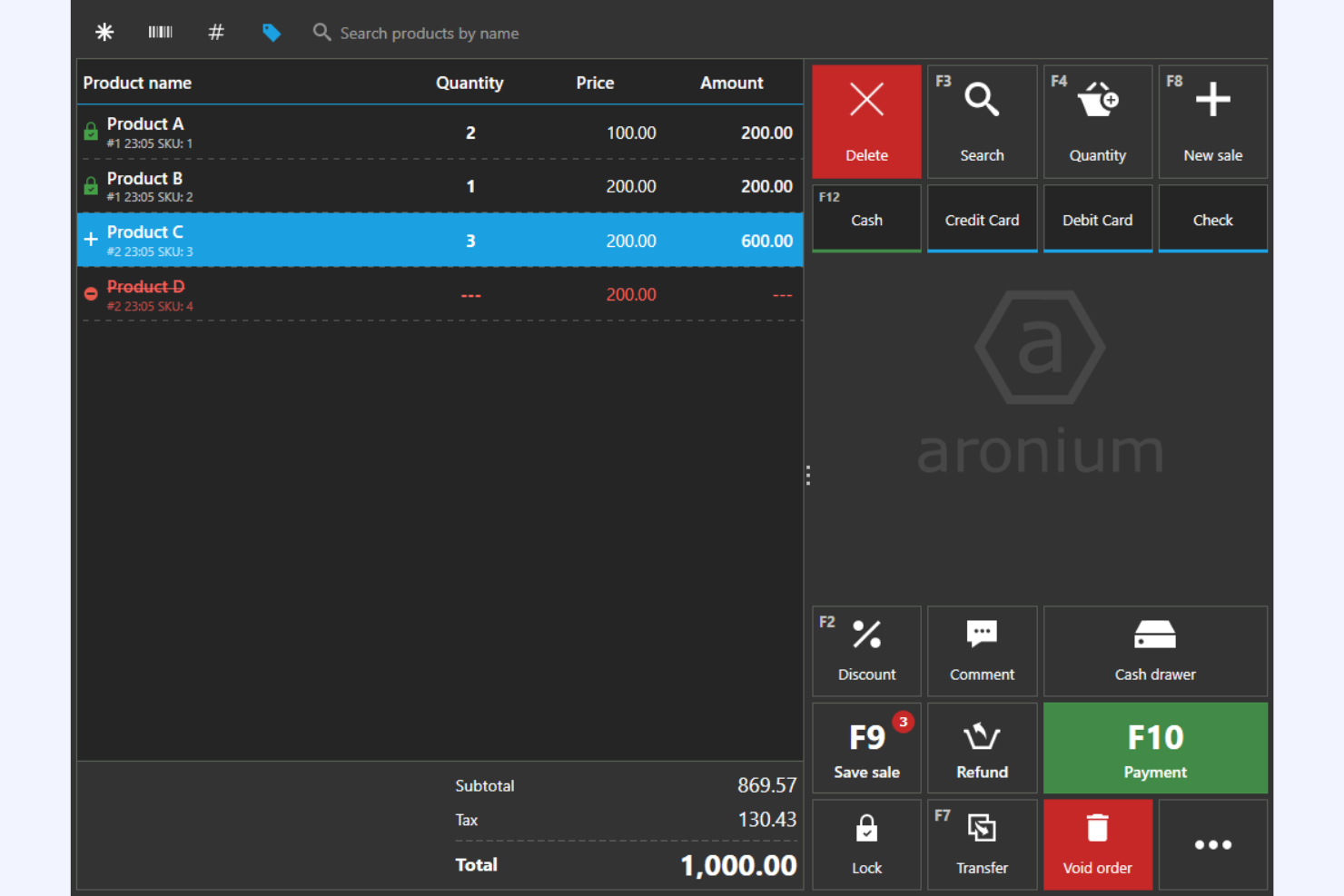
Aronium is a POS software geared toward small to medium-sized retail businesses. It lets you manage sales, inventory, and customer relationships all offline.
Why I picked Aronium: Aronium's free version offers offline functionality, which is a lifesaver if your internet connection is unreliable. The software also supports multiple languages and currencies, making it versatile for global markets. This allows your operations to run smoothly even when the internet goes out.
Standout Features and Integrations:
Features include advanced reporting tools that let you monitor sales and inventory. You can also create detailed customer profiles to upgrade your marketing efforts. The software's clean and intuitive user interface makes it easy for your team to learn and use.
Integrations include WooCommerce, Shopify, Xero, QuickBooks, Mailchimp, PrestaShop, BigCommerce, and more.
What's free? Aronium offers a free-forever plan with full offline functionality, but it may have limitations on advanced features and support.
Pros and Cons
Pros:
- Multiple currencies accepted
- Detailed sales reports
- Full offline capabilities
Cons:
- No mobile app
- Reporting features may not be as customizable as competitors
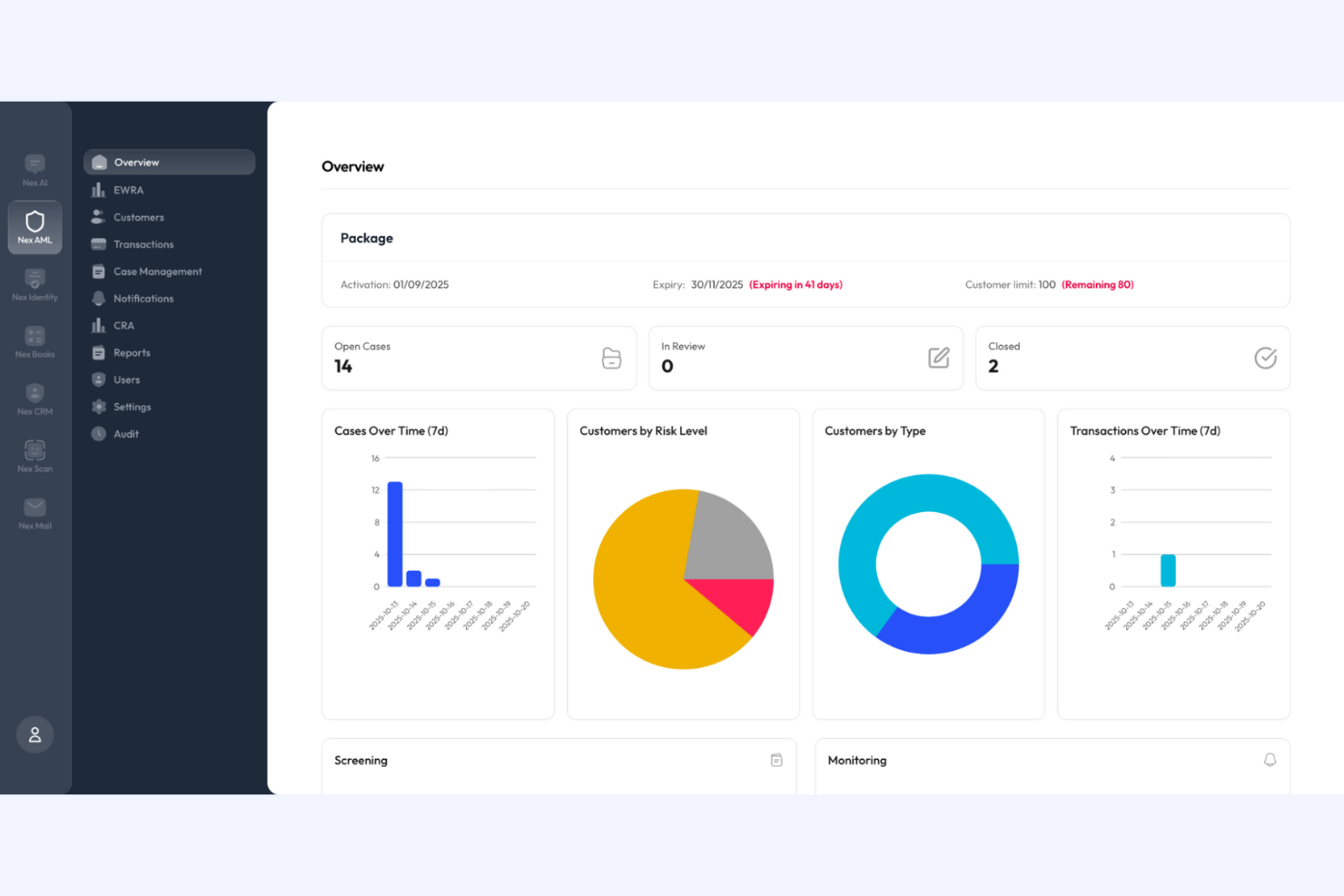
Nexchar is a POS software tailored for small local retail businesses, focusing on sales processing, inventory management, and customer management. It provides essential tools to help you run your store operations efficiently.
Why I picked Nexchar: Nexchar's free version is ideal for local stores with straightforward operational needs. You can manage inventory, track sales, and handle customer data for free. The software's user-friendly design lets you get started with minimal training. This makes it an excellent choice for small shops looking to improve their daily operations without a steep learning curve.
Standout Features and Integrations:
Features include inventory management tools, including stock-level monitors and low-stock alerts, and sales reports to gain insights into your business's performance. The software also includes a barcode scanner to speed up the checkout process.
Integrations include QuickBooks, Xero, WooCommerce, Shopify, PrestaShop, BigCommerce, Mailchimp, Salesforce, and more.
What's free? Nexchar offers a free-forever plan with basic POS features, but it may limit the number of users and restrict advanced functionalities.
Pros and Cons
Pros:
- Ideal for small stores
- Low-stock alerts
- Barcode scanning
Cons:
- Manual updates required
- Not ideal for large or complex setups


How I Evaluate Free POS Software
I look at free POS tools in two layers: the core functionality a shop floor or pop-up needs to process sales, and the differentiators that make one a better long-term fit.
Core Functionality (Table Stakes For This List)
When I'm selecting tools for my list, I rank each one on a scale from 0 (does not offer the functionality) to 5 (excels in this area) for each core functionality listed below. Then, I calculate the tool's total score into a percentage. Each tool needs to achieve a minimum total score of 65% to be considered for inclusion.
- Sales Transaction Processing: I evaluate how checkout works in practice—things like applying mix-and-match discounts, handling returns, and processing split payments across registers.
- Genuinely Free Plan: Each tool needs to offer a truly free tier beyond a trial, so I check for ongoing access to core POS features without a subscription.
- Inventory Tracking: Real-time stock updates matter when you're selling across a busy floor, so I look at SKU handling, variant support, and low-stock alerts.
- Payment Processing Integration: I consider which processors each platform supports and whether it accepts card, contactless, and mobile wallet payments at checkout.
- Sales Reporting & Analytics: Good reporting means more than a transaction log. I look for product-level breakdowns, date-range filtering, and exportable revenue reports.
- Receipt & Customer Management: I check whether the tool stores customer profiles alongside purchase history and supports both printed and digital receipts.
Once I have a list of tools that meet this criteria, I consider what sets each platform apart.
Differentiating Factors (What Sets Vendors Apart)
Here's how I compare and contrast different vendors:
Standout Features
Offline mode is a big deal—if your internet drops during a Saturday rush, you need to keep ringing up sales. I also look at whether a platform offers a mobile POS app, since pop-up shops and market vendors often rely on a tablet as their only register. Ecommerce sync matters for retailers who sell both in-store and online, because managing two separate inventories leads to overselling fast. Built-in loyalty features are another differentiator worth evaluating, especially for boutiques building a repeat customer base.
Beyond Features
Payment processor flexibility is something I always evaluate—some platforms lock you into a single processor, while others let you shop around for better transaction rates. I also consider how each tool scales from free to paid tiers, because a solo shop owner today might open a second location next year and shouldn't have to migrate their data. Hardware compatibility matters too; I check whether a platform works with standard receipt printers and scanners you can buy anywhere.
Cómo elegir un programa POS gratuito
Las listas complejas de características y las estructuras de precios pueden dificultar saber qué obtienes realmente con un programa POS gratuito. Para ayudarte a mantener la concentración mientras avanzas en el proceso de selección del software, estos son algunos factores que debes tener en cuenta:
| Factor | Qué debes tener en cuenta |
|---|---|
| Alcance de la oferta gratuita | Comprueba qué características se incluyen en el plan gratuito y si existen limitaciones, como el número de usuarios o transacciones. |
| Escalabilidad | Confirma que el software pueda crecer junto con tu negocio y ofrecer actualizaciones y características adicionales a medida que evolucionen tus necesidades. |
| Integraciones | Busca compatibilidad con las herramientas que ya utilizas, como programas de contabilidad o plataformas de comercio electrónico, para permitir un funcionamiento fluido. |
| Facilidad de uso | Evalúa si la interfaz es intuitiva y requiere una formación mínima para que tu equipo pueda empezar rápidamente. |
| Atención al cliente | Ten en cuenta la disponibilidad de canales de asistencia, como el chat en directo o la asistencia telefónica, especialmente si tu equipo puede necesitar ayuda durante la configuración. |
| Acceso móvil | Determina si el software es compatible con dispositivos móviles, lo que puede ser fundamental para los negocios que necesitan flexibilidad para gestionar las ventas sobre la marcha. |
| Seguridad | Comprueba que incluya características como el cifrado de datos y controles de acceso de usuarios para proteger la información confidencial del negocio y de los clientes. |
| Personalización | Evalúa si puedes adaptar el software a los procesos de tu negocio, por ejemplo, personalizando los recibos o configurando programas de fidelización. |
¿Qué es un programa POS gratuito?
El software de punto de venta (POS) es una herramienta que ayuda a las empresas a gestionar las transacciones de ventas, el inventario y los datos de los clientes. Las opciones gratuitas suelen incluir funciones básicas con limitaciones en el número de usuarios o transacciones, o pueden ser pruebas con una duración limitada. Los minoristas, los propietarios de pequeñas empresas y los profesionales del sector hotelero suelen utilizar estas herramientas para facilitar las operaciones y mejorar la eficiencia. Las funciones de gestión de inventario, seguimiento de ventas y relaciones con los clientes ayudan a las empresas a gestionar las tareas diarias, hacer crecer sus operaciones y mejorar las experiencias de los clientes.
Funciones
Repasemos las funciones que suelen encontrarse en el software POS y veamos cuáles suelen incluirse en los planes gratuitos y cuáles en los de pago.
Funciones habituales del software POS gratuito
- Procesamiento de ventas: Gestiona las transacciones de forma eficiente, permitiéndote procesar pagos y recibos.
- Gestión de inventario: Controla los niveles de existencias para asegurarte de tener los productos adecuados disponibles para la venta.
- Almacenamiento de datos de clientes: Conserva la información básica de los clientes para mejorar el marketing y fomentar la fidelidad.
- Informes básicos: Genera informes sencillos para obtener información sobre el rendimiento y las tendencias de las ventas.
- Acceso desde varios dispositivos: Utiliza el software en distintos dispositivos, como iPads y ordenadores, para disfrutar de mayor flexibilidad.
Funciones habituales del software POS de pago
- Análisis avanzados: Proporciona información más detallada sobre el rendimiento de la empresa para ayudar en la toma de decisiones estratégicas.
- Informes personalizables: Adapta los informes a necesidades específicas y ofrece vistas detalladas de diversas métricas empresariales.
- Programas de fidelización: Implementa programas de fidelización orientados a los clientes para fomentar la repetición de las compras y aumentar las ventas.
- Integración con software de contabilidad: Sincronízalo con herramientas contables como QuickBooks para mejorar la gestión financiera.
- Gestión de empleados: Controla el rendimiento de los empleados y gestiona los horarios de trabajo para aumentar la productividad.
Beneficios
Implementar un software POS gratuito proporciona varios beneficios para tu equipo y tu empresa. Estos son algunos de los que puedes esperar:
- Ahorro de costes: Ahorra dinero al acceder a funciones esenciales de POS sin cuotas mensuales, lo que resulta ideal para pequeñas empresas con un presupuesto limitado.
- Configuración sencilla: Empieza rápidamente con interfaces intuitivas que requieren una formación mínima, lo que permite a tu equipo centrarse en las ventas.
- Flexibilidad: Utiliza el software en distintos dispositivos, lo que proporciona la flexibilidad necesaria para gestionar las ventas desde cualquier lugar.
- Control básico del inventario: Controla eficazmente los niveles de existencias para saber siempre qué hay disponible y cuándo es necesario volver a hacer un pedido.
- Información sobre los clientes: Accede a datos básicos de los clientes para mejorar el servicio y crear experiencias personalizadas que fomenten la repetición de las compras.
- Escalabilidad: Empieza con un plan gratuito y actualízalo a medida que crezca tu empresa, de modo que el software pueda evolucionar según tus necesidades.
- Prueba de funciones avanzadas: Prueba algunas funciones avanzadas durante un periodo limitado para decidir si merece la pena actualizar a un plan de pago.
Costes y precios
Entiendo que has llegado a este artículo en busca de las mejores opciones de software POS disponibles de forma gratuita. Sin embargo, como los planes gratuitos solo ofrecen funciones limitadas, es muy probable que en el futuro tengas que ampliar tu plan.
La siguiente tabla resume los planes habituales, sus precios medios y las funciones que suelen incluir las soluciones de software POS:
Tabla comparativa de planes de software POS
| Tipo de plan | Precio medio | Funciones habituales |
|---|---|---|
| Plan gratuito | $0 | Procesamiento básico de ventas, seguimiento del inventario, almacenamiento de datos de clientes, informes básicos y acceso desde varios dispositivos. |
| Plan personal | $20-$60/mes | Informes avanzados, programas de fidelización de clientes, integraciones básicas, gestión de empleados y personalización limitada. |
| Plan empresarial | $60-$150/mes | Informes personalizables, gestión avanzada del inventario, integraciones amplias y mejor atención al cliente. |
| Plan corporativo | $150-400+/mes | Gestión de cuentas especializada, personalización completa, análisis avanzados, asistencia prioritaria y gestión de varias ubicaciones. |
Preguntas frecuentes sobre software POS gratuito
Aquí tienes respuestas a preguntas frecuentes sobre el software POS gratuito:
¿Cuáles son las limitaciones de los sistemas POS gratuitos?
Los sistemas POS gratuitos suelen incluir funciones restringidas, asistencia al cliente limitada y posibles costes ocultos. Es posible que las funcionalidades avanzadas, como los informes detallados o las integraciones, solo estén disponibles en las versiones de pago. Comprueba siempre qué incluye el plan antes de comprometerte con uno gratuito.
¿Un sistema POS gratuito es realmente gratuito?
Aunque el software en sí pueda ser gratuito, todavía puede haber costes, como las comisiones por transacción. Algunos proveedores también pueden exigirte firmar contratos a largo plazo, que podrían incluir penalizaciones por rescisión anticipada. Lee detenidamente las condiciones para comprender los costes reales.
¿Cómo ganan dinero los sistemas POS gratuitos?
Los sistemas POS gratuitos suelen ganar dinero mediante comisiones por transacción. Si el proveedor también actúa como procesador de pagos, podría quedarse con una parte de cada transacción. Por eso es importante tener en cuenta la estructura de comisiones al elegir una solución POS gratuita.
¿Cuál es el problema habitual de los sistemas POS?
Entre los problemas habituales de los sistemas POS se incluyen los fallos de hardware, como los problemas con los lectores de tarjetas, y los problemas de software, como el bajo rendimiento o las dificultades de integración. Disponer de hardware fiable y software actualizado puede ayudar a reducir estos problemas.
¿Pueden los sistemas POS gratuitos gestionar varias ubicaciones?
Algunos sistemas POS gratuitos pueden gestionar varias ubicaciones, pero esto suele depender del proveedor. Es posible que tengas que cambiar a un plan de pago para acceder a la gestión de múltiples ubicaciones. Si operas en varias ubicaciones, comprueba siempre si el plan gratuito puede cubrir tus necesidades.
¿Son seguros los sistemas POS gratuitos?
La seguridad puede variar según el proveedor, por lo que es importante comprobar si el sistema POS gratuito ofrece funciones como el cifrado de datos y los controles de acceso de los usuarios. Proteger la información de los clientes debe ser una prioridad, incluso si utilizas una solución gratuita.
Próximos pasos:
Si estás investigando software POS gratuito, ponte en contacto con un asesor de SoftwareSelect para obtener recomendaciones gratuitas.
Completas un formulario y mantienes una breve conversación en la que profundizan en los detalles de tus necesidades. Después recibirás una lista de programas preseleccionados para revisar. También te ayudarán durante todo el proceso de compra, incluidas las negociaciones de precios.