

10 beste SAP-Alternativen im Jahr 2026

Liste der besten SAP-Alternativen


Die stärksten SAP-Alternativen verbinden umfassende ERP-Funktionen für den Einzelhandel mit Bestandsverwaltung in Echtzeit, flexibler Auftragsabwicklung und Unterstützung für alle Vertriebskanäle. Wenn Sie nach SAP-Alternativen suchen, benötigen Sie eine Lösung, die zu den Besonderheiten des modernen Einzelhandels passt – ohne den hohen Aufwand, den SAP oft erfordert.
Diese Liste hilft Ihnen dabei, führende Plattformen zu vergleichen und Systeme auszuwählen, die Abläufe vereinfachen, Ihre Teams miteinander verbinden und mit dem Tempo des Wandels im Jahr 2026 Schritt halten. Entdecken Sie Optionen, die Zuverlässigkeit und Kontrolle in Ihr Unternehmen bringen – ganz gleich, ob Sie Boutiquen, mehrere Filialen oder einen wachsenden E-Commerce-Bereich verwalten.
Was ist SAP?
SAP ist eine Software-Suite für die Unternehmensressourcenplanung (ERP), die Geschäftsprozesse wie Finanzen, Bestandsverwaltung, Beschaffung und Vertrieb für große Einzelhändler und Unternehmen zentralisiert. Sie hilft dabei, Abläufe über mehrere Kanäle und Standorte hinweg zu koordinieren und unterstützt komplexe Anforderungen an Lieferketten und Berichte. Viele Unternehmen ziehen SAP aufgrund seiner umfassenden Funktionen in Betracht, suchen jedoch nach Alternativen, die mehr Flexibilität, Kosteneinsparungen oder auf die Anforderungen des modernen Einzelhandels zugeschnittene Funktionen bieten.
Zusammenfassung der besten SAP-Alternativen
Diese Vergleichstabelle fasst die Preisinformationen meiner besten SAP-Alternativen zusammen, damit Sie die beste Lösung für Ihr Budget und Ihre geschäftlichen Anforderungen finden.
| Tool | Best For | Trial Info | Price | ||
|---|---|---|---|---|---|
| 1 | Am besten geeignet für die Finanzkonsolidierung mehrerer Einheiten | Kostenlose Demo verfügbar | Preise auf Anfrage | Website | |
| 2 | Am besten geeignet für Einzelhandels-ERP für Baumärkte | Kostenlose Demo verfügbar | Preise auf Anfrage | Website | |
| 3 | Am besten für Open-Source-integriertes POS | Kostenloser Plan verfügbar | Preise auf Anfrage | Website | |
| 4 | Am besten geeignet für Echtzeit-POS und Filialbetrieb | Kostenlose Demo verfügbar | Preis auf Anfrage | Website | |
| 5 | Am besten für Warenverteilung geeignet | Kostenlose Demo verfügbar | Preise auf Anfrage | Website | |
| 6 | Am besten geeignet für einheitlichen Handel und Finanzmanagement | Kostenlose Demo verfügbar | Preis auf Anfrage | Website | |
| 7 | Am besten geeignet für Low-Code-ERP mit Microsoft 365 | 30-tägige kostenlose Testversion | Ab $80/Nutzer/Monat (jährlich abgerechnet) | Website | |
| 8 | Am besten für branchenspezifische Automatisierung | Kostenlose Demo verfügbar | Preise auf Anfrage | Website | |
| 9 | Am besten für E-Commerce-Automatisierung und Skalierbarkeit | Kostenlose Demo verfügbar | Preis auf Anfrage | Website | |
| 10 | Am besten geeignet für Omnichannel-Handel mit unbegrenzter Nutzerzahl | Kostenlose Demo verfügbar | Preise auf Anfrage | Website |

Warum Sie unseren Software-Empfehlungen vertrauen können
Unser Team testet und bewertet Software seit 2012. Als Führungskräfte im Einzelhandel selbst wissen wir, wie schwierig – und wichtig – es ist, die richtige Software auszuwählen.
Für diesen Leitfaden haben wir Tools mithilfe von praktischen Tests und unabhängiger Recherche bewertet und dabei die Tools anhand unserer Bewertungskriterien bewertet.
Unsere Bewertungen spiegeln unser unabhängiges Urteilsvermögen wider – keine Verkaufsstrategie.
Bewertungen der besten SAP-Alternativen
Nachfolgend finden Sie meine ausführlichen Zusammenfassungen der besten SAP-Alternativen, die es in meine Vorauswahl geschafft haben. Meine Bewertungen bieten einen detaillierten Einblick in die Funktionen, Integrationen und besten Einsatzmöglichkeiten jeder Plattform und helfen Ihnen dabei, die beste Lösung für Ihre Anforderungen zu finden.

Am besten geeignet für die Finanzkonsolidierung mehrerer Einheiten
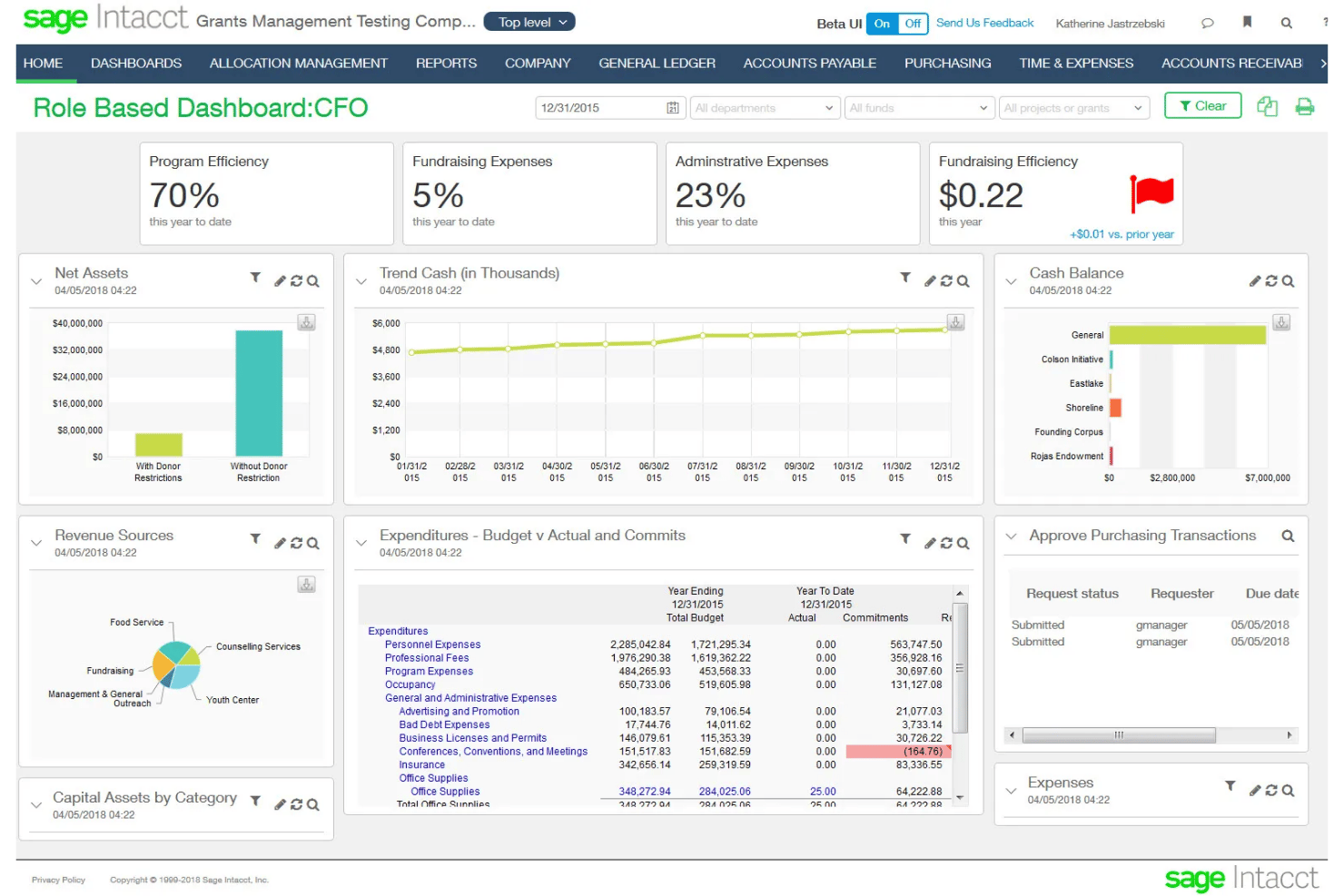
Sage Intacct ist ein cloud-natives ERP-System, das speziell für Einzelhandels-CFOs und Controller entwickelt wurde, die Finanzen steuern, Multi-Entity-Operationen konsolidieren und E-Commerce-Kanäle anbinden möchten – und das ohne die Implementierungskomplexität von Enterprise-Plattformen wie SAP.
Für wen ist Sage Intacct am besten geeignet?
Sage Intacct ist besonders geeignet für mittelständische Einzelhandelsgruppen, die mehrere Einheiten, Filialstandorte oder rechtliche Strukturen verwalten und denen herkömmliche Buchhaltungssoftware nicht mehr genügt.
Warum ist Sage Intacct eine gute SAP-Alternative?
Ich habe Sage Intacct zu meinen Top-Empfehlungen aufgenommen, weil seine Möglichkeiten zur Multi-Entity-Konsolidierung wirklich erstklassig sind. Intercompany-Transaktionen werden einmal gebucht und erzeugen automatisch spiegelnde Buchungen in allen beteiligten Einheiten; Eliminierungen werden bei der Konsolidierung durchgeführt. Die Affiliate-Entity-Dimension 2025 versieht Intercompany-Transaktionen direkt im Hauptbuch mit Tags, und Multi-Book-Accounting ermöglicht gleichzeitig Buchungen nach GAAP, gesetzlichen und Management-Vorgaben.
Wichtige Funktionen von Sage Intacct
- KI-gestützte Abschlussmanagement-Tools: Integrierte Assistenten automatisieren Aufgaben des Monatsabschlusses und identifizieren Abstimmungsprobleme.
- Retail-Integrations-Hub: Native Verbindungen verknüpfen direkt mit Shopify, BigCommerce, WooCommerce und anderen E-Commerce-Plattformen.
- Multidimensionale Berichterstattung: Flexible Strukturen ermöglichen die Analyse von Finanz- und Betriebsdaten nach Filiale, Kanal, Produkt oder jeder beliebigen benutzerdefinierten Dimension.
- AP-Automatisierungsagent: Automatisierte Rechnungscodierung, Lieferantenabgleich und Dublettenerkennung reduzieren manuelle Dateneingabe bei Verbindlichkeiten.
Sage Intacct Integrationen
Sage Intacct bietet native Integrationen mit Salesforce, Shopify, BigCommerce, WooCommerce, Brightpearl und ADP Workforce Now sowie eine API für individuelle Anbindungen.
Pros and Cons
Pros:
- Multi-Entity-Konsolidierung verarbeitet Hunderte von Einheiten
- Von der AICPA bevorzugtes Finanzmanagementsystem
- Schnellere Bereitstellung als traditionelle ERP-Plattformen
Cons:
- Kein natives CRM oder Loyalty-Tools
- Erweitertes Inventarmanagement erfordert Zusatzmodule

Am besten geeignet für Einzelhandels-ERP für Baumärkte
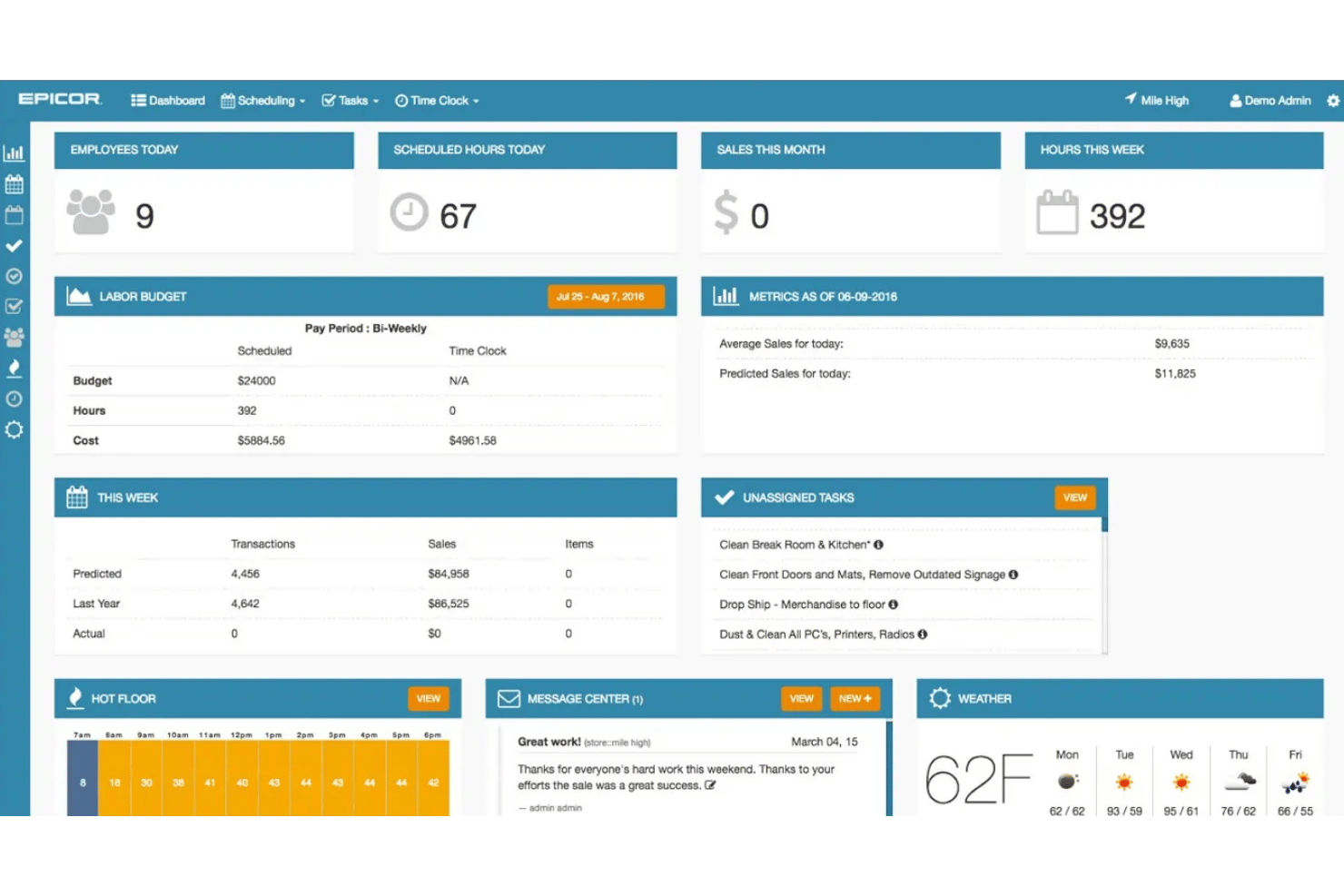
Epicor Eagle ist eine Einzelhandelsmanagement-Plattform, die speziell für unabhängige Baumärkte, Heimwerkermärkte und Fachhändler entwickelt wurde, die eine native Kasse (POS), standortübergreifende Lagerverwaltung und integrierte Backoffice-Buchhaltung in einem einzigen System benötigen.
Für wen ist Epicor Eagle am besten geeignet?
Es ist besonders geeignet für Einzelhandelsunternehmen mit mehreren Standorten, die im Bereich Baumarkt, Land- & Haushalt, Baustoffhandel oder spezialisiertem Einzelhandel tätig sind und branchenspezifische Werkzeuge sofort benötigen.
Warum Epicor Eagle eine gute SAP-Alternative ist
Ich habe Epicor Eagle als eine der besten Alternativen zu SAP ausgewählt, weil es speziell für den Hardware-Einzelhandel entwickelt wurde, was bei SAP nicht der Fall ist. Der Pricing Planner bezieht Wettbewerber- und Lieferantendaten ein, um die Auswirkungen auf die Marge zu simulieren, bevor eine Preisänderung beschlossen wird. Die Marktkorb-Analyse liefert echte Entscheidungsgrundlagen fürs Warenmanagement, wie zum Beispiel die Umstrukturierung der Produktplatzierung auf Basis gemeinsam gekaufter Artikel. Eagle bietet zudem eigene Module für FFL-Konformität sowie für Service und Reparatur, wofür SAP umfassende Anpassungen benötigen würde.
Wichtige Funktionen von Epicor Eagle
- Mobile Manager App: Verwalten Sie Bestände, greifen Sie auf Verkaufsdaten zu und genehmigen Sie Bestellungen unterwegs von jedem mobilen Gerät aus.
- Integrierter E-Commerce-Store: Synchronisiert Lagerbestände in Laden und Online-Shop für eine einheitliche Produkt- und Auftragsverwaltung.
- Lieferantenbewertung: Verfolgen Sie die Leistung von Lieferanten anhand von Kennzahlen wie Lieferzeit, Genauigkeit und Kostenänderungen.
- Service- & Reparaturverwaltung: Planen, verfolgen und verwalten Sie Serviceaufträge und Mietgeräte im selben System.
Epicor Eagle Integrationen
Epicor Eagle bietet native Integrationen mit Epicor Payment Exchange und Epicor PartExpert eCatalog. Eine API steht für individuelle Integrationen zur Verfügung.
Pros and Cons
Pros:
- Branchenspezifische Hardware-Module direkt verfügbar
- Native Kassenlösung für Laden und E-Commerce
- Integrierte FFL-Konformität für Waffenhändler
Cons:
- Berichtskonfiguration für durchschnittliche Nutzer komplex
- Veraltete Benutzeroberfläche im Vergleich zu modernen ERP-Alternativen

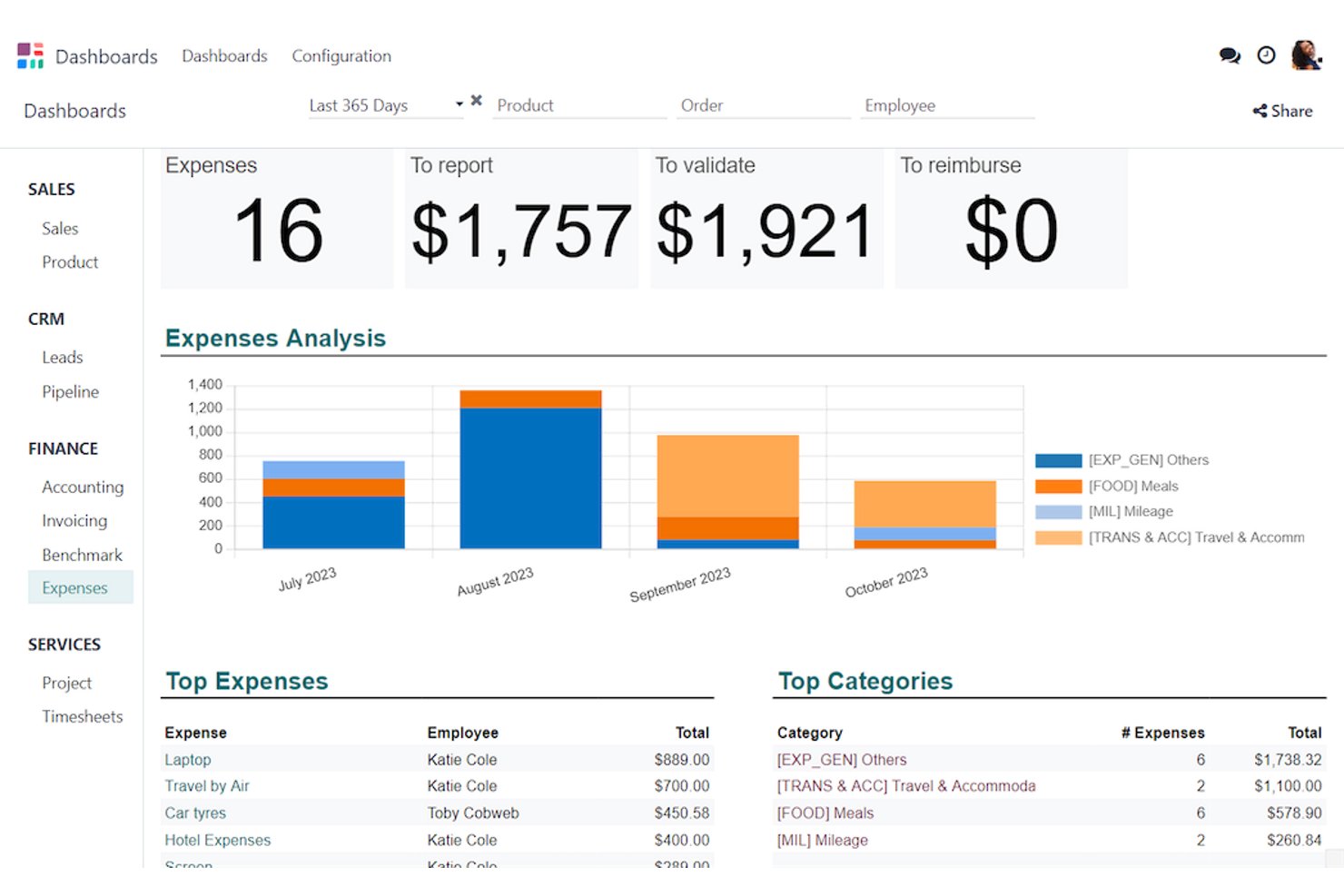
Odoo ist eine Open-Source-ERP-Plattform, die mittelständischen Einzelhandelsunternehmen ein einziges System für die Verwaltung von Finanzen, Lager, Lieferkette und POS bietet – ohne die Implementierungskosten und die Unflexibilität, die mit SAP einhergehen.
Für wen ist Odoo am besten geeignet?
Odoo eignet sich hervorragend für wachsende Einzelhandelsunternehmen, die ein modulares, anpassbares ERP suchen, das sie selbst hosten und anpassen können, ohne für jede Änderung auf einen Anbieter angewiesen zu sein.
Warum Odoo eine gute SAP-Alternative ist
Ich habe Odoo in meine Top-Auswahl aufgenommen, weil dank der Open-Source-Architektur Einzelhandelsteams POS-Workflows anpassen und das System auf der eigenen Infrastruktur hosten können – etwas, das SAP ohne enorme Beratungskosten einfach nicht zulässt. Besonders gefällt mir, dass das POS-System vollständig offline funktioniert und bei Wiederherstellen der Verbindung automatisch mit der zentralen Datenbank synchronisiert wird. Jede POS-Transaktion aktualisiert zudem Inventar- und Buchungseinträge in Echtzeit, da alles auf einer gemeinsamen Datenbank basiert.
Wichtige Funktionen von Odoo
- Multi-Company-Buchhaltung: Finanzen und Transaktionen verschiedener Unternehmen und Währungen in einem Dashboard zusammenführen.
- Warenplanung: Produktangebote optimieren und Nachbestellungen mit integrierten Lager- und Einkaufsmodulen automatisieren.
- Integriertes CRM: Kundenprofile speichern, Daten segmentieren und gezielte Marketingkampagnen auf derselben Plattform verwalten.
- Automatisiertes Beschaffungswesen: Lieferantenbeziehungen, Bestellungen und Lagerprozesse in einem einheitlichen Workflow steuern.
Odoo-Integrationen
Odoo bietet native Integrationen mit Stripe, PayPal, Adyen, FedEx, UPS, DHL und allen Odoo-Kernanwendungen wie CRM, Lager, Buchhaltung und E-Commerce. Eine API steht für individuelle Integrationen zur Verfügung.
Pros and Cons
Pros:
- Selbst hostbar mit vollständigem Zugriff auf den Quellcode
- Eine einzige Datenbank vereint POS, Finanzen und Lagerhaltung
- Modularer Aufbau reduziert anfänglichen Implementierungsaufwand
Cons:
- Für erweiterte Berichte sind umfassende Eigenkonfigurationen nötig
- Lokalisierungsunterstützung ist je nach Land sehr unterschiedlich
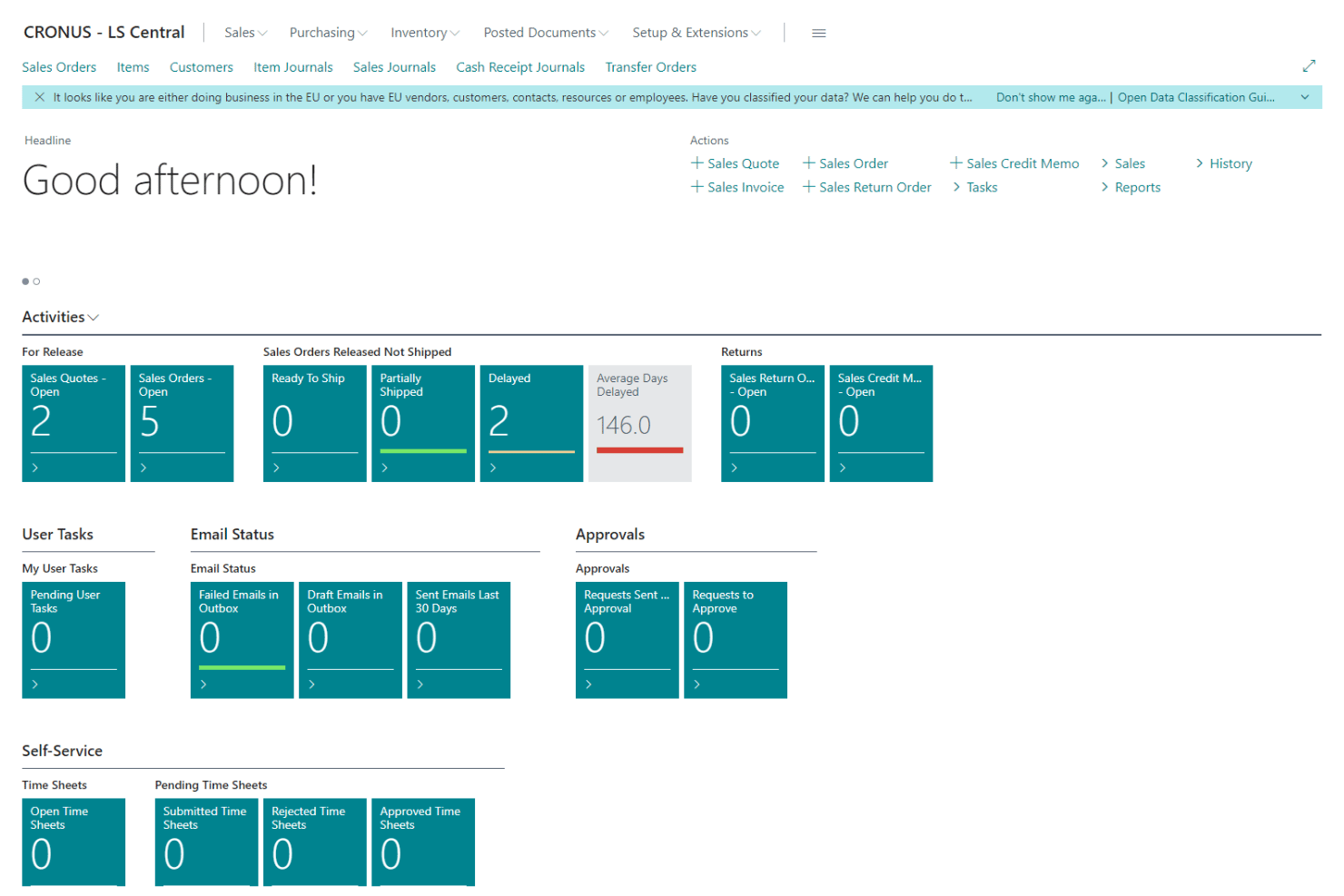
LS Central von LS Retail ist ein einheitliches Einzelhandels-ERP, das auf Microsoft Dynamics 365 Business Central basiert und für Filialbetriebe entwickelt wurde, die POS, Bestandsverwaltung, Warenmanagement und Finanzbuchhaltung auf einer einzigen, in Echtzeit aktualisierten Datenplattform benötigen.
Für wen ist LS Retail am besten geeignet?
Es ist besonders geeignet für mittelständische bis große Einzelhandels- und Gastronomieketten, die bereits das Microsoft-Ökosystem nutzen oder planen, dieses einzuführen.
Warum LS Retail eine gute SAP-Alternative ist
Ich habe LS Retail in meine Top-Auswahl aufgenommen, weil die Echtzeit-POS-Architektur tatsächlich anders funktioniert als das, was SAP für den Einzelhandel standardmäßig bietet. Bei LS Central wird jede Transaktion an der Kasse sofort mit Lagerbestand, Finanzbuchhaltung und Treueprogrammdaten auf derselben Plattform synchronisiert, sodass keine Verzögerung zwischen den Vorgängen auf der Verkaufsfläche und der Sichtbarkeit im Backoffice besteht. Auch die native Omnichannel-POS-Schicht überzeugt: Sie ermöglicht die Abwicklung von mPOS, ePOS und Self-Service in einem System, ohne verschiedene Tools zusammenstückeln zu müssen.
LS Retail Hauptfunktionen
- Zentrales Warenmanagement: Sortimentsplanung, Preisgestaltung, Aktionen und Warenzuteilung standortübergreifend in einem System steuern.
- Eingebettete Finanzbuchhaltung mit Einzelhandelskontenplan: Hauptbuch, Debitoren/Kreditoren und filialrelevantes Reporting auf einer gemeinsamen Datenplattform ermöglichen.
- Automatisierte Nachschub-Engine: Bedarfsvorhersagen und automatische Einkaufsprozesse sorgen für optimale Lagerbestände.
- Rollenbasierte Dashboards und Einzelhandels-KPIs: Nutzer auf allen Ebenen erhalten individuell anpassbare Dashboards zu Umsatz, Bestand und Finanzkennzahlen in Echtzeit.
LS Retail Integrationen
LS Retail bietet nahtlose Integrationen im gesamten Microsoft-Ökosystem, einschließlich Microsoft Dynamics 365 Business Central, und stellt Konnektoren zu SAP S/4HANA, Oracle, Shopify sowie eine API für individuelle Integrationen bereit.
Pros and Cons
Pros:
- Echtzeit-POS-Synchronisation über alle Kanäle
- Basiert auf bewährtem Microsoft Business Central ERP
- Umfassende, speziell für den Handel entwickelte Warensteuerungs- und Nachschubtools
Cons:
- Implementierung ist komplex und zeitaufwändig
- Erweiterte Analysen erfordern externes Power BI

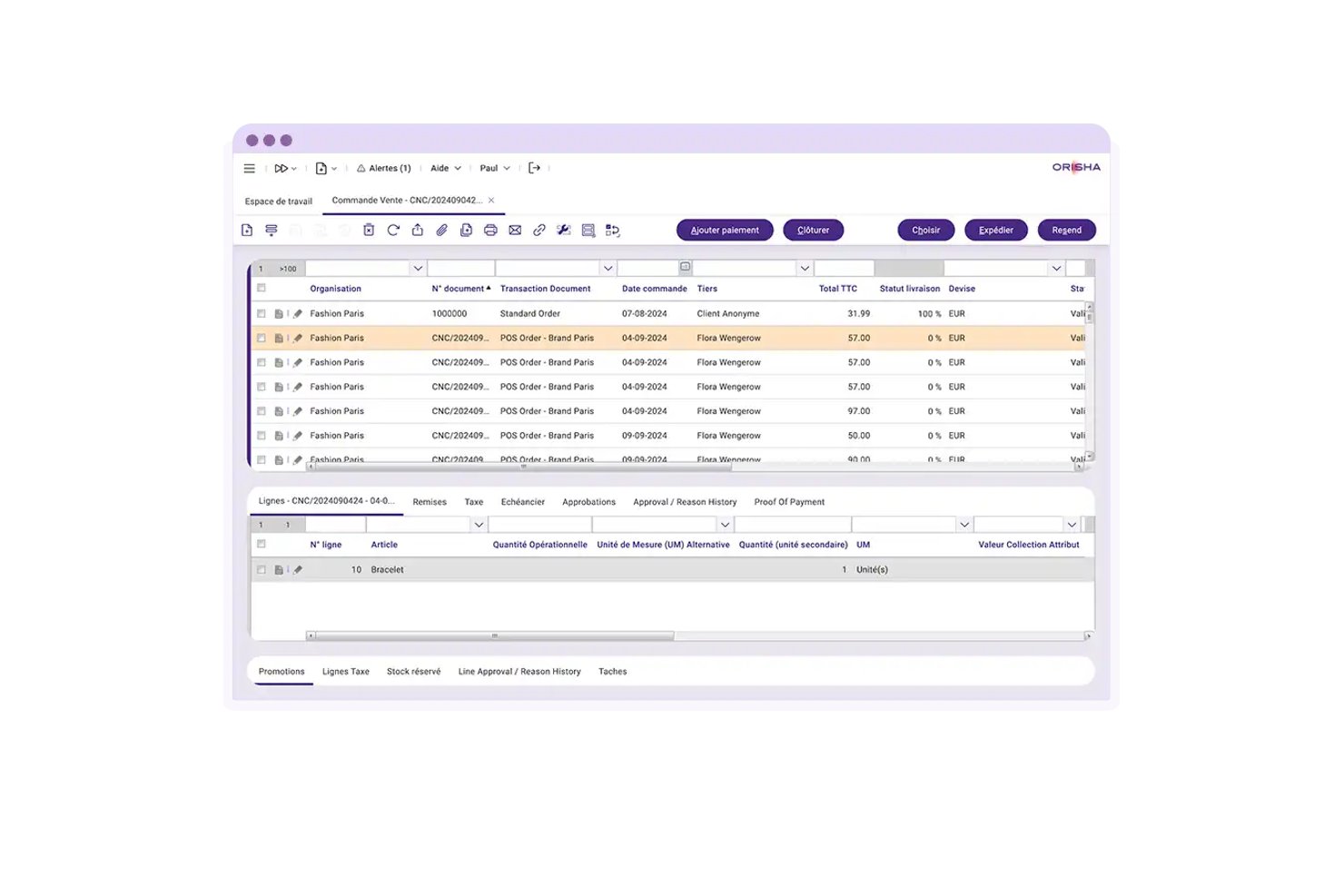
Orisha Commerce ist eine cloudbasierte Unified-Commerce-Plattform, die für Fachhandelsketten entwickelt wurde, die die Einzelhandelsschicht von SAP ersetzen oder erweitern möchten – mit nativer POS-Lösung, Echtzeitbestandsverwaltung und Omnichannel-Order-Management über Filialen und digitale Kanäle hinweg.
Für wen ist Orisha am besten geeignet?
Die Lösung eignet sich besonders gut für mittelgroße bis große Fachhandelsketten, die in den Bereichen Mode, Sportartikel, Inneneinrichtung oder DIY mit mehreren Filialstandorten tätig sind.
Warum Orisha eine gute SAP-Alternative ist
Ich habe Orisha in meine Top-Auswahl aufgenommen, weil die Plattform die Warenverteilung auf eine Weise steuert, wie es die SAP-Einzelhandelsmodule selten ohne umfangreiche Anpassungen können. Besonders gefällt mir das agile Sortimentsmanagement in Kombination mit der Echtzeit-Bestandsübersicht über alle Standorte hinweg – so sehe ich genau, was sich wo und wann bewegt. Das integrierte OMS steuert Lieferanten-Nachschub und Auftragsabwicklung auf einer einzigen Plattform, ohne dass ein separates Lagerverwaltungssystem angebaut werden muss.
Orisha – Schlüsselfunktionen
- Mobiles Clienteling im Geschäft: Ermöglicht Mitarbeitern, mobile Geräte für personalisierten Kundenservice und Produktempfehlungen in Echtzeit zu nutzen.
- Zentrale Produktdatenverwaltung: Bietet eine Plattform für die Verwaltung von Artikelnummern, Attributen und Kanal-übergreifenden Produktdaten für alle Filialen.
- Integrierter B2C-, D2C- und B2B-E-Commerce: Unterstützt mehrere Vertriebskanäle direkt innerhalb derselben Cloud-Plattform für einheitliche Abläufe.
- Echtzeit-API-Bibliothek: Stellt ein umfassendes Set an APIs bereit, um externe Handelssysteme, E-Commerce-Plattformen und Supply-Chain-Partner anzubinden.
Orisha Integrationen
Orisha Commerce bietet native Integrationen mit SAP ERP, Adobe Commerce, Adyen, Avalara, EXACT, Frepple, Microsoft Dynamics AX, PrestaShop, VTEX und authorize.net. Eine API für individuelle Integrationen ist ebenfalls verfügbar.
Pros and Cons
Pros:
- Native Omnichannel-POS für Filialen und E-Commerce
- Echtzeit-Bestandsübersicht über alle Standorte
- Keine lokale Serverinfrastruktur in den Filialen notwendig
Cons:
- Kein natives Hauptbuch oder Buchhaltung
- Begrenzte Reichweite außerhalb von Fachhandelsbranchen

Am besten geeignet für einheitlichen Handel und Finanzmanagement
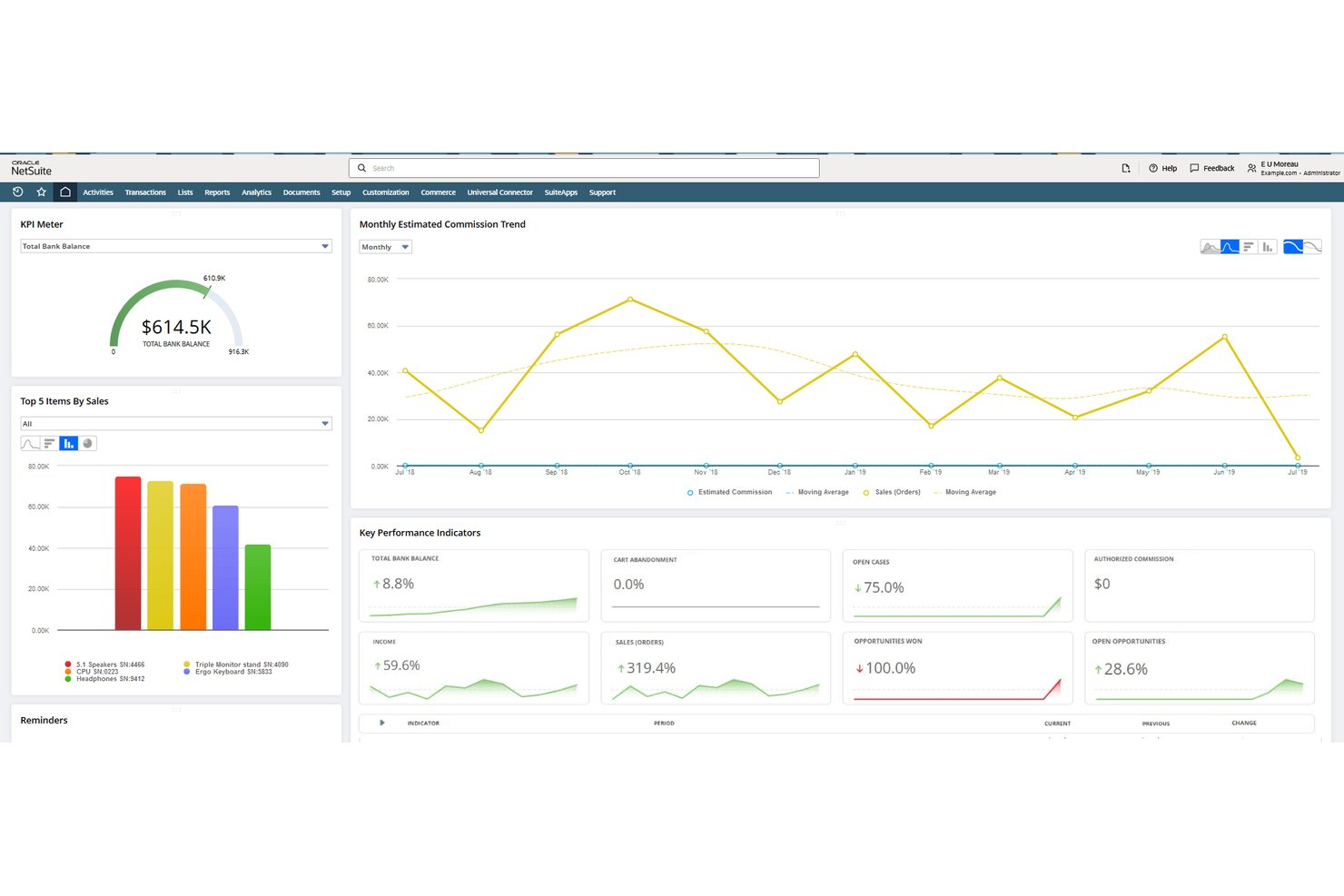
Oracle NetSuite Retail ERP ist eine cloud-native ERP-Plattform, die speziell für Omnichannel-Händler entwickelt wurde, die Finanzwesen, Lagerbestand, POS und E-Commerce in einem einzigen System verbinden möchten – und das ohne die Komplexität bei der Implementierung und die Lizenzfragmentierung, wie sie bei SAP auftritt.
Für wen eignet sich Oracle NetSuite Retail ERP am besten?
NetSuite Retail ERP eignet sich besonders für mittelständische und wachsende Einzelhändler mit mehreren Standorten, die den Einstiegstools für Buchhaltung entwachsen sind und ein einheitliches System zur kanalübergreifenden Steuerung der Geschäftsabläufe benötigen.
Warum ist Oracle NetSuite Retail ERP eine gute SAP-Alternative?
Ich habe NetSuite Retail ERP in meine Top-Auswahl aufgenommen, weil seine Single-Database-Architektur die Datensilos beseitigt, die SAP-Implementierungen so mühsam machen. Jede Transaktion an der Kasse, jede Online-Bestellung und jede Lieferantenrechnung fließt in Echtzeit in das gleiche Hauptbuch ein, sodass Ihr Finanzteam nicht mehr Datenströme aus drei verschiedenen Systemen abgleichen muss. Besonders schätze ich das native Retail-POS von NetSuite, das Daten aus dem stationären Handel und dem E-Commerce ohne zusätzlichen Drittanbieter-Connector synchron hält.
Wesentliche Funktionen von Oracle NetSuite Retail ERP
- SuiteApps Marketplace: Zugriff auf branchenspezifische Add-ons und Integrationen direkt über das kuratierte App-Verzeichnis von NetSuite.
- SuiteBuilder-Anpassungstools: Nutzer können Formulare, Datensätze, Felder und Workflows für individuelle Geschäftsprozesse ohne Programmierung anpassen.
- OneWorld Global Management: Verwaltung mehrerer Tochtergesellschaften, Währungen und Steuervorschriften auf einer zentralen Plattform.
- Rollenbasierte Dashboards: Jeder Anwender erhält anpassbare, Echtzeit-Ansichten relevanter KPIs und geschäftskritischer Daten.
Integrationen für Oracle NetSuite Retail ERP
NetSuite Retail ERP bietet vorkonfigurierte Connectoren für Salesforce, Shopify, Outlook und Bill.com; weitere Apps sind über den SuiteApps Marketplace verfügbar. Für individuelle Integrationen steht eine API zur Verfügung.
Pros and Cons
Pros:
- Echtzeitdaten über alle Vertriebskanäle hinweg
- Eigenes POS vermeidet Synchronisierungsprobleme mit Drittanbietern
- Schnellere Implementierung als SAP S/4HANA
Cons:
- Zusatzmodule erhöhen die Gesamtkosten
- Kundensupport nach Implementierung uneinheitlich

Am besten geeignet für Low-Code-ERP mit Microsoft 365
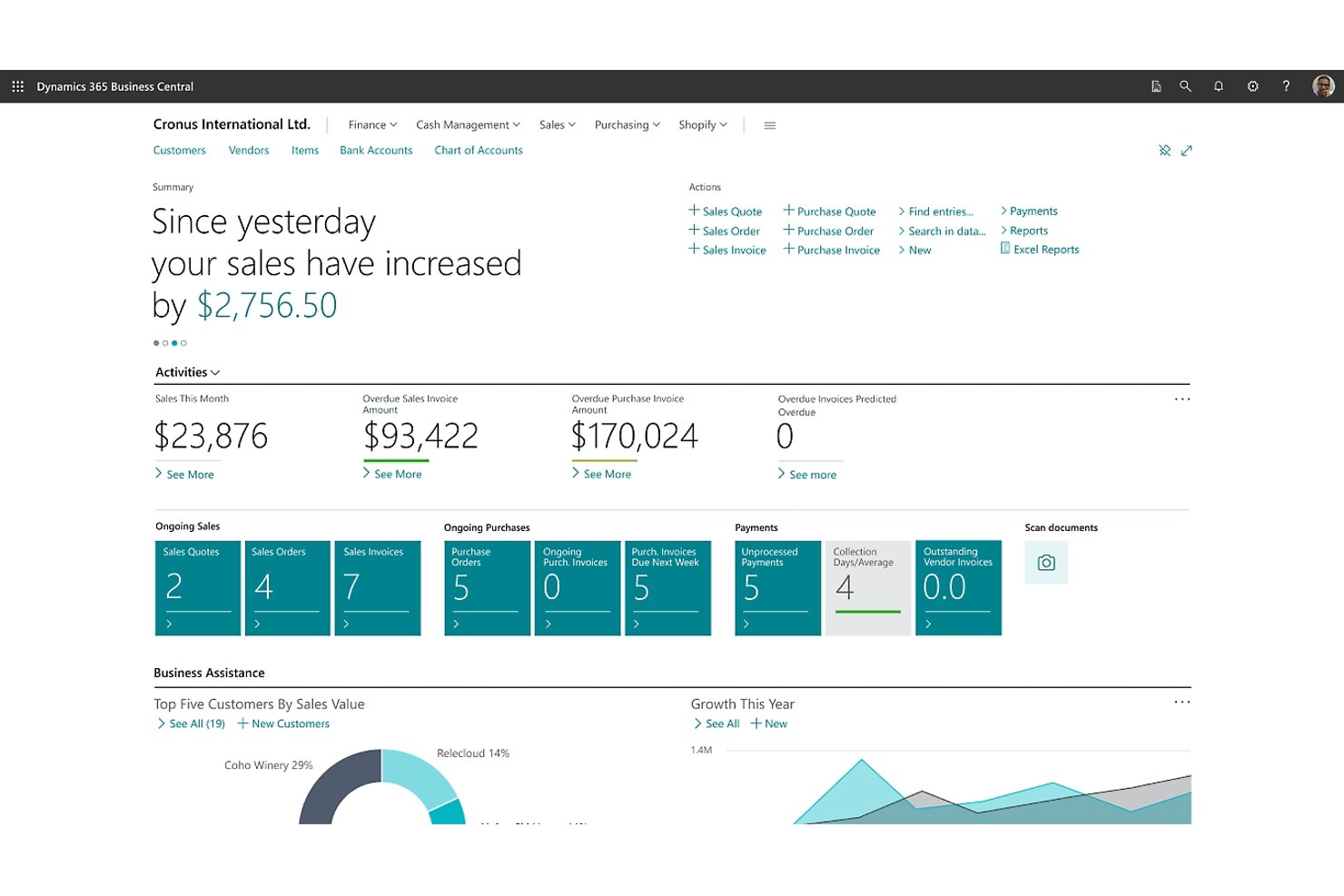
Microsoft Dynamics 365 Business Central ist ein cloudbasiertes ERP-System für kleine und mittelständische Einzelhändler, die Finanz-, Bestands-, Lieferketten- und Verkaufsdaten vereinen möchten, ohne die Komplexität oder Kosten von Unternehmensplattformen wie SAP.
Für wen ist Microsoft Dynamics 365 Business Central am besten geeignet?
Es eignet sich besonders für Einzelhandels- und Großhandelsunternehmen im mittleren Marktsegment, die bereits Microsoft 365 nutzen und ein ERP-System möchten, das sich direkt mit diesen bestehenden Tools verbindet.
Warum ist Microsoft Dynamics 365 Business Central eine gute SAP-Alternative?
Ich habe Microsoft Dynamics 365 Business Central in meine Top-Auswahl aufgenommen, weil es Anpassungen über die Power Platform ermöglicht. Mein Team kann benutzerdefinierte Workflows in Power Automate erstellen oder rollenbasierte Apps in Power Apps entwickeln, ganz ohne Code zu schreiben. Außerdem schätze ich, dass aktuelle Finanz- und Bestandsdaten direkt in Excel und Outlook angezeigt werden, sodass Teams im Einzelhandel in den ihnen bereits vertrauten Tools arbeiten können.
Microsoft Dynamics 365 Business Central – Wichtige Funktionen
- Bestandsmanagement mit mehreren Standorten: Verfolgen Sie Bestände, Artikelnummern und Bestellungen in Echtzeit über mehrere Lager und Einzelhandelsgeschäfte hinweg.
- Native Shopify-Integration: Synchronisieren Sie Inventar-, Bestell- und Fulfillment-Daten automatisch zwischen Business Central und Shopify E-Commerce.
- Erweitertes Lagerhausmanagement: Verwenden Sie Barcode-Scanning, geführte Kommissionierung und Einlagerungsprozesse, um Lagerabläufe zu optimieren.
- Finanzkonsolidierung und Mehrwährungsfähigkeit: Konsolidieren Sie Finanzen über verschiedene Geschäftseinheiten hinweg, wickeln Sie Transaktionen in mehreren Währungen ab und unterstützen Sie die Einhaltung globaler Steuervorschriften.
Microsoft Dynamics 365 Business Central Integrationen
Microsoft Dynamics 365 Business Central verfügt über native Integrationen im gesamten Microsoft-Ökosystem, einschließlich Microsoft 365 und Azure, sowie eine native Shopify-Integration. Tausende weitere Integrationen sind über Microsoft AppSource verfügbar, und für individuelle Anpassungen steht eine API bereit.
Pros and Cons
Pros:
- Tiefe native Integration in Microsoft 365 und Teams
- KI-Copilot automatisiert Rechnungsstellung und Liquiditätsprognosen
- Automatische Cloud-Updates erfordern keine IT-Intervention
Cons:
- Native POS-Lösung für den Einzelhandel erfordert Drittanbieter-ISV-Apps
- Für ein vollständiges CRM sind separate Dynamics 365-Lizenzen notwendig

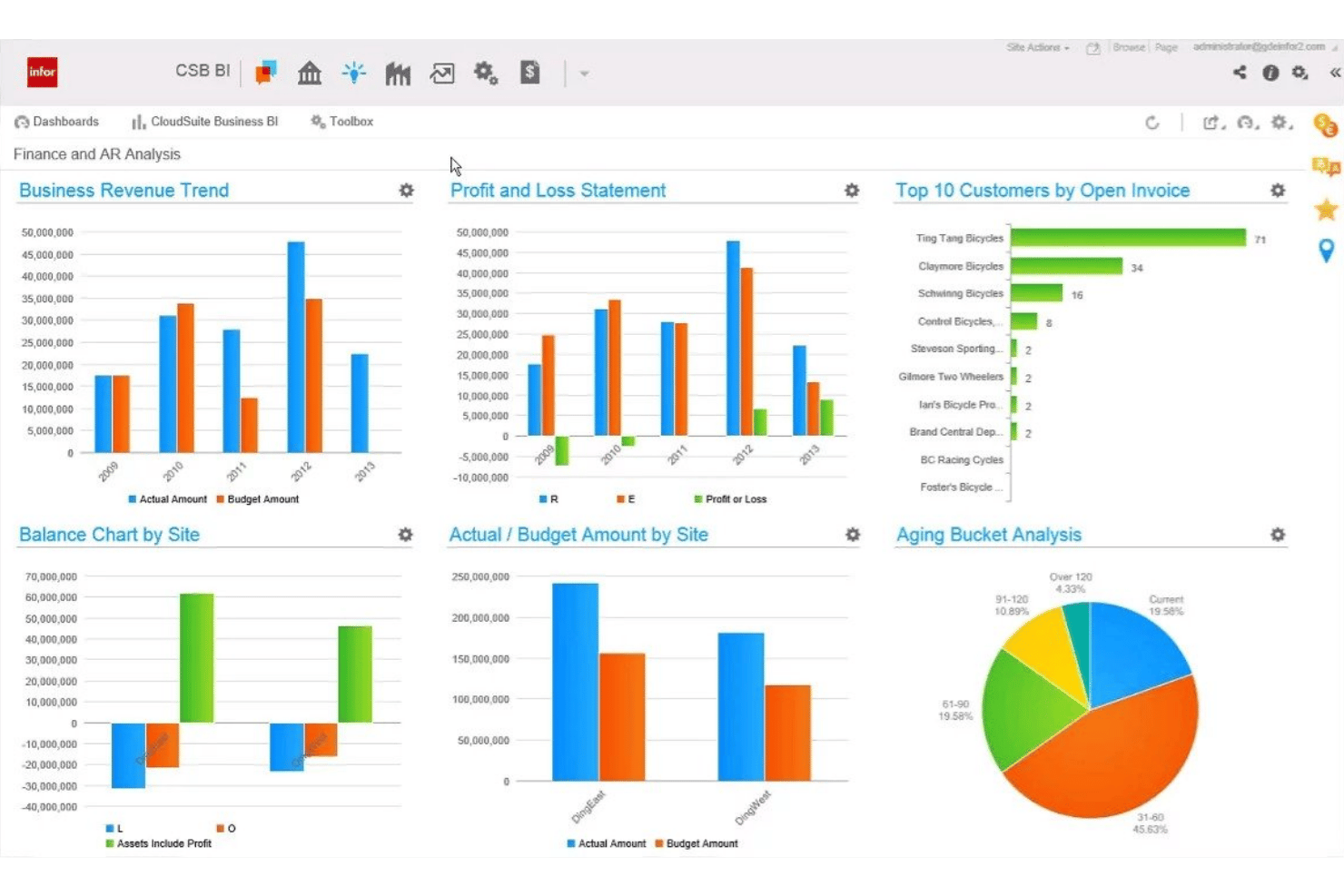
Infor CloudSuite ist eine cloudbasierte ERP-Plattform, die für Einzelhandelsunternehmen entwickelt wurde, die branchenspezifisches Finanzmanagement, Transparenz in der Lieferkette und Warenplanung benötigen, ohne den Implementierungsaufwand eines traditionellen Enterprise-ERP wie SAP.
Für wen ist Infor CloudSuite am besten geeignet?
Sie ist besonders geeignet für mittelgroße bis große Einzelhandelsunternehmen mit mehreren Standorten oder Omnichannel-Betrieb, die eine vorkonfigurierte ERP-Lösung ohne umfangreiche Eigenentwicklungen suchen.
Warum Infor CloudSuite eine gute Alternative zu SAP ist
Ich habe Infor CloudSuite in meine Top-Auswahl aufgenommen, weil die branchenspezifische Automatisierung tiefer greift als das, was SAP standardmäßig bietet. Während SAP eine umfangreiche Konfiguration erfordert, um Einzelhandelsprozesse abzubilden, wird Infor mit über 60 vorkonfigurierten Einzelhandels-Mikro-Vertikalen ausgeliefert, darunter Farb- und Größenzuordnungen für Bekleidung und Warenplanung. Coleman AI läuft nativ in diesen Workflows und löst Bedarfsprognosen und Anomalie-Erkennung ohne eigenen Entwicklungsaufwand aus.
Infor CloudSuite Hauptfunktionen
- Finanzkonsolidierung für mehrere Einheiten: Konsolidiert Buchhaltung, Steuern und Reporting über mehrere Einzelhandelseinheiten und Rechtssysteme hinweg.
- Warenhierarchie-Management: Organisiert Produkte nach Kategorien, Stilen, Farben und Größen für detaillierte Bestandsverwaltung und Planung.
- Lager- und Fulfillment-Management: Steuert eingehende, ausgehende und interne Transfers über mehrere Distributionszentren hinweg.
- Rollenbasierte Analyse-Dashboards: Bietet vorkonfigurierte, Echtzeit-Dashboards speziell für Finanz-, Waren- und Supply-Chain-Rollen im Einzelhandel.
Infor CloudSuite Integrationen
Infor bietet native Integrationen mit Shopify, DocuSign, Salesforce, ServiceNow, ADP, Twilio, Microsoft Dynamics 365 und weiteren. Eine API steht für individuelle Integrationen zur Verfügung.
Pros and Cons
Pros:
- Vorkonfigurierte Einzelhandels-Mikro-Vertikalen verkürzen die Einrichtungszeit
- Coleman AI läuft nativ innerhalb der ERP-Workflows
- Für den Einzelhandel entwickelte Finanzkonsolidierung für mehrere Einheiten
Cons:
- Implementierung erfordert typischerweise spezialisierte Infor-Partnerunterstützung
- Steilere Lernkurve für ERP-Teams außerhalb des Einzelhandels

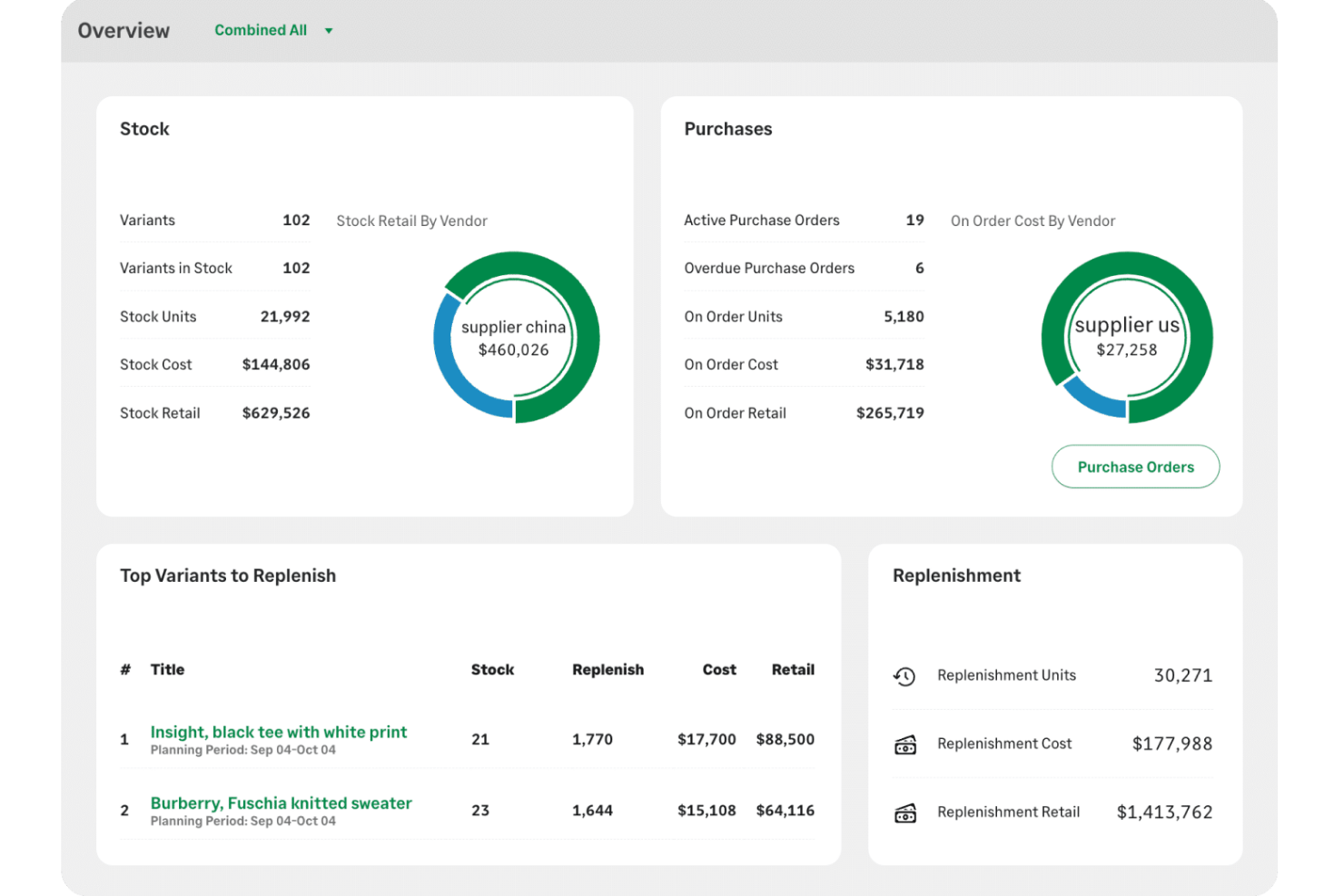
Sage Brightpearl ist eine speziell für den Einzelhandel entwickelte ERP-Plattform, die für Omnichannel-Händler konzipiert wurde, die Bestands-, Auftragsmanagement und Buchhaltung vereinheitlichen möchten – ohne die Komplexität oder die Kosten herkömmlicher Unternehmenssysteme wie SAP.
Für wen ist Sage Brightpearl am besten geeignet?
Es ist besonders passend für mittelständische Einzelhändler und E-Commerce-Marken, die auf mehreren Vertriebskanälen wachsen, die über Einsteiger-Tools hinausgewachsen sind, aber nicht die volle Komplexität einer Enterprise-ERP-Lösung benötigen.
Warum Sage Brightpearl eine gute SAP-Alternative ist
Ich habe Sage Brightpearl in meine Top-Auswahl aufgenommen, weil die Automatisierungs-Engine das Auftragsrouting in großem Maßstab hervorragend abwickelt. Wenn das Auftragsvolumen auf Shopify, Amazon und Großhandelskanälen gleichzeitig in die Höhe schnellt, sorgen die Automatisierungsregeln von Brightpearl dafür, dass jeder Auftrag ohne manuelle Eingaben verarbeitet und weitergeleitet wird. Dabei werden FIFO-Kostenrechnung und eine Echtzeit-Bestandsabstimmung genutzt, um die Finanzdaten während des Wachstums korrekt zu halten. Besonders schätze ich, dass unbegrenzt viele Benutzer ohne Aufpreis im Preismodell enthalten sind, sodass Ihre Team-Erweiterung die Kosten nicht wie bei der SAP-Lizenzierung in die Höhe treibt.
Sage Brightpearl – Wichtige Funktionen
- Integrierte Buchhaltung für den Einzelhandel: Verbindet Verkaufs-, Bestands- und Buchhaltungsdaten für eine Echtzeitabstimmung und branchenspezifische Finanzberichte.
- Inventarmanagement für mehrere Standorte: Verfolgt Lagerbestände, SKUs und Bestellungen in Lagern, Filialen und Logistikzentren.
- Native E-Commerce- und POS-Integrationen: Bietet Plug-and-Play-Anbindungen an Shopify, Amazon und führende POS-Plattformen für eine einheitliche Transaktionsbasis.
- Bedarfsplanungs-Tools: Unterstützt die Warenplanung und Nachbestellung mit integrierten Prognose- und Bestandsoptimierungsfunktionen.
Sage Brightpearl Integrationen
Sage Brightpearl bietet native Integrationen zu Shopify, Amazon, Sage Intacct, Xero, QuickBooks, Bill.com sowie führenden Versand- und 3PL-Dienstleistern. Eine API ist für individuelle Integrationen verfügbar.
Pros and Cons
Pros:
- Automatisierte Einzelhandelsaufträge im großen Maßstab
- Schnellere Inbetriebnahme als bei klassischen ERP-Einführungen
- Bestand und Buchhaltung bleiben in Echtzeit synchronisiert
Cons:
- Erweiterte Berichte benötigen zusätzliche BI-Tools
- Konsolidierung mehrerer Einheiten erfordert externe Integrationen

Am besten geeignet für Omnichannel-Handel mit unbegrenzter Nutzerzahl
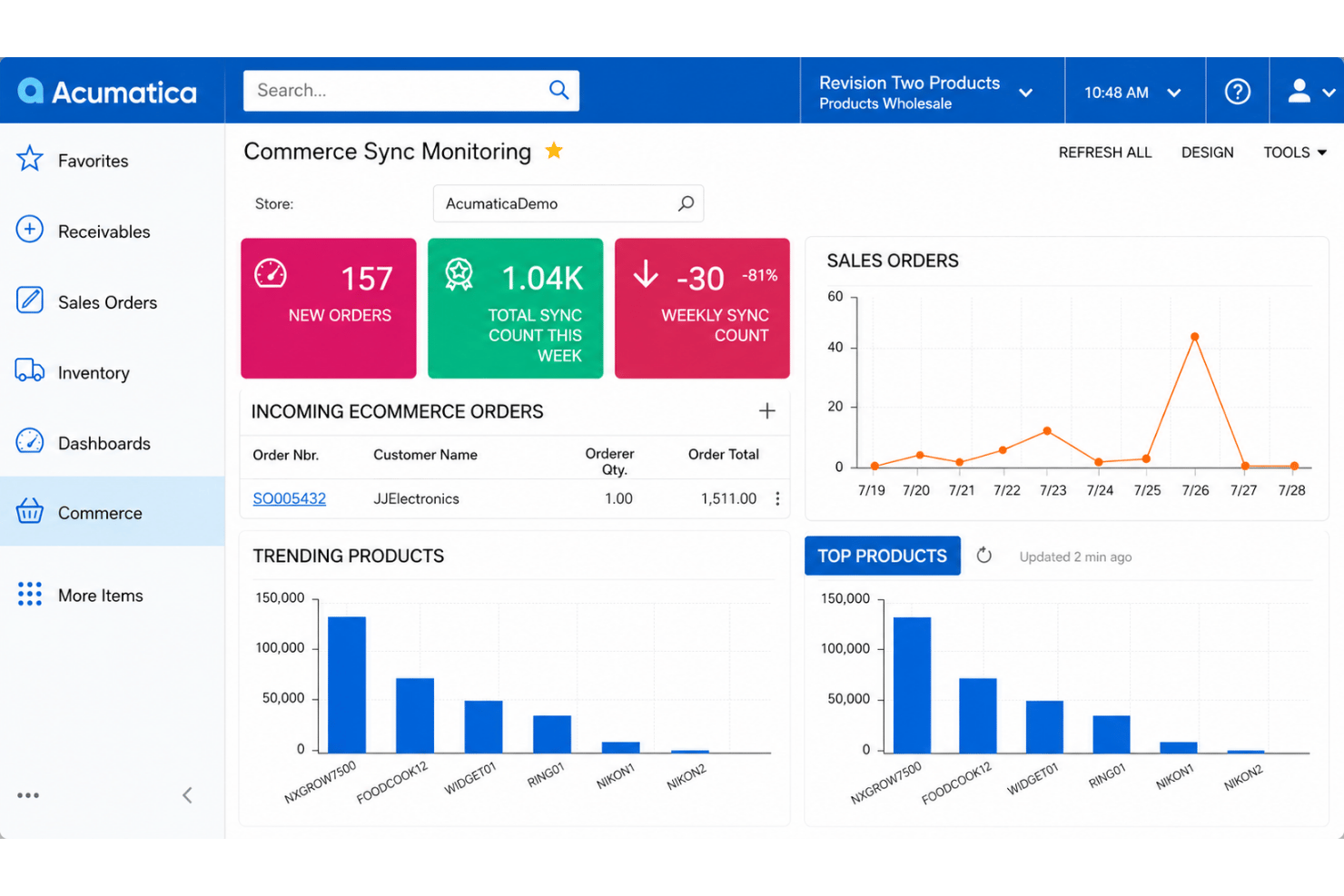
Acumatica Retail Edition ist ein Cloud-ERP, das für mittelständische Einzelhändler entwickelt wurde, die Finanzwesen, Lagerbestand, Kasse (POS) und E-Commerce-Kanäle in einer Plattform verbinden möchten – ohne die Komplexität und Kosten von Lizenzen, wie sie bei Unternehmenssystemen wie SAP anfallen.
Für wen eignet sich Acumatica Retail Edition am besten?
Es ist ideal für wachsende mittelständische Einzelhändler mit mehreren Filialen und Vertriebskanälen, die ein skalierbares ERP ohne nutzerbasierte Lizenzkosten benötigen.
Warum Acumatica Retail Edition eine gute SAP-Alternative ist
Ich habe Acumatica Retail Edition in meine Top-Auswahl aufgenommen, weil das verbrauchsbasierte Lizenzmodell bedeutet, dass ich bei wachsendem Team nicht pro Benutzer zahlen muss. Die native POS-Lösung synchronisiert sich in Echtzeit mit Shopify, BigCommerce und Amazon, sodass Bestand und Bestellungen über alle Kanäle hinweg stets korrekt sind. Besonders schätze ich die Matrixartikel, mit denen sich Größen-, Stil- und Farbvarianten verwalten lassen, ohne auf Workarounds zurückgreifen zu müssen.
Schlüsselfunktionen der Acumatica Retail Edition
- Natives Lagerverwaltungssystem (WMS): Verwalten Sie Lagerbestand, Kommissionierung, Verpackung und Versand innerhalb einer einheitlichen Plattform.
- Fortschrittliche Multi-Entity-Finanzbuchhaltung: Unterstützung für mehrere Firmen, Währungen und Intercompany-Transaktionen in einer Umgebung.
- Anpassbare Workflow-Automatisierung: Automatisieren Sie Freigaben, Auftragsrouting und Aufgabenverteilungen mit maßgeschneiderten Low-Code-Konfigurationen.
- Echtzeit-Reporting-Dashboards: Erstellen und teilen Sie Dashboards mit Live-Kennzahlen und Drilldown-Analysen über alle Kanäle hinweg.
Acumatica Retail Edition Integrationen
Acumatica Retail Edition bietet native Konnektoren zu Shopify, BigCommerce und Shopify POS sowie Marktplatz-Integrationen zu Amazon, Walmart, eBay, Adobe Commerce, WooCommerce und mehr. Für individuelle Integrationen steht zudem eine API zur Verfügung.
Pros and Cons
Pros:
- Unbegrenzte Nutzerlizenzen senken die Gesamtbetriebskosten
- Native Omnichannel-POS synchronisiert in Echtzeit
- Matrixlager ermöglicht die Variantenverwaltung über mehrere Standorte hinweg
Cons:
- Für individuelle Berichte wird die Unterstützung eines Partners benötigt
- Die Implementierung erfordert in der Regel einen zertifizierten VAR-Partner
Weitere SAP-Alternativen
Hier finden Sie einige weitere SAP-Alternativen, die es nicht in meine Vorauswahl geschafft haben, aber dennoch einen Blick wert sind:
- Cegid Retail One
Am besten für das Management von Markenhandelsunternehmen geeignet
- Oracle Retail
Am besten für fortschrittliche Warenwirtschaft und Allokation
- Epicor
Am besten für die Verfolgung von Lieferketten im Einzelhandel geeignet
- Cin7
Am besten für Bestands- und Lagerverwaltung
- Shopify POS
Am besten für die Integration von stationärem und Online-Handel geeignet
- Lightspeed Retail
Am besten geeignet für Einzelhandels-Kassensysteme mit erweiterten Analysen
- Aptos Retail
Am besten für einheitliche Bestands- und Auftragsverwaltung geeignet
- Gofrugal RetailEasy
Am besten für die schnelle Einführung in mehreren Filialen geeignet


Wie ich SAP-Alternativen bewerte
Ich prüfe zunächst, ob jede Plattform das Kernangebot von SAP abdeckt: Finanzmanagement für mehrere Gesellschaften, standortübergreifende Lagerverwaltung, POS-Synchronisierung und Abläufe in der Lieferkette. Danach bewerte ich die Unterscheidungsmerkmale, die eine Alternative von der anderen abheben.
Kernfunktionen (Grundvoraussetzungen für diese Liste)
Bei der Auswahl von Tools für meine Liste bewerte ich jedes auf einer Skala von 0 (bietet die Funktionalität nicht an) bis 5 (übertrifft in diesem Bereich) für jede unten aufgeführte Kernfunktion. Anschließend rechne ich die Gesamtpunktzahl des Tools in einen Prozentsatz um. Jedes Tool muss eine Mindestpunktzahl von 75 % erreichen, um berücksichtigt zu werden.
- Finanzmanagement: Ich achte auf ein vollständiges Hauptbuch, Debitoren-/Kreditorenbuchhaltung und Konsolidierung über mehrere Gesellschaften, damit Einzelhändler, die den Abschluss über Dutzende Filialen machen, nicht in Tabellenkalkulationen arbeiten müssen.
- Bestands- & Warenmanagement: Jede Plattform sollte SKUs und Lagerbestände standortübergreifend verfolgen sowie Bestellungen und Warenplanung unterstützen, die auf saisonale Zyklen ausgerichtet sind.
- Lieferkettenmanagement: Ich bewerte Beschaffungsprozesse, Lagerhaus-Abläufe und Prognosen zur Nachfrage—insbesondere, wie gut eine Plattform die Koordination mit Lieferanten im großen Maßstab bewältigt.
- Integration mit Retail-POS: Ob natives POS oder vorgefertigte Konnektoren: Ich prüfe, dass Transaktionsdaten in Echtzeit zwischen Kassen, Onlineshops und Backoffice-Systemen synchronisiert werden.
- Berichtswesen & Analytik: Dashboards sollten wichtige Einzelhandels-KPIs wie Abverkaufsquote und Margen pro Kategorie anzeigen mit Drilldown-Fähigkeit, die keine separate BI-Lösung erfordert.
- CRM & Kundendaten: Ich schaue, wie jede Plattform Kaufhistorie erfasst und Segmentierung unterstützt, da Treue- und Wiederkaufsprogramme auf sauberen, einheitlichen Kundenprofilen basieren.
Nachdem ich eine Liste von Tools habe, die die Kriterien erfüllen, schaue ich, was sie voneinander unterscheidet.
Unterscheidungsmerkmale (Was Anbieter hervorhebt)
So vergleiche und kontrastiere ich verschiedene Anbieter:
Besondere Funktionen
Composable ERP-Architekturen sind ein großes Unterscheidungskriterium. Modulare, API-First-Plattformen ermöglichen den Start mit Finanzen und Lager, wobei die Lieferkette später ohne Kauf einer monolithischen Suite ergänzt werden kann. Eingebettete KI zur Nachfrageprognose und zur automatisierten Rechnungsabstimmung sind ebenfalls wichtig, vor allem für Einzelhändler, die tausende SKUs über Saisons managen. Ich achte auch auf vorgefertigte Retail-Beschleuniger, da Vorlagen und Datenmodelle für Warenplanung die Inbetriebnahme um Monate verkürzen können.
Mehr als nur Funktionen
Transparente Lizenzmodelle sind hier sehr wichtig. Die modulbasierte Preisgestaltung von SAP ist bekanntlich komplex, daher prüfe ich, ob Alternativen klar verständliche Modelle pro Nutzer oder verbrauchsbasierte Modelle mit vorhersehbaren Verlängerungen bieten. Ebenso wichtig ist Integrationsfähigkeit—Einzelhändler, die Shopify oder Salesforce neben ihrem ERP einsetzen, brauchen fertige Konnektoren oder offene APIs, keine individuellen Middleware-Projekte. Zudem prüfe ich Unterstützung für Multi-Entity, Multi-Währung und lokale steuerliche Anforderungen, da expandierende Einzelhändler nicht riskieren können, dass ihr ERP nicht mehr ausreicht.
Warum nach einer SAP-Alternative suchen?
Obwohl SAP eine gute Wahl für ERP-Software im Einzelhandel ist, gibt es mehrere Gründe, warum manche Nutzer nach alternativen Lösungen suchen. Vielleicht suchen Sie nach einer SAP-Alternative, weil …
- hohe Gesamtbetriebskosten und komplexe Lizenzierung
- lange Zeiträume für Implementierung und Einführung
- begrenzte Flexibilität bei sich schnell wandelnden Anforderungen im Einzelhandel
- übermäßig komplexe Benutzeroberfläche für technisch weniger versierte Nutzer
- Schwierigkeiten bei der Integration mit E-Commerce- oder Kassensystemen
- schwierige Anpassung an die Anforderungen mittelgroßer oder wachsender Einzelhändler
Wenn Sie sich in einem dieser Punkte wiedererkennen, sind Sie hier richtig. Meine Liste enthält mehrere ERP-Softwareoptionen für den Einzelhandel, die besser für Teams geeignet sind, die mit diesen Herausforderungen von SAP konfrontiert sind und nach alternativen Lösungen suchen.
Die wichtigsten SAP-Funktionen
Hier finden Sie einige der wichtigsten Funktionen von SAP, damit Sie die Angebote alternativer Lösungen gegenüberstellen und vergleichen können:
- Finanzverwaltung: Zentralisiert Hauptbuch, Kreditoren- und Debitorenbuchhaltung sowie Budgetierung und unterstützt die finanzielle Konsolidierung mehrerer Unternehmen für Händler mit komplexen Geschäftsabläufen.
- Bestandsverwaltung und Warenpräsentation: Verfolgt Bestandsmengen, Artikelnummern und Produktsortimente über mehrere Kanäle und Standorte hinweg und hilft Teams, Fehlbestände und Überbevorratung zu vermeiden.
- Lieferkettenmanagement: Übernimmt Beschaffung, Lieferantenbeziehungen, Lagerbetrieb und Nachfrageprognosen, damit Waren effizient von den Lieferanten in die Geschäfte gelangen.
- Integration von Einzelhandelskassensystemen: Verbindet SAP mit physischen und Online-Verkaufsstellen, sodass Transaktions- und Bestandsdaten in stationären Geschäften und im E-Commerce synchron bleiben.
- Berichte und Analysen: Bietet Dashboards und Berichte zu Verkäufen, Finanzen, Beständen und Betriebsabläufen und ermöglicht es Teams, Entscheidungen auf Grundlage von Echtzeitdaten mit konkreten Handlungsempfehlungen zu treffen.
- CRM und Kundendaten: Speichert Kundenprofile und Kaufhistorien und unterstützt die Segmentierung, um personalisiertes Marketing, Treueprogramme und maßgeschneiderte Werbeaktionen zu ermöglichen.
- E-Commerce-Integration: Lässt sich in E-Commerce-Plattformen integrieren und ermöglicht es Händlern, digitale Verkaufsflächen, Bestände und die Auftragsabwicklung über ein einheitliches System zu verwalten.
- Management der Vorschrifteneinhaltung: Bietet integrierte Unterstützung für Steuer-, Regulierungs- und Buchhaltungsvorschriften in verschiedenen Regionen und hilft Händlern, international zu expandieren, ohne sich mit Problemen bei der Vorschrifteneinhaltung auseinandersetzen zu müssen.
- Workflow-Automatisierung: Automatisiert Genehmigungen, Benachrichtigungen und wiederkehrende Aufgaben mithilfe regelbasierter Workflows und schafft so Freiräume für Mitarbeitende, damit sie sich auf wertschöpfendere Tätigkeiten konzentrieren können.
- Mehrere Währungen und Lokalisierung: Unterstützt Transaktionen, Berichte und Bestände in mehreren Währungen und Sprachen für Händler, die grenzüberschreitend tätig sind.