

I 10 migliori software POS per ristoranti del 2026

I 10 migliori software POS per ristoranti che dovresti utilizzare


Il software POS per ristoranti gestisce ordini, pagamenti, inventario e sincronizzazione tra sala e cucina in tempo reale.
Stai ancora lottando con menu che richiedono giorni per essere aggiornati, terminali così lenti da sembrare pause caffè (e non del tipo divertente) e integrazioni “con un clic” che restituiscono registri degli errori. I report manuali mostrano il caos di ieri, non quello di oggi.
Lavoro da oltre un decennio nelle operazioni del commercio al dettaglio e del commercio elettronico e ho esaminato decine e decine di piattaforme POS, quindi so quali sistemi mantengono davvero le promesse.
In questa guida classifico i migliori sistemi POS per ristoranti, analizzando dashboard in tempo reale, elaborazione dei pagamenti, integrazioni, avviamento e prezzi trasparenti, così puoi sostituire il caos con un flusso di lavoro che funziona come un orologio.
Perché fidarsi dei nostri consigli sui software
Il nostro team testa e recensisce software dal 2012. In quanto leader del retail noi stessi, sappiamo quanto sia difficile — e importante — scegliere il software giusto.
Per questa guida, abbiamo valutato gli strumenti attraverso test pratici e ricerche indipendenti, assegnando un punteggio agli strumenti in base ai nostri criteri di selezione.
Le nostre recensioni riflettono il nostro giudizio indipendente, non un discorso di vendita.
Tabella comparativa dei software POS per ristoranti
La tabella seguente confronta i prezzi, la disponibilità di prove gratuite e i casi d’uso ideali per le mie migliori scelte di software POS per ristoranti.
| Tool | Best For | Trial Info | Price | ||
|---|---|---|---|---|---|
| 1 | Ideale per l'archiviazione cloud | Not available | Website | ||
| 2 | Ideale per il mercato britannico | Demo gratuita disponibile | Prezzo su richiesta | Website | |
| 3 | Ideale per ristoranti indiani | Demo gratuita disponibile | Da $65/mese | Website | |
| 4 | Ideale per la sicurezza dei dati | Demo gratuita disponibile | A partire da $89/mese per una postazione | Website | |
| 5 | Ideale per facilità d'uso | Demo gratuita disponibile | Da 3,25% più $0,15 per transazione | Website | |
| 6 | Ideale per le piccole imprese | Not available | Da $65/mese per postazione + costo di installazione una tantum | Website | |
| 7 | Ideale per una configurazione rapida | Piano gratuito disponibile | Da $35/mese + commissioni di transazione | Website | |
| 8 | Ideale per la flessibilità nei pagamenti | Demo gratuita disponibile | Prezzo disponibile su richiesta | Website | |
| 9 | Ideale per le grandi catene | Demo gratuita disponibile | Prezzo su richiesta | Website | |
| 10 | Ideale per il piano iniziale gratuito | Componenti aggiuntivi opzionali a partire da $5/mese | Gratuito | Website |
I 10 migliori software POS per ristoranti, recensiti
Di seguito trovi le mie migliori scelte per i sistemi POS per ristoranti, con analisi chiare e dirette su configurazione, elaborazione dei pagamenti, controllo dell’inventario, integrazioni e prezzi: tutto ciò che ti serve per scegliere il tuo prossimo POS senza andare a tentativi.

Ideale per l'archiviazione cloud

Restroworks è un software POS basato su cloud progettato per ristoranti di tutte le dimensioni, incentrato sulla scalabilità e sull'efficienza sia nelle operazioni di sala che di cucina. Offre strumenti completi per la gestione degli ordini, il controllo dell'inventario e il coinvolgimento dei clienti, rendendolo ideale per ambienti di ristorazione dinamici.
Perché ho scelto Restroworks: Restroworks eccelle nell'offrire soluzioni di archiviazione cloud che garantiscono accessibilità e sicurezza dei dati. La gestione centralizzata di menu e inventario aiuta a ottimizzare le operazioni in più sedi.
Grazie ad analisi in tempo reale, puoi prendere decisioni consapevoli per migliorare il servizio e la redditività. La sua capacità di integrarsi con diverse piattaforme di ordinazione digitale aumenta la tua portata e le possibilità di servizio.
Funzionalità e integrazioni principali:
Caratteristiche includono un'interfaccia intuitiva che semplifica l'elaborazione degli ordini e riduce i tempi di attesa. La funzione di gestione dell'inventario ti aiuta a monitorare le scorte e ridurre gli sprechi. Restroworks fornisce inoltre strumenti per creare e gestire promozioni utili a incrementare il coinvolgimento dei clienti.
Integrazioni includono Zomato, Swiggy, Uber Eats, Paytm, Razorpay, Dunzo, Amazon Pay, PhonePe, Justdial e DotPe.
Pros and Cons
Pros:
- Ampie capacità di archiviazione cloud
- Gestione centralizzata dei menu
- Analisi in tempo reale disponibili
Cons:
- Dettagli sui prezzi non trasparenti
- Funzionalità offline limitate

Epos Now
Ideale per il mercato britannico

Epos Now è un sistema POS per ristoranti versatile, progettato per caffè, bar e ristoranti, con particolare attenzione alla gestione delle vendite multicanale, inclusi servizio interno, asporto e consegna. Offre strumenti per l'elaborazione dei pagamenti, la gestione dell'inventario e l'analisi in tempo reale per supportare le attività del settore alimentare.
Perché ho scelto Epos Now: Epos Now serve il mercato britannico con funzionalità come l'integrazione con le principali piattaforme contabili e il supporto per diversi metodi di pagamento. Le analisi dei dati in tempo reale del sistema ti aiutano a ottimizzare la performance del menu e ridurre gli sprechi alimentari.
La capacità della piattaforma di gestire più sedi grazie alla funzione Multi-Site Manager è un vantaggio importante. I prezzi promozionali lo rendono una scelta accessibile per le attività che desiderano migliorare la propria operatività.
Caratteristiche e integrazioni principali:
Caratteristiche includono reportistica in tempo reale, che ti permette di monitorare in modo efficiente le vendite e i livelli di inventario. Il sistema fornisce inoltre strumenti per programmi di fidelizzazione dei clienti per migliorare il coinvolgimento. I chioschi self-service di Epos Now possono migliorare l’esperienza del cliente riducendo i tempi di attesa.
Integrazioni includono QuickBooks, Xero, Sage, Mailchimp, Tyro, Deputy, Shopify, WooCommerce, Zapier e PayPal.
Pros and Cons
Pros:
- Adatto al mercato britannico
- Analisi dei dati in tempo reale
- Gestione multi-sede
Cons:
- Può richiedere una connessione a Internet
- La configurazione delle integrazioni può essere complessa

Petpooja
Ideale per ristoranti indiani
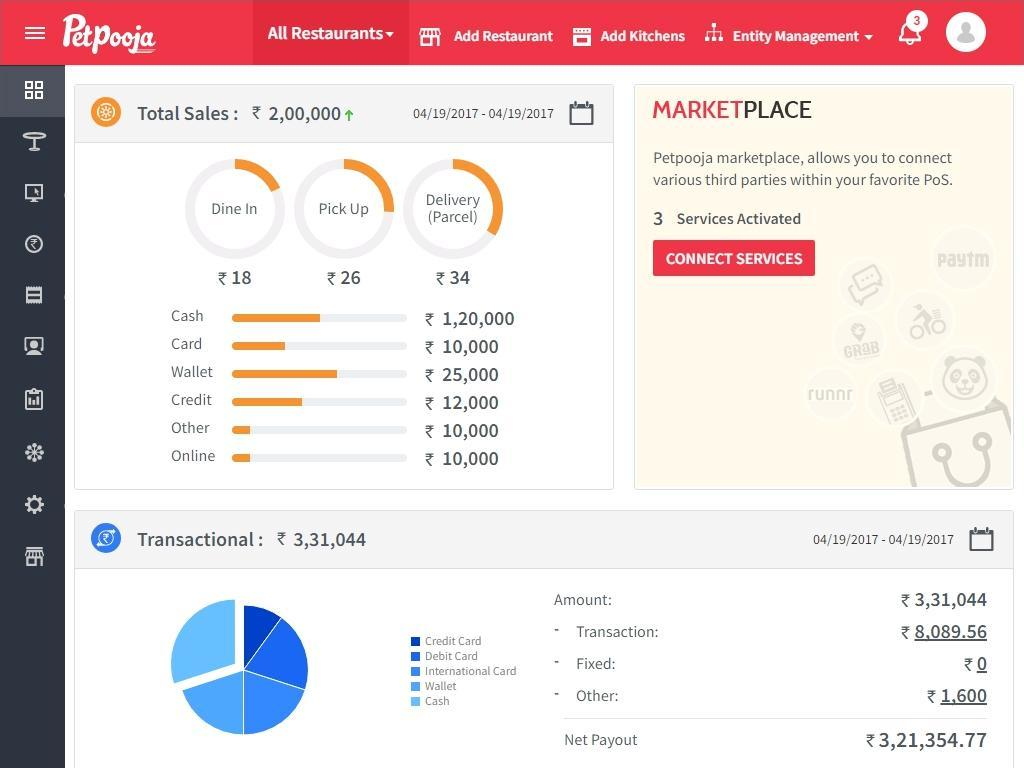
Petpooja è un sistema POS per ristoranti pensato per le attività indiane, che offre strumenti per la fatturazione, la gestione dell'inventario e il coinvolgimento dei clienti. Serve una vasta gamma di attività nel settore alimentare, dai piccoli caffè ai grandi ristoranti, offrendo funzionalità che semplificano le operazioni.
Perché ho scelto Petpooja: Petpooja si rivolge specificamente al mercato indiano con funzionalità multilingue e supporto per i metodi di pagamento regionali. La modalità offline assicura che il tuo team possa continuare a lavorare anche senza connessione internet.
Gli strumenti di analisi del software offrono anche informazioni sulle tendenze di vendita, aiutandoti a prendere decisioni aziendali informate. Grazie alla sua interfaccia facile da usare, semplifica la gestione delle attività quotidiane.
Funzionalità e integrazioni principali:
Funzionalità includono un menu personalizzabile che consente di modificare rapidamente articoli e prezzi. Il sistema offre report dettagliati che aiutano a monitorare efficacemente vendite e inventario. Petpooja supporta inoltre le ricevute digitali, riducendo gli sprechi di carta e aumentando la comodità per i clienti.
Integrazioni includono Zomato, Swiggy, Uber Eats, Paytm, Razorpay, Dunzo, Amazon Pay, PhonePe, Justdial e DotPe.
Pros and Cons
Pros:
- Supporto multilingue per le lingue indiane
- Modalità offline disponibile
- Supporta metodi di pagamento regionali
Cons:
- L'approccio regionale potrebbe non andare bene per tutti
- La configurazione delle integrazioni può essere complessa

Ideale per la sicurezza dei dati

Heartland è un sistema POS completo pensato per i ristoranti, focalizzato sull'elaborazione sicura dei pagamenti e l'ottimizzazione delle operazioni. Serve una varietà di attività ristorative, offrendo strumenti per la gestione degli ordini, il controllo dell'inventario e il coinvolgimento dei clienti.
Perché ho scelto Heartland: Heartland si distingue per la sicurezza dei dati, offrendo transazioni criptate e gateway di pagamento sicuri. Grazie a funzionalità come la crittografia end-to-end e la tokenizzazione, puoi proteggere le informazioni di pagamento dei tuoi clienti.
La reportistica in tempo reale di Heartland ti aiuta a tenere traccia in modo efficiente di vendite e inventario. La possibilità di supportare diversi tipi di pagamento aggiunge flessibilità alle tue operazioni.
Caratteristiche principali & integrazioni:
Caratteristiche includono report personalizzabili che ti permettono di adattare le analisi alle esigenze della tua attività. Heartland offre una funzione di programmi fedeltà per aiutarti a fidelizzare i clienti e incrementare i ritorni. Il sistema include anche funzionalità POS mobile, che ti consentono di prendere ordini e gestire pagamenti ovunque.
Integrazioni includono QuickBooks, Xero, GrubHub, DoorDash, Uber Eats, OpenTable, Resy, Chowly, 7shifts e MarketMan.
Pros and Cons
Pros:
- Misure di sicurezza dei dati avanzate
- Supporta molteplici tipi di pagamento
- Funzionalità POS mobile
Cons:
- Funzionalità offline limitate
- Configurazione del sistema complessa


SumUp è una soluzione POS progettata per piccole imprese e imprenditori, che offre un'elaborazione dei pagamenti semplice e il monitoraggio delle vendite. Fornisce strumenti per gestire le transazioni e accettare diversi metodi di pagamento, rendendola ideale per chi cerca funzionalità dirette e immediate.
Perché ho scelto SumUp: SumUp offre un'installazione e un utilizzo intuitivi, perfetta per le attività senza personale IT dedicato. Il lettore di carte è portatile e consente di accettare pagamenti ovunque.
La dashboard di SumUp offre una visione chiara delle vendite, aiutando a prendere decisioni informate. Grazie alla sua semplicità, puoi formare rapidamente il tuo team all'utilizzo efficace.
Funzionalità principali e integrazioni:
Funzionalità includono un terminale virtuale che consente di gestire pagamenti senza un lettore di carte. SumUp fornisce report dettagliati sulle vendite per aiutarti a comprendere l'andamento della tua attività. La funzione di fatturazione consente di creare e inviare fatture professionali direttamente dall'app.
Integrazioni includono Shopify, WooCommerce, PrestaShop, BigCommerce, Magento, OpenCart, QuickBooks, Xero, Vend e PayPal.
Pros and Cons
Pros:
- Procedura di configurazione semplice
- Lettore di carte portatile
- Formazione del team rapida
Cons:
- Funzionalità avanzate limitate
- Nessuna linea diretta di assistenza clienti

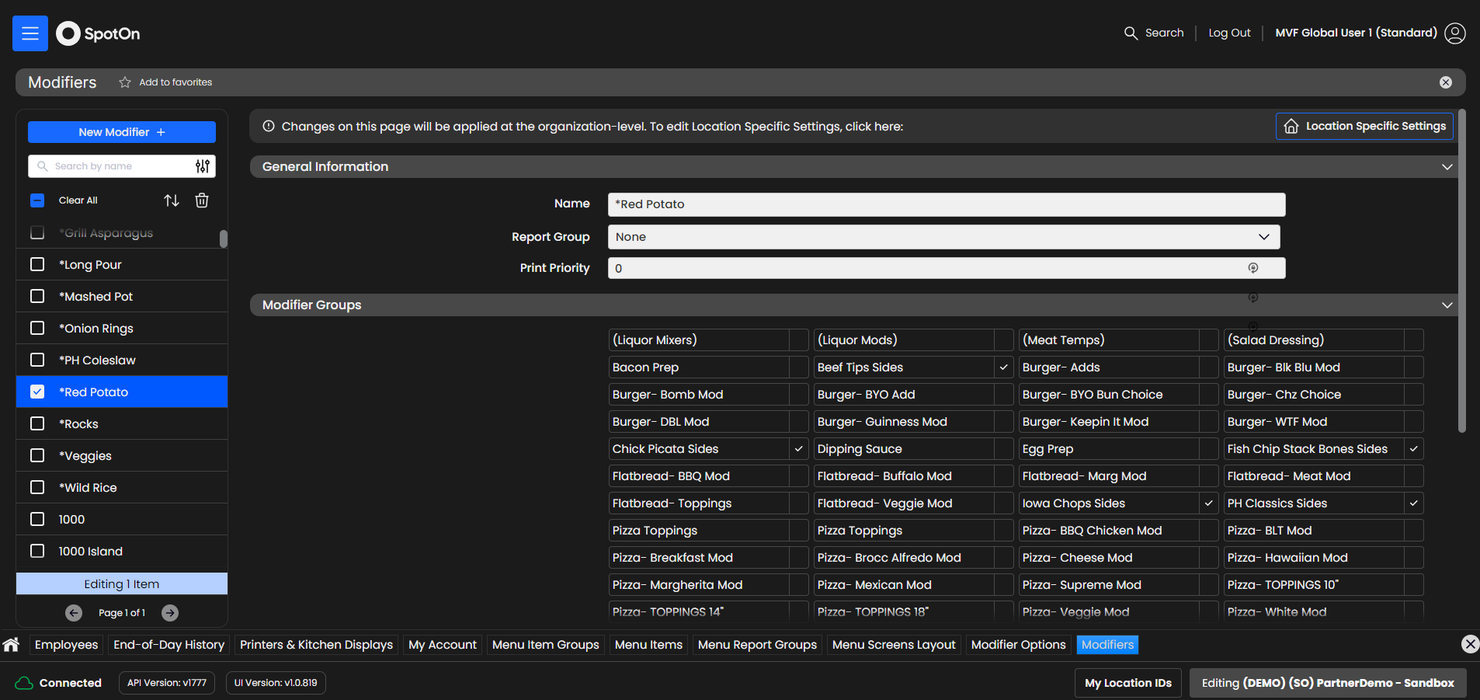
SpotOn è un sistema POS per ristoranti pensato per locali di ristorazione casual, servizio rapido e ristoranti gourmet. Offre soluzioni punto vendita personalizzabili, gestione del personale e ordinazioni online per migliorare le operazioni del ristorante.
Perché ho scelto SpotOn: SpotOn rappresenta un'opzione conveniente per le piccole imprese con funzionalità come dispositivi portatili e strumenti di pianificazione turni. La sua interfaccia flessibile permette di gestire i menù facilmente, mentre il backup cellulare garantisce la continuità delle operazioni durante interruzioni di internet.
La gestione multi-sede di SpotOn ti aiuta anche a supervisionare in modo efficace più location, supportando la tua crescita ed espansione.
Funzionalità principali e integrazioni:
Funzionalità includono report personalizzati, visualizzazione dati immediata e avvisi su soglie di costo e vendite. Puoi raccogliere dati degli ospiti per scopi di marketing, migliorando il coinvolgimento della clientela. Il sistema supporta anche l'integrazione con le buste paga per aiutare nella gestione efficiente dei costi.
Integrazioni includono MarginEdge, Craftable, Gusto, ADP, DoorDash, QuickBooks, Square, Constant Contact e Mailchimp.
Pros and Cons
Pros:
- Personalizzabile per le piccole imprese
- Backup cellulare in caso di guasti
- Supporta la gestione multi-sede
Cons:
- Funzionalità avanzate limitate
- La configurazione delle integrazioni può essere complessa

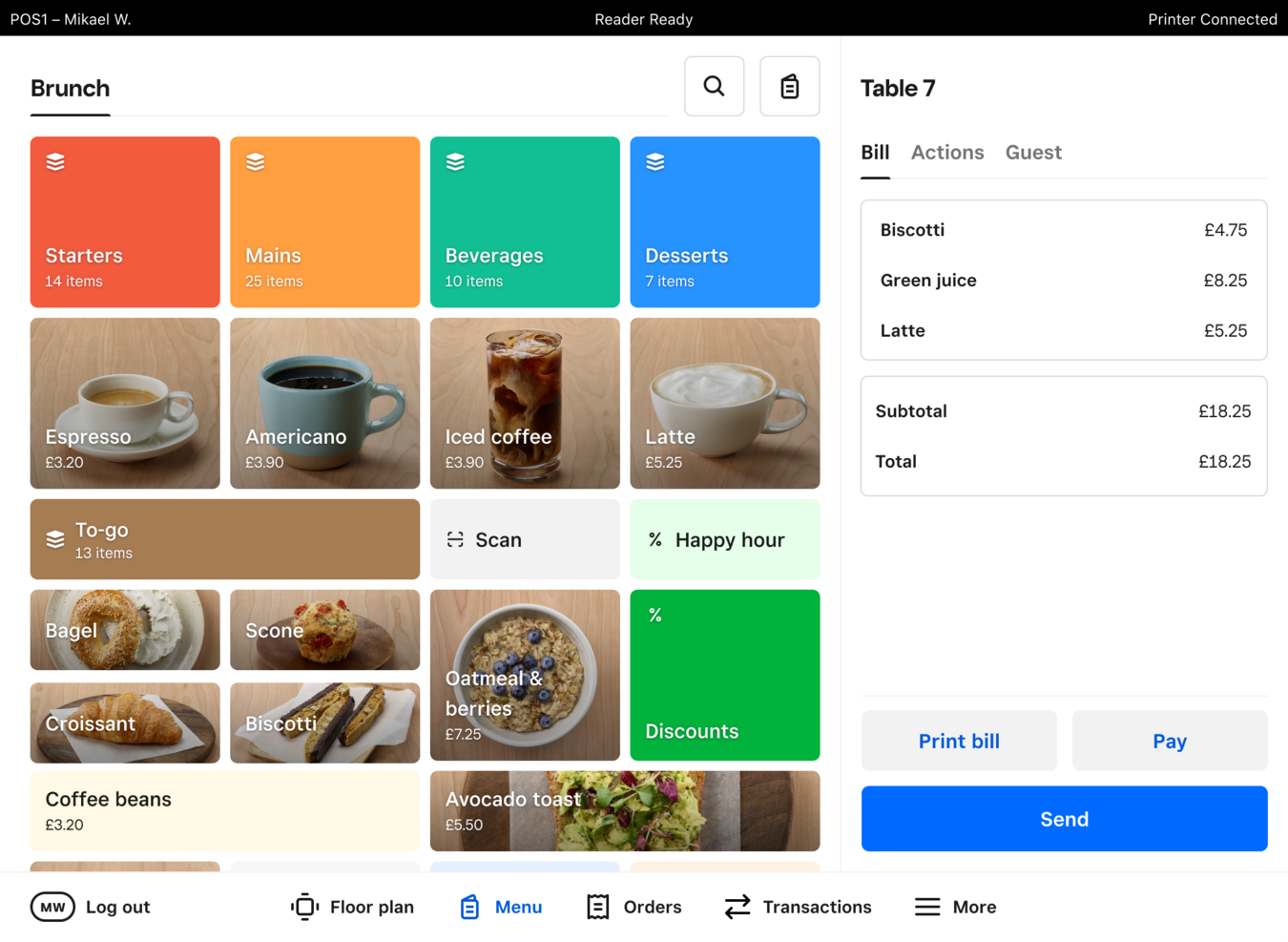
Square for Restaurants è una piattaforma POS pensata per locali di tutte le dimensioni, che offre soluzioni per la gestione degli ordini e l'elaborazione dei pagamenti. Si rivolge a ristoranti, caffè e bar, fornendo strumenti che semplificano le operazioni e migliorano la qualità del servizio.
Come afferma Janice Kuz, proprietaria di The Nines Emporium con oltre 20 anni di esperienza nel settore dell’ospitalità: “Dopo aver adottato Square, il nostro tempo medio per ordine è sceso da 4,2 a 2,8 minuti. La vera rivoluzione è stato il sistema di modifica del menu di Square: tutto è integrato con modificatori preimpostati, così siamo passati da 3–4 errori negli ordini in un sabato affollato a forse 1. Quando sforni più di 200 caffè, quei secondi fanno la differenza.”
Perché ho scelto Square for Restaurants:Square for Restaurants offre un processo di configurazione rapido, ideale per le attività che devono iniziare velocemente. L'interfaccia intuitiva permette al tuo team di apprendere il sistema con una formazione minima.
Include funzionalità come menu personalizzabili e gestione dei tavoli che si adattano a diversi formati di ristorazione. Grazie all’integrazione per l’elaborazione dei pagamenti, puoi gestire le transazioni in modo efficiente e sicuro.
Funzionalità e integrazioni principali:
Funzionalità include uno strumento di gestione della pianta della sala che consente di ottimizzare la disposizione dei tavoli per un miglior flusso di servizio. Il sistema offre anche una suite di reportistica dettagliata che fornisce informazioni sulle vendite e sulle prestazioni. Inoltre, Square for Restaurants supporta il POS mobile, permettendo al tuo team di prendere ordini e gestire i pagamenti da qualsiasi punto del ristorante.
Integrazioni includono QuickBooks, Xero, 7shifts, MarketMan, Resy, OpenTable, Deliverect, Uber Eats, DoorDash e GrubHub.
Pros and Cons
Pros:
- Processo di configurazione rapido
- Elaborazione pagamenti integrata
- Supporta operazioni POS da mobile
Cons:
- Funzioni avanzate limitate
- Capacità di reportistica di base

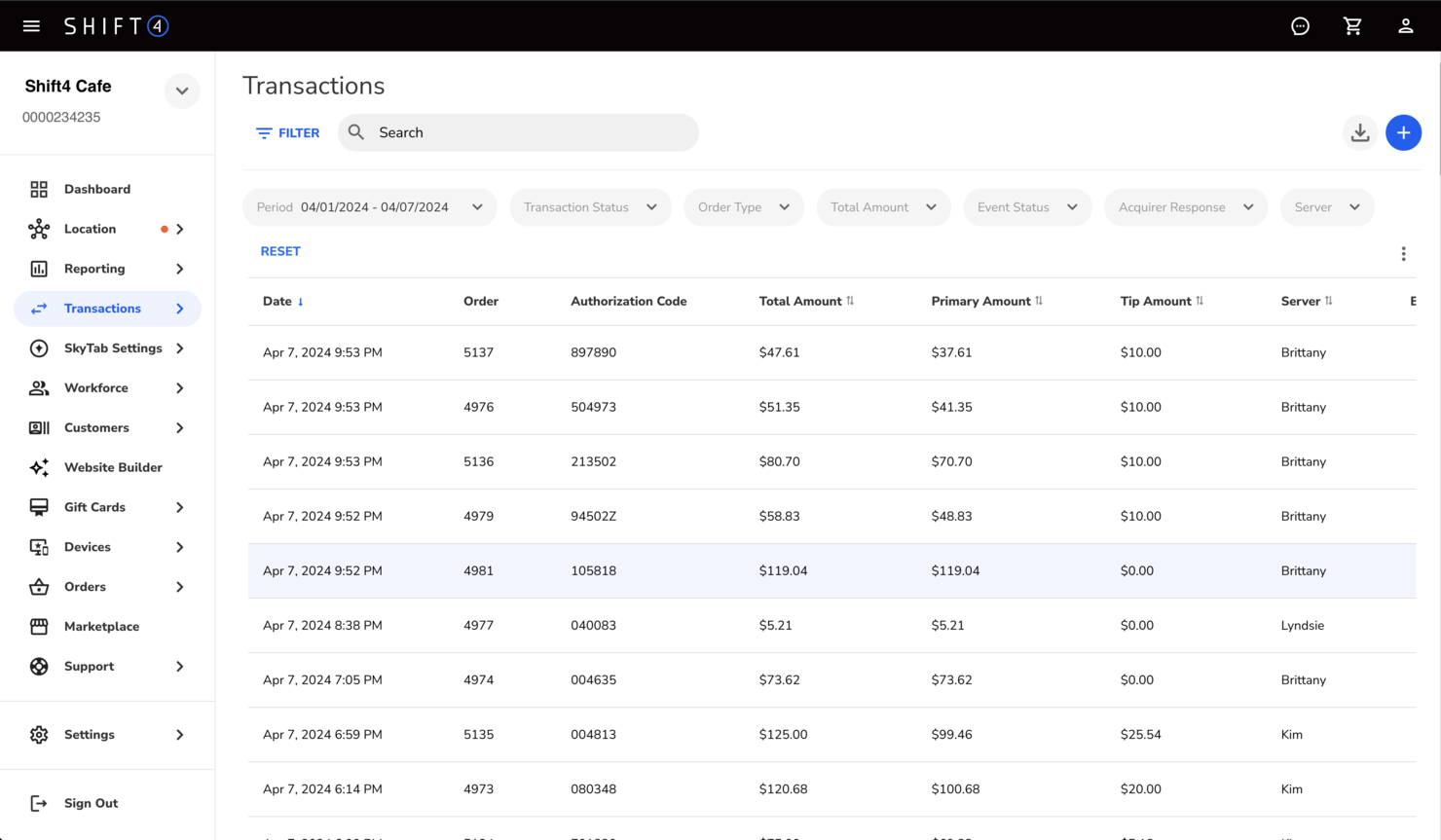
Shift4 è un software POS per ristoranti che risponde alle esigenze di ristoranti e bar gestendo ordinazioni da mobile, pagamenti e ordini online. È progettato per supportare sia le operazioni di sala che quelle di cucina, offrendo strumenti che migliorano l'efficienza e il servizio al cliente.
Perché ho scelto Shift4: Shift4 offre un'eccezionale flessibilità nelle opzioni di pagamento, permettendoti di gestire le transazioni senza intoppi. Funzionalità come i pagamenti mobili e tramite QR code facilitano l'adattamento alle preferenze dei clienti.
Il software supporta diversi metodi di pagamento, assicurando che il tuo team possa gestire qualsiasi scenario. Gli strumenti di marketing e fedeltà ti aiutano a coinvolgere i clienti in modo efficace.
Funzionalità e integrazioni principali:
Funzionalità includono ordinazioni da mobile, soluzioni tramite QR code e strumenti di marketing. Puoi gestire facilmente ordini e pagamenti grazie al sistema di ordinazione online integrato. La funzione di reportistica e analisi ti offre una panoramica sulle prestazioni del tuo ristorante.
Integrazioni includono QuickBooks, Xero, Sage, Heartland, Micros, Aloha, Toast, Square, Upserve e Clover.
Pros and Cons
Pros:
- Opzioni di pagamento flessibili
- Ordinazioni da mobile
- Strumenti di marketing e fedeltà
Cons:
- Dettagli sui prezzi non trasparenti
- Curva di apprendimento potenziale


NCR Voyix è un sistema POS basato su cloud, pensato per le grandi catene di ristoranti e focalizzato sulla semplificazione delle operazioni e sul miglioramento dell'esperienza del cliente. Offre strumenti completi per la gestione degli ordini, l'elaborazione dei pagamenti e l'analisi dei dati in tempo reale, rispondendo alle esigenze di attività con grandi volumi.
Perché ho scelto NCR Voyix: NCR Voyix offre scalabilità e un'infrastruttura solida per gestire le richieste delle grandi catene. Funzionalità come la gestione centralizzata del menu e la reportistica aziendale facilitano la supervisione di più sedi.
Il sistema basato su cloud garantisce aggiornamenti senza interruzioni, riducendo i tempi di inattività per il tuo team. Grazie all'attenzione per l'efficienza, puoi mantenere un servizio costante in tutte le filiali.
Caratteristiche distintive e integrazioni:
Funzionalità includono un sistema di gestione degli ordini intuitivo che aiuta il tuo team a ridurre gli errori e migliorare la velocità del servizio. Il sistema supporta anche l'ordinazione tramite dispositivi mobili, consentendo opzioni di servizio più flessibili. NCR Voyix mette a disposizione avanzati strumenti di reportistica per approfondire le tendenze di vendita e l'efficienza operativa.
Integrazioni includono Oracle, PayPal, GrubHub, DoorDash, Uber Eats, Postmates, Punchh, Avero, MarketMan e Fourth.
Pros and Cons
Pros:
- Gestione centralizzata del menu
- Offre reportistica a livello aziendale
- Basato su cloud per aggiornamenti semplici
Cons:
- Processo di configurazione complesso
- Possibilità di costi aggiuntivi

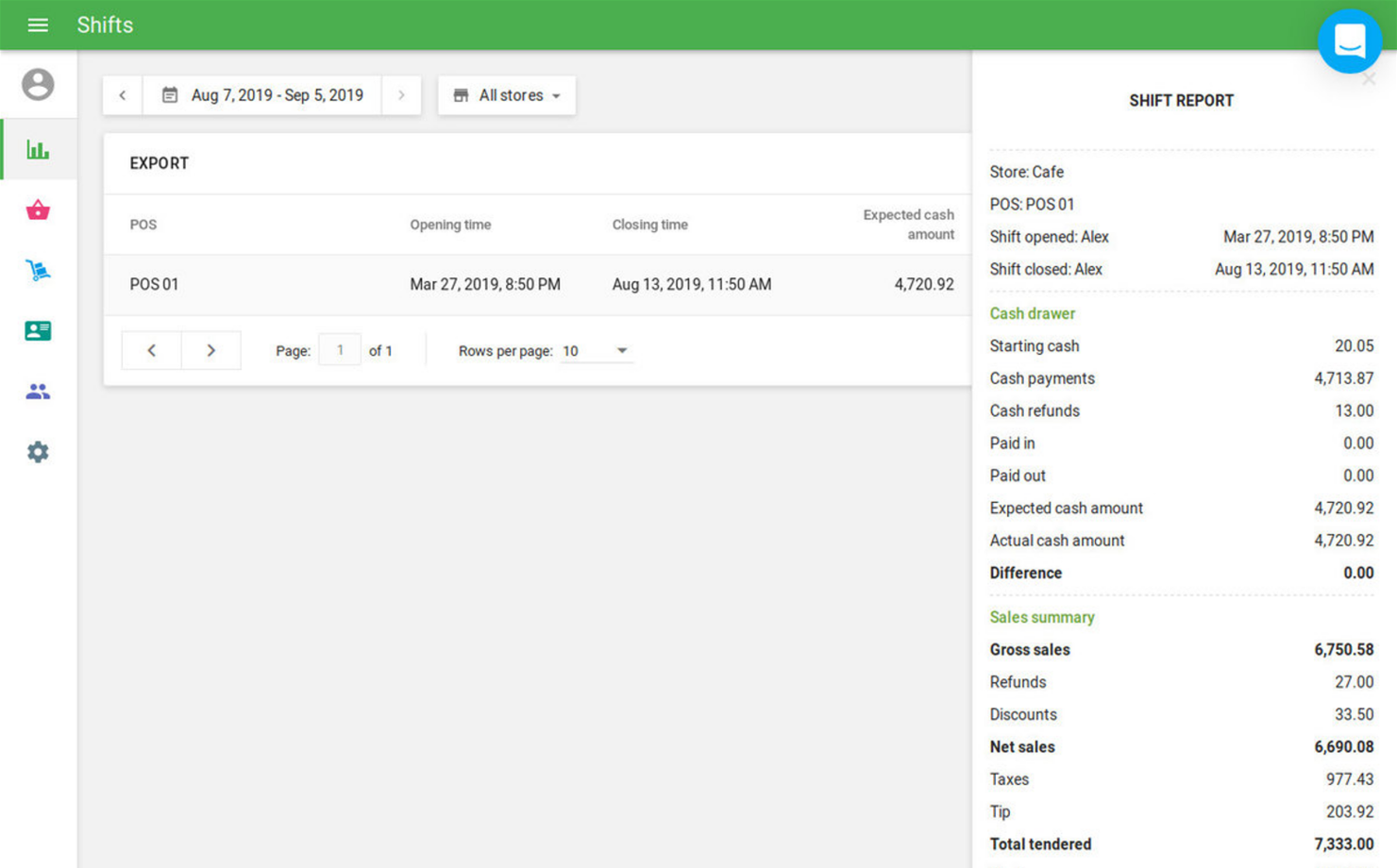
Loyverse è un sistema POS progettato per piccole e medie imprese, che offre funzionalità pensate per facilitare la gestione delle vendite e la fidelizzazione dei clienti. Si rivolge a caffè, ristoranti e negozi al dettaglio, aiutandoti a gestire l'inventario, monitorare le vendite e coinvolgere i clienti.
Perché ho scelto Loyverse: Loyverse offre un piano iniziale gratuito, rendendolo accessibile alle aziende con vincoli di budget. La funzione programma di fidelizzazione ti aiuta a costruire rapporti con i clienti senza costi aggiuntivi.
Gli strumenti di gestione dell'inventario di Loyverse ti permettono di tenere traccia dei livelli di stock senza sforzo. Le analisi di vendita del sistema offrono informazioni utili per aiutarti a prendere decisioni aziendali consapevoli.
Funzionalità e integrazioni principali:
Funzionalità includono una dashboard personalizzabile che ti permette di organizzare le informazioni secondo le tue esigenze. La funzione di gestione del personale aiuta a monitorare le prestazioni dello staff e a gestire i turni. Loyverse offre inoltre una funzione di storico vendite che fornisce una visione dettagliata delle transazioni passate per una migliore comprensione aziendale.
Integrazioni comprendono QuickBooks, Xero, SumUp, Worldpay, PayPal, Tyro, Zettle, Square, WooCommerce e Shopify.
Pros and Cons
Pros:
- Disponibile piano iniziale gratuito
- Analisi dettagliate sulle vendite
- Supporta la gestione dell'inventario
Cons:
- Funzionalità avanzate limitate
- Funzionalità offline limitate
Altri software POS per ristoranti
Ecco alcune opzioni aggiuntive di software POS per ristoranti che non sono entrate nella mia selezione, ma che vale comunque la pena prendere in considerazione:


Come Valuto i Software POS per Ristoranti
Divido la mia valutazione in due livelli: le capacità fondamentali che ogni POS per ristoranti deve avere, come l'instradamento KDS e la divisione del conto, e i fattori differenzianti che distinguono i fornitori.
Funzionalità Fondamentali (Requisiti Minimi per Questa Lista)
Quando seleziono gli strumenti per la mia lista, valuto ciascuno su una scala da 0 (non offre la funzionalità) a 5 (eccelle in quest'area) per ciascuna delle funzionalità fondamentali elencate di seguito. Poi calcolo il punteggio totale dello strumento in percentuale. Ogni strumento deve ottenere un punteggio totale minimo del 65% per essere considerato per l'inclusione.
- Gestione Ordini & Menù: Verifico se il sistema gestisce modificatori, portate e flussi di lavoro separati per servizio al tavolo, asporto e consegna — non solo un semplice elenco di articoli.
- Gestione Tavoli & Sale: Sono importanti le planimetrie visive, ordinazioni a livello di posto e assegnazioni di zone ai camerieri, specialmente durante i picchi di servizio nei locali completi.
- Elaborazione Pagamenti & Divisione Conto: Analizzo quanto sia flessibile il POS nel dividere i conti — per posto, articolo o importo personalizzato — e se supporta la mancia e il pagamento contactless.
- Integrazione Display Cucina & Stampanti: L'instradamento basato sulle postazioni è fondamentale. Un ordine per la griglia deve andare al display della griglia, non alla stampante del bar, con supporto per l'inoltro delle portate.
- Inventario & Report Ristorante: Valuto se il sistema traccia gli ingredienti con calcolo del costo delle ricette, non solo il conteggio degli articoli e i totali di vendita di base.
- Ordini Online & Integrazione Consegna: Gli ordini da DoorDash, Uber Eats o da un sito con marchio dovrebbero confluire nella stessa coda dei ticket degli ordini al tavolo.
Una volta che ho una lista di strumenti che soddisfano questi criteri, considero cosa distingue ciascuna piattaforma.
Fattori Differenzianti (Cosa Distingue i Fornitori)
Ecco come confronto e metto a confronto i diversi fornitori:
Caratteristiche Distintive
I dispositivi POS portatili sono un importante fattore differenziante per i ristoranti con servizio completo. Valuto se i camerieri possono prendere ordini e chiudere i conti direttamente al tavolo senza dover tornare a un terminale fisso. Anche la modalità offline è fondamentale — se la connessione internet cade durante un picco di servizio, il sistema dovrebbe comunque accettare ordini e pagamenti, sincronizzandosi automaticamente al ritorno della connessione. Osservo anche la presenza di strumenti integrati per la gestione del personale e della pianificazione, poiché legare i costi del personale alle vendite in tempo reale aiuta i manager a prendere decisioni più intelligenti sui turni lenti e durante le ore di punta.
Oltre le Caratteristiche
La compatibilità hardware è una delle prime cose che verifico. Alcuni fornitori richiedono terminali proprietari, mentre altri consentono di utilizzare i propri iPad o tablet Android — un aspetto rilevante se si sono già fatti investimenti in attrezzature. Anche la struttura dei prezzi ha il suo peso. Valuto se l'elaborazione dei pagamenti è vincolata a un processore integrato o se è possibile utilizzare un provider di terze parti. La profondità dell'integrazione completa il quadro, soprattutto i collegamenti con strumenti di contabilità come QuickBooks o Xero e sistemi di prenotazione come OpenTable che mantengono allineati i dati della sala e del back office.
Cos’è il software POS per ristoranti?
Il software POS per ristoranti è una piattaforma online completa che gestisce l’inserimento degli ordini, l’elaborazione dei pagamenti e il monitoraggio dell’inventario.
Aiuta i proprietari dei ristoranti, i responsabili, i camerieri e il personale di cucina a coordinare il servizio in tempo reale.
Sincronizzando gli ordini al tavolo, l’elaborazione delle carte di credito e i livelli delle scorte, previene gli errori nelle comande, elimina i controlli manuali dell’inventario e garantisce che menu e prezzi rimangano accurati in sala e in cucina.
Come scegliere un software POS per ristoranti
La scelta di un sistema POS per ristoranti richiede chiarezza sui flussi di lavoro, sulle integrazioni e sui prezzi.
Utilizza questo elenco di controllo pratico per concentrarti sulle funzionalità del punto vendita, sulle integrazioni per gli ordini online, sulle funzioni di gestione del ristorante e sull’assistenza che mantengono operativi e coordinati sala e retrobottega.
| Passaggio | Cosa considerare | Suggerimento operativo |
|---|---|---|
| Definisci i tuoi flussi di lavoro | Mappa il flusso degli ordini in sala, le esigenze del sistema di visualizzazione della cucina e la gestione dell'inventario | Disegna il processo attuale dall'inizio alla fine per individuare eventuali lacune |
| Verifica le integrazioni | Conferma la compatibilità con il tuo software di contabilità, le piattaforme per gli ordini online, i programmi fedeltà e gli strumenti per la gestione del personale | Elenca le piattaforme esistenti e testa la sincronizzazione dei dati in una demo |
| Testa la facilità d'uso | Assicurati che l'interfaccia sia adatta all'uso al tavolo, ai POS mobili e ai pannelli di controllo basati sul cloud | Esegui una prova di sette giorni con il tuo personale durante turni reali |
| Confronta i prezzi | Considera i livelli di abbonamento, le commissioni sulle transazioni, i costi dell'hardware e i componenti aggiuntivi | Elabora un modello dei costi del primo anno per confrontare la spesa totale |
| Valuta l'avviamento e l'assistenza | Verifica le risorse formative, le visite guidate dal vivo del prodotto e gli SLA dell'assistenza clienti | Richiedi una roadmap per l'avviamento e i tempi di risposta dell'assistenza |
Funzionalità dei software POS per ristoranti
Un solido sistema POS per ristoranti offre strumenti che gestiscono ogni fase del servizio e delle attività di back office. Queste funzionalità semplificano le operazioni, migliorano la precisione degli ordini e collegano in tempo reale la sala all'inventario, alle integrazioni e ai report.
- Pannello di controllo in tempo reale. Visualizza le vendite, i costi del personale e i livelli di inventario mentre si aggiornano, così puoi individuare i problemi prima che incidano sui tuoi profitti.
- Integrazione con il sistema di visualizzazione della cucina (KDS). Invia gli ordini direttamente agli schermi in cucina, eliminando i ticket cartacei e riducendo gli errori nella preparazione.
- POS mobile e ordini al tavolo. Acquisisci ordini e pagamenti da qualsiasi tablet o dispositivo mobile per velocizzare il pagamento e migliorare l'esperienza degli ospiti.
- Gestione del menu basata sul cloud. Applica istantaneamente le modifiche ai prezzi o al menu su iPad, chioschi e canali per gli ordini online senza caricamenti manuali.
- Programmi fedeltà integrati. Avvia programmi a punti o carte regalo sulla stessa piattaforma, senza soluzioni alternative di terze parti né costi aggiuntivi.
- Supporto per pagamenti senza contatto e chioschi. Offri ordini self-service tramite codici QR o chioschi non presidiati per ridurre le code e i costi del personale.
- Report e analisi avanzati. Analizza i dati per turno, cameriere o promozione ed esportali nel tuo software di contabilità per un back office senza interruzioni.
- Integrazioni di terze parti. Collegati ai gestori dei pagamenti, ai servizi per gli ordini online, ai pacchetti di contabilità e agli strumenti per la gestione del personale per una soluzione POS completa.
Vantaggi dei software POS per ristoranti
Scegliere il software giusto per la gestione del ristorante significa ridurre il lavoro manuale, minimizzare gli errori e aumentare la redditività.
Questi vantaggi si riflettono nella sala, nel back office e nell'esperienza degli ospiti.
- Pagamenti più rapidi e maggiore capacità operativa. L'elaborazione integrata dei pagamenti, con supporto per carte di credito e di debito, mantiene scorrevoli le code e fa crescere i ricavi.
- Meno esaurimenti delle scorte e sprechi. Il monitoraggio automatizzato dell'inventario segnala in tempo reale gli articoli con scorte ridotte e attiva avvisi di riordino, evitando esaurimenti imprevisti dei piatti del menu.
- Decisioni basate sui dati. I report in tempo reale sulle vendite e sul personale aiutano a ottimizzare la programmazione dei turni, i prezzi del menu e le promozioni per massimizzare la redditività.
- Esperienza degli ospiti migliorata. Il POS mobile e i pagamenti al tavolo riducono i tempi di attesa, mentre i programmi fedeltà incentivano i clienti a tornare.
- Tempi di formazione ridotti. Le interfacce intuitive e gli strumenti interattivi di avviamento permettono ai nuovi dipendenti di imparare a usare il sistema in poche ore, anziché in giorni.
- Controllo centralizzato per più sedi. Gestisci menu, prezzi e report di tutte le tue sedi da un unico back office basato sul cloud.
- Transazioni sicure e conformi. La crittografia end-to-end e la tokenizzazione proteggono i dati dei clienti e riducono l'onere della conformità PCI.
- Crescita scalabile. Che tu gestisca un ristorante a servizio rapido o una catena con servizio completo, la tua soluzione POS cresce insieme alla tua attività grazie a componenti aggiuntivi come chioschi, schermi per la cucina e moduli avanzati per i report.
Costi e prezzi dei software POS per ristoranti
I piani POS per ristoranti vanno dalle offerte gratuite di livello base agli abbonamenti aziendali che superano i $400 al mese. La maggior parte dei ristoranti piccoli e di medie dimensioni paga tra $20 e $100 al mese per il software di base, mentre hardware e configurazione costano generalmente $500–$1,500 iniziali. Le commissioni sulle transazioni sono solitamente del 2.6–3.5% più $0.10–$0.30 per vendita. La spesa effettiva dipenderà dal numero di terminali installati, dai componenti aggiuntivi scelti e dall'eventuale sottoscrizione di un accordo annuale.
| Tipo di piano | Prezzo medio | Funzionalità comuni | Ideale per |
|---|---|---|---|
| Piano gratuito | $0/mese | Inserimento di base degli ordini, elaborazione limitata dei pagamenti, report semplici | caffetterie temporanee e furgoni gastronomici |
| Piano personale | $20–$50/utente/mese | Gestione degli ordini, monitoraggio dell'inventario, analisi di base | gestori singoli e piccole caffetterie |
| Piano aziendale | $50–$100/utente/mese | Report avanzati, programmi fedeltà, supporto per più dispositivi | ristoranti affollati con servizio completo e servizio rapido |
| Piano per grandi aziende | $100–$400+/utente/mese | Gestione di più sedi, accesso API, assistenza dedicata | grandi catene e gruppi con più sedi |
Altri aspetti da considerare sui costi
- Costi di hardware e installazione. Terminali POS, tablet, stampanti, configurazione della rete e lettori di carte possono aggiungere $500–$1,500 di costi iniziali.
- Commissioni per l'elaborazione dei pagamenti. In genere 2.6–3.5% + $0.10–$0.30 per transazione, a seconda del piano e del fornitore.
- Moduli e componenti aggiuntivi. Gli schermi KDS, i chioschi self-service, i pagamenti al tavolo e i moduli di report avanzati comportano spesso costi mensili aggiuntivi.
- Formazione e avviamento. I pacchetti di assistenza premium includono configurazione guidata e formazione dal vivo, mentre i piani di base si affidano a risorse consultabili autonomamente.
- Impegni contrattuali. I piani mensili offrono flessibilità, mentre i contratti annuali possono garantire sconti ma riducono la possibilità di cambiare.
Domande frequenti sul software POS per ristoranti
Ecco alcune risposte alle domande comuni sul software POS per ristoranti:
Di quale hardware ho bisogno per utilizzare un moderno sistema POS per ristoranti?
Di solito ti servono un tablet o un terminale touchscreen, una stampante per ricevute, un cassetto portadenaro e forse uno schermo per la cucina. Alcuni sistemi funzionano bene con l’attrezzatura che già possiedi, ma la maggior parte offre le prestazioni migliori con hardware verificato dal fornitore.
Controlla attentamente la compatibilità prima di spendere. Anche il router Wi-Fi è importante. Se il tuo POS è “basato sul cloud”, tieni a disposizione un punto di accesso di riserva per ogni evenienza.
Un sistema POS per ristoranti può funzionare quando la connessione Internet non è disponibile?
Sì, la maggior parte dei principali sistemi POS dispone di una modalità offline, purché tu l’abbia configurata. Puoi continuare a inserire gli ordini anche se il Wi-Fi crolla più velocemente del ritmo del pranzo del sabato. Tuttavia, le funzionalità che richiedono Internet, come gli aggiornamenti e l’elaborazione delle carte di credito, potrebbero bloccarsi. Il punto è chiarire sempre cosa funziona offline prima che tutto si oscuri.
Quanto tempo occorre per formare il personale su un nuovo POS?
Se il tuo POS richiede ore di formazione, probabilmente è stato progettato per i musei, non per i ristoranti. La maggior parte dei sistemi ben progettati dovrebbe consentire al tuo team di registrare gli ordini ed essere operativo in meno di un turno. Prevedi circa un giorno se hai una squadra numerosa o gestisci un servizio complesso. Più velocemente il team impara a usarlo, prima potrai tornare a servire piatti invece di guardare tutorial.
Quali integrazioni dovrei privilegiare per rendere più fluide le operazioni del ristorante?
Inizia dalle piattaforme per paghe e contabilità: fanno risparmiare ore e mal di testa. Poi passa alle integrazioni per consegne e ordini online, altrimenti dovrai copiare gli ordini a mano. Le integrazioni per inventario e pianificazione dei turni sono importanti, ma solo se le utilizzerai davvero. Controlla sempre le recensioni basate sull’esperienza reale: le promesse di marketing spesso sorvolano su limitazioni molto problematiche.
Come posso migrare i dati dal mio vecchio POS a un nuovo sistema?
La migrazione dei dati non è magia, ma non è nemmeno un’operazione a cuore aperto. La maggior parte dei fornitori offre l’importazione di voci di menu ed elenchi clienti: assicurati soltanto che il vecchio sistema consenta davvero di esportare i dati.
Esegui un backup completo nei fogli di calcolo e chiedi aiuto al nuovo fornitore. Se sbuffa o alza le spalle, cercane un altro. L’assistenza nella migrazione è un test di affidabilità.
Posso utilizzare il mio hardware con il software POS per ristoranti?
Sì, ma controlla le clausole in dettaglio. Alcuni software accettano gli iPad o le stampanti che già possiedi; altri ti obbligano ad acquistare hardware “esclusivo” costoso. I problemi di compatibilità possono far saltare il budget, quindi chiedi prima di acquistare.
A volte, accettare l’hardware del fornitore ti fa risparmiare ore di risoluzione dei problemi e telefonate a “Steve dell’informatica”.
Come gestisce il software POS per ristoranti più sedi?
La risposta breve è questa: i sistemi validi ti consentono di visualizzare vendite, ore del personale e inventario di ogni sede da un unico pannello di controllo. Alcuni gestiscono persino gli aggiornamenti centralizzati del menu, così non devi modificare i prezzi in dieci sedi diverse a mezzanotte. Fai attenzione ai costi di configurazione per ogni nuova sede: i fornitori amano nasconderli nei documenti contrattuali.