

Gestire la fatturazione ricorrente e gli abbonamenti non dovrebbe sembrare come dover sistemare fogli di calcolo a mezzanotte. I software open source per la gestione degli abbonamenti esistono per offrirti flessibilità, trasparenza e controllo, senza pagare cifre esorbitanti per funzionalità SaaS superflue o modelli di prezzo vincolanti.
Dopo oltre un decennio nel settore della vendita al dettaglio e dell'e-commerce, ho visto quanto velocemente gli errori di fatturazione, le lacune nelle integrazioni e analisi poco efficaci possano compromettere i ricavi ricorrenti.
Che tu gestisca una startup snella o un'attività complessa e multicanale, hai bisogno di strumenti che automatizzino i flussi di lavoro, supportino la reportistica in tempo reale e funzionino bene con il tuo stack tecnologico esistente.
Questa guida fa esattamente questo. Ho selezionato e recensito le migliori piattaforme open source per la gestione degli abbonamenti, testandole per l'automazione della fatturazione, l'elaborazione dei pagamenti, la flessibilità delle API e tutto ciò che conta quando devi ridurre il tasso di abbandono e crescere rapidamente.
Niente riempitivi. Nessun discorso commerciale. Solo informazioni pratiche, dal punto di vista di chi gestisce l'attività, per aiutarti a trovare un sistema di fatturazione davvero adatto alle esigenze della tua azienda, senza i soliti grattacapi.
Perché fidarsi dei nostri consigli sui software
6,700+
Reviews
20
Industry experts
16+
Evaluation factors
14
Years
Il nostro team testa e recensisce software dal 2012. In quanto leader del retail noi stessi, sappiamo quanto sia difficile — e importante — scegliere il software giusto.
Per questa guida, abbiamo valutato gli strumenti attraverso test pratici e ricerche indipendenti, assegnando un punteggio agli strumenti in base ai nostri criteri di selezione.
Le nostre recensioni riflettono il nostro giudizio indipendente, non un discorso di vendita.
Tabella comparativa dei software open source per la gestione degli abbonamenti
Questa tabella comparativa illustra prezzi, dettagli delle prove gratuite e casi d’uso ideali per i software open source per la gestione degli abbonamenti che ho selezionato come migliori.
| Tool | Best For | Trial Info | Price | ||
|---|---|---|---|---|---|
| 1 | Ideale per la fatturazione ricorrente ospitata autonomamente con ERP | Piano gratuito disponibile | Prezzi su richiesta | Website | |
| 2 | Ideale per la fatturazione degli abbonamenti integrata nel CRM | Prova gratuita di 15 giorni | A partire da $19/utente/mese | Website | |
| 3 | Ideale per la fatturazione senza commissioni su più modelli tramite hosting autonomo | Piano gratuito + prova gratuita + demo gratuita disponibili | A partire da $99/mese | Website | |
| 4 | Ideale per negozi in abbonamento sviluppati con Ruby | Demo gratuita disponibile | Prezzo su richiesta | Website | |
| 5 | Ideale per il commercio basato sui contenuti | Demo gratuita disponibile | Prezzi su richiesta | Website | |
| 6 | Ideale per il commercio in abbonamento senza interfaccia | Prova gratuita di 30 giorni | A partire da $4/utente/mese | Website | |
| 7 | Ideale per le integrazioni di fatturazione incentrate sull'API | Demo gratuita disponibile | Prezzi su richiesta | Website | |
| 8 | Ideale per l'automazione della fatturazione | Piano gratuito disponibile | Prezzi su richiesta | Website | |
| 9 | Ideale per la fatturazione basata sull'utilizzo di API e token IA | Piano gratuito disponibile | A partire da $249/mese | Website | |
| 10 | Ideale per la fatturazione degli abbonamenti su scala operatore telefonico | Demo gratuita disponibile | Prezzi su richiesta | Website |



I 10 migliori software open source per la gestione degli abbonamenti, recensiti
Approfondisci le mie recensioni senza fronzoli qui sotto per esaminare più da vicino le funzionalità principali, i pro e i contro e il tipo di azienda a cui ogni strumento è realmente più adatto, sulla base di un decennio di esperienza nella vendita al dettaglio e nell’e-commerce.
 Ideale per la fatturazione ricorrente ospitata autonomamente con ERP
- Piano gratuito disponibile
- Prezzi su richiesta
Visit WebsiteCustomer Rating:4.2/5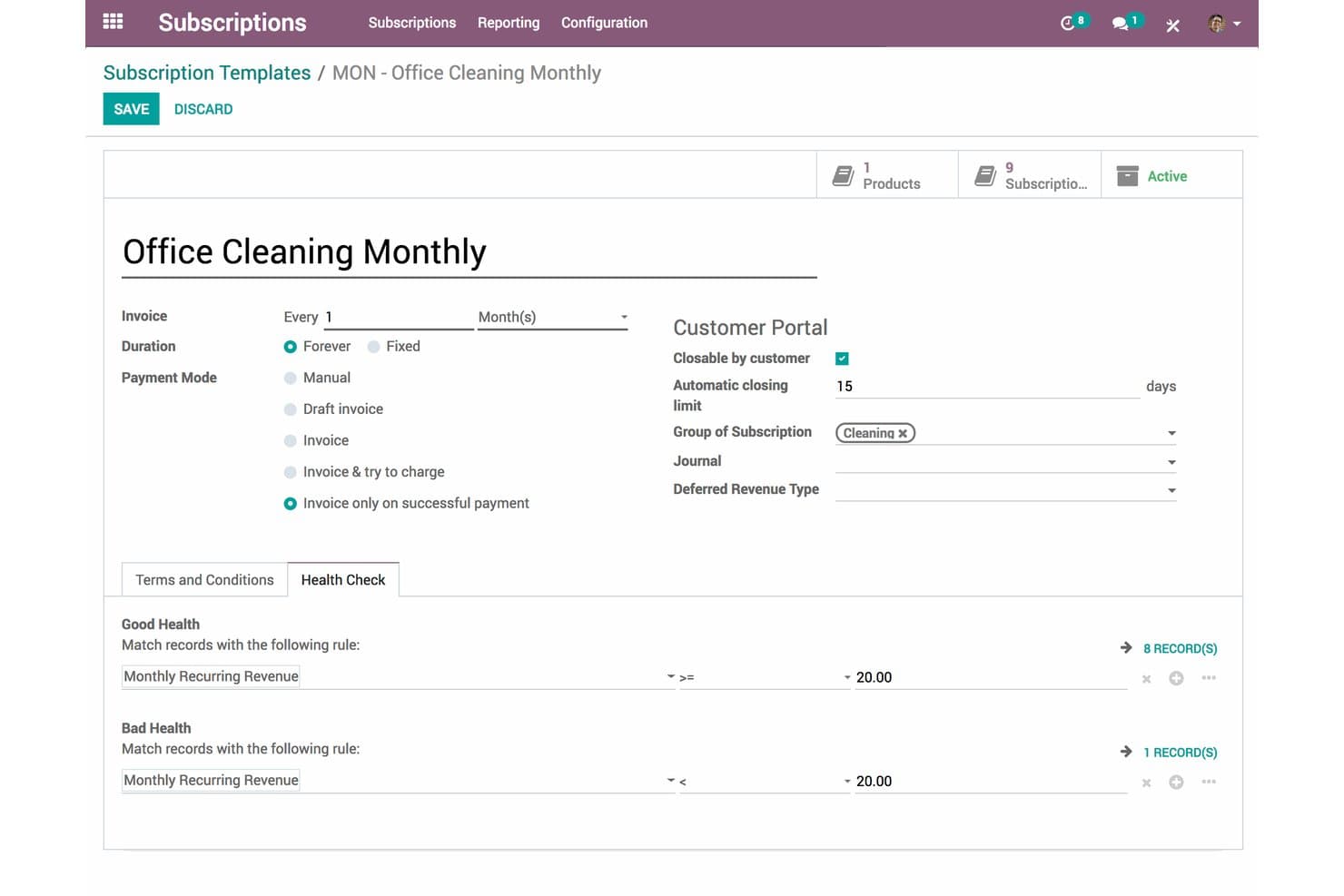
Odoo Subscriptions consente agli utenti di configurare i cicli di fatturazione e i controlli dello stato di salute. Odoo Subscriptions è una piattaforma a codice aperto per la fatturazione ricorrente e la gestione del ciclo di vita degli abbonamenti, che combina la fatturazione automatizzata, la gestione dei solleciti di pagamento, l'analisi MRR/ARR, un portale clienti autonomo e oltre 20 integrazioni con fornitori di pagamento all'interno di una suite ERP più ampia.
Per chi è più adatto Odoo Subscriptions?
Odoo Subscriptions è particolarmente adatto alle aziende del settore della vendita al dettaglio e del commercio elettronico con capacità DevOps interne, che desiderano ospitare autonomamente la propria fatturazione ricorrente e gestirla all'interno di un unico ambiente ERP.
Perché ho scelto Odoo Subscriptions
Odoo Subscriptions si è guadagnato un posto nella mia lista ristretta perché è l'unica piattaforma basata sul codice aperto che integra la gestione del ciclo di vita degli abbonamenti direttamente in un ERP completo, consentendo ai team della vendita al dettaglio di gestire fatturazione, inventario e POS da un unico sistema senza software intermediario. Apprezzo in particolare il fatto che le implementazioni ospitate autonomamente su Docker o Kubernetes non prevedano costi per transazione e che il riconoscimento dei ricavi differiti sia gestito nativamente per la conformità a GAAP/IFRS 15, una caratteristica rara a questo livello di prezzo.
Funzionalità principali di Odoo Subscriptions
- Pannello di analisi MRR/ARR: monitora automaticamente l'MRR nuovo, in espansione, in contrazione e perso a partire dai record degli abbonamenti attivi, con previsioni ARR e curve di fidelizzazione per coorte.
- Flussi di lavoro per la gestione dei solleciti su più livelli: sequenze configurabili di solleciti per i pagamenti con modelli di posta elettronica personalizzati e azioni di escalation, dai promemoria alla sospensione del servizio fino alla cancellazione contabile.
- Pacchetti di localizzazione fiscale per oltre 100 Paesi: applica automaticamente le normative fiscali regionali, tra cui IVA, GST e il nesso fiscale tra Stati, alle fatture degli abbonamenti.
- Punteggi di salute degli abbonamenti: segnala gli abbonati a rischio in base a punteggi di salute calcolati e attiva flussi di fidelizzazione basati sul CRM per il follow-up da parte del responsabile dell'account.
Integrazioni di Odoo Subscriptions
Odoo Subscriptions offre integrazioni native con Odoo CRM, Contabilità, Vendite, commercio elettronico, POS, Inventario e assistenza, oltre a più di 20 fornitori di pagamento, tra cui Stripe, Adyen, PayPal e Mollie. Le integrazioni personalizzate utilizzano API XML-RPC, JSON-RPC o REST, con accesso alle API esterne incluso nel piano personalizzato.
Pros and Cons
Pros:
- Integrazione nativa con ERP e POS per la vendita al dettaglio
- Nessun costo SaaS per transazione se ospitato autonomamente
- Conformità integrata dei ricavi a GAAP/IFRS 15
Cons:
- Le funzionalità complete per gli abbonamenti richiedono una licenza aziendale
- L'automazione della fatturazione basata sull'utilizzo richiede codice personalizzato
Learn more about Odoo Subscriptions: Ideale per la fatturazione degli abbonamenti integrata nel CRM
- Prova gratuita di 15 giorni
- A partire da $19/utente/mese
Visit WebsiteCustomer Rating:5/5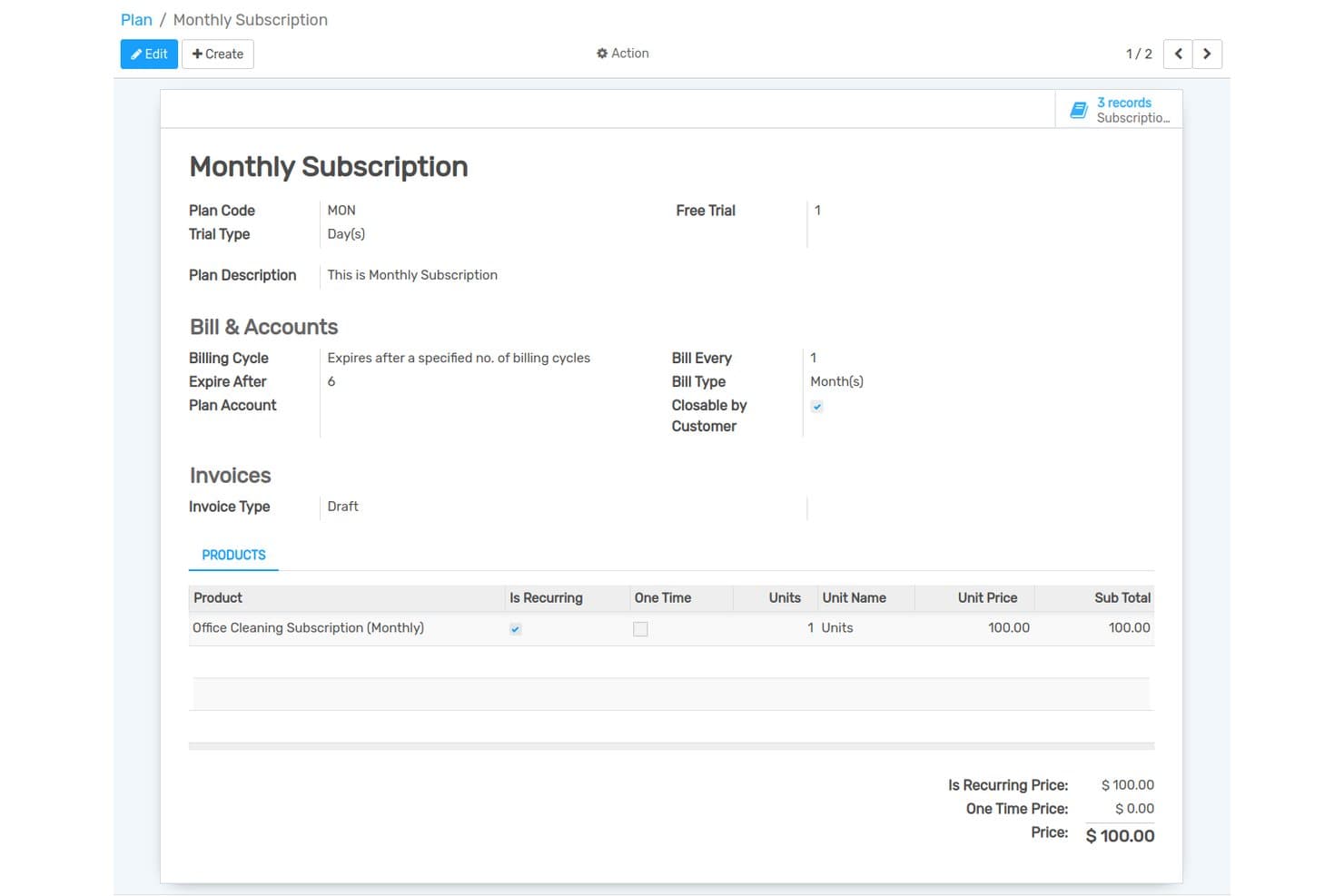
Flectra consente agli utenti di configurare i cicli di fatturazione e i prezzi dei piani di abbonamento. Flectra è una piattaforma ERP a codice aperto con un modulo integrato per la gestione degli abbonamenti che gestisce la fatturazione ricorrente, l'emissione automatizzata delle fatture, i solleciti di pagamento, la gestione dei piani e un portale clienti autonomo, il tutto collegato nativamente ai suoi moduli CRM, contabilità e commercio elettronico.
Per chi è più adatto Flectra?
Flectra è particolarmente adatto alle aziende che già gestiscono, o prevedono di gestire, le proprie attività su uno stack ERP unificato e desiderano una fatturazione degli abbonamenti collegata nativamente al CRM e alla fatturazione, senza dover integrare strumenti separati.
Perché ho scelto Flectra
Flectra è entrato nella mia selezione perché la fatturazione degli abbonamenti e il CRM risiedono nativamente nella stessa piattaforma, senza bisogno di connettori. Apprezzo il fatto che, quando un abbonato passa a un altro piano, la modifica venga visualizzata immediatamente nella pipeline CRM insieme allo storico completo dei contatti e al registro delle fatture. Il portale di fatturazione autonomo e la fatturazione automatizzata con gestione dei solleciti completano un motore di fatturazione che gestisce l'intero ciclo di vita dell'abbonato senza dover integrare strumenti separati.
Funzionalità principali di Flectra
- Fatturazione ricorrente per più periodi: Supporta cicli e frequenze di fatturazione flessibili, con generazione e consegna automatizzate delle fatture agli abbonati.
- 12 integrazioni con gateway di pagamento: Si collega nativamente a Stripe, PayPal, Adyen, Authorize.Net, Razorpay e altri otto fornitori, oltre a Google Pay e Apple Pay.
- Gestione dei piani di abbonamento: Consente di creare e gestire più livelli di piano, con gestione degli sconti e fatturazione fiscale conforme al GST integrati.
- Studio senza codice: Un modulo di personalizzazione visiva che consente agli utenti non sviluppatori di creare e modificare app, moduli e flussi di lavoro senza scrivere codice.
Integrazioni di Flectra
Flectra offre 12 integrazioni di pagamento native, tra cui Stripe, PayPal, Adyen, Authorize.Net, Razorpay e Mollie. La sua API esterna XML-RPC e i riferimenti all'API REST supportano connessioni personalizzate.
Pros and Cons
Pros:
- CRM e fatturazione degli abbonamenti sono unificati nativamente
- Offre 12 gateway di pagamento con copertura globale
- Portale autonomo per la gestione dell'account dell'abbonato
Cons:
- Non si collega nativamente a Shopify o WooCommerce
- L'API utilizza XML-RPC, non i moderni standard REST
Learn more about Flectra: Ideale per la fatturazione senza commissioni su più modelli tramite hosting autonomo
- Piano gratuito + prova gratuita + demo gratuita disponibili
- A partire da $99/mese
Visit WebsiteCustomer Rating:5/5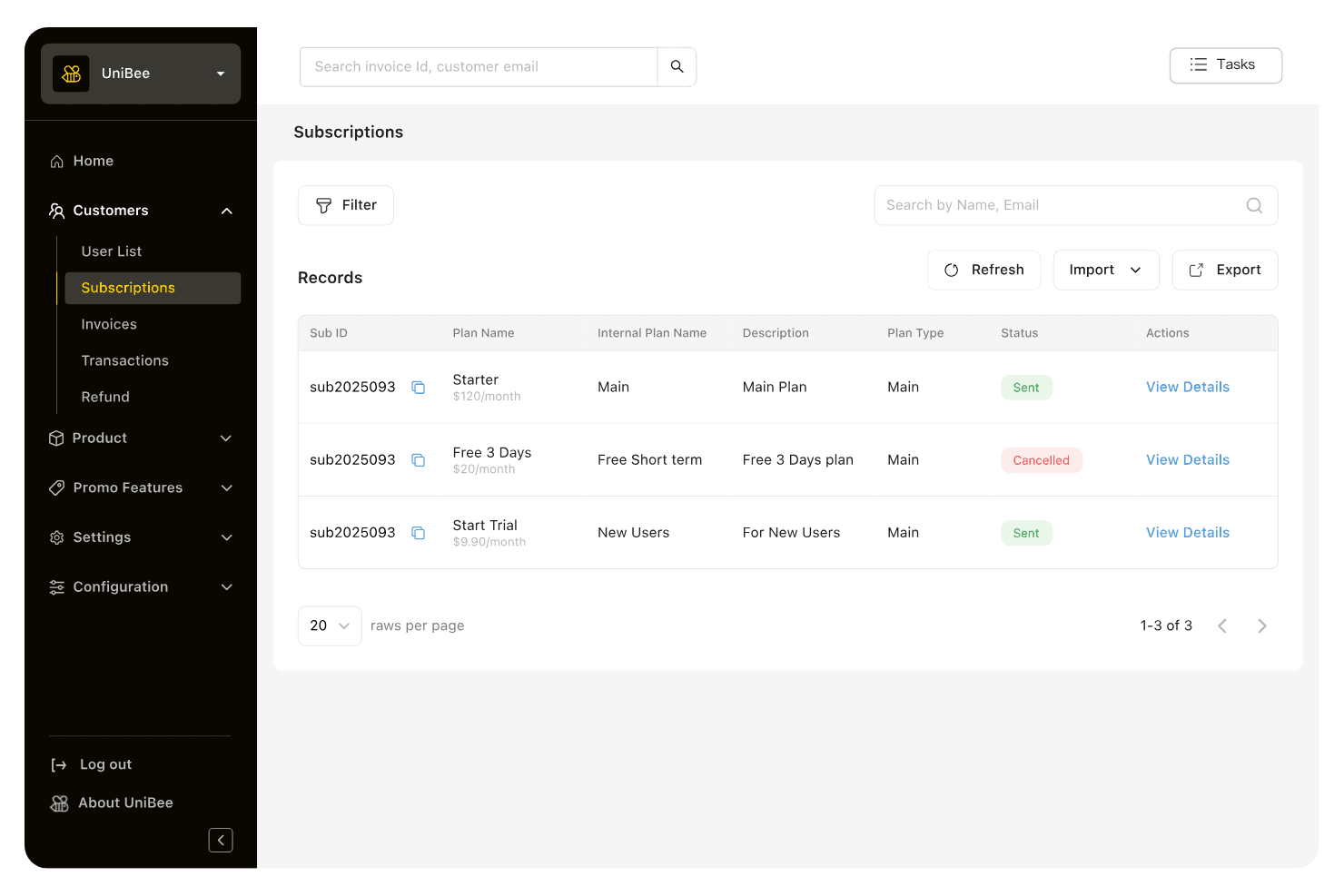
UniBee consente agli utenti di monitorare e gestire gli abbonamenti dei clienti in un unico posto. UniBee è una piattaforma open source per la gestione degli abbonamenti con licenza AGPLv3, che supporta modelli di fatturazione ricorrente, basata sull'utilizzo, a scaglioni, per utente e ibrida, oltre all'instradamento dei pagamenti su più gateway, al recupero intelligente dei pagamenti e a un'API REST rivolta agli sviluppatori.
Per chi è più adatto UniBee?
UniBee è particolarmente adatto ai team tecnici e agli ingegneri DevOps che desiderano il pieno controllo dell'infrastruttura di fatturazione senza pagare commissioni SaaS per transazione.
Perché ho scelto UniBee
Ho scelto UniBee come uno dei migliori perché è l'unico strumento della mia lista in cui l'hosting autonomo elimina completamente le commissioni sulle transazioni per ogni modello di fatturazione. Mi piace il fatto che sia possibile gestire contemporaneamente la fatturazione ricorrente, basata sull'utilizzo, a scaglioni e per utente all'interno di un'unica base di codice AGPLv3, con il recupero intelligente dei pagamenti e l'instradamento su più gateway integrati. In pratica, questo significa che il mio team può recuperare automaticamente i pagamenti non riusciti, instradando al contempo le transazioni tramite Stripe, PayPal e Alipay senza pagare a nessuno una percentuale dei ricavi.
Funzionalità principali di UniBee
- Prezzi in più valute: Imposta e visualizza nativamente i prezzi in più valute, supportando basi di abbonati globali senza soluzioni di terze parti.
- Integrazione fiscale con VATSense: Automatizza il calcolo dell'IVA e della GST sugli addebiti iniziali e ricorrenti, con aliquote fiscali nazionali aggiornate settimanalmente.
- Motore per coupon e sconti: Crea sconti percentuali o fissi con limiti di ciclo configurabili, date di scadenza, limiti di utilizzo e regole specifiche per piano.
- Integrazioni per l'osservabilità OpenTelemetry: Collega gli eventi di fatturazione di UniBee al tuo stack di monitoraggio esistente per ottenere visibilità in tempo reale sull'infrastruttura e sulle prestazioni.
Integrazioni di UniBee
UniBee elenca oltre 25 integrazioni native, tra cui Stripe, PayPal, QuickBooks, Xero, TaxJar, VATSense, Mixpanel e HubSpot. La sua API REST supporta integrazioni personalizzate, mentre è disponibile anche Zapier.
Pros and Cons
Pros:
- Nessuna commissione per transazione con l'hosting autonomo
- Pieno controllo sull'infrastruttura di fatturazione
- Modelli di fatturazione avanzati supportati nativamente
Cons:
- Nessun connettore per la vendita al dettaglio o l'e-commerce incluso
- La licenza AGPLv3 può limitare l'uso proprietario
Learn more about UniBee: Ideale per negozi in abbonamento sviluppati con Ruby
- Demo gratuita disponibile
- Prezzo su richiesta
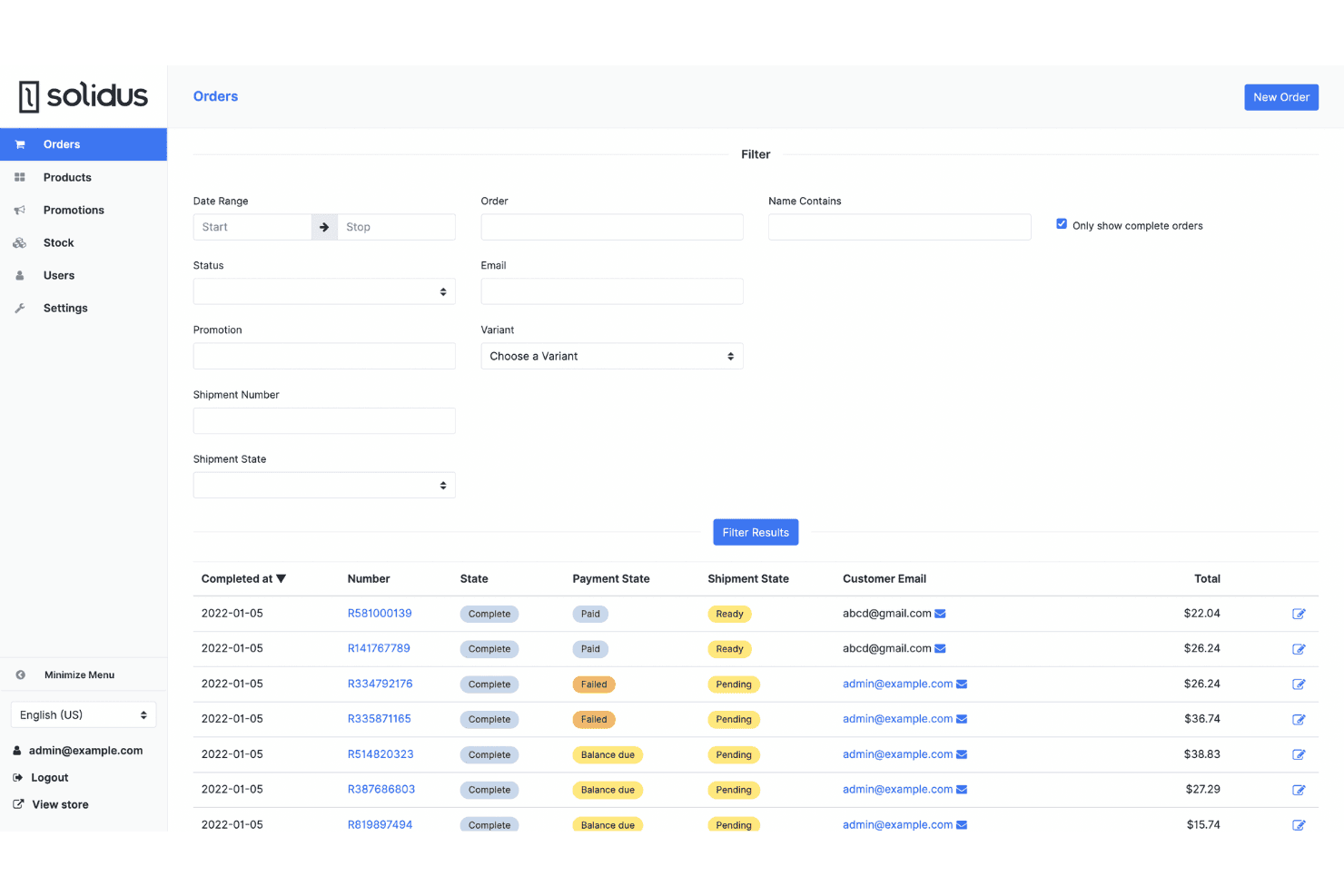
Solidus consente agli utenti di filtrare e gestire gli ordini in base allo stato, al pagamento e alla spedizione. Solidus è una piattaforma open source per l'e-commerce con licenza BSD-3, sviluppata su Ruby on Rails, che include un motore nativo per gli abbonamenti e supporta la fatturazione ricorrente, le box curate, la creazione personalizzata della propria box e gli abbonamenti digitali.
Per chi è più adatto Solidus?
Solidus è particolarmente adatto ai brand DTC che dispongono di sviluppatori Ruby on Rails interni e desiderano un negozio in abbonamento completamente self-hosted, senza costi di licenza o costi per transazione.
Perché ho scelto Solidus
Solidus si è guadagnato un posto nella mia lista perché è una delle poche piattaforme open source per l'e-commerce con un motore nativo per gli abbonamenti integrato direttamente nella base di codice. Apprezzo il fatto che l'estensione
solidus_subscriptionssupporti box curate, la creazione personalizzata della propria box e abbonamenti digitali già pronti all'uso, evitando così ai team Ruby on Rails di dover assemblare strumenti di fatturazione separati. Gli intervalli della fatturazione ricorrente sono configurabili a livello di voce dell'ordine, consentendo a un negozio di gestire rifornimenti mensili e box curate bimestrali tramite un unico flusso di pagamento.Funzionalità principali di Solidus
- Licenza open source BSD-3-Clause: Solidus può essere ospitato e ridistribuito liberamente con una licenza permissiva approvata dall'OSI, senza costi per transazione in alcun piano.
- Supporto ai gateway di pagamento indipendente dal PSP: Le integrazioni native con Stripe, Braintree, PayPal, Square, Razorpay, Affirm, Afterpay e Klarna offrono ai commercianti un'ampia flessibilità nei pagamenti.
- API REST e GraphQL: L'accesso a entrambe le API consente ai team di sviluppo di collegare Solidus a frontend headless, ERP, CRM e altri componenti dello stack tecnologico retail.
- Logica configurabile per la gestione dei mancati pagamenti e dei tentativi: Le rate degli abbonamenti non andate a buon fine vengono ritentate automaticamente a ogni esecuzione del processore, con integrazione opzionale con Churn Buster per flussi di recupero dei pagamenti avanzati.
Integrazioni di Solidus
Solidus documenta oltre 10 integrazioni native con gateway di pagamento, tra cui Stripe, Braintree, PayPal Commerce Platform, Square, Razorpay, Klarna e Afterpay. Si integra inoltre con Avalara, Klaviyo, EasyPost, ShipStation, Segment e Churn Buster, offrendo API REST e GraphQL per integrazioni personalizzate.
Pros and Cons
Pros:
- Modello realmente gratuito e open source
- Il motore nativo per gli abbonamenti supporta le box curate
- Disponibilità di API REST e GraphQL
Cons:
- Nessun portale per gli abbonamenti dei clienti già predisposto
- È richiesta una competenza in Ruby on Rails per la distribuzione
Learn more about Solidus: Ideale per il commercio basato sui contenuti
- Demo gratuita disponibile
- Prezzi su richiesta
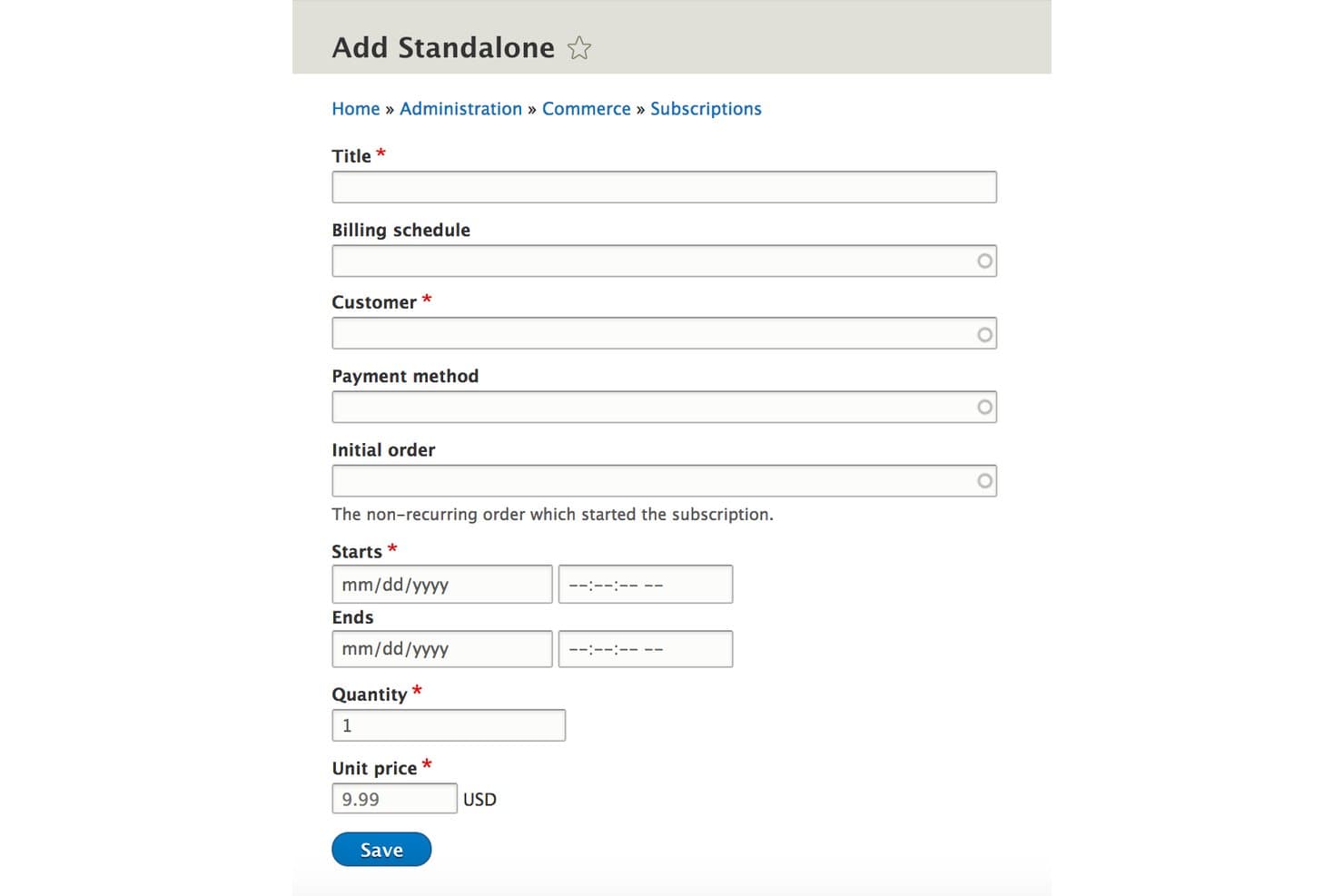
Drupal Commerce consente agli utenti di creare manualmente abbonamenti indipendenti. Drupal Commerce è una piattaforma di commercio elettronico a codice sorgente aperto con licenza GPL e autogestibile, basata sul CMS Drupal, che combina la gestione dei contenuti con la fatturazione ricorrente, tipi di abbonamento configurabili e un ecosistema di gateway di pagamento composto da 142 moduli.
Per chi è più adatto Drupal Commerce?
Drupal Commerce è particolarmente adatto ai team di sviluppo che realizzano vetrine in abbonamento ricche di contenuti, dove il CMS e il commercio elettronico devono risiedere sulla stessa piattaforma.
Perché ho scelto Drupal Commerce
Drupal Commerce è entrato nella mia lista ristretta perché è l'unica piattaforma a codice sorgente aperto per abbonamenti in cui la gestione dei contenuti e la fatturazione ricorrente condividono la stessa base di codice. Apprezzo molto il fatto che le entità di abbonamento con campi configurabili consentano di associare metadati personalizzati direttamente a ogni record di abbonamento, una funzione davvero utile per creare livelli di iscrizione con contenuti riservati o programmi di confezioni personalizzate. I 142 moduli di gateway di pagamento sviluppati dalla comunità, tra cui GoCardless per gli addebiti diretti e Stripe con Connect integrato, coprono scenari di fatturazione ricorrente che la maggior parte delle piattaforme non è in grado di gestire senza costosi componenti aggiuntivi.
Funzionalità principali di Drupal Commerce
- Entità di abbonamento con campi configurabili: Associa campi e metadati personalizzati direttamente ai singoli record di abbonamento per supportare modelli di dati complessi.
- Elaborazione dei rinnovi basata sulla coda avanzata: Automatizza la chiusura dei periodi di fatturazione e i processi di rinnovo tramite Drupal Cron, garantendo un'elaborazione affidabile in background.
- Supporto per più negozi e valute: Gestisci più entità negozio con prezzi statici per valuta e localizzazione conforme allo standard CLDR da una singola installazione.
- Gruppi di clienti B2B: Assegna indirizzi condivisi, metodi di pagamento, cronologia degli ordini e listini prezzi a livello di account agli account dei clienti aziendali.
Integrazioni di Drupal Commerce
Drupal Commerce offre un'ampia gamma di integrazioni con gateway di pagamento, tra cui Stripe, PayPal, Braintree, GoCardless, Adyen e Checkout.com, oltre alle integrazioni con Avalara e ShipStation. Gli endpoint JSON:API e REST supportano connessioni personalizzate.
Pros and Cons
Pros:
- Offre il controllo su tutti i dati relativi agli abbonamenti e al commercio elettronico
- Supporta vetrine in abbonamento complesse e basate sui contenuti
- Ampia copertura globale dei gateway di pagamento
Cons:
- Nessun portale integrato per l'autonomia degli abbonati
- Gli aggiornamenti del ciclo di vita degli abbonamenti richiedono sviluppo personalizzato
Learn more about Drupal Commerce: Ideale per il commercio in abbonamento senza interfaccia
- Prova gratuita di 30 giorni
- A partire da $4/utente/mese
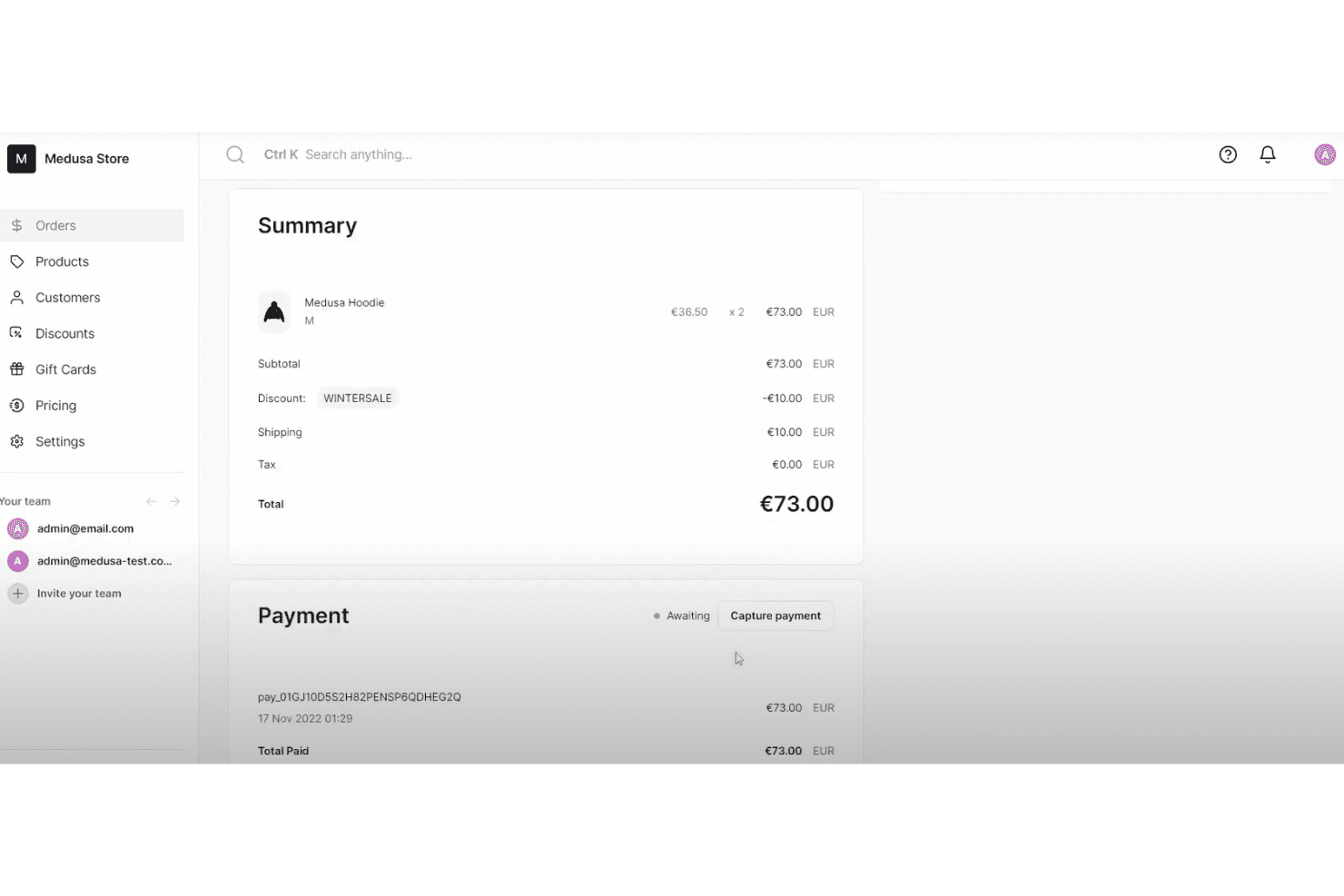
Medusa tiene traccia in un'unica vista dei riepiloghi degli ordini, degli sconti e della contabilizzazione dei pagamenti. Medusa è una piattaforma di commercio a codice sorgente aperto senza interfaccia, basata su Node.js e TypeScript, che copre la gestione del catalogo prodotti, i prezzi in più valute, le imposte, l'elaborazione dei pagamenti e la gestione del ciclo di vita degli abbonamenti tramite la sua architettura modulare e l'estensione Reorder con licenza MIT.
Per chi è più adatta Medusa?
Medusa è particolarmente adatta ai marchi DTC orientati all'ingegneria e ai team retail che desiderano il pieno controllo della propria architettura di abbonamenti senza pagare commissioni SaaS sulle transazioni.
Perché ho scelto Medusa
Ho scelto Medusa come una delle migliori perché è l'unica piattaforma a codice sorgente aperto che consente di gestire un'architettura completa di commercio in abbonamento senza interfaccia, senza pagare commissioni SaaS sulle transazioni. L'estensione Reorder con licenza MIT aggiunge direttamente in Medusa Admin la fatturazione ricorrente pronta per la produzione, la gestione dei solleciti con intervalli di ritentativo configurabili e le analisi di MRR/abbandono/LTV. Mi piace anche il fatto che i prezzi in più valute e le imposte siano integrati nel nucleo, così i programmi di abbonamento internazionali non richiedono soluzioni aggiuntive improvvisate.
Caratteristiche principali di Medusa
- Endpoint API per gli abbonamenti in autogestione: Gli endpoint REST rivolti al negozio consentono ai clienti di saltare le consegne, cambiare piano e aggiornare i metodi di pagamento senza contattare l'assistenza.
- Architettura modulare per il commercio: I 17 moduli indipendenti di Medusa consentono di adottare solo i componenti necessari, come imposte, inventario e prezzi, senza distribuire un monolite completo.
- Motore di determinazione dei prezzi per più regioni: Definisci nativamente nel nucleo a codice sorgente aperto prezzi specifici per valuta, aliquote fiscali locali e regole di spedizione specifiche per regione.
- Motore per i flussi di lavoro pianificati: Il pianificatore integrato attiva processi ricorrenti per l'esecuzione dei rinnovi, la logica di ritentativo e le transizioni di stato degli abbonamenti a intervalli configurabili.
Integrazioni di Medusa
Medusa elenca oltre 100 integrazioni, tra cui Stripe, PayPal, Braintree, Authorize.net, Mollie, Odoo, ShipStation, Klaviyo, Algolia e PostHog. Le sue API REST per il negozio e l'amministrazione, i webhook e l'SDK del fornitore del modulo di pagamento supportano integrazioni personalizzate.
Pros and Cons
Pros:
- Nessuna commissione SaaS sul GMV o sulle transazioni
- Completamente autogestita con licenza a codice sorgente aperto
- L'architettura modulare supporta una logica di abbonamento personalizzata
Cons:
- La gestione degli abbonamenti richiede un'estensione o uno sviluppo personalizzato
- Nessuna integrazione nativa con GraphQL o POS
Learn more about Medusa: 7Ideale per le integrazioni di fatturazione incentrate sull'API
Lago
- Demo gratuita disponibile
- Prezzi su richiesta
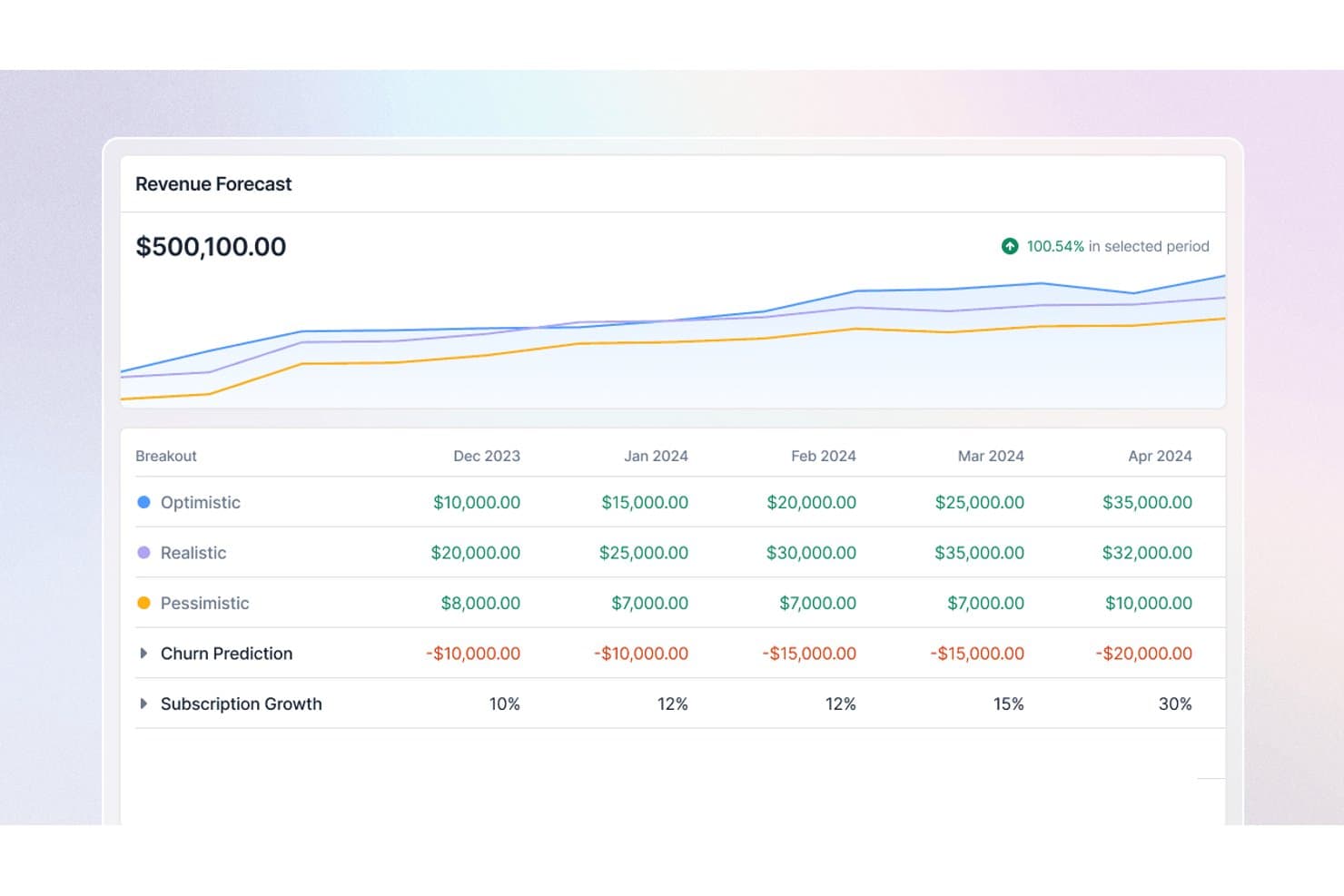
Lago prevede i ricavi degli abbonamenti in scenari ottimistici, realistici e pessimistici. Lago è una piattaforma open source per la gestione degli abbonamenti, basata su un'architettura incentrata sull'API, che offre fatturazione ricorrente, misurazione basata sull'utilizzo, modelli di prezzo ibridi, automazione del recupero crediti e integrazioni native con provider di contabilità, CRM e pagamenti.
A chi è più adatto Lago?
Lago è particolarmente adatto ai team guidati dall'ingegneria che devono creare flussi di fatturazione personalizzati su una base flessibile e incentrata sull'API, che possono ospitare autonomamente e controllare completamente.
Perché ho scelto Lago
Lago si è guadagnato un posto tra le migliori soluzioni della mia selezione perché la sua architettura incentrata sull'API è realmente progettata per i team di ingegneria che devono gestire direttamente la propria logica di fatturazione dall'inizio alla fine. Apprezzo particolarmente il fatto che offra un'API REST completa con una specifica OpenAPI, SDK in quattro linguaggi, webhook firmati per ogni evento di fatturazione e un server MCP per i flussi di lavoro degli agenti IA. In pratica, questo significa che il mio team può elaborare eventi di utilizzo su larga scala, attivare programmaticamente modifiche agli abbonamenti e integrare Lago in qualsiasi stack senza dover attendere il piano di integrazione del fornitore.
Funzionalità principali di Lago
- Supporto per modelli di prezzo ibridi: Lago consente di combinare tariffe fisse di abbonamento e addebiti basati sull'utilizzo su un'unica fattura, con intervalli di fatturazione da giornalieri ad annuali.
- Portafogli di crediti prepagati: I clienti possono mantenere saldi di credito prepagati che Lago riduce automaticamente man mano che l'utilizzo aumenta, con supporto per le ricariche automatiche.
- Fatturazione multivaluta: Lago genera fatture nella valuta di fatturazione del cliente, supportando la fatturazione globale senza flussi di lavoro manuali per la conversione valutaria.
- Analisi dei ricavi integrata: Lago include dashboard con dati su MRR, andamento degli abbonamenti, riscossione degli incassi, registri dei crediti e utilizzo previsto, tutti esportabili tramite API o CSV.
Integrazioni di Lago
Lago offre integrazioni native con Stripe, Adyen, GoCardless, NetSuite, Xero, QuickBooks, Salesforce, Anrok e Avalara. La sua API REST, gli SDK, i webhook firmati e il supporto per Zapier consentono connettività personalizzata.
Pros and Cons
Pros:
- Scalabile fino a un milione di eventi al secondo
- Incentrato sull'API, con webhook firmati e SDK
- Supporto per prezzi ibridi e portafogli di crediti prepagati
Cons:
- Nessun connettore pronto all'uso per le piattaforme di commercio elettronico
- Al portale clienti mancano strumenti per la gestione dei piani
Learn more about Lago: Ideale per l'automazione della fatturazione
- Piano gratuito disponibile
- Prezzi su richiesta
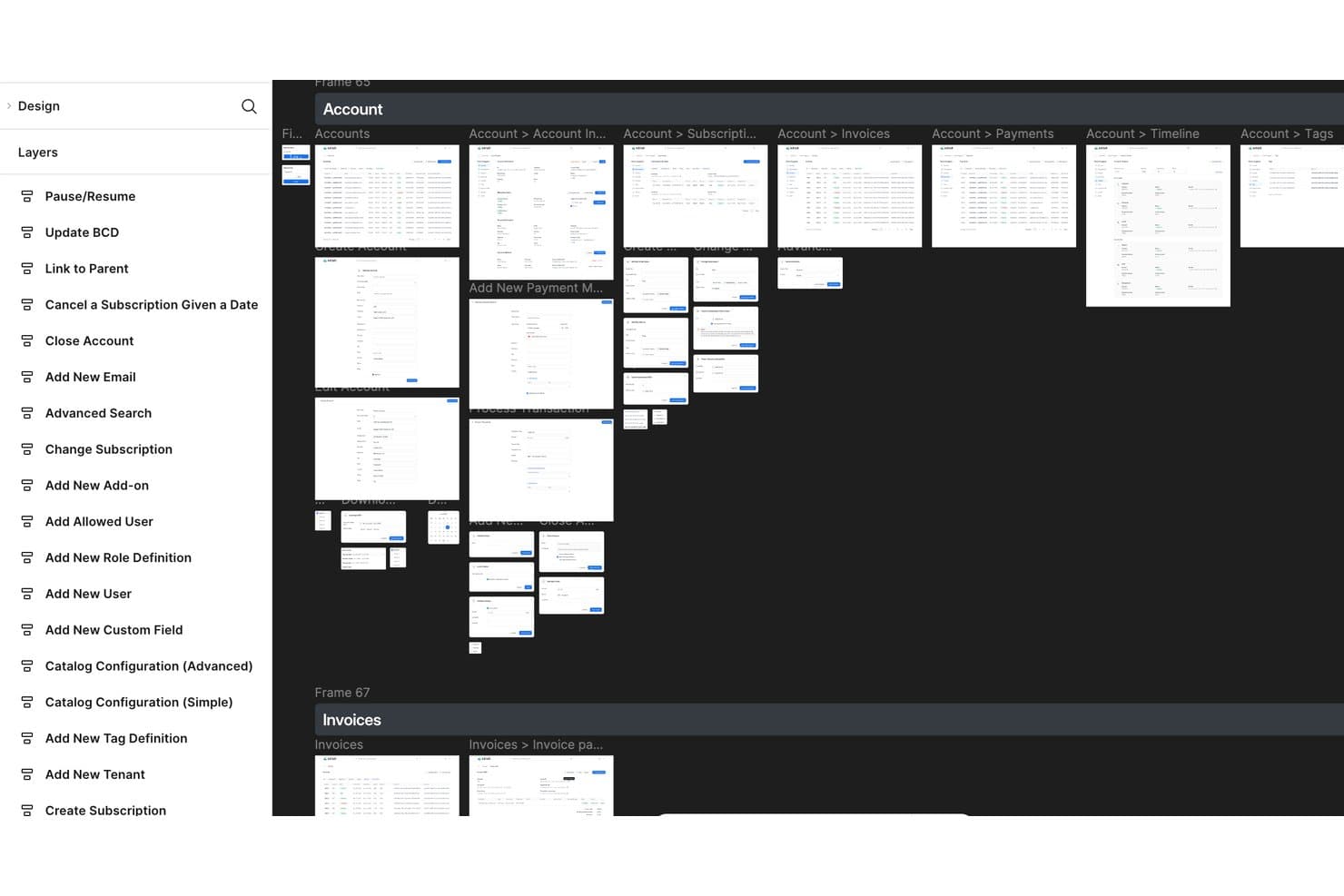
Kill Bill organizza i flussi di lavoro degli abbonamenti tra account, fatture e pagamenti. Kill Bill è una piattaforma open source per la gestione degli abbonamenti e della fatturazione ricorrente, basata su un'architettura incentrata sulle API e sviluppata in Java, che gestisce il ciclo di vita degli abbonamenti, le integrazioni con i gateway di pagamento, l'automazione dei solleciti di pagamento, la fatturazione basata sull'utilizzo e la gestione di cataloghi multi-tenant.
Per chi è più indicato Kill Bill?
Kill Bill è particolarmente adatto ai team guidati dall'ingegneria che necessitano del pieno controllo sulla propria infrastruttura di fatturazione senza pagare commissioni SaaS per transazione.
Perché ho scelto Kill Bill
Kill Bill è entrato nella mia selezione ristretta per il modo in cui gestisce l'automazione della fatturazione a livello infrastrutturale. Apprezzo particolarmente il suo sistema duale di solleciti di pagamento: un programma configurabile di ritentativi dei pagamenti opera insieme a una macchina a stati separata per la gestione delle scadenze, che fa avanzare automaticamente gli account attraverso le fasi di avviso, blocco e cancellazione. Ho inoltre utilizzato la configurazione dei piani a rinnovo automatico per gestire i rinnovi automatici senza alcun intervento manuale, mantenendo così costanti le entrate anche in implementazioni multi-tenant complesse.
Funzionalità principali di Kill Bill
- Gestione di cataloghi multi-tenant: Gestisci cataloghi di prodotti, prezzi e programmi di fatturazione separati per migliaia di tenant isolati da un'unica implementazione.
- Framework di plugin OSGi: Implementa, aggiorna e ripristina i plugin per i gateway di pagamento o per la logica personalizzata in modo indipendente, senza riavviare il motore di fatturazione principale.
- Fatturazione basata sull'utilizzo: Acquisisci e tariffa nativamente gli eventi di utilizzo per supportare modelli di abbonamento a consumo e con tariffazione a consumo misurato.
- Interfaccia di amministrazione Kaui: Un'interfaccia web di back-office che consente ai team finanziari e operativi di gestire account, fatture e configurazioni di fatturazione senza scrivere codice.
Integrazioni di Kill Bill
Le integrazioni di Kill Bill includono Stripe, Adyen, Braintree, PayPal, Authorize.Net, Qualpay, Avalara, NetSuite, SAP, QuickBooks, Salesforce e HubSpot. L'API REST supporta integrazioni personalizzate con Shopify, WooCommerce, sistemi POS ed ERP.
Pros and Cons
Pros:
- Offre solleciti di pagamento doppi e automazione delle scadenze
- Supporta la gestione di cataloghi multi-tenant
- Licenza open source con pieno controllo sui dati
Cons:
- Nessun portale integrato per l'autonomia dei clienti
- Richiede competenze di sviluppo Java per la personalizzazione avanzata
Learn more about Kill Bill: Ideale per la fatturazione basata sull'utilizzo di API e token IA
- Piano gratuito disponibile
- A partire da $249/mese
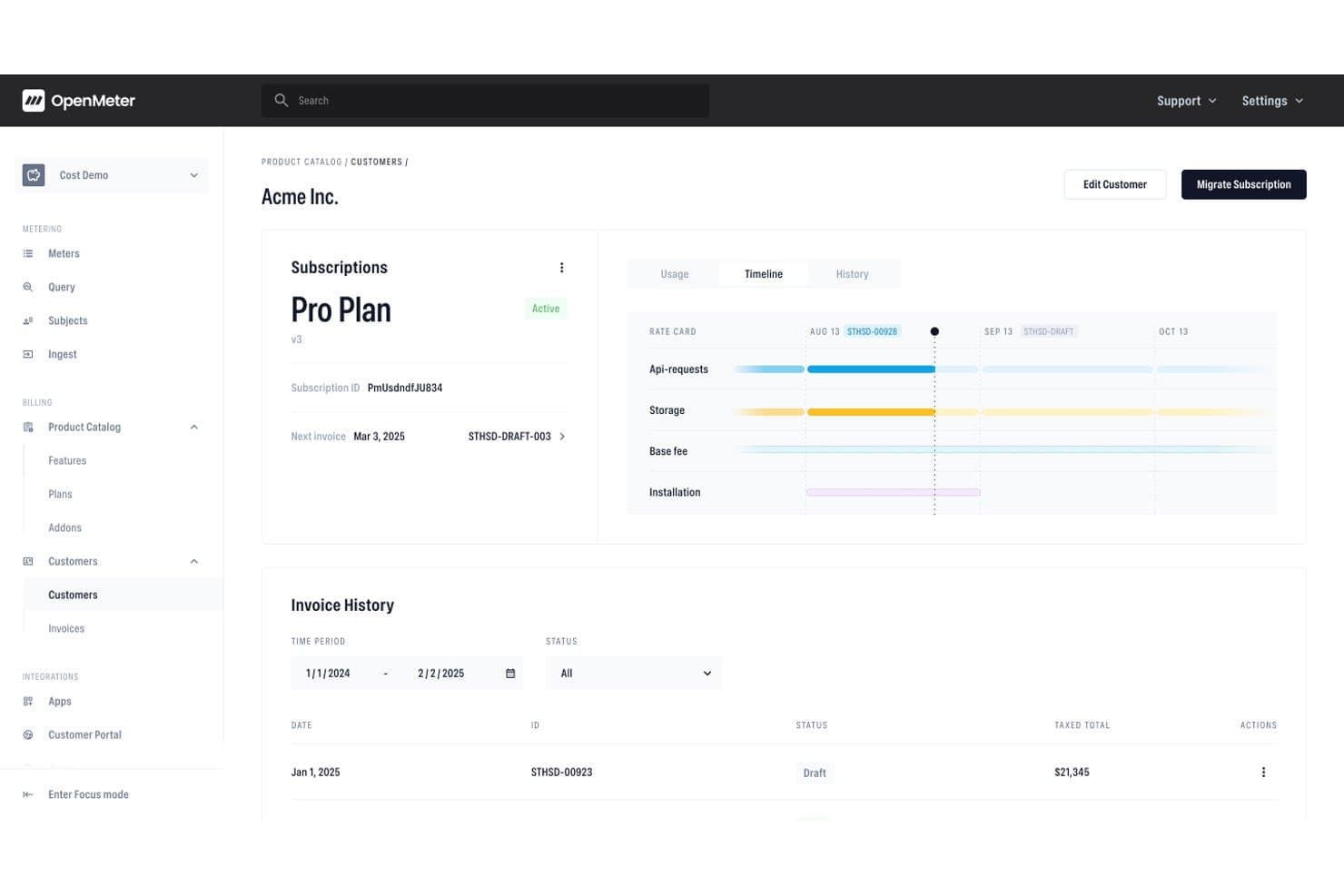
OpenMeter monitora le tempistiche degli abbonamenti, l'utilizzo e lo storico delle fatture per ogni cliente. OpenMeter è una piattaforma open source Apache 2.0 per la misurazione e la fatturazione, progettata per i prezzi basati sull'utilizzo, che offre un motore di misurazione degli eventi in tempo reale, un catalogo prodotti flessibile, la gestione del ciclo di vita degli abbonamenti e il monitoraggio delle autorizzazioni.
Per chi è più adatto OpenMeter?
OpenMeter è ideale per i team tecnici che sviluppano prodotti basati su IA o API e necessitano di una misurazione precisa e ad alto volume dell'utilizzo, oltre a una fatturazione flessibile senza dover cedere una parte dei propri ricavi.
Perché ho scelto OpenMeter
Ho scelto OpenMeter come una delle soluzioni migliori perché è progettato specificamente per la fatturazione basata sull'utilizzo delle API e dei token IA, in un modo che non ho riscontrato in altre opzioni open source. Il suo motore di misurazione in tempo reale, basato su Kafka e ClickHouse, gestisce miliardi di eventi e supporta modelli di prezzo per unità come $0.01 per token IA, tariffe graduate a livelli e prezzi dinamici basati sul costo maggiorato. Apprezzo anche il fatto che monitori in tempo reale le autorizzazioni e i saldi dei crediti, così i team che fatturano l'accesso alle API sanno sempre esattamente qual è la situazione dei clienti.
Funzionalità principali di OpenMeter
- Licenza open source Apache 2.0: L'intero codice sorgente è pubblicamente disponibile su GitHub, senza limitazioni delle funzionalità in base al livello della licenza, quindi puoi ospitarlo autonomamente senza pagare commissioni per transazione.
- Catalogo prodotti senza codice: I team aziendali e finanziari possono creare e modificare i piani tariffari oppure predisporre offerte aziendali personalizzate senza scrivere codice.
- API per il ciclo di vita degli abbonamenti: Gestisce aggiornamenti, riduzioni, componenti aggiuntivi, ripartizioni proporzionali e cancellazioni tramite API, con controlli temporali per applicare le modifiche immediatamente o dal ciclo di fatturazione successivo.
- Consegna delle notifiche tramite webhook basata su Svix: Gli eventi di fatturazione e utilizzo attivano notifiche tramite webhook attraverso Svix, offrendo al team notifiche affidabili e in tempo reale per automatizzare i flussi di lavoro successivi.
Integrazioni di OpenMeter
OpenMeter offre integrazioni disponibili nel marketplace per Stripe e HubSpot, oltre al supporto per la fatturazione esterna. Fornisce un'API REST, notifiche tramite webhook Svix, CloudEvents e SDK per Node.js, Python e Go per le integrazioni personalizzate.
Pros and Cons
Pros:
- Misurazione in tempo reale per la fatturazione basata sull'utilizzo
- Catalogo prodotti senza codice per i piani tariffari
- La progettazione basata sulle API supporta le integrazioni personalizzate
Cons:
- Mancano flussi di lavoro nativi per la vendita al dettaglio e l'e-commerce
- Nessun portale integrato per l'autonomia dei clienti
Learn more about OpenMeter: 10Ideale per la fatturazione degli abbonamenti su scala operatore telefonico
Opencell
- Demo gratuita disponibile
- Prezzi su richiesta
Visit WebsiteCustomer Rating:4.5/5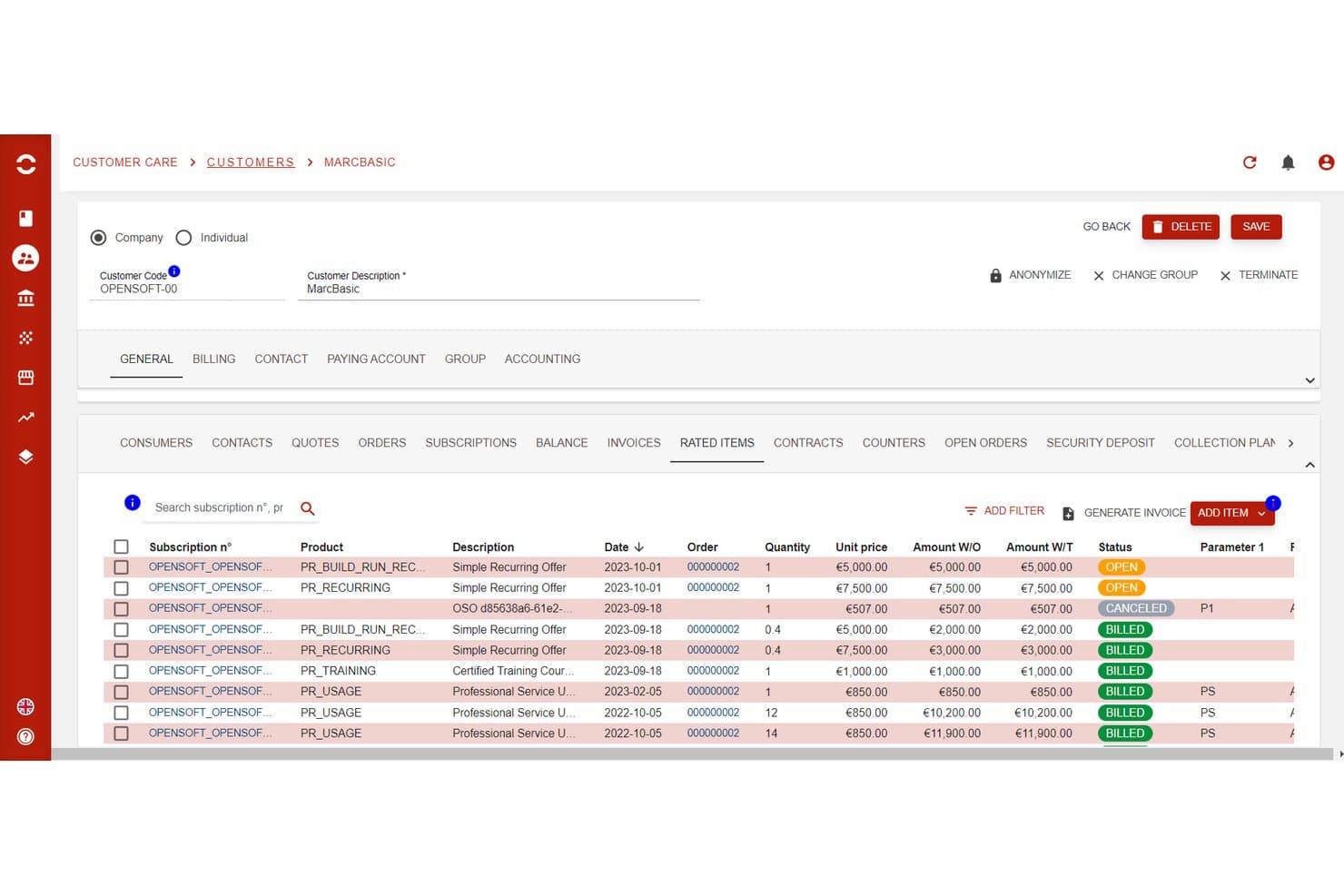
Opencell tiene traccia degli elementi tariffati con lo stato della fatturazione per ogni abbonamento. Opencell è una piattaforma open source per la fatturazione degli abbonamenti, basata su un nucleo con licenza AGPLv3, che gestisce la fatturazione ricorrente, la tariffazione basata sull'utilizzo, la gestione del ciclo di vita degli abbonamenti, l'automazione dei solleciti e la fatturazione multivaluta in ambienti complessi e ad alto volume.
Per chi è più indicato Opencell?
Opencell è adatto ai team guidati dall'ingegneria delle grandi aziende che devono gestire una fatturazione degli abbonamenti complessa e ad alto volume tra più entità, valute o mercati.
Perché ho scelto Opencell
Opencell si è guadagnato un posto nella mia selezione perché il suo motore di fatturazione gestisce il tipo di complessità che mette in difficoltà gli strumenti open source più semplici, in particolare la mediazione dell'utilizzo in tempo reale, gli ambienti multi-venditore e le gerarchie granulari dei clienti fino ai singoli punti di accesso. L'ho scelto per la fatturazione degli abbonamenti su scala operatore telefonico perché queste stesse funzionalità si traducono direttamente in implementazioni retail ad alto volume e multi-entità, come il servizio DartyMax di Fnac/Darty, con oltre un milione di abbonati. Il suo nucleo AGPLv3 e le oltre 200 API REST offrono ai team di ingegneria pieno accesso al codice e una superficie completa di integrazione dal preventivo all'incasso.
Funzionalità principali di Opencell
- SDK per il portale self-service: un SDK basato su React JS consente ai clienti di gestire i propri abbonamenti, visualizzare le fatture ed effettuare pagamenti direttamente dal tuo sito web.
- Instradamento dinamico dei pagamenti: seleziona automaticamente il fornitore di pagamenti migliore in base alla posizione del cliente o al metodo di pagamento, per ridurre i costi di elaborazione.
- Ambiente di fatturazione multi-venditore: supporta scenari di marketplace e fatturazione come servizio tra più venditori all'interno di una singola istanza della piattaforma.
- Dashboard di analisi dei ricavi: presenta KPI precalcolati, tra cui MRR, ARR, tasso di abbandono e LTV, con connettori per strumenti di business intelligence come Microsoft Power BI.
Integrazioni di Opencell
Le integrazioni native includono Stripe, Slimpay, Ingenico, Mangopay, PayPal, Avalara, Salesforce, Jaspersoft e Microsoft Power BI. Opencell offre inoltre oltre 200 API REST, webhook e API TM Forum per connessioni personalizzate.
Pros and Cons
Pros:
- Gestisce la fatturazione complessa degli abbonamenti multi-entità
- Offre oltre 200 endpoint API REST documentati
- Supporta flussi di lavoro granulari per i solleciti automatizzati
Cons:
- L'interfaccia del portale di amministrazione non è open source
- Nessun connettore predefinito per Shopify o Magento
Learn more about Opencell:
Altri software open source per la gestione degli abbonamenti
Ecco alcune opzioni aggiuntive di software open source per la gestione degli abbonamenti che non sono entrate nella mia selezione, ma che vale comunque la pena prendere in considerazione:
- 11BoxBillingIdeale per la fatturazione basata sull'utilizzo per aziende AI e SaaS
- 12OpenCartIdeale per piccoli rivenditori che vendono prodotti in abbonamento
- 13Invoice NinjaIdeale per la fatturazione autogestita con piani di abbonamento
- 14SyliusIdeale per abbonamenti con vetrine web personalizzate e licenza MIT
- 15jBillingIdeale per la fatturazione dei consumi di livello telecom in sede
- 16FlexpriceIdeale per la fatturazione a codice sorgente aperto basata sui crediti
- 17MeteroidIdeale per la fatturazione open source basata sull'utilizzo
Come valuto i software open source per la gestione degli abbonamenti
Cerco due cose: capacità di base come la fatturazione ricorrente self-hosted e dunning, e fattori differenzianti che contano davvero per i responsabili operativi DTC che gestiscono programmi a box o di rifornimento.
Funzionalità principali (Requisiti indispensabili per questa lista)
Quando seleziono gli strumenti per la mia lista, valuto ciascuno su una scala da 0 (non offre la funzionalità) a 5 (eccelle in quest'area) per ognuna delle funzionalità principali elencate di seguito. Poi calcolo il punteggio totale dello strumento in percentuale. Ogni strumento deve ottenere un punteggio totale minimo del 55% per essere considerato per l'inclusione.
- Licenza Open Source: Controllo il tipo di licenza (MIT, Apache 2.0, AGPL, ecc.), verifico che il codice sorgente sia pubblicamente accessibile e osservo se il repository è attivamente mantenuto con commit recenti.
- Motore di fatturazione ricorrente: Il motore di fatturazione deve gestire vari modelli di pricing, dai piani di rifornimento a tariffa fissa al pricing di membership a livelli con proration a metà ciclo durante gli upgrade.
- Gestione del ciclo di vita dell'abbonamento: Valuto come ogni strumento gestisce scenari reali di vendita al dettaglio, come un abbonato che mette in pausa una snack box mensile, effettua un downgrade di livello, o riattiva un account scaduto.
- Integrazione con gateway di pagamento: Qui sono importanti diverse opzioni di gateway. Cerco supporto tokenizzato tra processor come Stripe, Braintree, e PayPal per evitare che i team siano vincolati a un unico fornitore.
- Dunning e recupero dei pagamenti falliti: Gli abbonamenti retail sopravvivono o muoiono a seconda dei tassi di recupero. Valuto la programmazione dei tentativi di riscossione, le opzioni di notifica al cliente e se lo strumento presenta dati di churn da pagamenti non riusciti.
- Estendibilità per retail ed eCommerce: Esamino la superficie API, la copertura dei webhook e i connettori preconfigurati per piattaforme come WooCommerce, Magento o Shopify, oltre a eventuali percorsi di integrazione ERP o POS.
Una volta ottenuta una lista di strumenti che rispettano questi criteri, considero ciò che distingue ciascuna piattaforma.
Fattori differenzianti (Cosa differenzia i fornitori)
Ecco come confronto e metto in risalto i vari fornitori:
Caratteristiche distintive
Un portale self-service per i clienti è un elemento distintivo importante. Cerco portali che consentano agli abbonati di scambiare prodotti, saltare spedizioni o aggiornare in autonomia i dati di pagamento—riducendo il carico di supporto per i team che gestiscono migliaia di account attivi. L'architettura headless e API-first conta molto se il tuo team tecnico deve integrare la logica di fatturazione in uno shop personalizzato o in una app mobile. Valuto anche le integrazioni per multi-valuta e motori fiscali, poiché gli abbonamenti retail cross border complicano rapidamente la normativa da rispettare.
Oltre le funzionalità
La flessibilità del deployment è tra le prime cose che controllo. Alcuni team dispongono di risorse DevOps per self-hosting su Docker o Kubernetes, mentre altri necessitano di un'opzione cloud gestita—pertanto, valuto se i fornitori offrono entrambe le soluzioni. Lo stato della community è molto rivelatore. Un repository GitHub attivo con commit frequenti e un forum reattivo sono segnali di solidità nel tempo. Il costo totale di proprietà completa la mia valutazione, soprattutto se una piattaforma può gestire picchi di traffico, come eventi di grandi vendite, senza richiedere costosi upgrade infrastrutturali.
Che cos'è un software open source per la gestione degli abbonamenti?
Il software open source per la gestione degli abbonamenti è un insieme di strumenti che aiuta le aziende ad automatizzare la fatturazione ricorrente, la fatturazione e la gestione degli abbonati, il tutto basato su codice liberamente disponibile che puoi personalizzare.
Queste piattaforme ti consentono di controllare ogni aspetto, dai modelli di prezzo all'elaborazione dei pagamenti in tempo reale, con la flessibilità necessaria per adattarsi a qualsiasi esigenza o flusso di lavoro aziendale.
La maggior parte dei team utilizza soluzioni open source per ridurre i costi, migliorare la scalabilità ed evitare il vincolo verso un fornitore. Ottieni accesso diretto alle API, la possibilità di creare integrazioni personalizzate e una dashboard adatta alla fatturazione basata sull'utilizzo o ai ricavi ricorrenti.
Che tu gestisca abbonamenti SaaS, prodotti digitali o complesse attività multicanale, le opzioni open source ti offrono un maggiore controllo sui dati e sui processi, senza sacrificare la sicurezza o la crescita.
Come scegliere un software open source per la gestione degli abbonamenti
Scegliere un software open source per la gestione degli abbonamenti significa essere realistici riguardo alle esigenze della propria azienda, ai problemi di integrazione e alle difficoltà concrete della fatturazione ricorrente. Ecco una guida passo passo per mantenere la concentrazione ed evitare gli errori dei principianti:
| Passaggio | Cosa considerare | Consiglio dell'esperto |
|---|---|---|
| Passaggio1. Definisci i tuoi casi d'uso | Cosa considerareFatturi SaaS, prodotti fisici, servizi o tutti e tre? Considera la fatturazione ricorrente, i pagamenti una tantum e le prove gratuite. | Consiglio dell'espertoQuanto più specifiche sono le tue esigenze, tanto più velocemente potrai escludere le opzioni non adatte. |
| Passaggio2. Mappa le integrazioni necessarie | Cosa considerareFai un elenco delle connessioni indispensabili: gateway di pagamento (Stripe, PayPal), CRM, strumenti contabili, API e piattaforme di commercio elettronico. | Consiglio dell'espertoTesta presto le integrazioni: i problemi con le API sono comuni nei progetti open source. |
| Passaggio3. Valuta scalabilità e affidabilità | Cosa considerareIl sistema è in grado di gestire il volume attuale e futuro di abbonati, transazioni e prodotti? | Consiglio dell'espertoCerca casi di studio reali o attività su GitHub. La scalabilità non è solo una parola di moda. |
| Passaggio4. Valuta l'esperienza utente | Cosa considerareControlla l'interfaccia utente, i dashboard in tempo reale e i report. Quanto velocemente può il tuo team iniziare a usare il sistema e risolvere i problemi? | Consiglio dell'espertoFai una dimostrazione con flussi di lavoro reali. Un dashboard confusionario rallenterà la fatturazione e frustrerà il personale. |
| Passaggio5. Analizza il costo totale di proprietà | Cosa considerareConsidera le spese di hosting autonomo, i componenti aggiuntivi, le opzioni cloud, i livelli di assistenza e gli aggiornamenti futuri. | Consiglio dell'espertoL'open source “gratuito” può diventare costoso. Assegna un valore monetario al tempo del tuo team e a qualsiasi assistenza esterna di cui avrai bisogno. |
| Passaggio6. Esamina l'assistenza e la solidità della community | Cosa considerareIl software dispone di forum attivi, documentazione affidabile e correzioni rapide dei bug? | Consiglio dell'espertoDai priorità ai progetti con repository GitHub attivi, aggiornamenti frequenti e responsabili disponibili. |
| Passaggio7. Verifica sicurezza e conformità | Cosa considerareI tuoi dati sono crittografati? Il software ti aiuta a mantenere la conformità al GDPR o allo standard PCI? | Consiglio dell'espertoNon occuparti autonomamente della sicurezza: utilizza piattaforme con protocolli chiari per la protezione dei dati e aggiornamenti regolari. |
Funzionalità
Non stai semplicemente cercando un elenco di parole alla moda.
Le migliori piattaforme open source per la gestione degli abbonamenti ti forniscono gli elementi fondamentali per automatizzare la fatturazione, gestire prezzi complessi e mantenere ogni abbonamento sempre operativo, indipendentemente dalla velocità con cui cresce la tua attività.
Ecco cosa conta:
- Fatturazione ricorrente automatizzata per abbonamenti, iscrizioni e prezzi basati sull'utilizzo.
- Accesso alle API per creare integrazioni personalizzate con il tuo sistema di commercio elettronico, CRM o strumenti finanziari.
- Modelli di fatturazione flessibili: supporto per strutture di pagamento una tantum, ricorrenti, a consumo o ibride.
- Integrazioni con gateway di pagamento come Stripe, PayPal, Braintree e altri.
- Piani di abbonamento personalizzabili per adattarsi alle tue esigenze specifiche in termini di prodotto, prezzi o contratto.
- Analisi e dashboard in tempo reale per monitorare ricavi, abbandono e abbonati attivi.
- Fatturazione automatizzata e flussi di sollecito dei pagamenti per recuperare i pagamenti in ritardo e ridurre l'abbandono.
- Supporto per più valute e localizzazione per vendite globali e attività presenti in più aree geografiche.
- Gestione degli utenti per team e ruoli, con controlli granulari sulle autorizzazioni.
- Opzioni di distribuzione su server propri e nel cloud per soddisfare i tuoi requisiti IT e di conformità.
- Marketplace di plugin e componenti aggiuntivi open source per funzionalità extra e una crescita rapida.
- Reportistica completa ed esportazioni finanziarie per imposte, audit e pianificazione finanziaria.
- Gestione sicura dei dati: crittografia, supporto alla conformità e aggiornamenti regolari.
Vantaggi
La gestione open source degli abbonamenti significa riprendere il controllo. Con il sistema giusto, automatizzerai di più, crescerai più rapidamente e non sarai mai limitato dalle restrizioni di un fornitore.
Ecco cosa può ottenere la tua azienda:
- Costi inferiori e nessun vincolo con il fornitore—evita licenze costose e mantieni il controllo sul tuo sistema.
- Massima flessibilità—personalizza il sistema di fatturazione, i pannelli di controllo e i flussi di lavoro in base alle esigenze della tua azienda.
- Scalabilità fin dal primo giorno—cresci da una manciata a migliaia di abbonati senza cambiare piattaforma.
- Automazione più rapida e meno errori—automatizza tutto, dalla fatturazione ai nuovi tentativi di pagamento.
- Integrazioni migliori—collega direttamente gli strumenti, le API e i gateway di pagamento che già utilizzi.
- Informazioni utili in tempo reale—utilizza le analisi integrate per ottimizzare i ricavi ricorrenti e ridurre il tasso di abbandono.
- Esperienza cliente migliorata—offri diverse opzioni di pagamento, fatture chiare e portali self-service.
- Preparazione al futuro—accedi a nuovi componenti aggiuntivi, integrazioni e innovazioni open source man mano che la tua azienda si evolve.
- Maggiore sicurezza e conformità—possiedi i tuoi dati, gestisci gli aggiornamenti e resta al passo con le normative sulla privacy.
Costi e prezzi
Gli strumenti open source per la gestione degli abbonamenti sono solitamente più economici all'inizio, ma i costi effettivi dipendono dalle dimensioni del tuo team, dalle funzionalità richieste e dal livello di personalizzazione necessario.
Considera i costi per componenti aggiuntivi, assistenza premium o hosting nel cloud se vuoi ridurre la manutenzione. Ecco come sono strutturati la maggior parte dei piani:
| Tipo di piano | Prezzo medio | Funzionalità comuni | Ideale per |
|---|---|---|---|
| Tipo di pianoPiano gratuito | Prezzo medio$0/user/month | Funzionalità comuniFatturazione di base, integrazioni essenziali, supporto della community, report limitati | Ideale perGestori individuali, test, utilizzo per lo sviluppo |
| Tipo di pianoPiano personale | Prezzo medio$5–$25/user/month | Funzionalità comuniPiani personalizzabili, più valute, supporto prioritario, analisi | Ideale perFreelance, startup nelle fasi iniziali |
| Tipo di pianoPiano aziendale | Prezzo medio$30–$75/user/month | Funzionalità comuniReportistica avanzata, API completa, più gateway, ruoli utente | Ideale perPMI, team in fase di crescita |
| Tipo di pianoPiano enterprise | Prezzo medio$100+/user/month | Funzionalità comuniPersonalizzazione completa, supporto dedicato, SLA, sicurezza avanzata | Ideale perGrandi organizzazioni, fatturazione complessa |
Alcuni aspetti a cui prestare attenzione:
- Gli strumenti open source spesso sembrano gratuiti, ma possono comportare costi elevati per l'hosting nel cloud, i plugin o i componenti aggiuntivi di terze parti.
- Non tutte le funzionalità, come le analisi in tempo reale o i solleciti di pagamento avanzati, sono incluse in ogni livello: controlla attentamente l'elenco delle funzionalità prima di impegnarti.
- Il supporto dedicato e le funzionalità di conformità potrebbero avere un prezzo separato.
Domande frequenti sul software open source per la gestione degli abbonamenti
Ecco alcune risposte alle domande comuni sul software open source per la gestione degli abbonamenti:
Qual è il principale vantaggio dell'utilizzo di un software open source per la gestione degli abbonamenti?
Il vantaggio principale è la flessibilità e il controllo. I dati, i flussi di lavoro e le integrazioni sono di tua proprietà: non dovrai più rimanere vincolato a una costosa piattaforma SaaS o aspettare mesi per una richiesta di funzionalità.
Puoi automatizzare la fatturazione, adattarti ai nuovi metodi di pagamento e crescere (o ridimensionarti) senza pagare funzionalità superflue che non utilizzerai mai. Inoltre, hai trasparenza sulla sicurezza e sugli aggiornamenti del codice.
Gli strumenti open source per la gestione degli abbonamenti sono in grado di gestire la fatturazione ricorrente per diversi modelli di business?
Assolutamente sì. La maggior parte delle principali piattaforme open source supporta modelli di fatturazione una tantum, ricorrente, basata sull’utilizzo e ibrida.
Che tu gestisca un’attività SaaS, abbonamenti, prodotti digitali o persino un’azienda di prodotti fisici, puoi personalizzare i flussi di lavoro, i livelli di prezzo e le scadenze delle fatture in base alle tue esigenze precise, soprattutto se devi integrarti con più gateway di pagamento o supportare la fatturazione multivaluta.
Quanto è difficile integrare le soluzioni open source con il mio stack tecnologico esistente?
Se hai alcune competenze tecniche (o uno sviluppatore a disposizione), l’integrazione è semplice con la maggior parte dei principali strumenti open source. Le API sono generalmente ben documentate e i plugin della community coprono i CRM, le piattaforme di commercio elettronico e i gateway di pagamento più diffusi, come Stripe e PayPal.
Il vero trucco consiste nel pianificare i flussi di lavoro prima di iniziare, così non dovrai improvvisare correzioni dell’ultimo minuto dopo il lancio.
Le piattaforme di fatturazione open source sono abbastanza sicure per gestire pagamenti e dati dei clienti?
Sì, se le mantieni aggiornate e segui le migliori pratiche. Il software open source ti offre il controllo sui protocolli di sicurezza, sulla crittografia e sulla conformità a standard come il GDPR o il PCI.
Rimani attivo nella community, correggi rapidamente le vulnerabilità e non implementare una soluzione di fatturazione senza una revisione della sicurezza. In sintesi: la sicurezza è solida solo quanto i processi del tuo team.
Quanta competenza tecnica è necessaria per eseguire e mantenere un software open source per la gestione degli abbonamenti?
Avrai bisogno di qualcuno che abbia dimestichezza con la configurazione dei server, la gestione dei database e la risoluzione dei problemi di base, soprattutto per le soluzioni ospitate autonomamente o fortemente personalizzate.
Le opzioni open source basate sul cloud possono essere più semplici, ma non aspettarti una soluzione da configurare e dimenticare. Prevedi un budget per la manutenzione continua, gli aggiornamenti e l’occasionale supporto di uno sviluppatore, soprattutto con la crescita dei tuoi ricavi ricorrenti.
Quali opzioni di supporto sono disponibili per gli strumenti open source di fatturazione degli abbonamenti?
Il supporto varia. I progetti migliori dispongono di forum attivi, gruppi di chat in tempo reale e documentazione dettagliata, oltre a frequenti aggiornamenti del codice su GitHub.
Alcuni offrono supporto a pagamento o consulenza per esigenze avanzate. Prima di prendere un impegno, verifica quanto sia reattiva la community e controlla se esiste un’opzione per inoltrare i problemi a un livello superiore quando il sistema di fatturazione richiede un intervento urgente.