

I 10 migliori sistemi POS per negozi, classificati e recensiti per il 2026

I migliori sistemi POS per la vendita al dettaglio da prendere in considerazione


I sistemi POS per la vendita al dettaglio dovrebbero semplificarti la vita, non aggiungere altri problemi alla tua lista. Se sei stanco di dati sull'inventario che non coincidono mai, punti fedeltà che scompaiono o code alla cassa che avanzano a passo di lumaca, sei nel posto giusto.
Dopo più di un decennio nel settore della vendita al dettaglio e dell'e-commerce, ho imparato a riconoscere ciò che distingue un sistema che gestisce la tua attività da uno che ti fa correre da una parte all'altra.
In questa guida ho fatto chiarezza tra le tante opzioni disponibili per esaminare i migliori sistemi POS per la vendita al dettaglio sul mercato. Vedrai come si comporta ciascuno nella gestione delle vendite in tempo reale, nella gestione dell'inventario, negli strumenti per la fidelizzazione e nella compatibilità hardware: lettori di codici a barre, cassetti per il denaro, iPad e molto altro.
Analizzeremo le funzionalità più interessanti, i modelli di prezzo e le integrazioni di cui hai davvero bisogno: contabilità, e-commerce, carte regalo e altro ancora.
E poiché ogni negozio è diverso, illustrerò i criteri più importanti, così potrai abbinare il sistema giusto alla tua configurazione, che tu gestisca un'attività temporanea nel fine settimana o un'operazione con più sedi.
Facciamo funzionare le tue attività di vendita al dettaglio in modo più intelligente, rapido e con meno sorprese.
Perché fidarsi dei nostri consigli sui software
Il nostro team testa e recensisce software dal 2012. In quanto leader del retail noi stessi, sappiamo quanto sia difficile — e importante — scegliere il software giusto.
Per questa guida, abbiamo valutato gli strumenti attraverso test pratici e ricerche indipendenti, assegnando un punteggio agli strumenti in base ai nostri criteri di selezione.
Le nostre recensioni riflettono il nostro giudizio indipendente, non un discorso di vendita.
Tabella comparativa dei sistemi POS per la vendita al dettaglio
\u003cp data-pm-slice=\u00221 1 []\u0022\u003eQuesta tabella comparativa mette in evidenza i prezzi mensili, le opzioni di prova gratuita o demo e i principali punti di forza di ciascun sistema POS per la vendita al dettaglio, per aiutarti a confrontare rapidamente le diverse opzioni.\u003c/p\u003e
| Tool | Best For | Trial Info | Price | ||
|---|---|---|---|---|---|
| 1 | Miglior POS omnicanale | Preventivo gratuito disponibile | Prezzi su richiesta | Website | |
| 2 | Ideale per il monitoraggio dell'inventario in tempo reale | Prova gratuita e demo gratuita disponibili | Da $59/mese | Website | |
| 3 | Ideale per transazioni ecommerce, mobile e in negozio ad alto volume | Prova gratuita di 3 mesi | Da $79/mese | Website | |
| 4 | Ideale per la vendita omnicanale | Primi tre mesi a $1/mese | Da $39/mese, più commissioni per l’elaborazione dei pagamenti (a partire da 2,7% + $0,00 per transazione) | Website | |
| 5 | Ideale per la scalabilità | Not available | Prezzo su richiesta | Website | |
| 6 | Ideale per il risparmio delle piccole imprese | Demo gratuita disponibile | Da Interchange + 0,40% + 8¢ (varia in base al volume) | Website | |
| 7 | Ideale per una varietà di opzioni hardware | Prova gratuita di 30 giorni per il piano senza hardware | Da $14.95/mese (più 2,6% + $0,10 per transazione) | Website | |
| 8 | El mejor software básico para la presentación de declaraciones | Website | |||
| 9 | Il miglior sistema POS per negozi senza impegni | Piano gratuito disponibile | Da $0/mese più commissioni di elaborazione dei pagamenti (a partire dal 2,29% + $0,09 per transazione) | Website | |
| 10 | Ideale per cash discounting e sovrapprezzo su carte di credito | Il piano base è gratuito. Garanzia soddisfatti o rimborsati 30 giorni sui piani a pagamento | A partire da $0/mese | Website |

I migliori sistemi POS per la vendita al dettaglio, esaminati
Di seguito troverai analisi approfondite di ogni piattaforma. Esaminiamo le funzionalità in tempo reale — monitoraggio dell’inventario, flussi di pagamento e strumenti per la fidelizzazione dei clienti — e le abbiniamo alla compatibilità hardware, alle integrazioni principali e ai pro e contro che contano quando gestisci un negozio, invece di limitarti a sfogliare un documento informativo.

Stax
Miglior POS omnicanale

Per i rivenditori che gestiscono volumi importanti tra negozio fisico, mobile e canali online, Stax Pay offre prezzi in stile abbonamento e dispositivi per pagamenti con presenza della carta senza costringerti a entrare in un ecosistema POS chiuso.
È ideale per commercianti statunitensi in crescita che desiderano costi di gestione trasparenti, terminali intelligenti e potenti strumenti di pagamento omnicanale, mantenendo però la propria infrastruttura retail o ecommerce esistente.
Perché ho scelto Stax Pay
Ho scelto Stax Pay per i rivenditori ad alto volume perché la tariffazione trasparente in stile abbonamento può ridurre i costi effettivi di elaborazione, sostituendo i ricarichi percentuali con una quota mensile prevedibile.
In più, offre una vera copertura omnicanale: il tuo team può accettare carte tramite terminali smart, lettori mobile e link di checkout online, così puoi gestire i pagamenti in negozio, a eventi o tramite il tuo sito ecommerce senza dover usare fornitori separati.
Apprezzo anche che il tuo team finanziario tragga vantaggio dai report integrati della piattaforma: puoi monitorare depositi, attività carte e ACH e tendenze di vendita in una sola dashboard invece di dover gestire diversi fogli di calcolo.
Per flussi di lavoro ricorrenti o basati su fatturazione, il personale può inviare fatture personalizzate via email o sms e programmare addebiti ricorrenti direttamente in Stax, il che aiuta a canalizzare maggiori entrate adiacenti al retail (come servizi, abbonamenti o ordini B2B) nello stesso ambiente di pagamento.
Caratteristiche principali di Stax Pay
Oltre a prezzi e copertura omnicanale, Stax Pay offre alcune funzionalità utili per le operazioni retail quotidiane.
- Terminali e lettori smart: Utilizza terminali compatibili EMV e lettori portatili per accettare pagamenti tramite strisciata, inserimento, contactless, Apple Pay e Google Pay al banco o in negozio.
- Pagine e link di pagamento ospitate: Crea pagine di checkout ospitate, pulsanti di pagamento e codici QR senza codice per raccogliere depositi, ordini speciali o fatture senza bisogno di sviluppo personalizzato.
- Dashboard di dati e analytics: Tieni sotto controllo trend di vendita, depositi, rimborsi e storico dei pagamenti clienti in un unico pannello per supportare decisioni su organico, promozioni e merchandising.
- Addebiti ricorrenti e fatturazione: Crea profili clienti, programma addebiti automatici e automatizza i promemoria di pagamento per abbonamenti, iscrizioni o conti all’ingrosso.
Integrazioni Stax Pay
Le integrazioni includono Shopify, Salesforce, Mailchimp, WordPress, QuickBooks Online, Lightspeed Retail, Authorize.Net e Oracle MICROS POS.
Pros and Cons
Pros:
- La tariffazione trasparente in abbonamento favorisce i rivenditori con elevati volumi e vendite regolari tramite carta.
- Il supporto omnicanale copre pagamenti in negozio, mobile e online.
- Gli strumenti integrati per l’applicazione del sovrapprezzo possono compensare i costi delle carte di credito dove consentito.
Cons:
- Indicato principalmente per commercianti con sede negli Stati Uniti; la copertura internazionale è più limitata.
- Richiede un sistema POS retail separato o un gestionale di magazzino per il controllo delle scorte.

Ideale per il monitoraggio dell'inventario in tempo reale
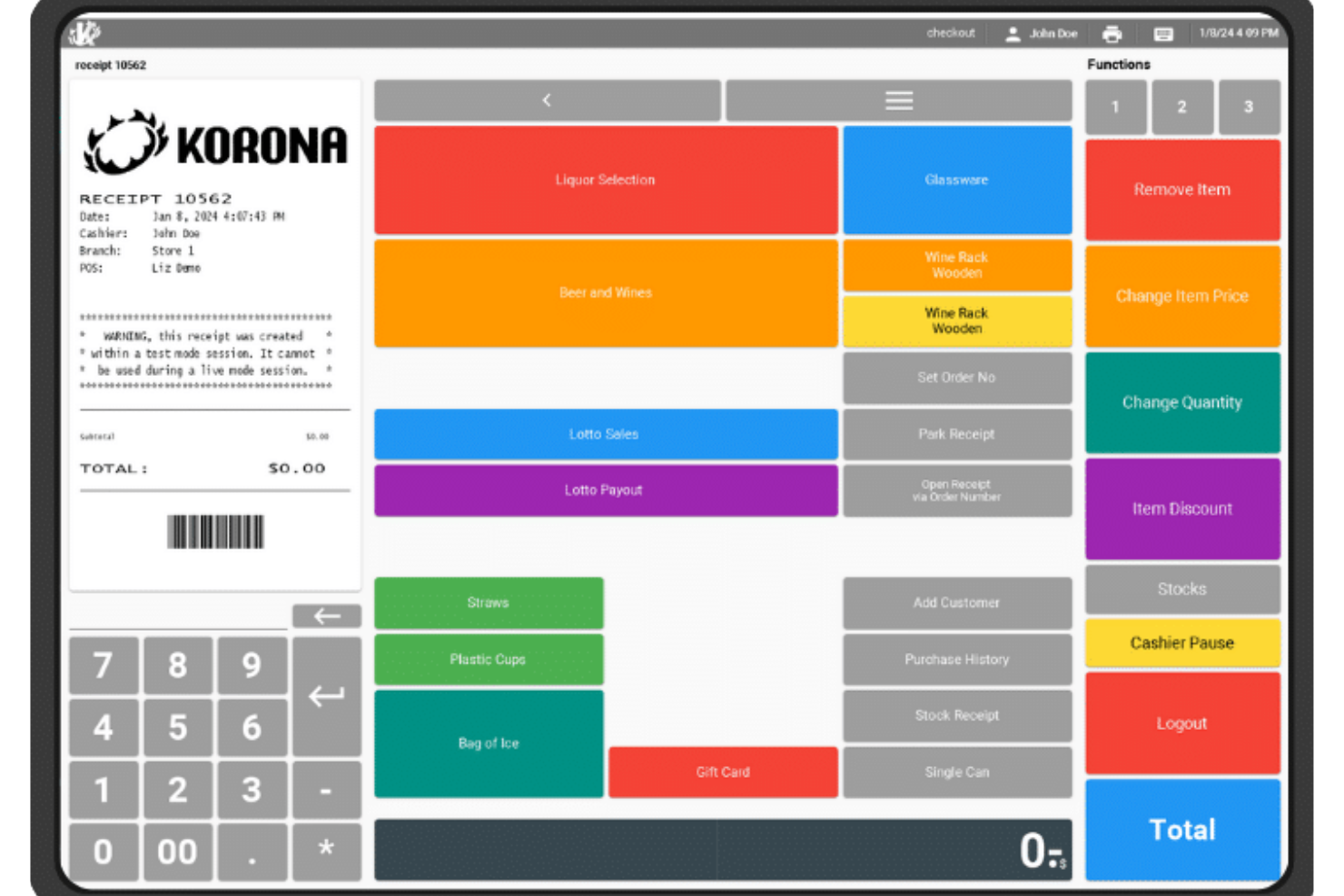
I rivenditori con grande disponibilità di magazzino che sono stanchi di indovinare cosa c'è sugli scaffali utilizzano KORONA POS per mantenere lo stock accurato in tempo reale su tutte le casse e sedi.
È una soluzione più adatta per negozi di liquori, convenience store e rivenditori specializzati che danno priorità all'inventario preciso e alla conformità rispetto a un design front-end appariscente.
Perché ho scelto KORONA POS
Ho scelto KORONA POS perché il suo motore di inventario in tempo reale consente di monitorare lo stock a livello di SKU e impostare punti di riordino automatici, così il tuo team riceve avvisi prima che gli scaffali si svuotino.
Per i rivenditori con più sedi, puoi gestire lo stock tra negozi dalla stessa area amministrativa, inclusi trasferimenti e prezzi specifici per sede, il che rende molto meno complicate le decisioni sull'inventario a livello di catena.
Mi piace anche che si possano generare report dettagliati sulle vendite e sull'inventario con KPI configurabili, aiutando così a collegare il rifornimento alla reale domanda invece che all'intuito. Sono inclusi i controlli per prodotti con limiti di età e tracciabilità delle operazioni, particolarmente utili se gestisci liquori, prodotti per svapo o altre categorie regolamentate.
Funzionalità principali di KORONA POS
Oltre agli strumenti per l'inventario, KORONA POS include funzionalità operative che aiutano i rivenditori a migliorare i controlli e gestire i negozi in modo più efficiente giorno dopo giorno.
- Strumenti per la prevenzione delle perdite: Monitora annullamenti, rimborsi e movimenti di cassa per segnalare attività sospette e ridurre le perdite.
- Permessi e ruoli dei dipendenti: Assegna diritti di accesso dettagliati perché solo il personale autorizzato possa applicare sconti, annullare o accedere a report sensibili.
- Gestione biglietteria ed eventi: Vendi biglietti a tempo, abbonamenti e pass insieme agli articoli retail sullo stesso sistema.
- CRM e fidelizzazione: Cattura i profili clienti al checkout e attiva semplici programmi fedeltà direttamente dal POS.
Integrazioni di KORONA POS
Le integrazioni includono QuickBooks, WooCommerce, Shopify, Magento, BigCommerce, Mailchimp, PayPal, Stripe, Worldpay e Authorize.Net.
Pros and Cons
Pros:
- Inventario in tempo reale con punti di riordino automatici che riducono le rotture di stock e l'eccesso di magazzino.
- Gli strumenti per l'inventario multi-sede supportano trasferimenti, aggregazioni per franchising e cataloghi condivisi.
- I controlli e i report per prodotti con limiti di età aiutano i rivenditori di liquori e tabacchi a rispettare la normativa.
Cons:
- Richiede processori di pagamento di terze parti; nessuna opzione di elaborazione interna nativa.
- Nessuna app mobile completa per la gestione remota del back office.
New Product Updates from KORONA POS

KORONA POS Inventory Updates: CSV Import, Multi-OU, Filters & API
KORONA POS adds Stock Receipt imports, multi-location stock order sourcing, warehouse stock verification for inventory transfers, and External Reference fields for stock orders to improve inventory operations and tracking. For more information, visit KORONA POS's official site.

Ideale per transazioni ecommerce, mobile e in negozio ad alto volume

Per rivenditori di medie e grandi dimensioni che elaborano volumi importanti, il modello di abbonamento di Payment Depot può aiutarti a evitare rincari gonfiati e bollette imprevedibili.
È ideale per commercianti con sede negli Stati Uniti che hanno già un POS o una piattaforma ecommerce esistente e sono più interessati a ridurre i costi di elaborazione che ad ottenere l'ennesimo sistema tutto-in-uno.
Perché ho scelto Payment Depot
Ho scelto Payment Depot perché il modello di abbonamento basato sull'interchange-plus ti permette di eliminare le commissioni inutili pagando invece un abbonamento mensile fisso e bassi costi per transazione, aspetto importante se gestisci medie alte di scontrino o volumi costanti ogni giorno.
Puoi combinare questa tariffazione con soluzioni POS pronte per la vendita al dettaglio come Clover o Vital Select, così i tuoi punti vendita avranno hardware moderno e funzionalità avanzate senza dover restare vincolati ad un processore proprietario.
Se hai già dei terminali, Payment Depot può spesso riprogrammare i dispositivi esistenti, agevolando il cambio di processore senza la necessità di rinnovare tutti gli hardware.
Offre anche copertura per i pagamenti online e mobile—utilizzando strumenti come SwipeSimple insieme a un gateway come Authorize.Net—così puoi gestire pagamenti in negozio, presso il marciapiede e online dallo stesso processore.
Funzionalità chiave di Payment Depot
Ecco alcune capacità utili oltre al suo modello tariffario.
- Tutela e monitoraggio delle tariffe: Ti protegge da aumenti improvvisi dei margini mantenendo la tariffa agganciata all’interchange anziché a piani a livelli poco trasparenti.
- Opzioni di accredito il giorno successivo: I depositi su carta arrivano rapidamente sul tuo conto senza dover aspettare giorni per l’incasso delle vendite del weekend o delle festività.
- Riprogrammazione gratuita dei terminali: Permette di riutilizzare molti dispositivi compatibili, riducendo i costi e i disagi nel passaggio a un nuovo processore.
- Gateway incluso e terminale virtuale: Offre strumenti per checkout online e inserimento manuale senza dover acquistare un abbonamento gateway separato.
Integrazioni di Payment Depot
Le integrazioni includono Clover, Vital Select, SwipeSimple, terminali Dejavoo, terminali Ingenico, WooCommerce, BigCommerce, OpenCart e Authorize.Net.
Pros and Cons
Pros:
- Il modello di abbonamento può ridurre il tasso effettivo per transazioni retail ad alto volume.
- Funziona con POS Clover e Vital Select per la vendita al dettaglio in negozio.
- Può riprogrammare molti terminali esistenti, riducendo i costi iniziali di sostituzione dell'hardware.
Cons:
- Le tariffe mensili di abbonamento raramente sono vantaggiose per commercianti con basso volume di transazioni.
- Disponibile solo per aziende a basso rischio con sede negli Stati Uniti al momento.

Ideale per la vendita omnicanale
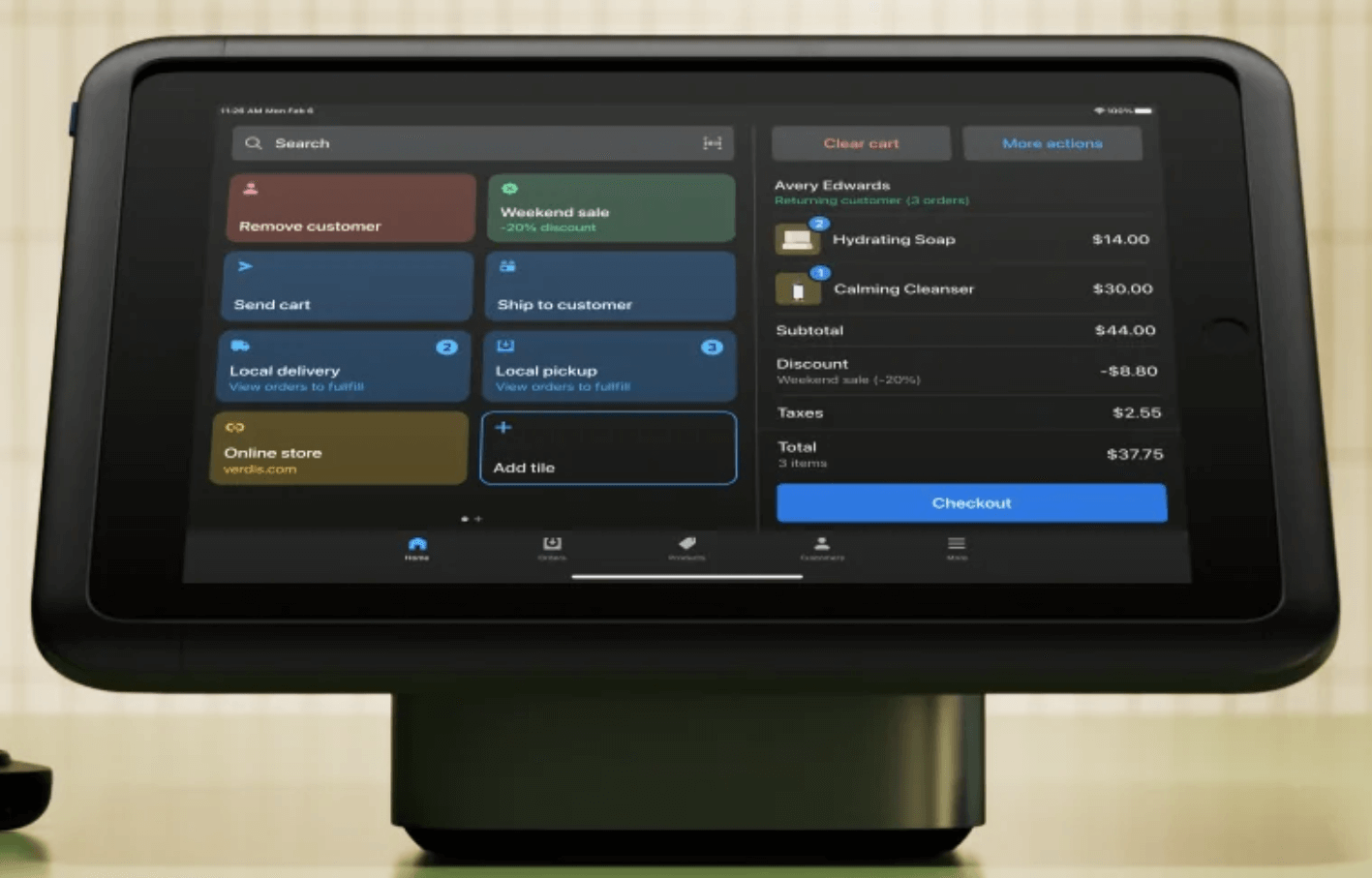
Shopify POS aiuta i negozianti a collegare le operazioni online e in negozio affinché inventario, prezzi e profili clienti rimangano sincronizzati in ogni sede.
È ideale per i marchi omnicanale già su Shopify che desiderano un controllo più stretto su scorte, personale e pagamenti in negozio senza dover adottare una piattaforma POS separata.
Perché ho scelto Shopify POS
Ho scelto Shopify POS per i rivenditori omnicanale che vogliono un unico sistema per gestire prodotti, inventario e clienti sia sull’ecommerce sia nei negozi fisici, evitando di dover usare strumenti separati.
Questo vantaggio deriva dal database condiviso con il tuo store Shopify: ogni vendita—online o in negozio—aggiorna in tempo reale livelli di stock, profili clienti e cronologia ordini.
Apprezzo anche il fatto che sia possibile aggiungere POS Pro quando si è pronti per operazioni retail più avanzate, aggiungendo strumenti come inventario multi-sede, ruoli del personale e reportistica dettagliata, invece di pagare tutto dal primo giorno.
Per i negozianti in crescita, la combinazione di dispositivi Shopify, Shopify Payments e una struttura tariffaria flessibile permette di iniziare in piccolo su fiere o pop-up e poi espandersi in sedi fisiche complete senza cambiare sistema.
Funzionalità principali di Shopify POS
Oltre alla configurazione unificata online/offline, Shopify POS offre una serie di strumenti pensati per la gestione di volumi importanti su più punti vendita.
- Catalogo prodotti unificato: Gestisci prodotti, varianti e prezzi da un’unica interfaccia backend, così l’assortimento online e in negozio resta sempre allineato.
- Profili cliente: Costruisci profili centralizzati che includono cronologia acquisti, preferenze e dati di contatto sia dalle transazioni ecommerce che POS.
- Analisi e report retail: Controlla le vendite per canale, personale e sede; consulta report di magazzino e finanziari per individuare tempestivamente problemi di stock o margine.
- App POS mobile: Usa dispositivi iOS o Android in negozio per la vendita assistita, la gestione delle code e gli eventi pop-up senza sistemi separati.
Integrazioni Shopify POS
Le integrazioni includono QuickBooks Online, Xero, Mailchimp, Klaviyo, ShipStation, Easyship, Google Analytics e Zendesk.
Pros and Cons
Pros:
- Inventario unico per online e negozio riduce esaurimenti e sovravendite su tutti i canali.
- POS Lite incluso in tutti i piani, con POS Pro per funzioni retail avanzate.
- Profili cliente centralizzati favoriscono migliori decisioni di marketing, fedeltà e servizio.
Cons:
- Inventario avanzato, gestione personale e reportistica richiedono il componente aggiuntivo POS Pro a pagamento.
- Pagamenti con carta e sincronizzazione in tempo reale sono limitati in modalità offline.
New Product Updates from Shopify POS
Shopify POS Adds Local Delivery at Checkout
Shopify POS now lets staff create local delivery orders during checkout using existing delivery zones and rates, adding delivery details to carts and receipts. For more information, visit Shopify POS's official site.
 .
.
ePOS
Ideale per la scalabilità

Per i rivenditori in rapida crescita, Epos Now ti aiuta a mantenere negozi, scorte e vendite sincronizzati tra le sedi, senza la sensazione di dover mettere insieme sistemi diversi con soluzioni improvvisate.
È progettato per marchi fisici che vendono sia in negozio che online, e hanno bisogno di visibilità in tempo reale sull'inventario, sulle prestazioni e sull'attività del personale man mano che crescono.
Perché ho scelto Epos Now
Ho scelto Epos Now perché offre ai rivenditori con più sedi un controllo chiaro su scorte e vendite attraverso il monitoraggio in tempo reale dell'inventario e report dettagliati, così puoi vedere esattamente cosa sta vendendo e dove prima di riordinare.
Ottieni anche flussi di lavoro pensati per il retail—come la configurazione degli articoli tramite codice a barre, tabelle taglie/colori e promozioni—che rendono più facile per il tuo team gestire assortimenti complessi in negozi sempre affollati.
Mi piace il fatto che si possa collegare direttamente a piattaforme ecommerce come Shopify e WooCommerce, così ordini online e in negozio condividono gli stessi dati su prodotti e inventario invece di restare in sistemi separati.
Man mano che aggiungi negozi, gli strumenti Multi-Site Manager ti permettono di centralizzare prezzi, gamme di prodotti e regole specifiche per sede, evitando che l'espansione si trasformi in una giungla di fogli di calcolo.
Funzionalità principali di Epos Now
Ecco alcune funzionalità di Epos Now particolarmente utili per i responsabili retail che gestiscono più canali e sedi.
- Strumenti di fidelizzazione clienti: Gestisci programmi e promozioni basati su punti dal POS per incentivare le visite ripetute e aumentare le dimensioni dei carrelli.
- Multi-Site Manager: Raggruppa sedi, imposta prezzi e assortimenti specifici per località, e crea report per regione o cluster di negozi da un unico back office.
- Reportistica avanzata: Monitora best seller, articoli invenduti, orari di maggiore affluenza e la performance del personale così da poter regolare acquisti, turni e promozioni in base ai dati e non solo all'intuito.
- Aggregazione di consegne e ordini: Raccogli ordini da piattaforme di consegna di terze parti nel POS per mantenere inventario e report allineati tra i diversi canali.
Integrazioni di Epos Now
Le integrazioni includono Shopify, WooCommerce, BigCommerce, Magento, QuickBooks, Xero, Mailchimp, Deputy, Worldpay e Zapier.
Pros and Cons
Pros:
- Reportistica e visibilità centralizzate su inventario e vendite tra canali online e in negozio.
- Il Multi-Site Manager supporta la gestione scalabile di prezzi, prodotti e promozioni.
- Solide integrazioni native con piattaforme ecommerce, contabilità, marketing e gestione del personale.
Cons:
- Alcune app avanzate e funzionalità multi-sede richiedono componenti aggiuntivi a pagamento.
- Rallentamenti occasionali su hardware datato durante i periodi di picco.

Helcim
Ideale per il risparmio delle piccole imprese

Helcim è pensato per i rivenditori piccoli e medi che prestano attenzione alle commissioni sulle carte tanto quanto alla lunghezza delle code alla cassa.
Ottieni prezzi interchange-plus senza costi mensili e strumenti che collegano i pagamenti di persona, online e tramite fattura in un unico hub POS e di pagamenti.
Perché ho scelto Helcim
Ho scelto Helcim perché il suo modello di pricing interchange-plus senza costi mensili aiuta i negozianti attenti ai costi a mantenere sotto controllo i margini di elaborazione, anche con l’aumentare del volume.
Puoi aumentare ulteriormente questi risparmi con Helcim Fee Saver, che ti permette di trasferire i costi delle carte di credito ai clienti offrendo loro alternative più economiche come ACH o debito se preferiscono evitare la maggiorazione.
Per le operazioni quotidiane, il tuo staff lavora su un sistema unico che collega i pagamenti in negozio, online e tramite fattura a un inventario e a profili cliente condivisi, così le giacenze e la cronologia degli acquisti restano allineate su tutti i canali.
Mi piace anche il fatto che la stessa struttura di pagamento può supportare oggi un negozio semplice a sede unica e in futuro flussi di lavoro più complessi, perciò non dovrai cambiare sistema appena aggiungi canali o prodotti.
Funzionalità principali di Helcim
Oltre ai vantaggi sui prezzi, Helcim include alcuni strumenti pratici davvero utili per i negozianti.
- Fatturazione e link di pagamento: Crea fatture, pagine di pagamento e richieste di pagamento occasionali dalla stessa piattaforma che usi in negozio, così puoi fatturare ordini speciali, clienti all’ingrosso o servizi senza dover aggiungere altri strumenti.
- Pagamenti ricorrenti e carta in archivio: Conserva in sicurezza i dati delle carte dei clienti e imposta addebiti ricorrenti per abbonamenti, piani servizio o prodotti in sottoscrizione legati alla tua attività.
- Reportistica e analisi: Monitora vendite, commissioni, versamenti e tasse da una sola dashboard per comprendere le prestazioni per sede, membro dello staff o canale di vendita.
- Strumenti integrati contro frodi e per la sicurezza: Affidati a infrastrutture PCI Livello 1, tokenizzazione e Helcim Fraud Defender per segnalare transazioni rischiose e ridurre i chargeback.
Integrazioni Helcim
Le integrazioni includono QuickBooks Online, Xero, WooCommerce e Foxy.io.
Pros and Cons
Pros:
- Il pricing interchange-plus senza costi mensili favorisce la crescita dei volumi retail.
- Gli strumenti Fee Saver aiutano a compensare le commissioni sulle carte incentivando ACH e debito.
- Piattaforma unificata POS e pagamenti collega vendite in negozio, online e tramite fattura.
Cons:
- Attualmente disponibile solo per commercianti di Stati Uniti e Canada.
- La profondità delle funzionalità potrebbe risultare limitata per catene retail molto complesse e multi-sede.

Clover
Ideale per una varietà di opzioni hardware

Clover è una scelta ideale per i rivenditori che desiderano maggiore controllo sulla configurazione in negozio, grazie a terminali multipli, dispositivi portatili e lettori di carte mobili che si possono combinare a piacimento per corsia o posizione.
È perfetto per commercianti brick-and-mortar in crescita o multicanale che hanno a cuore la precisione dell’inventario, la rapidità in cassa e la possibilità di integrare fedeltà o ecommerce senza dover ricostruire completamente l’infrastruttura.
Perché ho scelto Clover
Ho scelto Clover perché consente di costruire la struttura hardware in base al reale funzionamento del negozio—usando Station Duo al banco, Mini su una cassa secondaria e Flex o Go per transazioni tra le corsie o sul marciapiede.
Questa flessibilità permette di pensare prima al flusso di cassa e poi collegare i dispositivi corretti, invece di costringere ogni scenario su un unico terminale.
Il team dispone anche di strumenti pensati per il retail come cataloghi articoli con codici a barre, varianti taglia/colore e avvisi di esaurimento scorte, che aiutano a mantenere gli scaffali riforniti e a ridurre i conteggi manuali. Questi vantaggi derivano dai flussi di lavoro per l’inventario integrati in Clover che convivono sulle stesse schermate delle app di vendita, così il personale non deve passare da un sistema all’altro.
Per affidabilità nei pagamenti, Clover permette l’accettazione di carte offline su Mini e Flex, consentendo di continuare a incassare anche durante brevi interruzioni di internet e di sincronizzare tutto una volta ristabilita la connessione.
Tutto ciò si gestisce tramite l’impostazione Pagamenti Offline sui dispositivi Clover, dove puoi impostare limiti agli importi dei ticket e al volume offline totale per controllare i rischi.
Infine, apprezzo la possibilità di estendere il POS principale con componenti aggiuntivi mirati dal market delle app di Clover—come la gestione presenze, programmi fedeltà e connettori ecommerce—così si aggiunge solo ciò che serve davvero invece di pagare un pacchetto all-in-one pieno di funzioni inutilizzate.
Funzionalità chiave di Clover
Ecco alcune altre funzionalità di Clover rilevanti per le moderne attività di vendita al dettaglio.
- Profili clienti e fedeltà: Raccogli i dati dei clienti in cassa e collegali a programmi fedeltà e ricompense, in modo che i clienti abituali vedano effettivamente i vantaggi legati al loro storico acquisti.
- Gestione del personale e rilevazione presenze: Usa app come Homebase sui dispositivi Clover per timbrature, visualizzazione dei turni e analisi lavoro vs. vendite, rendendo le decisioni sulle risorse meno istintive e più basate sui dati.
- Terminale virtuale e pagamenti a distanza: Incassa pagamenti con carta a distanza o digitati tramite terminale virtuale via browser, così puoi gestire ordini telefonici, acconti o fatturazione anche senza lettore fisico.
- Analisi e reportistica: Estrai report su vendite, prodotti e performance del personale da un’unica dashboard, trasformando le transazioni in analisi utilizzabili per acquisti e assegnazione risorse.
Integrazioni di Clover
Le integrazioni includono QuickBooks, Xero, Shopify, BigCommerce, WooCommerce, Homebase, Mailchimp, Loyalzoo e bLoyal.
Pros and Cons
Pros:
- Più dispositivi Clover supportano postazioni al banco, soluzioni mobili e chioschi self-service.
- La modalità carta offline permette di continuare a vendere durante brevi interruzioni di rete.
- Grande marketplace di app collega il POS a strumenti ecommerce, fedeltà e gestione del personale.
Cons:
- Costi di hardware e transazioni possono superare quelli delle soluzioni POS economiche.
- Hardware proprietario difficile da riutilizzare se si cambia fornitore POS in seguito.

El mejor software básico para la presentación de declaraciones
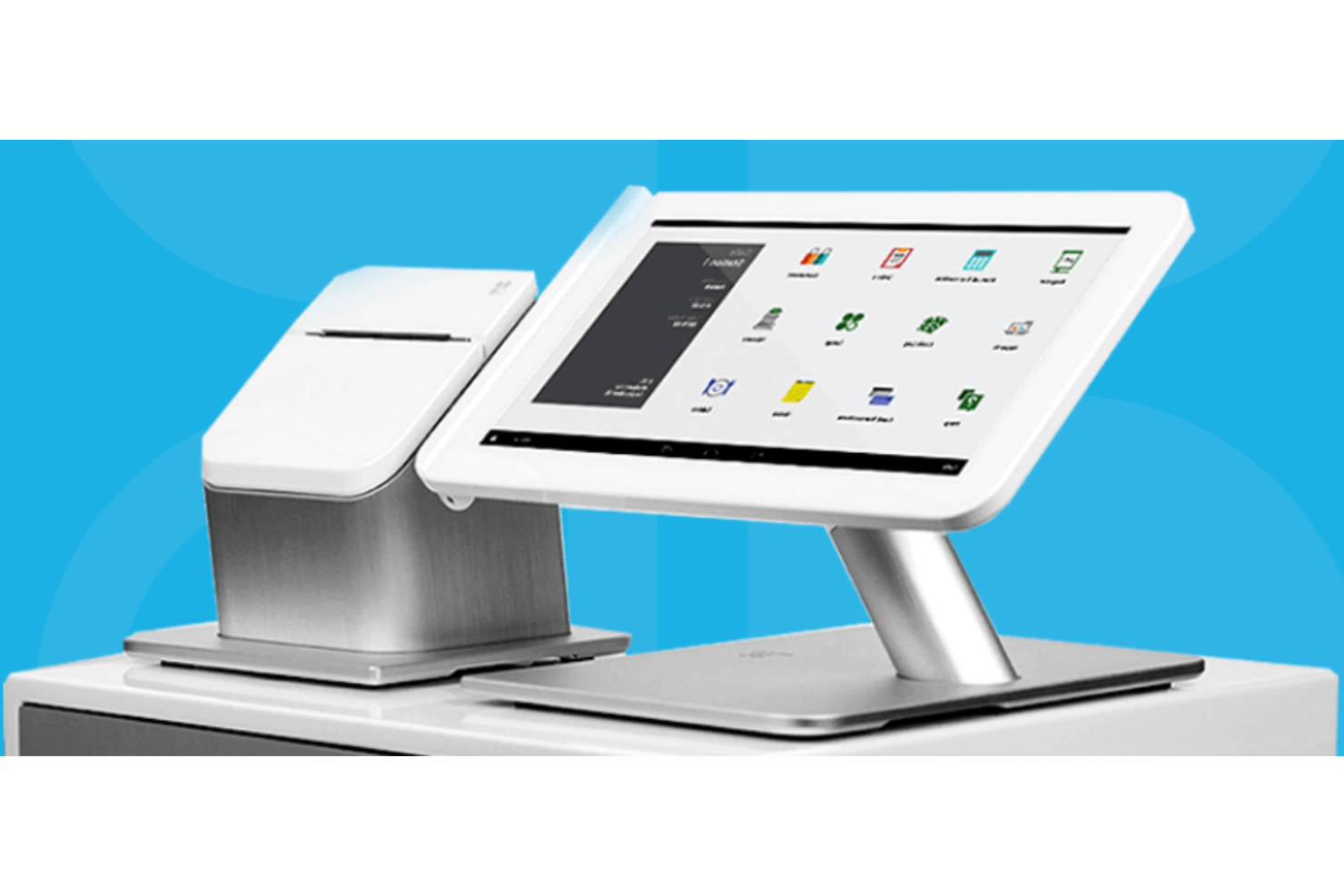

Il miglior sistema POS per negozi senza impegni

Per i piccoli rivenditori, venditori ambulanti e negozi temporanei che vogliono accettare pagamenti con carta senza impegnarsi in lunghi contratti, PayPal POS offre un modo a basso impegno per iniziare a ricevere pagamenti di persona.
Ricevi un'app gratuita, hardware semplice e accesso diretto all'ecosistema PayPal, così puoi mantenere i costi prevedibili mentre testi o fai crescere una presenza fisica nel retail.
Perché ho scelto PayPal POS
Ho scelto PayPal POS per i rivenditori che vogliono iniziare rapidamente ad accettare pagamenti di persona, perché il software non ha costi mensili e utilizza una tariffa fissa per transazione su cui puoi effettivamente pianificare.
Scarichi l'app, abbini un lettore di carte compatto o un terminale, e sei pronto ad accettare pagamenti con chip, contactless, wallet digitali e codici QR al bancone o in movimento.
Se usi già PayPal per i pagamenti online, le tue vendite in negozio confluiscono nello stesso conto PayPal Business, il che ti aiuta a vedere insieme i ricavi dell'ecommerce e quelli in presenza invece di dover gestire più processori.
Gli strumenti di gestione dell'inventario ti permettono di creare un catalogo prodotti di base e monitorare le scorte mentre vendi, sufficiente per boutique, pop-up e negozi specializzati che non hanno bisogno di un complesso ERP retail dietro le quinte.
Caratteristiche principali di PayPal POS
Oltre alla rapida configurazione e al modello di prezzi, alcune funzionalità rendono PayPal POS pratico per le operazioni quotidiane di vendita al dettaglio.
- Dashboard dei report sulle vendite: Visualizza vendite giornaliere, rimborsi e importo medio degli scontrini in un unico dashboard.
- Avvisi di scorte basse: Ricevi notifiche quando gli articoli stanno per terminare, così puoi riordinare prima che gli scaffali siano vuoti.
- Supporto carte regalo: Vendi e riscatta carte regalo direttamente tramite l'app POS per incentivare le visite ripetute.
- Monitoraggio base dello staff: Aggiungi membri del team con accessi individuali per vedere chi ha effettuato ciascuna vendita.
Integrazioni PayPal POS
Le integrazioni includono QuickBooks Online, Xero, BigCommerce, Shopify, Shopware, WooCommerce, PrestaShop e NearSt.
Pros and Cons
Pros:
- Nessun costo mensile per il software; paghi solo per le transazioni elaborate.
- Hardware orientato al mobile ideale per pop-up, bancarelle e piccoli negozi.
- Si sincronizza con i principali strumenti di ecommerce e contabilità per unificare i dati di vendita.
Cons:
- Nessuna modalità offline, quindi non puoi elaborare pagamenti con carta senza internet.
- Funzionalità di base per i rivenditori con più negozi che necessitano di funzioni POS avanzate.

eHopper
Ideale per cash discounting e sovrapprezzo su carte di credito

eHopper è pensato per i rivenditori che sono stanchi di vedere le commissioni sulle carte erodere margini già sottili.
È adatto per piccoli negozi di alimentari, minimarket e rivenditori specializzati che vogliono la doppia tariffazione, strumenti di gestione dell'inventario di base e un ingresso gratuito nel sistema POS e nell'elaborazione dei pagamenti.
Perché ho scelto eHopper
Ho scelto eHopper perché i suoi strumenti integrati di cash discounting e sovrapprezzo ti permettono di compensare direttamente le commissioni delle carte nel POS, invece di assorbirne i costi.
Puoi configurare le regole di doppia tariffazione dal back office così il sistema applica automaticamente il prezzo corretto per pagamenti con carta o lo sconto per pagamento in contanti al momento del pagamento; le ricevute riflettono questa logica, garantendo maggiore conformità e meno conversazioni imbarazzanti al banco.
Apprezzo anche il fatto che si possa cominciare con il piano Essential da $0 usando l'elaborazione eHopper, così anche i rivenditori molto piccoli possono ottenere un vero POS e terminale senza un grande investimento iniziale.
Crescendo, i piani a pagamento aggiungono più registratori di cassa e funzionalità mantenendo però il vantaggio principale: la possibilità di trasferire i costi di elaborazione in modo controllato e gestito dal sistema invece che improvvisare in cassa.
Caratteristiche principali di eHopper
Oltre alla logica di pricing, eHopper offre strumenti pratici pensati per il piccolo retail e mercati specializzati.
- Controlli di inventario per negozi: Traccia i livelli di stock, gestisci regolazioni e trasferimenti, e ricevi avvisi di scorte basse per evitare errori sugli ordini da riassortire.
- Supporto EBT e articoli speciali: Accetta EBT e vendi articoli a peso o con tracciamento deperibile, particolarmente utile per piccoli negozi di alimentari e gastronomie.
- Integrazione con QuickBooks: Sincronizza vendite, tasse, mance e spese in QuickBooks per ridurre la contabilità manuale e la riconciliazione di fine mese.
- Integrazioni per ordini di consegna: Importa ordini online da Uber Eats, DoorDash e Grubhub direttamente nel POS, così il personale gestisce una sola coda invece di tre tablet.
Integrazioni di eHopper
Le integrazioni includono QuickBooks, WooCommerce, Uber Eats, DoorDash, Grubhub e Mailchimp.
Pros and Cons
Pros:
- Strumenti automatici di sovrapprezzo e cash discount riducono le commissioni su carte.
- Piano Essential gratuito con POS e sistema di pagamento per negozi con budget ridotto.
- Supporta EBT e tracciamento articoli a peso per attività alimentari.
Cons:
- Integrazioni e strumenti e-commerce limitati rispetto ai concorrenti.
- Funziona solo su Android, Windows e hardware proprietario; nessuna app iPad.
Altre opzioni
Anche se durante la mia ricerca non sono entrati nella mia lista finale, ho trovato alcuni strumenti aggiuntivi che vale la pena prendere in considerazione.
- Revel Systems
Ideale per l’elaborazione di pagamenti offline
- ProMerchant
Ideale per chiarezza tariffaria e supporto
- Total by NCR Silver
Ideale per rivenditori con più sedi
- TouchBistro
Ideale per l’efficienza nella gestione dei tavoli
- Rain POS
Ideale per integrazione sito web e marketing
- Payline Data
Ideale per rafforzare la fedeltà dei clienti
- STAX
Ideale per grandi volumi di transazioni
- Square
La migliore soluzione tutto-in-uno


Come valuto i sistemi POS per il retail
Valuto ogni POS per il retail su due livelli: le funzionalità di base—cassa, inventario, pagamenti—che un sistema deve avere per entrare nella lista, e i fattori che rendono uno strumento adatto a una specifica attività commerciale.
Funzionalità principali (Requisiti minimi per questa lista)
Quando seleziono gli strumenti per la mia lista, valuto ciascuno su una scala da 0 (non offre la funzionalità) a 5 (eccelle in questa area) per ogni funzione principale elencata qui sotto. Poi, calcolo il punteggio totale dello strumento in percentuale. Ogni strumento deve raggiungere un punteggio totale minimo del 65% per essere considerato per l'inclusione.
- Gestione delle transazioni di vendita: Controllo se il registratore gestisce pagamenti con più metodi, sconti cumulabili e resi senza soluzioni alternative—situazioni che un cassiere affronta durante un weekend intenso.
- Gestione dell'inventario: Il monitoraggio delle scorte in tempo reale con supporto a codice a barre/SKU è fondamentale, ma cerco anche avvisi di scorte basse, gestione delle varianti per articoli come abbigliamento taglie e strumenti per ordini di acquisto.
- Integrazione con sistemi di pagamento: Valuto se il sistema supporta pagamenti EMV chip, contactless e wallet mobile, e se vincola a un unico processore oppure lascia libertà di scelta.
- Reportistica e analisi retail: I report di vendita standard non bastano, cerco indicatori specifici per il retail come il tasso di sell-through, margini per categoria e SKU più venduti nelle diverse sedi.
- Gestione clienti & programmi fedeltà: Oltre ai semplici profili cliente, verifico come il sistema gestisce programmi fedeltà, carte regalo e credito in negozio—funzioni che incentivano le visite ripetute nei negozi fisici.
- Supporto multi-canale & hardware: Valuto la compatibilità con lettori barcode, stampanti di ricevute e cassetti portadenaro, oltre alla sincronizzazione di inventario e ordini con un negozio online.
Una volta definita la lista degli strumenti che soddisfano questi requisiti, esamino cosa distingue ciascuna piattaforma.
Fattori differenzianti (Cosa distingue i fornitori)
Ecco come confronto e metto in evidenza le differenze tra i fornitori:
Funzionalità distintive
La capacità di POS mobile è un elemento di differenziazione importante—valuto se gli addetti possono completare una vendita o controllare lo stock direttamente da un tablet in area vendita, utile nei momenti di maggior affluenza e durante eventi temporanei. La modalità offline è fondamentale, perché una connessione internet instabile non dovrebbe bloccare le transazioni. Verifico anche la sincronizzazione eCommerce integrata per capire se il sistema mantiene allineati in tempo reale gli stock online e in negozio senza importazione manuale di CSV o software di terze parti.
Oltre alle funzionalità
Il costo totale di proprietà è un aspetto cruciale della valutazione—alcuni fornitori applicano tariffe per ogni registratore, altri per ogni sede, e le commissioni di pagamento nascoste possono intaccare lentamente i margini. Anche l’attinenza verticale conta: un negozio di gioielli che traccia articoli serializzati ha esigenze molto diverse rispetto a un alimentari che vende a peso. Infine, verifico come ogni sistema si integra con software contabili come QuickBooks o Xero, poiché l'inserimento manuale dei dati di vendita a fine mese è un problema che la maggior parte dei negozianti vuole evitare.
Che cos'è un sistema POS per la vendita al dettaglio?
Un sistema POS per la vendita al dettaglio è lo strumento centrale che ti aiuta a elaborare le transazioni in negozio, gestire l'inventario e monitorare le vendite in tempo reale.
Combinando hardware come lettori di codici a barre e stampanti per ricevute con software intelligenti, un sistema POS per la vendita al dettaglio semplifica le operazioni alla cassa, i resi e l'elaborazione dei pagamenti.
Molti rivenditori collegano inoltre il proprio POS a software per la gestione della vendita al dettaglio e software di analisi per la vendita al dettaglio per mantenere accurati i dati dell'inventario e ottenere report istantanei sulle vendite. In breve, un sistema POS per la vendita al dettaglio mantiene il tuo negozio operativo senza intoppi e ti evita i problemi della gestione manuale.
Come scegliere un sistema POS per la vendita al dettaglio
Scegliere un sistema POS non significa inseguire dashboard appariscenti: significa risolvere i problemi quotidiani che rallentano il tuo team. Segui questi passaggi per individuare la soluzione più adatta alla tua attività di vendita al dettaglio.
| Fase | Cosa valutare | Perché è importante |
|---|---|---|
| 1. Definisci gli elementi indispensabili del tuo negozio | Elenca le funzioni essenziali di cui hai bisogno: velocità del pagamento, report delle vendite in tempo reale, fidelizzazione dei clienti | Evita di pagare per funzioni superflue che non utilizzerai mai |
| 2. Testa il flusso di pagamento | Esegui una transazione reale sul tuo hardware (iPad, schermo tattile, lettore di codici a barre) | Garantisce che il personale impari a utilizzarlo rapidamente e che i clienti completino il pagamento senza difficoltà |
| 3. Verifica le integrazioni | Collega la piattaforma di commercio elettronico, il software di contabilità e il CRM | Mantiene i dati sincronizzati e riduce i problemi di riconciliazione |
| 4. Valuta l'inserimento e l'assistenza | Pianifica una chiamata per la configurazione e chiedi informazioni sulle risorse formative e sugli SLA | Riduce al minimo i tempi di inattività quando si verificano problemi nelle ore di punta |
| 5. Confronta il costo totale di possesso | Somma i costi mensili, i costi dell'hardware e le tariffe per l'elaborazione dei pagamenti | Protegge i margini ed evita costi imprevisti in futuro |
Lascia che questa tabella di marcia ti guidi dalla demo all'implementazione, così potrai tornare a gestire il tuo negozio invece di lottare con il software.
Le principali funzioni dei sistemi POS per la vendita al dettaglio
Non tutte le piattaforme POS sono uguali. L'insieme di funzioni giusto trasforma il tuo punto vendita da semplice cassa a centro di comando per pagamenti, monitoraggio dell'inventario e fidelizzazione dei clienti.
- Gestione dell'inventario in tempo reale. Aggiornamenti istantanei delle scorte sui canali in negozio e online, per non vendere mai più prodotti di quelli disponibili né ordinarne meno del necessario.
- Pagamento omnicanale. Sistema POS unificato per gli ordini in presenza, da dispositivi mobili e online, senza più importazioni manuali dei dati.
- Programmi di fidelizzazione dei clienti. Premi, buoni regalo e incentivi a livelli integrati per stimolare gli acquisti ripetuti e aumentare il valore medio degli ordini.
- Pannello di controllo completo per i report. Report sulle vendite utili per prendere decisioni, margini e metriche delle operazioni quotidiane sempre a portata di mano, senza dover ricorrere a complicate elaborazioni in Excel.
- Elaborazione integrata dei pagamenti. Supporto per carte di credito, carte di debito, pagamenti contactless e portafogli mobili, con sicurezza conforme allo standard PCI integrata.
- Compatibilità con l'hardware. Supporto pronto all'uso per lettori di codici a barre, stampanti di ricevute, cassetti portadenaro, tablet con schermo tattile e supporti per iPad.
- Integrazioni con CRM e contabilità. Sincronizzazione fluida dei dati con piattaforme di commercio elettronico, software di contabilità e strumenti per i dati dei clienti, per dimezzare il lavoro di riconciliazione.
- Strumenti per la gestione dei dipendenti. Autorizzazioni degli utenti, pianificazione dei turni e funzioni di rilevazione delle presenze che aiutano a gestire il ricambio del personale e a mantenere sotto controllo i costi del personale.
- Modalità offline. Continua a registrare le vendite quando la connessione Wi-Fi cade, quindi sincronizza automaticamente le transazioni quando torni online.
- Gestione amministrativa basata sul cloud. Accedi al pannello di controllo e ai report da qualsiasi dispositivo, a casa, sul piano vendita o durante la gestione di punti vendita temporanei.
I principali vantaggi dei sistemi POS per la vendita al dettaglio
Un sistema POS non è solo una cassa sofisticata: è un elemento fondamentale che semplifica le operazioni quotidiane, protegge i margini e migliora l'esperienza dei clienti.
- Pagamenti più rapidi. Scansioni più veloci e regole fiscali preconfigurate significano code più brevi, clienti più soddisfatti e meno stress per gli addetti alla cassa.
- Report accurati sulle vendite. I pannelli di controllo in tempo reale sostituiscono le riconciliazioni di fine giornata, permettendoti di individuare tendenze e segnali d'allarme nel momento in cui si verificano.
- Riduzione delle scorte esaurite e in eccesso. I punti di riordino automatici e gli strumenti per gli ordini di acquisto mantengono ottimizzati i livelli di inventario senza continui controlli manuali.
- Esperienza del cliente migliorata. Le funzioni integrate di fidelizzazione e la sincronizzazione dei dati dei clienti consentono di personalizzare le promozioni e velocizzare i resi.
- Commissioni di elaborazione più basse. Modelli di prezzo trasparenti e opzioni interchange-plus aiutano le piccole imprese a proteggere i margini su ogni transazione.
- Piani tariffari scalabili. Piani che crescono insieme al tuo negozio, che si tratti di un carretto del caffè gestito da una sola persona o di una catena di abbigliamento con più sedi.
- Semplificazione delle attività amministrative. Le esportazioni contabili automatiche e le integrazioni con le piattaforme di commercio elettronico significano meno lavoro ripetitivo e più tempo sul piano vendita.
- Maggiore sicurezza e conformità. L'elaborazione dei pagamenti certificata PCI, i controlli delle autorizzazioni e i backup dei dati ti proteggono da frodi e tempi di inattività.
- Gestione da remoto. I pannelli di controllo basati sul cloud e le app POS mobili ti consentono di monitorare le vendite, gestire il personale e modificare le impostazioni da qualsiasi luogo.
- Assistenza clienti costante. L'accesso a responsabili dedicati e basi di conoscenza garantisce che i tempi di inattività rimangano brevi quando hai bisogno di aiuto.
Costi e prezzi dei sistemi POS per la vendita al dettaglio
I prezzi dei POS per la vendita al dettaglio possono variare dai piani gratuiti di base ai piani aziendali personalizzati. La scelta dovrebbe bilanciare i costi mensili, quelli dell'hardware e le commissioni sulle transazioni in base alle funzionalità di cui hai effettivamente bisogno.
| Tipo di piano | Canone mensile medio | Funzionalità comuni | Ideale per |
|---|---|---|---|
| Piano gratuito | $0 | Cassa di base, elaborazione standard dei pagamenti, report | Venditori singoli e negozi temporanei |
| Piano base | $29–$79 | Monitoraggio dell'inventario, supporto per stampanti di ricevute, integrazioni di base | Piccoli negozi al dettaglio |
| Piano professionale | $79–$199 | Programmi fedeltà, supporto per più sedi, analisi avanzate | Negozi e boutique in crescita |
| Piano aziendale | Prezzi personalizzati | Accesso API, account manager dedicato, sicurezza avanzata | Catene e franchising con più sedi |
Considerazioni aggiuntive sui costi
- Investimenti nell'hardware. Terminali POS, cassetti portadenaro, lettori di codici a barre e stampanti di ricevute possono aggiungere centinaia o migliaia di dollari ai costi iniziali.
- Commissioni sulle transazioni. Anche i piani “gratuiti” applicano commissioni di elaborazione (in genere 1.6%–2.9% + $0.10–$0.30 per transazione). Tieni conto del valore medio degli scontrini e del volume delle vendite.
- Componenti aggiuntivi e moduli. Funzionalità come i connettori per l'e-commerce, i programmi fedeltà avanzati o la gestione dei dipendenti spesso prevedono costi mensili aggiuntivi o commissioni per utente.
- Livelli di supporto e assistenza. L'assistenza telefonica 24 ore su 24, 7 giorni su 7 o gli specialisti dedicati all'avvio possono costare di più, ma consentono di risparmiare ore durante la configurazione e nei periodi di punta.
- Durata del contratto e commissioni di disdetta. Presta attenzione agli impegni annuali o alle penali per la disdetta anticipata, che possono annullare eventuali tariffe iniziali “gratuite” o scontate.
Domande frequenti sui POS per il commercio al dettaglio
Hai ancora domande? Ecco le risposte ad alcune delle domande più frequenti sui sistemi POS per il commercio al dettaglio.
Di quale hardware ho bisogno per iniziare a utilizzare un sistema POS per il commercio al dettaglio?
Come minimo, ti serviranno un tablet o un terminale, un cassetto portadenaro, una stampante per ricevute e uno scanner di codici a barre. Se accetti pagamenti con carta, aggiungi un lettore di carte conforme allo standard PCI o un dispositivo senza contatto per i pagamenti rapidi. Una connessione Wi-Fi o Ethernet e un router affidabile mantengono attivo il flusso dei dati. Tra gli extra opzionali figurano bilance per gli articoli venduti a peso e un secondo display per i messaggi rivolti ai clienti.
Un sistema POS può funzionare quando manca la connessione Internet?
La maggior parte dei moderni sistemi basati sul cloud offre una modalità offline. Potrai comunque scansionare gli articoli e accettare pagamenti; le transazioni vengono messe in coda localmente e sincronizzate automaticamente quando torni online. Verifica sempre il funzionamento offline e le modalità di sincronizzazione durante la dimostrazione: non c’è niente di peggio di un buco nero nei dati quando la connessione vacilla.
Come scelgo il piano tariffario giusto per il mio negozio?
Inizia elencando le funzionalità indispensabili: programmi fedeltà, supporto per più sedi, reportistica avanzata. Confrontale con il canone mensile, il pacchetto hardware e le commissioni sulle transazioni di ciascun piano.
Calcola il valore medio dello scontrino e il volume delle vendite per stimare le commissioni di elaborazione. Se gestisci da solo un negozio temporaneo, potrebbe essere sufficiente un piano gratuito o base; le catene in crescita preferiranno i livelli professionale o aziendale.
Il mio POS si integrerà con la piattaforma di commercio elettronico e il software di contabilità?
Sì: i sistemi principali si sincronizzano in tempo reale con Shopify, WooCommerce, BigCommerce, QuickBooks, Xero e altri ancora. Verifica prima la presenza di connettori nativi; se utilizzi uno strumento di nicchia, assicurati che siano disponibili un’API o il supporto per Zapier. L’integrazione mantiene ordinata la contabilità e accurati i livelli delle scorte, senza esportazioni manuali.
Quanto dura l'avvio e quale supporto posso aspettarmi?
I tempi di avvio variano: le configurazioni semplici richiedono uno o due giorni, mentre le implementazioni aziendali possono durare settimane. Cerca fornitori che offrano responsabili di progetto dedicati, servizi di migrazione dei dati e sessioni di formazione dal vivo.
Chiedi sempre un accordo sul livello di servizio per l’avvio e controlla le recensioni per conoscere i tempi effettivi di risposta dell’assistenza.
Quanto sono sicuri i miei pagamenti e i dati dei clienti?
I sistemi POS per il commercio al dettaglio dovrebbero essere certificati PCI e offrire la crittografia end-to-end o la tokenizzazione. Le autorizzazioni utente granulari proteggono le impostazioni dell’area amministrativa, mentre i backup automatici giornalieri proteggono dalla perdita di dati. Durante la dimostrazione, chiedi un documento tecnico sulla sicurezza o un rapporto di verifica per confermare la conformità.